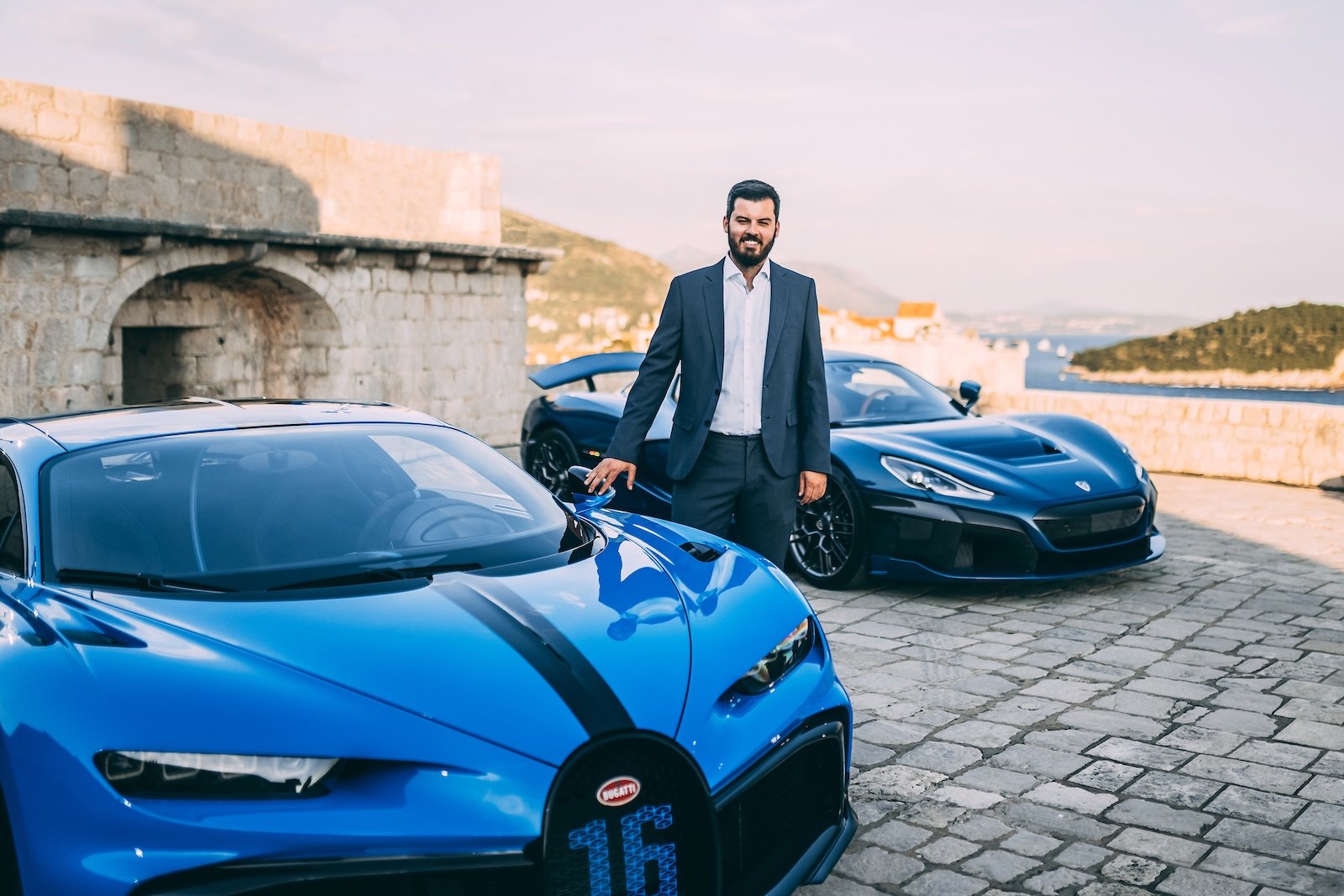
Since Mate Rimac appeared on the cover of Autostrada in 2024, the Croatian entrepreneur has continued to make headlines as the head of Bugatti Rimac and his namesake electric hypercar company. Most recently, he found himself at the centre of an unusual international pursuit after a thief made off with his multimillion-dollar Bugatti Chiron from the company’s Croatian headquarters. Rimac jumped into his Porsche 911 and followed the stolen hypercar across Europe, eventually catching up with the suspect in Austria. Read the full story here.
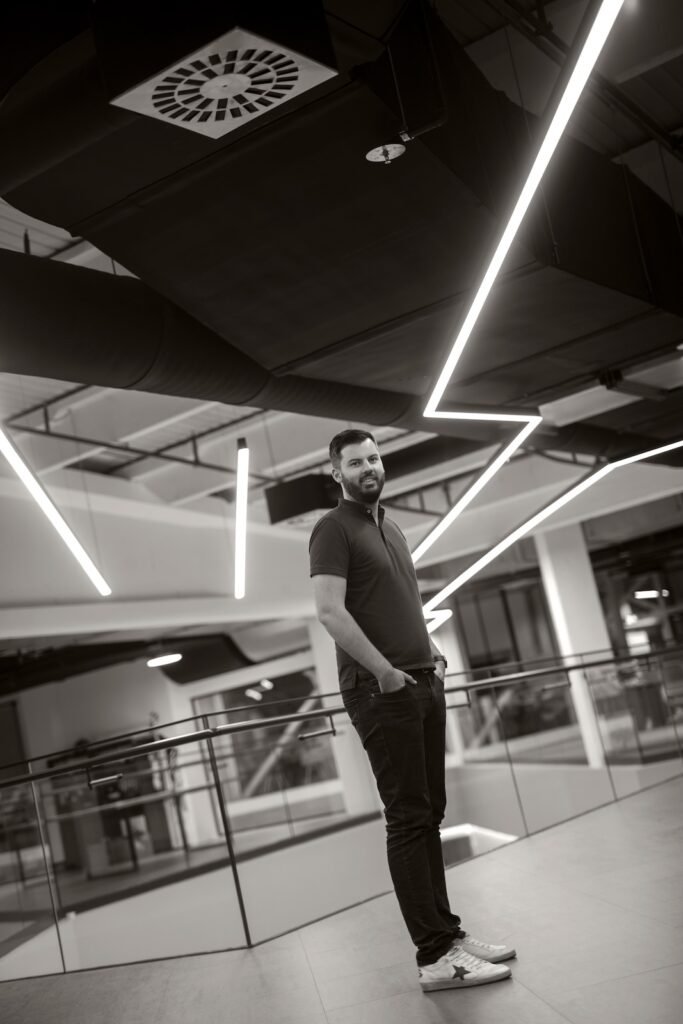
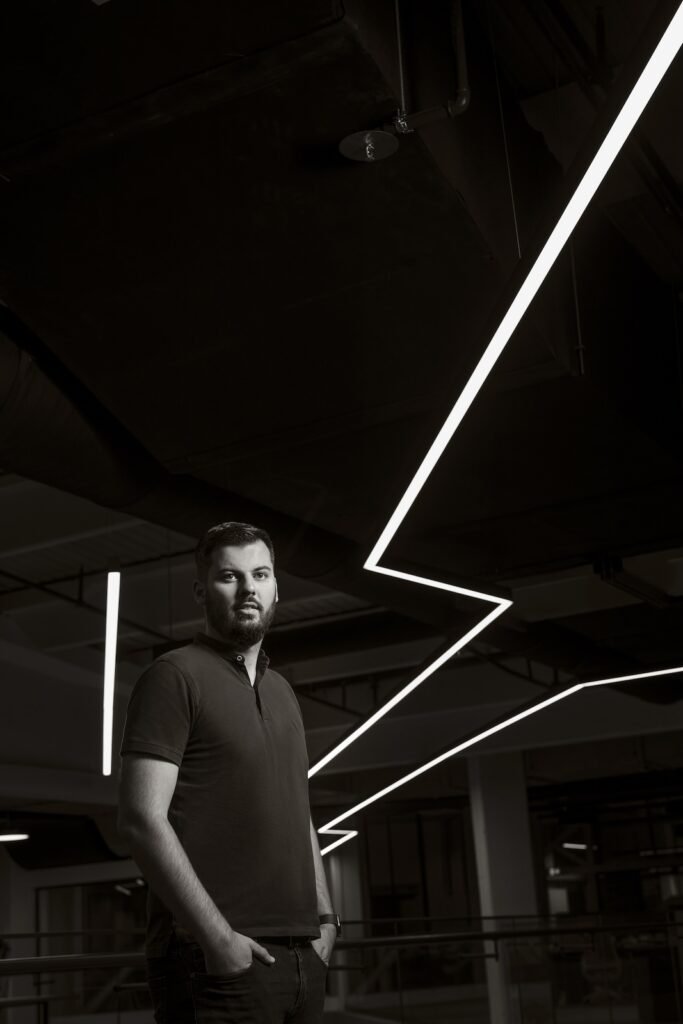
Mate Rimac spent his 36th birthday travelling to Toronto. And this past Valentine’s Day, instead of being at home in Croatia with his girlfriend, he spent part of his morning at Toronto’s Grand Touring Automobiles dealership doing an interview for yet another magazine cover-story.
“Well, I actually made a nice surprise for her,” says the founder and CEO of Rimac Group. Valentine’s Day isn’t such a big deal in Croatia. But travelling on your birthday, that seems to sting a bit.
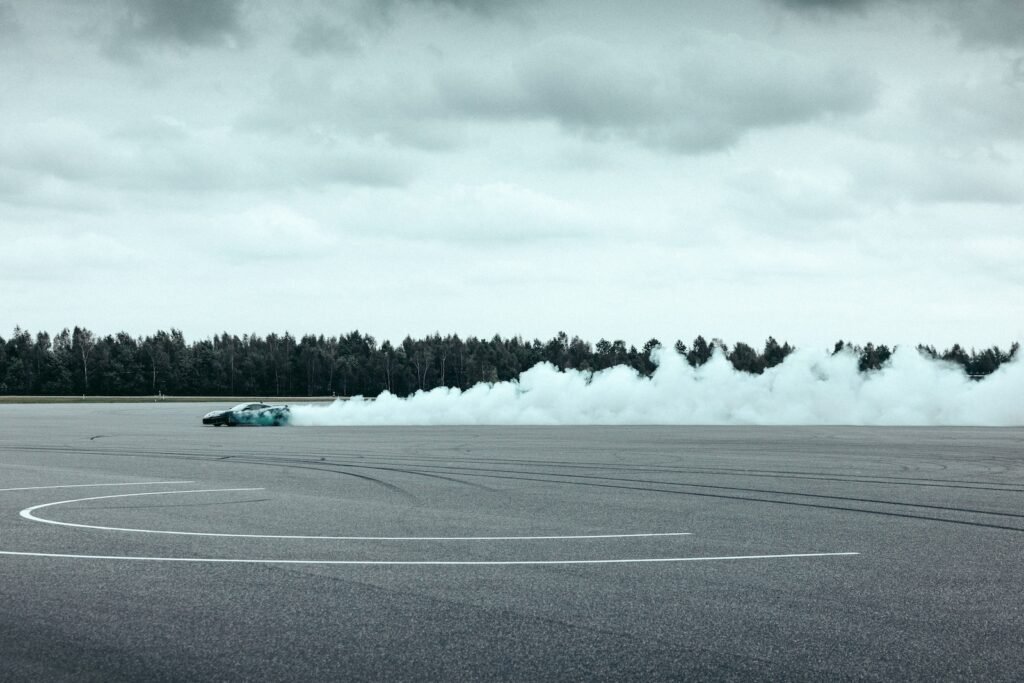
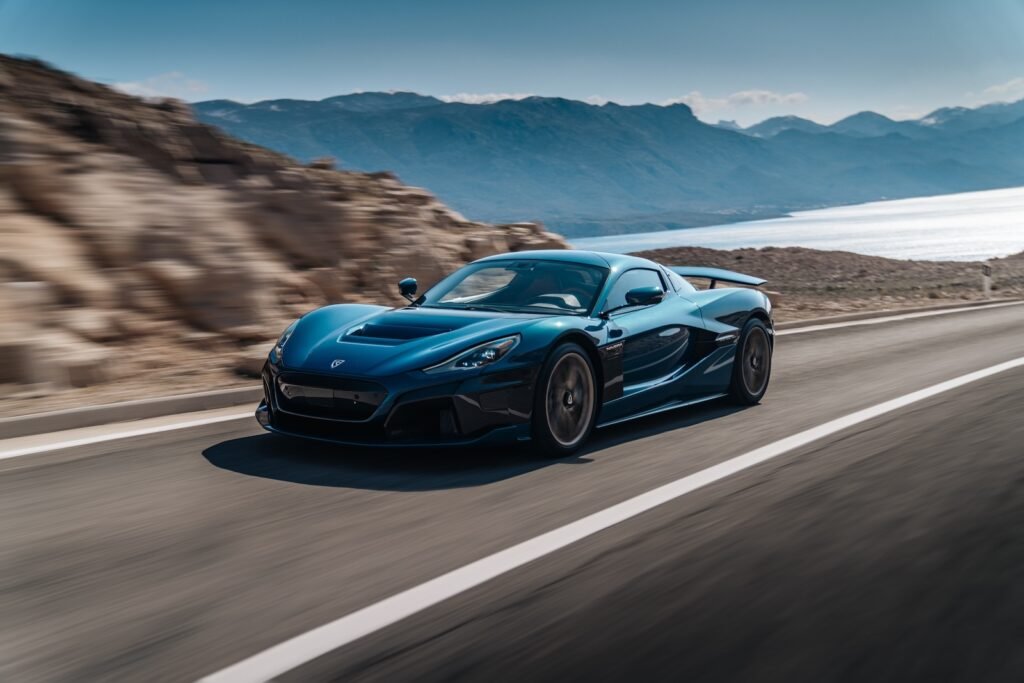
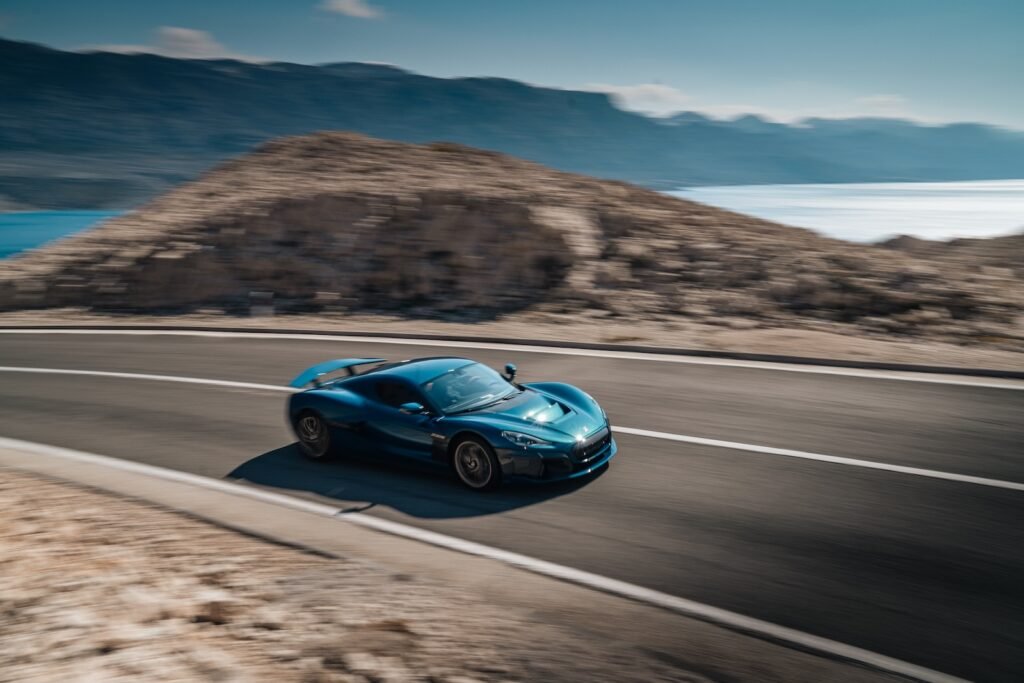
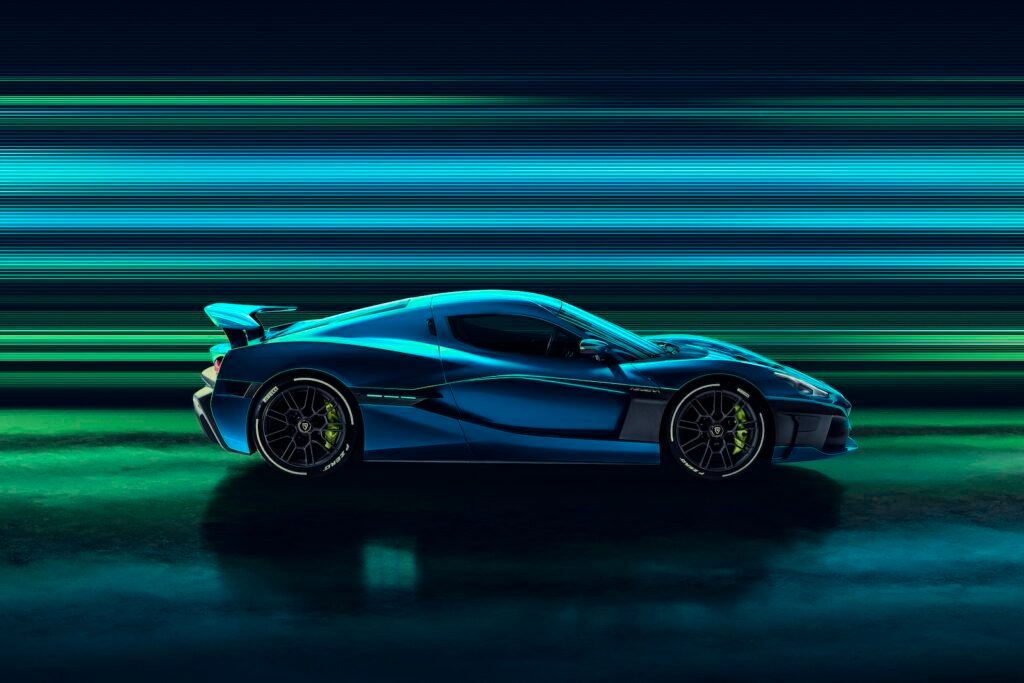
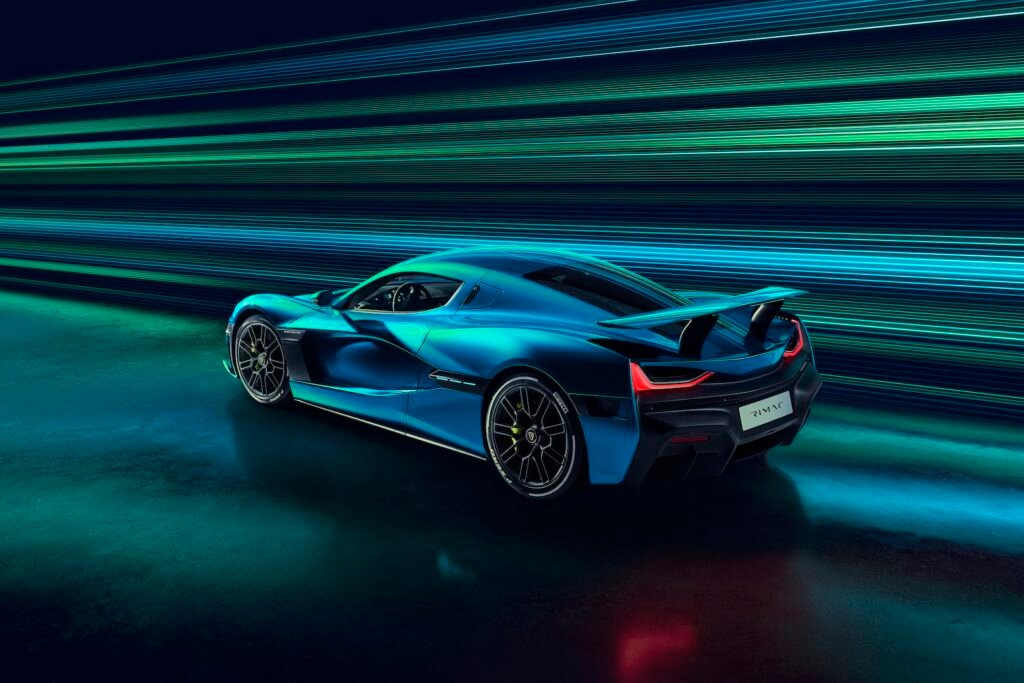
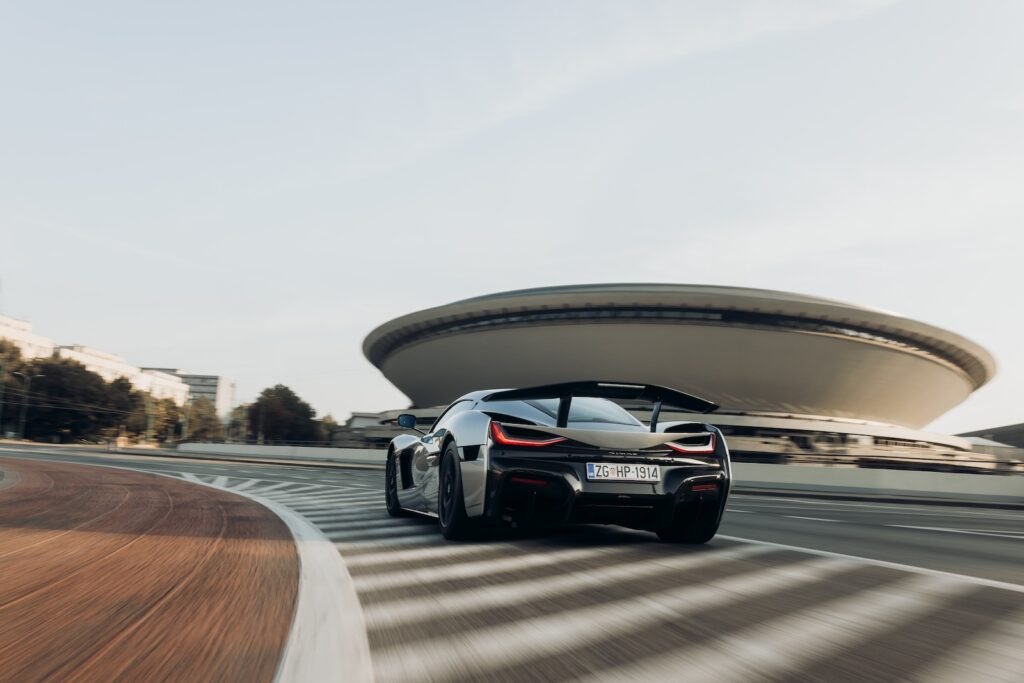
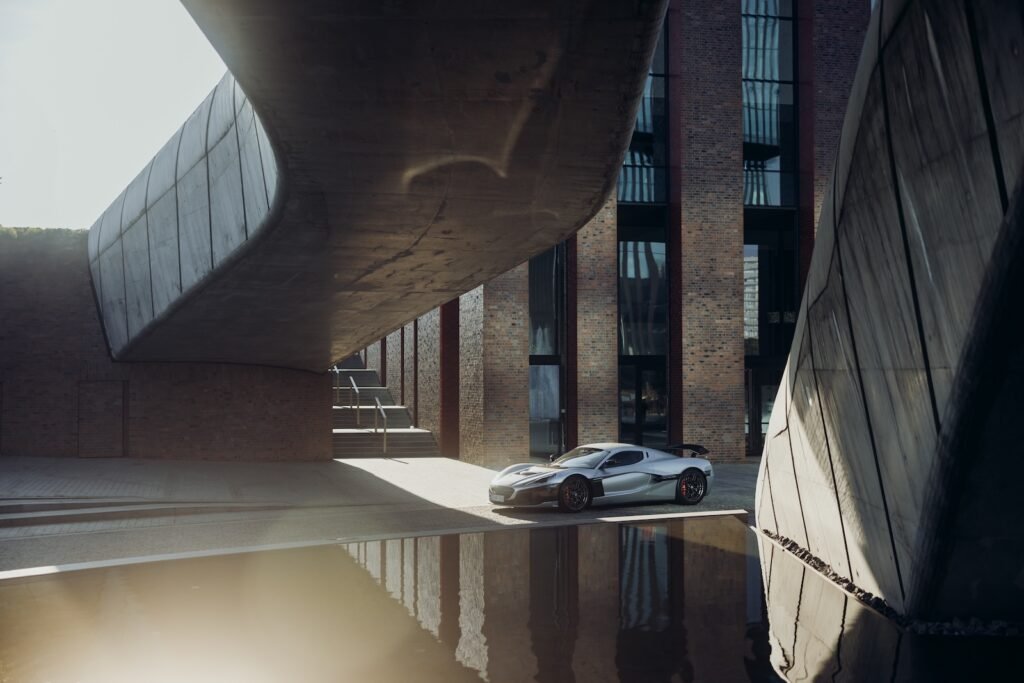
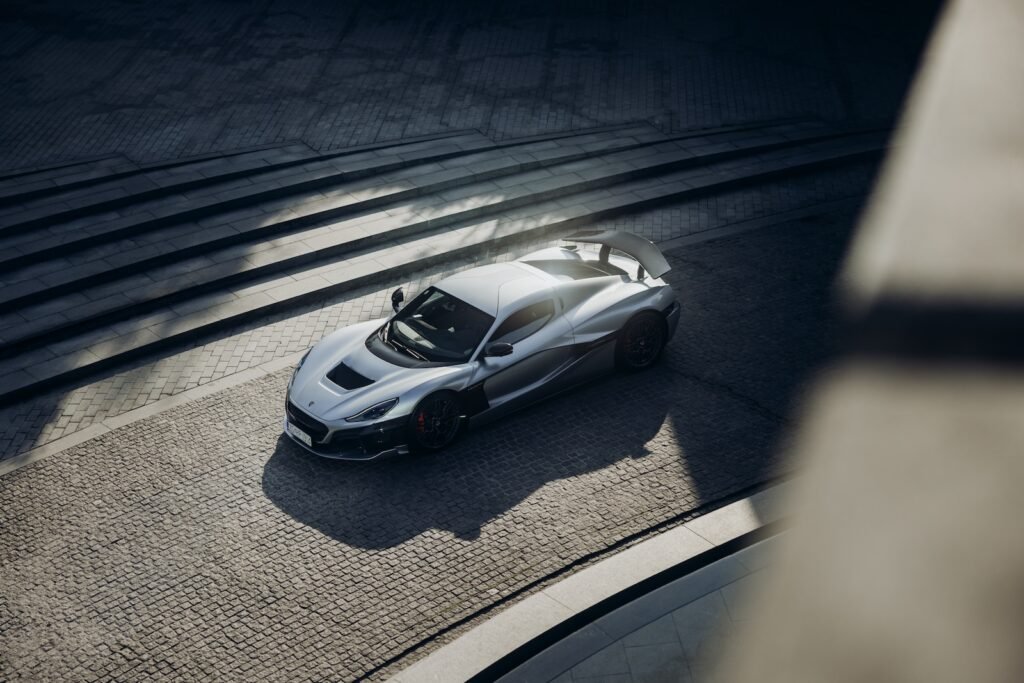
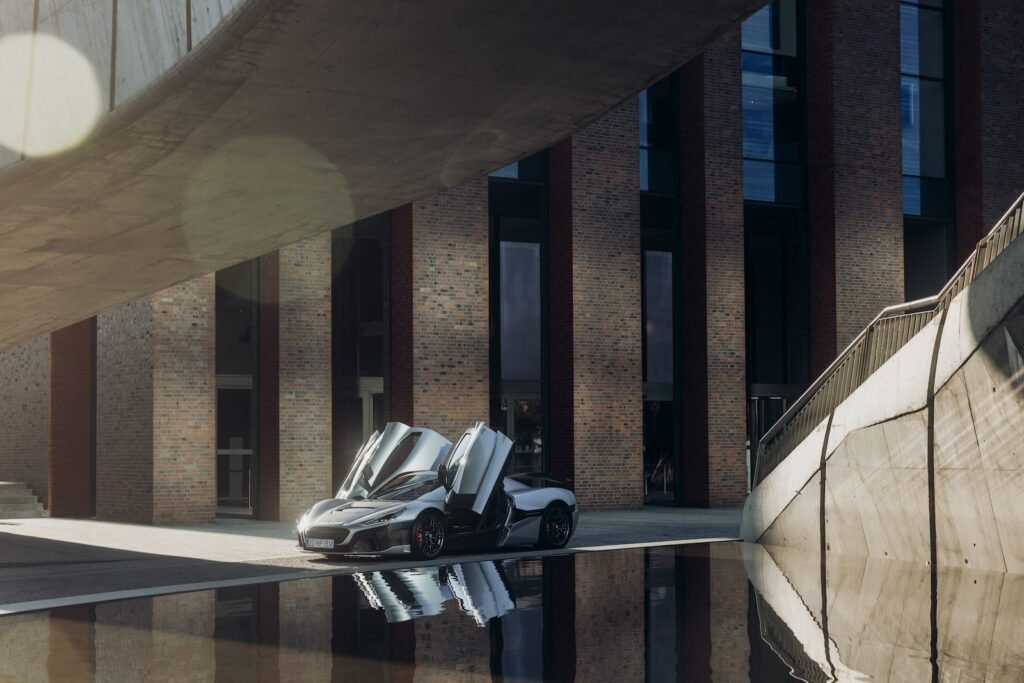
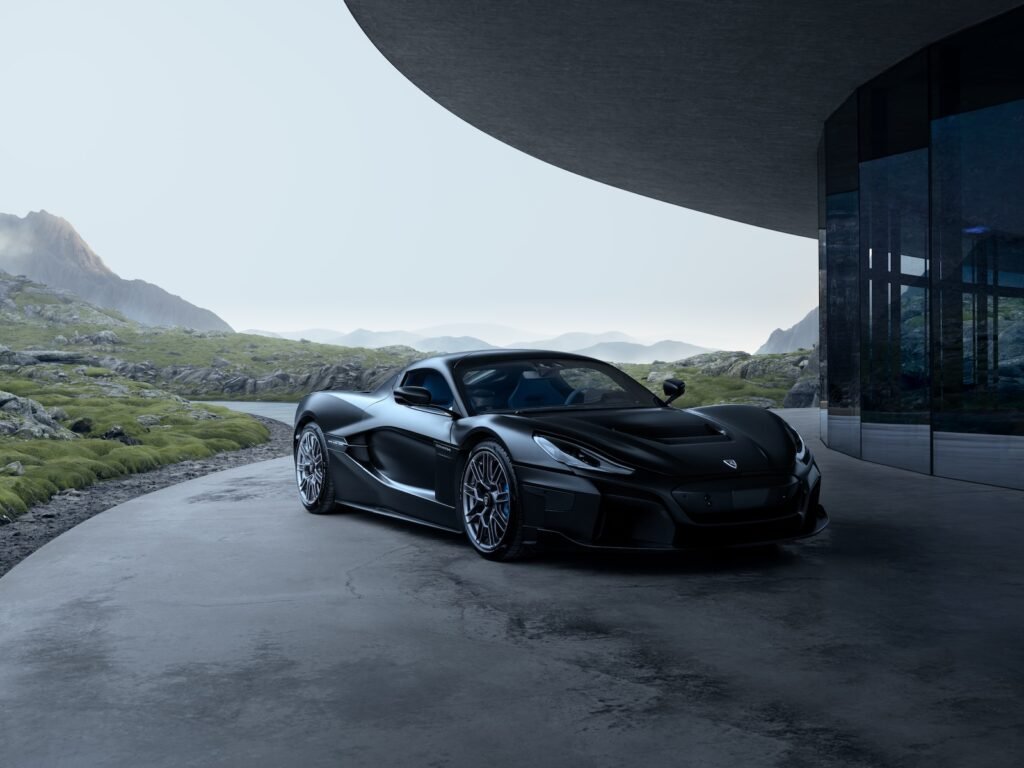
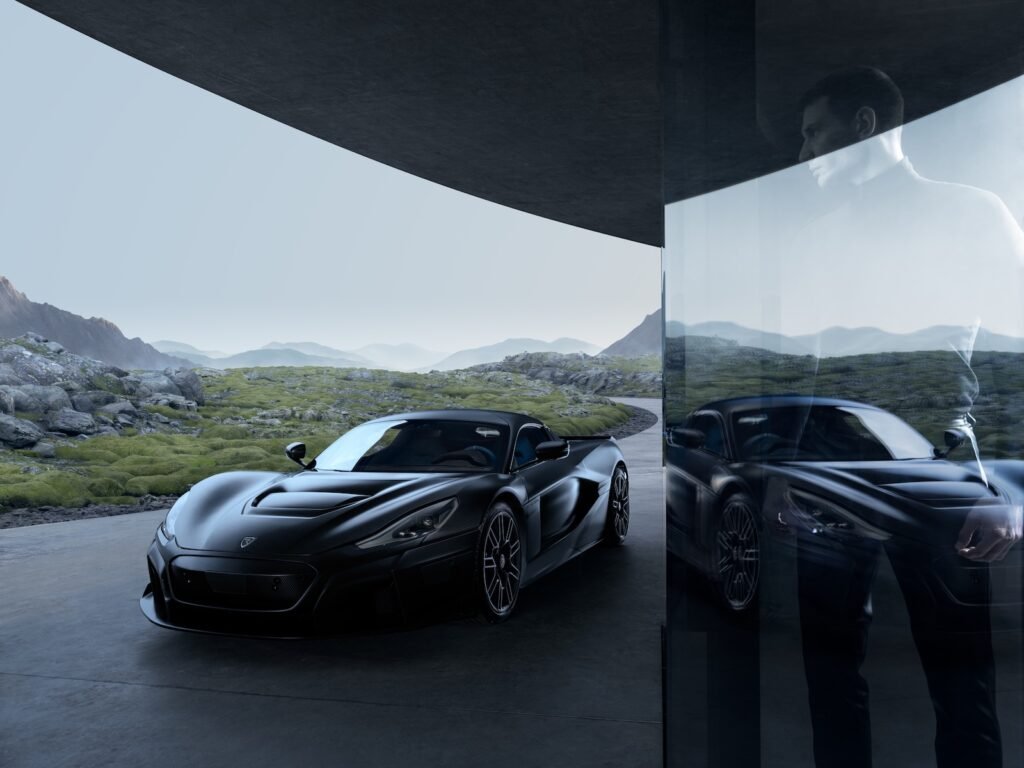
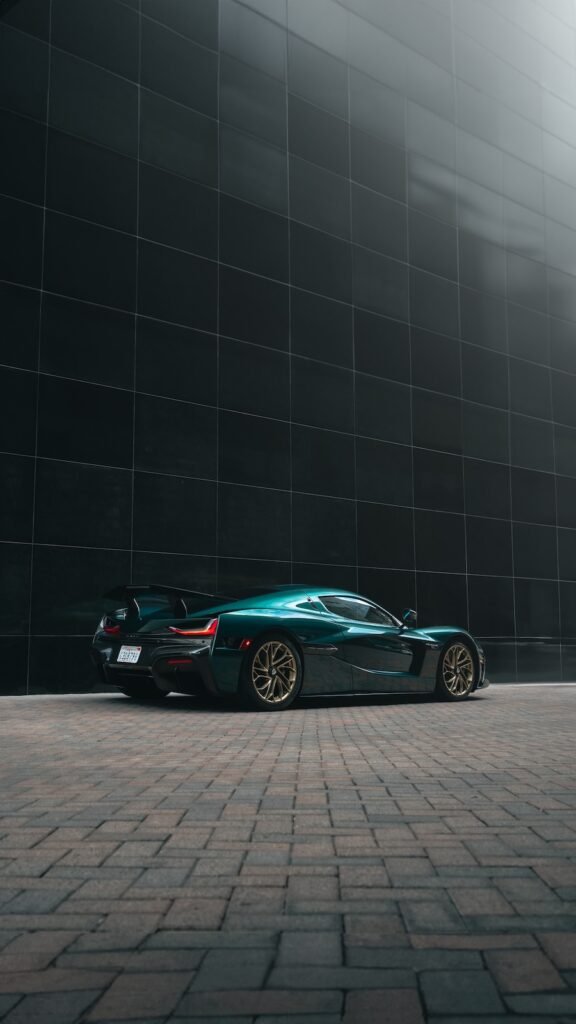
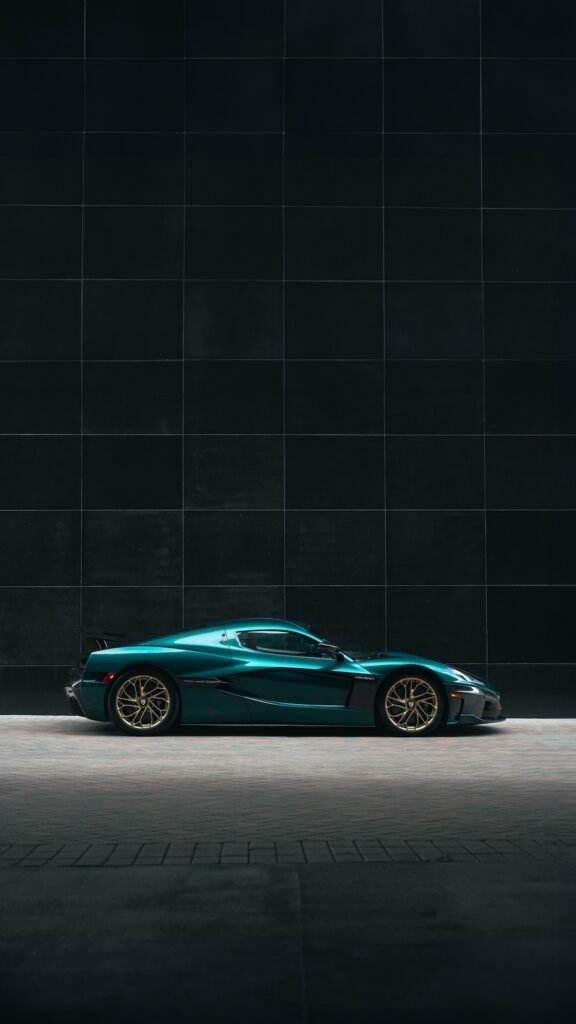
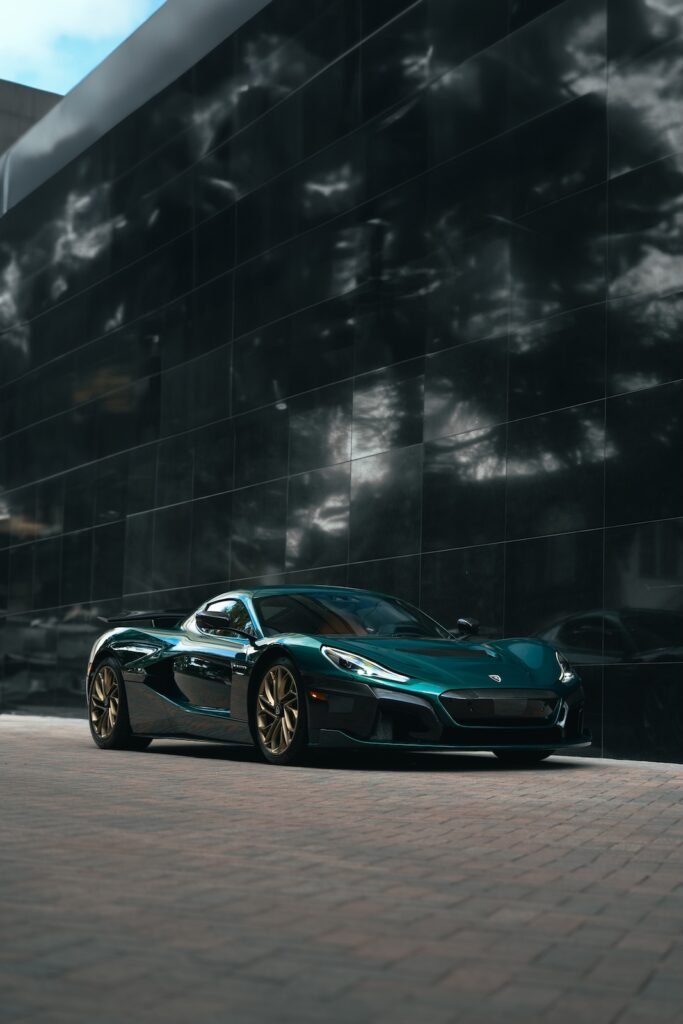
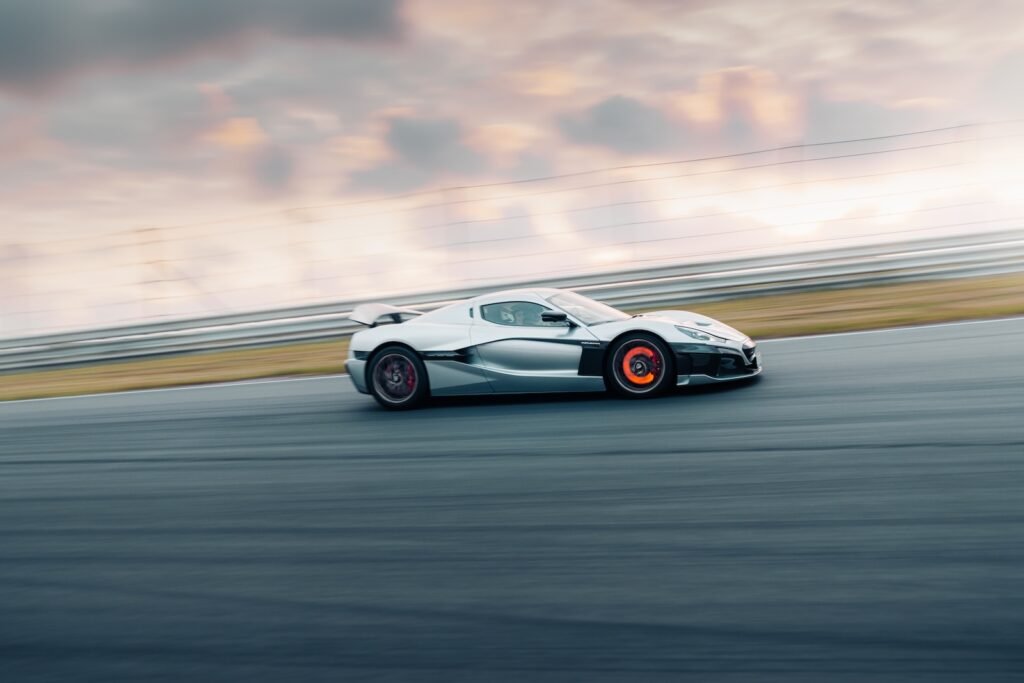
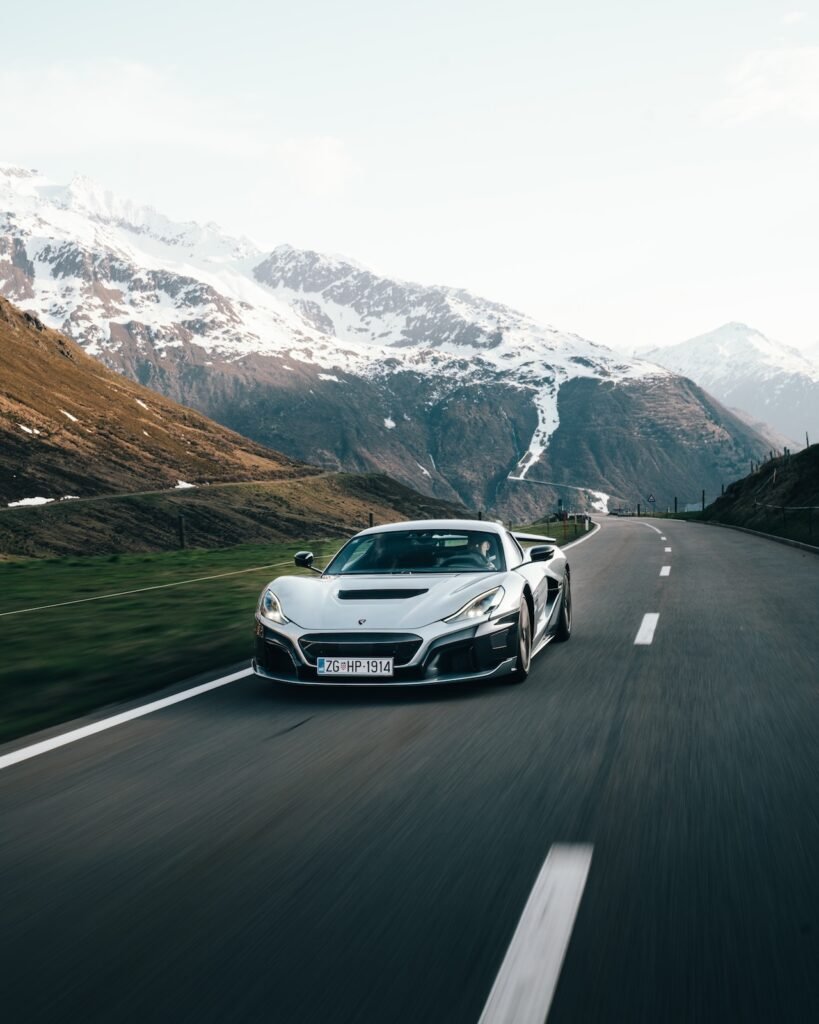
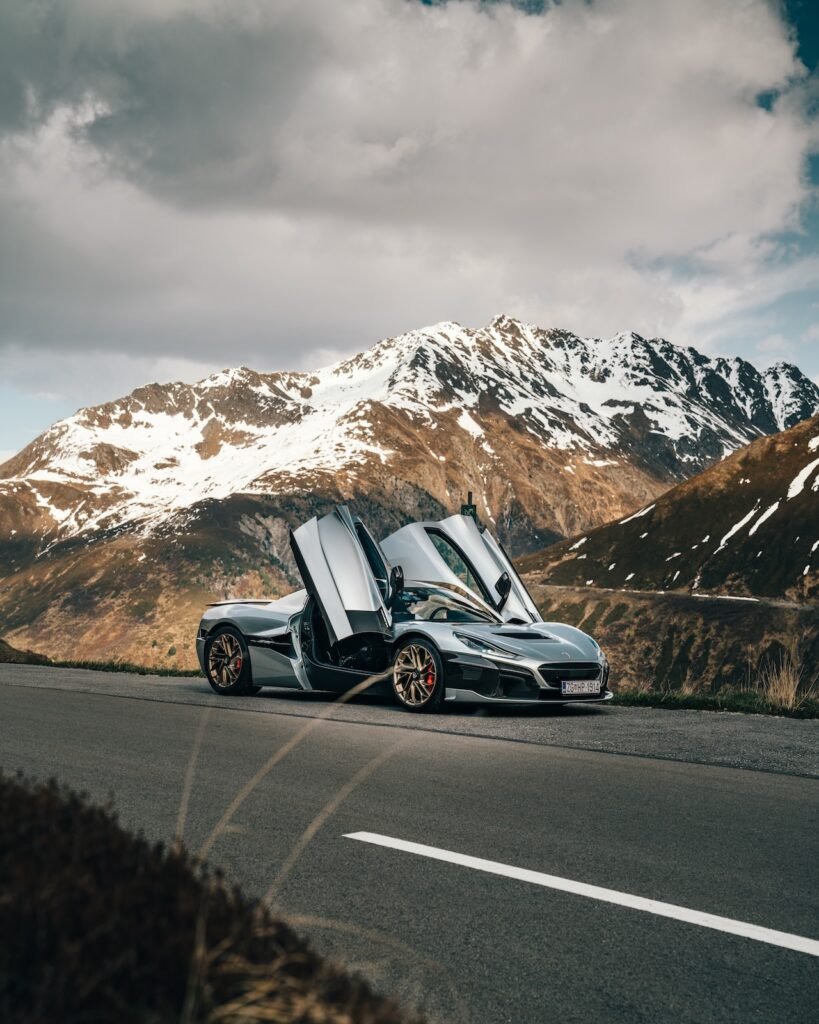
At 36 years old, Mate Rimac’s rise to the uppermost echelons of the automotive industry has been meteoric. Rimac Group now counts Porsche and Hyundai as major shareholders. His supercar company, Rimac Automobili, began begun delivered its roughly $3 million (CDN) all-electric Nevera supercar in 2022. (The first example went to ex-F1 champ Nico Rosberg who nearly smashed it into a Monegasque cliffside while trying the Nevera’s “drift” mode for the first time.) Koenigsegg, Aston Martin and Automobili Pininfarina all come to Rimac for ultra-high performance batteries for their most exotic supercars.
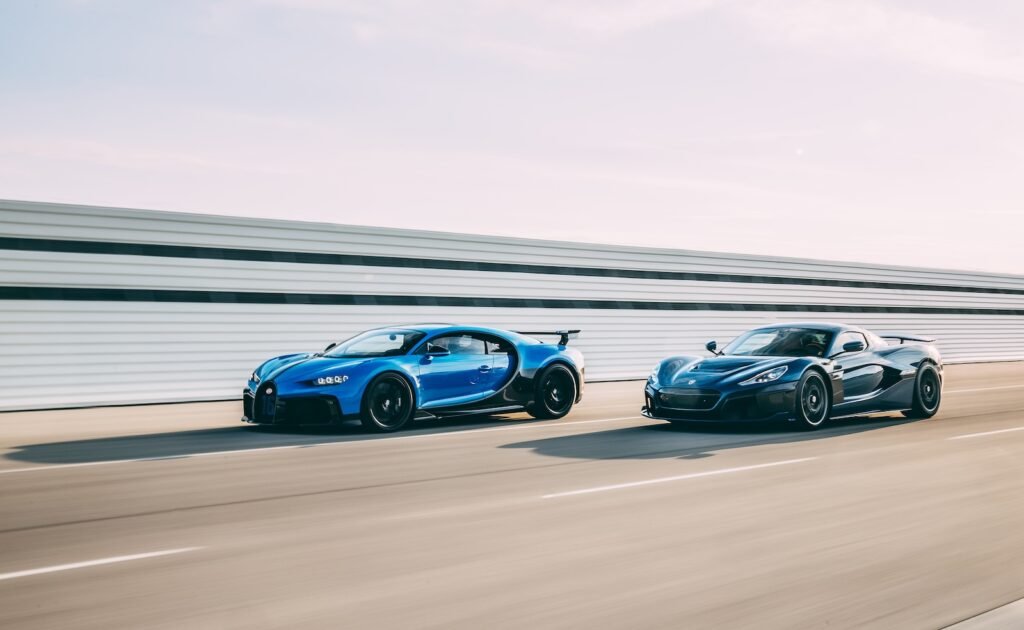
In 2021, Mate Rimac got handed the keys to Bugatti, becoming its CEO and forming a new company under the umbrella of Bugatti Rimac. In other news, the firm is working with Hyundai’s N division on prototypes of a sports car and a “high-performance fuel cell electric vehicle.” There’s talk of a robotaxi service business. There’s an e-bike company, Greyp. And earlier this year in a pivot towards more high-volume production, Rimac Technology inked a long-term deal with BMW Group to co-develop and supply high-voltage EV batteries to selected upcoming BMW models.
Such a meteoric rise is unprecedented and honestly, it’s been kind of awesome to watch after following Rimac’s work from a distance ever since 2010 or 2011 when he was known in car-enthusiast circles as the Croatian guy who made a crazy-fast electric BMW E30 in his garage.
“I remember that time,” Rimac says. “I was driving somewhere and I figured out while I was driving that there was an Autoblog Green article about my BMW. I was like: what! I stopped in the middle of the road to read that article. For me that was mind-blowing.”
Rimac built his first EV because the engine on his old 1984 BMW 3 Series racecar blew up. He considered a few other engine swaps before deciding to make it all-electric. This was 2008, the same year Elon Musk took over Tesla, and EVs were in their infancy. While building the car in his garage, Rimac did accidentally electrocute himself.
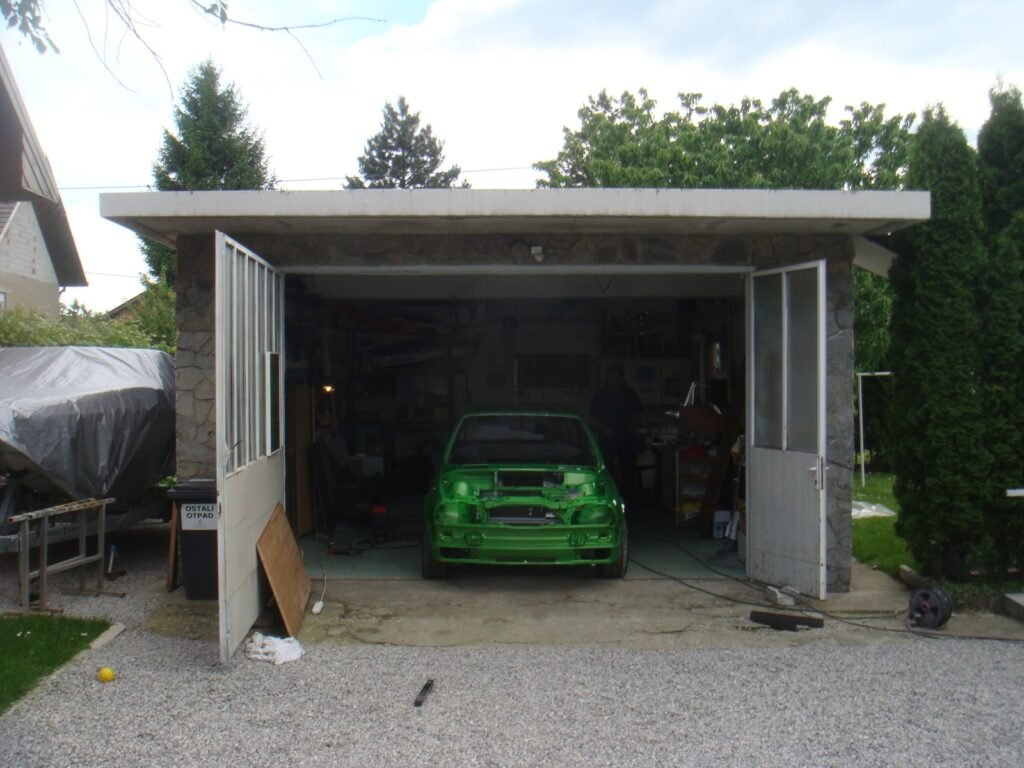
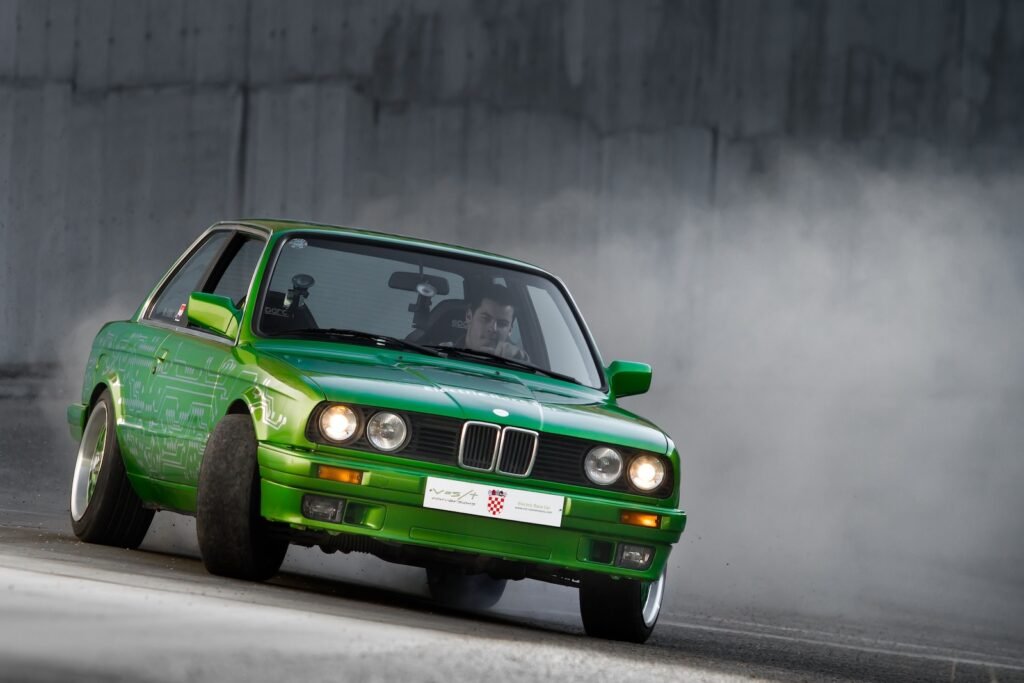
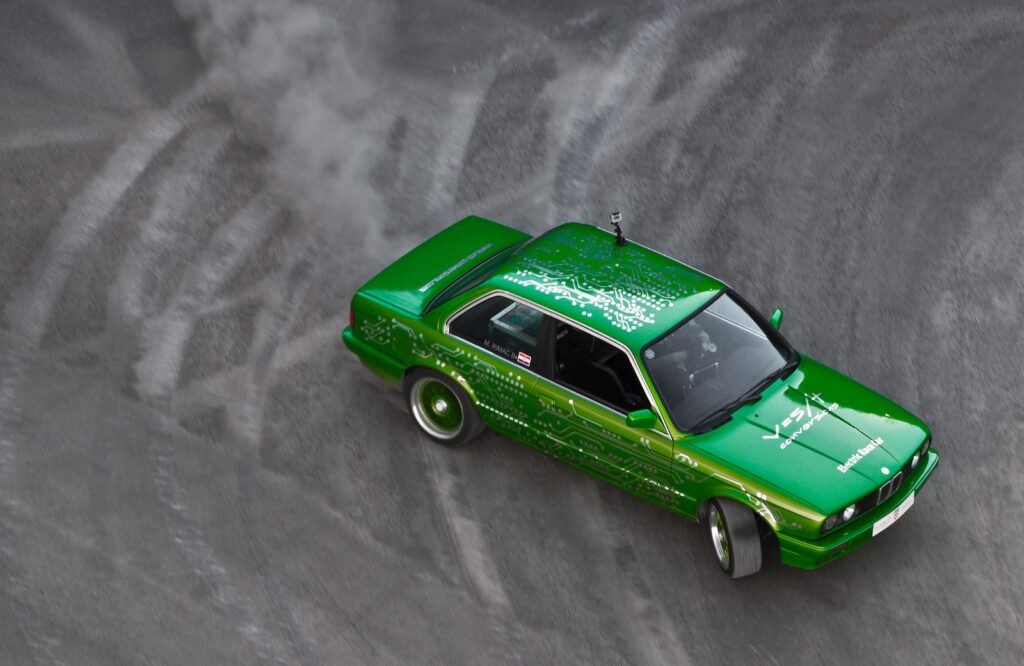
“I actually know how it feels to get shocked by AC current and by DC current. DC is like a really hard punch, but you get one punch. AC is like a lot of small punches,” Rimac says.
In so many ways talking to Mate Rimac is like talking to any other car enthusiast. This guy clearly loves cars. He has strong opinions about them. He sweats the small stuff, like wheel fitment and stance. However, in so many other ways, talking to Mate Rimac is a bit like talking to a former child prodigy or some kind of savant. He’s an EV-battery whisperer. The number of things on his plate, the scale of his businesses, the responsibilities, the ambition: it’s all off the charts. But this is his story, so I’ll let him do most of the talking.
The Beginning
“The electric BMW got some traction, some media and stuff, especially in Croatia,” Rimac says. “There was a guy who approached me in Croatia who worked for a Middle Eastern royal family and he was like, ‘they’re always looking for interesting stuff. If you can put something together, I could ask them if they’re interested.’”
“So I did that and he came back to me and said they want to buy two cars. I told them great, but there’s no company. A couple days later they asked me how much I need. We started to discuss about investment, a business plan and so on.”
At this point, Rimac was just 20 years-old.
“But it was really a trigger for me, like, okay there’s some serious people interested in this. I can get some real money,” he continues.
“My first business plan, I was like, ‘I need 4.5 million Euros.’ And of course I had no idea what I was doing. And luckily, thank god, I didn’t have an internship or something. If I was an intern at BMW for one day I would have known that it’s 4.5 million to develop a rear mirror. Literally. I know that today. A steering wheel, even for Bugatti, costs like $5 million. You need to pay for the airbag, for buttons, crash testing.”
Towards the end of 2010 a deal was agreed upon with this investor and it came with two milestones for Rimac to hit: to show a car at the Frankfurt Motor Show in 2011, and then to deliver two cars. Suddenly, Mate Rimac had to start a car company from scratch.
“In Croatia there is no auto industry, there was no talent,” says Rimac. “There was no automotive university, but there was a mechanical engineering university that was teaching shipbuilding. I told them I want to build a car. They told me it’s impossible to build a car in Croatia. They told me the sooner you give up, the less people will go down with you. So no help there. I couldn’t afford to hire foreigners. So I just hired a few guys that I knew.”
“I rented a building and we were like: let’s go. But the investors, they didn’t respect our agreement. They sent a little bit of money, but they never sent real money. I’d just hired these guys that had to give up their jobs to work for a 20-year-old who has some Middle Eastern investors to make a car in Croatia, and I couldn’t pay them. I couldn’t pay rent. Suppliers were calling me and threatening. We literally had the electricity company coming to cut off our electricity,” he remembers.
Despite having little money and an impossibly short timeline, he and a tiny team of eight initial employees did, somehow, manage to hit that first milestone. Rimac Automobili debuted the Concept_One at the Frankfurt show in 2011. It was probably the world’s first electric supercar, but it was just the beginning.
“That was how the company started. And it went on like this, basically, until a few years ago,” Rimac said.
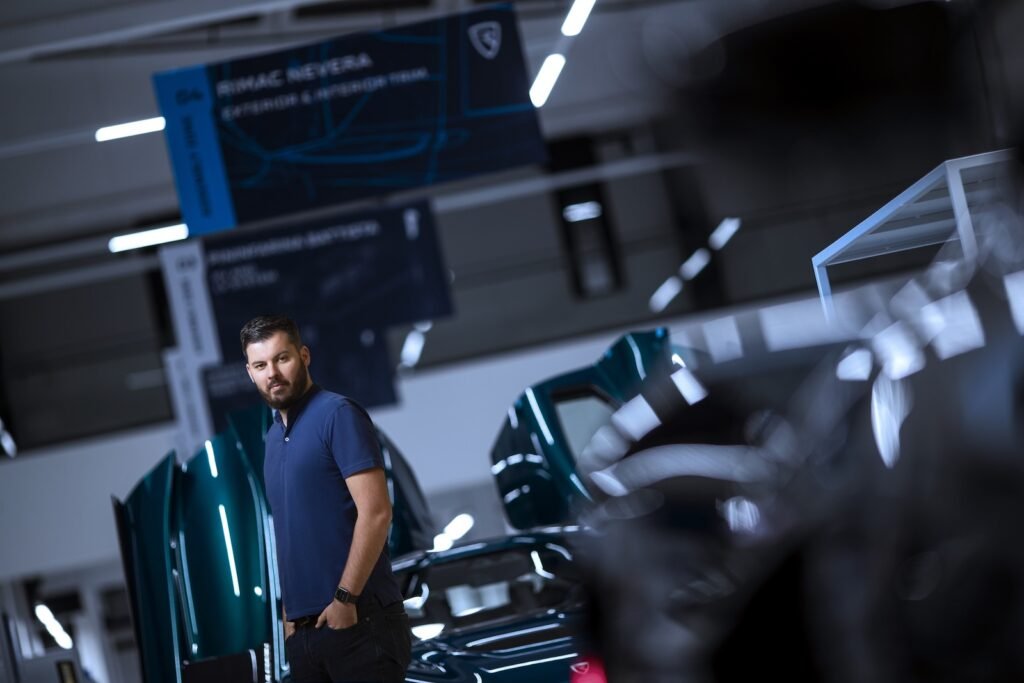
Finding Success, Building a Bugatti
Today, despite his companies being more financially secure than ever, with a proven track record of delivering multi-million dollar supercars and batteries and other technology to some of the automotive world’s most demanding clients, Rimac still doesn’t feel like his business is a success.
“I always say we are not a success yet,” he explains. “Because success for me is when the company is fully self-sustaining and doesn’t depend on investors, which is the case now for Bugatti Rimac but not yet for Rimac Technology, which is the bigger company. [Rimac Technology] is building the factories and investing a lot of capital right now. It still needs money. While Bugatti Rimac is, let’s say, profitable and cashflow positive. It is financing the development of all the new cars through its own money.”
Most of that money is coming in through the Bugatti side of the Bugatti Rimac business, but Bugatti is also spending a lot as it readies its all-new supercar, explains Mate Rimac.
“Now all the development is going to [Bugatti]” he says. “If you look at the last 10 years: it went from the Veyron to the Chiron, which is the same platform although a lot further developed. The same W16. Since the Chiron you had a lot of rebodies, the Divo and so on, but no new car.”
“Now we have the Bolide; it just started production. It has the same engine, same powertrain, but the platform is completely different. It’s really like a Le Mans racecar. Then you have the Mistral, still the same platform but an open-top car so a lot of changes and a completely new body. And, there’s the successor to Chiron, which is a completely new car, completely new. So you have three Bugattis in development right now and we are paying for it with the money of the company,” he says.
There are still precious few details out there about the all-new Chiron successor. At the time of writing, Bugatti has only confirmed it will have a V16 engine – not a W16 as before – and that it will be a hybrid. The news it’ll have a hybrid is no surprise given Rimac’s electric expertise, but a new gas-burning V16 engine? Now? In 2024? I didn’t see that coming.
By the time you read this, the car may already have been unveiled to the public. However, when we spoke, Mate Rimac had just started to show the finished car to potential customers in four locations around the world. The first one was in Dubai, in early 2024, where each customer got an individual presentation and up-close look at the new Bugatti months before the public.
“In Dubai we had something like 50 customers and I was with 20 of them. At the end of every session I asked them, please don’t tell me what’s good. Tell me what you don’t like. But don’t be polite. Like, I just want to hear what you don’t like. And they really can’t think of anything. You’ll see the car. I think we really nailed it,” Rimac says.
He went on to tell me he’s usually extremely self-critical of his work. He pointed out a few minor things he wishes he’d done differently on the Rimac Nevera. (It probably didn’t need so many cameras and radars and an on-board supercomputer for some partially-automated driving features that people really don’t care about on a supercar, he admits.)
No Magic
The big question, still, is how? How on earth has Mate Rimac built this rapidly expanding automotive empire? There are countless automotive suppliers out there making battery packs and electric motors. Why did Aston Martin and Automobili Pininfarina and Koenigsegg all go to Rimac for battery packs and associated electronics? How can the quad-motor Rimac Nevera supercar be so mind-bogglingly rapid and yet still so driveable? What makes Rimac’s technology so special that Porsche would want to spend more than 80 million Euros to buy such a large stake in the company? Why is BMW going to Rimac for battery packs?
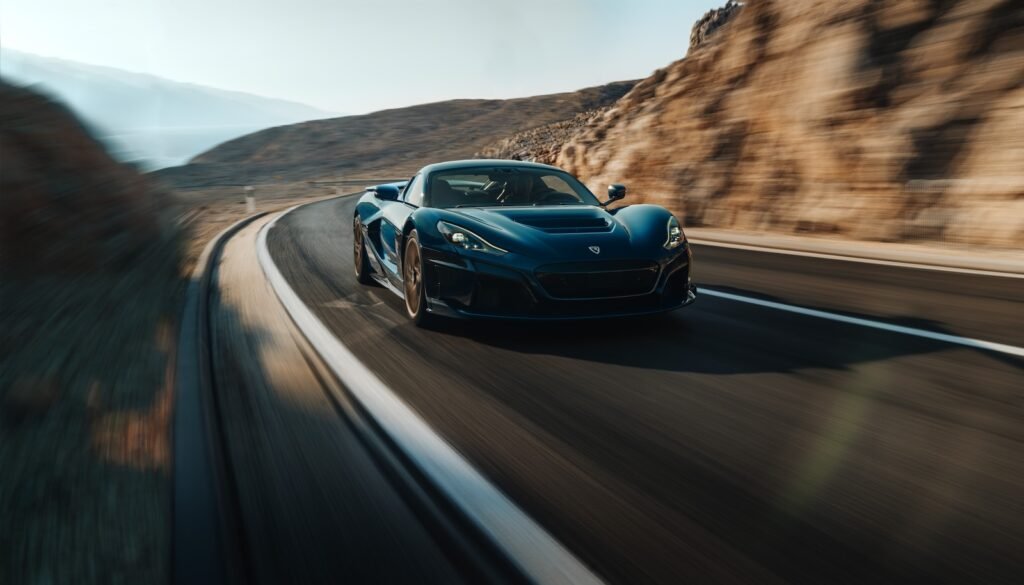
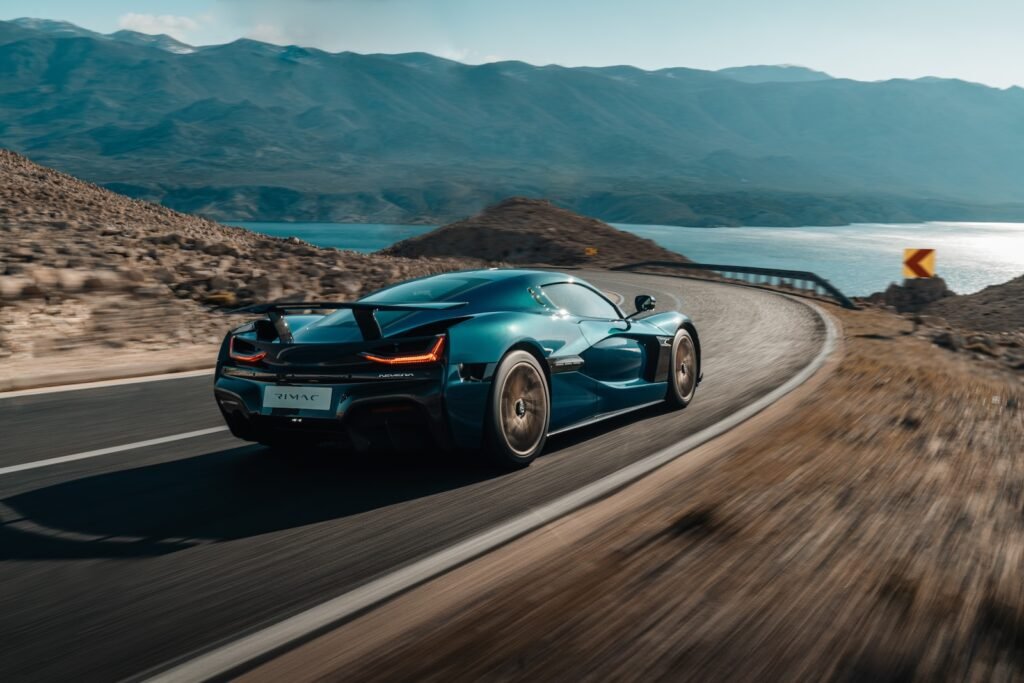
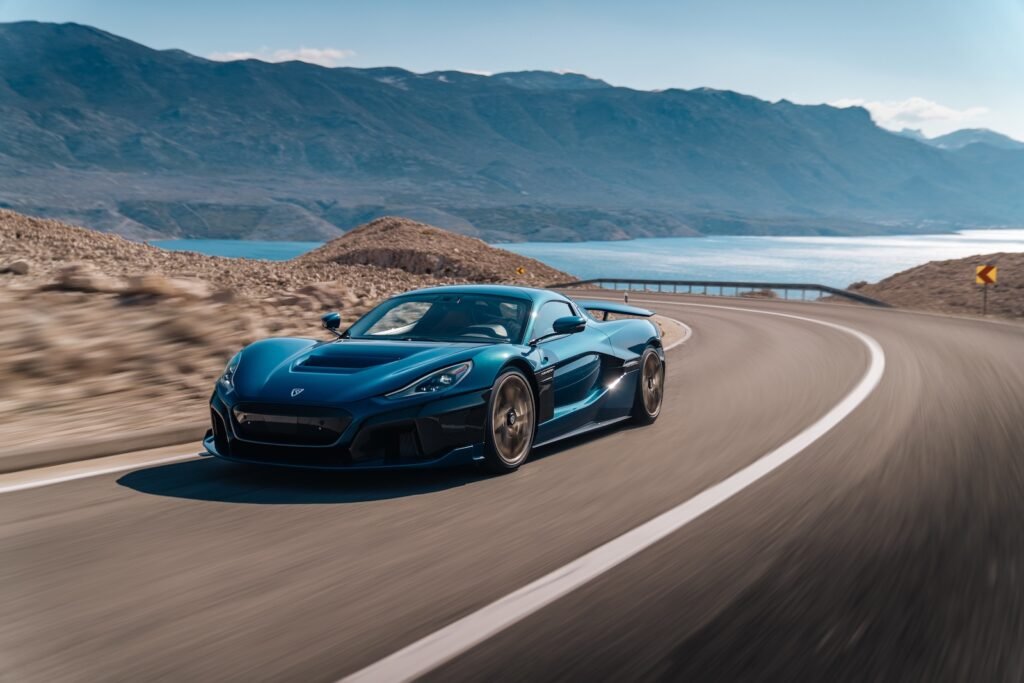
“It’s not magic,” says Rimac. “It’s like, why is Ferrari making the best naturally-aspirated V12s? It’s because that’s their business. I just started before everybody else to work exclusively on high-performance electric powertrains and batteries at a time when the company was tiny and we could be really fast, much faster than the big guys.”
“The collaboration with BMW is the first [battery pack] that is not done on their own but instead with a partner. Why? We saw where the industry is going. We developed a really flexible battery pack that’s right there in terms of like the best performance and cost, and especially the ratio of performance versus cost. But it’s super adaptable so that we can, with relatively low investments and quick timing, adapt it to a completely different car. And that’s really our advantage,” he explains.
If, for example, an automaker wants to fit a higher-performance battery to an existing EV model, Rimac can do that. “We can, in the same constraints, the same package and housing, give them a battery pack that has 30 or 40 per cent more performance,” he says.
“Again, it’s no magic. Tesla is really good and better than everybody else in terms of performance and integration – meaning more cell, less other stuff that’s overhead – and cost. And we are right there with them. And some OEMs are not there.”
From a beautiful new $200 million Euro, 95,000 square-metre campus currently under construction on the outskirt of Zagreb, Rimac Technology will be able to produce 40,000 or more battery packs per year.
“I’m not sure if I managed to answer your question for the secret sauce of our batteries,” he says. “It’s not like one thing that you can point to. There’s no secret, no magic anymore in the world. It’s all optimization.”
Of course, if there were secrets, Rimac wouldn’t just give them away to a writer either.
Mentors and First Principles
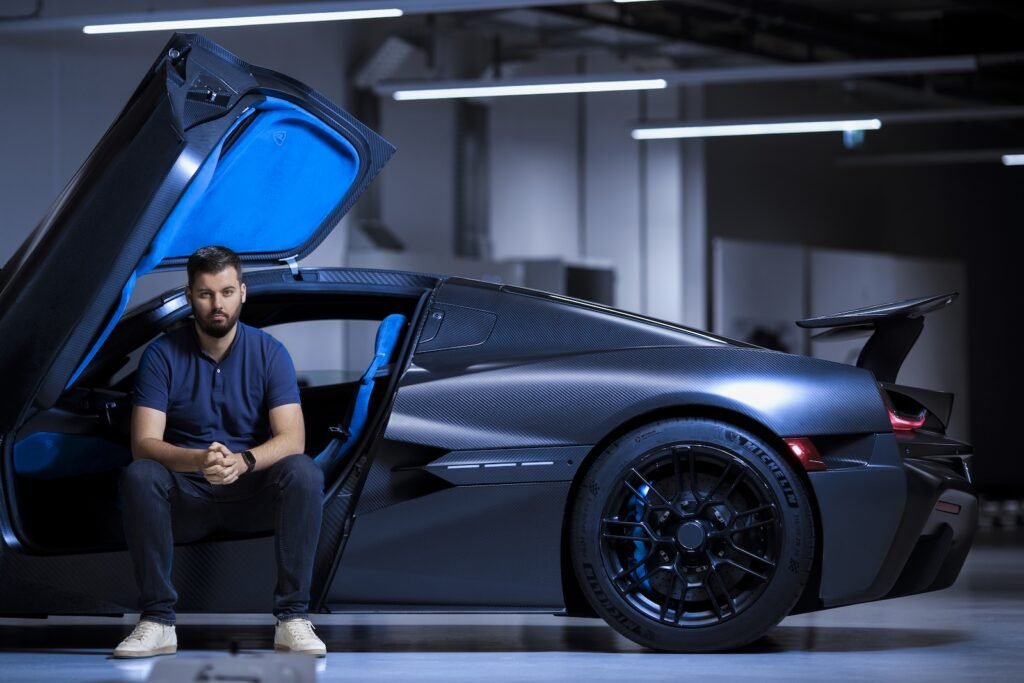
As the CEO and founder of a company, Mate Rimac often gets compared to other entrepreneurs: Elon Musk, or sometimes Steve Jobs, given that they both started in a garage, or sometimes Horacio Pagani and Christian Koenigsegg, both of whom build supercars that bear their name.
Rimac lists Pagani and Koenigsegg among his personal heroes, as well as Musk and Nikola Tesla. “And Ettore Bugatti, now that I’ve learned more about him. Wasn’t initially, but now yes,” says Rimac, diplomatically.
None of those comparison, however, are quite right. Mate Rimac is doing it differently; he has forged a totally unique path into the car business, and continues to do so as his company branches out into higher-volume projects with BMW and Hyundai.
“I didn’t really have a mentor, or somebody who worked by my side,” he says. “I did speak to Christian and Horacio sporadically at car shows. We met a few times, especially with Christian when we were doing the [battery for the plug-in hybrid] Koenigsegg Regera. But I just did my thing. Like, I kind of built the company based on common sense. First principles, like Elon will say. I never worked anywhere else. This is still my first job.”
I get the sense there is a lot more to this story, but Mate Rimac has yet to write it.
Note: This interview has been condensed and edited for clarity.