
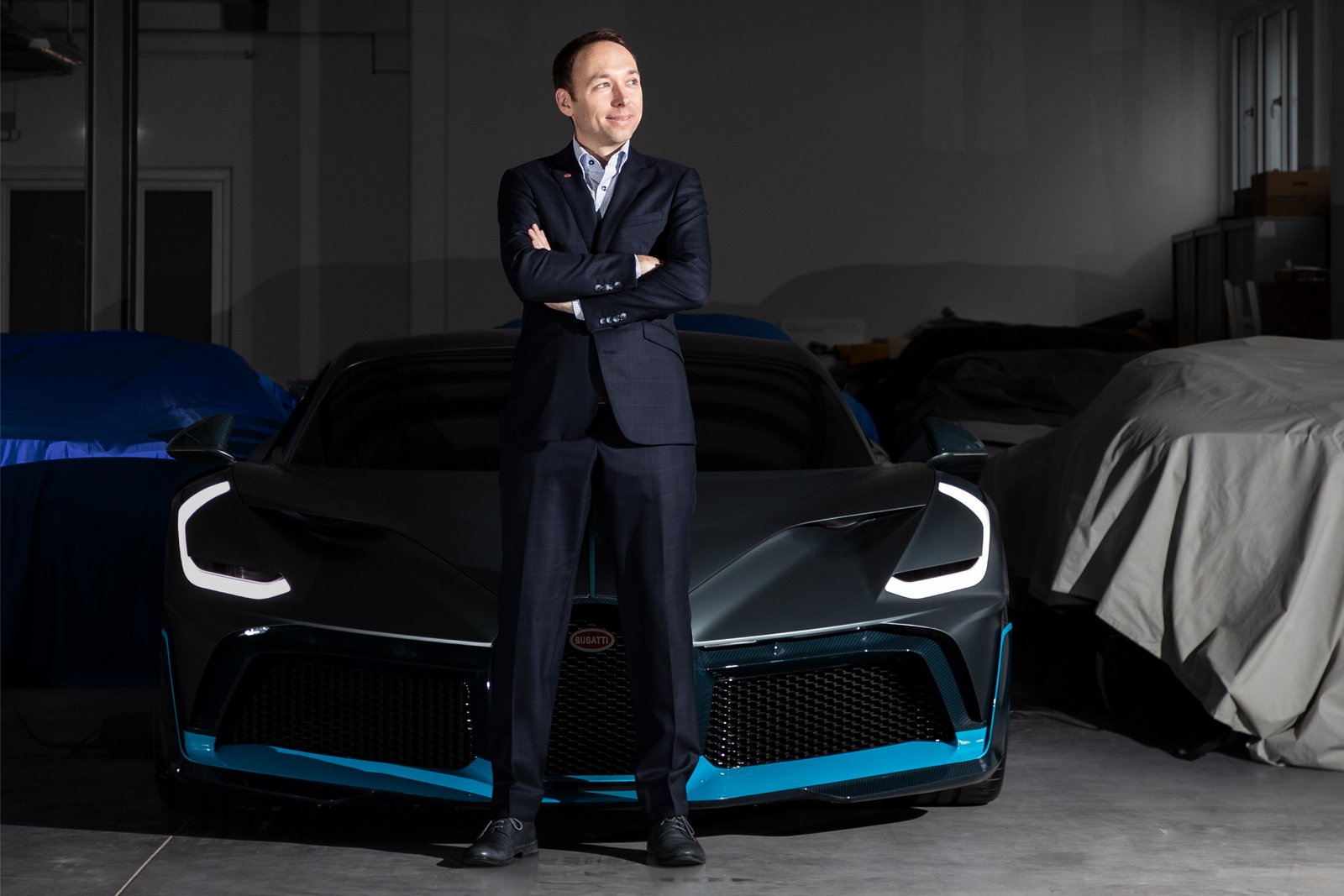
I envy Frank Heyl, and you should too.
He is Bugatti’s director of design, a job where he gets paid to imagine works of art that are both movable and moving, works that he hopes will echo through the ages. Other people buy Bugatti’s, sure, but they are Heyl’s. They will, in a way, always belong to him and the team of engineers and artisans who made them. History remembers the artist, not his patrons.
“Some of the wealthiest collectors call themselves custodians,” says Heyl. “They just look after these treasures for the next generation. And so it’s not uncommon to see Bugattis that are 100-plus years old.”
Heyl’s small team of 50 designers come from 22 different countries around the world. His office, or rather one of them, is in the centre of Berlin in a converted industrial loft that once housed the legendary techno club E-Werk. (He has a poster from a gig The Prodigy played there in ’97, he tells me with evident delight.)
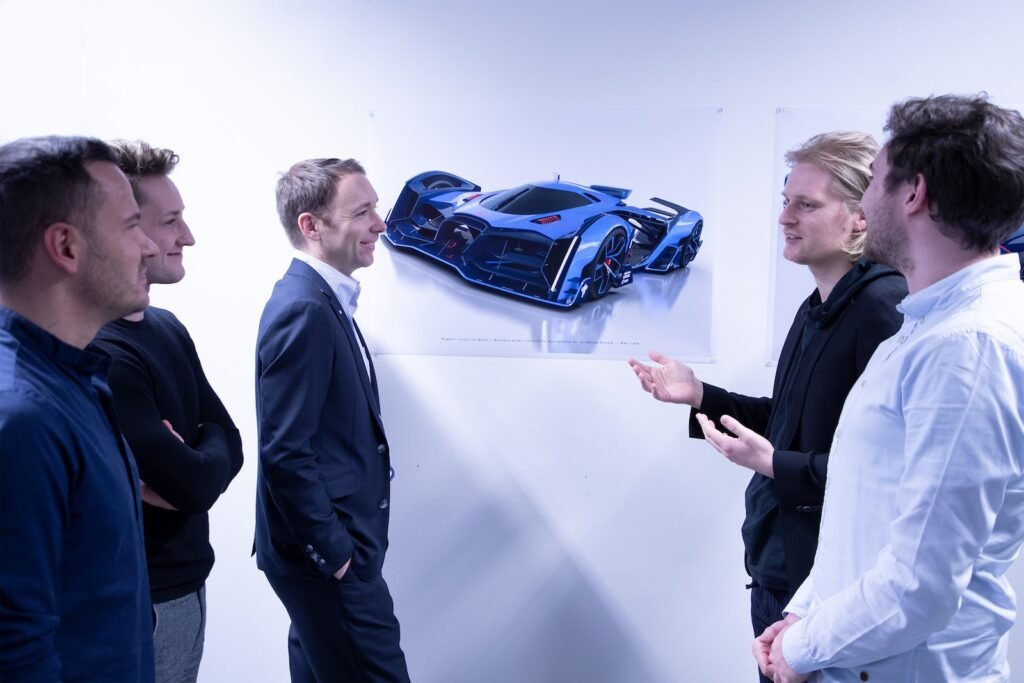
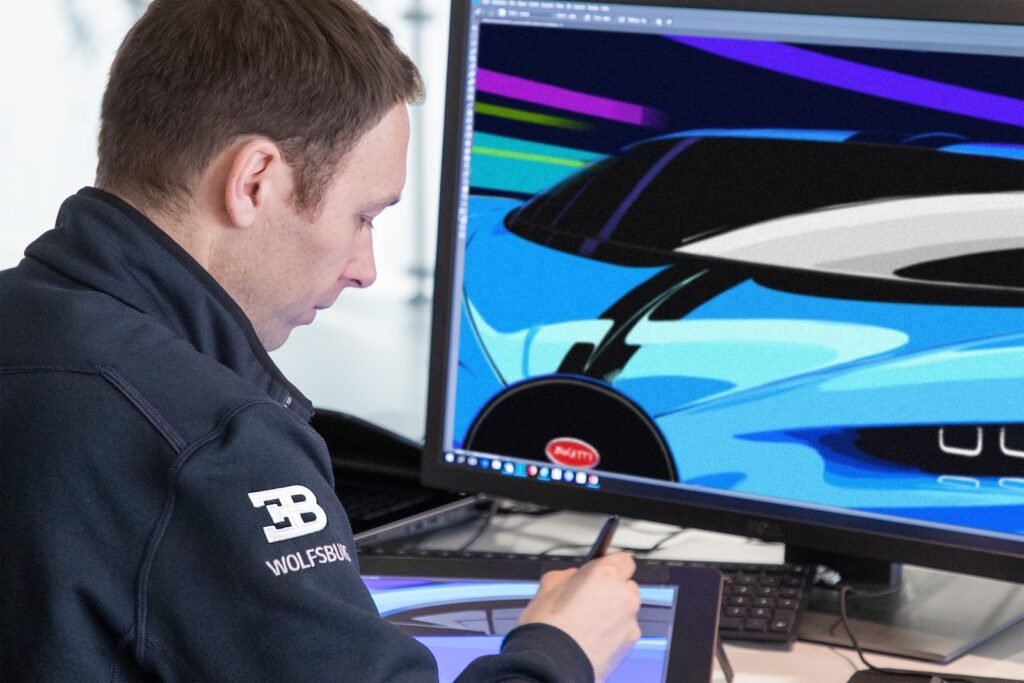

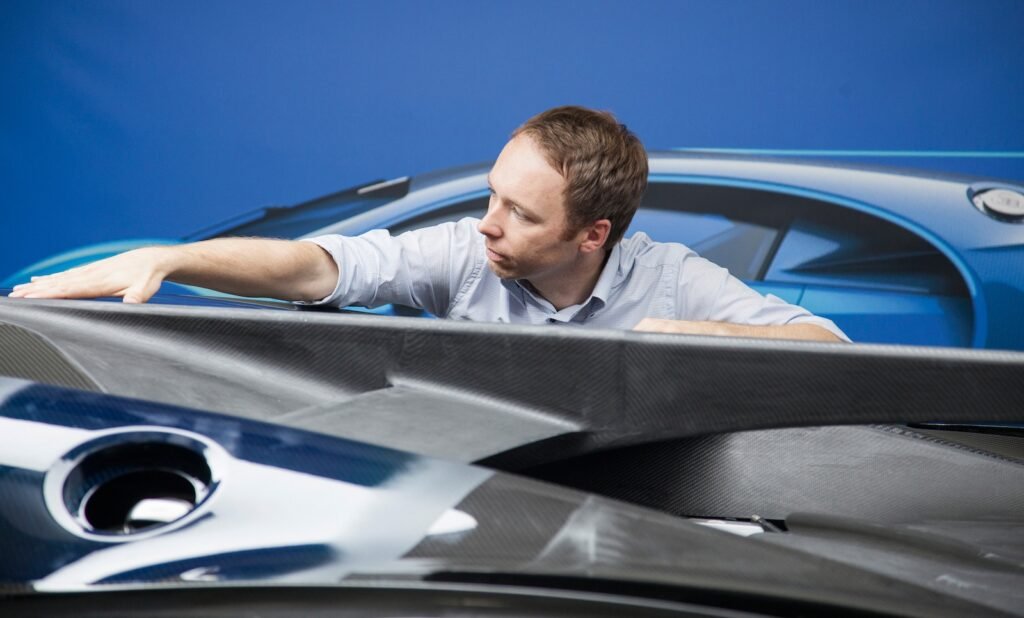






“There’s music running all day,” in Bugatti’s Berlin studio he says. “We have full size cars in there that we’re individualizing, and we are on the VR goggles with the head tracker, shaping these cars. It’s a very creative place. And if a customer wants to create their own car together with us, that’s the place you have to be,” he says. Visitation is by invitation only. Sorry.
When Heyl’s not in Berlin or Bugatti’s headquarters in Molsheim, or travelling to the world’s best car shows or various Bugatti get-togethers, he likes to drive his 991.1 Porsche 911 GT3, a car he’s had for 10 years now.
“I like Spa, in Belgium, because it’s a very fluid track,” he says. “My thing is, like, me against the clock. That’s my game. I like that. Just by myself. I can switch off.”
When we caught up, however, Heyl was at home because it was parent-teacher night at his daughters’ school. He’s a family man too.
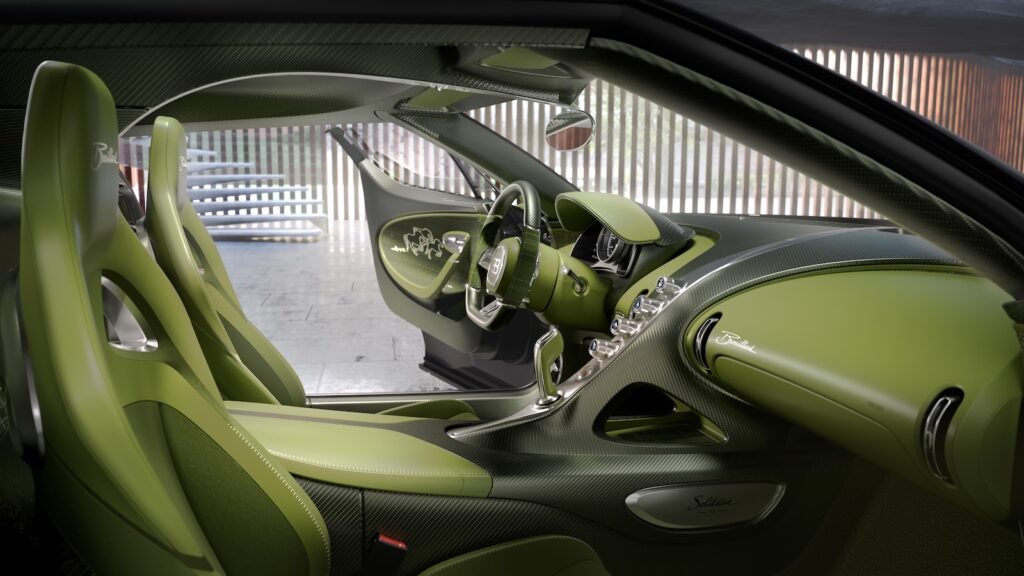
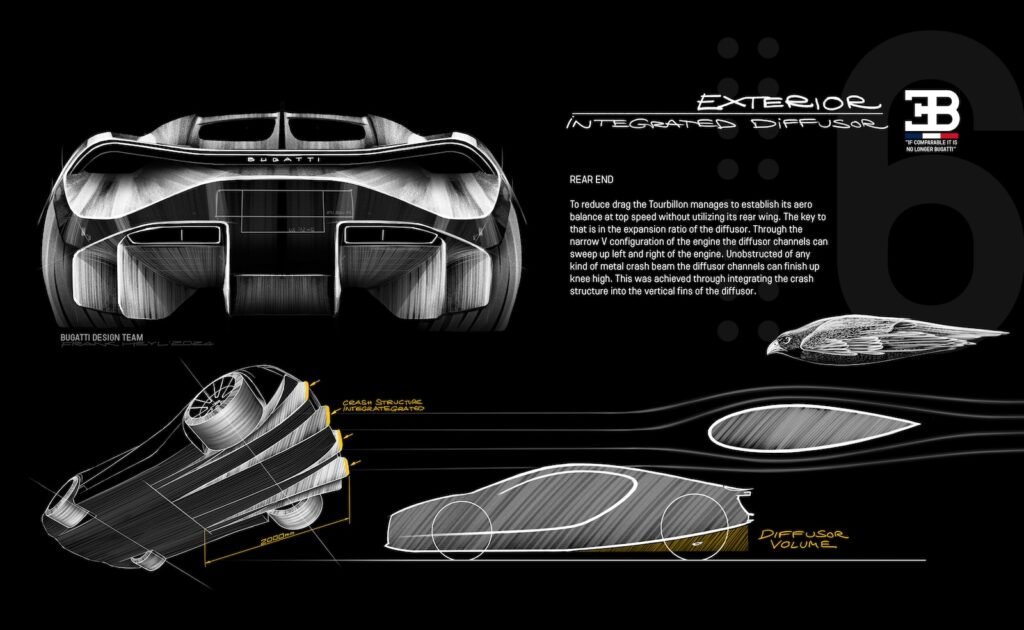
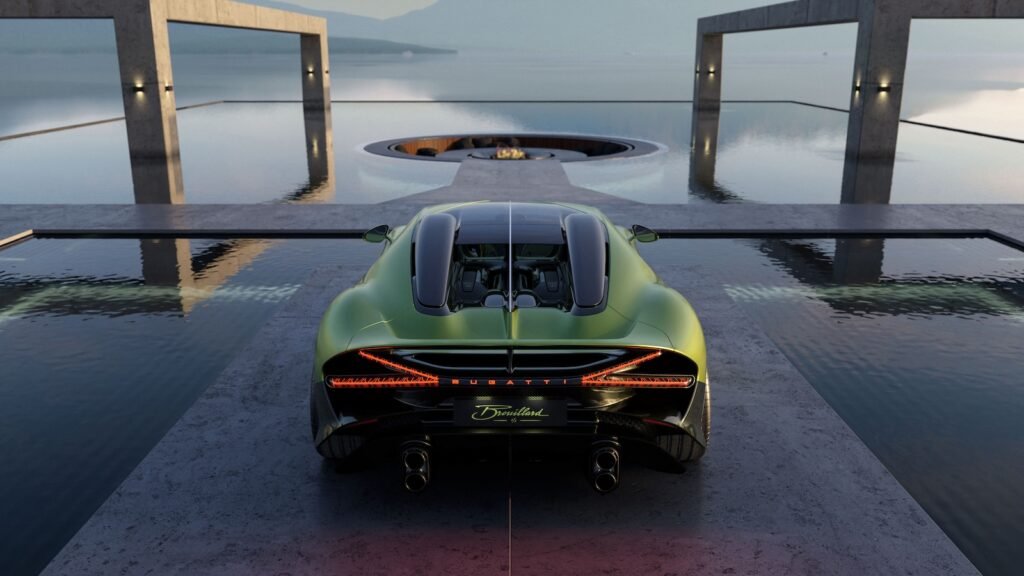
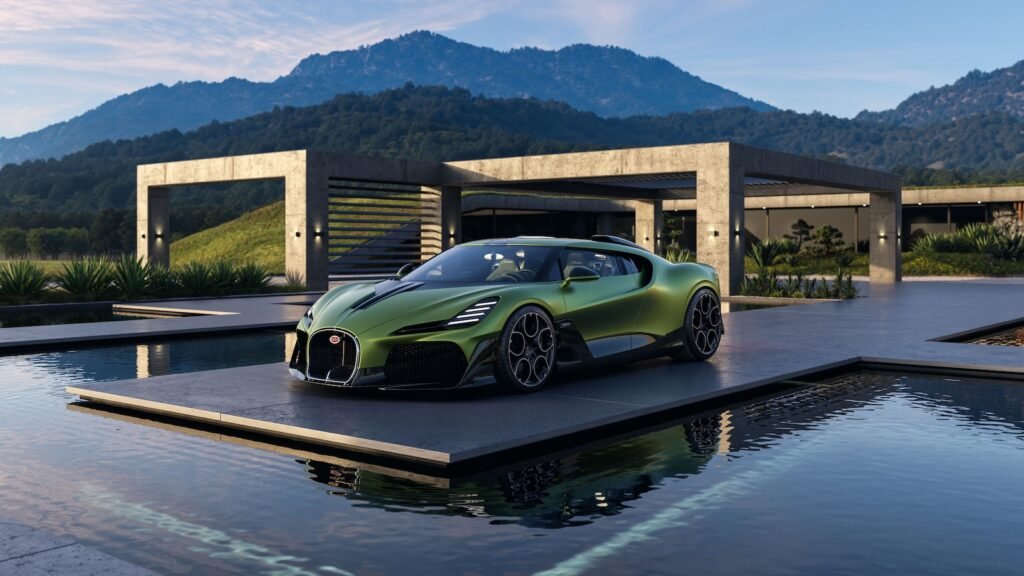
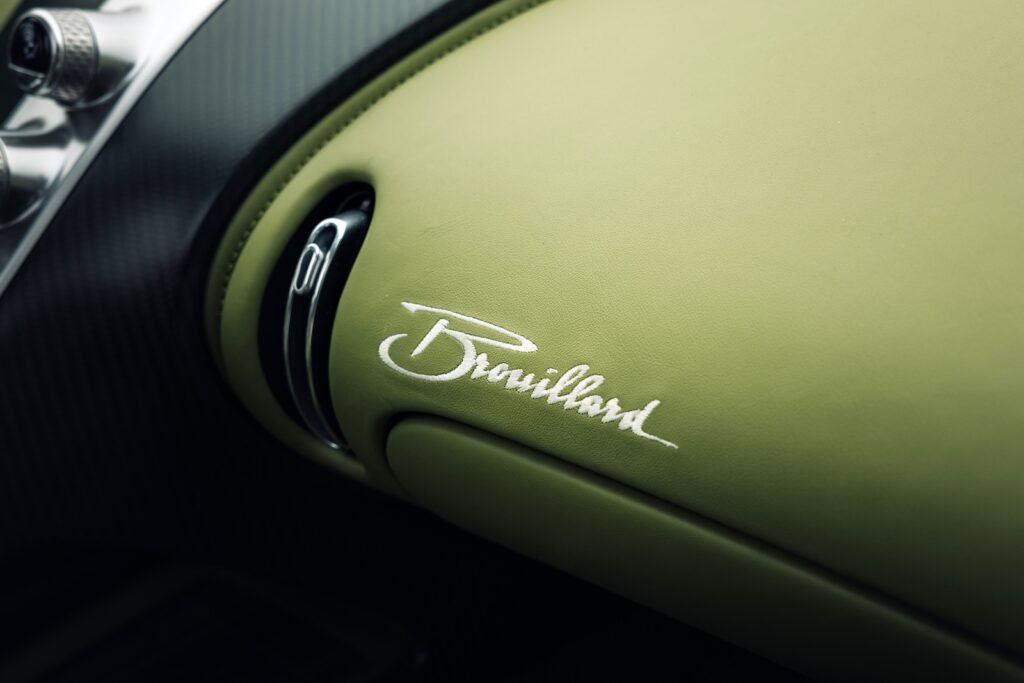
And at work? Well, I think everyone will agree Bugatti’s work lately has been rather good. After the car world’s collective fatigue from endless minor variations on the Veyron and Chiron, the French firm has gone on a hot streak. There was limited-production Centodieci, a pitch-perfect tribute to the underappreciated Bugatti EB110. Then there was track-only Bugatti Bolide, which was the coolest-looking Bugatti for a hot minute until the all-new Tourbillion came along in 2024. And more recently there was this spectacular one-off Bugatti Brouillard.
“I’m in my 18th year [at Bugatti]. I think I’ve survived four CEOs and, in all honesty, it’s never been this good,” he tells me.
Consider this: Investing in a brand new non-hybrid, non-turbo V16 combustion engine in 2025 as the world speeds towards electrification is — from a purely rational perspective — absolutely insane. It’s like if NASA said, screw it, and decided to build an all-new Space Shuttle just because it’d be cool. Even after speaking to the boss of Bugatti — the CEO Mate Rimac — I’ve got no idea how they got this idea past the accountants. But, as any true gearhead will tell you: it’s awesome. Perhaps it’s because Rimac, who took control of the company in 2021, is himself a gearhead.
“Ultimately, it might seem like, ‘oh it’s Bugatti and you know…’” Heyl mimes a sort of pompous look. “But no. It’s a group of really enthusiastic car nerds. We go and set out to do these amazing projects, and we speak everyday about these things. We are just really crazy about cars, and we now get to live out this craziness. And I think you can see it also in the products; it’s just not only a job, this is a passion, this is fun. This is really what we love to do. And you see that love, I think.”
You can’t fake that kind of obsessive enthusiasm, and it’s the reason Bugatti has been on a hot streak. To have a company like this run by true gearheads seems too good to be true.

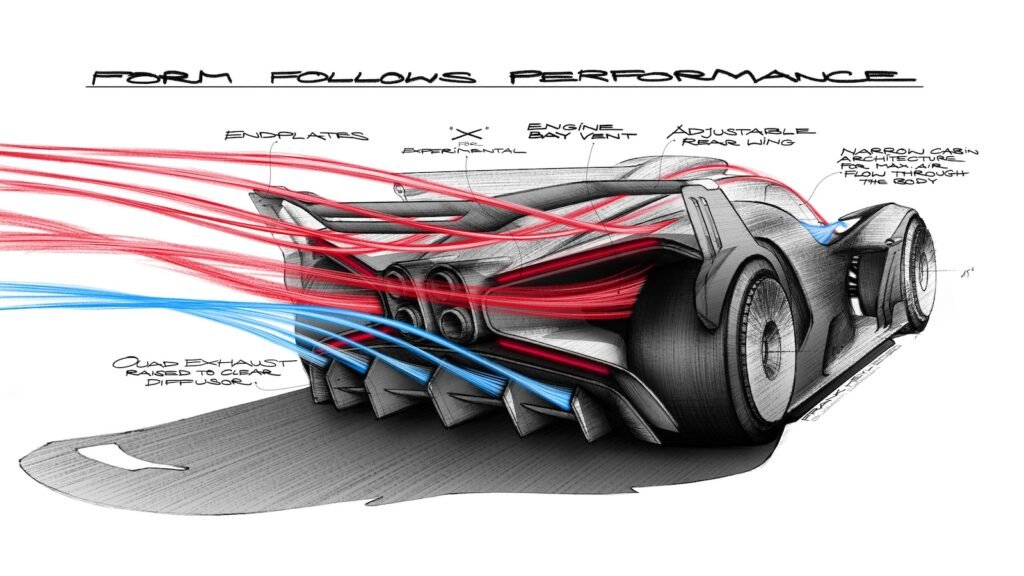
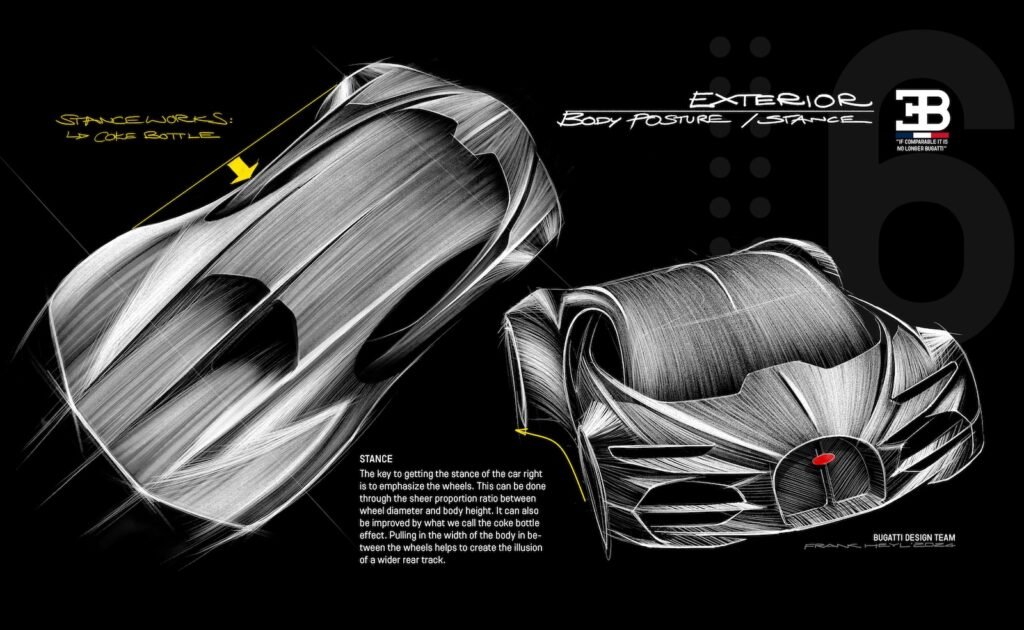
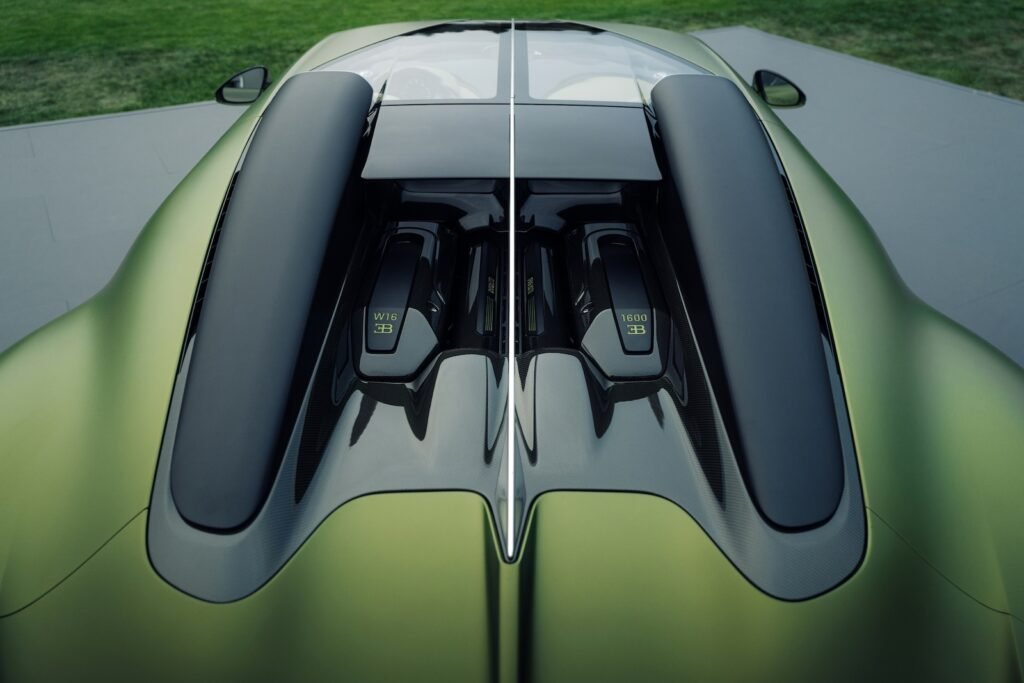
When I ask about the future, Heyl becomes cryptic, bound by confidentiality agreements. He offers only tantalizing hints: “Aeromorph and shape-shifter and four-dimensional carbon fibre — carbon fibre that is flexible and moves and shape-shifts.” He can’t say more.
But, of course, Frank Heyl’s life wasn’t always as envious.
Originally trained in graphic design, Heyl was meant to be an engineer — his father’s suggestion — before discovering industrial design and eventually car design at the prestigious Royal College of Art in London. His first professional assignment at Škoda involved fighting over wheel bearing specifications in order to give the car a slightly better stance, a change that would have added 52 cents per bearing. “If you build a million cars, that’s 2 million euros. So I lost that battle,” he sighs. That Škoda retailed for under 10,000 euros.
“When the call came, ‘hey, do you want to work for Bugatti?’ I’m like, ‘hmmm let me think about that. I’ll call you back,’” he jokes. Of course he did.
Now Heyl is working at the other extreme end of the automotive spectrum, making cars not for 10,000 euros but closer to 10 million.
He won’t say how much the Bugatti Brouillard cost the person who commissioned it, but a one-of-one coachbuilt Bugatti must surely carry an eight-figure price. Brouillard is the first car from the brand’s new Programme Solitaire, through which the company aims to produce as many as two one-off coachbuilt commissions per year.
The selection process for these allocations remains deliberately opaque. He won’t go into all the details, but he does say, “We are a very small family of creators and also customers. […] Before you’ve actually even actively tried to market anything, there is already a group of people that are naturally interested in the next project.” In other words, it’s not just about who has spent the most at Bugatti in the past (although I’m sure that’s a big part of it.)

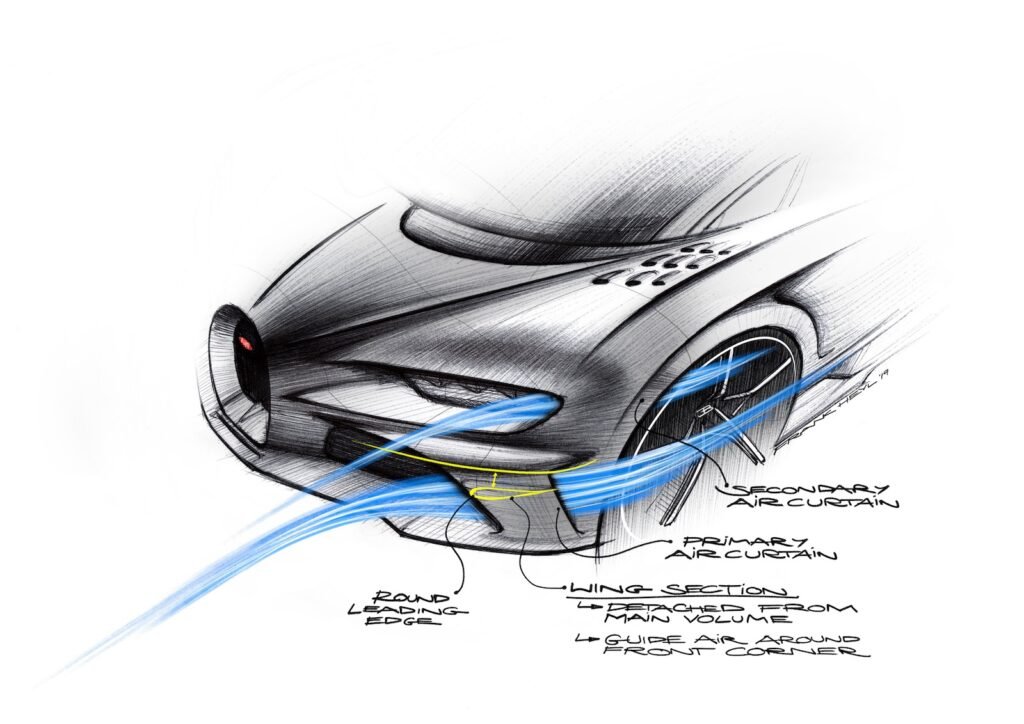
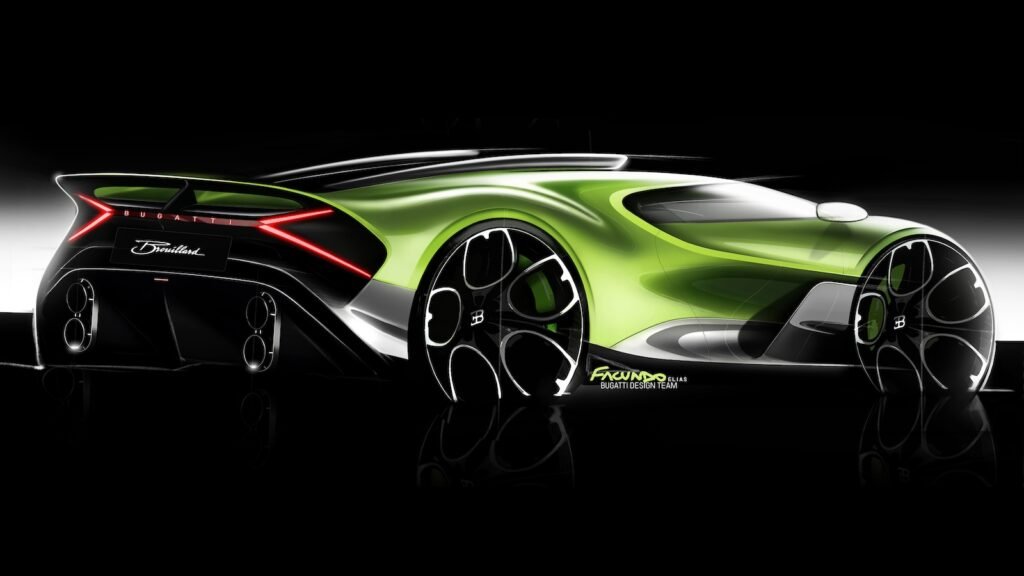
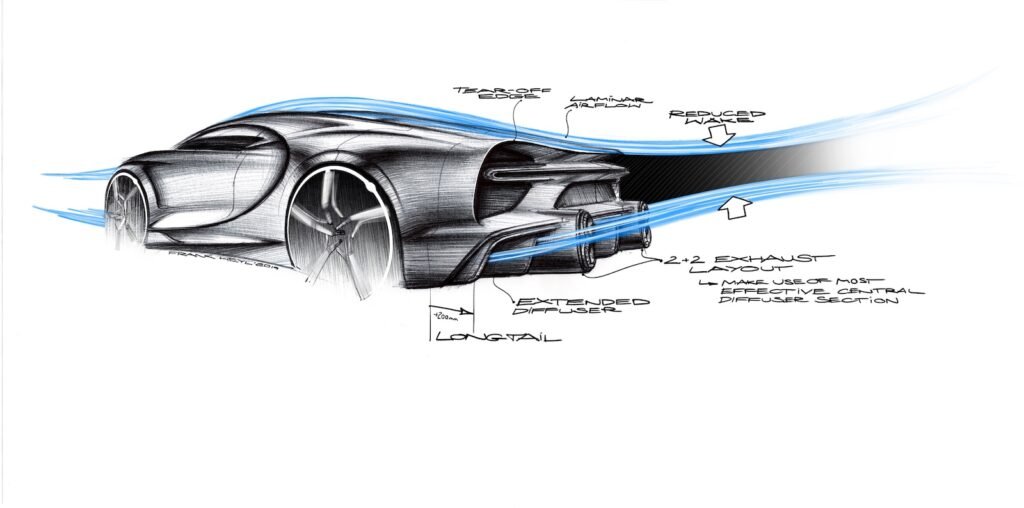


Trust, Heyl explains, is paramount when embarking on such close collaboration with a client. “There needs to be discipline, there needs to be respect, and there needs to be order,” Heyl emphasizes. “We can’t go out in hundreds of different loops and change our mind — no, I can’t work like this. There needs to be a vision. […] Naturally it would be people who fit this kind of thing that we will select to do a project like this together,” he explains.
There are limits to what Bugatti will do even for its best clients. If somebody wants to replace Bugatti’s traditional horseshoe grille with something else, then that person isn’t a good fit for the Programme Solitaire, Heyl explains as diplomatically as possible.
The client who commissioned the Brouillard is an unnamed European collector who owns over 30 Bugattis plus Rembrandt Bugatti sculptures and Carlo Bugatti furniture. Call him a superfan.
“For the one who does get an allocation for a Solitaire, it’s not only financially a no-brainer, because that car will never lose value, but it is also, as a car connoisseur, emotionally a very touching thing,” Heyl notes. “You get to basically have a brand like Bugatti create a single piece just for you.”
I’m not sure I’d call spending eight-figures a no-brainer — and it remains to be seen whether these cars retain their value — but you get the idea.
Each build requires nearly two years to create, involving what Heyl describes as, “dozens and dozens of people and a lot of money and time.” The engineering work alone would justify producing dozens of units, yet Bugatti deliberately limits production to one.
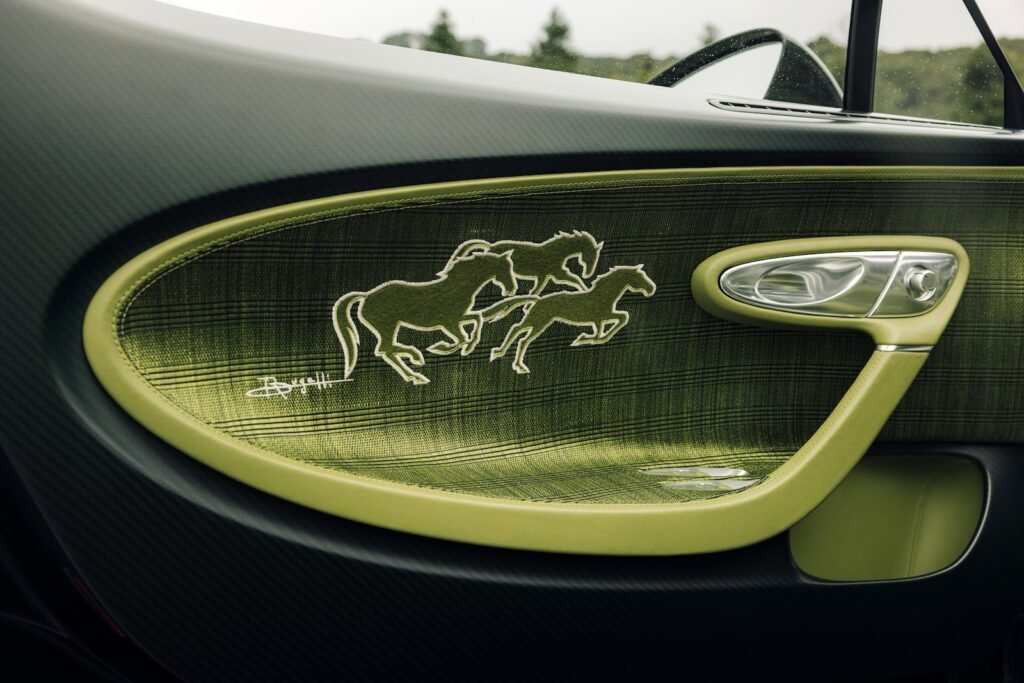
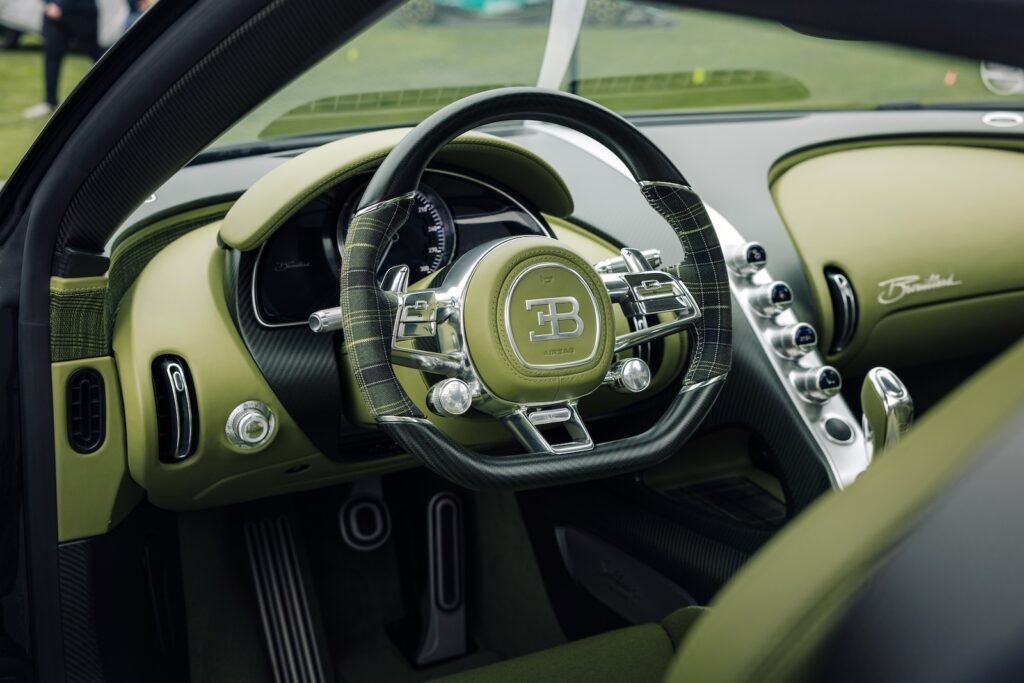
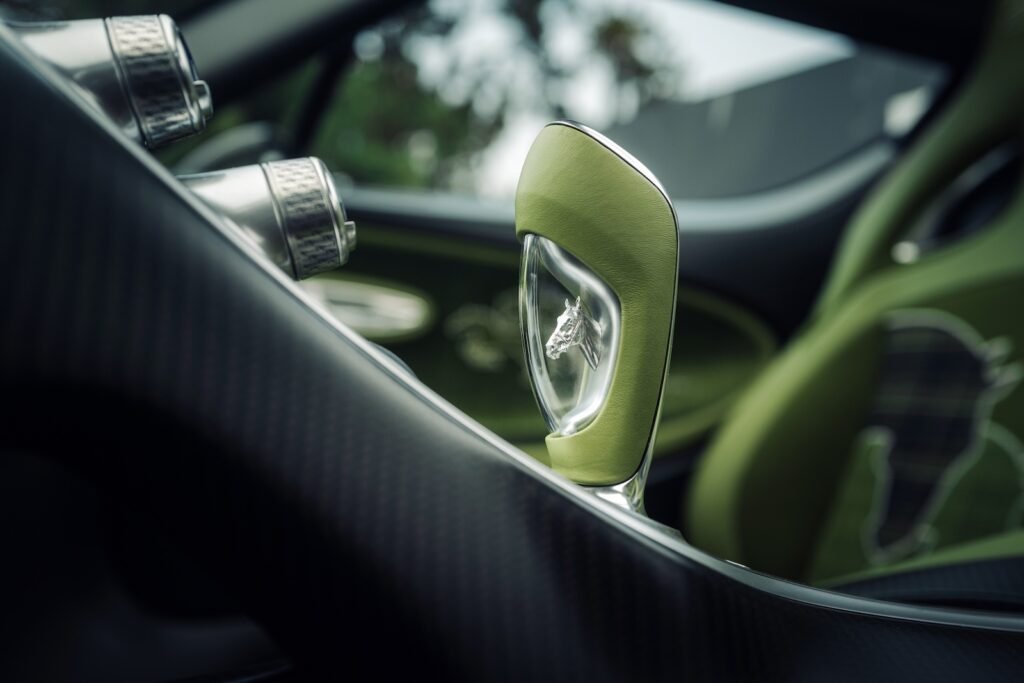
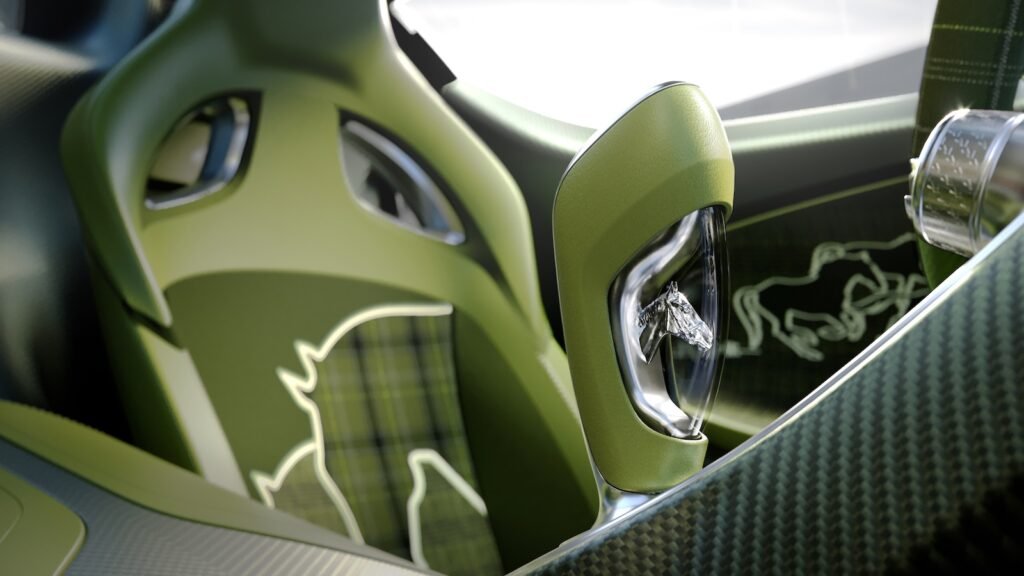
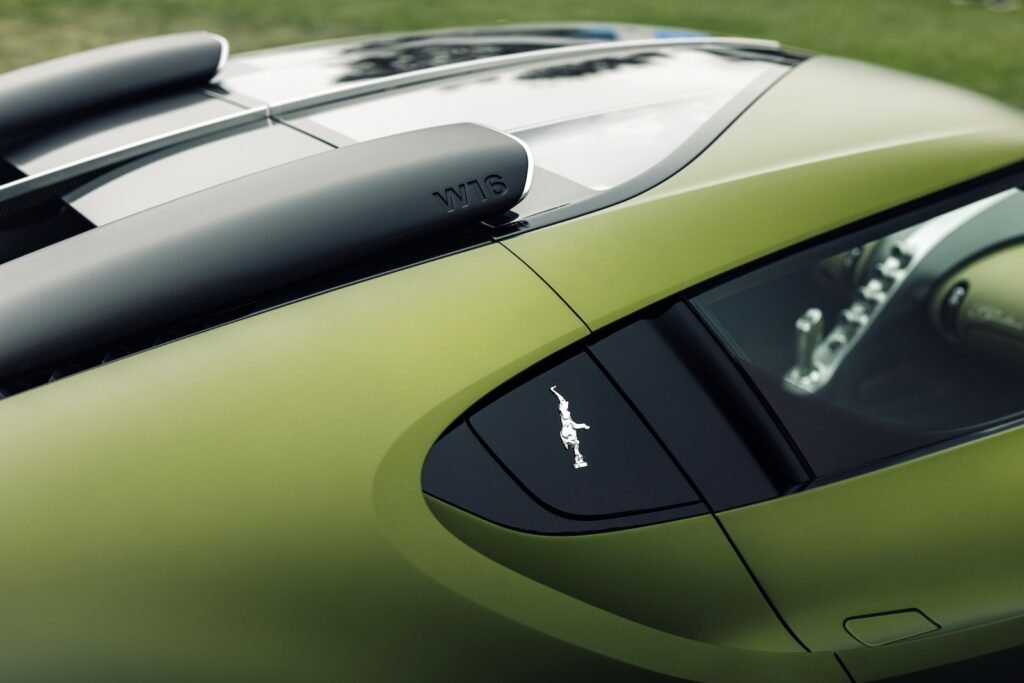
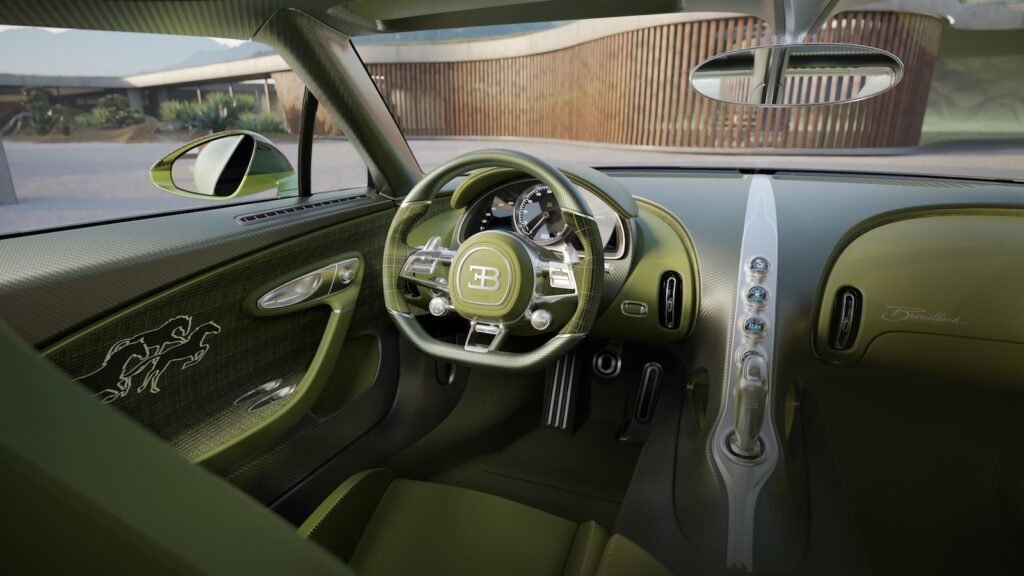
Making just one opens up more possibilities. “If you don’t have to serially produce it, you can go into prototype production methodologies,” Heyl explains. “Why would you invest in a several-million-euro stamping tool? You would just go buy a big block of aluminium and machine it out of there.” And that’s exactly what the team did for the gear shifter and the horseshoe grille. Even the two air intakes on the roof are machined from solid aluminium. The interior is upholstered with horse-hair cloth, and wool textiles. Every body-panel on the car is new. What’s particularly impressive when you notice it, is how the sinewy, muscular forms have all been created without using hard lines.
Coachbuilding techniques have come a long way, explains Heyl. From panel beating and English wheels, to unibody construction and now carbon-fibre monocoques. Crash-testing requirements and other regulations are less onerous for one-off cars, but they’re still vastly more complex than anything Jean Bugatti had to contend with when making his famous 1936 Bugatti Atlantic Type 57SC. But, fundamentally, the goal is the same: to create something timeless, a work of art that stands the test of time. To do that Heyl and his team approach their design work differently from most other car designers.
“If you look at what dates a car, it’s the technologies that were available in the time that it was created,” Heyl says. Today’s screens, for example, will look dated in a future full of holograms and augmented reality. Instead, the designers focus on the fundamentals of human experience: sight, sound, touch, smell. It’s all very hedonistic.
“How do you feel when you sit in the driver’s seat when you own a Bugatti, when you live with a Bugatti in your life? What of that experience that we can offer now will still be relevant in, let’s say, a decade from now? Five decades from now? And so we come from pure materials: real leather, carbon fiber, executed in the highest quality that you can imagine, machined from solid aluminum, anodized, real crystal glass,” Heyl explains in a single stream-of-consciousness.
“What are the sensations you get offered?” he continues. “The human perceptions, things that you can’t put in ones and zeros, these things will be still appealing in 100 years’ time: you get in the car, the smell of the leather. If you knock on the crystal glass, does it make a sound? If you turn a knob, how oily is it? If you turn the 16-cylinders on, the vibration you feel in your lungs, the sound that you hear, you rev 8.3 liters to 9,000 rpm — that will still be something that will touch you emotionally, no matter if it’s in 2025 or in 2075.”
He expects demand for Bugatti’s future coachbuilt allocations will outstrip supply. All 250 examples of the 3.8 million euro Bugatti Tourbillion sold out rather quickly. (Remember when the $1 million Veyron seemed crazy expensive?) There are more billionaires out there than never, and clearly they like their cars.
“The segment just developed upwards,” Heyl observes. “We’re also not 1,000 horsepower anymore. We’re 1,800 horsepower now. We’re also not 400 kilometres an hour anymore. We’re like 450, nearing 500.”
Despite the fact he makes cars for the ultra-rich, he remains grounded in enthusiasm rather than elitism. “If you go to a Cars and Coffee, there might be a guy rolling up in a million-dollar car and a guy rolling up in a $10,000 car. Same enthusiasm. This is what I love about cars.”
All he hopes is that’s the cars he creates now will be appreciated for generations to come, and to someday share his work with his family.
“I have two daughters,” he says. “Maybe they will have children one day. And maybe, you know, I can walk the lawn of some Concours d’Elegance with my grandchildren, and show them what granddaddy had been working on back in the day. So, that’s the vision. I don’t know, maybe it never happens, but it’s a dream of mine.”