
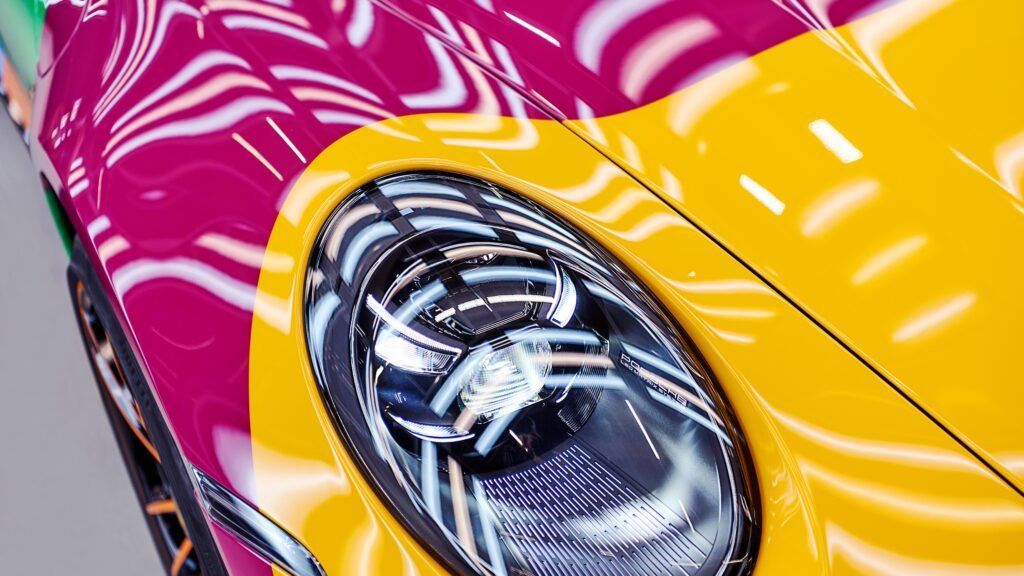
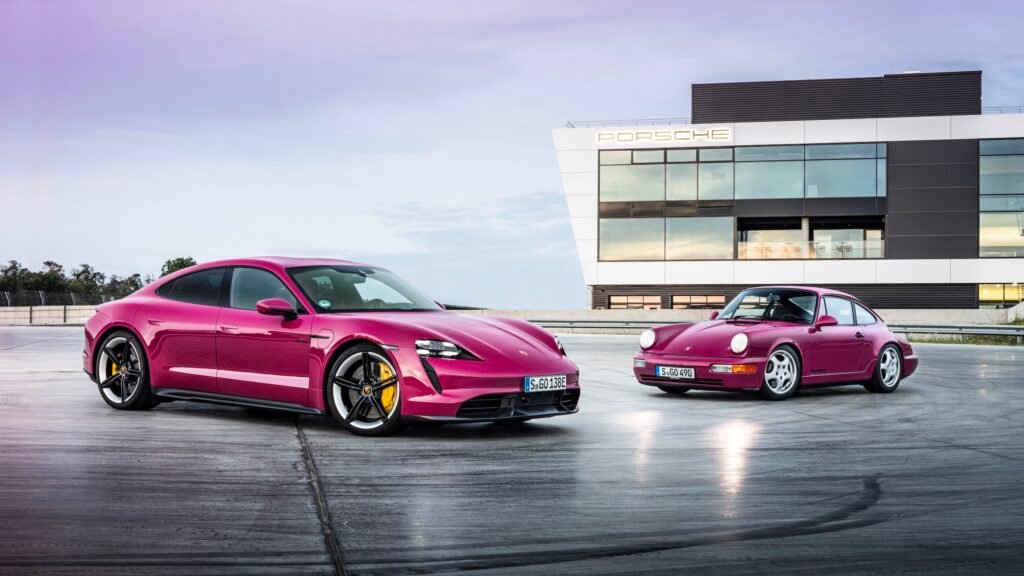
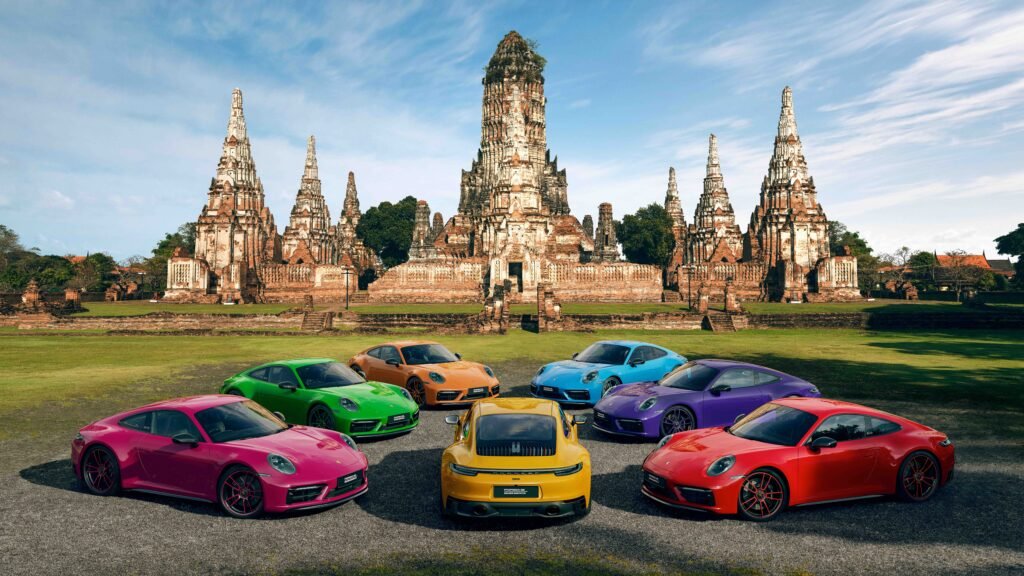
We spend a lot of time on surface and form when we look at cars, but what of colour? Superficially, sure, there are Paint to Sample (PTS) Instagram accounts, organized meets for Porsches in rare colours, speculator frenzies around rediscovered back-catalogue highlights. Who makes these colours though, from what inspiration, and through what process? How long does it take, how many are dropped, and how does a striking fuschia like Ruby Star Neo hit the order sheet decades after a progenitor which barely sold in its time?
Porsche’s shapes have always evolved slowly, so colour has played an important role in maintaining interest and injecting a sense of freshness between product cycles. Whether as a launch colour to distinguish a new special or simply as a mid-production shakeup to make people look at an aging model differently, a string of particularly bold colours punctuate the years.
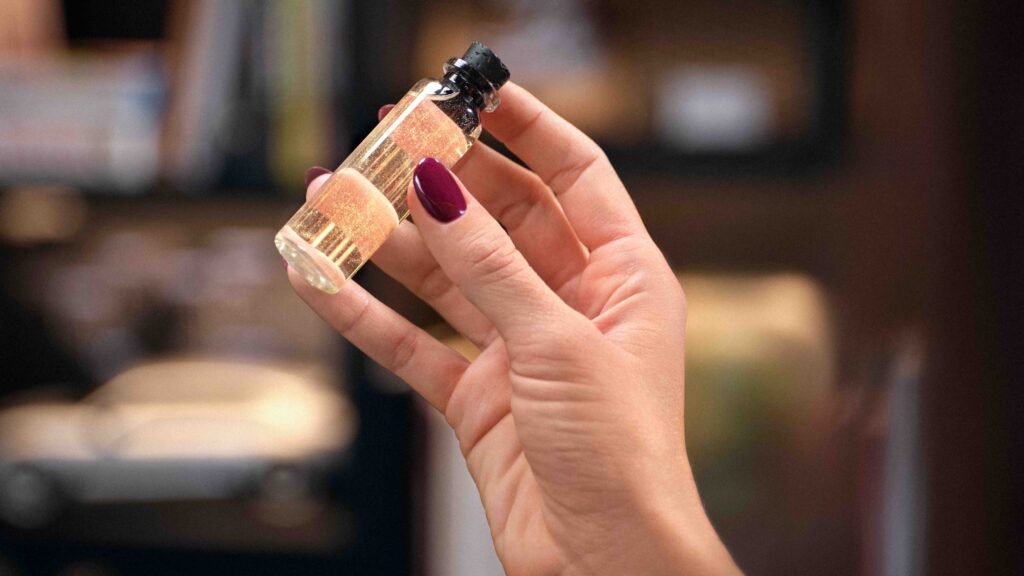
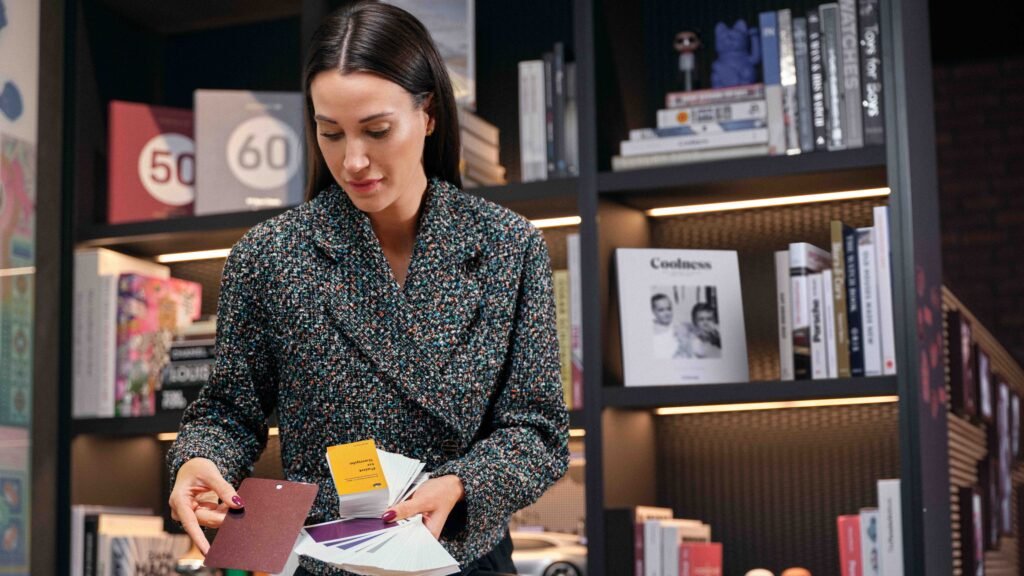
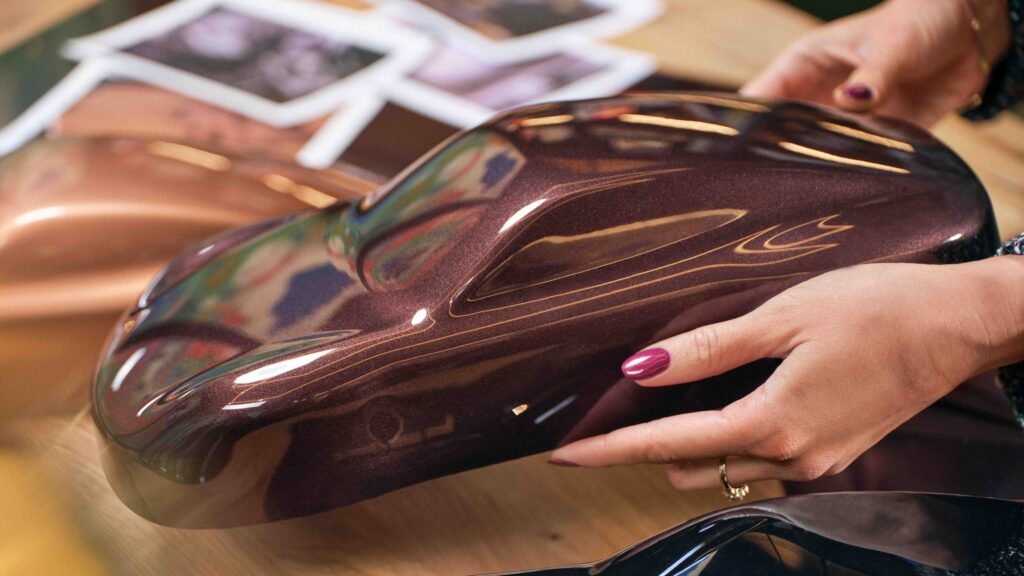
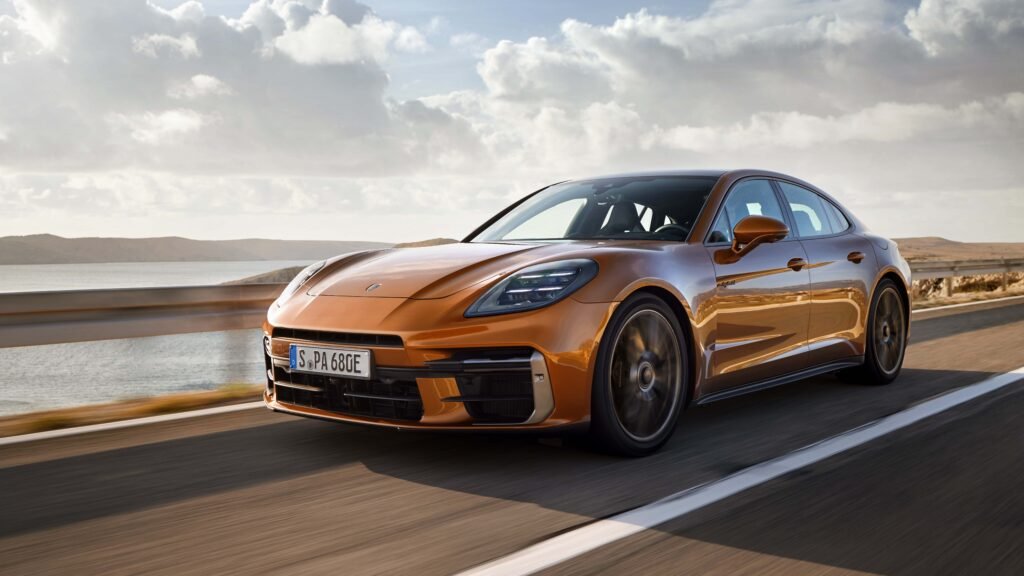
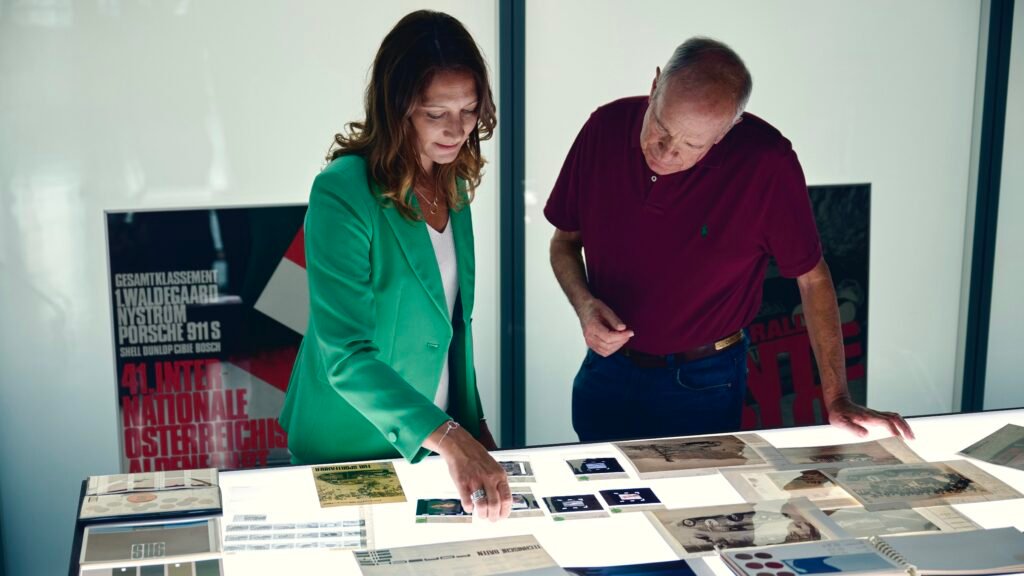
Colour isn’t simply an exterior designer’s side-task between models, however: it’s a discrete portfolio often assigned outside the usual exterior styling space.
Whereas automotive exterior design typically draws straightforwardly from automotive design grads trained to draw cars, this represents but a fraction of the full vehicle design process. Furnishing these forms are a more diverse crew of Colour, Material & Finish (CMF) designers — a talent pool drawn from the reaches of fashion, textiles, and broader industrial design.
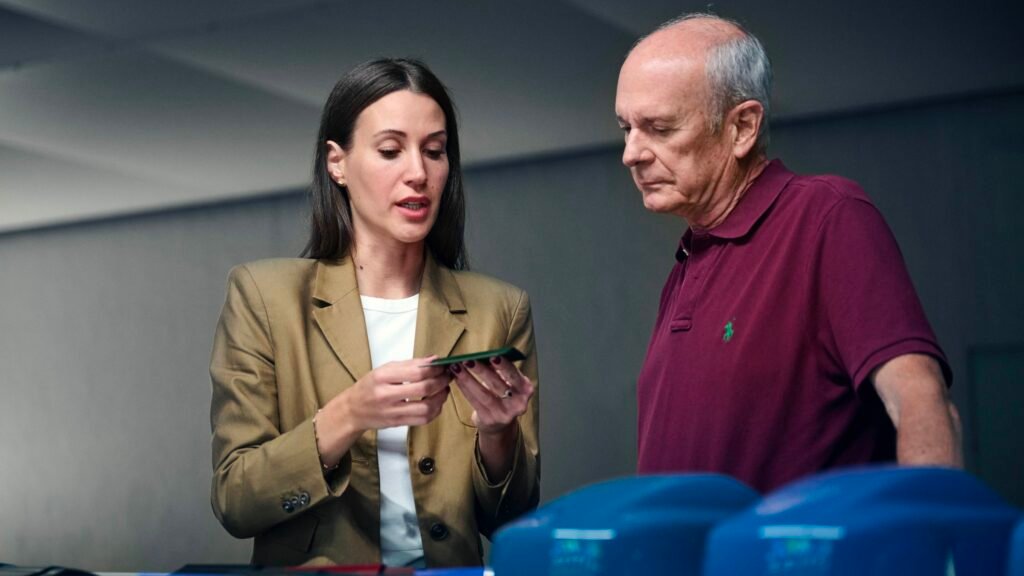
Daniela Milošević has served for the past eight years as Porsche’s appointee to the Weissach Colour and Trim Design department’s exterior colour portfolio. A Stuttgart native, Milošević oversees all exterior paint, exterior trim, and wheel colours for new series-production models, Paint to Sample lines, and one-off Sonderwunsch commissions. There’s some interior colour work too, just for good measure.
Milošević’s hand goes back with the brand, starting from an interior trimming apprenticeship out of high school at age 17. A hiatus for a formal degree in Transportation Interior Design, a few months cross-pollinating up the street as an intern at Mercedes-Benz, and she was back at Porsche by 2016. Despite her training in how to design for manufacturing and those earlier years’ hands-on experience executing those designs in the trim shop, however, it would be exterior work that would consume her attention in the subsequent years.
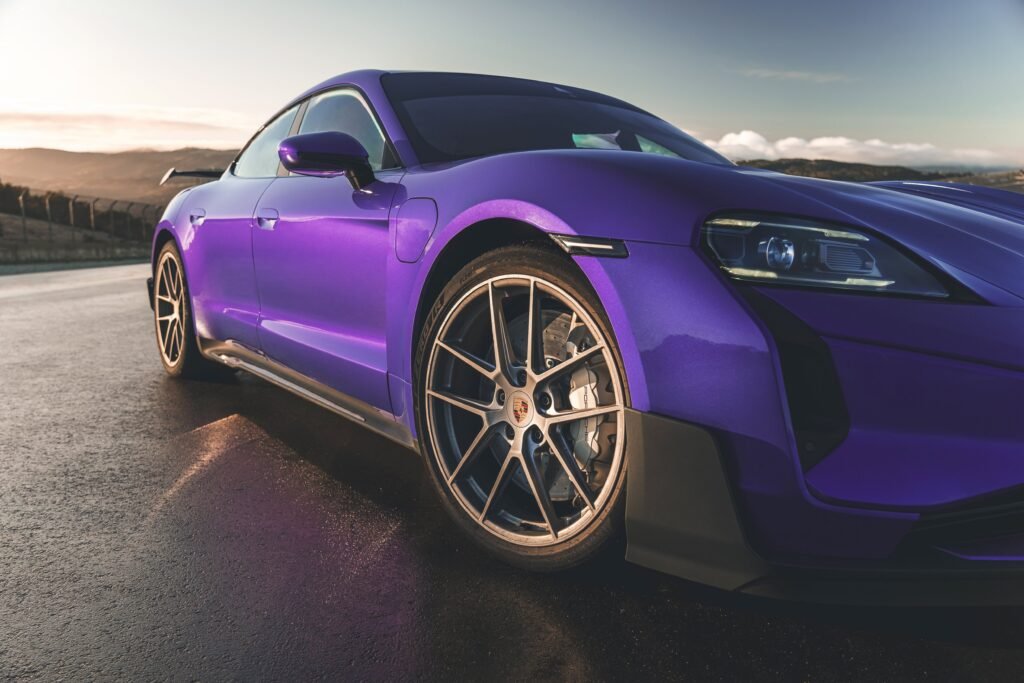
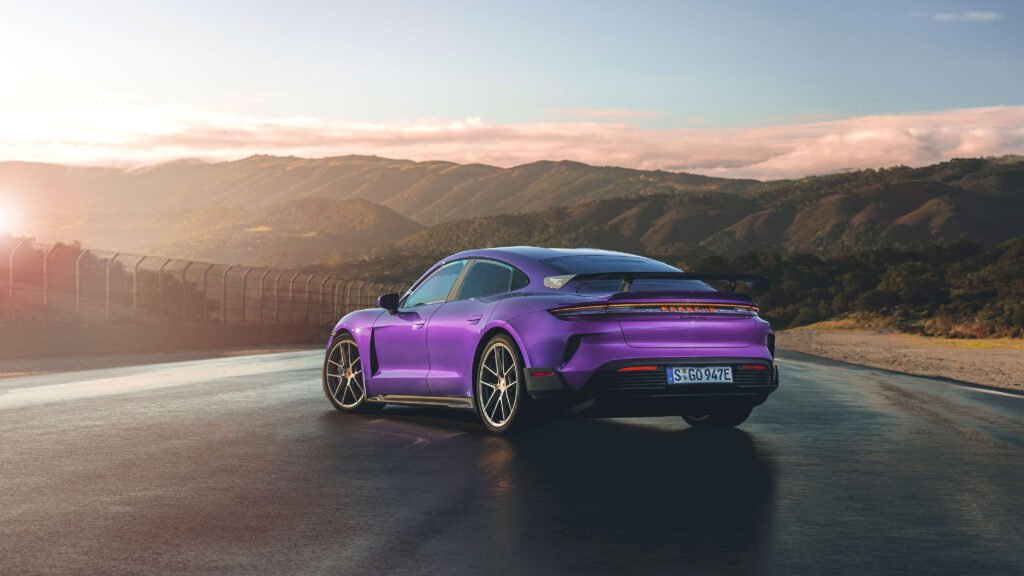
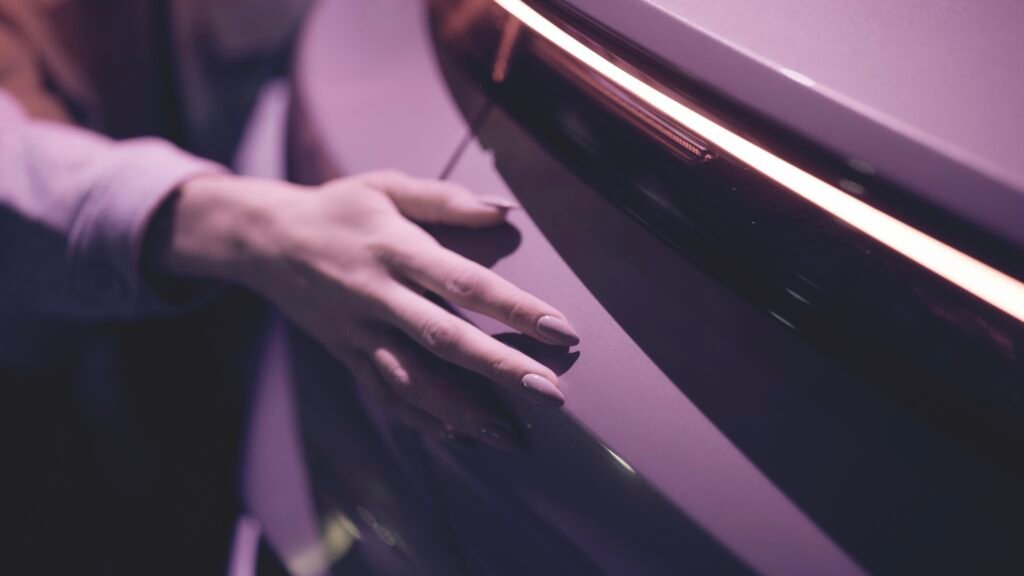
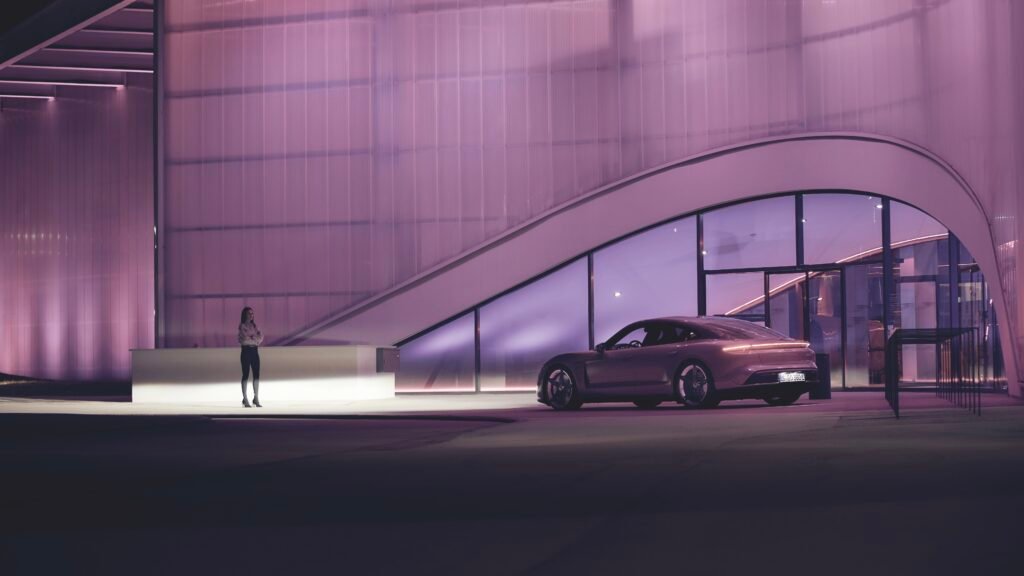
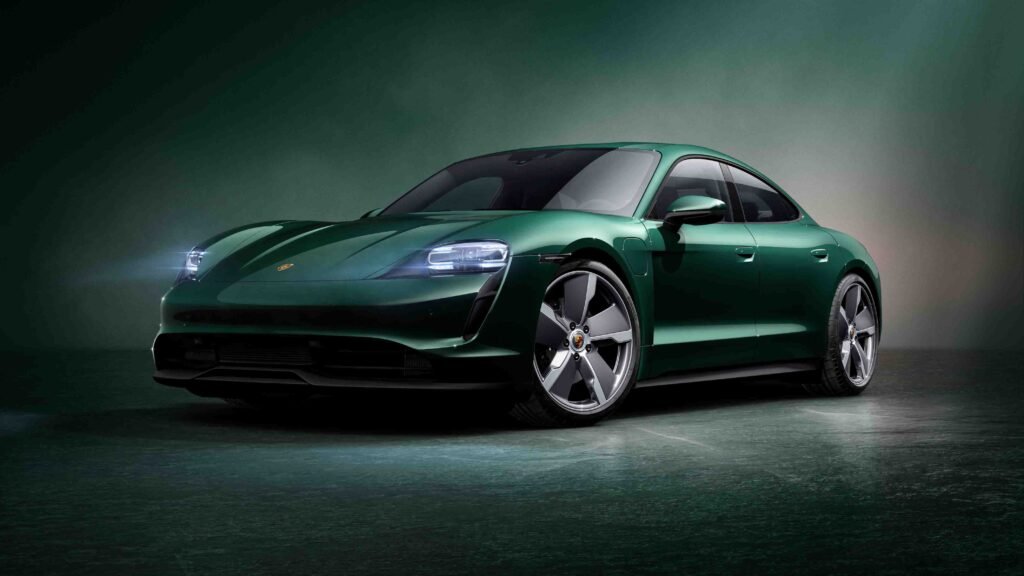
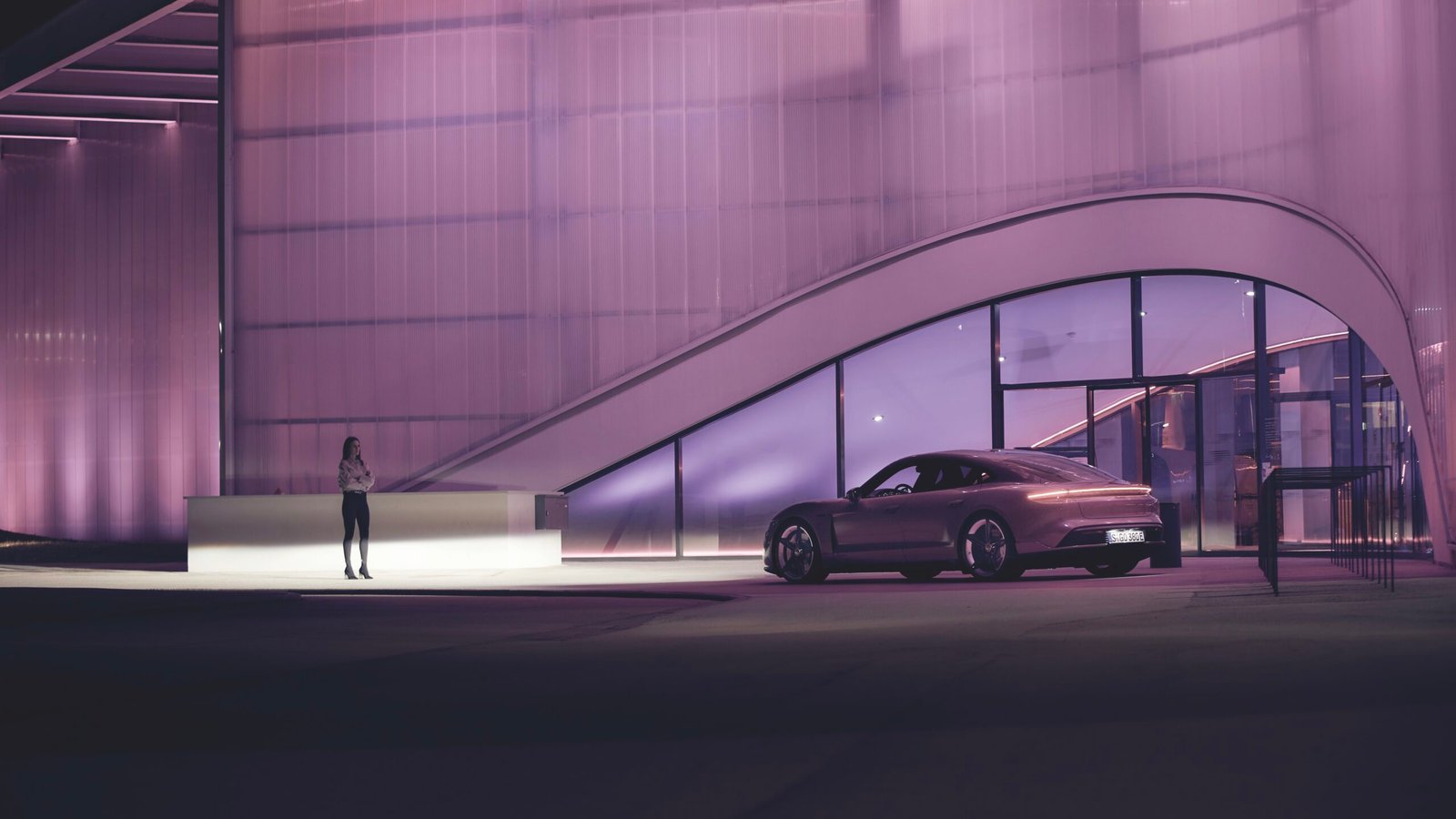
You’ve almost certainly seen Milošević’s work: Frozenberry on Taycan, Shade Green on Dakar, or the new Macan’s fascinating lavender-dipped Provence. These past few years’ complex metallics, the soft pastels, the resurrected ‘Neo’ remasters of historic hues — that’s all her. But while Porsche’s palettes haven’t stopped at Guards Red or GT Silver, there’s still a legacy and identity to honour.
“There’s big pressure when you’re designing for the future of this brand where colour was always super important,” Milošević explains: “it’s hard, you know, like when you need to think of new colors [like] Frozenberry, but it was a big highlight for everyone; Frozen Blue too… But [before Porsche] I heard there from one guy, ‘pastel colors are not for cars,’ and yet the hype is so high now on the pastels like Moonstone now, which we have on PTS.”
With so much from scratch then, what makes a good colour?
Of first importance, says Milošević, is that it makes people happy. She grows more excited when she steps past this, however:
“I think that color needs to be interesting… to have something surprising inside, [for instance] when you have a solid (non-metallic) colour, [but with] some small metallic or pigment.”
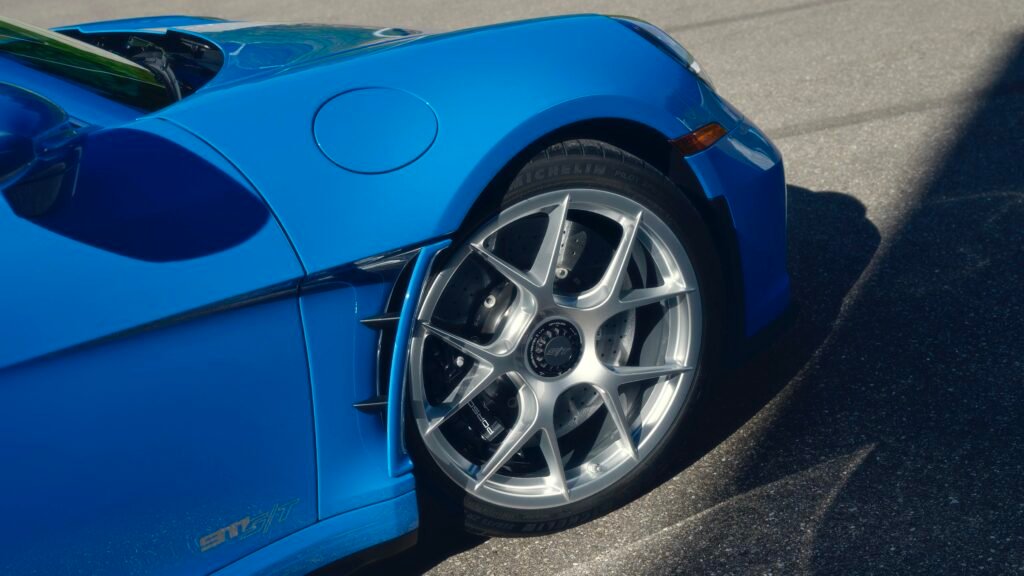
“Some people think that [Shore Blue] is a non-metallic color, but when you get close there is a surprising effect inside. The color has some white metallic pigments inside, and also some small blue sparkle.”
“We don’t have extremely sharp exteriors or super sharp lines, [so] we need colors that shape our cars a bit. What is great on our brand is that we can use solid colors and they still look good because [of their] soft shape. It gives a kind of form, it still looks elegant and also plastic.”
Even the best colour has to fit a present demand, however — and both strategy and development timelines.
“You have to have a vision of where you think [trends will be] in three or four, maybe in five years. [Even if] fashion has a trendy colour this year, you don’t know if it’s going to be a trend next year.”
“Fashion is inspiring for sure: lots of catwalks, I like having a look at the fashion shows… I also love Milan Design Week. I think it is the most inspiring week for me because I see all these great people… dressed in nice colors. This is a really inspiring moment for me: being there and seeing this good mood, these good vibes, and also these beautiful colors on interior and furniture and fashion. It’s amazing.”
It’s more than just textiles, fashion, and vibes of course: Milošević cites industrial design — particularly furniture — for its staying power and longer product cycles, versus fashion’s seasonal turnover. “When they bring a color this year, it stays for some years.”
Expanding international markets also play a role in the broadening of palettes. Porsche’s expanding Asian and particularly Chinese market presence, for instance, was the pretext for the soft but deeply expressive Frozenberry. This bold pink-tinted metallic spooked some of the more fragile staid journosaurs in the western motoring press, but stirred more colourful, previously under-represented tastes who welcomed a flavour unprecedented on resale-yuppie-oriented order sheets.
Still, it’s her human points of inspiration that come up: “People, because eye colors are very inspiring.” More broadly: “People who give you a good mood… [Inspiration is] also [in] nature, or going traveling.”
Concepts established, all of this needs to be translated onto metal.
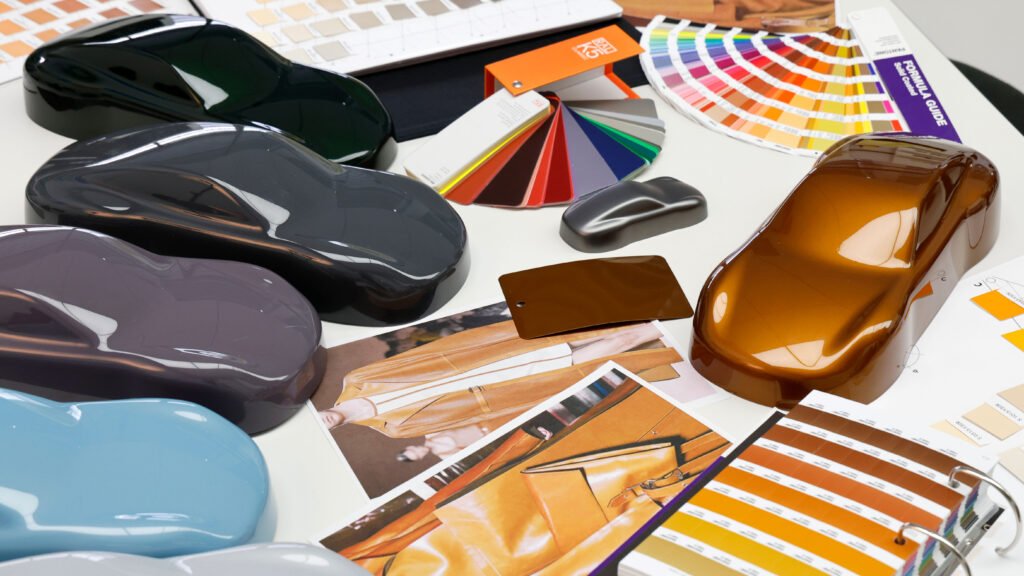
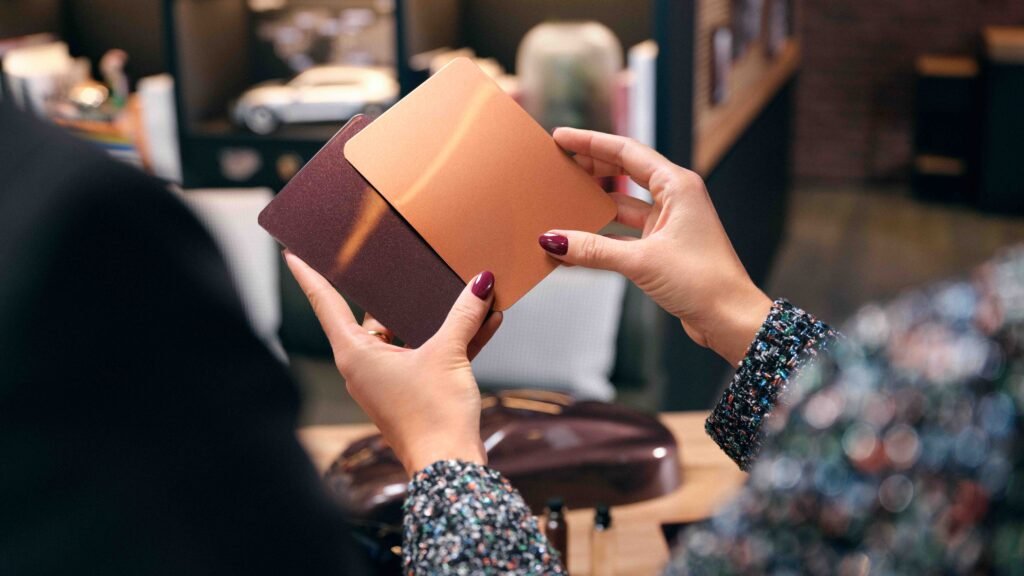
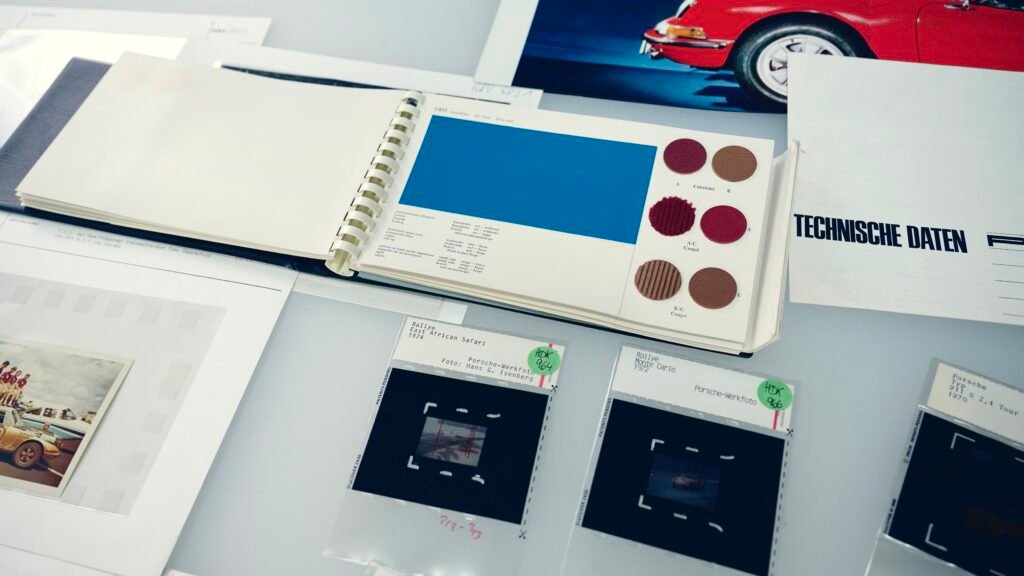
The first step in this three-year process is formulation, a process which can take a variety of paths that few CMF designers from Porsche to General Motors seem entirely open about. Still, there are some basics: a mixing bench, sometimes a Pantone chip or a back-catalogue sample for baseline reference, or perhaps none of these at all.
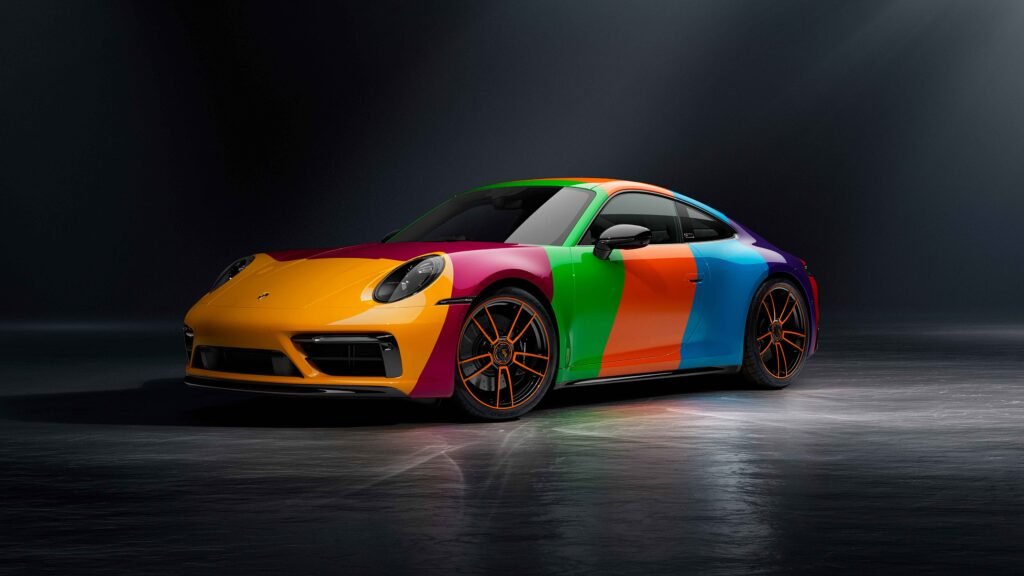
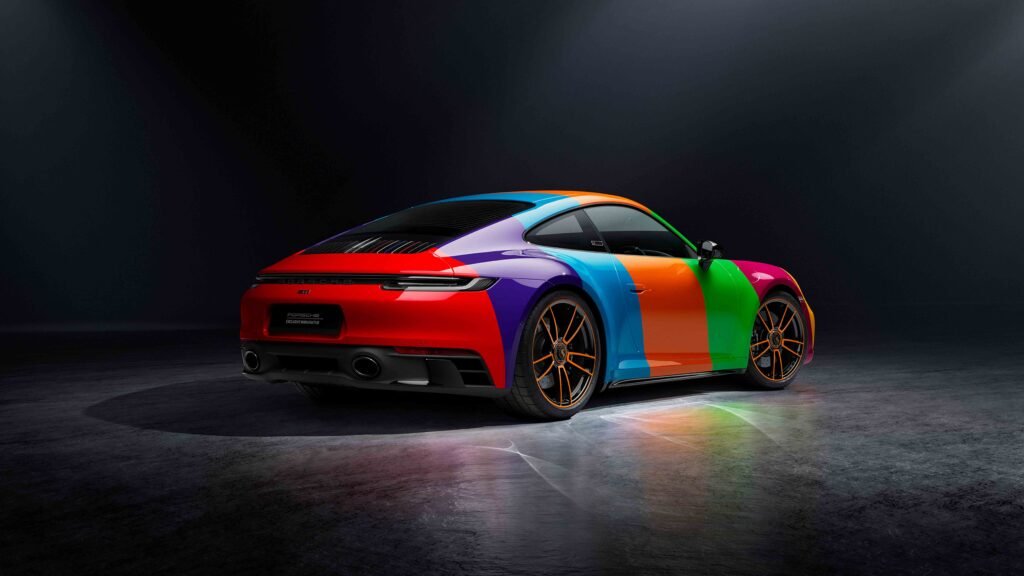
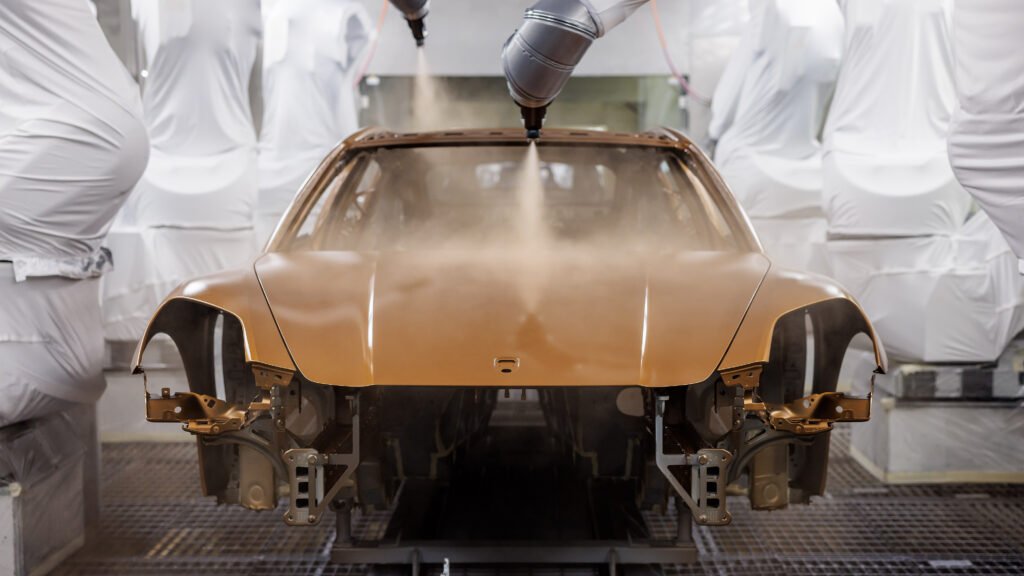
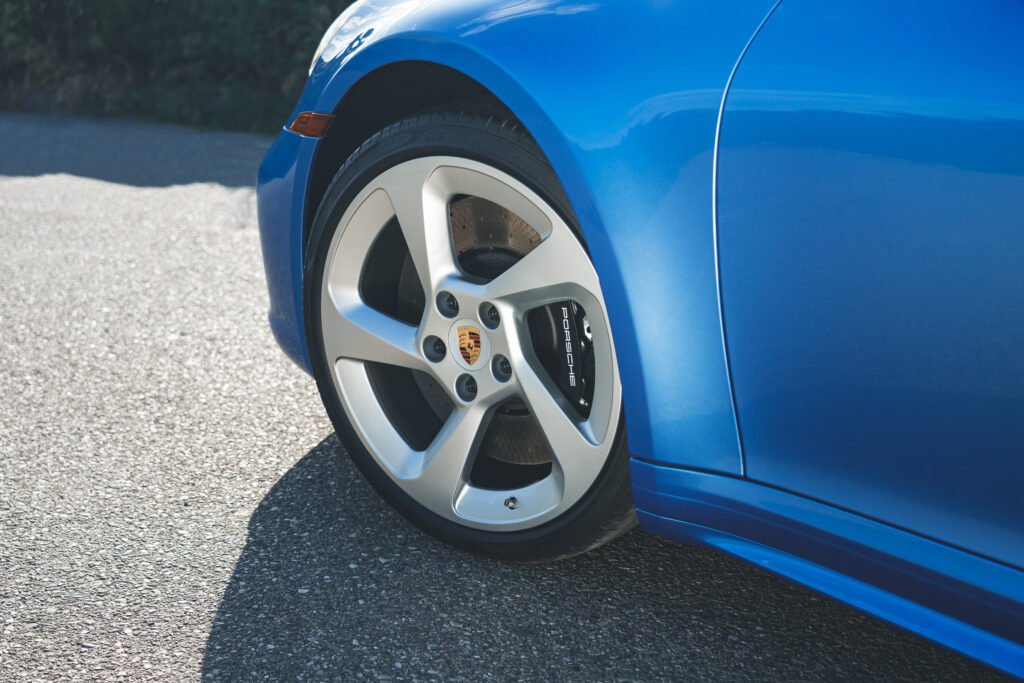
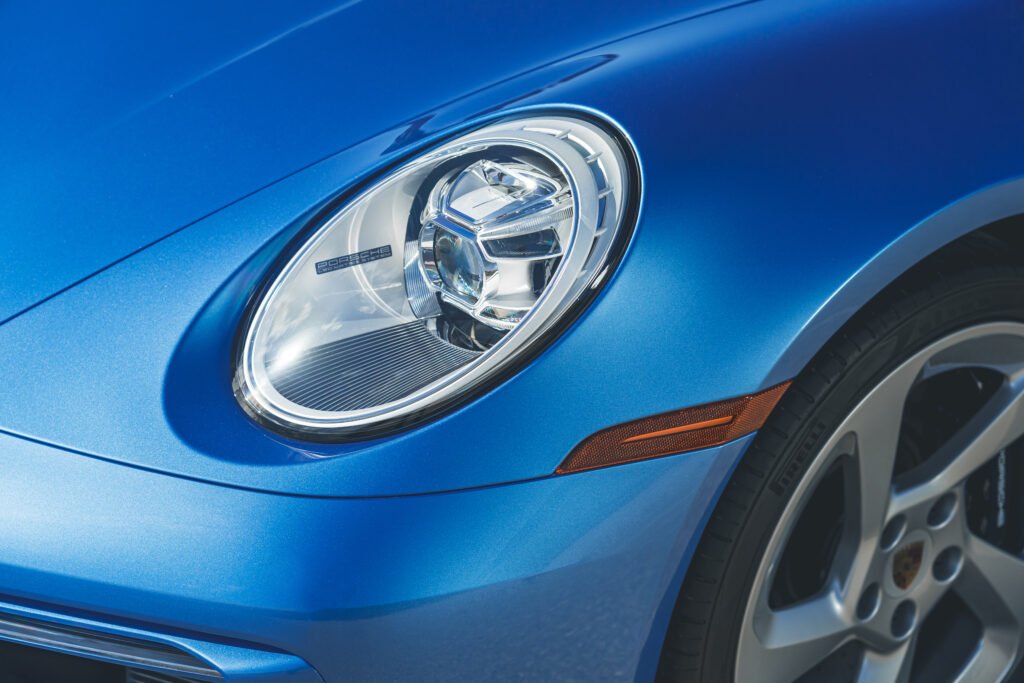
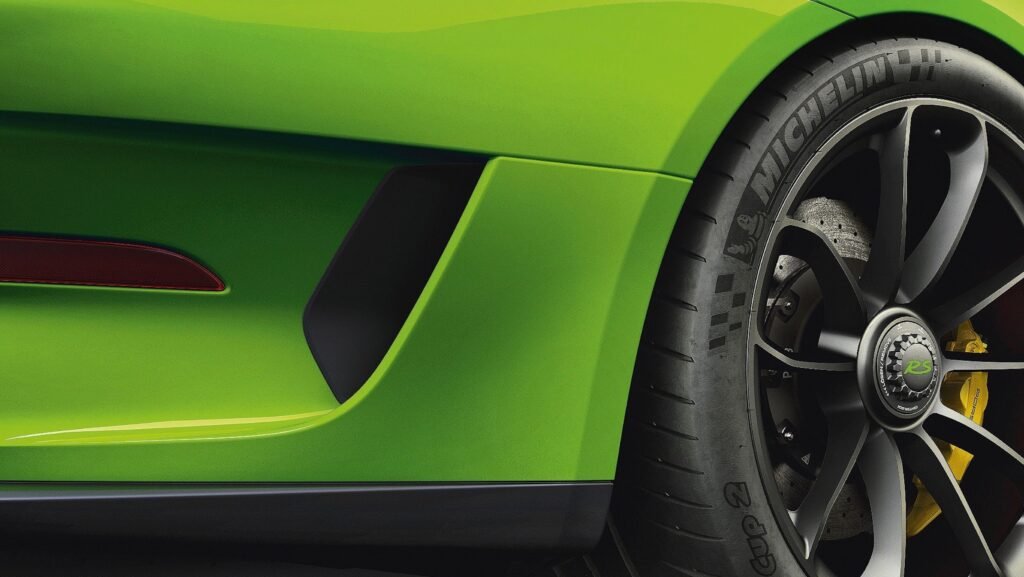

“We send them some samples and then we make a colour presentation. We talk about colors and give them ideas, like maybe we want this more of a solid, or more pearl or more metallic.
Then they send us some samples and we get three or four versions of it. Some of them are already good, some of them they need to correct because [perhaps] they’re too bluish or too green.”
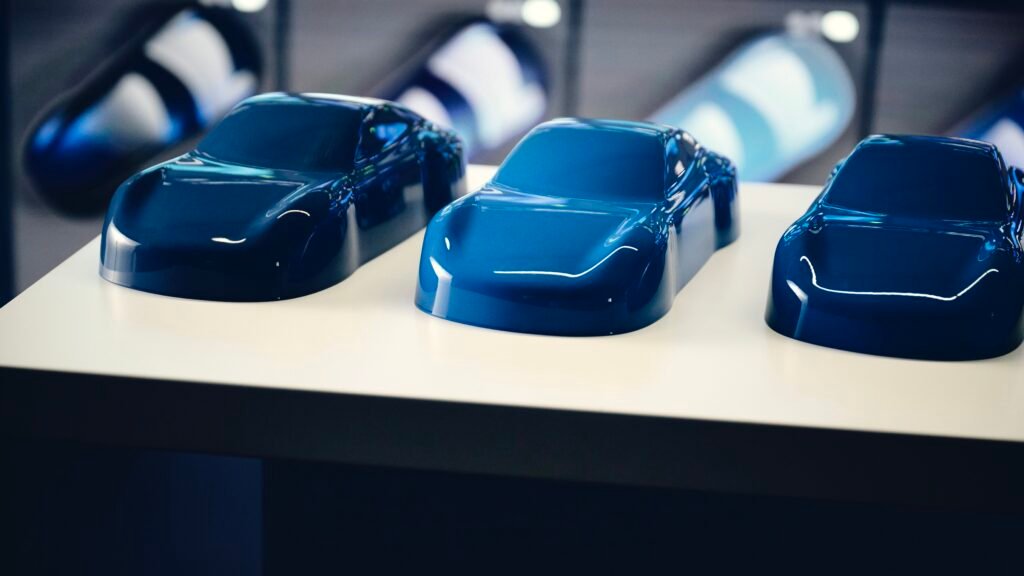
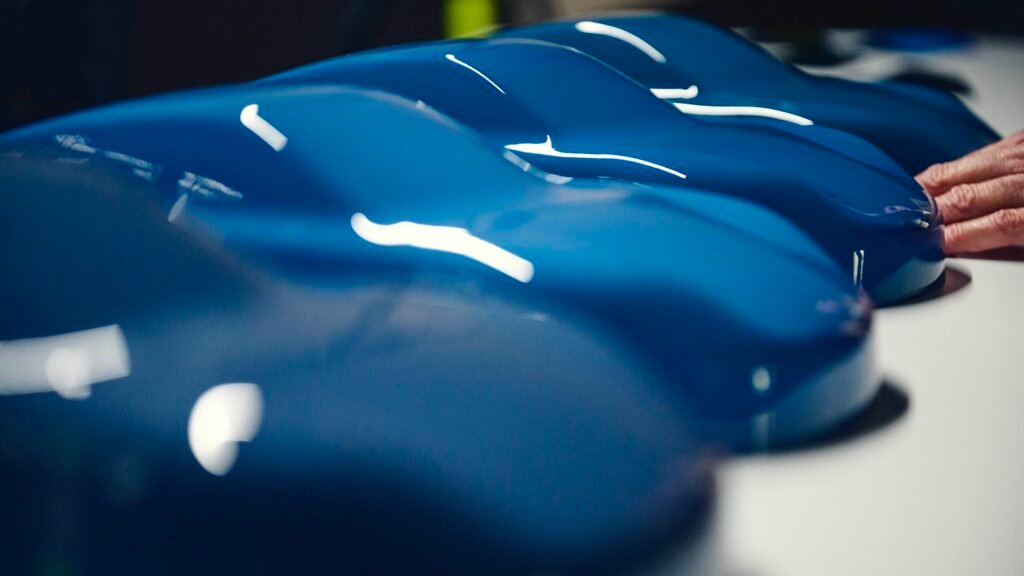
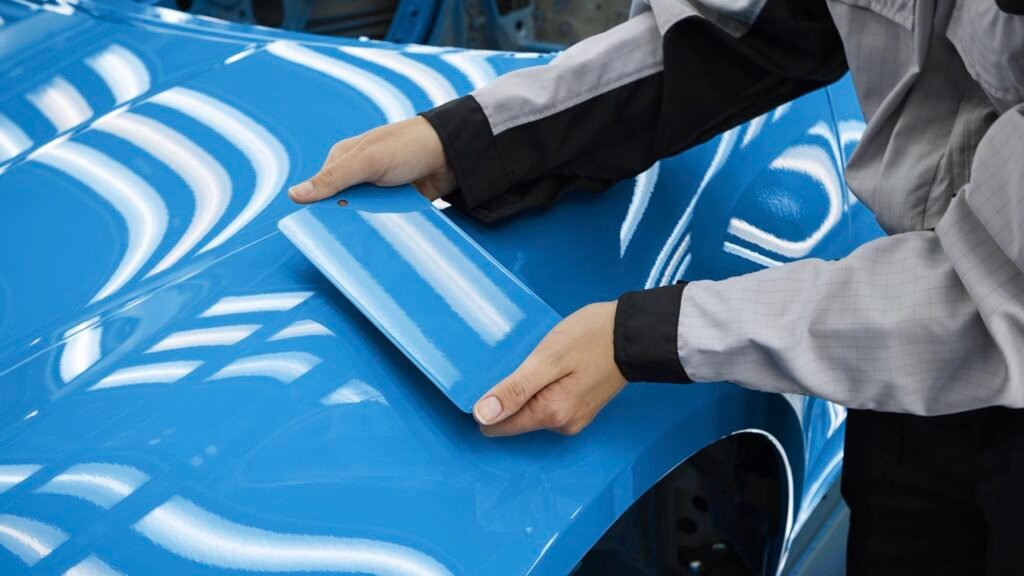
“After we paint [small 911-shaped sample ‘frogs’] with the color samples, we scan the colours to make visualizations and present them to the board, to give them an overview of what we think that we want to build up.”
“Then we build real cars. We have [an internal] presentation, (always in summer) [of] real cars built in new colors. I think this is a very special part of our job, a very special thing that we have at Porsche because I didn’t know until now of any car brand that builds real cars just to test the colour.”
Milošević sounds to have been on a streak too: where 10-15 cars spanning grays to pastels to expressive metallics might be built, the board might only select four of them for introduction in a given year. “Sometimes [they choose] more, like 2023 was like 10 new colors, so it’s going to be very colorful for Porsche the next few years.”
Personal satisfaction met with selections and approvals, the work continues. Formulations must be tested for colourfastness and durability. Milošević references a site in Florida where finishes, applied to metals and plastics (as used for bumpers and trim) alike, are baked in near-equatorial sun for at least two years to ensure that outdoor-parked cars’ appearance will hold consistent across the ownership term. Deeply saturated colours such as reds and oranges are the hardest here, while desaturated and monochromatic finishes tend to prove more UV-stable.
This passive proofing period represents one of the longest phases in the colour development process, but remains well proportioned to modern cars’ usual years-long product-planning and development cycle. Indeed, it’s such a lengthy process that test panels’ creators may not even be the ones assessing their long-term success. After eight years of paint, Milošević is handing off the reins.
Her next step at Porsche: design strategist for Porsche’s fashion & style department. This is perhaps unsurprising: side projects punctuate Milošević’s timeline just as they do so many CMF designers’, notably a personal project developing a complex geometric leather bag to suit her own tastes.
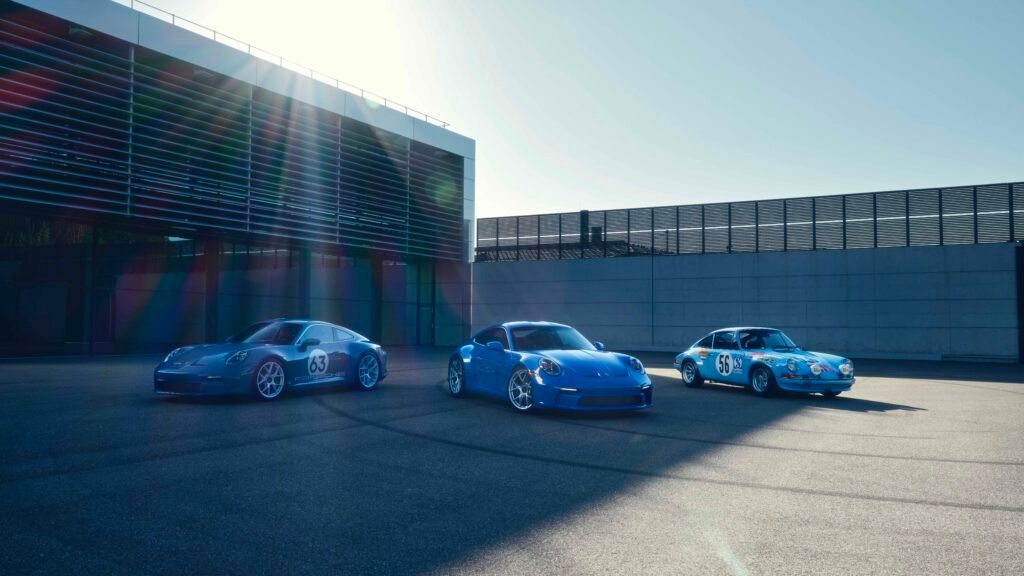
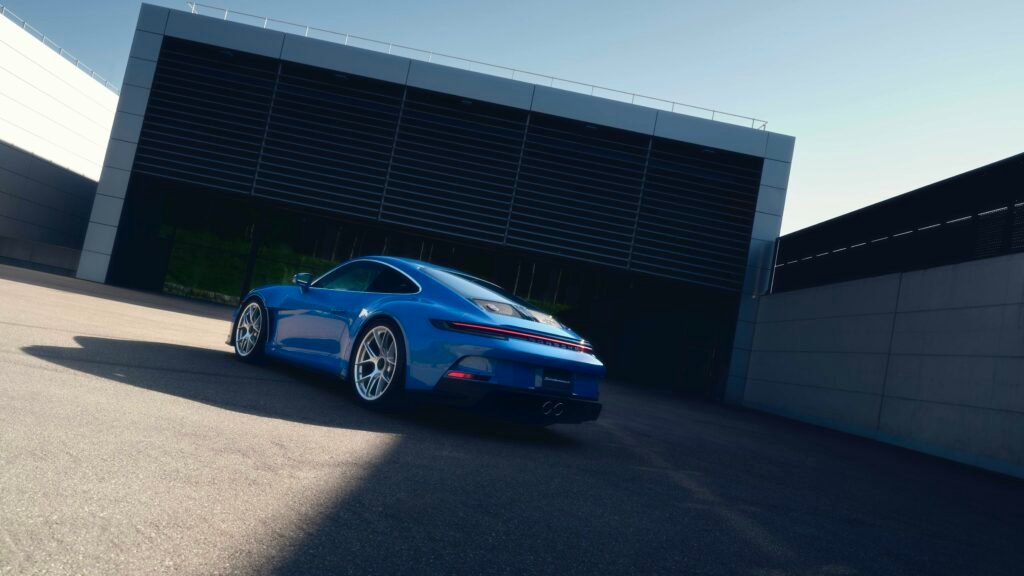
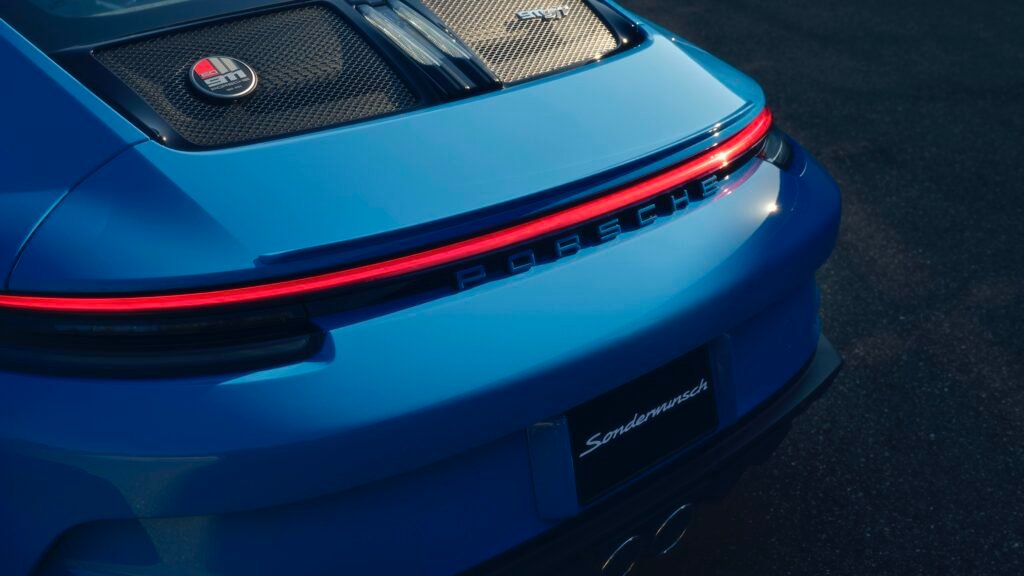
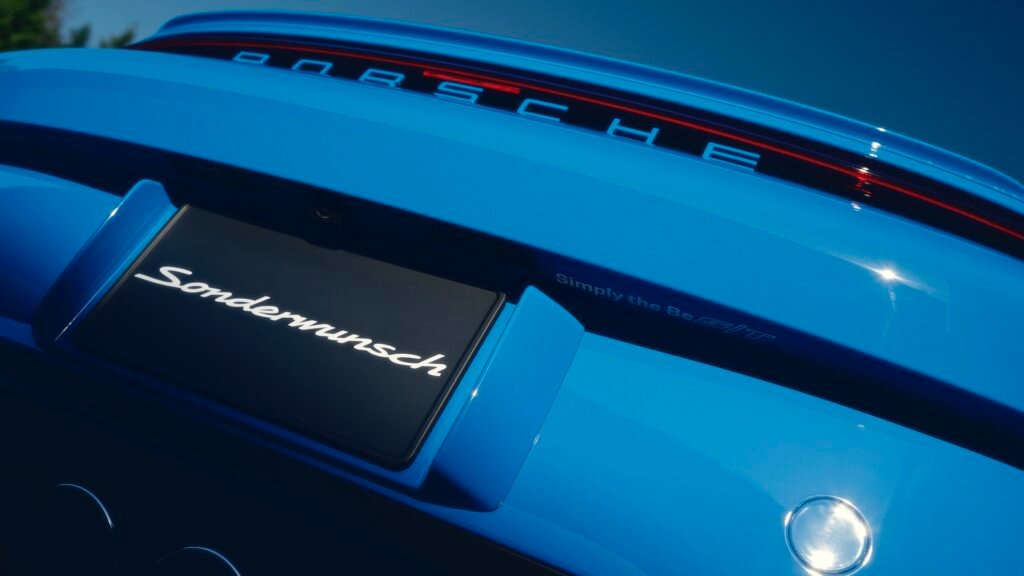
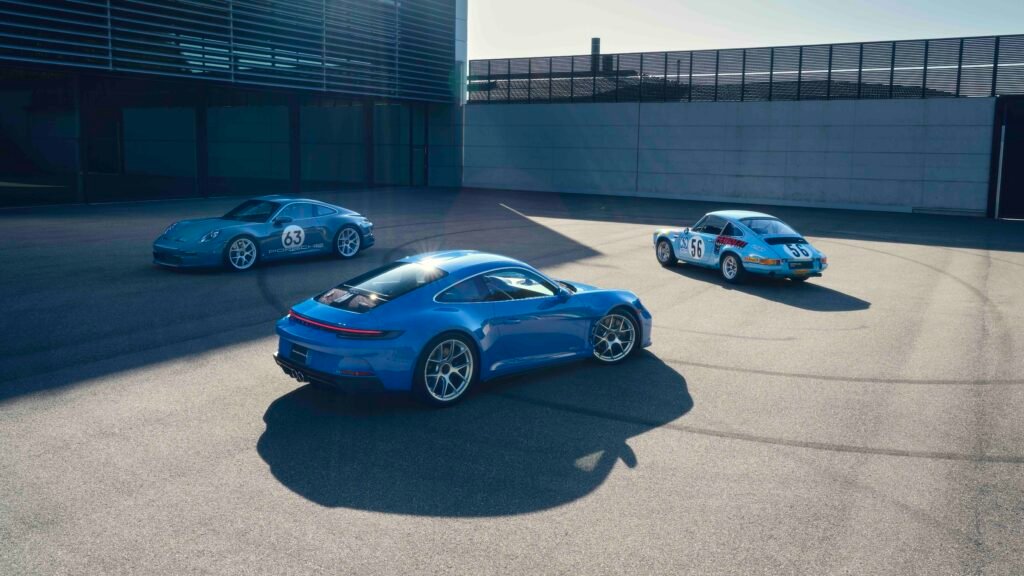
Still, from the return of Rubystone to that landmark Frozenberry, Milošević’s legacy on the showroom floor seems set to endure. So distinct an impression has Porsche’s queen of colour left that a 911 S/T customer even chose to name Milošević’s one-off Sonderwunsch reinterpretation of Porsche’s original Enamel Blue Daniblau in her honour: Dani Blue. A suitably royal hue for one of the mightiest 911s of this generation, a rare celebration of a behind-the-scenes figure who shaped an era of Porsches, a resounding tribute that few designers could hope to close a chapter on.