Hollywood usually brings audiences to a movie. Sung Kang is bringing his movie to the audience.
Over the past couple of years, he’s taken Drifter from production to auto shows and enthusiast events around the world, promoting it directly to the people he says made the film possible.
“This is like a dream come true,” Kang says. “To be able to go and share a movie that comes from your heart with a community that speaks the same language, that understands what you’re talking about. This is what I think every filmmaker, every actor dreams of… to be able to go and find your people, find your tribe.”
It’s also why Kang has been careful about how Drifter reaches audiences. Rather than treating it like another streaming release, he wants people to experience it together.
“This movie is a love letter to the community,” he says. “To put it on streaming where people watch the movie by themselves… isn’t that why I made this movie? The whole design of this movie is a reason to get together.”
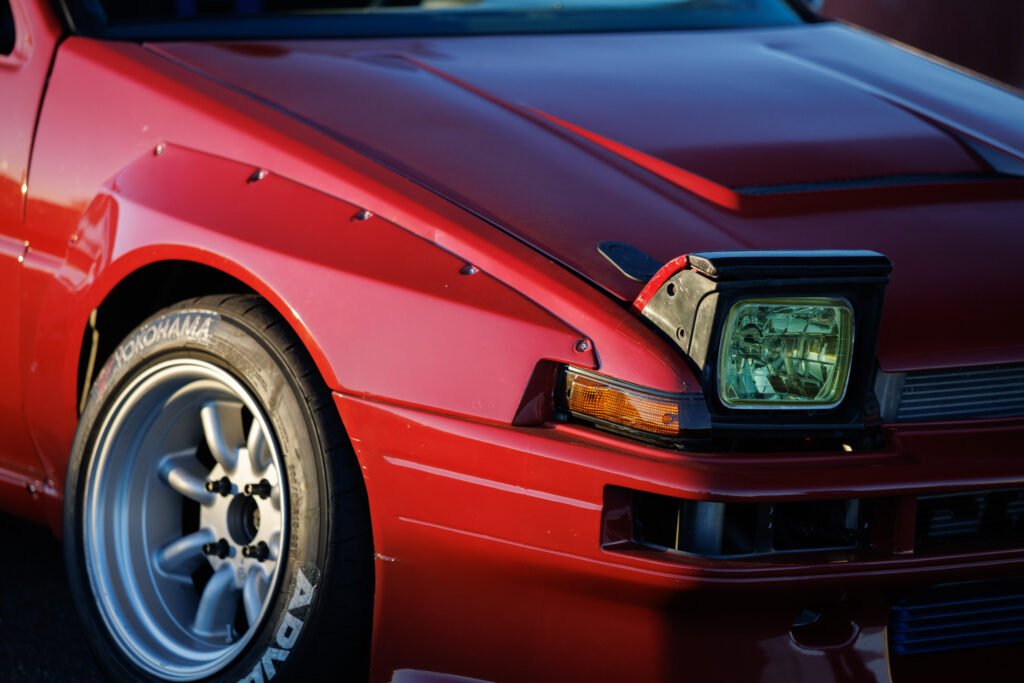
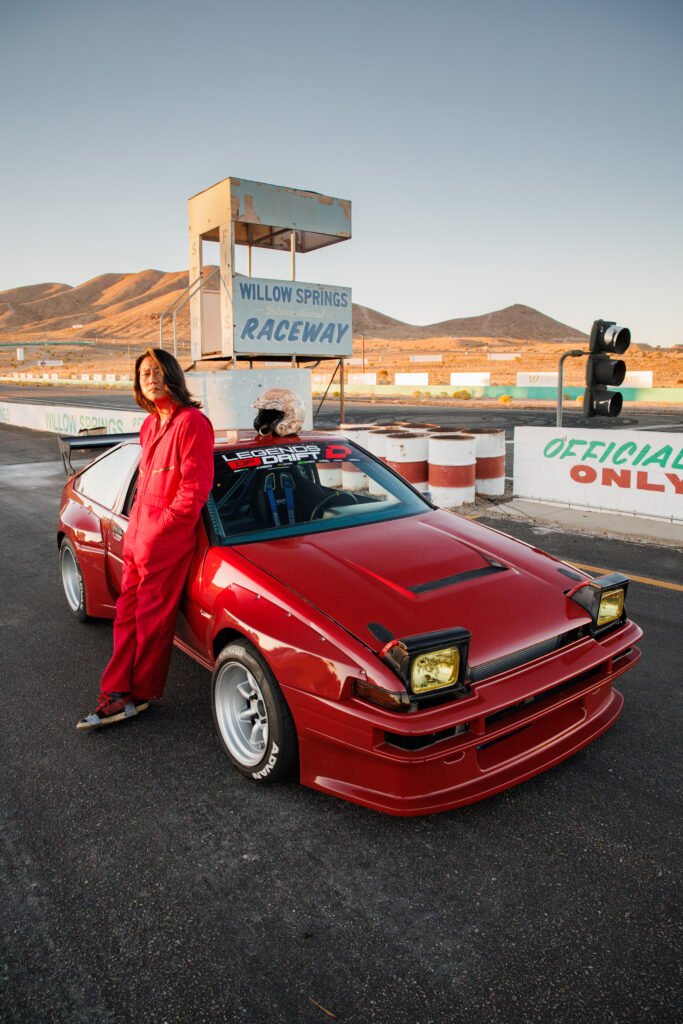
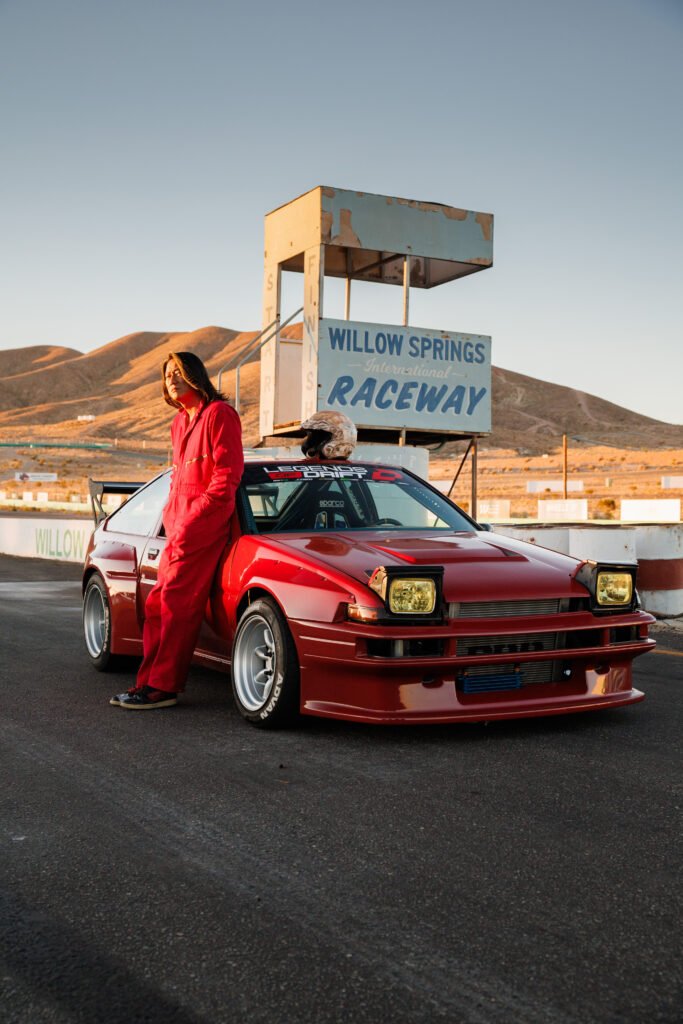
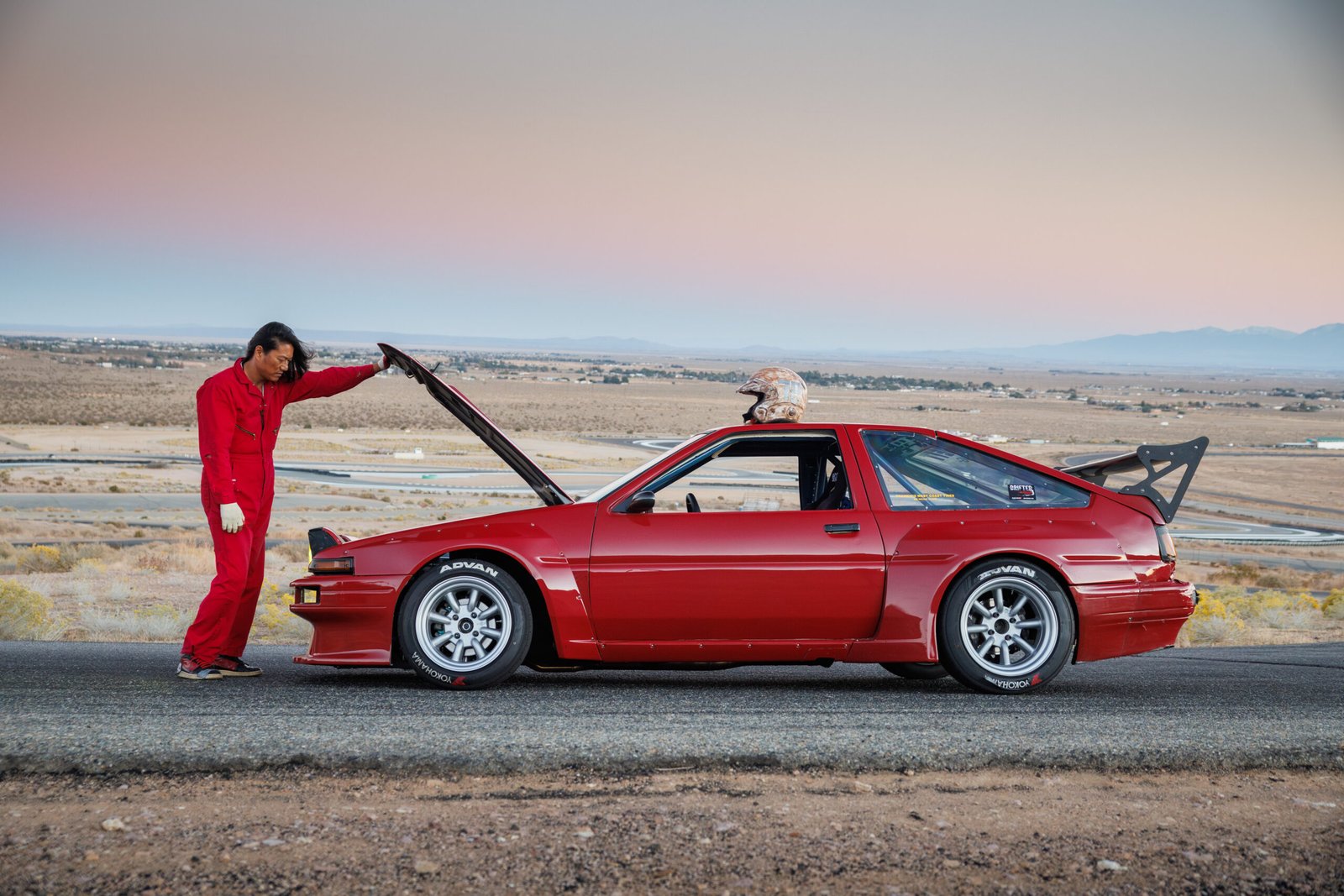
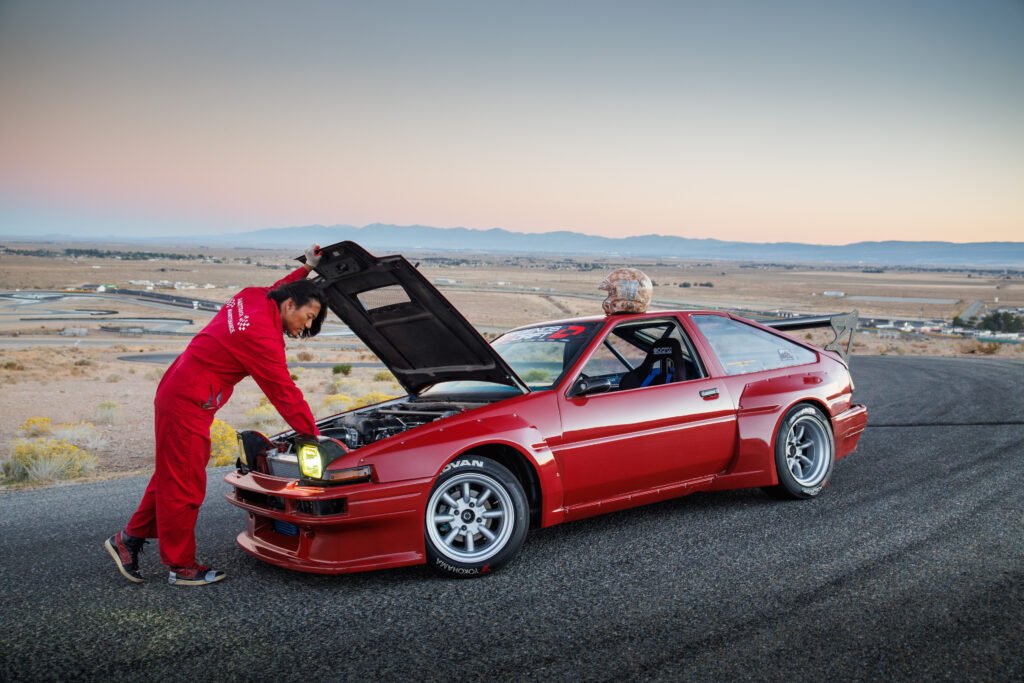
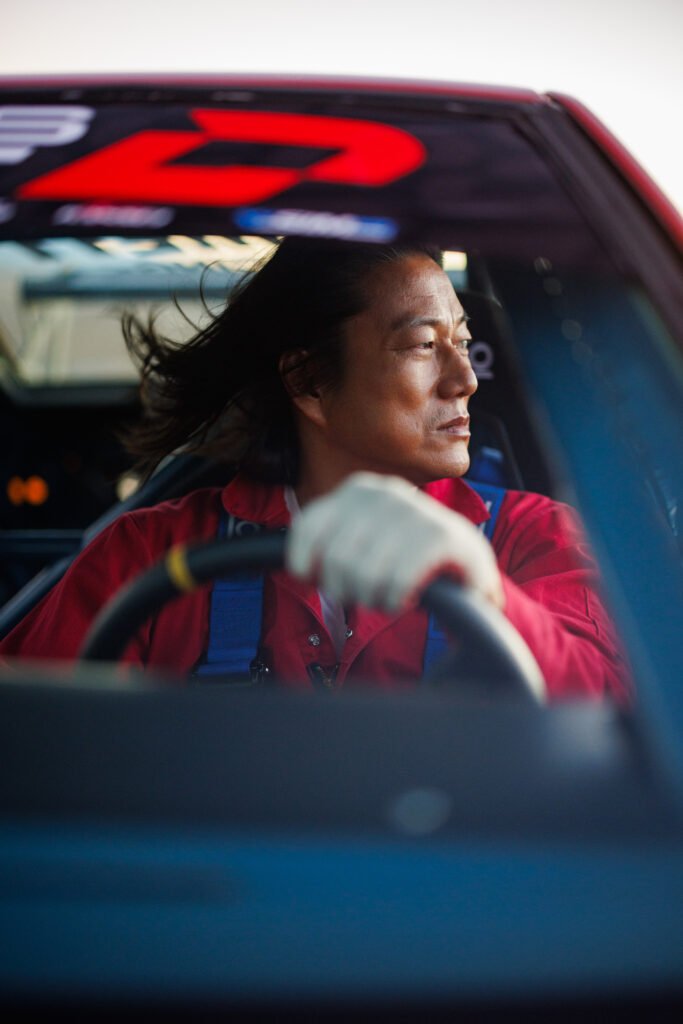
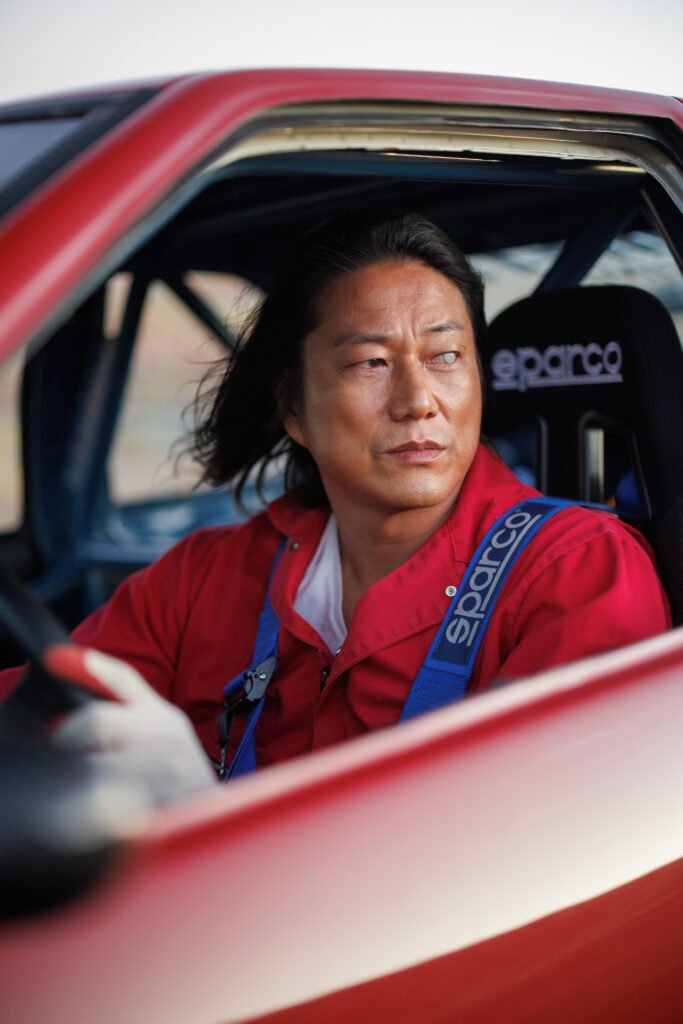
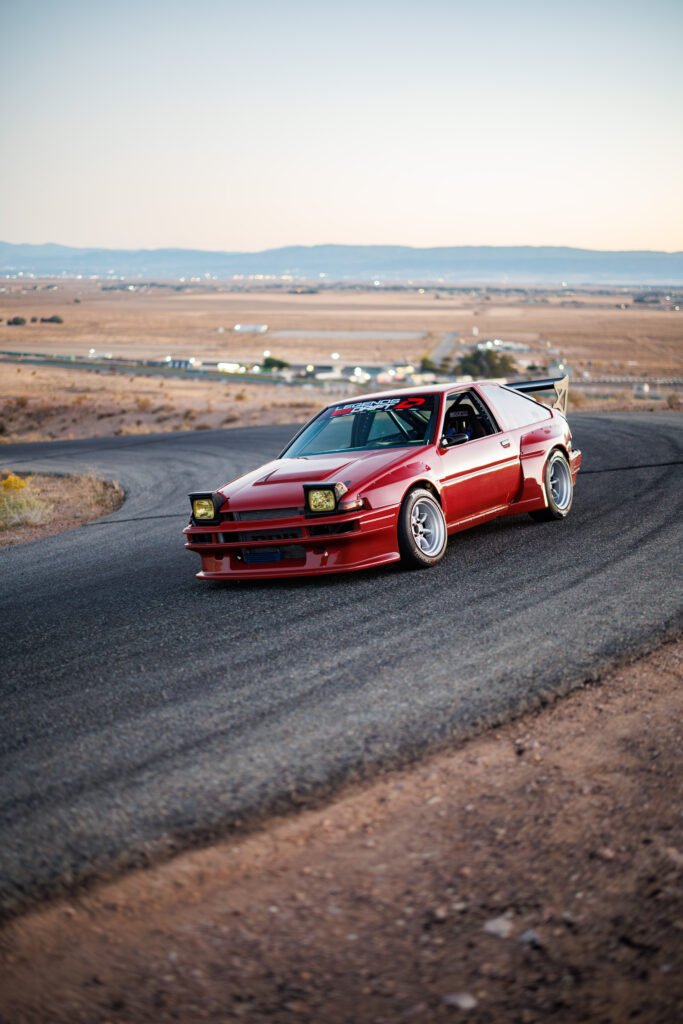
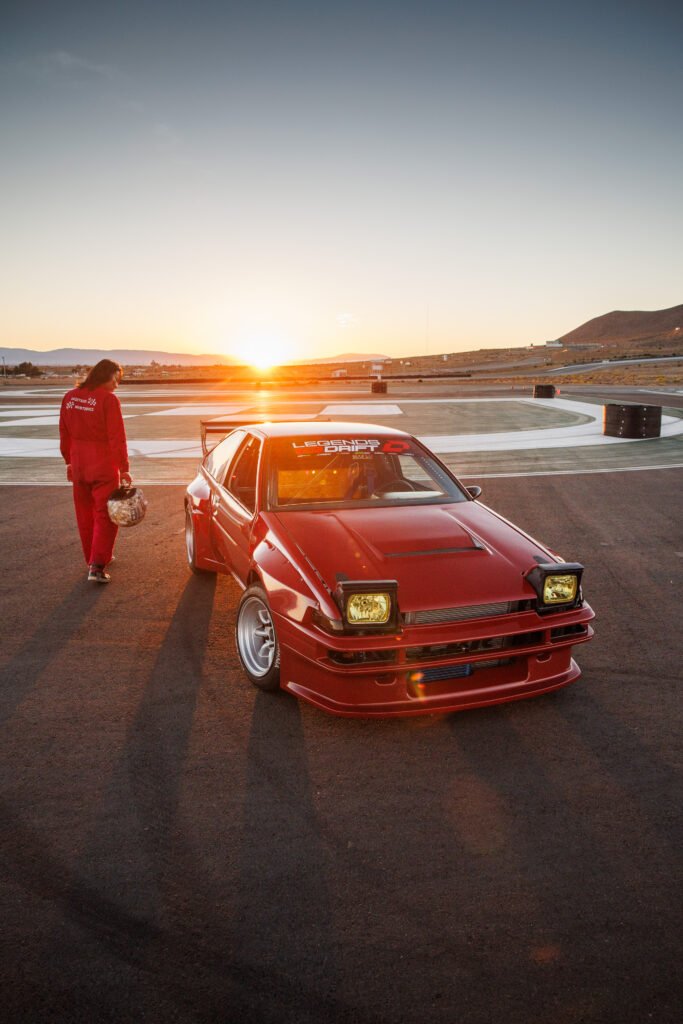
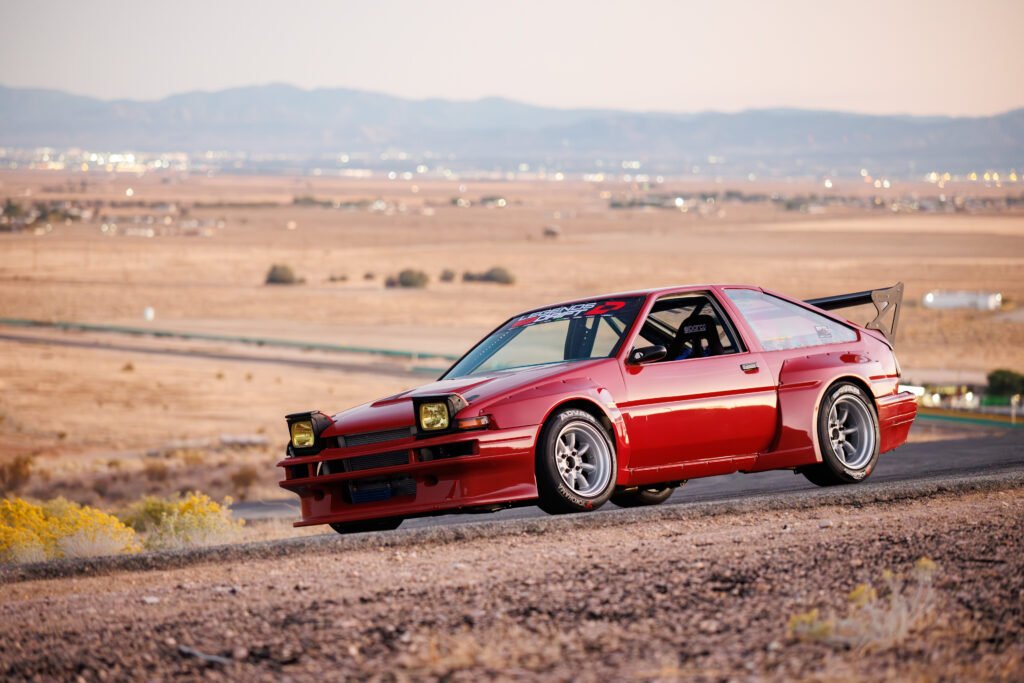
In the film, Kang plays the protagonist, Tree, a janitor at a raceway in a dusty desert town, with a dream to become a drifter. He’s a solitary character, spending most of his time with his car, Lola, a worn Toyota AE86 inherited from his late mother. When Tree gets the chance to compete against Formula Drift champion Adam LZ, Kang says the film becomes “an underdog story in the spirit of Rocky. You take out the boxing and put in drifting.”
For Kang, the audience already exists. If he makes a few drifting fans out of movie lovers, great. But really he’s making a movie for people who can already recall and appreciate the smell of roasting tires and high-octane fuel.
“We’re not approaching this in a traditional way where it has a studio behind it or we’re going to go find an audience,” he says. “We already have it. Fast & Furious has blessed me with this massive family around the world. The cars have given me an IP that’s older than most Hollywood IPs. It’s really just creating a movie that first is entertaining and also represents our community in an honest way.”
That commitment to authenticity influenced the production from the start. Kang recruited Brian Scotto, co-founder of Hoonigan, as second unit director because he wanted the driving scenes to feel real. Who better to bring it than a director of some of the Gymkhana videos.
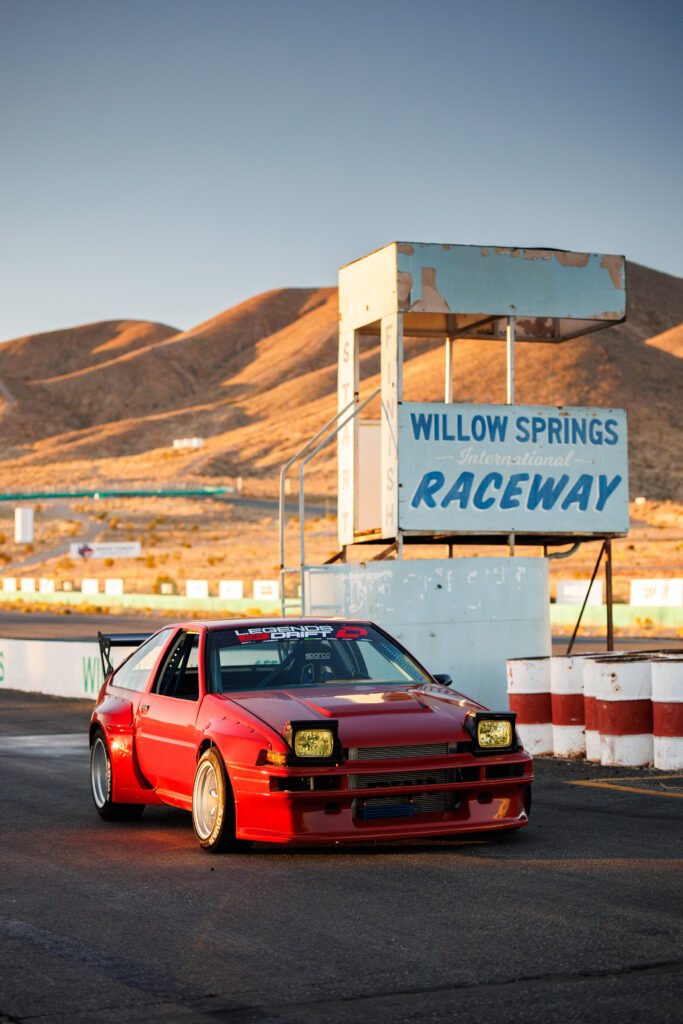
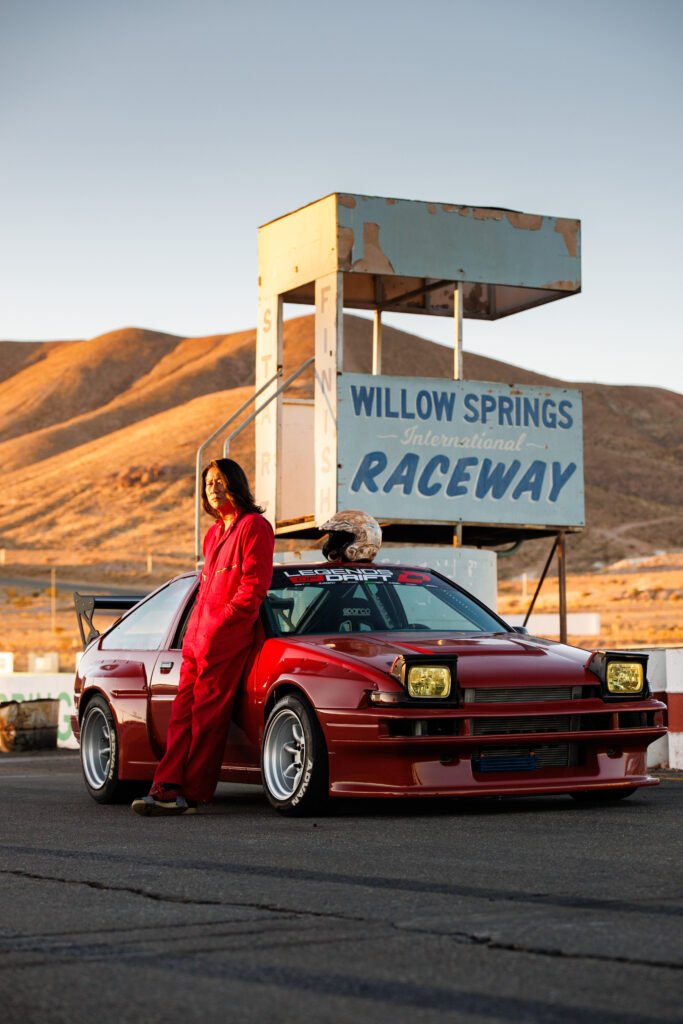
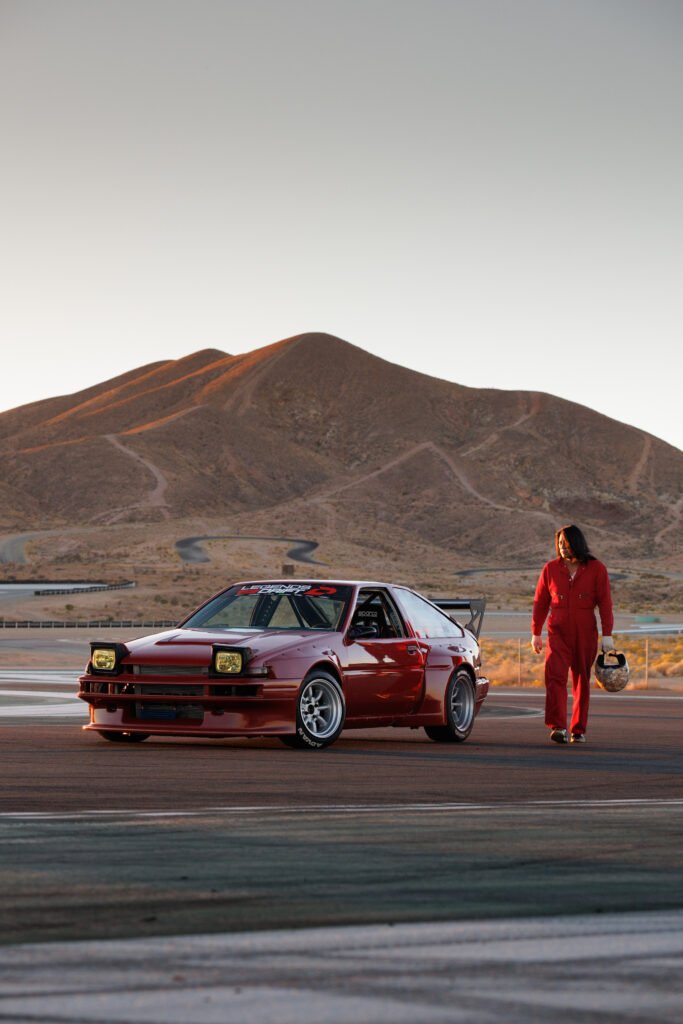
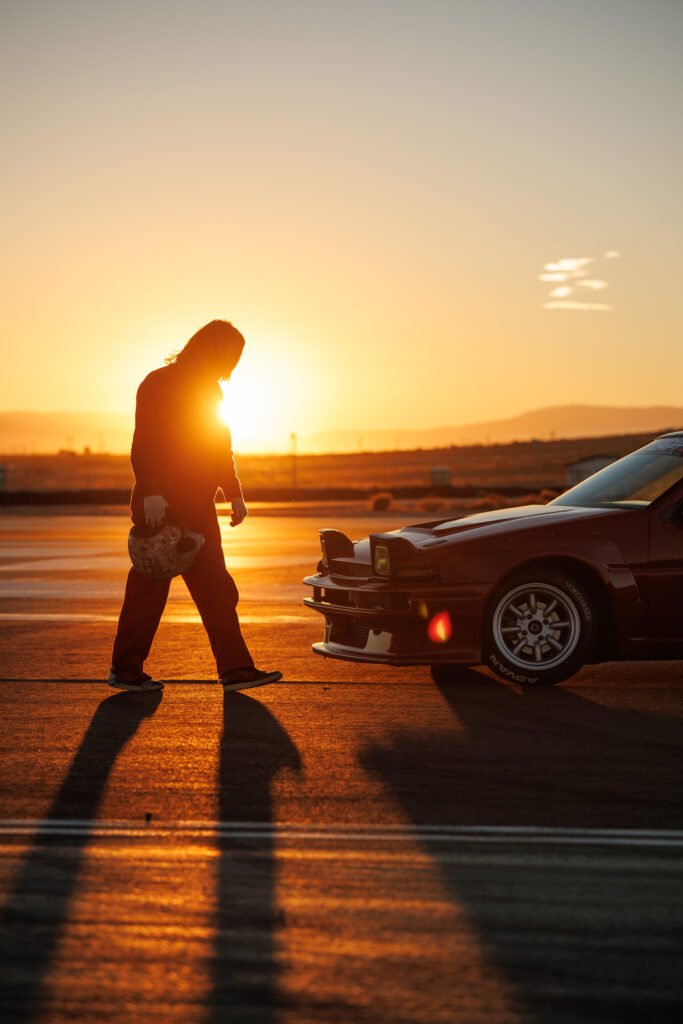
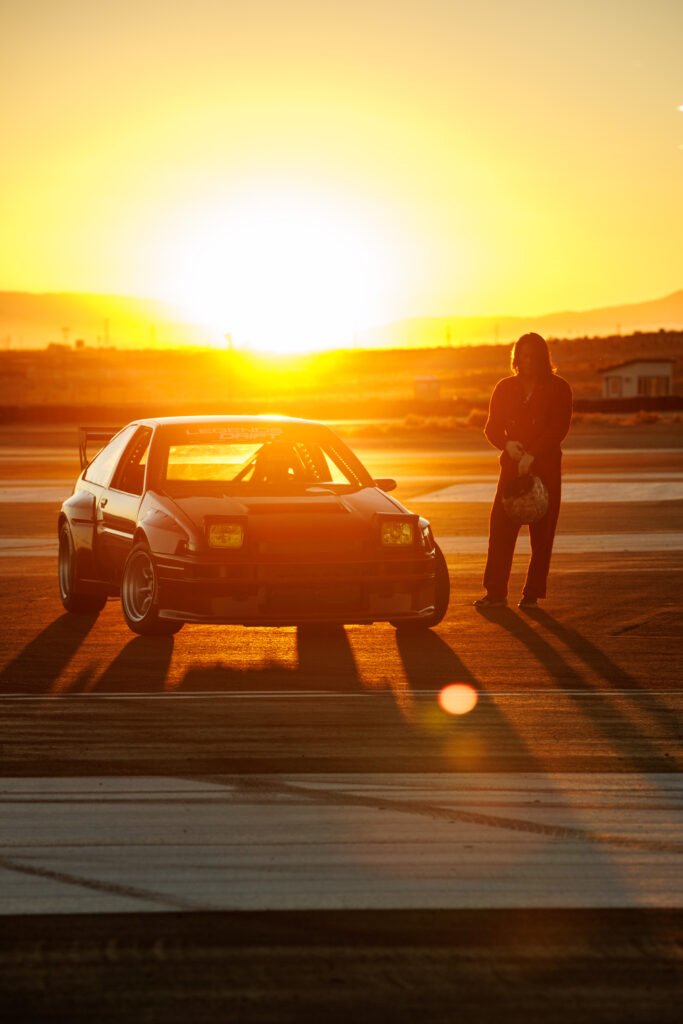
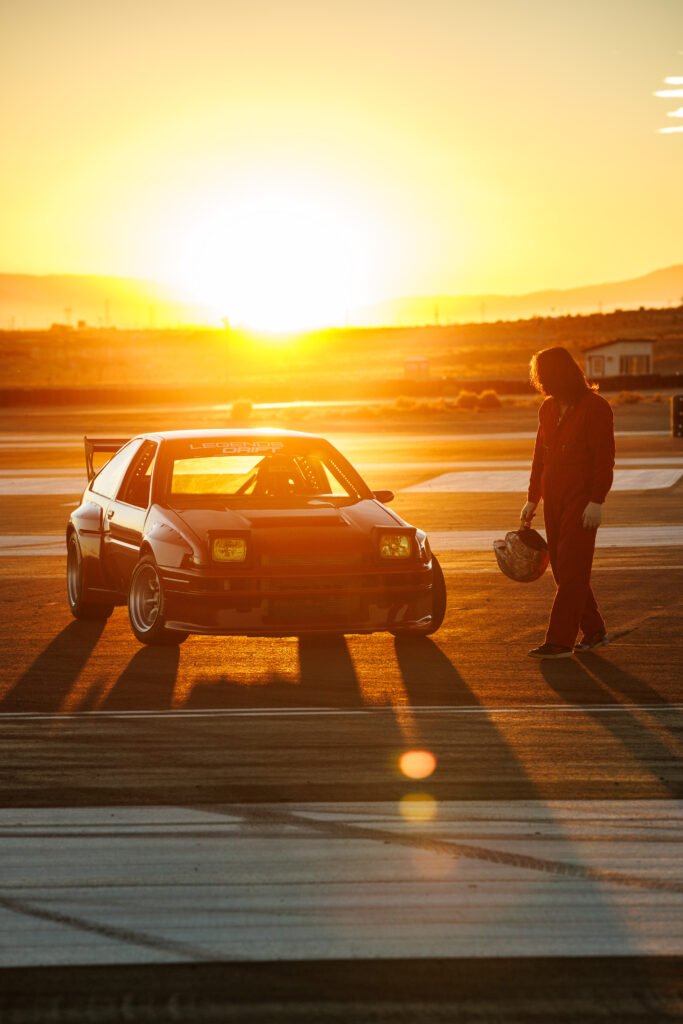
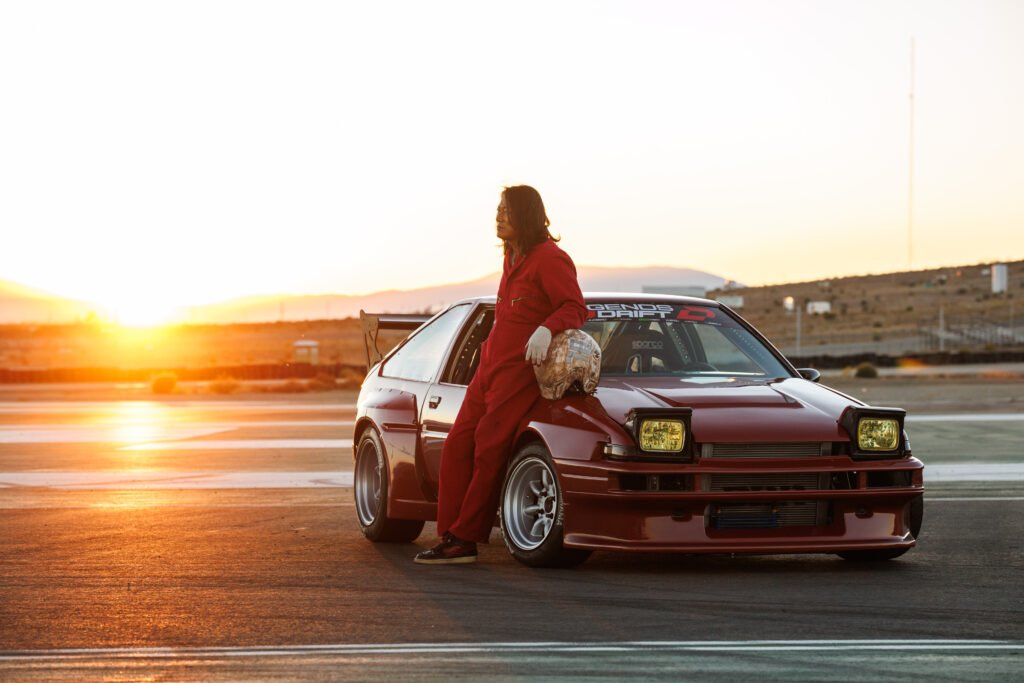
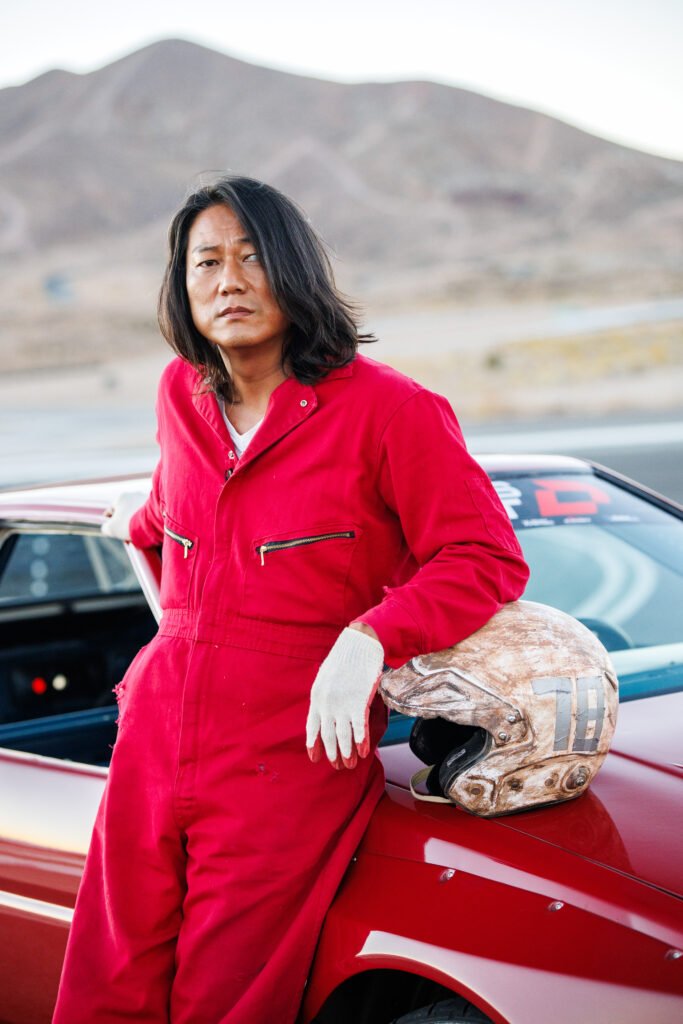
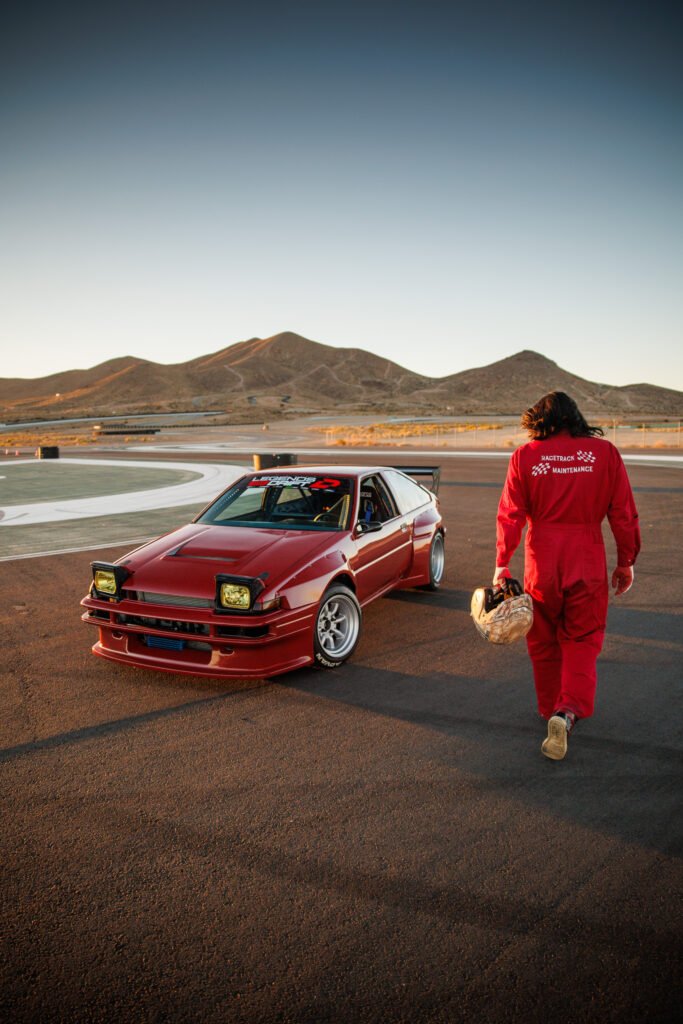
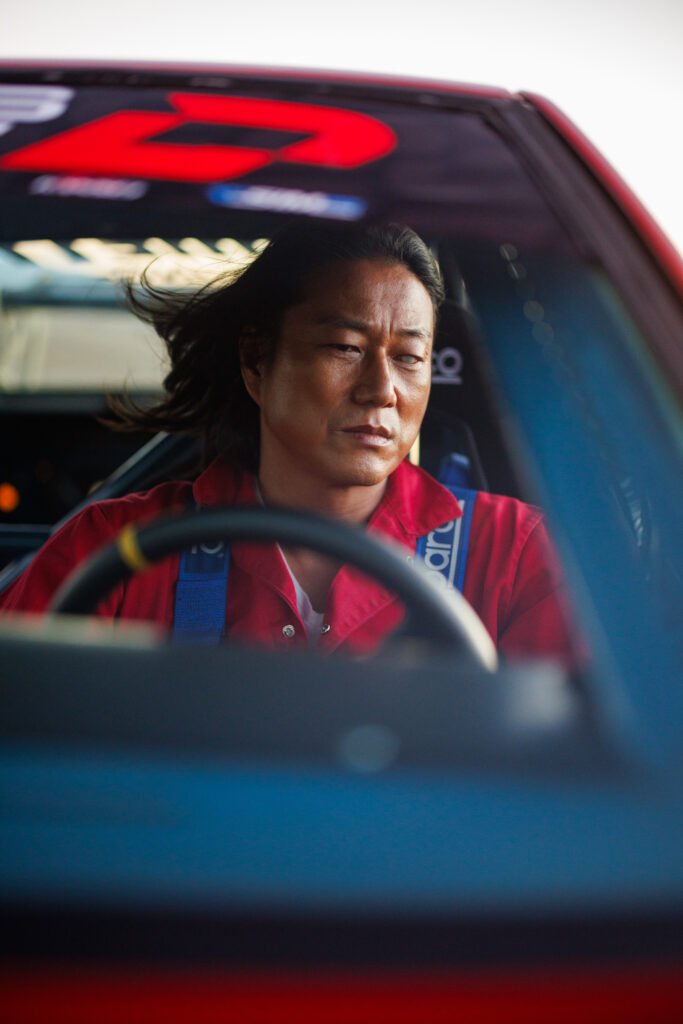
“I wanted the action to be honest and real,” Kang says. “Not this kind of Hollywood CG. Not only are the stunts honest and real, the character emotions are honest. You don’t have to be a car person to follow the story.”
The production itself became a reflection of the community it was bringing to life. When it came to casting automotive talent, such as for the part of Lola the Toyota AE 86, rather than sourcing replicas through traditional production channels, Kang went straight to the source. The team put out a call on social media asking owners if they wanted to participate.
“All these 86 owners were like, ‘I got one. I got one. I got one,’” he says. One Toronto-area fan loaned theirs for the Drifter display at the 2026 Canadian International Auto Show where Autostrada met up with Kang.
The same thing happened when it came time to film crowd scenes.
At Raceway Park in Englishtown, New Jersey, roughly 12,000 people turned up for what Kang describes as “a fake event” staged for the movie.
“Formula Drift gets like 9,500 people,” he says. “So 12,000 people are coming to spend the weekend with us to pretend.”
The crew warned the crowd that scenes would have to be repeated over and over. Nobody complained.
“You look at the playback and they’re not looking in the camera. No one’s there to mess up the shot. They’re acting with you. People think we hired actors to play those parts, but they’re not. They’re just people. I have no idea who these people are, but they’re in it with you. They’re cheering you on. It’s so beautiful.”
All this for one of the car family’s adopted sons. Because as Kang admits, he wasn’t what most people would consider a “car guy” growing up.
“I appreciated it and I envied it,” he says. “I didn’t come from resources where cars could be a hobby. It was more about survival in my family.”
Looking back, though, he can trace his connection to cars to childhood and a Korean war vet who lived nearby and would let Kang watch while he wrenched on a 1963 Impala. Kang says he remembers him as sort of “surrogate grandfather.”
“I mean think about it: he was a Korean war vet who let this little Korean kid hang out in his garage while he was restoring his car,” Kang recalls. “He never even spoke to me. I was asking him stupid questions, but we bonded through that car. As a kid, I didn’t even know. I just went there for the free cookies.”
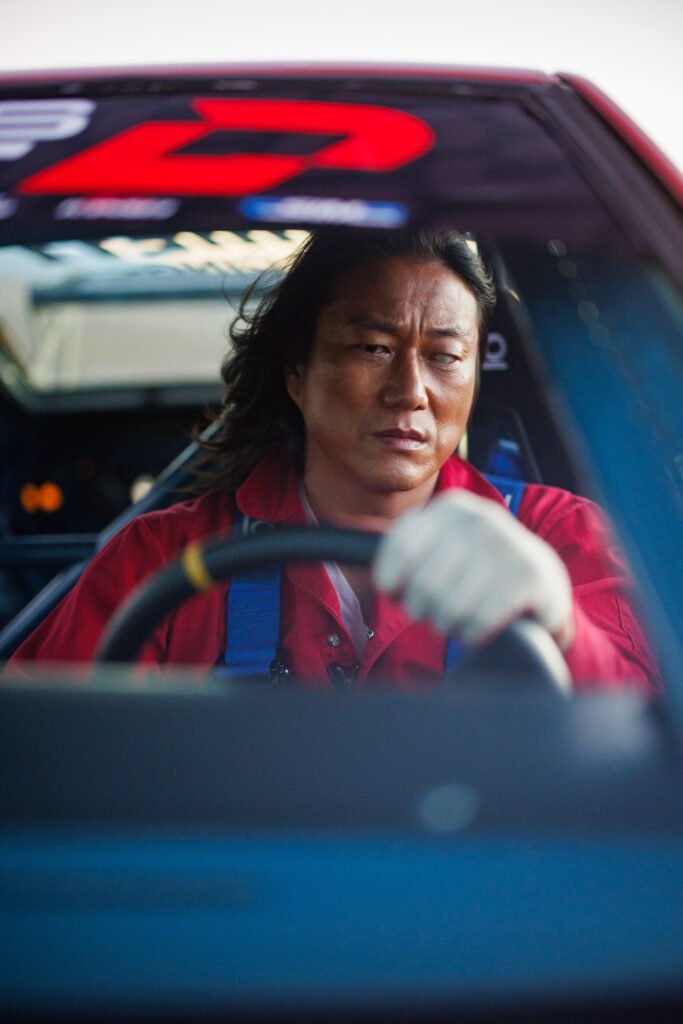
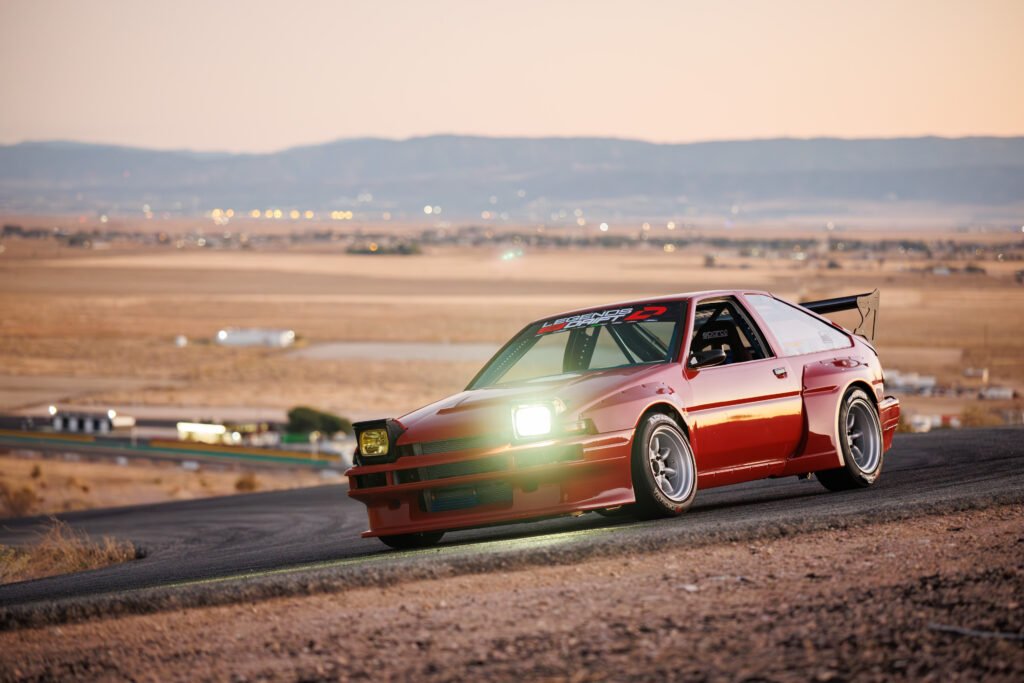
Today, Kang sees that same sense of connection reflected across the enthusiast community.
“I think it’s evolved a lot,” he says of car culture. “It’s become way more diversified. Ten or 15 years ago, you’d go somewhere and it might be all American muscle. Now it’s GT-Rs. It’s JDMs. It doesn’t matter anymore. The car speaks for itself. We are one community.”
Walk through an auto show, he says, and you’ll see people from all walks of life connecting over a shared passion.
“I don’t know what their political affiliation is or what their ideology or religion is because once you walk into this building, it doesn’t matter.”
That outlook also explains why Drifter arrived when it did. After more than three decades in Hollywood, Kang says he reached a point where he stopped waiting for opportunities that might never come.
“I’ve been doing this for 31 years,” he says. “I feel like I’ve hit the ceiling. It’s either sit there, be hopeless, be depressed, be that jaded actor pointing fingers, or you go and make it happen yourself.”
He says that making Drifter reminded him of filming Better Luck Tomorrow, the independent film that helped launch his career.
“We shot that movie for like 90 grand. A bunch of friends. Some credit cards. Kodak gave us leftover film. That’s kind of the spirit of Drifter. A bunch of friends got together and made this movie.”
It’s a fitting way to describe a project that has been built as much by the people around it as the people behind the camera. Before audiences ever bought a ticket, enthusiasts had already supplied the cars, filled the grandstands and become part of the film itself. For Kang, that’s exactly how Drifter was meant to begin.