
Photography by Elle Alder.
From the archives: Originally published in Autostrada’s March 2024 issue, featuring Robert Wickens on the cover, this 5,000-km Supercar Slumber Party follows Elle Alder on an unconventional road trip in a classic Acura NSX. Over thousands of kilometres, the two-seat sports car becomes both transportation and occasional overnight accommodation.
Brushing my teeth in a friend’s kitchen in Vermont, he enters pointing excitedly behind. “There’s an NSX outside! Just there in the driveway!”
It’s still as surreal to him as to me, and not just because last night’s sleep in their guest bed was one of the few I’d spent not overnighting in it.
I’m a roadside napper, but I never imagined I’d sleep in an NSX. They aren’t much my type, you see; good, modern, fast, did I mention good — why would I involve myself with something so obviously short on heartwarming shortcomings?
More than this, how even would you? That huge bulkhead is right up in the business, presumably leaving little room to stretch out in any comfort.
Presumably.
The whole curious circumstance had fallen together two weeks earlier. I’d been musing aloud at my local motoring clubhouse about an itinerary to Georgia and back for a story, but my own cars have been temperamental lately.
“Wanna take the NSX?”
I suppose I could find a way.
“You might as well take the long way home too.”
I’ve been fortunate to spend quality time with some tremendously special cars, not least of all since starting to remote-office out of Toronto’s ‘RClub’ automotive social space. Even by clubhouse key-throwing standards, however, I’m not used to putting 5,000-plus kilometres on any of them — let alone across an international border with no fixed return date. Yet so I found myself, pointed south into Appalachia in one of the mightiest legends of the post-smog era.
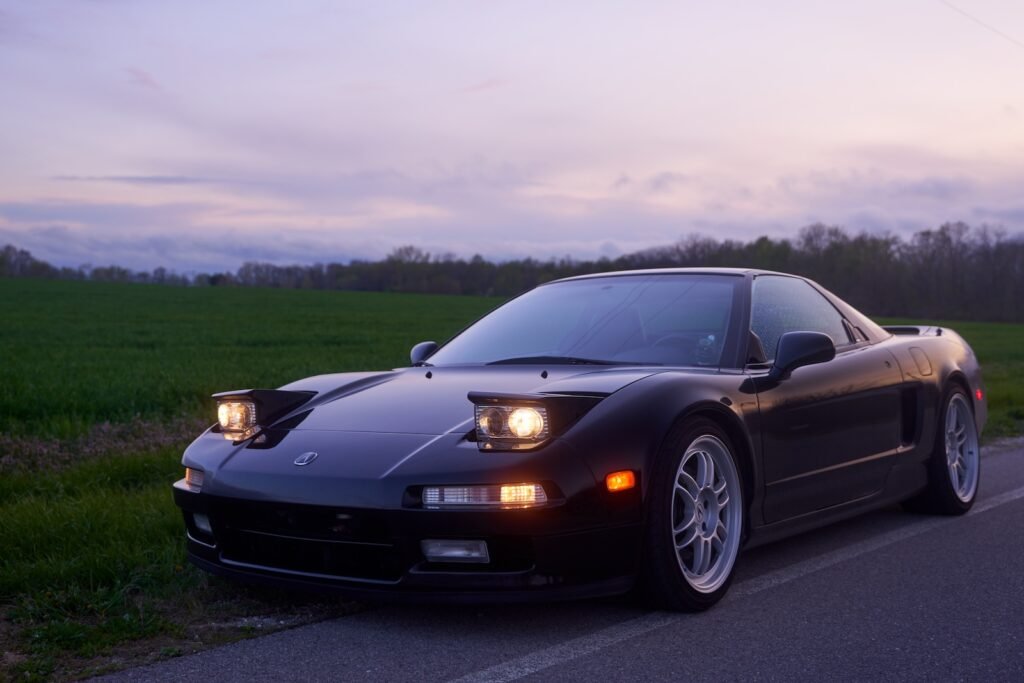
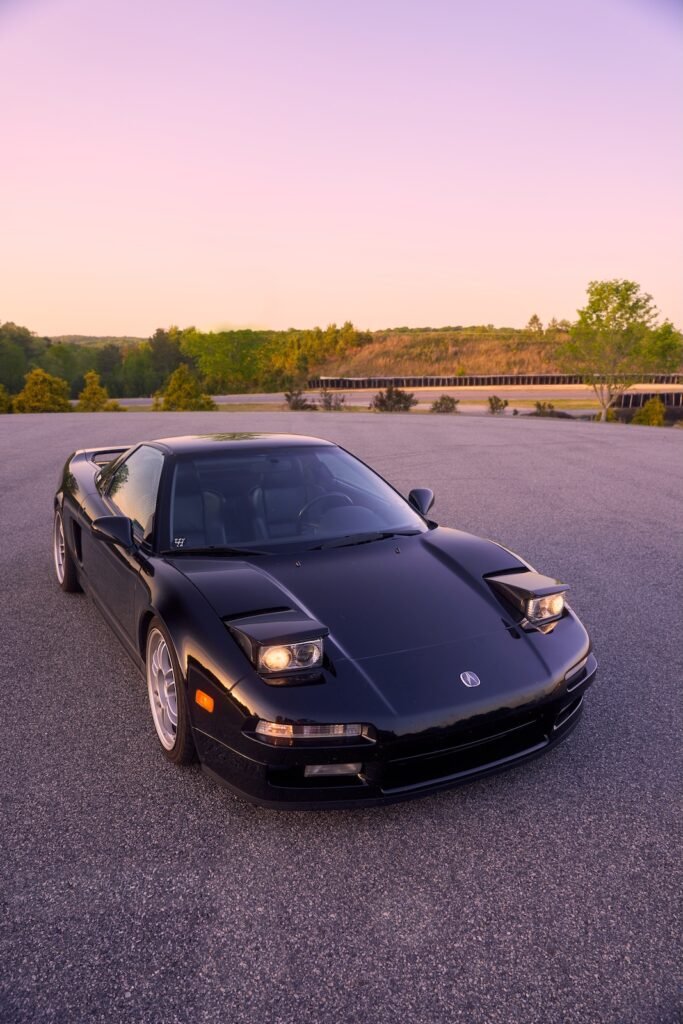


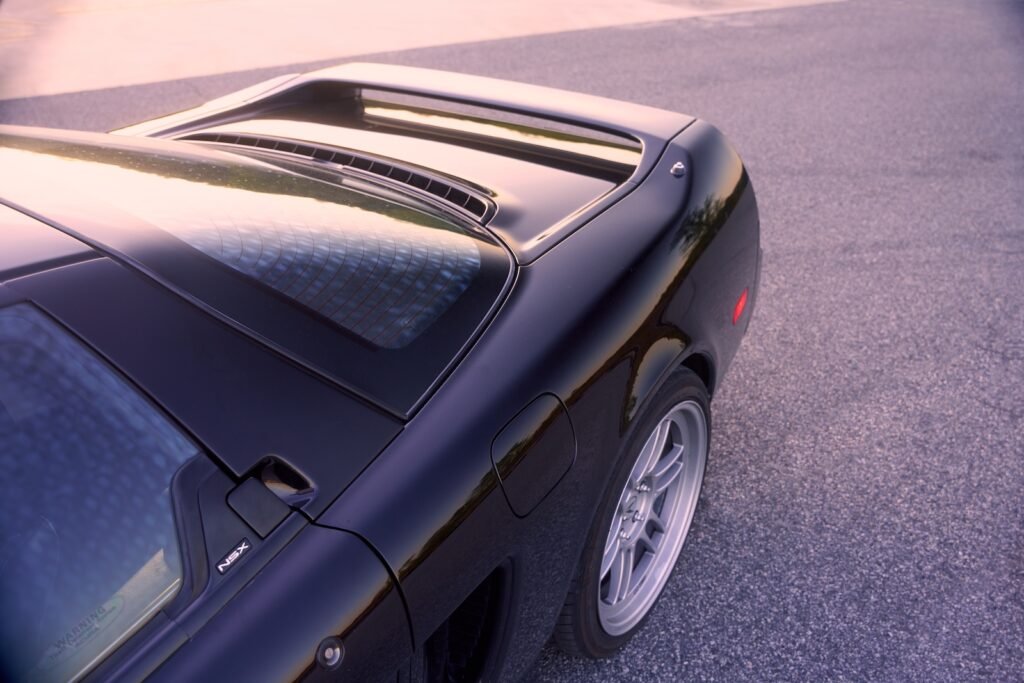
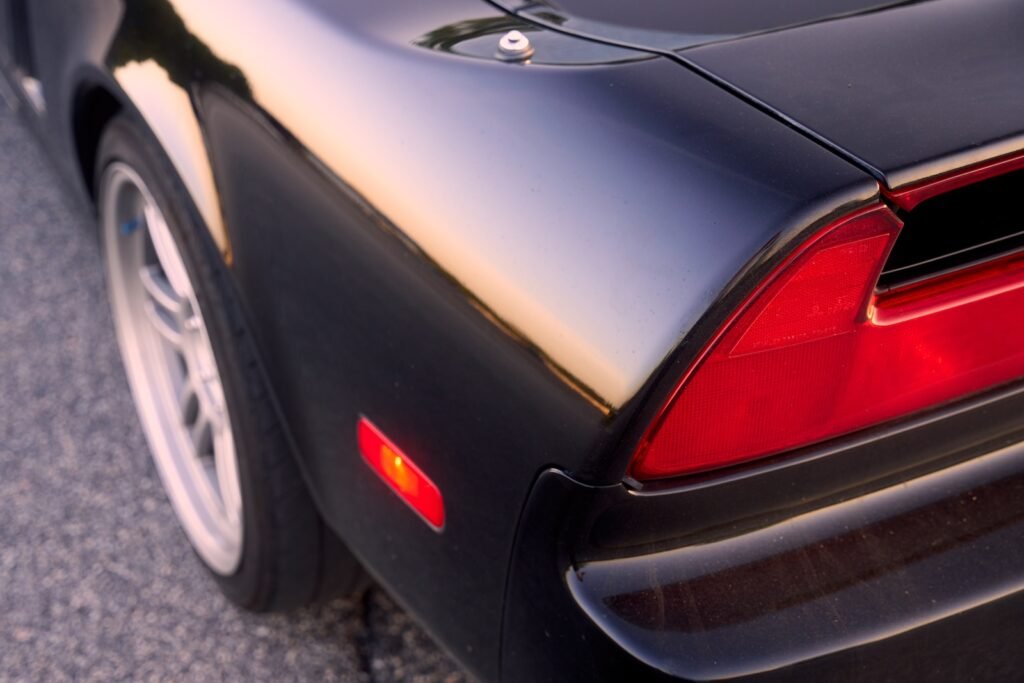
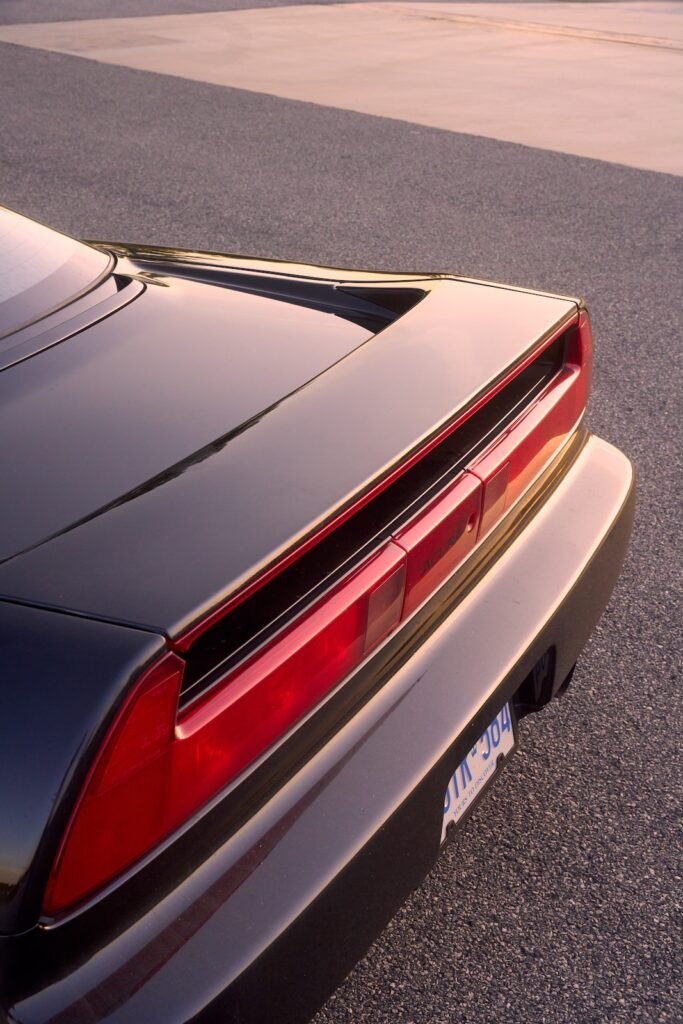
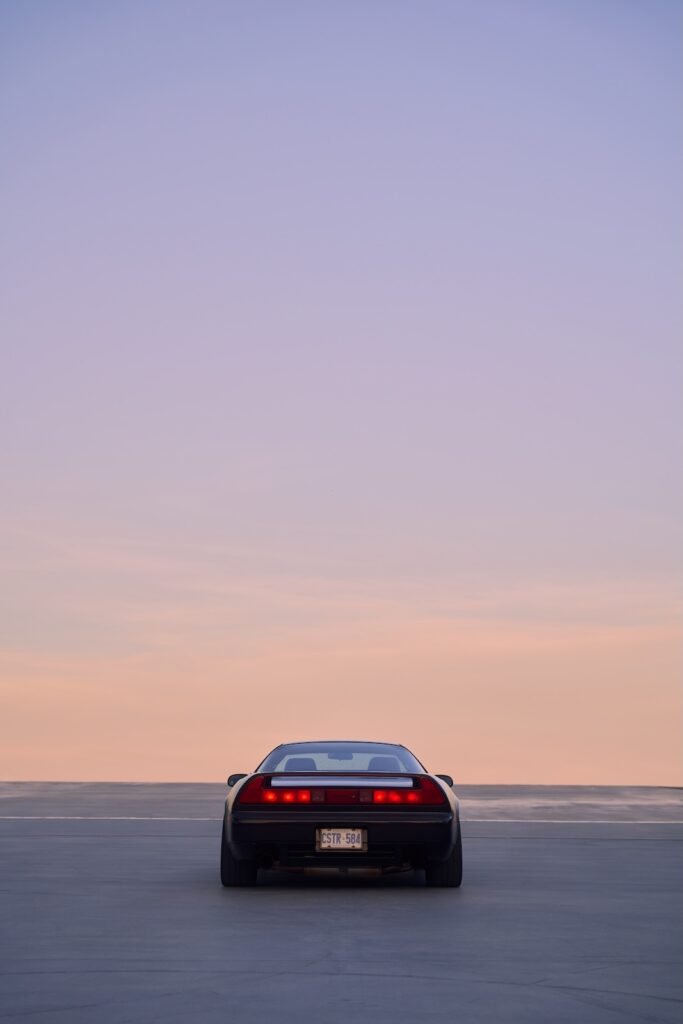

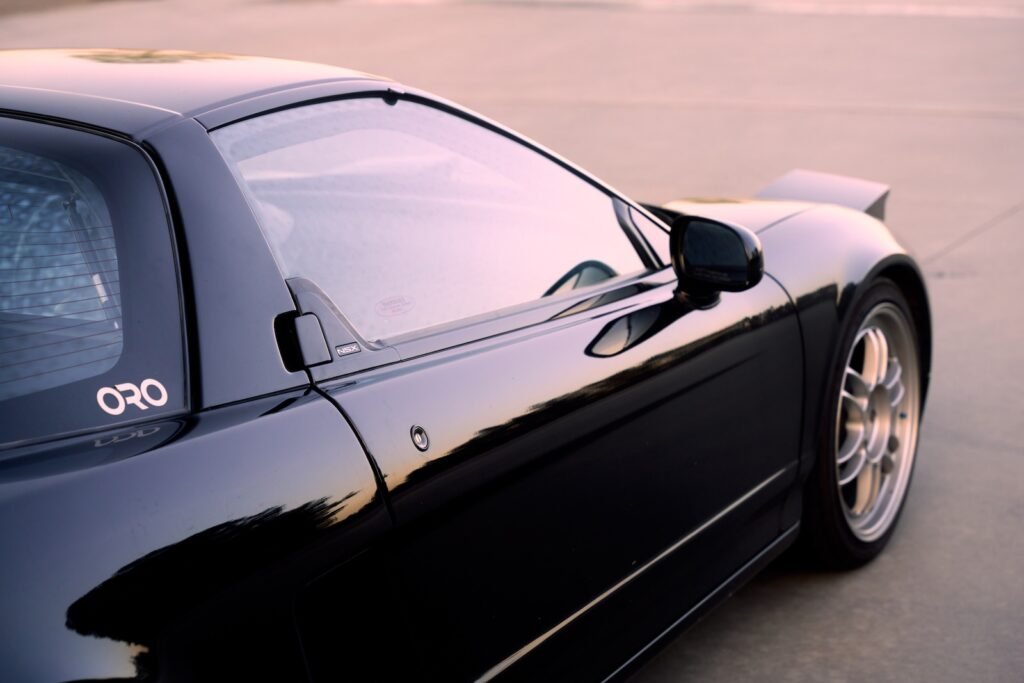
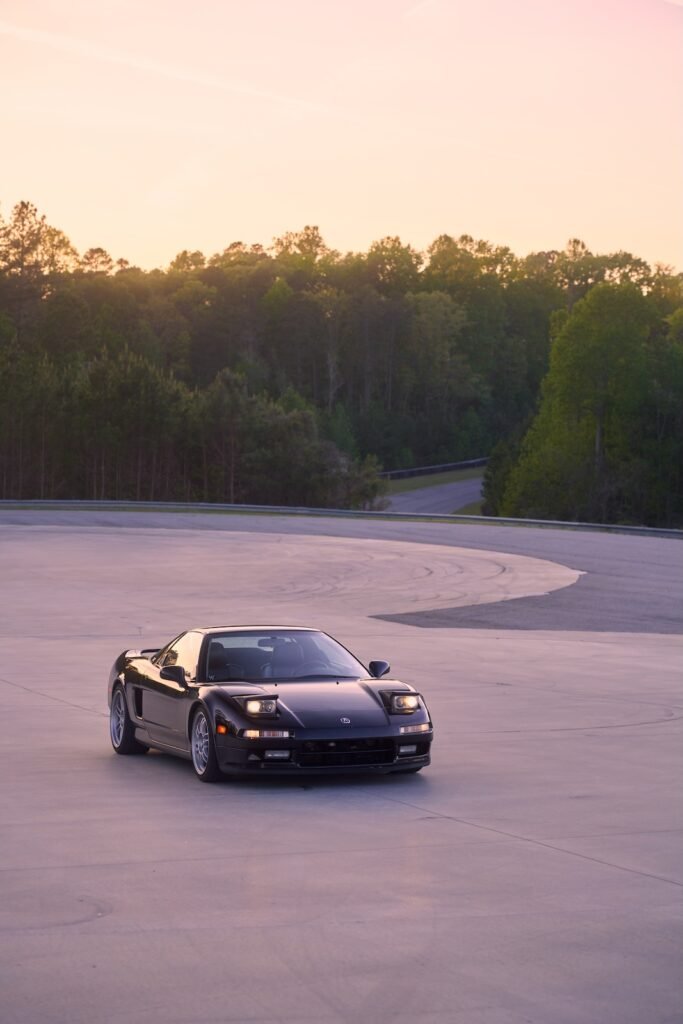

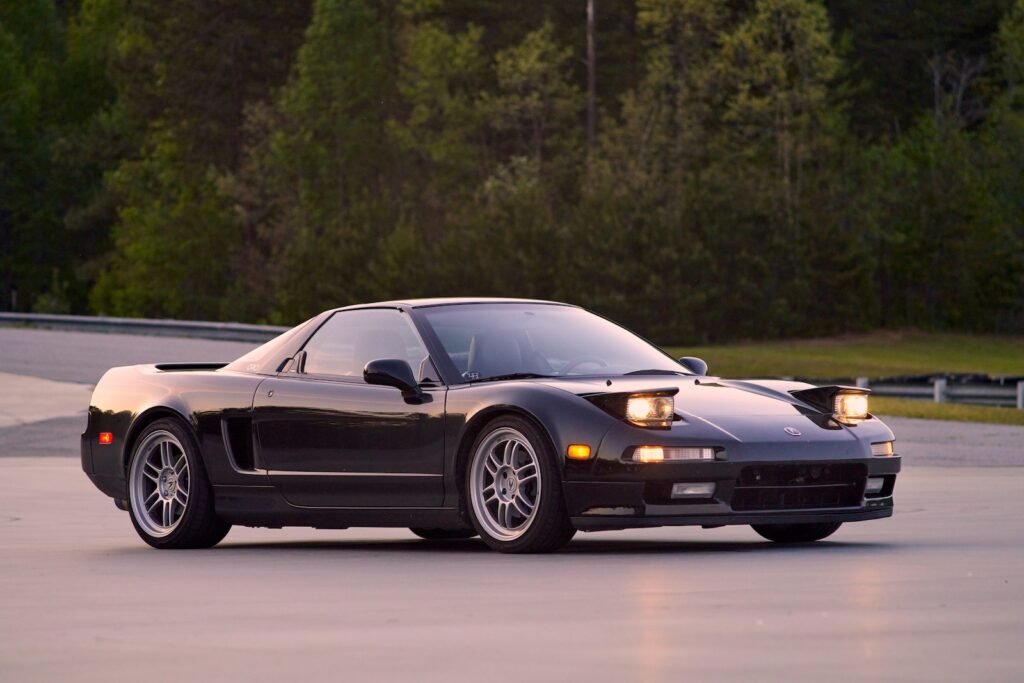
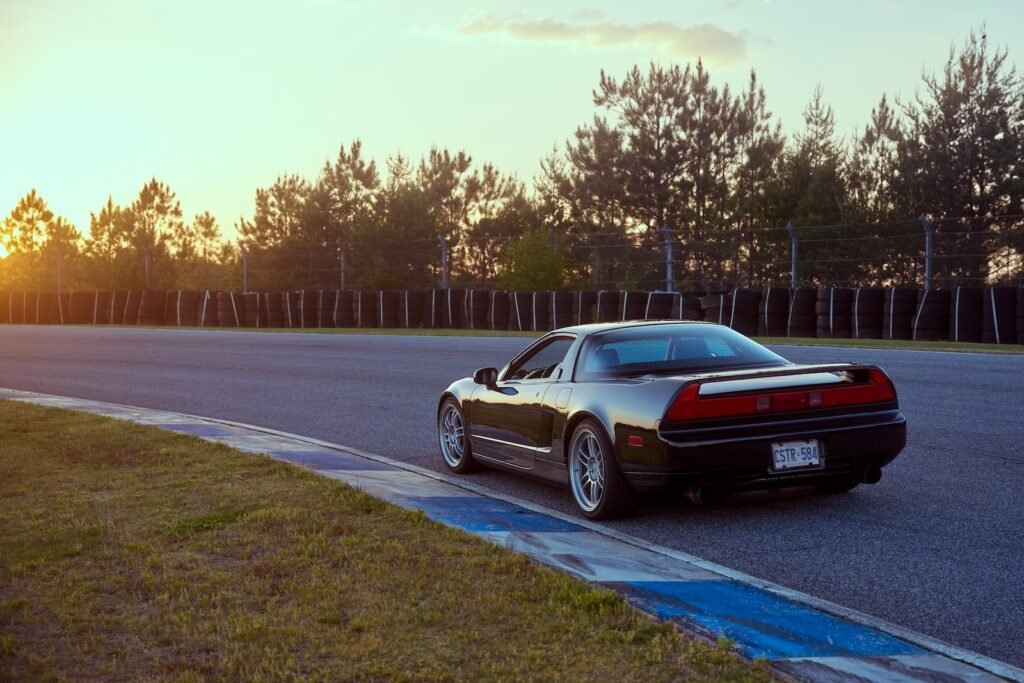
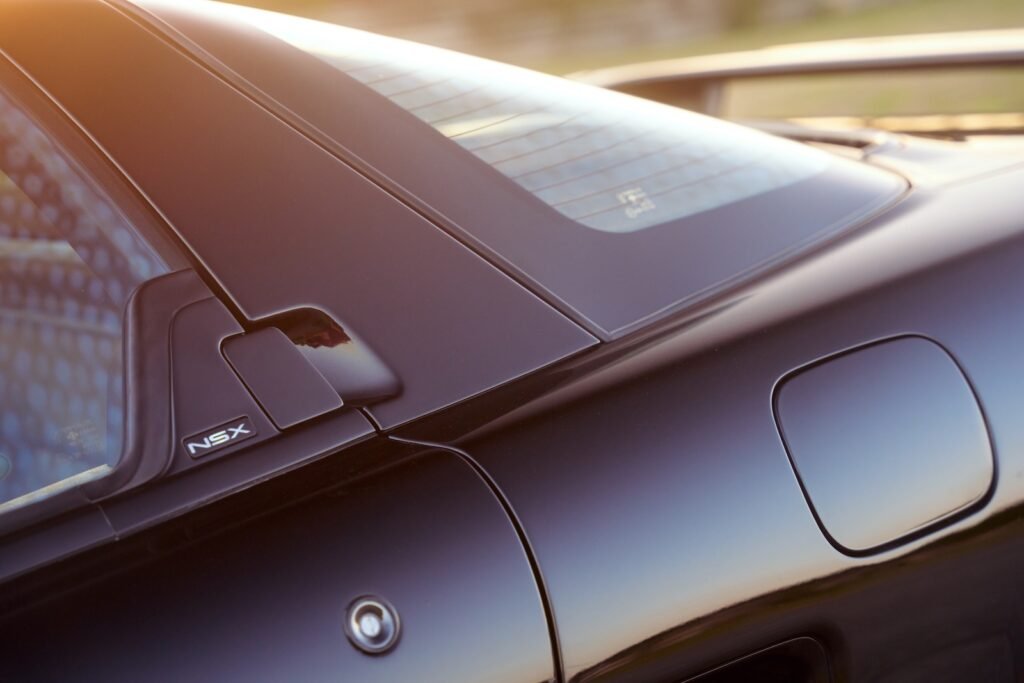
The original NSX — the one that matters — was and remains as much a discrete milestone as a sweeping disruption of the complacent post-recessionary performance market. Innovative in its powertrain, materials, and complex geometries, the NSX was an impressive vehicle in its own right — but still more for its indirect indictment of sportscar incumbents. Honda engineers had benchmarked against the Ferrari 348, but proceeded to so exceed its value, performance, and reliability that the NSX landed a generation ahead of its contemporaries.
This generational presence isn’t hyperbole. By the time Honda’s “New Sportscar, eXperimental” debuted in 1989, the coupe had morphed from its creators’ earliest 1984 Kei-mule mockups into not just a sports car, but an outright supercar. Hitting the road in 1990, this Japanese automotive miracle landed as the first production car to employ an all-aluminum monocoque chassis, displaying exceptional rigidity despite a curb weight of just 1,370 kilos. Its powertrain, wedged sideways behind the passengers, employed exotic techniques and materials, their power maximized by Honda’s innovative new VTEC variable valve lift- and timing control system. Euro-pretense be damned, the NSX landed as an ignorable milestone in automotive engineering.
The NSX, then, was a Japanese automotive miracle, but its legacy reached far beyond. Scores of millennial youth grew up enjoying the NSX in games such as Gran Turismo, of course, but so too did influential figures in real-life motoring. Gordon Murray, designer of the McLaren F1 and recent GMD T.33 and T.50 supercars, prioritized the NSX over even the Ferrari F40, Porsche 959, and Bugatti EB110 as his development benchmark for that record-setting 1990s megacar. It was a monumental achievement — and fortunately still is.
Monumental if you can afford it, of course; I, a writer, can not — indeed, I wasn’t even planning to spend on any hotels. Excepting any stops across generous friends’ couches (and more importantly, through their showers), the NSX would provide my daytime focus and enjoyment, but also my overnight accommodations.
Fortunately the NSX affords a whole lot more than just dynamic accomplishments. Prepared as much for sporting as for touring, the NSX swaddles in some of the best seating ever fitted to a vehicle. Sweeping forward, power-adjustable sporting buckets tuck passengers back with a supportive rearward rake. Bolsters and wings are assertive but smooth, hugging and holding firm, yet with a distinct comfort even across hours-long stints — so comfortable, in fact, that their three-pad backrests have become my measure for seat comfort in every vehicle since.
Similarly optimised is the forward cabin. Stretched ahead to privilege visibility, the cabin wraps around with central- and outboard touchpoints swept down toward its occupants. It’s a tight, focused cabin, sure — but spread so ergonomically and so visually opened by its deep-reaching greenhouse, the NSX never feels claustrophobic.


This is impressive for a sports car, but doubly so for a cab-forward, mid-engined supercar working around such unyielding fixtures as the firewall immediately behind the seats; still more remarkable is how friendly an overnight refuge this can all be. There’s more trick to it than just parking up and nodding off, however.
A good night’s sleep on any road trip starts with location. Where are you headed? How far do you need to get? When? How would you like to awaken?
Check into a hotel, and the latter is predictable but dull in predetermination. The end of your uneventful slumber in such an establishment probably won’t sound of concerned taps on the glass, but nor can you expect to stir to any sight more exciting than a ring-road streetscape. You could find someplace ritzy, sure, but what better is the manicured artifice of a country club?
Better then for the sightseer to scan topographical overlays to find someplace quiet at the base of some interesting westward feature for the sunrise to catch. It may stray from the core route, but it can pay off — assuming you’ve chosen right.
There’s still the America of it all though: anyplace in or around a city is obviously out, be it for characters of the night or vagrant-hassling police. Rural is better, but farm driveways or anyplace too private-residential risk a straw hat and the paranoid brandish of a shotgun. Perhaps an N.R.A. plate frame and a Browning window sticker could help blend in, but do you need that? Not if you’ve found the cheat code: local railyards and sidings.
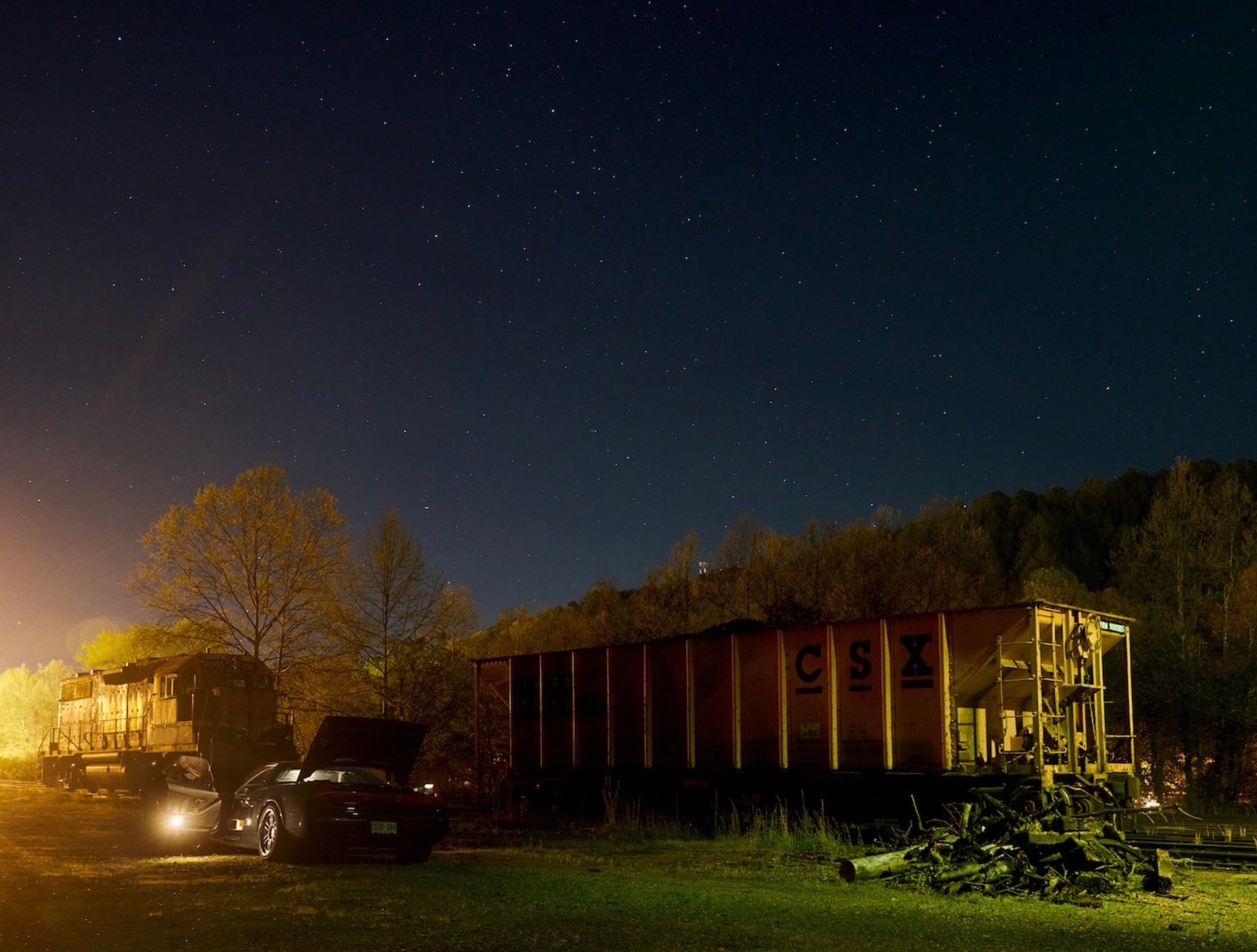
Sleeping by the tracks is excellent. Plentiful throughout the United States, these facilities tend to fall silent long before a road-tripper calls it a day. Better still, you’re likely to start your next morning to the glorious, laboured shuffle of steel wheels yawning their early morning exercise across the rails’ joints and points.
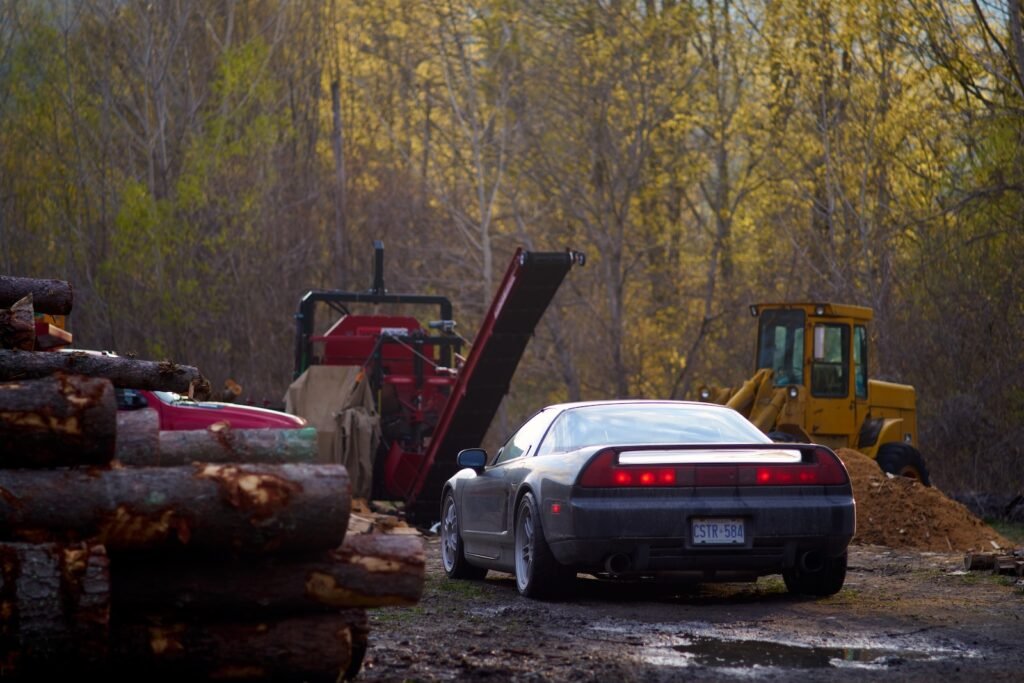

Trace the outer radius of a site’s solitary sodium-vapour glow, then, for just enough light to brush and change discreetly. Keep an eye on passing traffic’s headlamp casts: you don’t want these shining in your eyes as you rest, nor do you necessarily want them catching your corner reflectors too directly. Get through this wind-down without being hassled though, and you can start to trust that you’ll be fine for the night. Camp decided, you’ll want to shuffle the car into final position, then ready your bed.
So set, the NSX’s footwells are bottomless but not eternal. Motor the seats all the way forward to clear the firewall and you’ll get a recliner-like angle that supports the back, albeit one which forces some cozy scrunching of the legs. This suits a young 5’8 body inside a slim-fitting mummy bag, and with the form-fitted pillowing of a carefully bunched blanket wedged between the fixed headrest and side window, the comfy dreamies set in fast.
I sleep astonishingly well in this car, and not just because the 90s-Honda-theft anxiety would keep me up if I slept apart from it. The NSX’s bolsters snuggle with the affectionate pressure of a big spoon’s thighs, holding secure without cramping or crowding. It’s just the right sort of pressure in just the right places.
It’s a pressure that you’ll all-too-quickly miss. Sure, a proper bed is an objectively better sleep, and no, shaving in the side mirror isn’t ideal. Guest-room nuzzles from cats named Ham and Small Cat seem blessings from God, and who could forget the cleansing salvation of a shower after three days of roadside baby wipes. But— NSX.

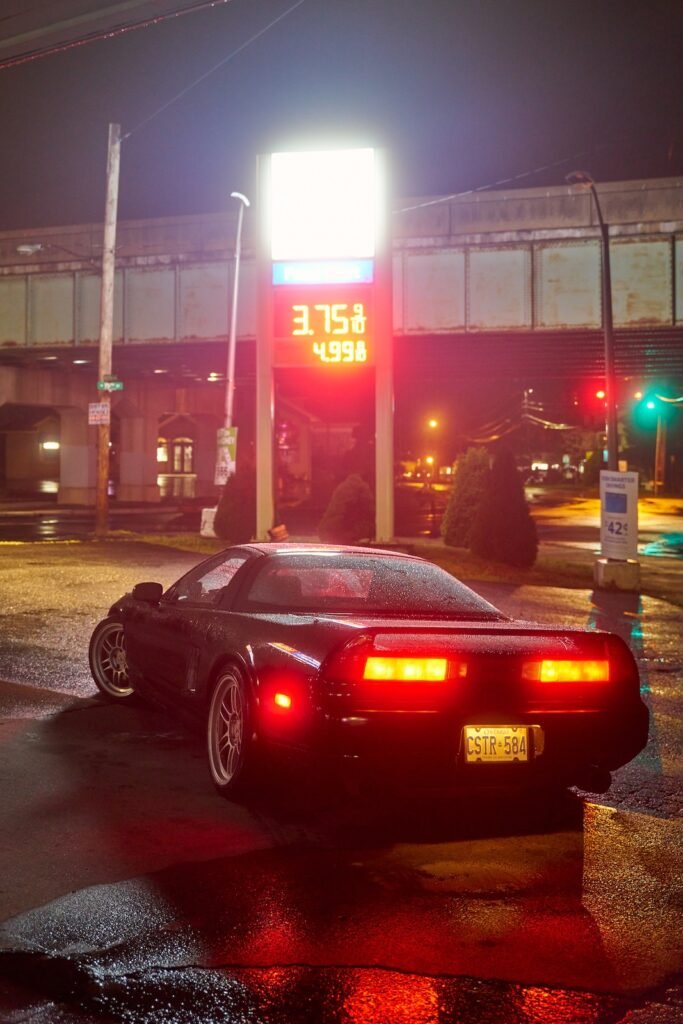

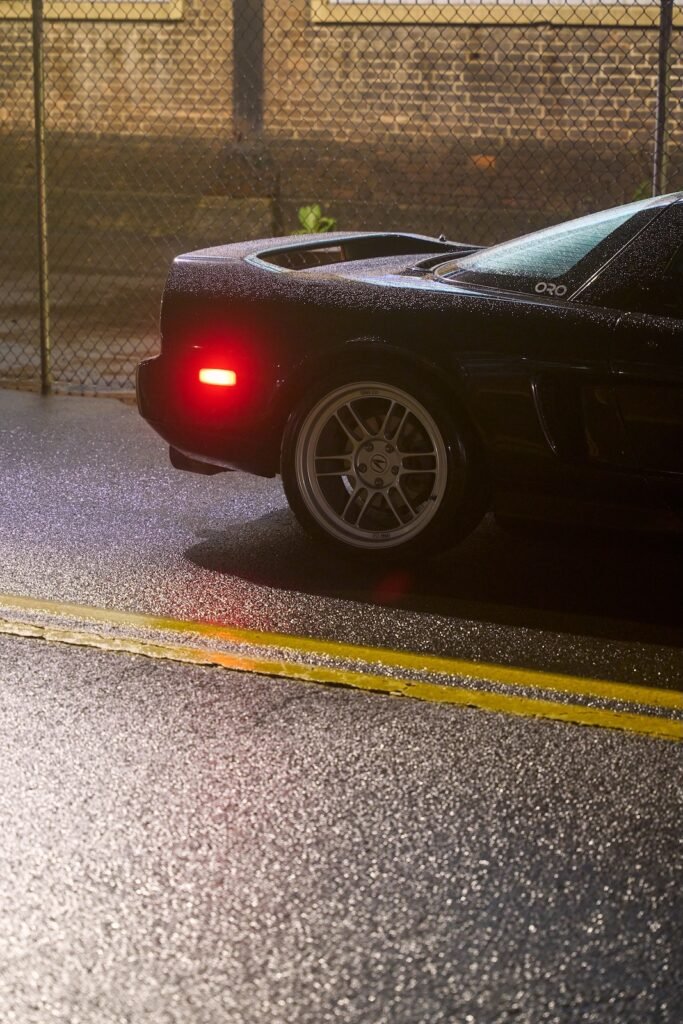
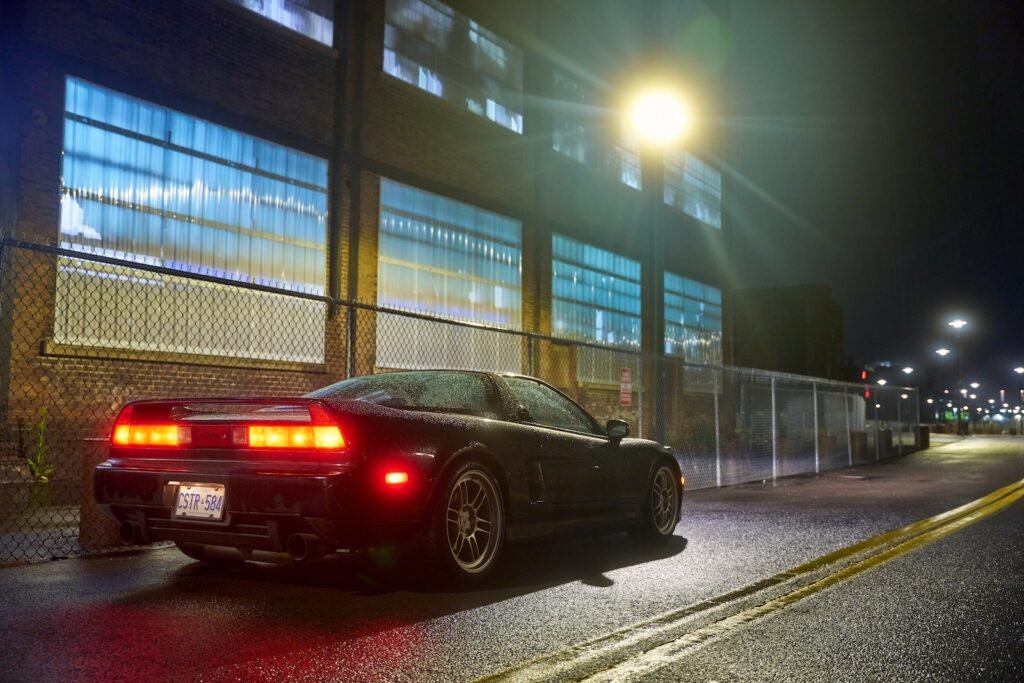
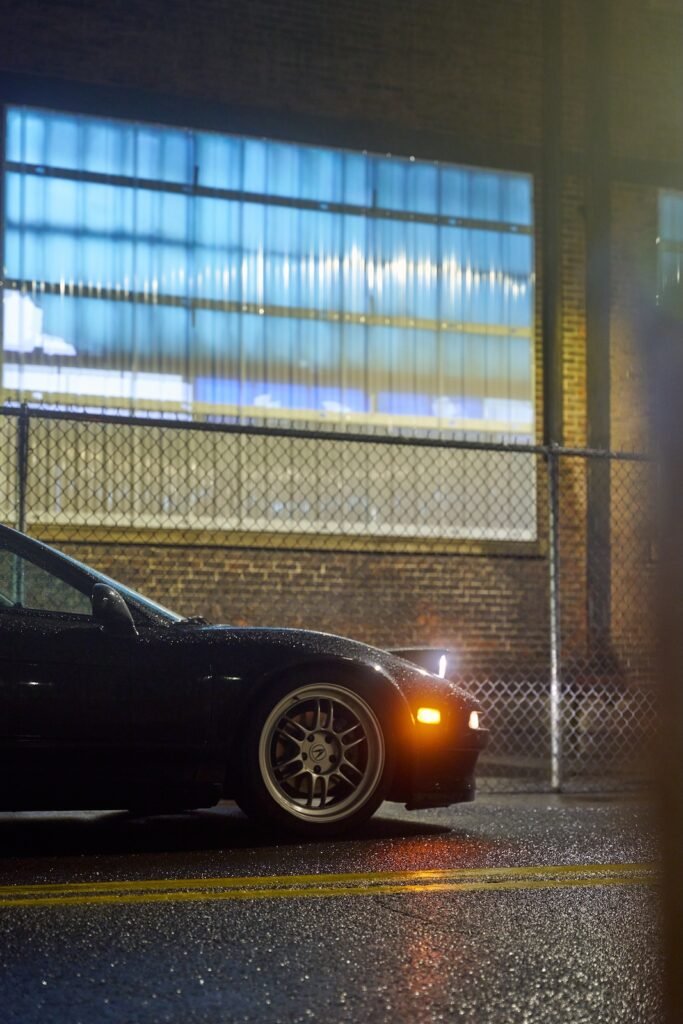
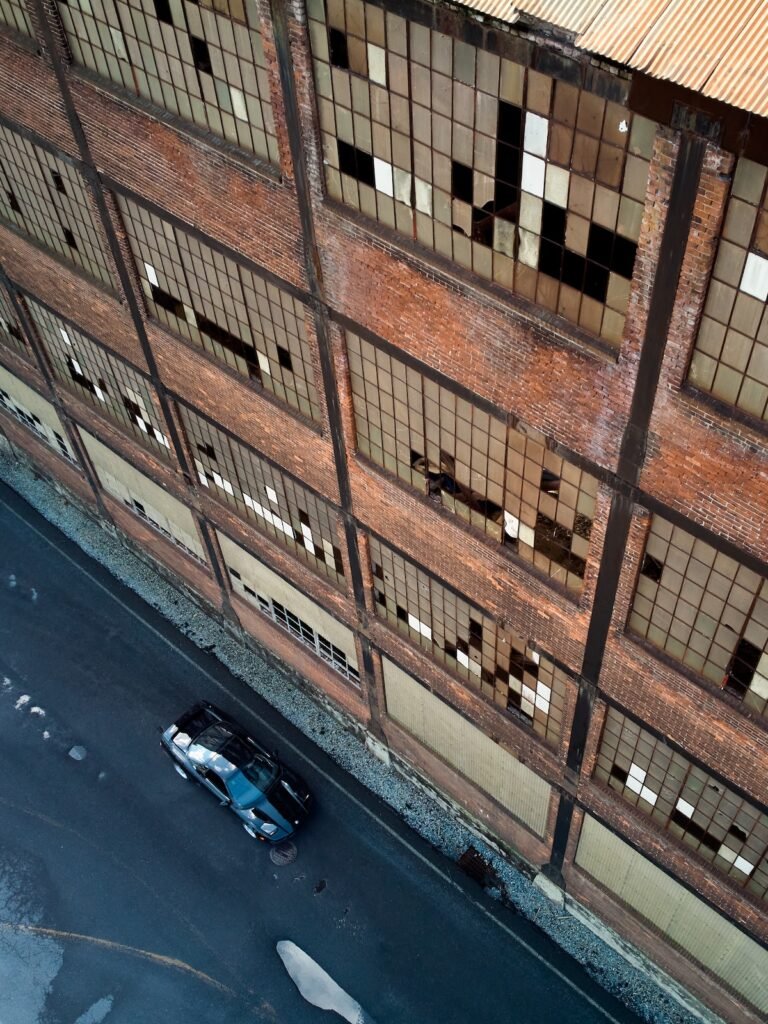


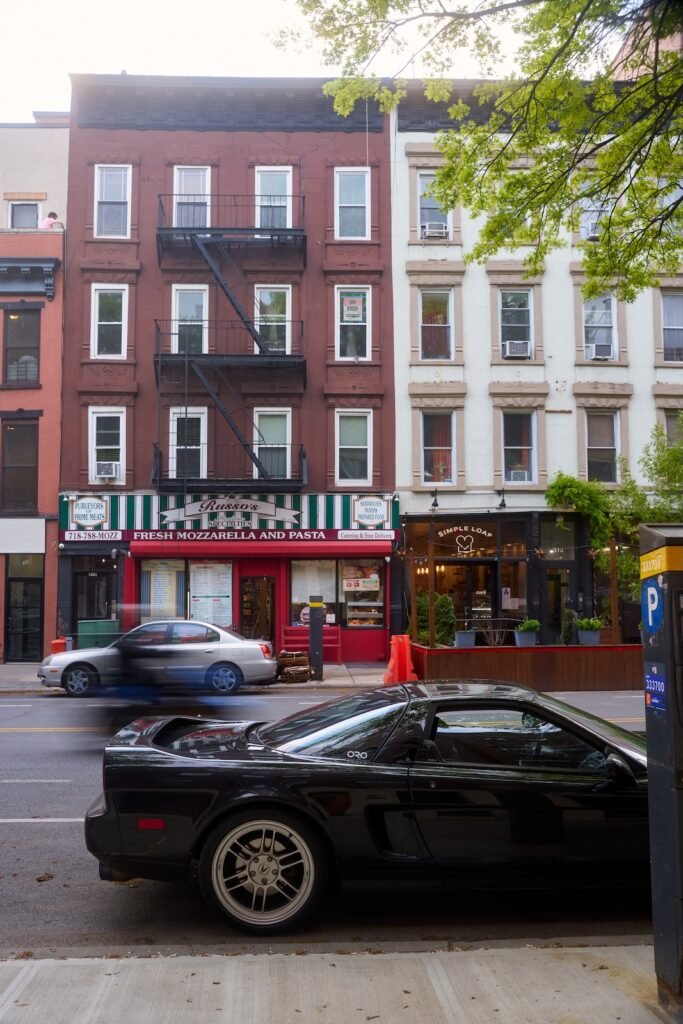
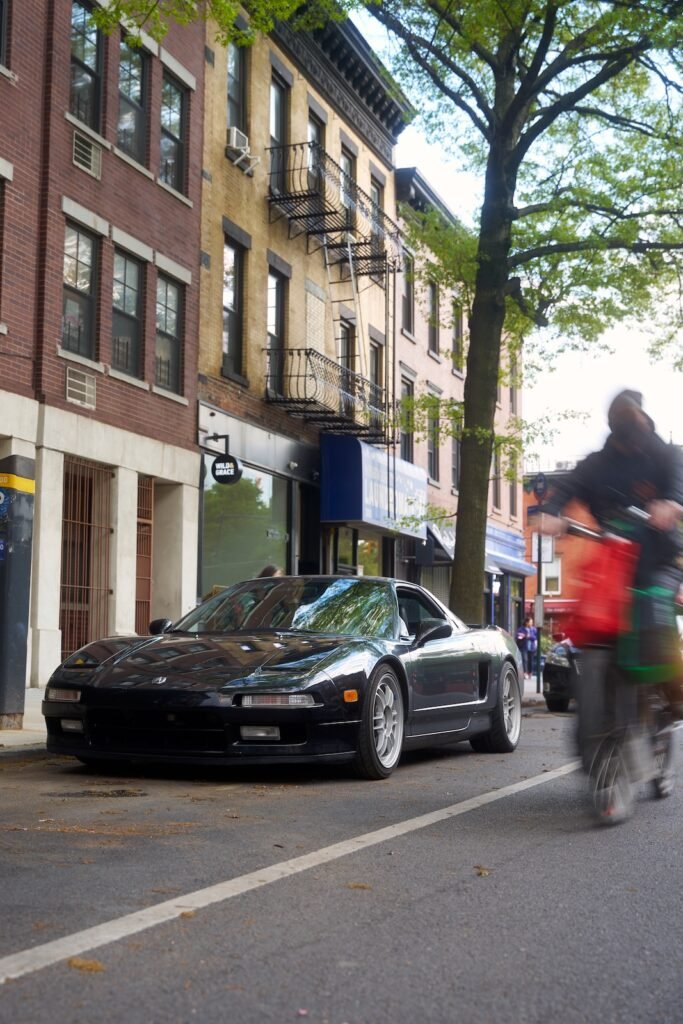


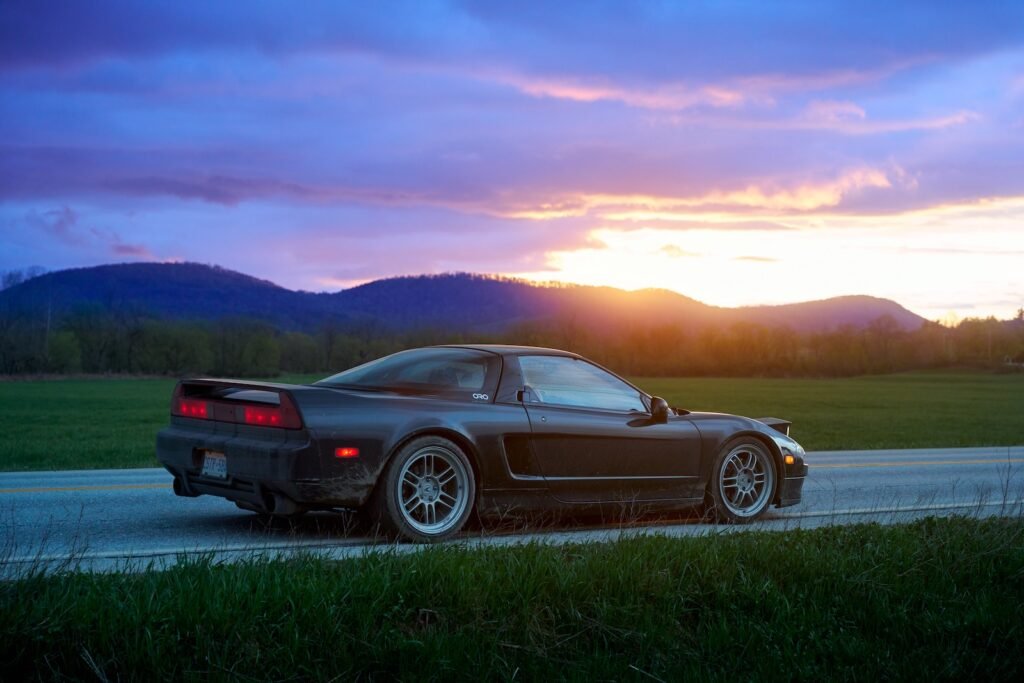

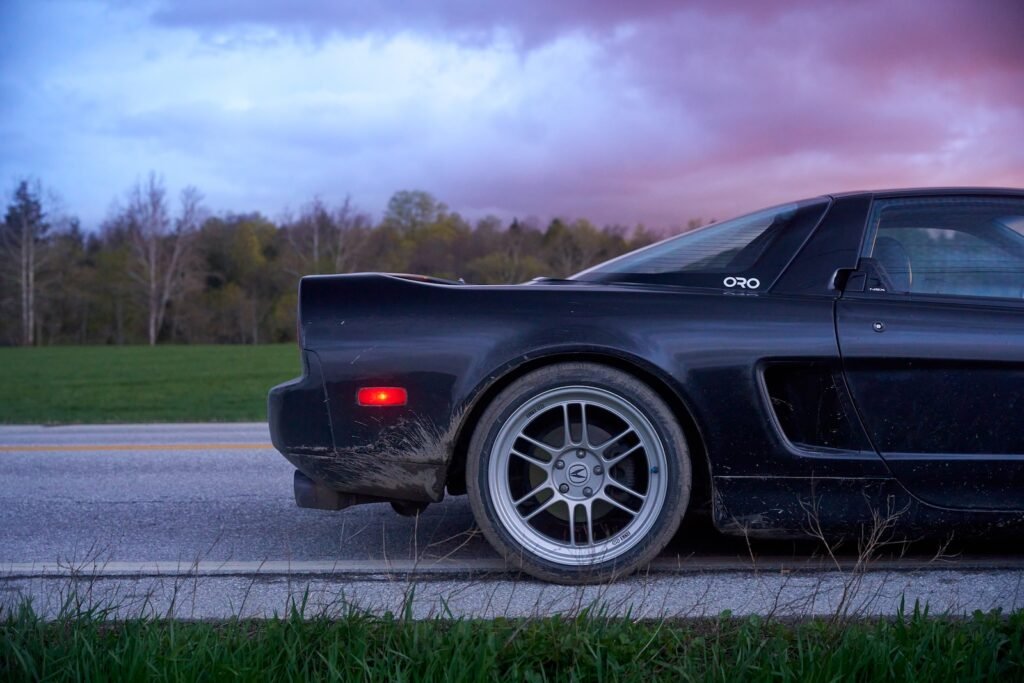
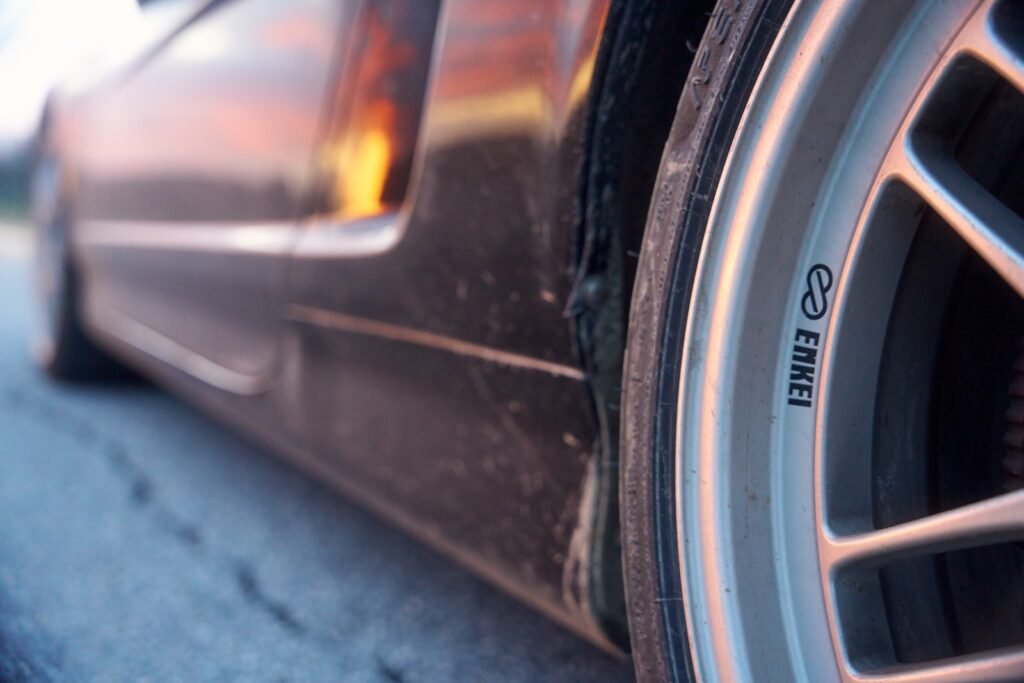
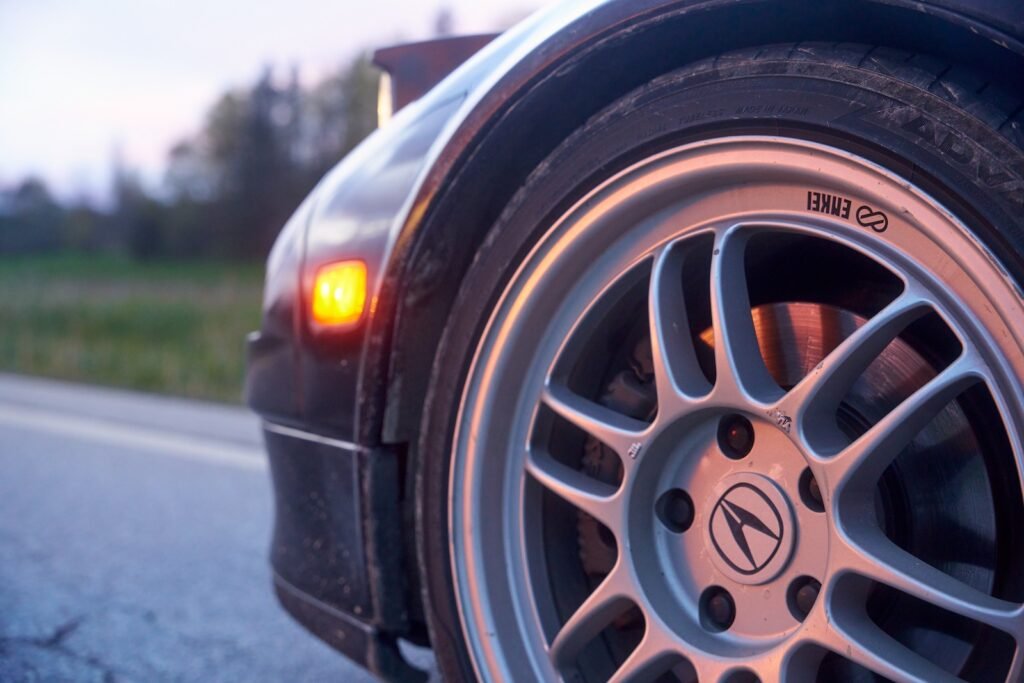
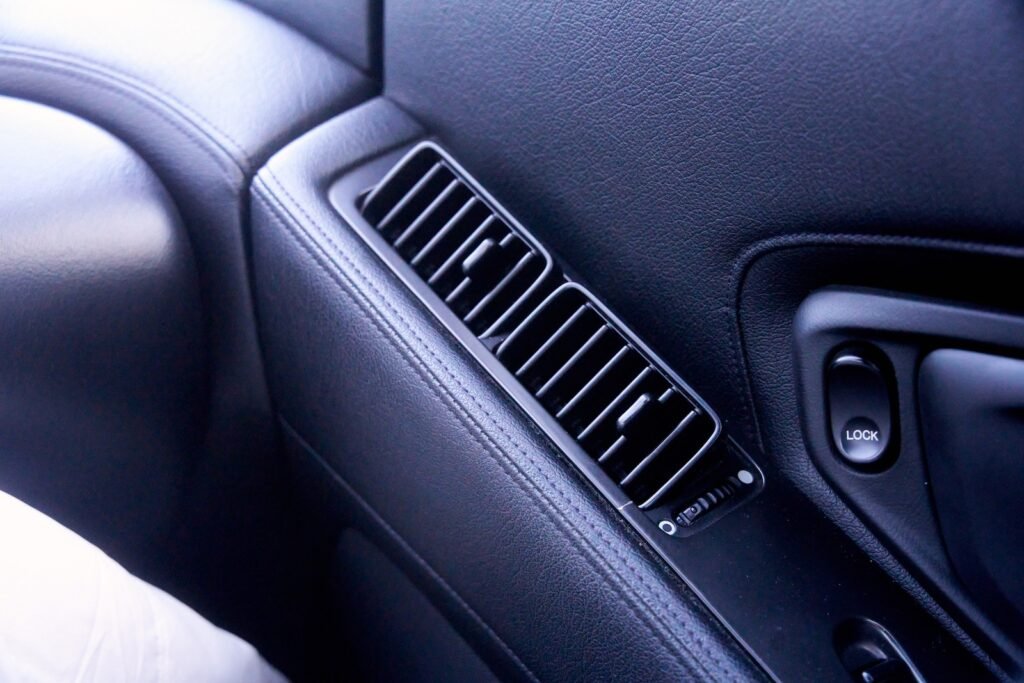
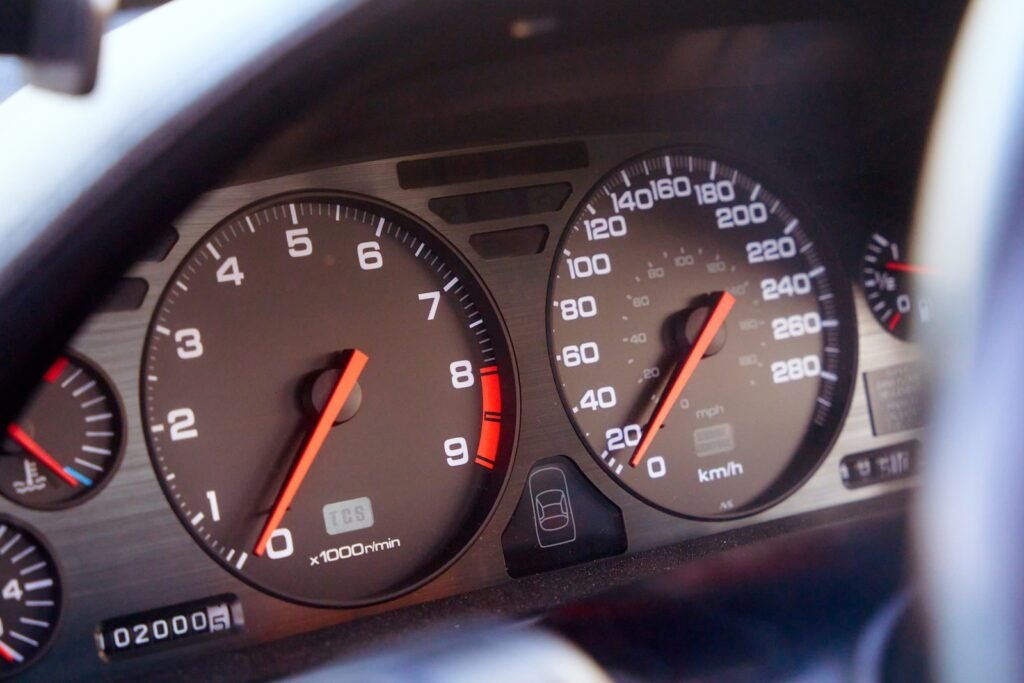
It’s a car that keeps everything in its right place. There’s that titanium-like key, that 8,000-rpm tach, the competence to run a 5,000-kilometre with a driver’s absolute confidence. Angular everywhere but under load, the NSX’s complex geometries and aggressive refinement defy deformation at every obstacle. Its oddly cambered character can be bratty when pointed lightly along straightish trajectories at speed, yes, but lean into that glorious manual steering and the cambered, toed-in rears squat down and find themselves under lateral load. There is a volatility, but also a far greater dependability once you’ve learned its safe words.
So yeah, there’s an NSX outside, just there in the driveway. And after so many hours apart, there’d be little sense in anything but getting back out there to rejoin it.