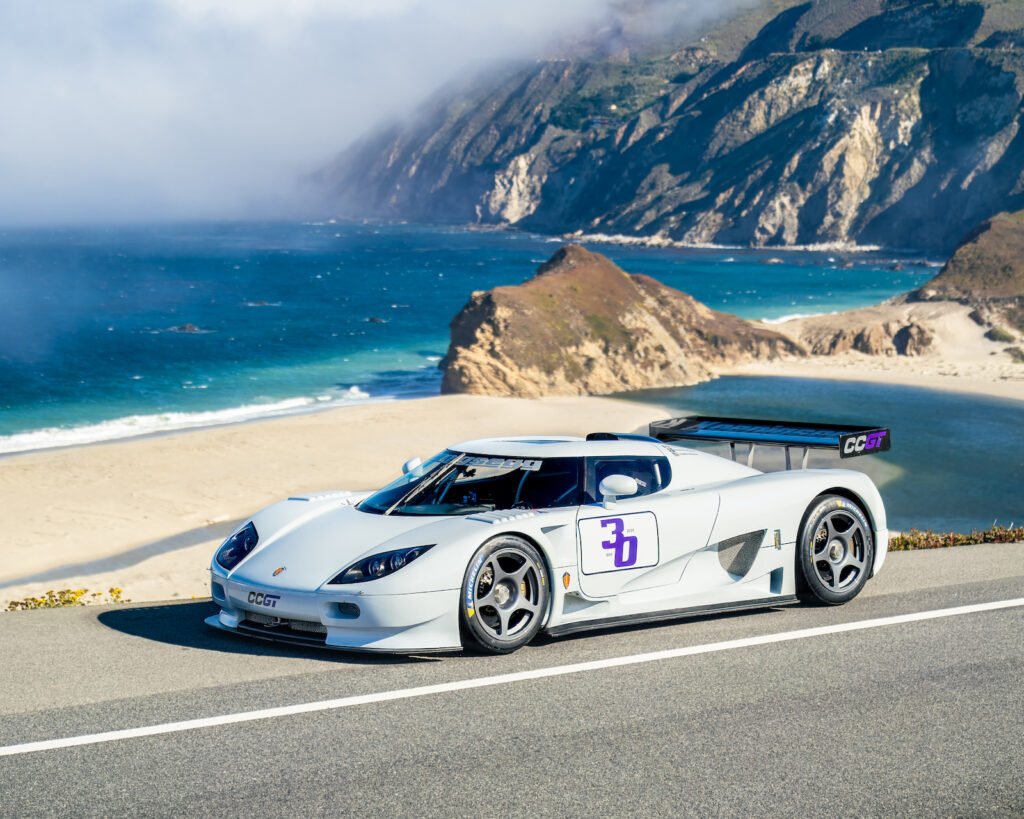
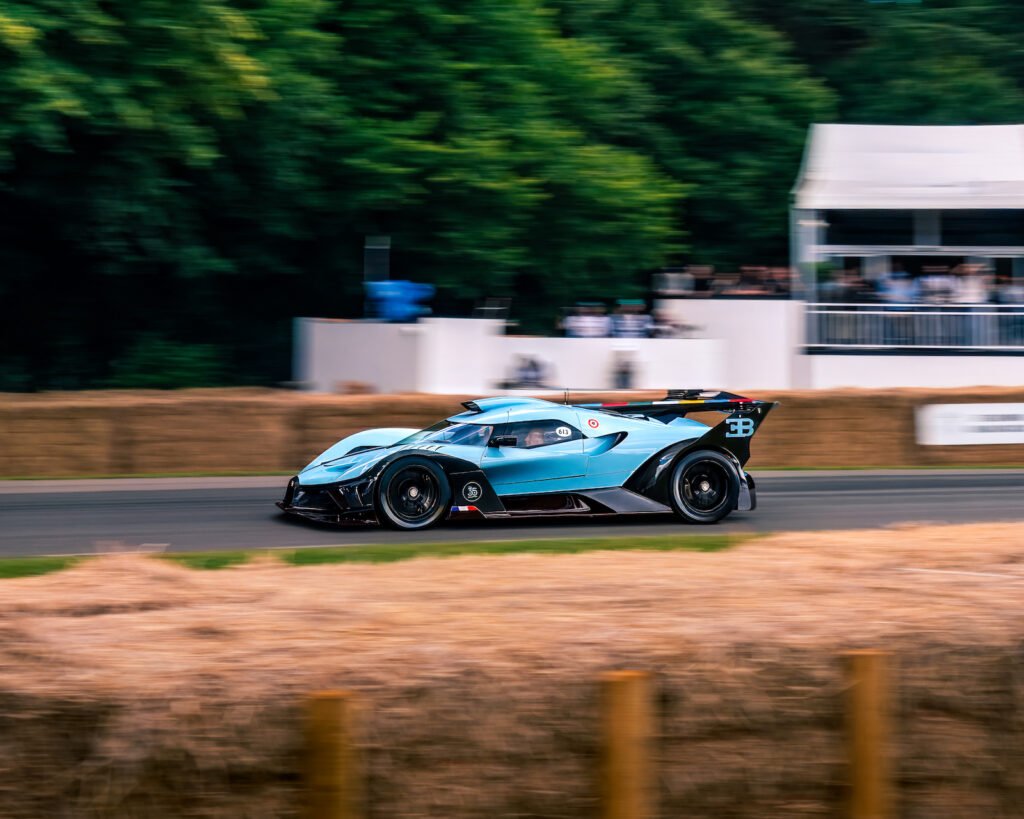
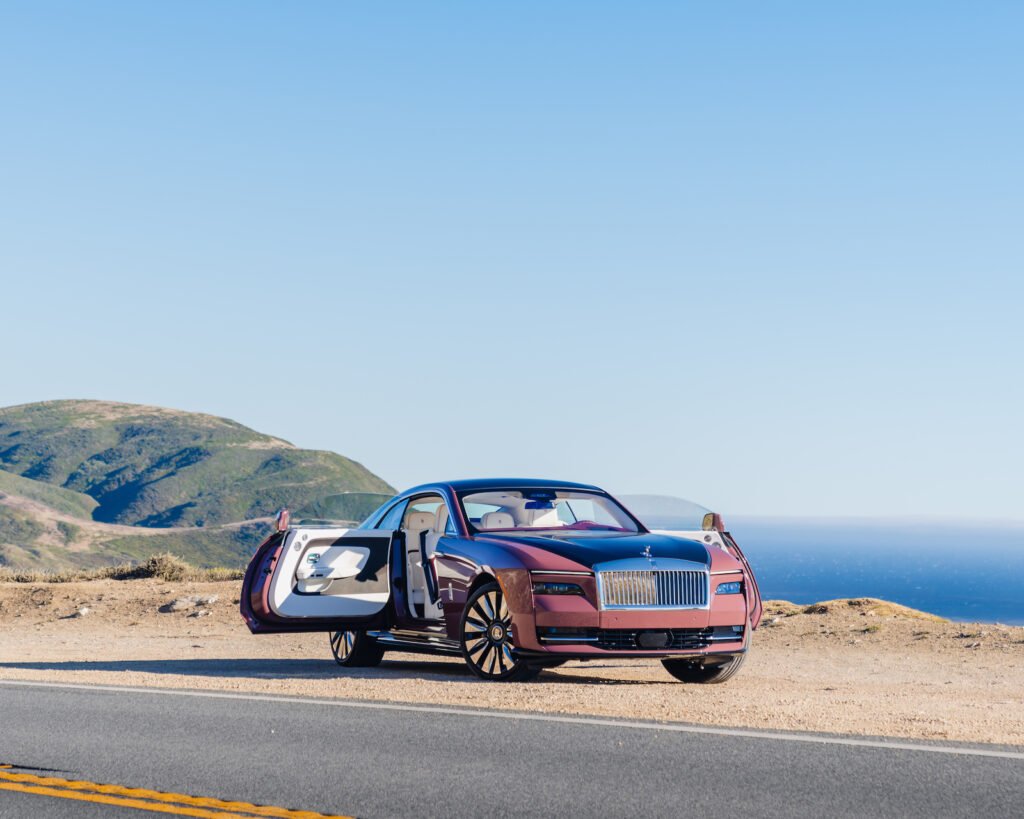
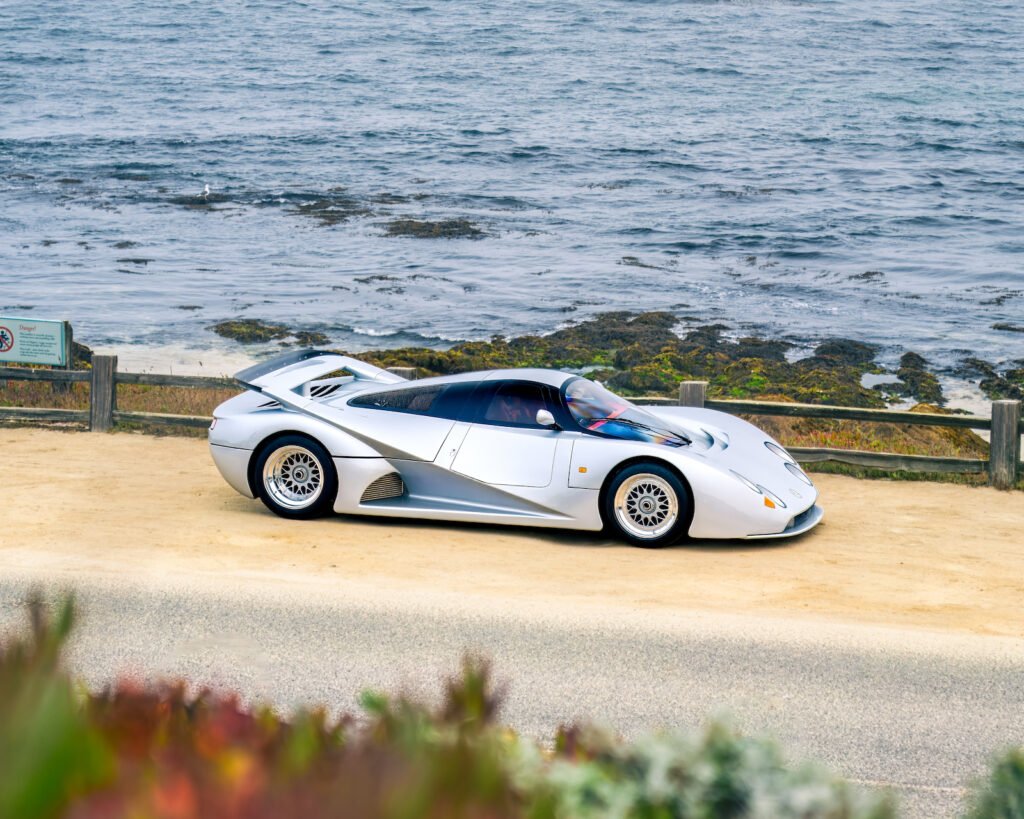
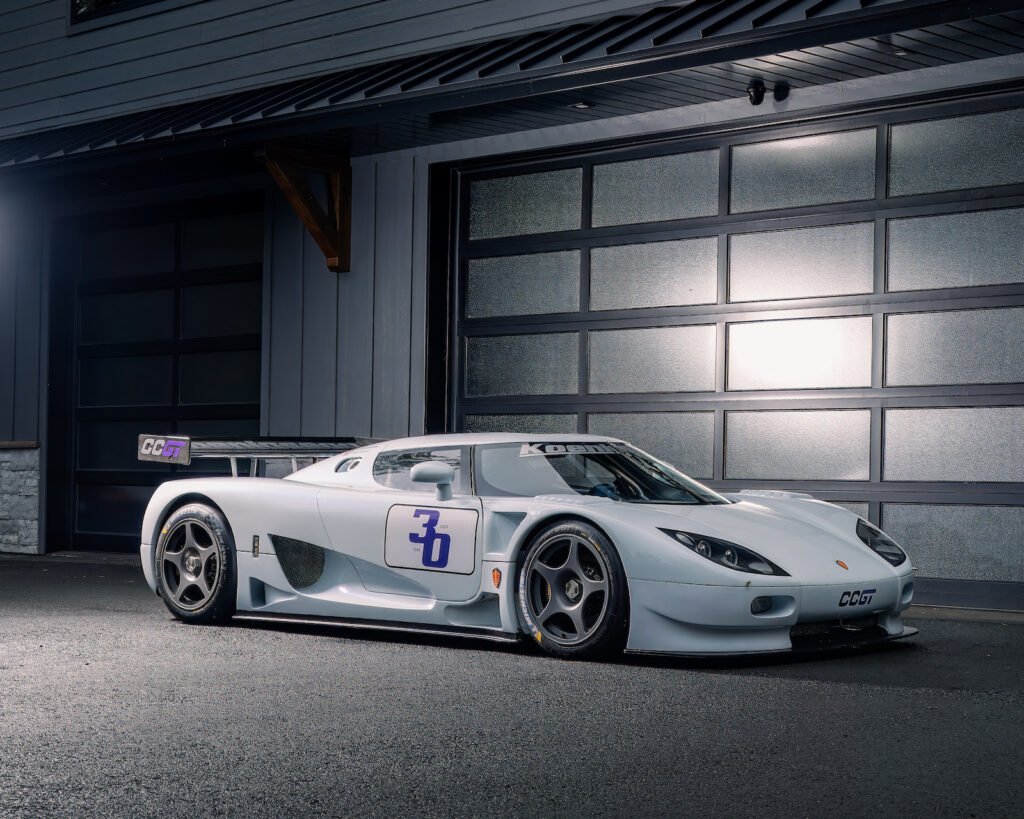
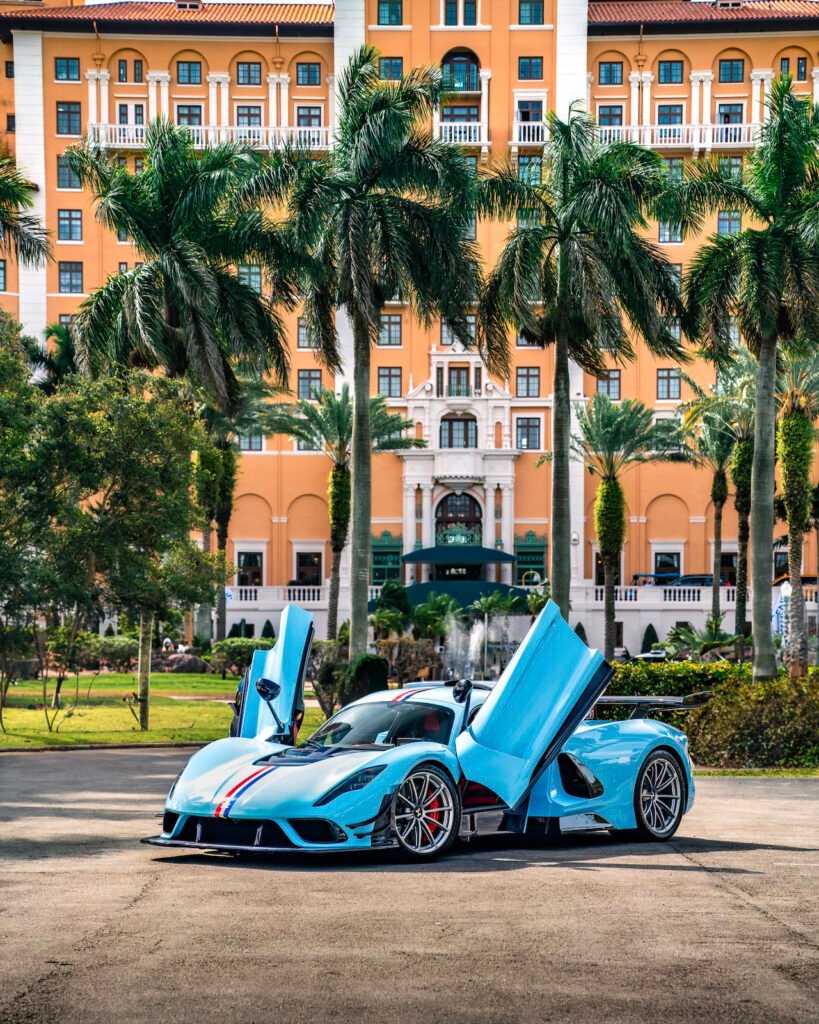
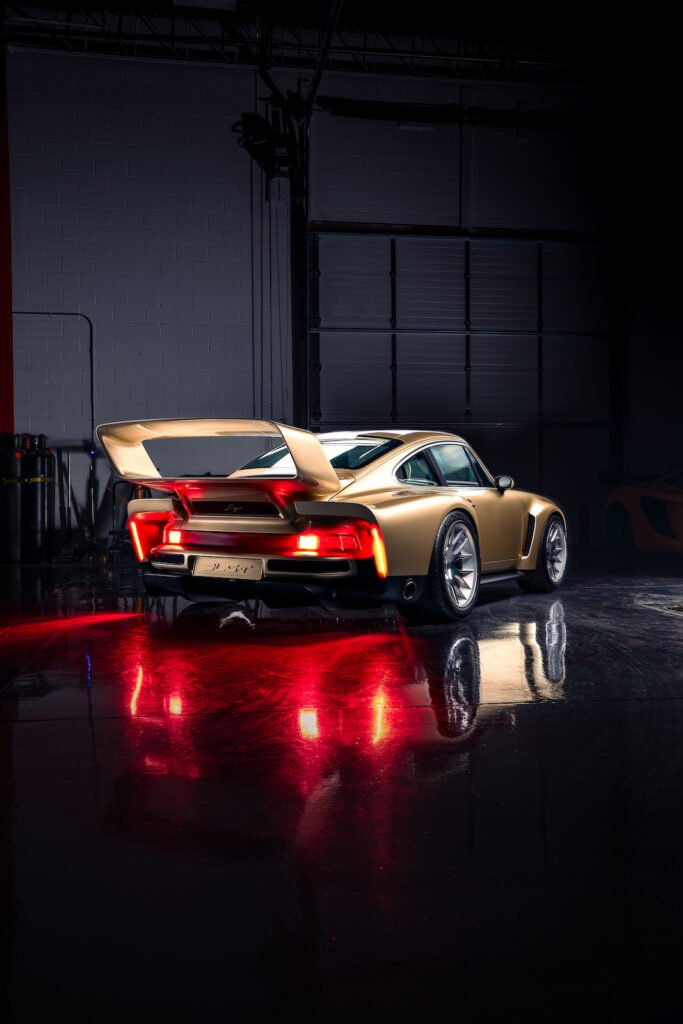
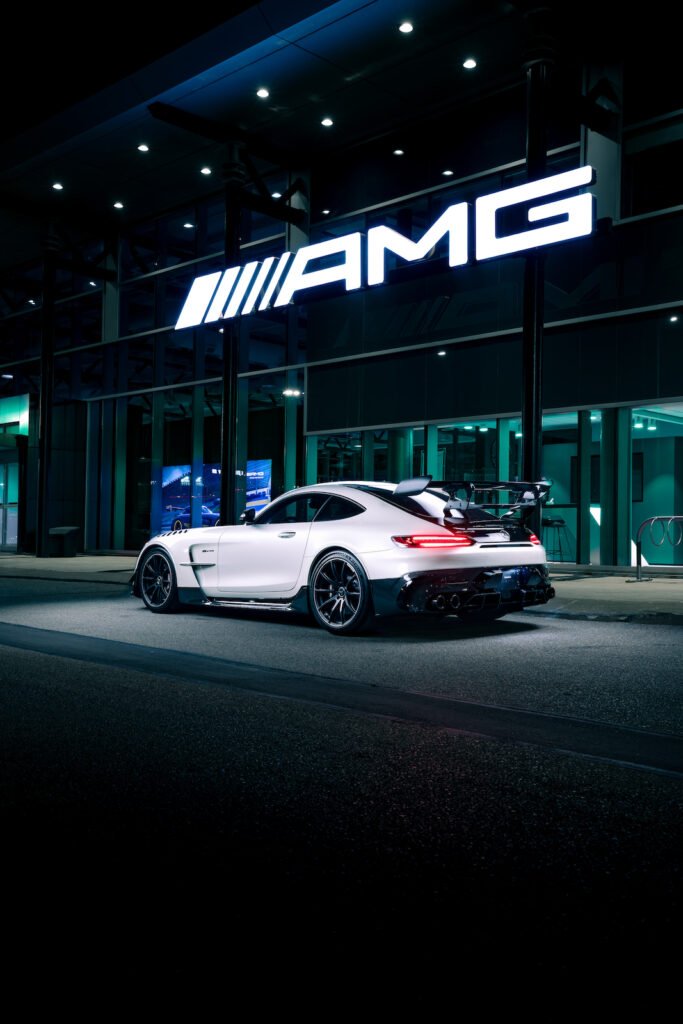
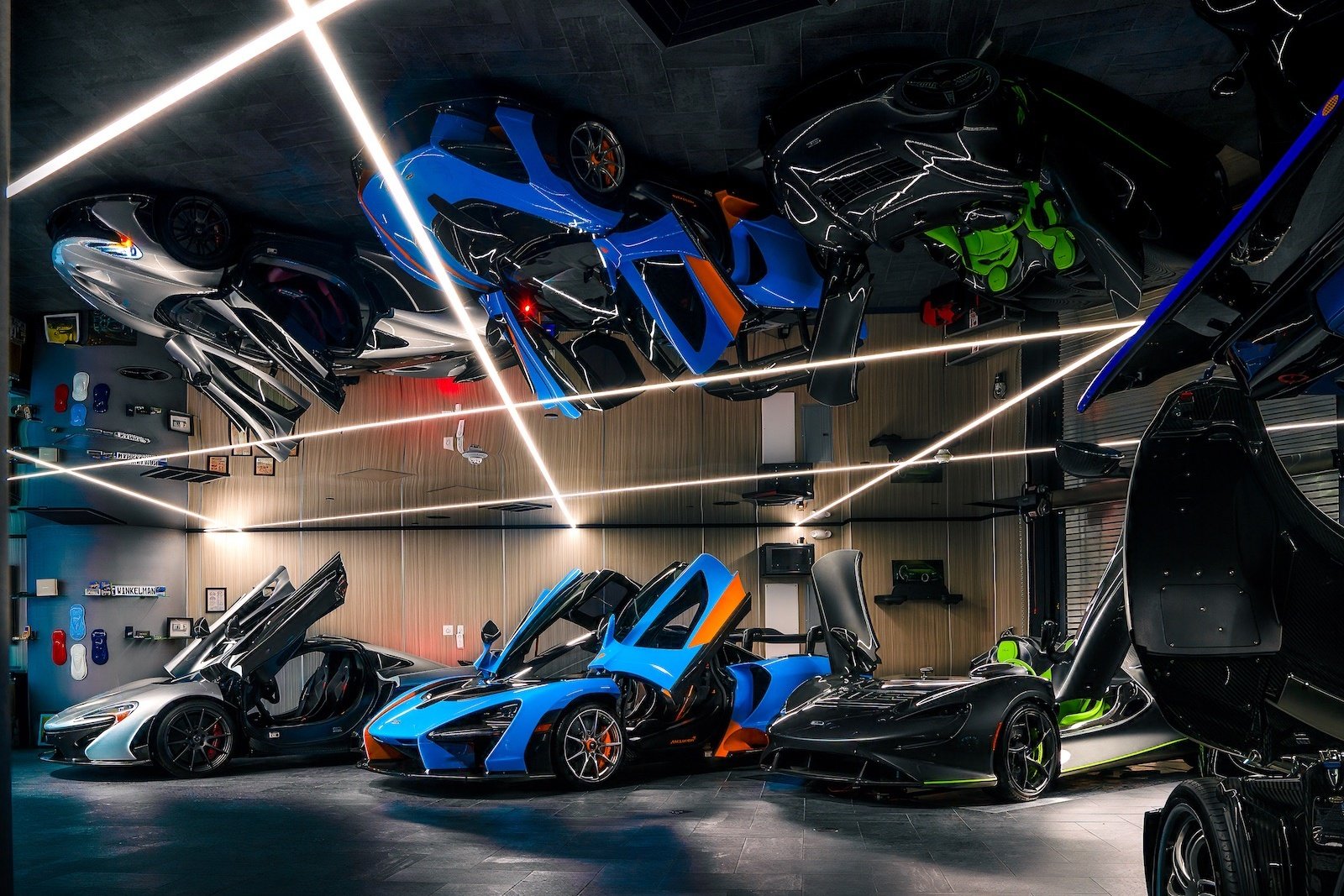
Photography by Abdullah Haroon
This article originally appeared in Autostrada Magazine’s March 2025 issue.
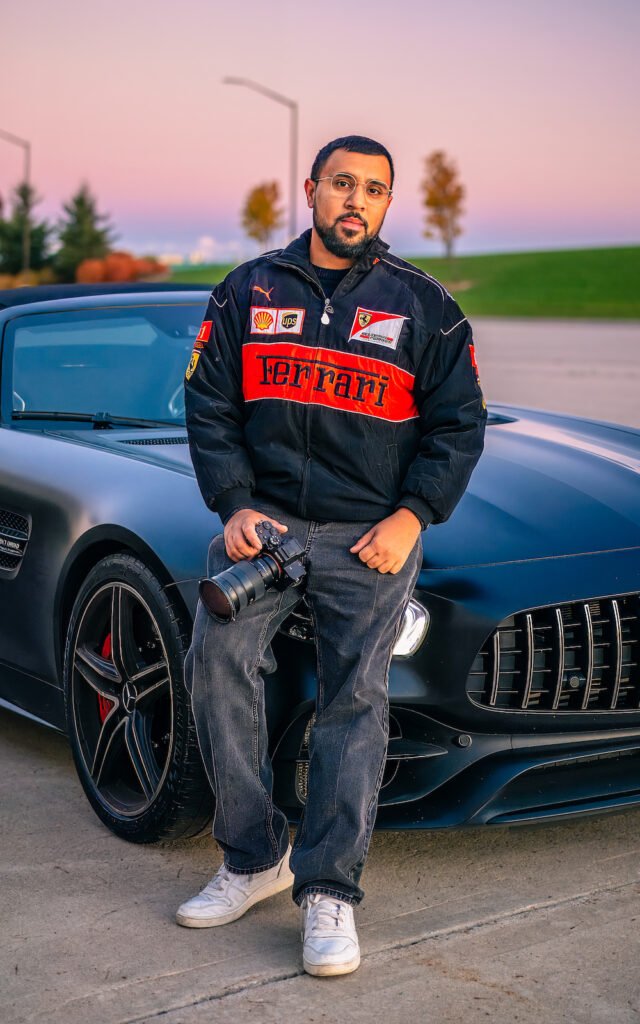
As you read this, Abdullah Haroon is probably travelling somewhere to photograph a car. When we spoke, the Mississauga native was driving from his hometown out towards Caledon. The destination was an exclusive, custom-built mansion in the region that was playing host to Rolls-Royce North America for the day, and Haroon was hired to capture the luxury car with his unmistakably moody-by-way-of-vibrant aesthetic. He’s been all over the world because of his photography—though he considers himself a creator, not a photographer.
Haroon, head photographer at CarsWithoutLimits, is currently in the process of making a more permanent move to Italy, into an apartment that overlooks Rome’s famed Colosseum. It’s an exciting lifestyle change, but it will also put him closer to luxury manufacturers like Lamborghini, Ferrari, Pagani, Maserati, and Alfa Romeo.
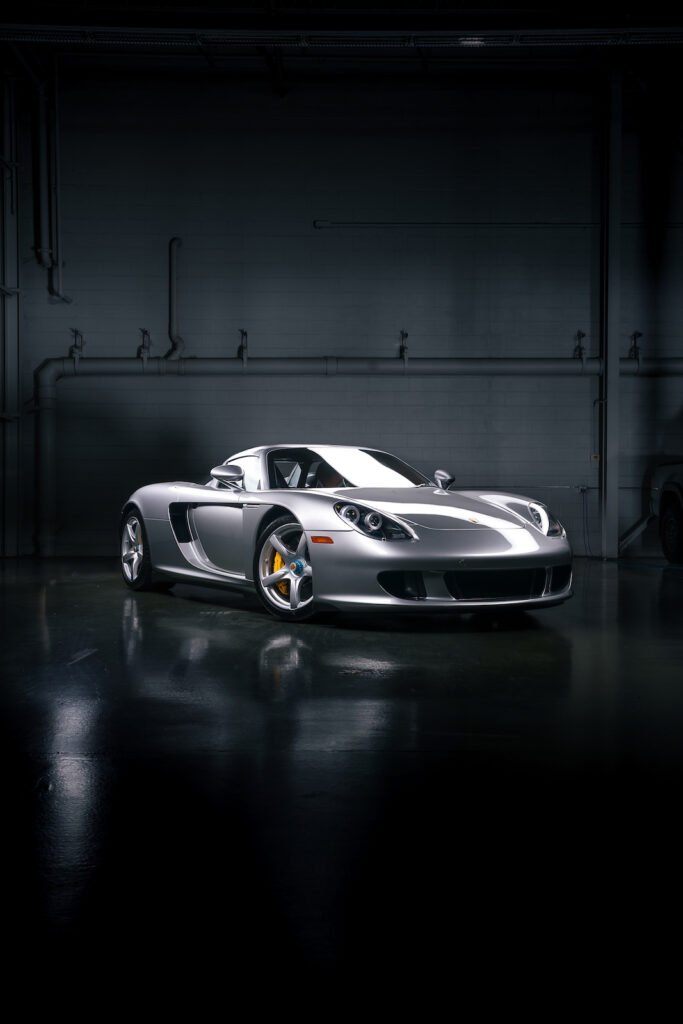
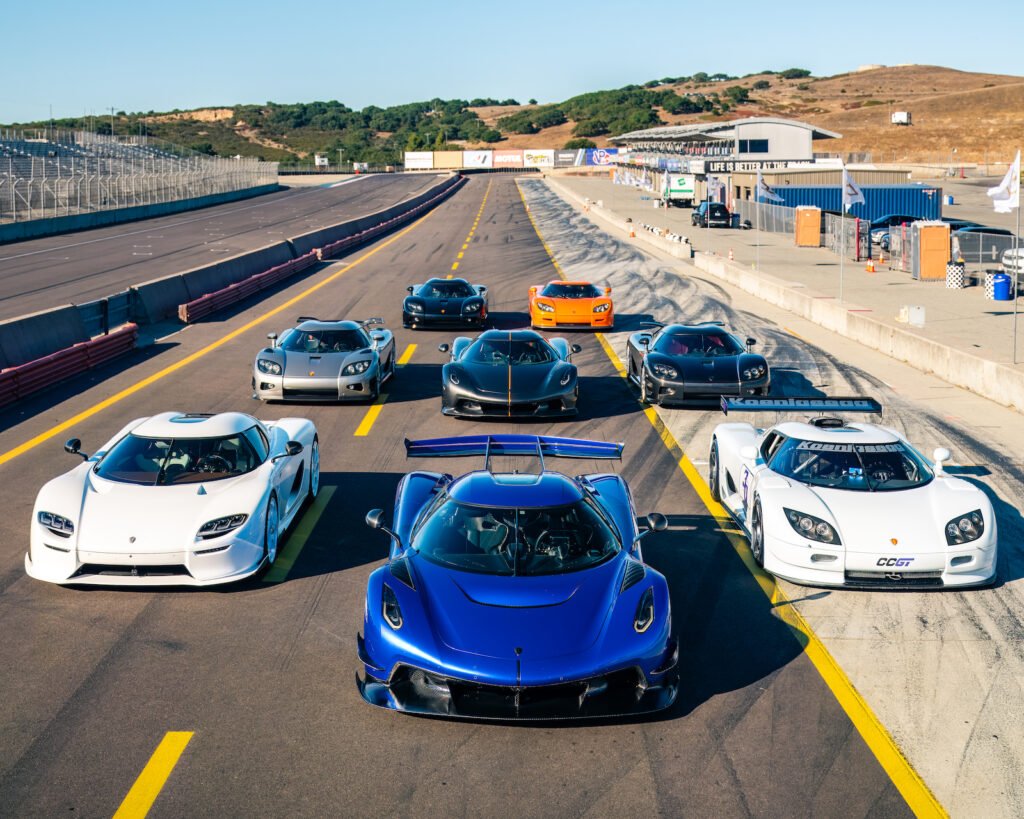
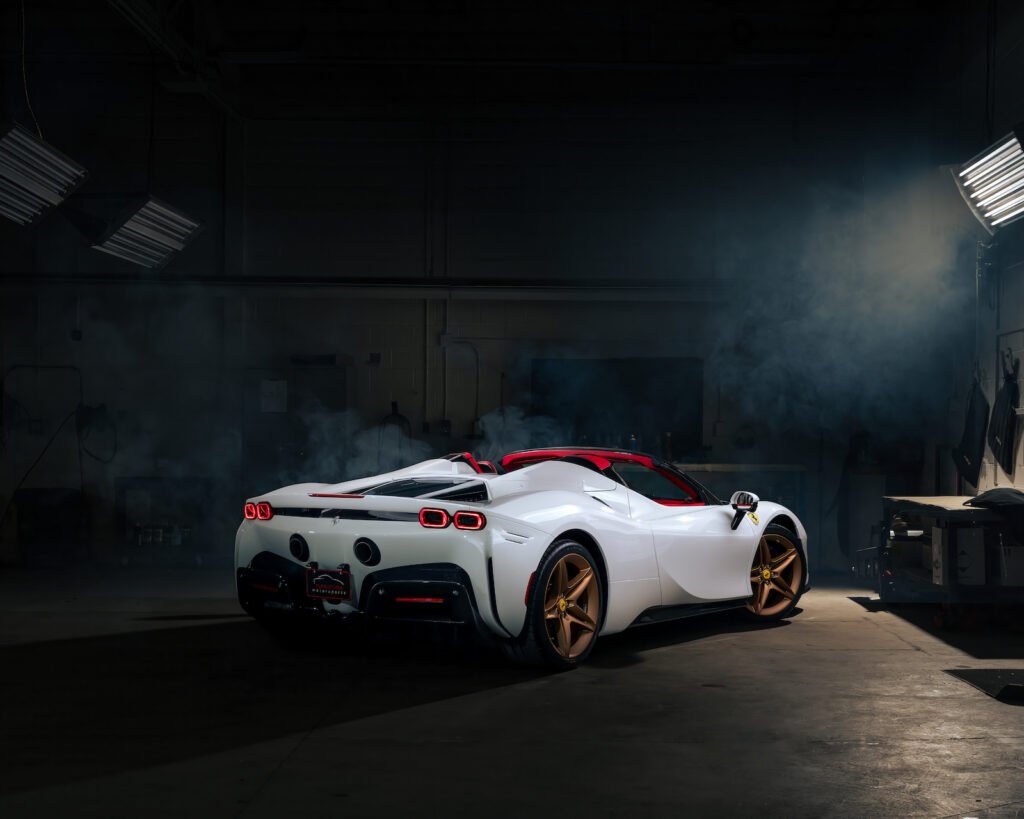
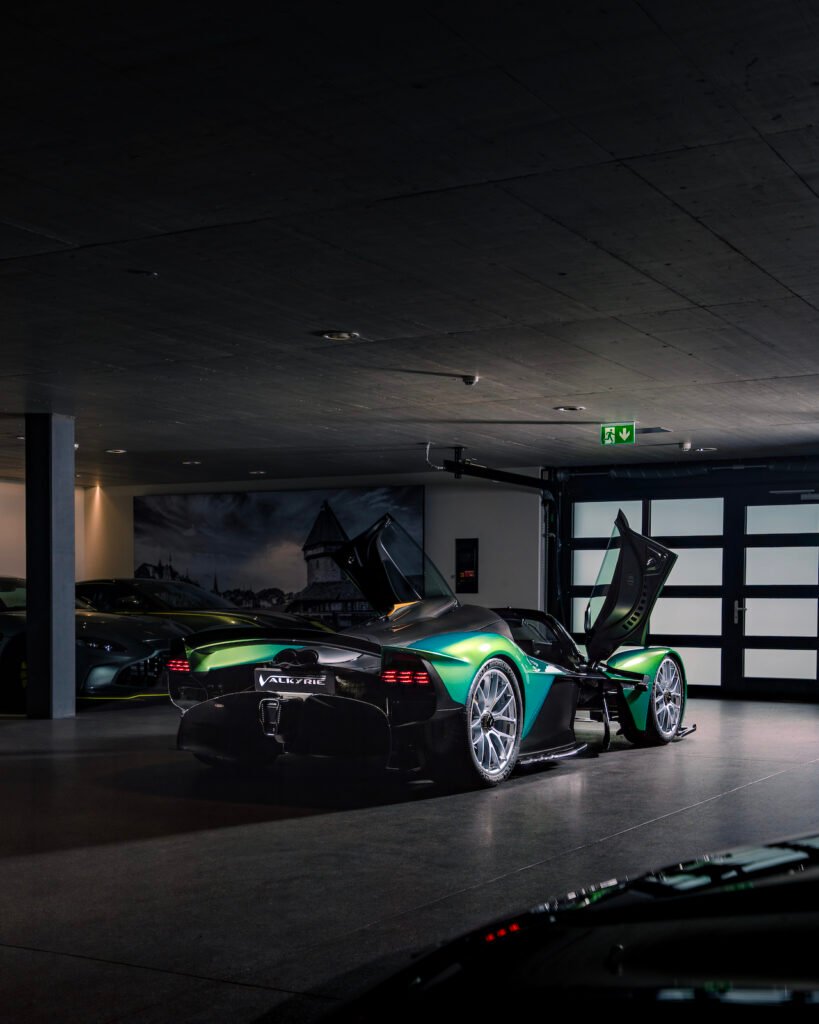
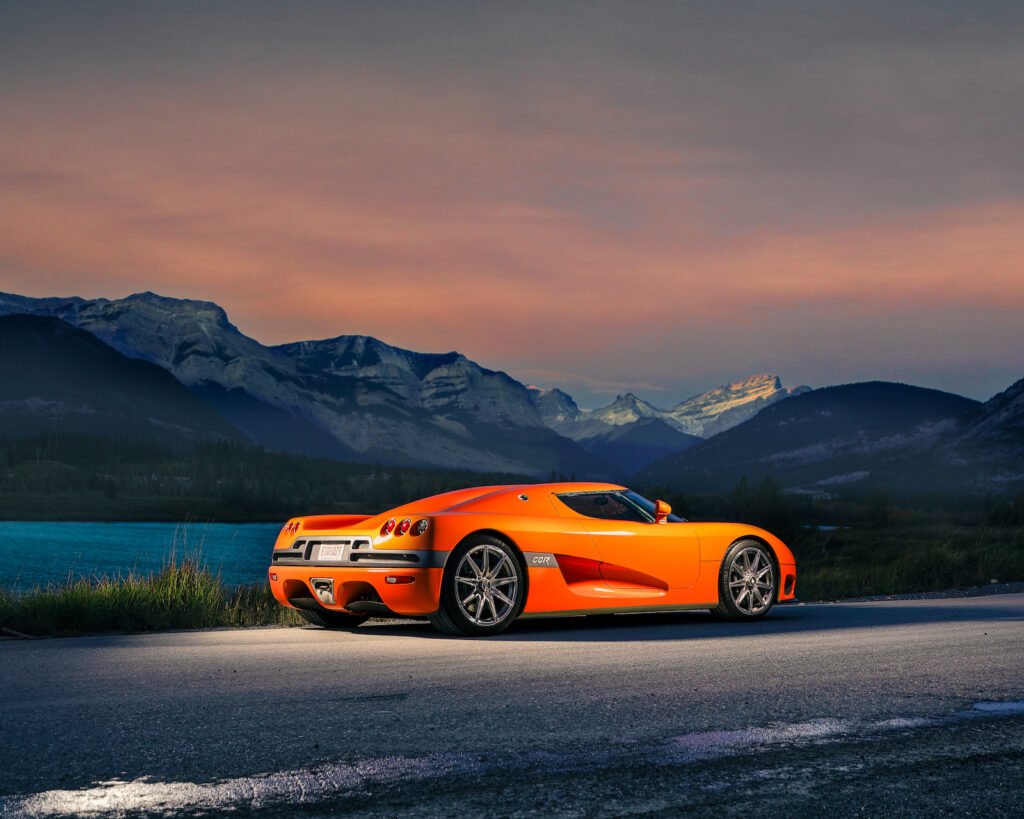
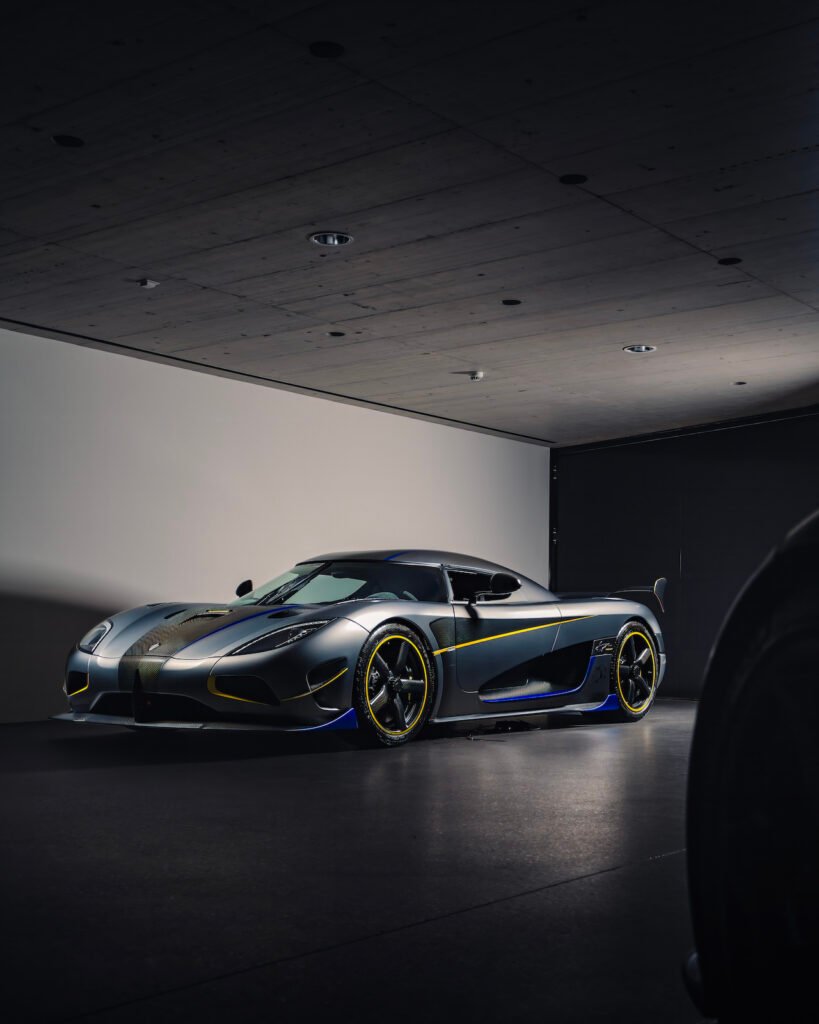
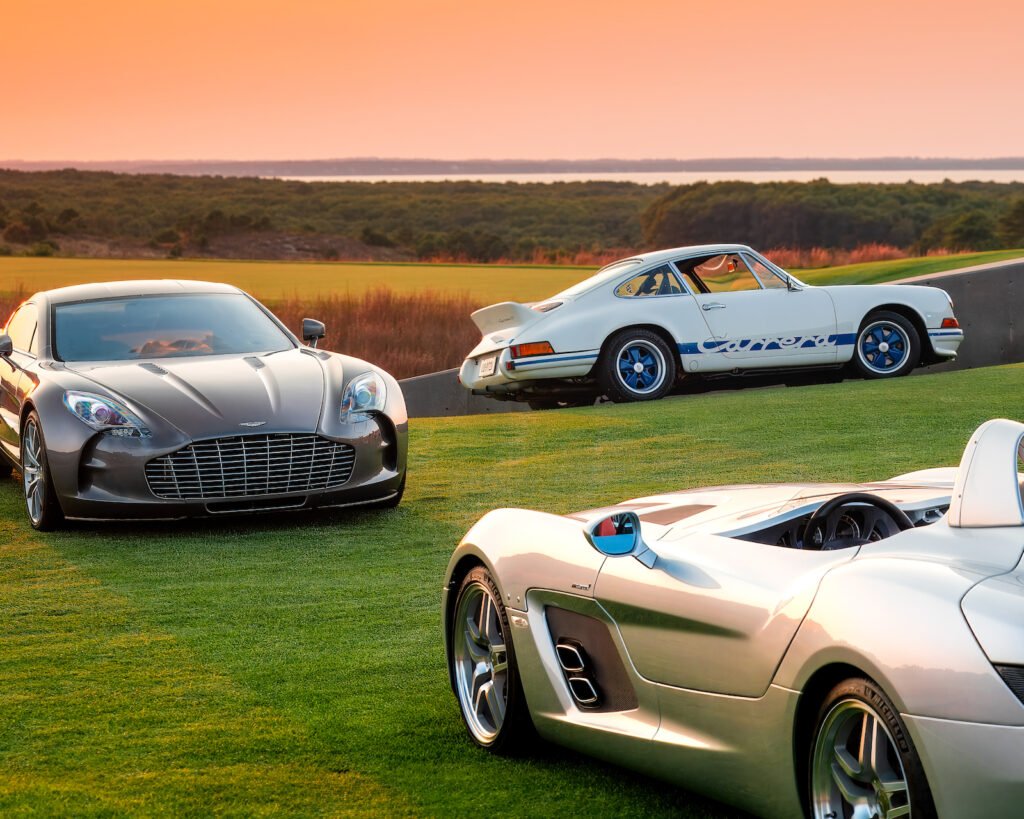
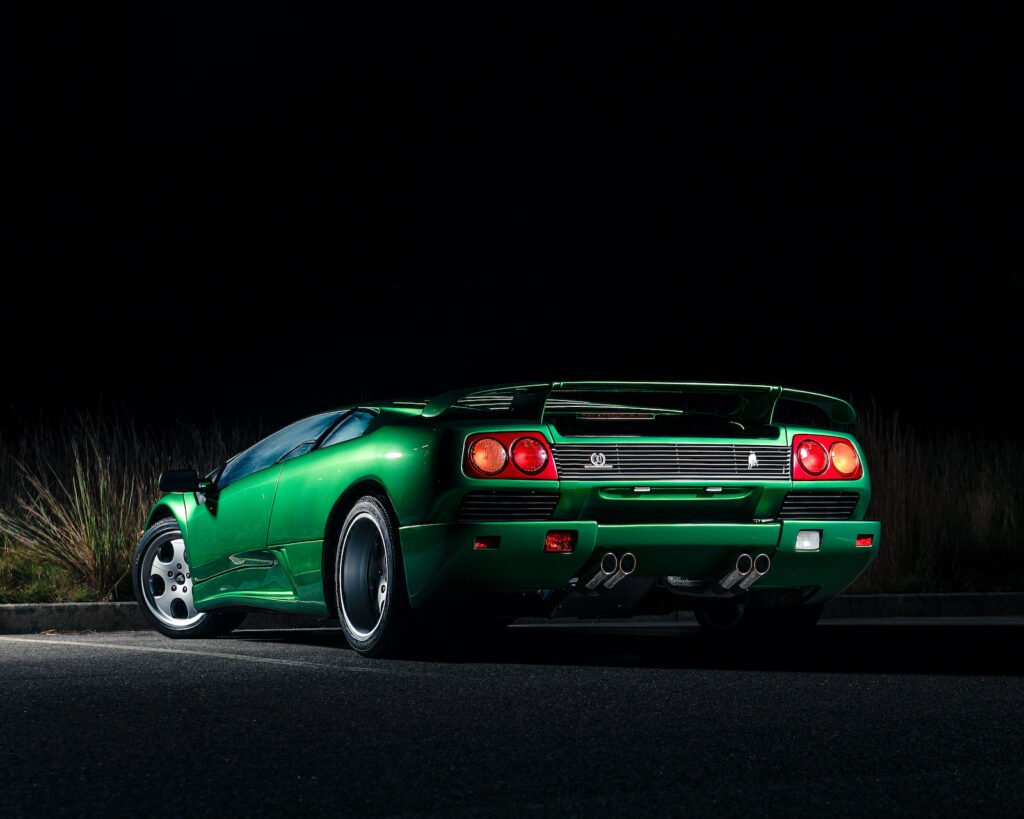
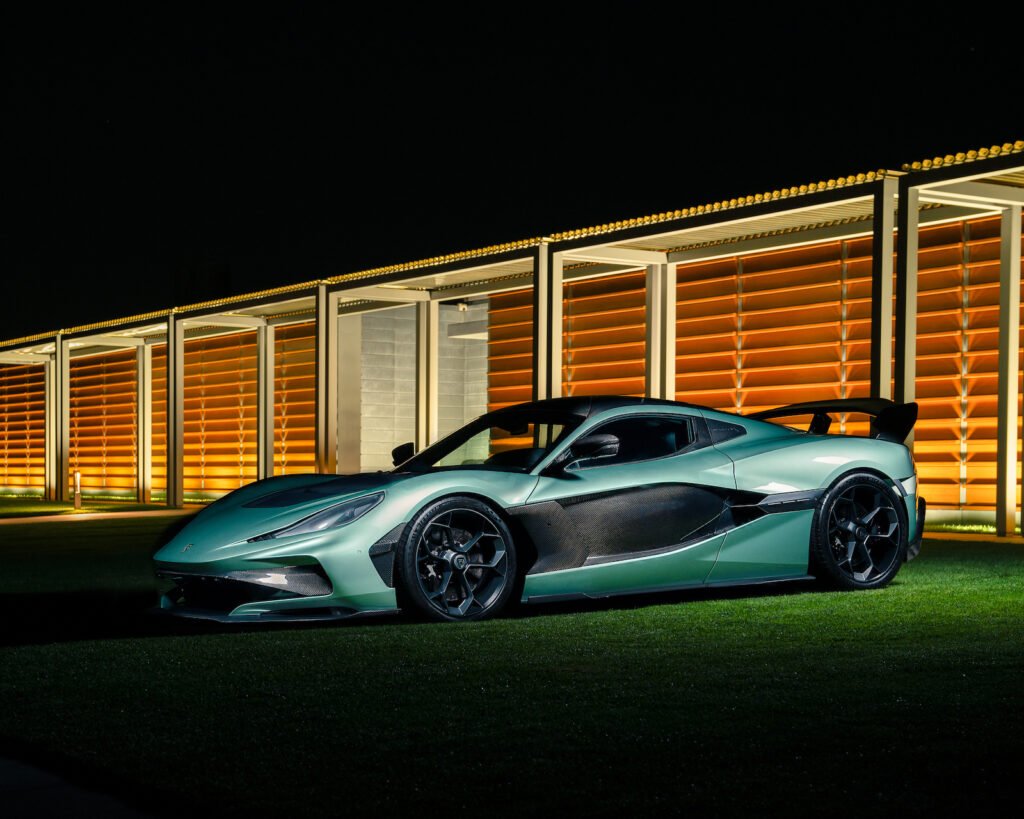
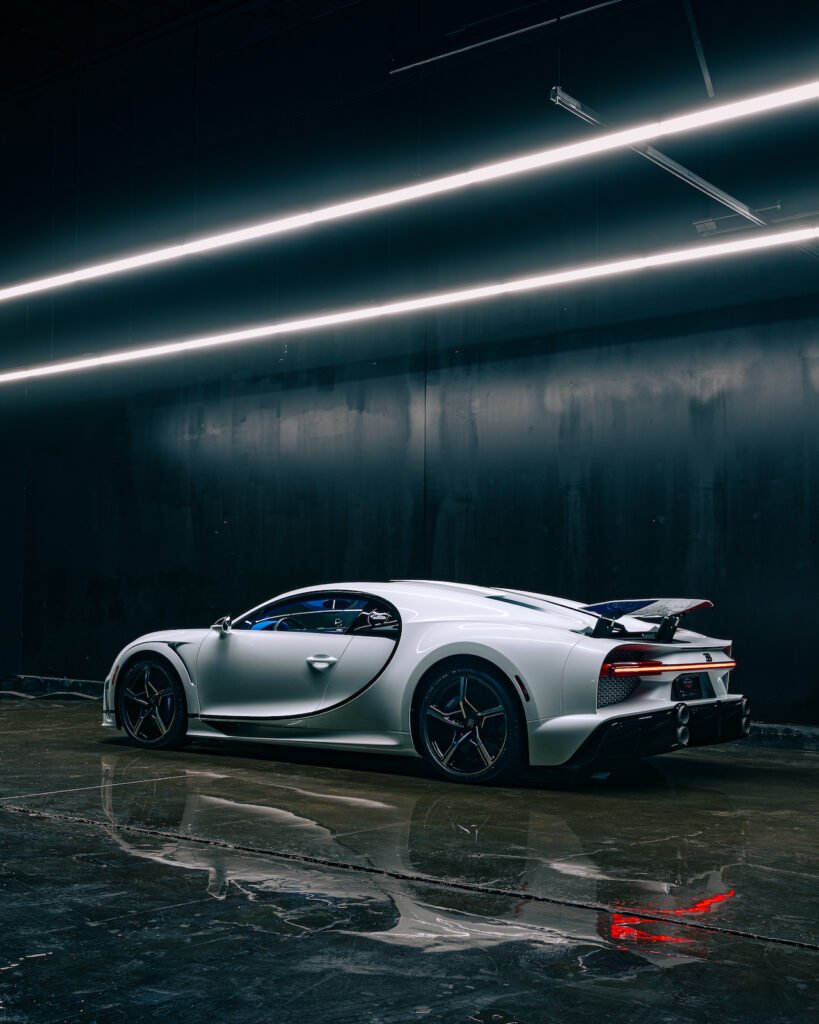
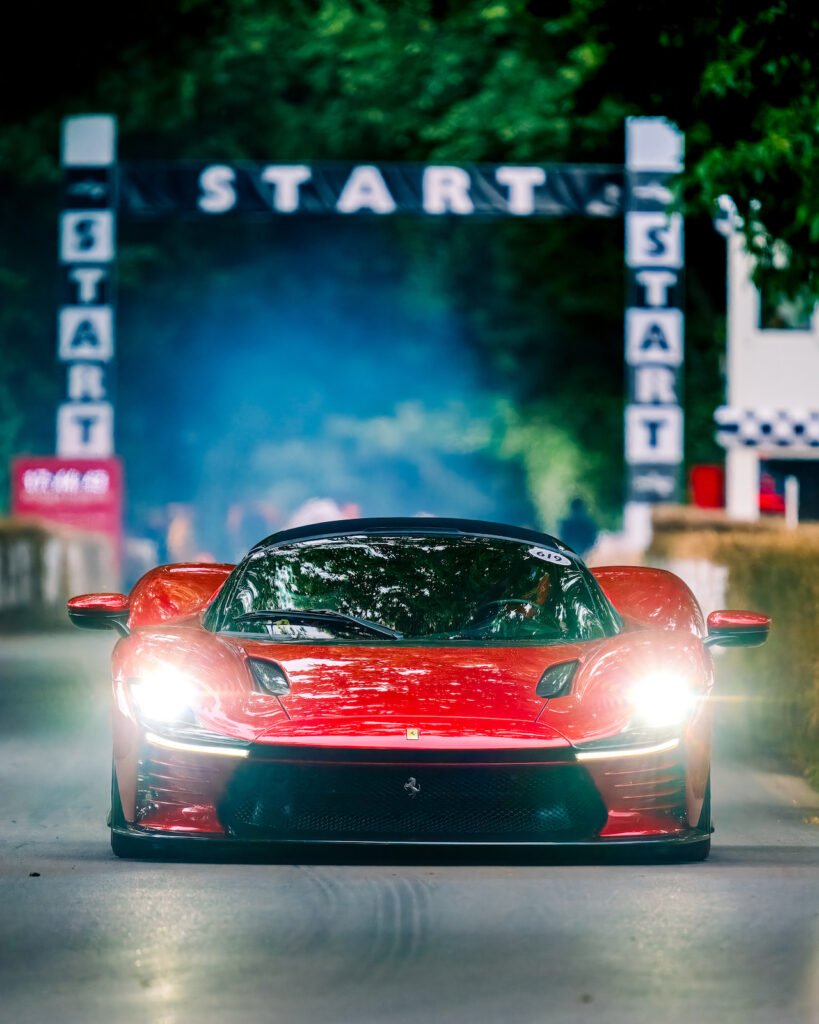
For Haroon, photographing cars is about storytelling, and the travel that he does in order to capture many of the machines in his portfolio is part of the overall narrative.
We caught up with the creative to learn more about his process.
Do you prioritize driving when you travel?
I love driving. Initially my goal was to drive everywhere in the world. So, right hand, left hand, doesn’t matter. And then after I did England I thought I was ready for anything, but driving in Rome is different. You’re not even allowed in certain parts, if you’re driving a rental—they’ll send you a ticket right away.
How do you describe your photography style?
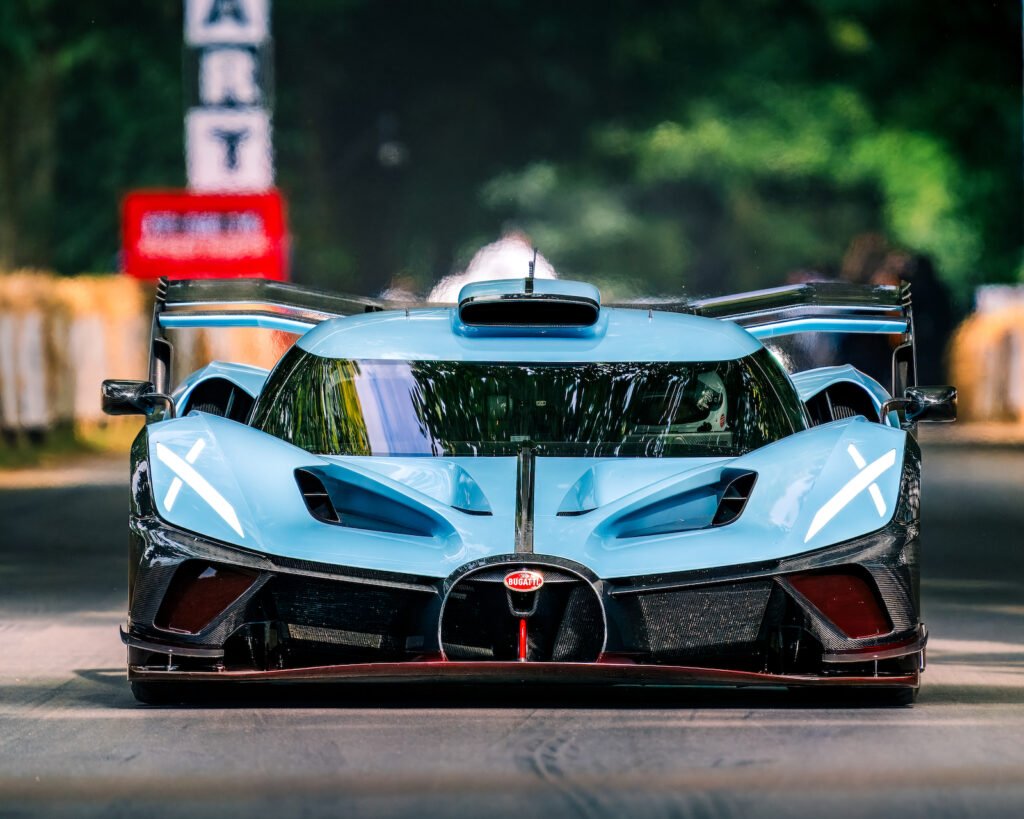
I try to tell a story every time. The term for what I do is called light painting, which is a combination of tubes, flash, strobes, and I basically bounce them off different angles off the car to define the lines of the silhouette and bring out the body panels. I also study the car before going in, and I do make notes on it. I have a game plan on what each car makes me feel.
Do you consider yourself an artist?
I do. I don’t call myself a photographer—I call myself a creator. I don’t think that photographers are photographers anymore, just because social media platforms have allowed us to develop into creators. And that’s where, you know, it really shows growth. It’s the ability to not just press a button on a camera, but instead has to be the ability to tell a story and kind of bring your vision to the screen for your audience.
What was the first photo shoot you were paid for?
My first official paid shoot was Father’s Day 2018. It was a Mustang, it was a custom Mustang that was owned by a friend. It had pearlescent paint where it changed colours depending on the light and we shot that at Cherry Beach with the Toronto skyline in the background. I still remember I had my kid with me that day, and she was like two years old at the time, and I brought her to the shoot. Since then, I mean, she’s turned into a car girl.
What’s in your photography bag?
I’m all Sony. I have a Sony a7R5 that I do my main photography with and obviously in the last two years Instagram switched me over to video as well, because that’s the only way to survive as a content creator. Because of that I did pick up a cinema grade Sony FX3, which is basically an entry level Netflix approved film camera. So it is a full fledged movie camera. I also have a 24-70mm G Master lens that’s my go-to, as well as a 16-35mm Sony lens, and that’s kind of my whole kit. It’s very small. I think in terms of lighting, I use a lot of Godox, so their flash and strobe set-up for studio lighting.
What advice would you give to somebody starting off who doesn’t really know where to start?
Just get a camera. The funny thing is that it’s all in the post work. I would spend more time and money on learning Photoshop and Lightroom and picking up new skills, because now with the power of AI, you can have like the most garbage entry level camera and you can’t even tell the difference between a $300 camera and a $10,000 camera. It’s not like we’re blowing up these images to go on the side of a building.
What have you learned over the years about post-processing?
I think less is more. I know that’s weird coming from my style where it’s very vibrant and there’s a lot going on, but I do think when it comes to photography and Lightroom, less is more. You don’t have to push all the sliders to the left and right. I know that’s very subjective, but it’s more appealing and more true to tone. In terms of post production, for myself, I would probably say that it is the most important step of the entire photography process. Your post is basically you, because that’s entirely you creating a vibe or a color grade that aligns with that story you’re trying to tell or that vision you’re trying to create.
That part is very time consuming. There are times where I would do an edit for like six hours and I would Airdrop it to my phone and I would sleep on it. I would see it right before I fall asleep and I would sleep, and I would wake up and unlock my phone and look at it, and I would redo the whole thing.
How do you know when an image is done?
Once you build a style, you get better at knowing when your image is ready. To be honest, you could tweak these sliders forever. If you had the time, you’d just be sliding. For me, it just clicks. I don’t know what it is.
Sometimes when you stare at a screen for too long, you lose focus and your eyes won’t pick up the colours the same way. I developed an eye issue because I was staring at the screen for so long, I had stress on my optic nerve and I couldn’t see light for three days. It got really bad really quick. And I was like, ‘Oh, I’m losing my eyes.’ Like, you know, this is the worst thing that could happen. I told the doctor what I do for a living and that I stare at a screen in the middle of the night when it’s dark. Like, you know, I’m sitting there and I’ll have The Office or Friends playing in the back, and I’ll just be doing my thing. But I wasn’t editing for like 10 days straight as my eyes healed. I couldn’t even look at my phone.
You recently photographed the Goodwood Festival of Speed, tell us about that experience?
Goodwood festival of speed was an absolutely surreal experience. An event of this caliber, which brought over 200 000 people from around the world to Chichester West Sussex made it one of the best experiences ever. There’s something about the energy and passion that everyone brought that made it so special. Everywhere you went and everyone you talked to, you could just feel they were hardcore enthusiasts. To top it off, I had the opportunity to join Markus Lundh, an official Koenigsegg test driver during the iconic hill climb as a passenger in the world record setting car Koenigsegg Jesko Absolut. Definitely a once in a lifetime experience.
Being around hypercars regularly, what would be the one you’d like to own?
That’s a really tough question because every single one of them is so special in their own way. They all chart from the rarity factor to speed to the bespoke build qualities. If I was to take all that into account, I would probably pick… oh my god I can’t pick. I want the Koenigsegg for the speed, Pagani for the beauty, LaFerrari for the investment, the Carrera GT for the sound and the gear box. I want them all *laughs*
Where do you see yourself and your work in the next 5 years?
The end goal for any automotive photographer is to work with a manufacturer but for myself, I want to build a state-of-the-art studio where I would have control over my surroundings to develop compositions that cater to specific needs depending on the manufacturer. Who knows? Maybe it’ll be in Italy.