
Autostrada x European Autoworks
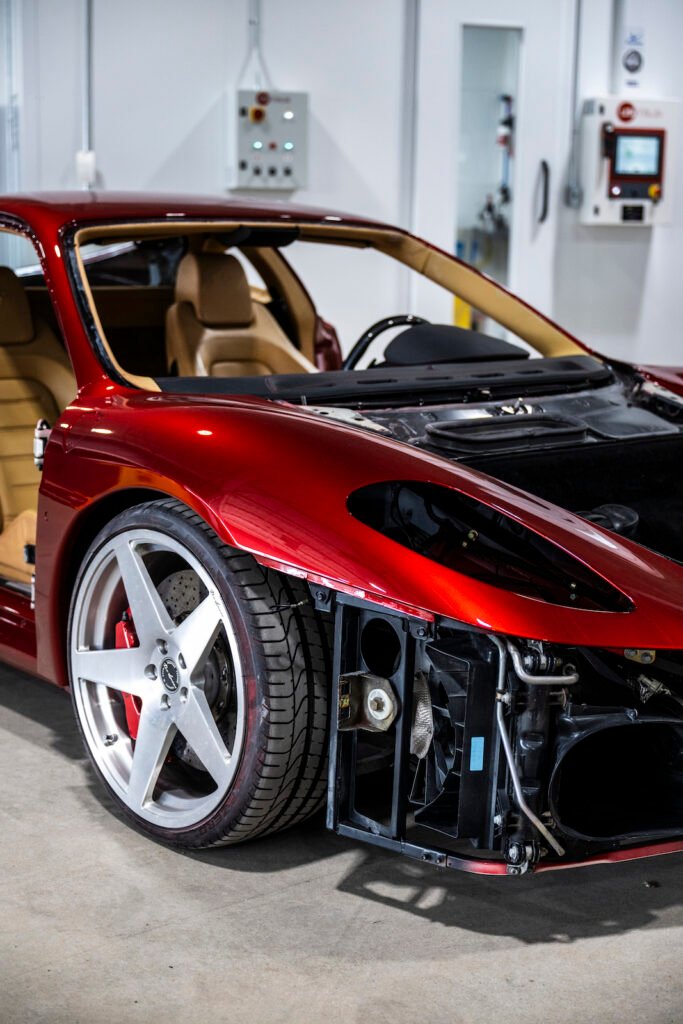
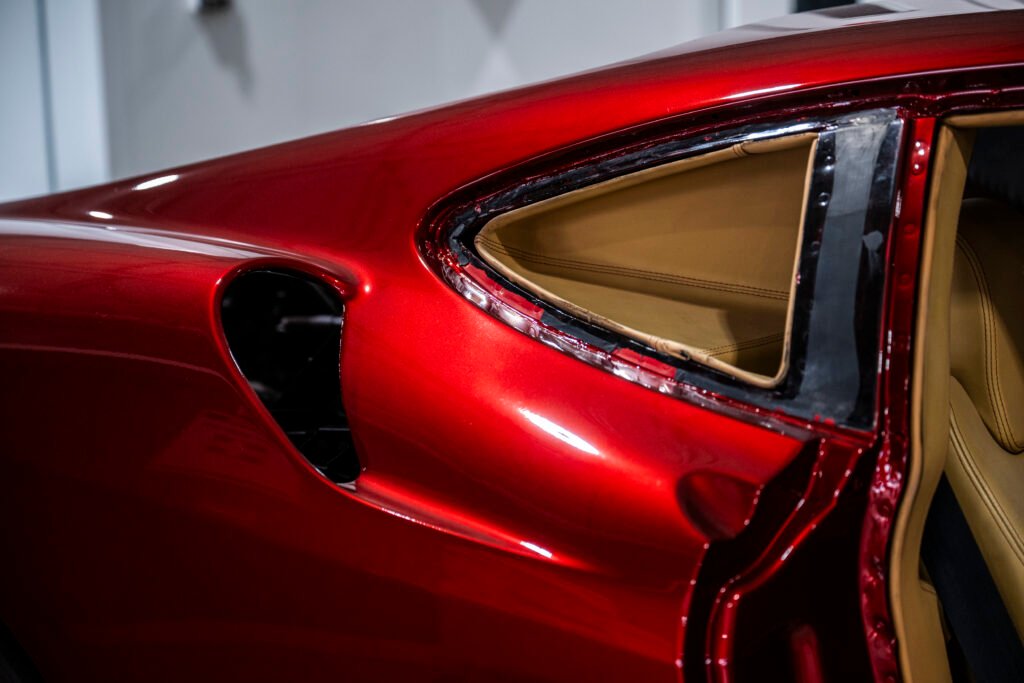
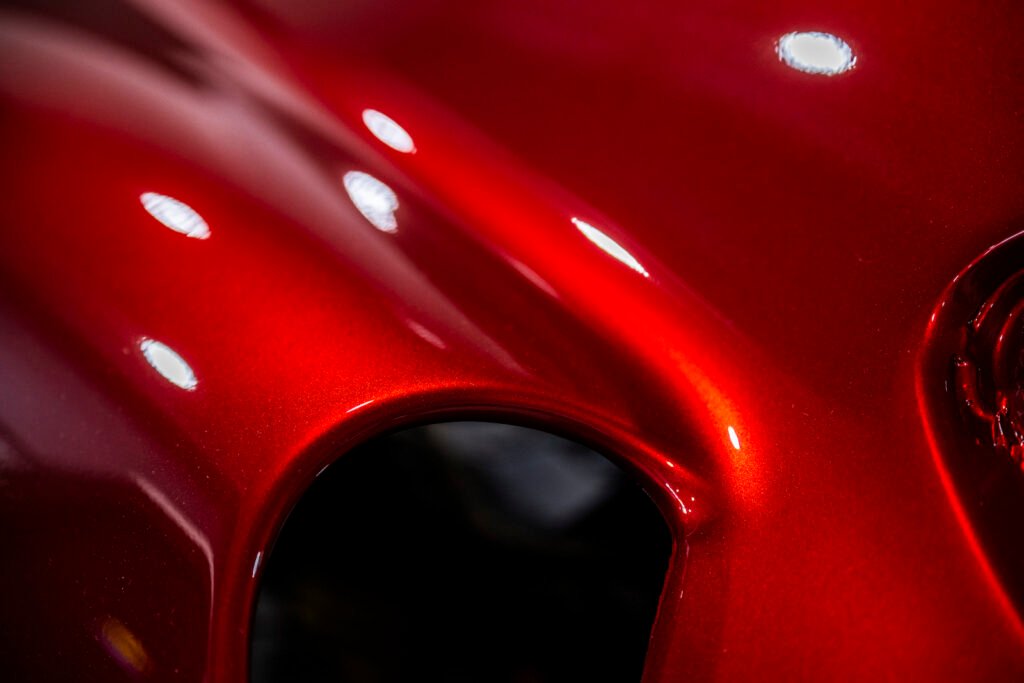
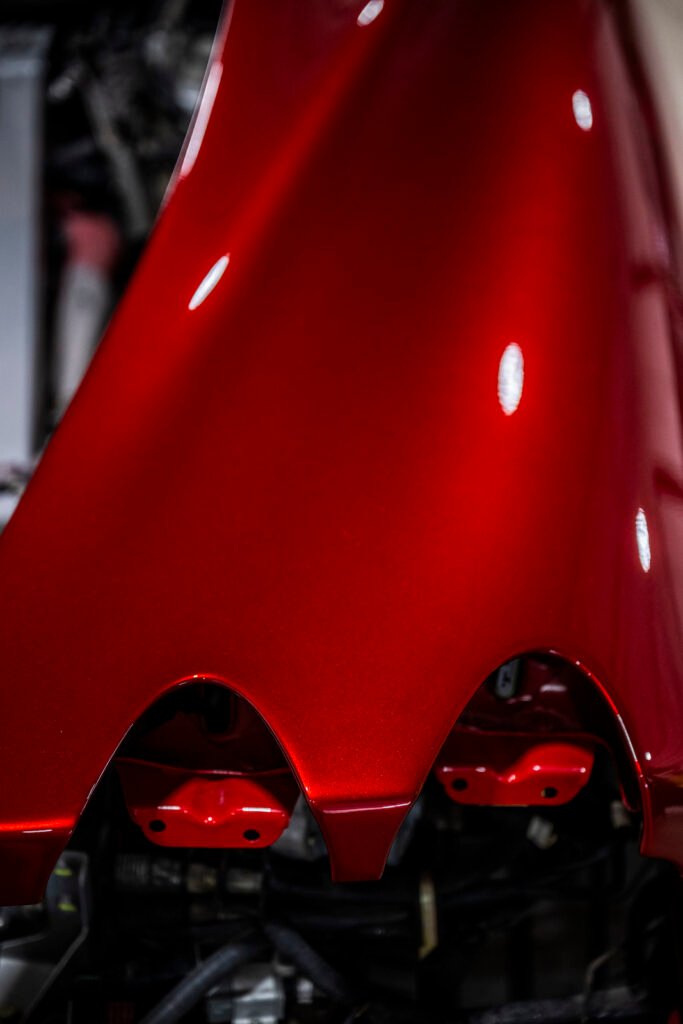
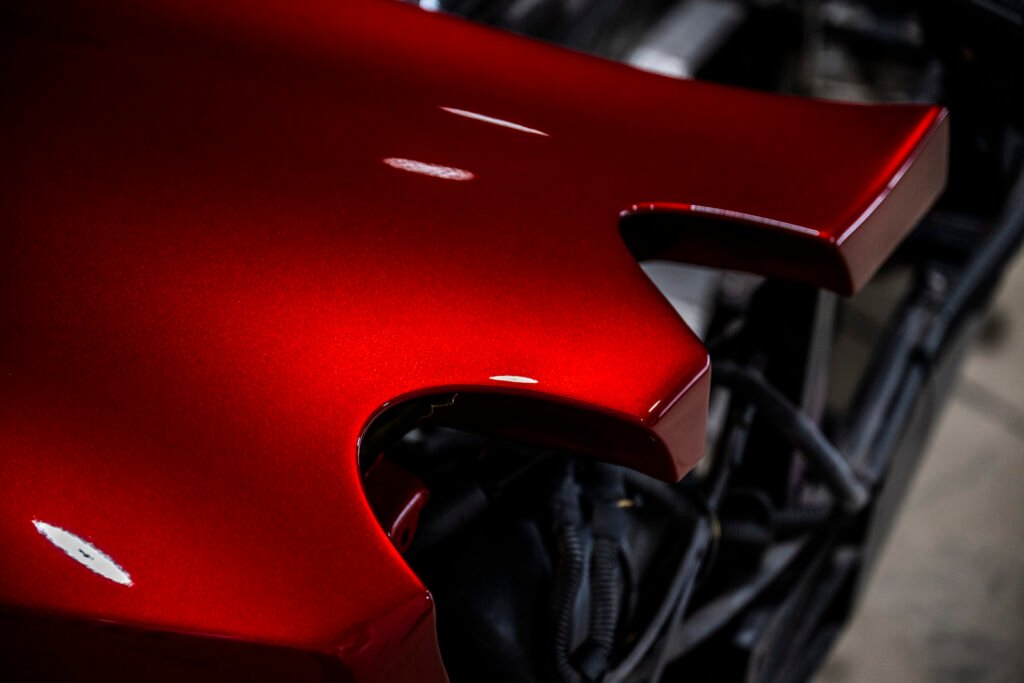
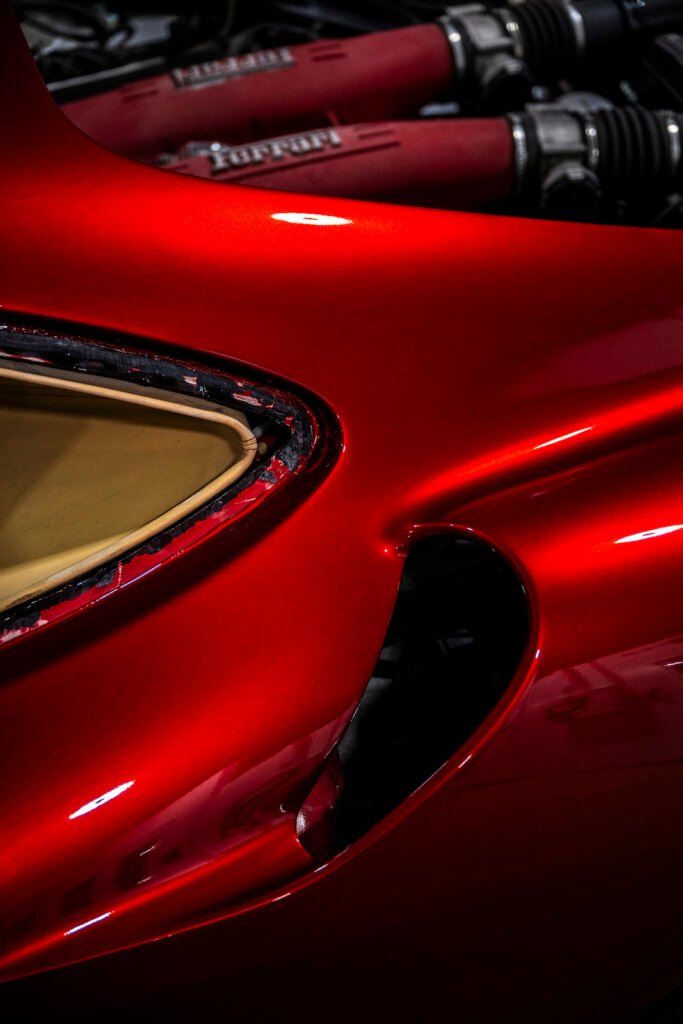
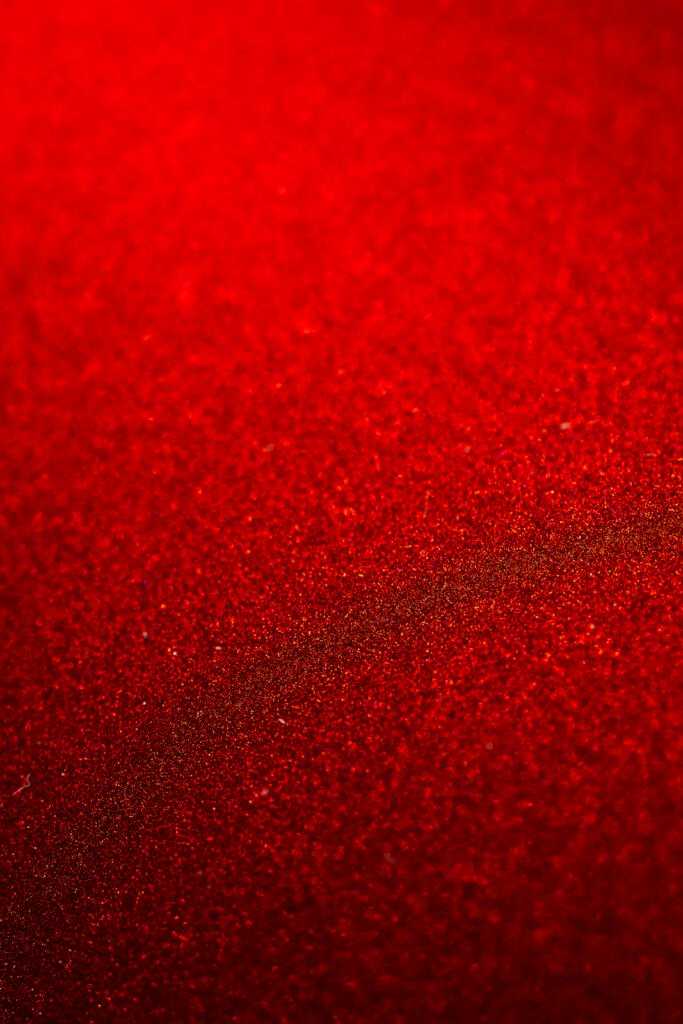
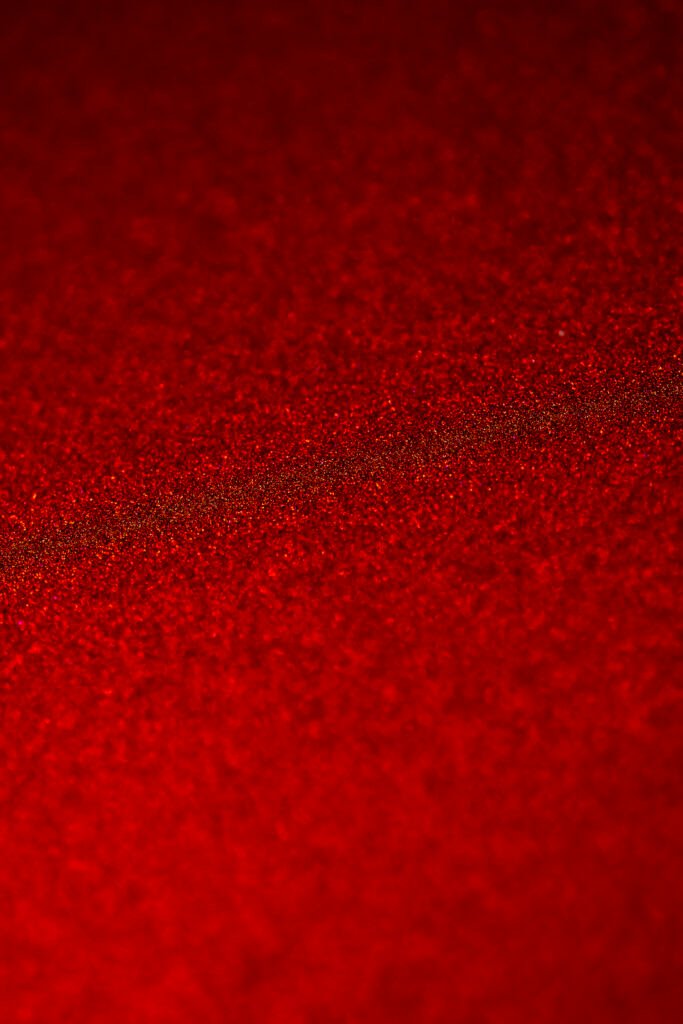
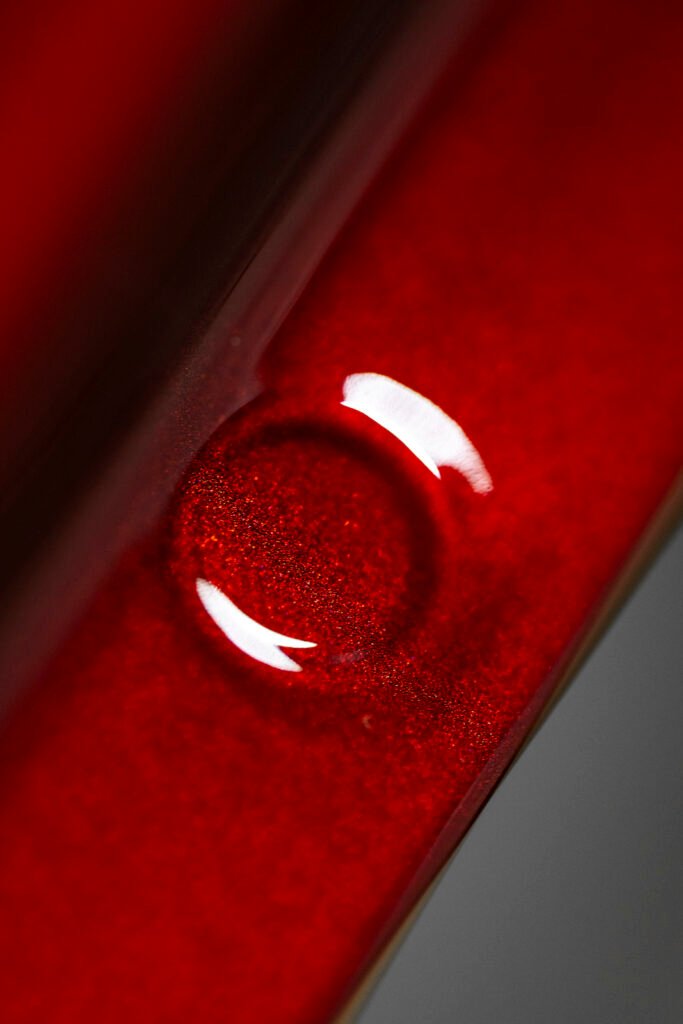
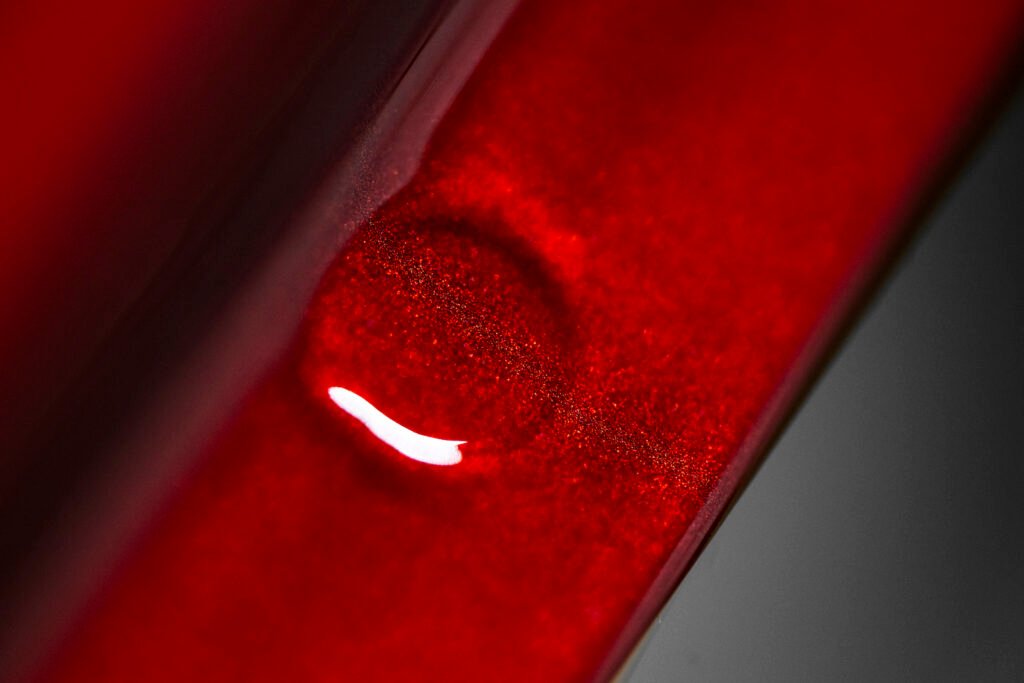
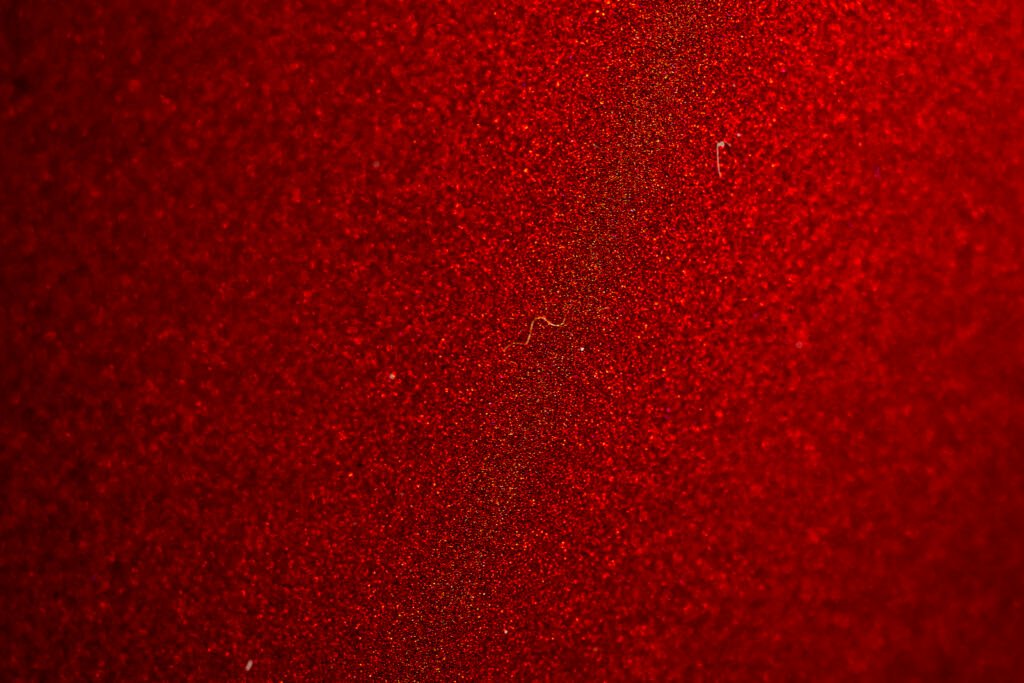
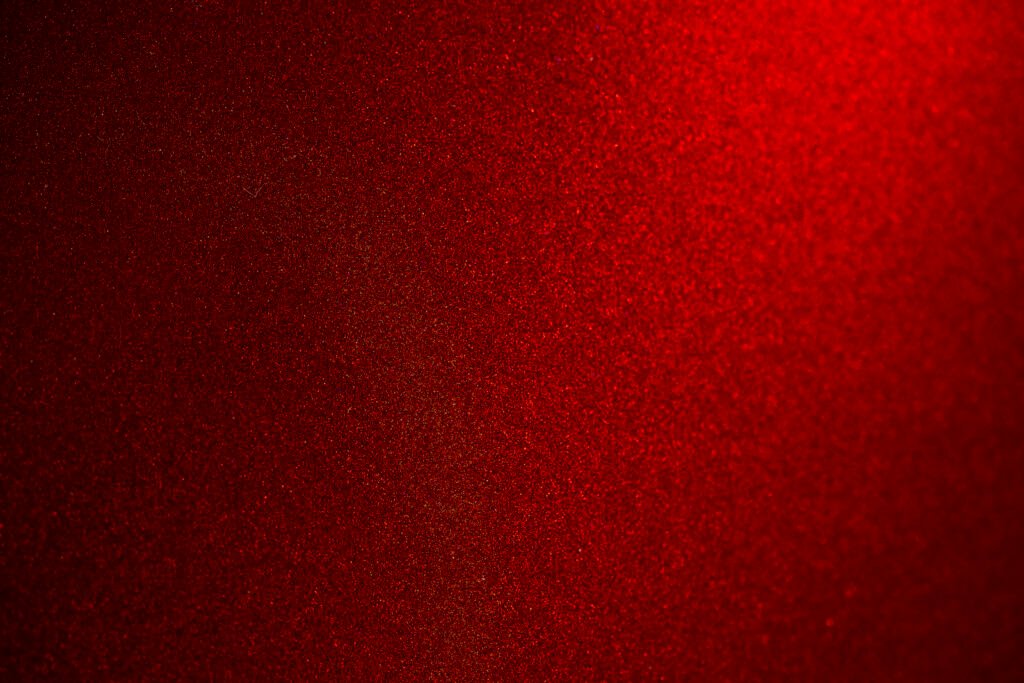
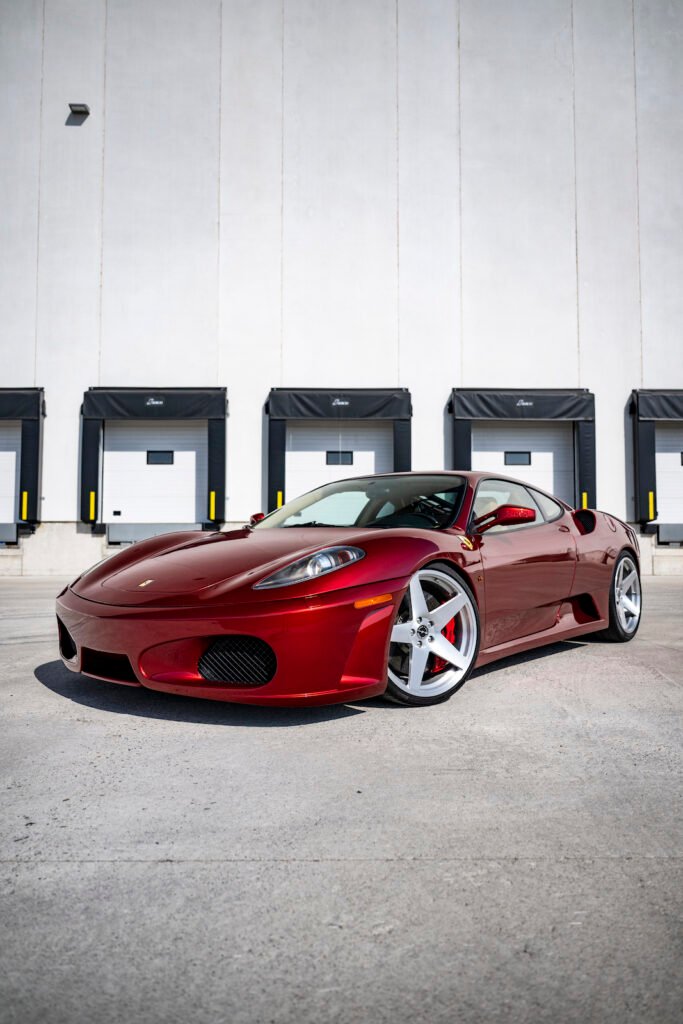
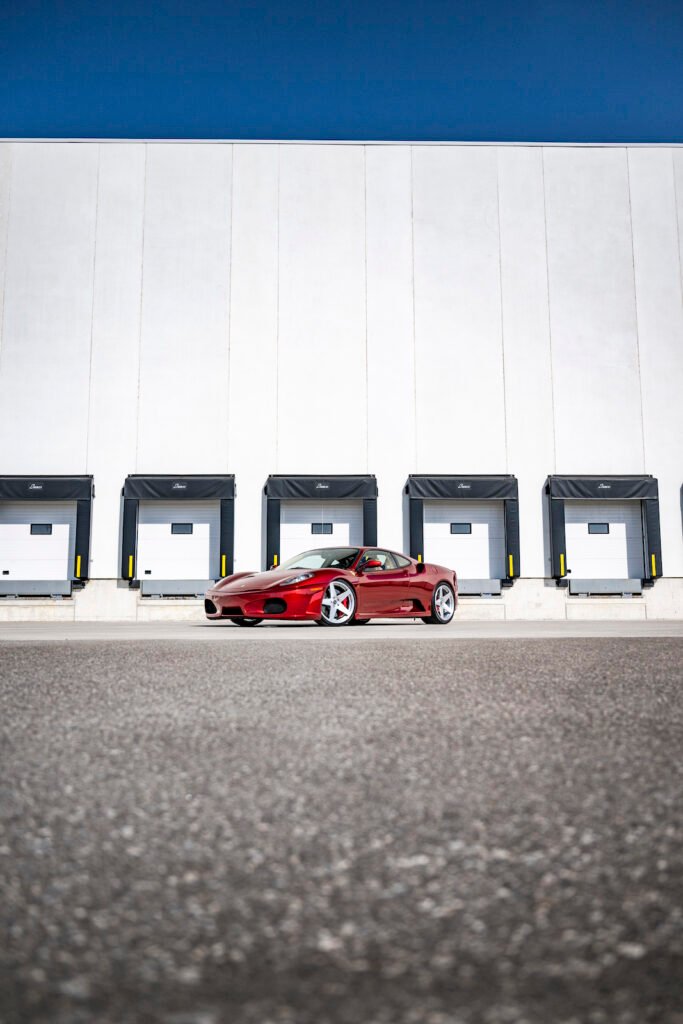
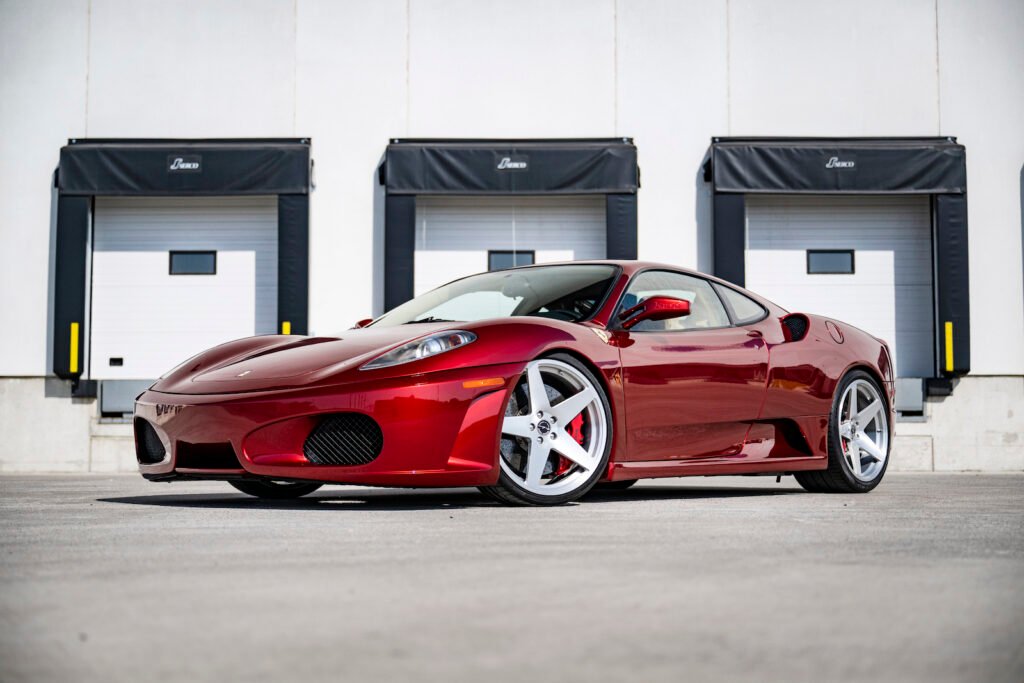
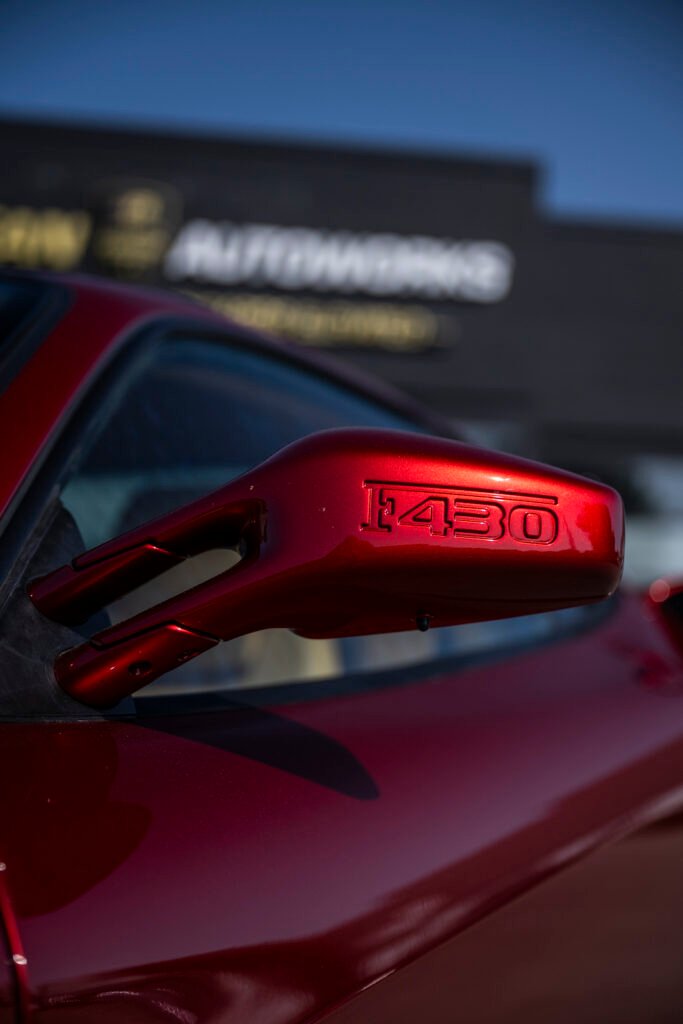
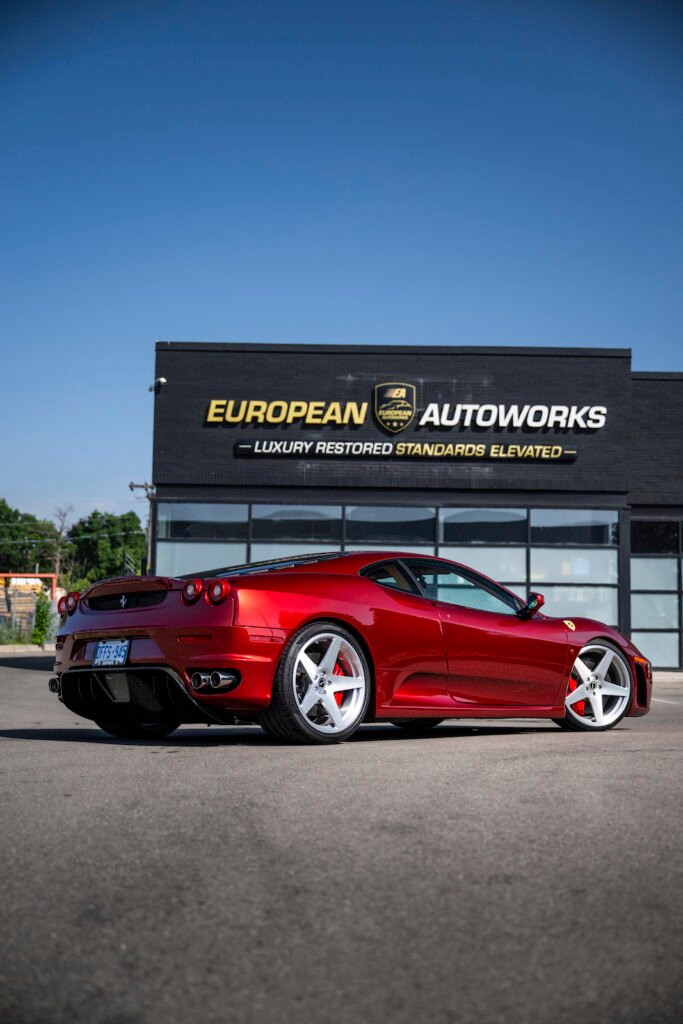
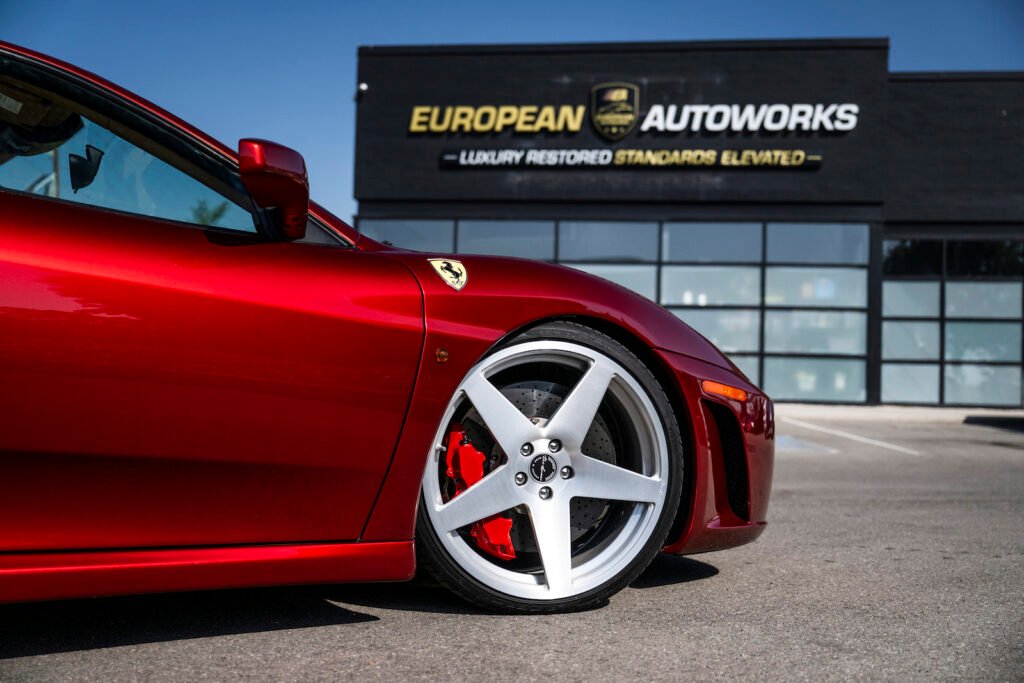
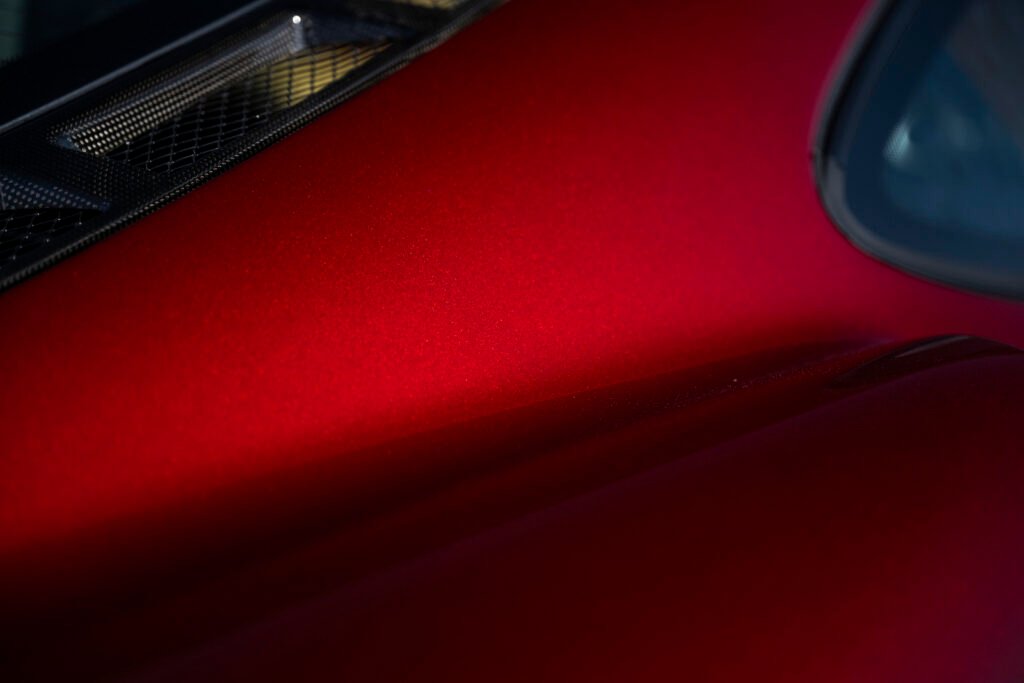
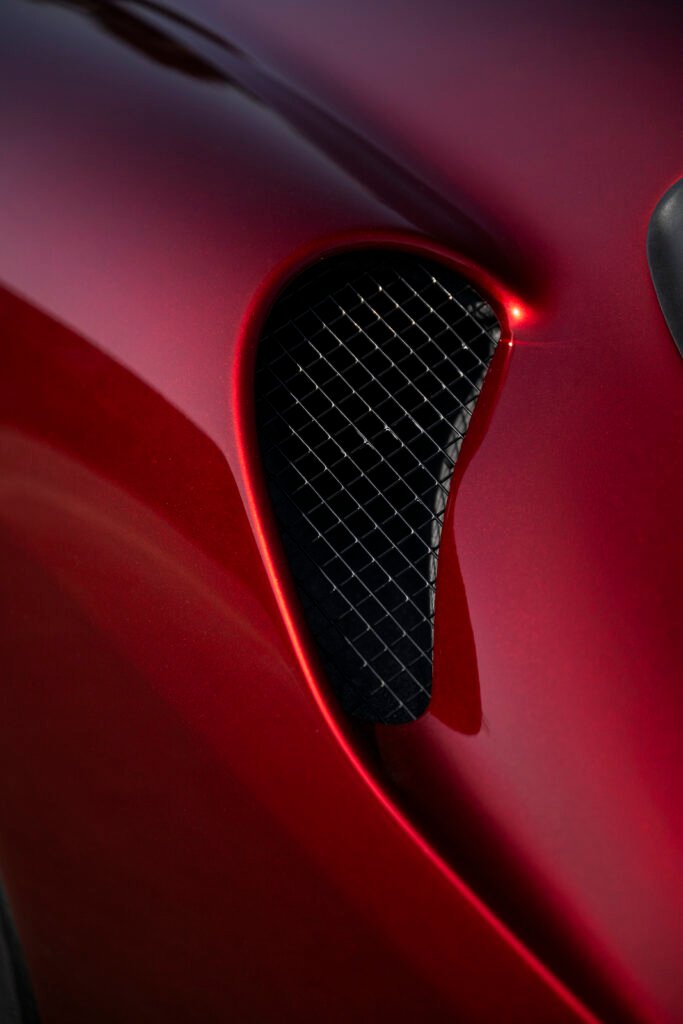
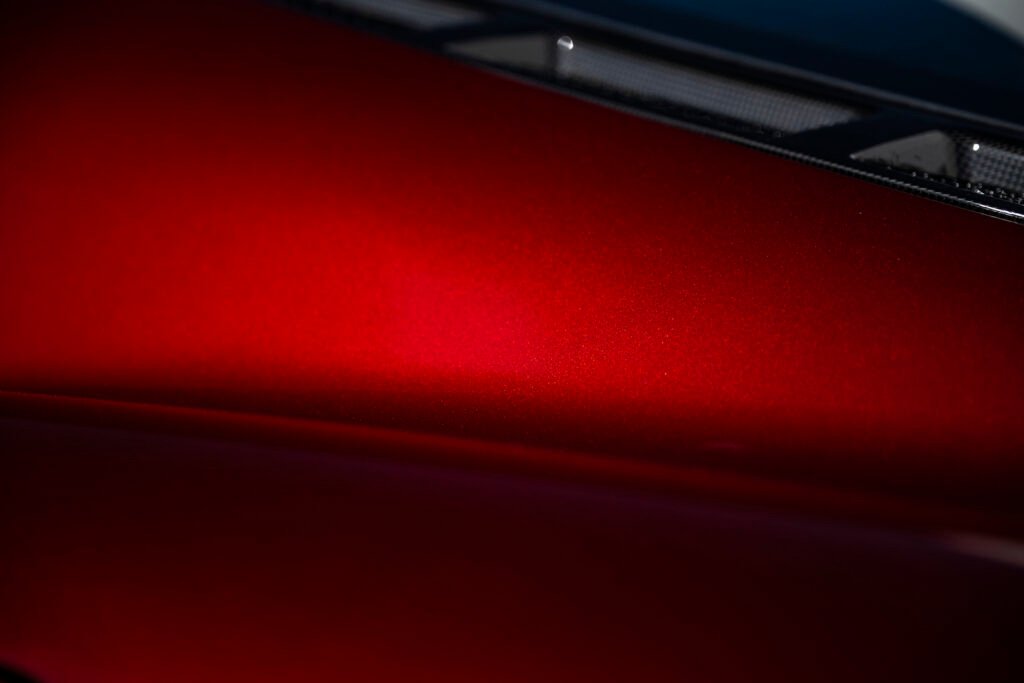
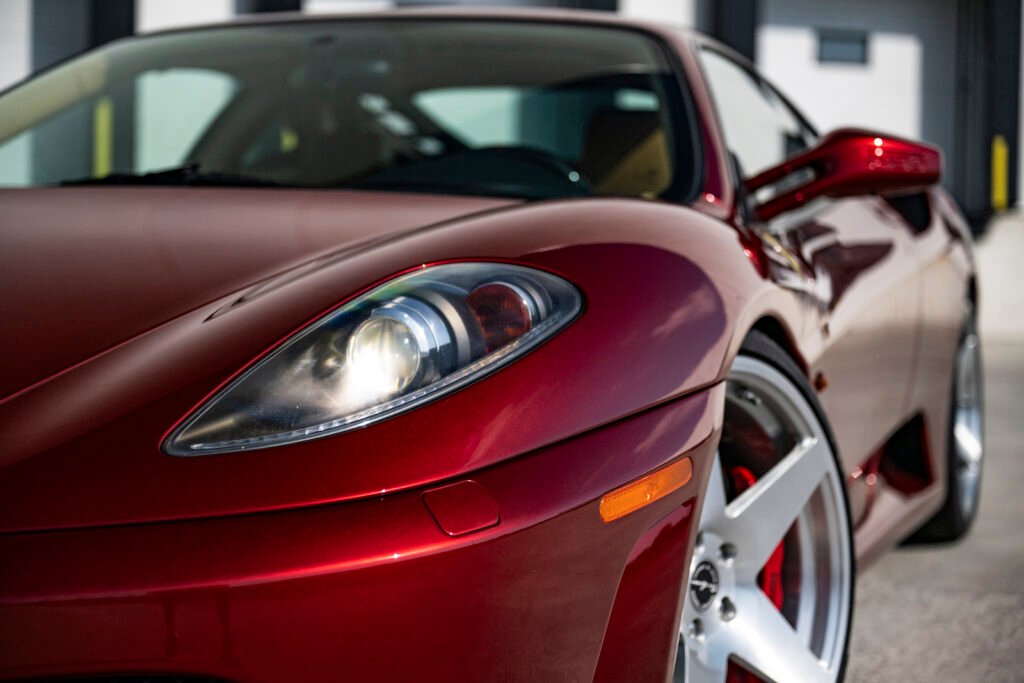
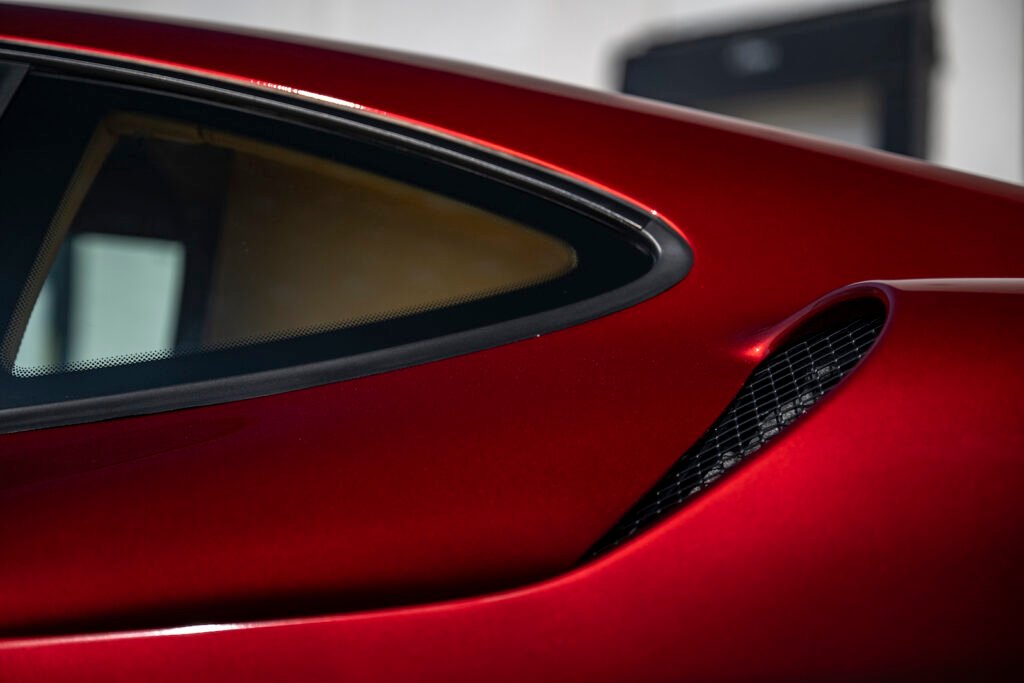
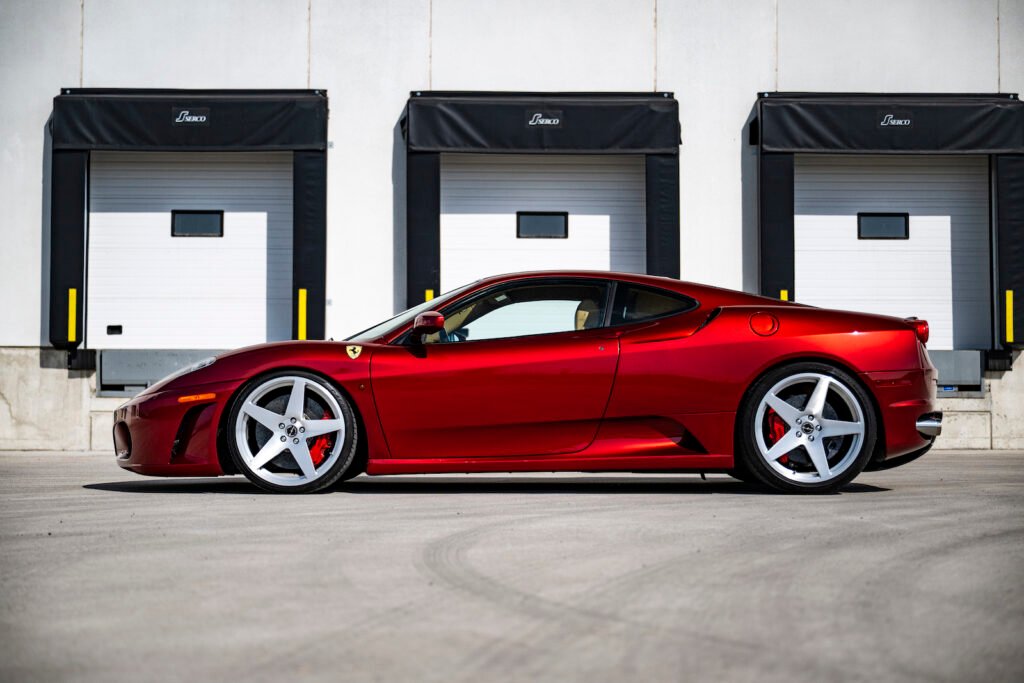
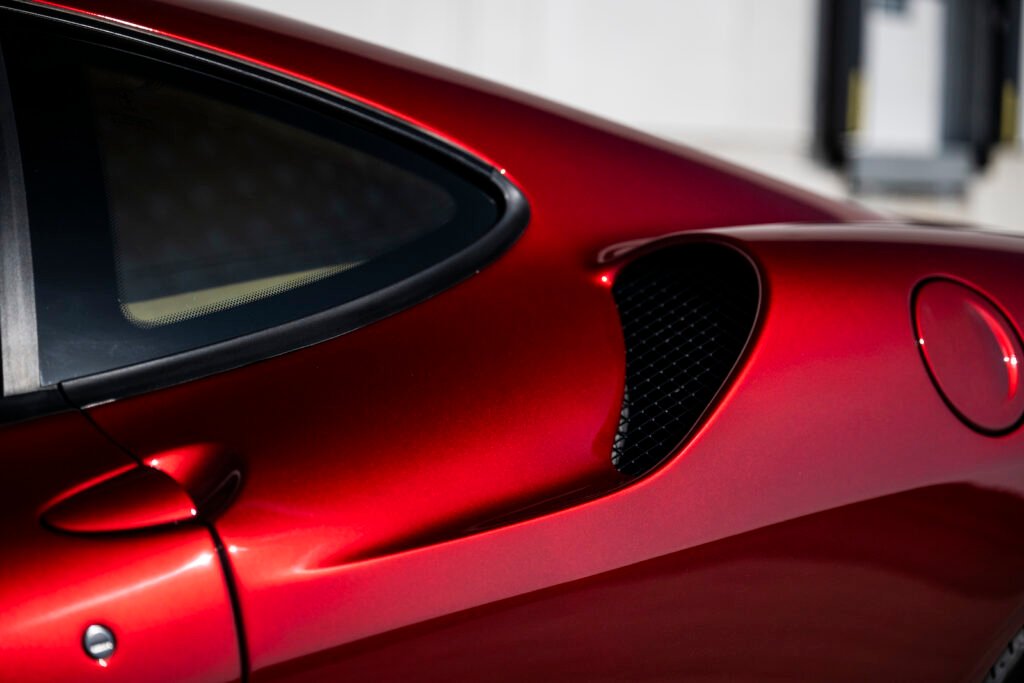
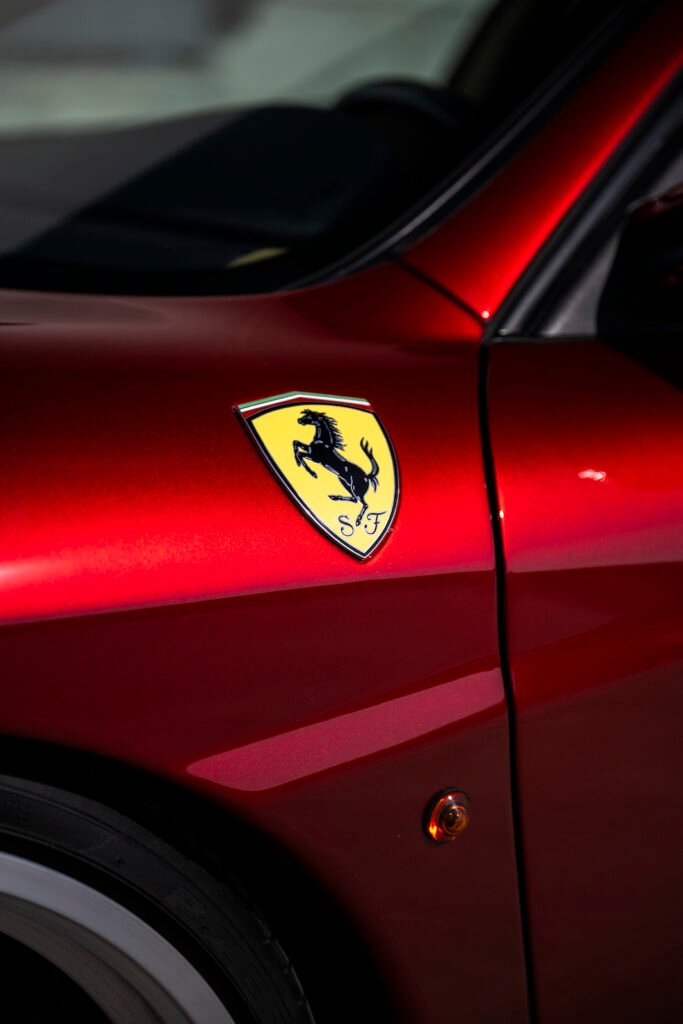
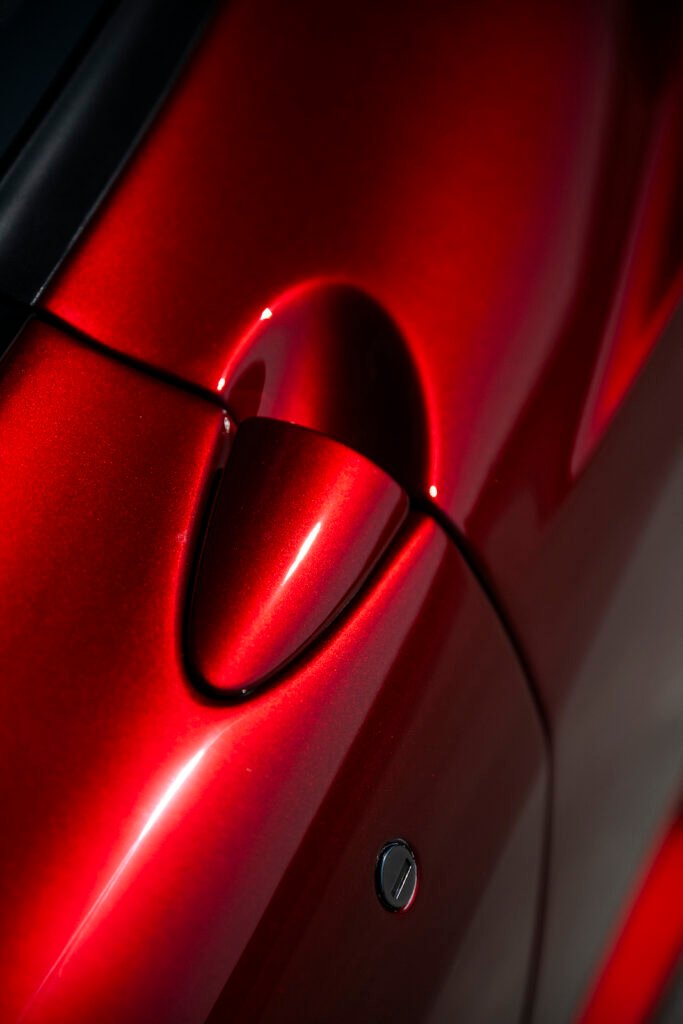
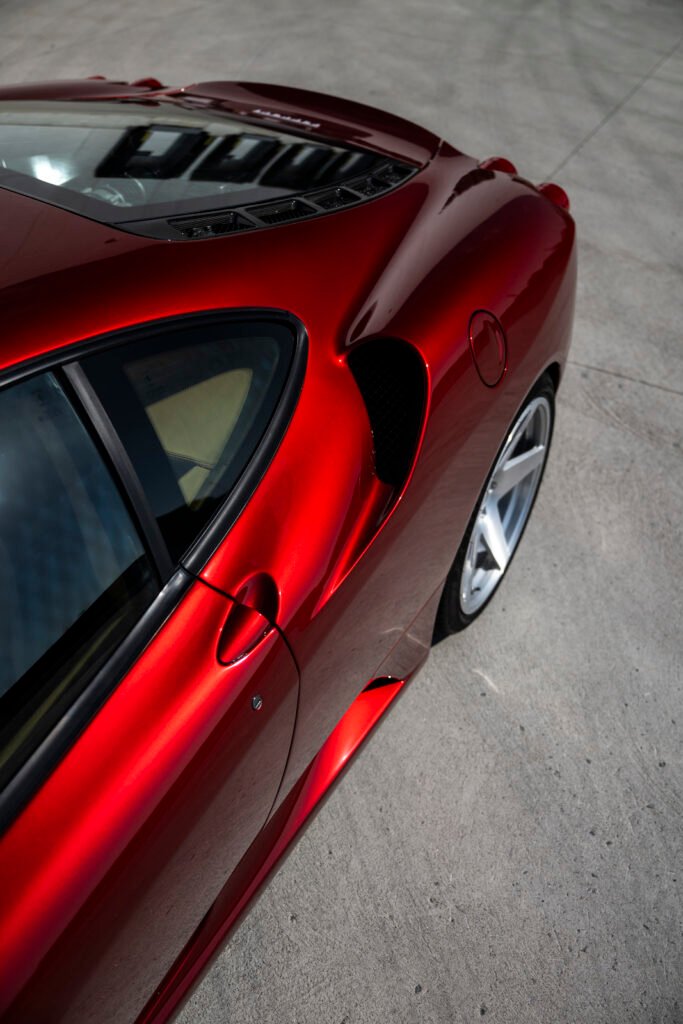
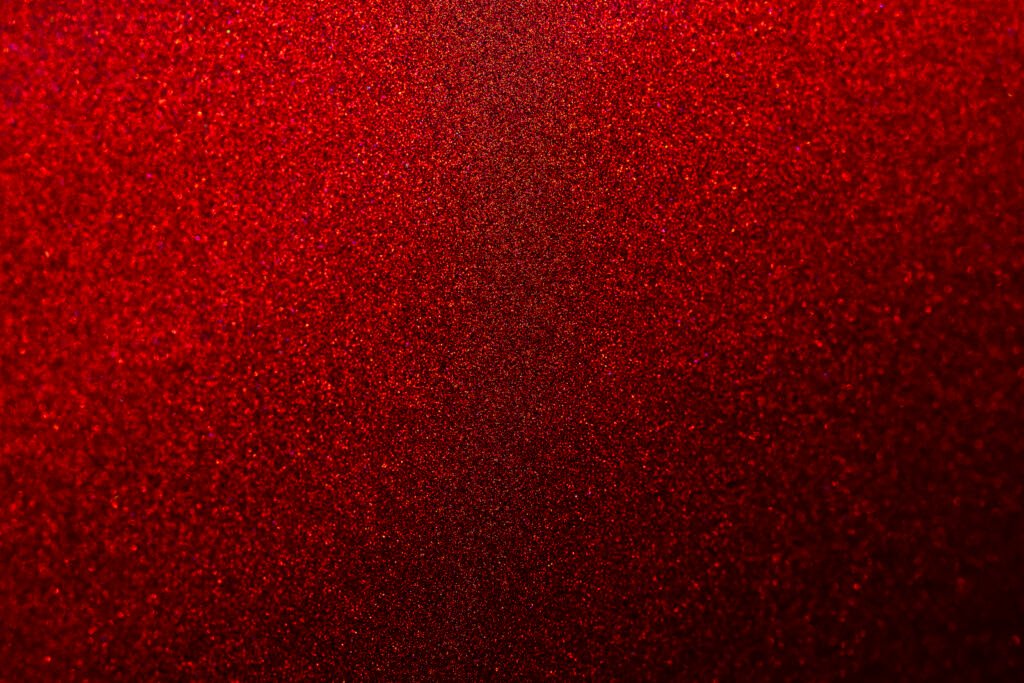
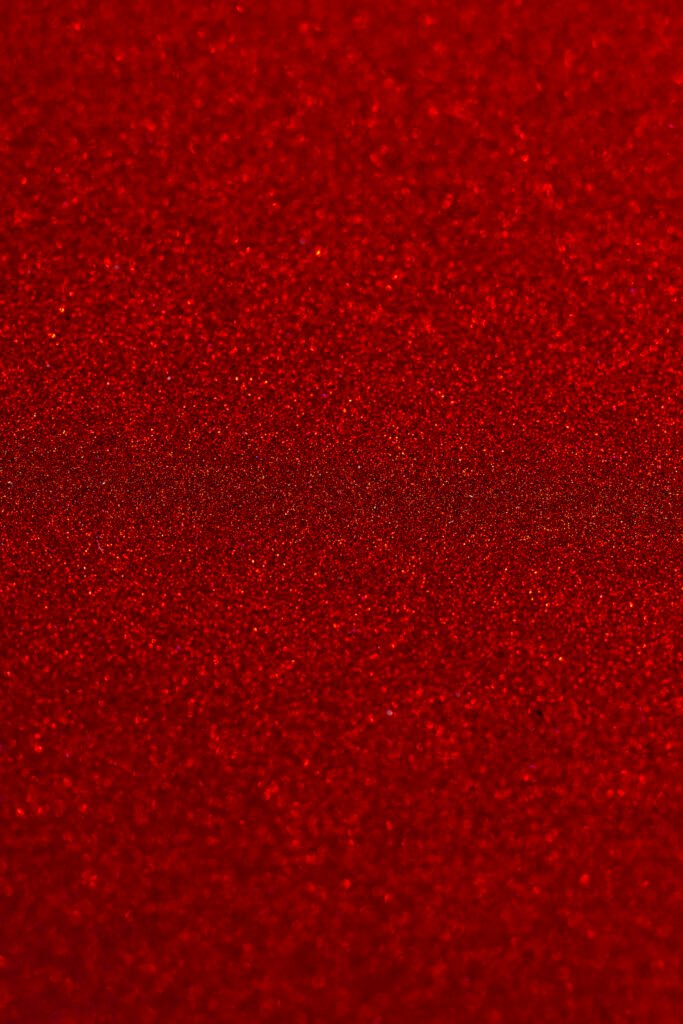
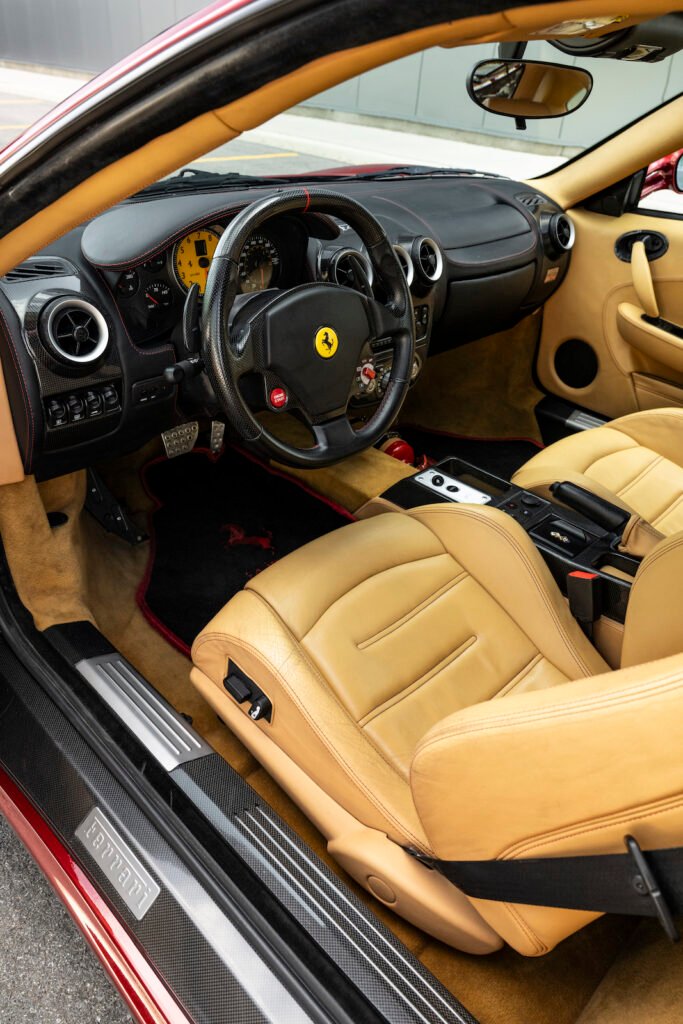
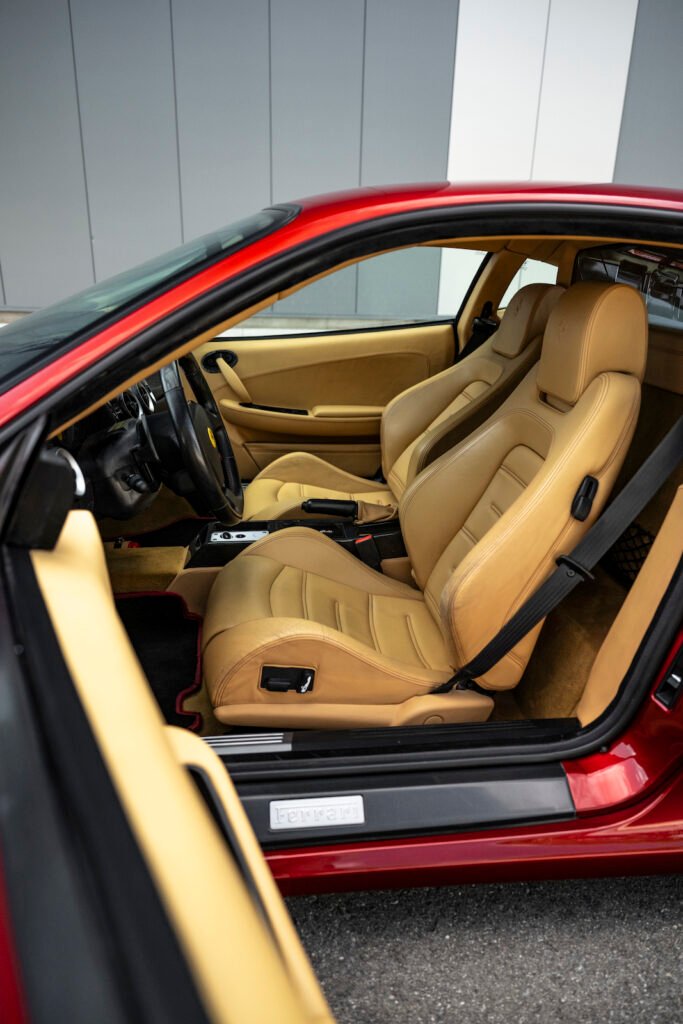
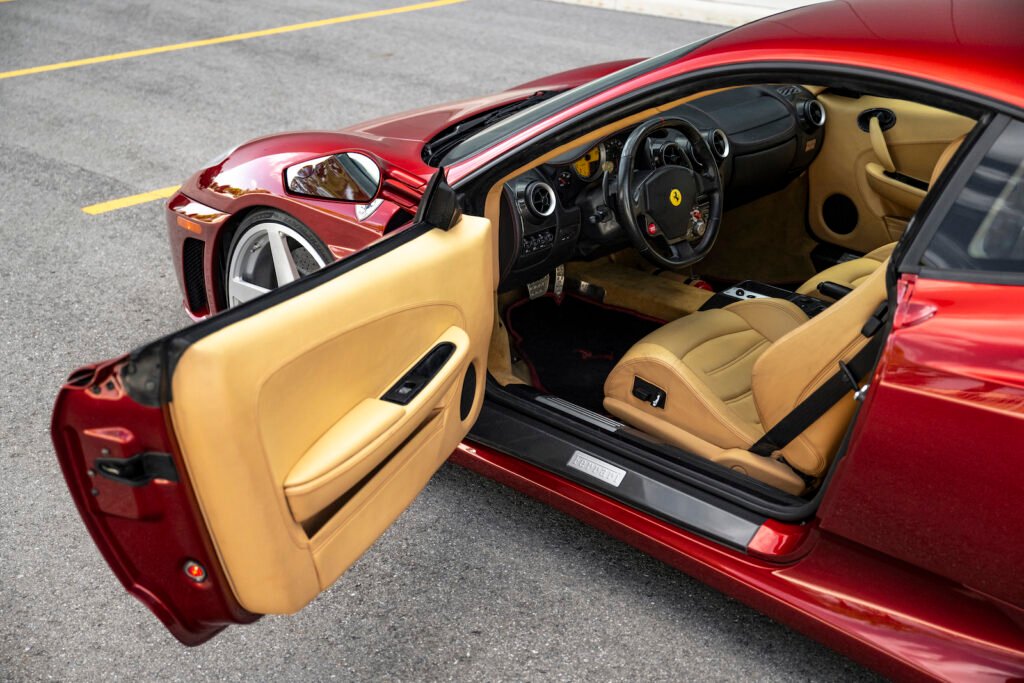
In direct sunlight, Ferrari’s Rosso Magma seems to change character. Depending on the angle, the colour shifts from a deep metallic red to flashes of orange and gold. It’s one of the Italian marque’s most dramatic and iconic finishes, and, according to the team at European Autoworks, one of the most demanding.
For shop co-owner Igor Huber, the challenge is less about mixing the right formula and more about reproducing the same result every time.
“I spray this colour with the exact same mix. I move faster than you, for example, or my distance from the spray gun to the panel is off by half an inch or an inch, the colour changes.”
That sensitivity is what makes Rosso Magma so difficult to spray. The formula matters, but so do the painter, the booth and the process. Change any one of those variables and the result can change with it.
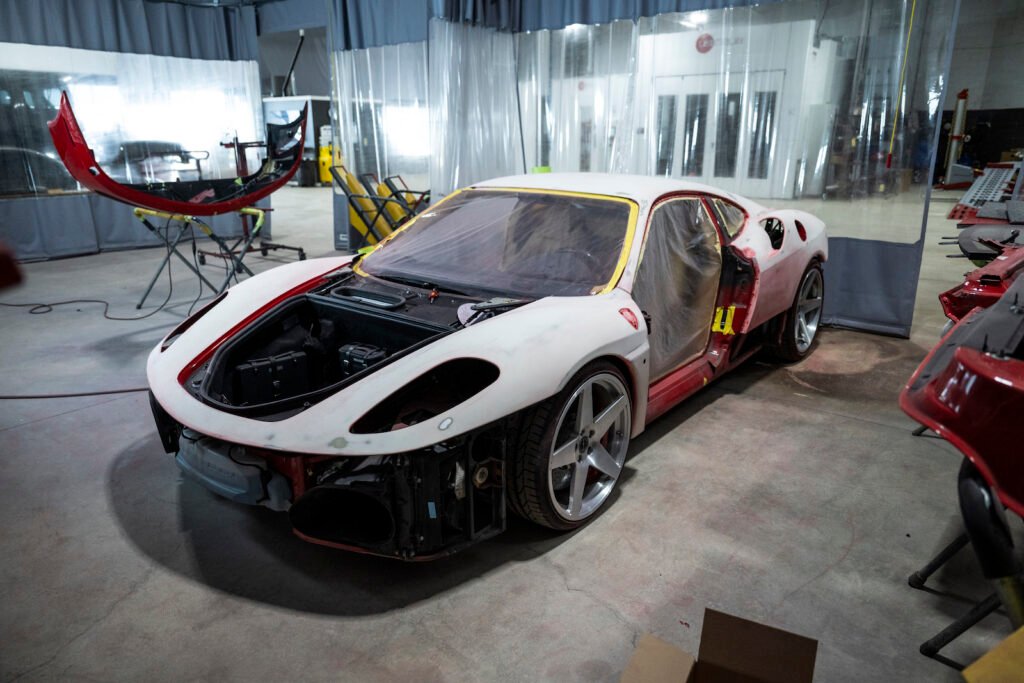
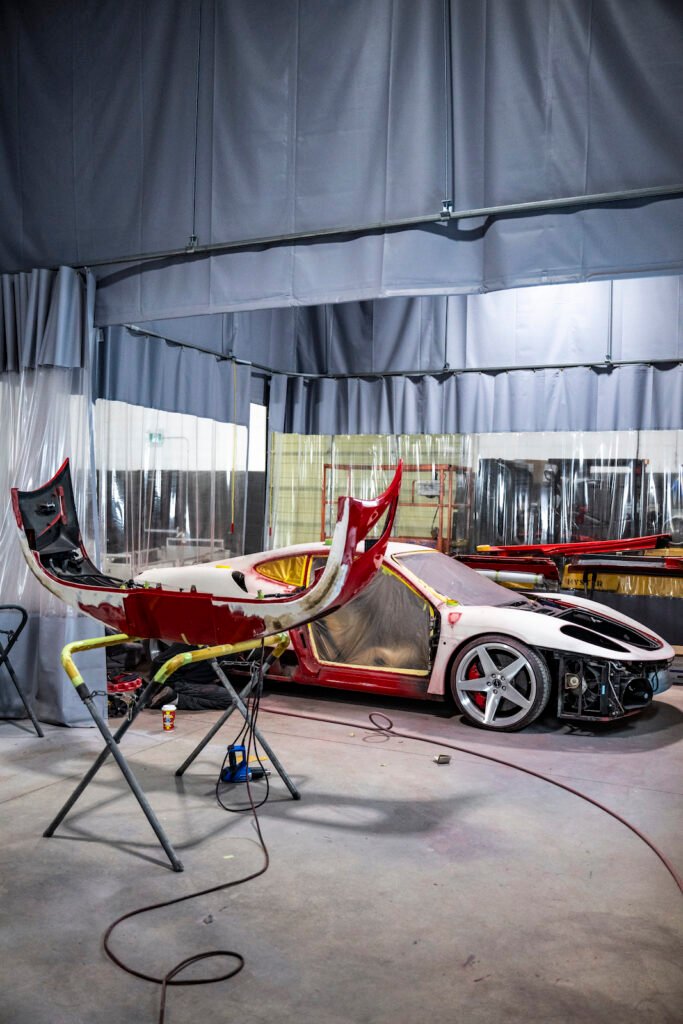
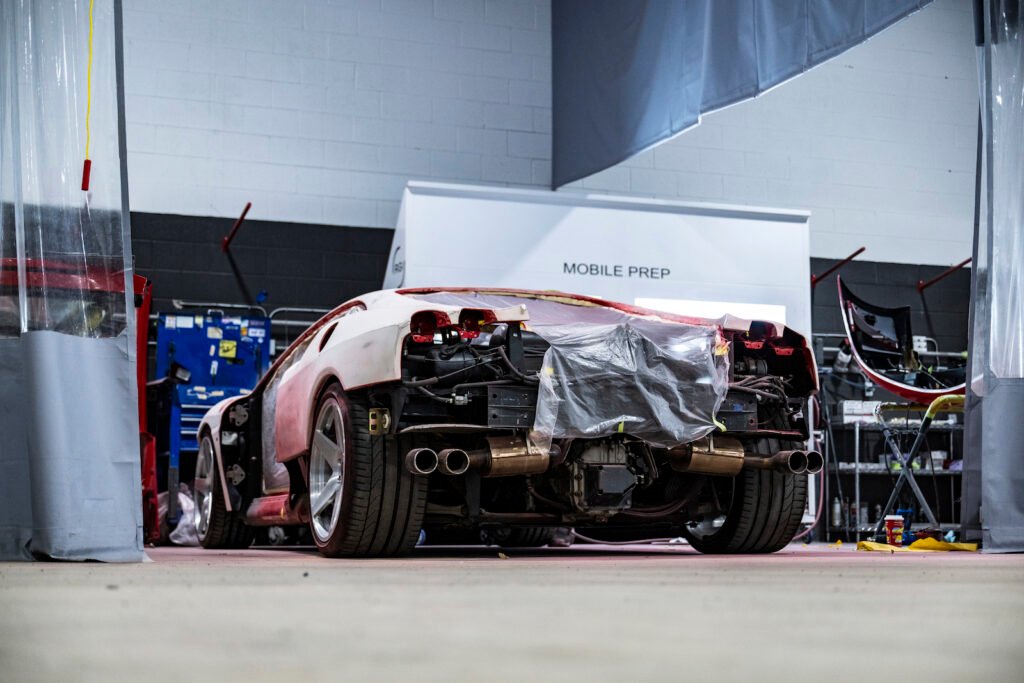
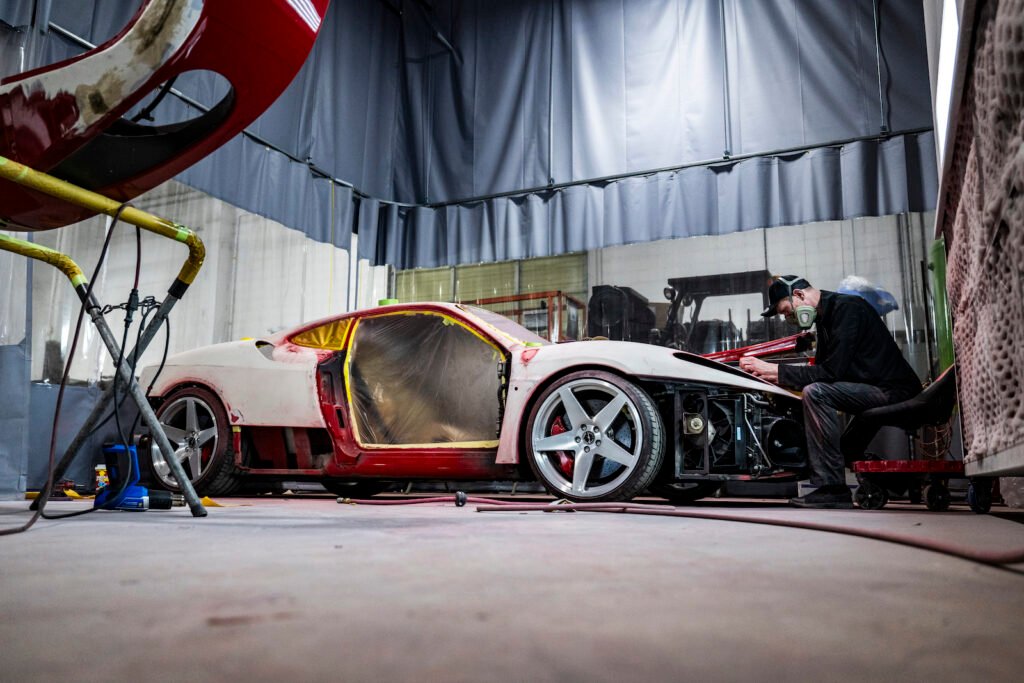
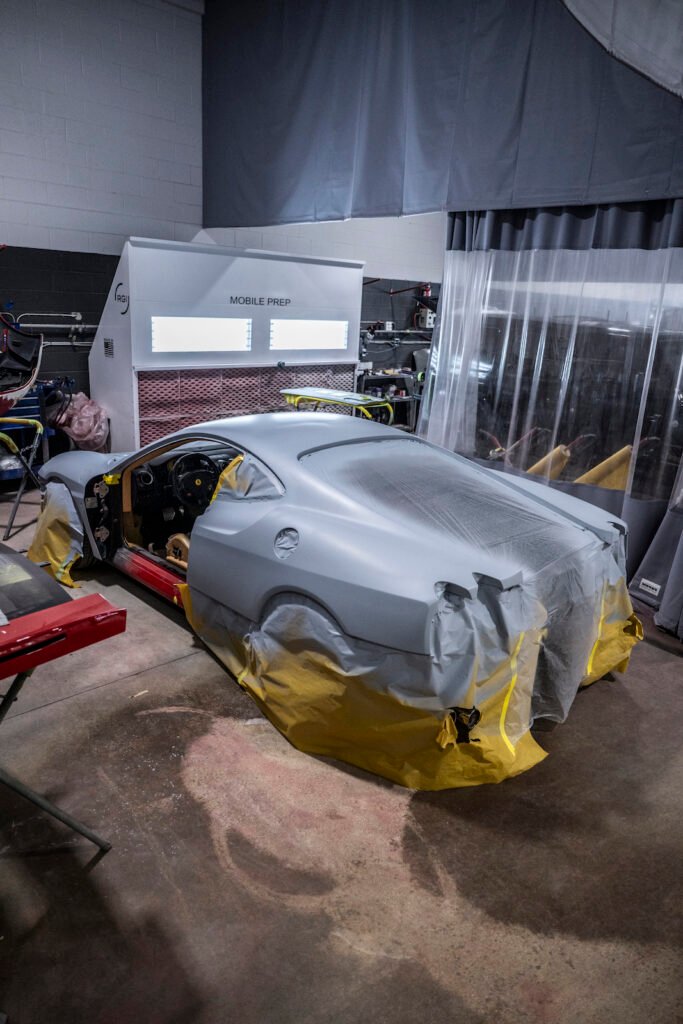
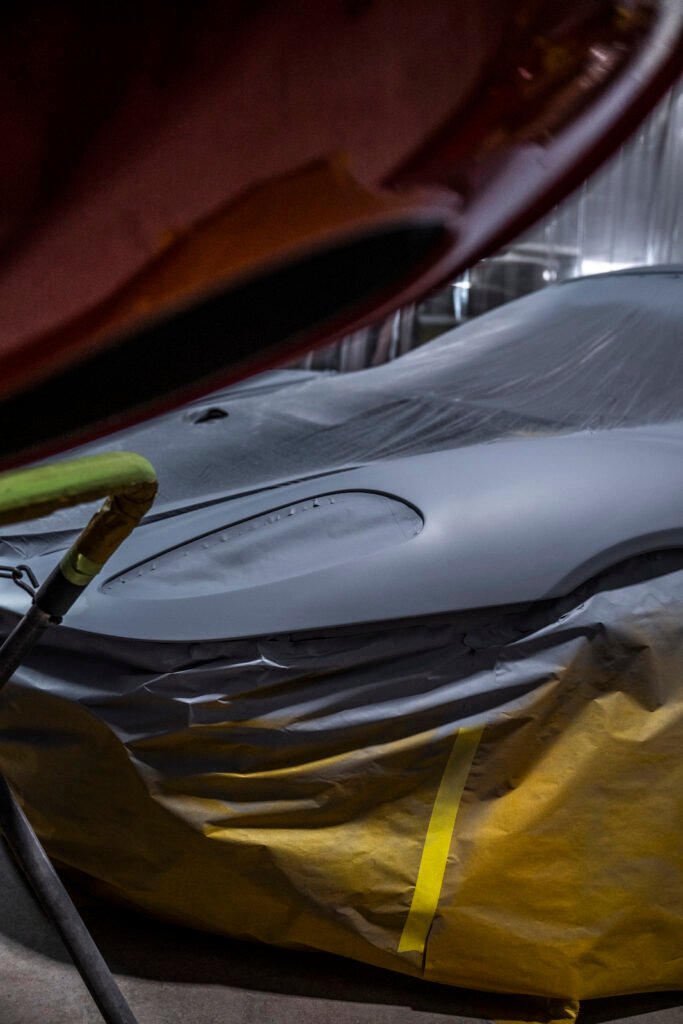
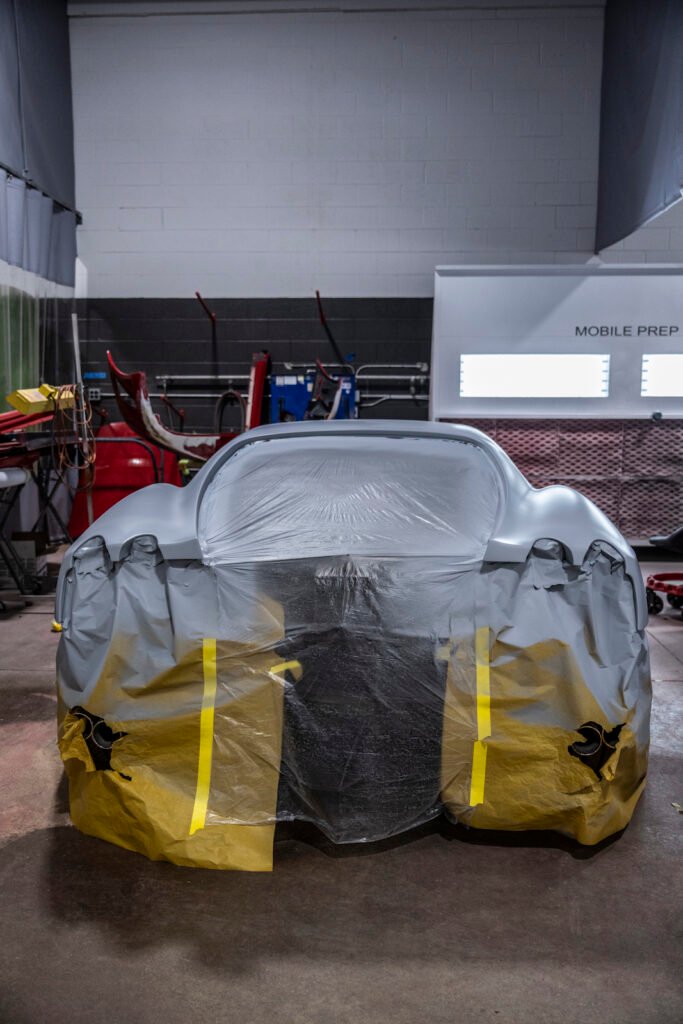
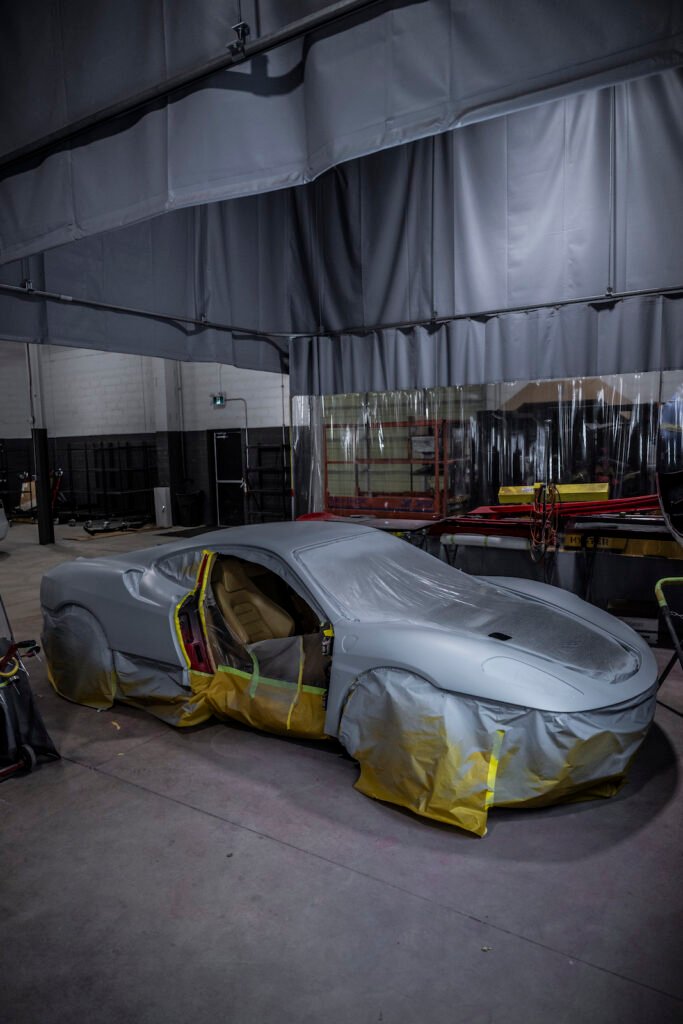
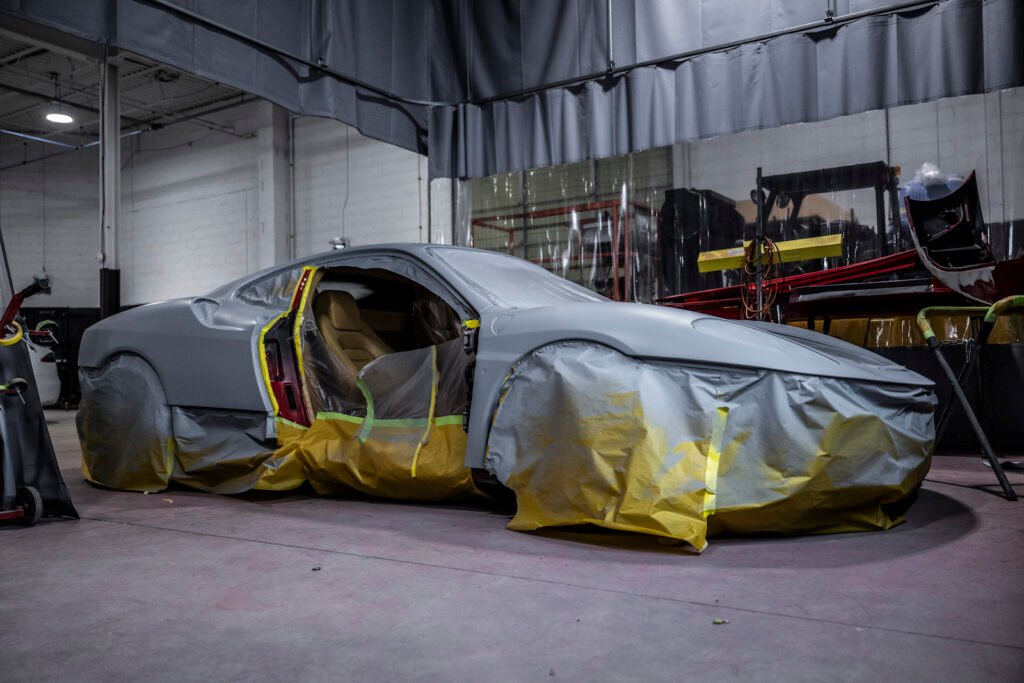
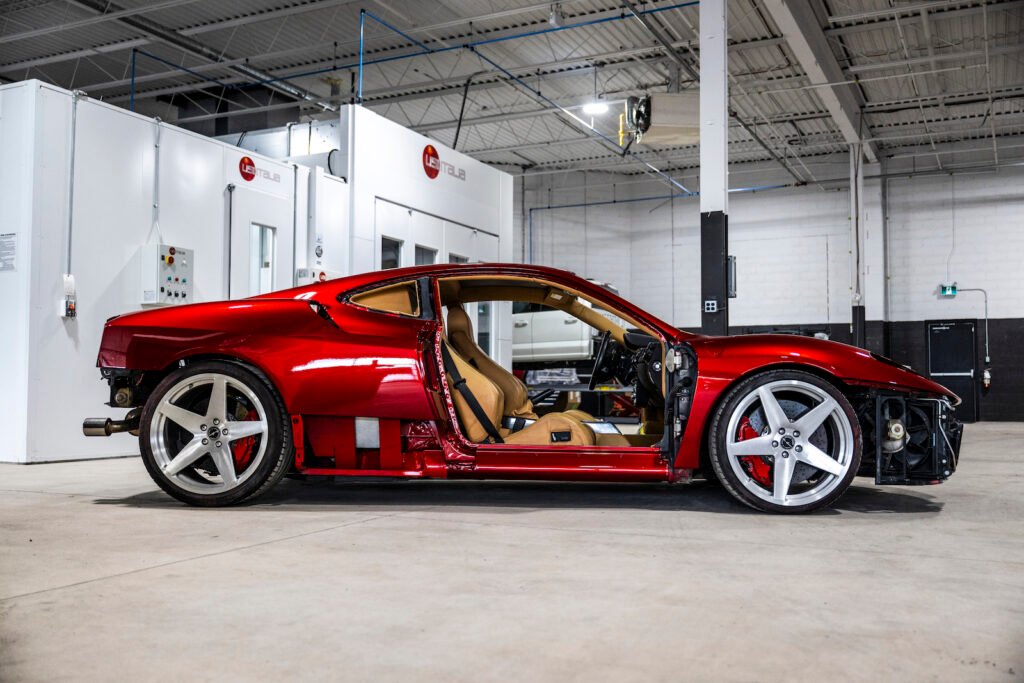
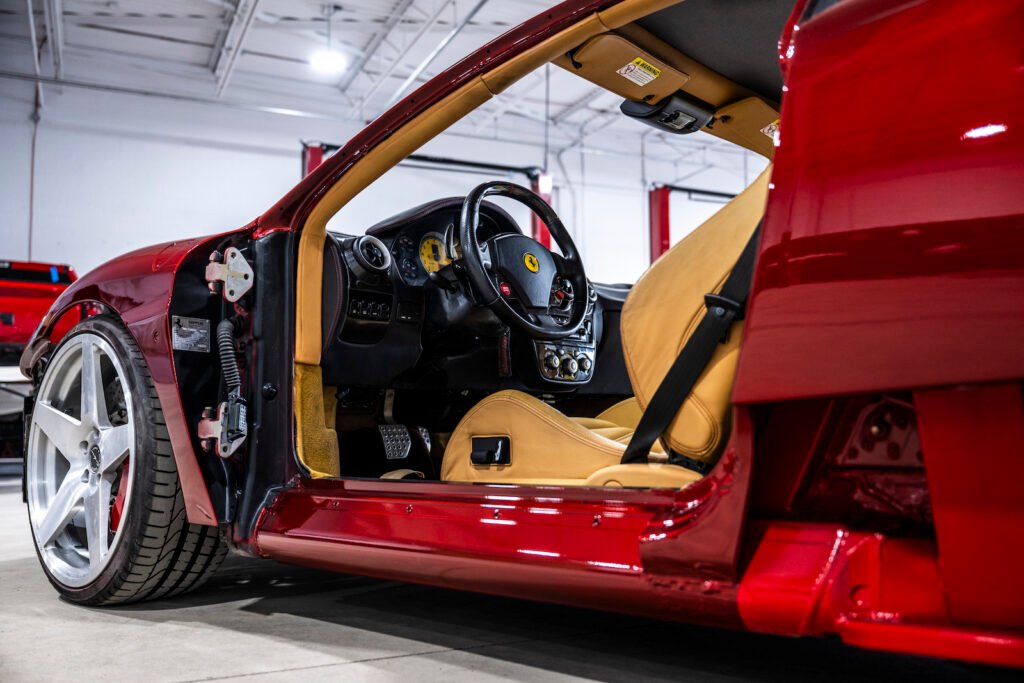
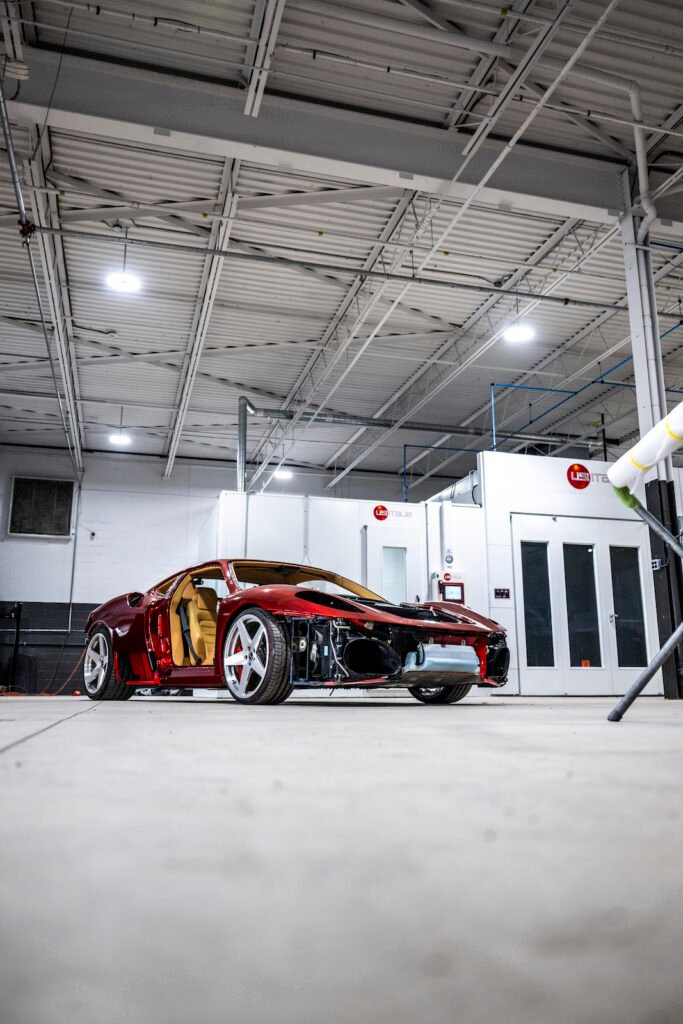
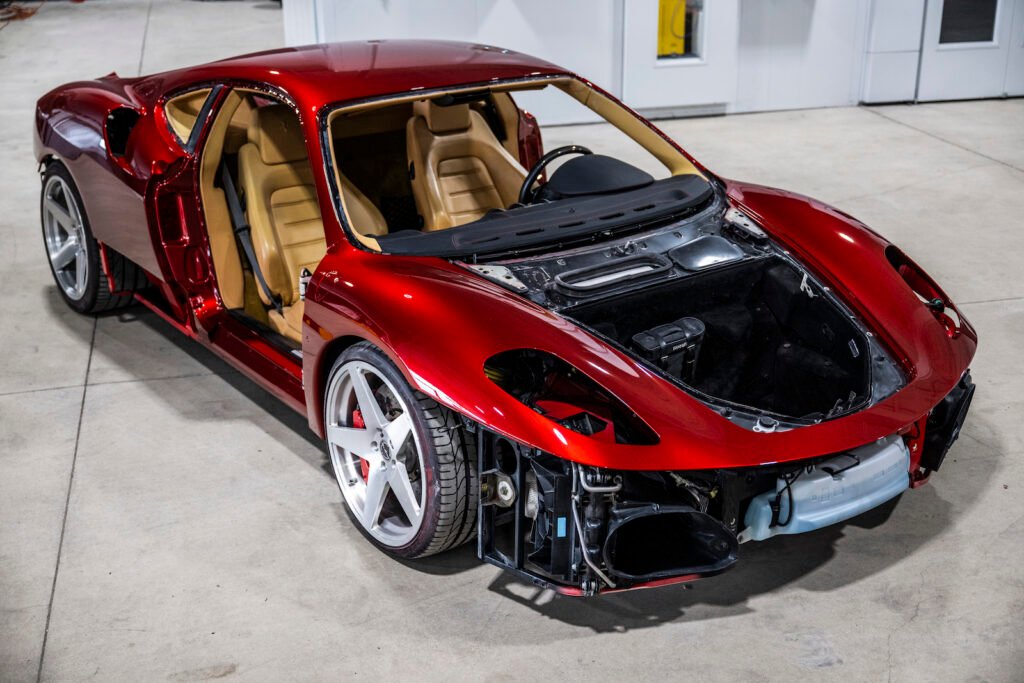
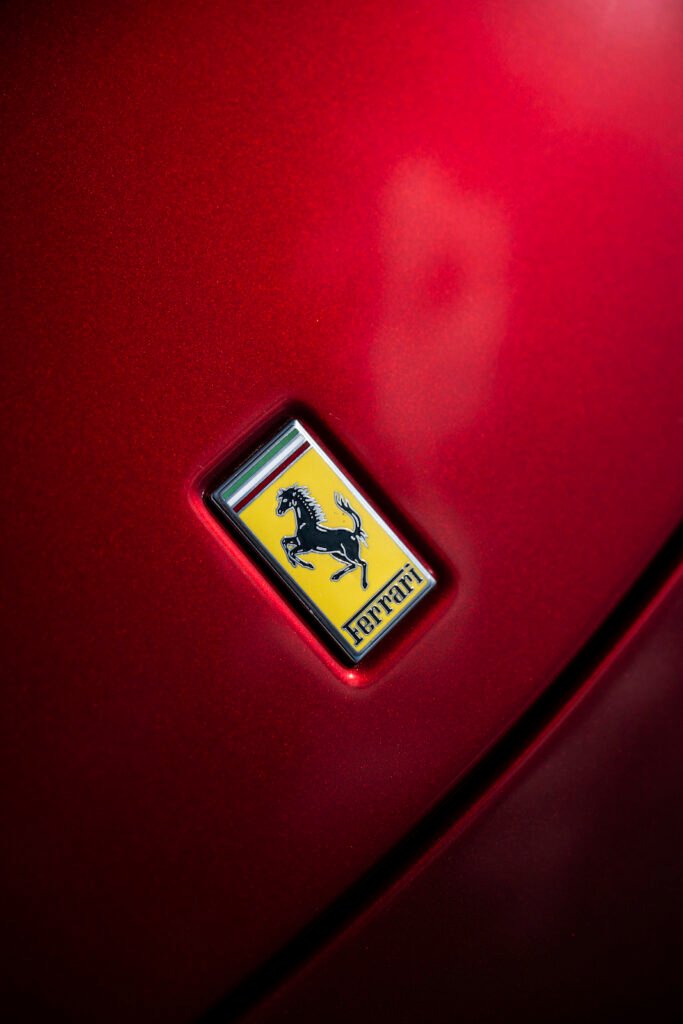
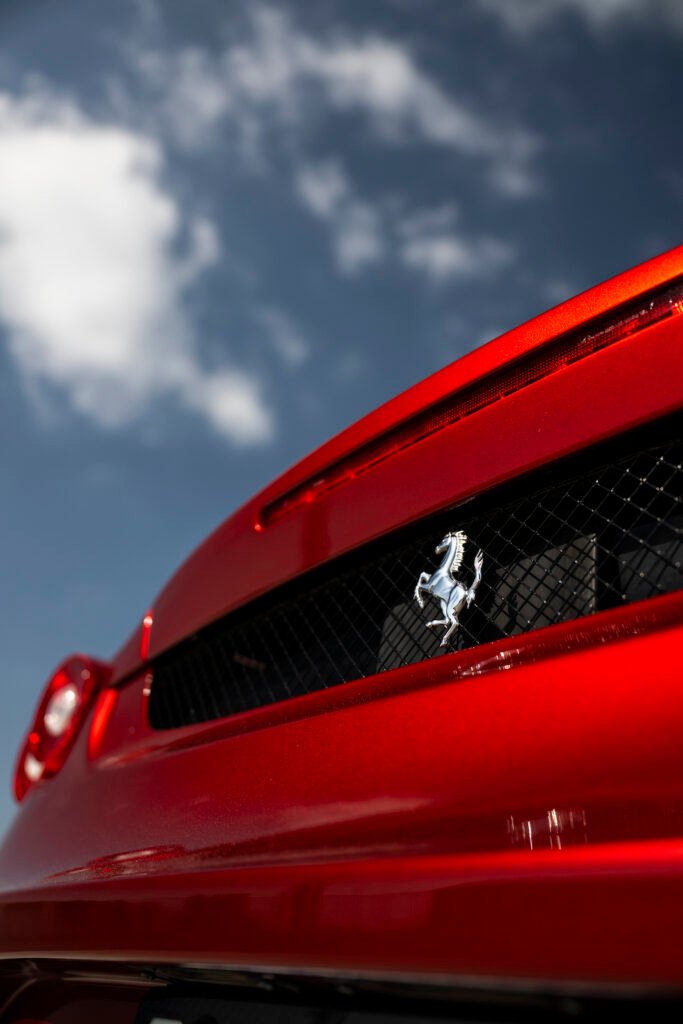
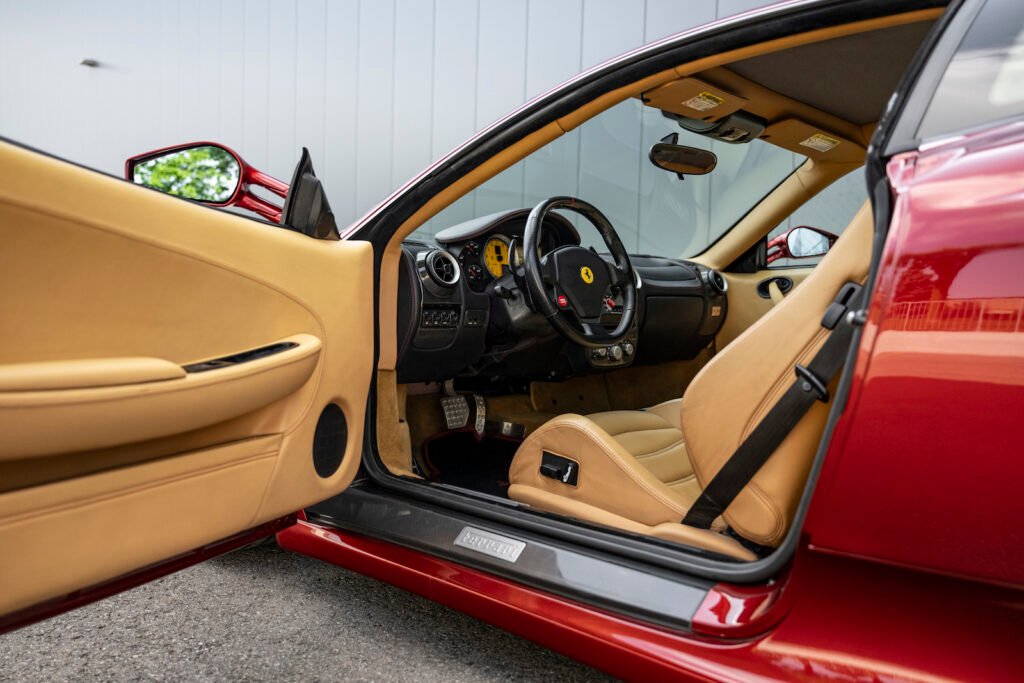
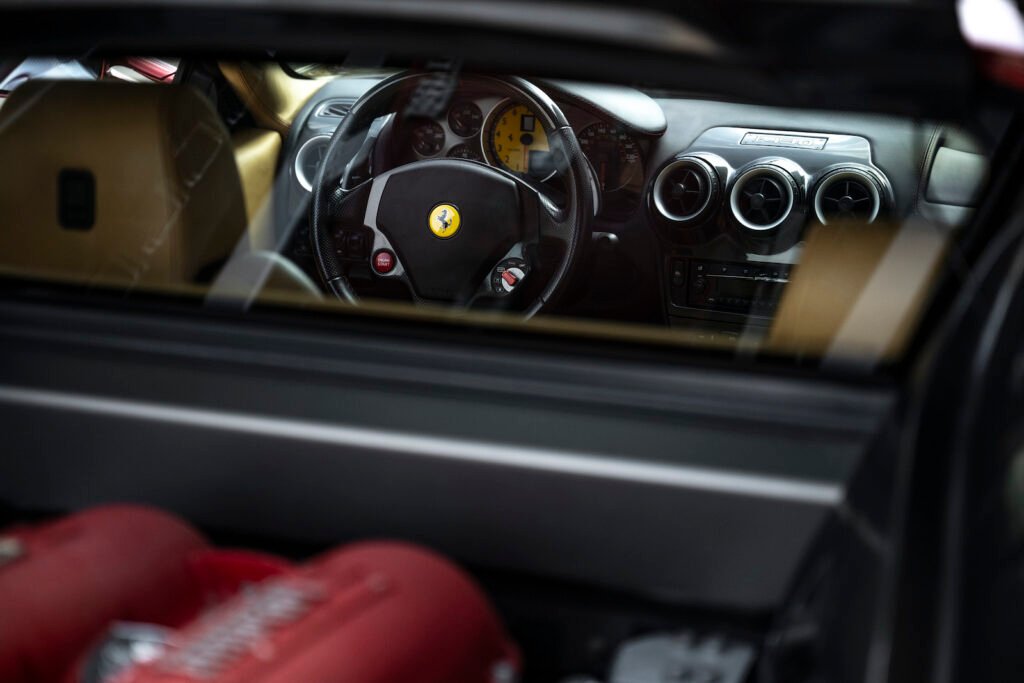
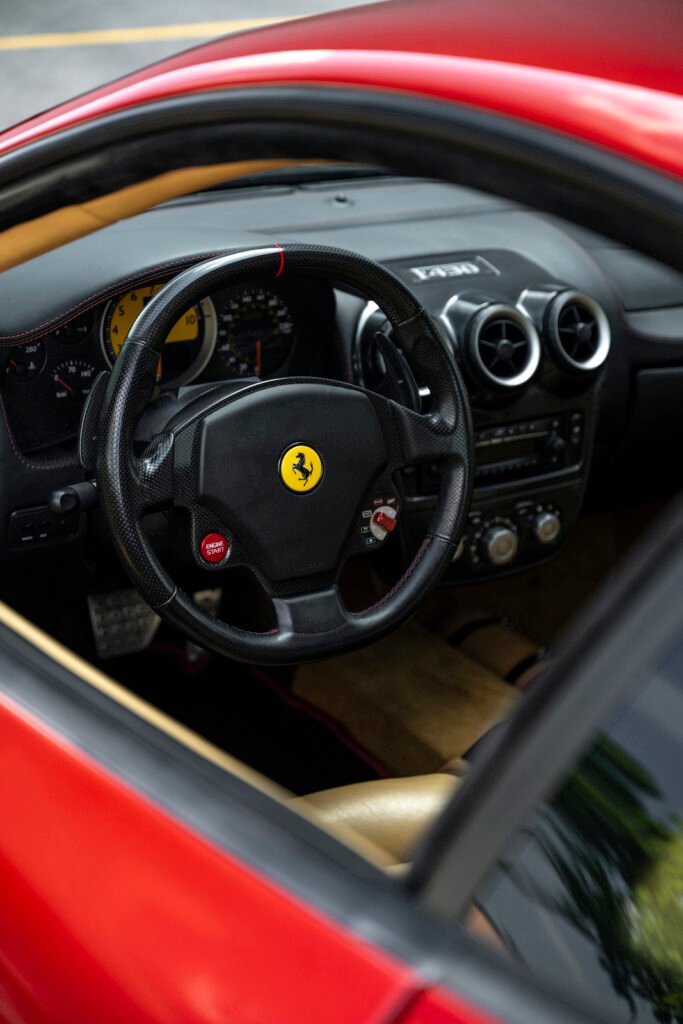
The shop’s Ferrari F430 project is currently nearing completion. Once the latest round of clear coat work is finished, the car will be wet-sanded, polished and prepared for paint protection film. Along the way, it has offered a glimpse into the technical and often invisible work that goes into producing a top-tier finish.
More than a tri-coat
Rosso Magma is often described as a tri-coat finish, but Huber says that’s only part of the story. On the F430, European Autoworks is using Sikkens, part of the AkzoNobel family, and its Optima line, a high-end European paint system used for OEM-level work.
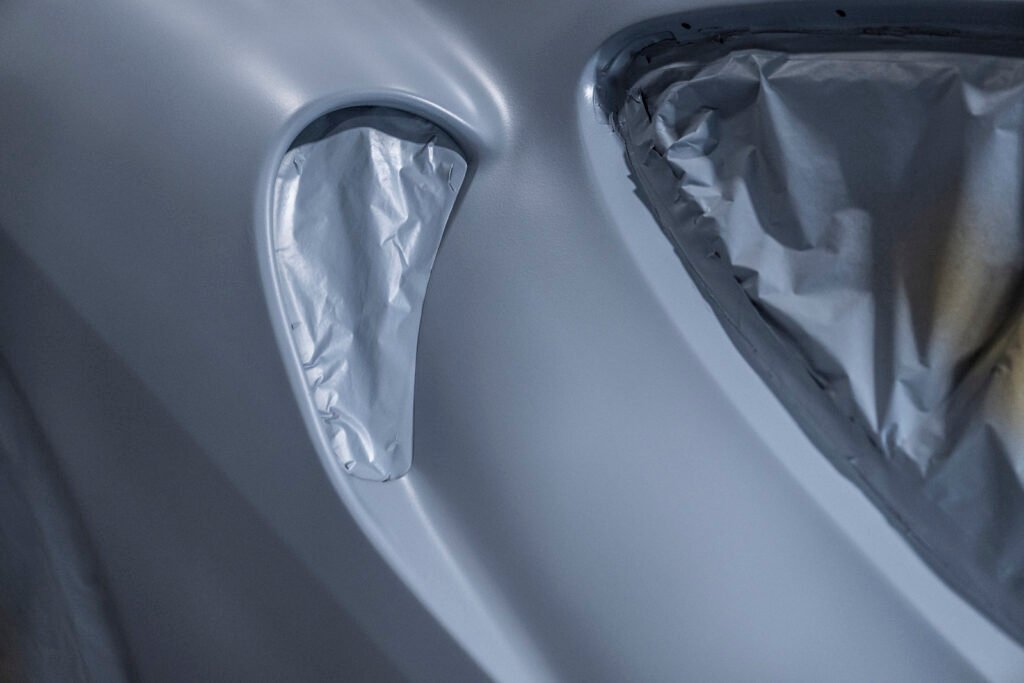
“It’s considered actually more than only three layers,” says Huber. “First you have primer. Then you apply a ground coat, which acts like a sealer. Then you have the red, after that the pearl and then the clear.”
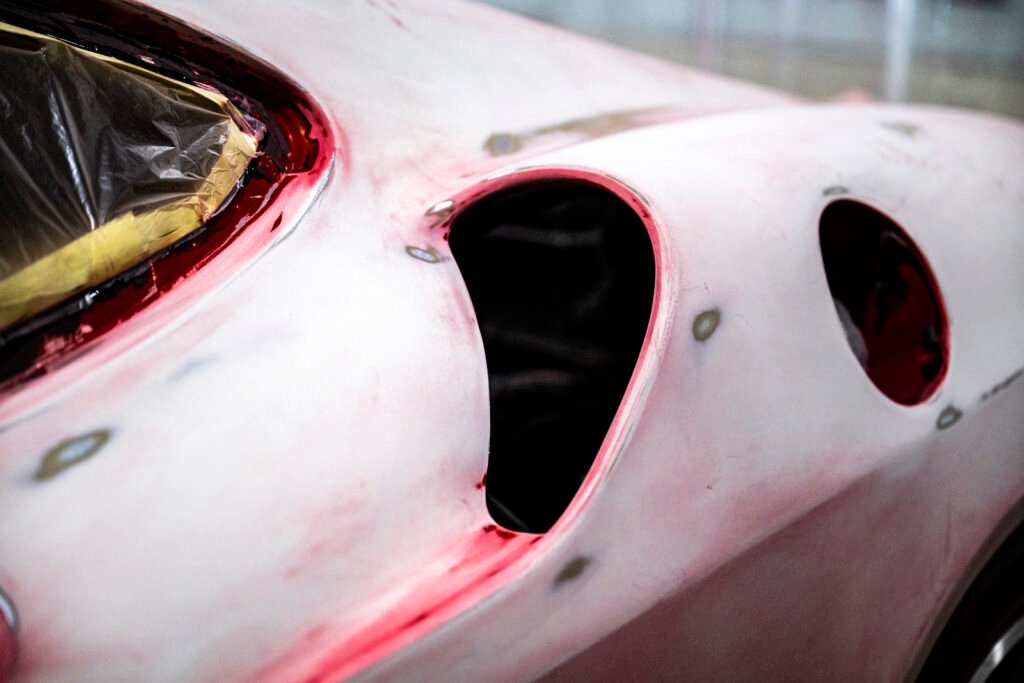
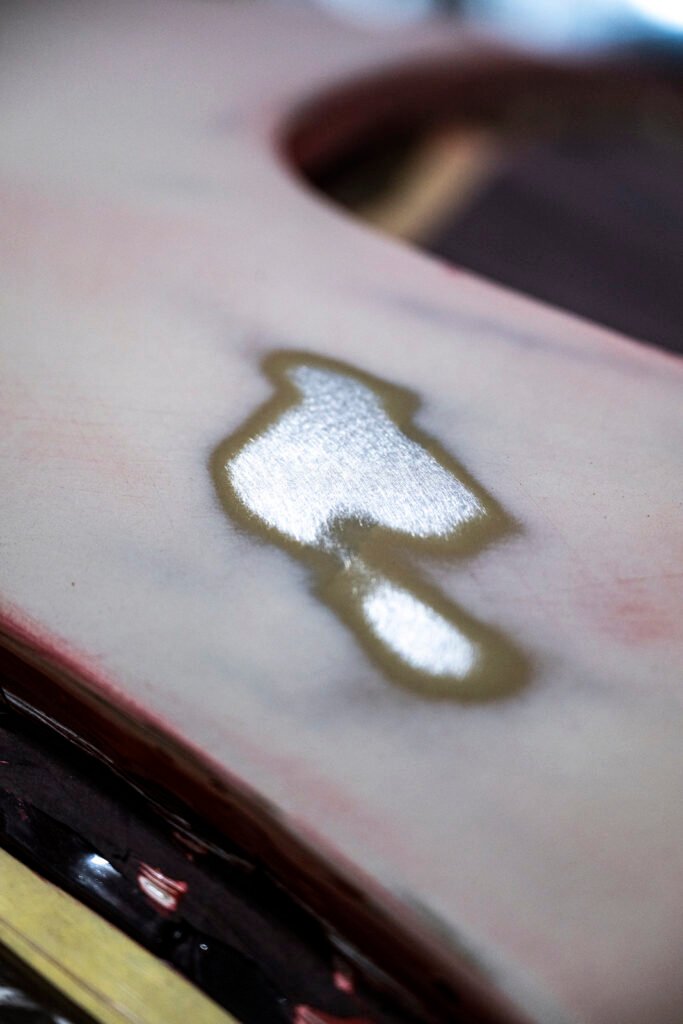
The ground coat is especially important. It sits below the red and helps determine how much vibrancy comes through in the final finish. Use the wrong one and the colour loses some of what makes it special.
“If you would have used the wrong ground coat, the red is not going to be as vibrant,” says Huber.
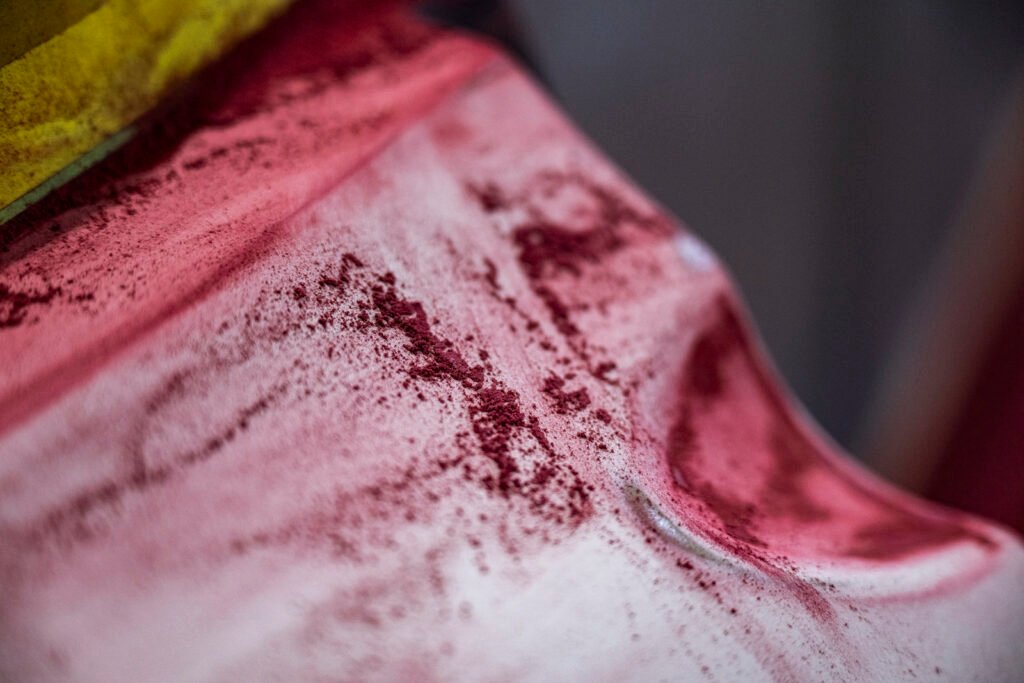
The pearl layer is what gives Rosso Magma much of its glow in sunlight. It also adds another point where technique matters. The metallics and pearls have to land evenly across the panel. Arm speed, spray distance, gun pressure and airflow all affect the way the finish appears once the car is outside.
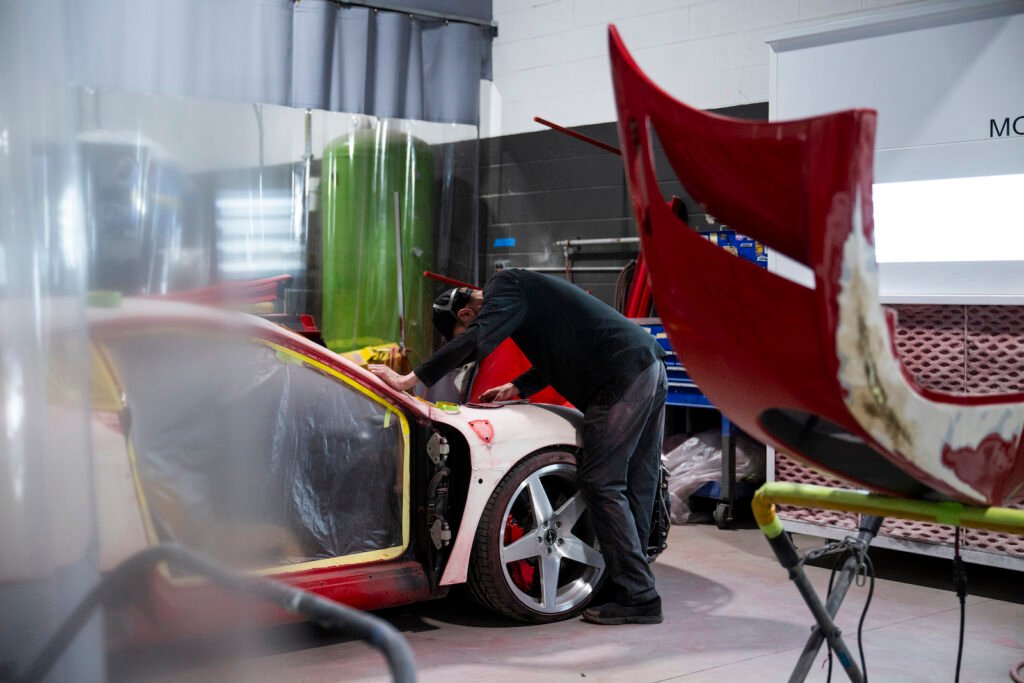
That is where the booth becomes part of the paint job. European Autoworks uses a top-of-the-line USI Italia full downdraft booth that adjusts itself based on what is inside, whether that is a single panel or an entire vehicle. Huber says the booth rebalances airflow every two seconds, helping keep conditions consistent throughout the spray process.
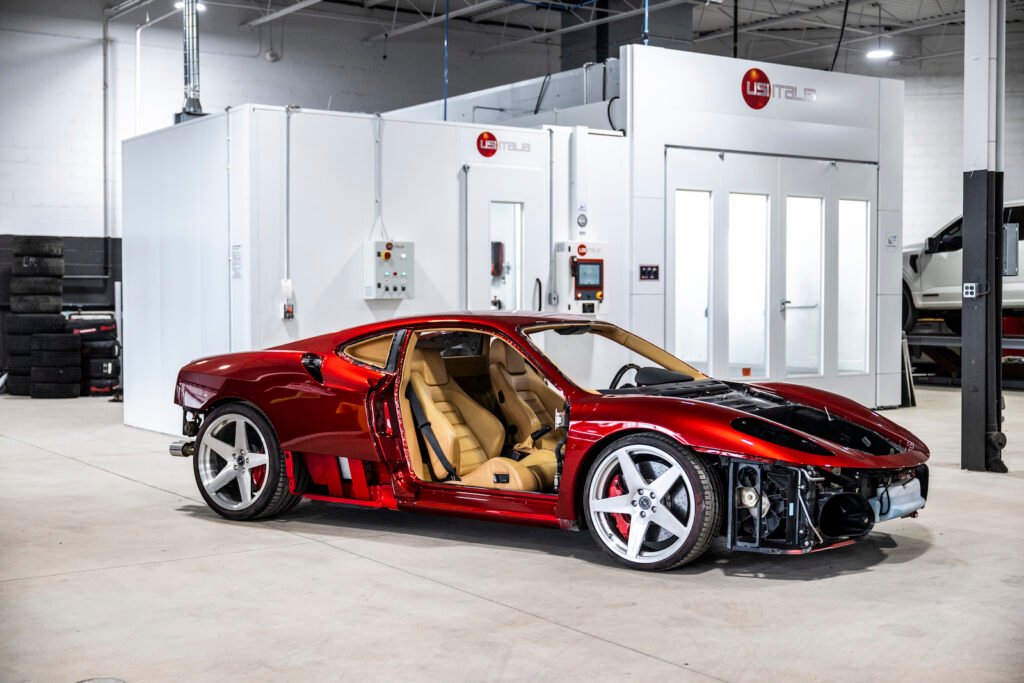
“If you have overspray lingering around, it changes your colour as well and the texture of the clear coat,” he says.
For a colour like Rosso Magma, that matters. Lingering overspray can affect the surface, the depth of the finish and the way the colour reads. The booth maintains a spraying temperature of roughly 75 degrees Fahrenheit and uses heated airflow during the flashing process to help dry the base coat before clear is applied. Huber says that step reduces the risk of solvents becoming trapped beneath the clear coat, which can lead to imperfections later.
Starting from scratch
The F430 was not simply being refreshed in its existing colour. It was a full colour change, following a full rebuild, which meant the process began much earlier than the spray booth.
This wasn’t a case of sanding and repainting existing panels. Because the shop Ferrari was undergoing a full colour change, the process began by taking the car back to its underlying materials before rebuilding the finish from scratch.
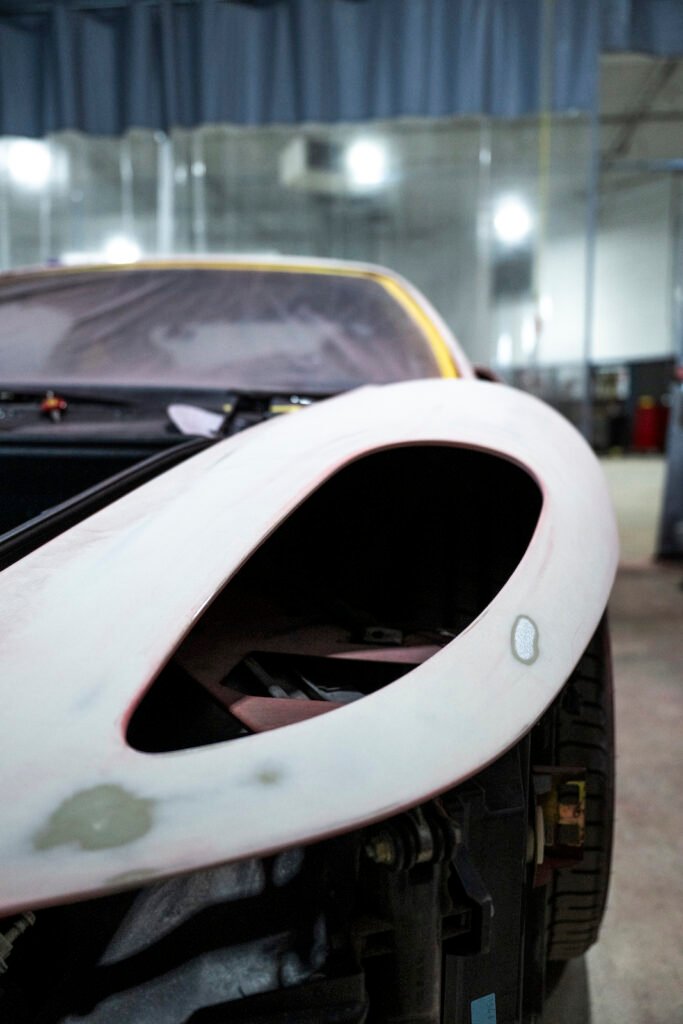
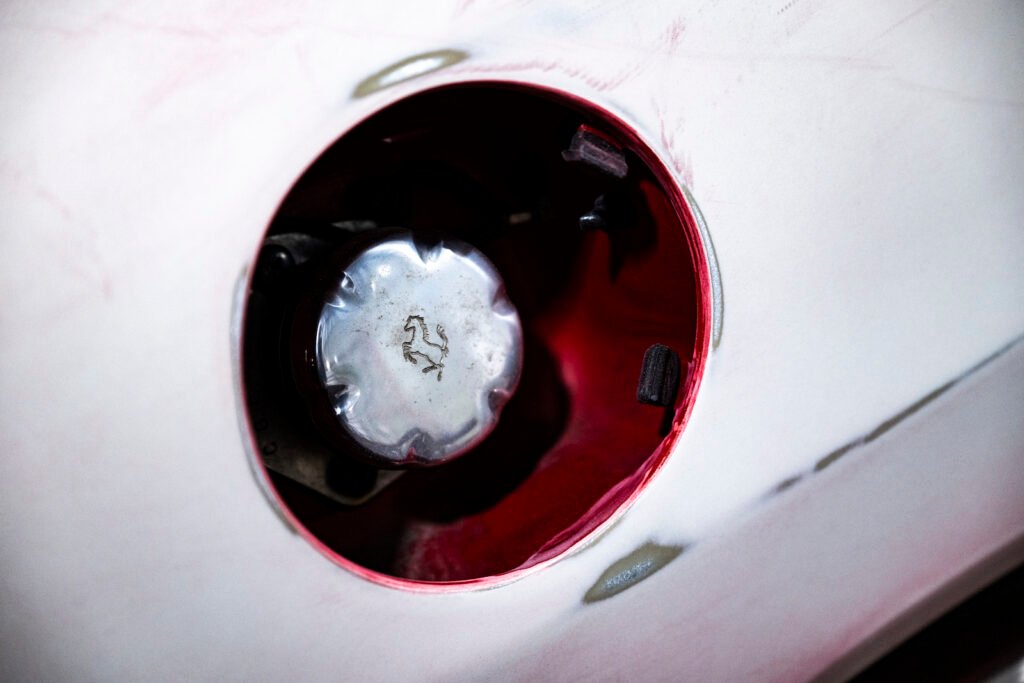
First it was sanded back to its underlying materials before European Autoworks rebuilt the finish through primer, ground coat, colour, pearl and clear. That preparation stage is one of the easiest places to create problems that show up much later.
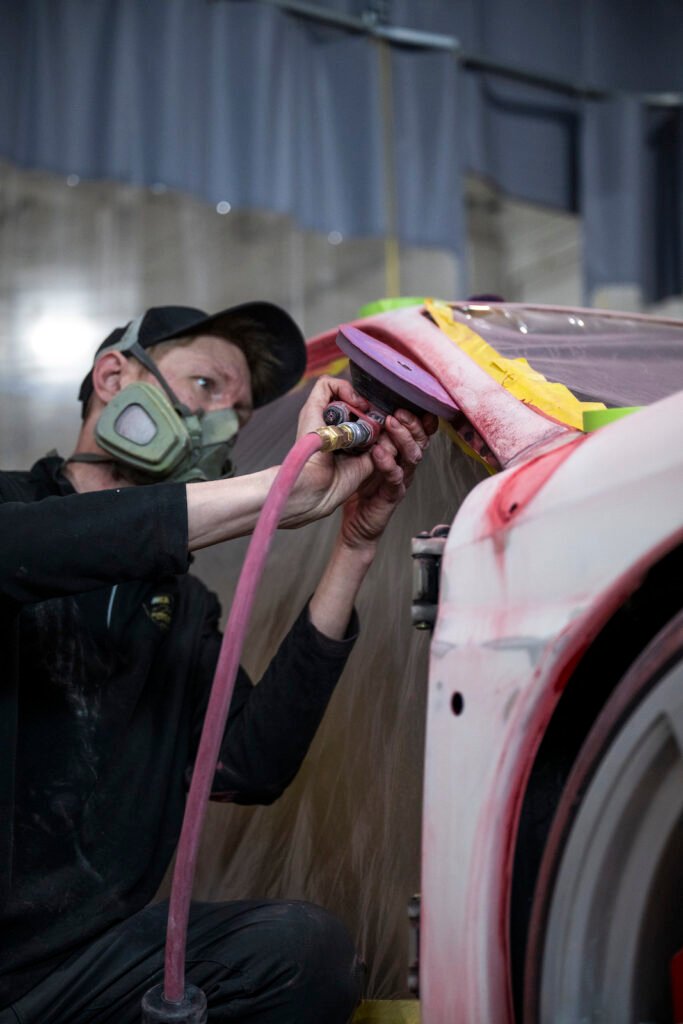
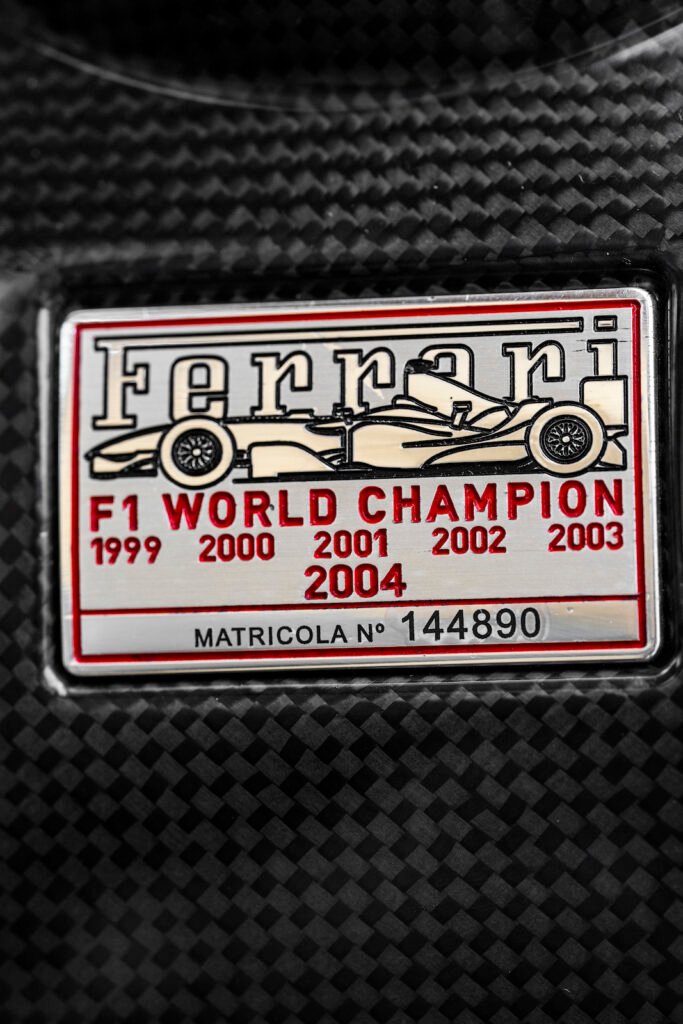
On a car with carbon fibre components, the margin for error is especially small. Unlike metal, carbon fibre can be damaged or reshaped if the person sanding it applies too much pressure or stays in one place too long.
“You can over-sand, or if you apply too much pressure, you’re changing the actual shape of the part you’re sanding,” says Huber.
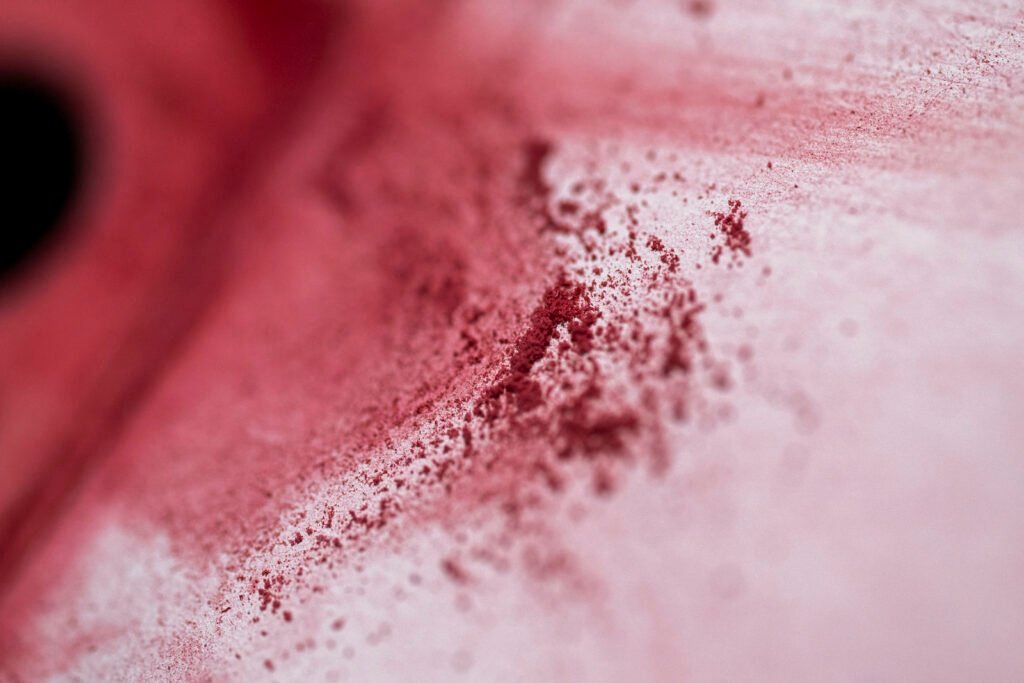
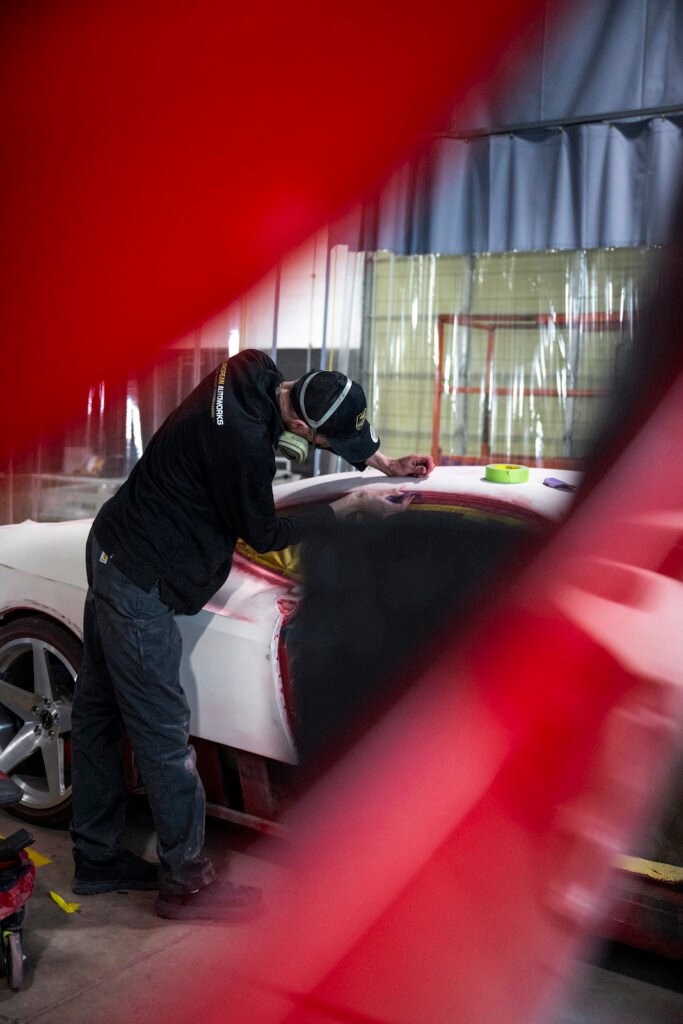
That is why the prep work is not treated as a lesser part of the job. Huber says the prepper is every bit as important as the painter, handling the early stages of sanding, blocking and primer before the painter moves into final prep, masking and spraying.
The same goes for finishing. On this Ferrari, Huber says the final wet-sanding and polishing will be handled by the painter and prepper together rather than handed off to a detailer. The car will be wet-sanded through progressively finer grits, polished and then prepared for paint protection film.
The illusion of less
Ask Huber what separates an average repaint from a concours-level Ferrari finish and his answer is simple.
“The time it actually takes.”
That time is being spent in the layers most people will never think about. The team plans to cut the clear, reapply more clear, then cut and polish again. The purpose is to build enough material to work with while avoiding the heavy, built-up look that can make a repaint appear obvious.
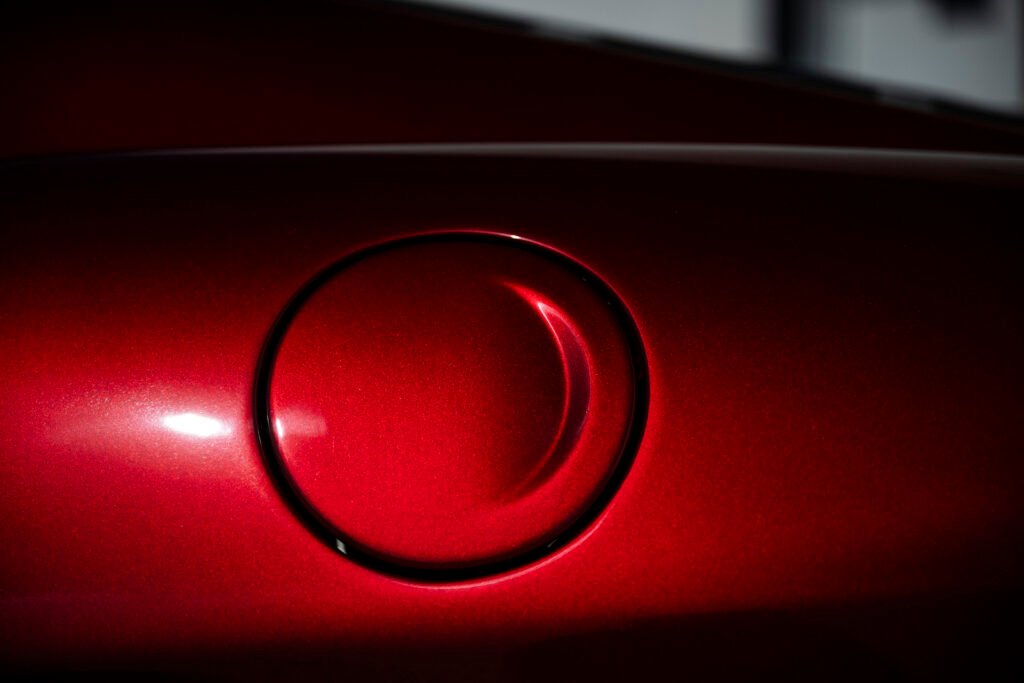
“You’ll see the heaviness of the paint,” says Huber. “The thinner the finish looks, the better the end product.”
That is the contradiction at the centre of high-end paintwork. A great finish may involve more material, more sanding and more polishing, but the end result should not look thick.
“When you look at the car and you see, ‘Wow, this paint looks like a mirror and it looks like it’s literally paper thin,’ that’s the sign it has been done by a very experienced team.”
For Huber and the rest of the experts at the shop and its sister company European Automotive, the Rosso Magma F430 has also become a point of pride. He says the project brought the team together, with technicians stepping in to help each other through reassembly, alignment and finishing details.
“Being able to put our name on a product like this, that makes me proud.”
Soon, the F430 will be back on the road, wearing a colour most people will notice before anything else. What they may not see is the work beneath it: the ground coat, the pearl, the booth, the sanding, the clear and the many small decisions required to make one of Ferrari’s most complex reds look effortless.
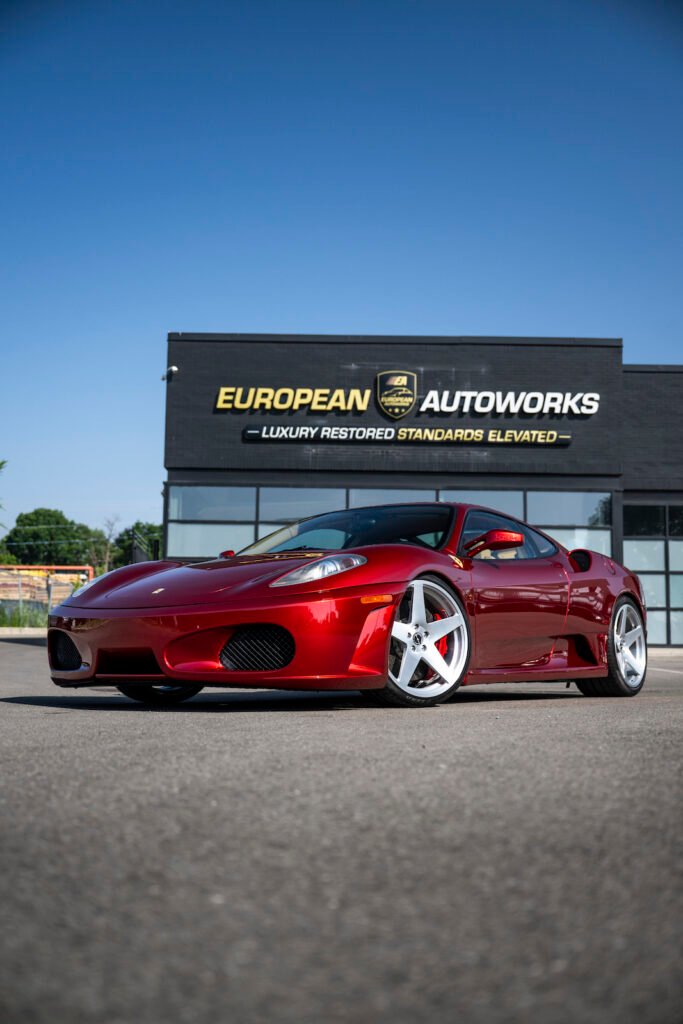

Based in Burlington, Ont., European Autoworks specializes in luxury collision repair, restoration and customization for European and exotic vehicles. Together with sister company European Automotive, the team offers a seamless autobody and mechanical repair experience under one roof.