Photography by Lucas Scarfone.
It’s 1986, and you’re a suit at Canada’s largest auto-parts manufacturer. You’re due to flex your company’s technological mettle, but who do you assign to draw up a show-stopping SUV to package it all inside?
How about that engineer with the ‘Rambo Lambo’ LM002?
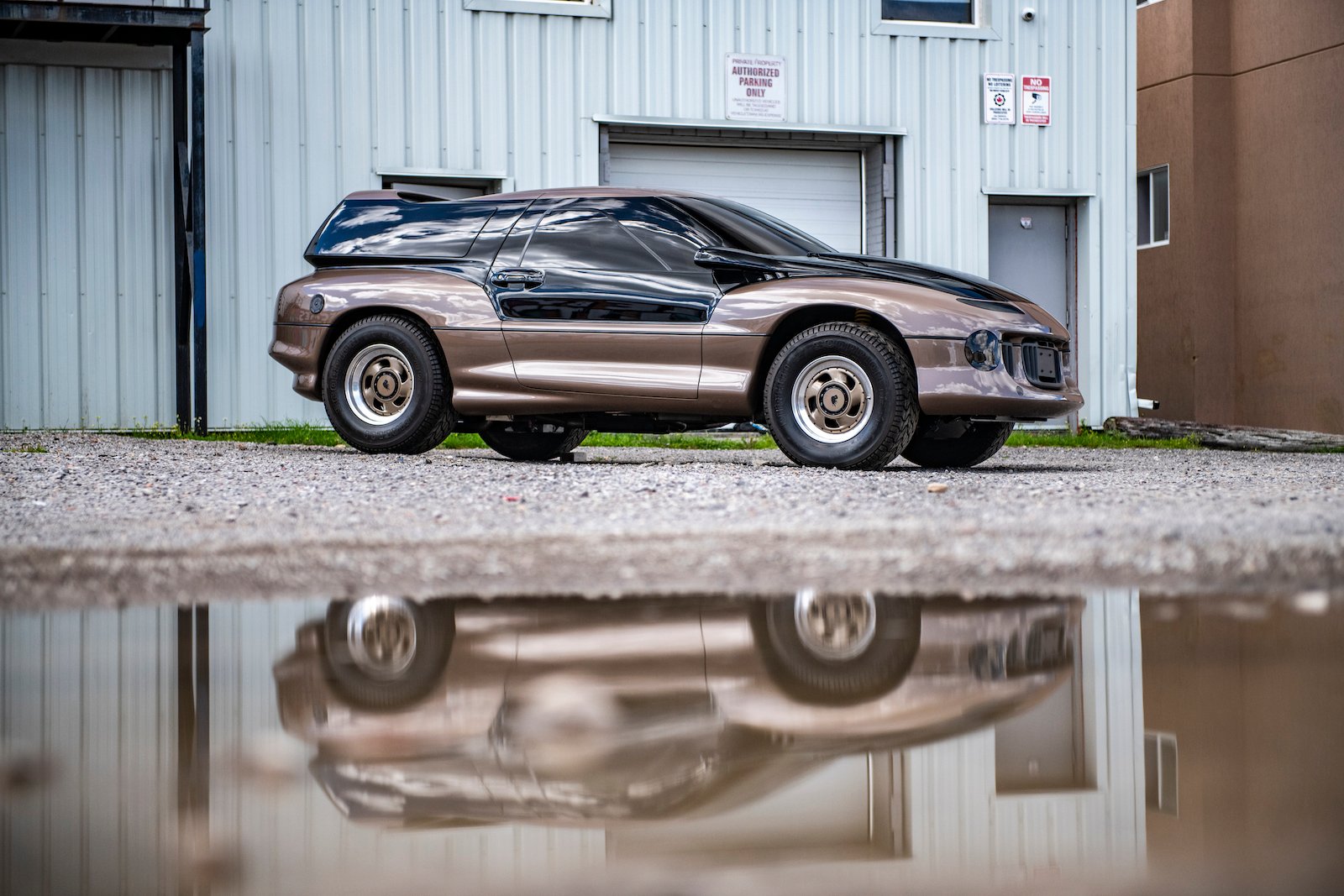
Such was Magna’s strategy when drawing up the long-forgotten 1989 Magna-Vehma Torrero concept. Now, after decades hidden in an Ontario warehouse, this proto-Urus is back on display.
Breathing double the displacement and offering 100% more fax machines than the Audi-derived copycat that followed, this 532-horsepower luxo-monstrosity opened a window into the future of premium touring — and a full three decades too early, at that.
One of Canada’s largest companies, Magna International has long stood as a keystone in automotive supply chains. Headquartered in Aurora, Ontario, the stalwart OEM has been supplying auto manufacturers with parts and engineering since the late 1950s and continues to probe underexplored subjects. Most of these are practical; others are utterly outlandish.
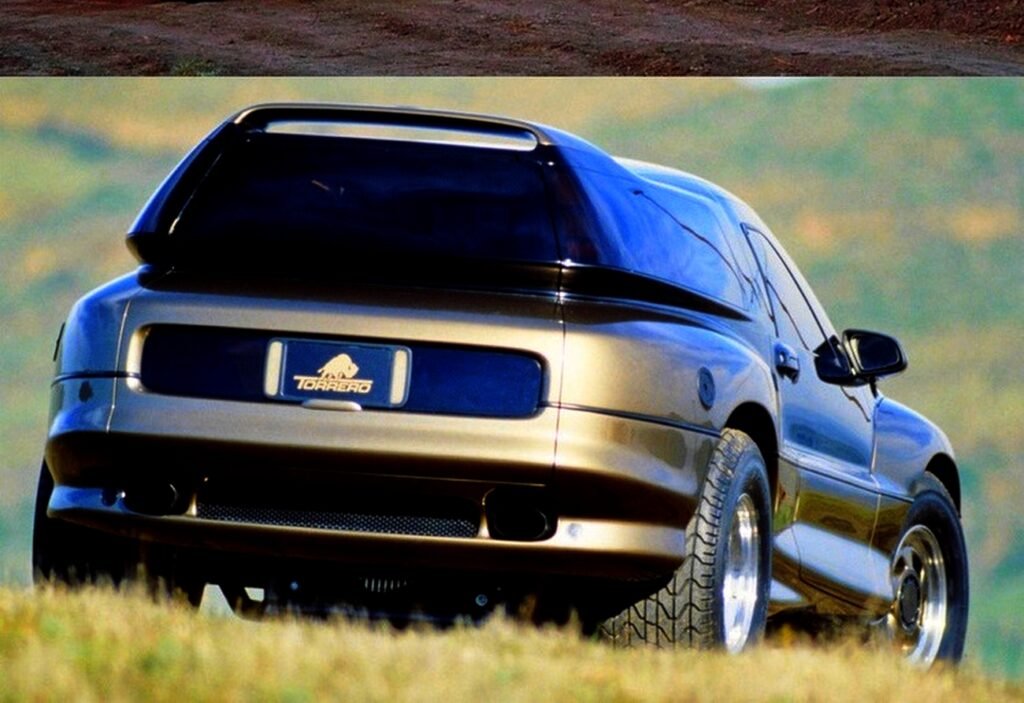
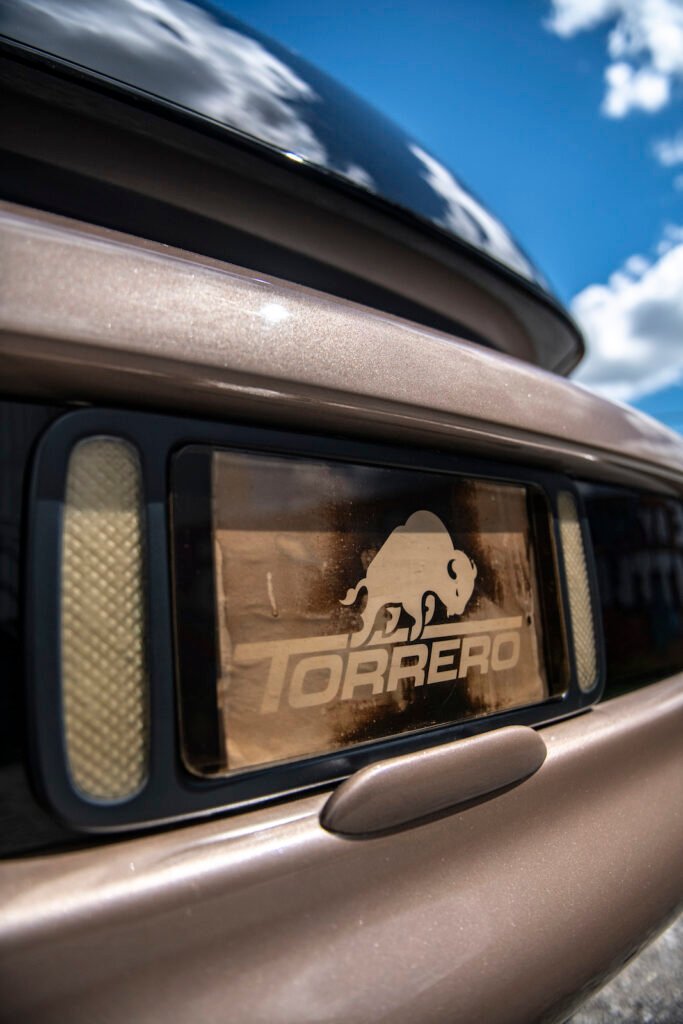
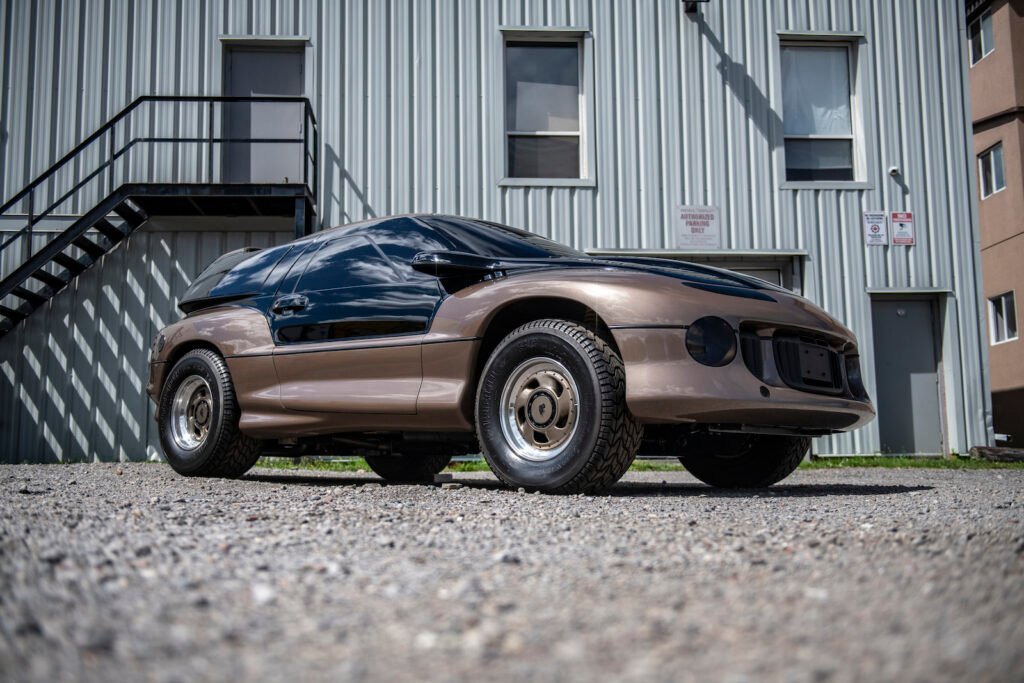
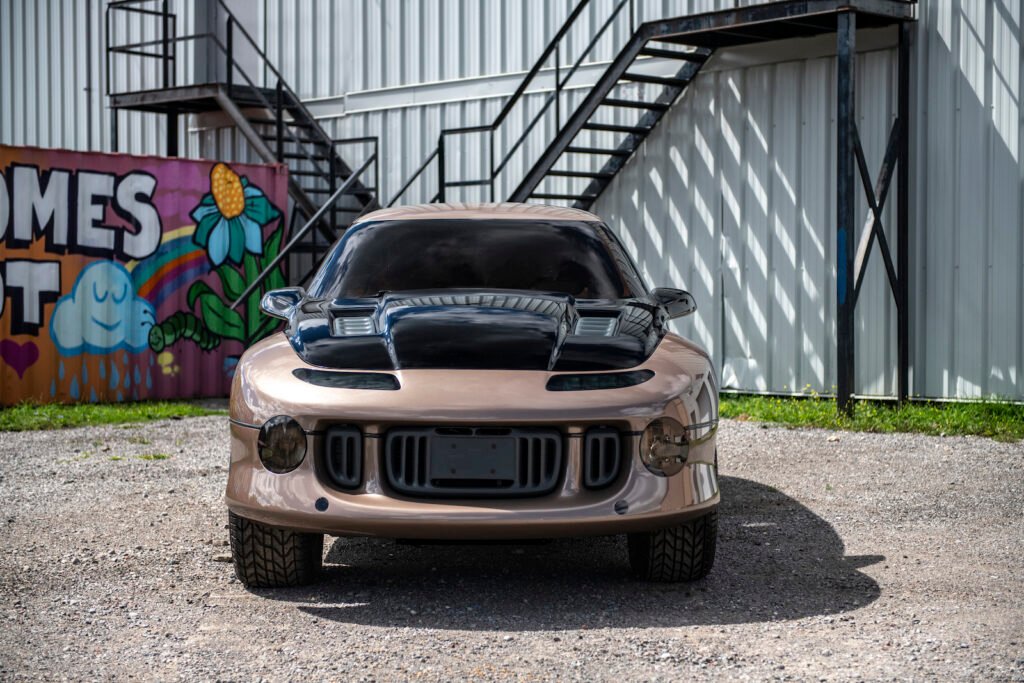
If an immediate glance at these images wasn’t enough to tip you off, the Magna Torrero reflected the height of 1980s techno-optimism at an intersection with all the vulgarity of its contemporaries’ generational excess. Inspired by the commanding stature of the American buffalo, Magna briefs called for a vehicle with the “strength, spirit, and stamina to cope with the demanding environment of the American Northwest, the legendary ‘Big Country’ of rocky plains and big peaks, where only the most rugged survive.”
The Torrero leaned hard into those former qualifications, though as time would show, fell a little short on the latter.
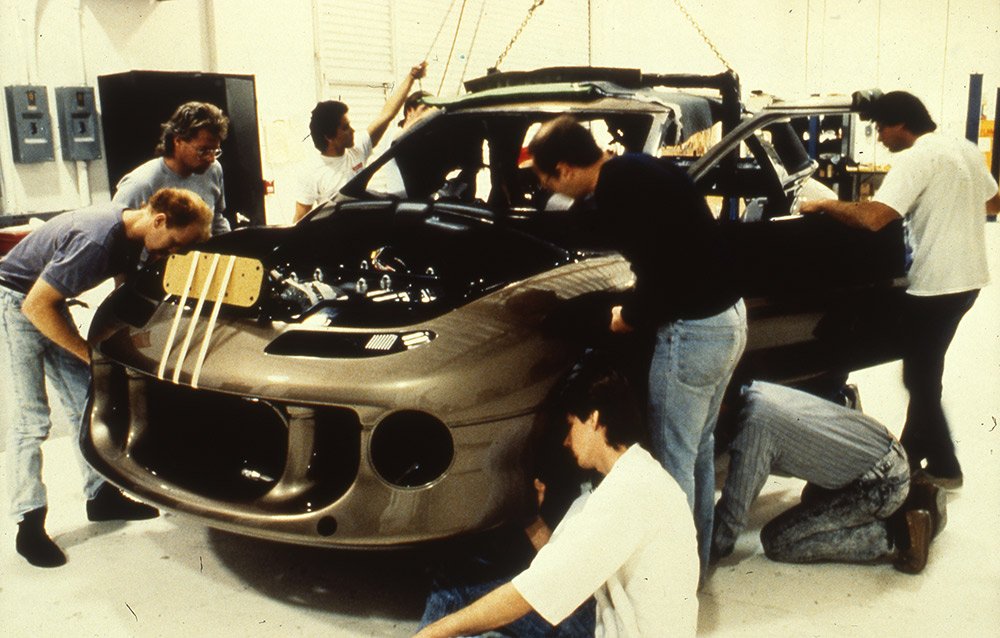
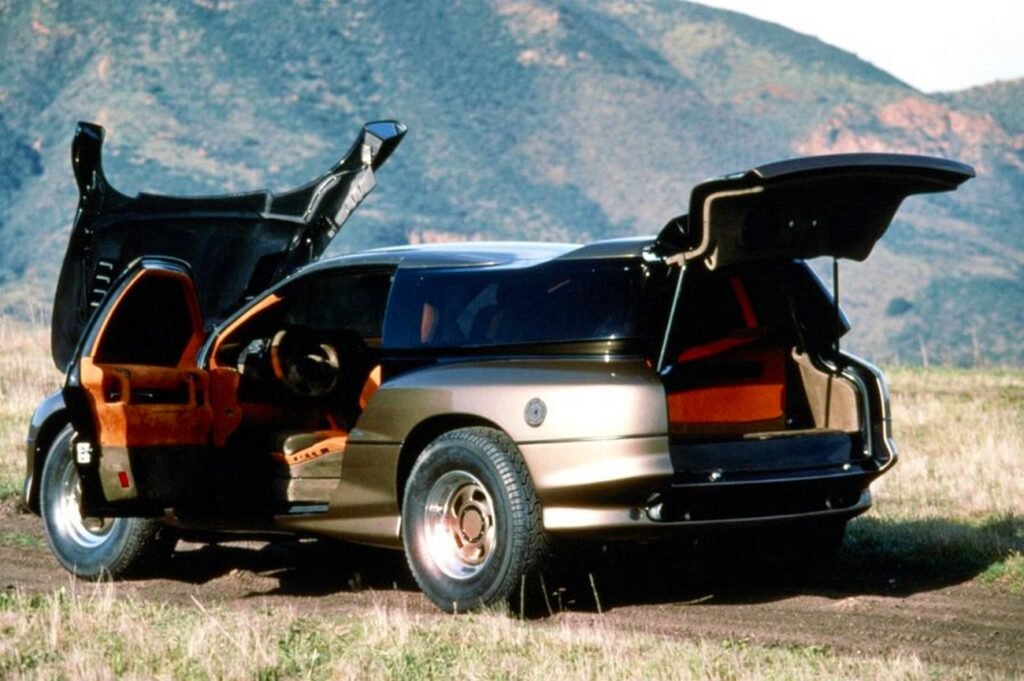
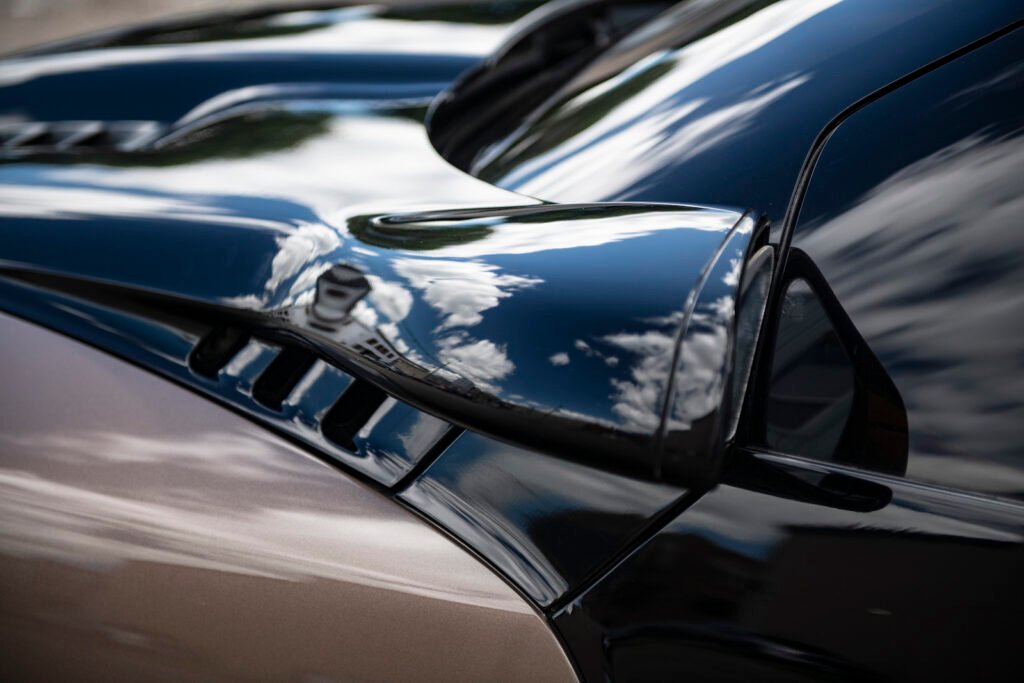
When it was first introduced at the 1989 Geneva motor show, the Magna Torrero concept wowed with a bold form, resplendent tech, and unusual materials. Magna-Vehma Designworks’ distinctive styling broke with the three-box formulae of the day, with the sorts of sweeping lines that must’ve been a pleasure to model in clay. Functional details like mirrors flare cohesively, while its coupelike roofline humps upward toward the flick of a tail, all very deliberately echoing the back of its rugged mammalian muse. At the sides, broad fenders and cabin bulges protrude in muscular relief. There’s a lot going on, but it all marries in a way that makes surprising sense.
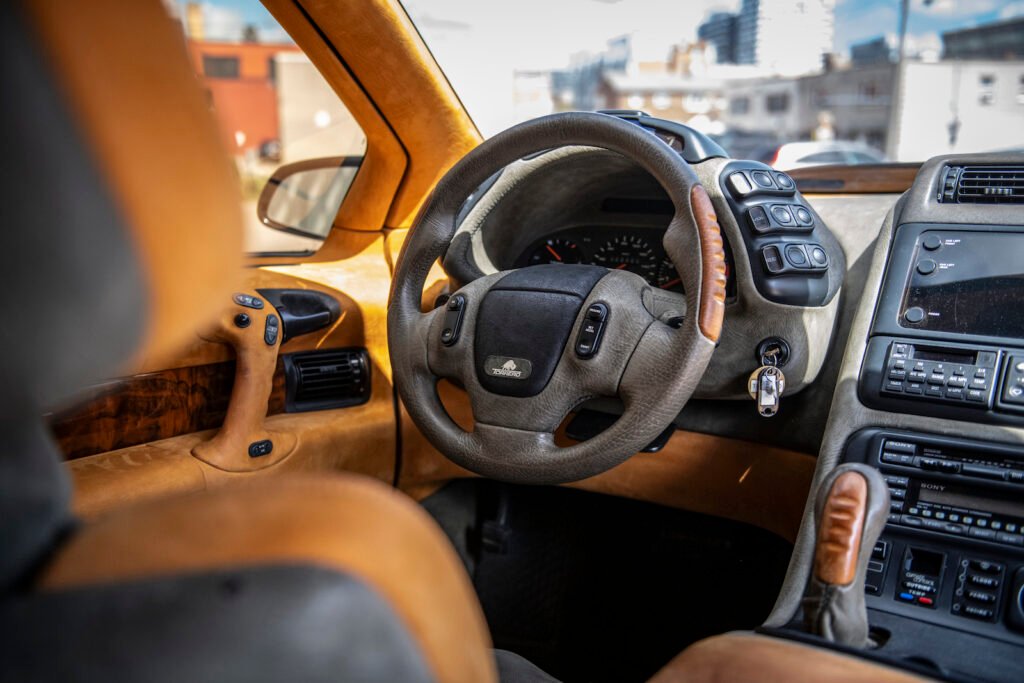
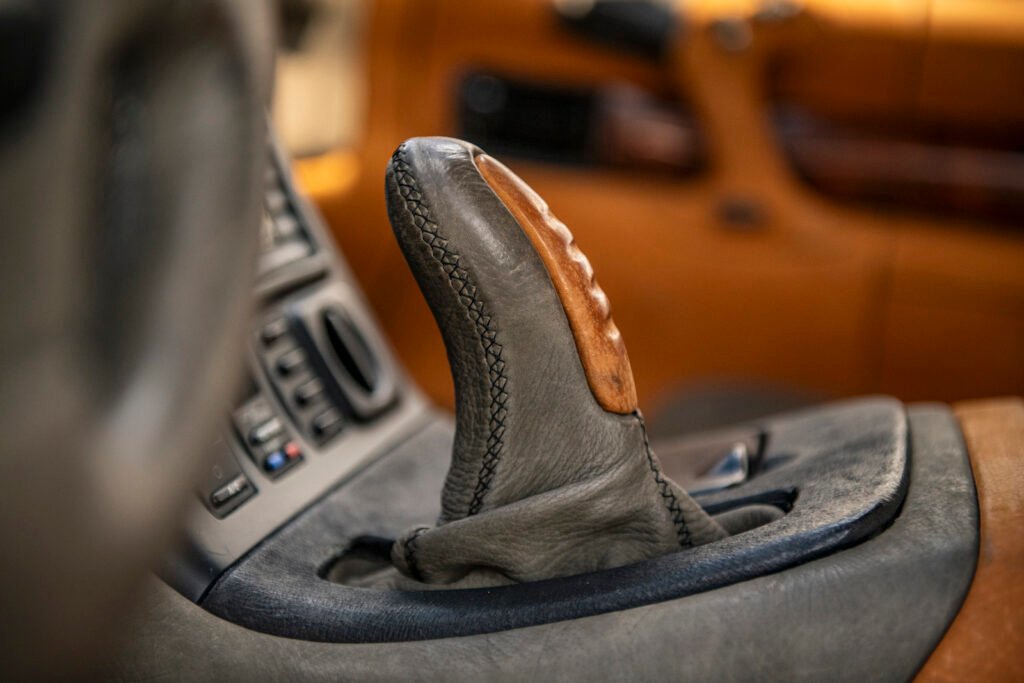
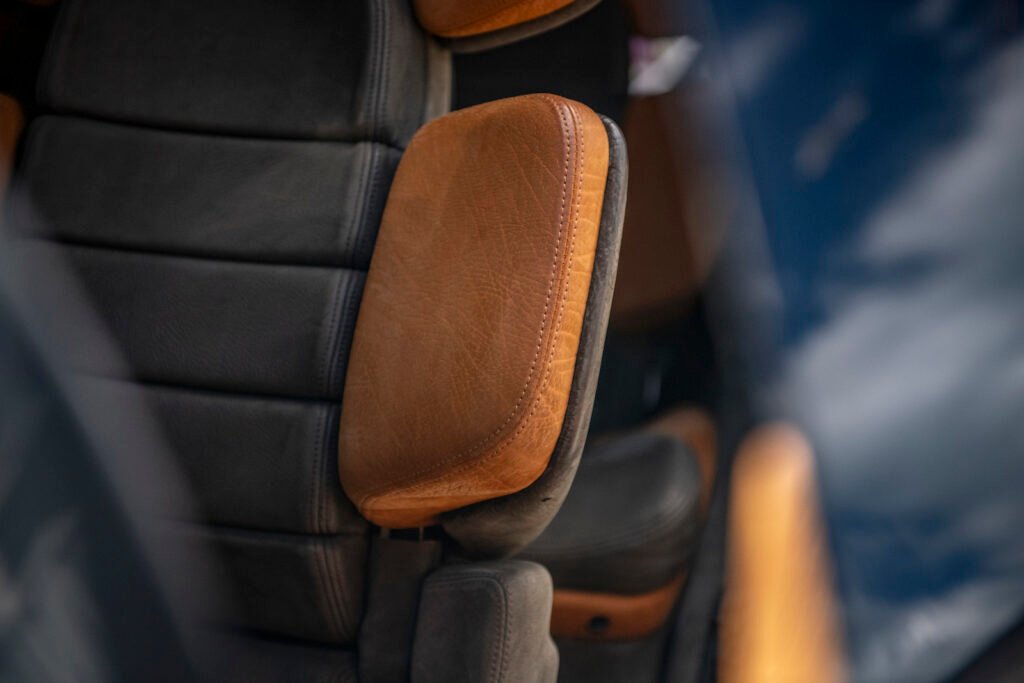
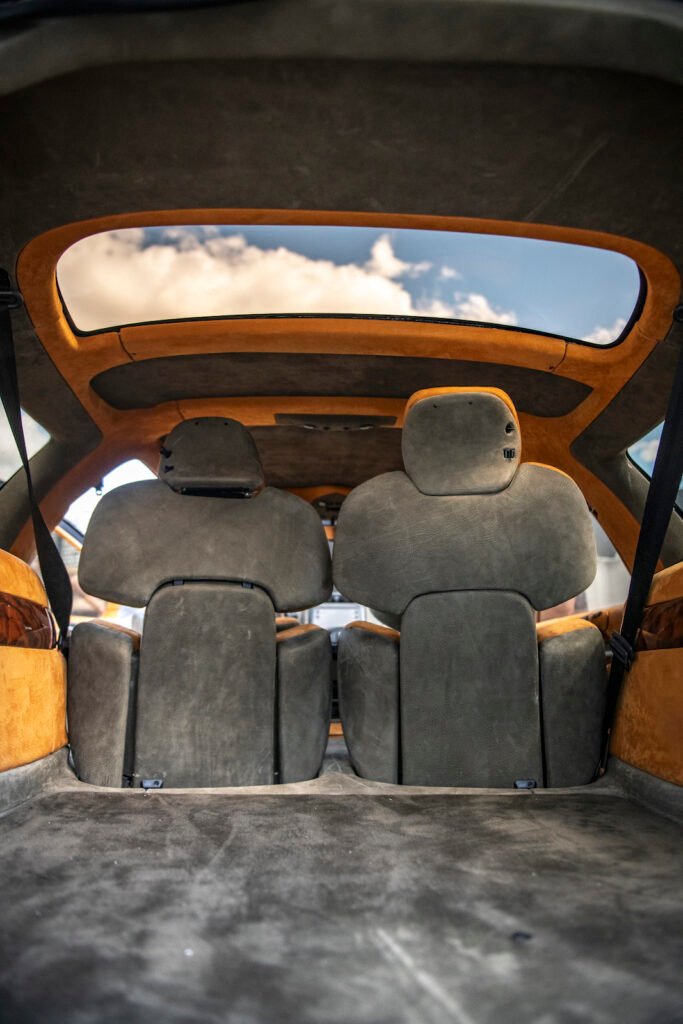
Matching this exterior drama, the Torrero came even more alive with its doors open. Peering inside, audiences were shown segmented cushions wrapped in aromatic buffalo leather. Large privacy windows allowed soft light that complemented the grays and oranges of its surfaces. Front seating rotated outward for ease of entry and exit, while rear seats pointed slightly inward to bring occupants together. Seat technologies included every conceivable direction of electronic adjustment, even extending as far as analog joysticks on the sides of its adjustable headrests.
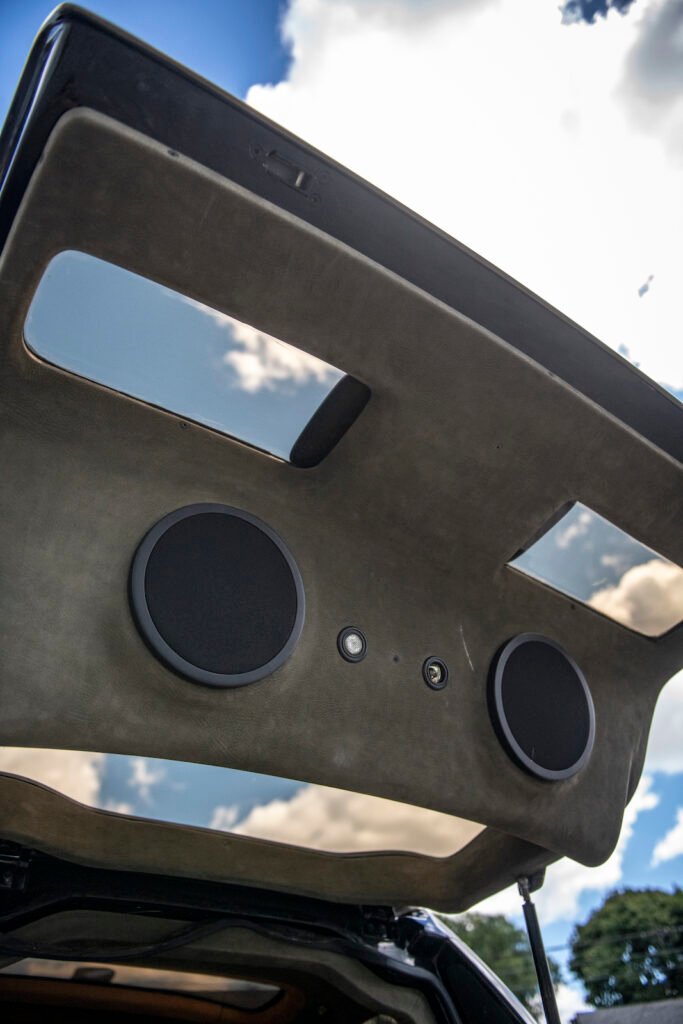
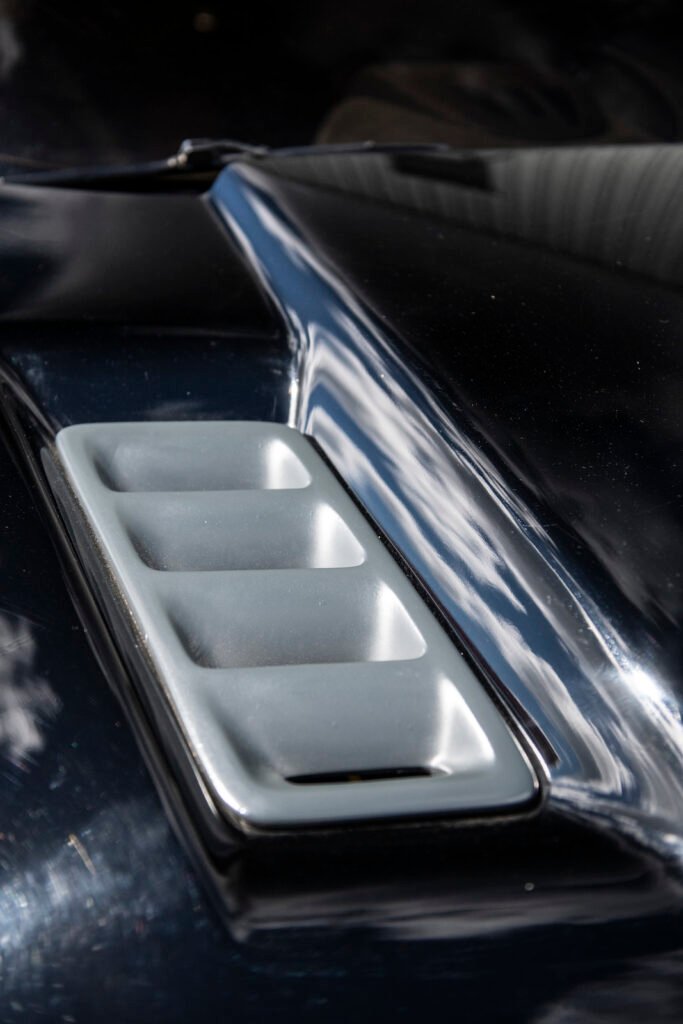
For the driver, technologies extended to eleven selectable video feeds from TV cameras positioned in the vehicle’s bumpers and valances. GPS navigation rendered on a central CRT display, traced from an industrially styled blister fastened ahead of the spoiler. The Torrero equipped all manner of audio-visual media equipment, including a TV receiver and Hi8 compact video cassette player. Contemporary Magna employees are even recorded as having used the Torrero’s screens to play Atari video games on their lunch breaks.
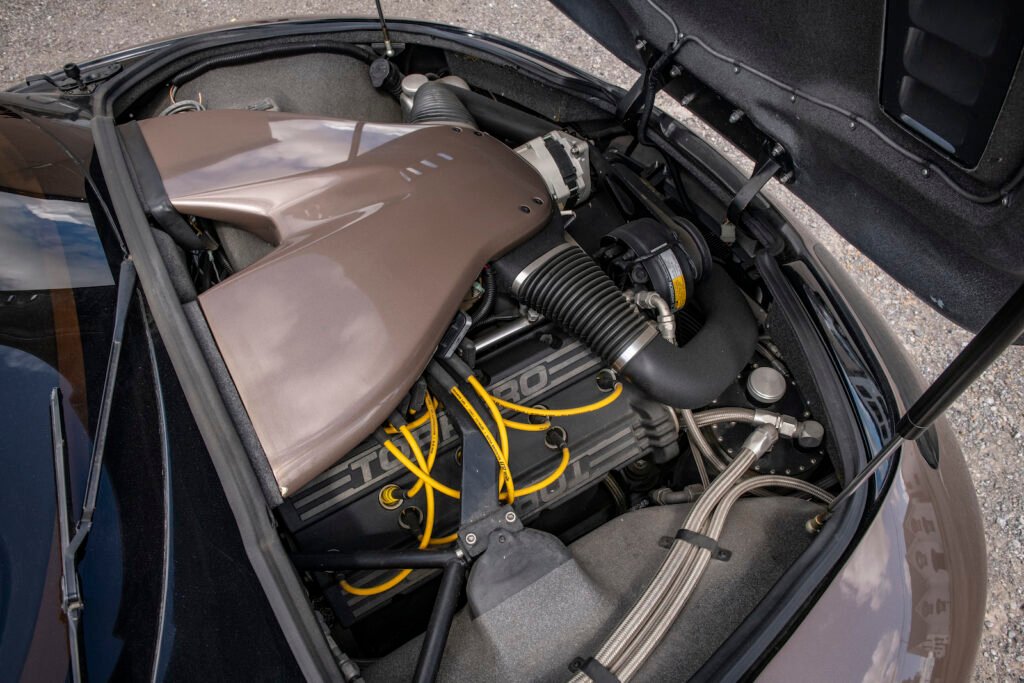
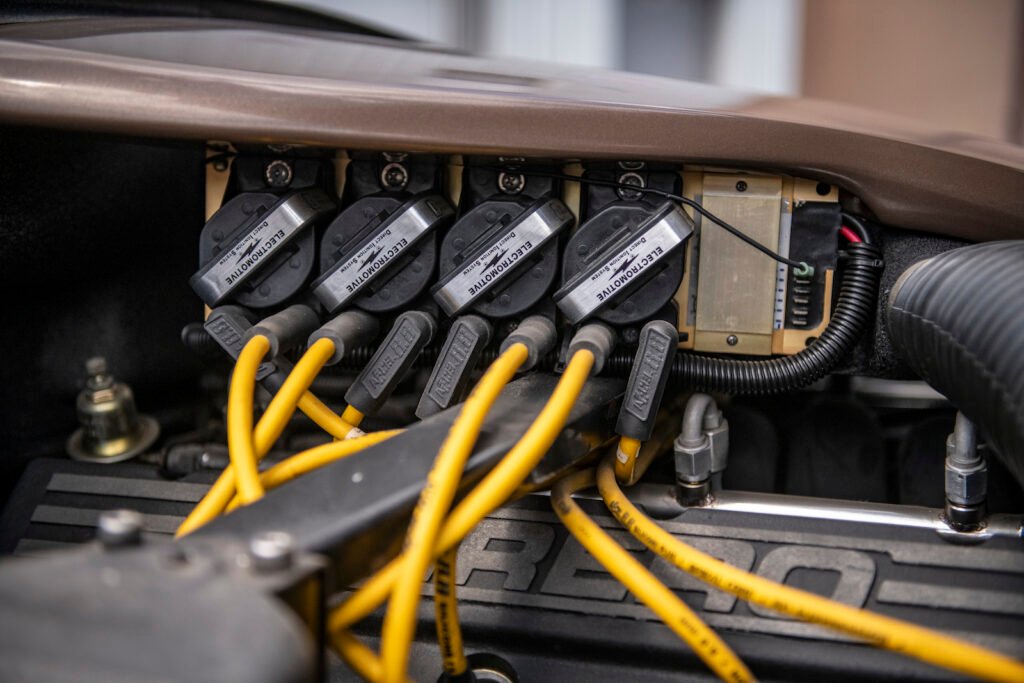
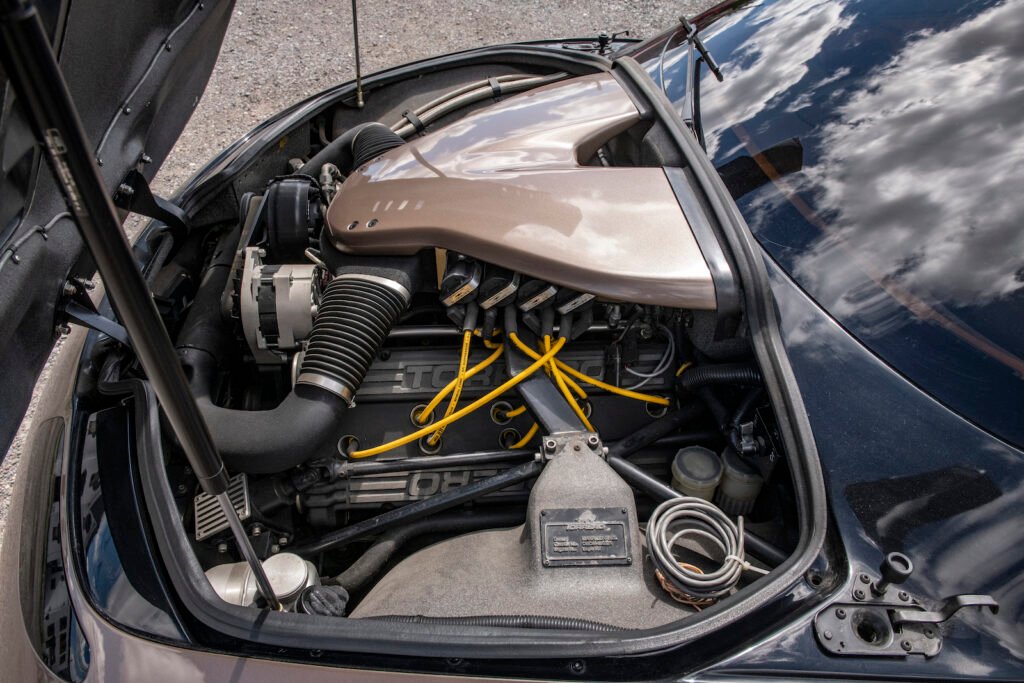
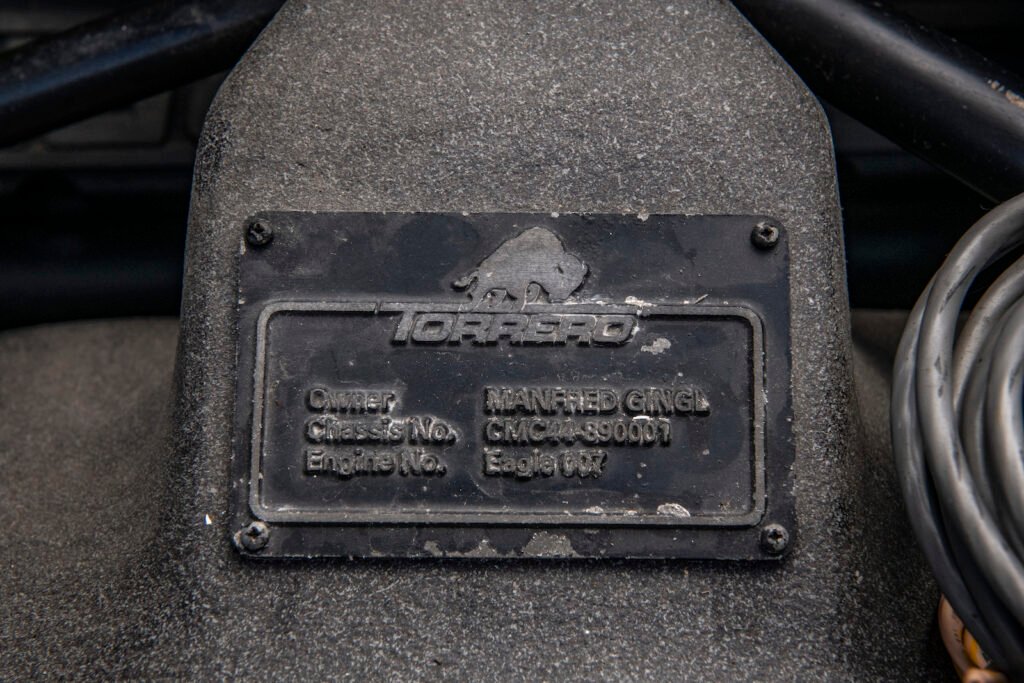
Similarly striking were the numbers. A Magna-Vehma-owned outfit called Eagle Engines provided the Torrero team an 8.1-litre, 32-valve aluminum V8 — that’s 494 cubic inches — turning 532 horsepower, 571 lb-ft of torque, and a promise of dramatic seven-second acceleration. Two spark plugs threaded into each cylinder, snapping their expansive undersquare volumes to life at low but forcefully stroked revs. Peak torque arrived at 4,500 rpm, and peak horsepower at just 5,250.
Balancing that grunt across the length of the platform, power was routed through a three-speed automatic transmission to a transfer case all the way at the rear. From the tail end, direct axles turned the rear wheels while yet another driveshaft brought power back to the front axle for all-wheel readiness.
As presented, then, the striking Torrero promised comfort and might — but outright performance was never its expressed purpose. Instead, the vehicle was developed to demonstrate the company’s readiness for the next generation of technologies. By packaging industry-targeted tech into a headline-grabbing form, the Torrero would entertain show going audiences while courting industry partners interested in the substance under the skin.
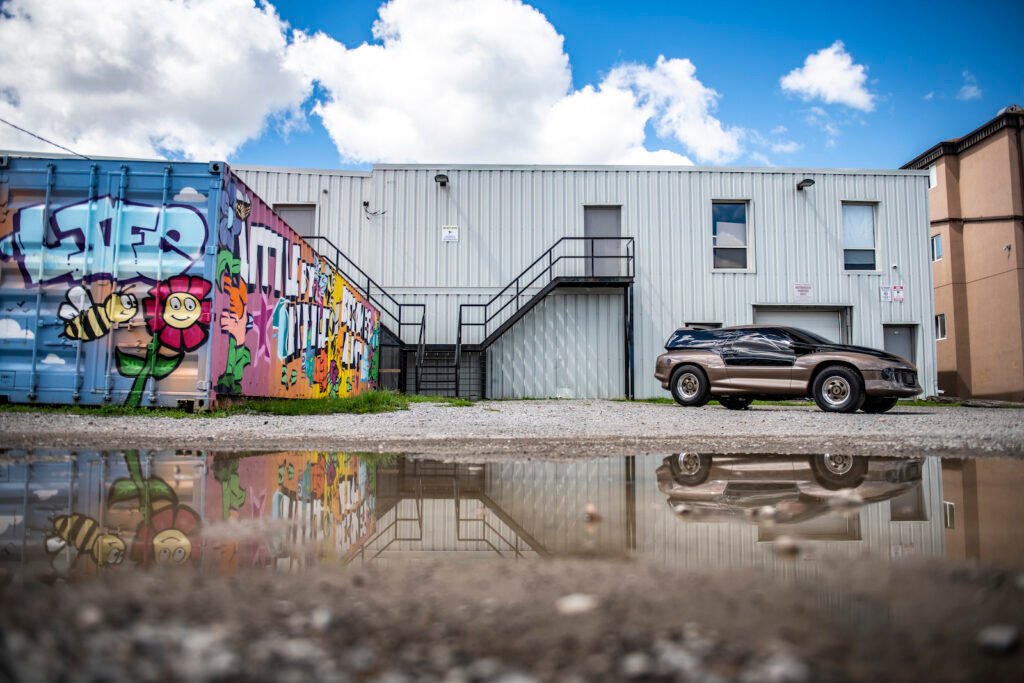
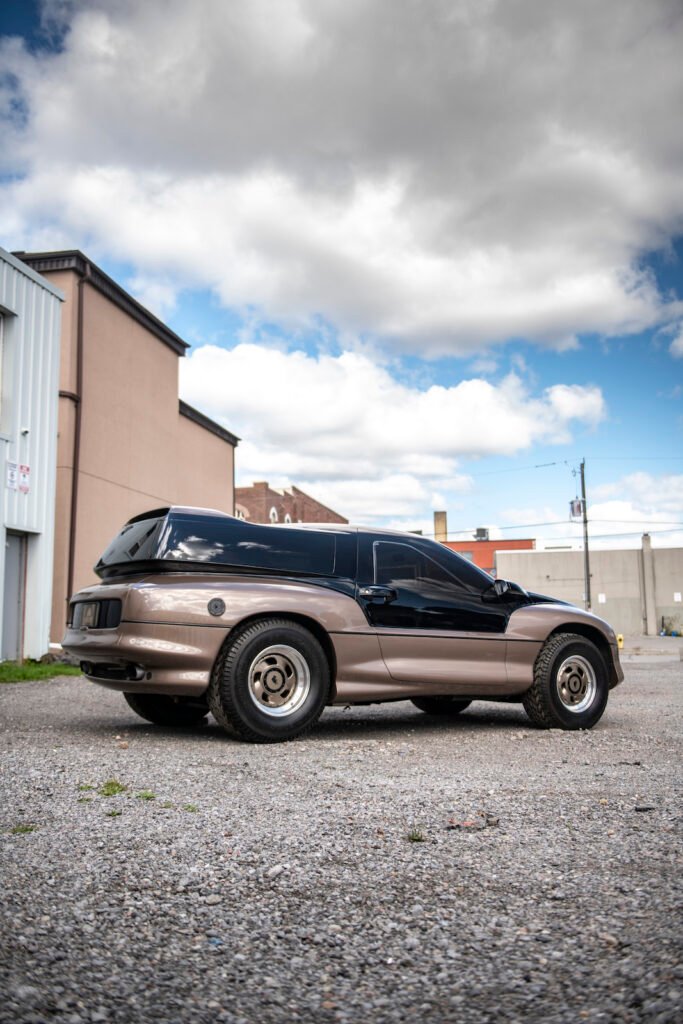
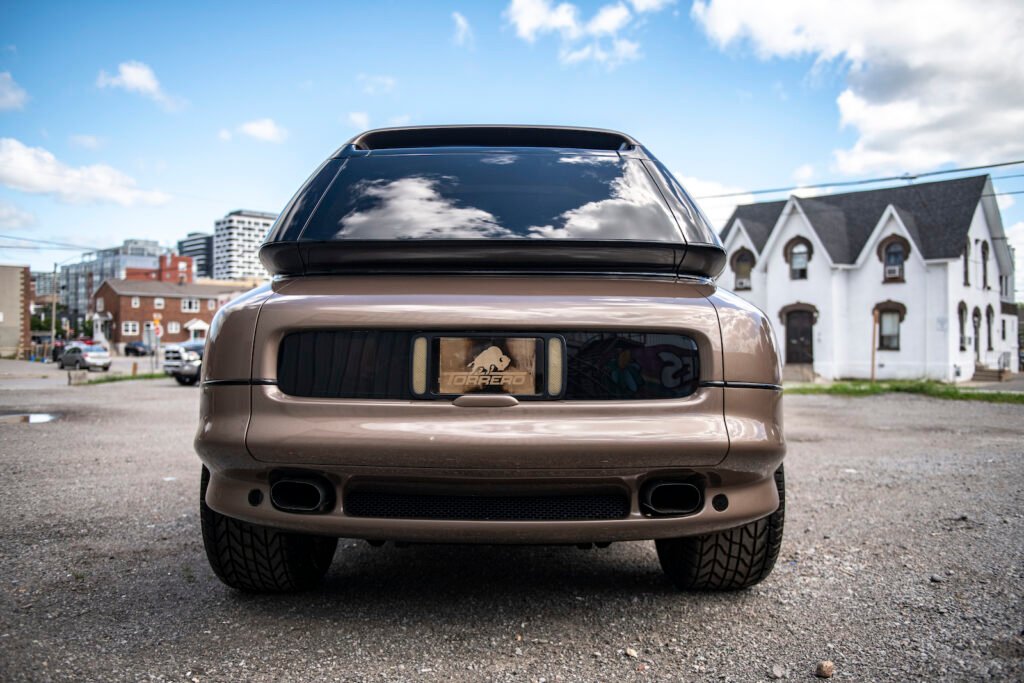
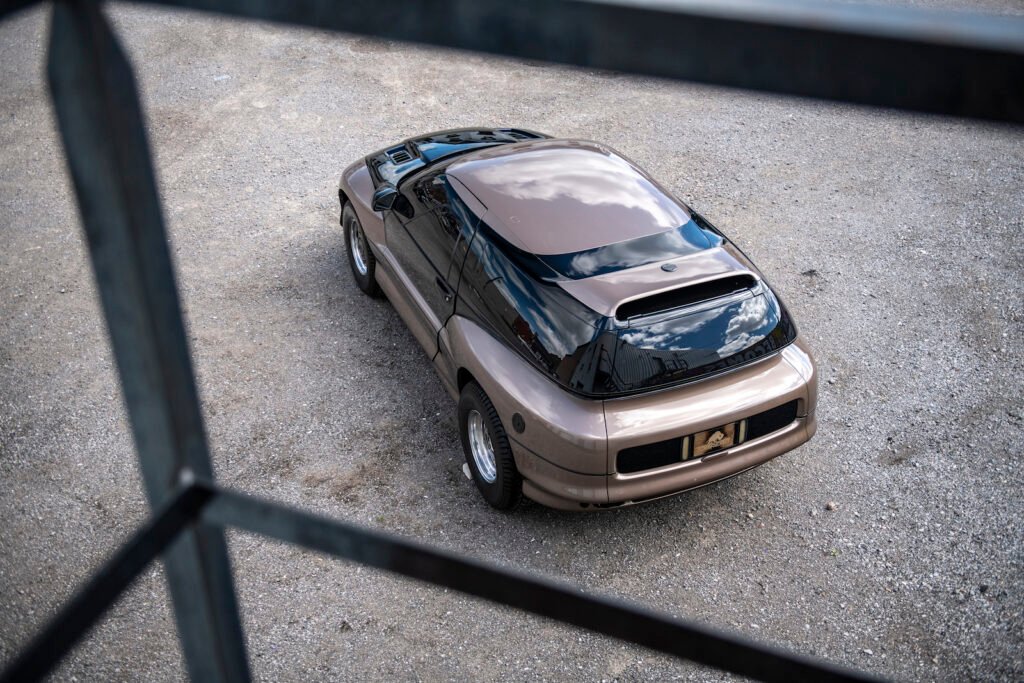
Subtextually, the Torrero can also be read as another in a long line of Magna founder Frank Stronach’s fantastical vanity projects. For critics (and cost-conscious shareholders), the moonshot project’s $8m pricetag reads rather like Stronach’s failed air-travel and domestic political endeavours; by Magna’s account, the project is said to have yielded later partnerships.
As for dreams of the Torrero as a product, market feasibility studies suggested a production-spec North American sale price of some $150,000 — a segment-competitive $350,000 today, but a full quarter more than a Lamborghini LM002 at the time. Still, even at $150k, there’s little telling how many of the concept’s complex extravagances would have reached production for the price. As displayed, estimates placed the vehicle closer to $200,000 (nearly $500,000 in 2023) — a hard swallow even by the standards of today’s inflated pricing trends.
Of course, production at any price would have required a brand partner, and while individual components may have interested engineering teams, the complete package never found traction with first-party product planners. The Torrero’s extravagant bill of materials, unmitigated technological indulgence, and extreme specifications made for an impressive but impractical vehicle. It was all such a long shot, but to its credit, it showed that Magna could assemble its own parts into something formidable.
Formidable for a time, at least.
Per the recollections of Canadian automotive journalists working at the time, the Torrero suffered a catastrophic mechanical failure ahead of planned media drives. Anecdotally, many are further said to have discarded the extensive press kits that Magna had issued, later scrambling to find someone with slides when the company announced that it had been repaired. Though unclear which of the three units was to be used in those particular demonstrations, the example seen here has been immobilized by transmission failure.
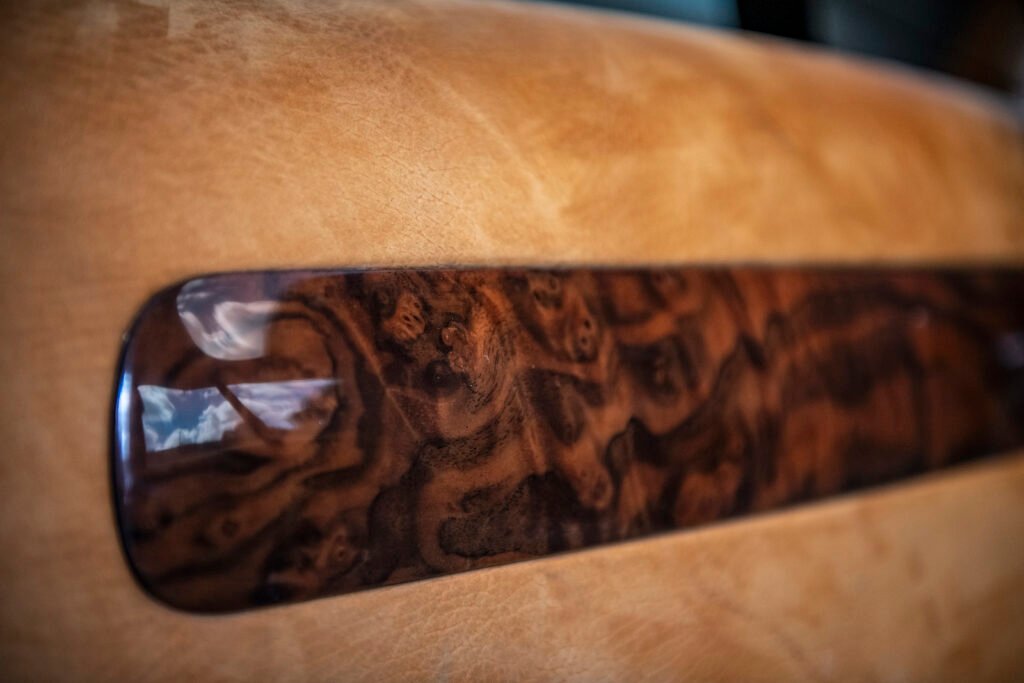
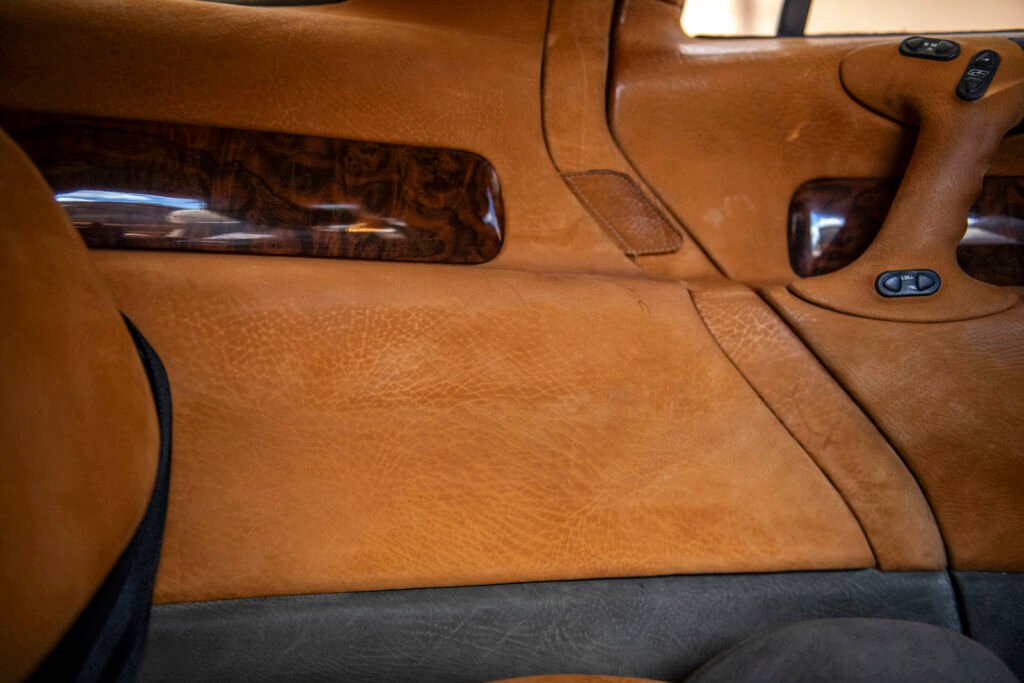

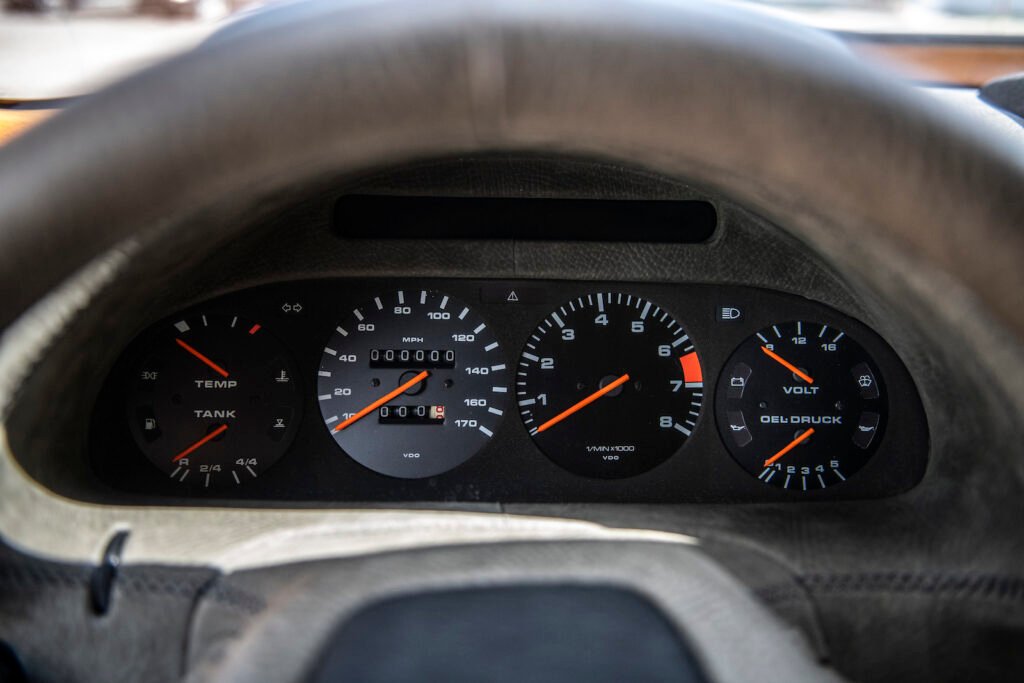
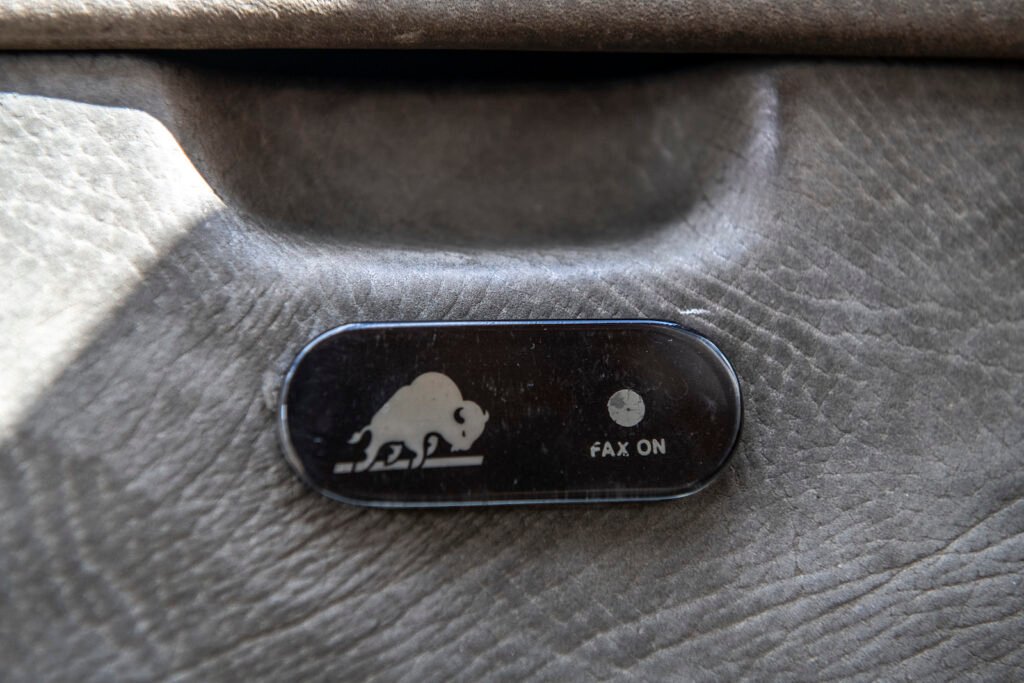
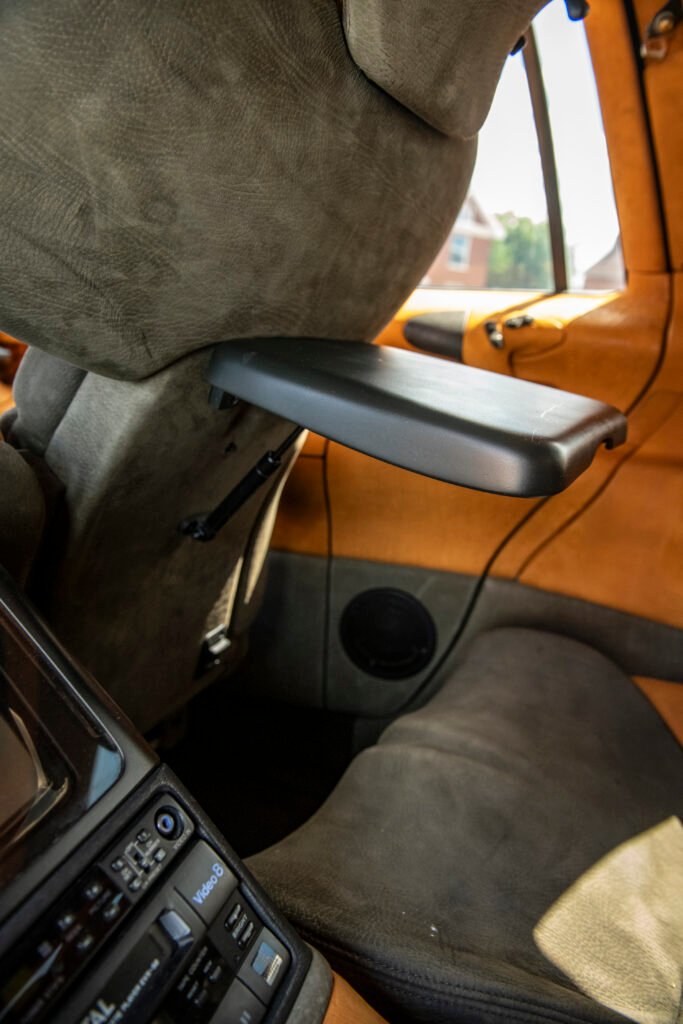
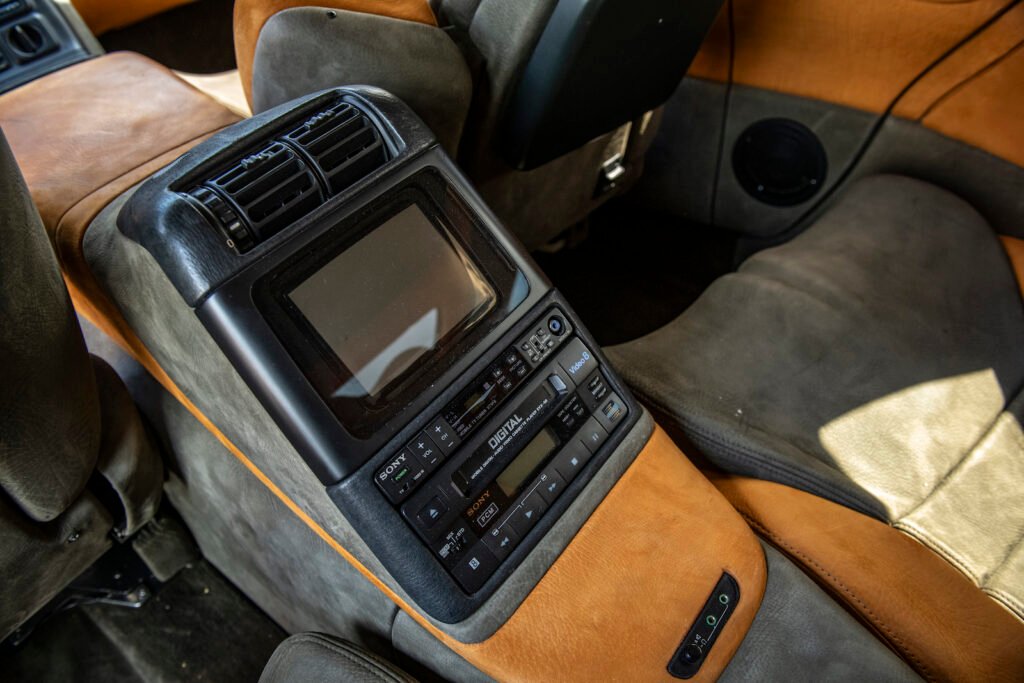
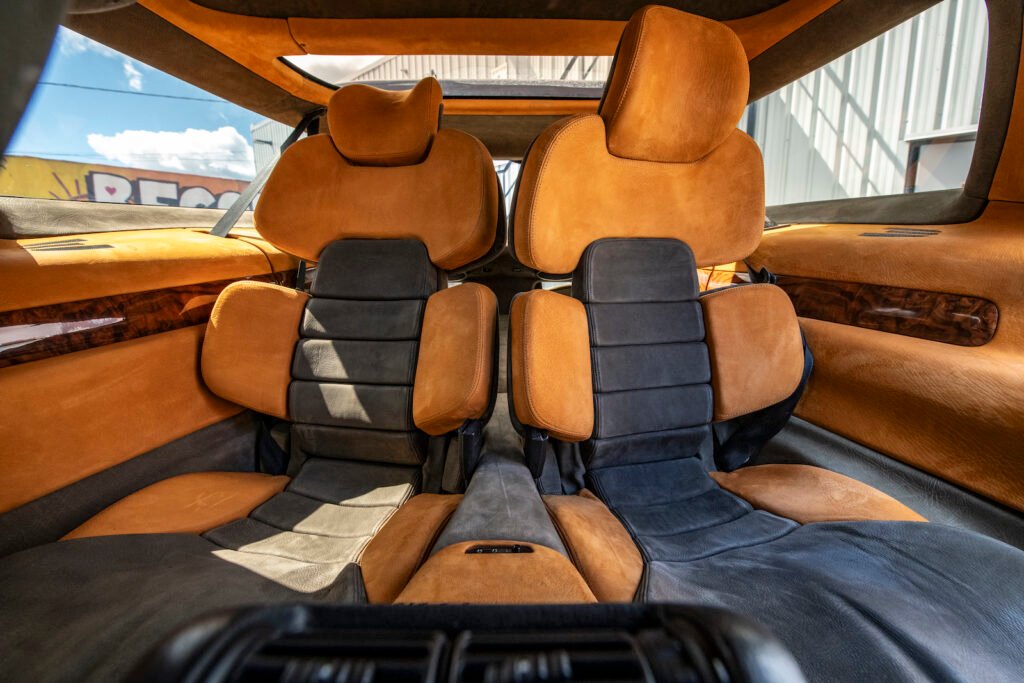
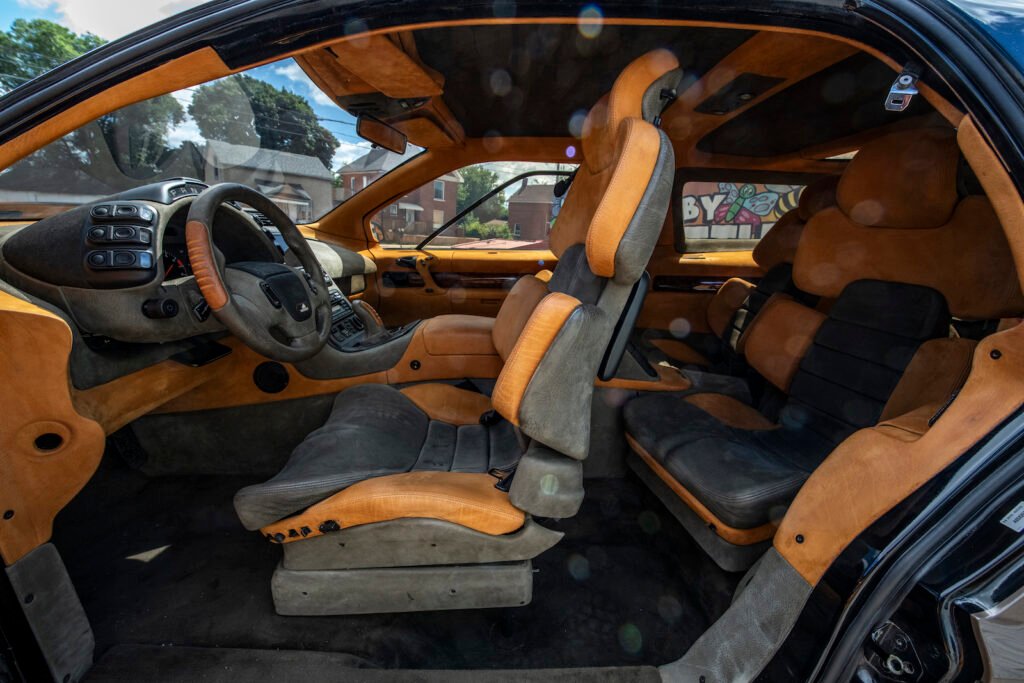
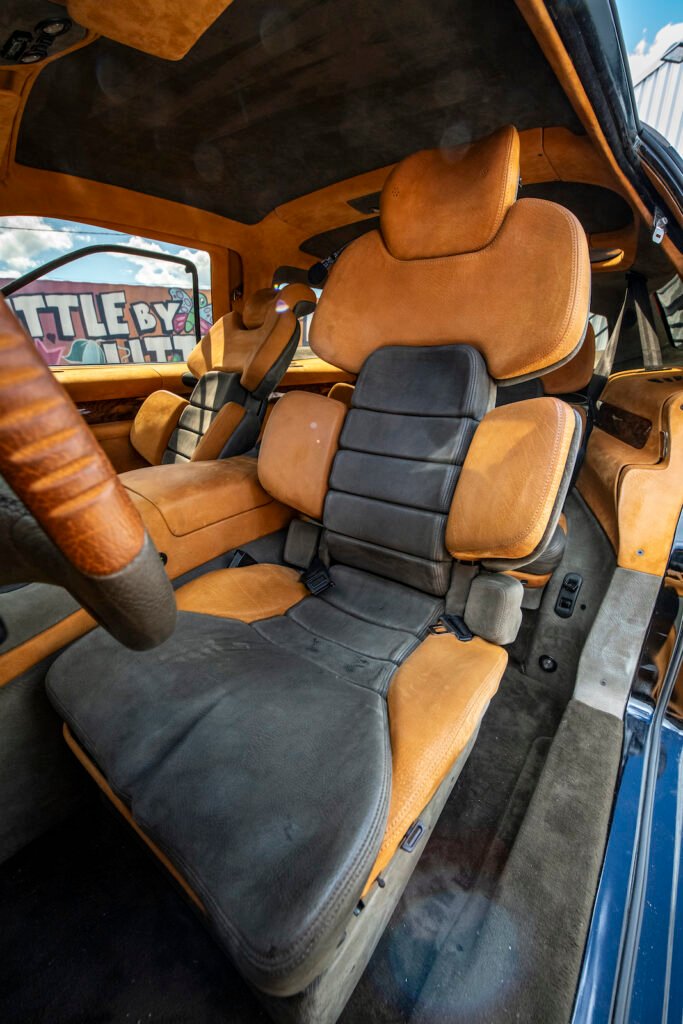
In fairness, such concepts always tend to play better on paper than on tarmac. But even on the show circuit, presenters are rumoured to have complained of headaches caused by the Torrero’s smelly buffalo hide, and even to have insisted that the SUV’s doors stay closed while they performed. Even 30-plus-years later, it must be noted, the bold cabin still strikes the nostrils with a distinctive tang.
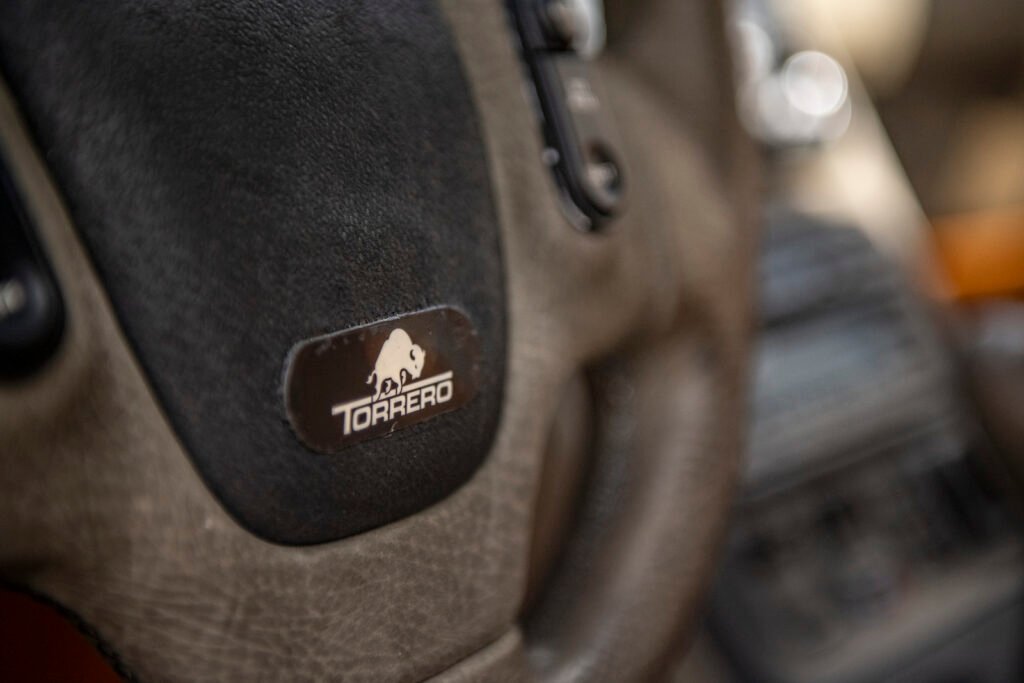
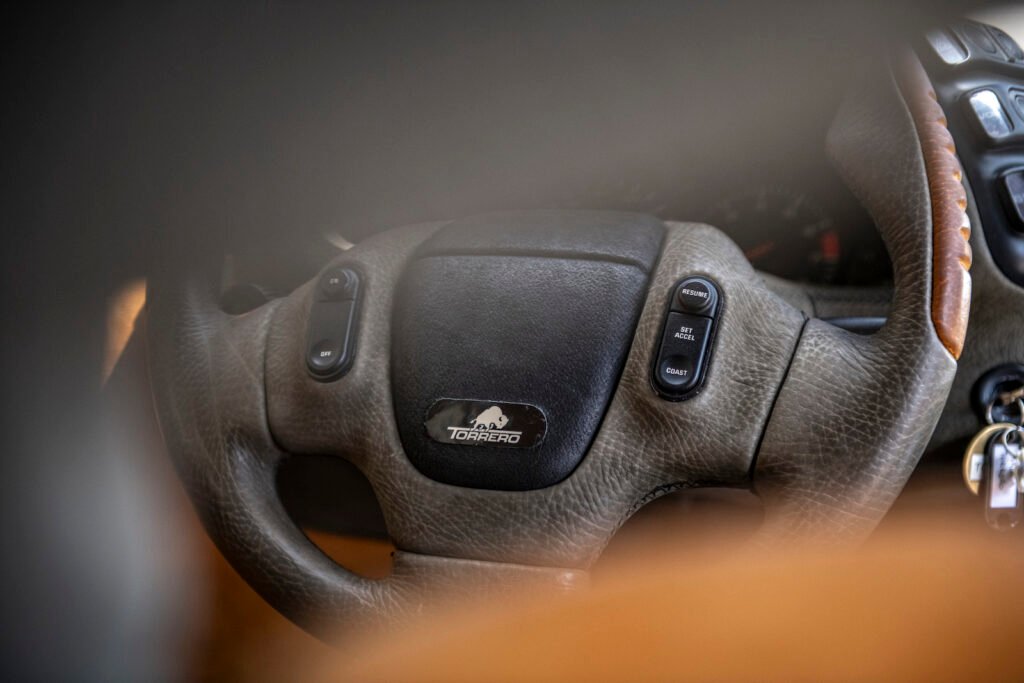
Time hasn’t been the kindest to the truck either. Prototypes seldom live easy lives, typically slapped together either for short-term technical proofing, or simply to look the part for the show stand. As it rests today, between prototyping shortcuts, years of warehouse-corner neglect, and staffers’ back-seat Atari sessions, many of the Torrero’s buttons and seat structures have popped out of place.
Fortunately, after so many years tucked away beyond sight, the The Magna Torrero concept is back under lights. Magna recently donated the vehicle to the Canadian Automotive Museum in Oshawa, Ontario, where staff have placed the vehicle on permanent display and volunteers have started to size up the minor repairs needed to return it to showfloor condition.
The Magna Torrero wasn’t always fated to disappear as it did, but the project always flew precariously close to the sun. Toeing that conspicuously delicate line between justifiable business showcase and just another in a series of Frank Stronach’s multi-million-dollar vanity projects, the Torrero carried whiffs of feasibility — and winds of outright farce. Still, modern trends have so closely borne out the concept’s vision that it’s hard to lean too critical. The buffalo-humped Torrero was too much, too soon, but there’s surely a pride in riding so far ahead of the curve.