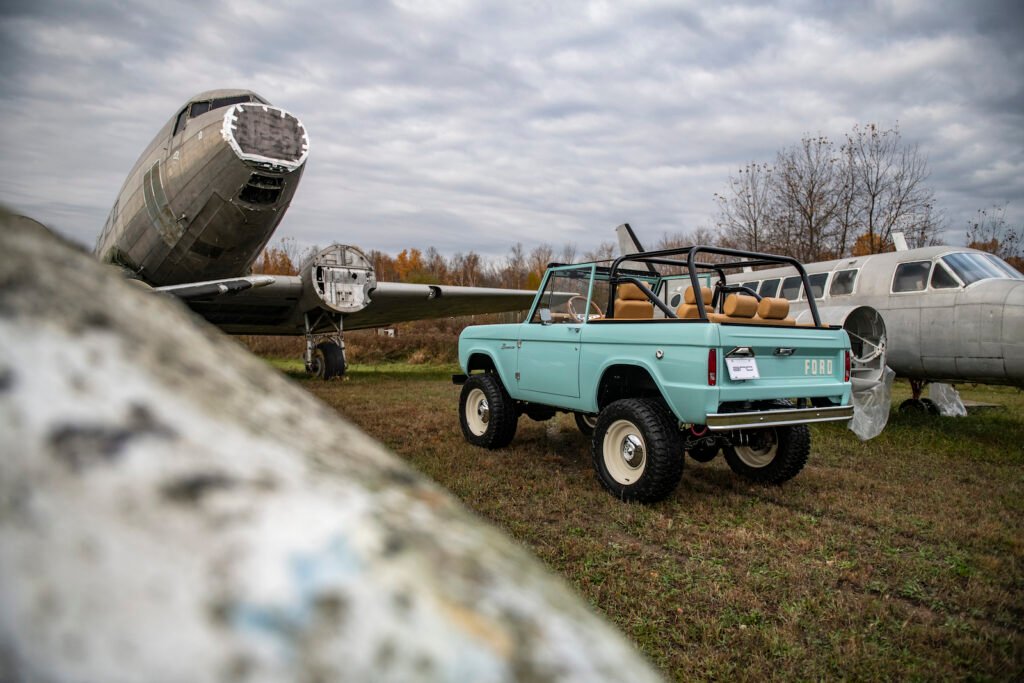
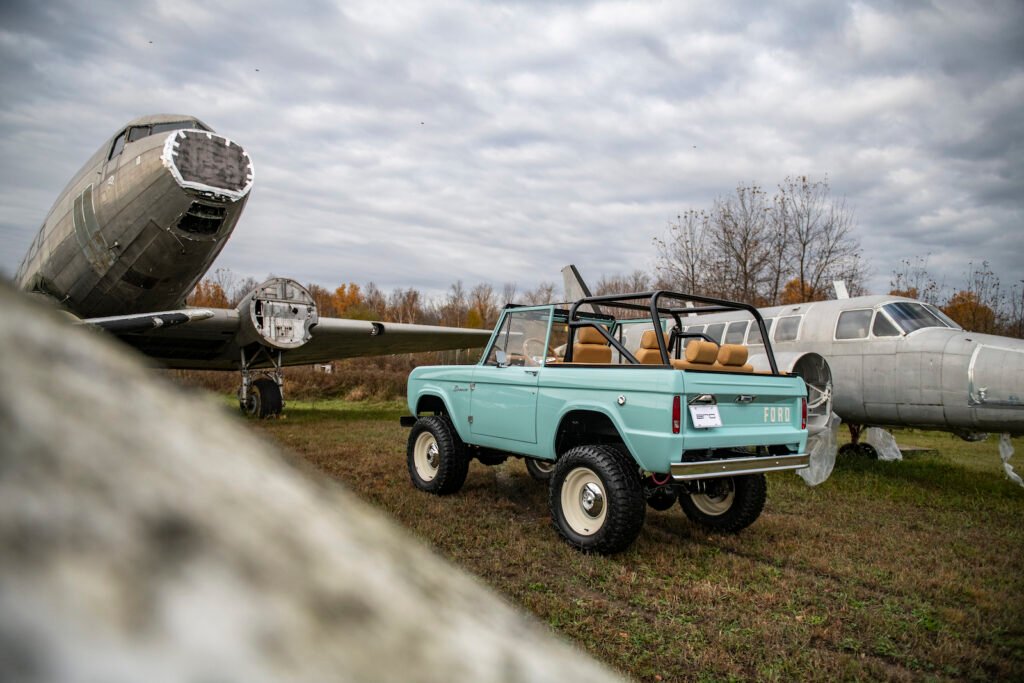
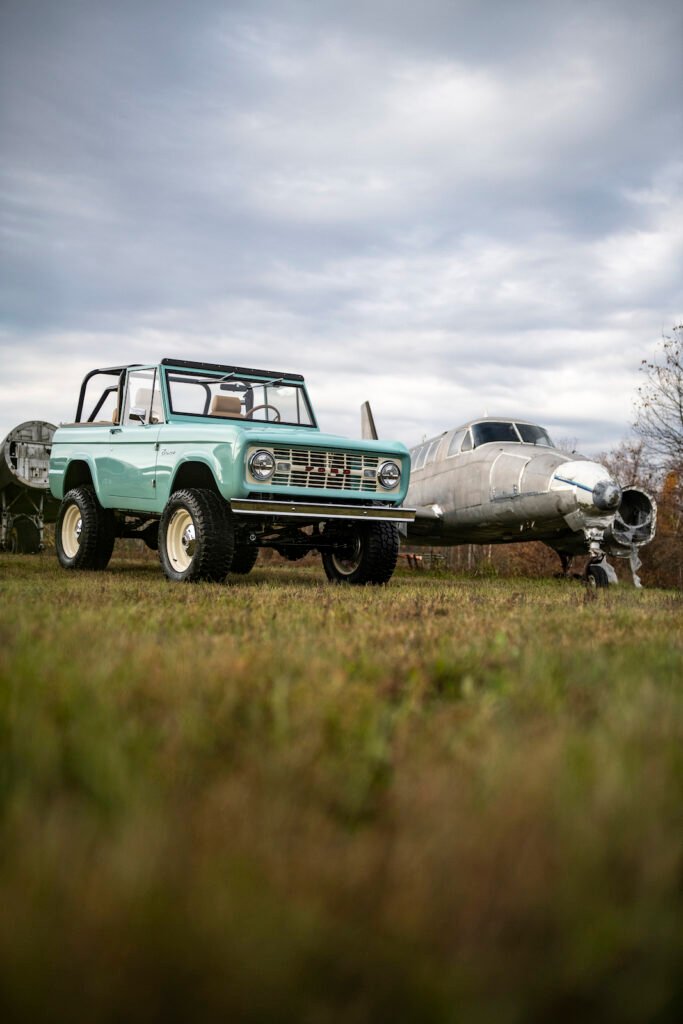
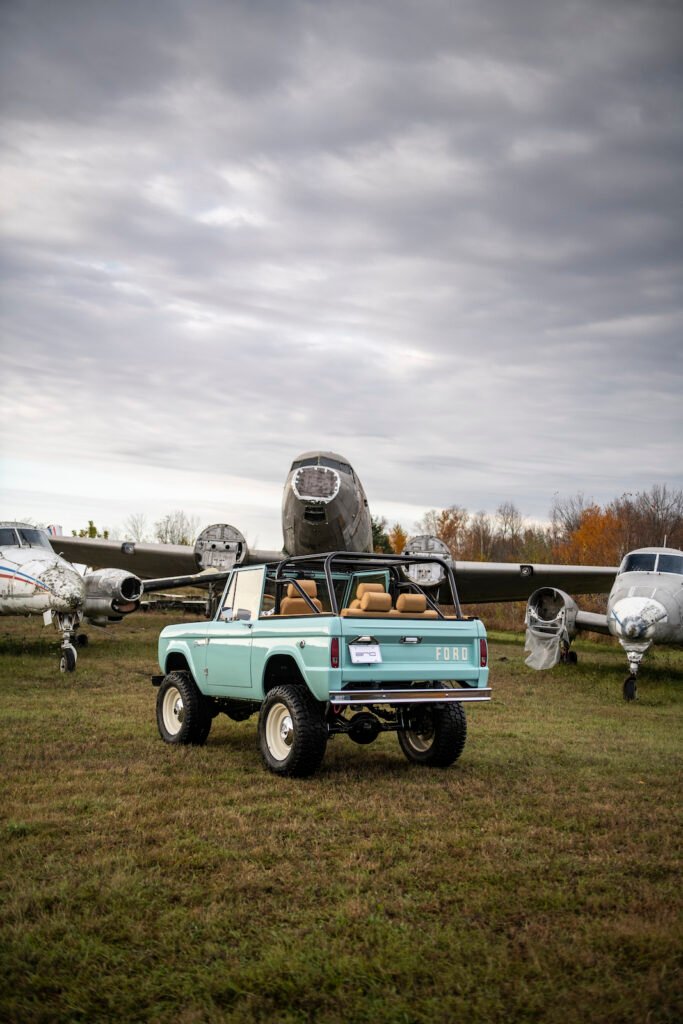
Photography courtesy ARC Motor Company
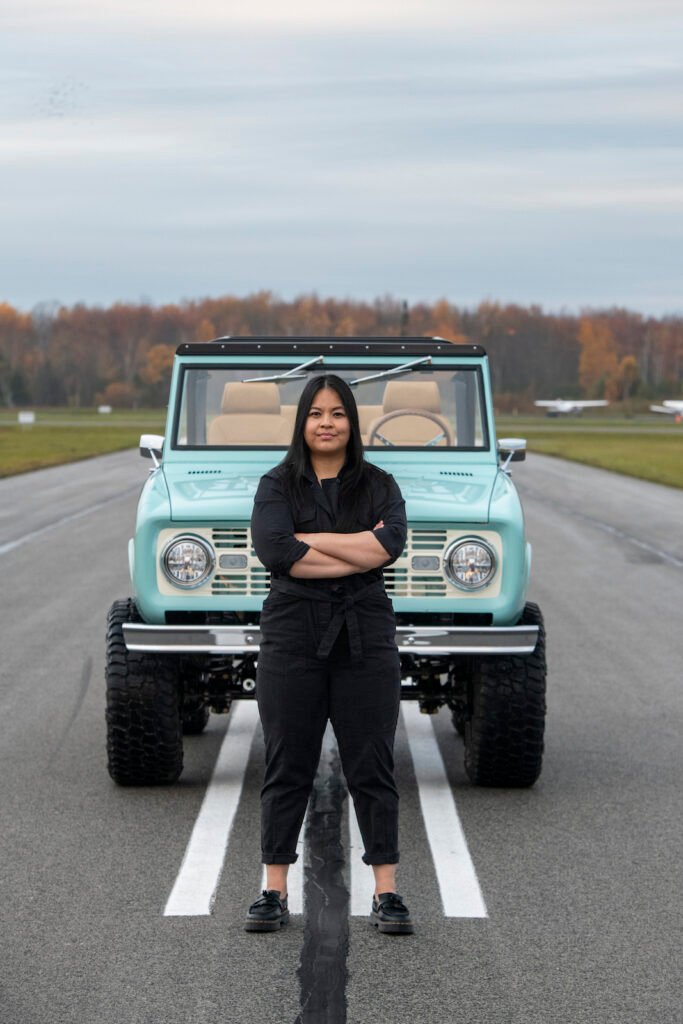
Sloane Paul’s brother is smarter than yours. That’s what she’ll lovingly tell you. And the thing is, the Calgary-born CEO of ARC Motor Company, a Peterborough, Ontario-based restomod start-up that just completed the first-ever electric conversion of a 1974 Ford Bronco, probably isn’t wrong. No offense to your fraternal connections.
When Paul left her career in marketing where she worked in senior level positions for high-tech companies like Dyson and Microsoft, to take a chance on entrepreneurship in the EV realm, she knew her brother, Tom Chep, had to join her.
“My brother’s brilliant. Like, he’s brilliant. He’s my partner in crime and a person that keeps me grounded,” says Paul, the eldest of three.
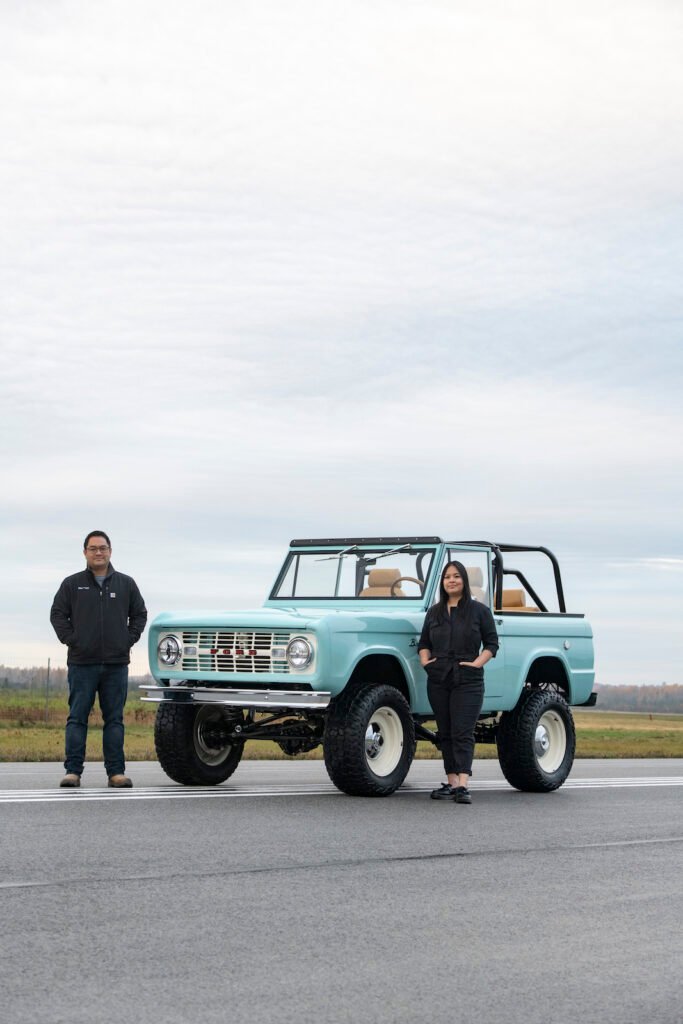
Chep, a P.Eng. with a specialty in electrical engineering, had spent more than a decade in leadership roles across a variety of sectors, including nuclear, automotive, and construction, for brands like Westinghouse, Rolls-Royce Nuclear, and Toyota. He helped design the Camry’s assembly system in Kentucky.
“I was like, there’s no one that I’d rather start this venture with so, after politely asking a million times, he finally said yes,” Paul says, recalling her recruitment strategy for her brother who is now ARC’s COO and head engineer.
Chep’s thinking style is clearly left-brained. He brings the technical prowess and analytical understanding of what is required to dissect and rebuild the inner workings of a classic car’s old combustion engine into an emissions-free machine. Paul is the right-brained creative visionary with lofty goals like changing how the automotive industry impacts the environment.
“At the time, I couldn’t find anywhere in Canada to electrically convert my ’74 Bronco to the specs that I wanted it to be, so I saw a gap in the market,” says Paul. “As a marketer who understands target audiences and is able to anticipate what the future holds, I was like, ‘Okay, well, I’m going to do this myself.”
In addition to her marketing experience and dream-big attitude, Paul has always had an affinity for automotive design. For years, the only poster in her childhood bedroom was that of a late-90s BMW Z3. One of her earliest memories is of a time playing hide-and-seek in Calgary, where she was born, quietly ducking behind an impossibly glossy red 1988 Ford Mustang. The beauty of its shape and sheen etched in her mind.
She had been a self-proclaimed “admirer” of cars throughout adulthood, appreciating the beauty of rare makes and models from afar. When the pandemic hit and lockdown forced folks indoors, Paul passed the time not by perfecting loaves of sourdough, but by getting lost in episodes of car restoration shows.

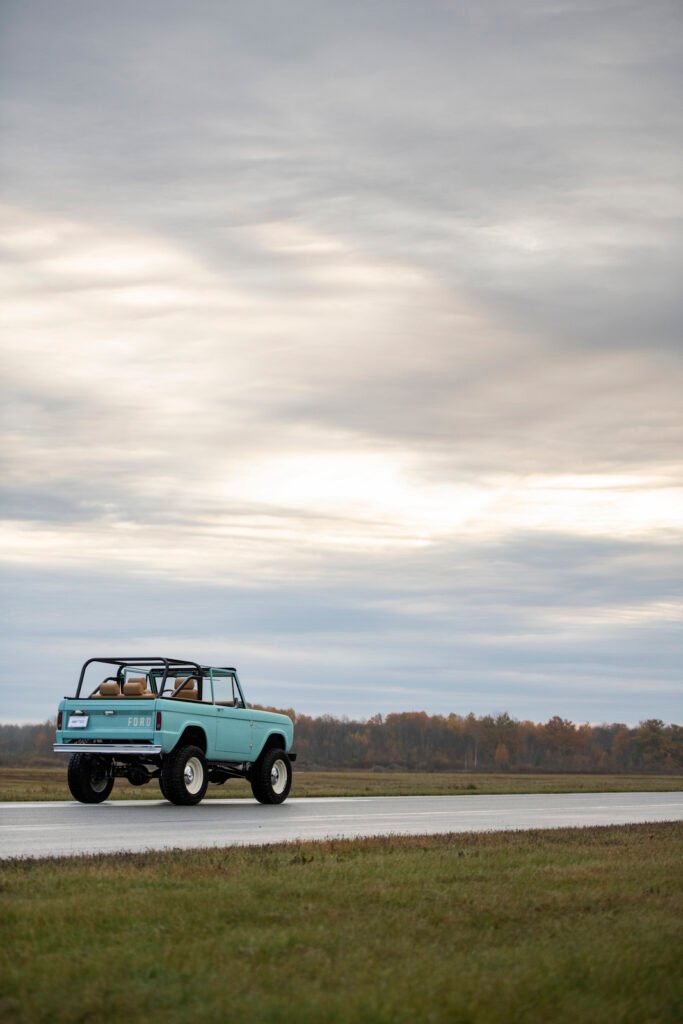
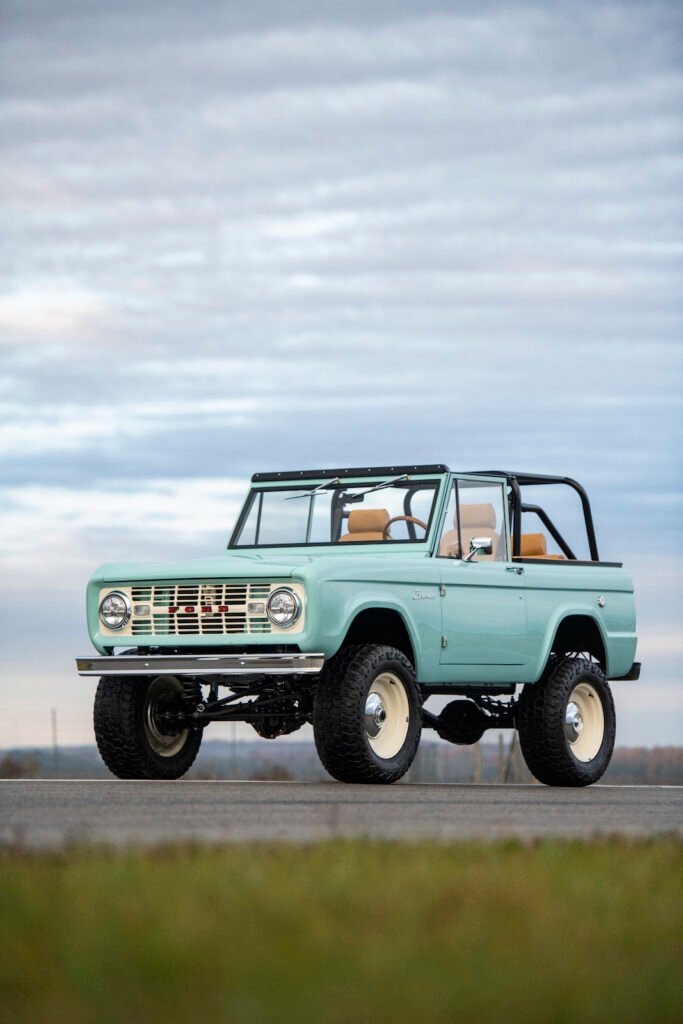
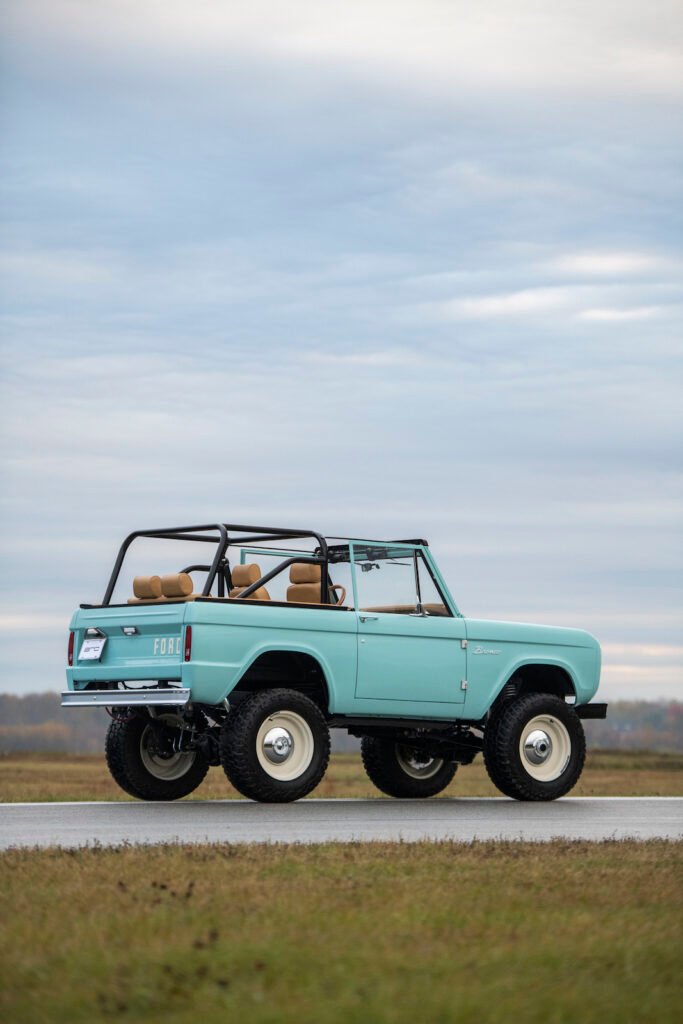
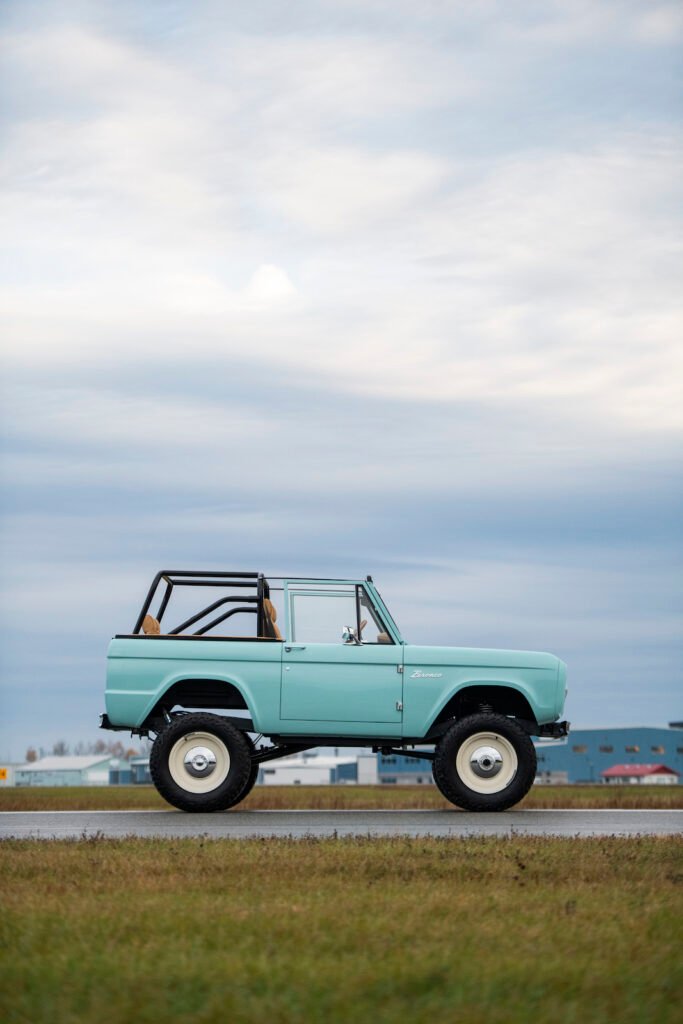
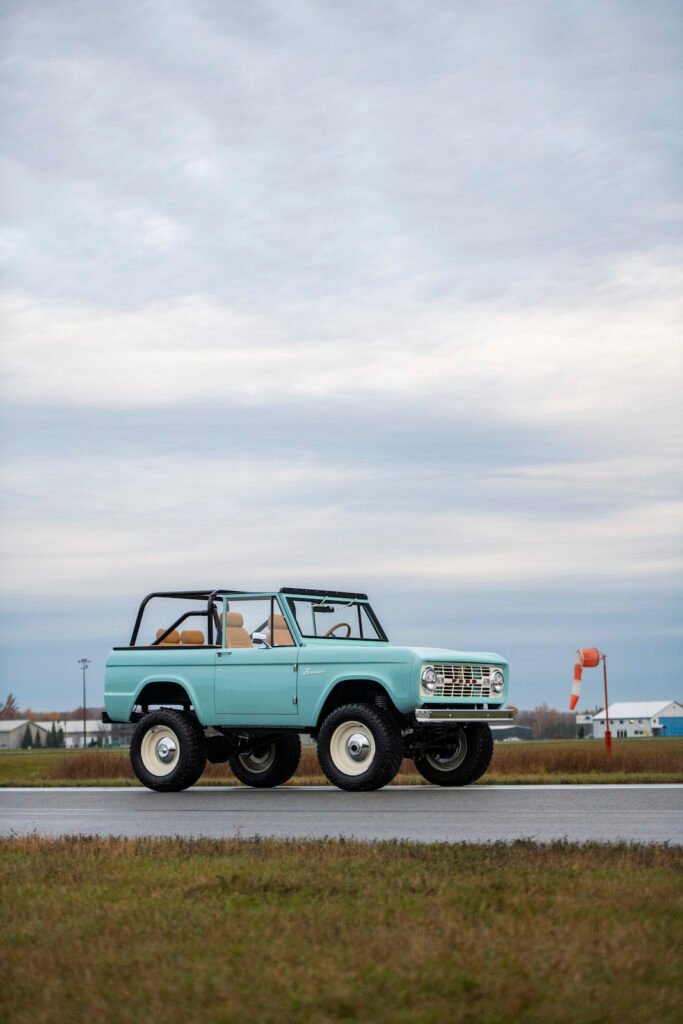
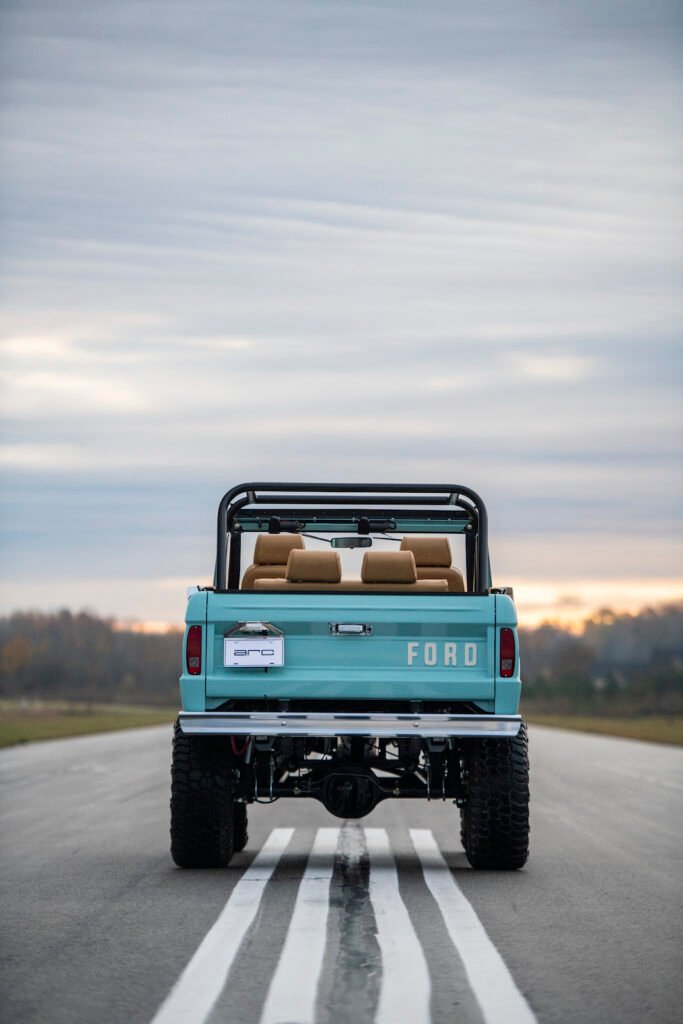
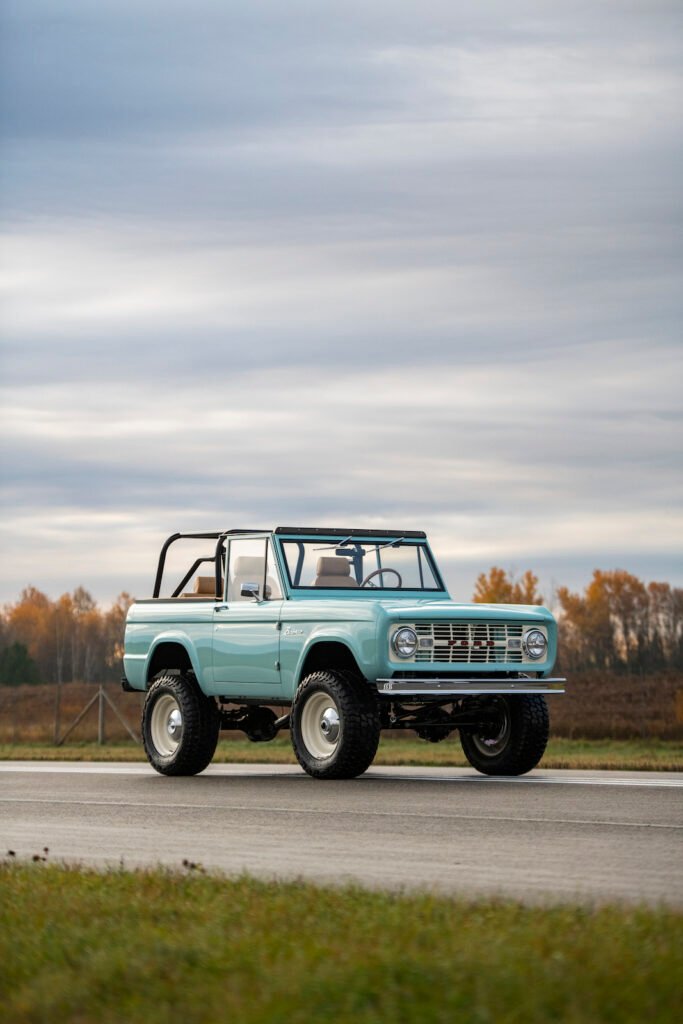
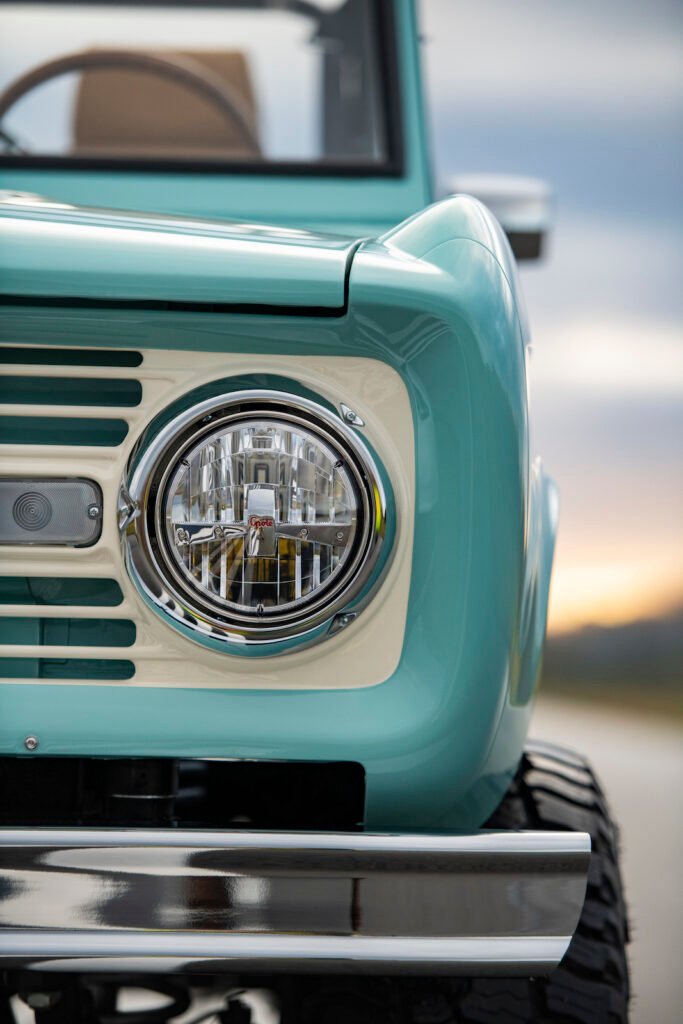
“During the pandemic I really had time to sit with myself and my thoughts and I was like, ‘You know, I really love classic cars’,” she recalls.
The purchase of a 1969 Ford Bronco that she found via Kijiji for just $9,700 and scooped up from a field in Thunder Bay is what ultimately flipped the switch from Admirer to Owner. She’s been collecting classics ever since. There’s a 1977 Bronco from a guy in Calgary, a ’66 Bronco from Florida, and of course the ’74 Bronco that ARC has since fully electrified. Along the way, she’s also picked up a 1989 BMW E30 as well as a 1979 Vespa, both of which she plans to electrify down the road.
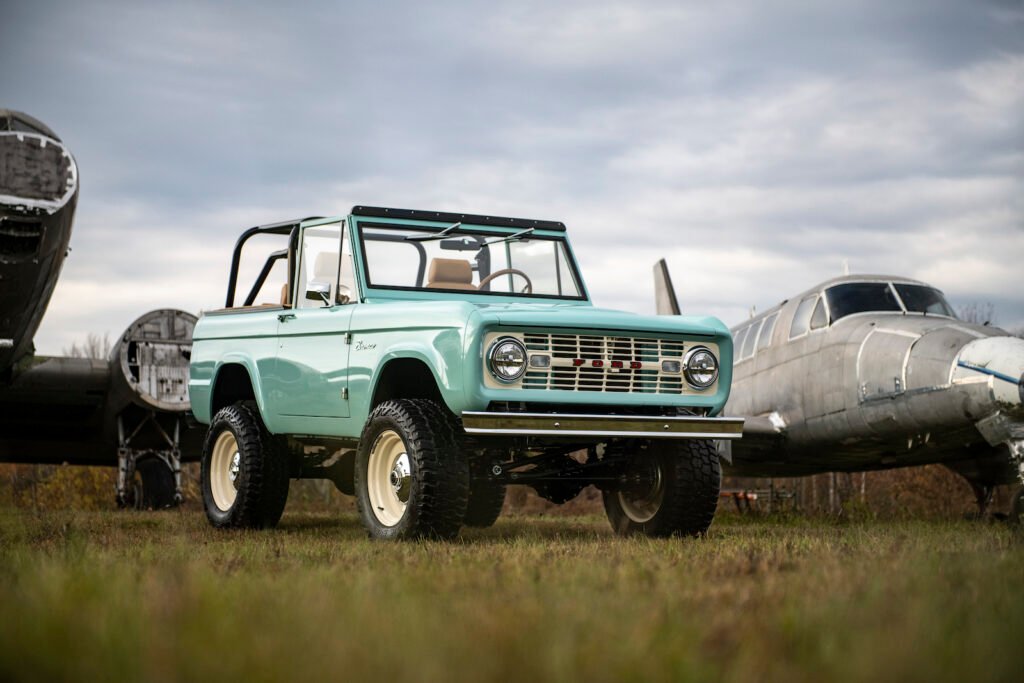
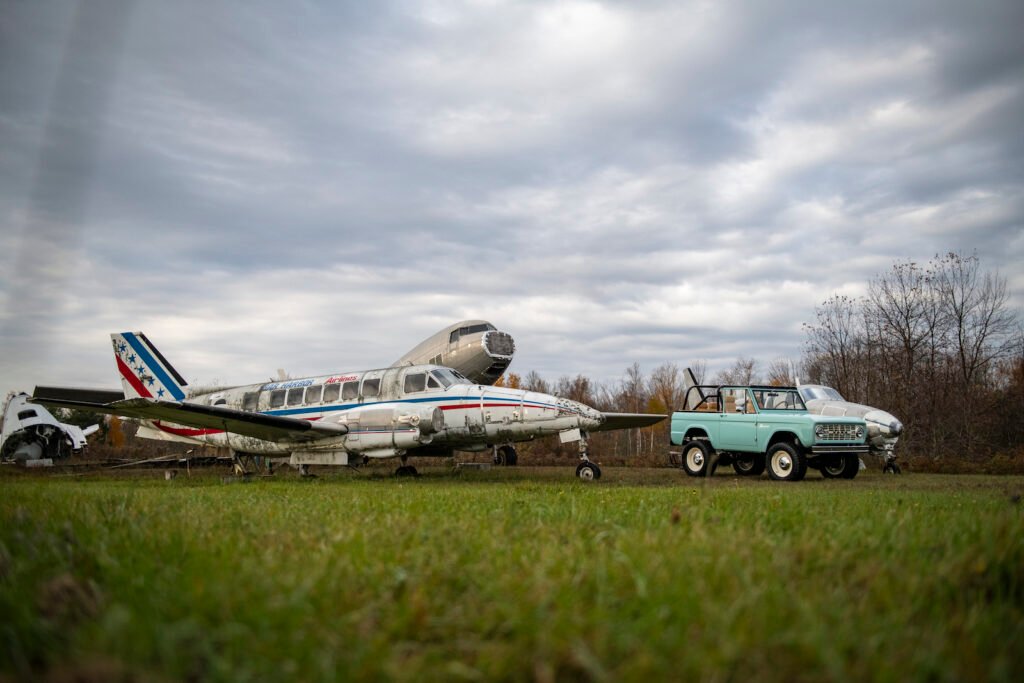
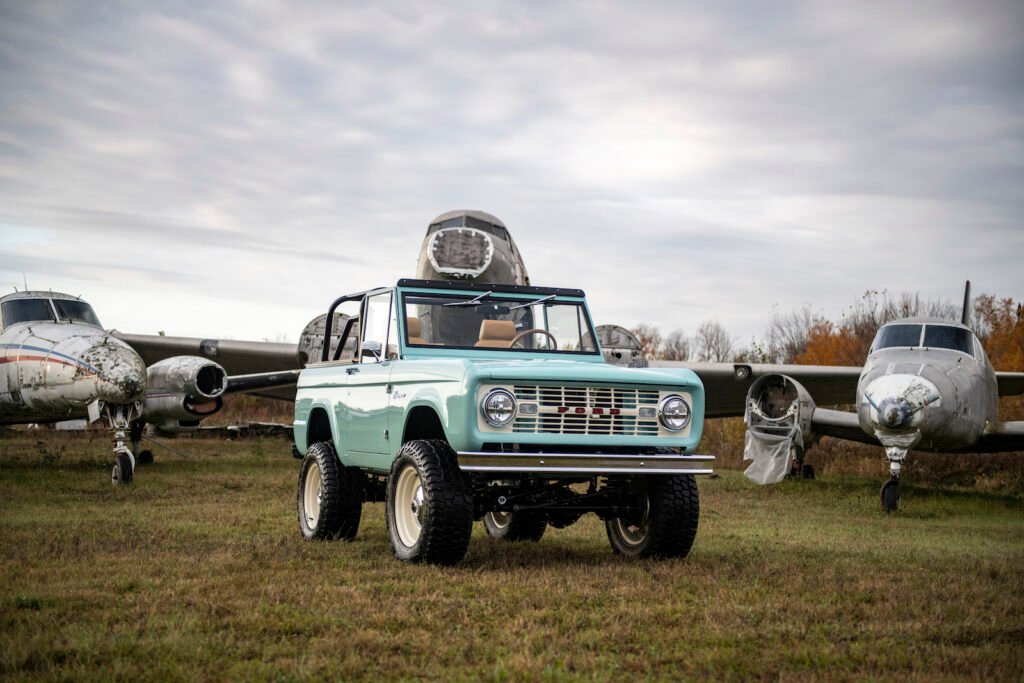
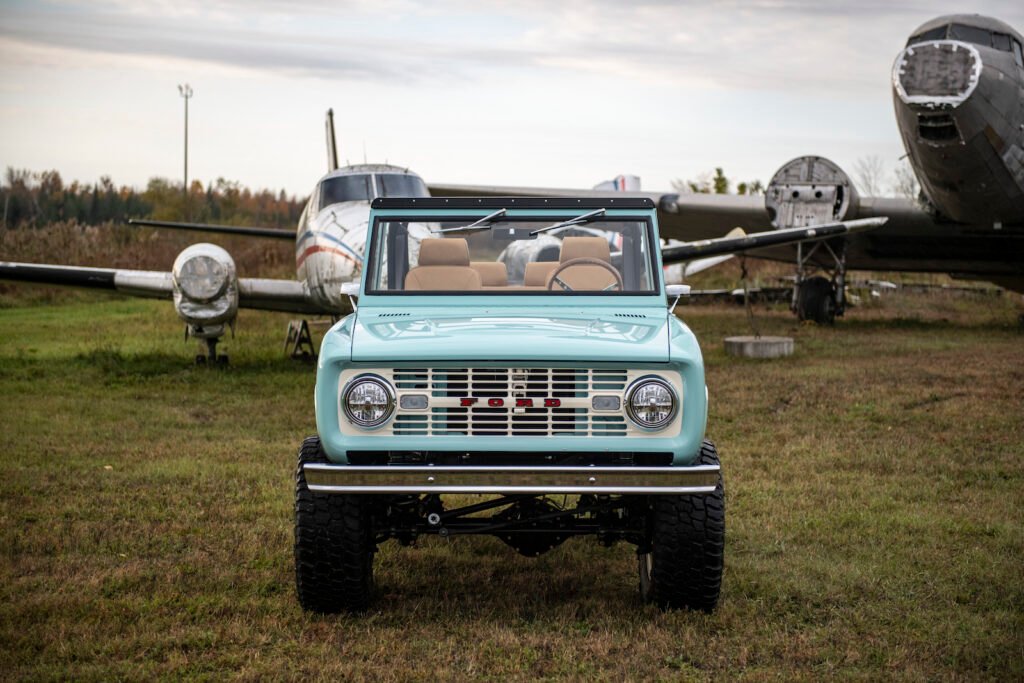
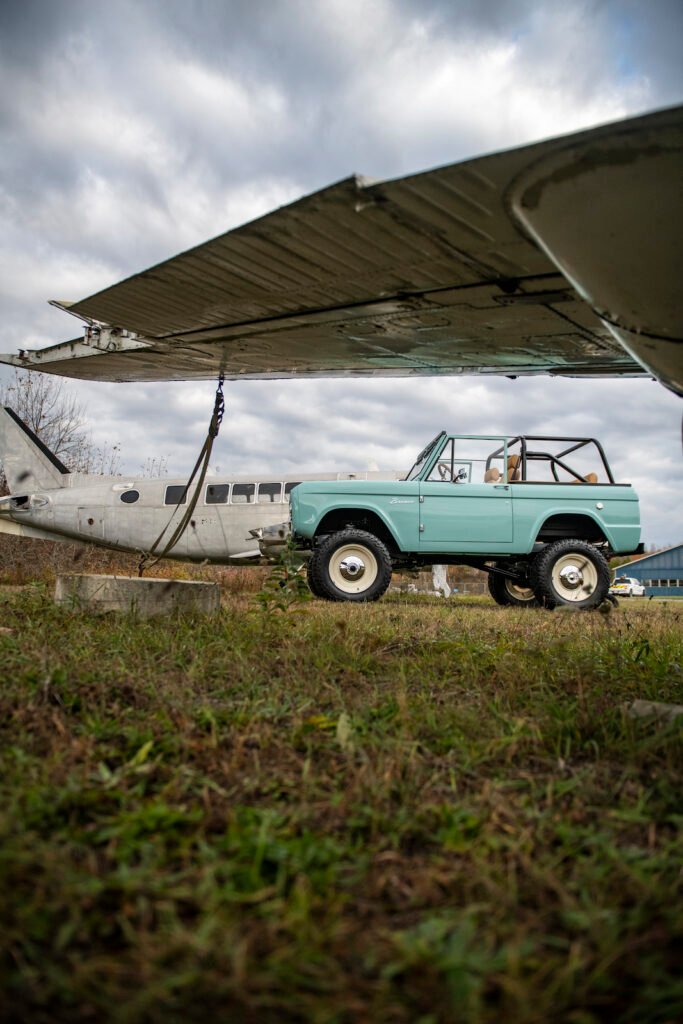
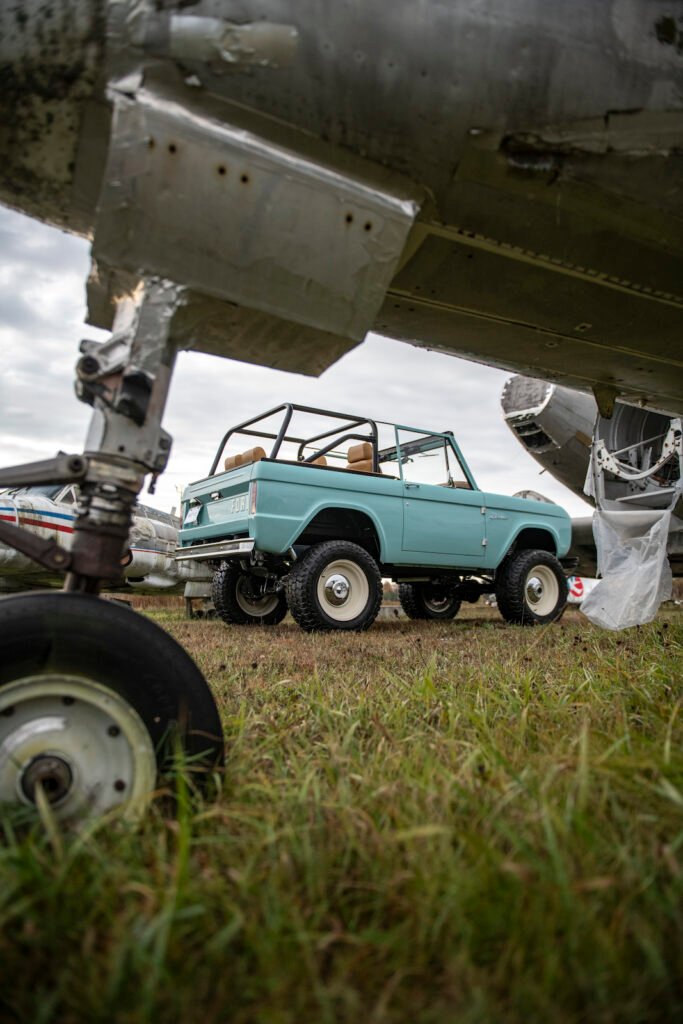
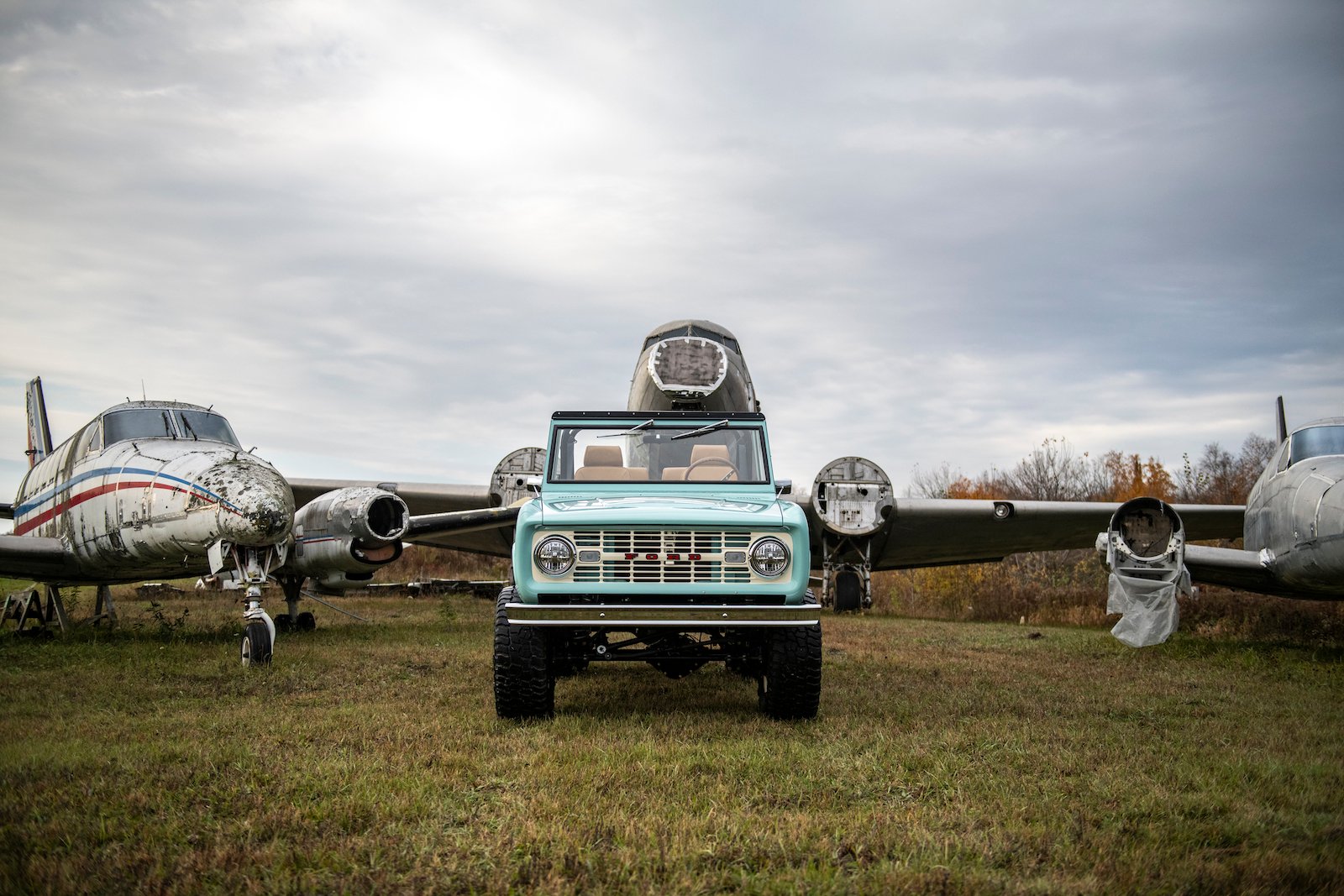
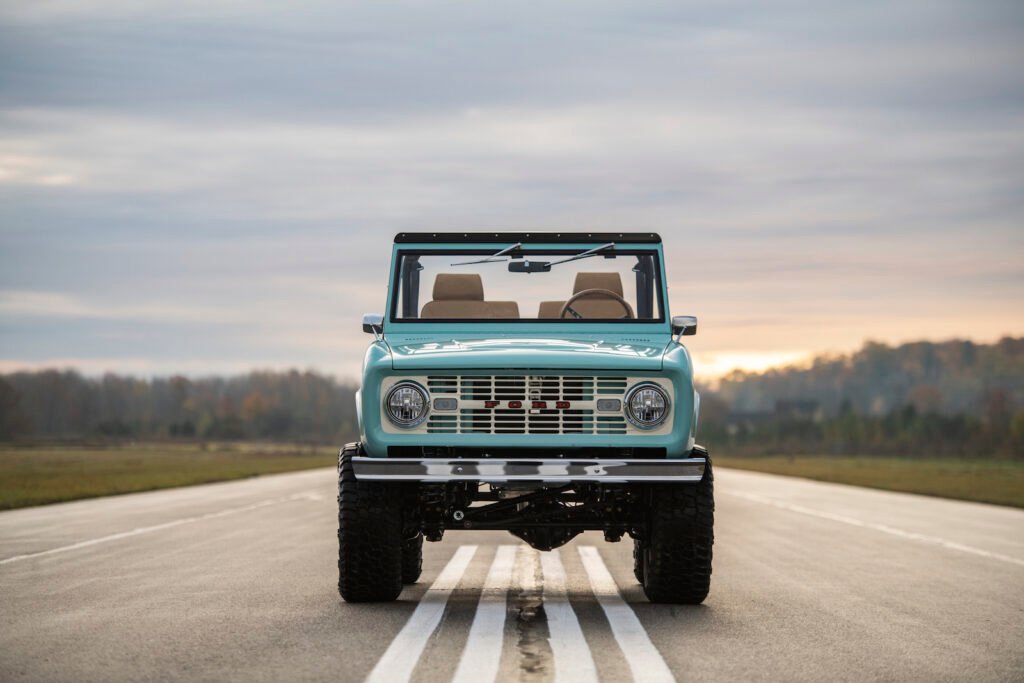
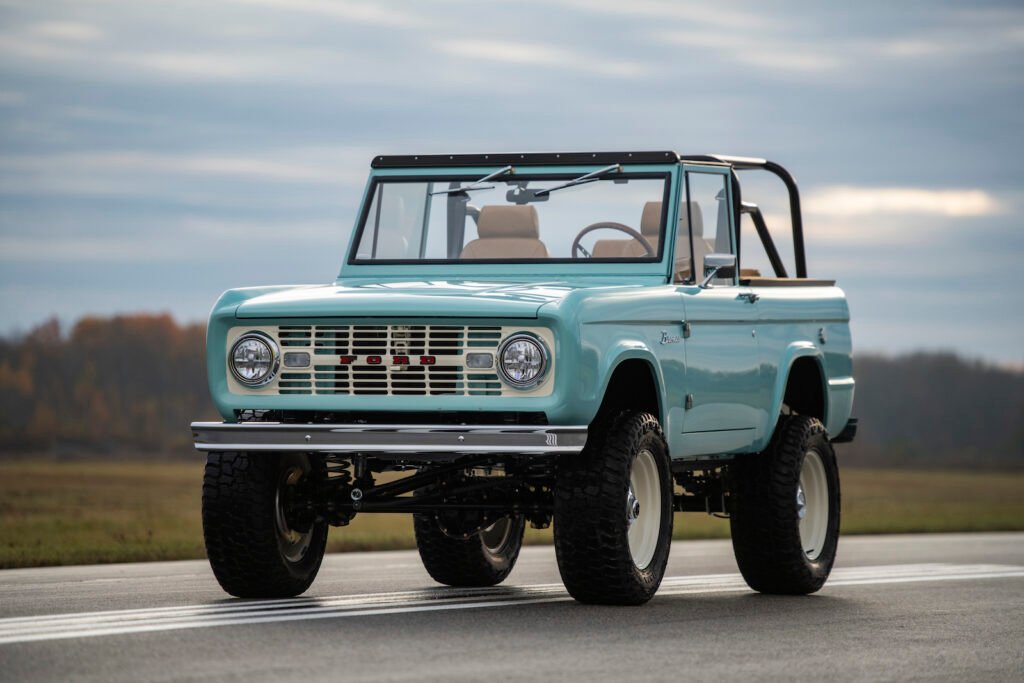
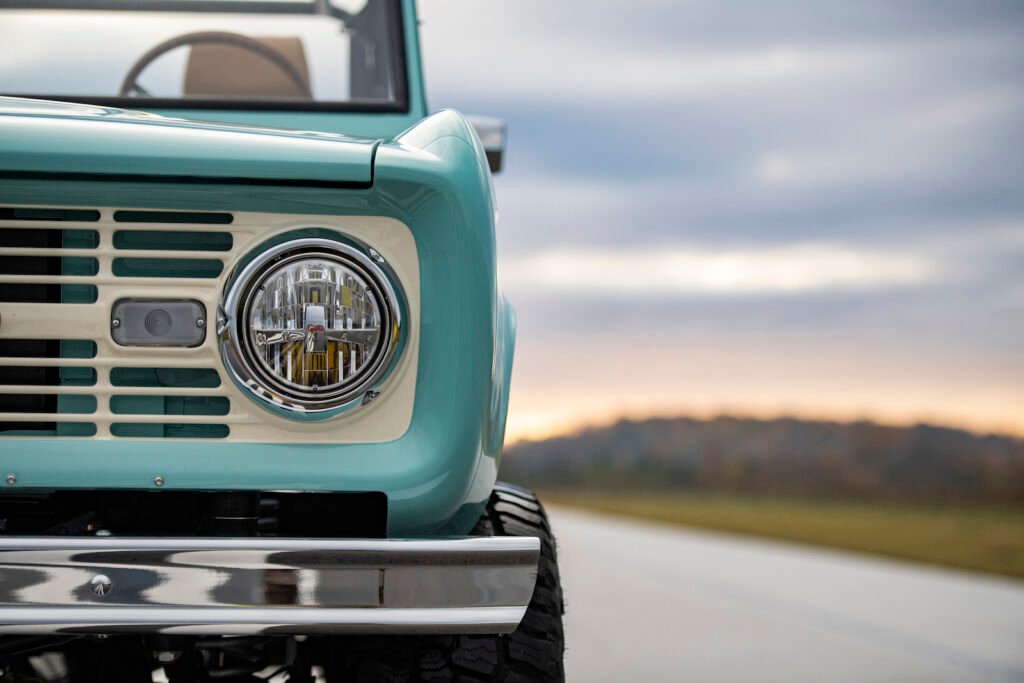
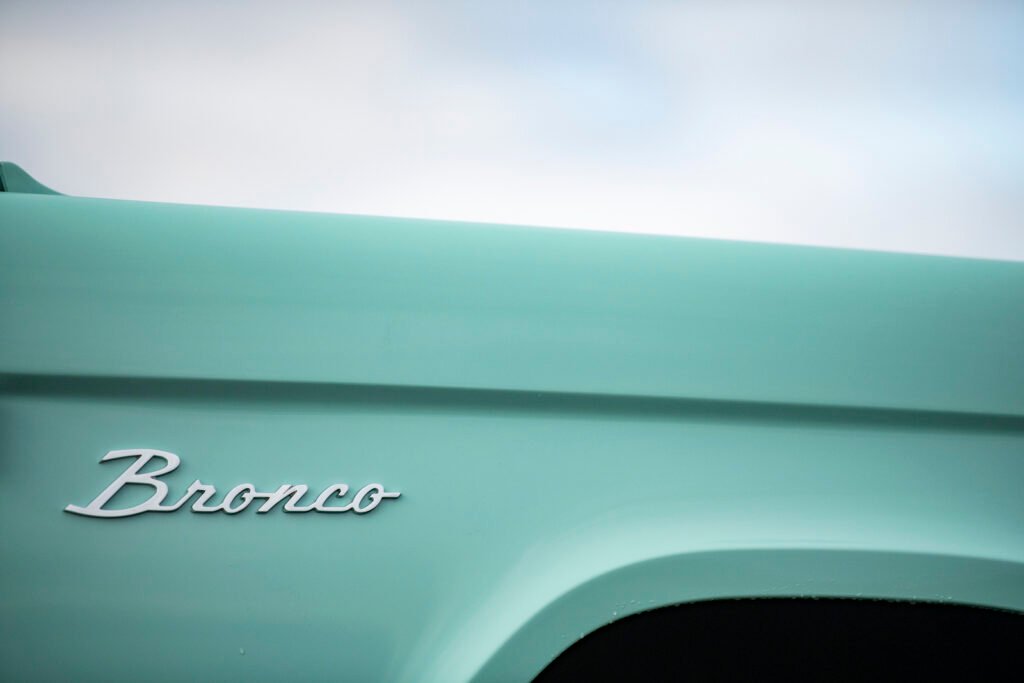
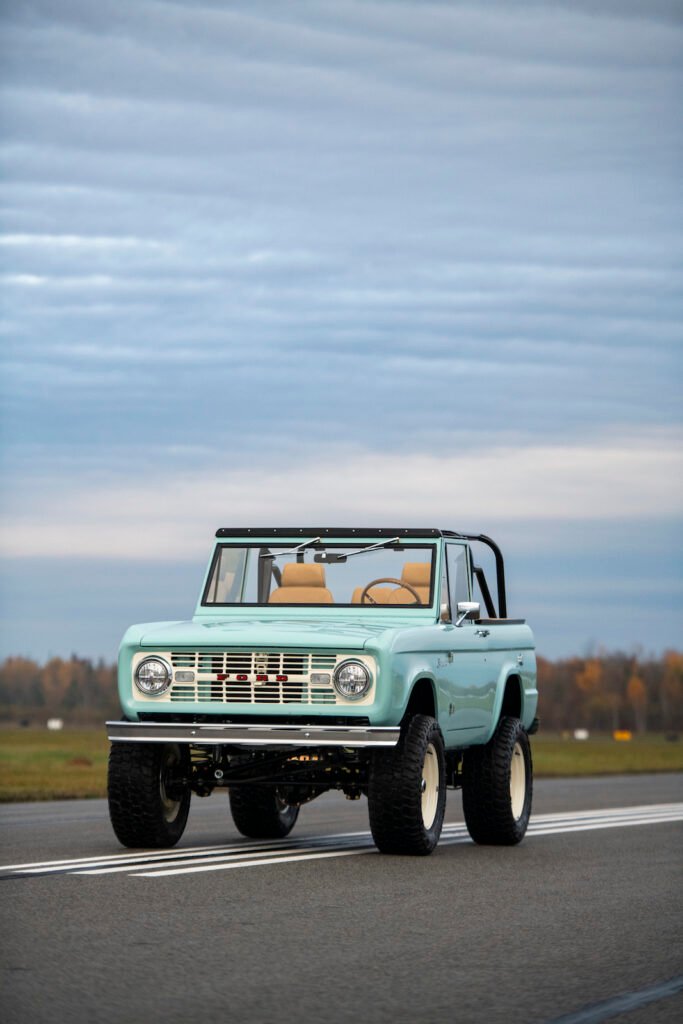
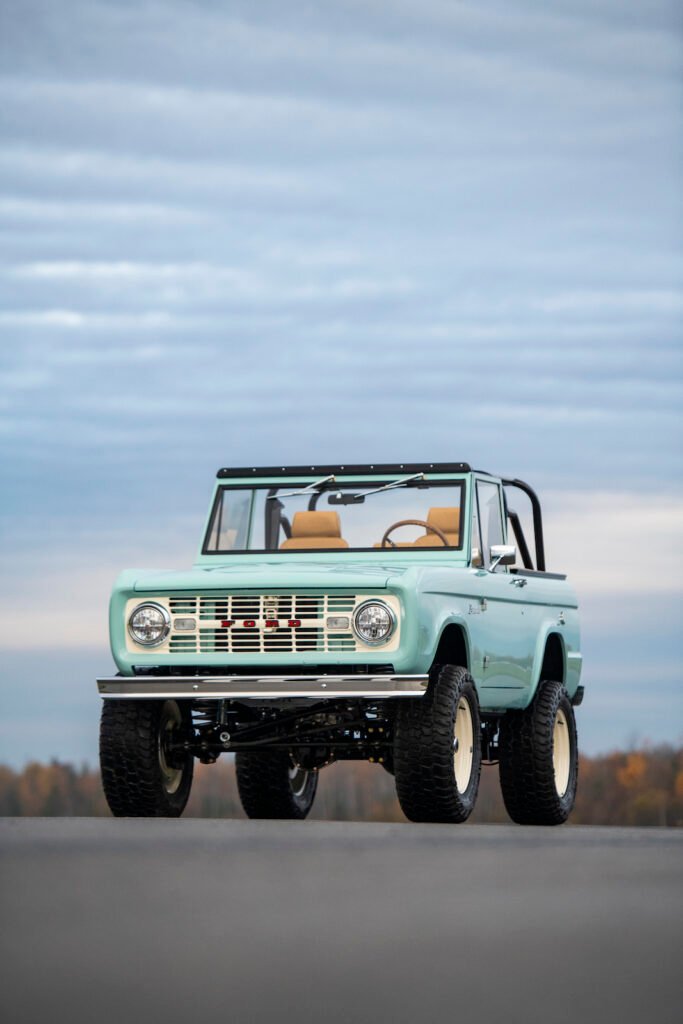
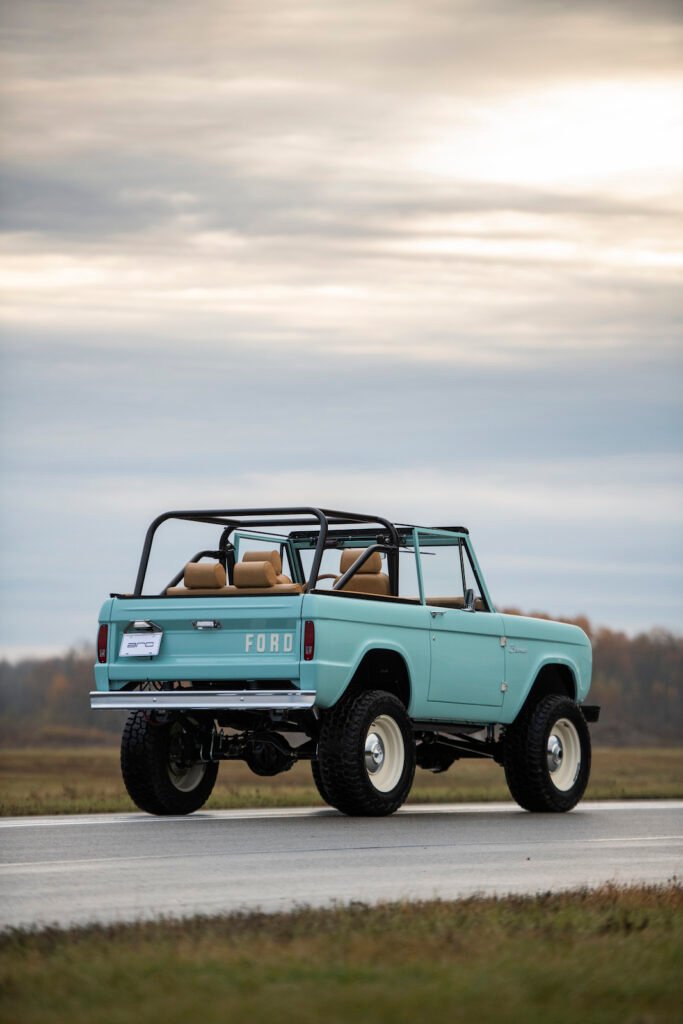
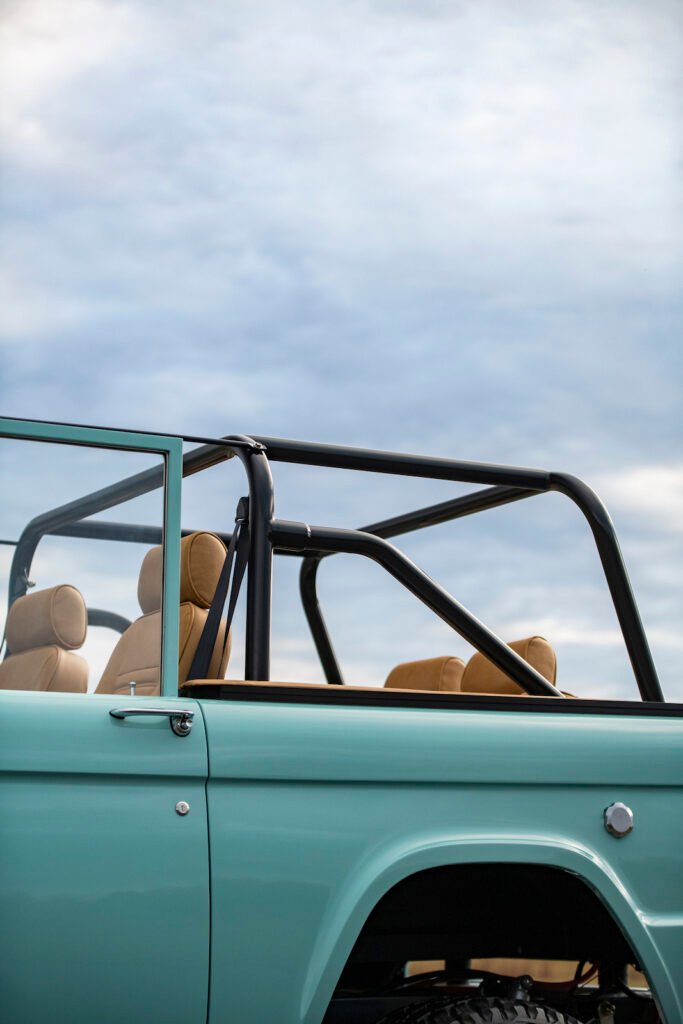
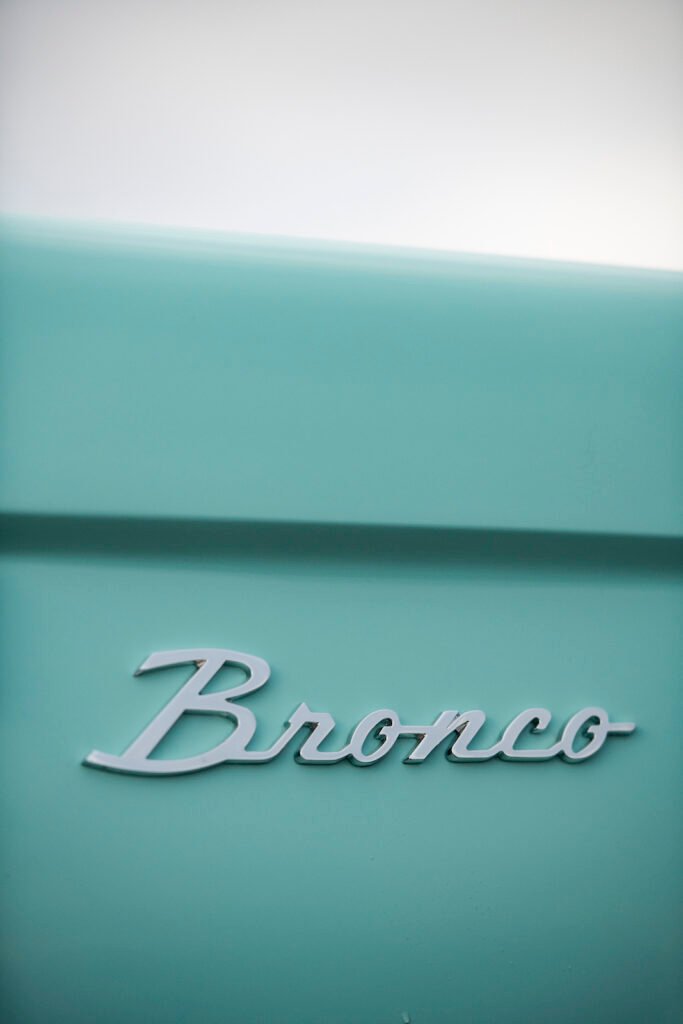
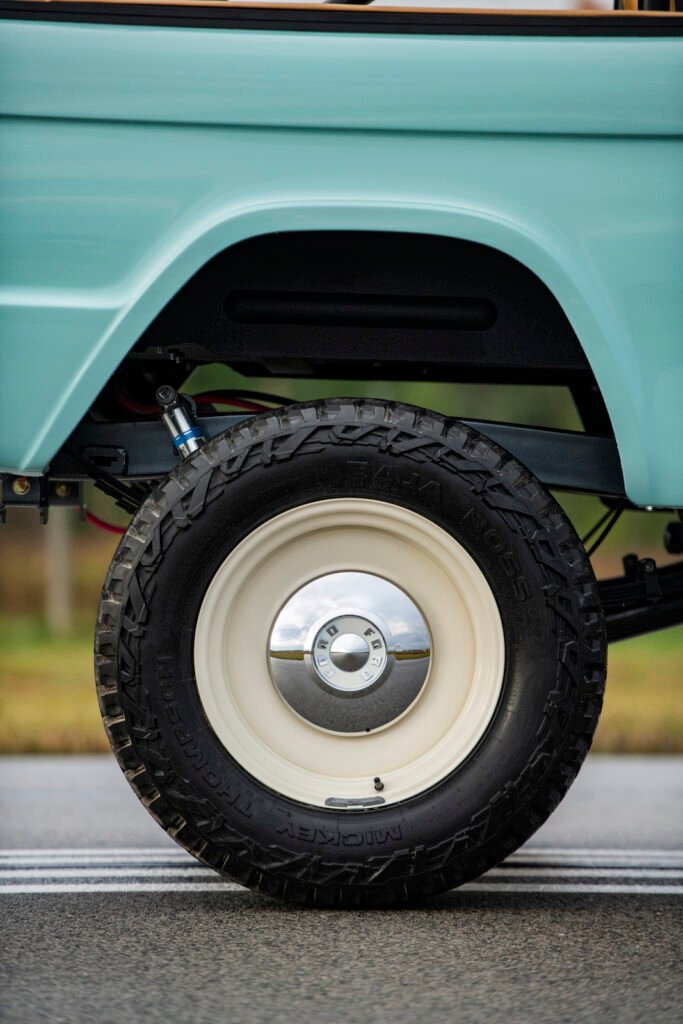
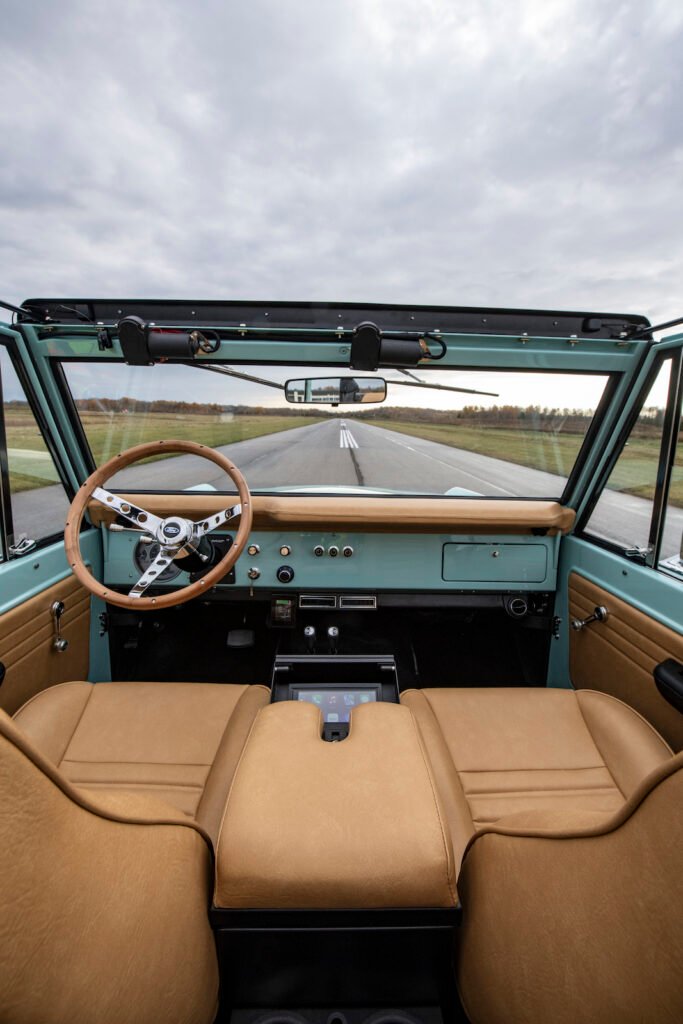
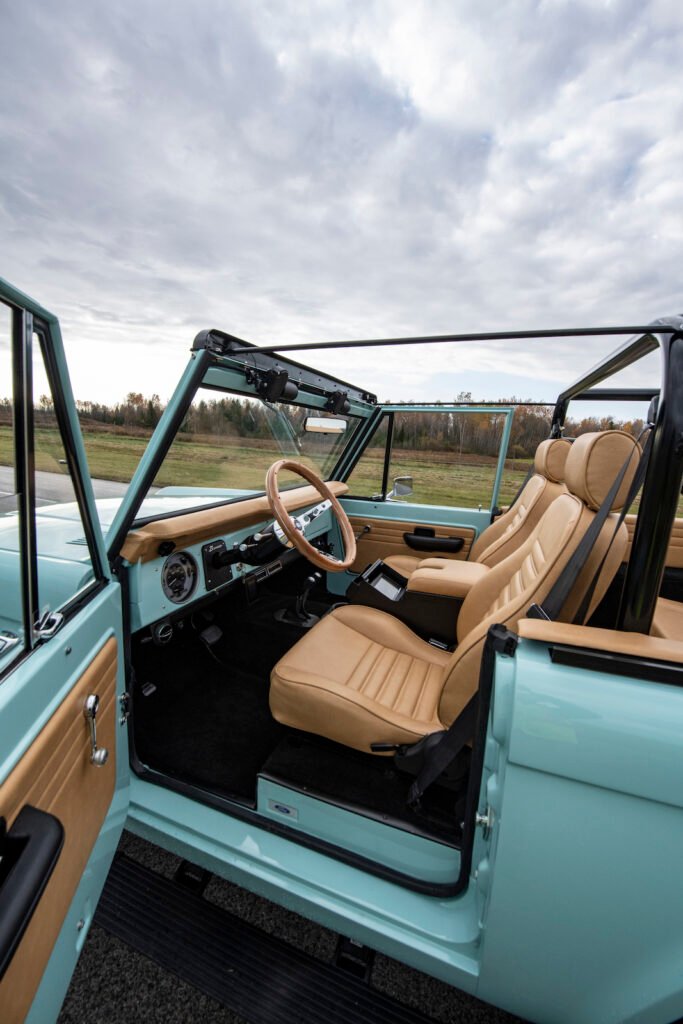
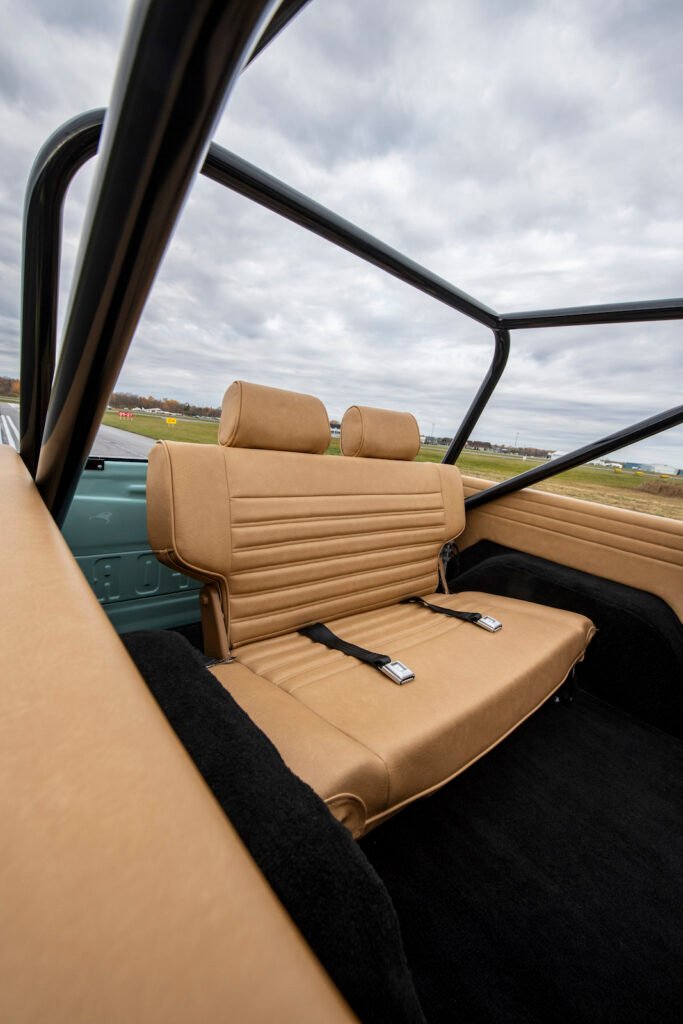
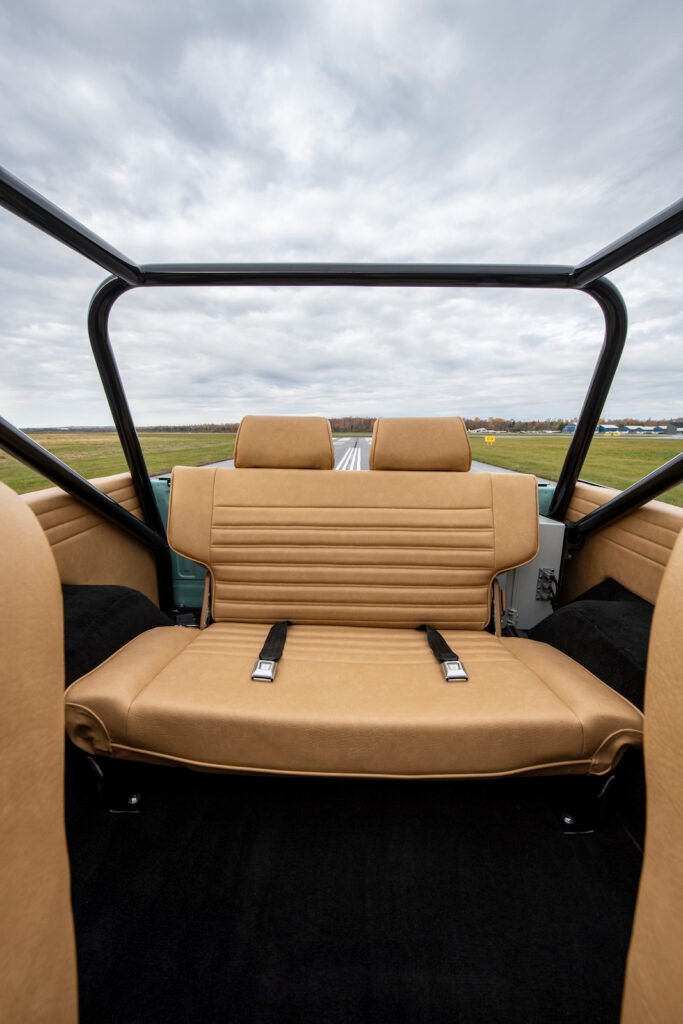
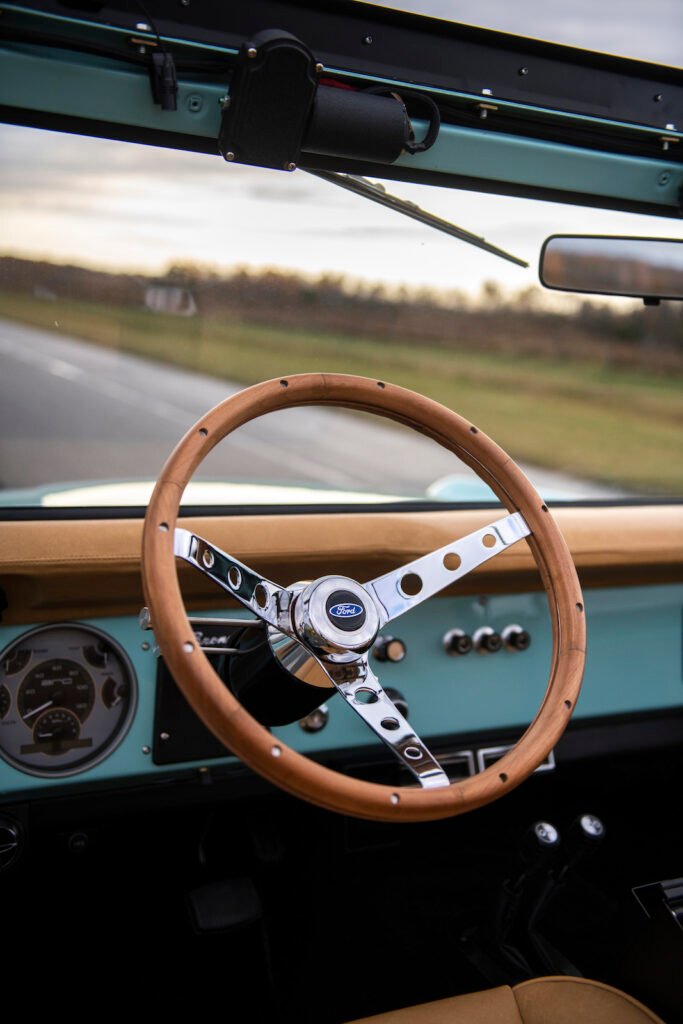
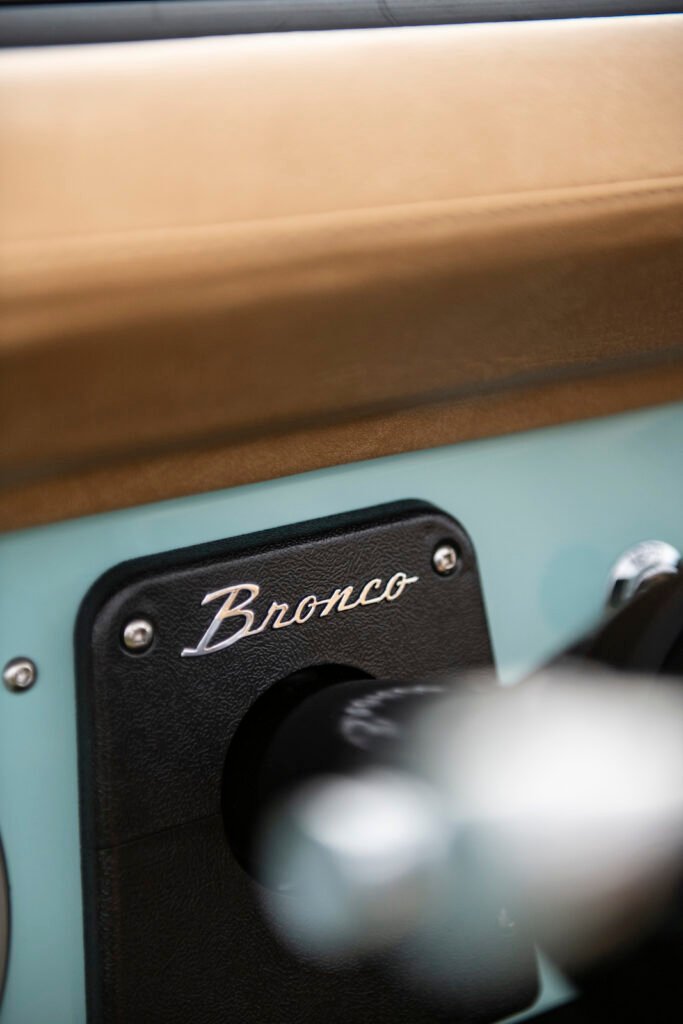
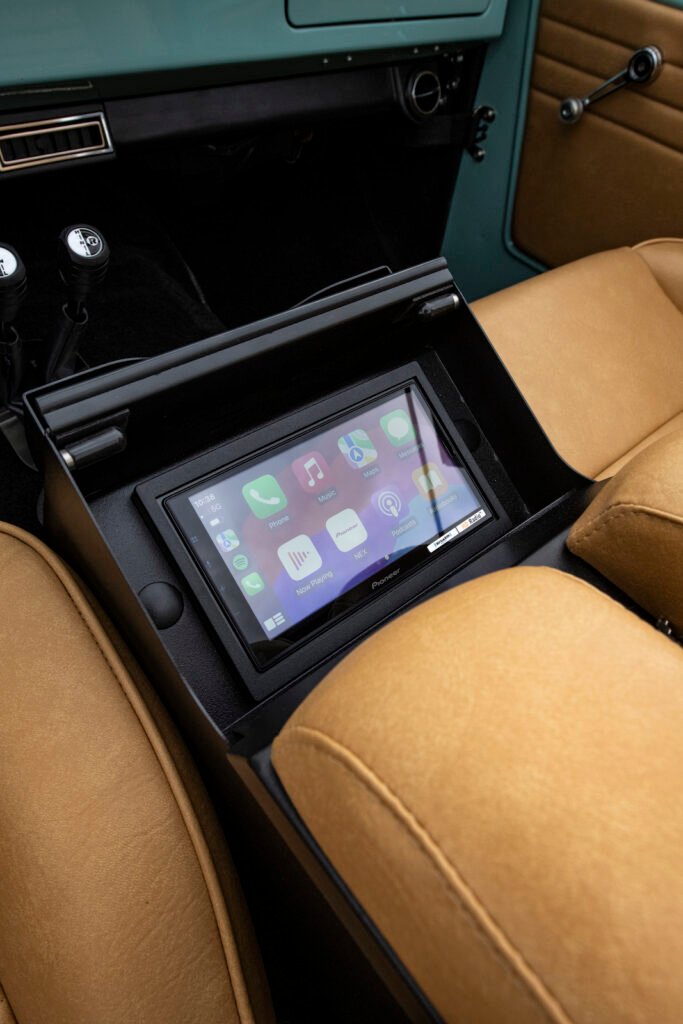
Still, out of all of the classics Paul collected, it was the 1974 Ford Bronco that was chosen to mark ARC’s foray into the world of EVs. Legacy Speed and Body, a Calgary-based body shop that specializes in Broncos and restomods, dropped everything to rebuild the ’74 Bronco in just four months. It was an all-hands-on-deck project to get the machine restored and ready for ARC’s to start the electrification process. About 98 per cent of it, Paul estimates, is brand new. It’s an easy choice when everything other than the differential is beyond repair.
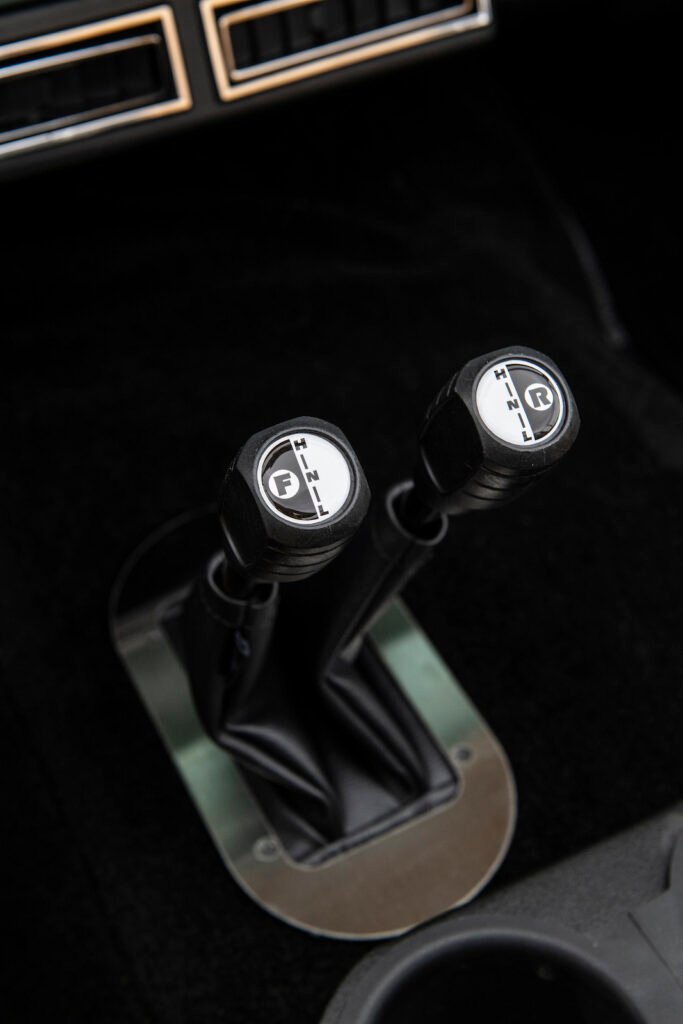
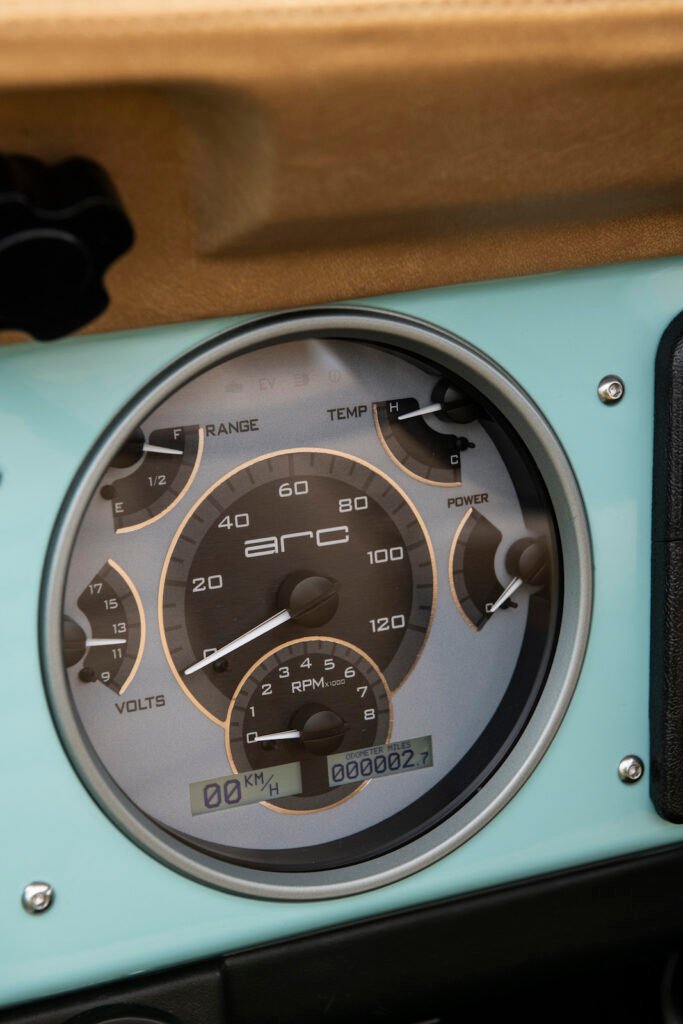
The battery-powered engine that’s now under the hood of this ’74 Ford Bronco has 340 lbs-ft of torque and 260 horsepower. It’s about double what its former ICE powerplant could do. The SUV runs on upcycled and tested Tesla battery modules. ARC‘s EV Bronco has a range of about 320 km and takes 8 hours to fully charge using a Level 2 charging port.
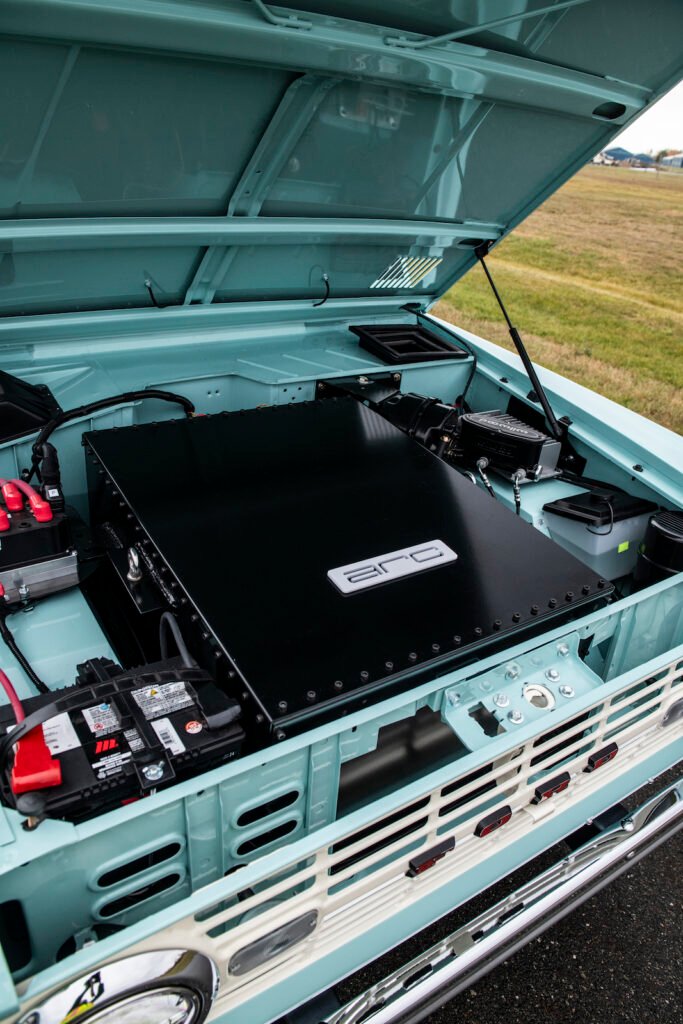
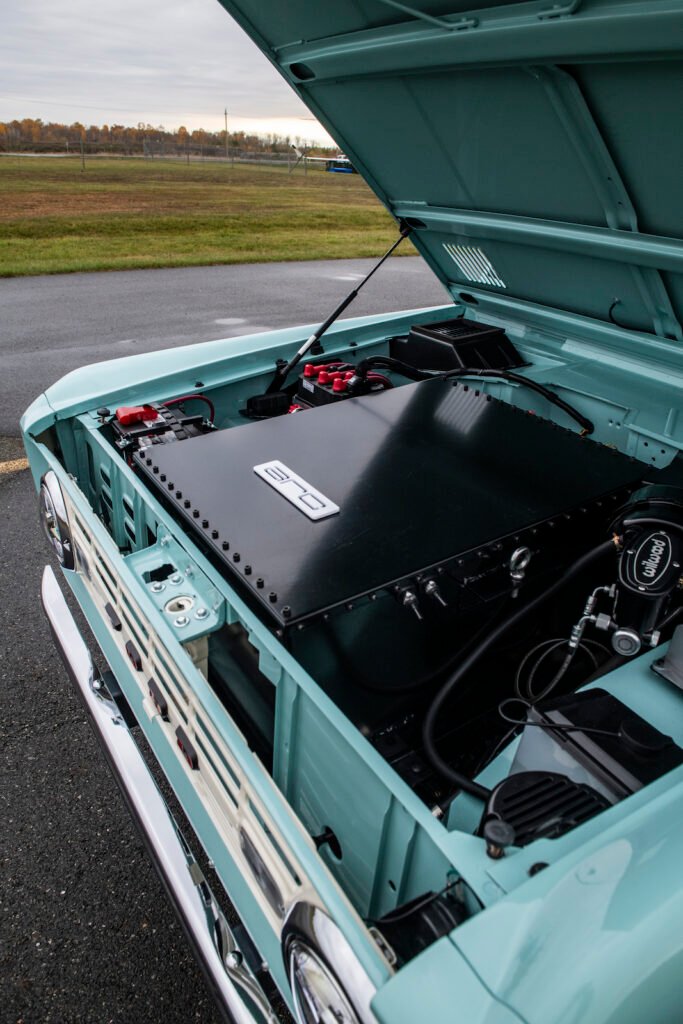
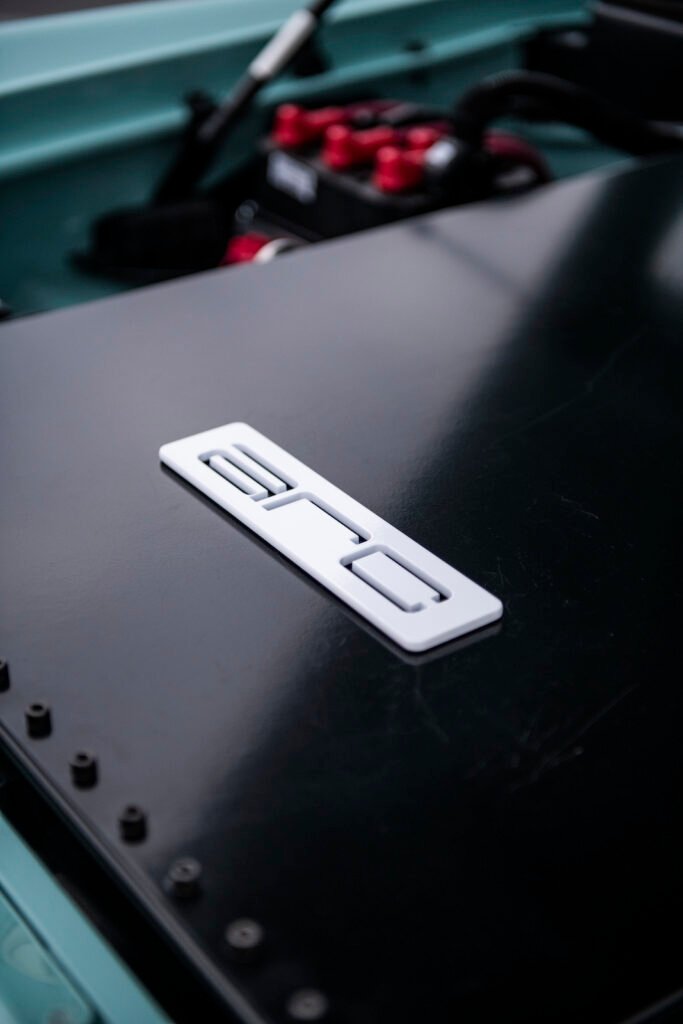
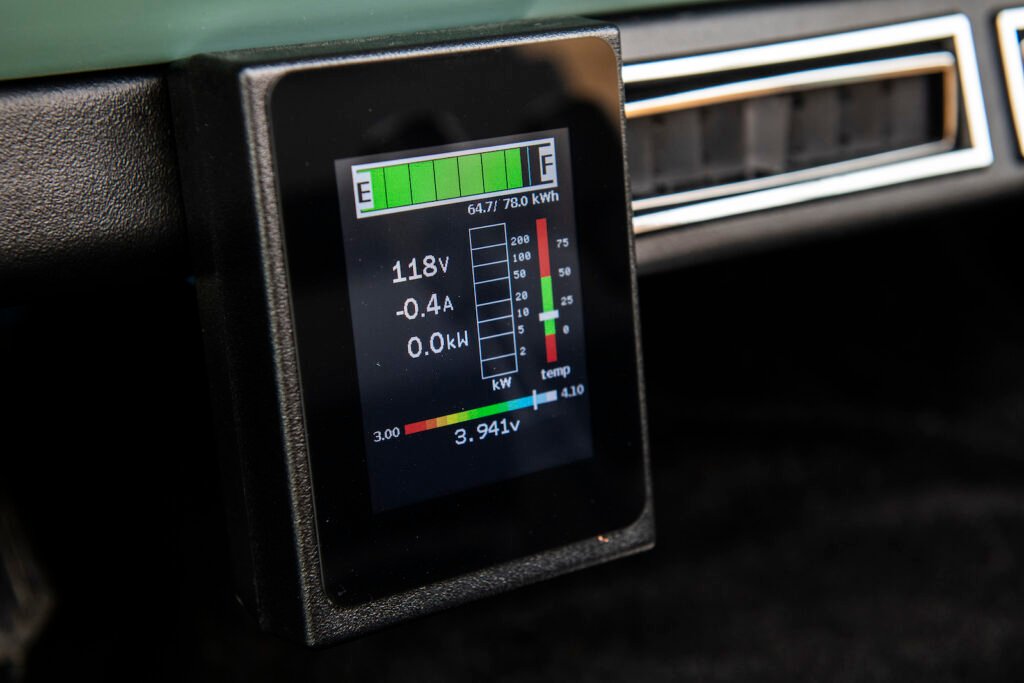
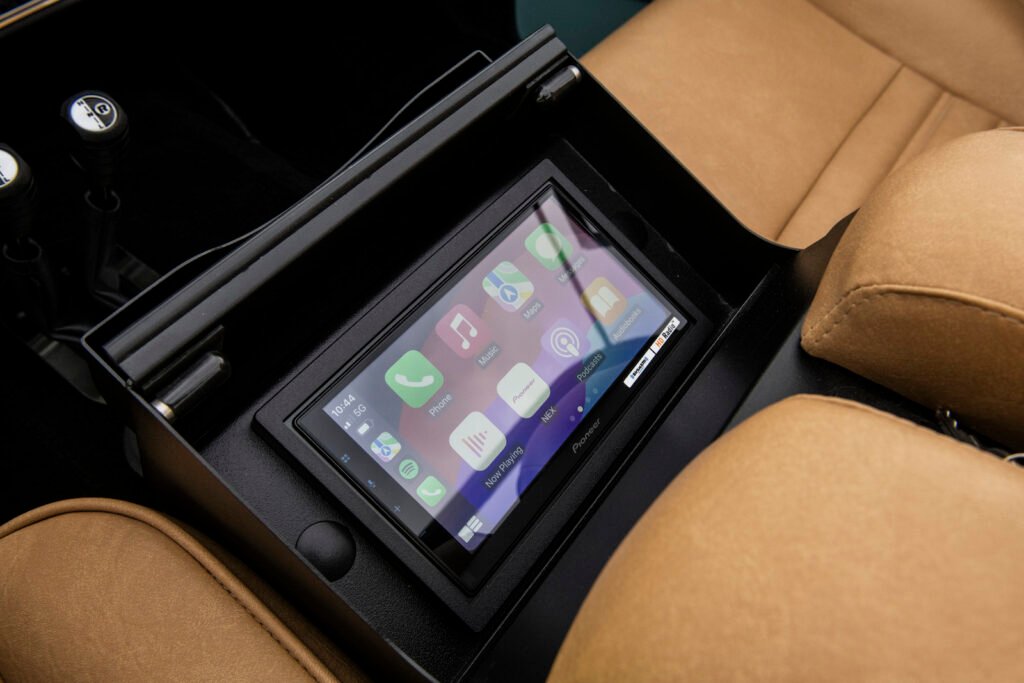
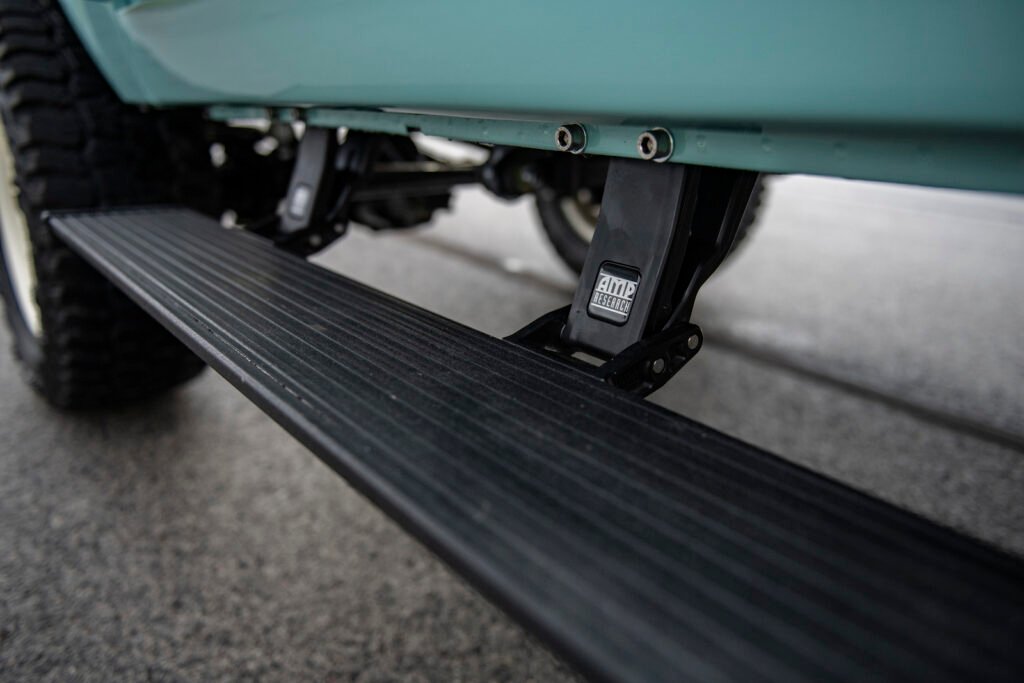
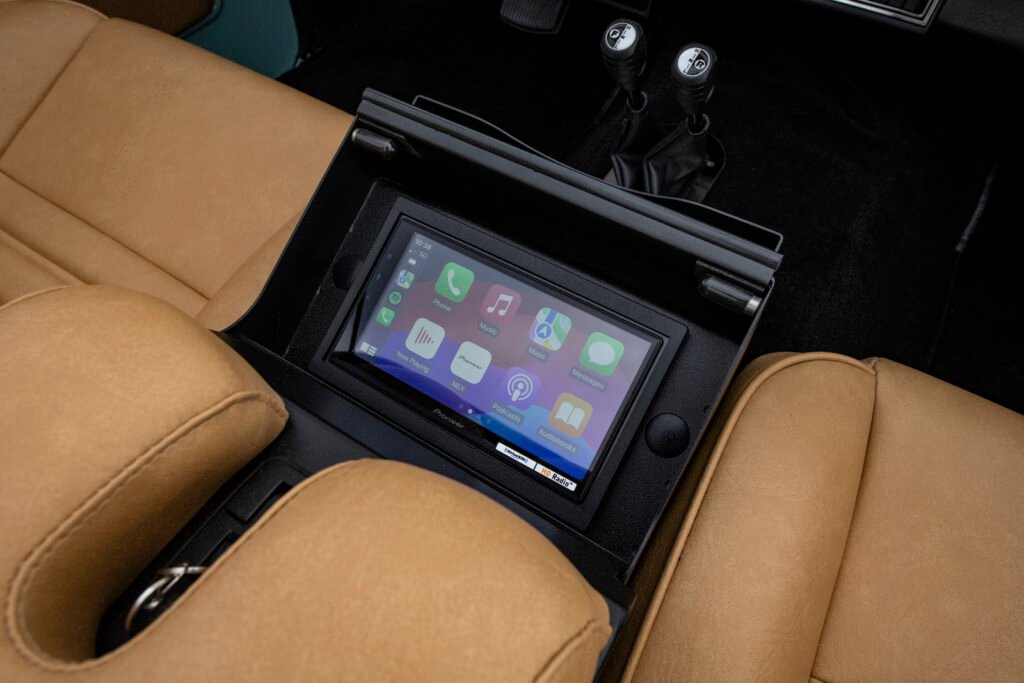
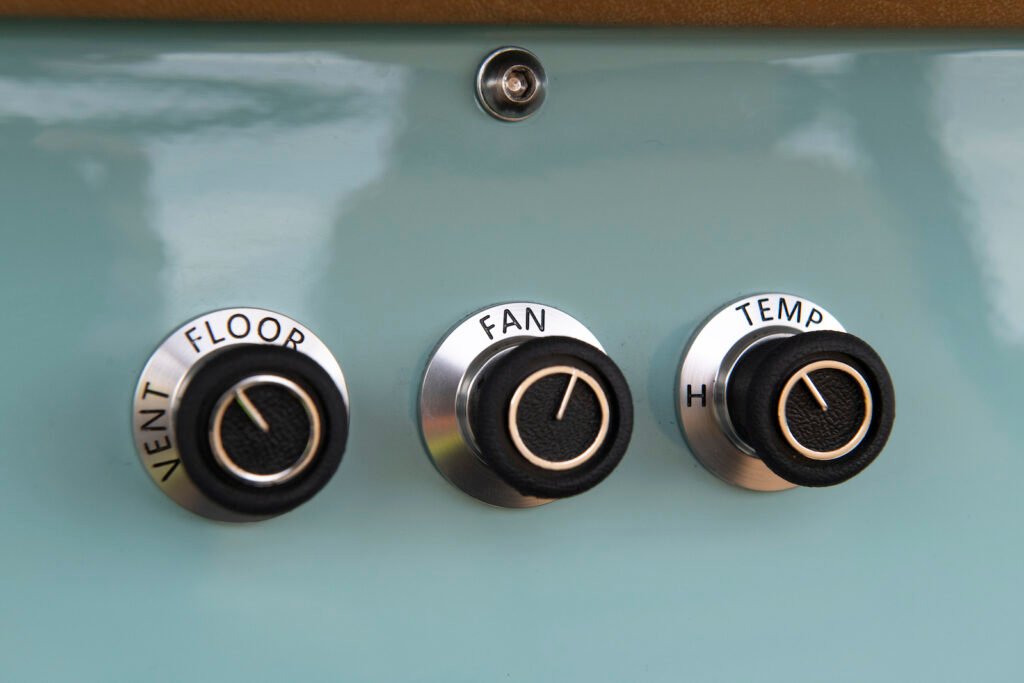
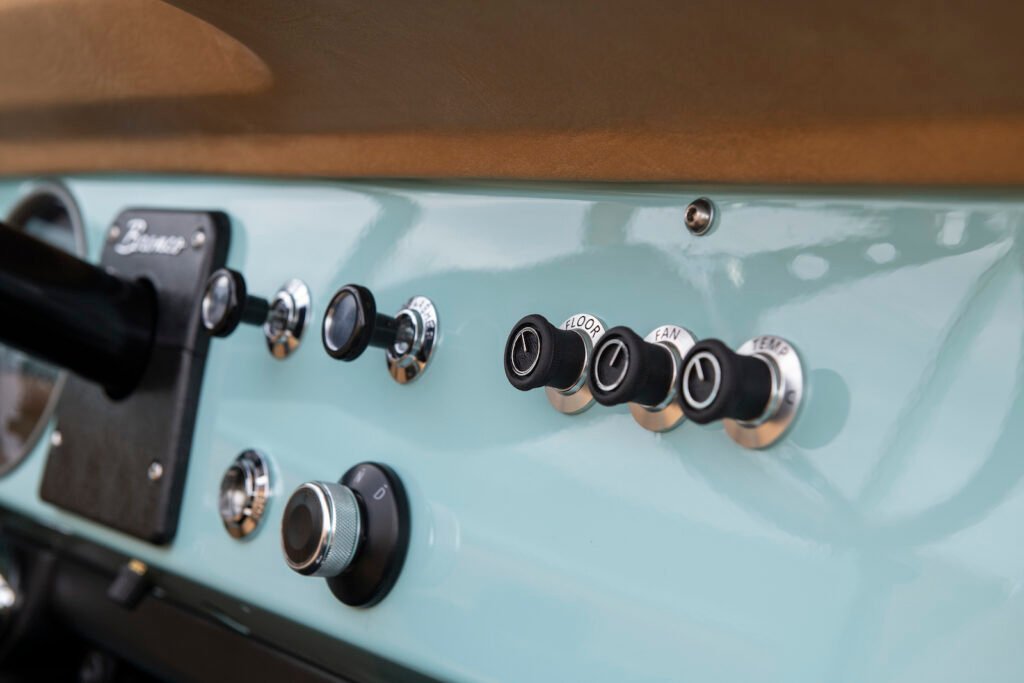
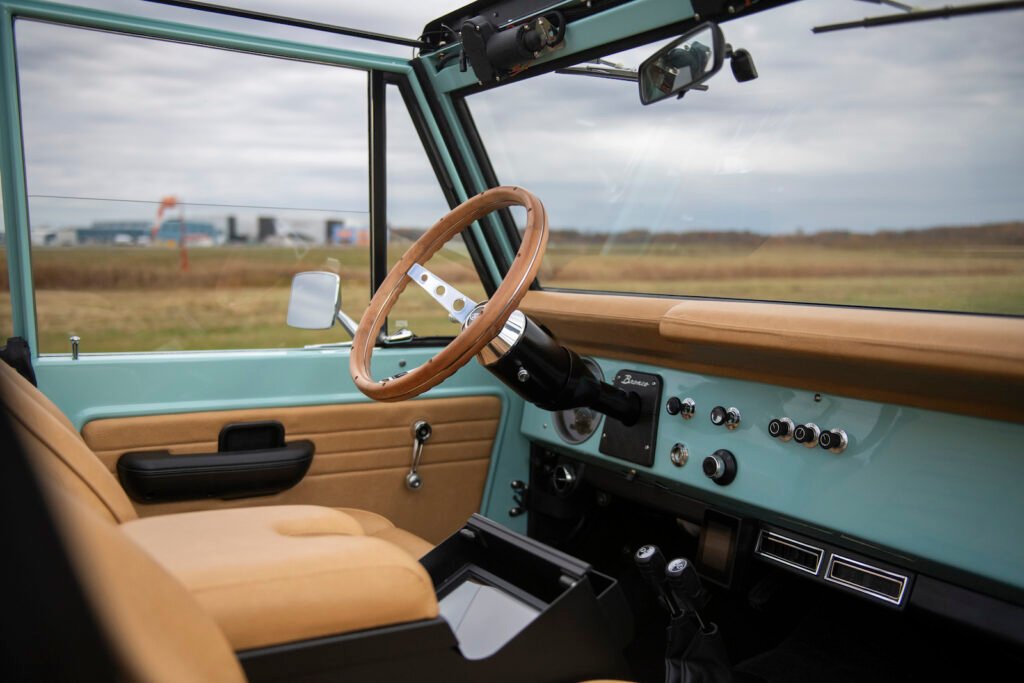
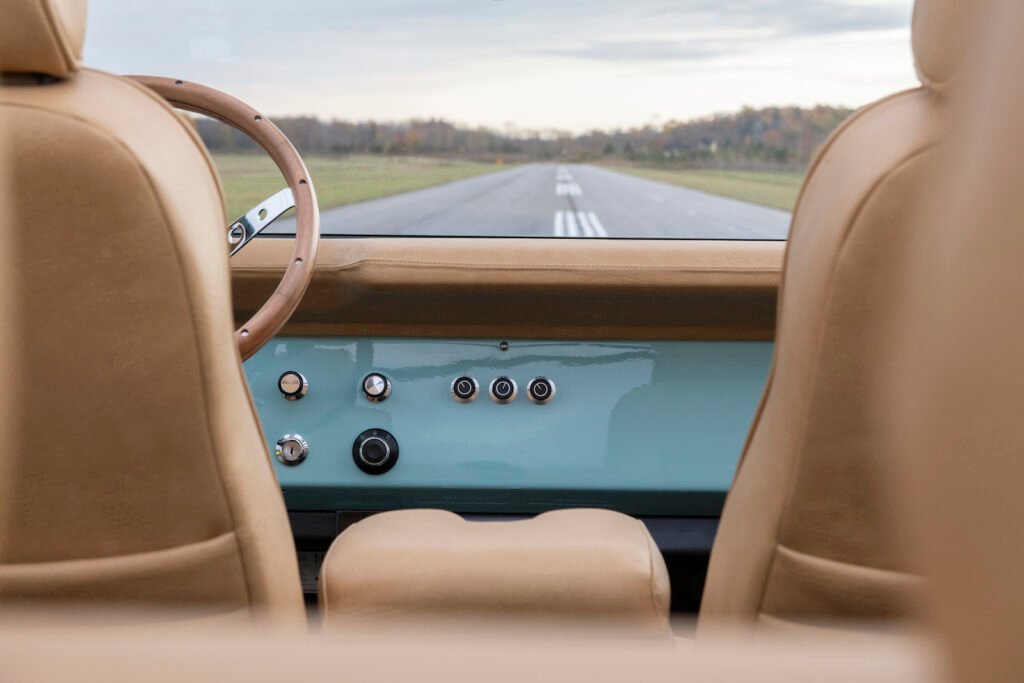
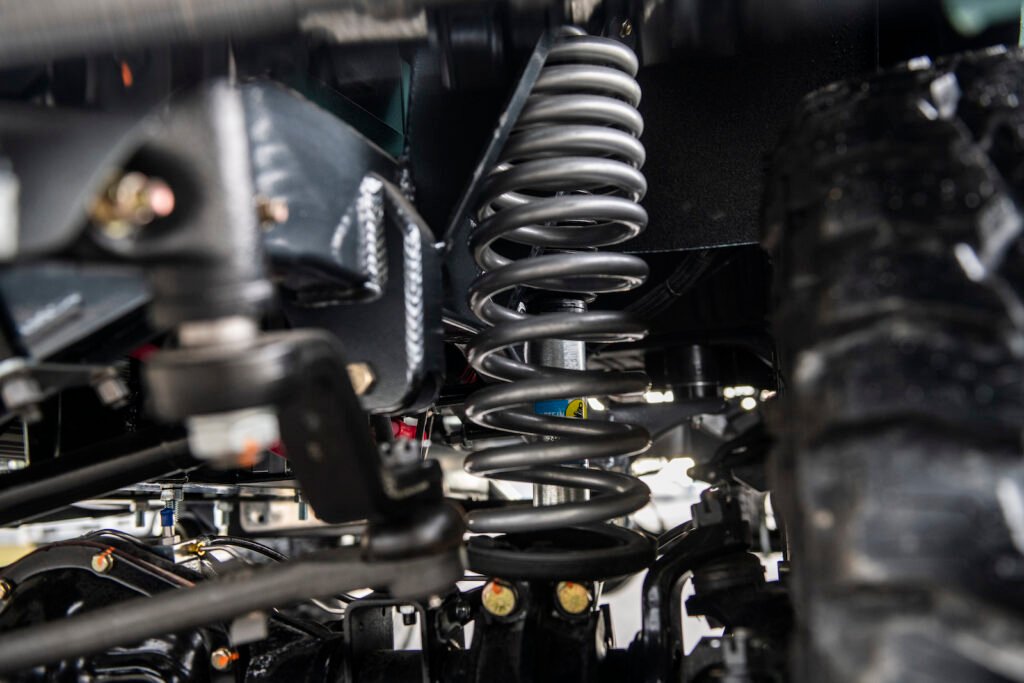
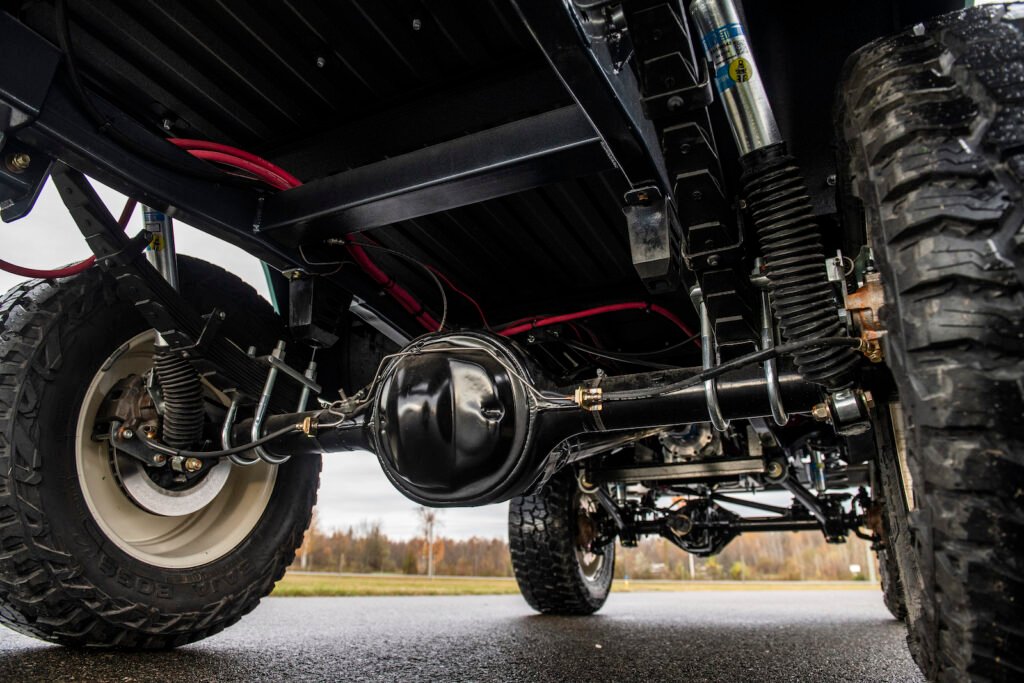
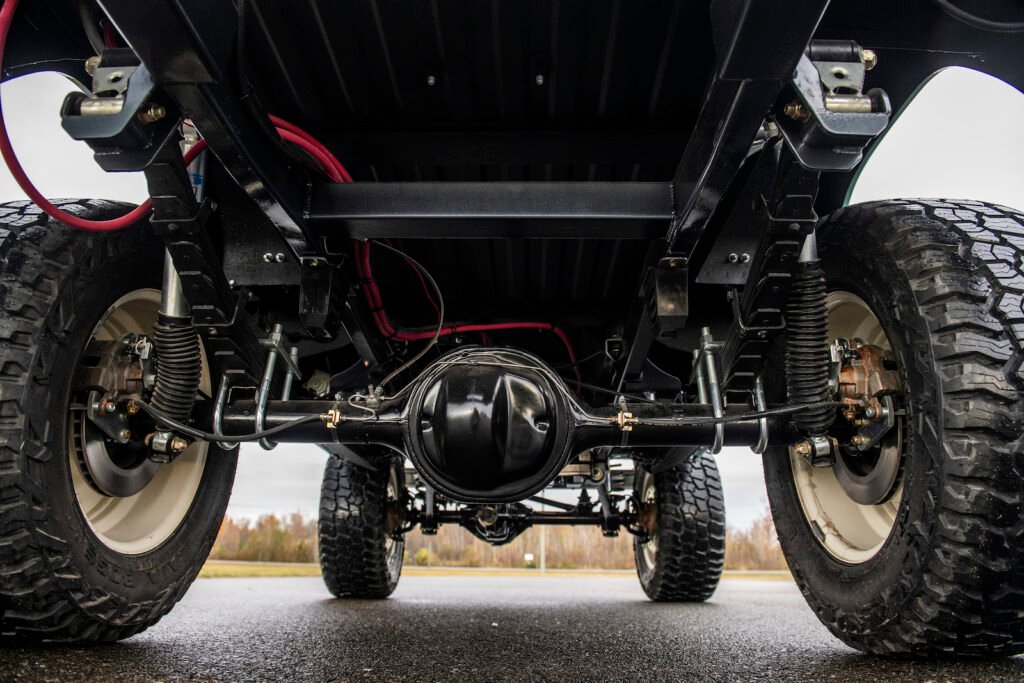
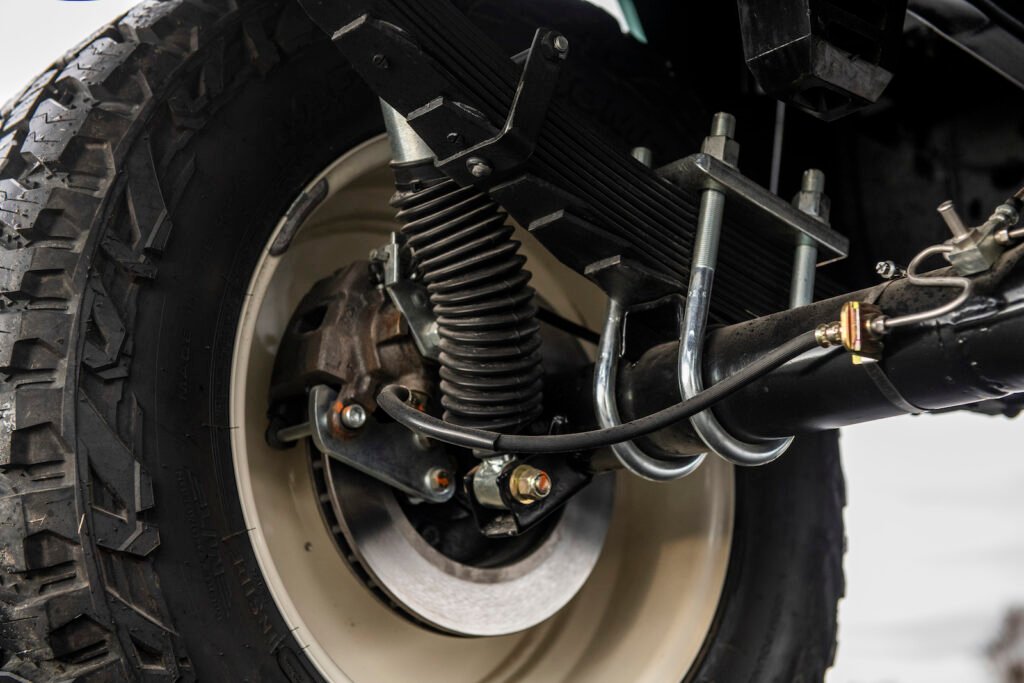
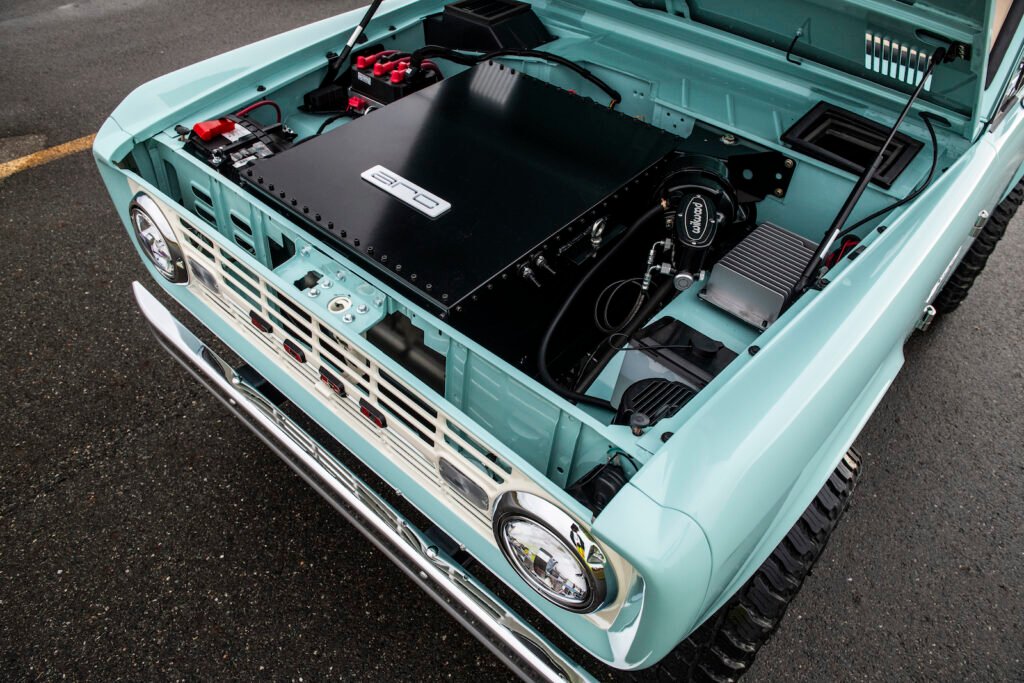
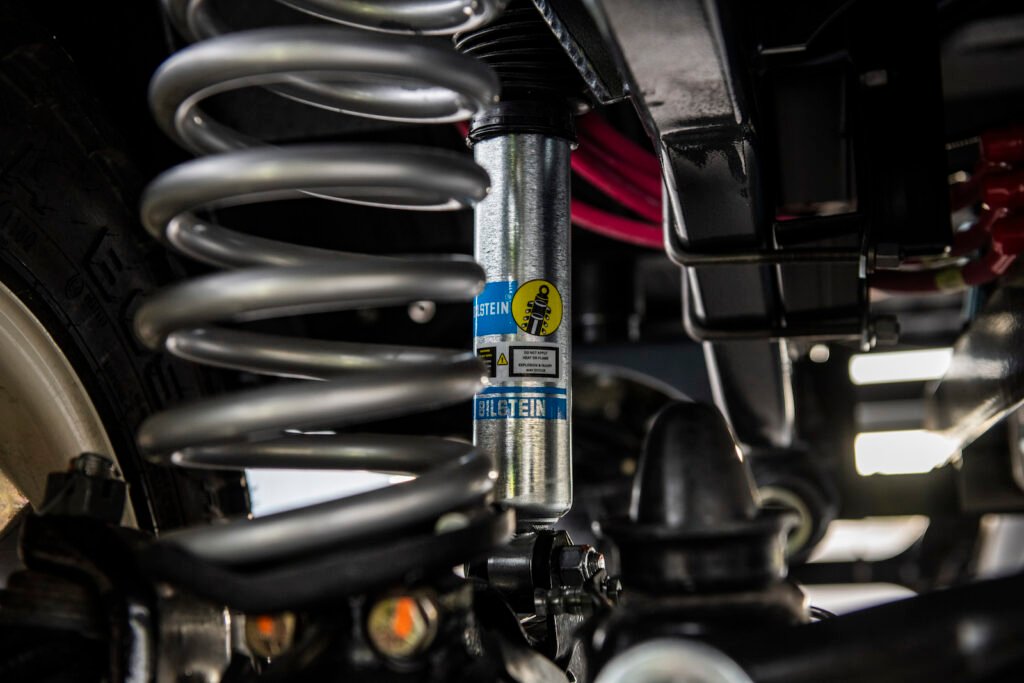
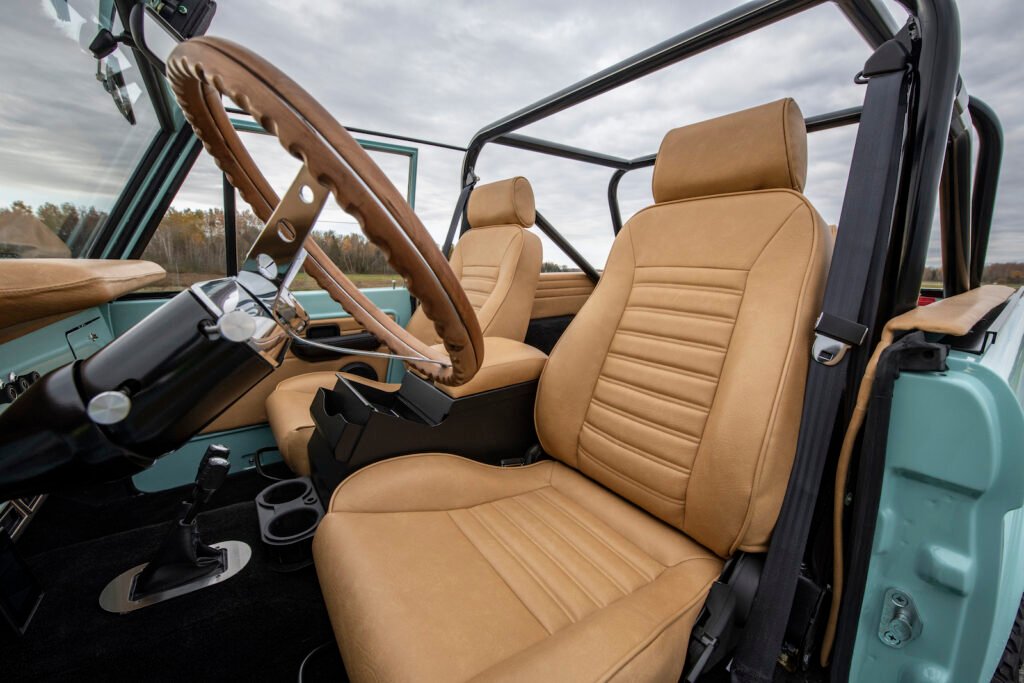
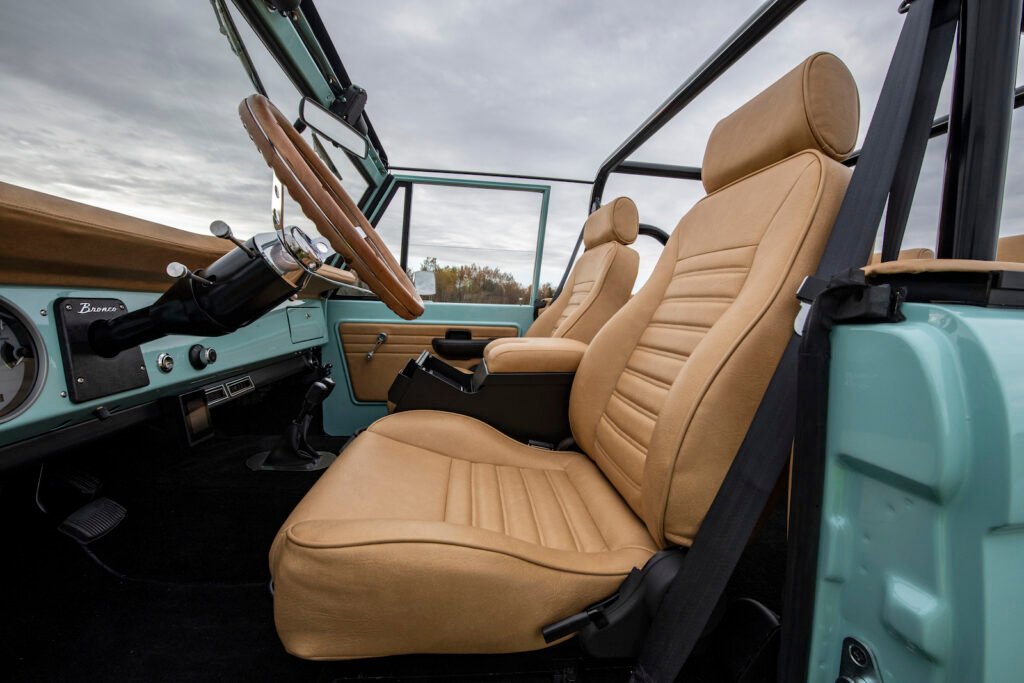
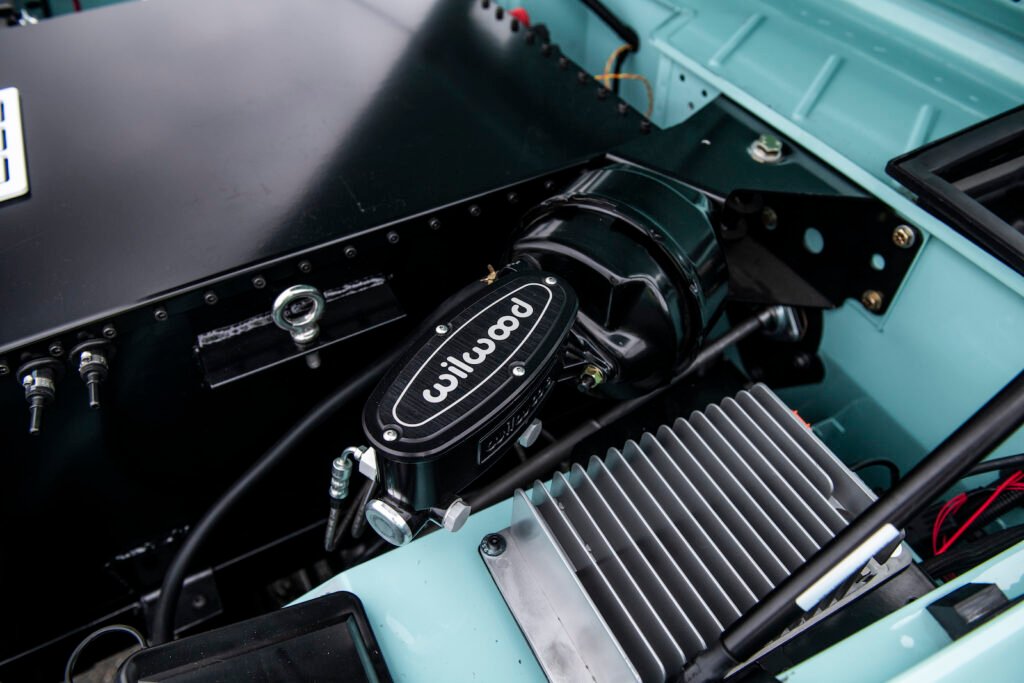
There’s almost no comparing the driving experience of a classic, combustion engine Bronco to that of a classic Bronco that’s been electrified. Paul has been behind the wheel of both.
“Driving the ’69 gas Bronco in Toronto and then driving the ’74 electric Bronco in Toronto is completely different,” she says. “The gas guzzler is loud and the exhaust is unbearable. You can smell it from blocks over.”
The battery-powered ’74 Bronco is so quiet you wouldn’t even know it’s on.
“When you drive away, you hear just the electrical motor spinning and there’s no tailpipe emissions,” she says. “It’s so instantaneously fast and the acceleration is intense. It’s so powerful.”
ARC is still in its infancy stage in terms of heritage auto brands, but its clientele is quickly growing. People are noticing. There’s a hunger among this niche group of classic car owners, the ones who want to continue to enjoy their prized machines without the maintenance of a decades-old vehicle—not to mention the growing environmental implications of petrol— waiting to be satiated. Paul already has a number of folks interested in pursuing electric conversions of their classics, including a Dodge Power Wagon, a Jaguar E-Type, a few Range Rovers, a Land Rover, a Porsche 911, and even a Ecto-1 Ghostbusters’ hearse.
Paul and her brother have their work cut out for them, but they’re in this together. It’s a powerful pairing, and one that they believe gives ARC an edge over the competition.
“He’s the mechanical part and I would not be able to do this without him, but, really, he wouldn’t be able to do it without me. We need each other,” she says.
Siblings by nature—friends and business partners by choice.