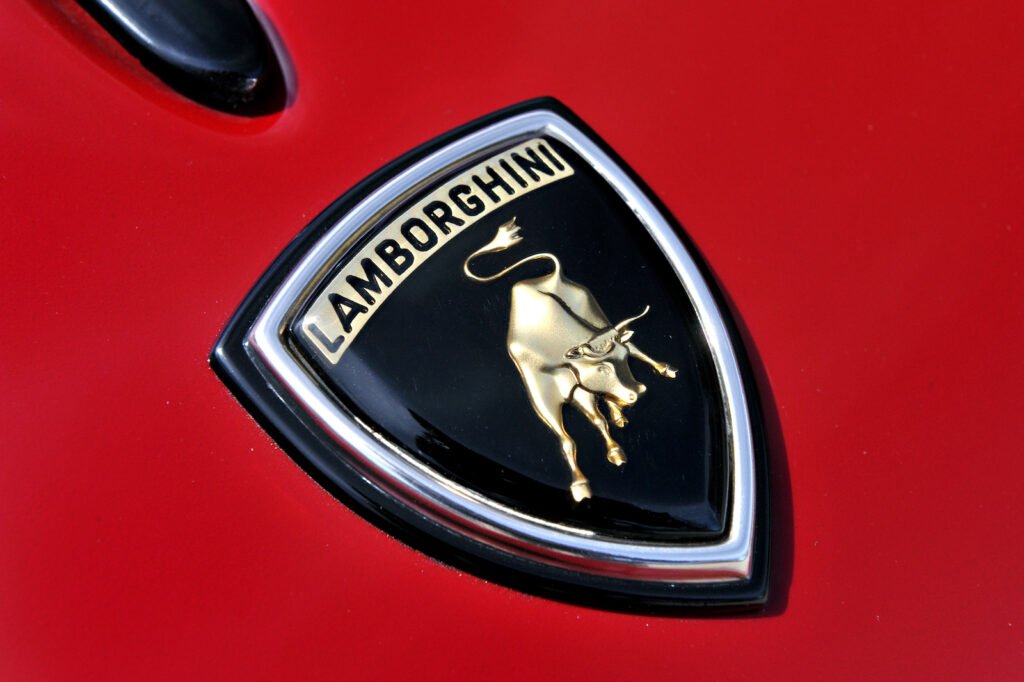
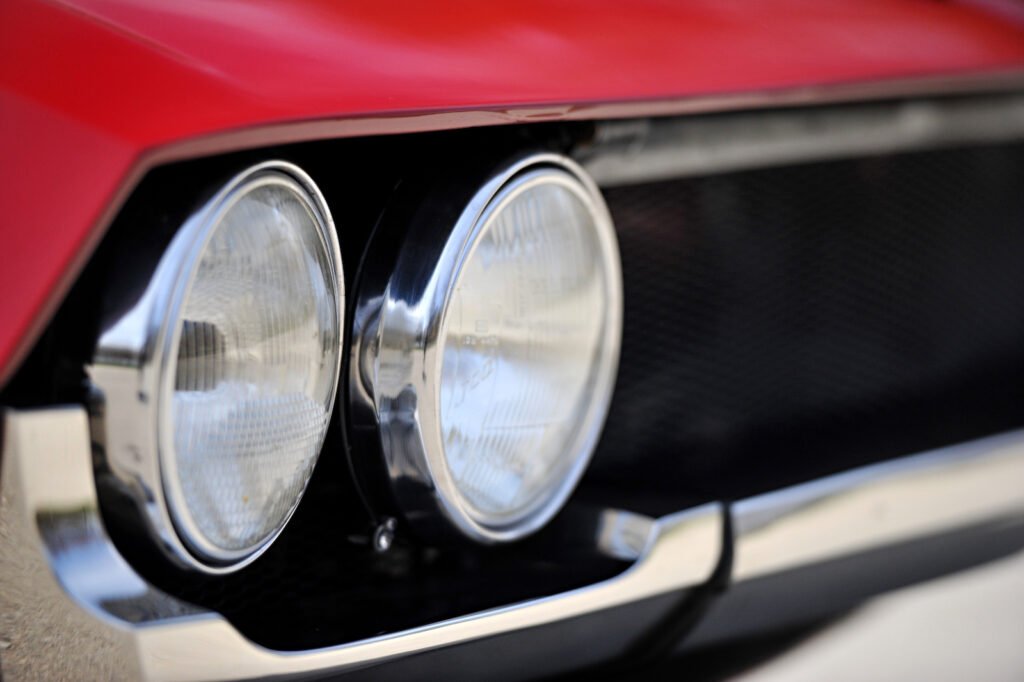
From the Archives: Originally published in June 2015, Gary McGillivray reflects on restoring his 1971 Lamborghini Espada while exploring the history of one of the brand’s most overlooked classics.
In the very early sixties Ferruccio Lamborghini was already a very wealthy man, thanks to a very lucrative post war tractor-manufacturing business bearing his name. As an Italian industrialist and lover of sports cars he also, of course, had a Ferrari in his garage.
Unsatisfied with certain aspects of the car Ferruccio brought it right back to the factory to convey his displeasure during a meeting with Enzo Ferrari himself. The legend of this famous meeting is vague on details, but in conversation with Lamborghini’s legendary test driver Valentino Balboni a few years back, he told me it was an issue with the clutch that Ferruccio was unsatisfied with. Rather than accept the critique and repair Ferruccio’s car, history reports that Mr. Ferrari took offence to Mr. Lamborghini’s comments and promptly replied, “what would you know about sports cars? You should stick to building tractors!”
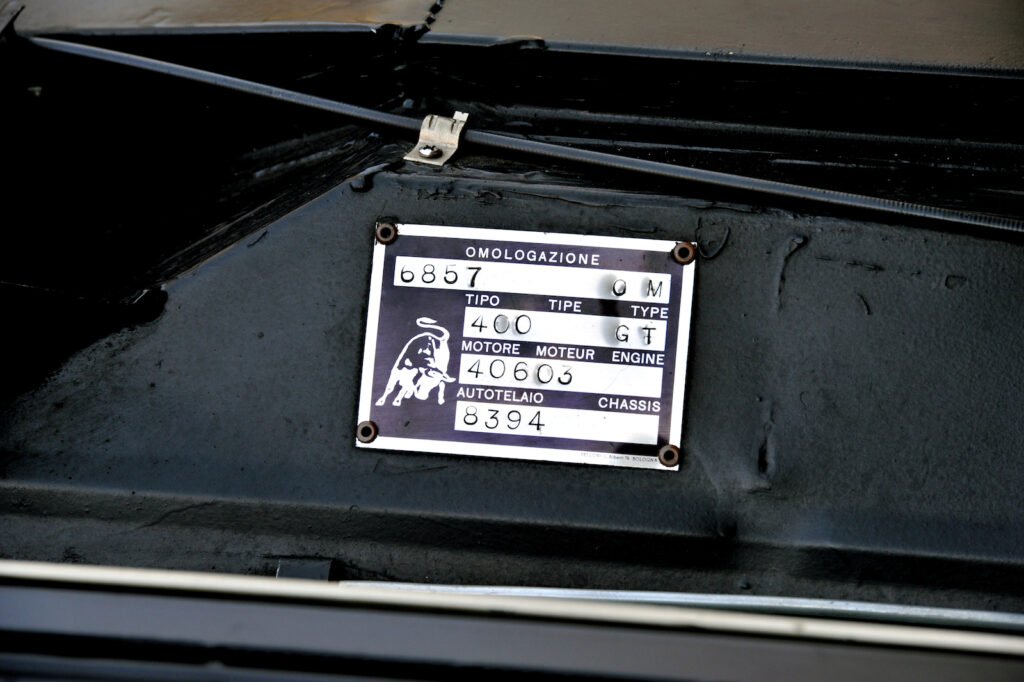
As the story now goes, this is what prompted Mr. Lamborghini to build his own world-dominating sports cars, and by 1963 he did just that. During the time that followed he honed his skills and hired the best designers, technicians and engineers (some former Ferrari employees) that money could buy. The 350 GT, the 400 GT, the Iserlo and the almost mythical Muira were some of the most legendary sports cars of their time.
It was in 1966 that Ferruccio decided it was time to add another model to his lineup and offer a proper four-seat GT. By 1968 after a couple well-received prototypes the world was introduced to the Lamborghini Espada.
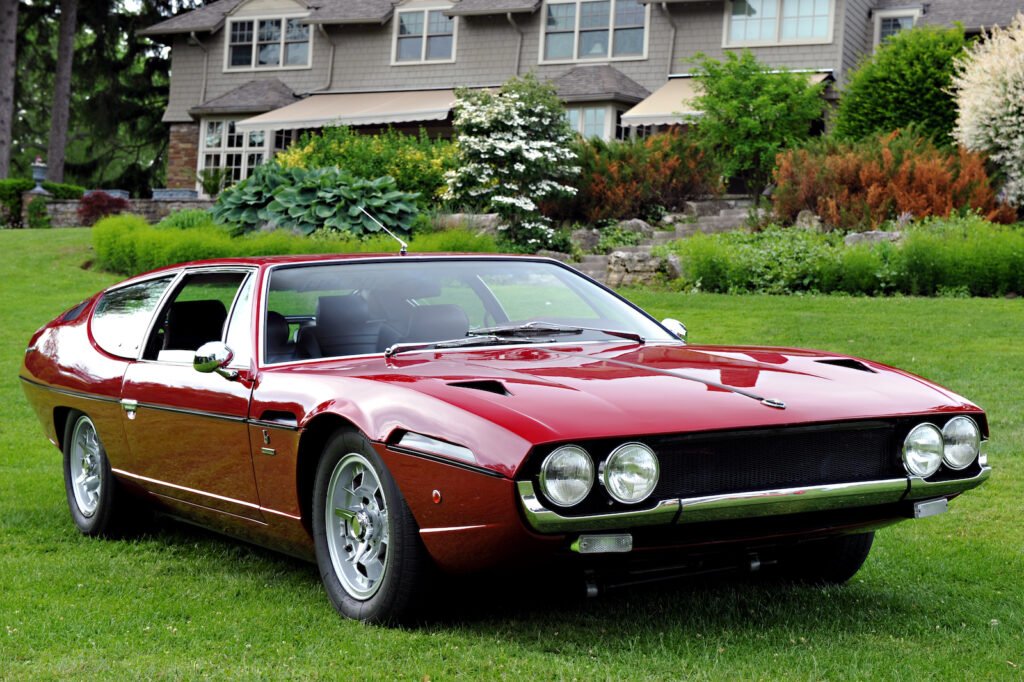
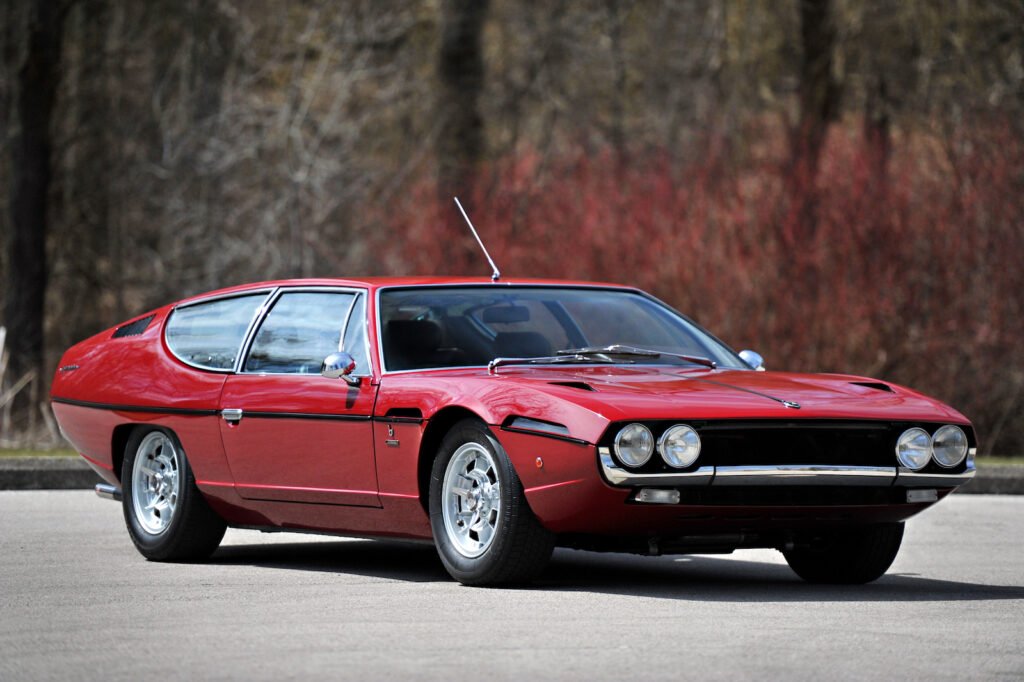
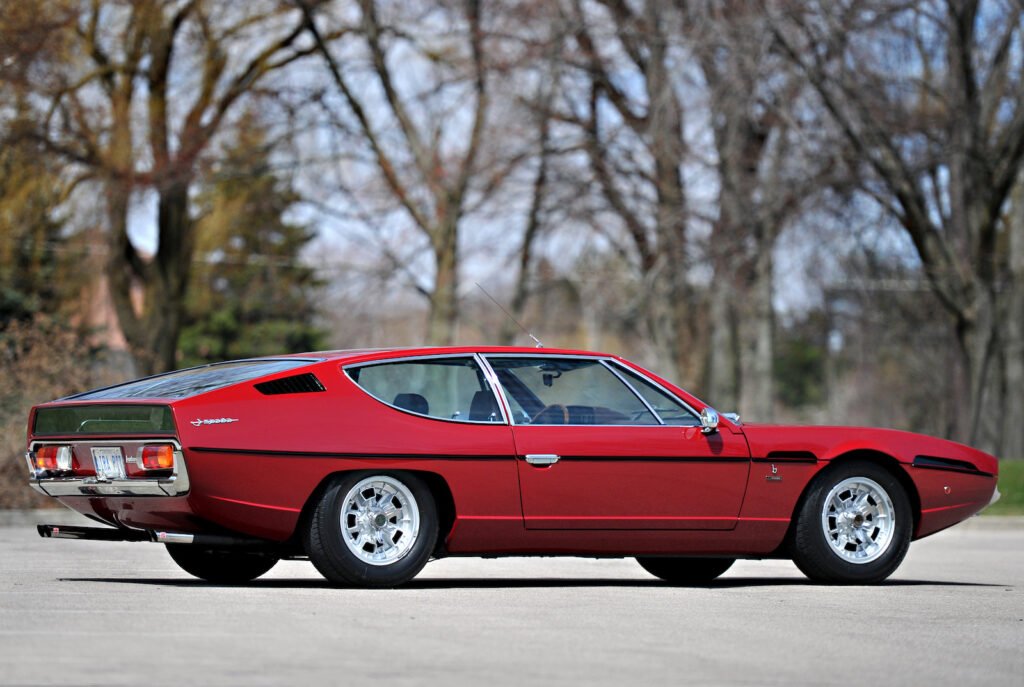
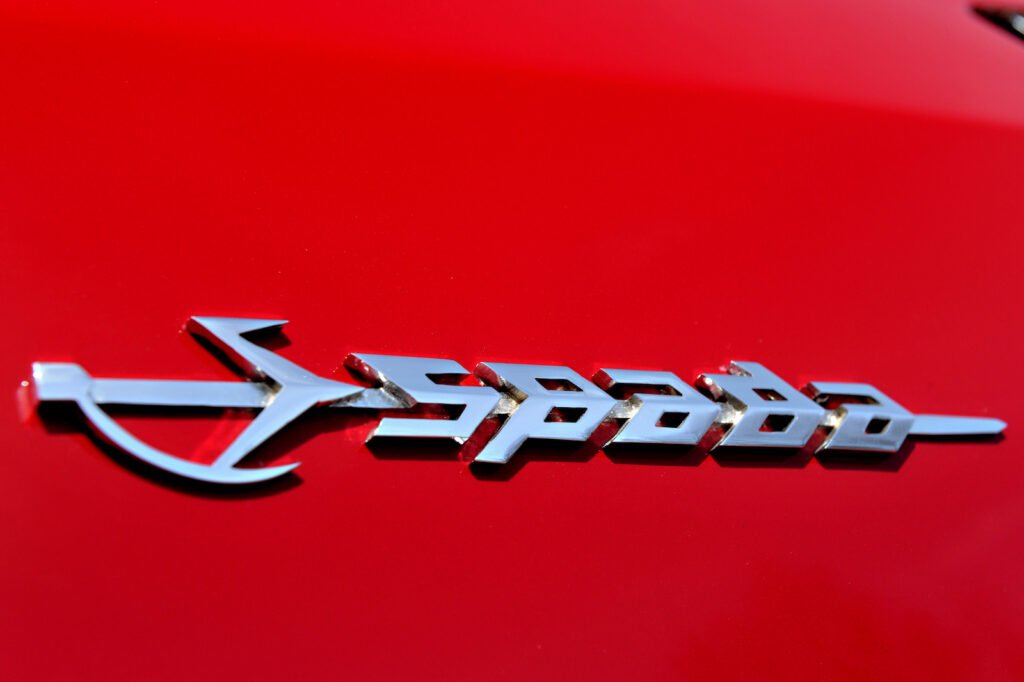
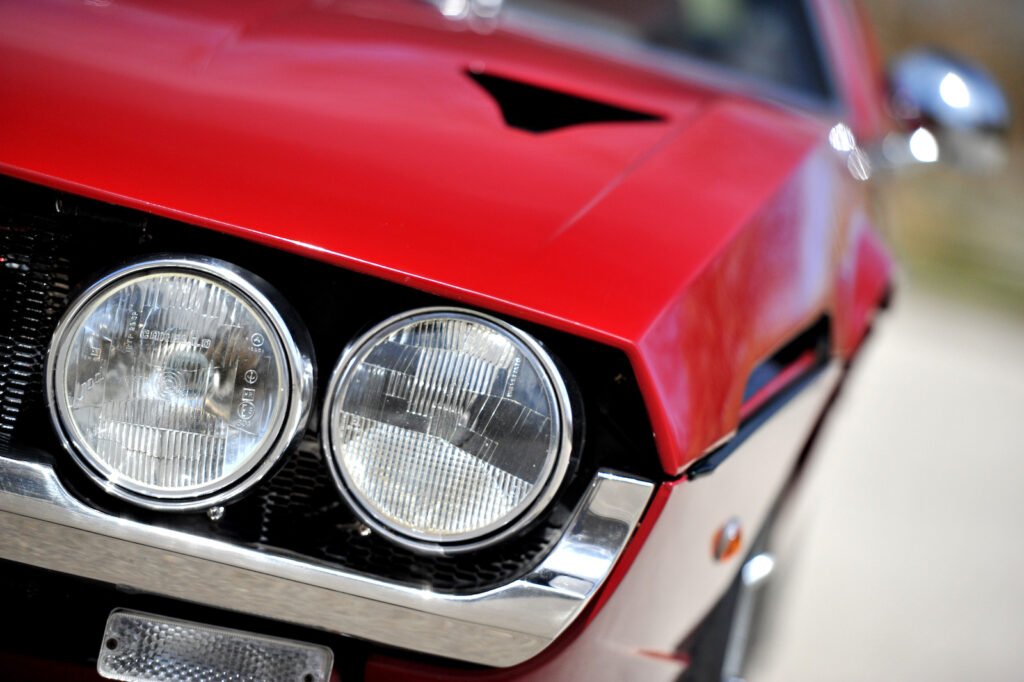
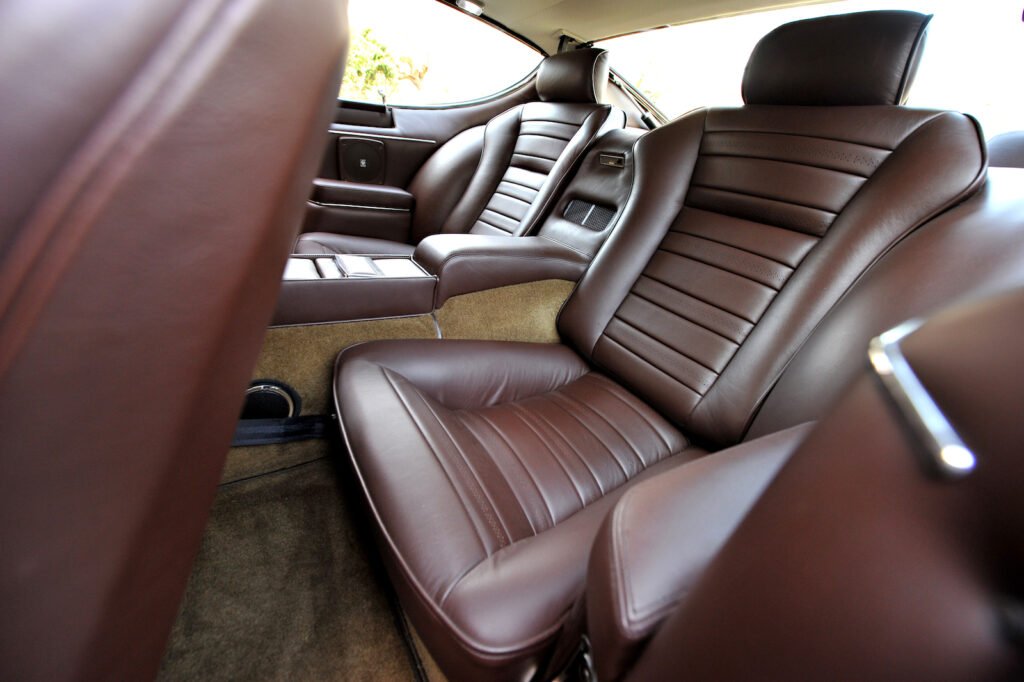
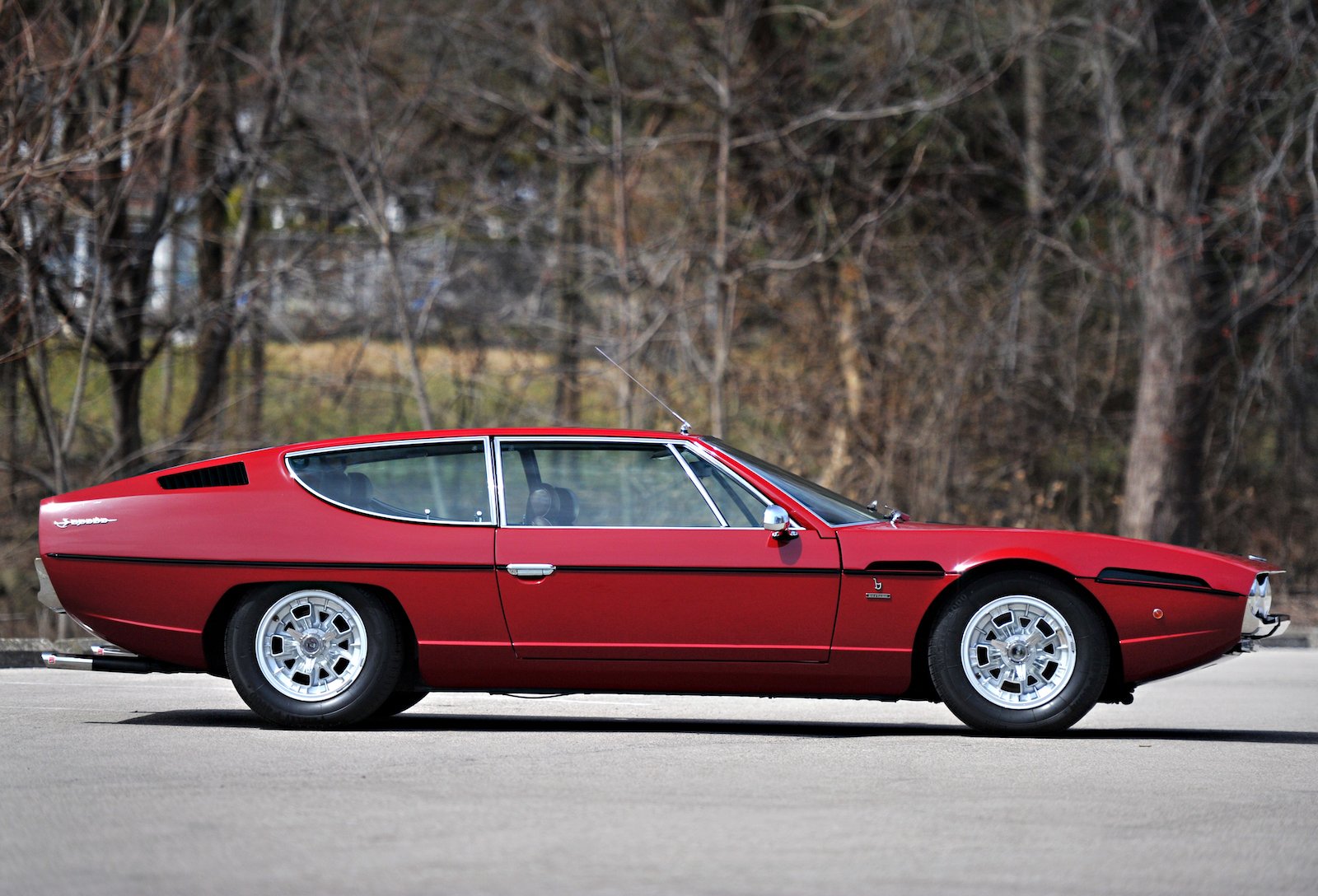
At the time of its debut it was the lowest four-seat GT ever made at just 47 inches high. Measuring 16.5 feet long and over 6 feet wide no manufacturer has ever conceived such an outrageously designed four-seat express. This design even today still looks futuristic and is very polarizing aesthetically leaving most with a love-it or hate-it opinion about its unique styling.
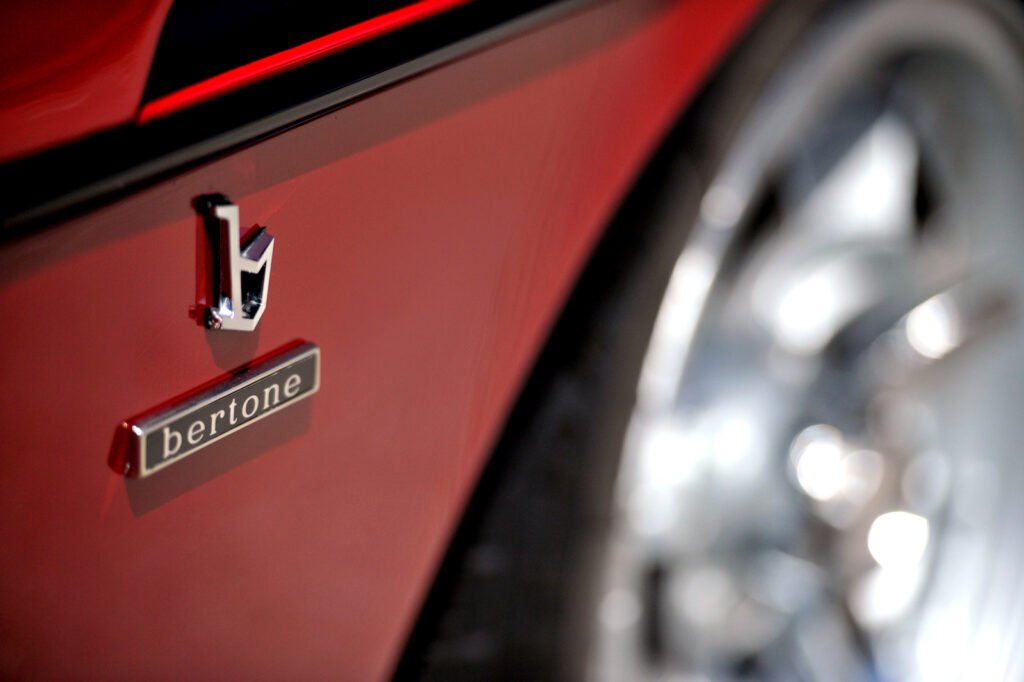
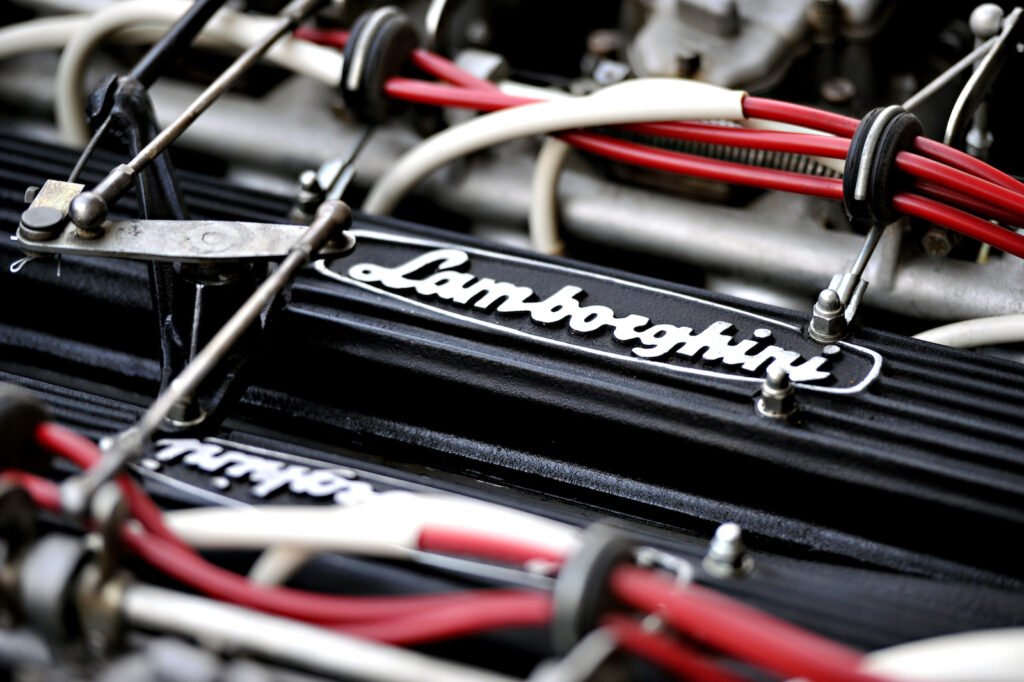
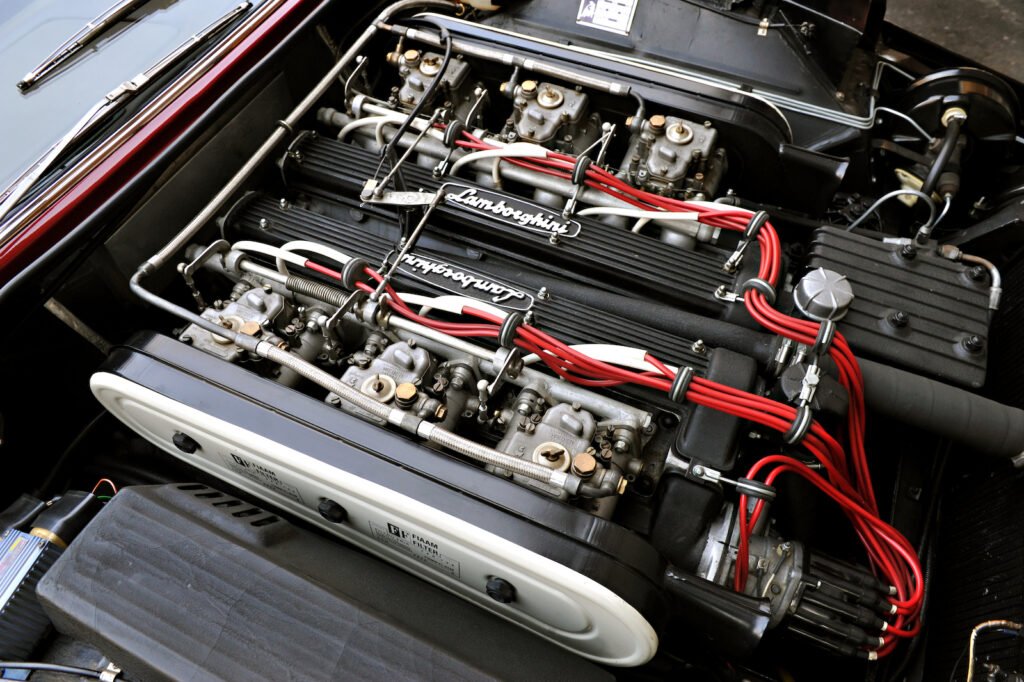
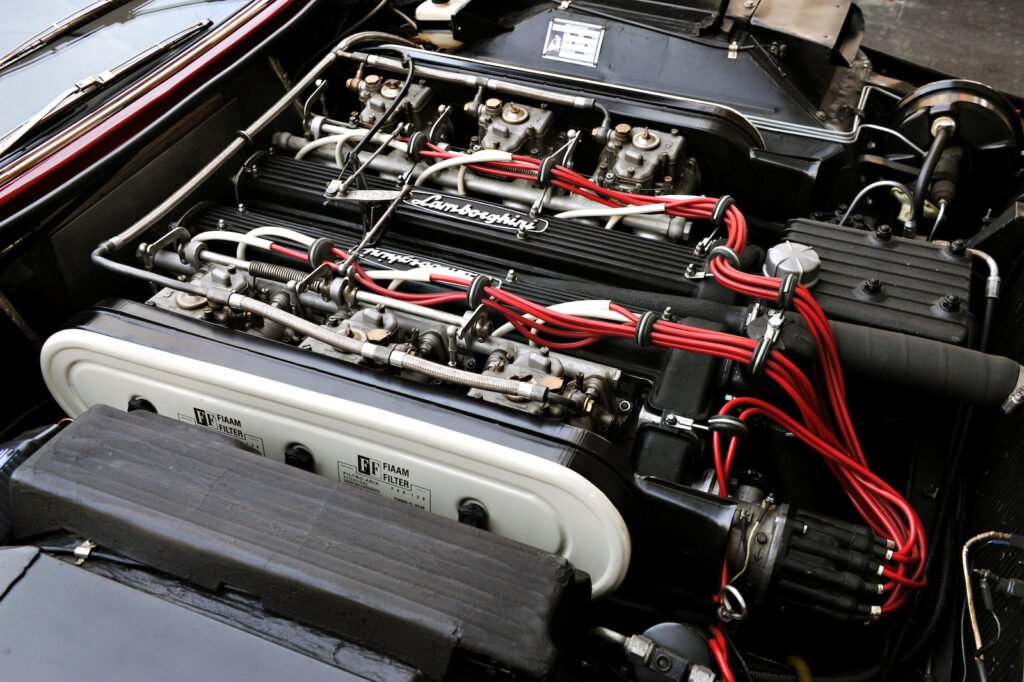
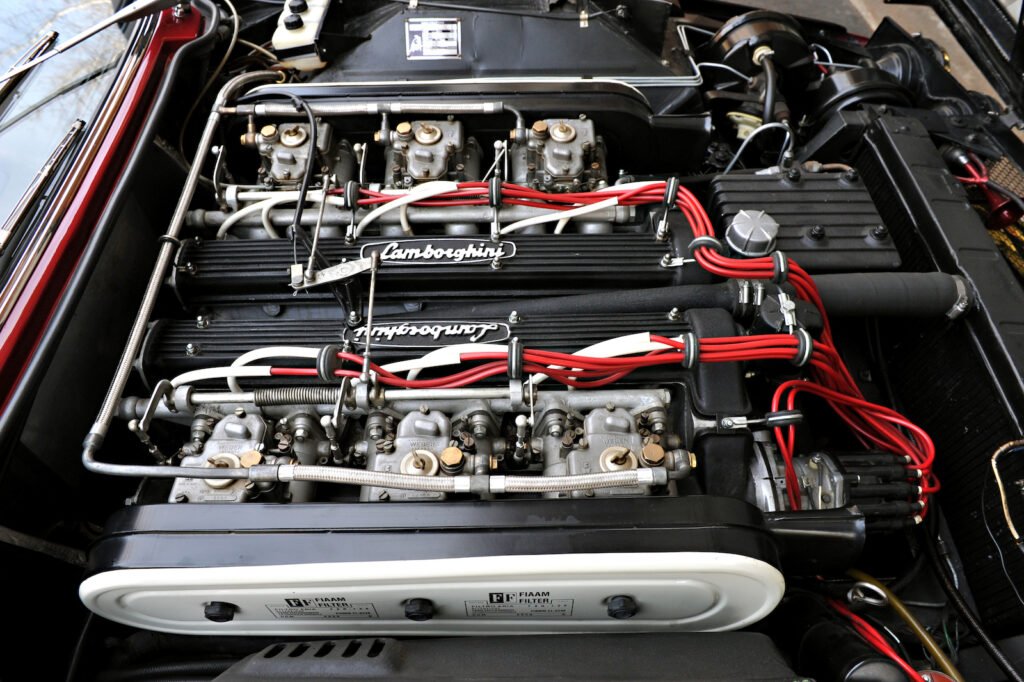
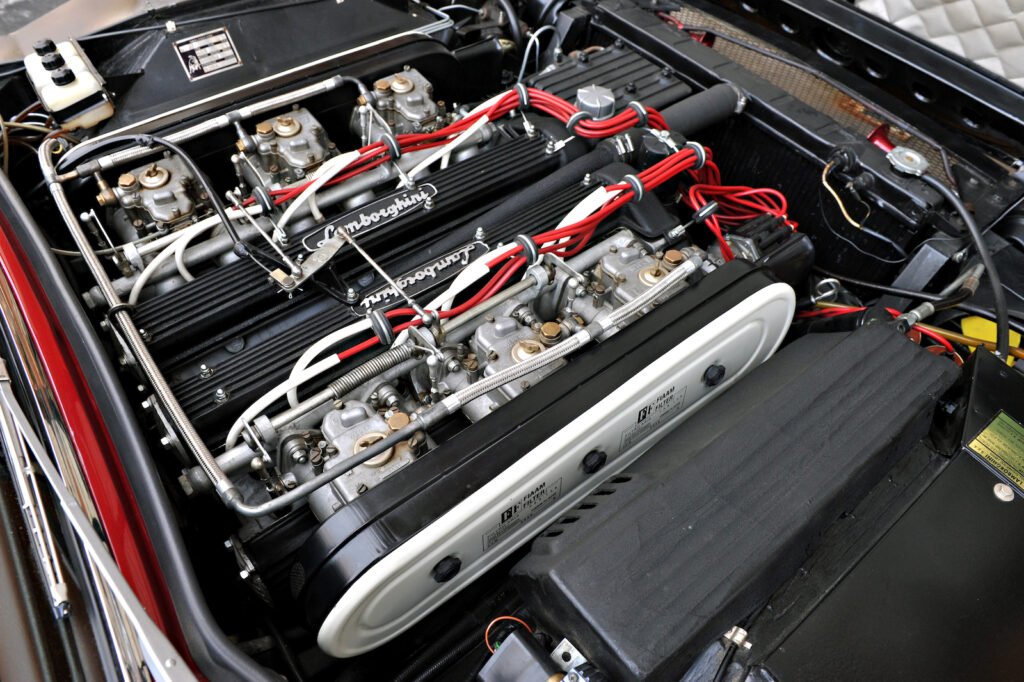
To ensure there was some go to compliment the show, the semi unibody chassis was the work of Dallara, which included disc brakes all round as well as independent rear suspension, something not normally seen in GTs of the day. The engine designed by Bizzarrini and in the Series 2 shown here, produced approximately 360 BHP from the 3.9 litre 4 cam V12. The bodywork was penned by none other than Marcello Gandini who also designed the Miura and later went on to design what some might consider the most iconic Italian supercar of all time, the Countach.
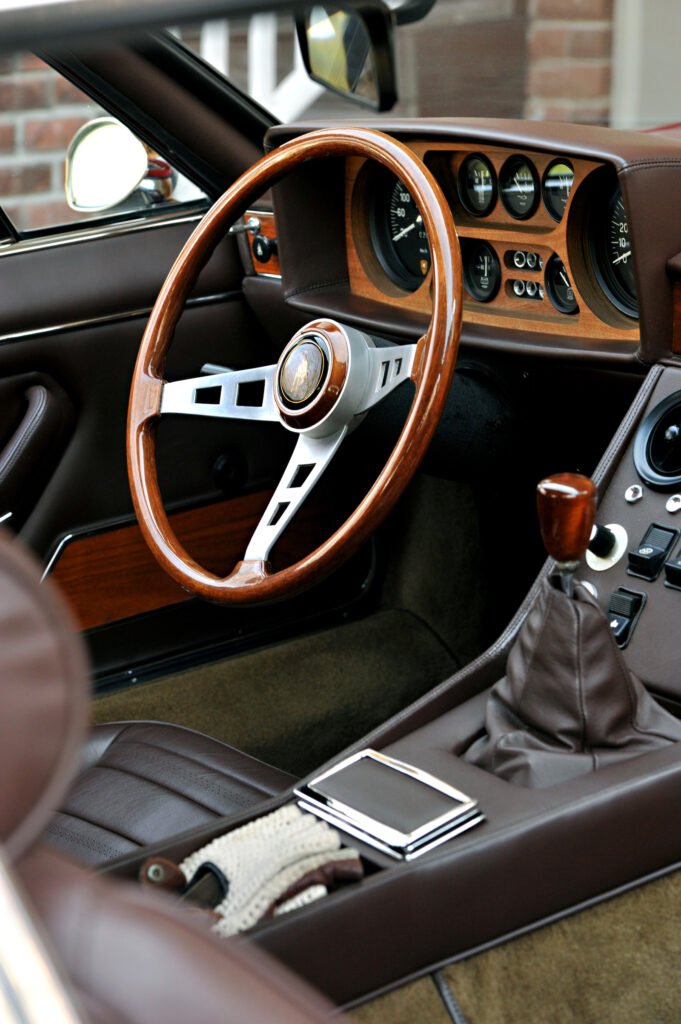
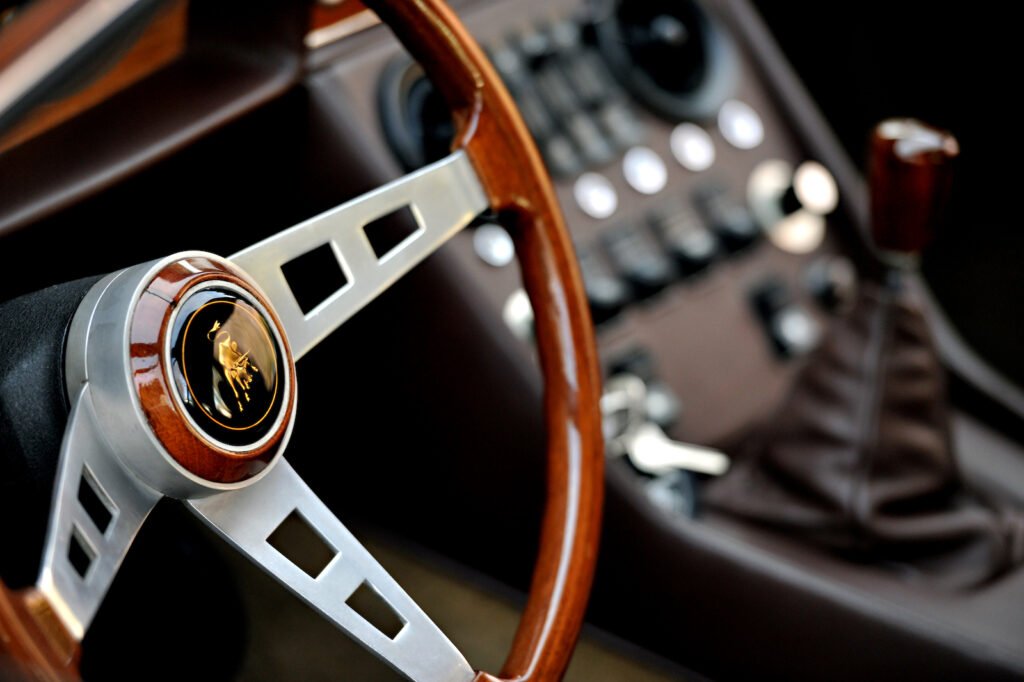
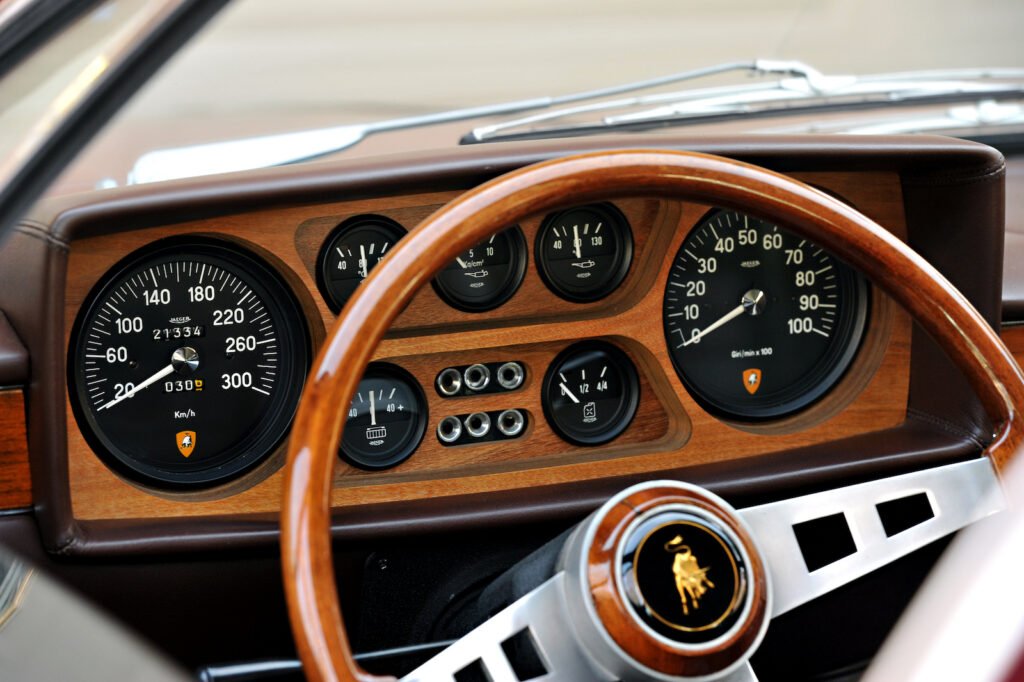
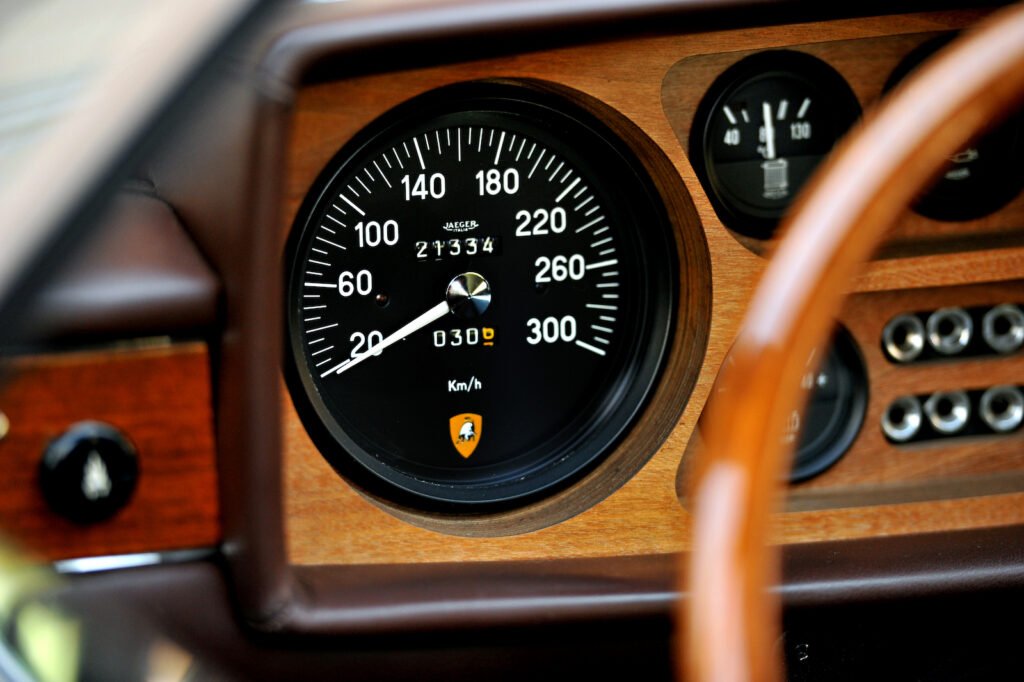
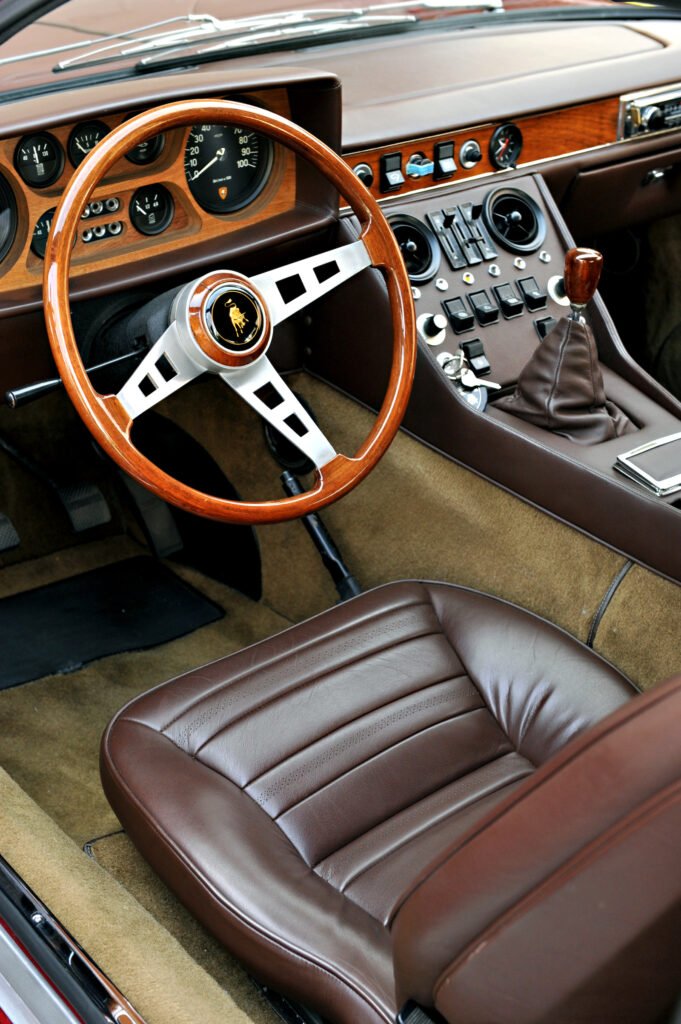
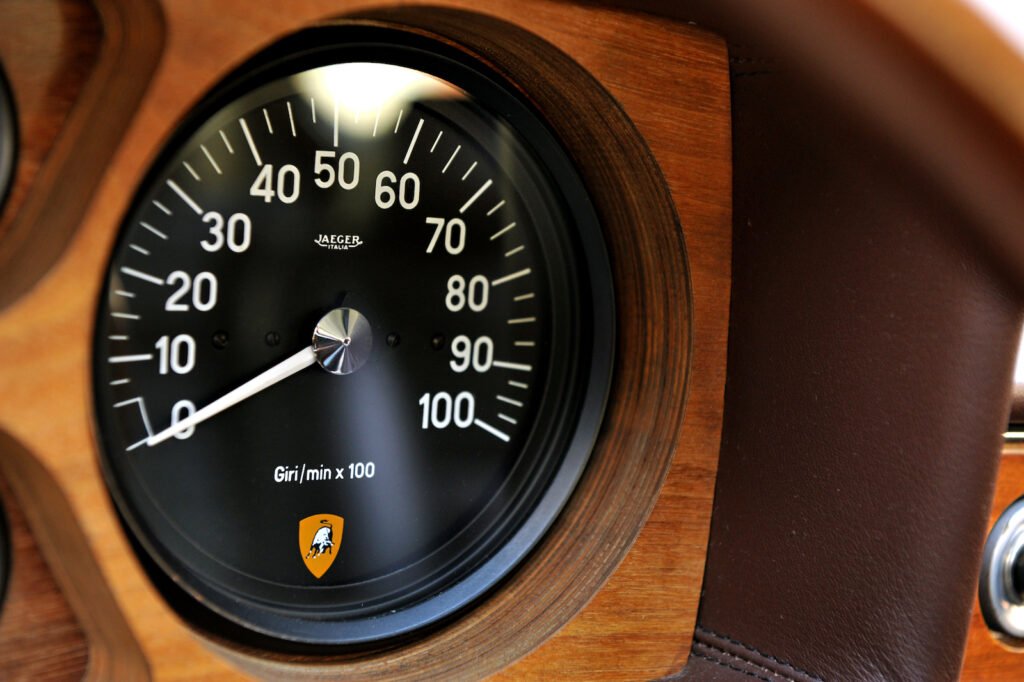
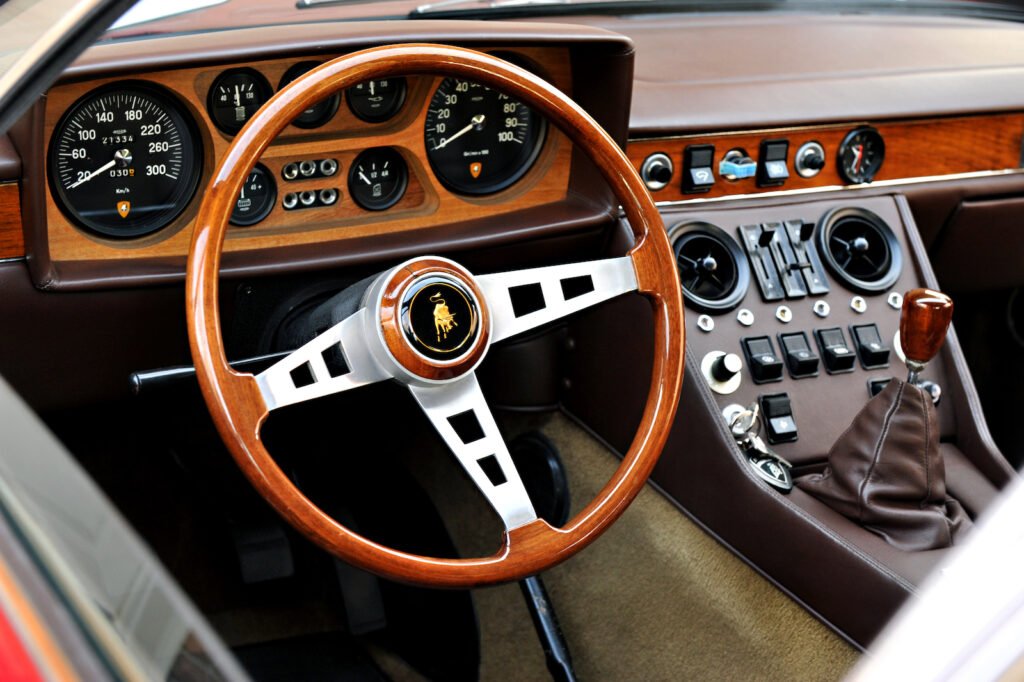
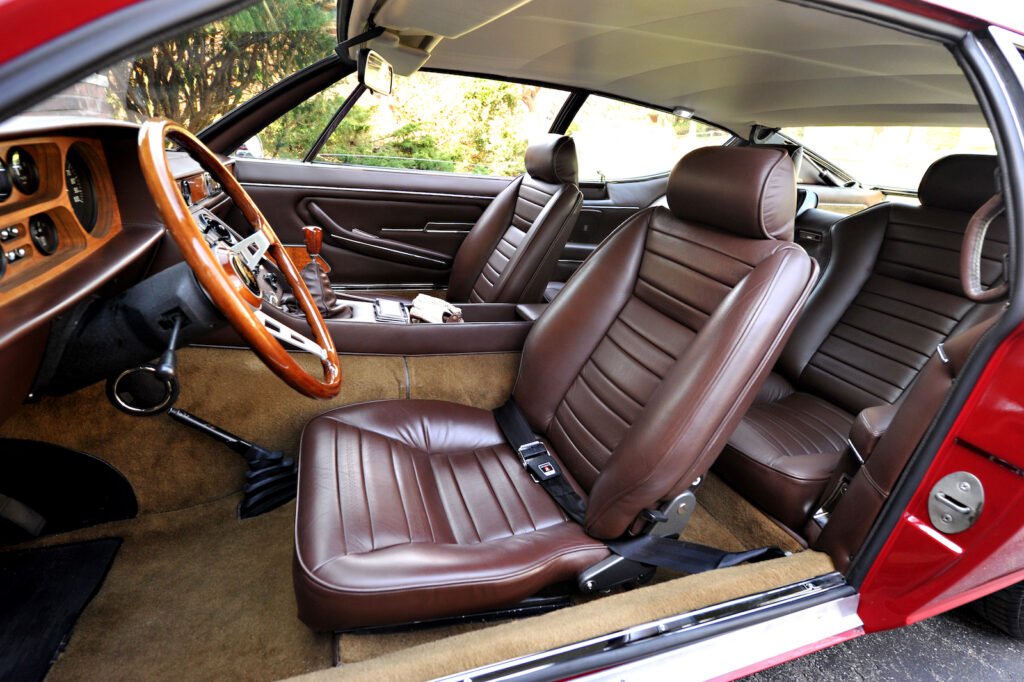
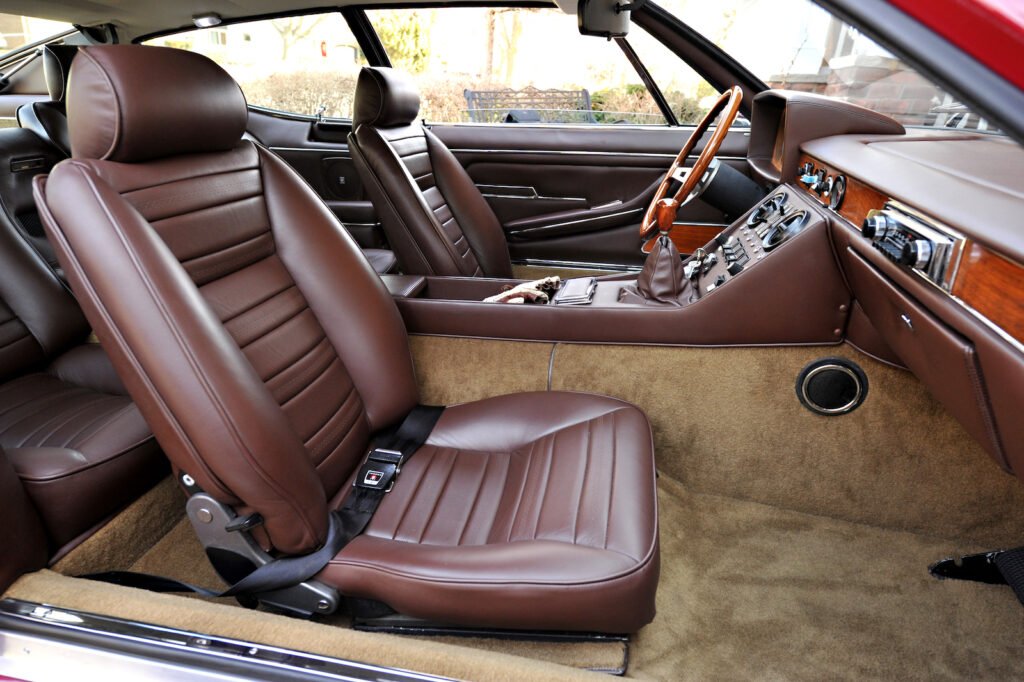
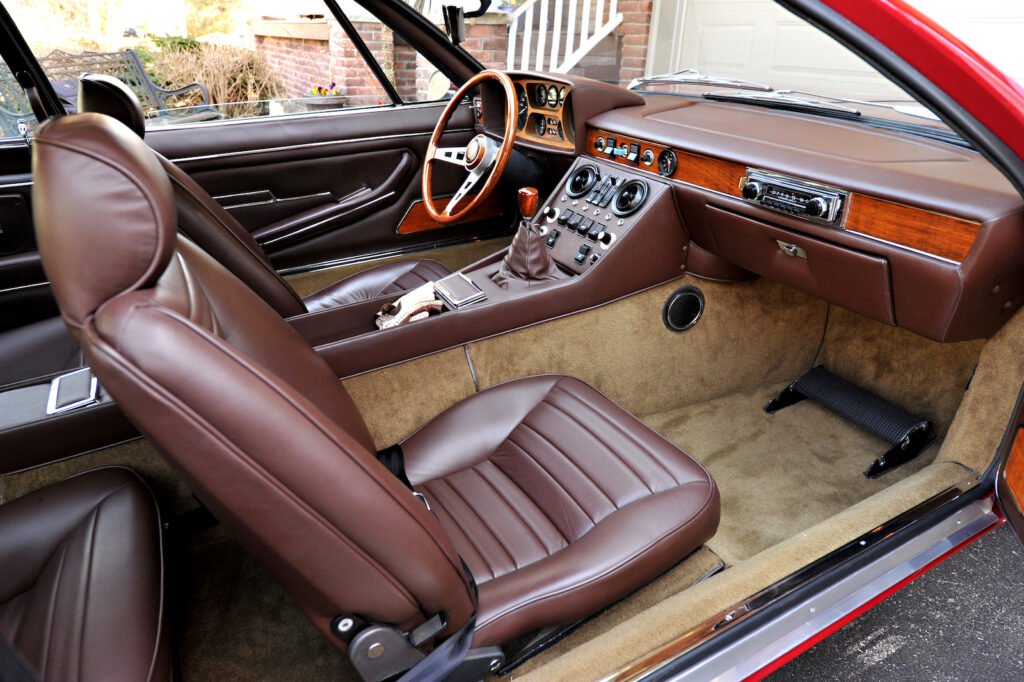
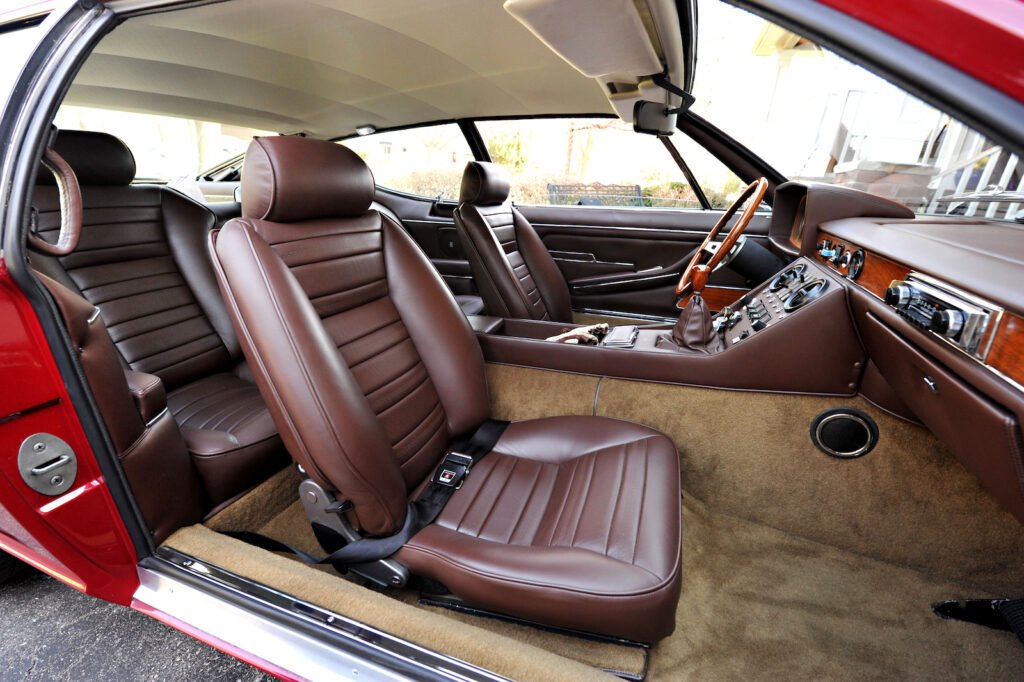
Up until 2002 the Lamborghini Espada was in fact the bestselling Lamborghini the company had produced to that point at just over 1,200 cars, only surpassed by the introduction of the Gallardo. One hundred fifty Series ones were made (3.7 litre engine and no wood in the interior), 564 Series twos (wood dash with a 3.9 litre) shown here, and the rest being series threes (aluminum dash and five bolt wheels).
By 1971 it is reported that the Espada retailed for 14,000 pounds in the UK, 2,000 higher than even a Rolls Royce. All was not well at the factory, however, and in 1971 Lamborghini was in deep trouble. For the first but not last time, the company filed for bankruptcy protection. Lamborghini was eventually saved by a Swiss industrialist friend and years later was again sold to the Chrysler Corporation who were looking to add a little polish to their portfolio. Today, several years later, the company has survived, now healthy and building great cars under Audi’s leadership and vision. For many, like myself, the essence of the marque and its mystique lay in the old cars produced in the pre Chrysler days.
I acquired the Series 2 Italian spec you see before you in 2009.
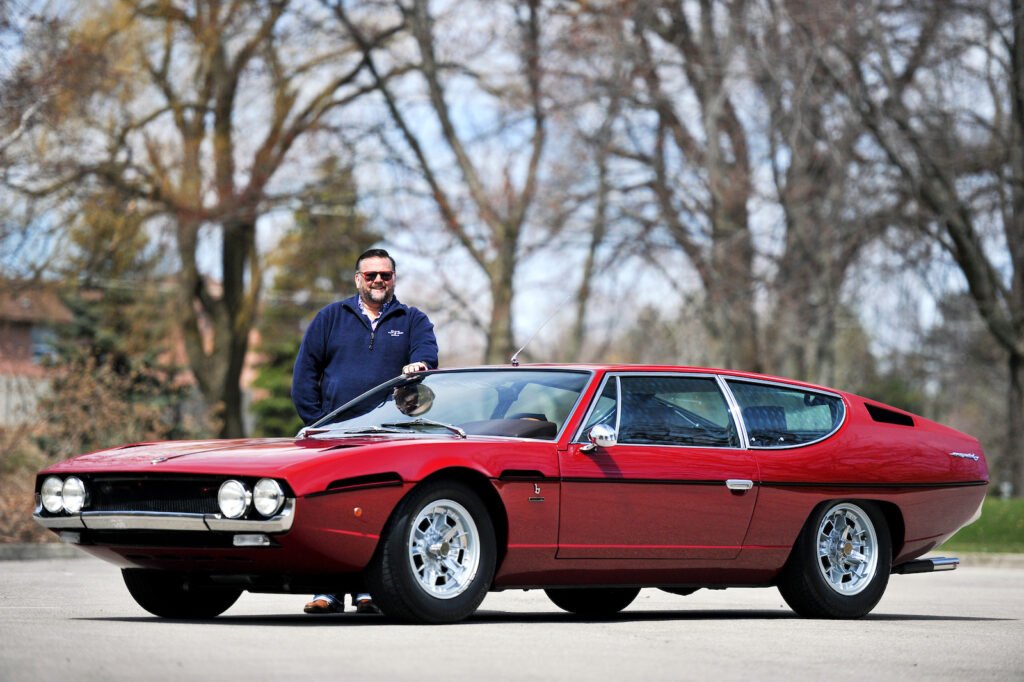
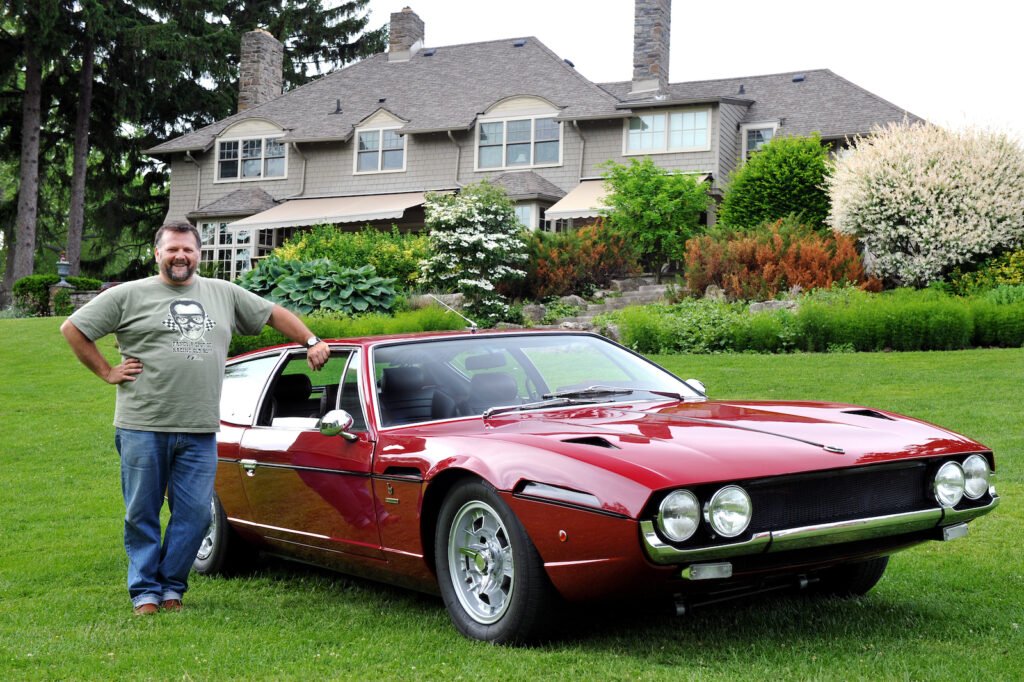
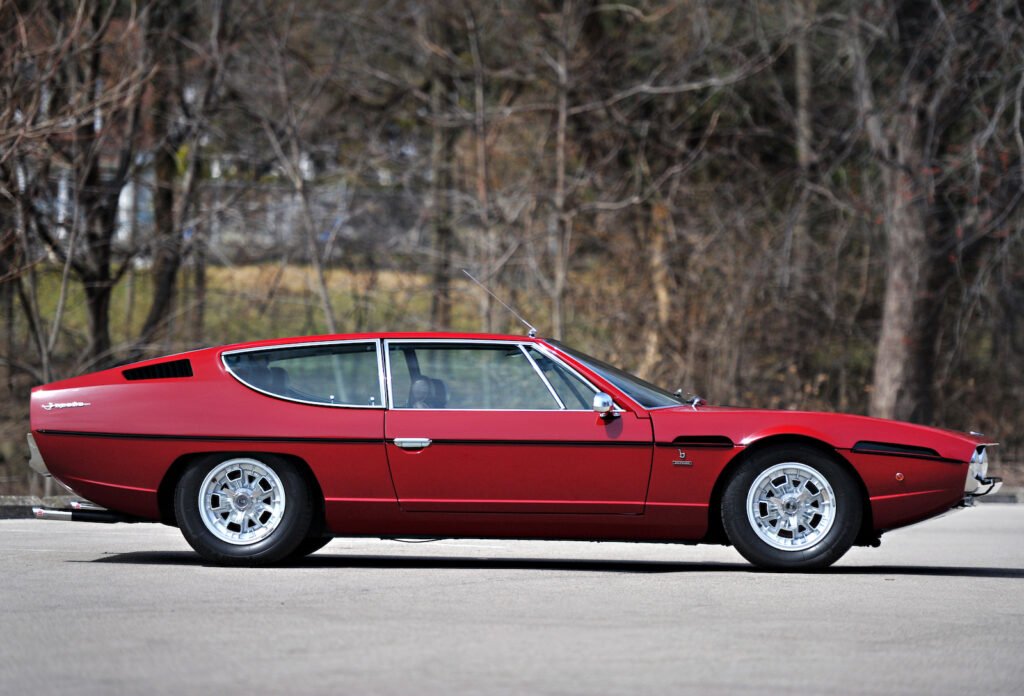
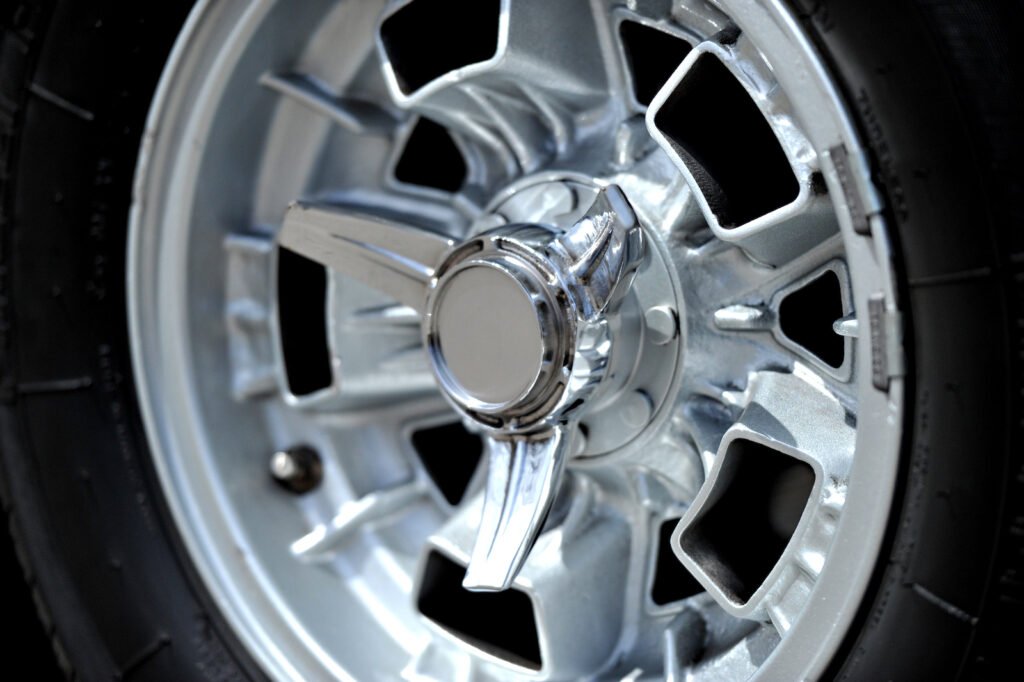
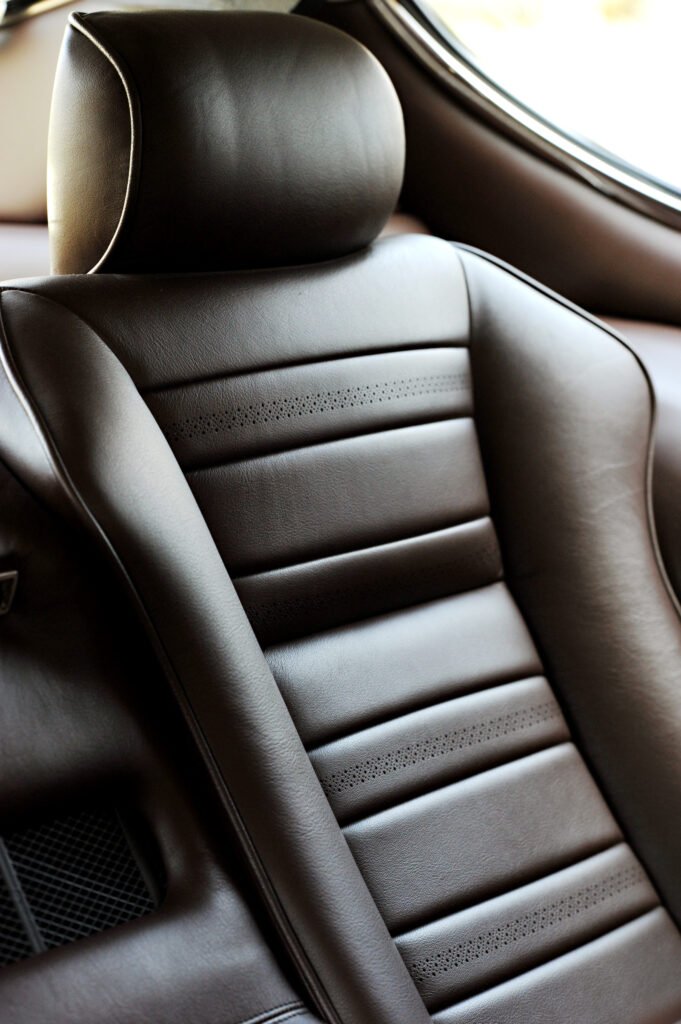
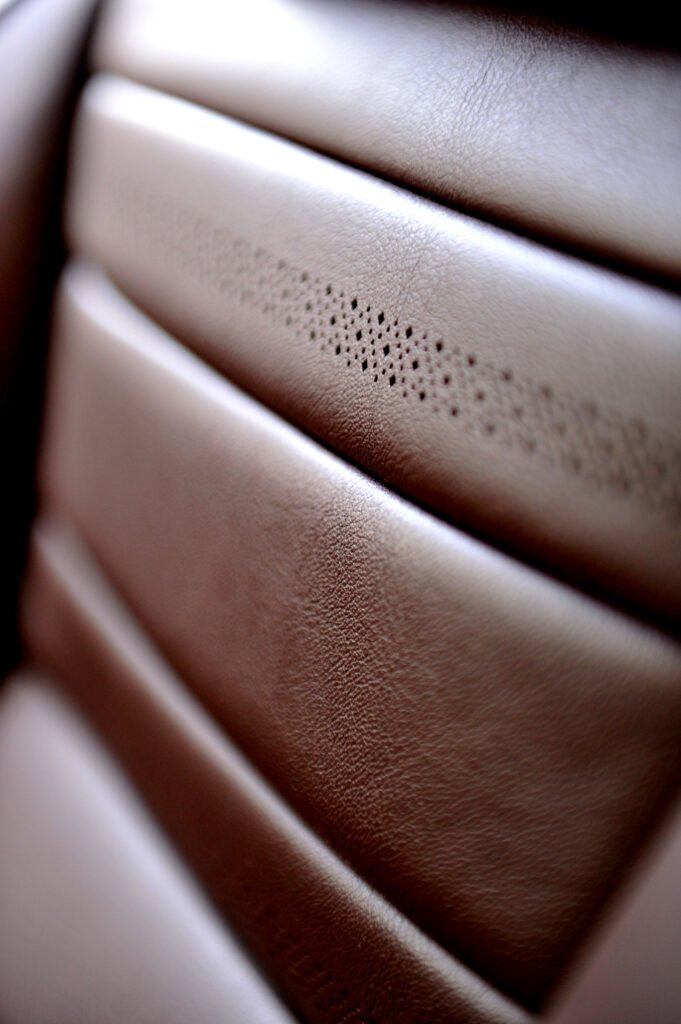
Although very rough and very needy, it was rust free and mostly complete with the intact matching engine and transmission. I sought out the series two specifically knowing most were never federalized with any sort of emission controls combined with the larger 3.9 litre engine, wonderful mahogany dash, and those glorious single hub knock off Miura style magnesium wheels.
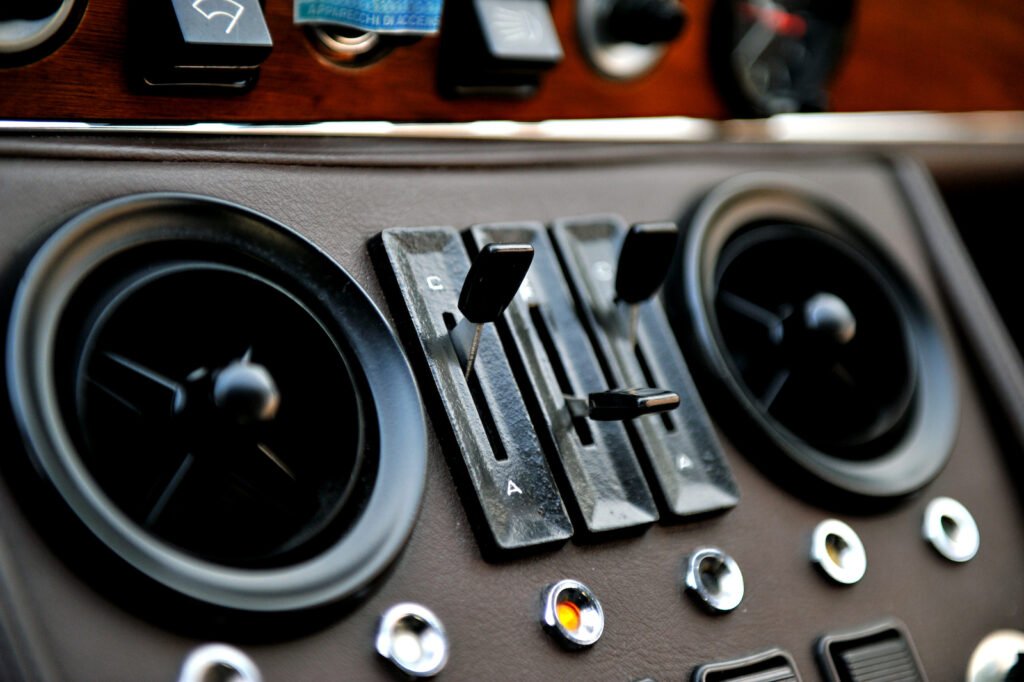
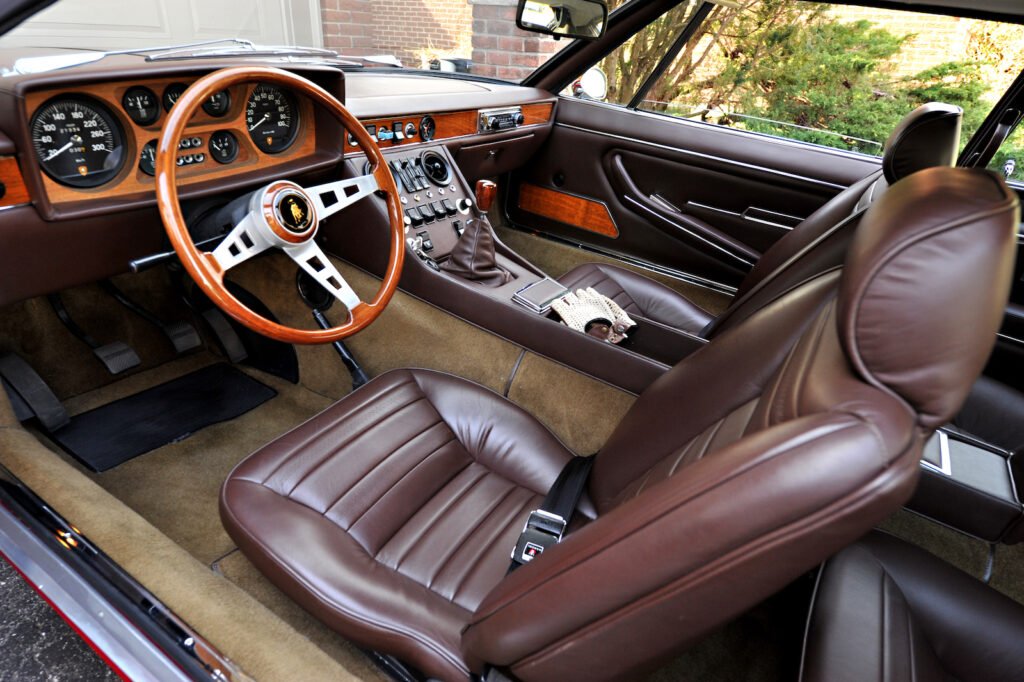
After 3 years and a whole lot of blood, sweat and green, I finally decided to show the car where it would be most appreciated. In its 2013 debut year I was honoured to win a total of 5 awards at the Amelia Island Concours, Inn at St. John’s Concours and even Best Lamborghini at Le Belle Macchine. To some it may seem strange, but my most rewarding part of the restoration, apart from the people I met along the journey, was obtaining the tax sticker to be glued on the cigarette lighter. You see back in Italy in 1971, if you ordered a car with a lighter you paid the cigarette taxes on the lighter itself and it therefore was shown “taxes paid” by the blue label affixed to the lighter.
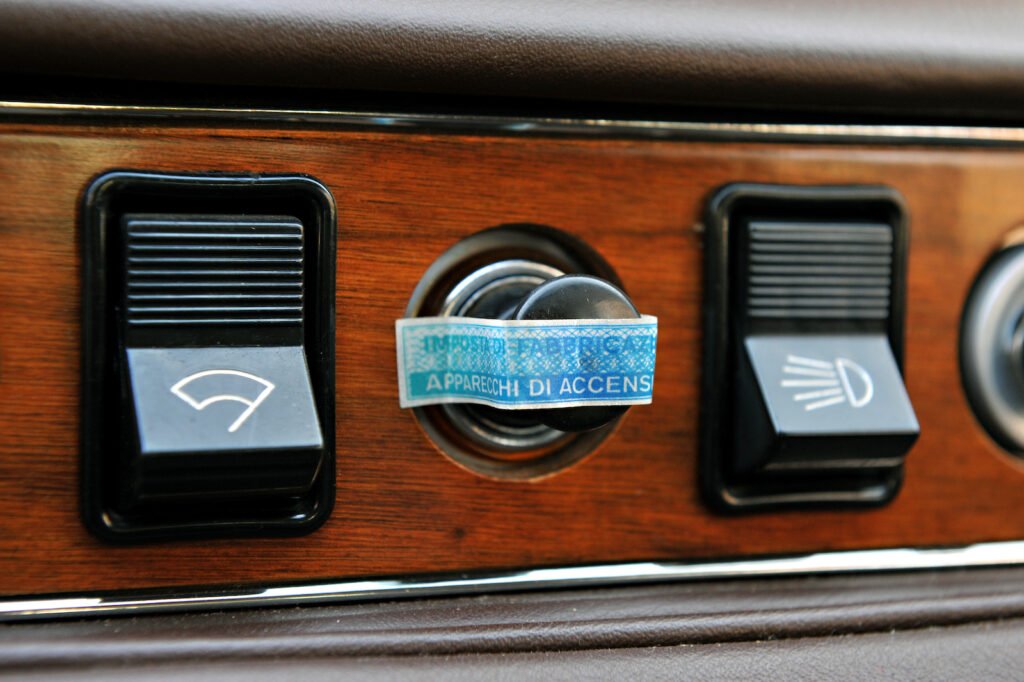
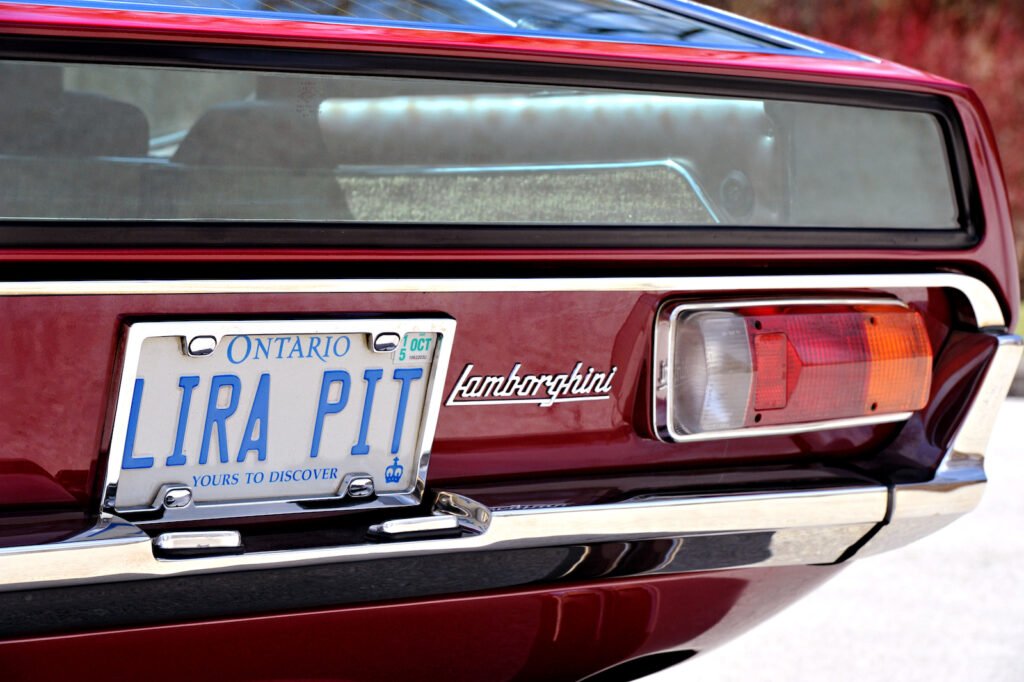
During my 6 years with the LIRA PIT I have driven it over 14,000 km with barely a hiccup. Many readers may already recognize this car as I am no stranger to the highways and cruise nights in and around Southern Ontario.
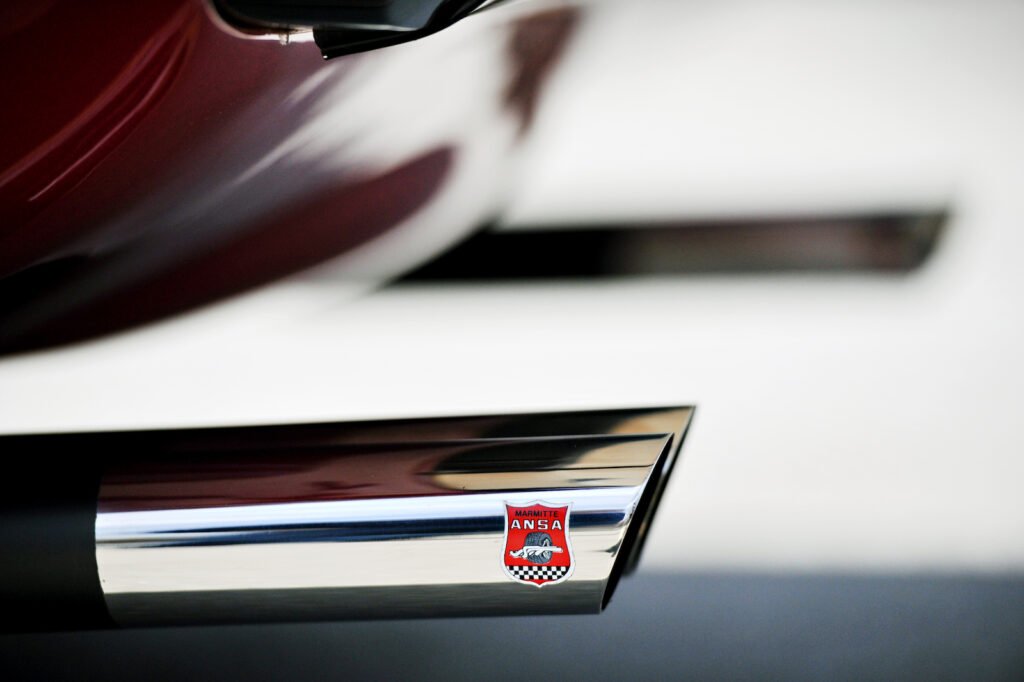
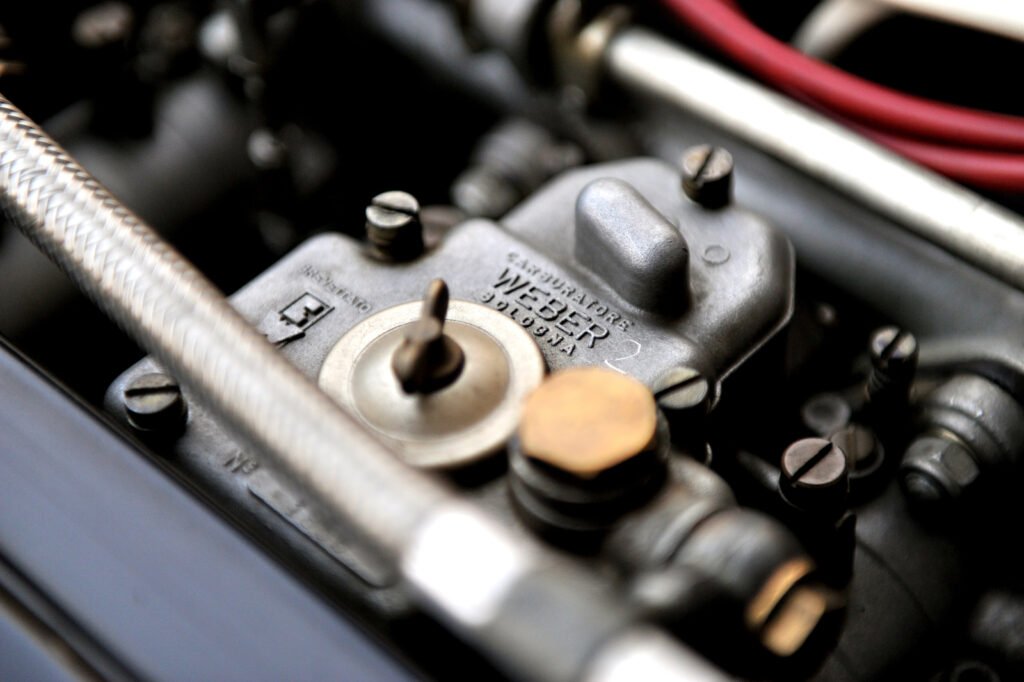
If I had to name one reason to own and use such an old rare car, one totally intoxicating reason, it would be the noise. Twelve cylinders, 4 cams, 6 Weber Carbs, dual Ansa exhaust and a redline of over 7,000 rpm make for the perfect mechanical symphony not found in today modern machines.
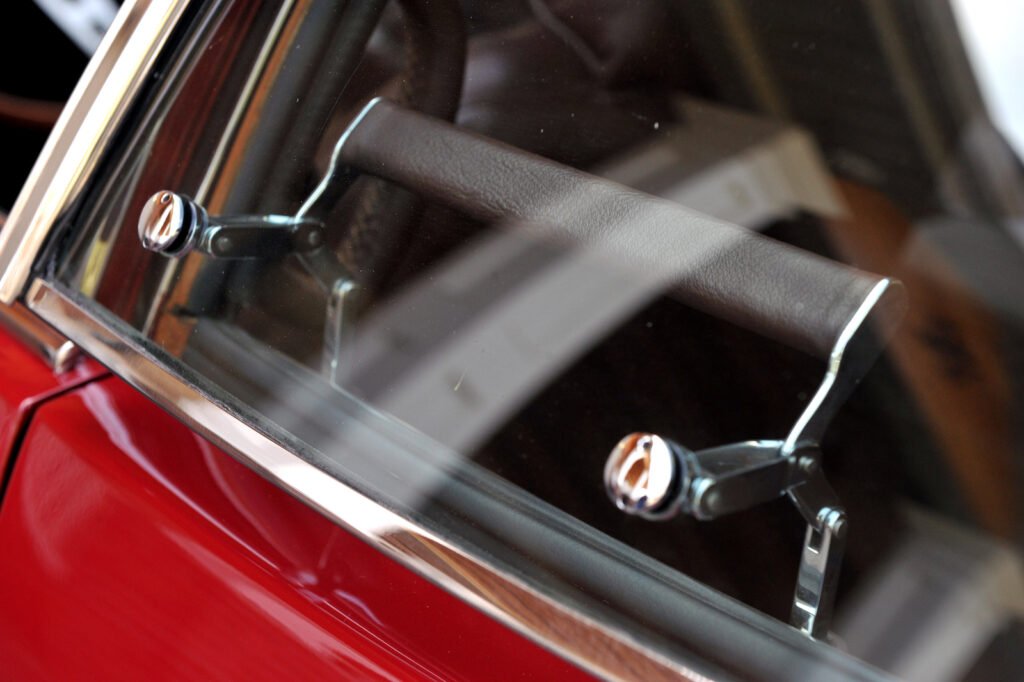
Values for early Lamborghinis models have skyrocketed in recent years, as has the appreciation for rare vintage Italian cars in general. I’m not too concerned at the moment however as this one’s not for sale. I still have lots of driving to do…windows down of course.