
Photography by Lucas Scarfone and courtesy Justin Sookraj
Ah, the ’80s—a time when almost anything wacky and wild seemed possible, especially in the automotive world. Aside from the exotics, it was an era of style clashing with economy, flash colliding with frugality—having your cake and eating it too. Drive it now, ditch it later… or let it rust into oblivion.
One of the reasons for this was that back in 1981, Japanese OEMs faced “Voluntary Import Restrictions” from all their largest export markets. Places like America and Europe limited how many cars Japanese companies could bring in, and sell, to their citizens. The Japanese auto industry realized its collective strategy of making money from high-volume, low-cost, low-profit-margin commuter cars would no longer work abroad, and that instead, they’d need to move to higher-priced vehicles with greater profit margins. The pressure ushered in the upscale brands like Acura, Lexus and Infiniti from previously economy focused Honda, Toyota and Nissan, and helps explain why we saw a new focus in sports cars and unique (and frankly, awesome) vehicles from Japanese makers as well by the late ’80s.
All of this paved the way for one of the smallest niches in automotive history: the modular car. Enter the revamped Nissan Pulsar NX, a vehicle designed to be sporty yet fuel-efficient (still a key concern even as the fuel crisis faded). It needed to be fun to drive but comfortable in the city, open-air for a cruise yet practical enough to haul your gear to the beach. The world’s first truly modular production car, it featured an interchangeable rear end—business in the front, party in the back.
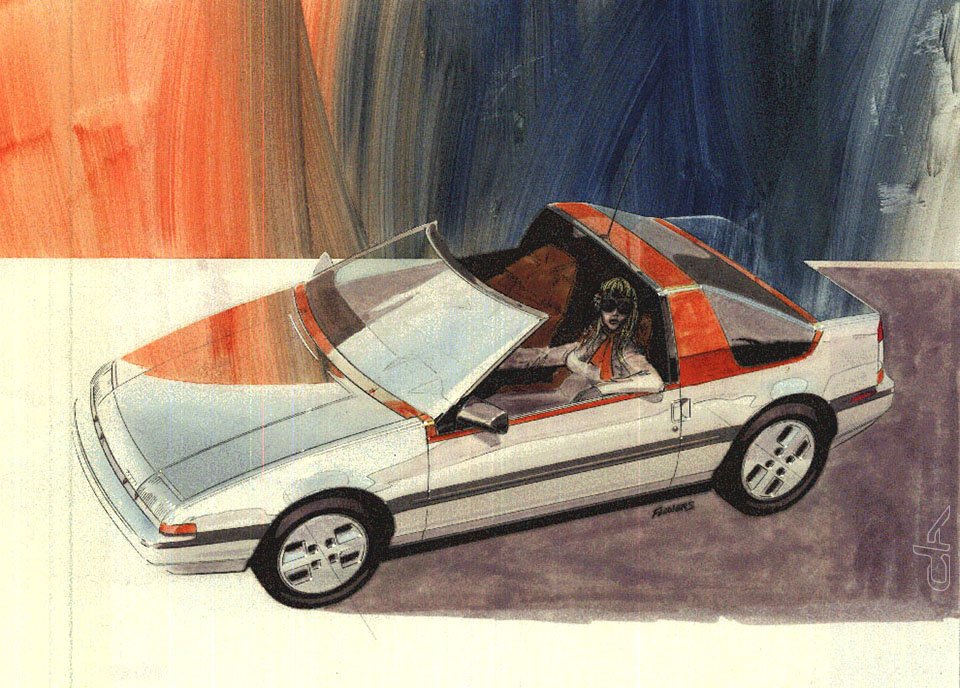
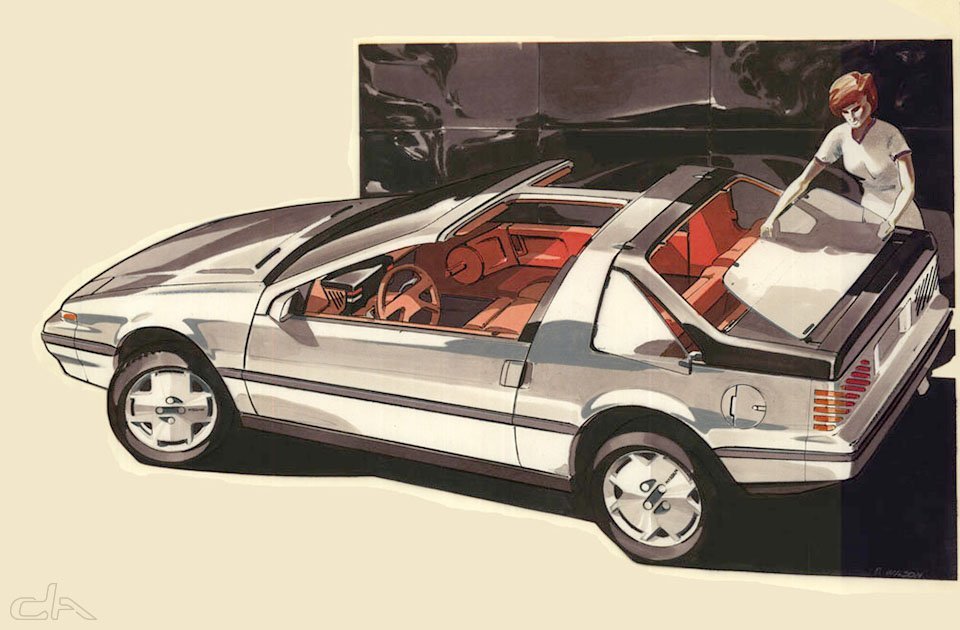
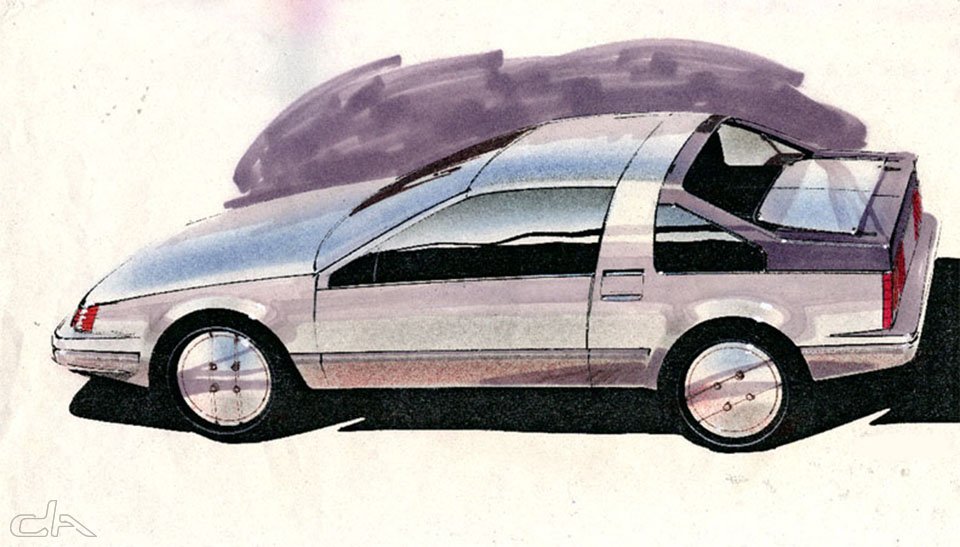
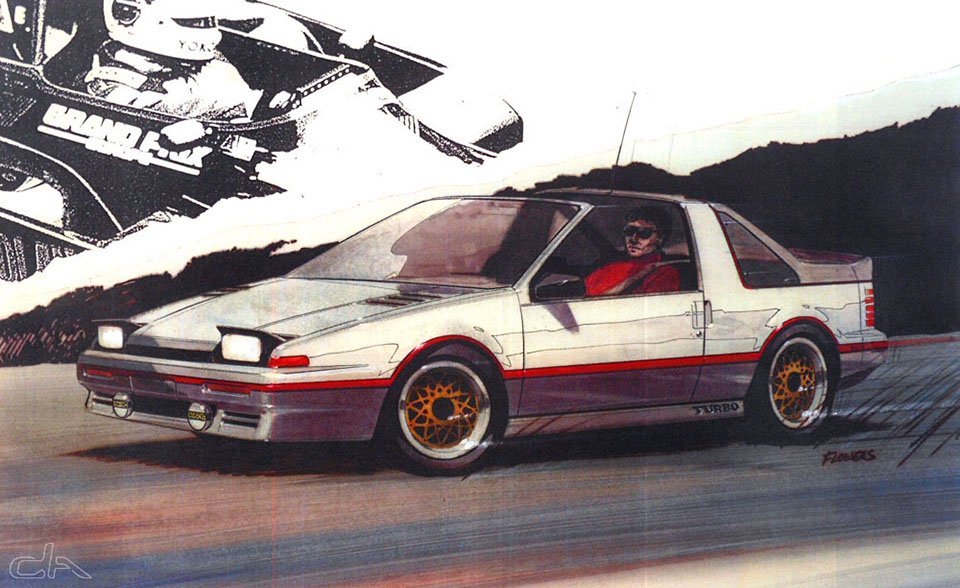
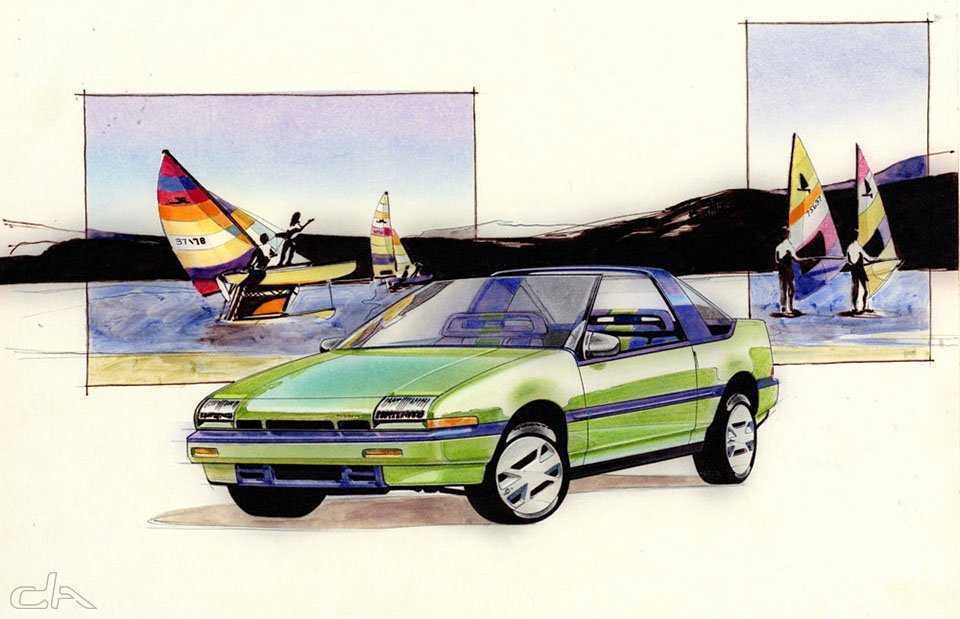
The challenge landed in the hands of the famously creative team at Nissan Design International (NDI) in California in the spring of 1984. The first-generation Pulsar, which debuted in Japan in 1982, was due for a North American upgrade—a wider, sleeker, more modern version set to arrive by the late ’80s. The winning concept allegedly sprang from a happy accident—an early design sketch where a simple colour change on the hatch made it appear removable or interchangeable. The result was quintessentially ’80s—the second-generation Nissan Pulsar NX.
“That Pulsar, I loved that car so much,” says Bryan Thompson, who not only worked for NDI as a designer for a decade, but also bought his first Pulsar NX from the car’s designer, Doug Wilson. “He was great to learn from. He gave me one of his sketches from the Pulsar program, which I still have. I found it in the corner of a studio with a footprint on it. Somebody had stepped on it, and it was an actual drawing of a woman removing the roof. And he just told me, ‘you know, you’ll probably be a better custodian than the company will be to this, so just take it home,’ and I did. I had the footprint removed like by an archival type of restoration place… we reframed it, put it under glass and now it’s this beautiful piece of art that I have forever.”
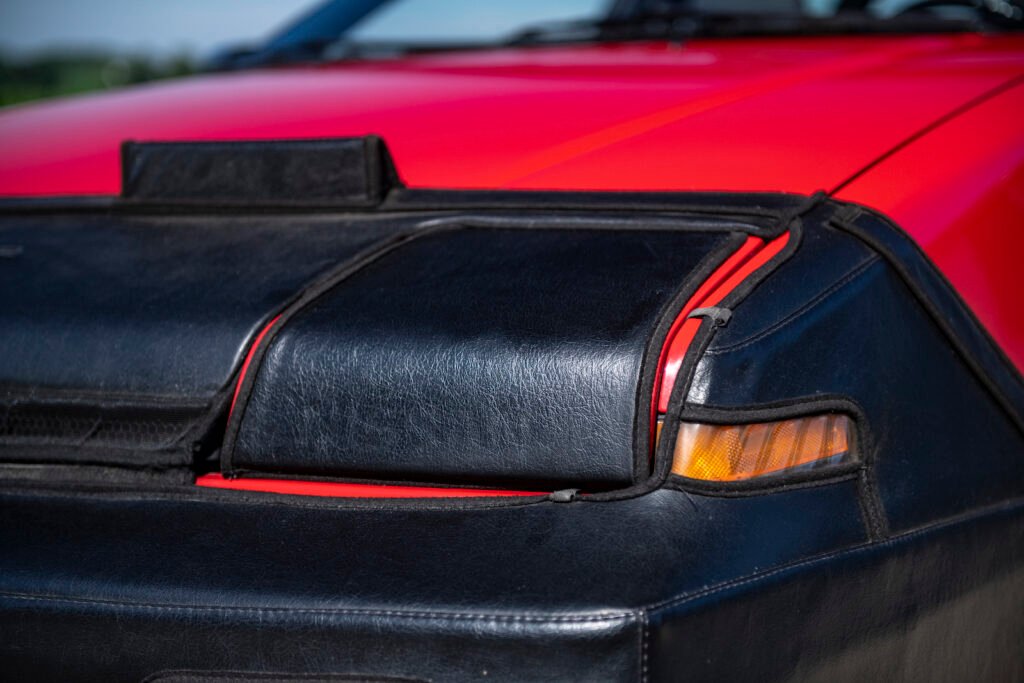
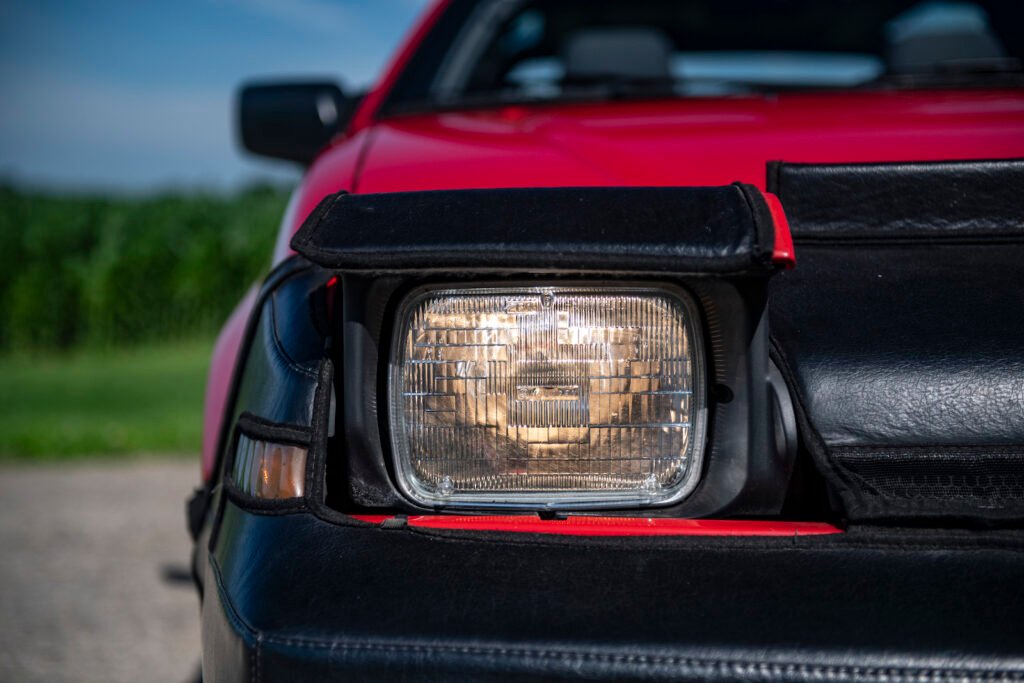
The Pulsar NX checks all the era’s styling cue boxes (short of a digital dashboard, which had already become somewhat dated by this point). Flush door handles with a vertical notch for access (ala CRX), retractable antenna in the roof and an angular trunk lid that included an integrated rear spoiler with light. Wedgy – but not as wedgy as its predecessor – with pop up headlights, art-school-sketchbook-come-to-life tail lights and, of course, all the fun removable bits.
“My favorite design element is the fact that they would just spend money in areas that you just don’t have money today,” says Thompson. “Everything from the fact that the little speaker grill covers in the back emulate the taillight lens shape, to the little air vents on the doors that pop out for no reason. If they were permanently fixed, they would look just fine. They didn’t need to pop! Like now it’s in, ok, so what? I’ll have less air. That’s right. But they spent so much money on bespoke elements to that car. It even has its own door handles on the outside. That was Nissan, just the kind of things that made them great, but also the kind of thing that got them in trouble. But I love just those bits, they are my favorite elements by far.”
Thompson later sold the car, only to find it years later in a wrecking yard. He restored it, bought another and eventually ran a pair as mobile DJ booths.
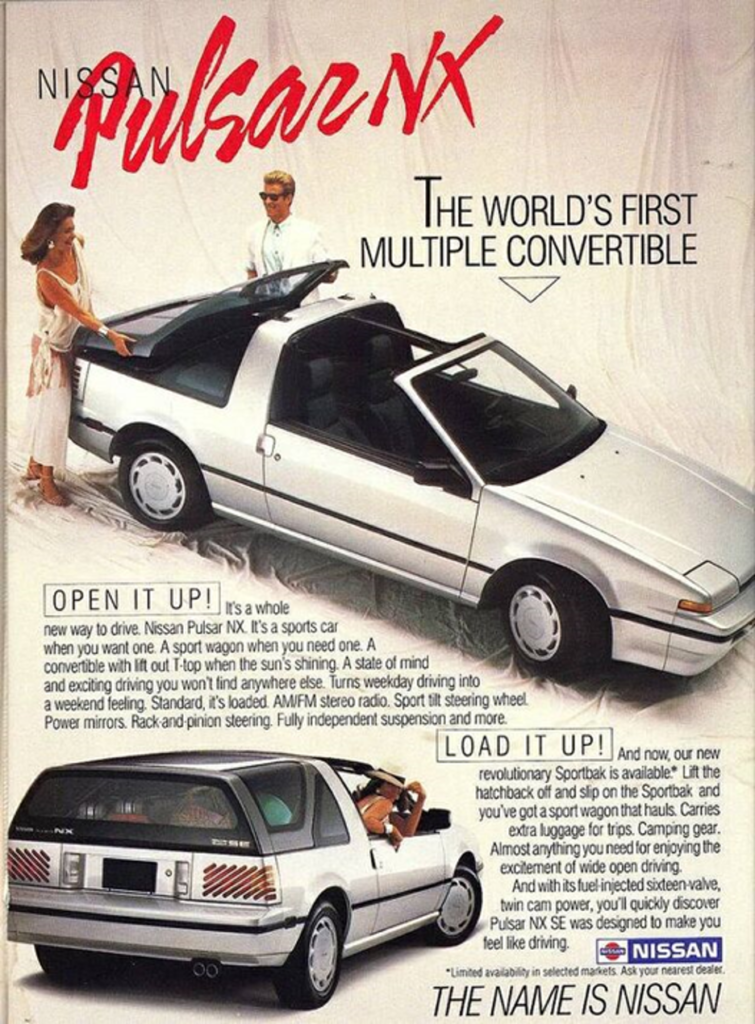
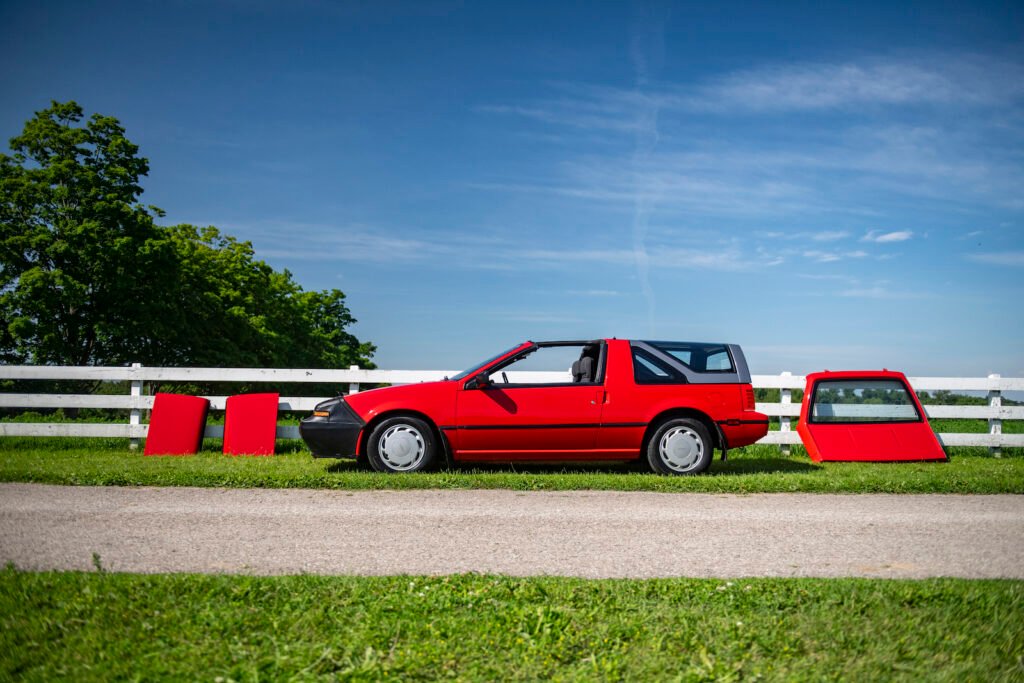
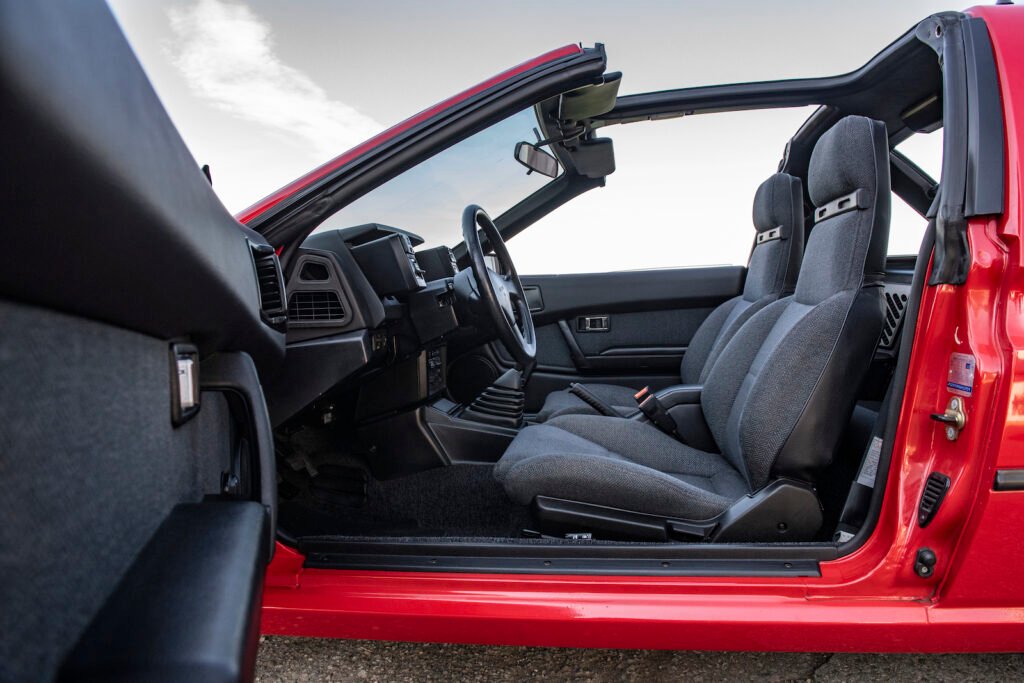
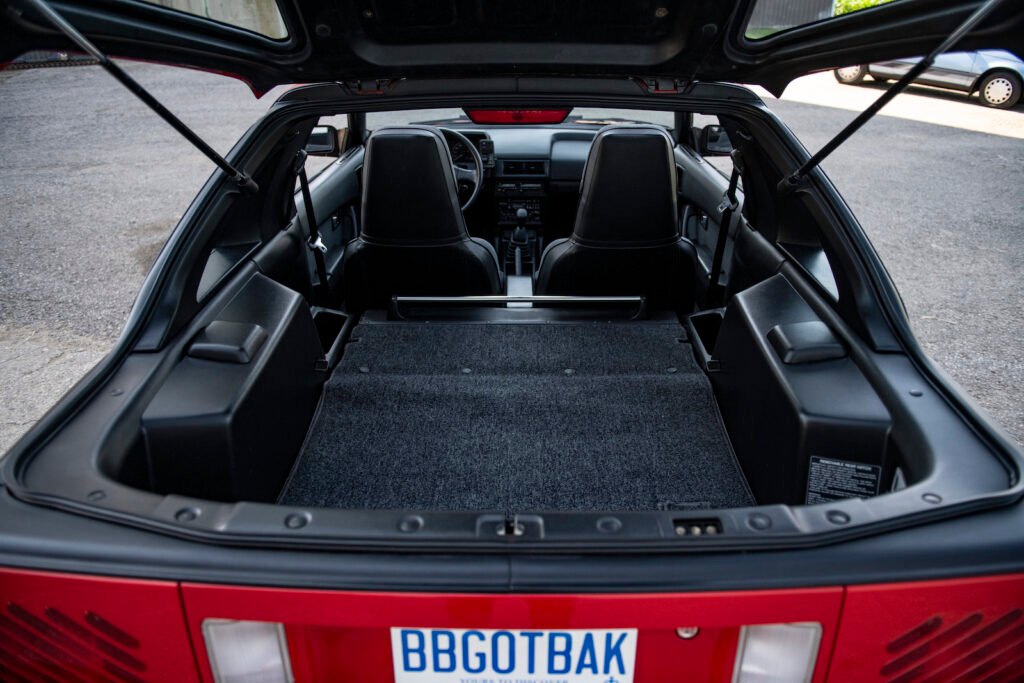
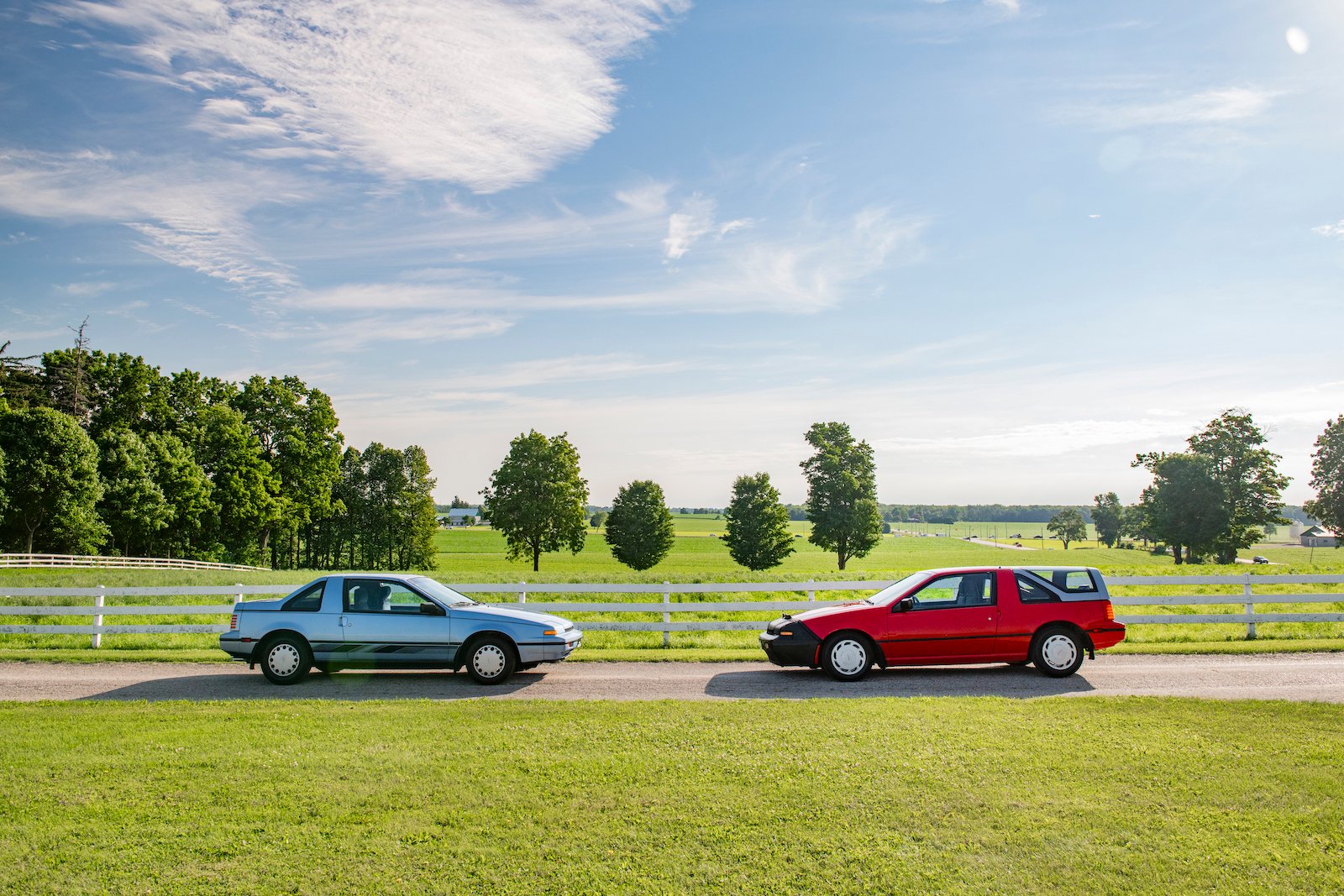
In addition to T-top panels, which can be taken off and stored beneath the rear deck, the Pulsar NX featured a removable hatch, allowing it to transform into three versions. With the trunk attached, it’s a stylish coupe. Remove the trunk (and T-panels), and it’s a fun convertible. With the optional Sportbak, it becomes a wagon-style shooting brake—hence the ad calling it the world’s first multiple convertible.
However, only the standard trunk lid setup was simple. Removing the hatch required unbolting and two people, a process Nissan framed as a “couples activity.” To keep it street-legal with the top off, a high-mounted brake light was added, which worked only when the hatch was removed. Initially, all Sportbak hatches came in silver, but some dealerships repainted them to match the body.
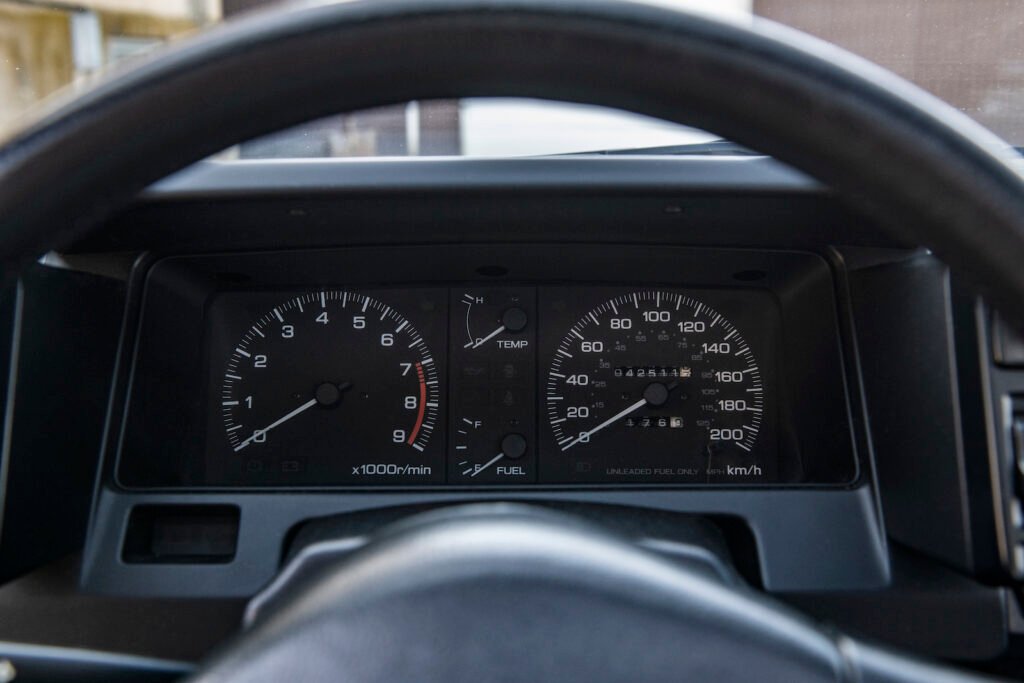
Inside, the Pulsar NX had a surprisingly premium feel, borrowing from pricier cars of the era. The dashboard and console plastics were close-grained and non-glossy, while the door panels had sculpted armrests with seat-matching inserts. The seats were well-bolstered yet soft, balancing comfort and support. The instrument panel was pure ’80s, with a tachometer and speedometer framed by control pods housing buttons for the headlights, wipers, interior lights and rear defroster.
The Pulsar technically arrived in North America in 1983 as a Datsun. The transition to Nissan badging that year also saw the introduction of the “EXA” name in European and Asian markets. Badged as the Dastun Nissan Pulsar NX, this sport compact version was available only in two-door coupe format. The fun-engine option was the turbocharged and fuel-injected E15ET, which I’ve only seen 1 of in 40 years of looking.
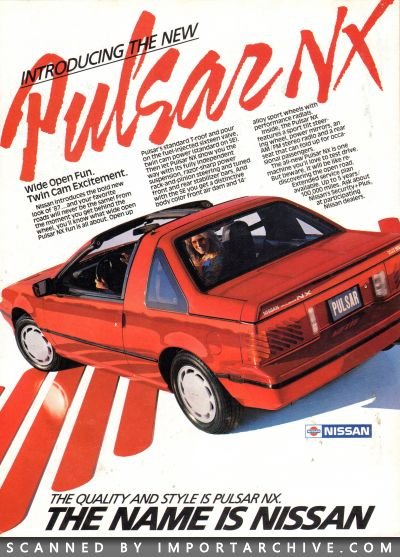
Our second-generation Pulsar twins shown here match the brochure specs, the same colours Nissan featured in print for both trims in 1988. The Blue XE had an economy-focused 1.6-litre inline-four with throttle body injection, while the Red SE (1989 and later) packed a sportier 1.8-litre dual overhead cam engine with electronic fuel injection.
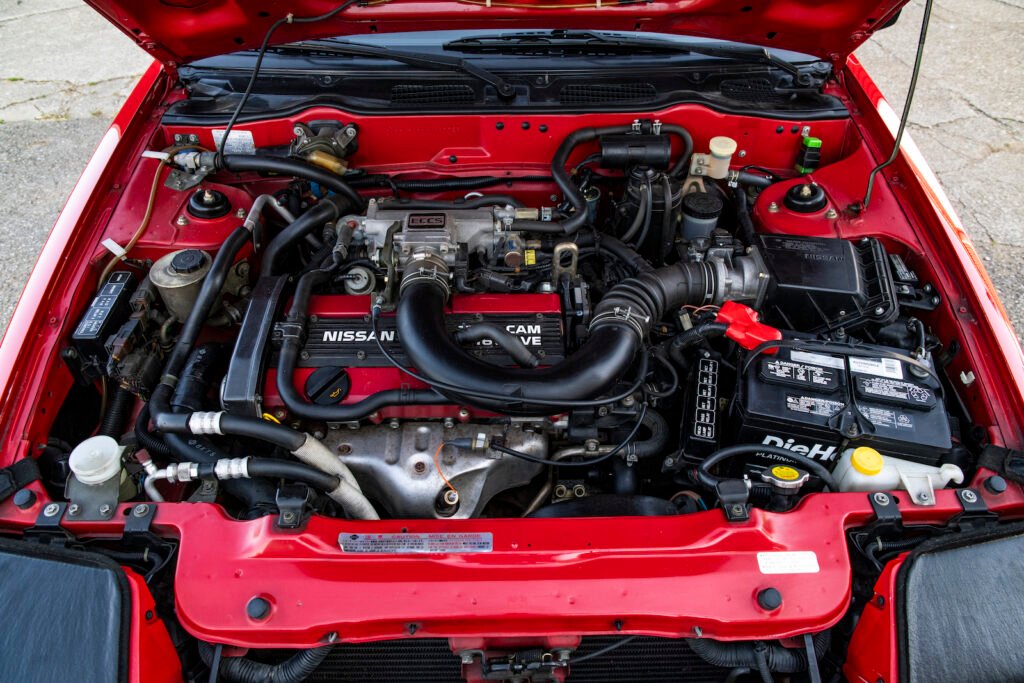
The SE’s CA18DE engine was advanced for its time, featuring a split-plenum intake manifold. Under normal driving, cylinders receive air through one section of the intake. Above 3,600 rpm, an electronically controlled butterfly valve opens a second section, increasing airflow. This two-volume plenum design boosts low-end torque while maintaining high-rpm power to redline.
The same ECU that controls the intake also manages ignition timing and fuel, using multiple sensors – including one for crankshaft position – eliminating the traditional distributor found in the XE’s E16i engine.
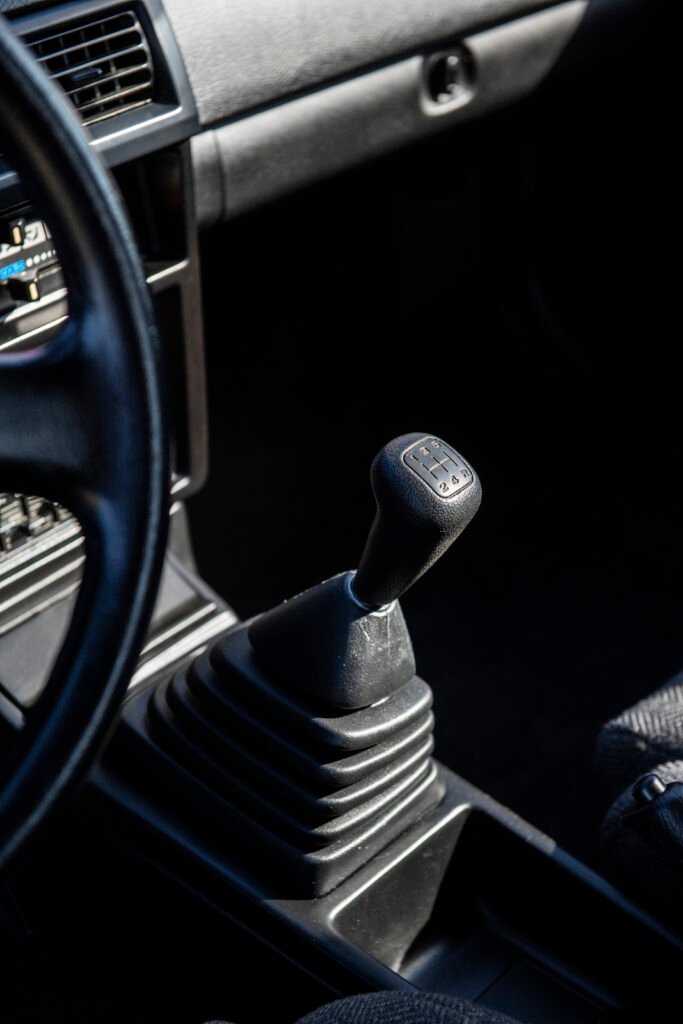
Underneath, economy roots show in both models. Power goes to the front wheels via a five-speed manual transmission (an automatic was available on the XE, and later the SE). Each end features strut suspension. The XE came with 185/70R-13 tires on 5.0-inch steel wheels, while the SE rolled on 195/60HR-14 tires with 6.0-inch alloys.
So, how does it drive? The Pulsar handles well for its time. In early tests, the SE pulled 0.77 g on the skidpad. Its suspension is firm yet well-damped, and the steering offers road feel without being over-assisted.
All of these elements deliver an authentic ’80s analog experience. While it won’t outrun a modern minivan, it’s packed with tactile quirks that make it rewarding. So, pop in a Men Without Hats cassette, watch the digital EQ’s flashing lights, peel off the T-tops – or even the Sportbak – and prepare for a time warp of a drive.
Our two Pulsars exist thanks to the very thing that usually destroys them: rust.
A few years ago, a Toronto wrecking yard posted a photo of a red Pulsar just towed onto their lot. With a broken rear subframe and a body buried under layers of paint and Bondo, it was sent to the back to be stripped for parts. But someone at the yard recognized its Sportbak option might generate interest—hence the post.
And interest it got! The public went wild, accusing the yard of automotive murder for letting it be scrapped. The post racked up 300-plus comments. Lucky for me, friends kept sending the link, all saying, “You need to buy this.”
While others took to Facebook, I went full ’80s and reached for an ’80s device, the telephone, to buy the ’80s part. They wouldn’t take a credit card over the phone – of course – but told me they’d hold it until the end of the day, 5:30 and no later.
So, without so much as consulting a measuring tape, I jumped into our vintage Suburban and drove to the yard, arriving at just before closing time. Armed with Youtube and some modest tools – and ignoring several warning labels not to do this – I began to remove the hatch by myself. After loosening and then almost breaking it, a yard worker felt sorry for me and helped me complete the “couples activity.” The part fit into the Suburban with millimetres to spare.
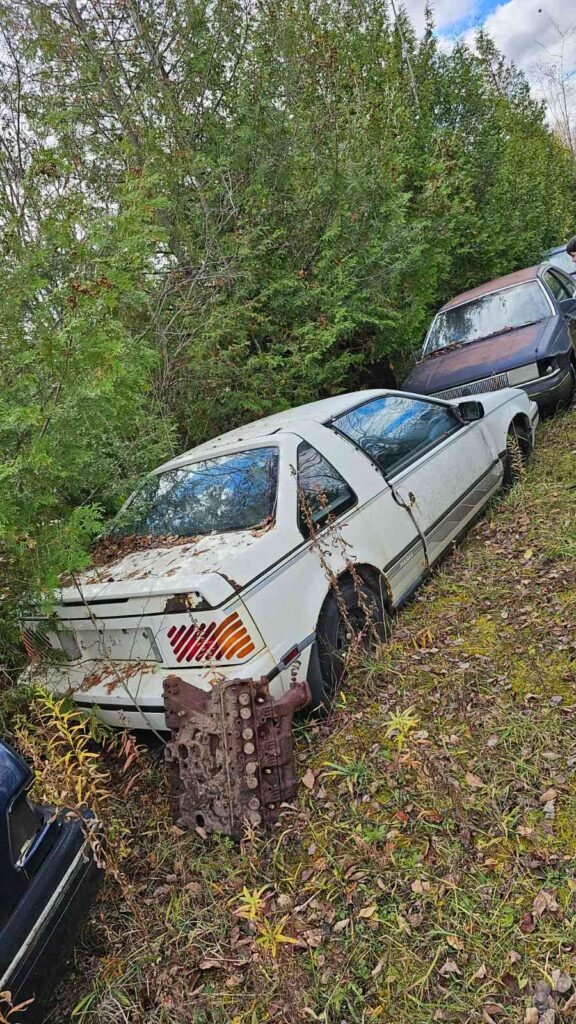
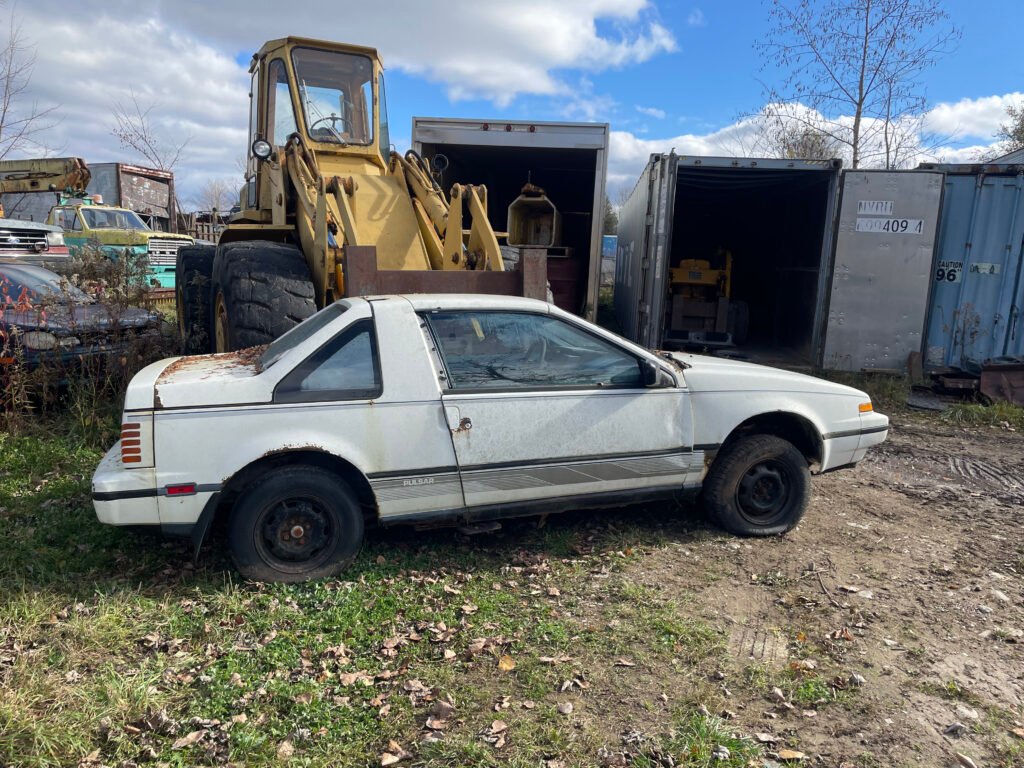
I was now the proud owner of the unique Sportbak, but with no car for it to go on. My initial thought was to restore it and use it as a coffee table, but having never owned a Nissan, I went on a mission to find a car that had things like a floor, body and maybe even a running engine. This proved to be near impossible in this country, with only the occasional rotted-out or unrecognizably modified versions popping up. There was an infamous car that had sat in the ground of a mythical wrecking yard not far from us, but we were warned by all that it would be staying there. So we cleaned up the Sportbak, put it on the shelf and gave up.
Months later, a tow truck driver posted photos of an XE he’d just bought—non-running but stock, solid and restorable. Unlike others we’d seen, it even had floors. A message, a phone call and a trip to Elora later, it was sitting in our lot that afternoon.
We were chuffed to finally have a car for the Sportbak, had it running quickly, and planned to restore the hatch over winter. Then, the same tow truck driver sent us photos of a museum-quality Red SE he’d been hired to move. The one-owner car had been stored in a heated garage for 27 years, with just 43,000 km on the clock. Knowing it was heading to a shop unfamiliar with the car, we called the owner and begged him to hold off. He agreed.
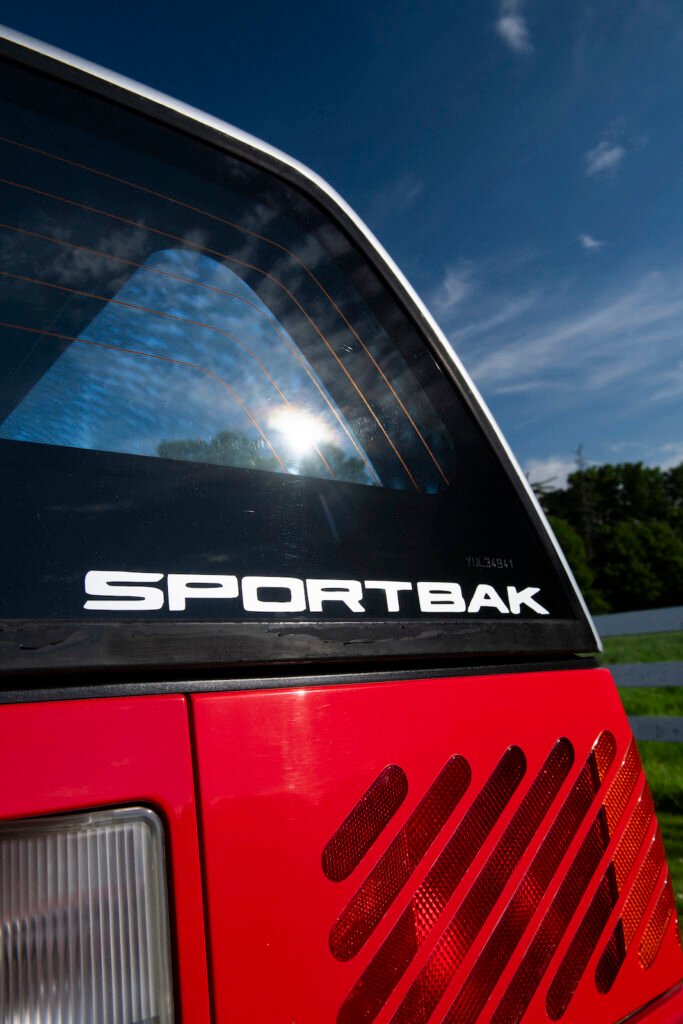
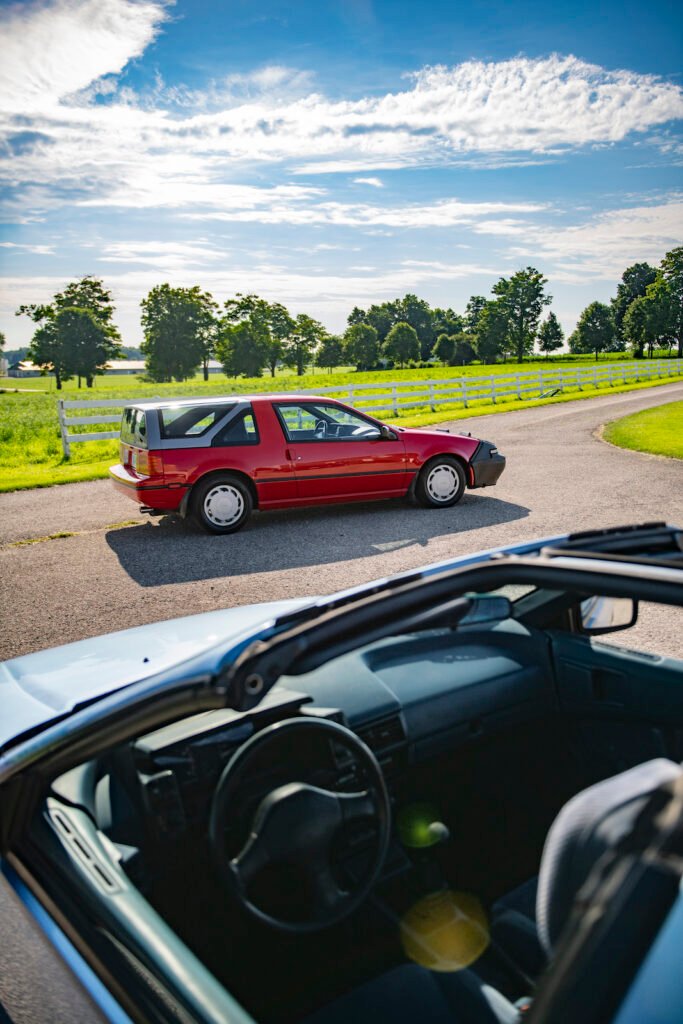
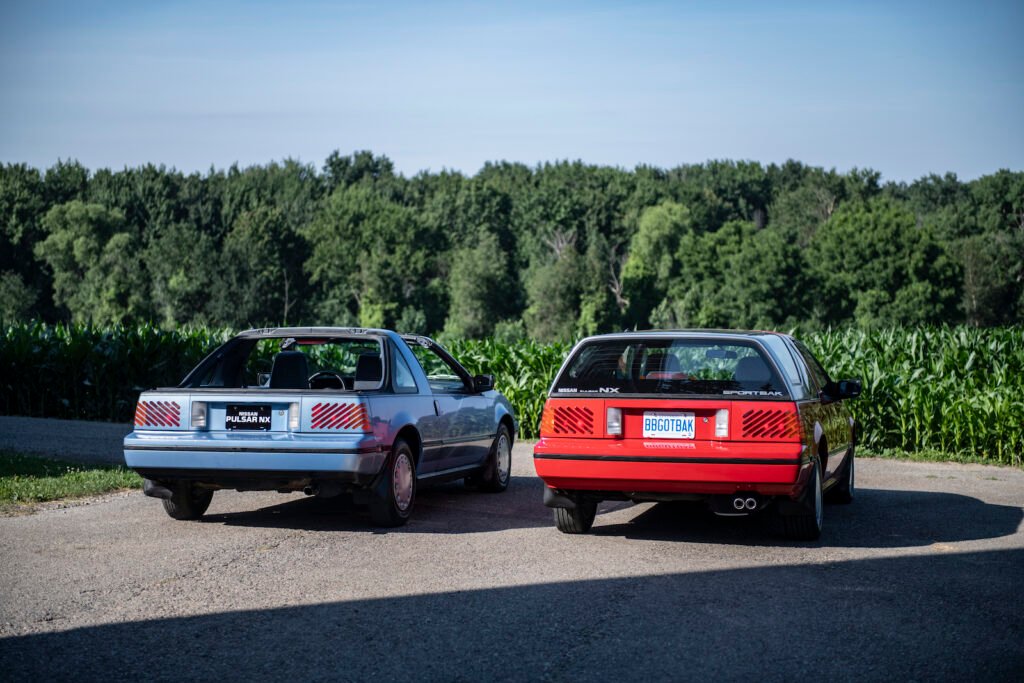
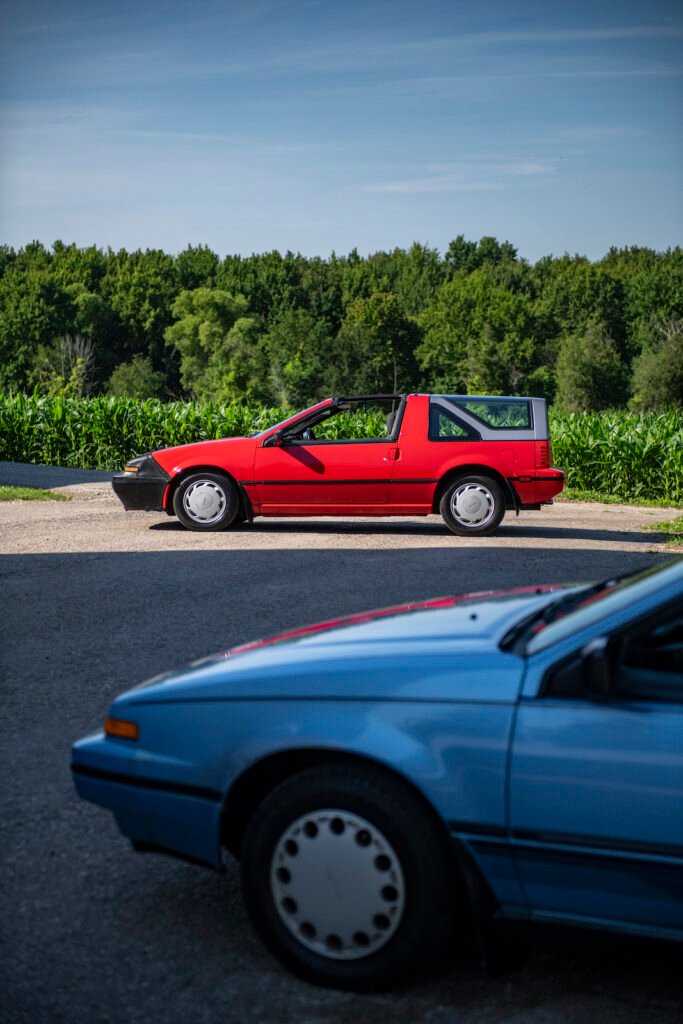
If the XE was stock, this thing was factory fresh, right down to Nissan-logoed rad hoses and clamps. A true time capsule, the kind of car no one would have thought to save. After a new fuel pump, filter, tank clean, compression check and coolant flush, it fired right up.
We restored the Sportbak to silver so it could be swapped between the XE and SE and debuted them at last year’s OBLIVION ’80s and ’90s Car and Culture Show.
Oh, and that parts car in the ground at the wrecking yard? It’s with us now, too.
For someone who lives and breathes cars, it’s funny that it took me 40 years to pinpoint the one vehicle that ignited that passion all those years ago.
Growing up, my parents had a variety of cars, but the one that cemented my love for ’80s design was my Dad’s Pulsar NX. His was not the Swiss Army Knife car analyzed above, but rather the even tinier first-gen. Bought brand new in 1984, it had been a demo car at a Guelph Datsun/Nissan dealership, which meant it had plenty of the toys dealers at the time indulged including Bosch fog lights, 13” Intra rims imported from Germany, a stripe kit and an aftermarket luggage rack. All cool features, but only one thing mattered to 4-year-old me: Pop. Up. Headlights.
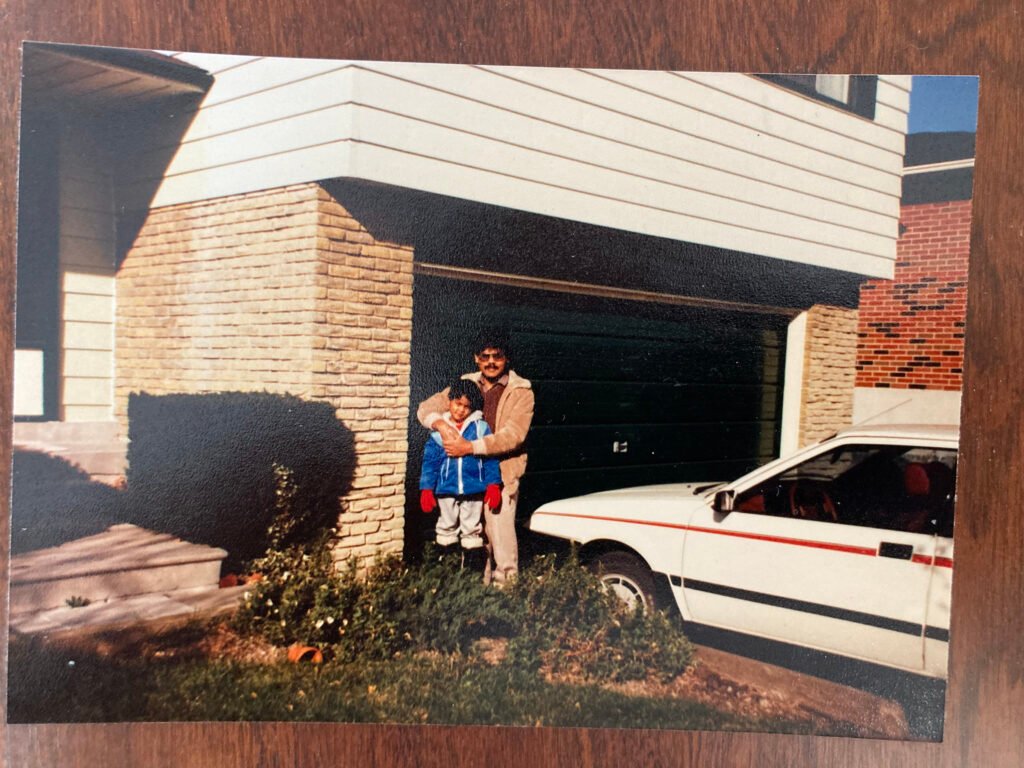
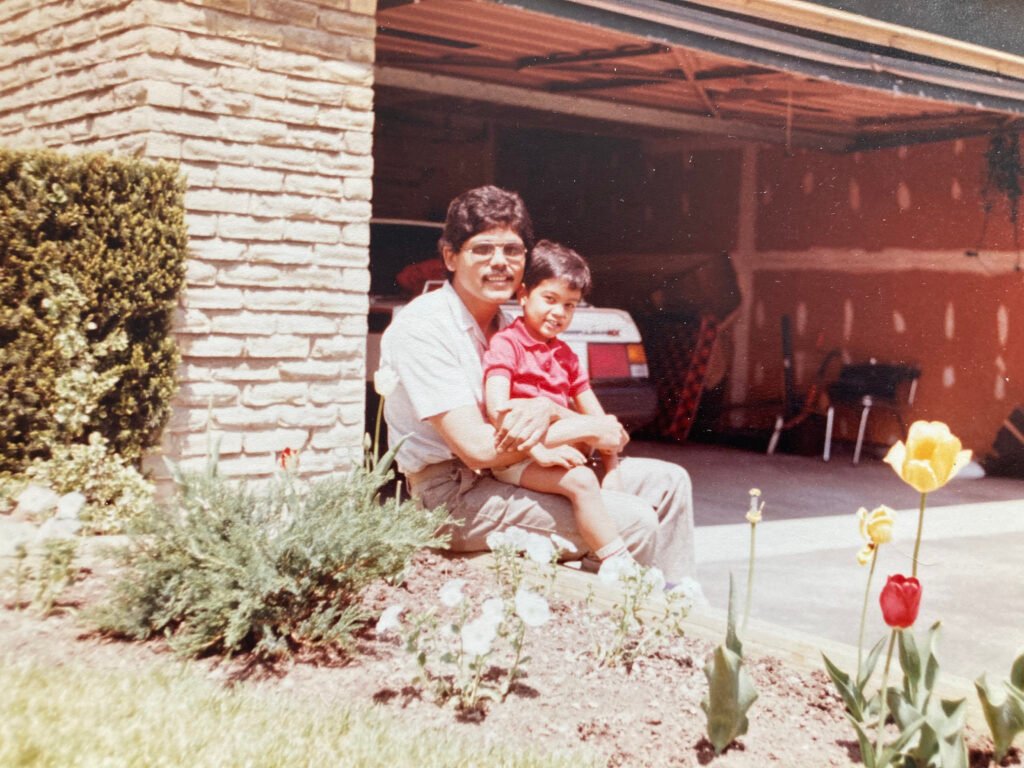
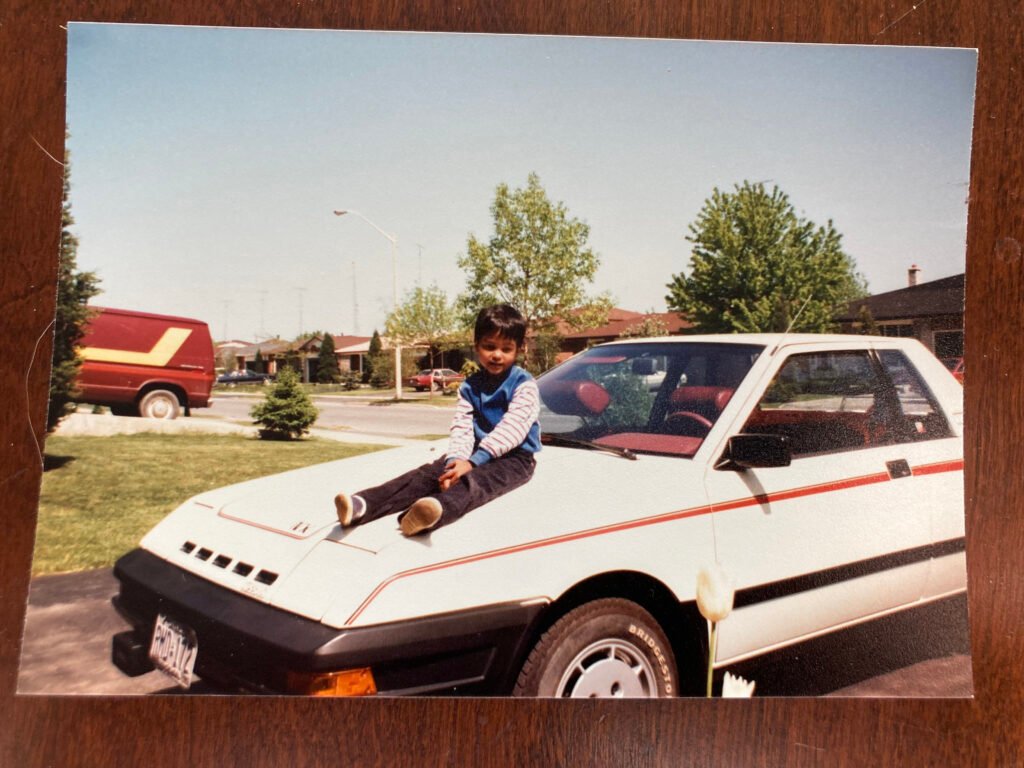
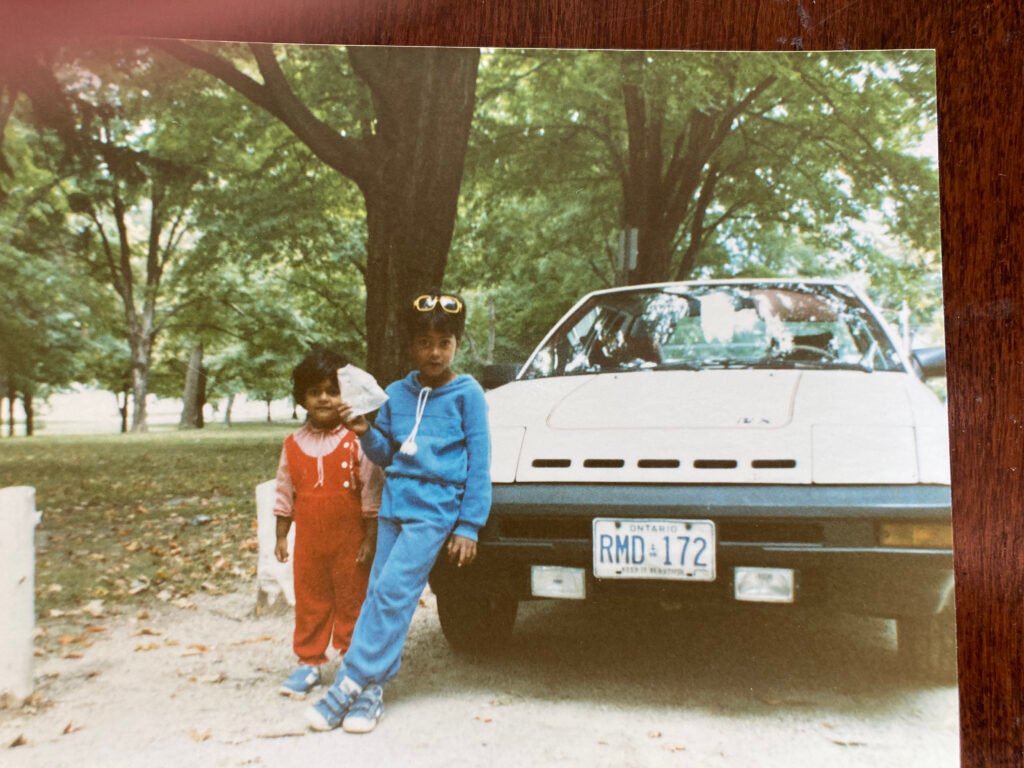
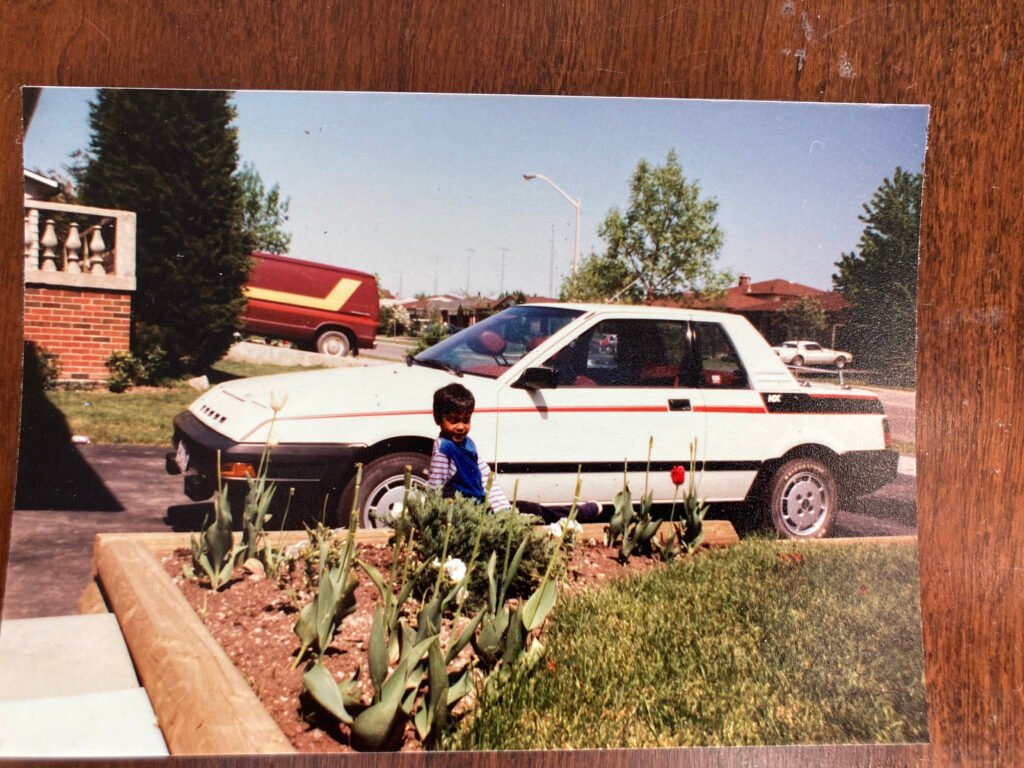
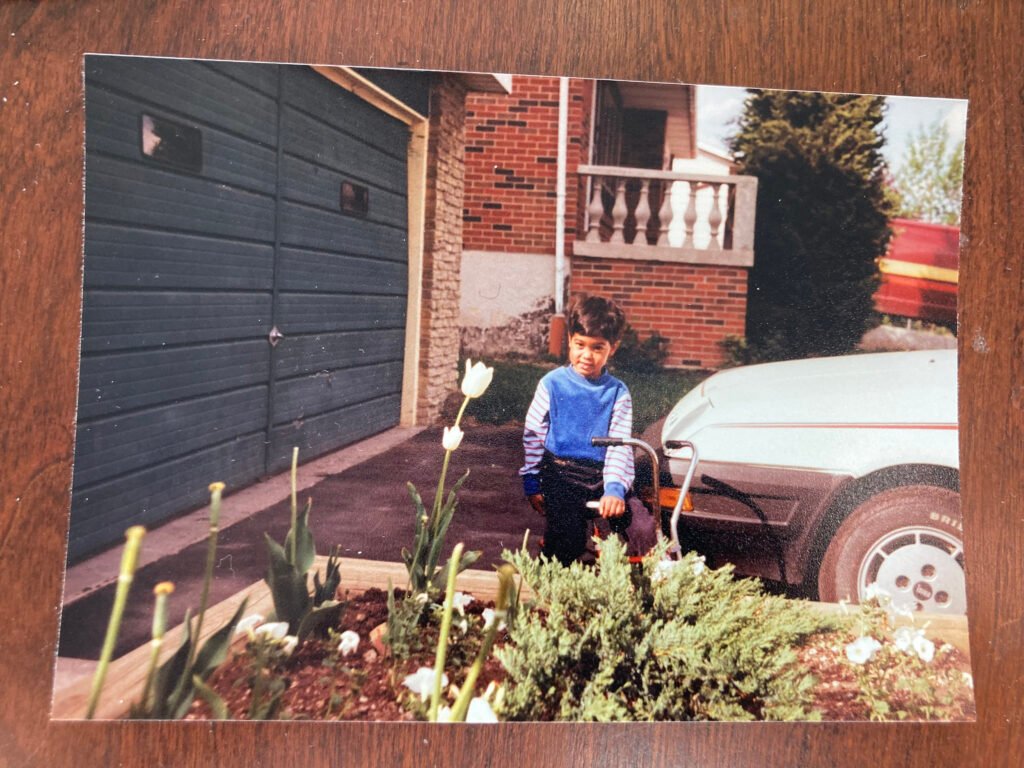
Now, my Dad didn’t love this car. He said it had no “oomph,” and with the engine turning out 70 hp, he was right. But between his job and visiting us kids, he still managed to do 200,000 kms in just 4 years, at which point something major mechanically took it out. (Knowing what I know now, I’d say transmission.)
I never had any interest in finding one—not just because they were slow, but because most were long gone before I turned 10. If I was going to own one, besides, it would have to be exactly the same, and all I had to go on were childhood memories and a few blurry photos. So imagine my surprise when a decent-looking, white, red-interior, correct-year example popped up on a popular auction site. Meanwhile, during the auction, another rare piece of the puzzle surfaced—a pair (not a set) of 13-inch Intra rims, the right bolt pattern and size, on eBay. In Ukraine. With a ‘Buy It Now’ option. So I bought them. Now.
The car auction ended with me as second bid, sadly, and while I told myself it wasn’t meant to be and that I would just make coffee tables out of the rims (sound familiar?), when they arrived and I saw how beautiful they were, something snapped. I found myself frantically searching North America on Facebook Marketplace for about ten hours straight, one city at a time, for any example to buy. I found three.
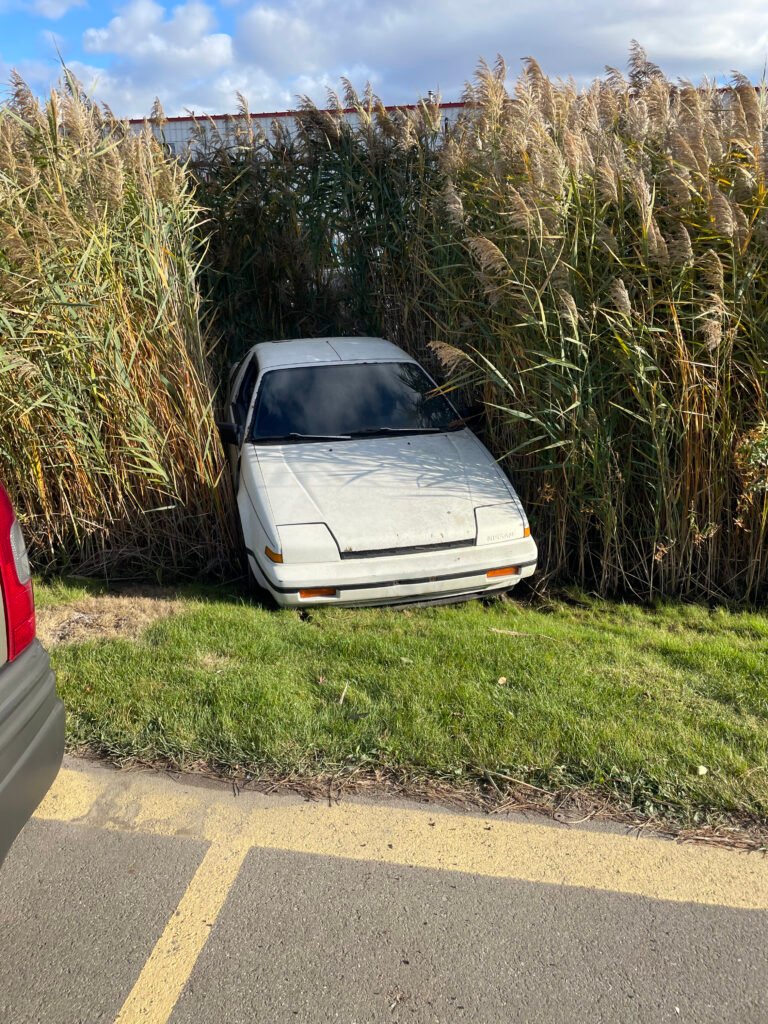
Two were terrible and from the wrong years, but the other was an extremely nice 1983 model. In fact, it looked to be one of the nicest examples left in North America, with just 53,000 miles. While it was silver instead of white and auto instead of stick, it would have to do. There was one catch—the car was in VA, which I promptly learned meant Virginia. After some back-and-forth messaging, I reached a deal with the young seller over the phone, buying it based on photos and a few shaky video clips. A same-day wire transfer (the preferred way to pay for a car abroad, apparently), some logistics and soon enough, our good friends at TFX were loading up what would be my first U.S. purchase.
Nervously, I waited for the car to arrive to see just what I’d bought. I mean, the cars had a reputation of being held together with duct tape, so who knew what was going to show up, right? But when the TFX truck pulled up, out rolled this beautiful silver shining example. While not perfect, it brought a huge smile to my face just seeing it. When I opened the door, though, that smell – the perfect, original, early red Nissan interior smell I had forgotten I even knew – it transported me back to carefree days. I then pulled out the original owners manual that I kept from when I was a kid, along with the original licence plate to put on.
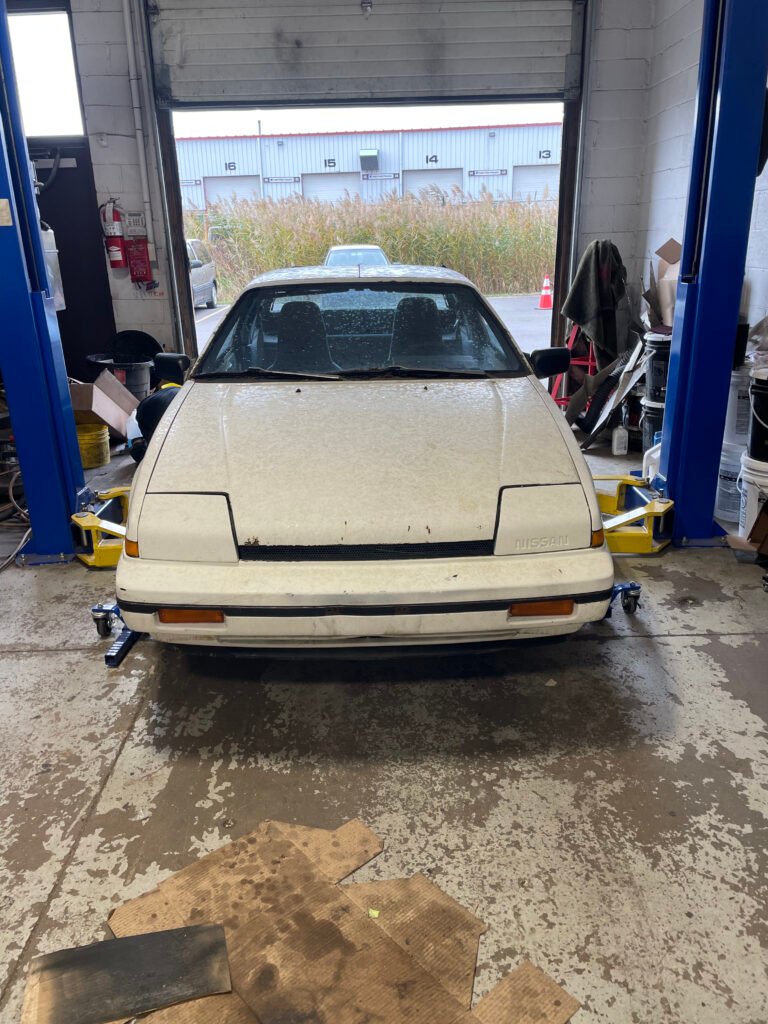
We got the car on the hoist, assessed what we would need to do (axle boots, brakes, tires and timing belt) and put together the plan to bring it back to childhood spec. More research revealed that the luggage rack on Dad’s car was not OEM Nissan but a sold-as-universal part at the dealership, made for a Triumph TR7. After getting burnt on an eBay by purchasing one labeled for the TR7 but actually for the TR6, a suitable one was finally found locally. We also sourced a trunk lid so as to not put screws through this perfect 42-year-old part.
With all of the above work done, new tires installed on the two original rims (plus my unobtainium pair from Ukraine) and the Nissan/Bosch Foglights on, she was ready for the first real drive. It was just as Dad had described it: not a lot of oomph. But that’s not what I wanted it for. I wanted to see all the details in the dash again, to hear the way the original radio sounded, to set the digital clock, to feel the light trunk lid click shut, and most importantly, to pop open and close the headlights.
The car will be undergoing a careful restoration to further recreate my memory, with the final touch being the addition of the colour and stripes that made my father’s so unique. What would my Dad say if he were still here to see it all? I can almost hear him: “My foolish son, whatever excites you.”
And the Pulsar NX really does excite me. It’s the perfect symbol for everything OBLIVION is about: the preservation of a crucial car or memory, a product that was never designed to last but somehow has and still means so much. May you find your own Pulsar NX.
Justin Sookraj is the founder of OBLIVION Car & Culture Show and owner of Wells Auto.