
Photography by Lucas Scarfone.
Noise. Speed. Power. Steering fizzing with information. A quick stab at the throttle immediately sends the car rushing forward and then relaxing again. No weight. No inertia. Every rpm translates into acceleration. Second gear, stab the throttle but stay in it a little longer this time. Turbo boost comes in like a tidal wave, and from around 3,500 rpm the tachometer makes a mad rush for the 6,900 rpm redline. And the noise. Oh. My. God. The noise. Skull-filling, soul-stirring sound. And that’s before hitting the button for loud-mode on the switchable exhaust.
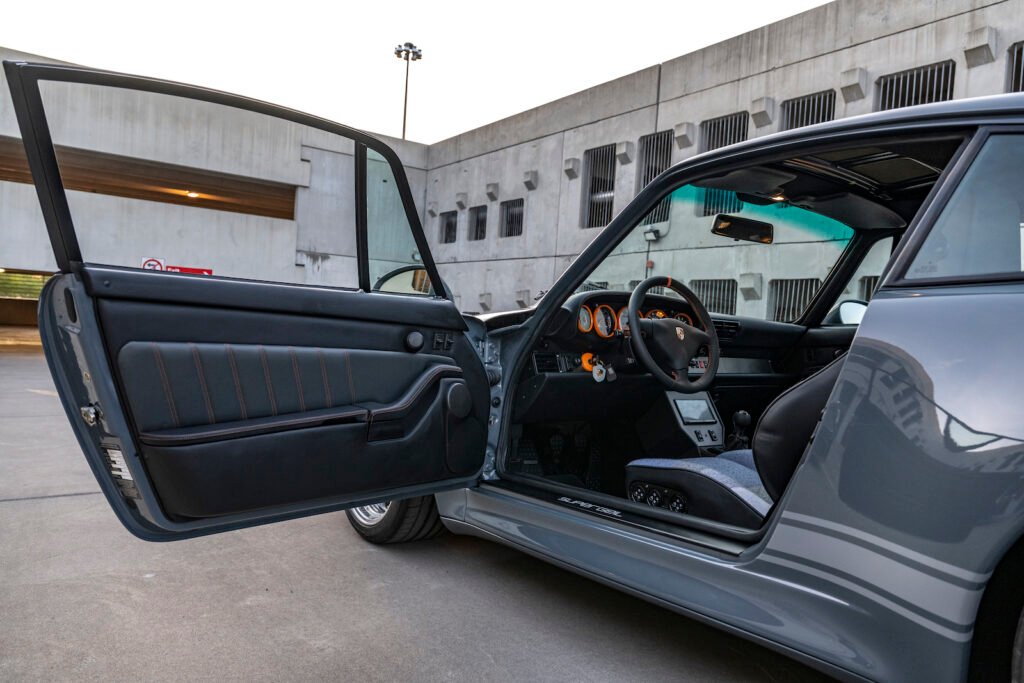
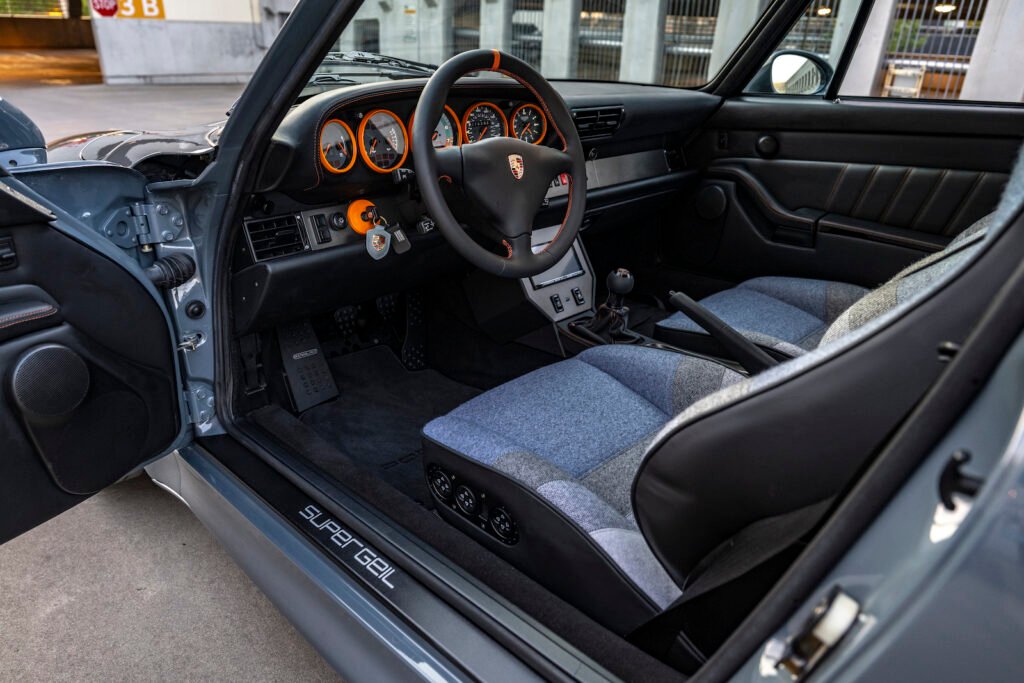
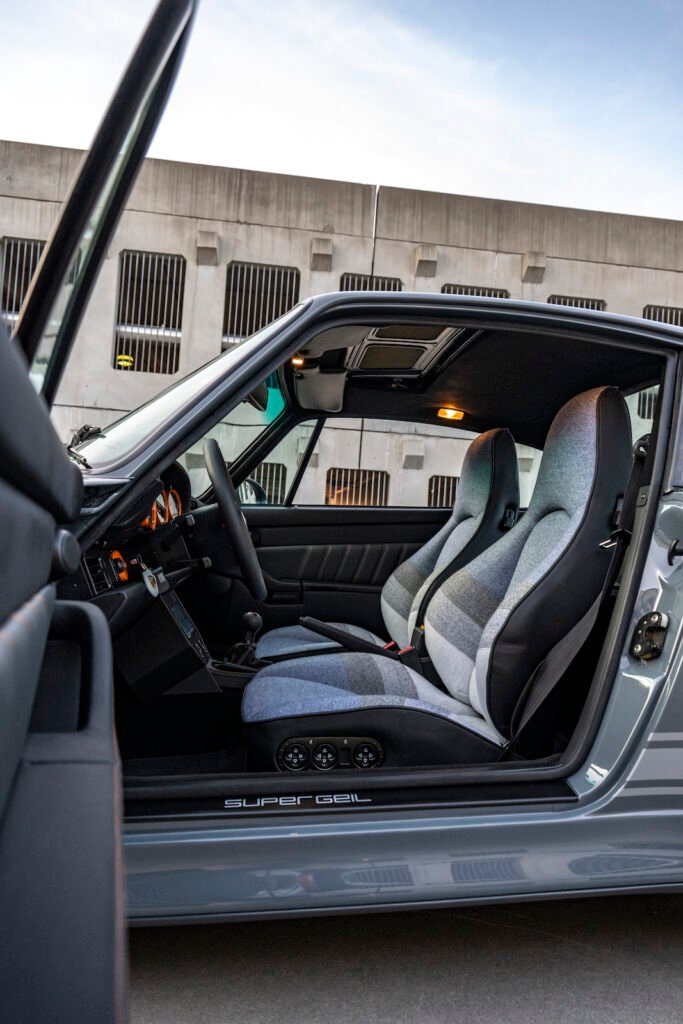
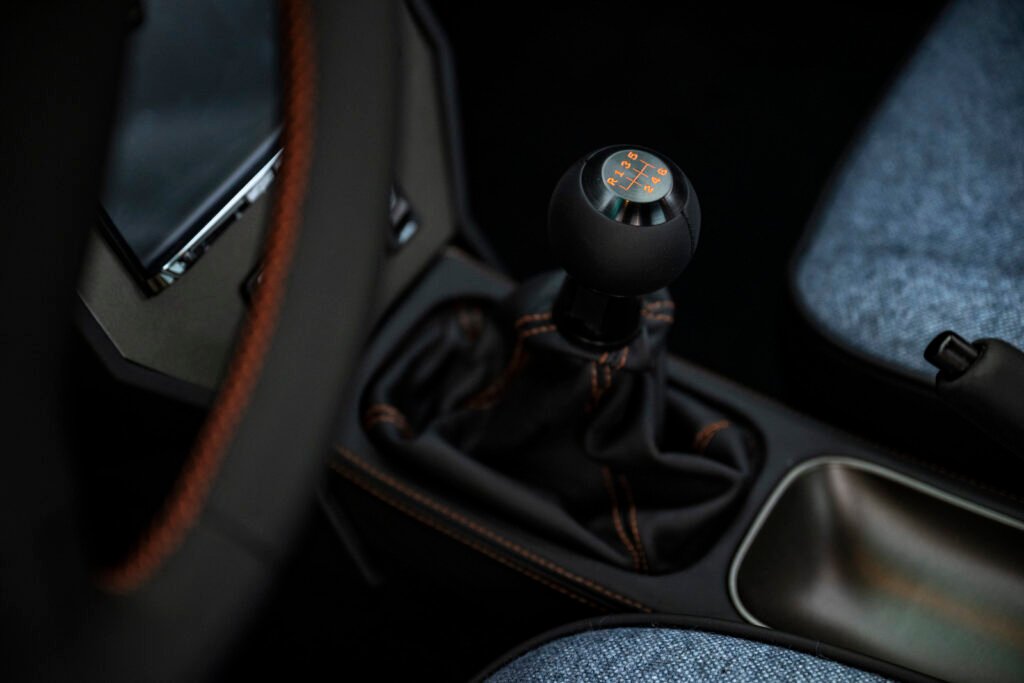
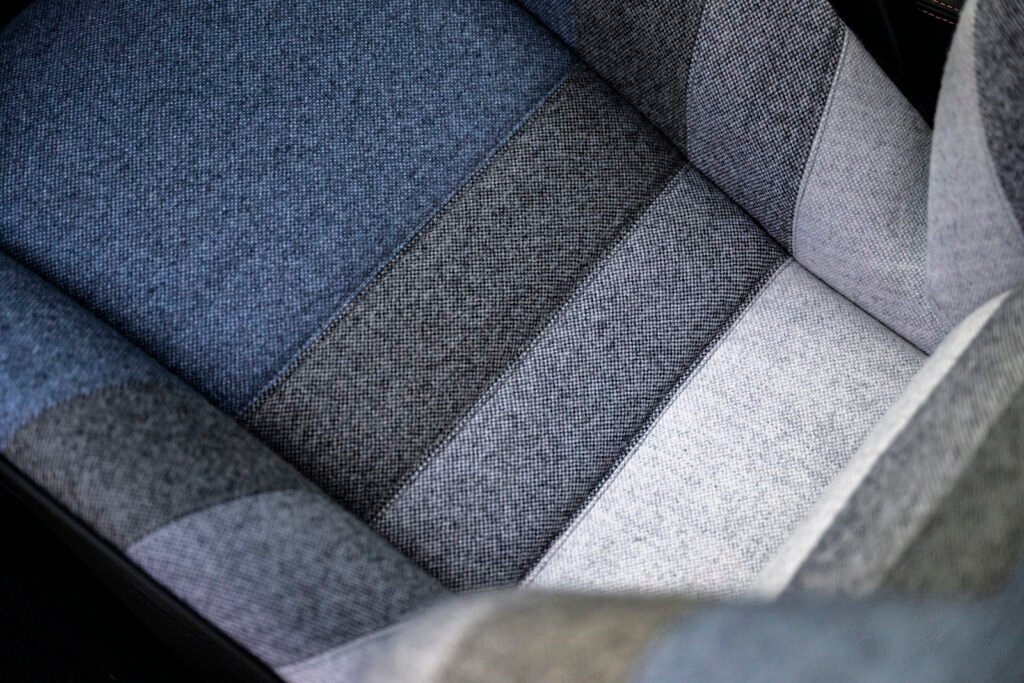
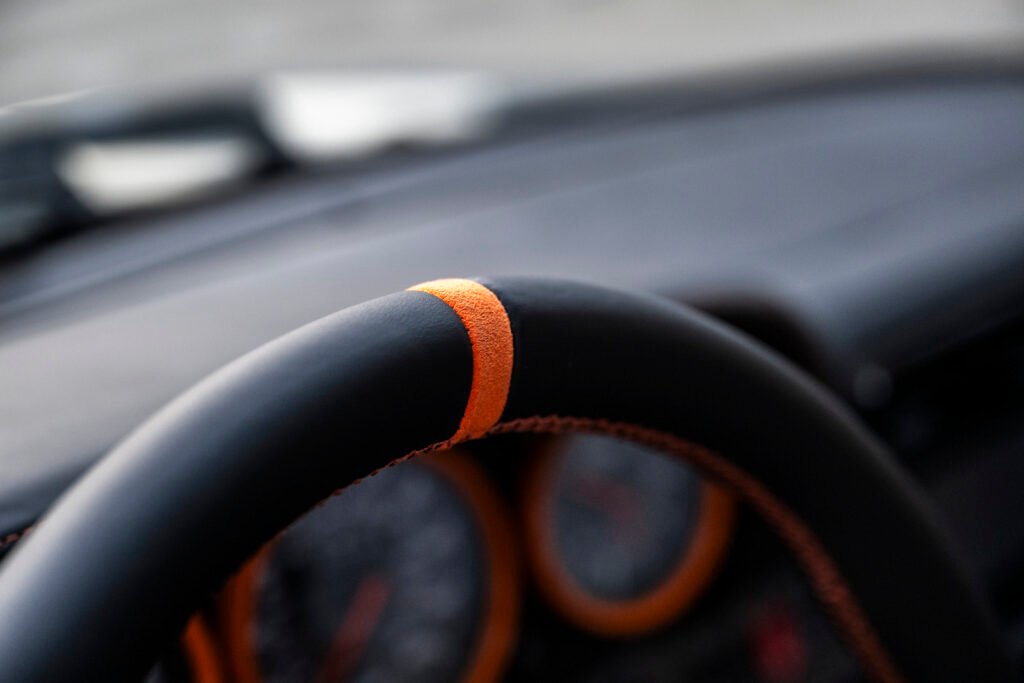
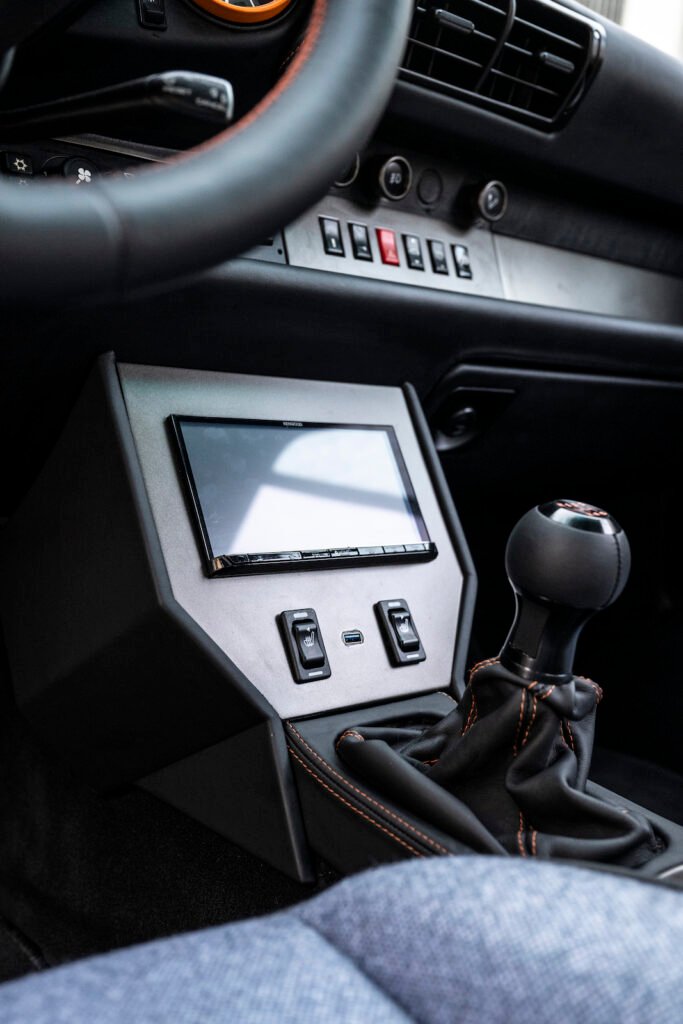
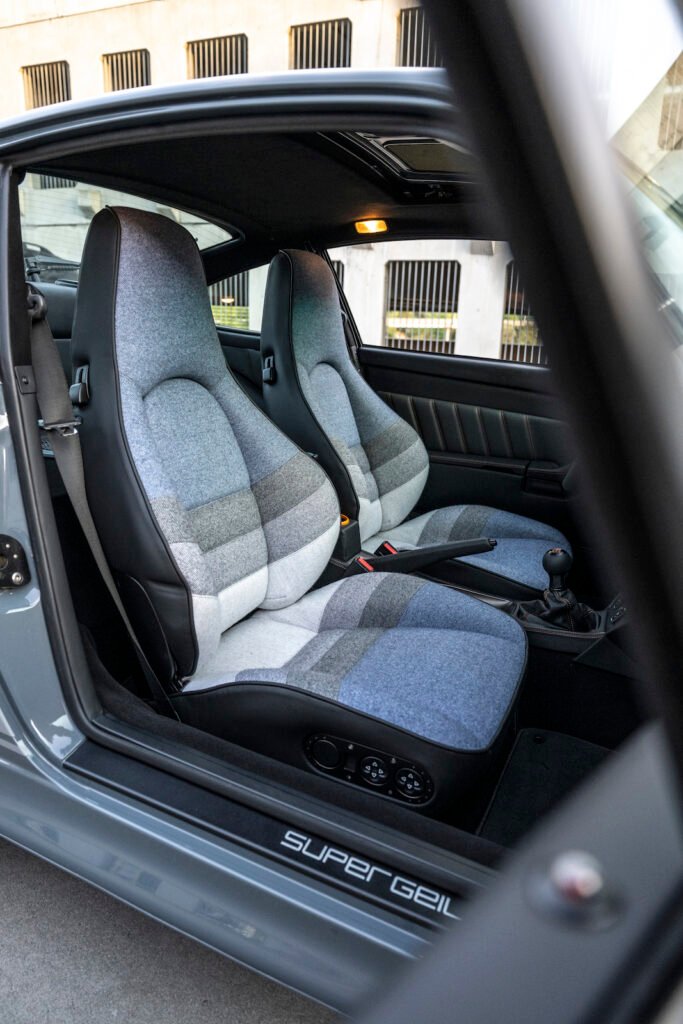
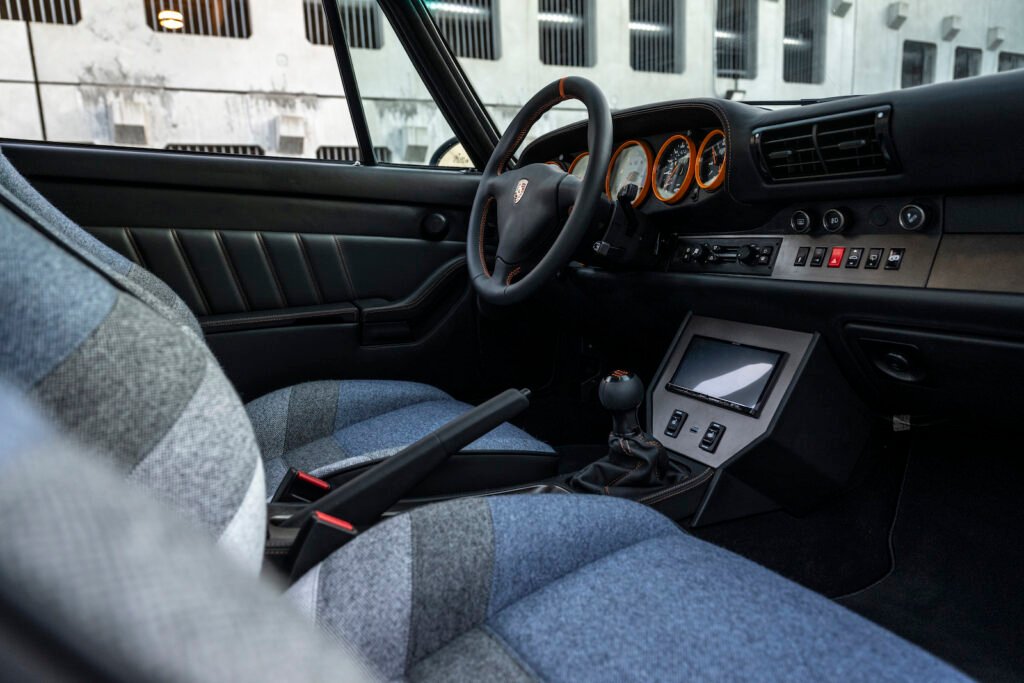
Careful. Don’t annoy the neighbours. Zig-zag over speed bumps to spare the ground-hugging bumper. Suspension is nicely damped and surprisingly pliant at low speeds. Just enough squish for terrible Toronto roads. The pedal box is, of course, way too small for my clunky sneakers, which feel so ungainly here. At least the clutch is easy and lighter than expected. Revs drop the moment the clutch goes in. The brake pedal isn’t heavy either but perfectly progressive. Plenty of squeal-free stopping power. A big round gear shifter sits comfortably in the palm and moves with exacting oil-slicked ease. The weights of all the controls are well matched. Rare. Wool-trimmed seats feel great. There’s even a backup camera, not that you really need it in a car this tiny.
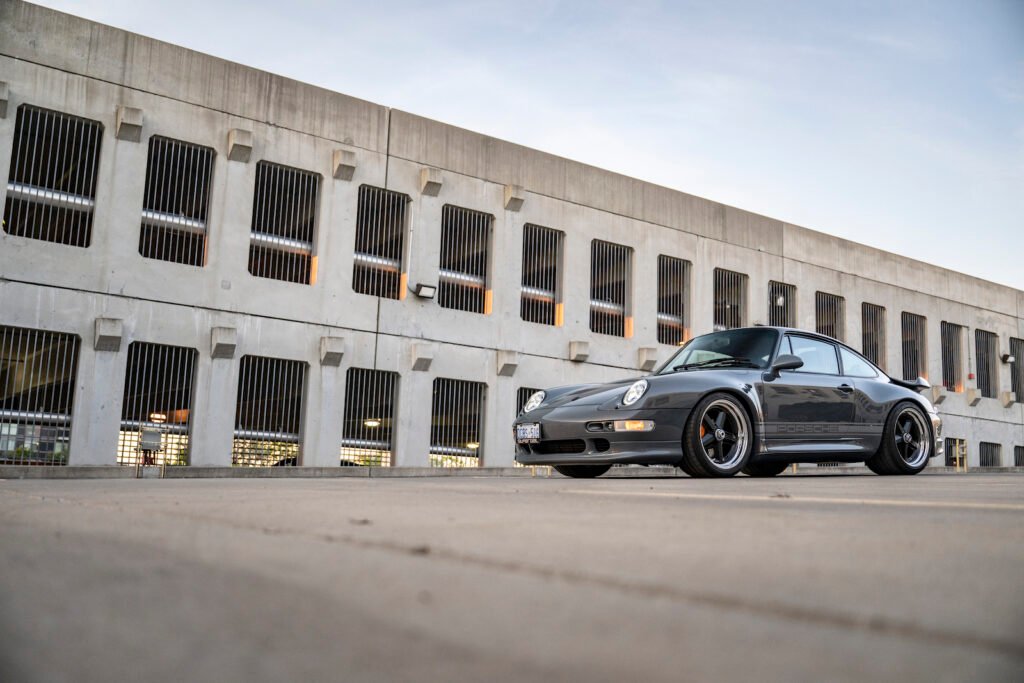
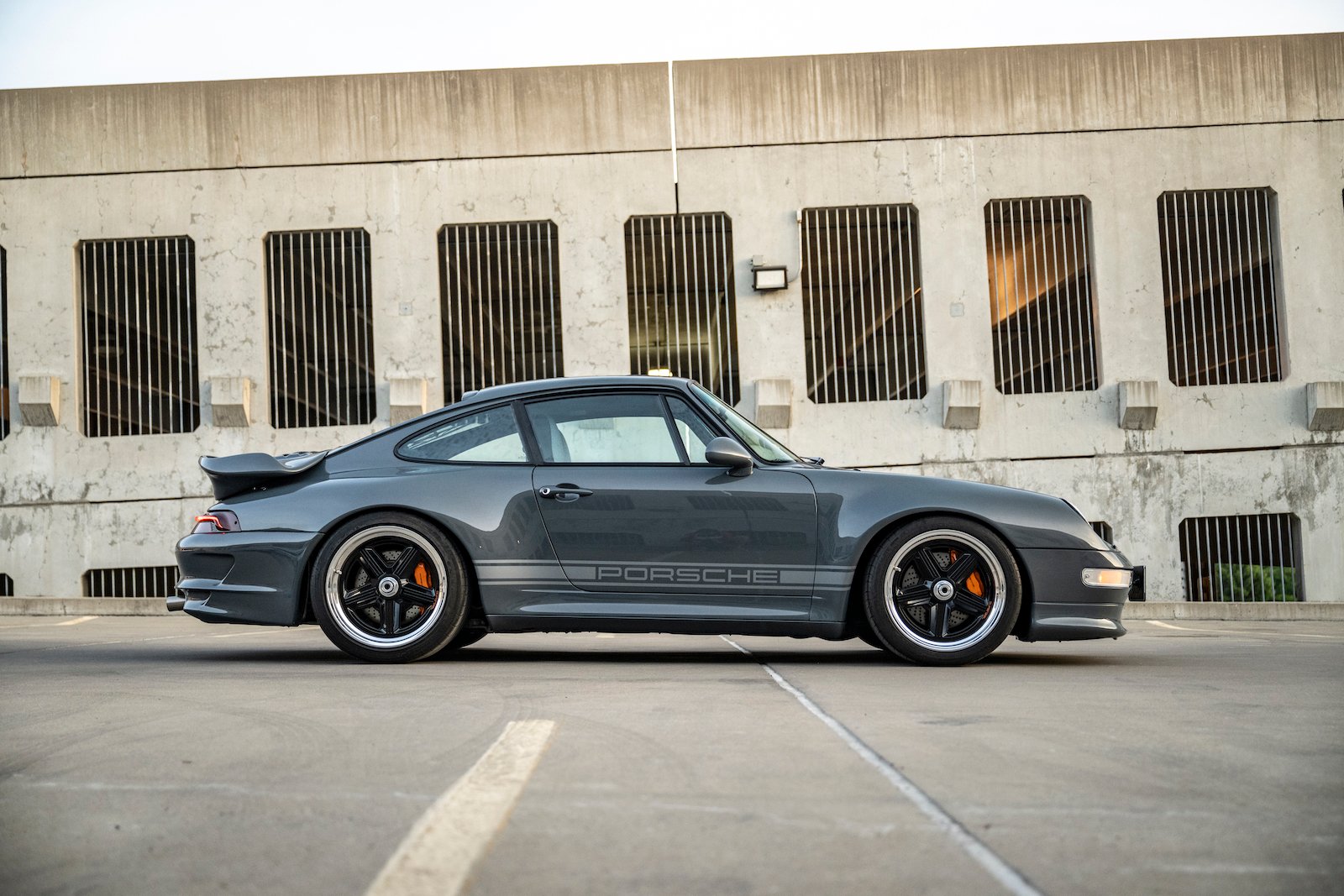
Those are, more or less, my unfiltered notes from a short drive around the block in the first car from Supergeil, a new Toronto-based Porsche restomod company. You’ll want to remember that name; you heard it here first.
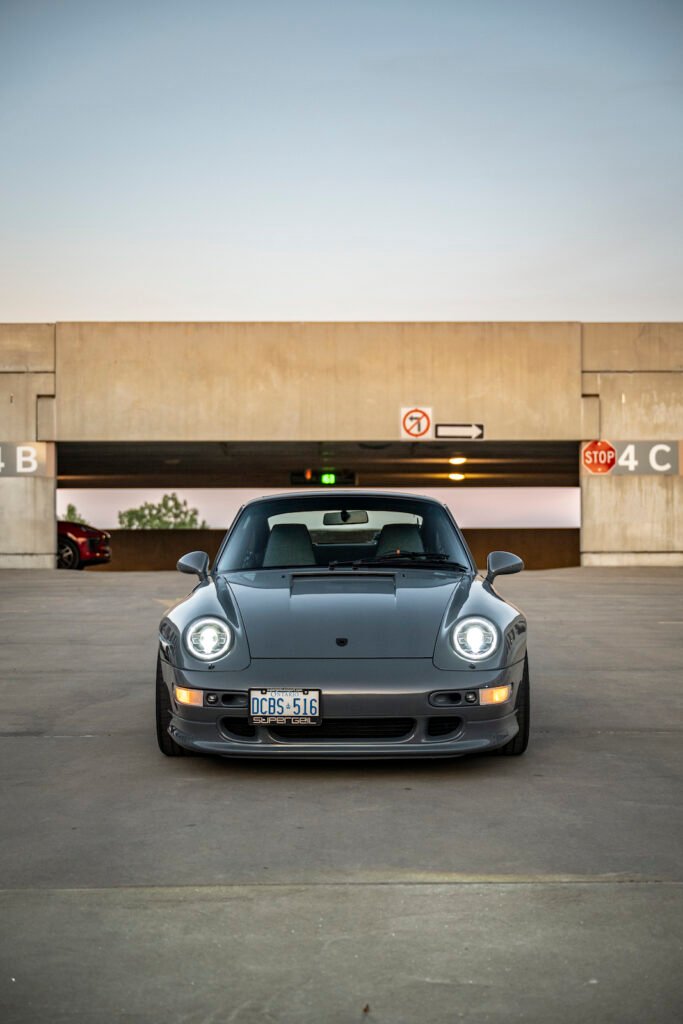
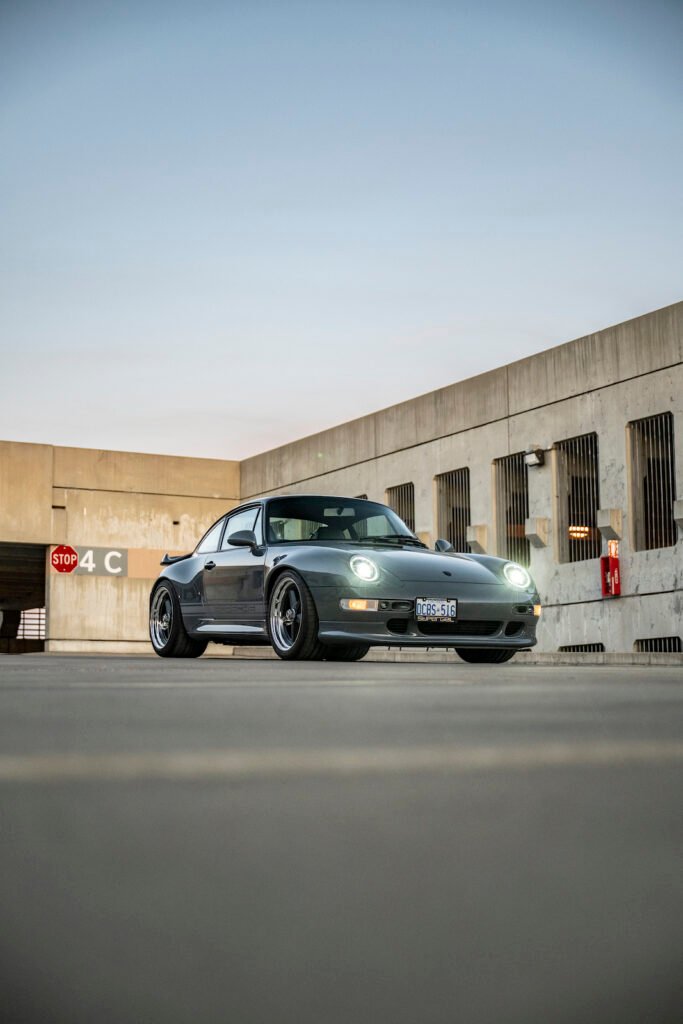
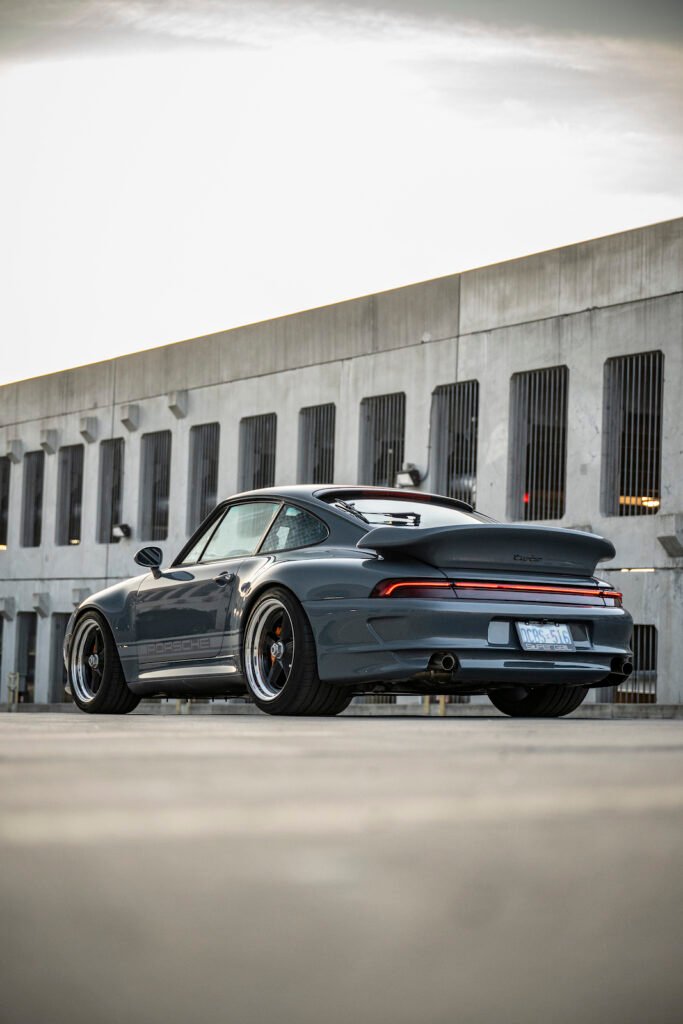
I know, I know: another Porsche restomod company? Yes. But this one comes with a (slightly) lower price and a much shorter waitlist than the likes of Singer or Gunther Werks. Supergeil also has a professional designer behind it, one with two decades of experience dealing with exacting clients on high-end custom projects. Plus, the company is based right here in Canada.
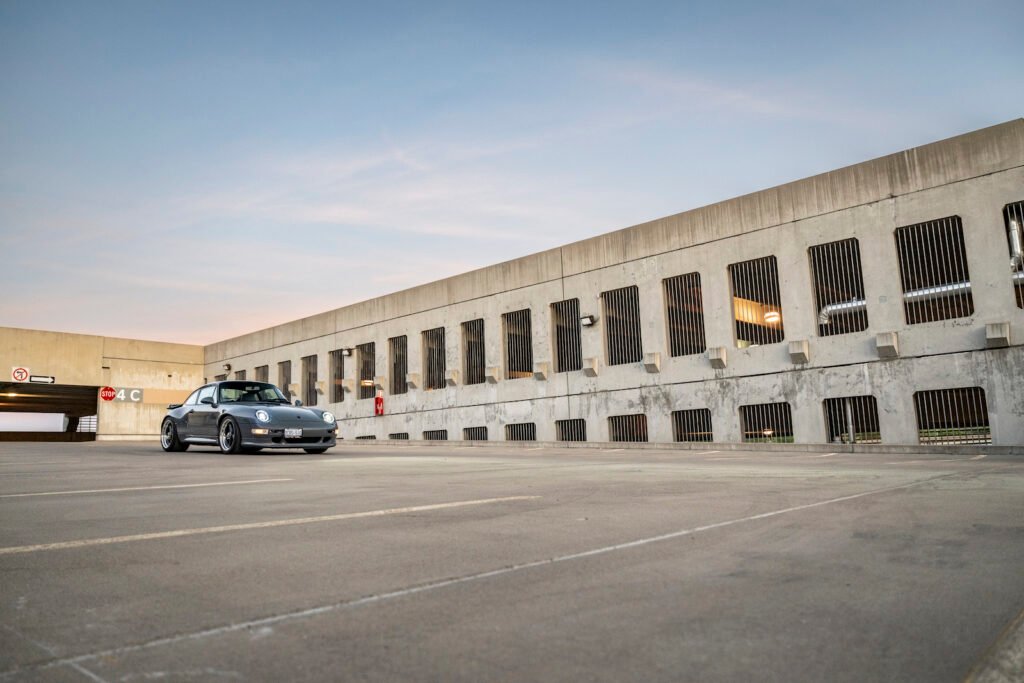
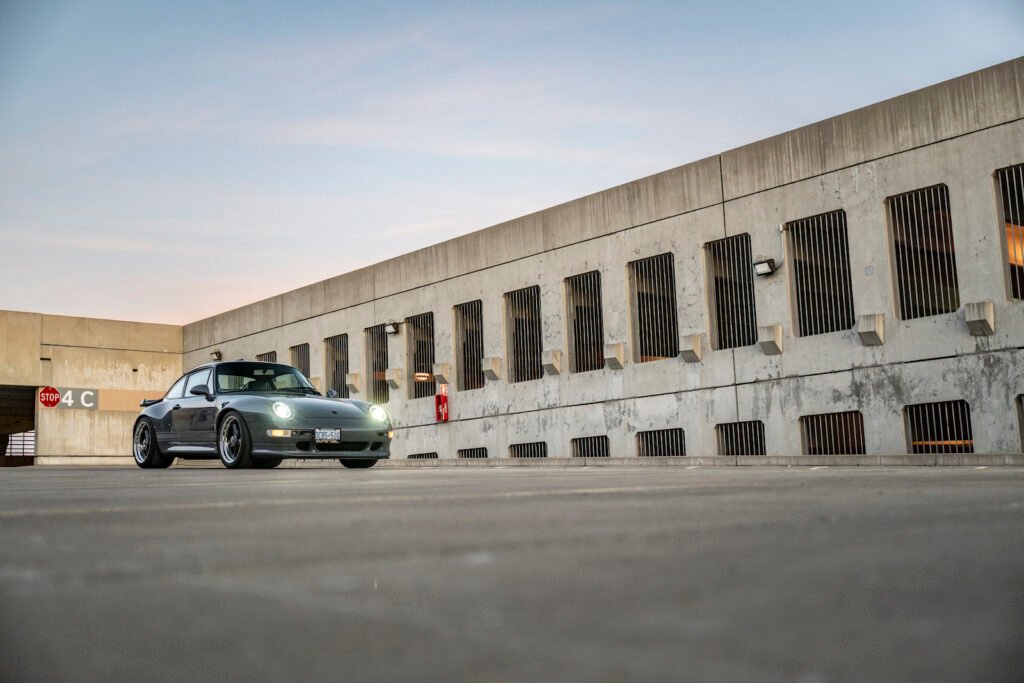
The company — officially Supergeil Auto Sport — is the brainchild of designer Roy Banse, who tells me he already has an offer of $1 million for the restomodded 1997 Porsche 911 Turbo (993) you see here.
Banse recalls the conversation with the would-be buyer: “He asked me how much, and I said, ‘it’d be at least a million bucks.’ He goes, ‘Can I buy it today?’”
There are a few other people from the local Porsche community already interested in Supergeil builds of their own.
But Banse isn’t in it for the money, or at least not only for the money. This isn’t his first big career pivot.
In 1999, Banse quit a high-paying finance career that had taken him to England and Germany — the latter was a cushy gig that provided him a Porsche 911 as a company car — in order to chase a passion for design.
“A lot of my friends thought I was nuts getting out of investment banking,” Banse admits. That didn’t deter him. He took courses in design part-time.
One day, while living in London at the Butler’s Wharf building, he had a chance encounter with Sir Terence Conran. For the uninitiated, as Banse explains, Conran was a designer and the person credited with introducing Scandinavian design to the U.K. Conran’s influential shop Habitat opened in Chelsea in 1964, which was about two decades before Ikea came to England. Conran was driving a Porsche; Banse struck up a conversation.
“I told him what I wanted to do and I said, ‘I’ve got major vertigo about leap. I don’t know if I can pull this off,’” Banse remembers.
“Without hesitation, Conran said, ‘Son, one thing I could tell you: exude passion for design and the money will follow,’” Banse says.
That was the push Banse needed to hand in his resignation at the bank and move back home to Toronto in 2000. He set up his own company, called Fluid Living Studio, which has since grown into a full-service architectural design firm specializing in high-end custom residential projects and commercial interiors.
But all the years in investment banking weren’t for nothing. “In hindsight,” explains Banse, “[banking] was the right choice because it allowed me to make the move that I made without being terribly worried as to where the next meal was coming from.” He wanted to be an artist, not a starving artist.
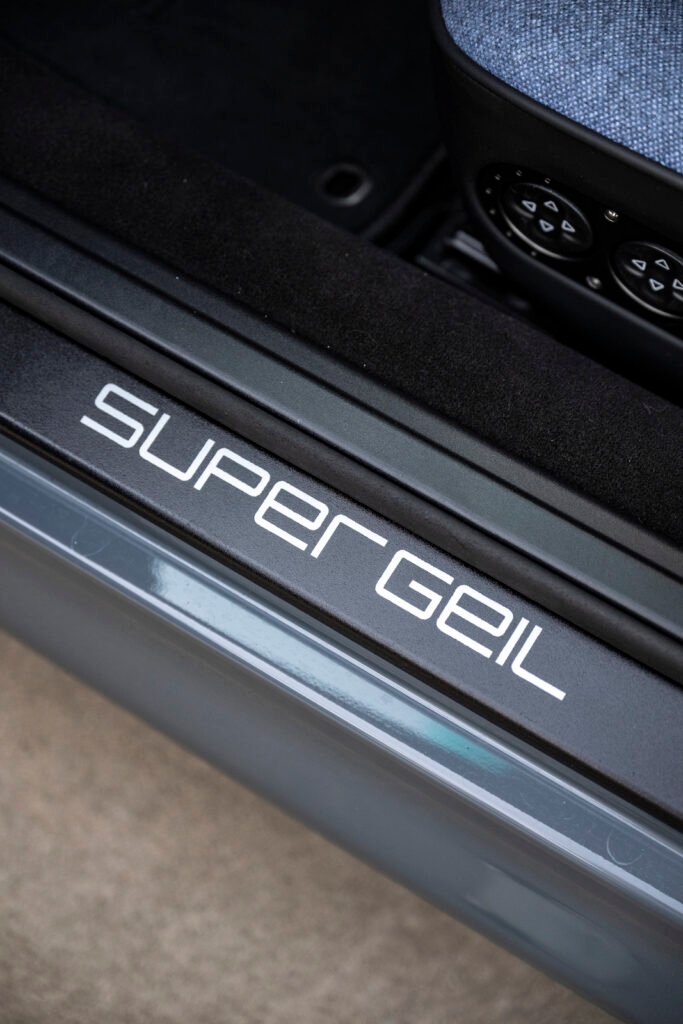
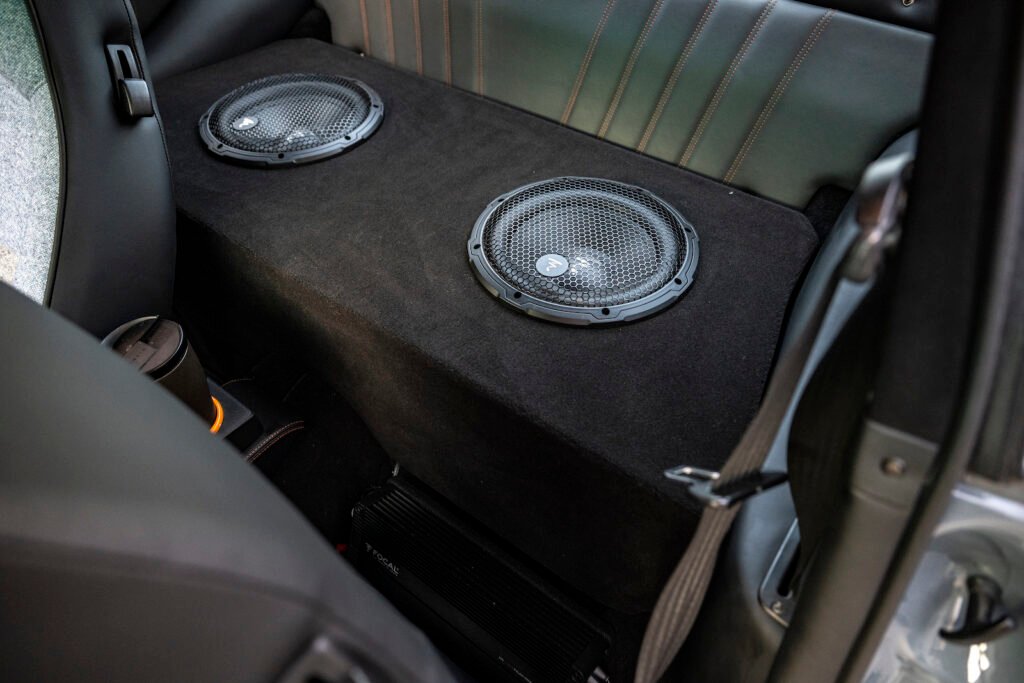
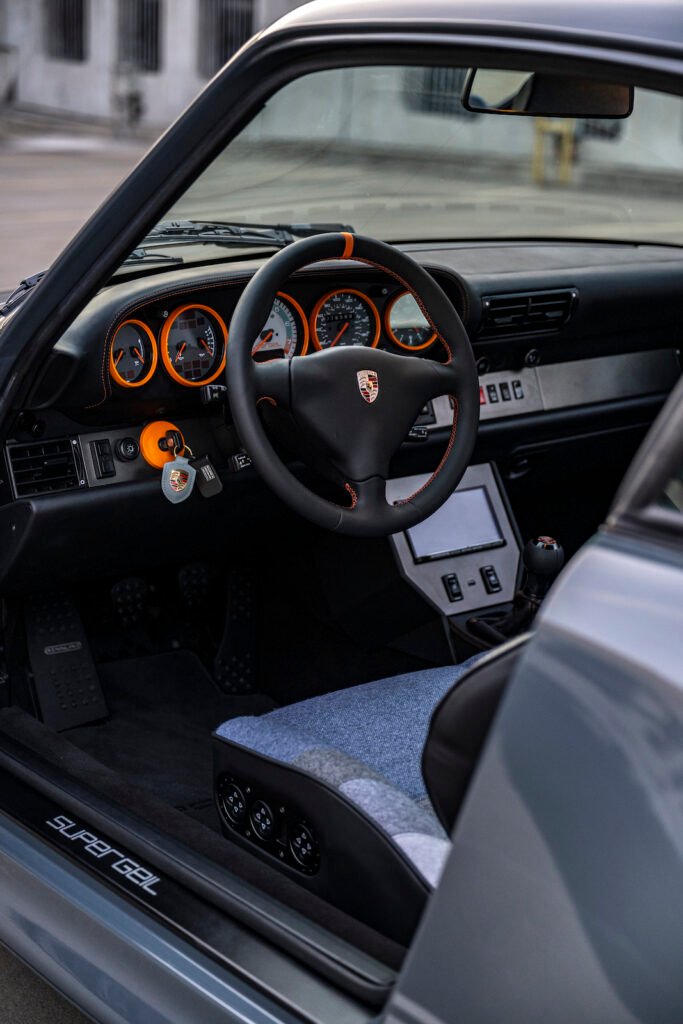
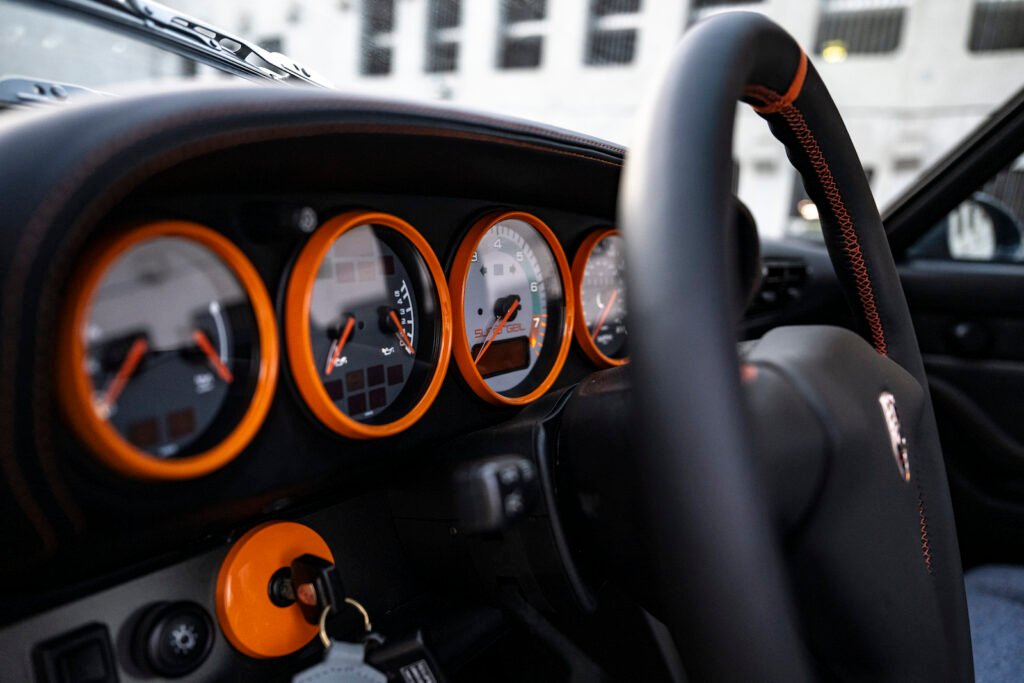
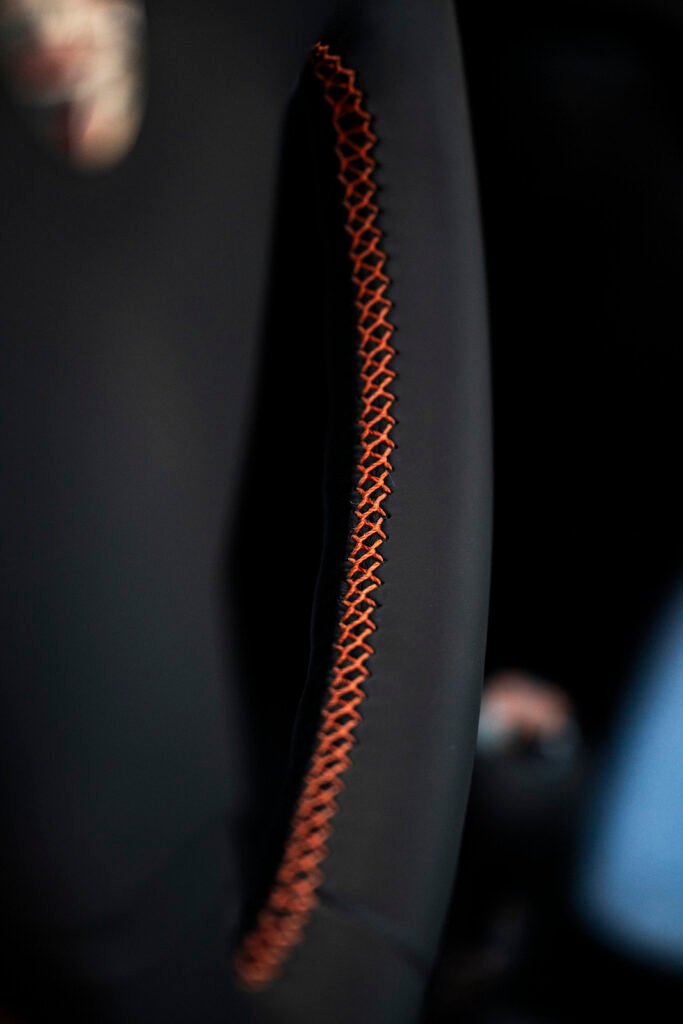
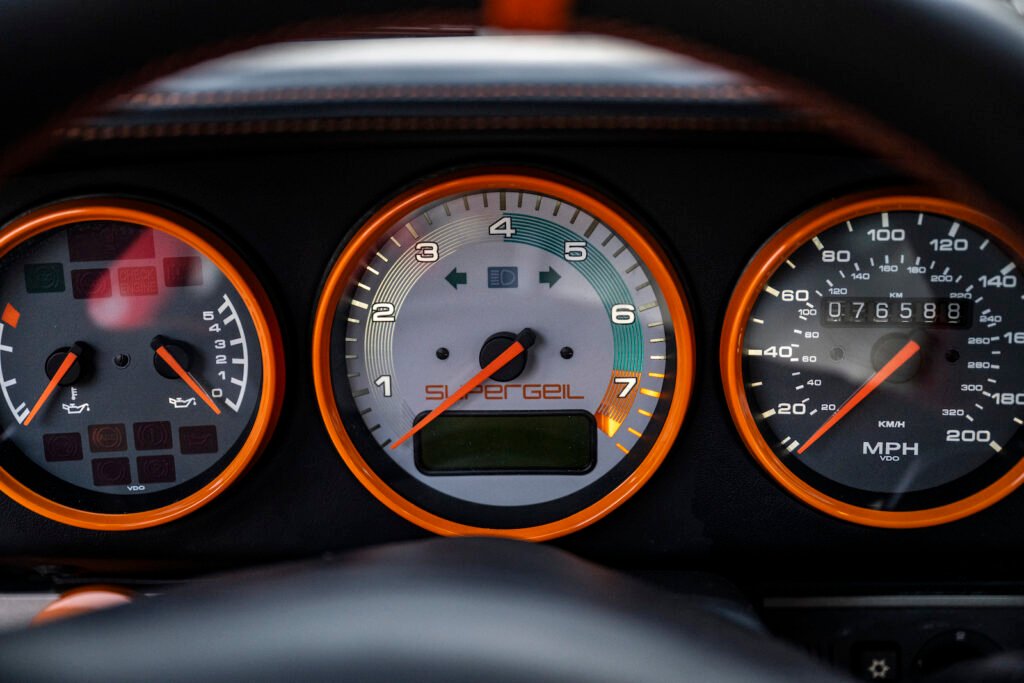
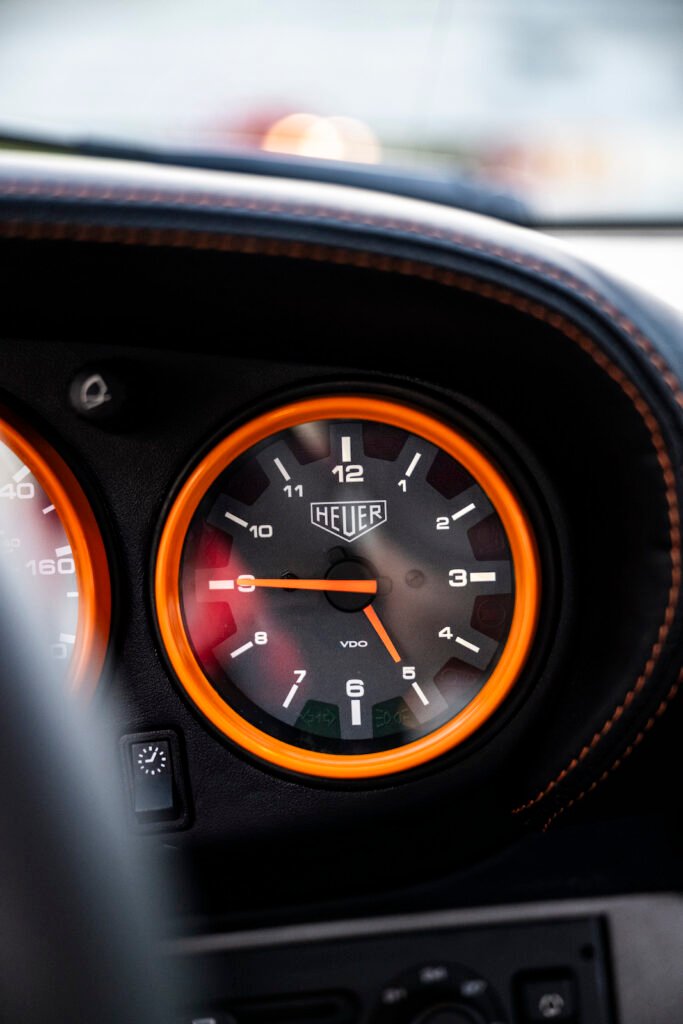
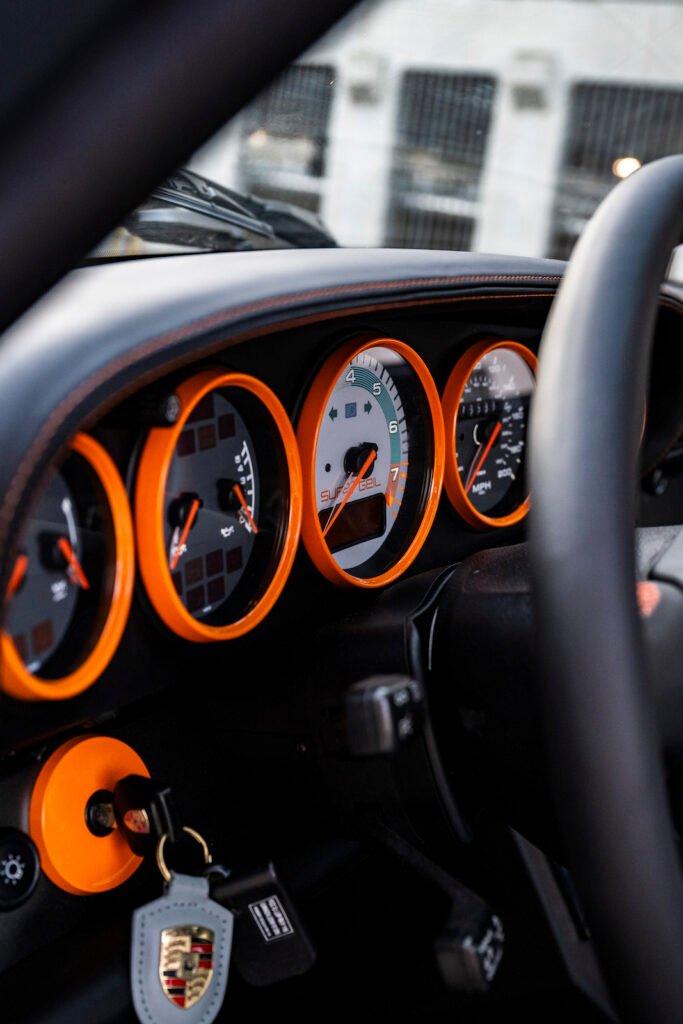
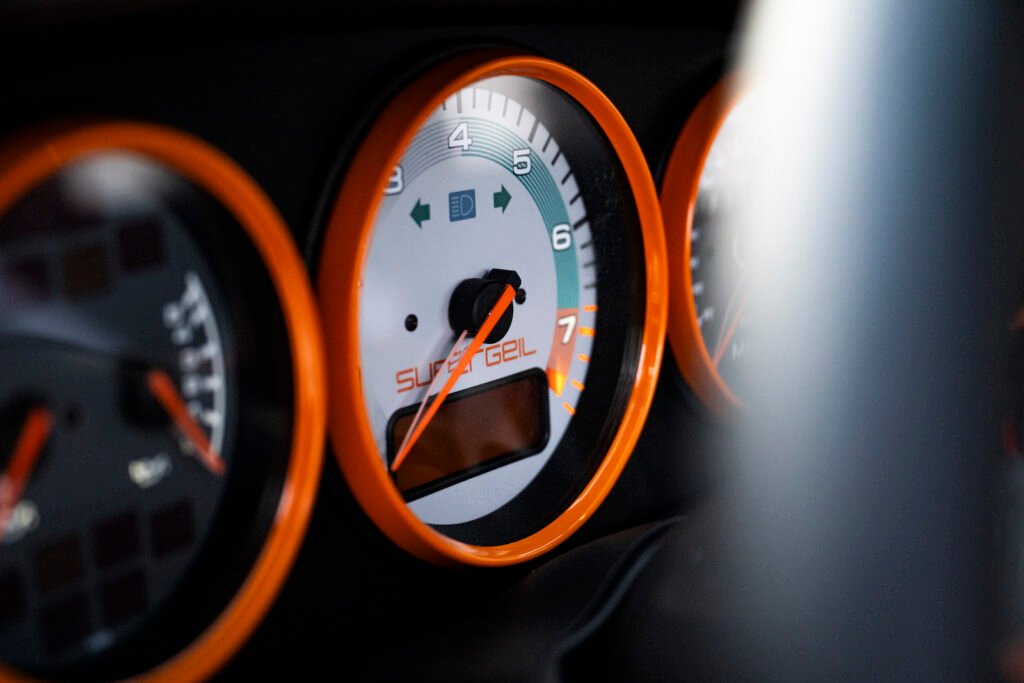
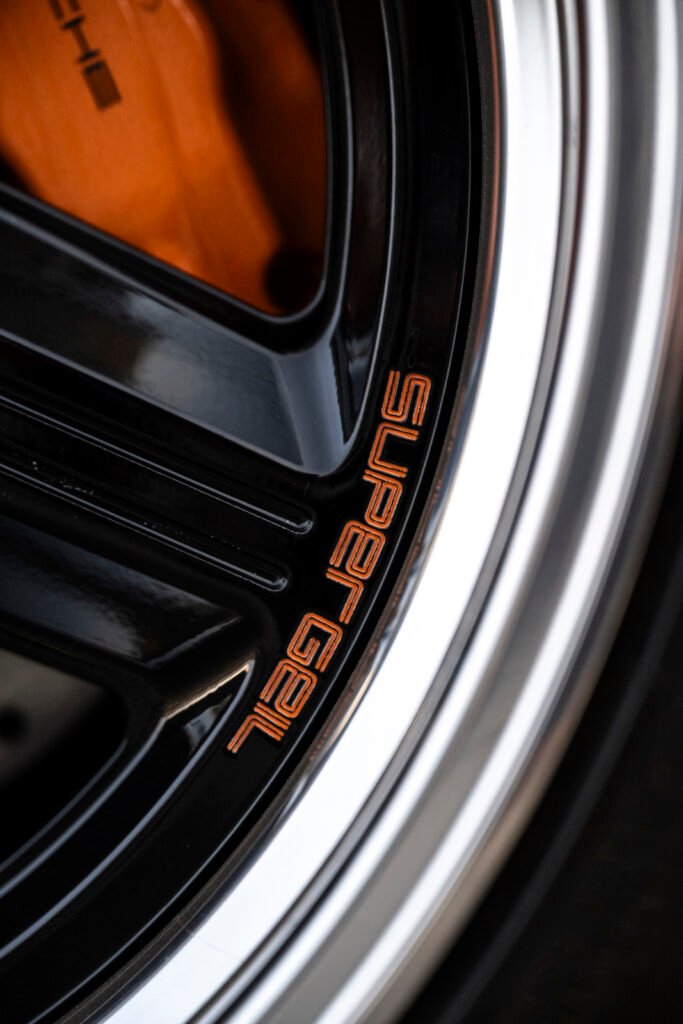
Now that the design business is thriving, it’s helping to set up Banse’s second big career pivot: Supergeil Auto Sport. The name, Supergeil, translates as “super awesome” or “super cool” in German, slang Banse picked up during his stint as a banker in Germany. It felt right.
The son of German immigrants, he always felt an affinity for German cars. “Ferraris? I like them. They’re just not my love. I’ve always had a love for Porsches. I’ve owned Audis, BMWs, and Porsches over the years,” he says. But he keeps coming back to Porsche. Prior to the restomod, he owned a string of 911s, including a 996, a 991 GTS and a GT3 Touring, as well as a 718 Spyder RS. He started doing track days and went down the tuning rabbit hole, becoming part of the community of Porsche fanatics. It borders on a cult. A couple of years ago, after all those new cars, Banse had a hankering for something else, something old-school without the compromises.
“For me, it’s so much fun to drive,” he says of the finished Supergeil build. It was two years in the making. “I mean, the GT3 Touring, that was nice… but worlds apart. I much prefer this,” he adds.
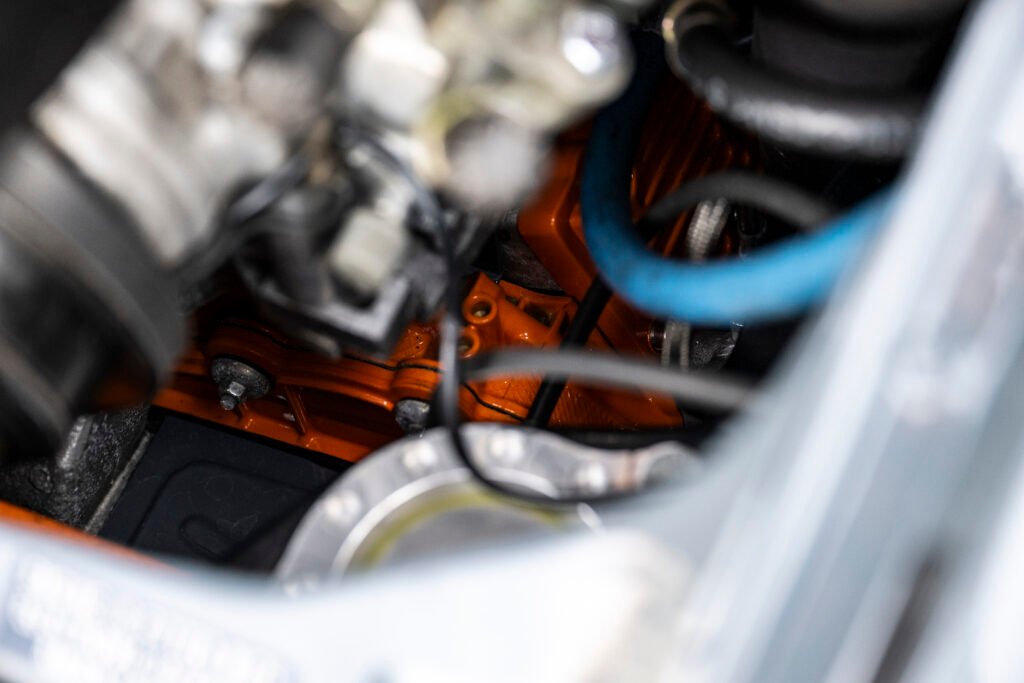
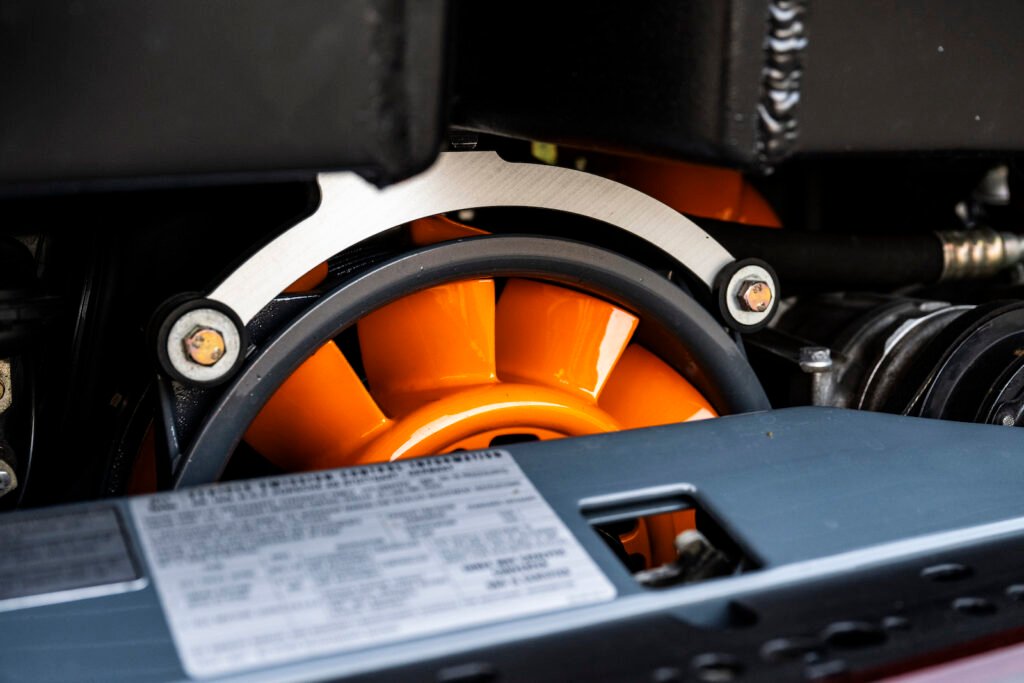
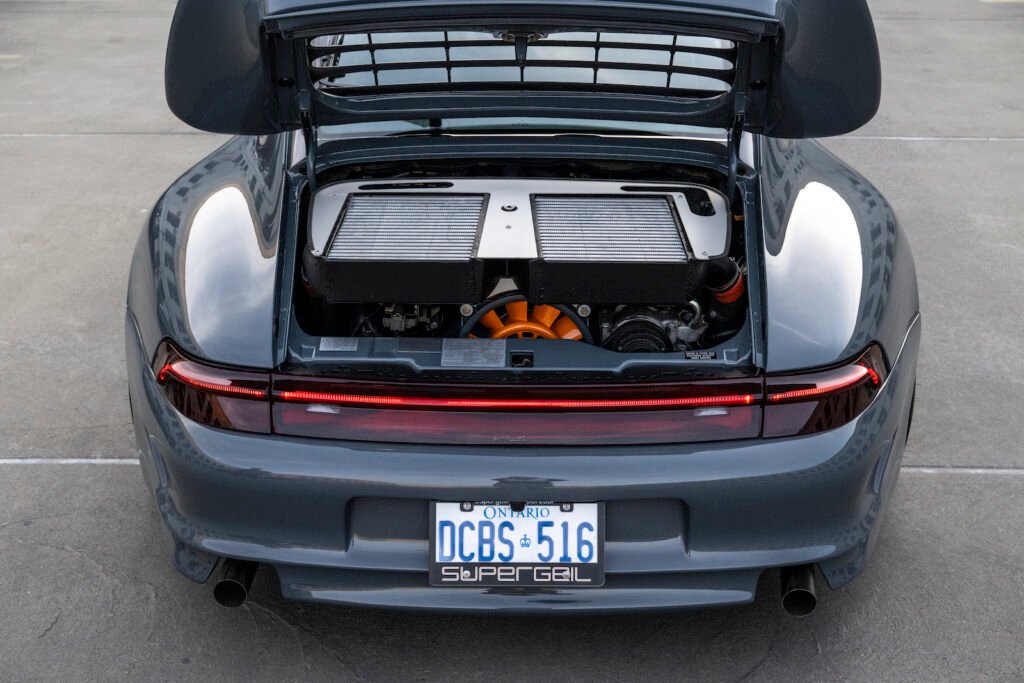
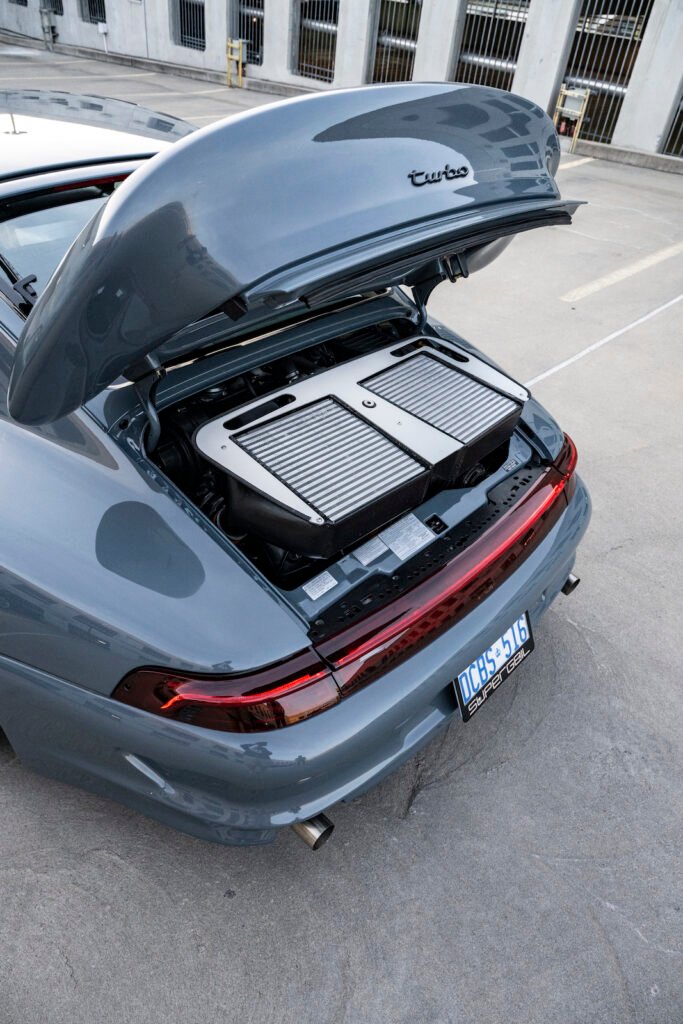
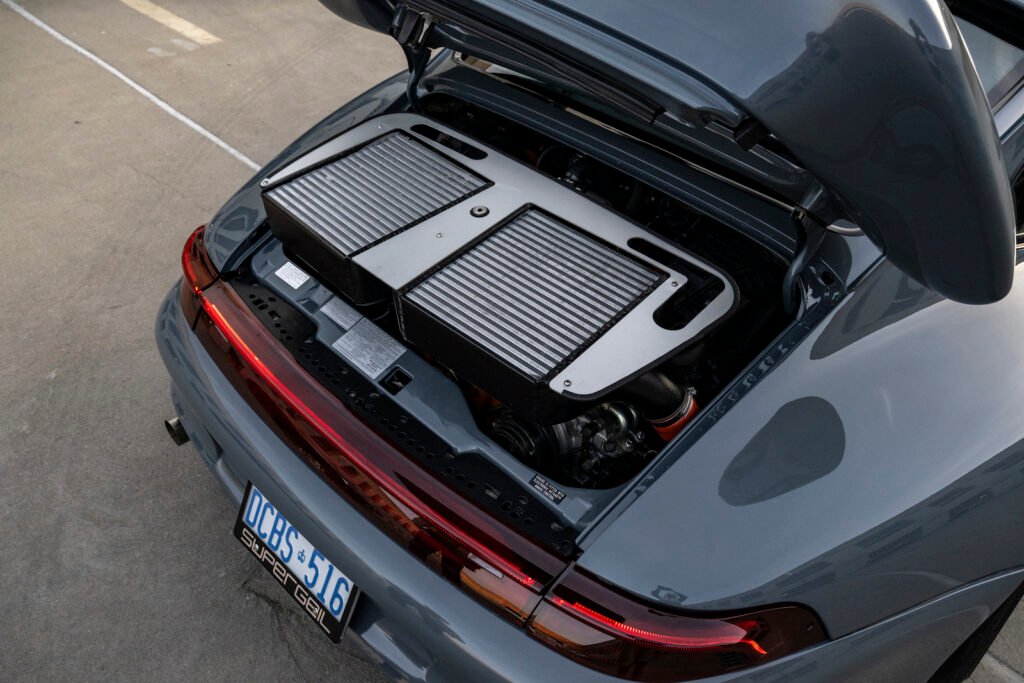
The engine was built by top-tier specialists Mantis Autosport in Oakville, which bored out the block to 3.8-litres and added Mahle pistons, Carrillo con-rods, and GT2 EVO sport cams. It has stainless steel valves with titanium retainers and a mechanical rocker arm conversion. The two turbos are new BorgWarner K24/26 units. There are billet valve covers and machined heads, plus a racing-spec GT2 intercooler to keep it all from overheating. The result? 550 horsepower at 6,000 rpm and 553 lb-ft of torque at 4,500 rpm. The sprint from 0-100 km/h takes 3.7 seconds.
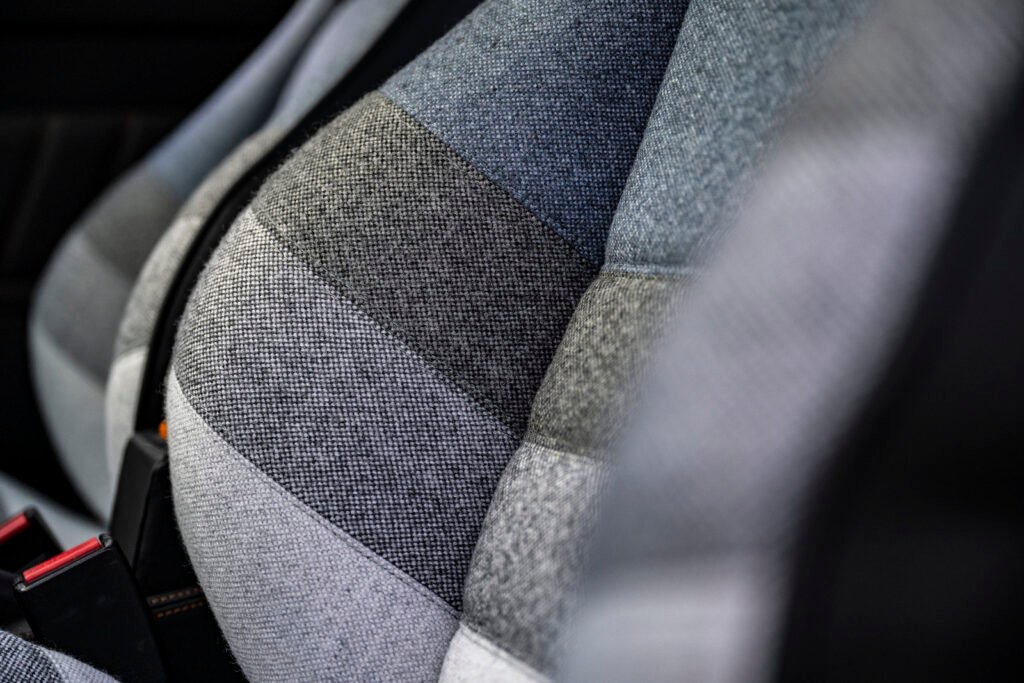
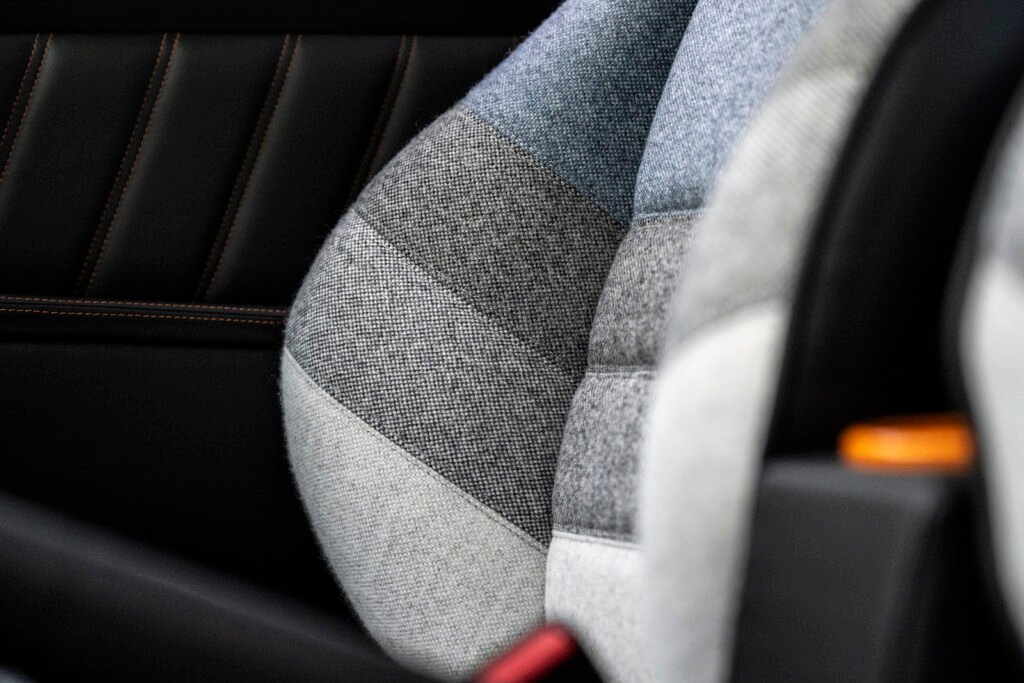
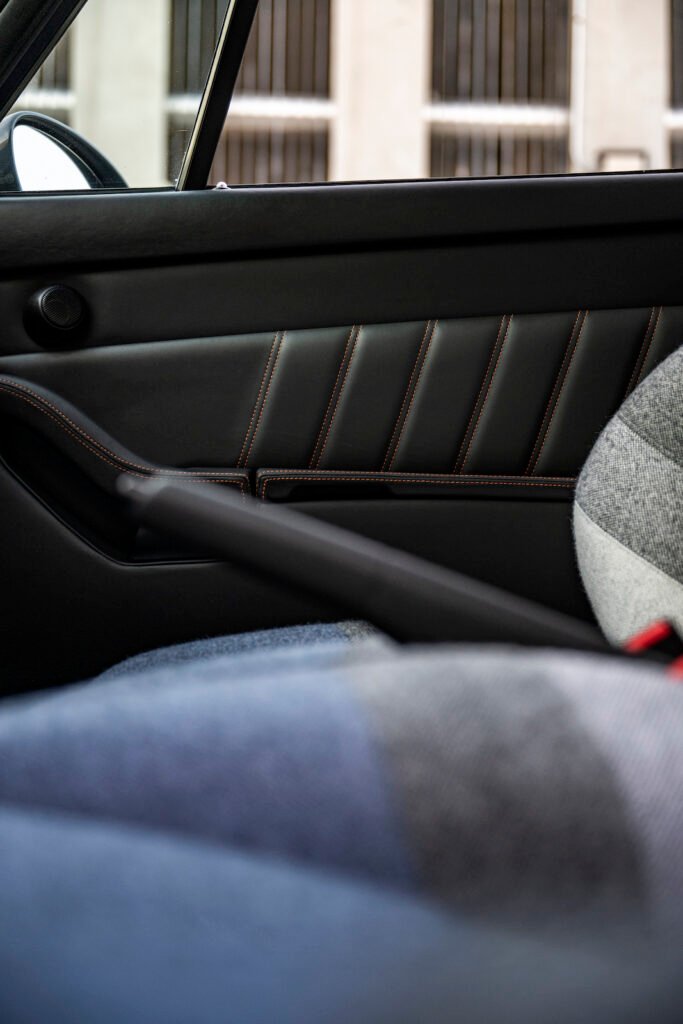
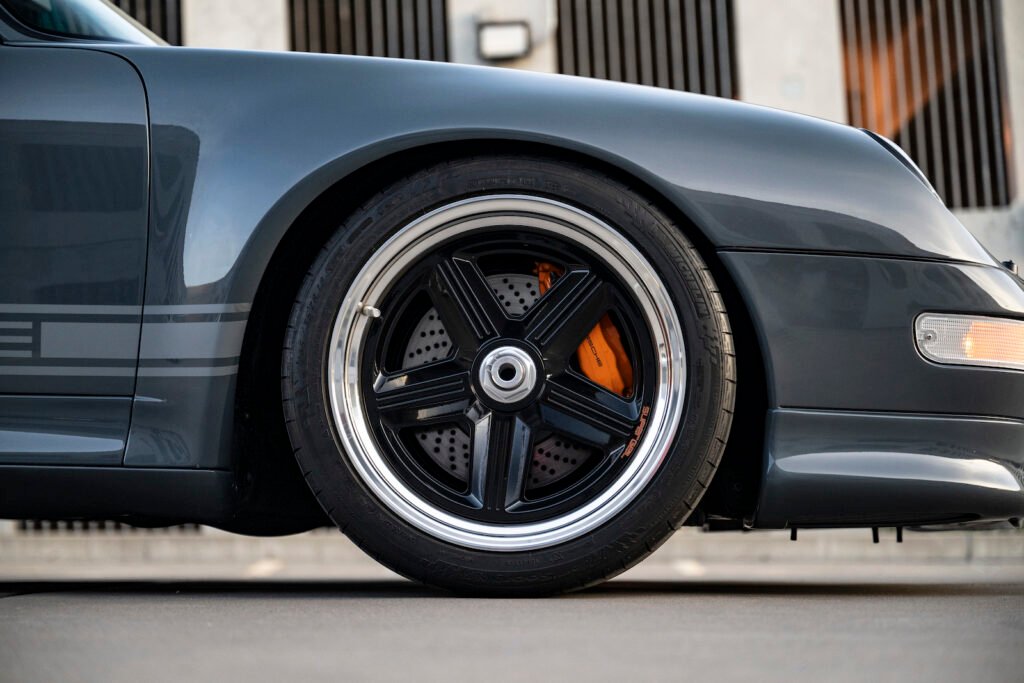
Other details? The impressive damping comes courtesy of Motion Control Suspension. The incredible brakes are mostly stock. (The 959-derived braking system was so advanced for its time, Banse explains, that he kept them. A notable example of restraint by a builder.) The wool seats were inspired by the custom 959 S that Porsche Classic restored for former Formula 1 driver Nick Heidfeld. Banse sourced the fabric and 959-style bolsters and found a builder. I can confirm the seats are indeed fantastic.
Every part has its own story, but I won’t go over the full design and spec sheet here because it’s all detailed online at www.supergeilautosport.com. Just know that none of the numbers or specs do justice to the reality of that much power and torque in such a lightweight machine. The Supergeil flies. Forget Red Bull; this thing gives you wings.
Banse’s plan is to offer Supergeil Auto Sport’s 911 restomod services — focusing on 993 Turbos, C2 and C4 coupes and convertibles — to the vast and fanatical Porsche community that exists in the Toronto region and across North America. Not only is the community vast, but its members also have deep pockets. A Porsche restomod by California-based Singer Vehicle Design costs around US$1 million and can easily climb over US$3 million. (Given the exchange rate, a Singer is a whole lot more expensive than the $1 million Canadian Banse would charge for this 993 Turbo build.) Not just that but Singer’s waitlist is roughly three or four years, says Banse, and that’s before a build process that adds another year or two.
“What’s the competitive advantage over a Singer or Gunther Werks? Well, we’re small. We can we can turn our cars over a lot quicker,” says Banse. He estimates around 18 to 24 months for delivery.
Of course, there are other differences too. Supergeil is a new name in a crowded market and, unlike at Singer, nearly all of the build is outsourced to a handful of trusted suppliers. Banse takes the reins on the project, much like he does with any Fluid Living design project, to ensure high-quality execution and good taste.
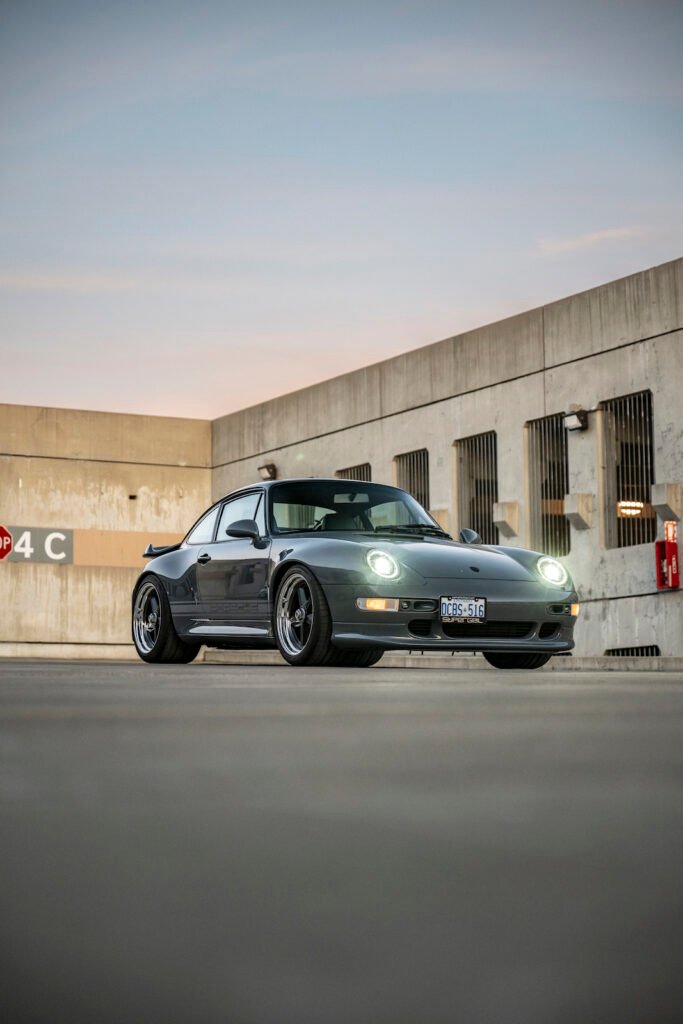
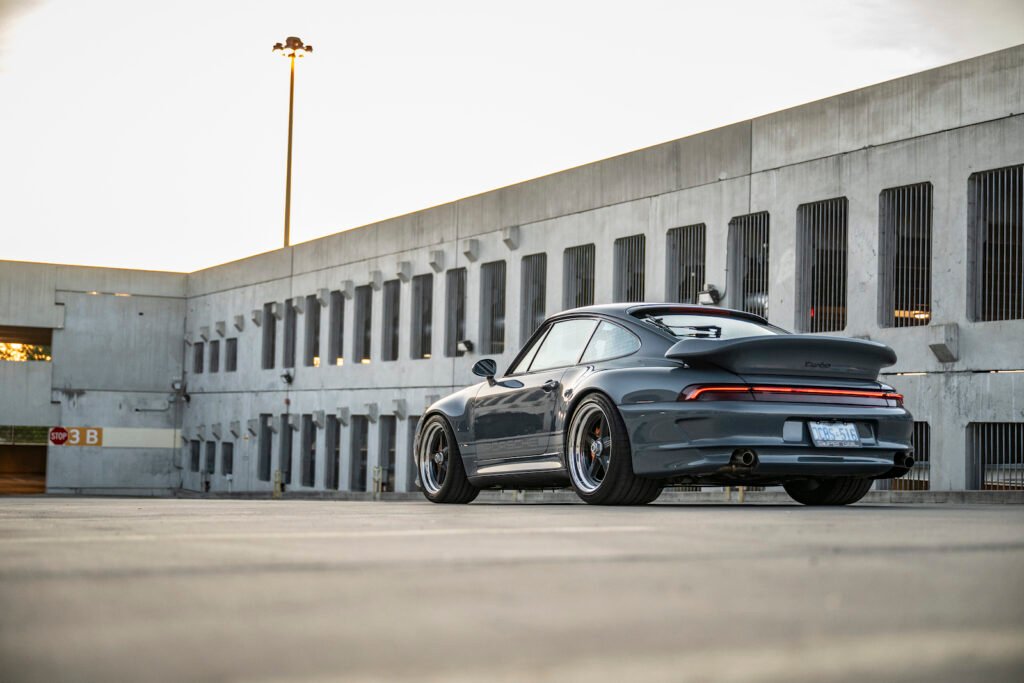
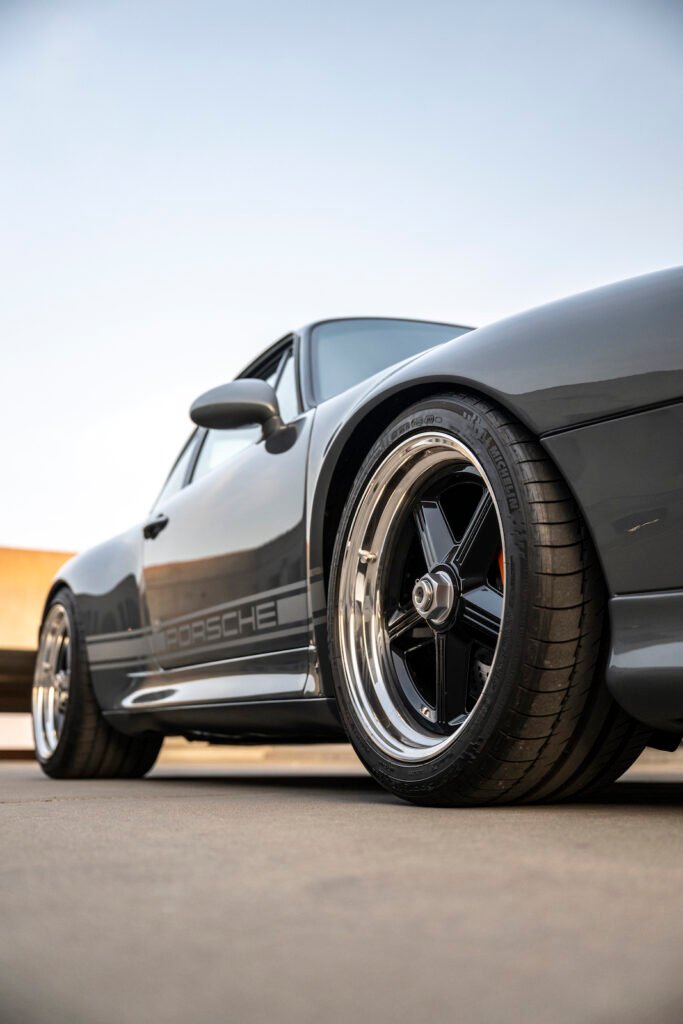
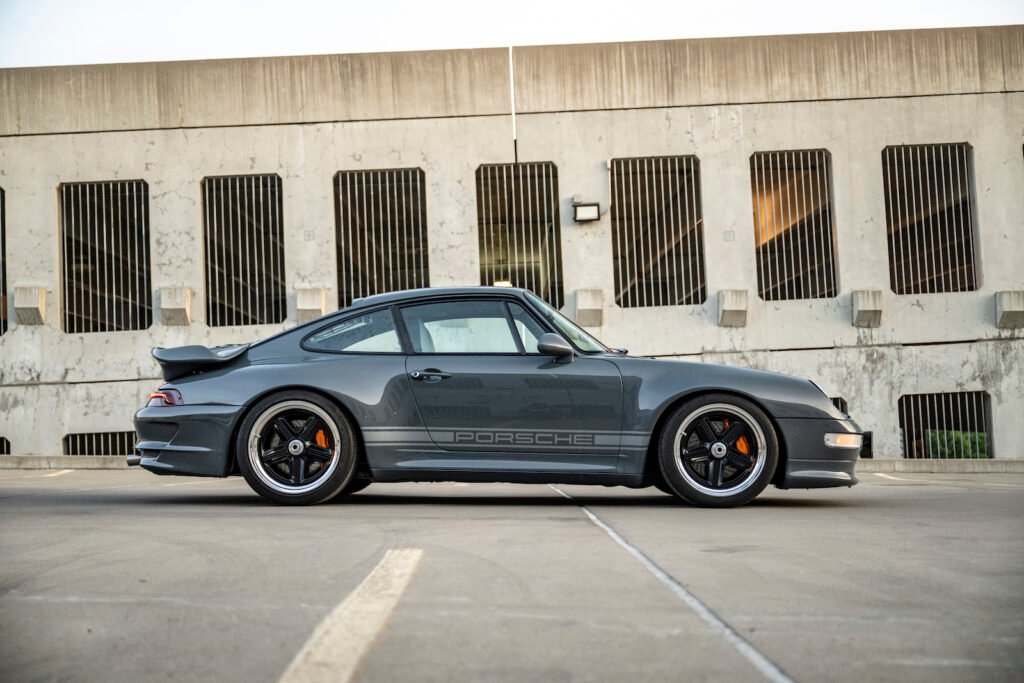

“I don’t have the trades in-house at my interior design firm. That all gets subbed out, but I project manage the entire build of a home, and we charge for that as part of our service,” he explains.
“It’s the whole ethos of design,” he continues. “The same way we design houses is the way I would think about designing the interior of the car, or the exterior pieces.”
Everything you see here is the product of two years of obsessively considered design decisions and meticulous fabrication, as well as plenty of frustration and some trial-and-error.
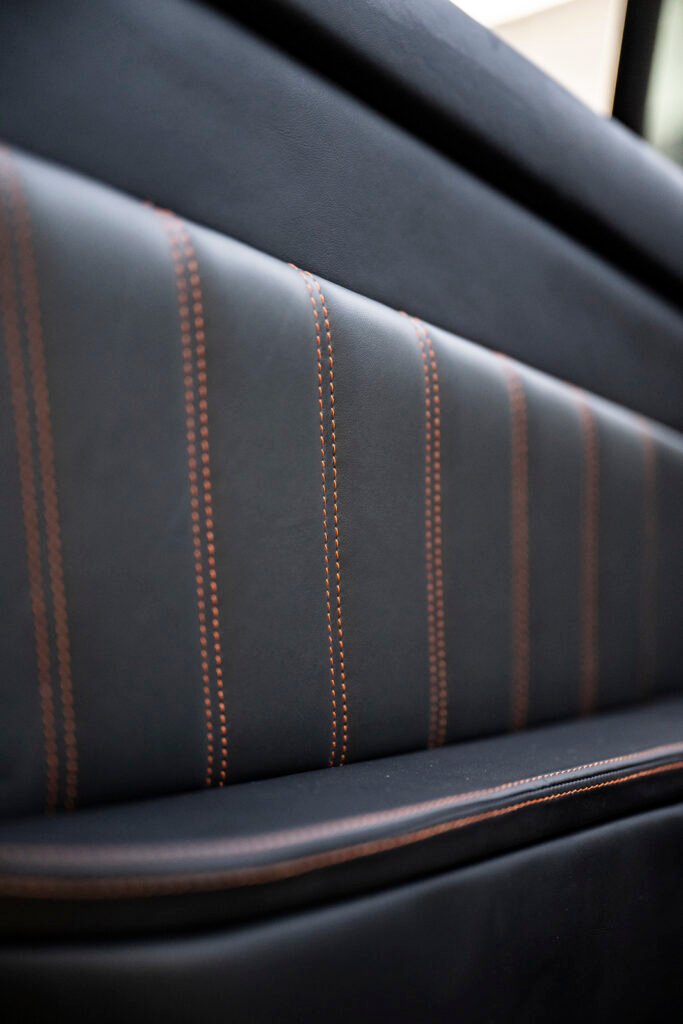
“I know who can do what and do it to the right level of quality,” says Banse. “Funnily enough, just by having that architectural design company we do a lot of custom furniture, so we know a lot of suppliers. Singer uses Edelman leather and they’re the cream of the crop. We use them as well. The wool that’s on the seats comes from a company called Maharam, and they’re the best,” he explains.
A drive around the block is all it takes to know Supergeil got this car right on the first try. Unlike so many other modified cars, this one doesn’t feel like an assembly of parts but a purposeful, considered, cohesive whole. It is greater than the sum of its many (very expensive) parts.
It turned out just like Terence Conran said it would: exude passion for design and the money will follow.