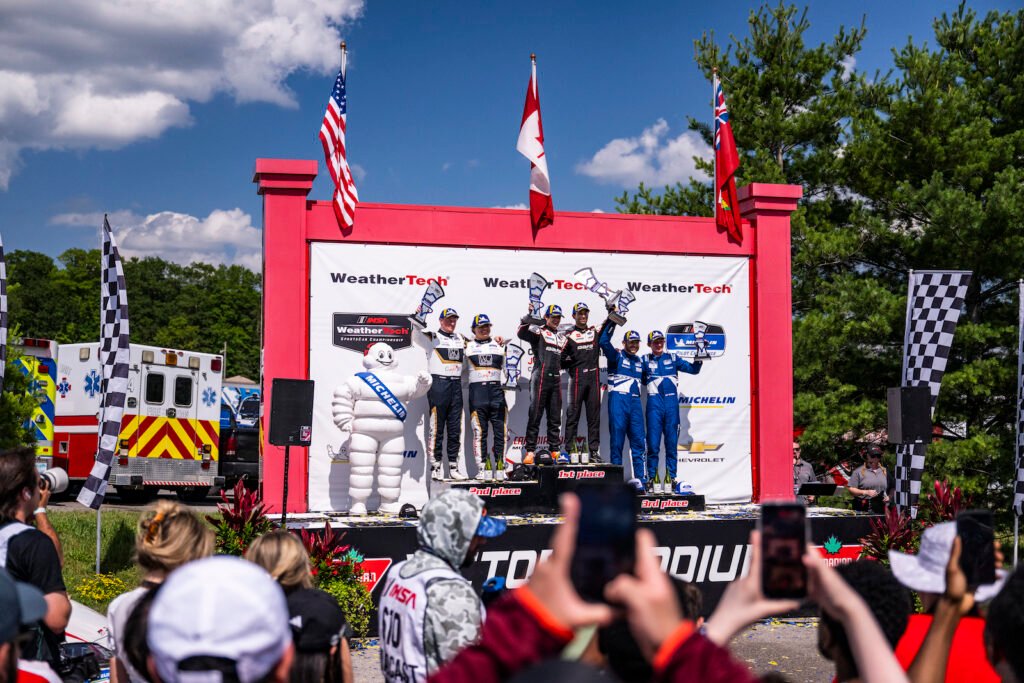
There are few marketing phrases in the automotive world more common than “race technology
for the road.” It’s a claim that’s been repeated for decades, but rarely do we get to see exactly
what that process looks like behind the scenes.
Earlier this month, Michelin pulled back the curtain.
As part of its Track to Street Weekend, we joined the Michelin team for an immersive look at
how lessons learned in professional motorsport directly influence the tires millions of drivers
rely on every day. Over the course of a weekend, the experience moved from racetrack to
paddock, from engineering labs on wheels to one of North America’s premier endurance racing
events, offering a firsthand look at the relentless pursuit of performance that connects Sunday’s
checkered flag to Monday’s morning commute.
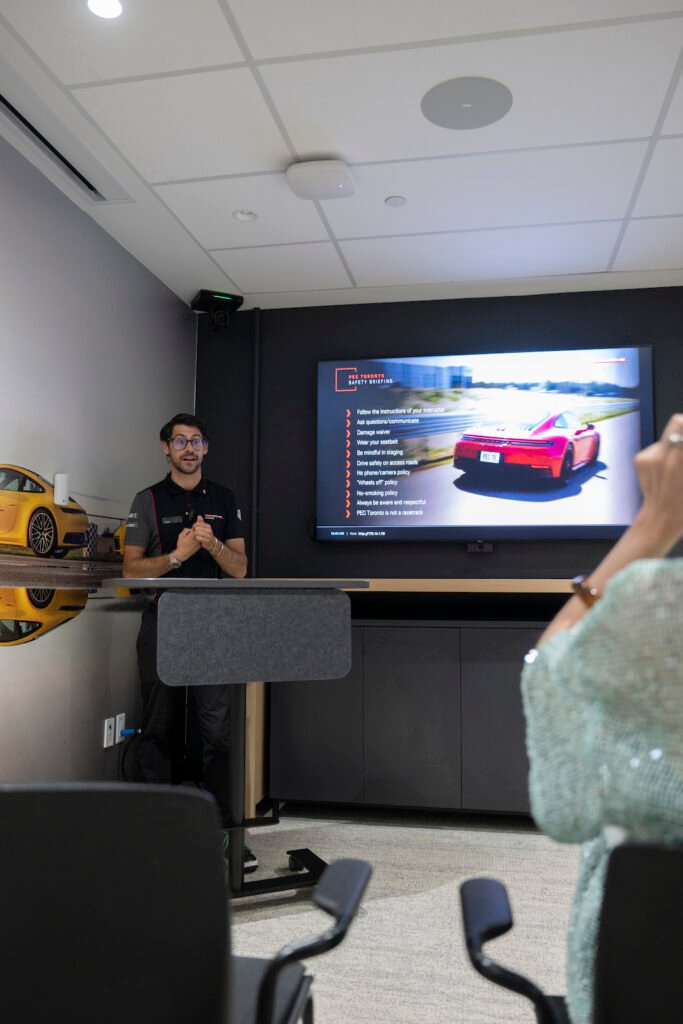
The weekend began at the Porsche Experience Centre Toronto, where the theory immediately
gave way to practice.
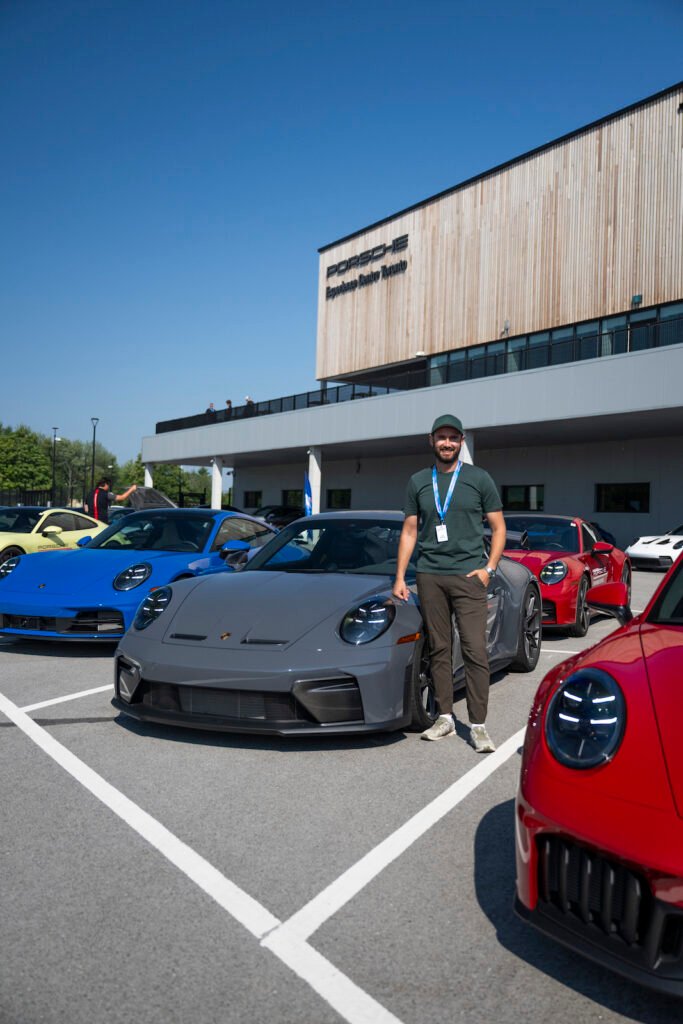
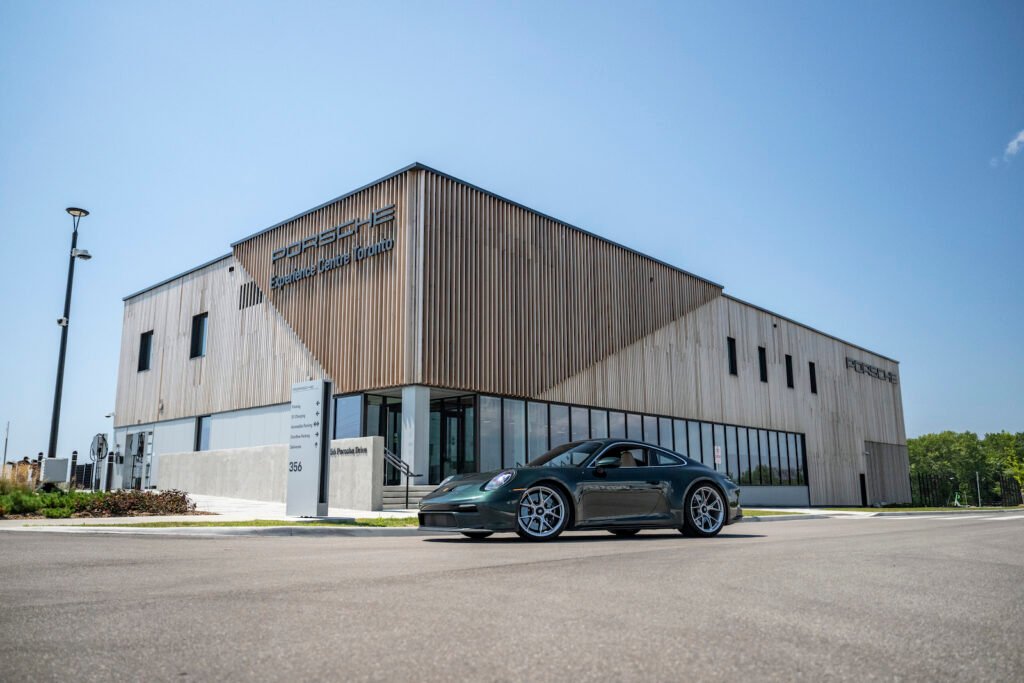
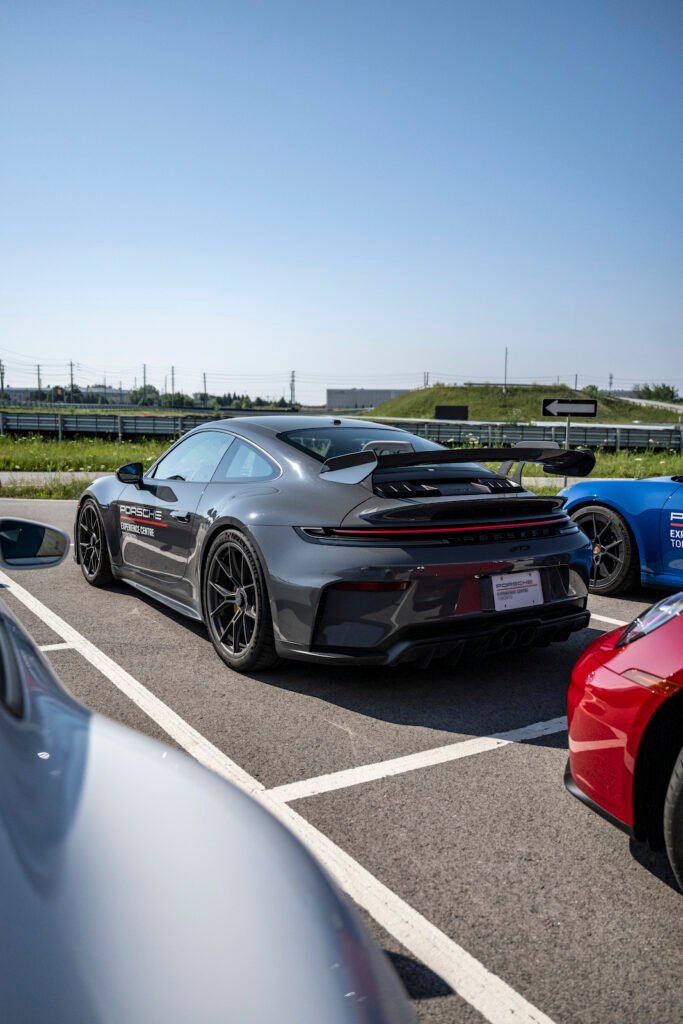
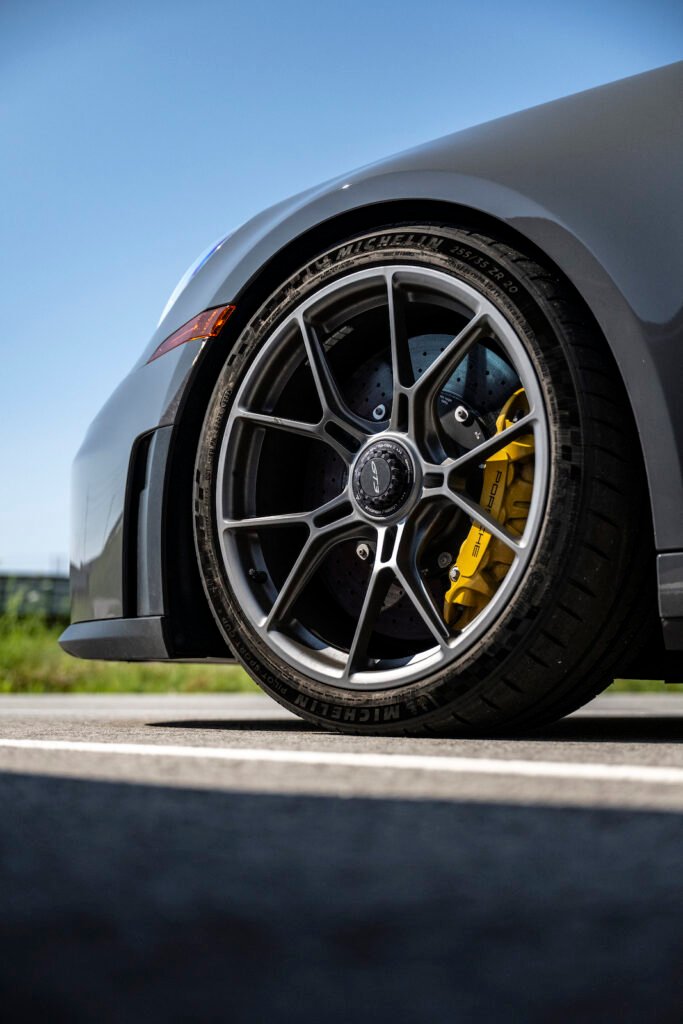
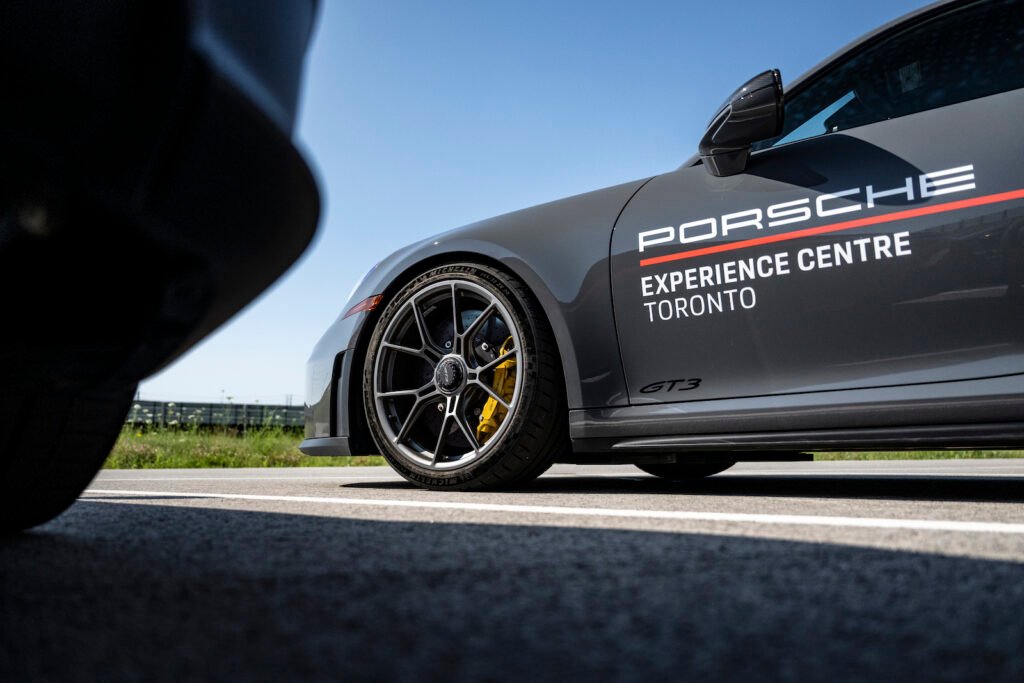

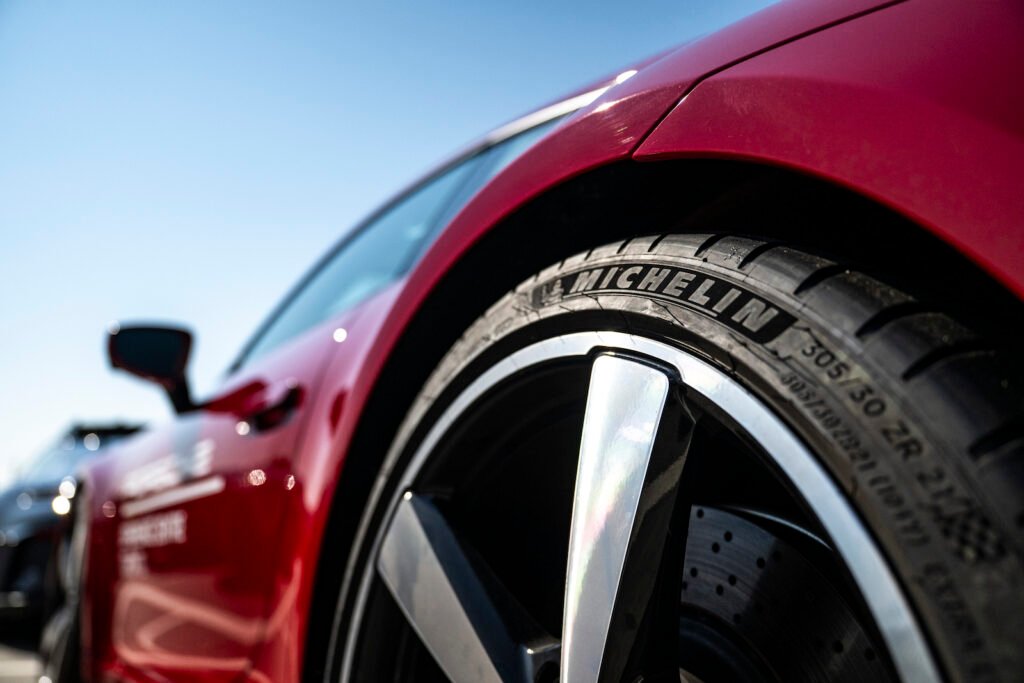
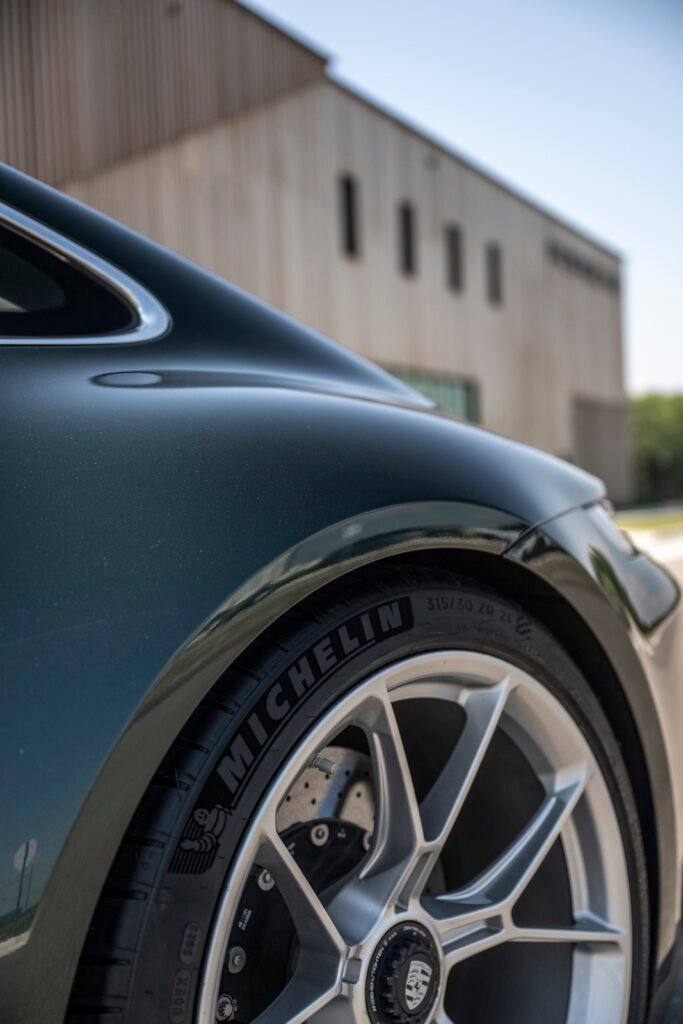
Waiting in the paddock was Porsche’s new 992.2 GT3, equipped with Michelin Pilot Sport Cup 2
tires. A few laps are all it takes to understand why this combination has become the benchmark
for track-focused performance. As temperatures build, the Cup 2s transform, delivering
remarkable grip and allowing you to lean harder and harder into every corner. The confidence
they inspire is perhaps their greatest achievement.
It was the perfect introduction to a weekend dedicated to understanding where that performance
comes from.
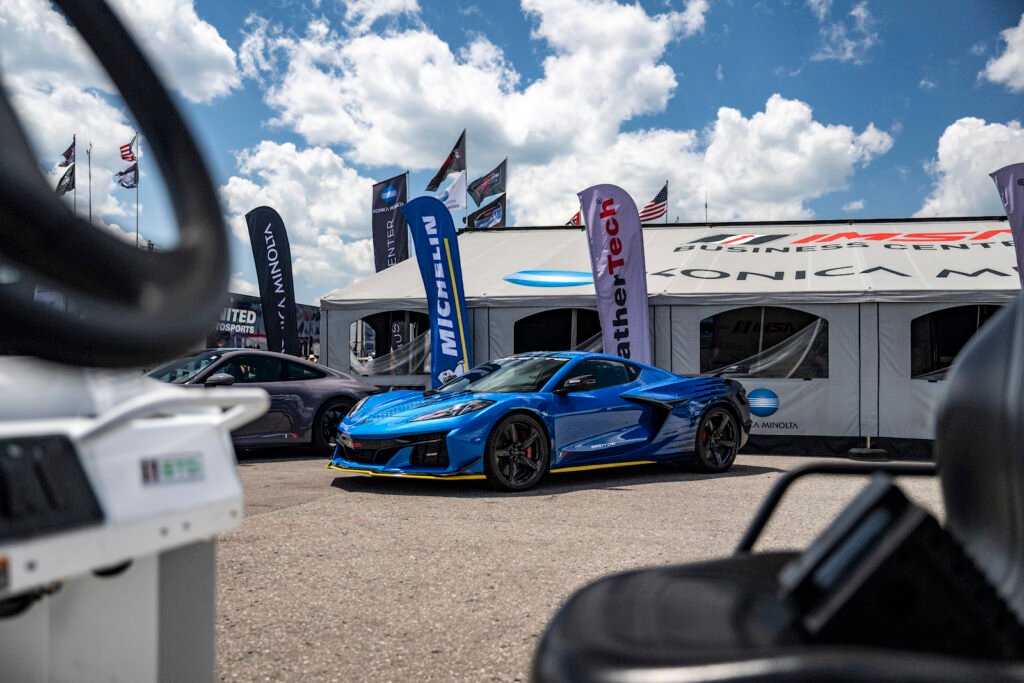
From Toronto, the convoy headed east to Canadian Tire Motorsports Park for the IMSA
WeatherTech SportsCar Championship weekend, where Michelin’s role extends far beyond
supplying tires.
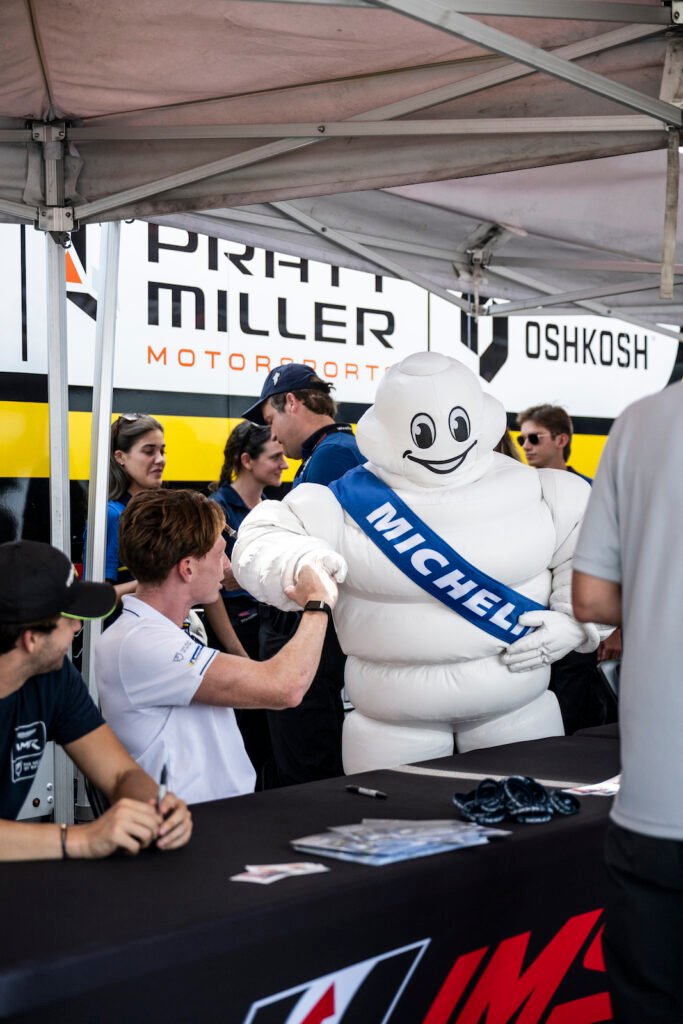
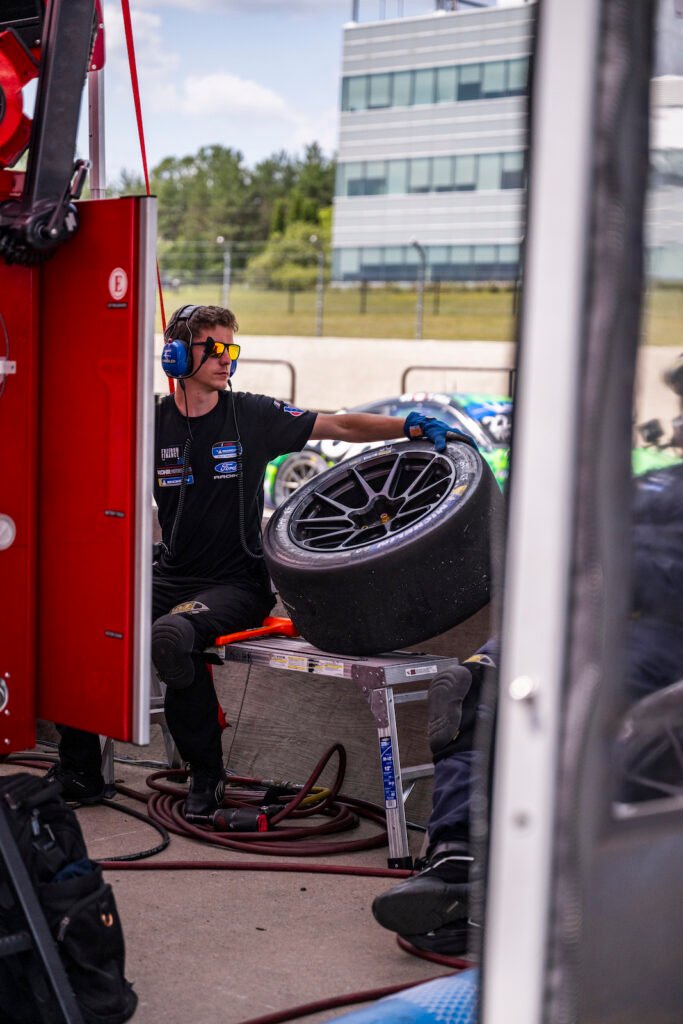
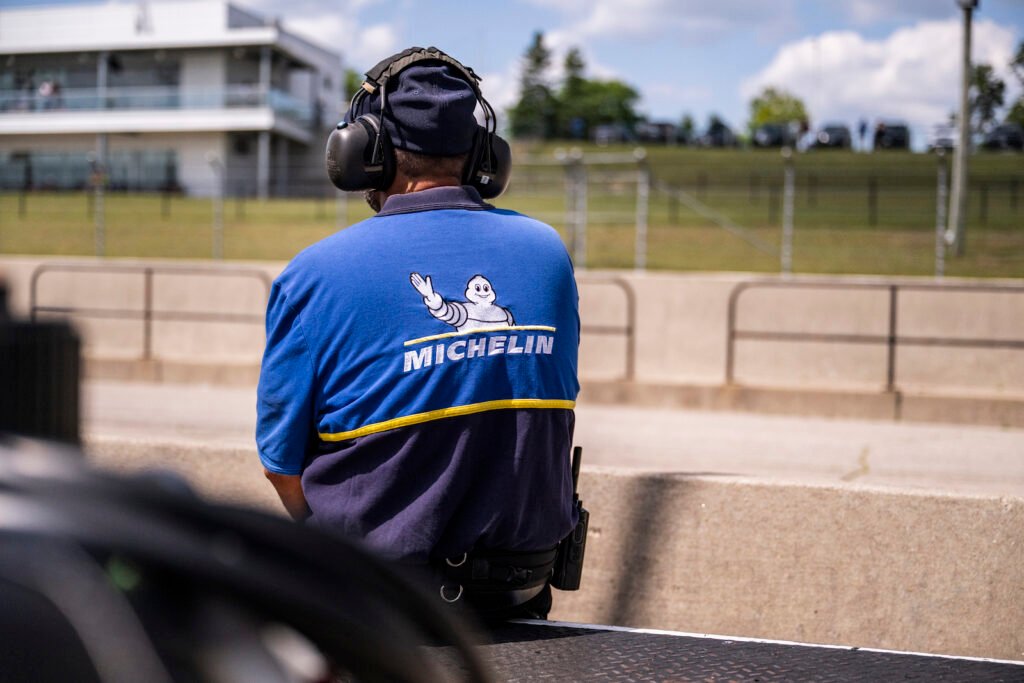
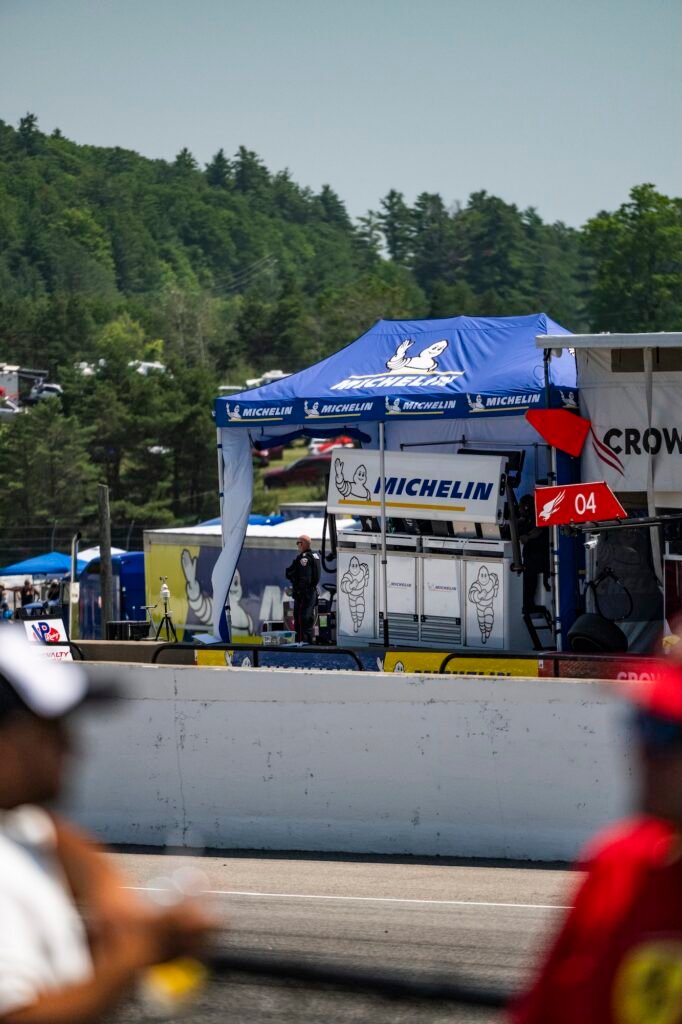
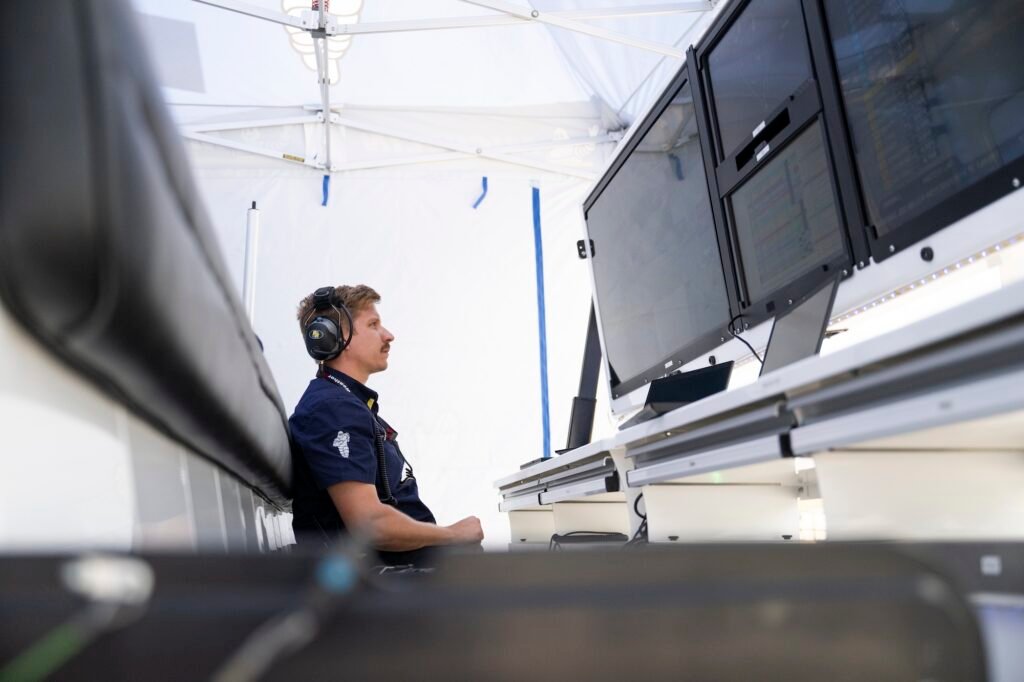
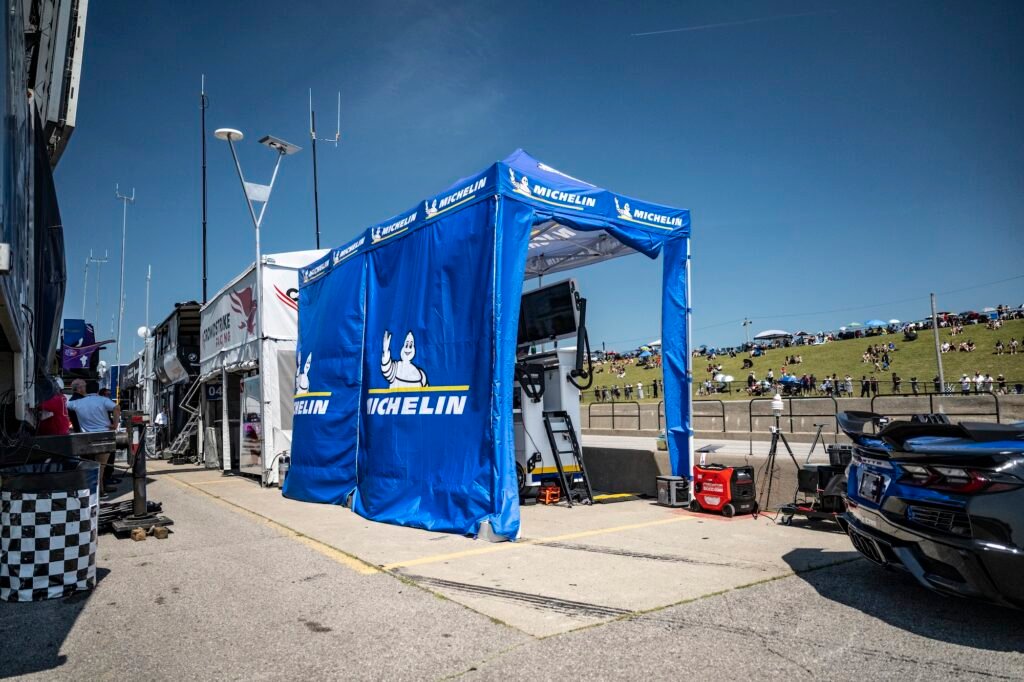
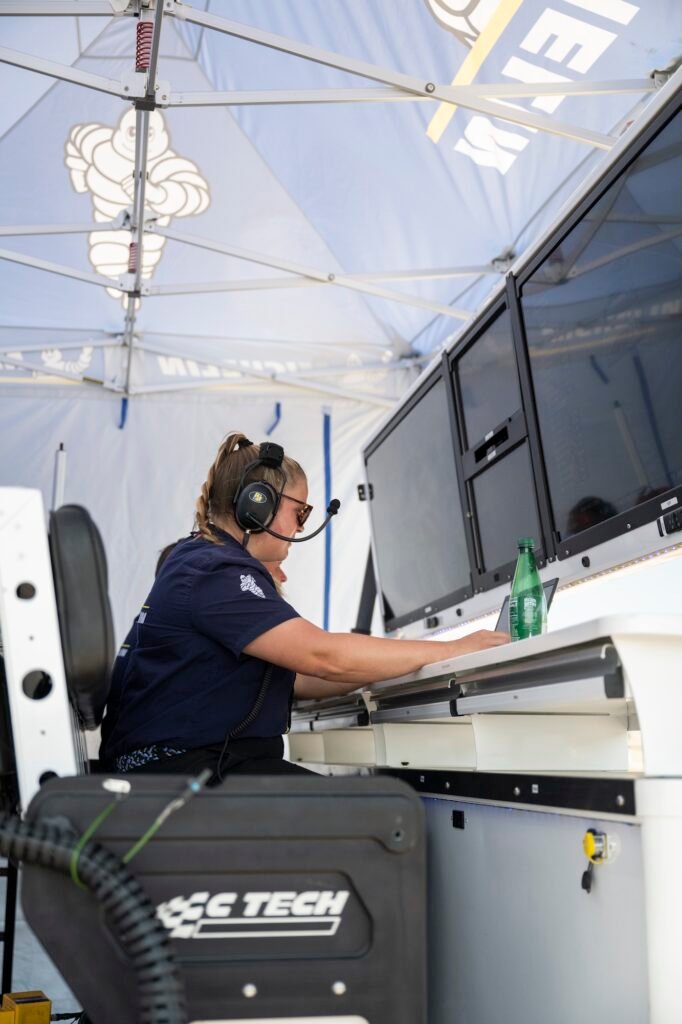
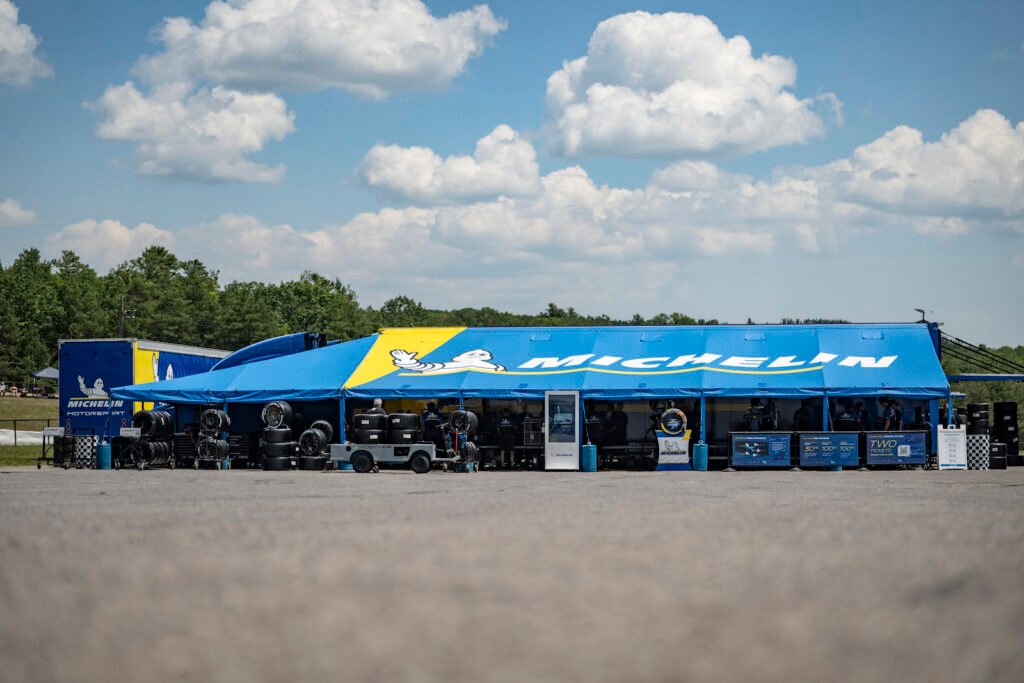
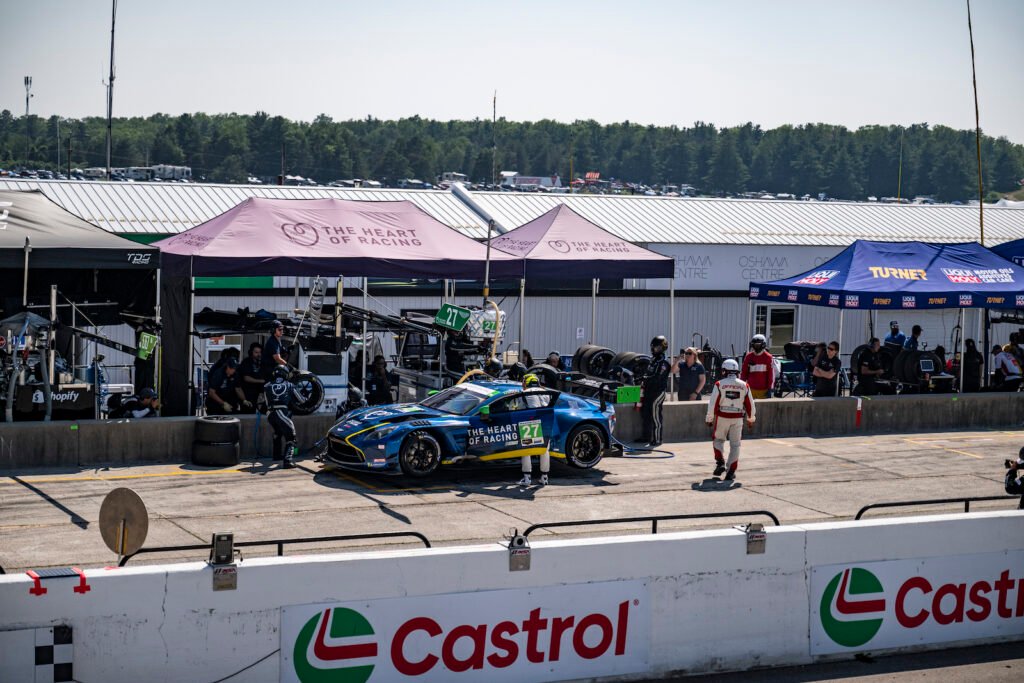
Directly in pit lane sits one of the busiest operations at the circuit: Michelin’s pit support tent.
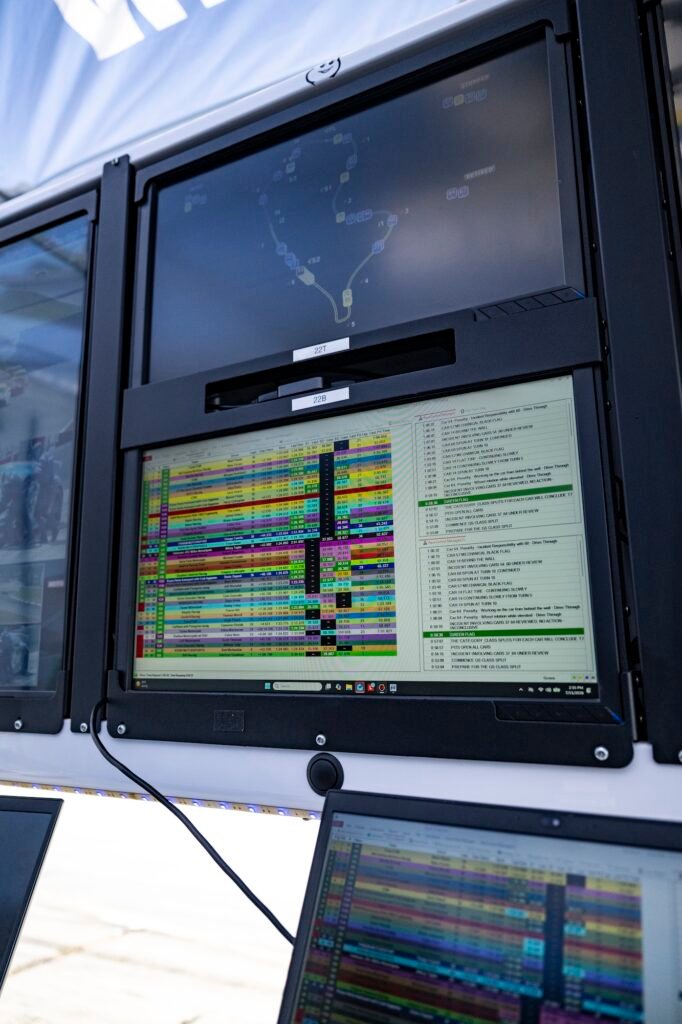
Here, engineers and technicians monitor live tire data throughout every session, tracking
temperatures, pressures, wear patterns, and performance metrics in real time. Every lap generates
valuable information that helps teams maximize performance while ensuring safety across a wide
range of changing track conditions. Communication between Michelin engineers and
manufacturers is constant, with recommendations tailored to each chassis, setup, and circuit. It’s
an extraordinary amount of analysis occurring at race speed, where even the smallest adjustment
can influence the outcome of an endurance race.
Just as impressive is the logistics operation supporting it all.
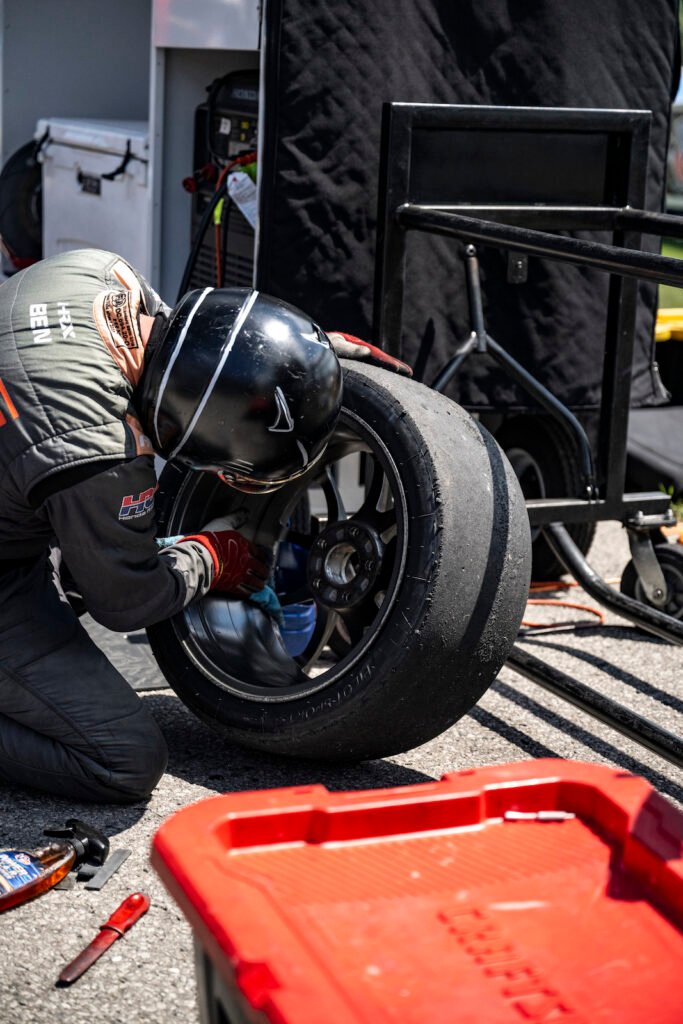
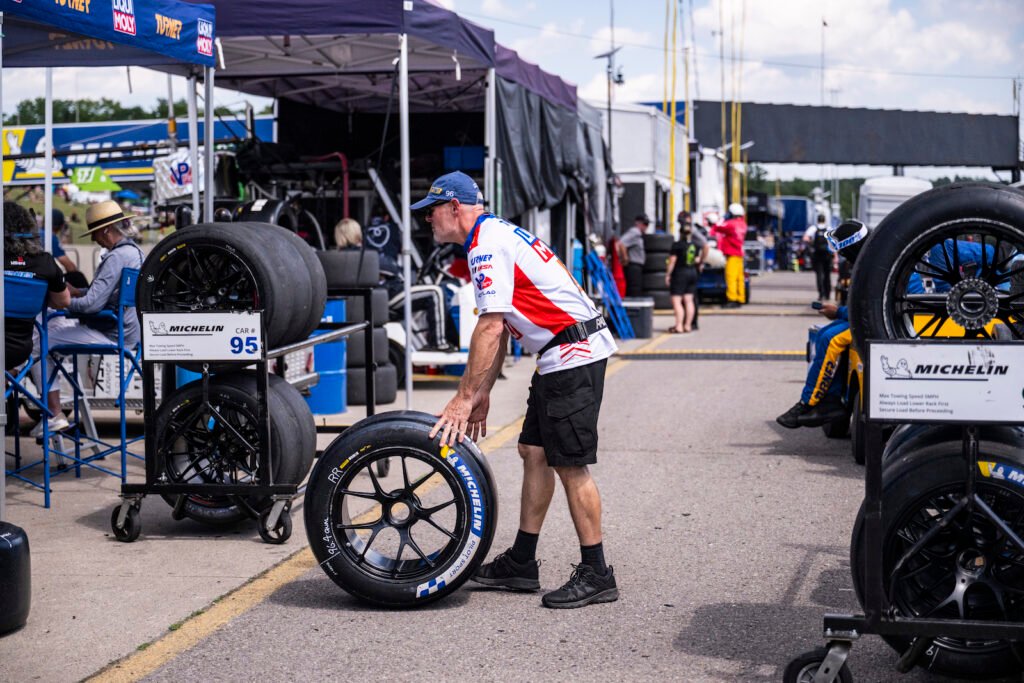
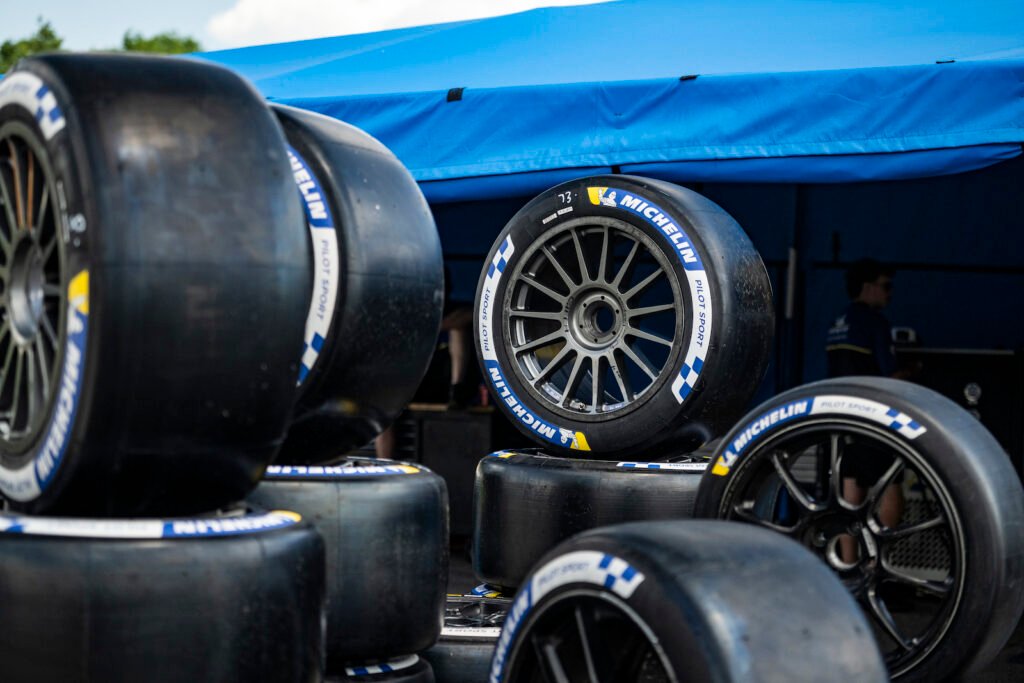
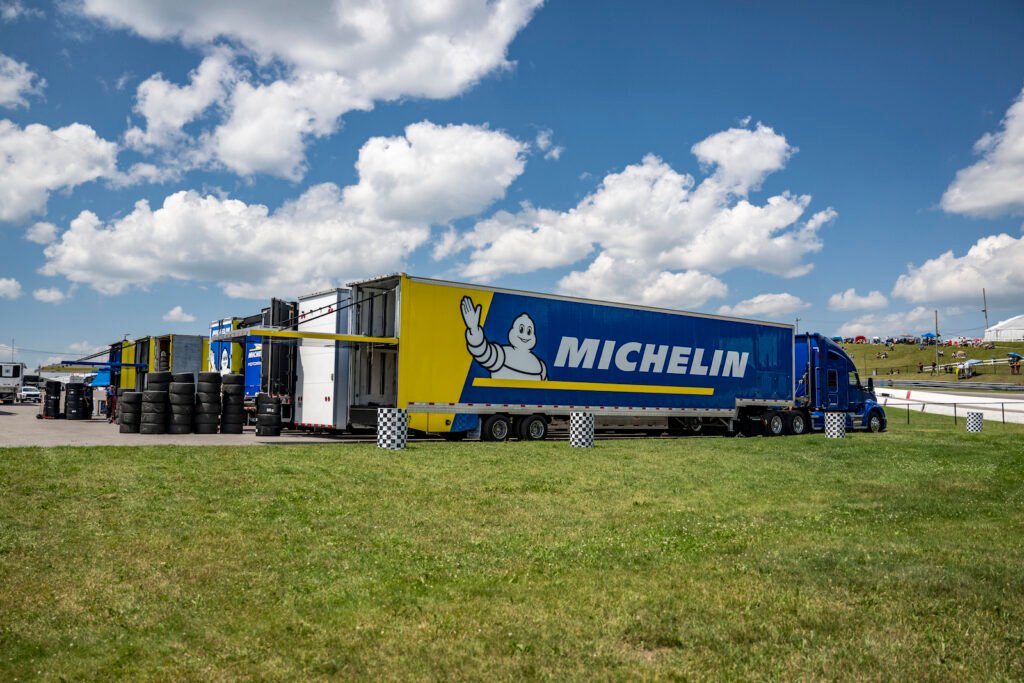
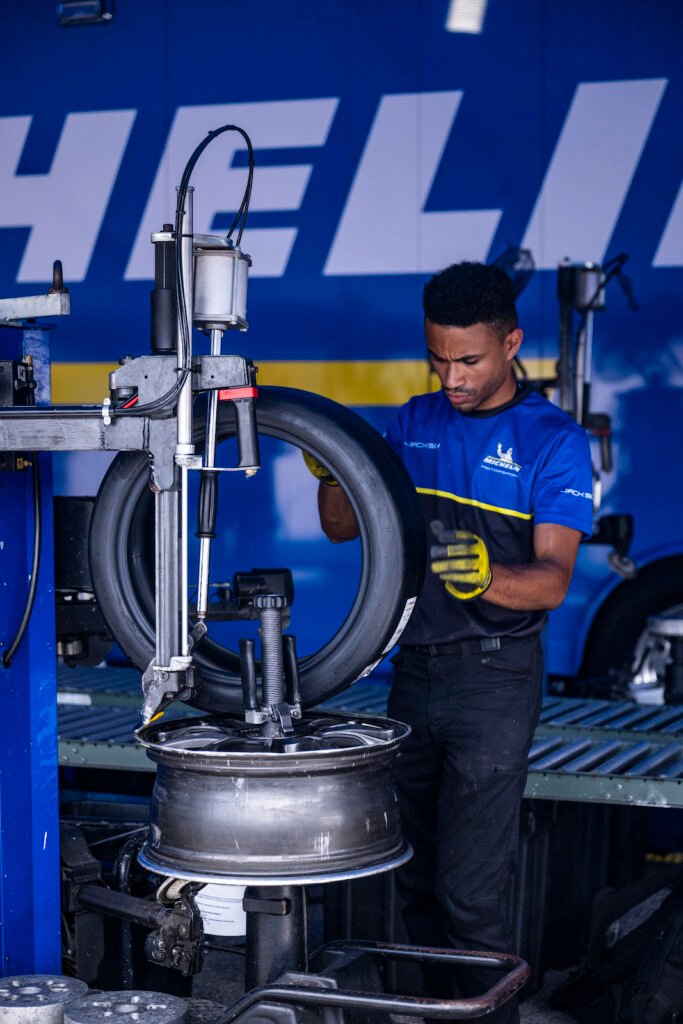
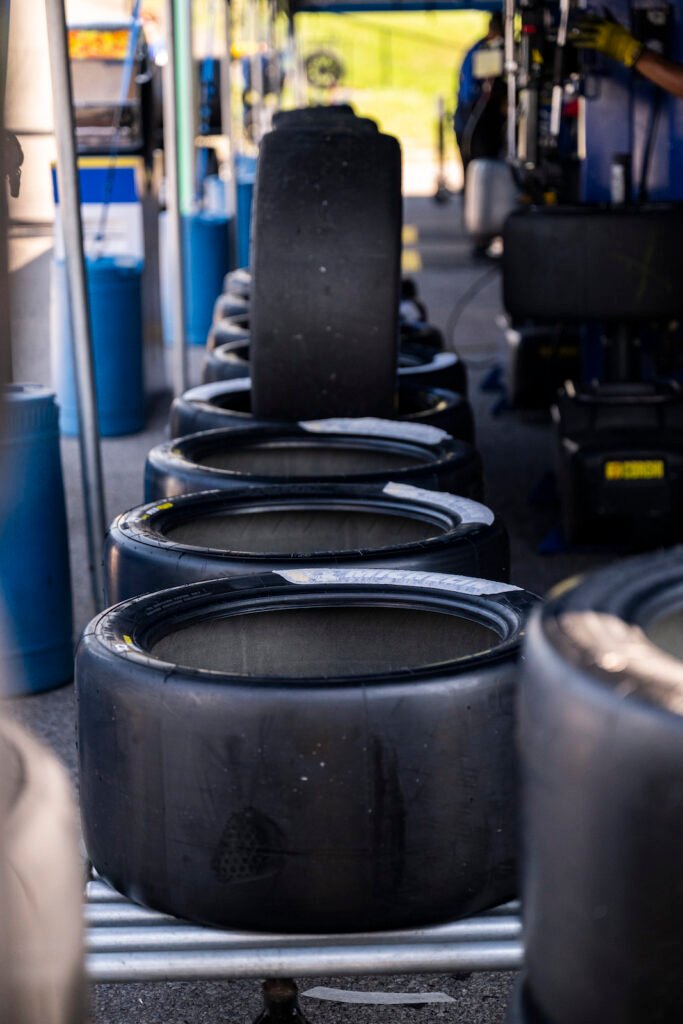
In the lower paddock, Michelin’s mobile tire workshop is impossible to miss. A fleet of transport
trailers follows the IMSA championship from circuit to circuit, effectively creating a fully
functioning tire facility wherever the series races. For Canadian Tire Motorsports Park alone,
approximately 3,800 tires arrived for the weekend.
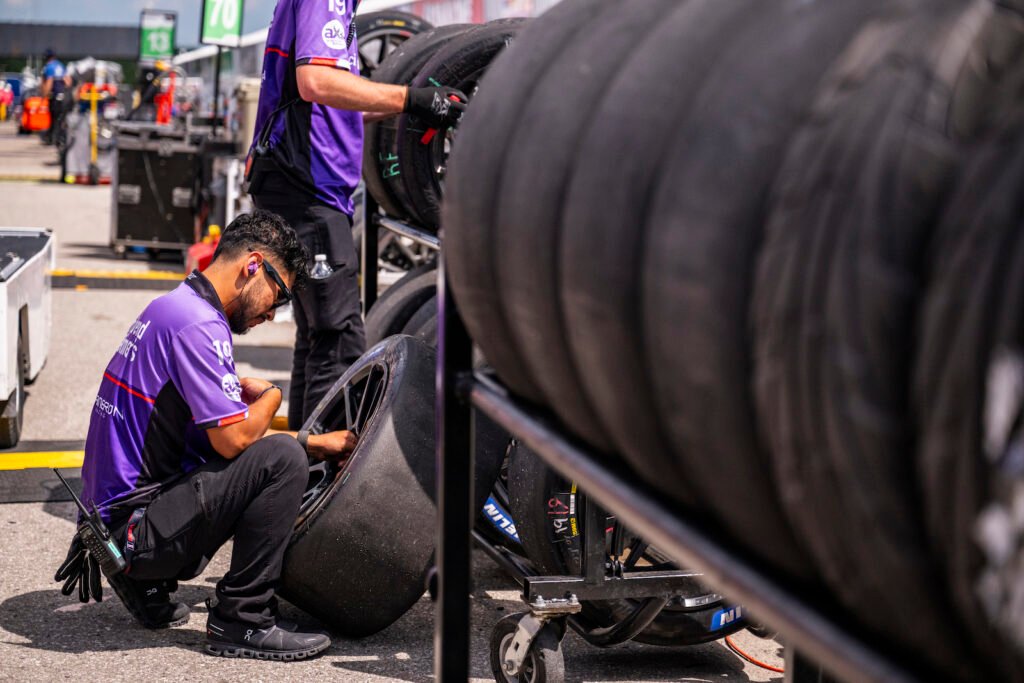
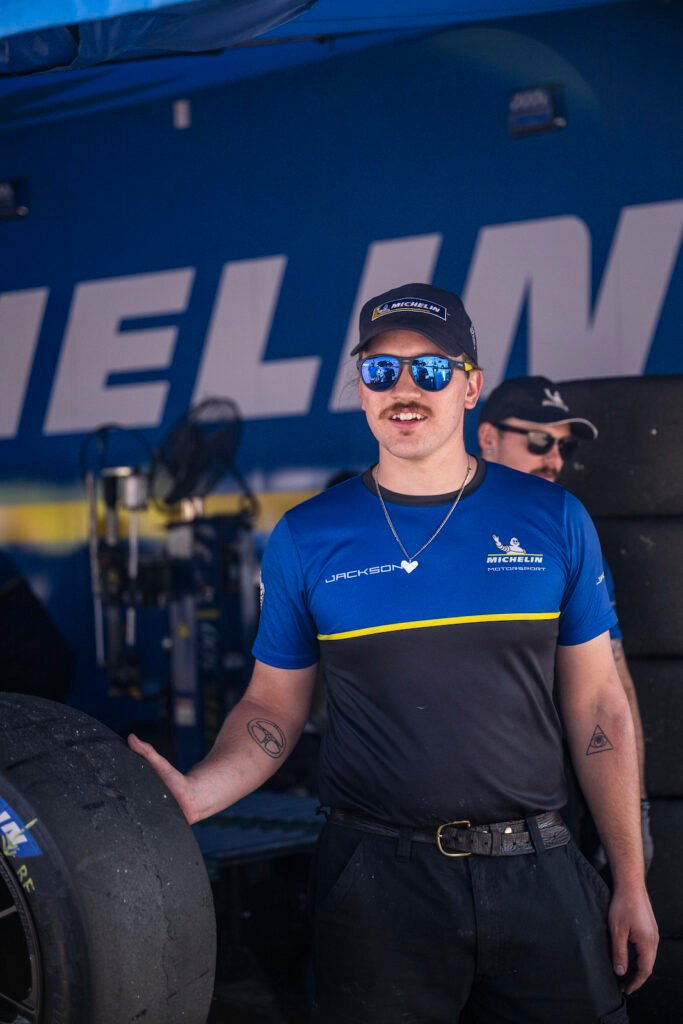
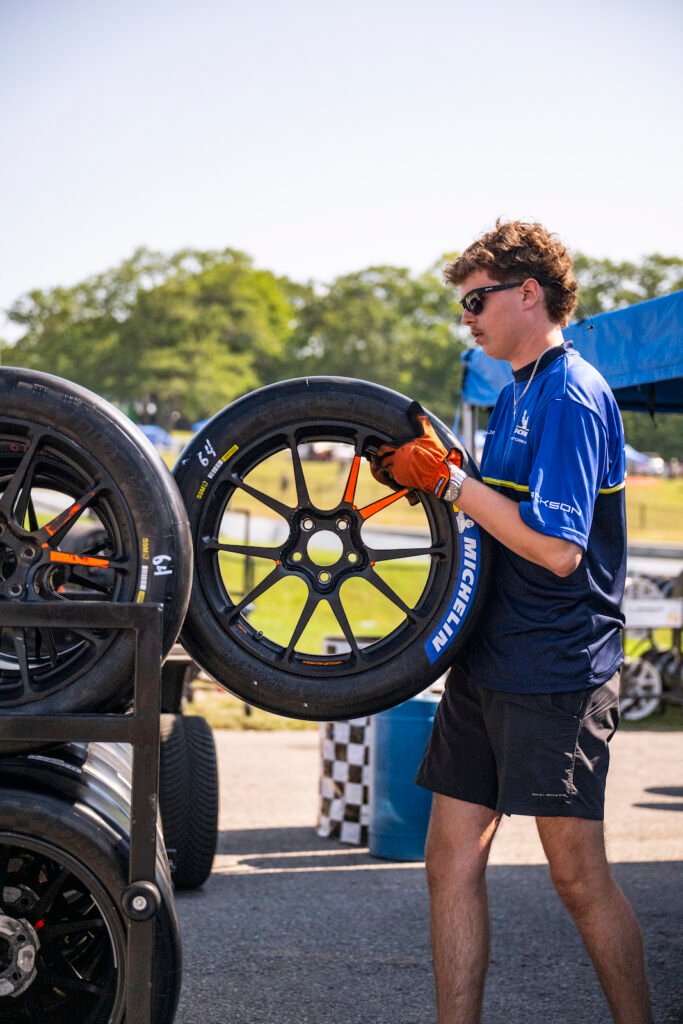
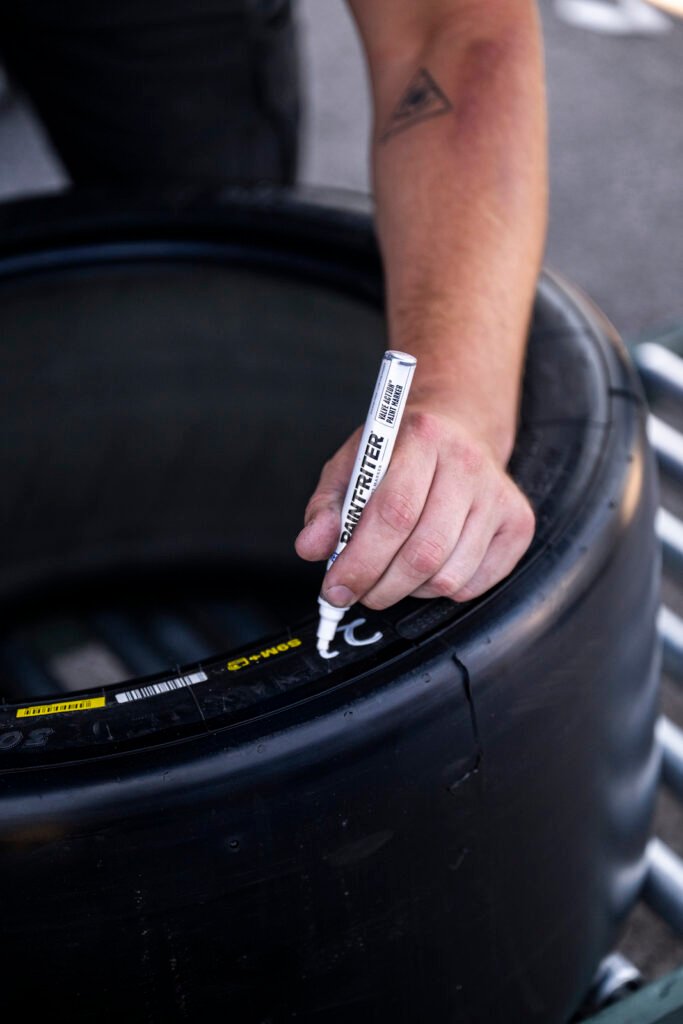
Inside, technicians mount, balance, inspect, and prepare tires with remarkable efficiency. Every
movement is deliberate, every process refined through years of experience, ensuring every team
receives consistent performance throughout the race weekend.
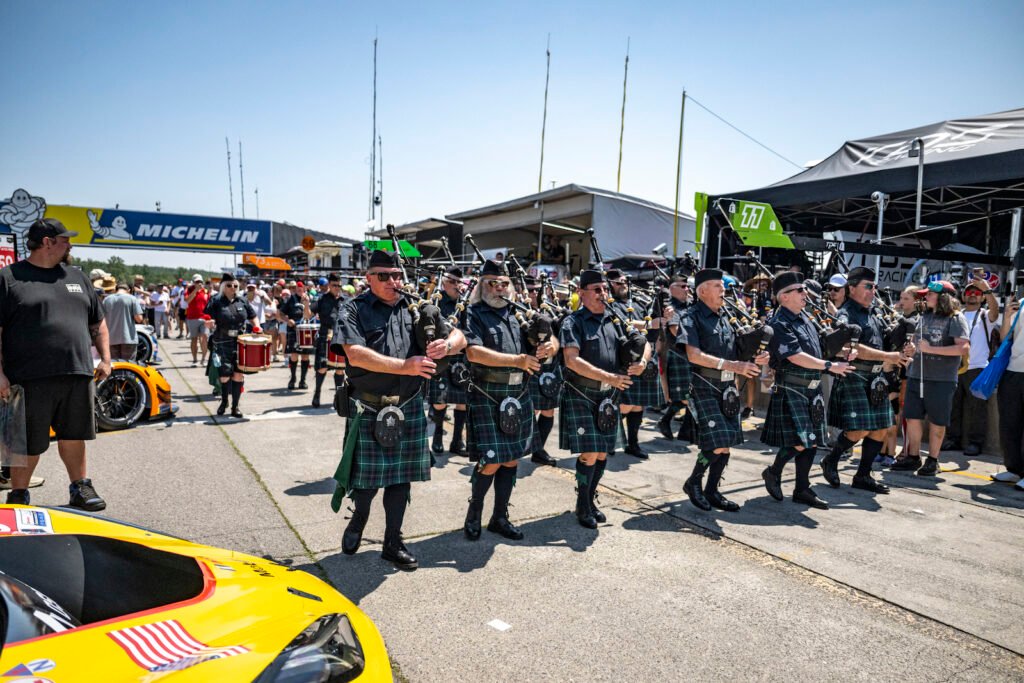
By Sunday morning, the atmosphere around Mosport had changed entirely.
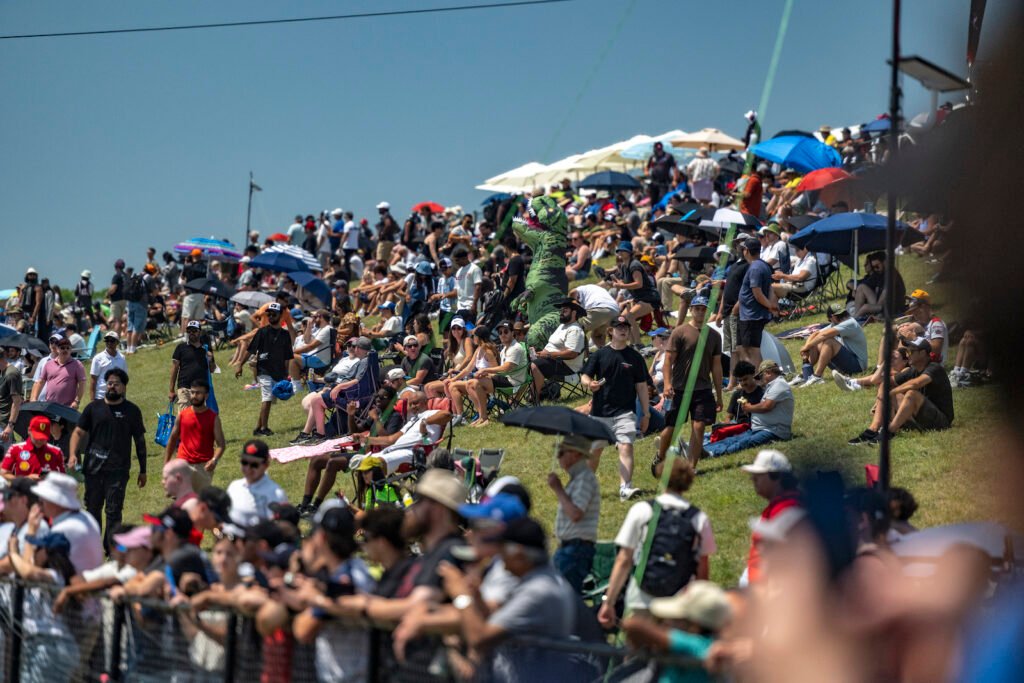
Grandstands filled early, fans lined the fences, and the paddock buzzed with anticipation as
record crowds gathered for one of Canada’s premier motorsport events. Before the green flag
dropped, we climbed into a 911 GTS fitted with Michelin Pilot Sport 4S tires for a hot lap around
the legendary circuit.
Where the Cup 2 thrives in a dedicated track environment, the Pilot Sport 4S demonstrated just
how broad the performance envelope can be. The professional driver wasted no time exploiting
every inch of available grip, attacking the flowing corners of CTMP. It was a powerful reminder
that a tire engineered for everyday road use can still deliver extraordinary capability when
pushed in the right environment.
Then came the race.
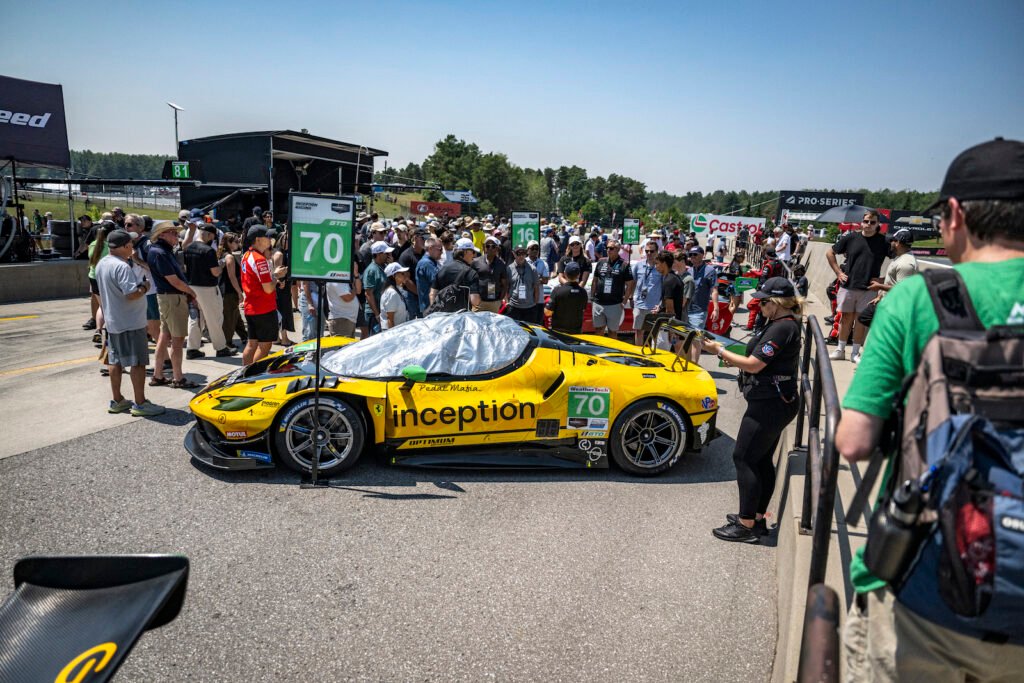
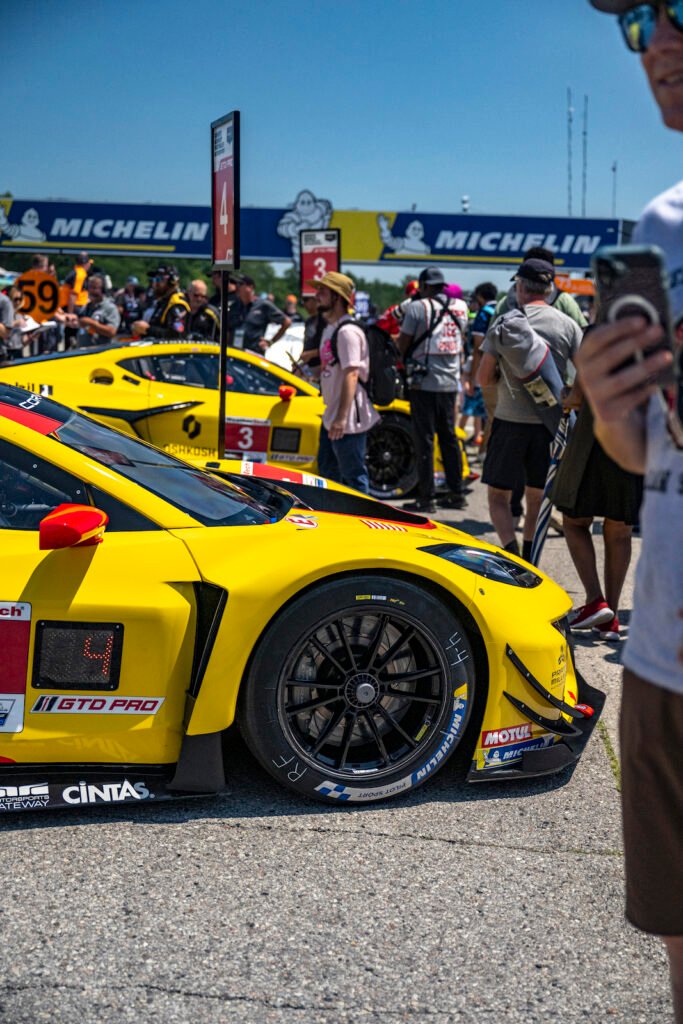
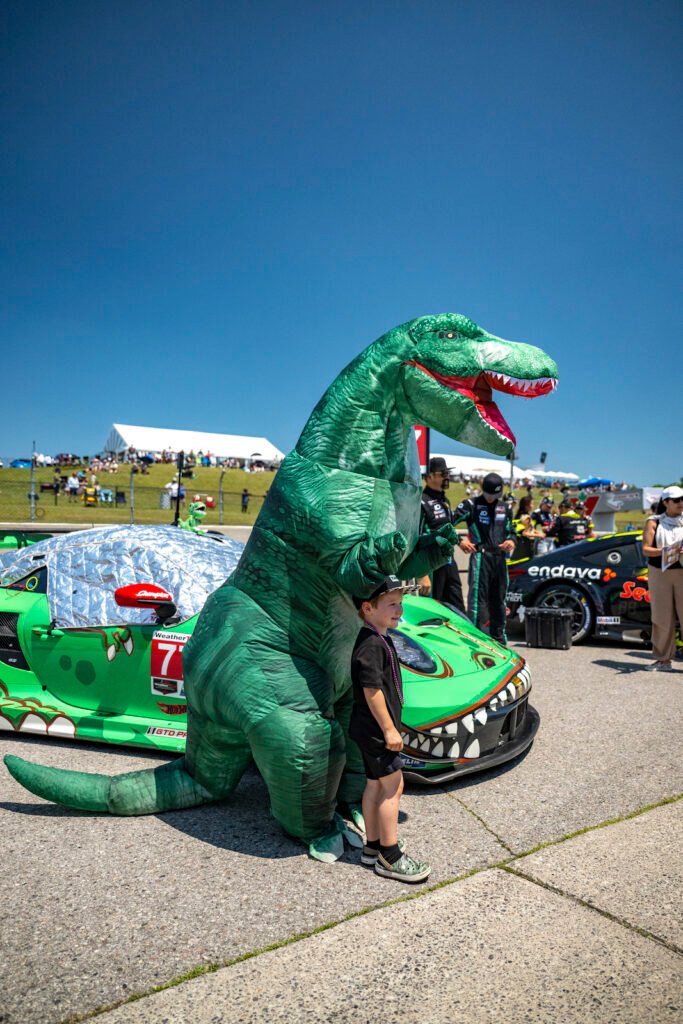

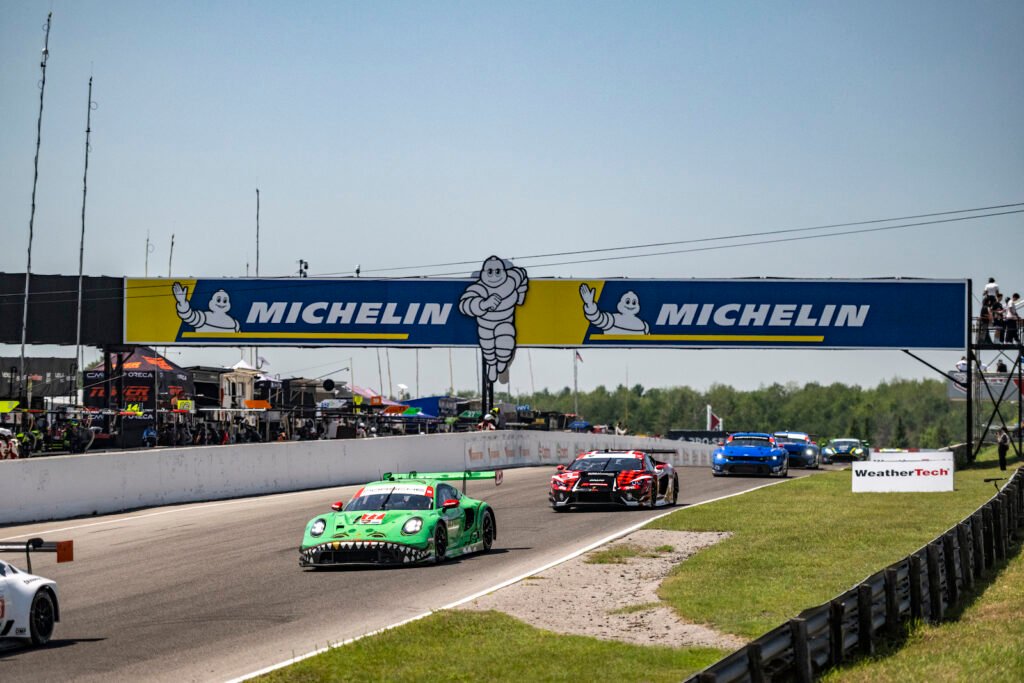
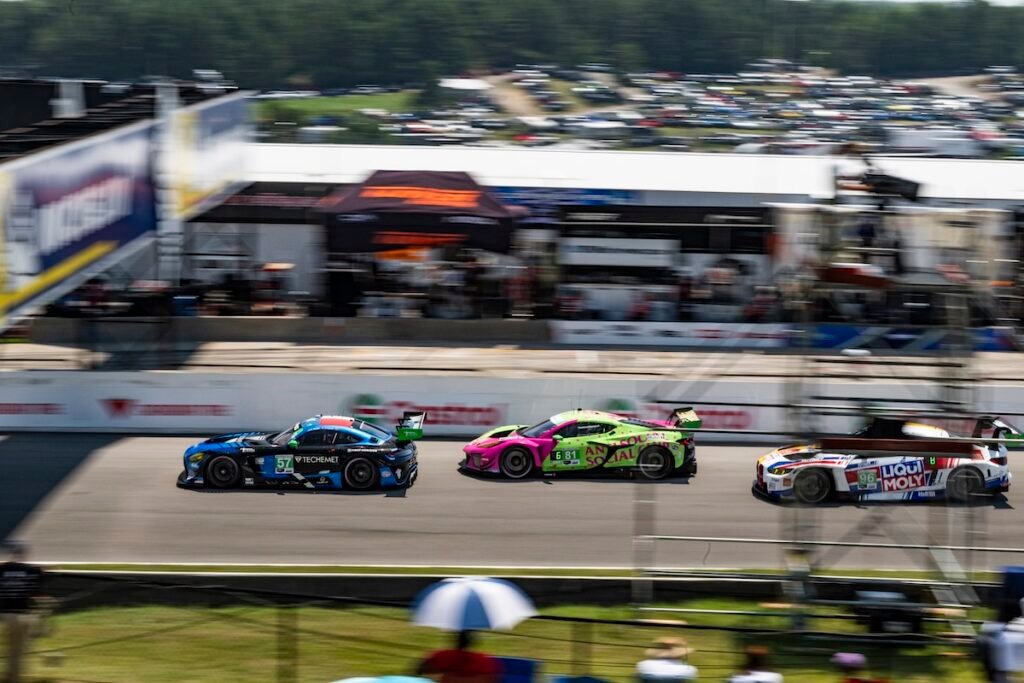
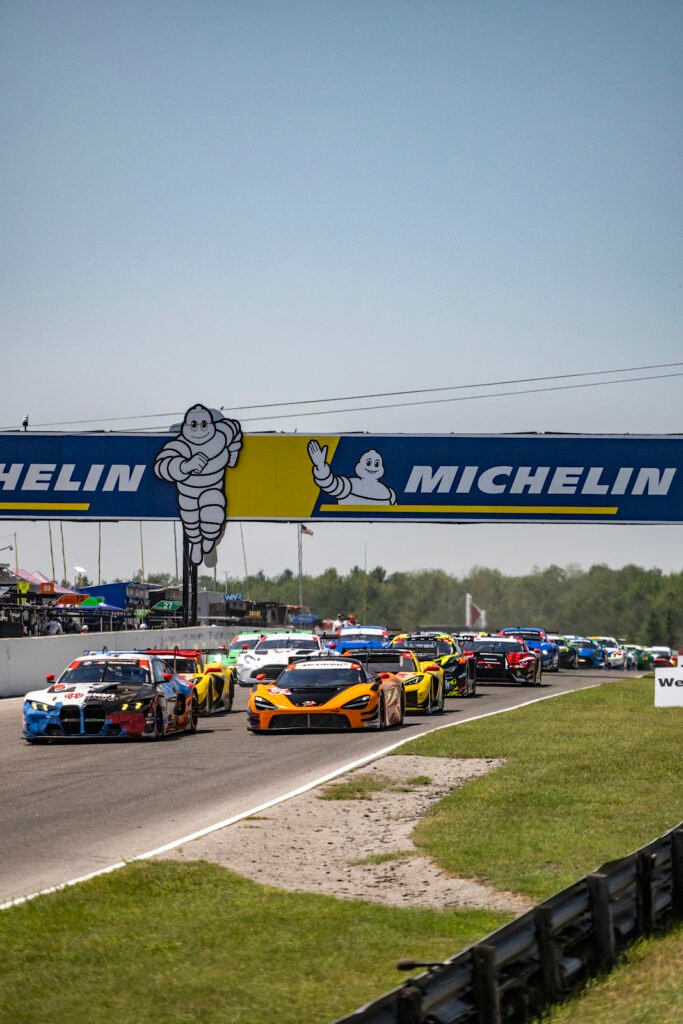
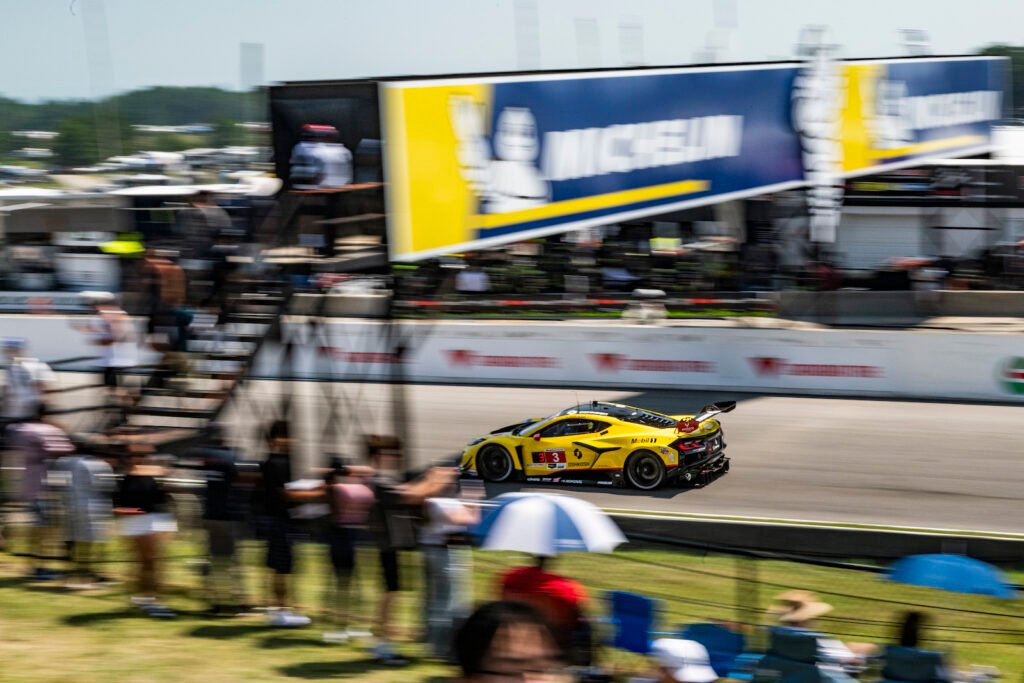
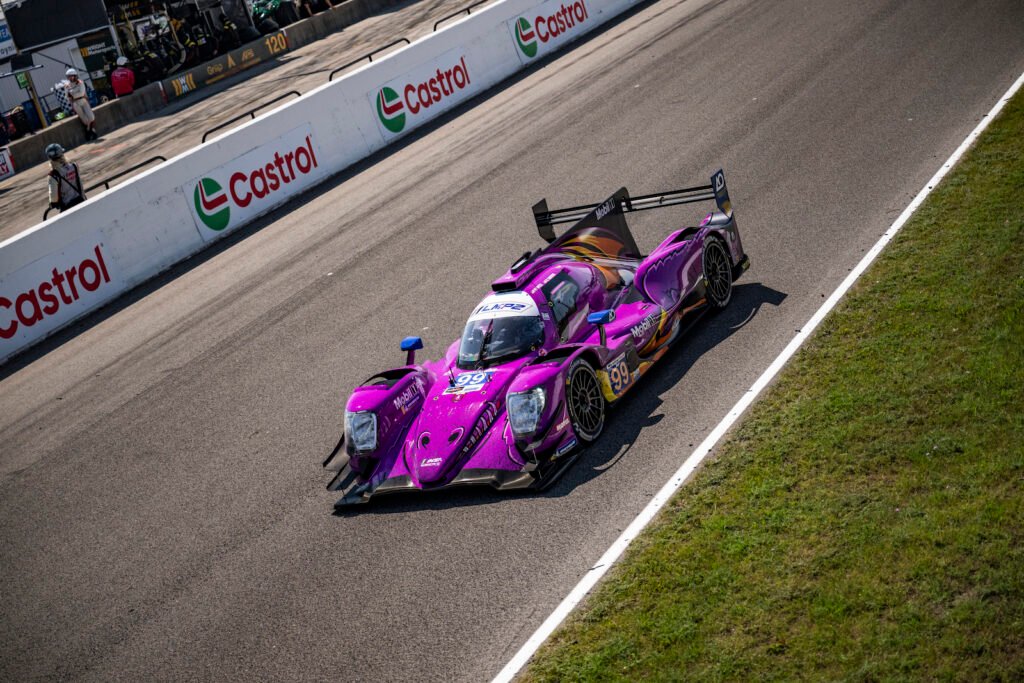
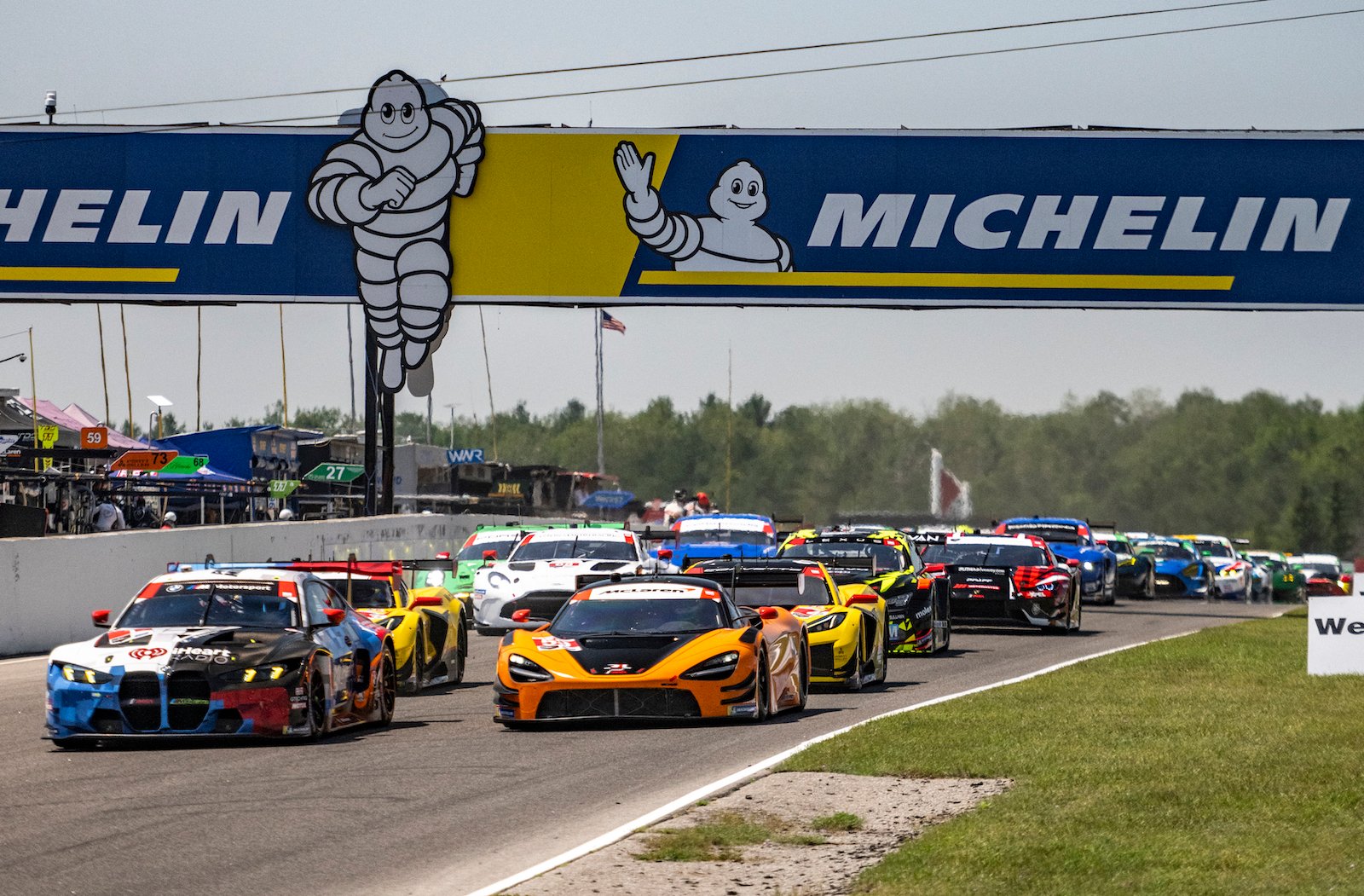
As the field thundered toward turn one, the sound of dozens of GT and prototype cars
accelerating together echoed across the circuit with a force that no television broadcast can ever
capture. Later, standing atop the starter’s stand above the start-finish line, every lap sent
vibrations through the platform directly into your feet. It was an unforgettable perspective on one
of the fastest and most demanding race tracks in North America.
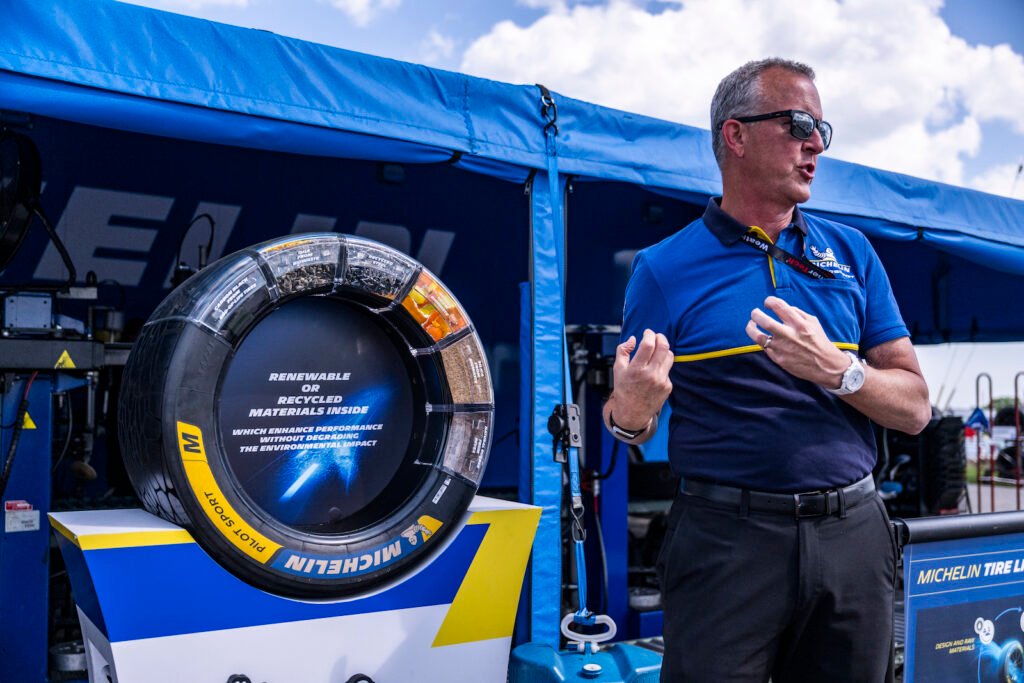
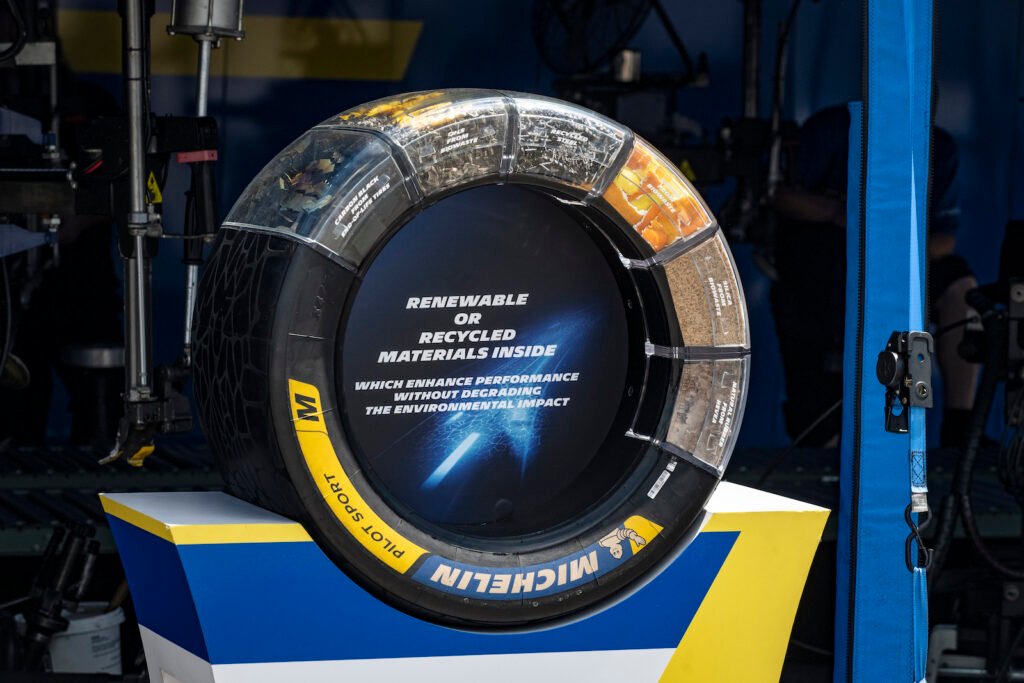
The tire that carries a family through a rainstorm, takes an enthusiast on a weekend drive, or4
survives thousands of highway kilometres is built upon countless hours of testing, data
collection, and development at events exactly like this. Every lap completed by an IMSA race
car contributes to an ongoing cycle of learning that ultimately benefits drivers far beyond the
racetrack.
That’s what made Michelin’s Track to Street Weekend so compelling. It was about demonstrating
that motorsport remains one of the world’s most valuable engineering laboratories, where
innovation is measured in fractions of a second before eventually becoming part of the tires we
trust every day.
For anyone who has ever wondered whether racing truly improves the cars we drive, the answer
becomes remarkably clear once you’ve spent a weekend behind the scenes.