By day, Franco Chirichella is Chief Information Officer for a major Canadian enterprise, overseeing digital strategy and the modernization of one of the country’s most complex operational networks. His role demands vision, precision, and the ability to drive change across tens of thousands of employees nationwide.
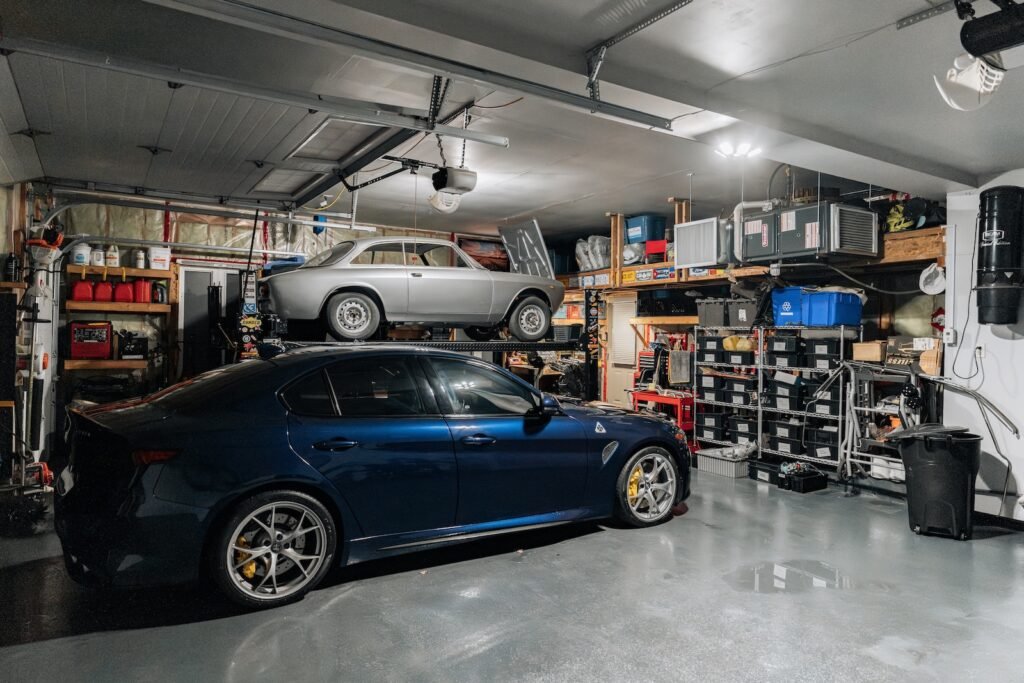
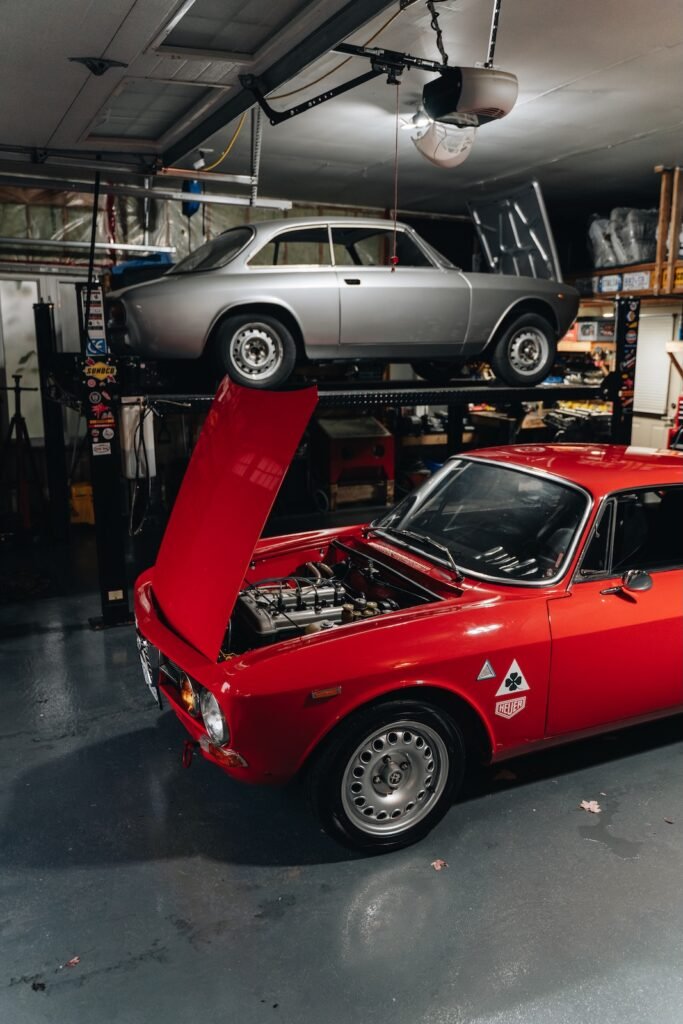
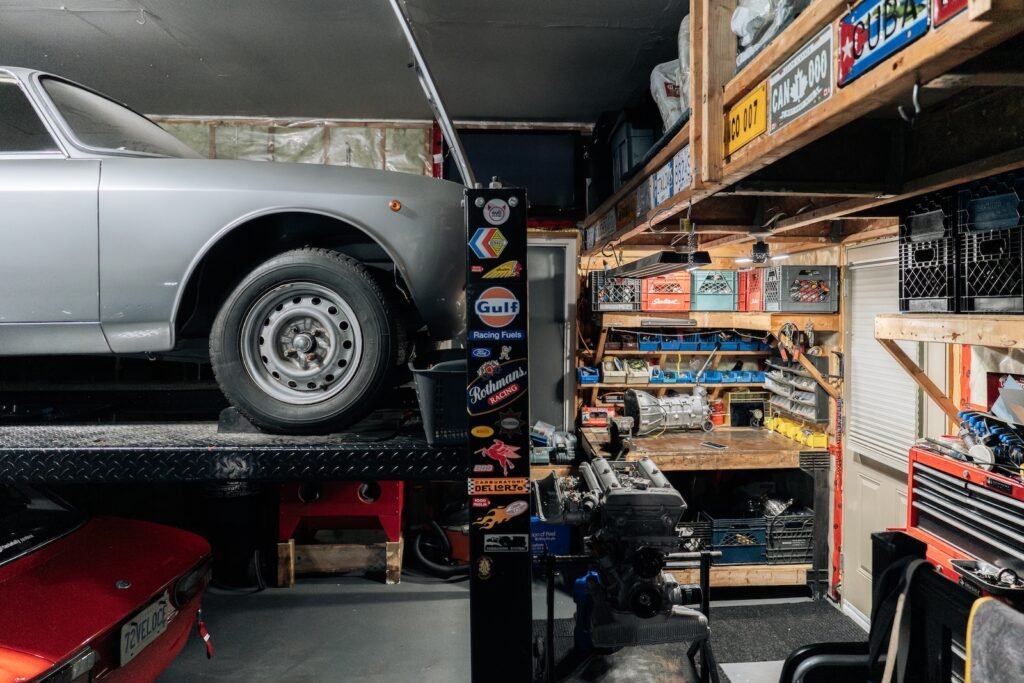
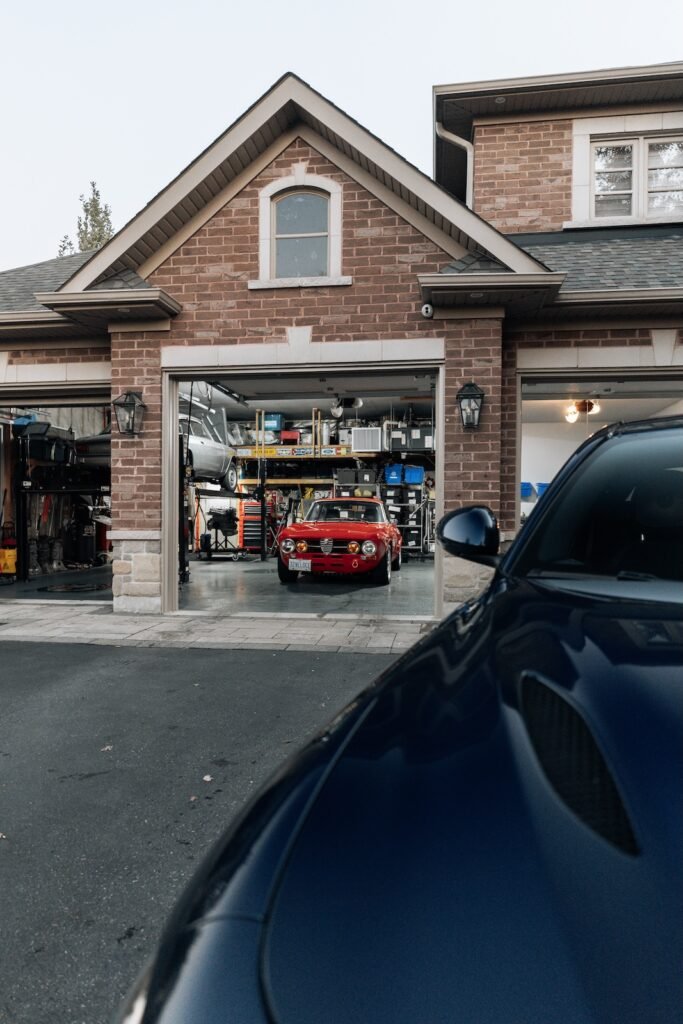
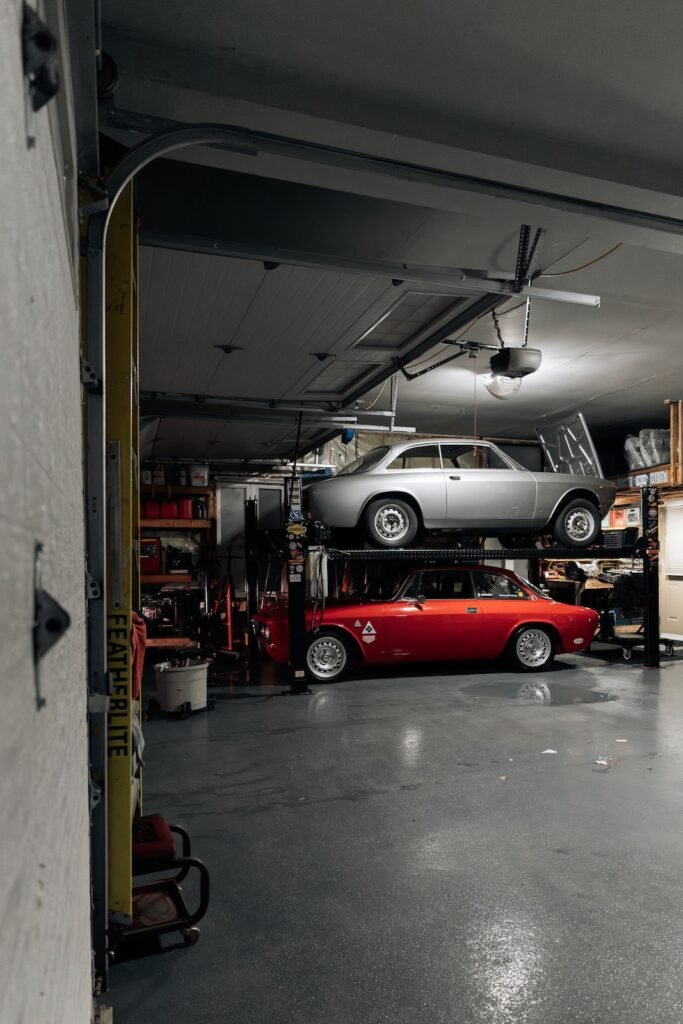
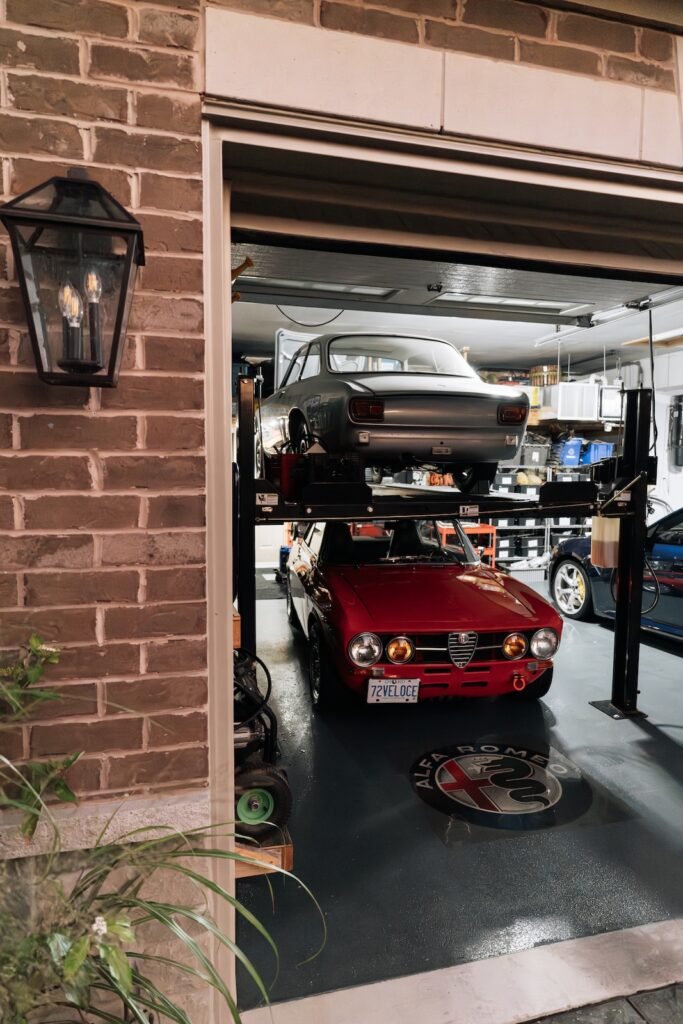
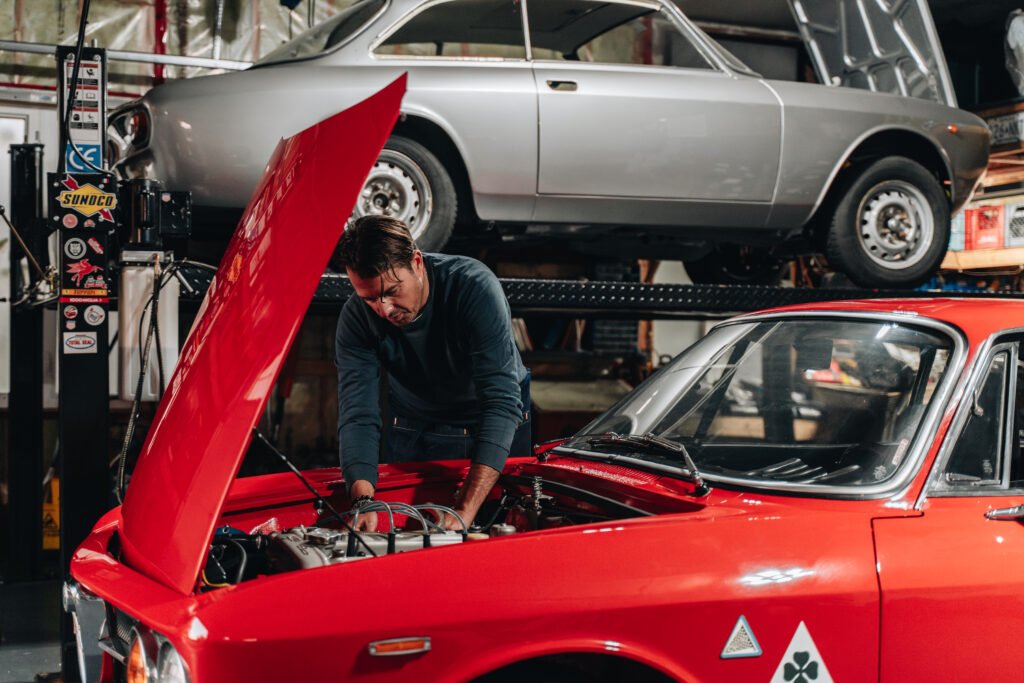
By night and on weekends, however, the same executive who tackles enterprise-wide IT challenges can be found in his garage, carefully dismantling and restoring half-century-old vintage Alfa Romeos. It’s a dual identity: one rooted in managing the abstract systems of modern technology, the other in the tactile work of reviving mechanical beauty.
That balance didn’t come early. For the first two decades of his adult life, Franco gave everything to work and family, building a career from the ground up in one of Canada’s largest enterprises while also completing both a BBA and MBA part-time. Personal hobbies didn’t exist. His life was defined by responsibility and progression, with little left for leisure.
He often jokes that the last round of golf he played was the Friday before his wedding—and he never looked back. “That’s what gave me satisfaction—working and family—and that was it,” he says. For years, he was the archetype of career devotion, admitting he might have been the most boring person at a dinner party: if asked what he did, the answer was simple—he worked and studied.
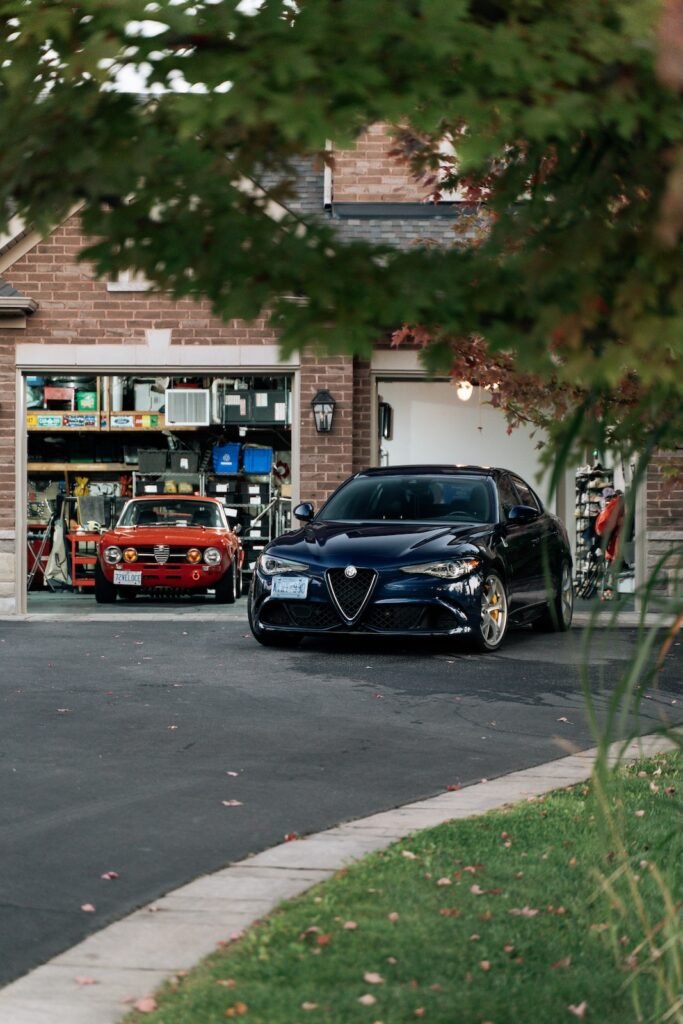
In 2017, Franco was searching for a daily driver, something different from the usual BMWs and Mercedes. “This is where it all started,” he recalls. The Alfa Romeo Giulia had just launched, and with his Italian heritage, the design immediately struck a chord. “Of course, being of Italian heritage, that’s when the Giulia had just come out. I went to see it, and I thought it was the most beautiful car ever.”
That purchase sparked a deep dive into the brand’s history, fueled by his obsessive attention to detail. “That’s a bit of my personality: I’m very detail-oriented, a bit obsessive, OCD even. I think you need some of those traits to restore.” His research led him to the 105 series, a line of classic Alfas from the late 1960s to mid-1970s, known for their racing pedigree and advanced engineering.
“I got caught up in all that. In doing that research… I fell in love with it. I thought, wouldn’t it be great if one day I owned one of these? I probably looked around for a year or so.” When the right model finally came up nearby, he bought it and never looked back.
“It’s also Italian, but I think it’s a little less—I don’t want to say pretentious than Ferrari or Maserati—but there’s just something about it. I just love the brand.”
The pandemic became the turning point that pushed Franco toward restoration. Isolation and endless hours in front of a screen left him searching for something more tactile, with visible results he could hold in his hands. Despite driving meaningful change in his professional role, the impact often felt distant and abstract. “You would literally get up after being on the computer for eight or ten hours and wonder, what did I really contribute today?”
As life progressed—with fewer parenting demands and more financial breathing room—Franco found himself increasingly drawn into restoration. What began as anxiety over the unknowns of car trouble gradually shifted into confidence: not just diagnosing issues, but fixing them himself.
The hands-on process became a deeply satisfying outlet, equal parts creative, technical, and therapeutic. “It’s not a hobby where you’ve sunk money into something that’s gone,” he says. “It’s a hobby, it’s an outlet, and then you can drive it. Is there anything better than taking it for a drive on a Sunday morning to the bakery? There is nothing better.”
For him, it became more than just a pastime. “I just think it’s the perfect hobby—almost addictive.”
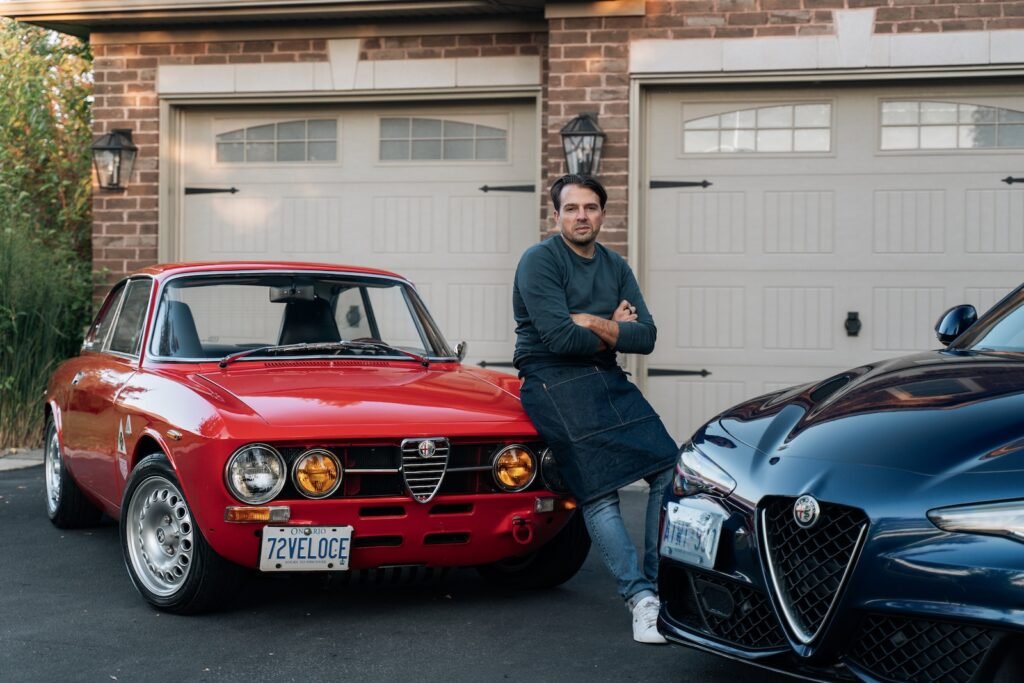
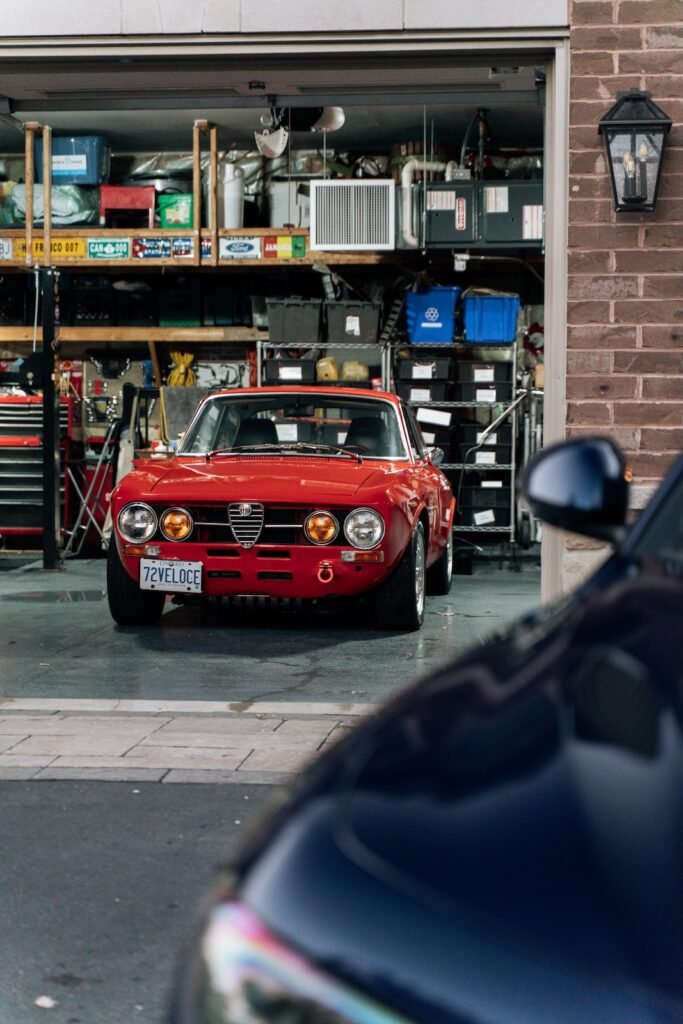
The 1972 GTV Franco purchased came with more than just a need to be restored—it came with a story. The previous owner, a man around his age, had inherited it from his father but couldn’t bring himself to sell it after so many years. It had been his father’s pride and joy, and he desperately wanted to see it go to a good home. Though it had sat neglected, the emotional connection remained.
“I will never forget the cold February day when I went to see it, struggling to start it on the driveway. After some time without success, I made an offer I was comfortable with, along with a pledge that I was going to embark on the restoration with my sons. And that I was not in it for a quick flip. This is going to be mine, and I’m going to bring this car back to what it was. He loved that notion, and we shook on it right there.”
They stayed in touch throughout the restoration, with the seller often sharing stories of the car’s legacy within his family and his father’s love for it. When the project was complete, Franco returned with the finished GTV to show the family. “It was the nicest thing—the whole family came out on the driveway reminiscing about the car,” he confesses.
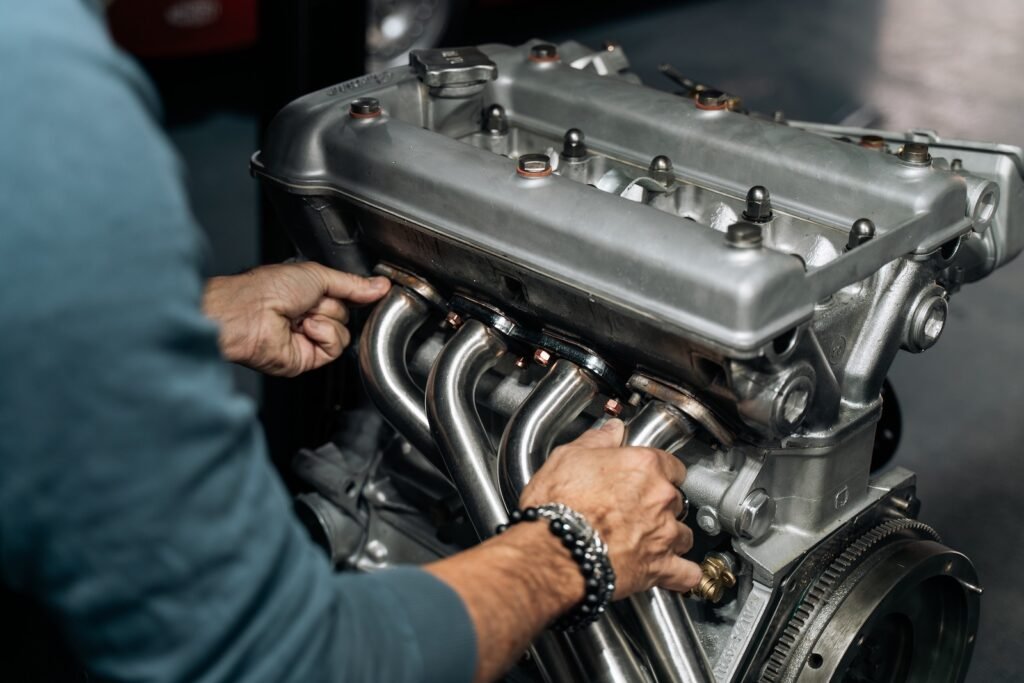
When Franco first got the car, it was barely roadworthy—technically drivable, but far from reliable or satisfying. “I had spent a bit of time bringing it to a point that was quasi-drivable, quasi-reliable. Nowhere near the extent that it is now,” he says. That frustration pushed him to commit to a full nut-and-bolt restoration.
He tore the car down to its bones and began rebuilding component by component—suspension, fuel, brakes, electrical, and so on—but the electrical represented a turning point. “For a novice it’s still intimidating. Once I had slayed that—once I got everything working—I started to get fancy with kill switches, an electric fan, and even power seats!” Each technical win built confidence.
“I had these wins that, not too much earlier, seemed like insurmountable challenges. Once I started building on those, I thought, I actually think I can do this. This thing might actually come together and be a functioning automobile. That was it.”
Though he had an early interest in mechanics, it wasn’t a path he pursued until much later, when both time and curiosity aligned. At some point, his mindset shifted. Problems stopped feeling insurmountable and started becoming puzzles worth solving.
“I don’t remember exactly when it was, but it was the time when I stopped seeing them as impossible things I couldn’t solve, and instead as little challenges to overcome.” Letting go of the fear of breaking things—financially or technically—allowed him to treat restoration as a hobby rather than a test. “Once I took that approach to it, then it went to a whole other level.”
A man once reached out to Franco on Instagram about selling Alfa Romeo restoration tools that had belonged to his father, a former Canadian technician for the brand. “I get a fair amount of nonsense on Instagram, so I ignored it at first. I didn’t know if it was real. But he kept messaging, so one Sunday morning I thought, I’ll go see this guy.”
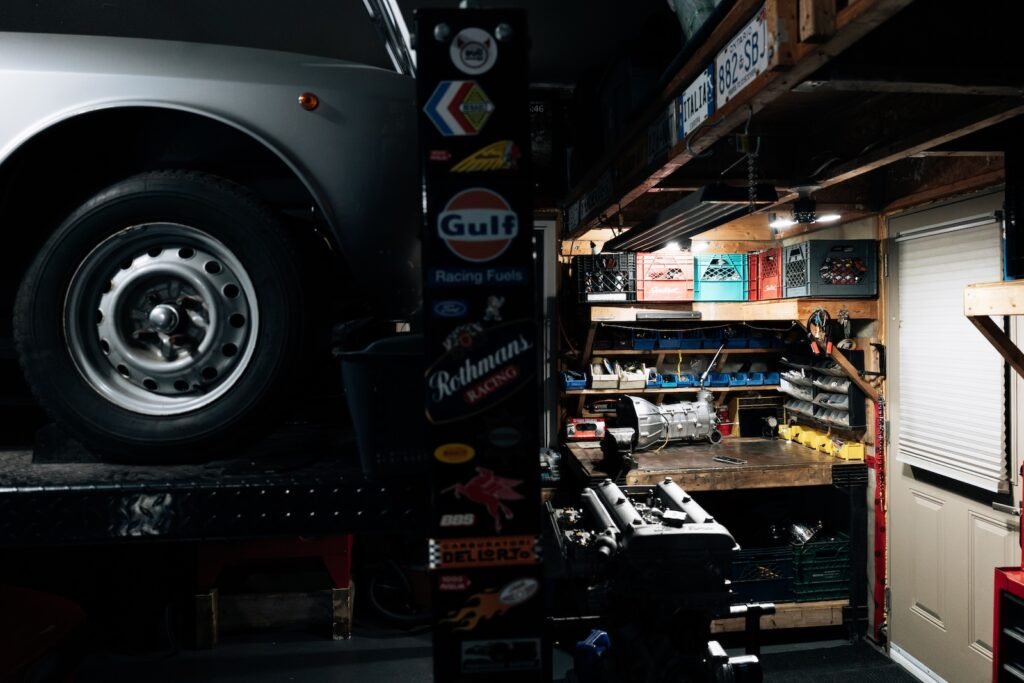
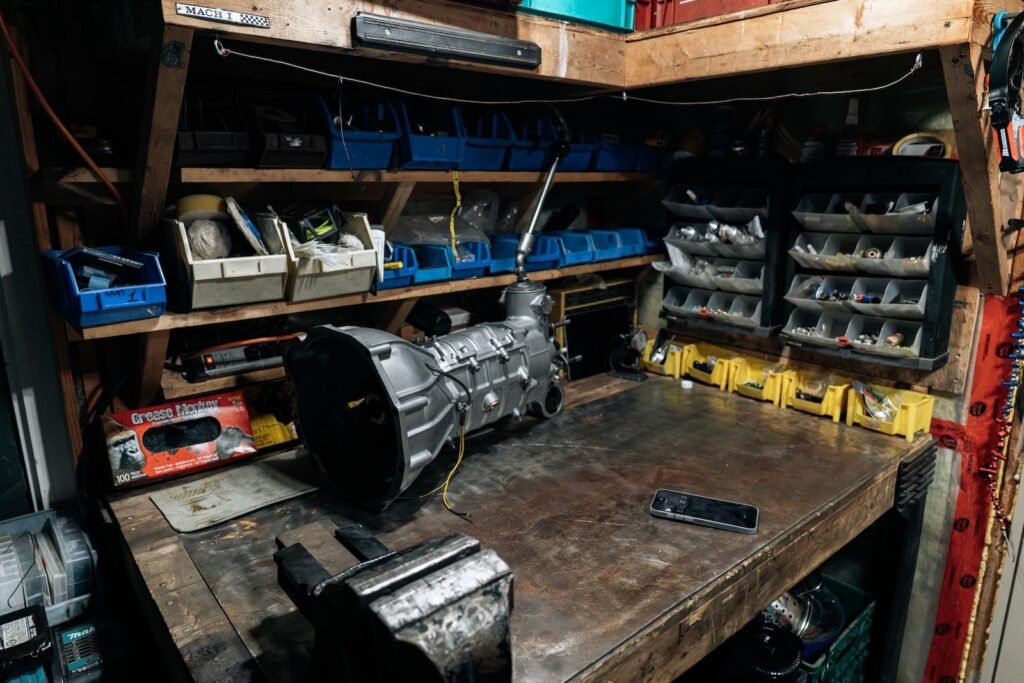
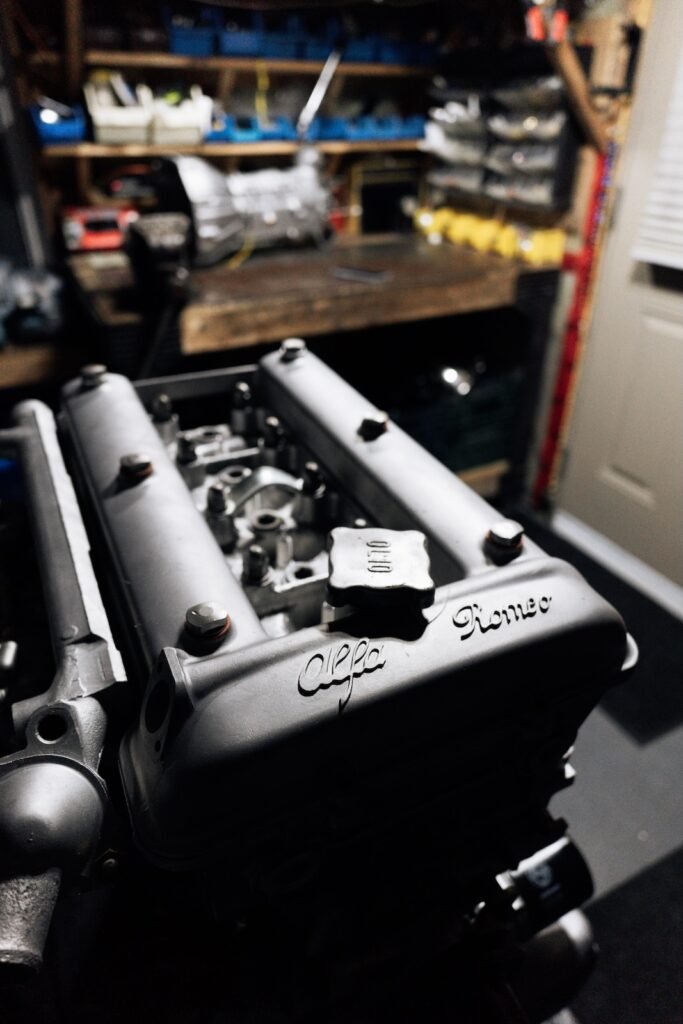
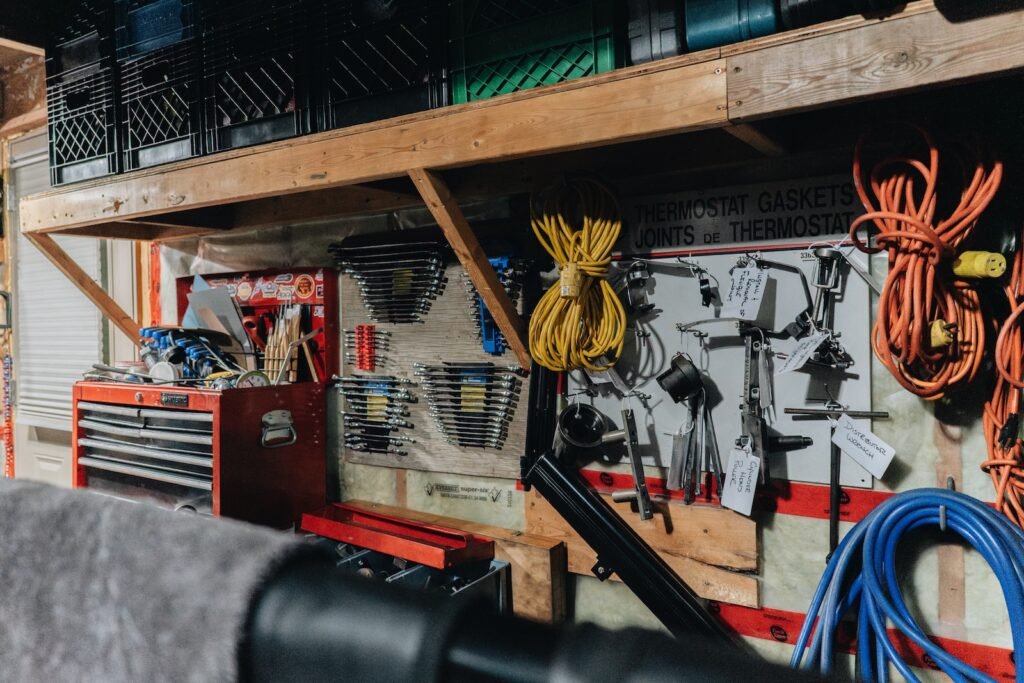
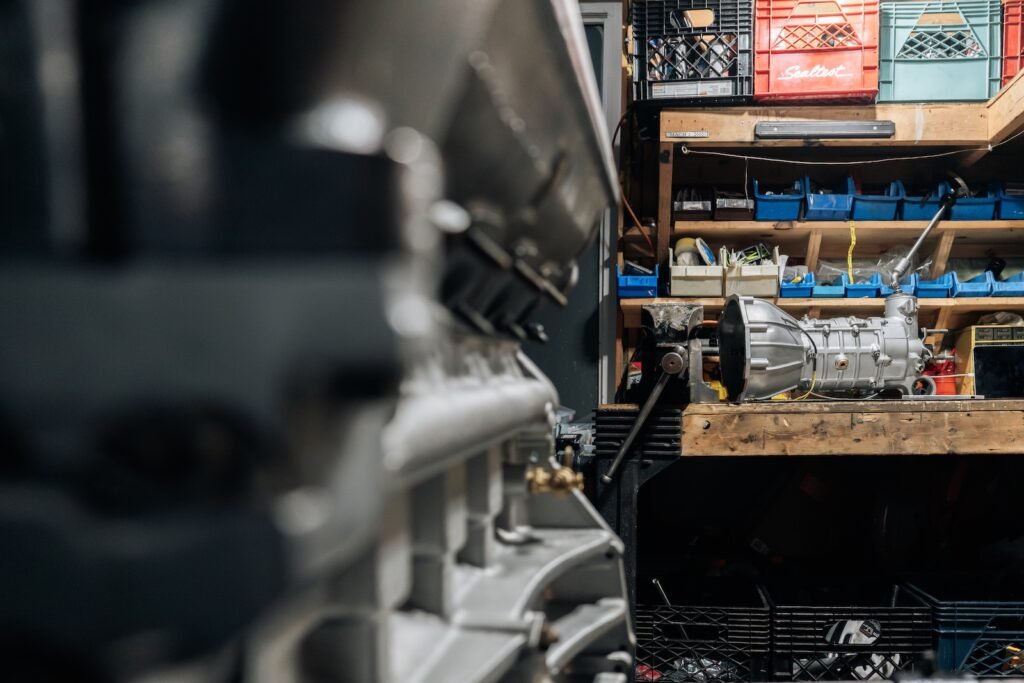
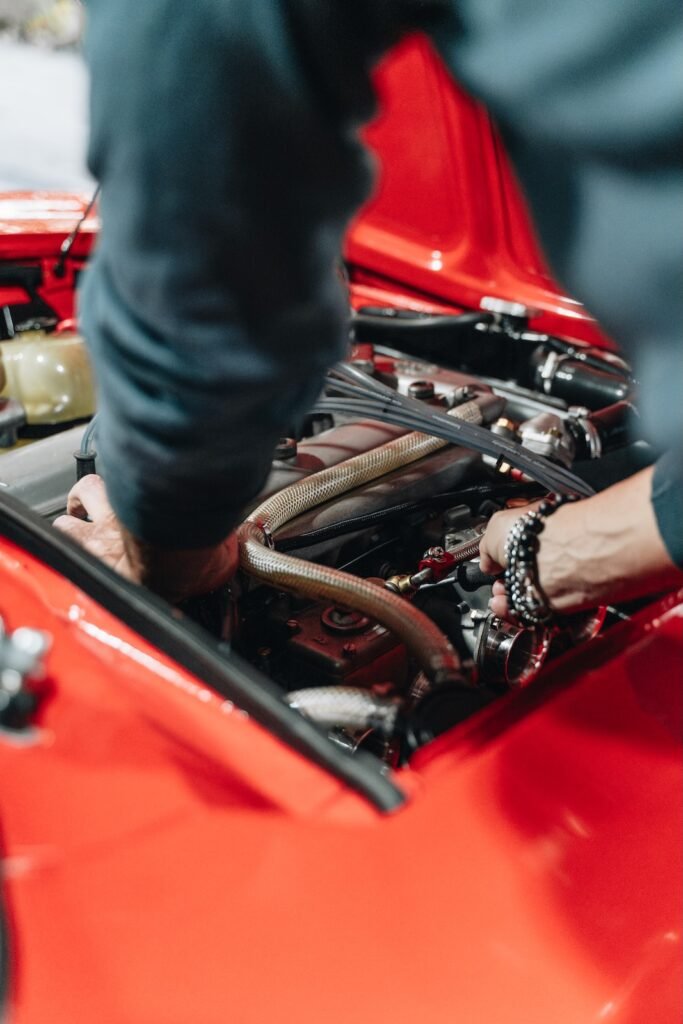
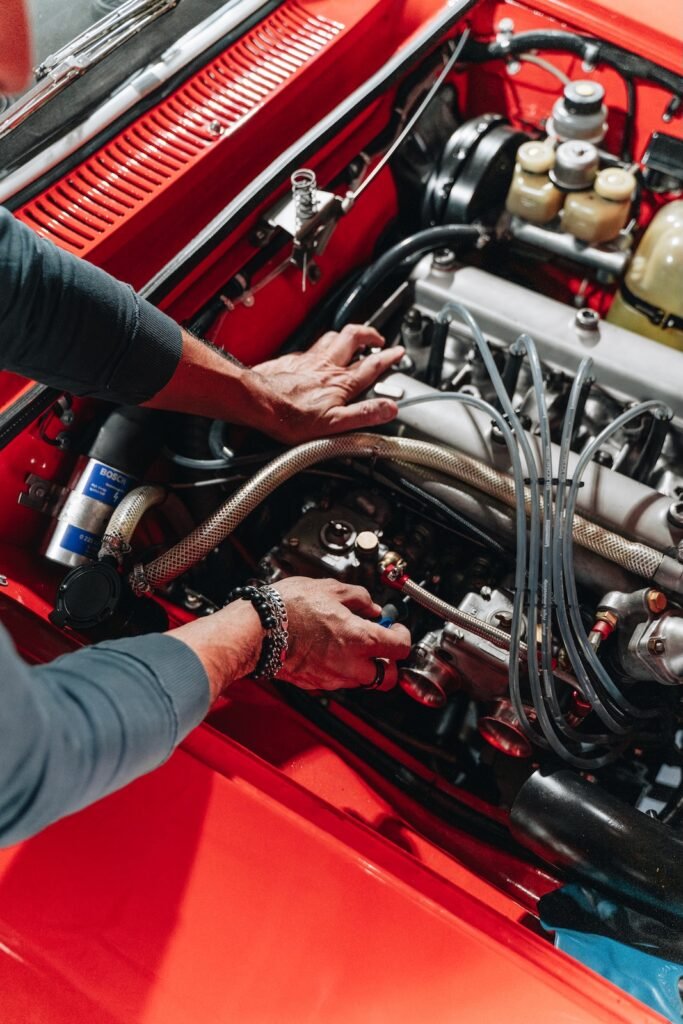
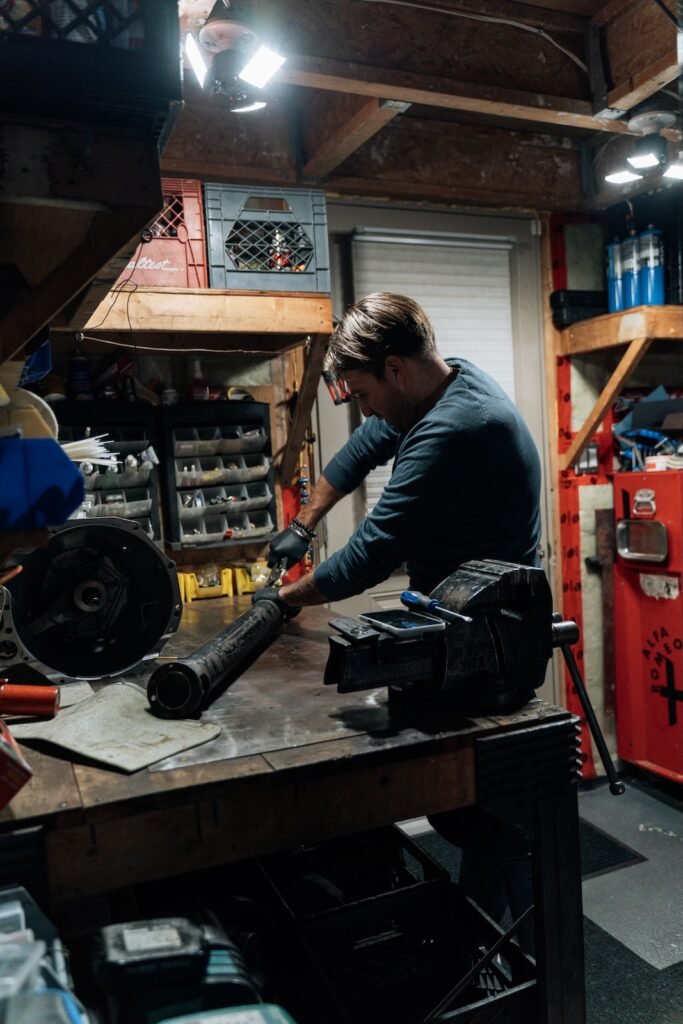
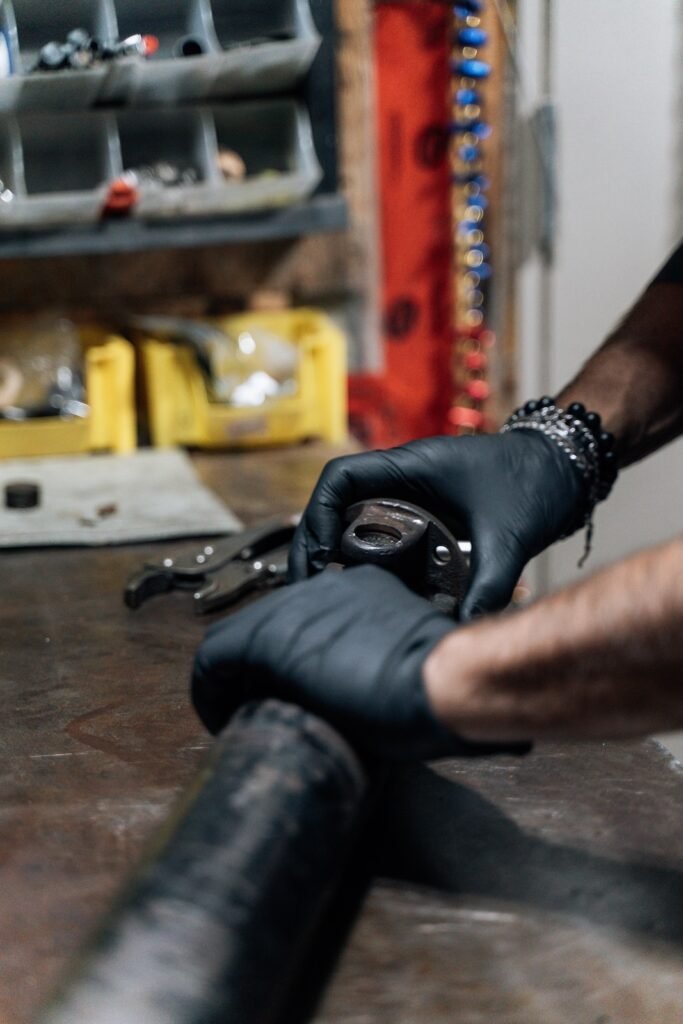
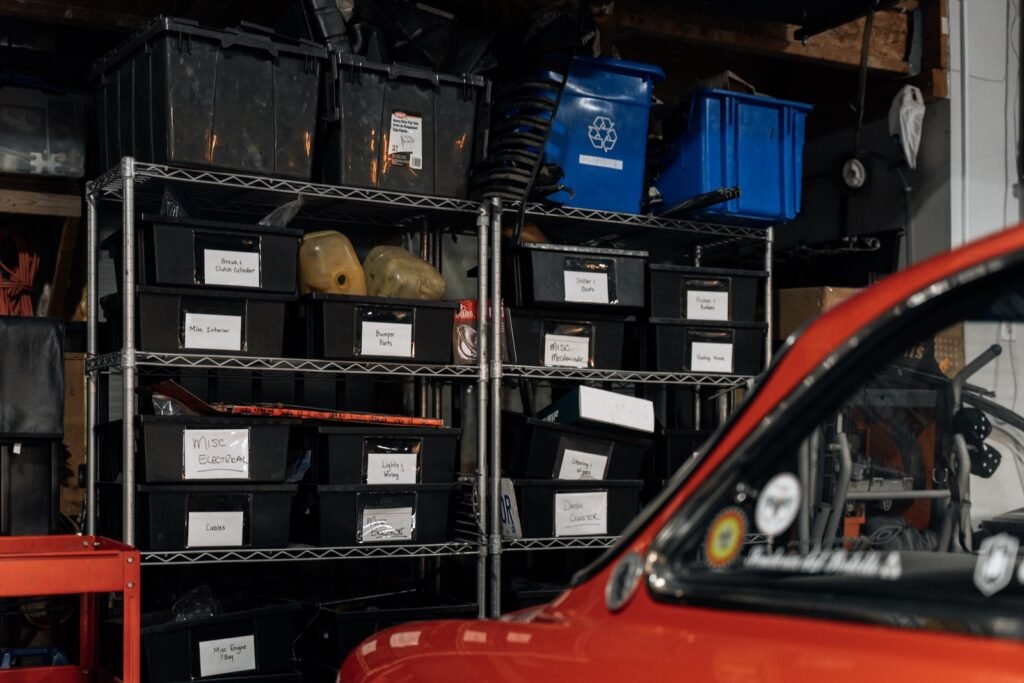
When he arrived, the garage was untouched with tools still hanging exactly as his father had left them. The scene struck him immediately: “He couldn’t bring himself to purge the garage. Everything was still as it was—tools hanging and everything.” The seller was relieved the tools would be preserved and put to use rather than discarded. For Franco, that moment carried weight: “That would have been heartbreaking for his father’s life’s work.”
He later cleaned and catalogued the collection, and today those tools are either in use or carefully stored for future builds. “The fact that I now have these tools is incredible. It’s another part of this hobby I love: sourcing what I need from around the world, talking to people, even when they give me a hard time about some of my design choices. I enjoy the dialogue.”
Incidentally, the mindset Franco brings to enterprise IT transformation mirrors the approach he developed through restoration: break down complexity into manageable, sequential wins. “It’s really no Cadbury secret.” Instead of trying to “make the car drivable,” he focused on fixing one system at a time—brakes, starter, wiring—each a self-contained project. That incremental approach carried over into his leadership style.
Restoration also reshaped his beliefs about learning technical systems. “Then I realized I had the same thinking about the cars. Did you ever really understand how an alternator generates power? Once you take these things apart, you realize they’re actually not that complicated. You don’t need to be super smart to understand it. I brought that to technology.”
That shift in mindset encouraged him to pursue further formal education in fields he once found intimidating, a lesson he now carries everywhere: nothing is out of reach if you’re willing to break it down, learn it, and do the work.
Having completed the red ’72 GTV, the project now serves as both proof and motivation as Franco restores a ’75. “The main thing that keeps me going in the one I’m doing now, the ’75, is just knowing that I can do it and what it could be.” The ’72 draws attention everywhere—not only for its original design, but also for the fact that he personally brought it back to life. To him, it still feels surreal: “To think that I essentially assembled it and restored it myself.”
Setbacks still happen, but they’re now met with patience rather than defeat. When things get too frustrating, he has learned to step away, reset, and return when ready. “All these things can be frustrating, but you just have to be more resilient than it is.”
When Franco is in the zone, the project can become all-consuming, with every spare moment spent tinkering in the garage. “Sometimes I’ll get too immersed in it,” he admits. Learning when to step back has been key to avoiding burnout and keeping perspective.
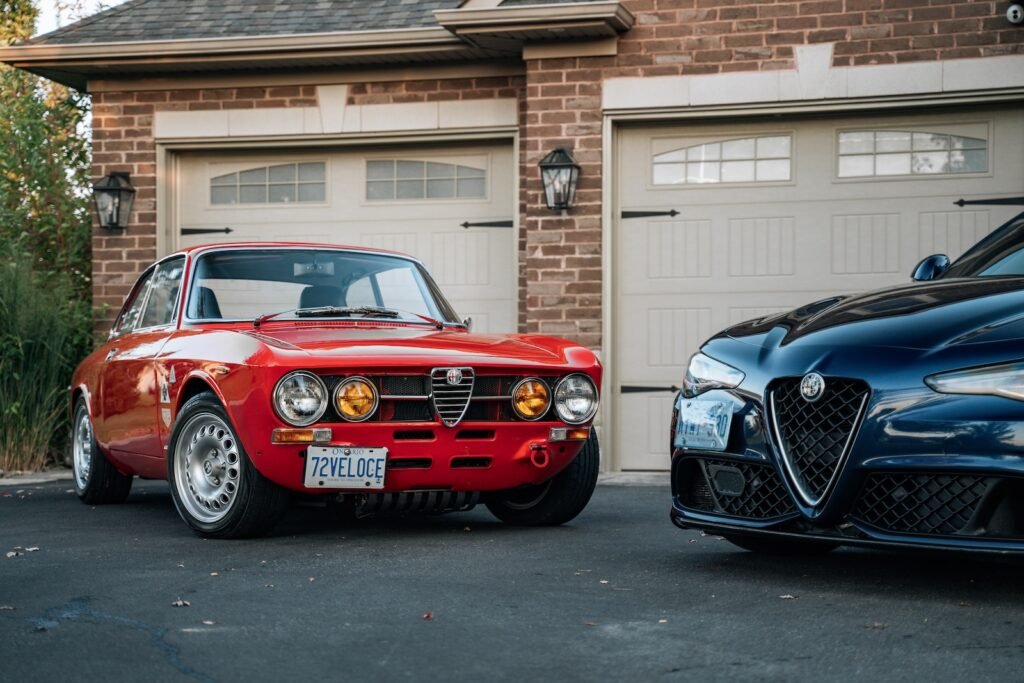
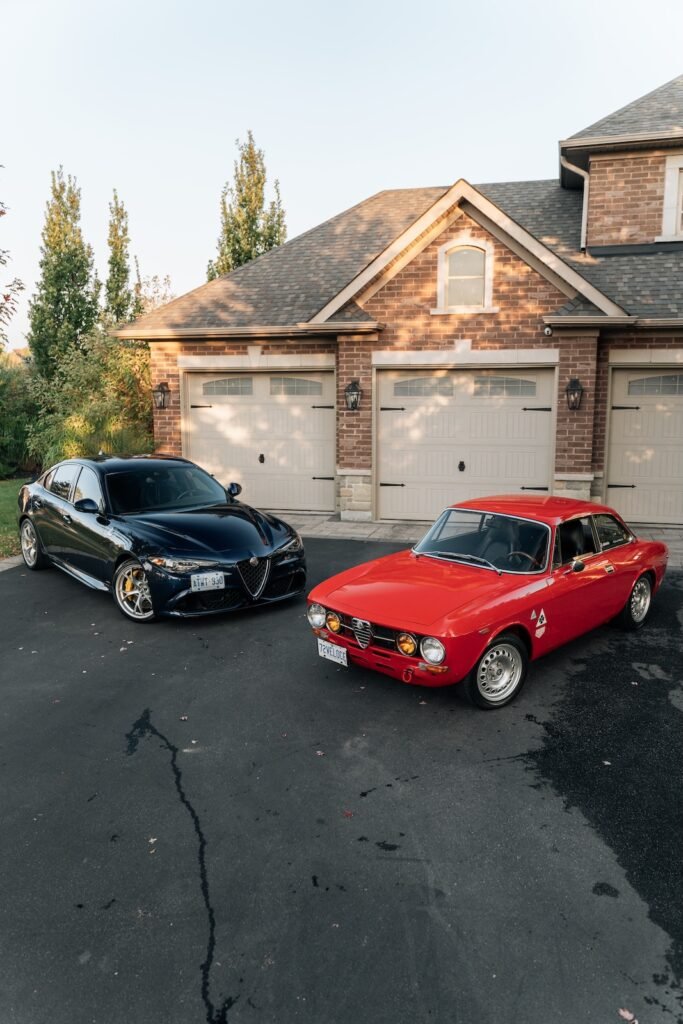
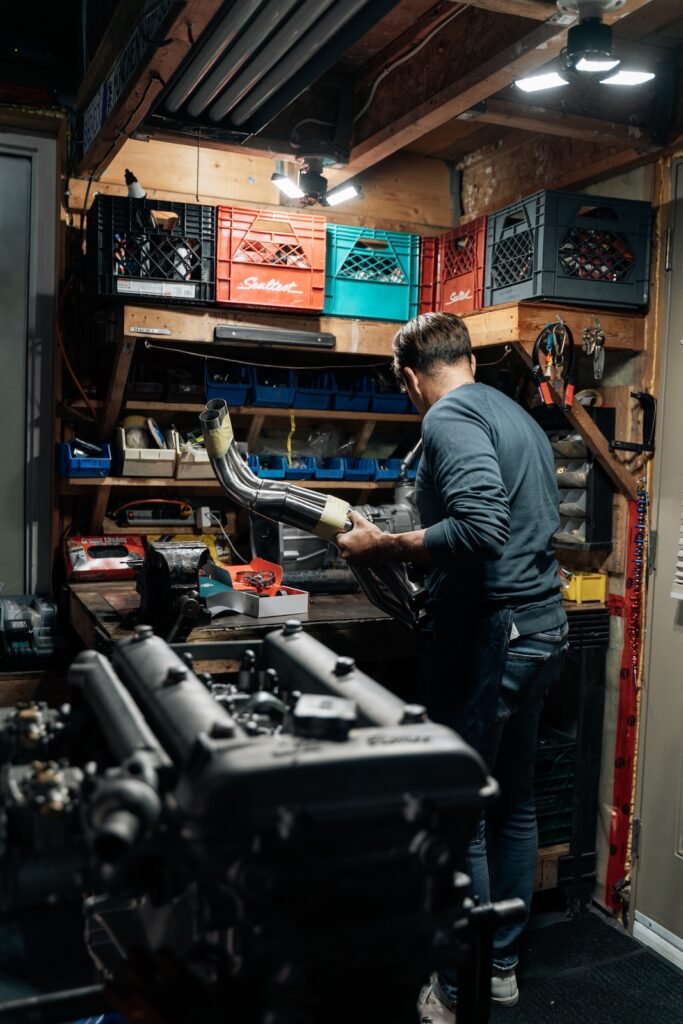
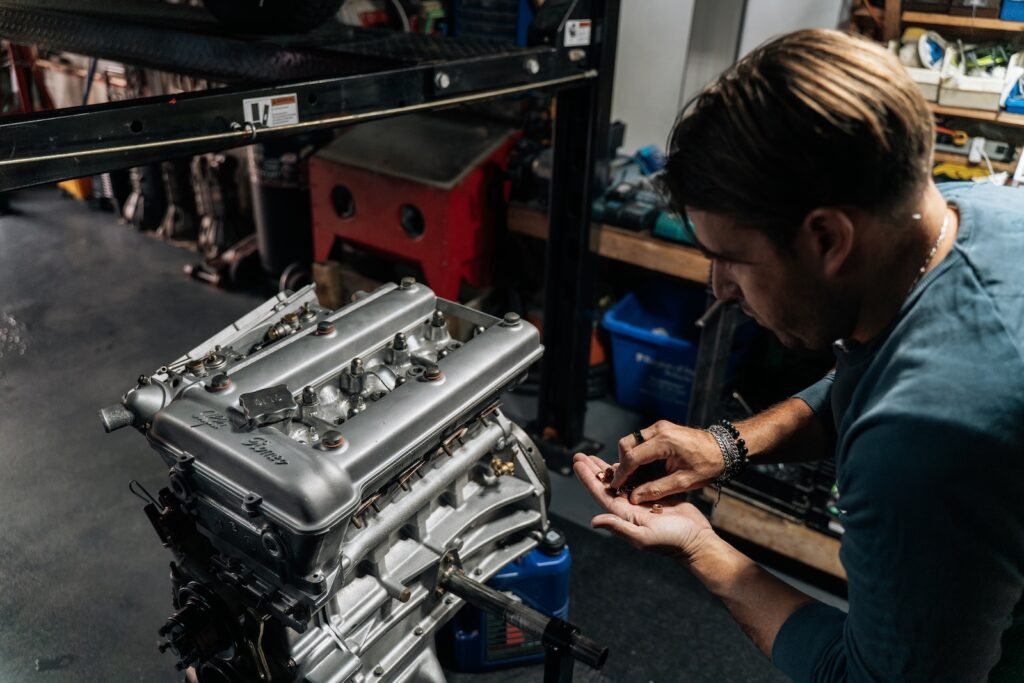
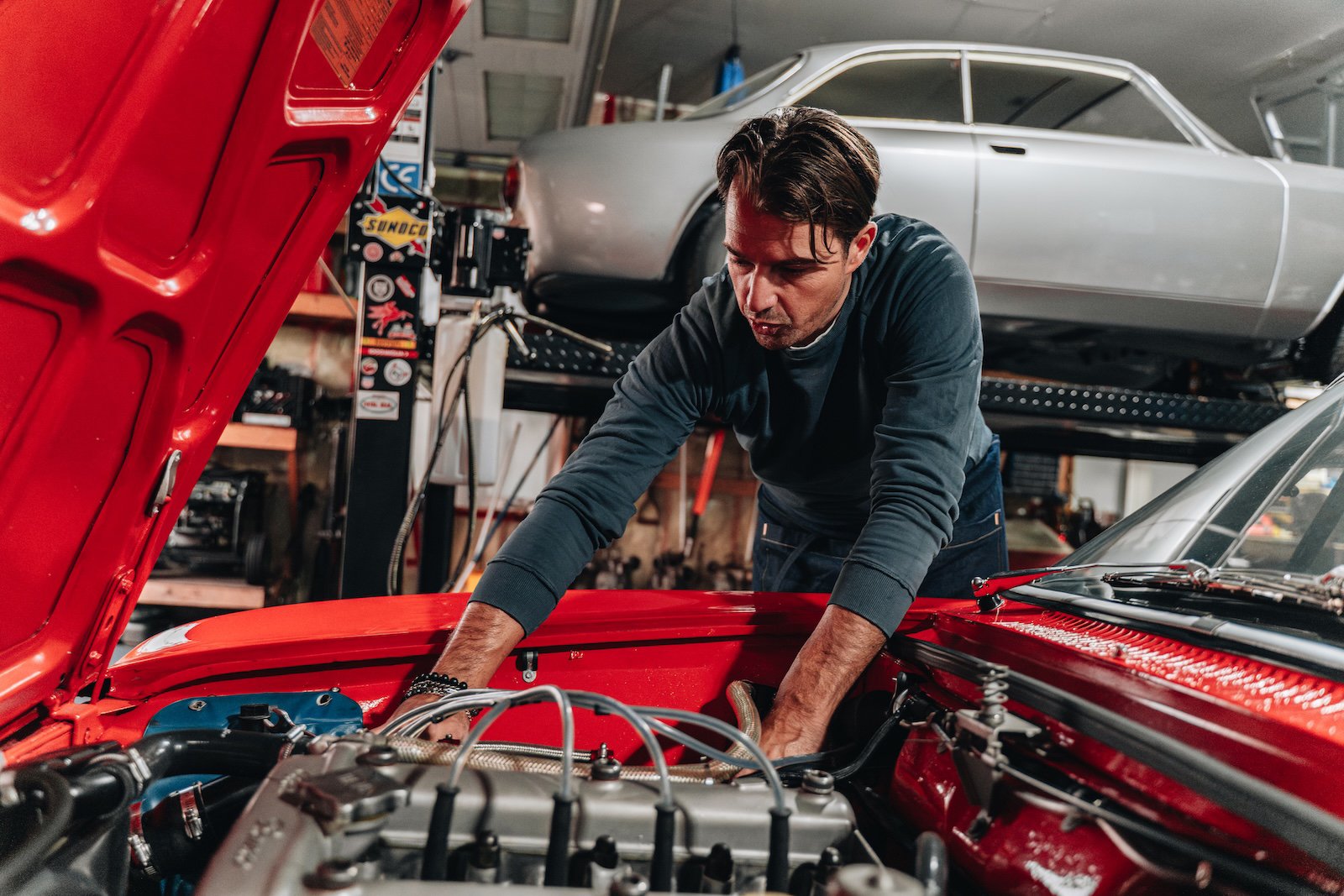
The ’72 took about three and a half years to complete, while the ’75 is now approaching two. At this pace, each build naturally becomes a multi-year cycle—and he’s already thinking about the next one. With the ’75, Franco is aiming for a more original restoration. The ’72, by contrast, was built entirely to his own taste. “I’m certainly not concours level.” The interior in particular has drawn comments from Alfa purists. “Things that true Alfa purists cringe at. You should see some of the comments I get on Instagram.”
He doesn’t chase factory-correct finishes or matching-numbers prestige. “These are driving cars. I won’t drive them in the rain or anything like that, but I drive them, and I drive them with spirit.” The ’72 also leaks oil, something he tried to fix for years before eventually giving up. “You go to enough car shows and these older Italian guys say, ‘It’s an Alfa Romeo, if it’s not leaking oil, there’s no oil in it.’ Everybody laughs at that.”
Now, he has accepted the flaw for what it is. “It’s a fifty-year-old car. It’s not going to be perfect.”