
Photography courtesy of Coachwerks Restoration
At a recent Barret-Jackson event, a silver Mercedes 300 SL Gullwing set a world record for steel-bodied Gullwing Mercedes at $3.14M USD. It was an unusual place to sell a 300 SL, but both seller and buyers found themselves there for this stunning Automobile. When I researched the auction files, a name I have heard from many people in the business, Coachwerks Restoration, showed as the restorer. I made a note and it was in August 2024 at The Quail during Monterey Car Week that a black 300 SL Roadster gleaming under the California sun, owned and restored by Coachwerks, caught my attention. The car wasn’t just beautiful in DB 040 black on green leather. It was immaculate, perfect, stunning. The same perfection as the coupe I’d seen in Phoenix. I was intrigued. Doing a bit or digging, I found a shop from Victoria, British Columbia, competing on the world stage of classic car restorations.
Yet when I mentioned Coachwerks to classic car-savy friends in Toronto and Vancouver, most hadn’t heard of it. That only deepened the mystery.
A bit of research led me to an interesting backstory. Coachwerks is the evolved form of Rudi & Company, a name long synonymous with Mercedes-Benz 300 SL expertise. The shop had been acquired by the GAIN Group (a few years ago), a Vancouver Island-based automotive group focused on high-end European marques. The same group also happens to own the Villa Eyrie Resort — a stunning luxury hotel perched on a mountainside — and a Hermann Tilke-designed motorsport track. A trifecta: restoration, retreat, and racetrack — all in one of the most picturesque corners of Canada.
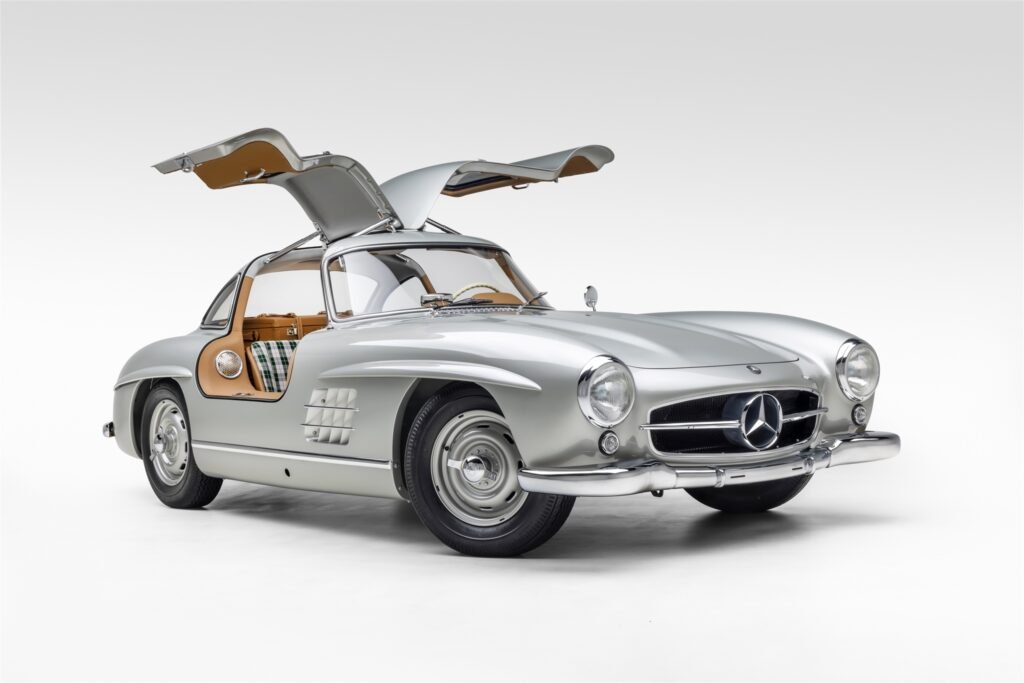
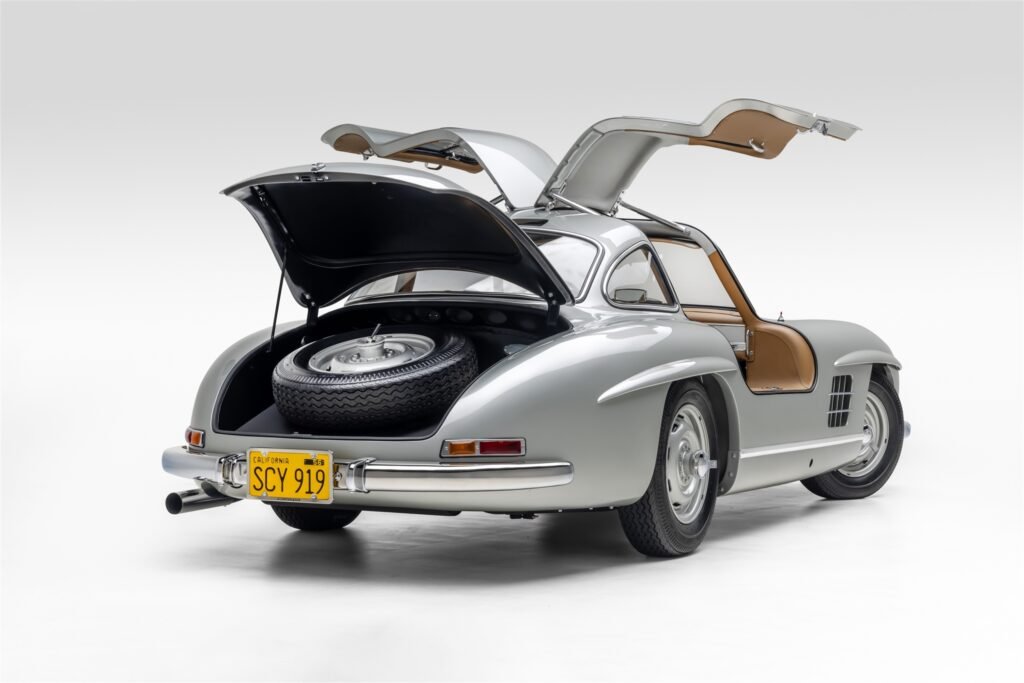
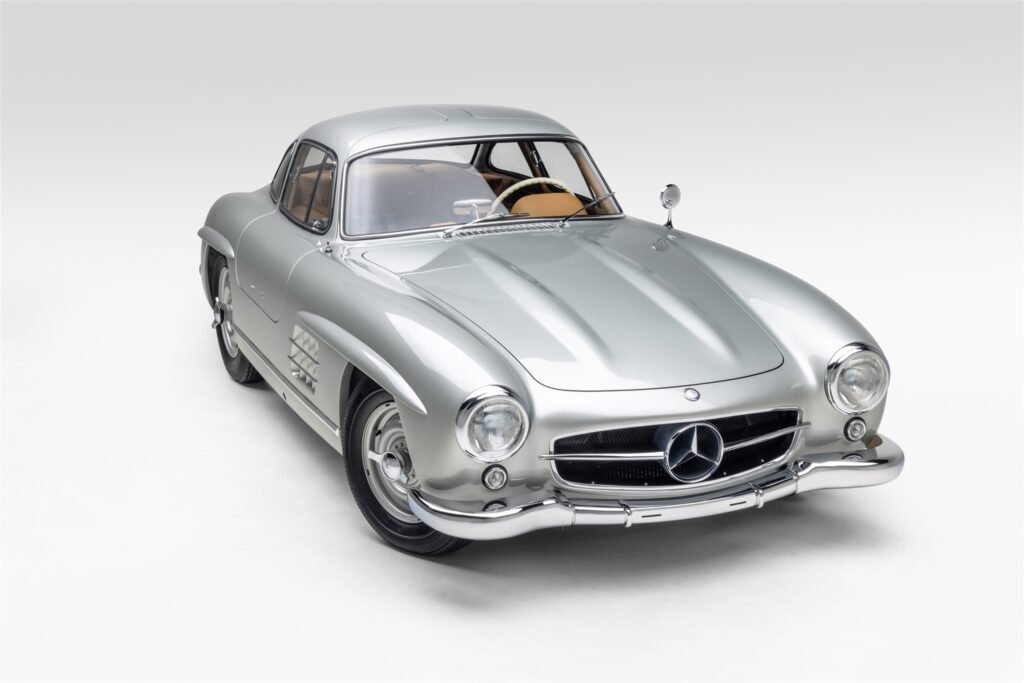
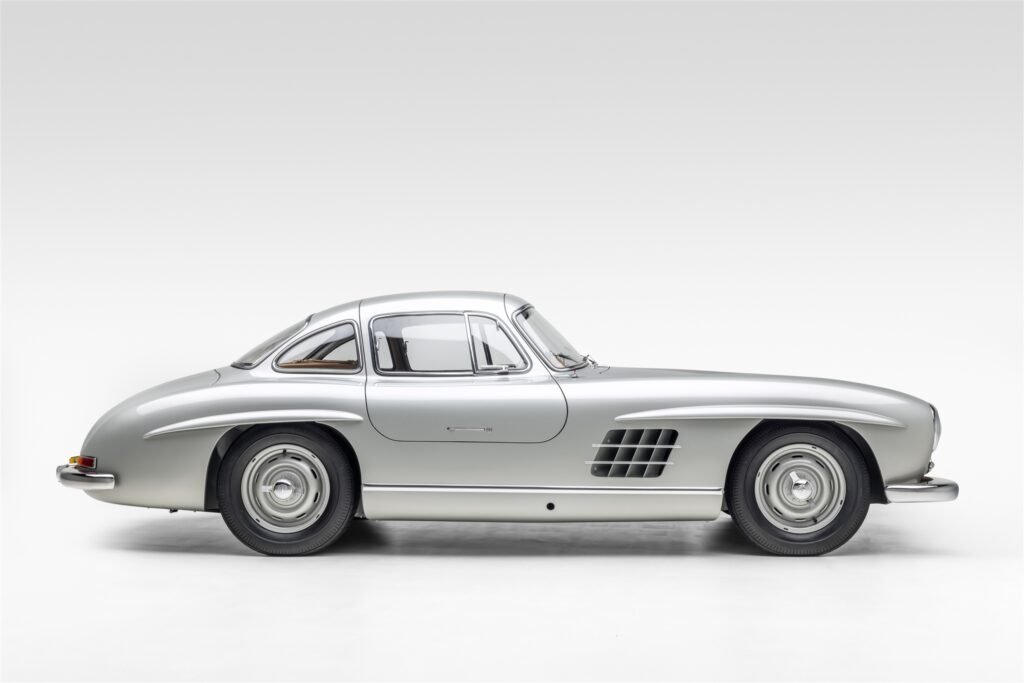
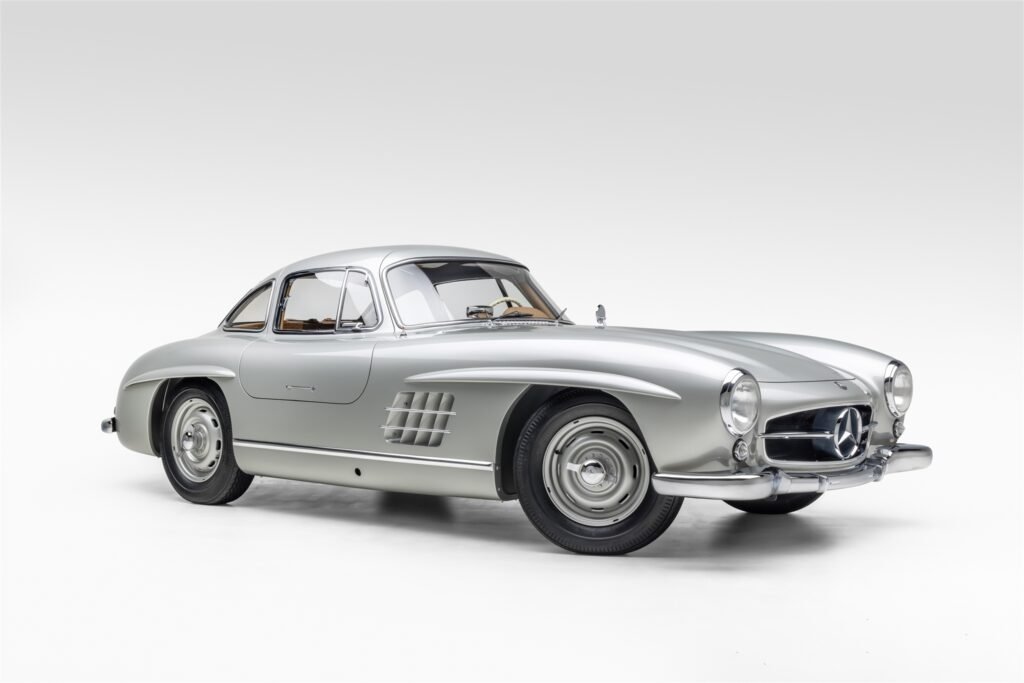
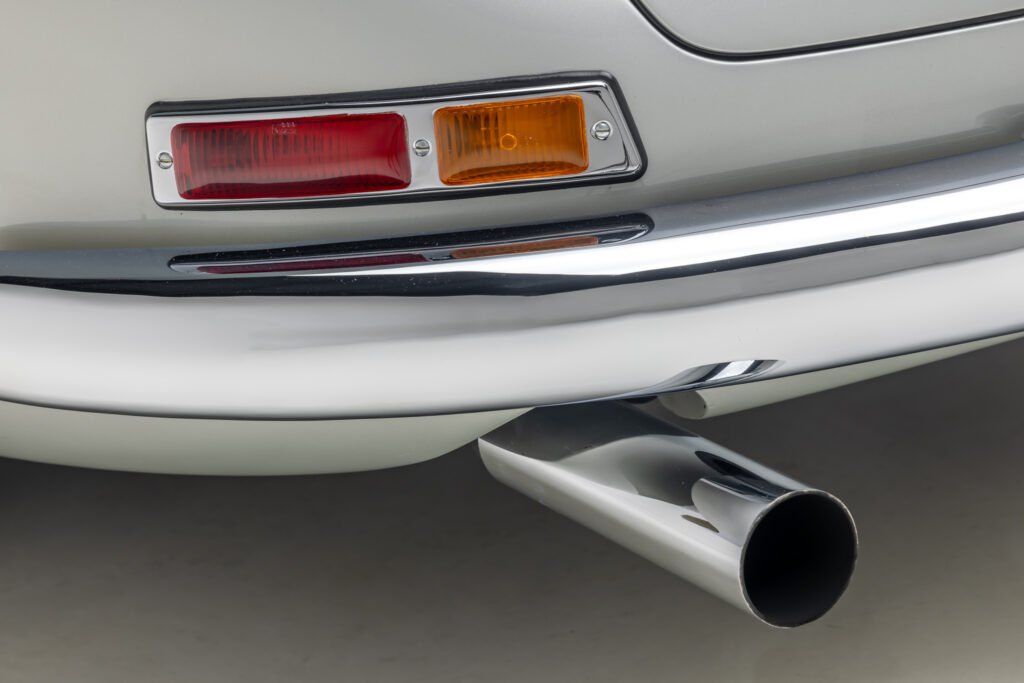
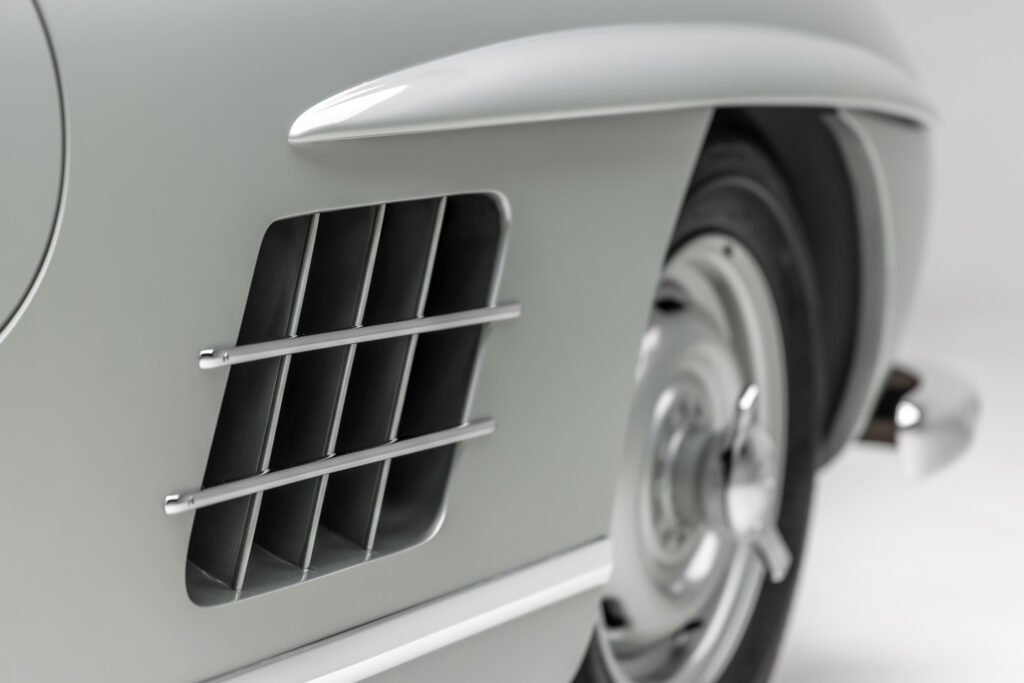
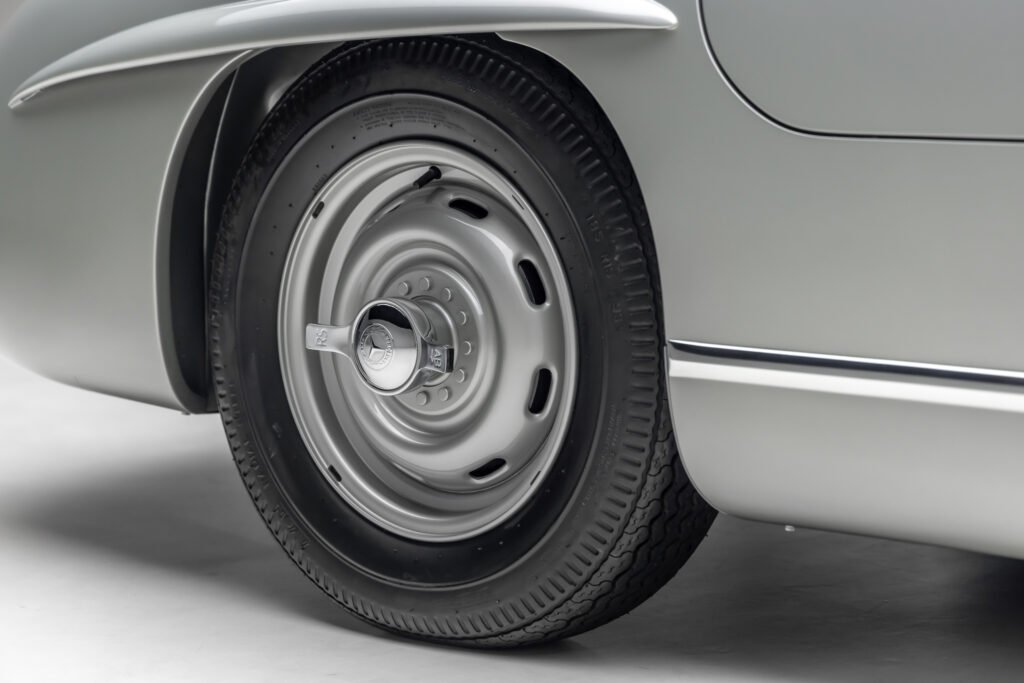
A few emails and calls later, I had an invitation to visit. Dave Hargrave, Coachwerks Restoration’s manager, arranged my stay. I arrived on a clear April day and drove out of downtown Victoria toward the Villa Eyrie. As I climbed higher along the Malahat, the views opened up — ocean inlets, dense forest, and snow-capped peaks in the distance. It felt more like Northern Italy than coastal B.C. With simply amazing views and a wonderful dinner eating Swiss bread, Schnitzel with a nice glass of wine, this was more than I bargained for. I came for cars, and felt guilty as my room was so inviting that I should have shared it with my wife and made a short vacation out of it. When I send her some pictures to showcase the scenery, that became even more apparent.
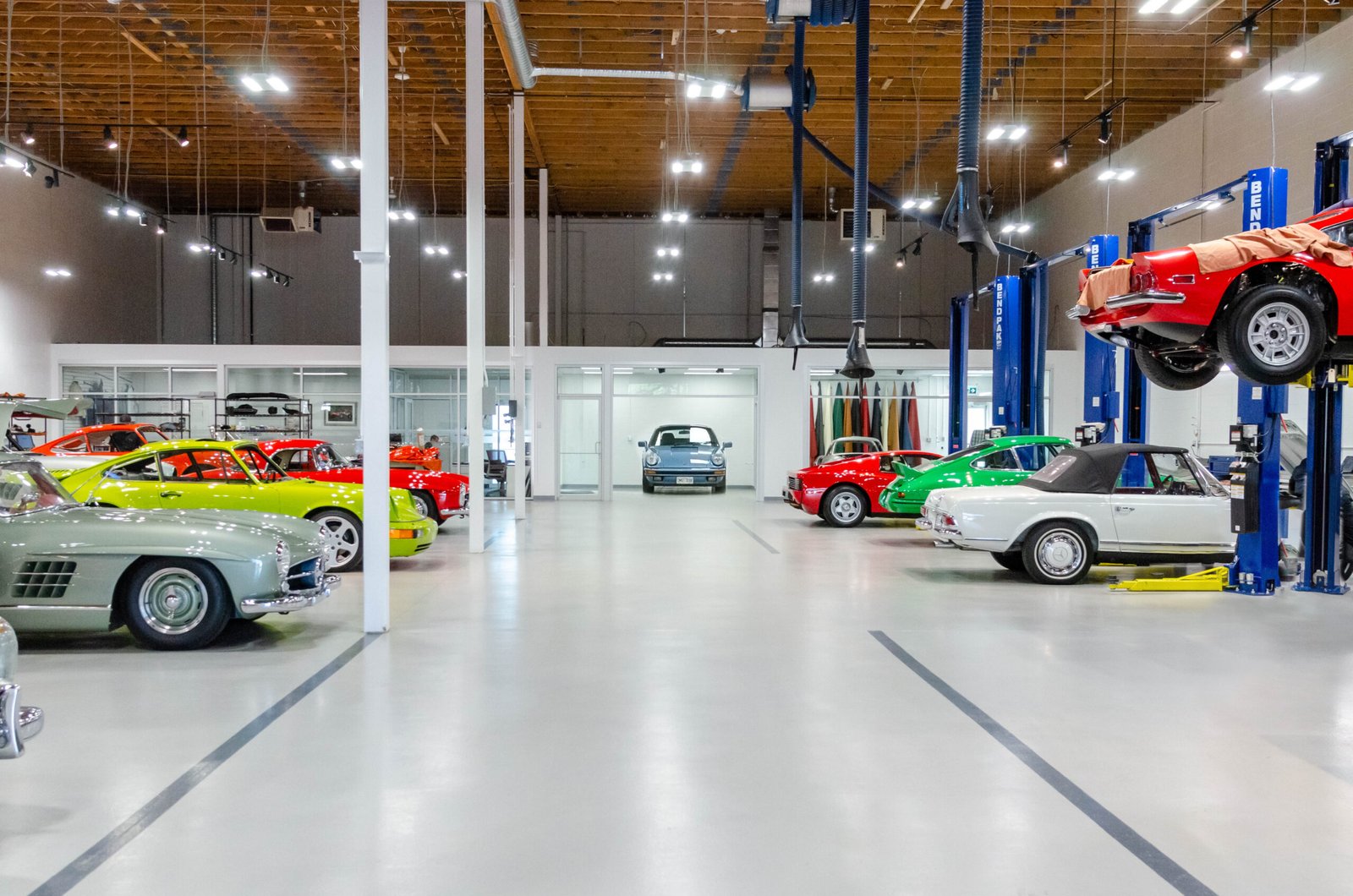
The next morning, I followed Dave’s directions to the Coachwerks facility. The building was discreet — no big signs, no showroom window — just a quiet presence in an industrial area. But stepping inside was like entering a hidden world.
The workshop was the first thing I saw when I entered and Dave coming towards me with a smile, assured me that this is normal. The impression this shop makes is really something and I’m well traveled and have seen my share of similar facilities.
I love the classic cars from the 50s all the way to the end of the 70s. Designers and buyers made this world colourful with orange, red, blue and copper tones that are missing in todays tristes of white, black and grey.
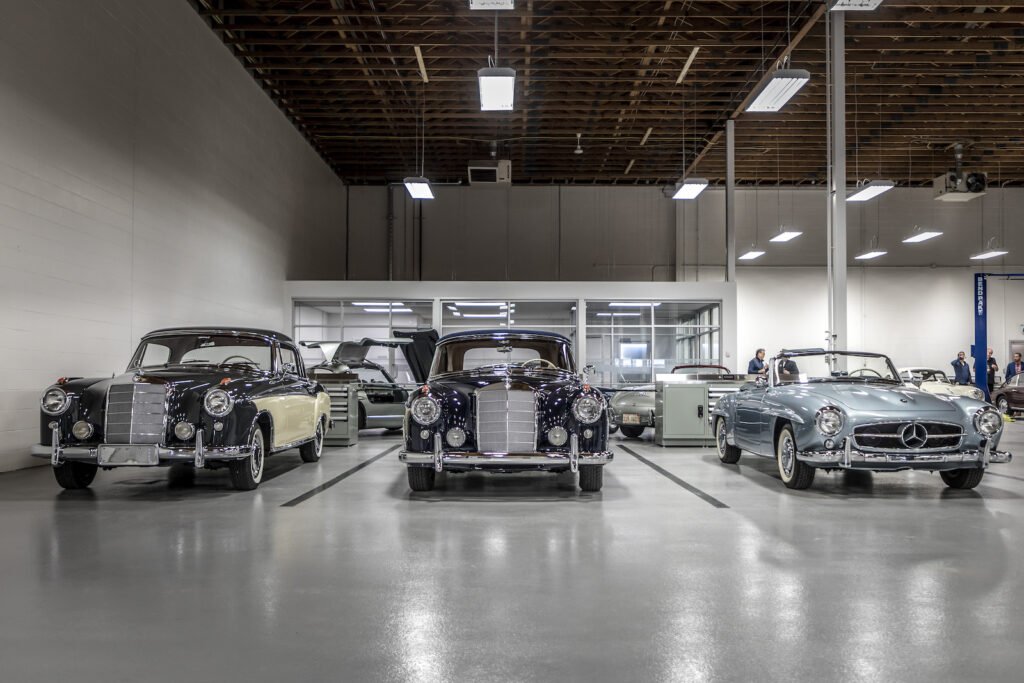
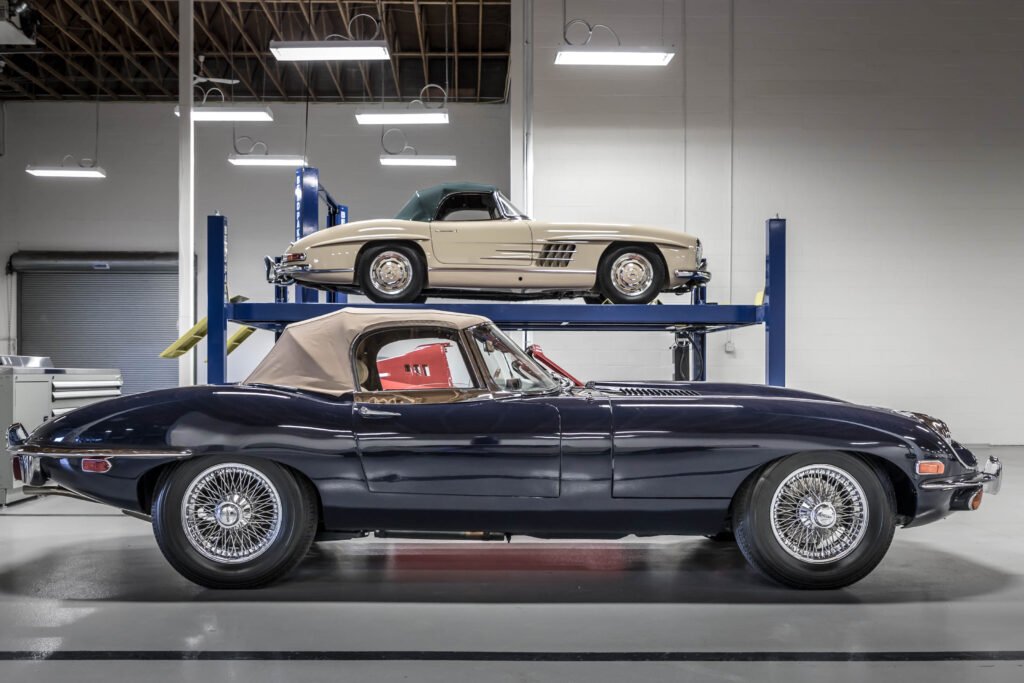
The lineup of vehicles was jaw-dropping: multiple Mercedes-Benz 300SLs, both Gullwing and Roadster, Jaguar E-Types, XK120s, Porsche 911 G model and 356s, even two Lamborghini Miuras. All arranged with meticulous order, the shop was alive with the quiet display of precision work.
Dave led me thru this part of the facilities and wanted to starting a building next door, the Coach building or Body repair. In most shops that is the place that is loud, dusty, dirty and a mess. Not here, the well lit shop is the cleanest I’ve ever been in.
Coachwerks fabricates panels in-house, ensuring correct metal thickness, grain, and curvature. Everything, down to the millimetre, is aligned with factory-original specifications. Dave explained how different cars require different philosophies: a Porsche 356 was built completely different than a racing bred Mercedes 300SL. Metal and paint thickness and panel gaps from cars at that time were as different than their design. I can only imagine the research it takes to take on a Muira or a Jaguar XK120 converted to a classic race car.
The shop documents every step of the process. Restorations can take 2,000 to 4,000 man-hours — just for bodywork. Clients receive monthly photo updates detailing progress panel by panel, part by part. Visitors at Coachwerks are only by invitation and after a discussion and restorations come from many countries in the world.
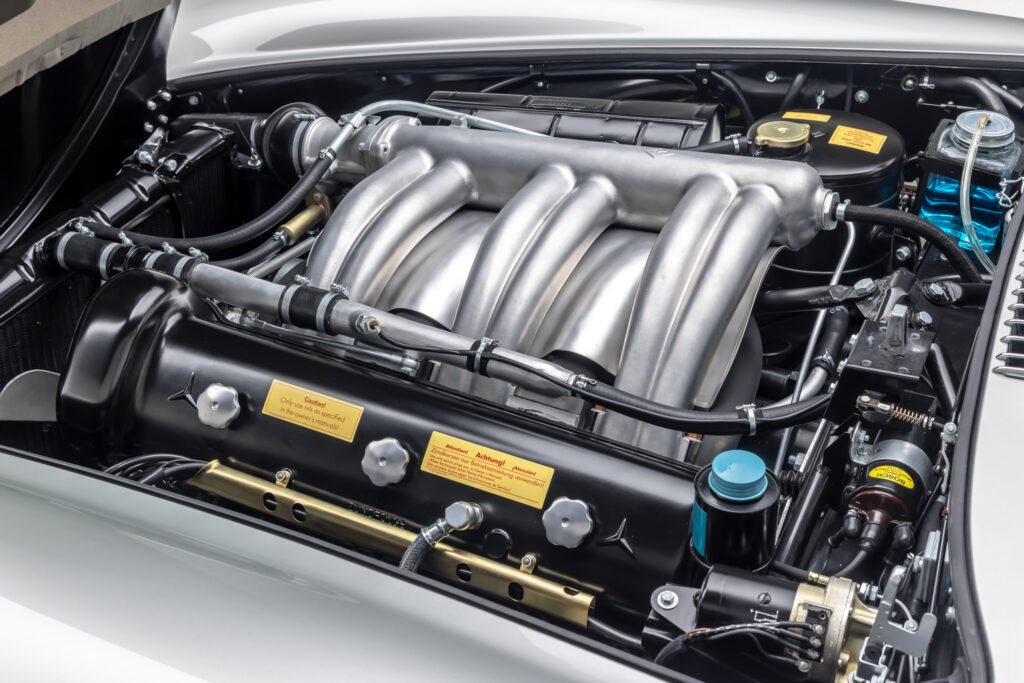
In the mechanical area, I met Eric, the in-house engine and fuel injection specialist. Formerly an accountant, Eric now operates in a space more akin to a laboratory than a workshop. He said that his engines, particularly the complex straight-sixes from the 300SLs are his passion and every part is measured to the clearances and tolerances from original manuals, resulting the smoothest and quietest operation possible, watching his process, it’s easy to see why.
I was then introduced to Chris, Mark, and Ross, restoration technicians who disassemble, overhaul, and reassemble each vehicle. In their hands, rusty, worn out and broken parts are reborn with authentic plating and coatings — nickel, copper, chrome — all done to period-correct specs.
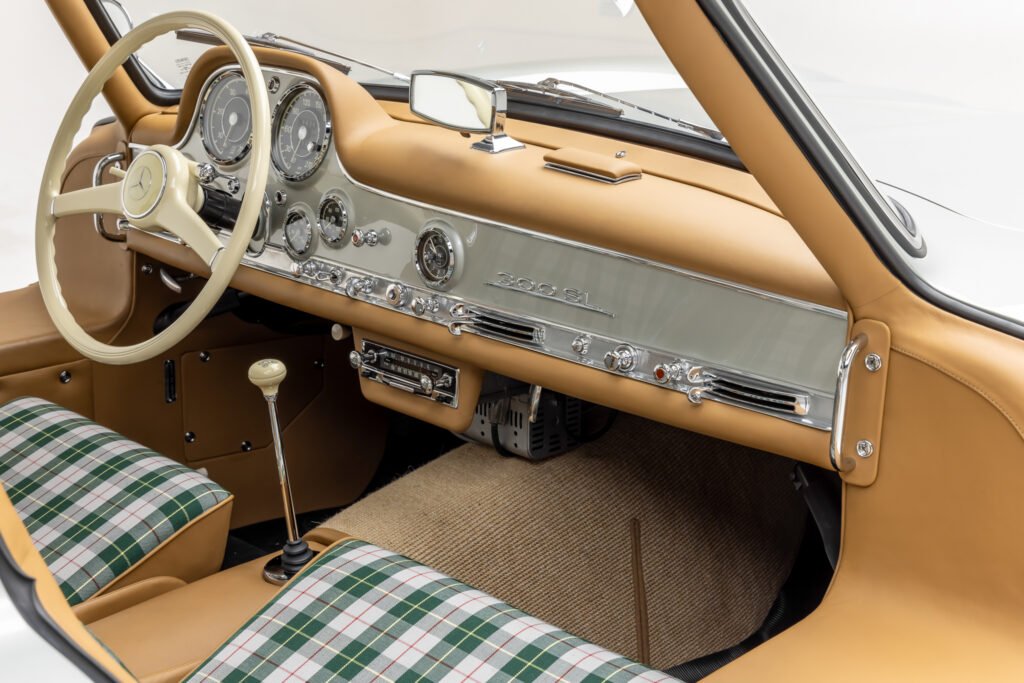
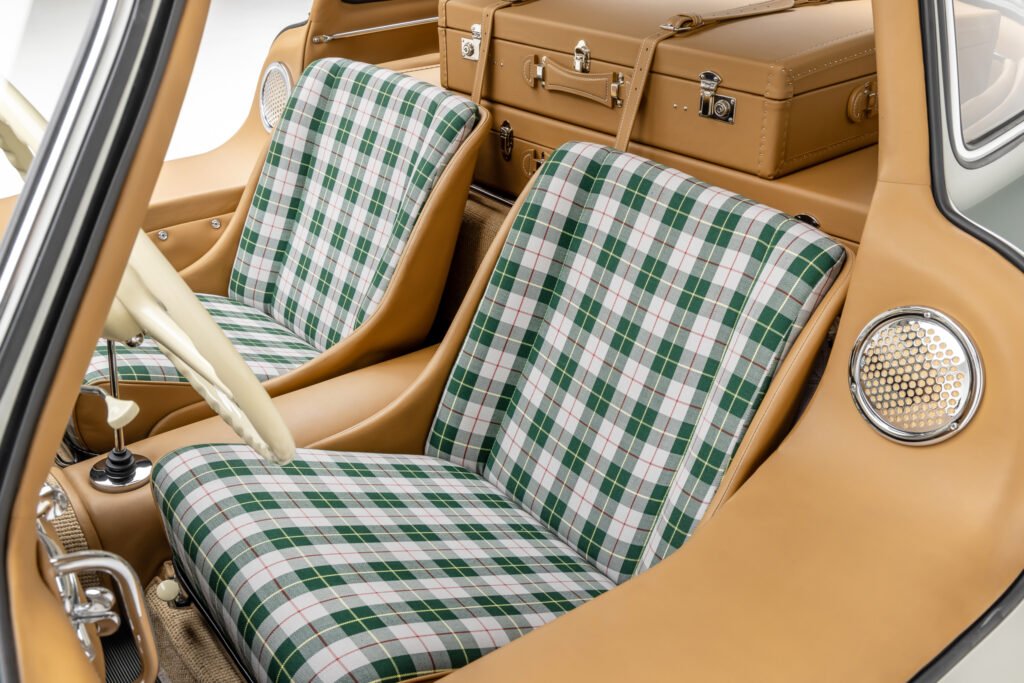
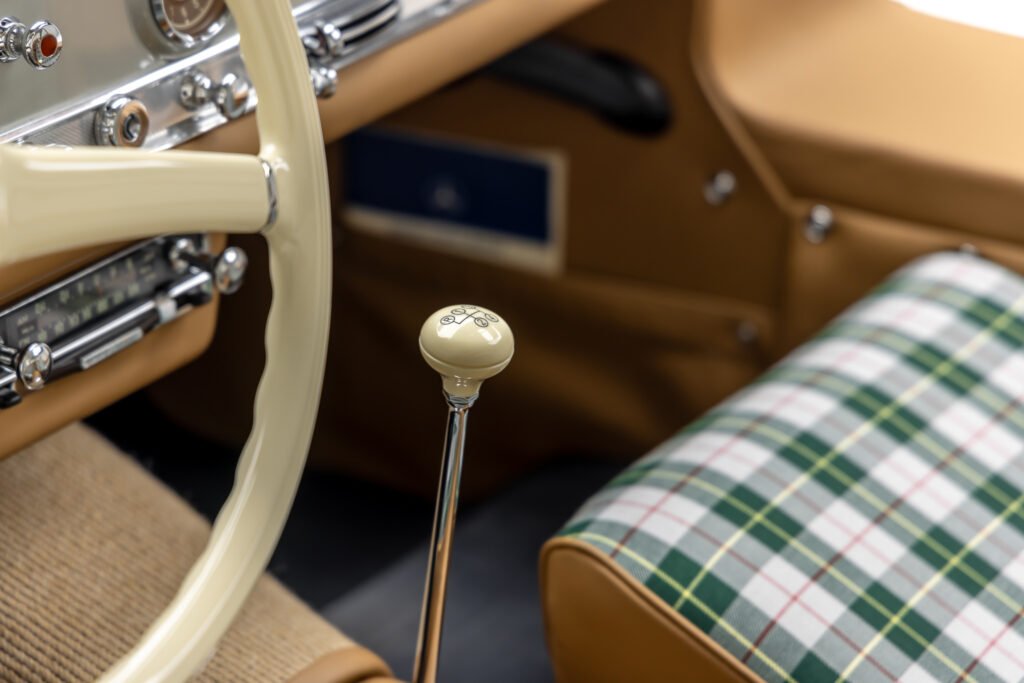
One Gullwing, reportedly involved in a rollover decades ago, is receiving its new leather interior in the next work area. The scent of freshly cut hides filled the air, and watching the trim specialist mold and wrap each surface felt like watching a violin being crafted. They say scents stay in your memory for ever and I can say that the new interior of a Coachwerks 300SL in the delivery show room reminded me of what Mercedes and other fine luxury cars used to smell like. It is just a small detail, but every detail counts when you transport a car back in time.
A blue Maserati Ghibli, nearly complete, it drew me in immediately. I’ve owned later Maserati’s — not known for flawless build quality — but this example with a flawless light blue paint finish and a stunning near white leather interior is a stunner. As the technician, Thomas (joined them from the Alpine F1 team), fired up the engine, that glorious Italian growl confirmed it: this restoration had soul.
Dave and I sat down to chat, but honestly, I found it hard to focus. My eyes kept drifting to the shop behind him, to the stories each car was waiting to tell. I wish I booked a few more days here.
Coachwerks may operate under the radar, but they’re making serious waves in the global collector community. For anyone passionate about classic and special automobiles — especially fans of the legendary Mercedes 300SL — this place is sacred ground. If you see their name listed at a concours, auction, or show, pay attention.
Better yet, contact Dave, ask for an invitation, book a flight. Stay at the Villa Eyrie. Visit the shop. Discover the Island. And if you can, plan a few laps at their Vancouver Island Motorsport Circuit. The GAIN Group has created a uniquely Canadian ecosystem where cars, craftsmanship, and driving passion come together.
I promised my wife we’ll be back — and next time, we’re both bringing helmets.