
Photography by Ignite Media
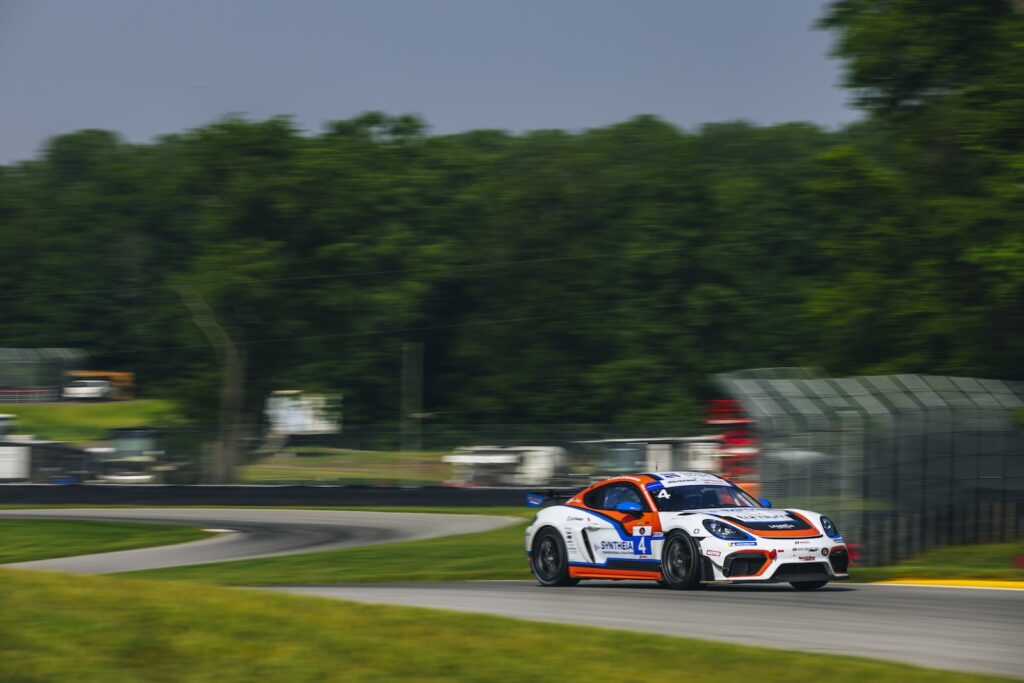
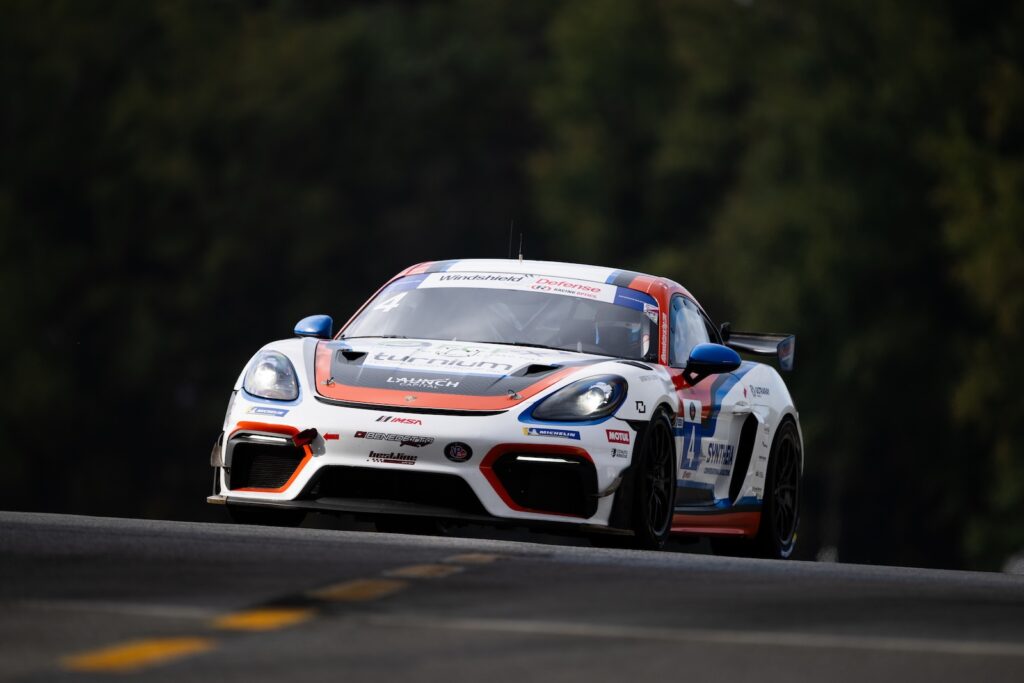
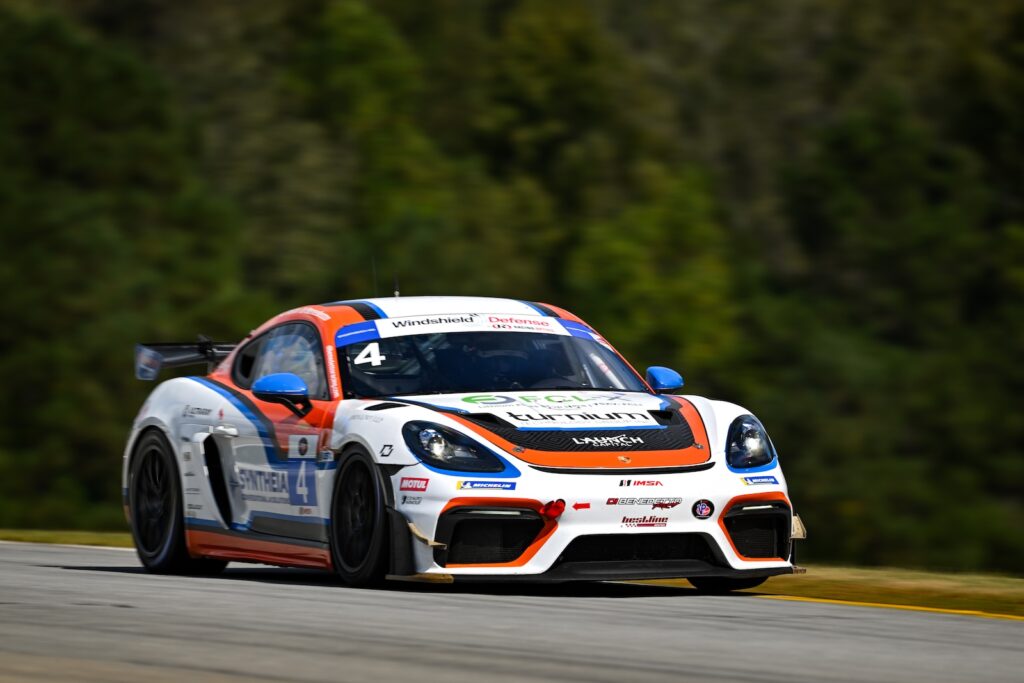
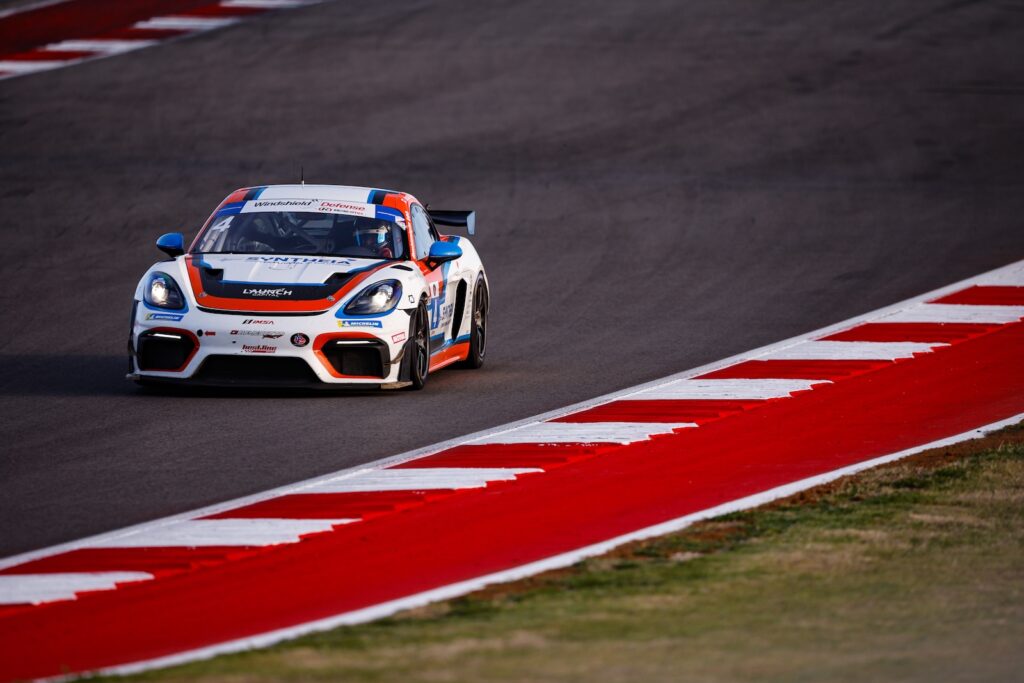
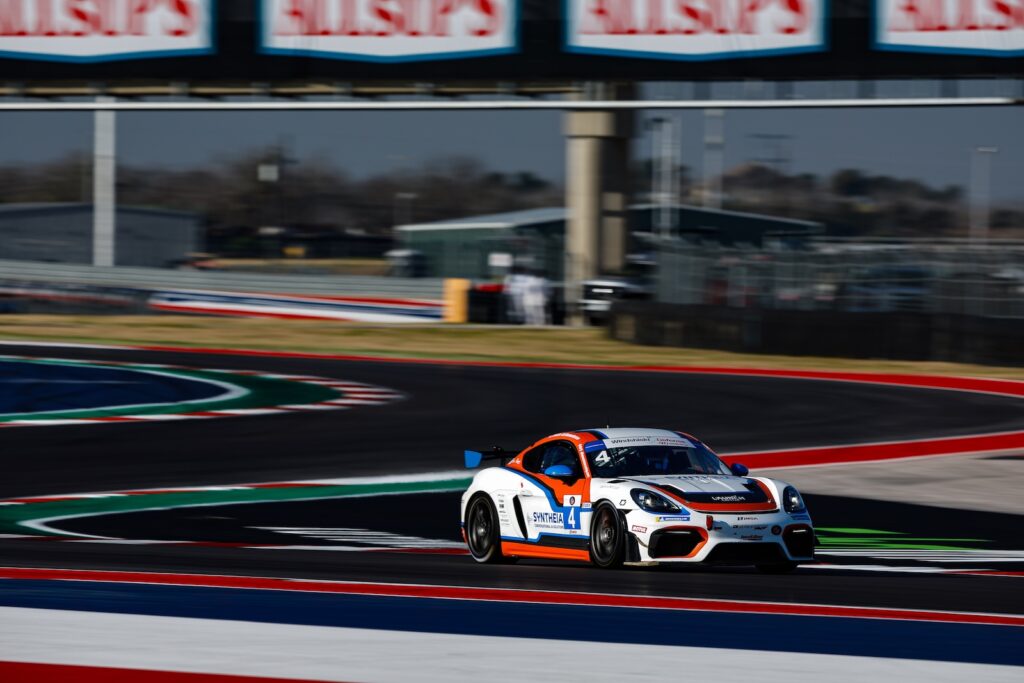
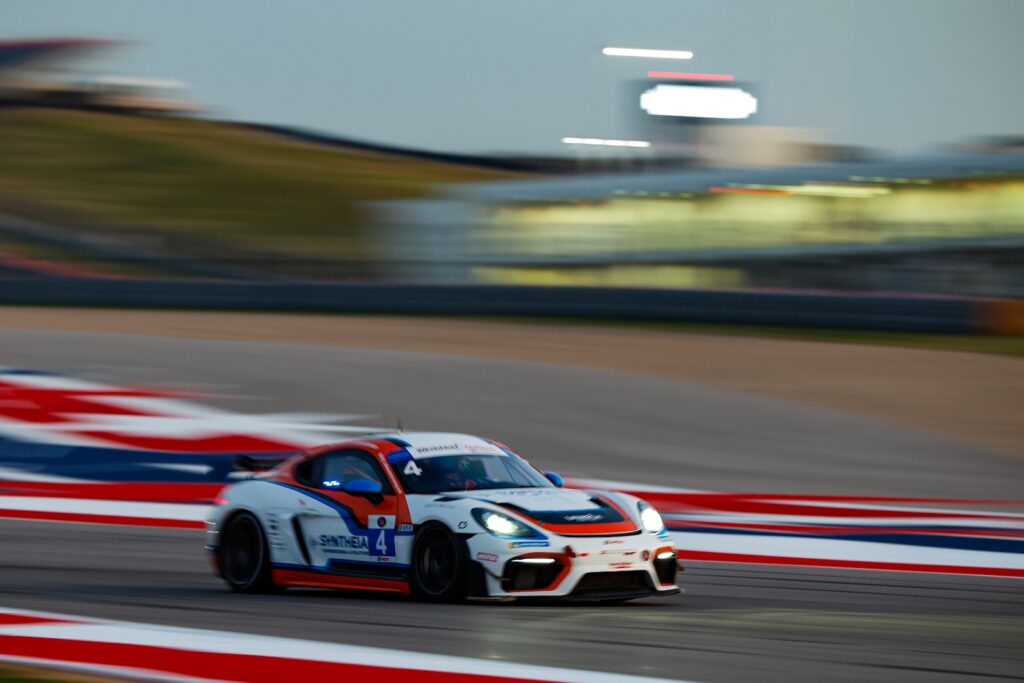
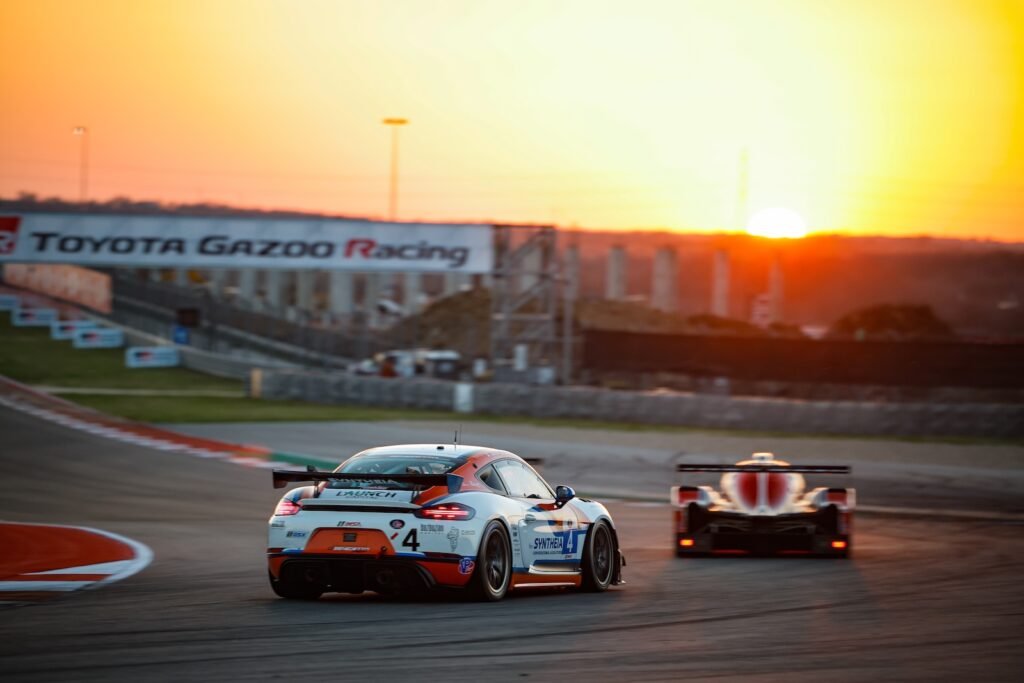
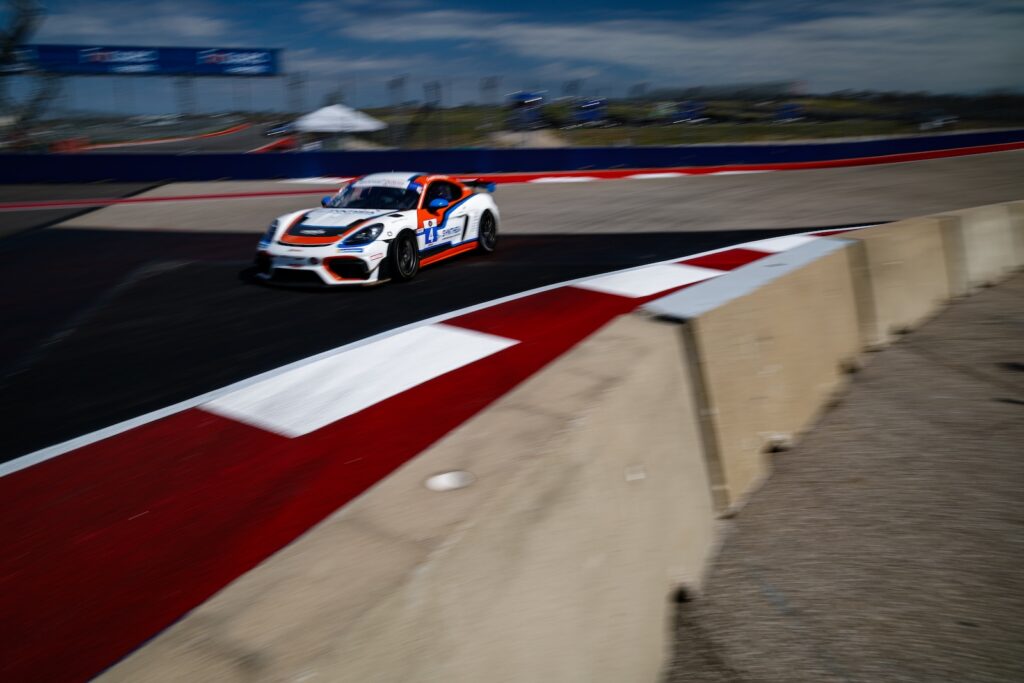
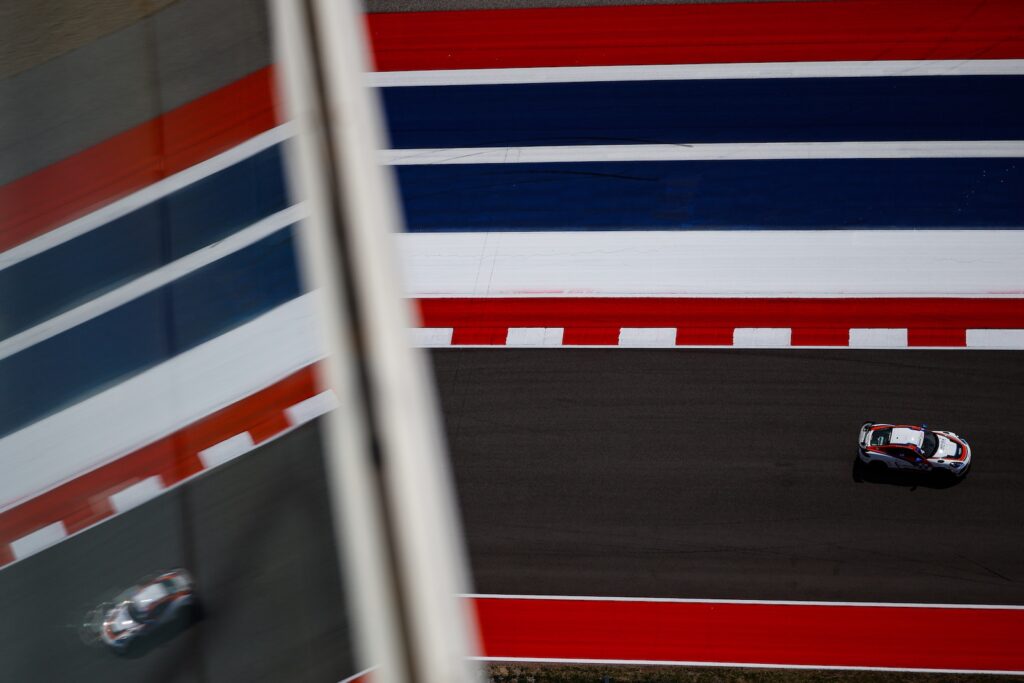
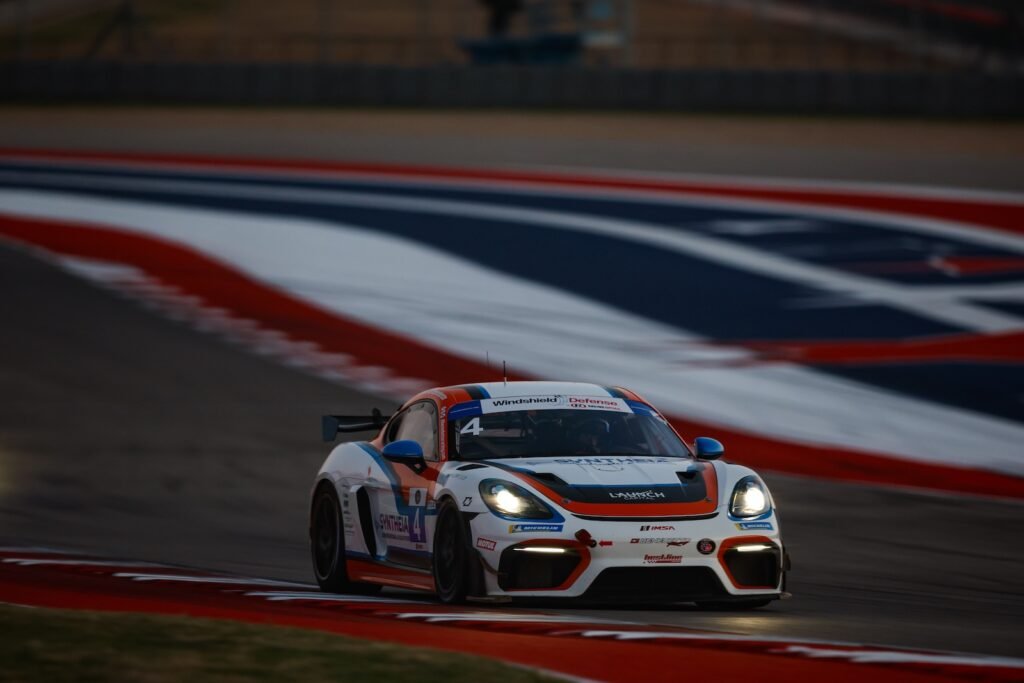
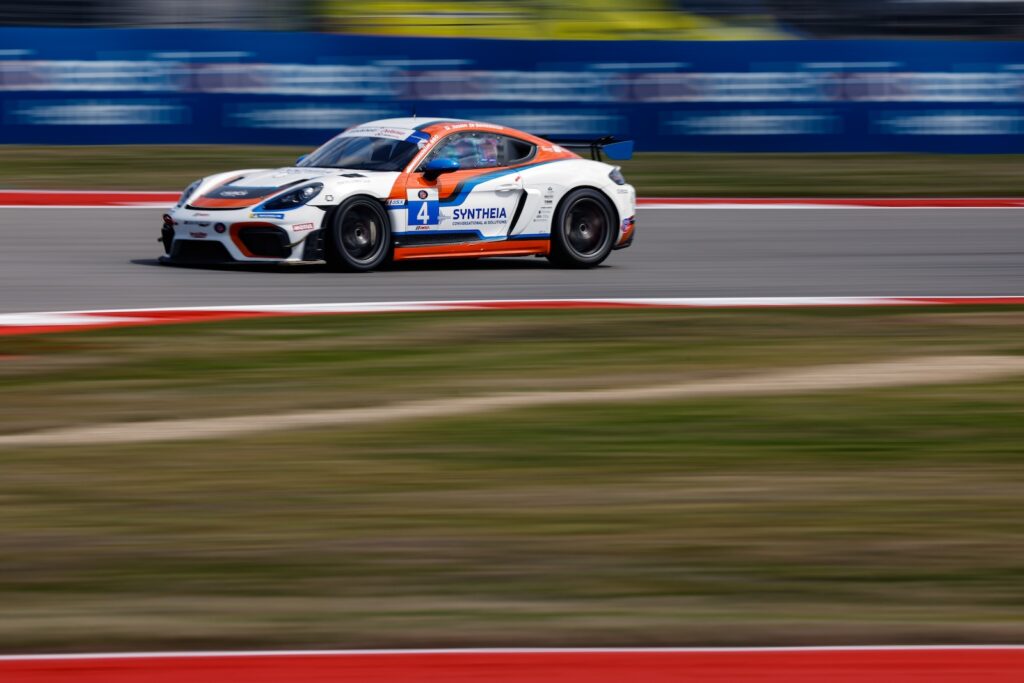
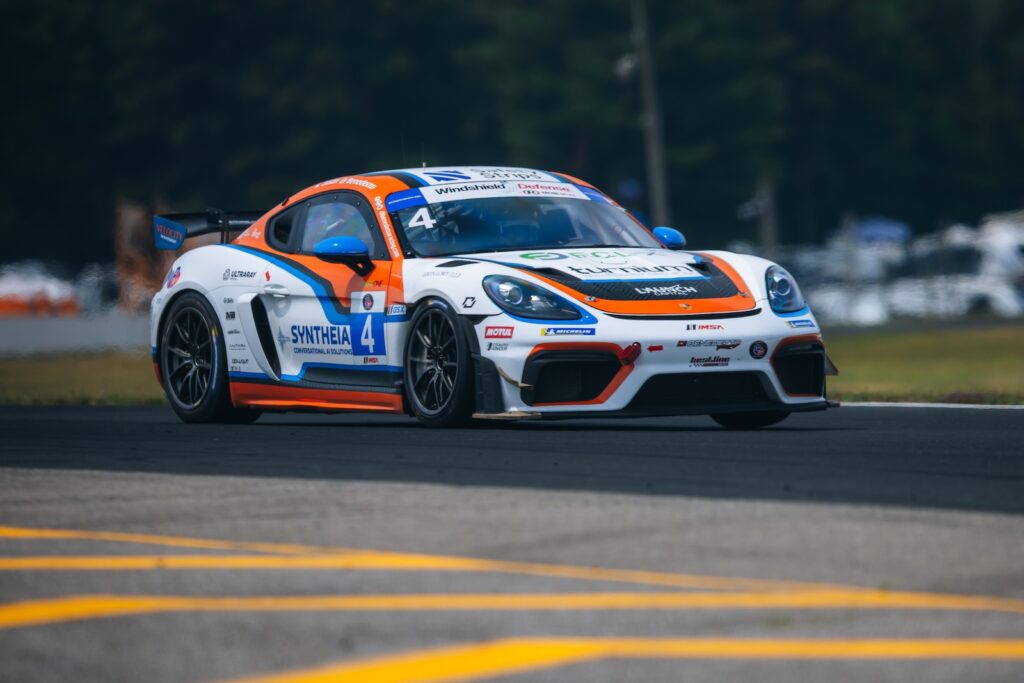
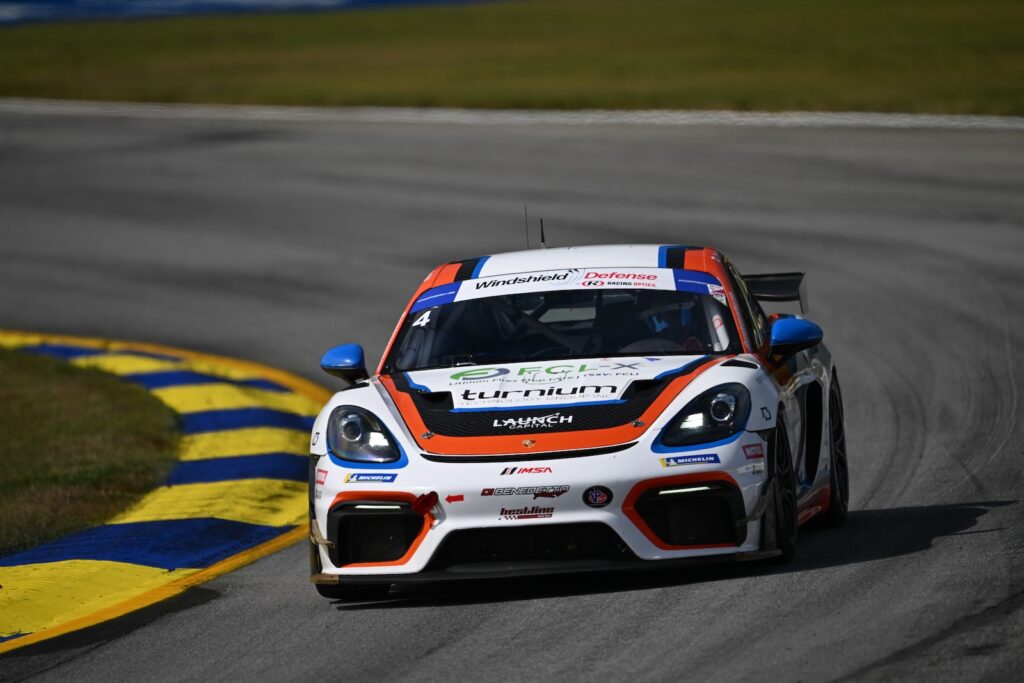
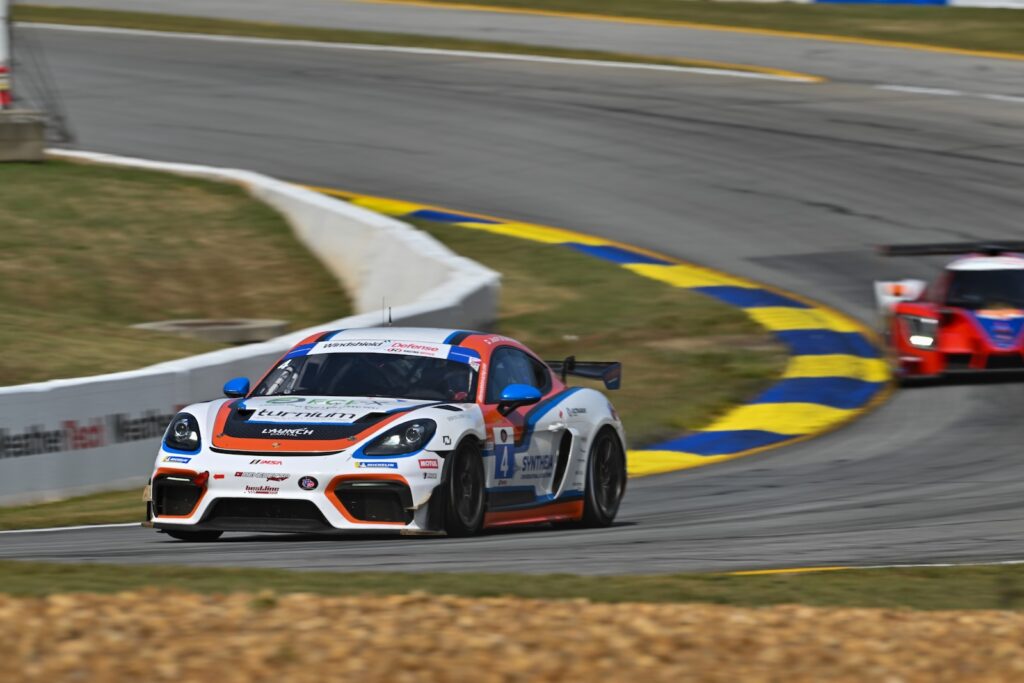
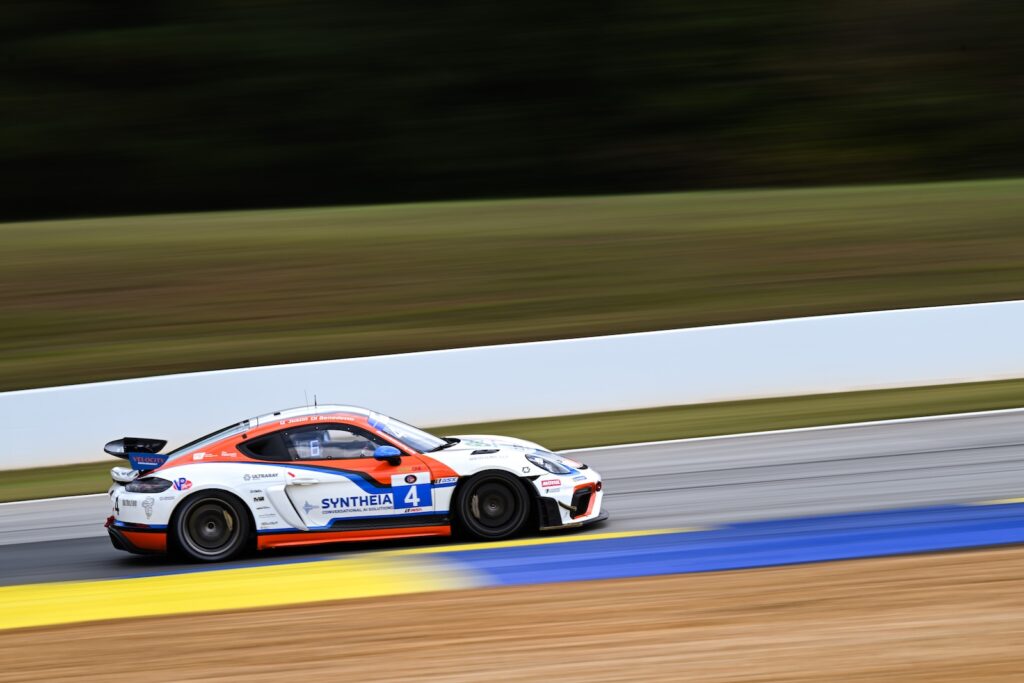
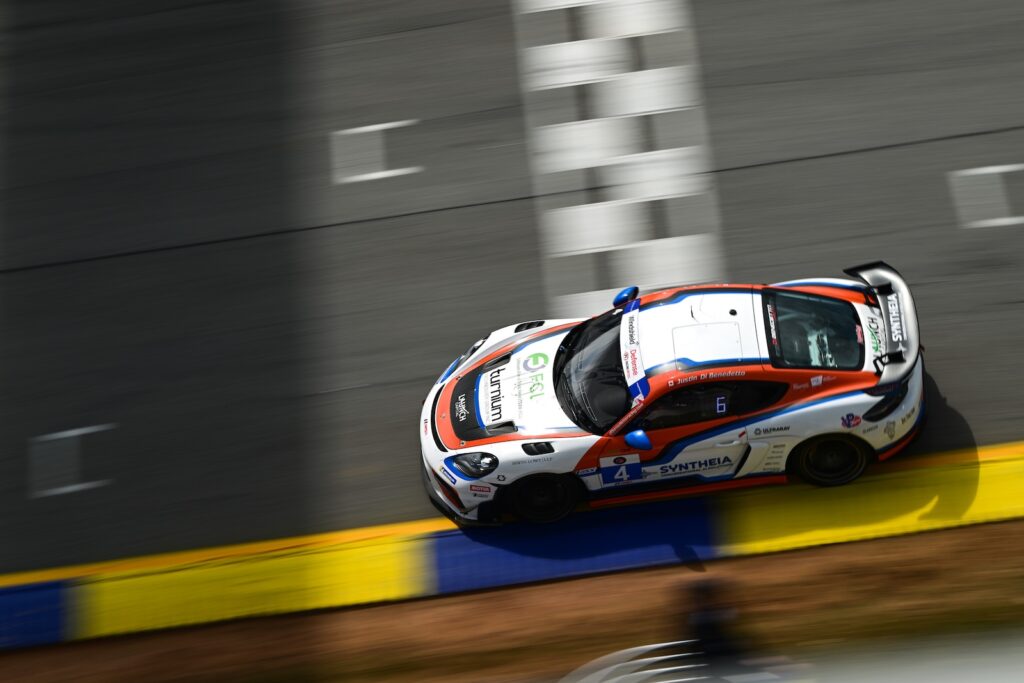
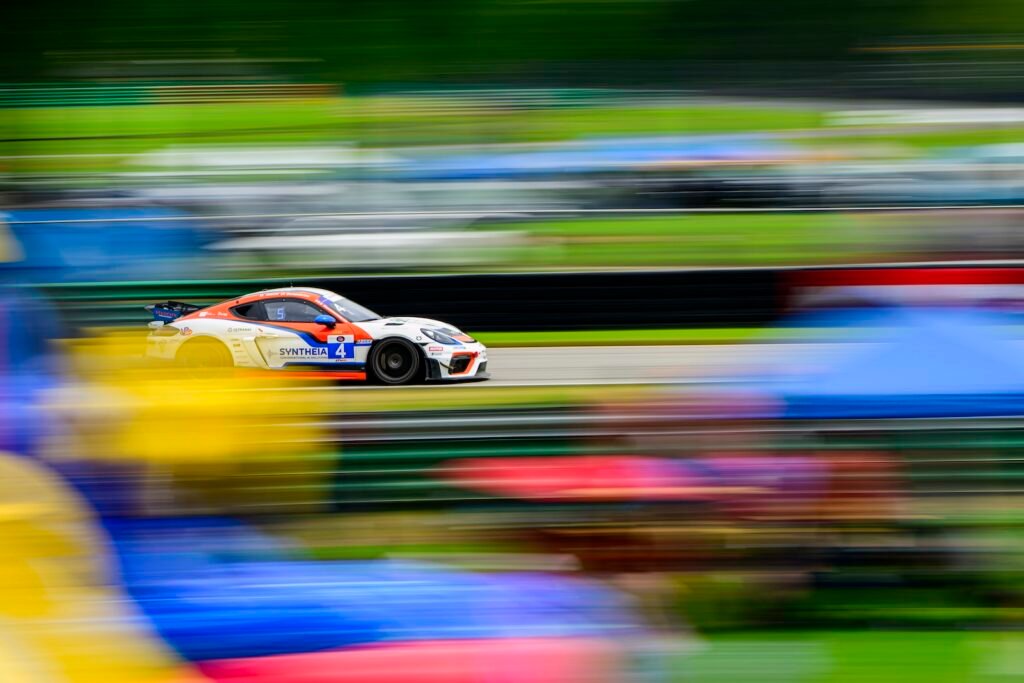
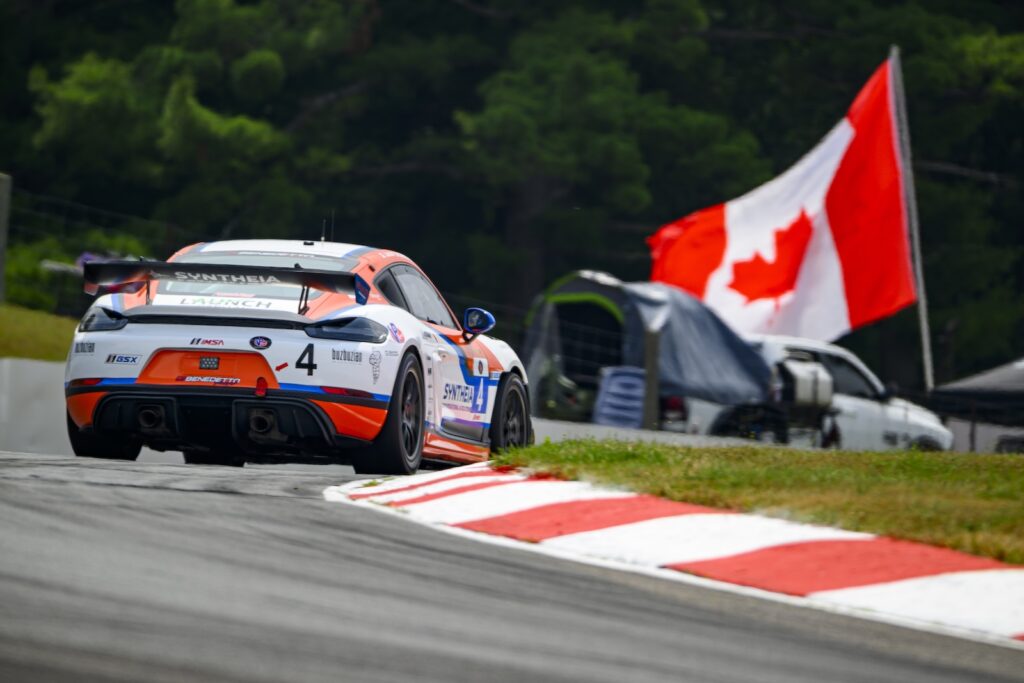
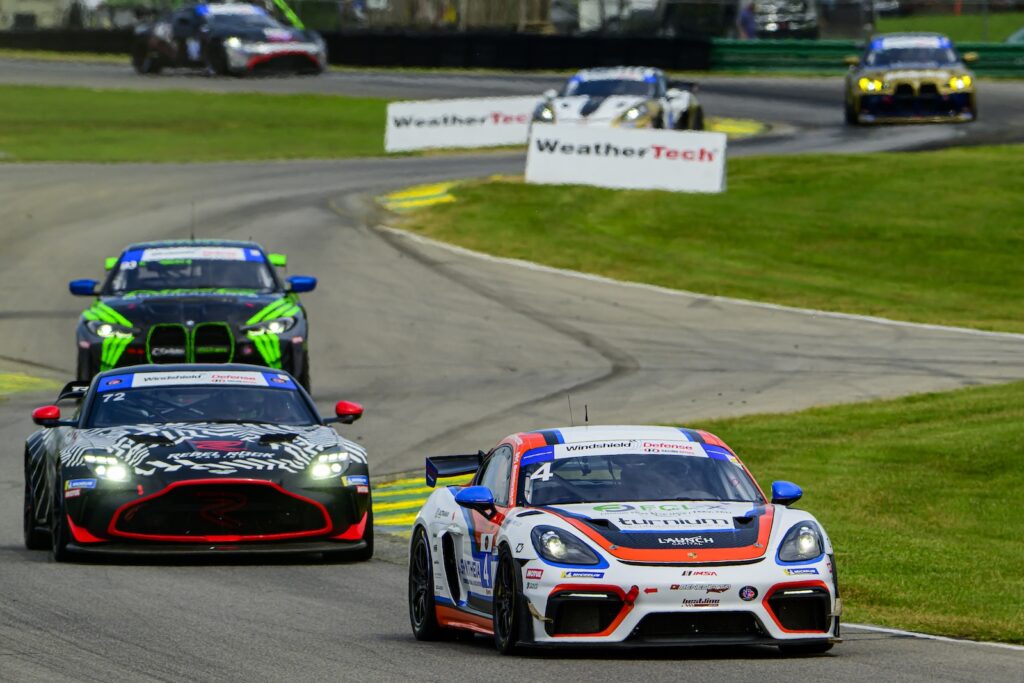
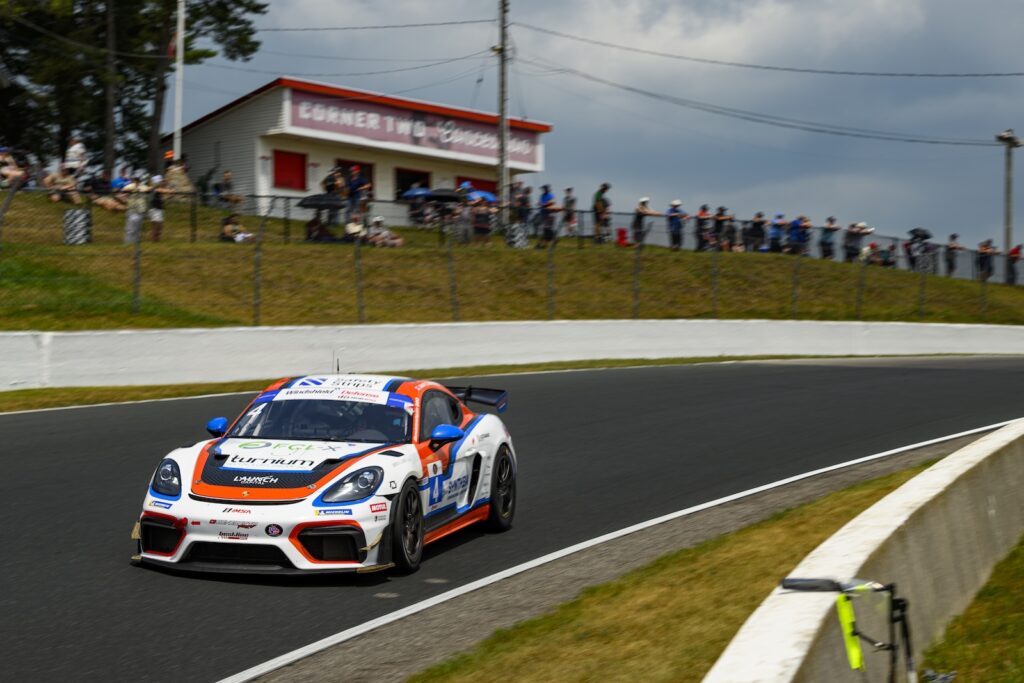
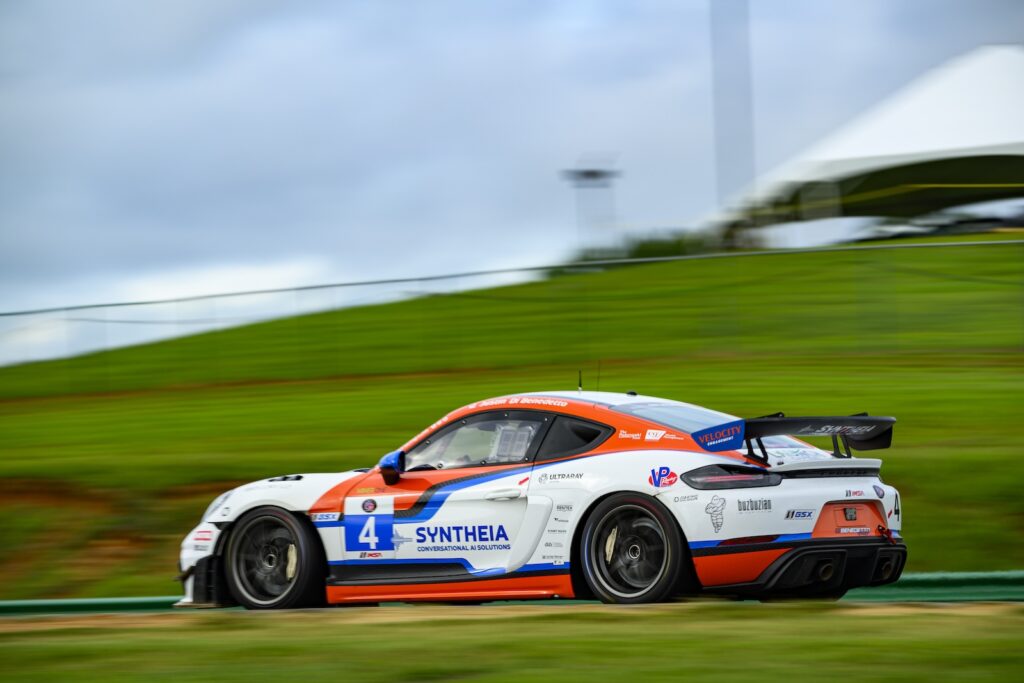
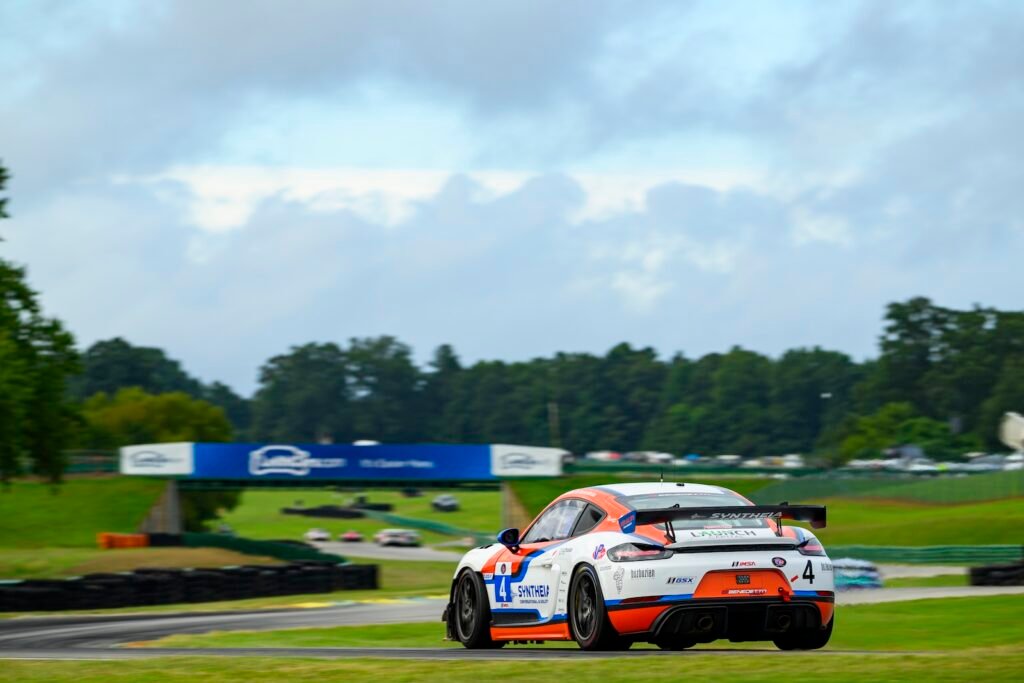
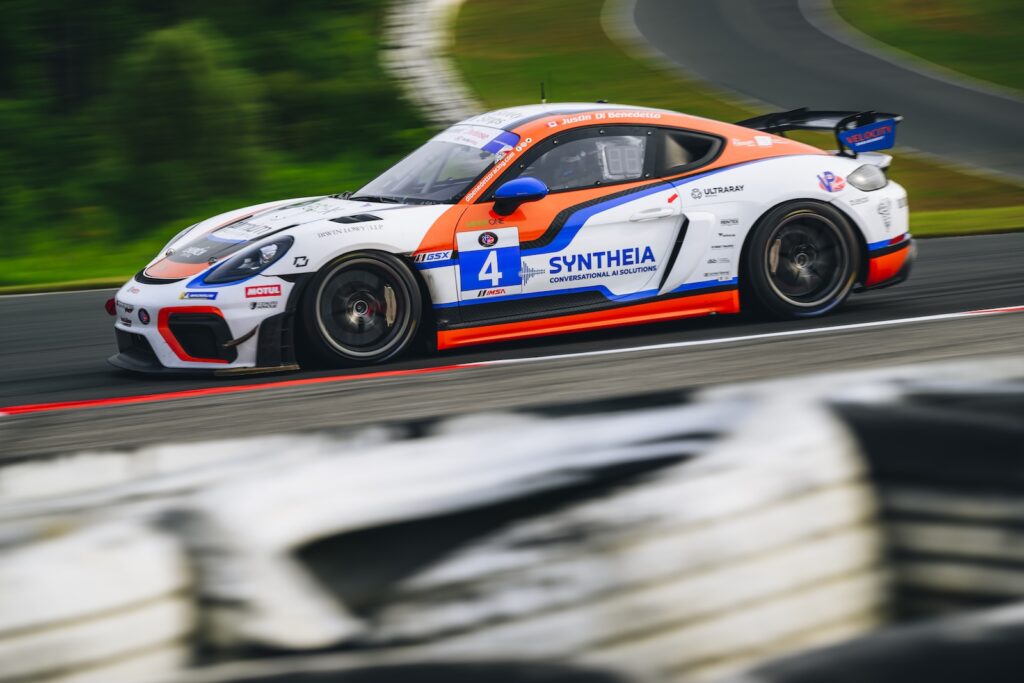
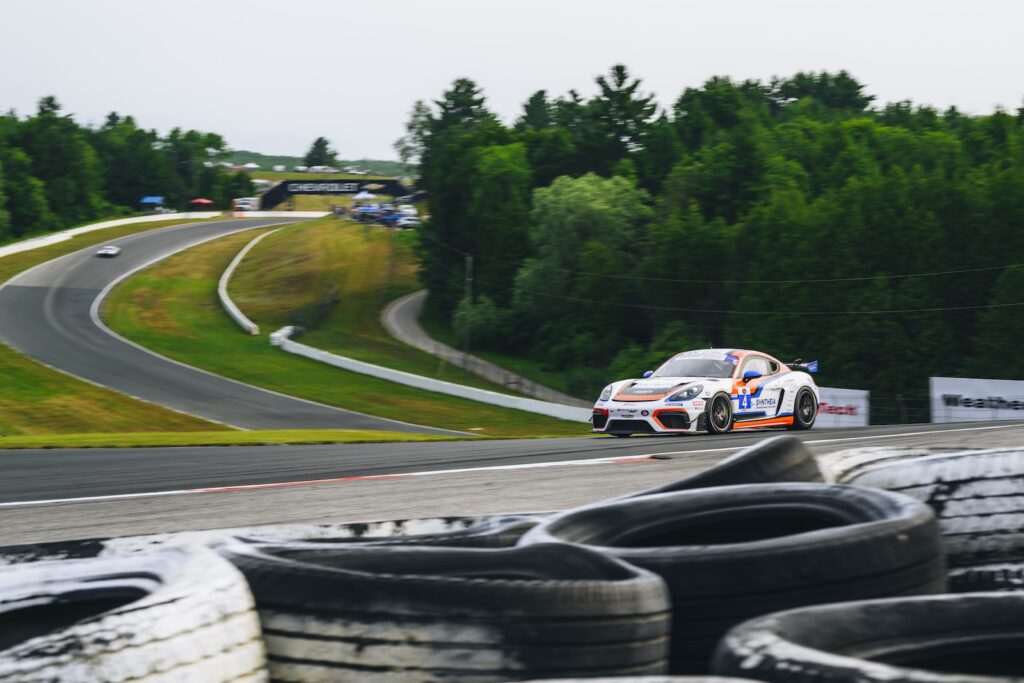
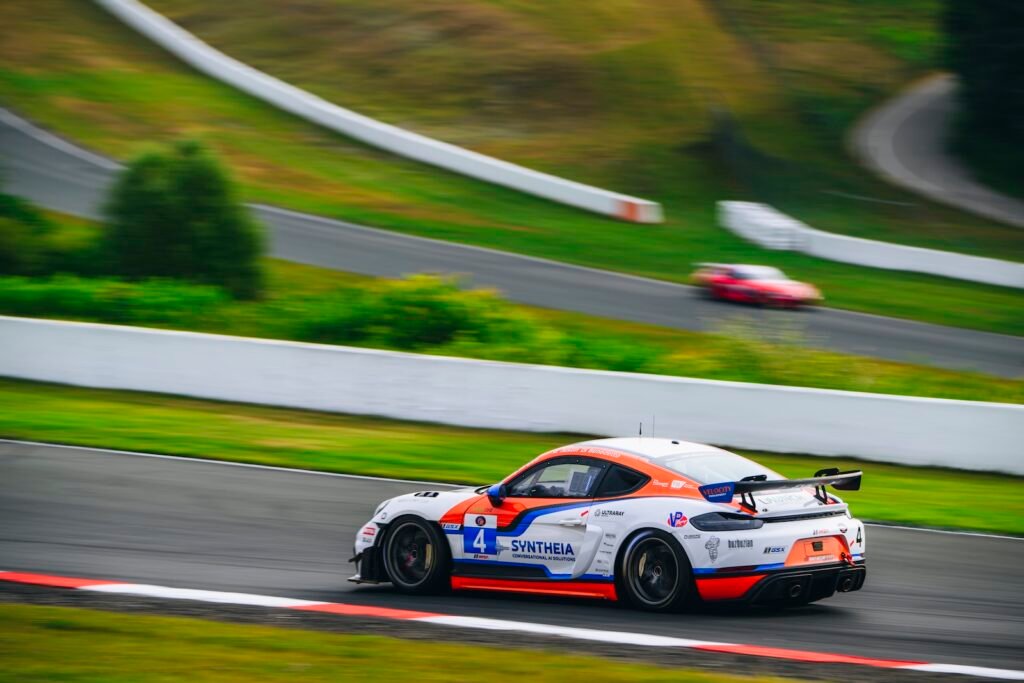
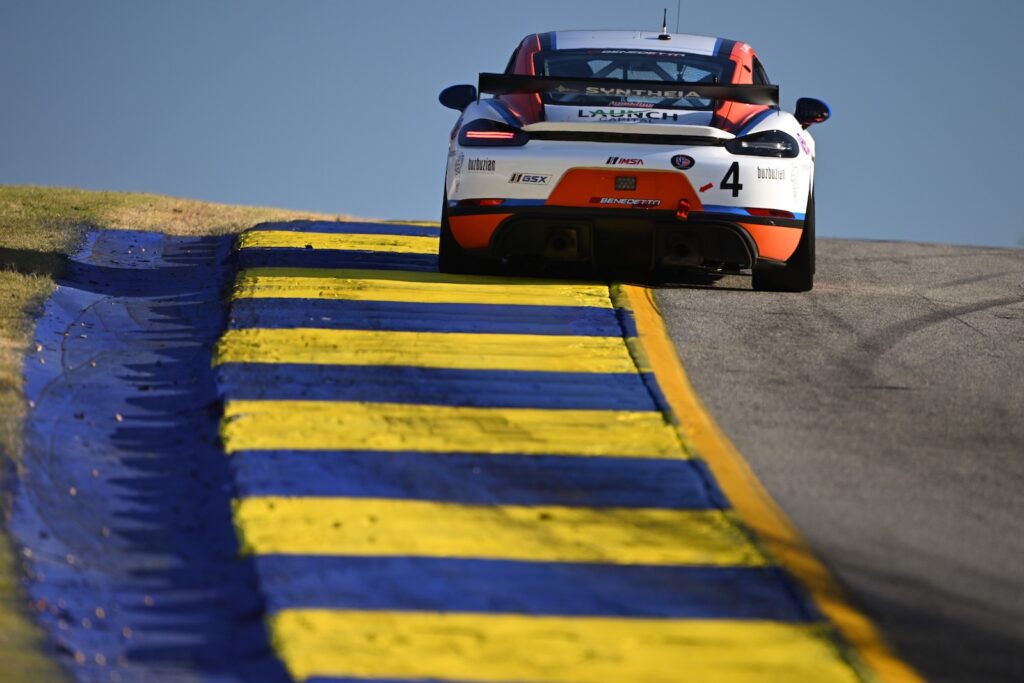
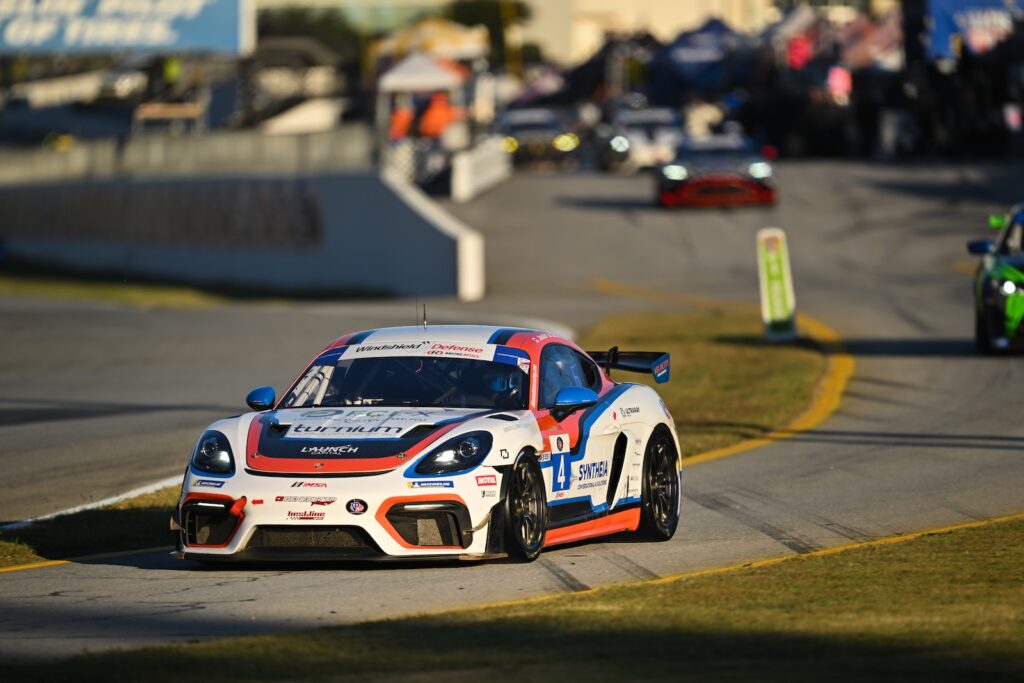
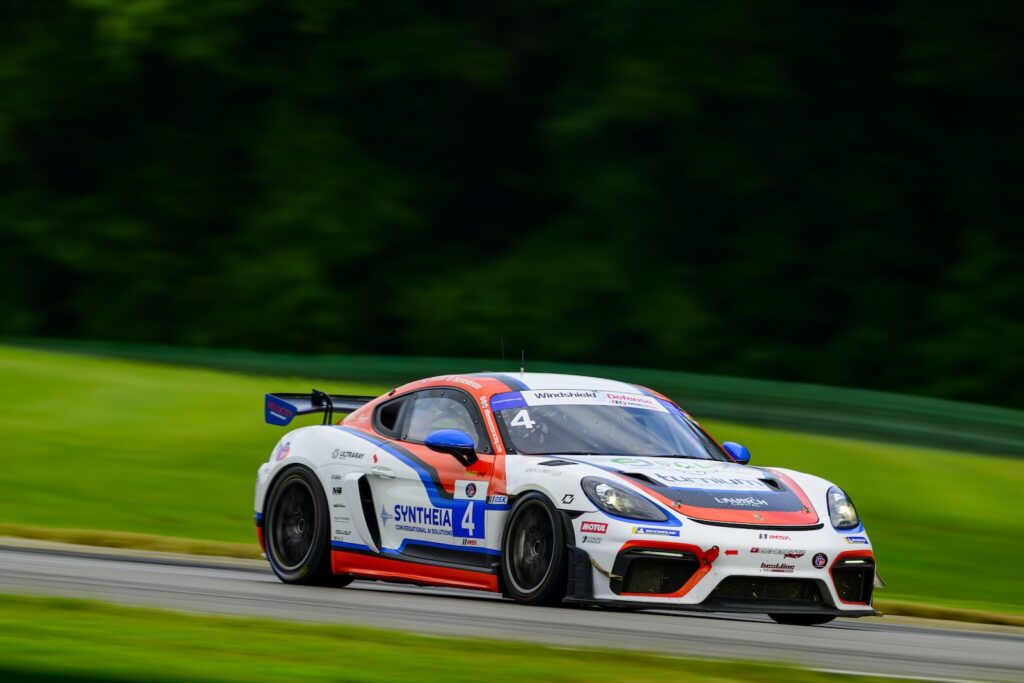
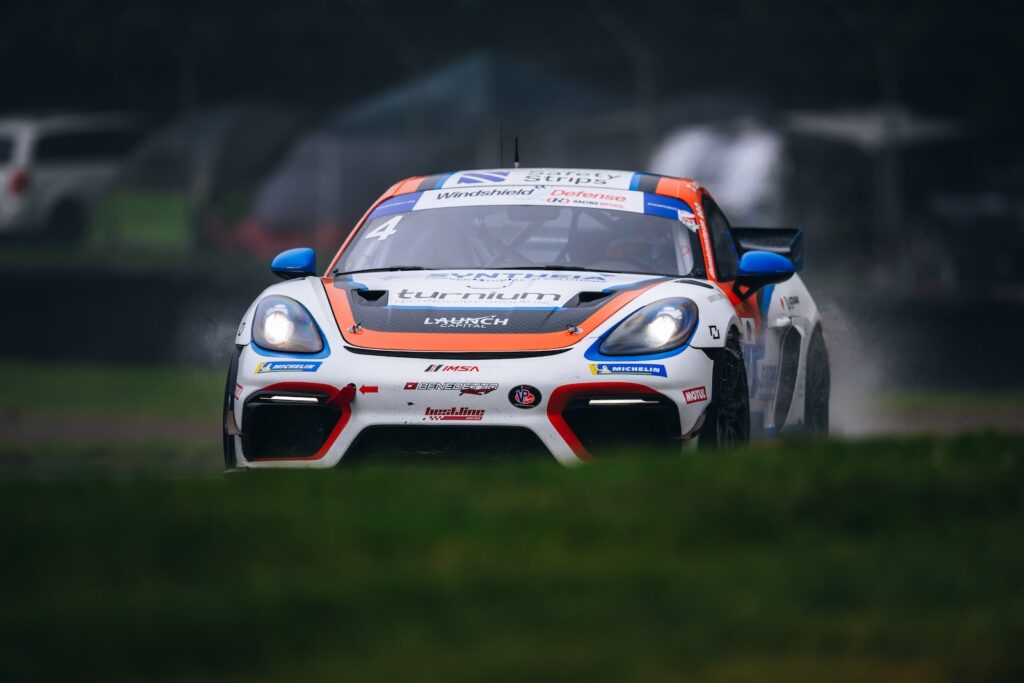
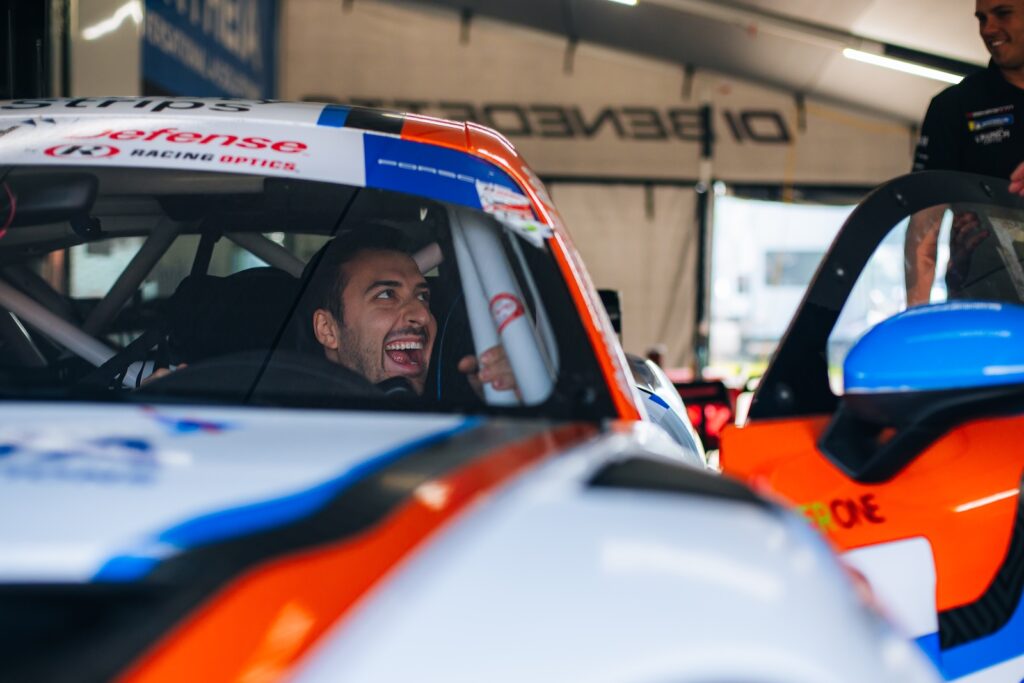
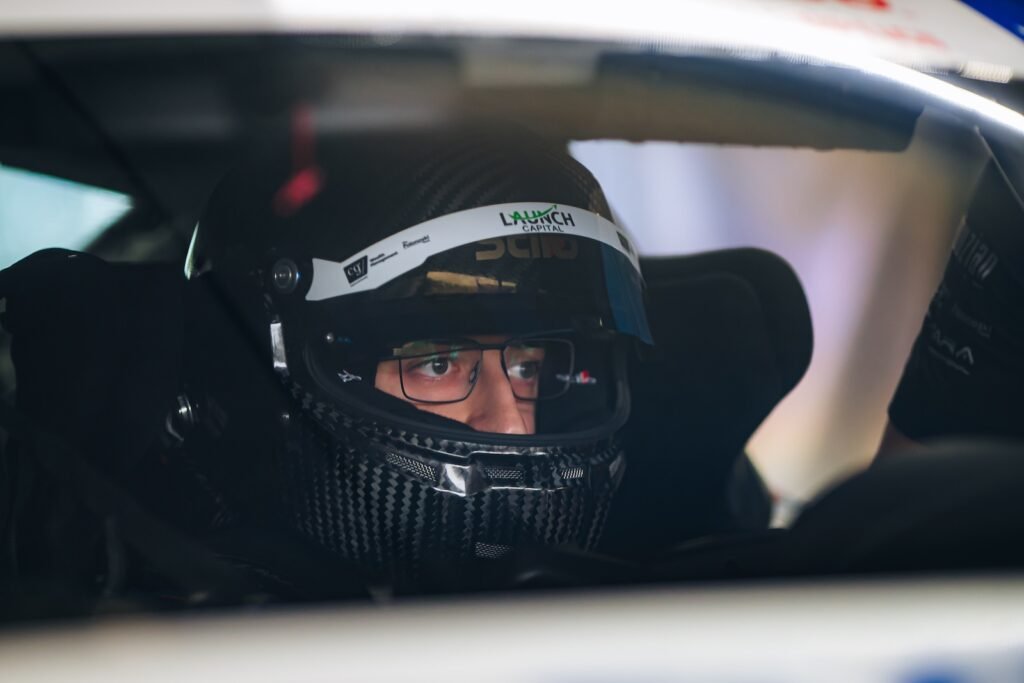
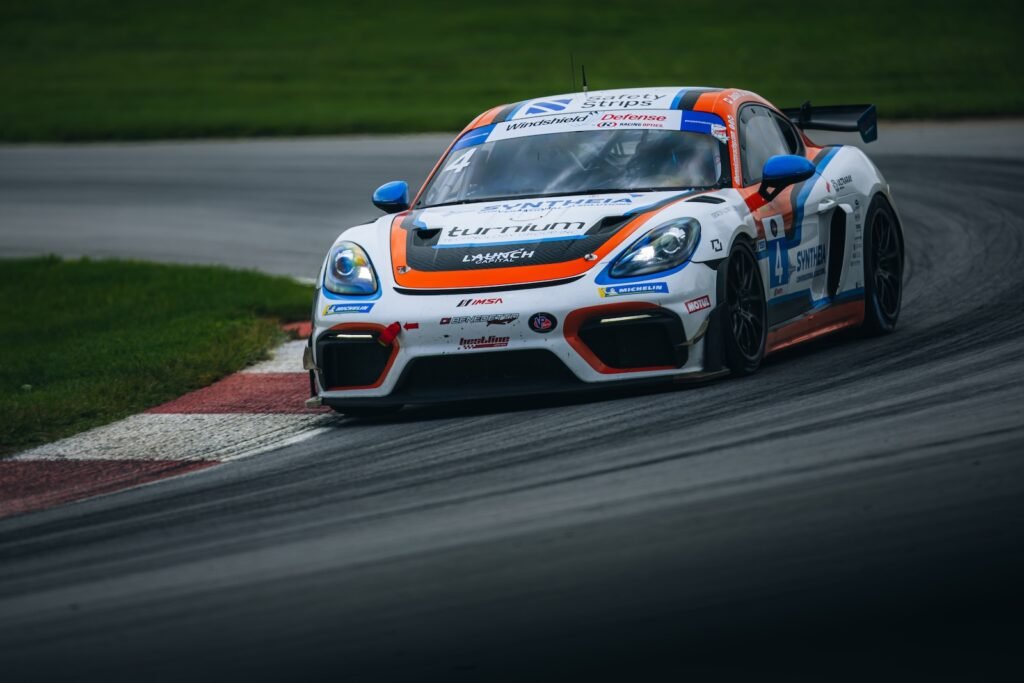
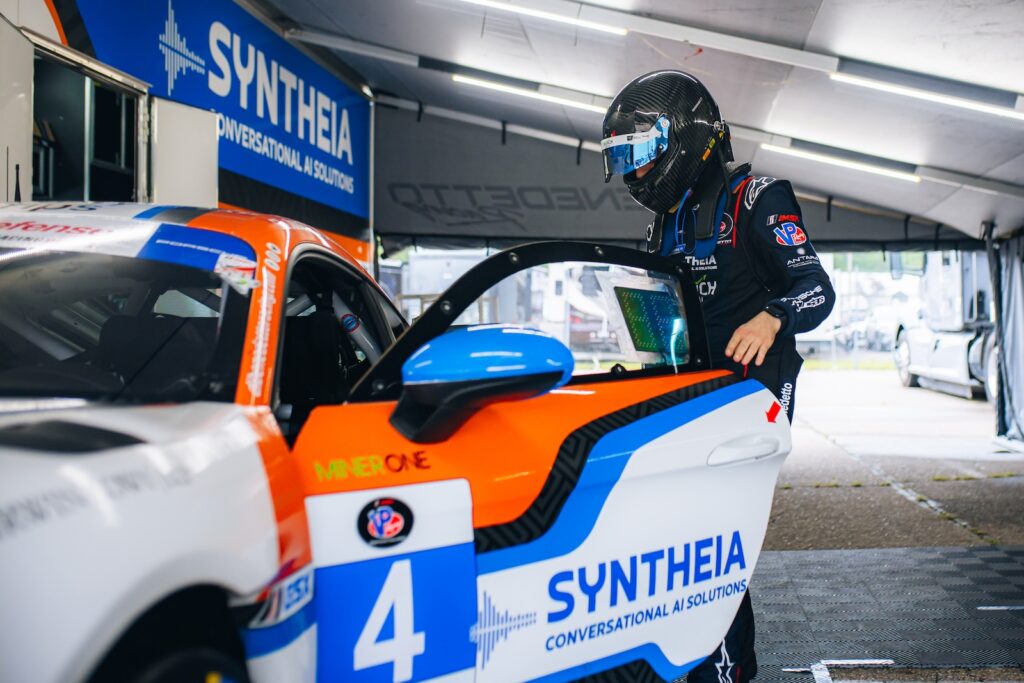
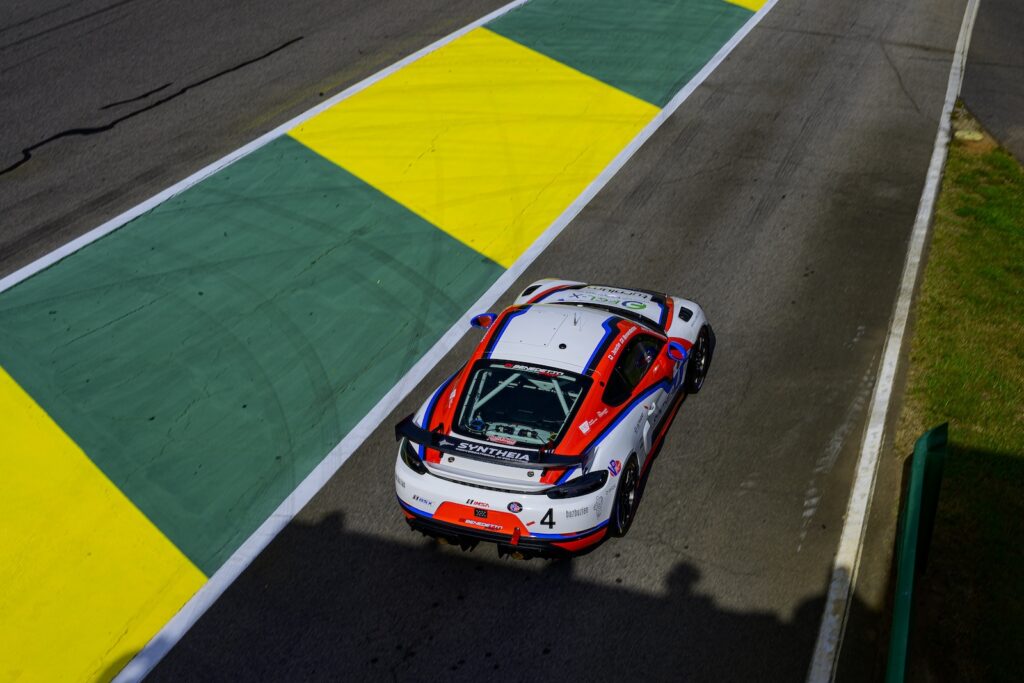
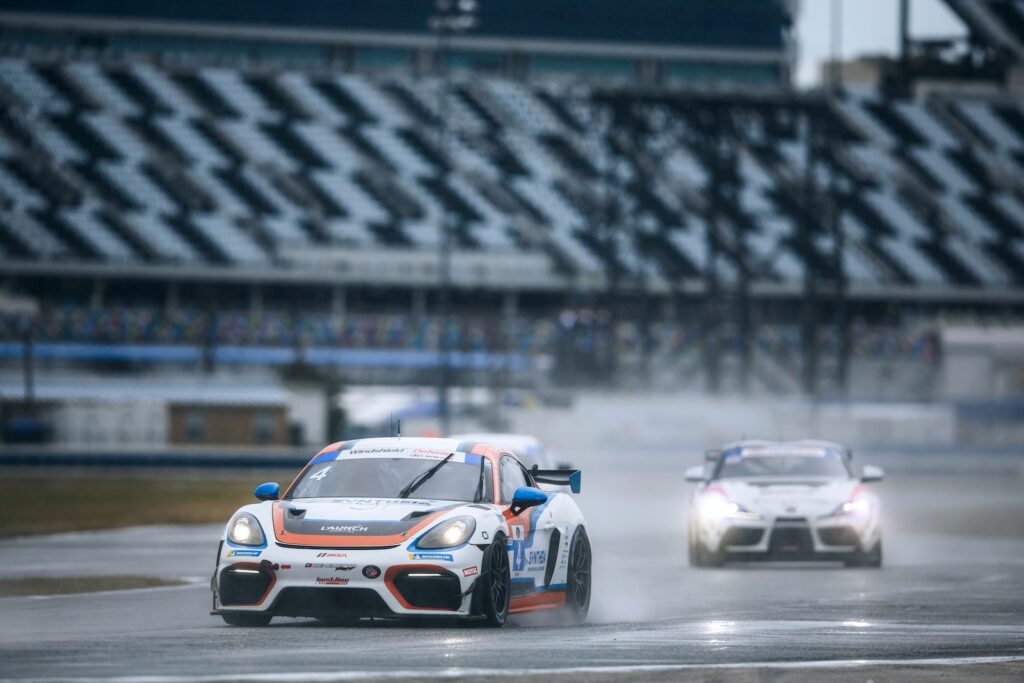
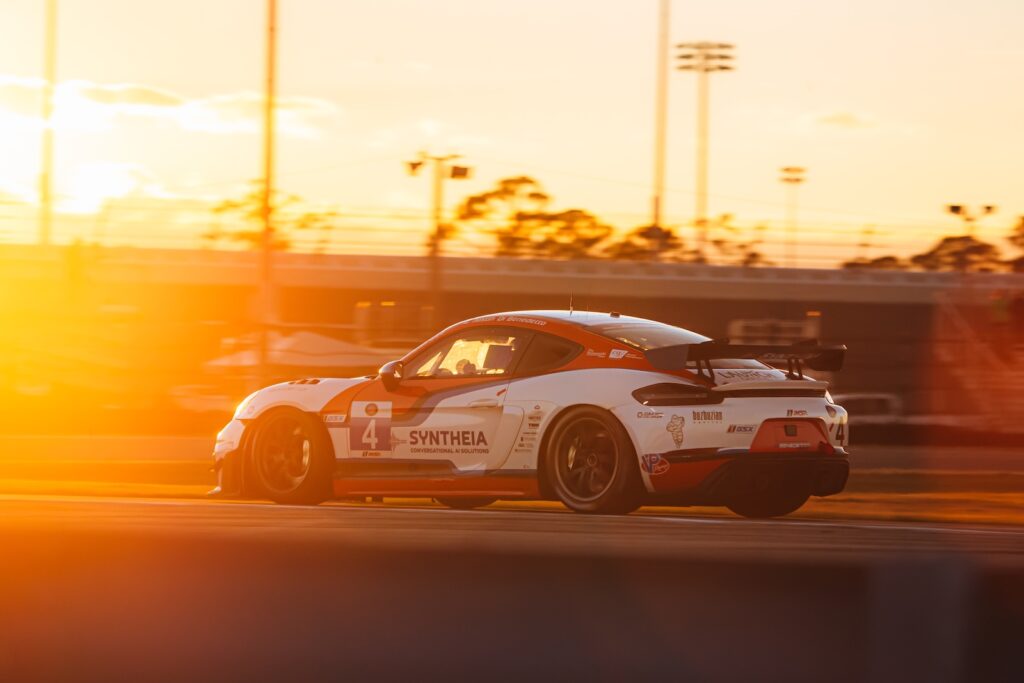
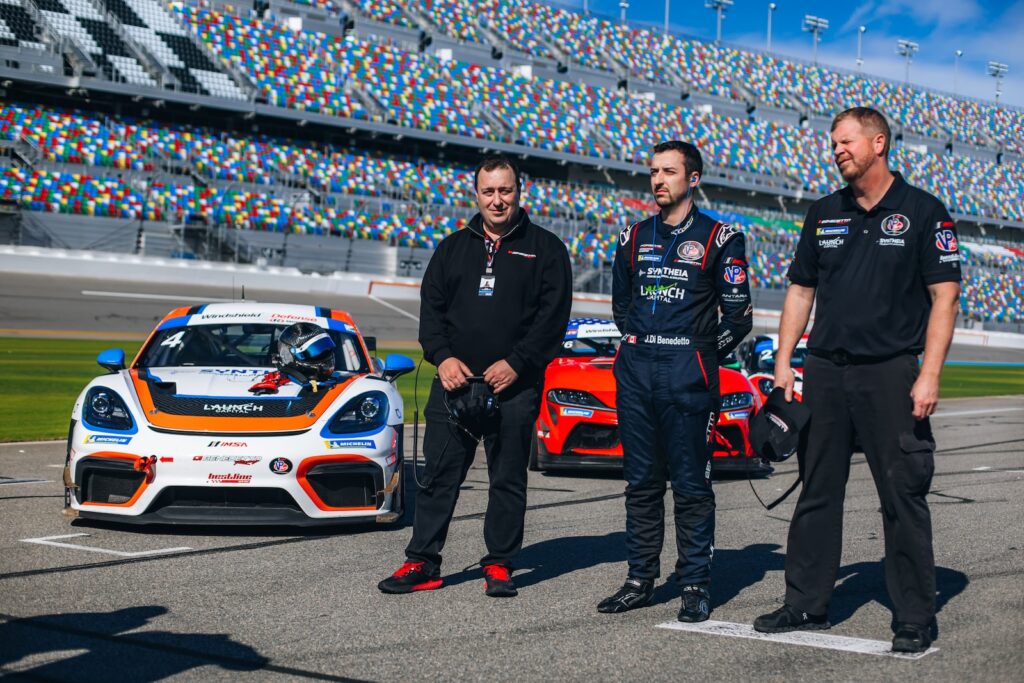
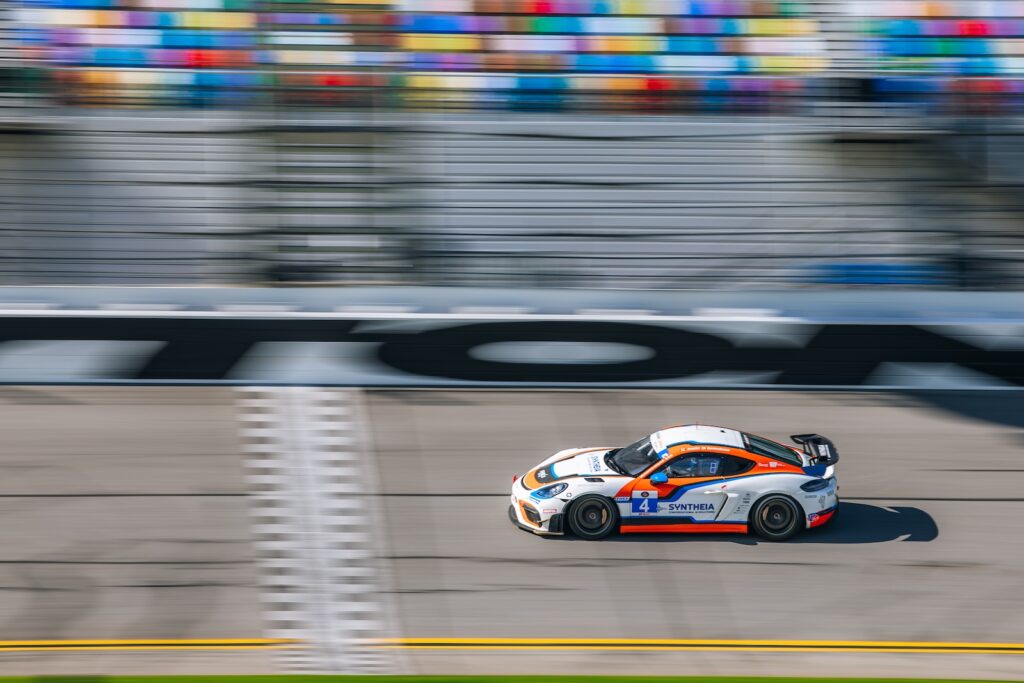
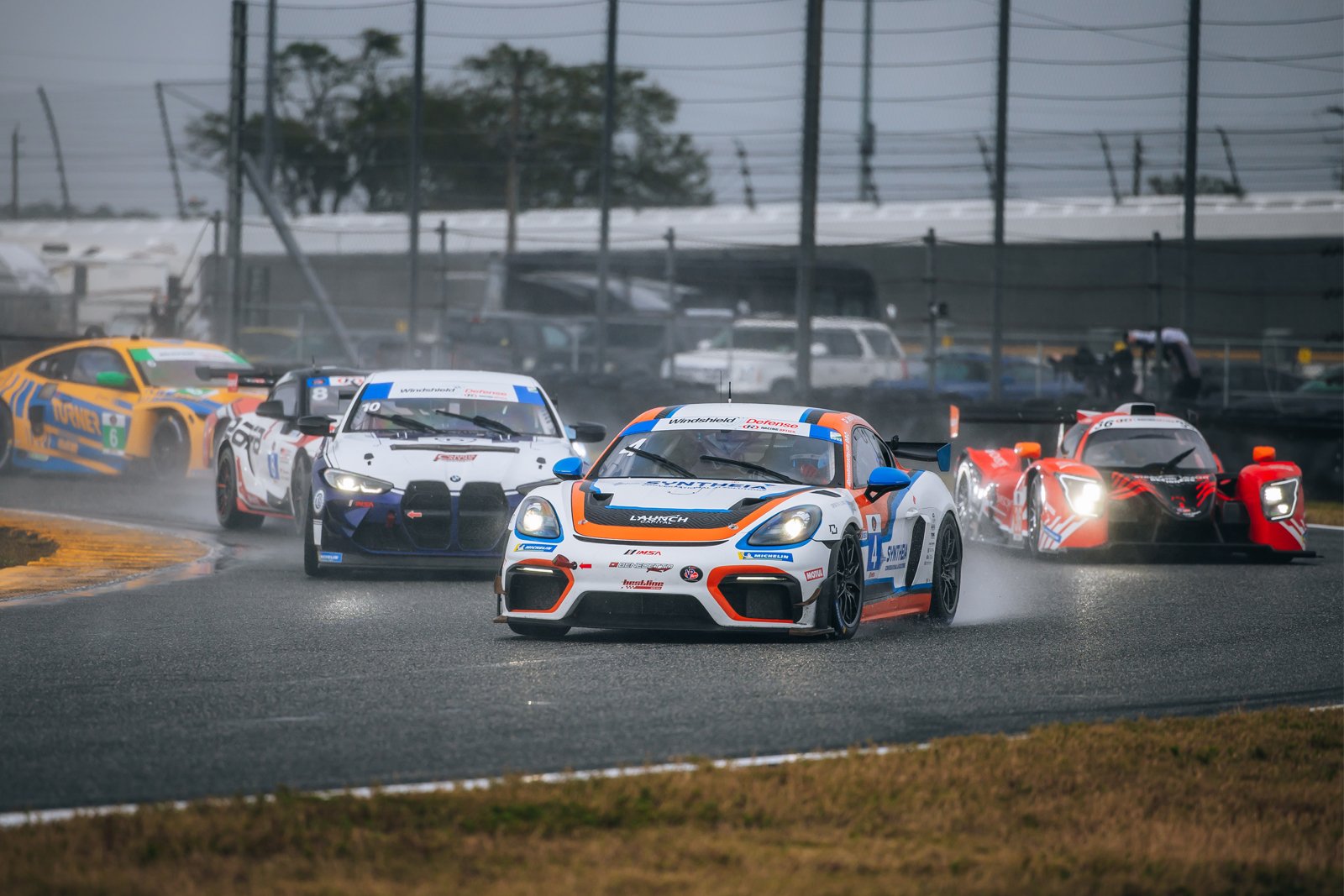
DiBenedetto Racing is a Vaughan-based father-and-son team competing in the 2025 IMSA VP SportsCar Challenge. They run the Porsche 718 Cayman GT4 RS Clubsport under the Porsche Motorsport Customer Racing program.
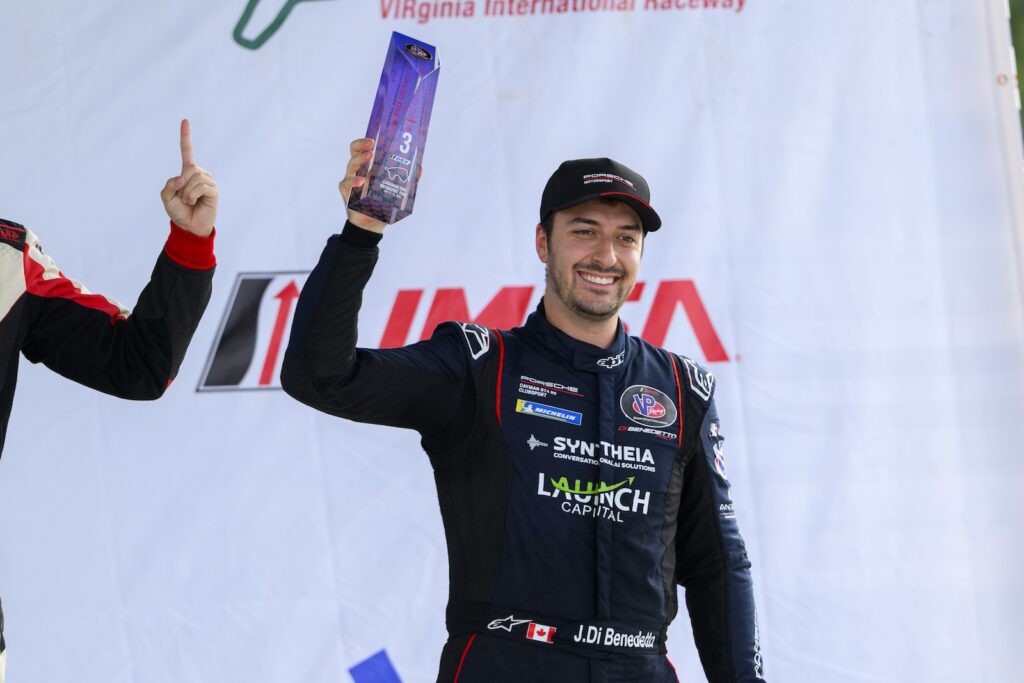
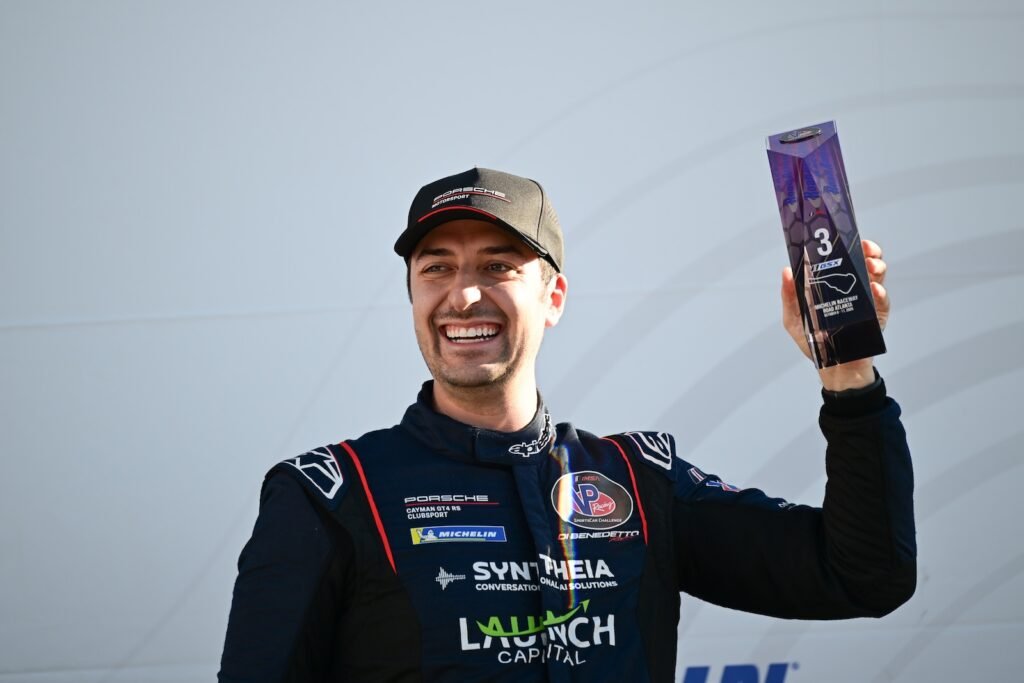
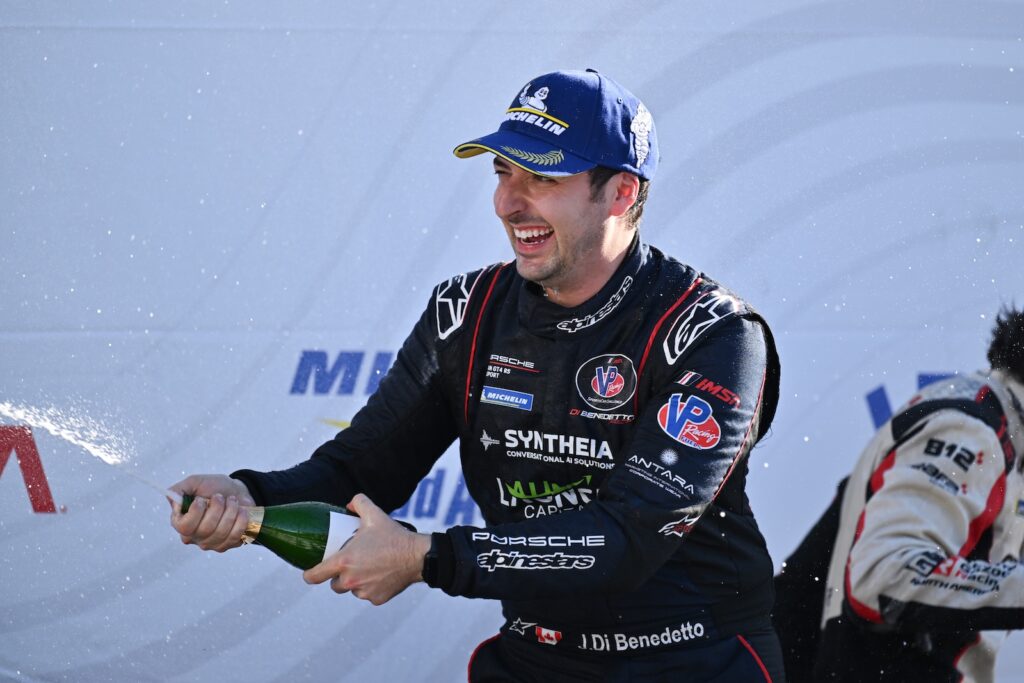
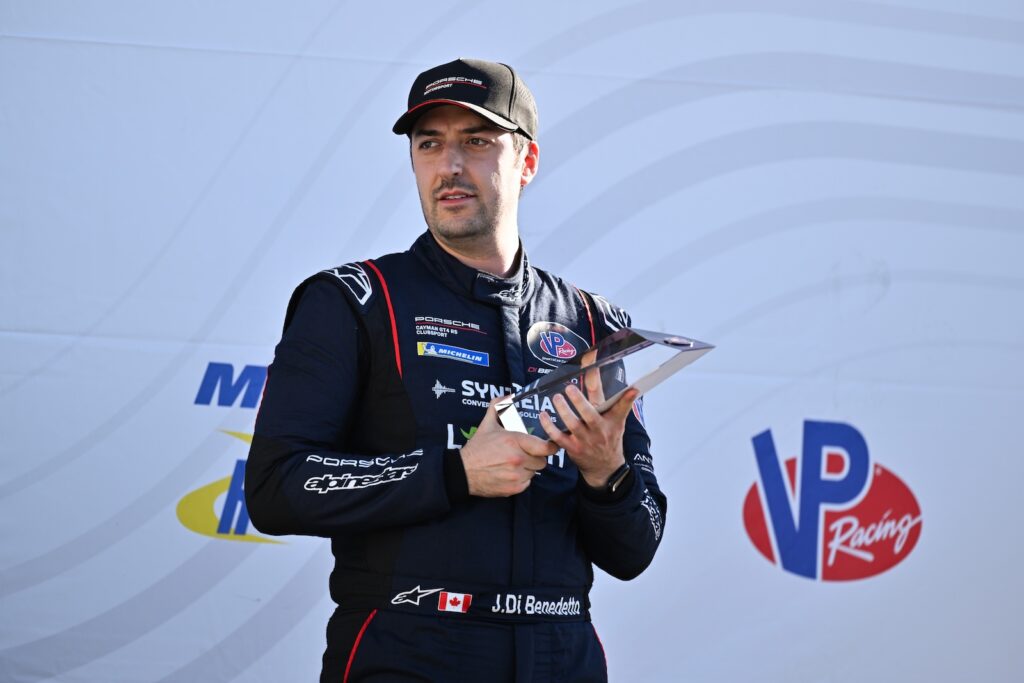
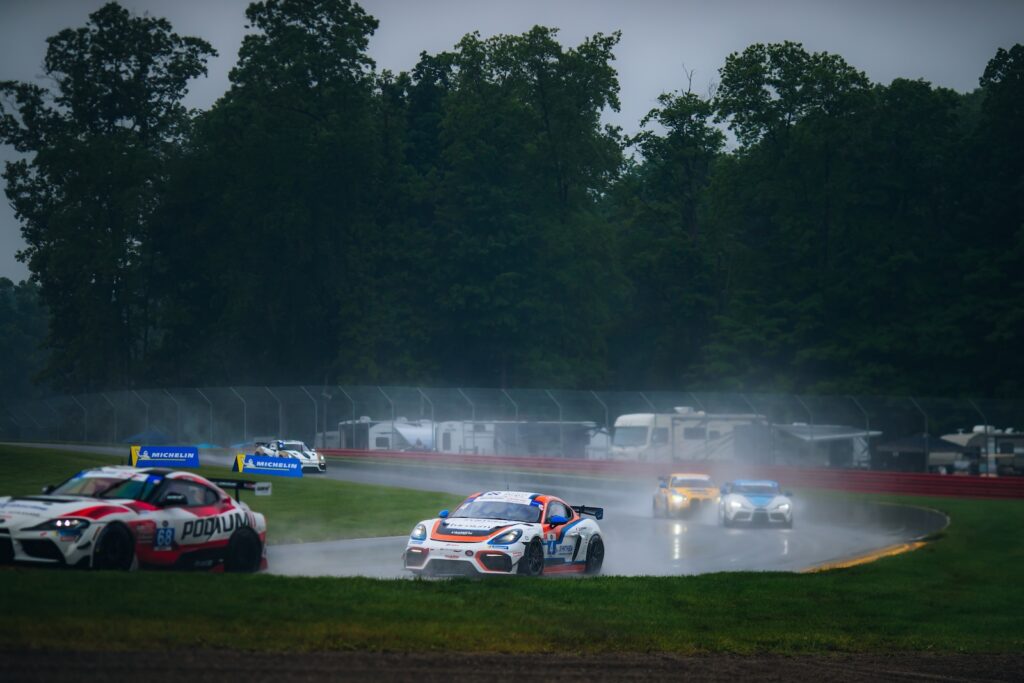
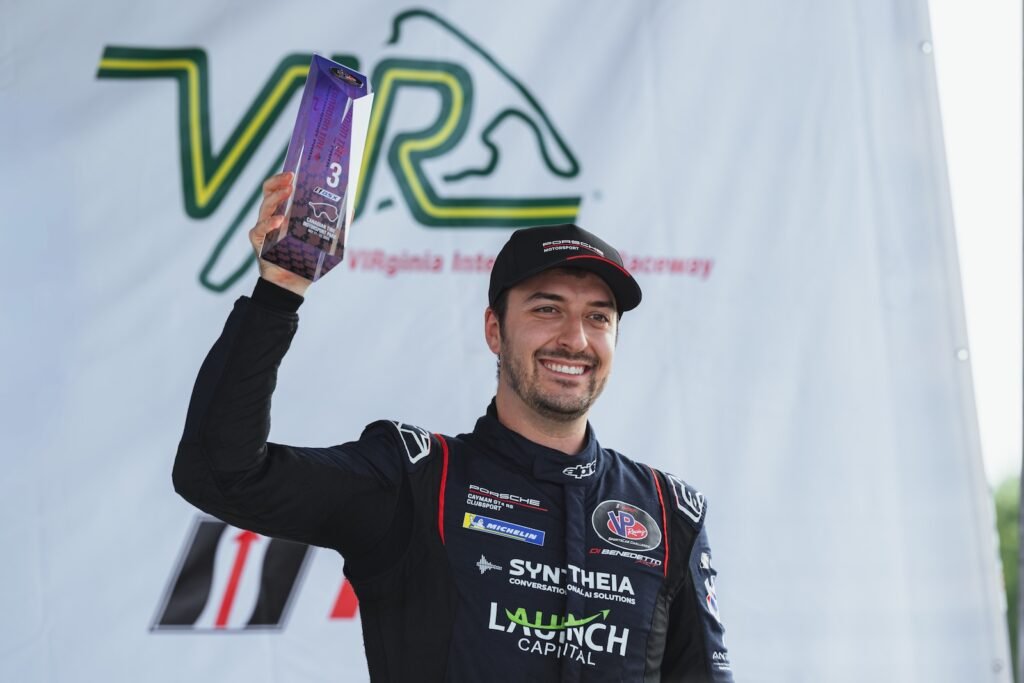
This season marks their first full year in IMSA — and by August, they earned their first podium finish at Virginia International Raceway, placing third in the GSX class. The result confirmed their steady rise through Canada’s motorsport ladder and their ability to compete at an international level.
The team has spent the past decade moving from local karting tracks to a professional GT platform. It is a two-person operation built on discipline, respect, and the occasional clash that comes with running both a family and a race team. Their VIR result was a tangible milestone — validation that their independent, self-taught approach could stand against factory-backed teams and global talent.
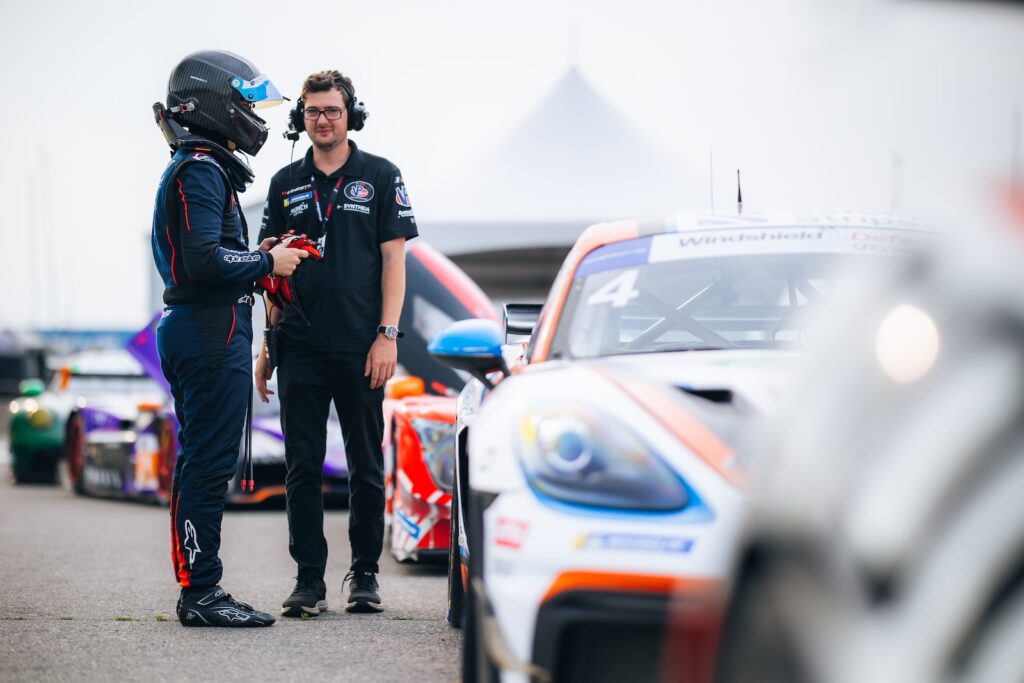
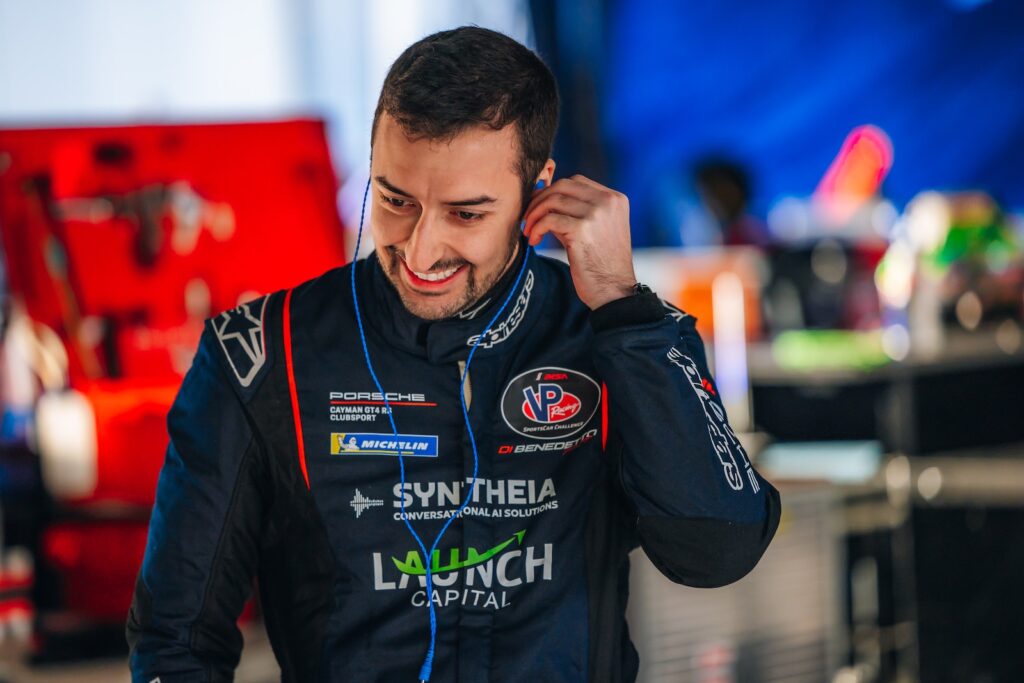
The story began in late 2014, when Justin DiBenedetto, then 17, decided to take racing seriously. His father, Tony, had always followed F1, IndyCar, and Supercross. Tony had the passion; Justin brought the focus that turned it into action.
For years Tony tried to get him into motocross, but it never caught on. Justin found his own entry through F1, IndyCar, rallying, the World Endurance Championship, and IMSA. By the end of 2014, he made the decision to give it a try.
That was the turning point. They started with go-karting, and Justin quickly realized that reaching the top level of motorsport required a financial step-down to grassroots racing. Father and son learned the sport together from the ground up.
From the start, their method was hands-on. Racing was treated as discipline — a process, not a pastime. Justin focused on mechanical learning. Tony handled the structure and logistics.
Each event became a month-long operation planned with business-like precision. The philosophy came directly from Tony’s corporate background. Success meant understanding every layer of how things worked. Showing up unprepared was never the point.
That mindset defines them. Tony manages the systems. Justin turns it into speed.
The family built their own trailers, logistics setups, and operating systems. They learned every technical and organizational detail. The program runs lean — strategic and self-taught.
Each move up the ladder — from karting to touring cars to GT racing — became another shared project. They spent nights working side by side instead of outsourcing the work. That same hands-on drive now underpins their IMSA campaign, where every detail — from preparation to performance — is managed in-house.
The Network Behind the Name
Bestline Auto Tech has been central to DBR’s progress. The respected Canadian motorsport service outfit has become part of the Di Benedetto family. Bestline has supported top Canadian drivers such as Roman DeAngelis, Zach Robichon, Scott Hargrove, and Marco Cirone.
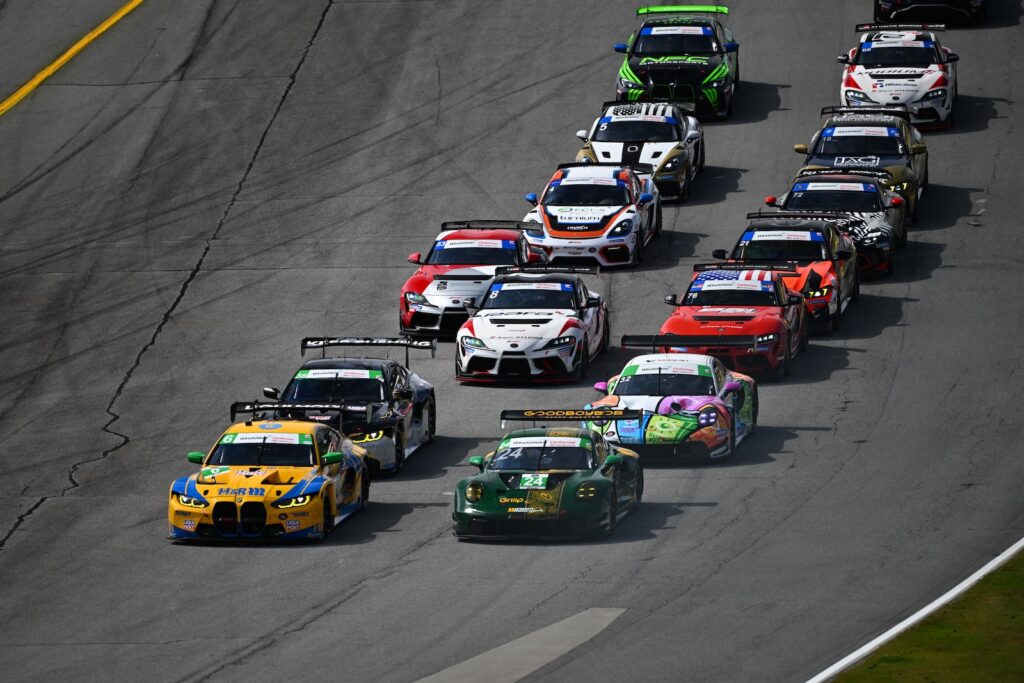
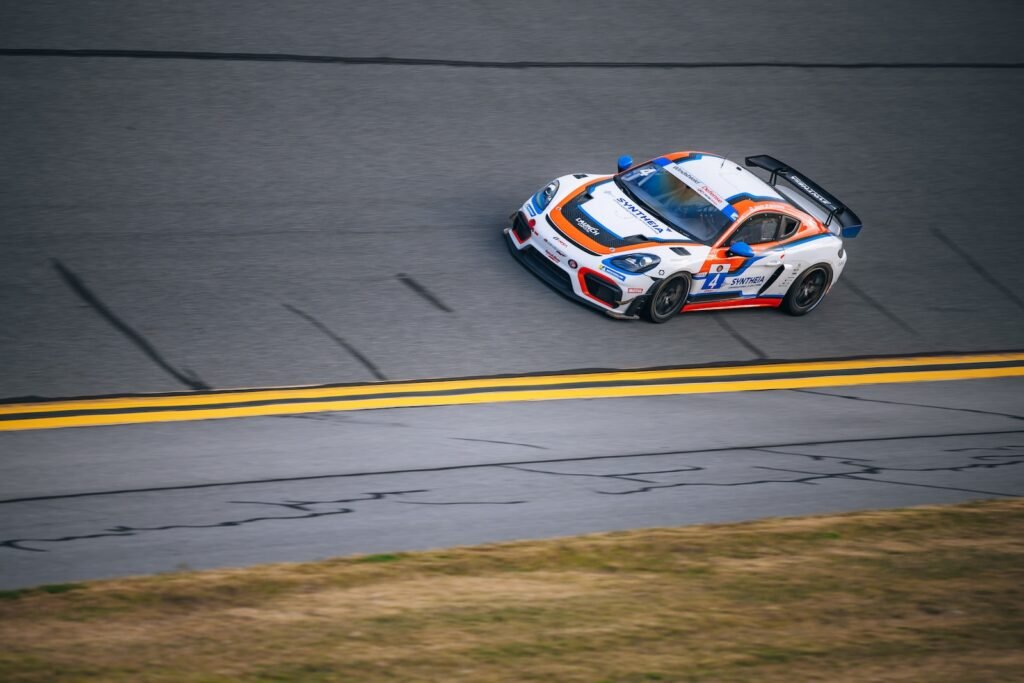
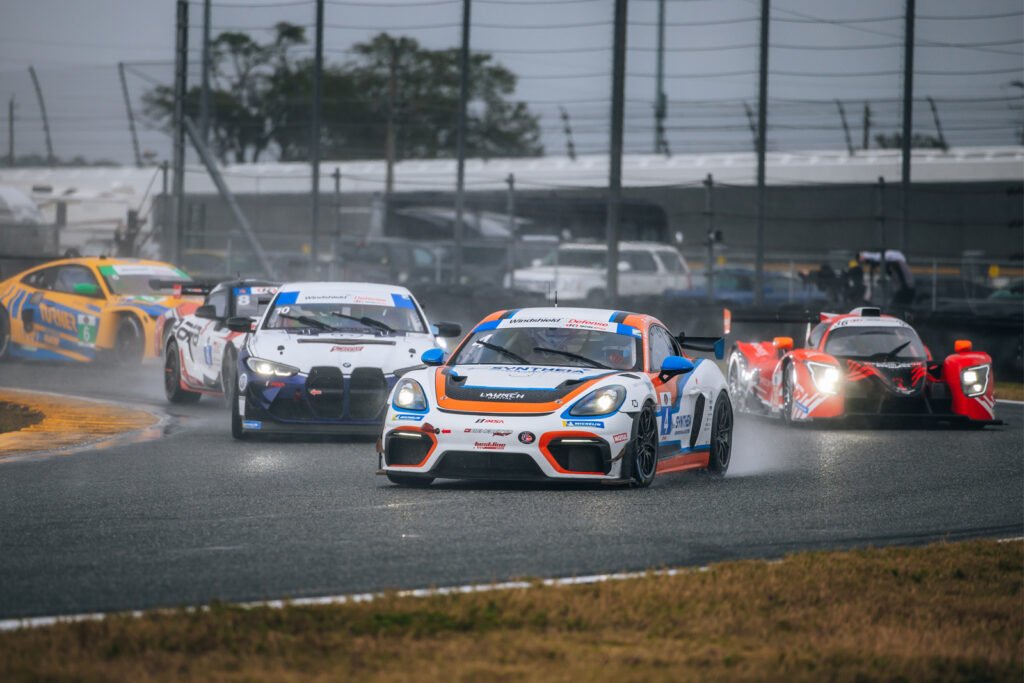
Every car that comes from Bestline carries full confidence. Their precision and preparation have been key to the team’s performance. At Daytona, Justin reached 285 km/h. That level of trust and execution defines the partnership. It mirrors the DiBenedetto dynamic itself — Tony managing from the pit wall, Justin executing on track. The same partnership contributed to their podium at VIR, where Justin credited Bestline for delivering a faultless car and helping the team compete at a global level.
Another key relationship is with Keith and Ian Willis. Tony met them in the mid-1990s while they were managing Toyota’s landing programs in Canada. He often jokes that they are to blame for pulling him into the motorsport world.
The Willises later co-founded AIM Autosport, ran Toyota’s Lexus IMSA program, and were inducted into the Canadian Motorsport Hall of Fame. Keith Willis guided DBR through its early car-racing years in the Nissan Micra Cup and Sentra Cup. His technical advice helped shape the team’s development.
His son, Craig Willis, now works with DBR as an engineer. Keith personally asked if Craig could join the team and assist on the engineering side. Craig became part of the program soon after and remains an integral member of the DiBenedetto inner circle. He represents how the team’s definition of family has expanded — built on trust, not just blood.
Family remains the constant. For Tony and Justin, it is both foundation and philosophy. Racing, for them, is about building a family around shared purpose and relentless effort.
That belief drives how they operate. They bring people in, give them purpose, and make them part of the journey. Their memories overlap. Their partnership feels lived-in — a mix of humour, precision, and persistence.
DiBenedetto Racing is both a family project and a proving ground. It was built from scratch through persistence, trust, and detail. High stress, high emotion, high cost — but deeply rewarding. The podium at VIR wasn’t just a race result; it was a culmination of that decade-long process — proof that their family-built operation could compete with the best.
Hands-On by Design
What sets DiBenedetto Racing apart is how completely Tony and Justin blur the line between business and racing. Their approach is pragmatic, self-taught, and exacting — a father-and-son operation that builds, tests, and learns everything themselves.
Justin: We did two years of rental — like the arrive-and-drive go-karts at Goodwood Kartways — when I realized, Oh, there’s a go-kart track only an hour from us. That was nice to figure out.I thought, This whole world has just kind of been behind me this whole time.
Then it was, Where do we want to go from this point? It’s nice to go and show up and everything’s maintained, you can go and race — but how do you do it at a much higher level?
This would have been 2017. From there, we jumped to the Briggs — the four-stroke karts. It seemed like a good entry point, and we did it all ourselves. That’s the interesting take on go-karting: you jump into the sport and someone says, I’m going to go run with this team, or I’m going to go run with that team. It’s kind of this carte blanche — show up, everything’s ready, just send a cheque and it’s stress-free.
We didn’t take that approach whatsoever. We did it all ourselves — a trailer, our own tow vehicle, a Jaguar F-Pace SUV, which was an interesting choice back then for towing. We did everything — learning setup, tuning the motor, all of it. The first year was literally just asking people around, which is something that’s sadly gone away from the sport of karting.
From there it became a natural progression: We want to look to two-strokes. Two-strokes sound cool, they’re fast, everyone’s racing them — the top guys are all in it. So it was like, We want to go there.
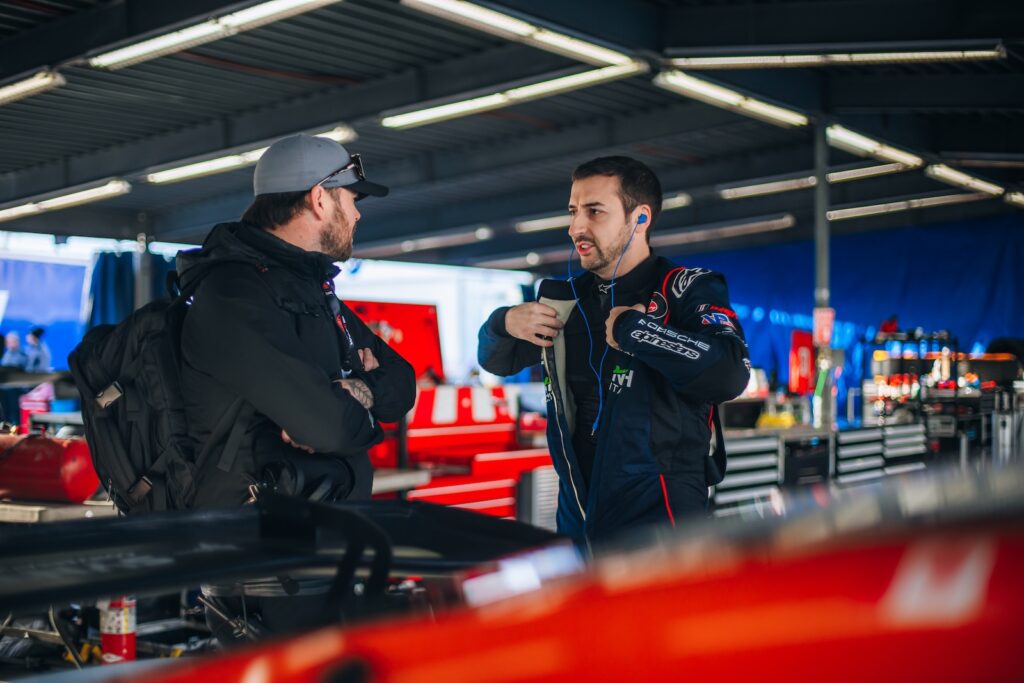
Tony: This is like a startup. Going back to business and everything else I’ve learned — to do something well, you’ve got to understand how things work. A lot of times in racing, you find drivers who have no concept of how the mechanics work on a car, how a team functions, or what it really takes to run one. It’s a massive endeavour — from logistics to everything — especially at the IMSA level.
We’re still at the baby steps here, but that’s the way we operate, whether in racing or in business. If you really want to do well, you’ve got to understand the work behind the scenes that gets you there. We take everything as a broad-minded learning experience — trying to understand all the moving pieces so you can make better decisions going forward.
Writing a cheque and just signing up for a team? I have zero interest in that. We tried it, and I absolutely hated it. What I enjoy — and I think Justin’s slowly getting there — is being hands-on and part of the whole experience from A to Z. Just showing up at a track with a duffel bag, having your cappuccino, getting in a car, and going home — for me, that’s boring.
Justin: In every form of motorsport, anything we’ve seen along the ladder — there’s so much involved. There’s a two-fold approach: you want to perform personally with the equipment, but it’s more fulfilling if you’re also the one putting the program together, working behind the scenes.
It’s rare. At least right now in IMSA, I think it’s fair to say — no one in our field is doing it the way we do. Most people show up and everything’s ready to go: Here’s the funding you need for the season — show up, go race. They’ll fly in at the end, not doing the setup, the loadout, any of it.
Even in go-karting — you go to some tracks now and everyone has big aspirations, which is great to see — but there’s this whole F1 allure to it. Everyone thinks it’s bigger than it is.
Our approach is much more hands-on. It’s more fulfilling, more enjoyable — and yeah, more stressful, I won’t deny that.
Tony: At the end of the day, here we are — sitting, laughing about it, talking about it.
Climbing the Ladder
Each step in DiBenedetto Racing’s growth has been deliberate — never a leap, always a lesson. What began as karting evolved into touring cars, then GT competition, with every season designed to stretch both driver and team.
Tony: Out of karting, one of our friends came to us one day and said, “Hey, listen — it’s time for us, both families, to move and go do cars.” This was 2019, the last year of karting.“Let’s go move into cars.” He had experience in cars — we had zero.
He goes, “No, no, we’re going to go run the Nissan Series — the Nissan Micra Cup.” The first time I looked at this, I said, “We’re going to go race Micras? Okay.” But you know, it goes back to the analogy I mentioned before: you’ve got to learn how to crawl before you can even learn how to walk — never mind run.
So we said, “Okay, let’s go down this path.” We entered the Nissan Micra Cup Series. We bought a car. Now it’s, “Okay, we’re taking our karting roadshow — if you want to call it that — and adapting it for a car, a bigger go-kart, which is a Micra.”
That was really where we started. Now you need a bigger trailer. Now you need a hauler. Now you need a dually. Now you need tools. You start building this thing from the foundation.
We did the Nissan Micra Cup Series for one year, and then it transitioned into Sentra Cup. But everything we learned in karting — or a lot of it — transitioned over into cars. It was the same thing; just a bigger vehicle. Now you needed a mechanic dealing with automotive situations. Justin went through a lot of training there.
We did a lot of racing in Quebec — got to see different parts of Canada. The following year, the series upgraded to the Sentra Series, and we ran the Sentra Cup.
Justin: We did it for one year. It was a new car — the new Sentra had come out, and Nissan Canada was pushing from a marketing perspective: We have to upgrade the car.
Tony: Then we kind of looked at it like, Okay, we learned, we survived in the car-racing world — let’s move up. At the time — I don’t know if you know Chris Bye — he formed a GT series for Canada: Sports Car Championship Canada (SCCC). We liked it because it’s Canadian — a Canadian-based series, in our backyard.
For us, it was the perfect way to move ourselves, and Justin, into real purpose-built race cars — and use it as a learning ground. For us, it’s about constantly climbing these steps: not only Justin adapting to the car and improving as a driver, but also proving whether we can operate as a team in that environment. So we ran TCRs for two seasons.
Justin: Two seasons — multiple podiums, multiple wins. Then we decided to jump into GT4 with Porsche, running the Cayman. I learned driving front-wheel-drive cars. The Micra Cup has been, what? [Four our five] seasons of front-wheel drive.
Tony: Then we decided to jump into the Porsche world — rear-wheel drive, GT4 category. I’m going to argue it was probably a hell of a lot more challenging than jumping from a go-kart into a car.
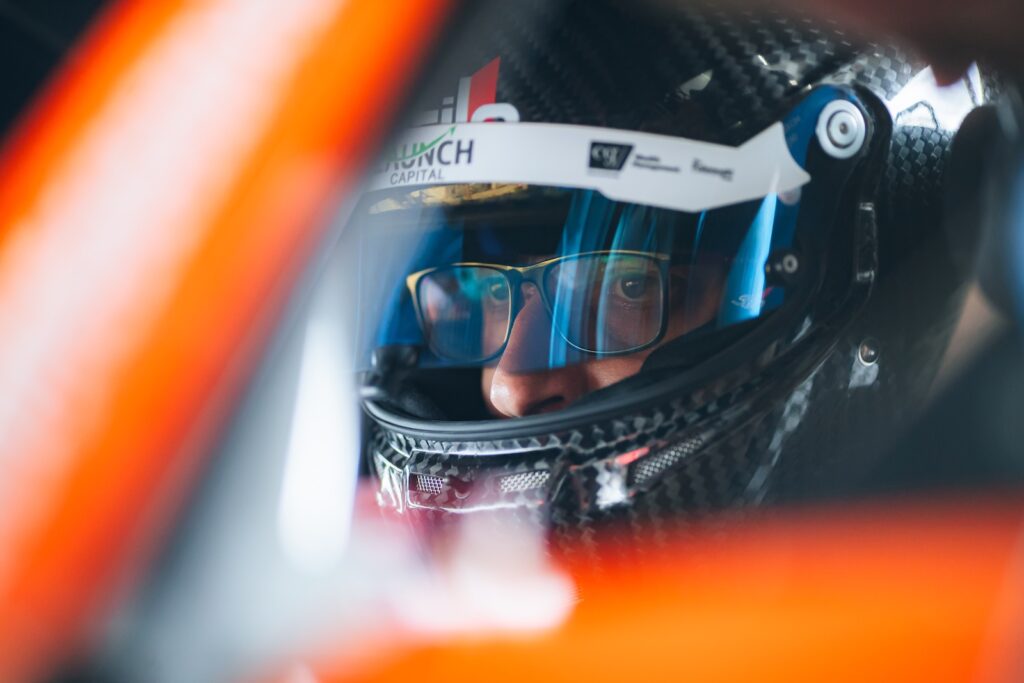
Justin: You’re jumping into a completely different dynamic. It’s a heavier car, and these are street-car-based race cars. I’ll argue to the end of time — the TCRs, which were front-wheel-drive touring cars with 300 horsepower and lots of aero, were more of a race car than the GT4s. Both are fantastic, but the dynamics are totally different.
Now you’re mid-engine, rear-wheel drive, with all these driver aids — traction control, ABS — it’s a completely different environment.
Jumping into it, it’s like, Okay, hit reset on all the driving dynamics and technique and everything you’ve learned from the last five seasons. Throw it out the window. Some stuff applies, but front-wheel drive to rear drive is night and day.
That takes a huge period of adaptation. Last year we ran a short season — not much seat time. This year was the proper year of running it, learning the platform. I think we’ve made tremendous headway from where we were at the beginning of last season to where we are right now — like, tenfold.
The Balance
Racing is only part of the equation. Off the track, Justin works in capital markets while Tony runs multiple businesses. Together, they treat the race team like an extension of that life — structured, demanding, and precise.
It’s a balancing act between profession and passion. One sustains the other, both feed the same drive. For the DiBenedettos, the business world and the racing world aren’t separate — they run on the same principles: commitment, pressure, and performance.
Tony: It’s called controlled chaos.
Justin: The reality is, it’s ultimately two full-time jobs. It’s a tremendous amount of work. But you also have to come back to reality — for us, this is purely a passion hobby, if you want to call it that. A very, very involved hobby.
The day-to-day is tremendously busy. There are so many things on the go here. My dad can attest to the craziness we deal with daily. But you’ve got to allocate time — real, proper commitment — to the racing side of it. It’s not something you can just leave and say, “Okay, we’ll load up the truck and go to the track.”
It’s ultimately about balance: the career — the thing that puts food on the table — and the passion that fuels it.
Tony: And pays for this.
Justin: And pays for this. Again — controlled chaos. It’s hectic at times, and it can get stressful, but ultimately we make it work. The proof’s in the pudding.