
Finale Speed’s 1969 Chevrolet Camaro “Viral” is a carbon fiber-bodied restomod powered by a 650 hp LT4 crate engine and six-speed Tremec manual transmission. Built in Oklahoma in partnership with Brothers Carbon and Roadster Shop, the exposed-weave Camaro sheds approximately 750 pounds compared to a steel-bodied example. Positioned as a “domestic exotic,” the build blends modern performance hardware with classic muscle car styling and starts around US$350,000.
On the TV show Overhaulin, host Chris Jacobs was constantly getting involved with beat up old cars. If you’re unfamiliar with the series’ concept, Jacobs and his co-host Chip Foose would get their hands on a well-loved but poorly maintained classic and, unbeknownst to its owner, give it a thorough ‘overhaulin’ over the course of a week before returning it in better-than-ever condition.
Each episode delivered heart-warming moments and produced an impressive restomod of some sort, but the builds almost always involved a great deal of work to fix or undo mistakes made by past owners and mechanics. At Finale Speed, one of Jacobs’ newest projects, they’re not doing much of that stuff at all.
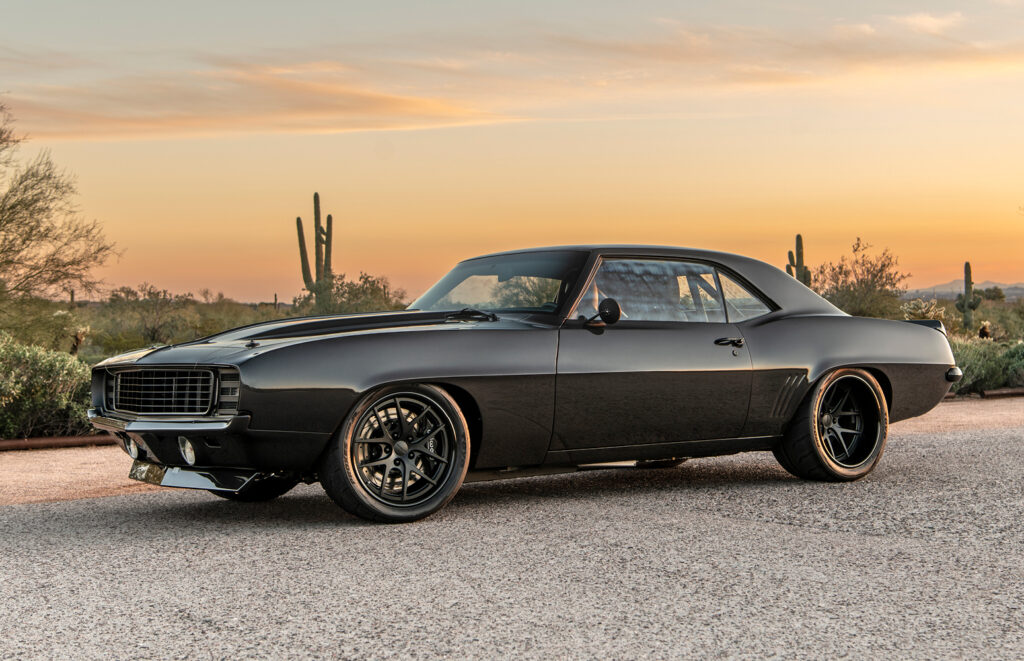
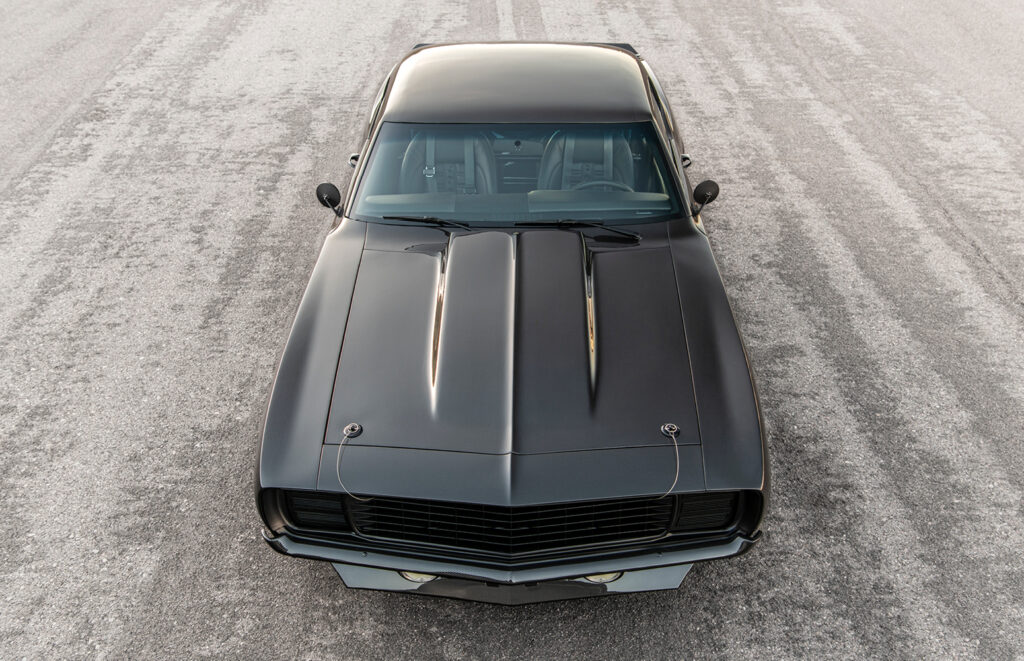
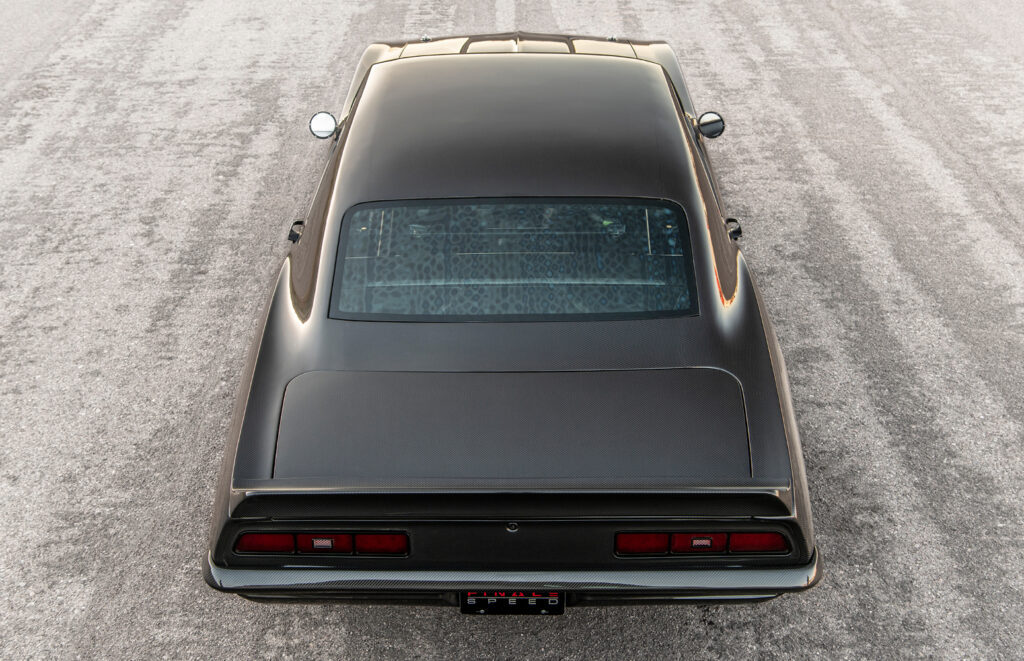
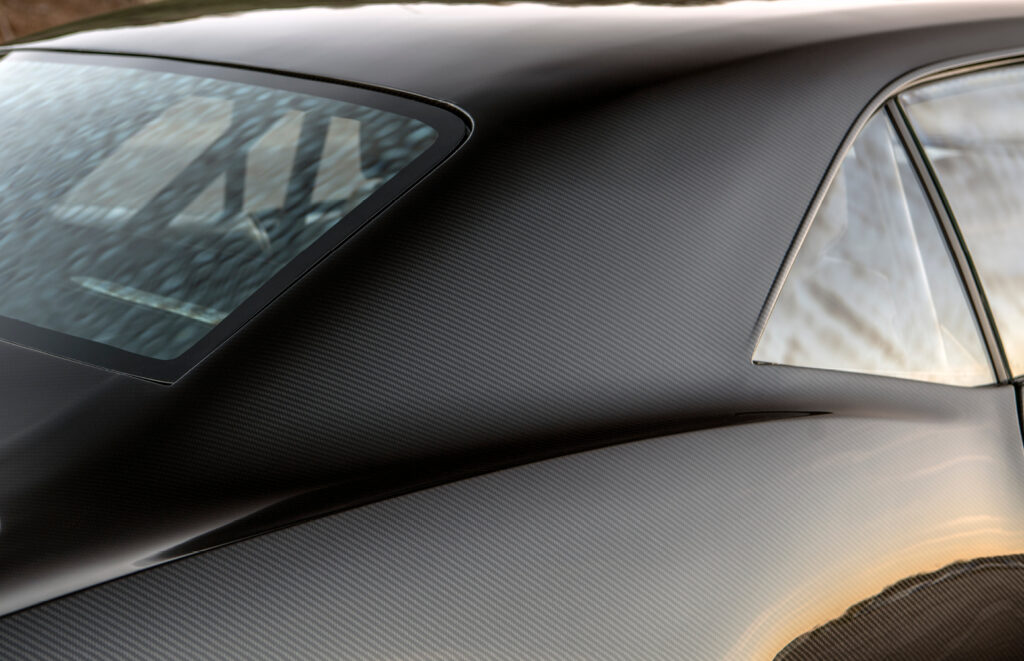
As the creative director for the Oklahoma-based company, Jacobs sounds almost refreshed by the knowledge that on their chosen cars, the 1969 Chevrolet Camaro, Finale Speed’s builders will be doing much less “cutting out the cancer,” as he calls it. Less backtracking in general. Namely because they’re building almost the whole thing out of carbon fiber.
“Pretty much everything is brand new,” says Jacobs. “It’s just the styling that’s old. Pretty much the only thing that is left over from the original car is the exoskeleton, because we pull everything off of there, bond the carbon fiber body and then hang the carbon fiber panels onto the exoskeleton.”
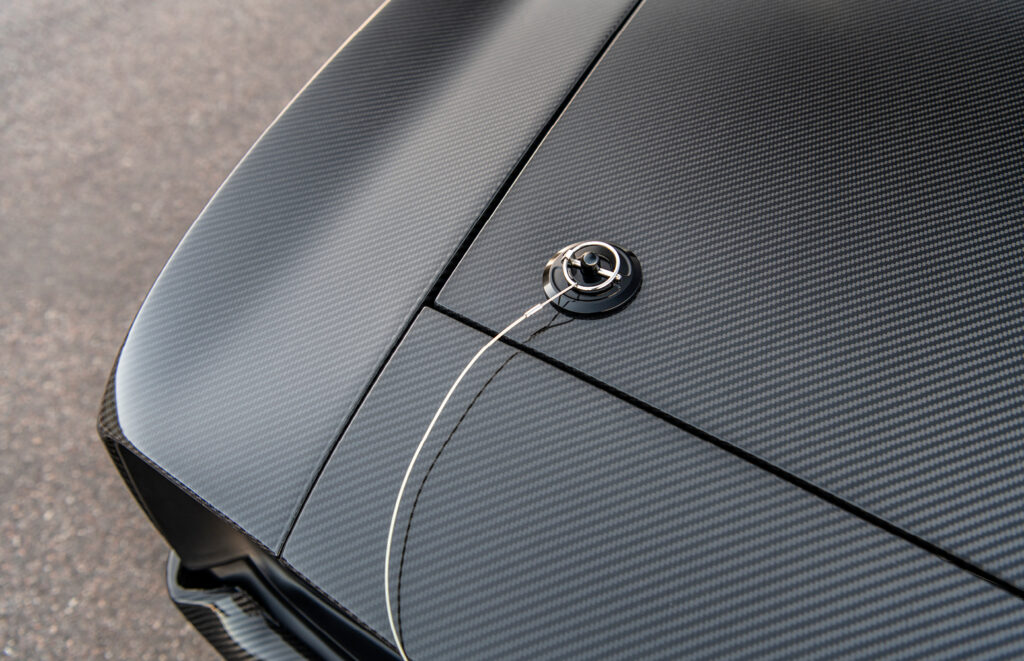
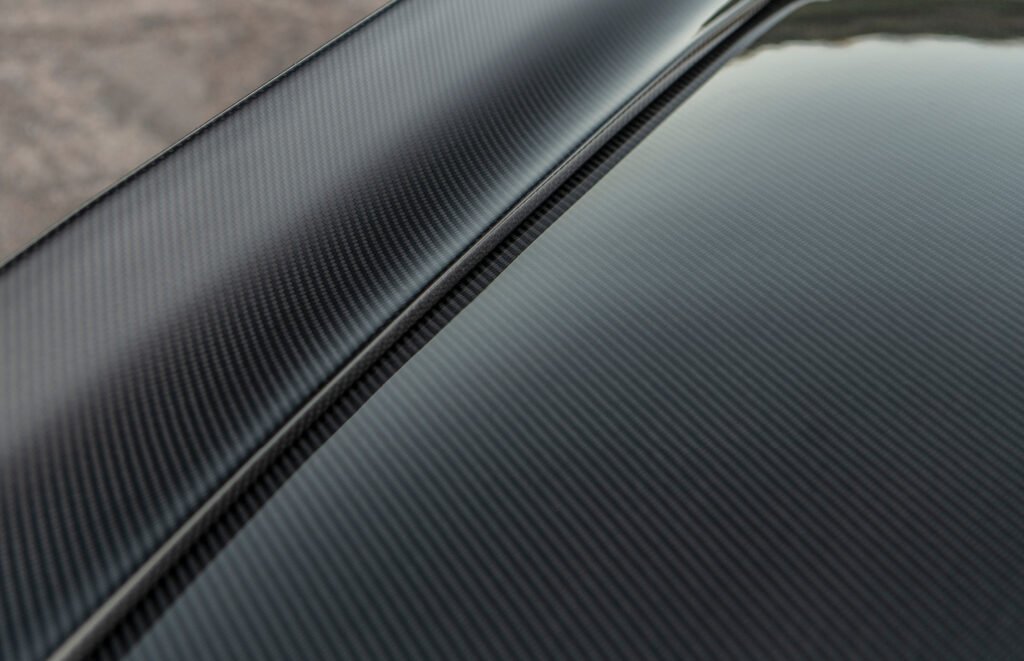
The point isn’t to do less work. Not at all. Finale Speed’s famous carbon fiber cars don’t get overhauled in a week’s time. The point is the result, which as Jacobs puts it, is unlike anything else out there. This is partially due to a partnership with Brothers Carbon, allowing the first to construct a seamless exterior.
“When we debuted the Camaro at Barrett-Jackson in Scottsdale last January, a lot of people thought upon first looking at the car that it might’ve been a wrap because the lines were so perfectly straight from panel to panel,” says Jacobs. “And that’s really I think the main thing that we concentrate on when we’re putting the car together is getting all of the lines correct. Not just the door gaps and things like that, but the lines of the carbon fiber. The hard work that Brothers does really helps us out in making that look really great, because it makes a huge difference.”
That visual impression of all the carefully shaped carbon was what drew Jacobs to the team in the first place. At SEMA 2022, Finale Speed had an example of its first product, a carbon fiber Charger on display at the Dodge booth, which happened to be Jacobs usual first stop whenever he was at the event. The car’s lines, its audacity, its execution captivated him, and he struck up a conversation with the guys. It was a good chat, obviously.
Others in the industry have been taking note of the goings on at Finale Speed, too. Back in May 2023, Roadster Shop signed on as a partner – which in turn “stoked” the guys at the office – offering its renowned chassis to buyers, whether they’re looking for a complete car or a roller. As more of a coachbuilder than a carmaker, Finale Speed openly advertises its willingness to work with DIYers, inviting them in for design meetings and offering completion in around 8 months, or “relatively quick for the custom car world.”
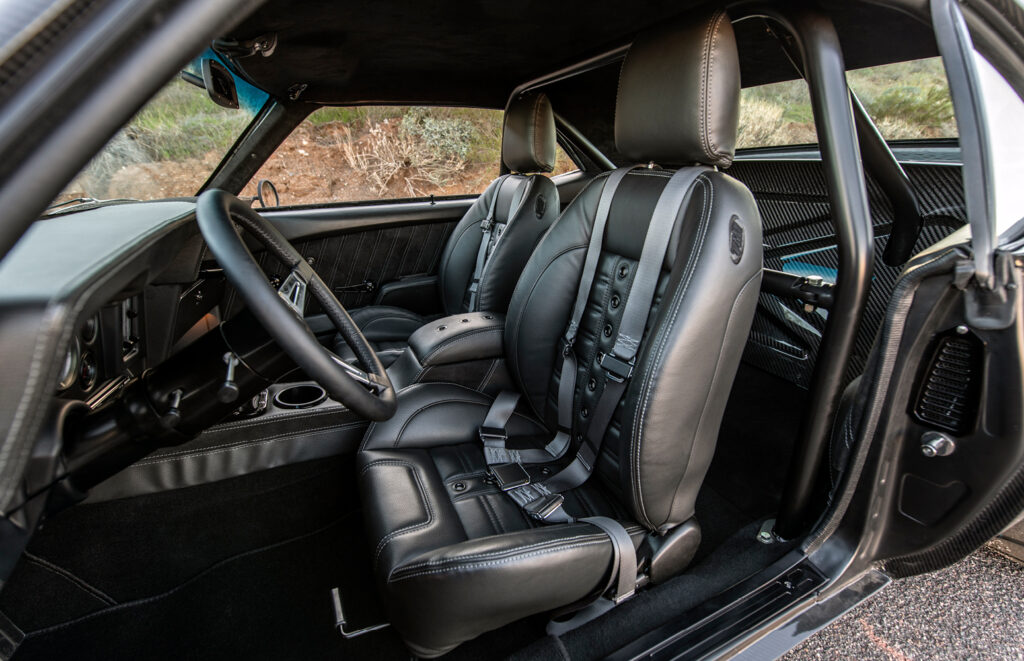
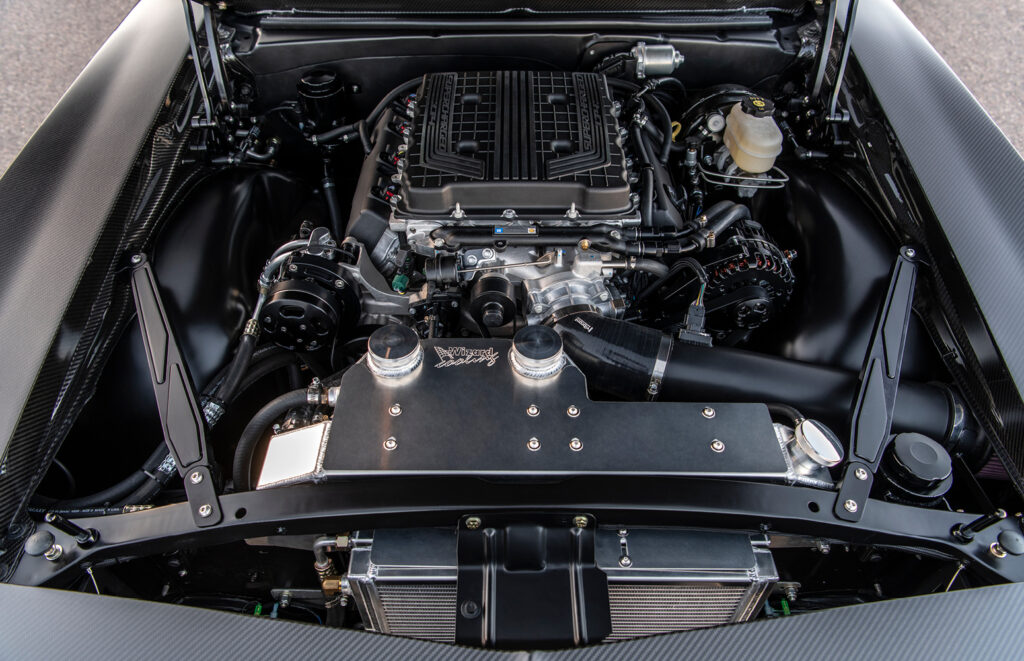
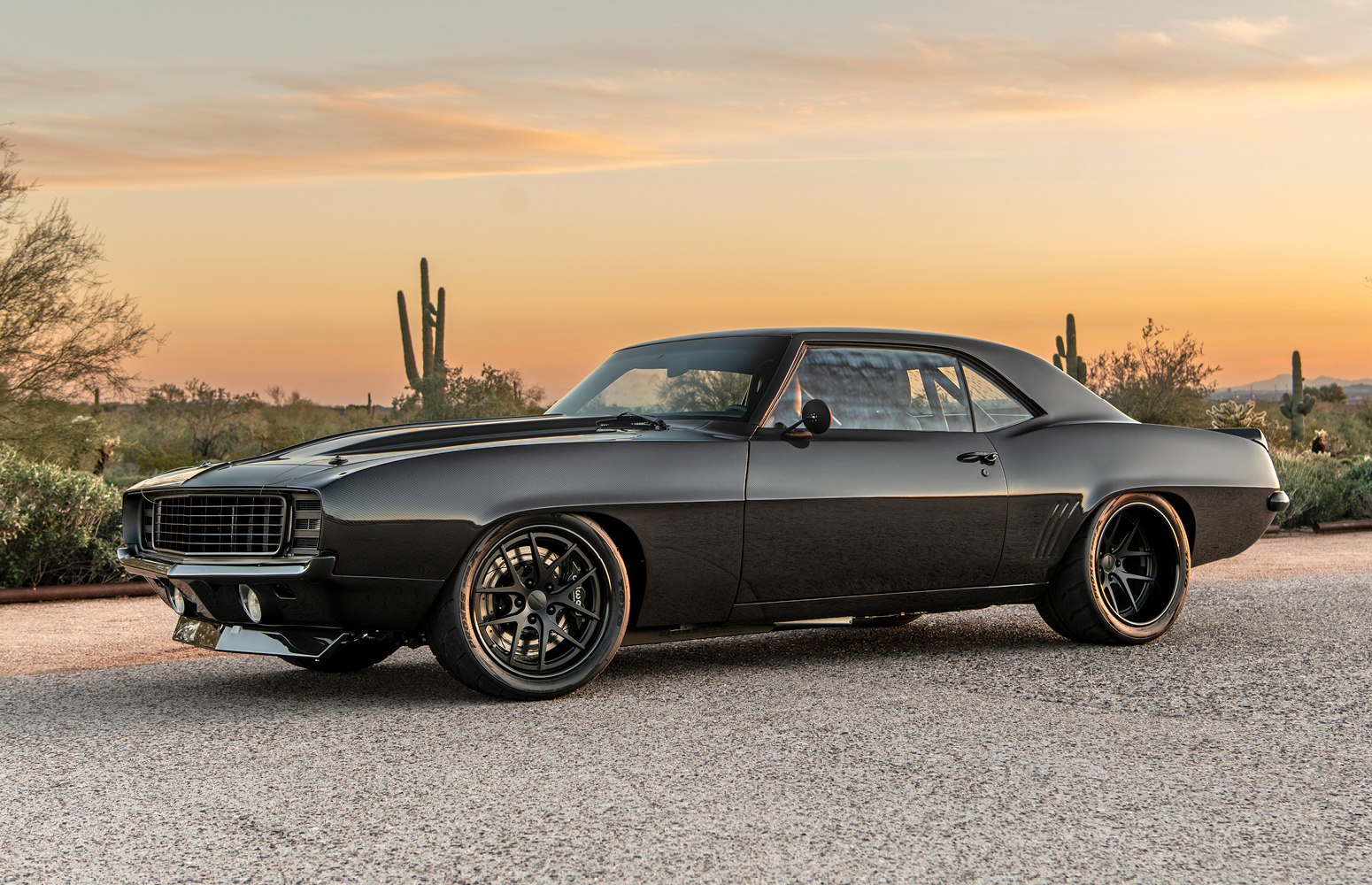
Should you opt for the full meal deal, a Viral will run you around US$350,000, but you’ll have what Jacobs amiably refers to as a “domestic exotic.”
“This car is for the serious car guy who wants an alternative to an exotic, “he says. “It’s for the guy who wants something that’s highly collectible and also highly functional. You know, we’re building these cars to be drivers. We’re not building these cars to be trailered around and shown at shows. We want these guys to have an alternative to a McLaren or a Porsche or a Ferrari. Because we’re kind of in that same price range. So we know that what we’re offering is expensive, but it’s also very high quality, very reliable, and just very cool.”
“I mean, what guy who knows anything about cars is not gonna be mesmerized by this car if they see the sun shining off of those carbon fiber stripes. And once they take a look at it, they see all the custom touches on it…”
But when you replace most of a car with carbon fiber, a unique appearance isn’t all you get. You also shave a bunch of weight off. Tipping the scales some 750lbs sooner and boasting an LT4 GM crate engine producing 650 hp and tied to a six-speed manual transmission from Tremec, the car is “a lot of fun to drive.” Jay Leno has attested to this, and that’s always a good sign.
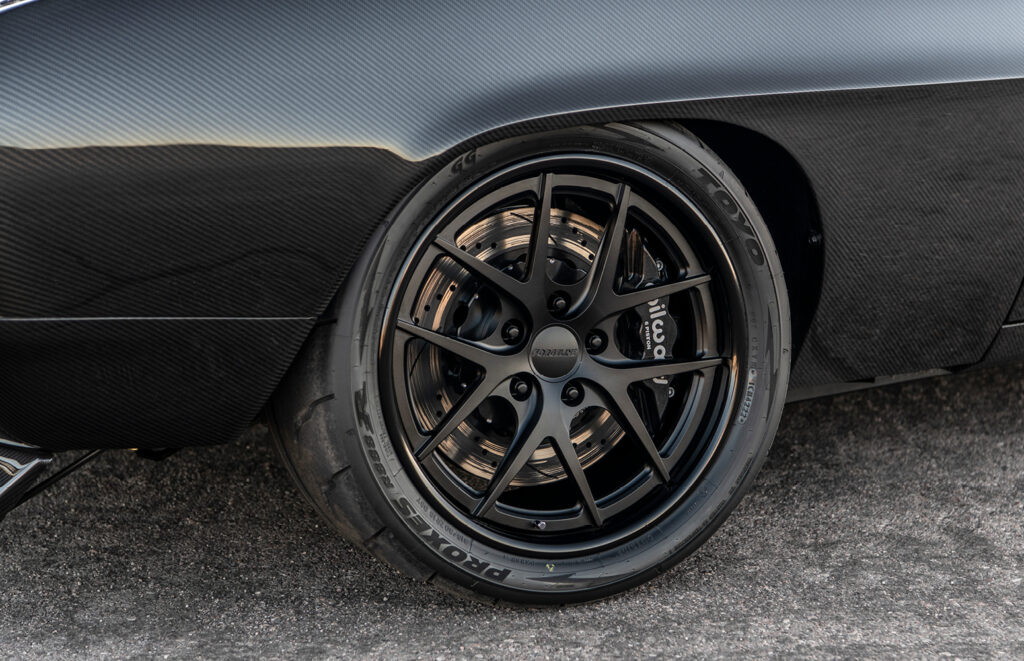
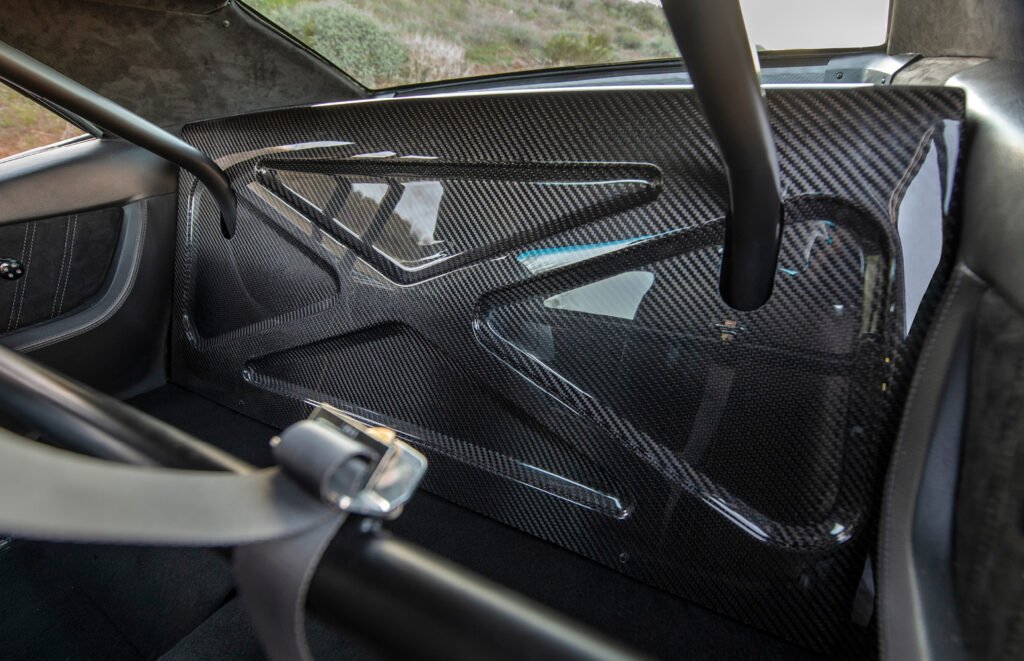
Other modifications include custom stainless-steel exhaust, an Optima battery located in the trunk, rack and pinion steering, custom suspension, a roll cage, Wilwood brakes, and an interior with alcantara leather features and a black dash set with gauges from Classic Instruments.
In all, it’s a far cry from ordinary. It’s a lightweight muscle car, a ‘domestic exotic’, the first exposed-weave carbon fiber 1969 Camaro ever. “It’s a real thorough restomod,” concludes Jacobs. “Only ‘resto’ is a misnomer—it’s only ‘resto’ because it’s a 69 Camaro. It’s pretty much all ‘mod’.”