
Photography courtesy Czinger Vehicles
Since Lukas Czinger appeared on the cover of Autostrada’s Summer 2025 issue, his co-founded companies have continued their rapid expansion beyond the hypercar space. Divergent Technologies secured a $290 million Series E funding round at a $2.3 billion valuation, while its sister brand, Czinger Vehicles, expanded into the UK with a new engineering base at MIRA Tech Park. Meanwhile, Divergent has significantly deepened its push into aerospace and defense manufacturing—positioning its AI-driven production system as something far bigger than a radical way to build supercars.
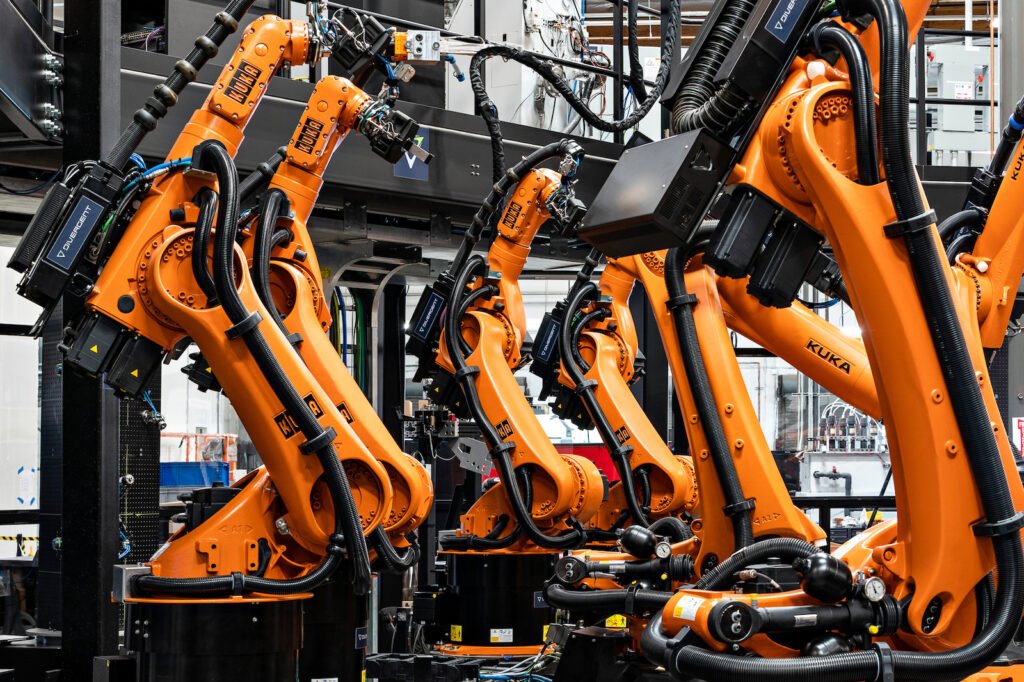
The chassis wasn’t welded, forged, or pieced together by hand. It was conjured from code — its form built by algorithms, printed in Czinger’s proprietary alloys, and snapped into place in midair by robotic arms. No scaffolding. No molds. No room for human error. Just precision, speed, and intent.
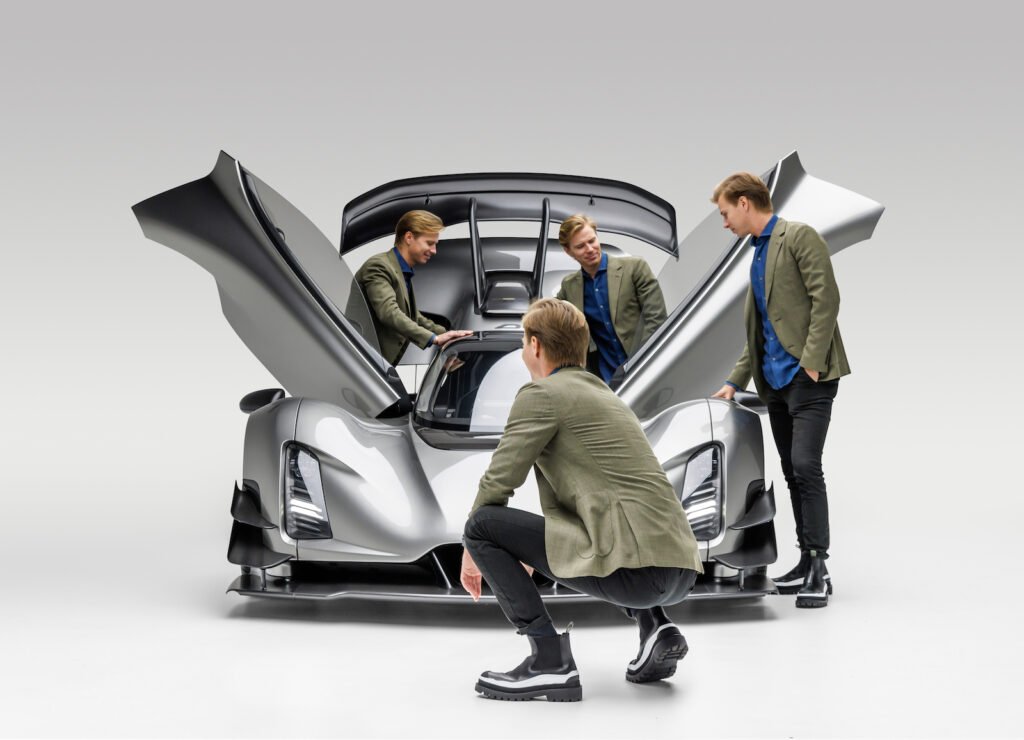
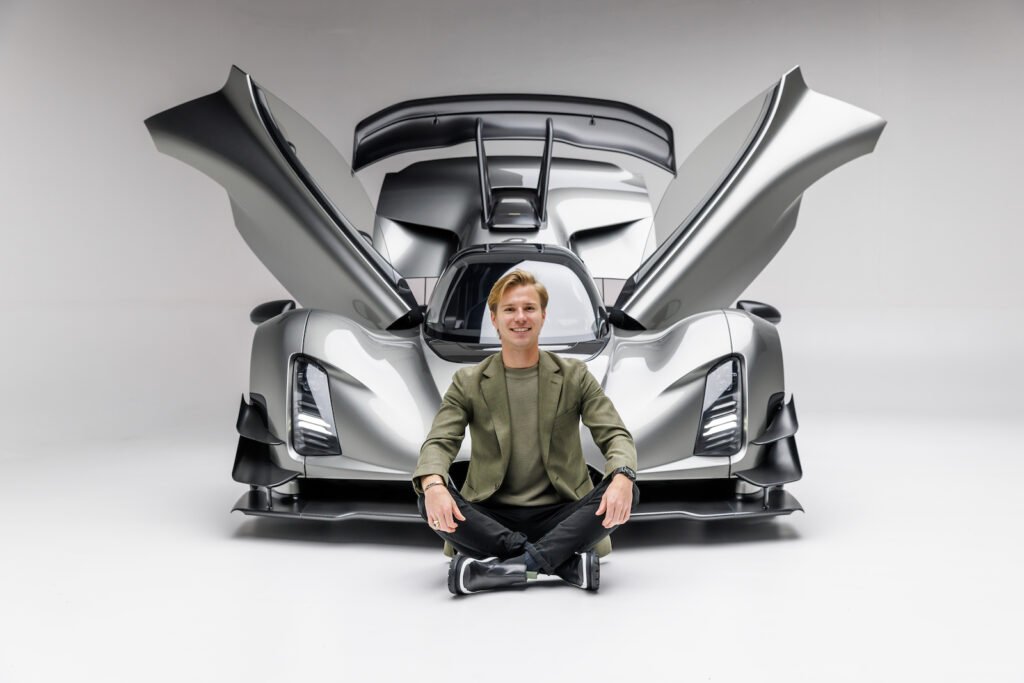
“We built our own robotic assembly process that really can take any of these 3D printed parts, assemble essentially without any fixtures or tooling in midair and free space but to a very, very tight tolerance, and you end up with a complete chassis,” says Lukas Czinger, the 31-year-old CEO of Czinger Vehicles and Divergent Technologies.
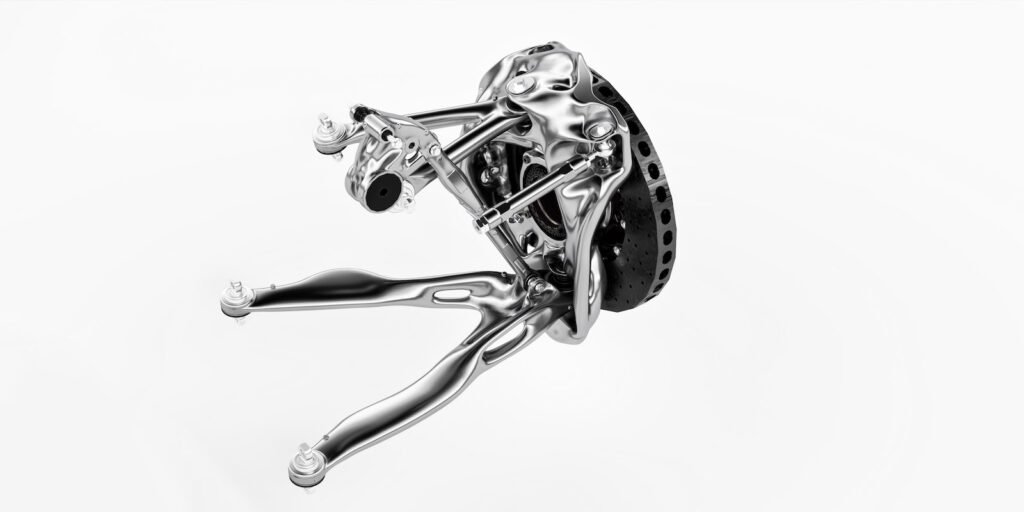
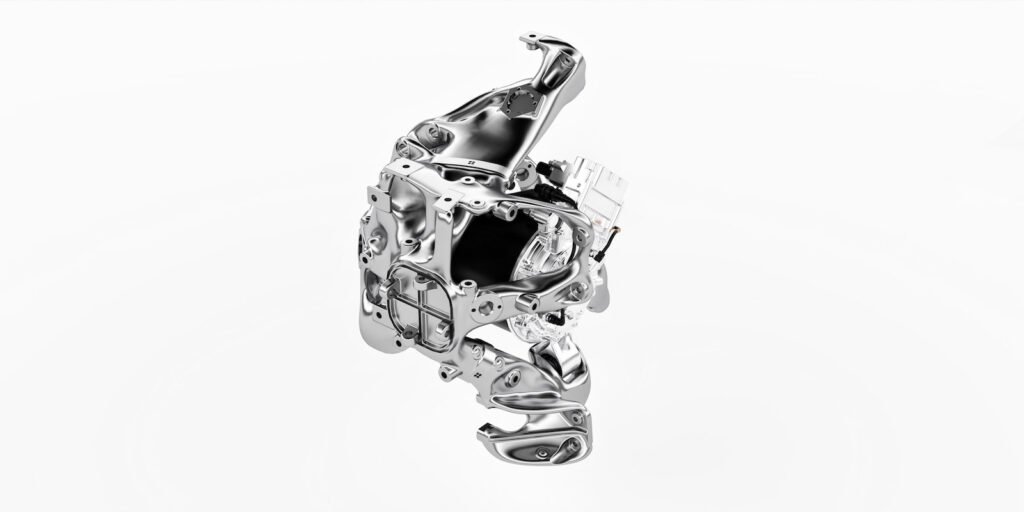
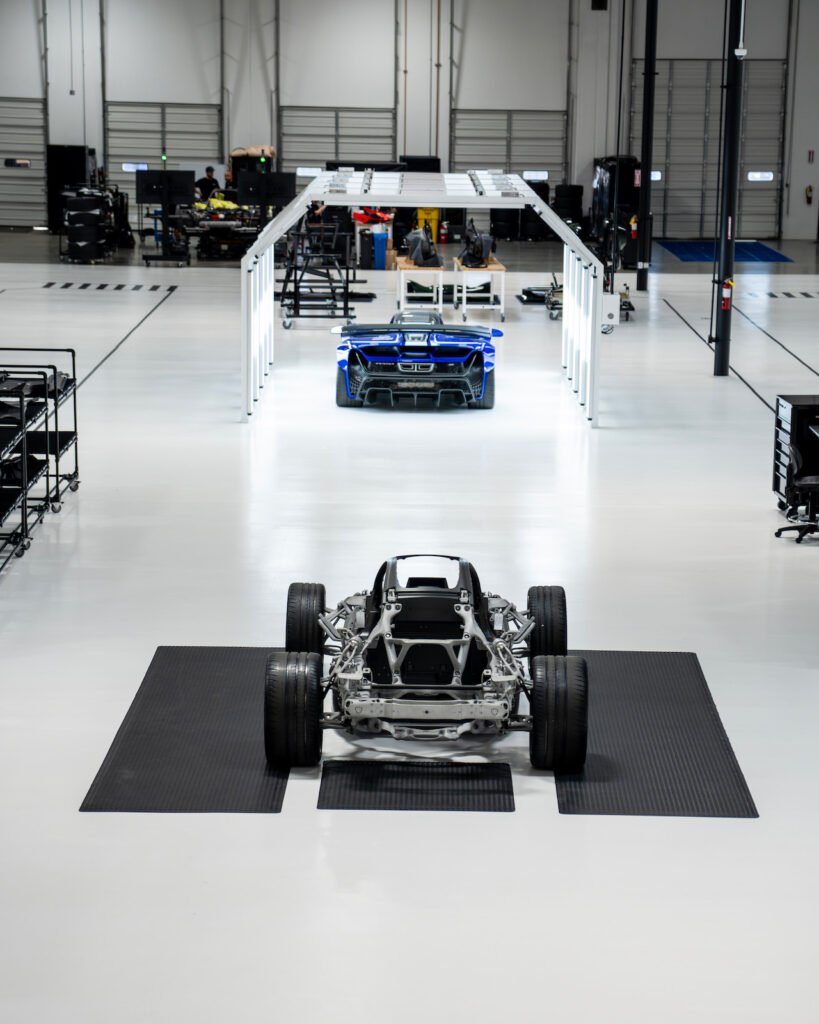
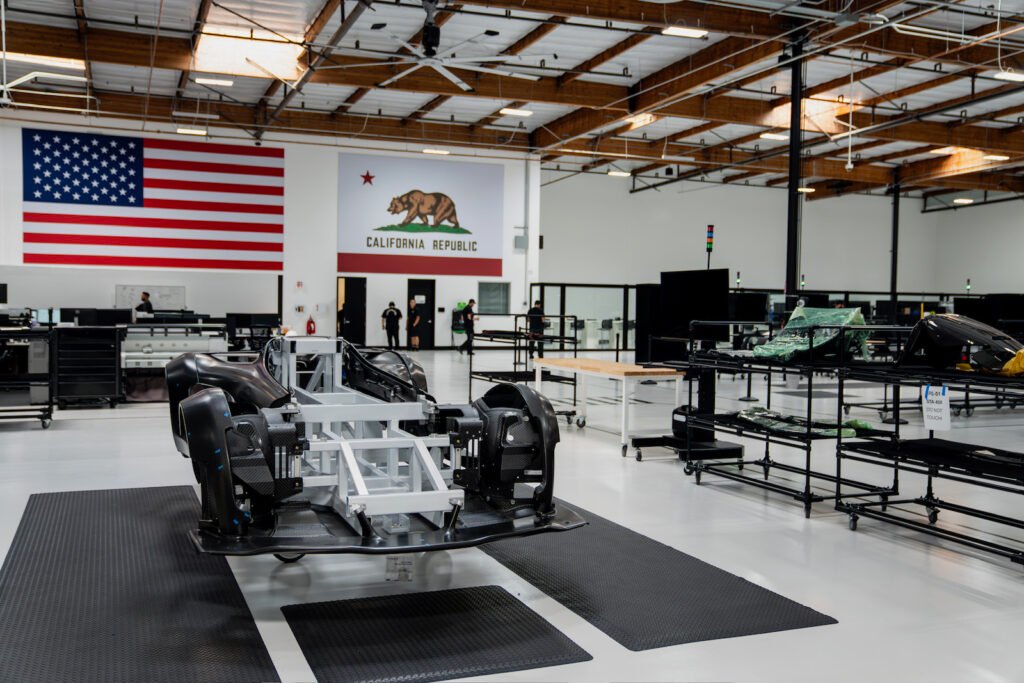
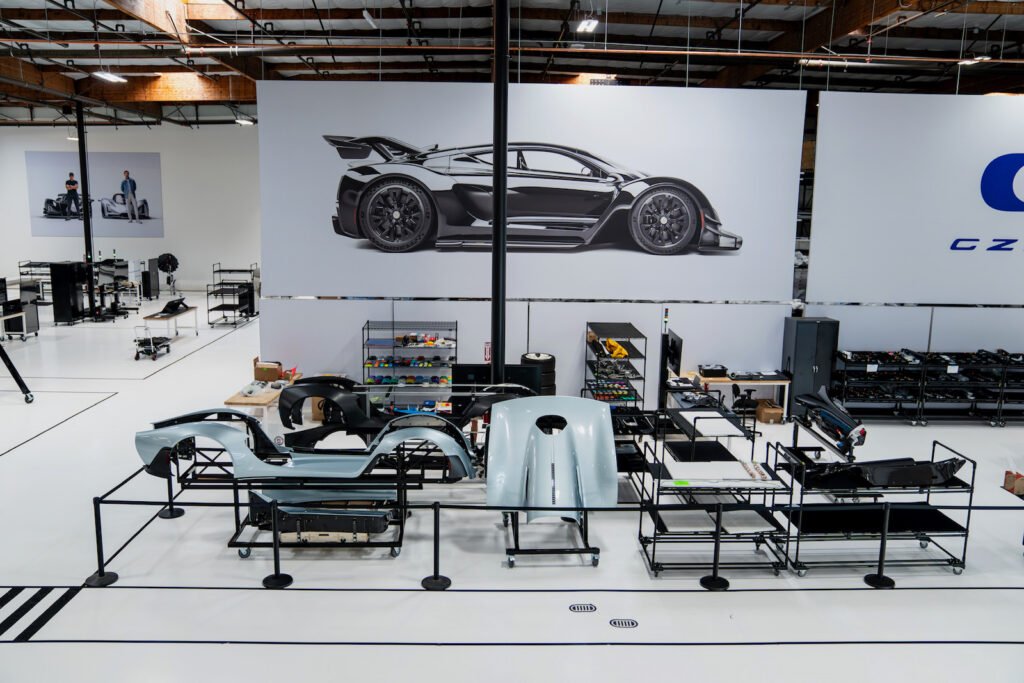
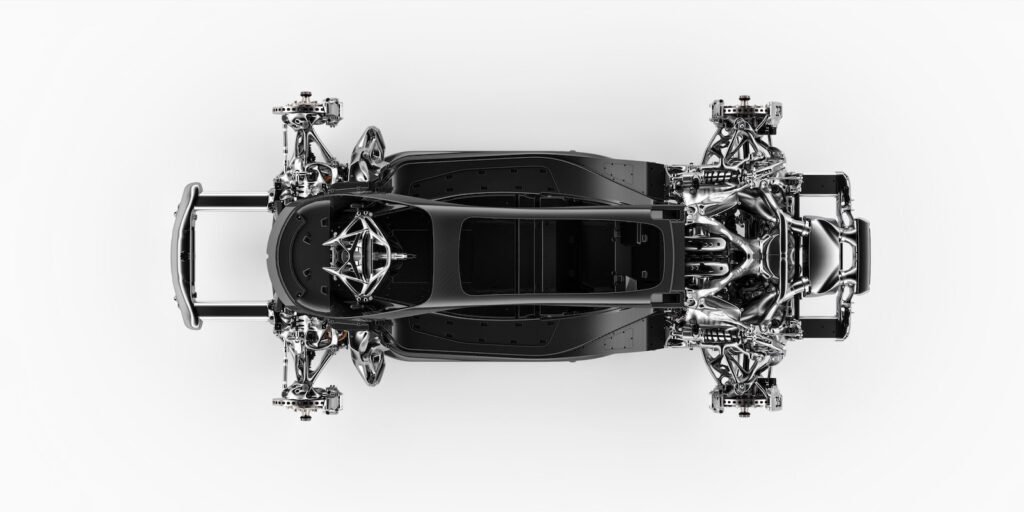
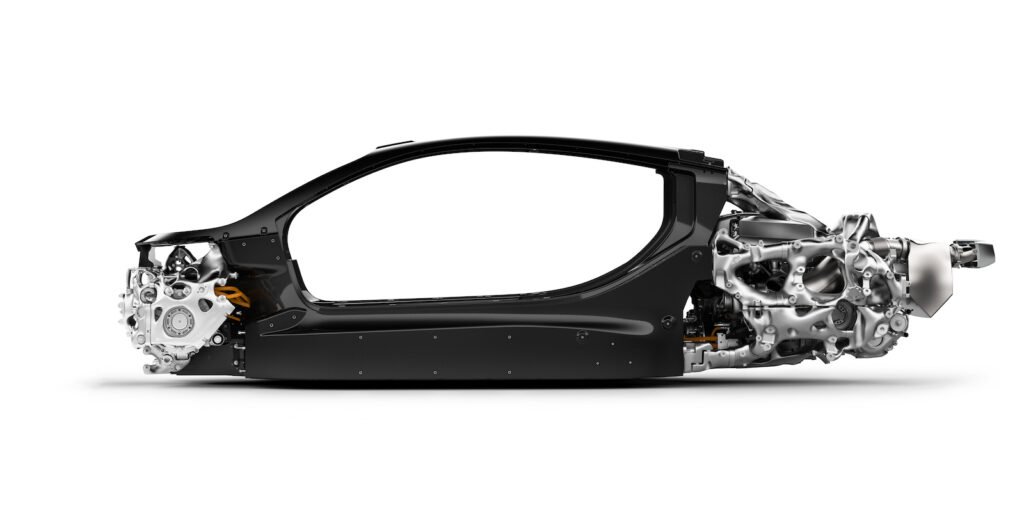
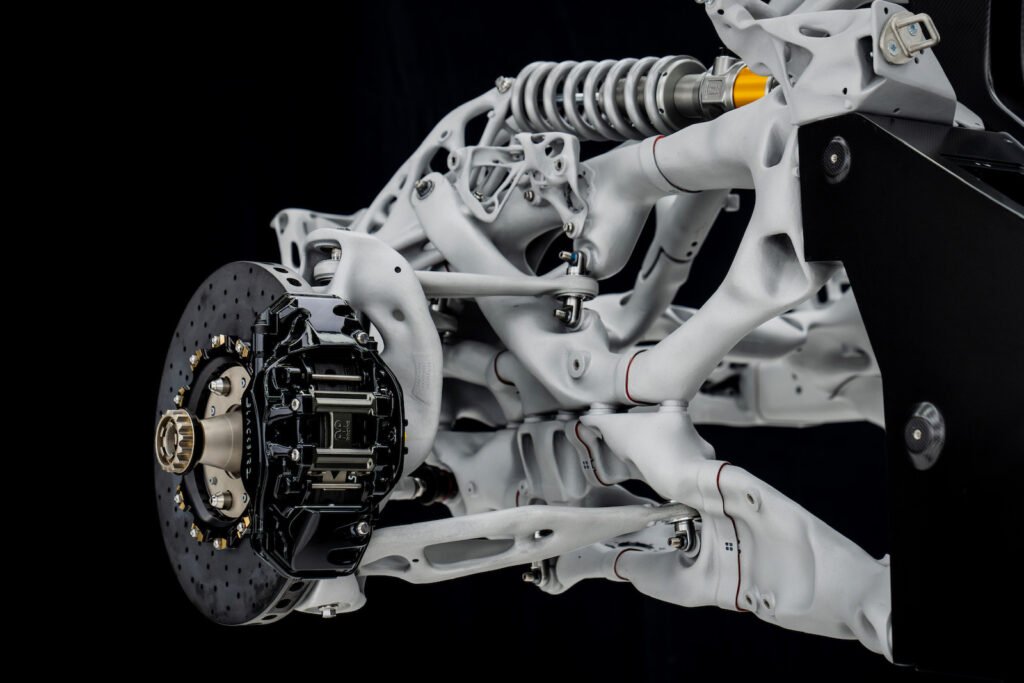
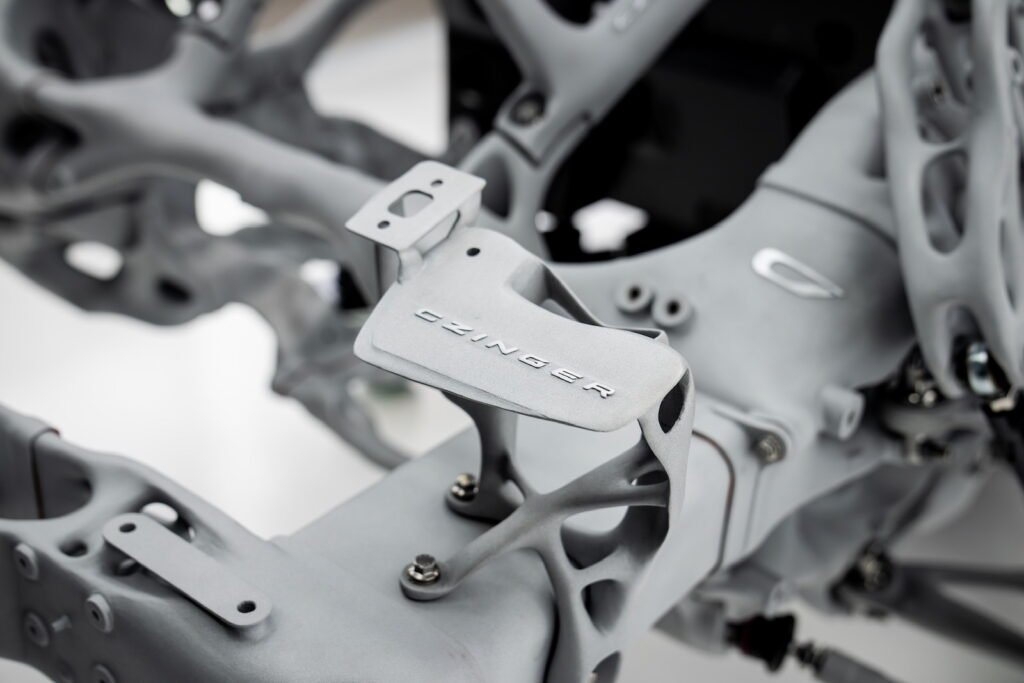
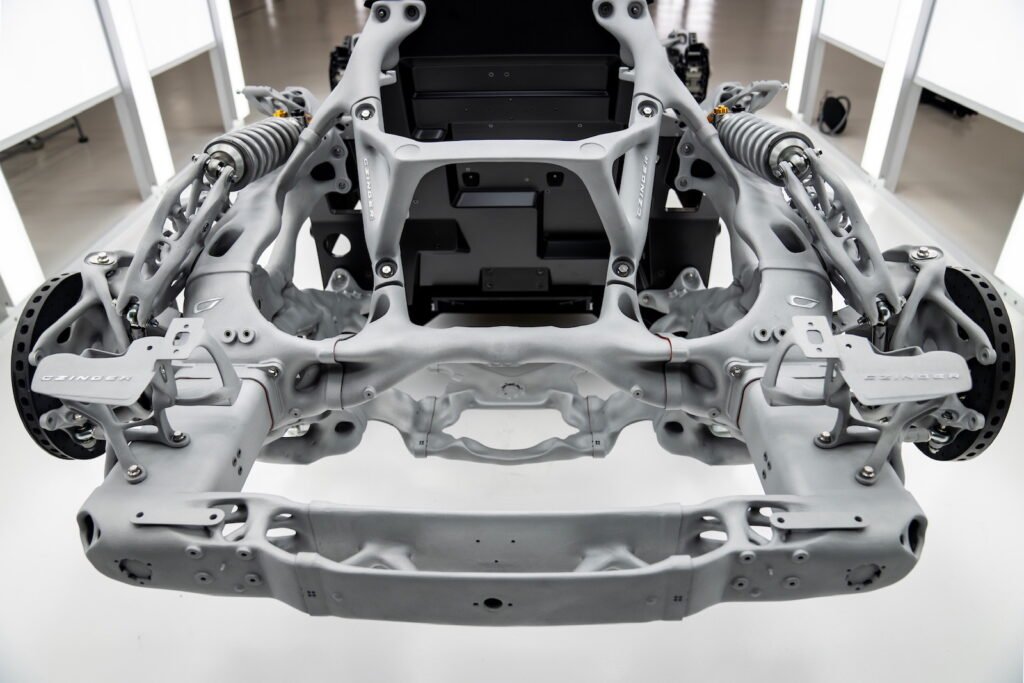
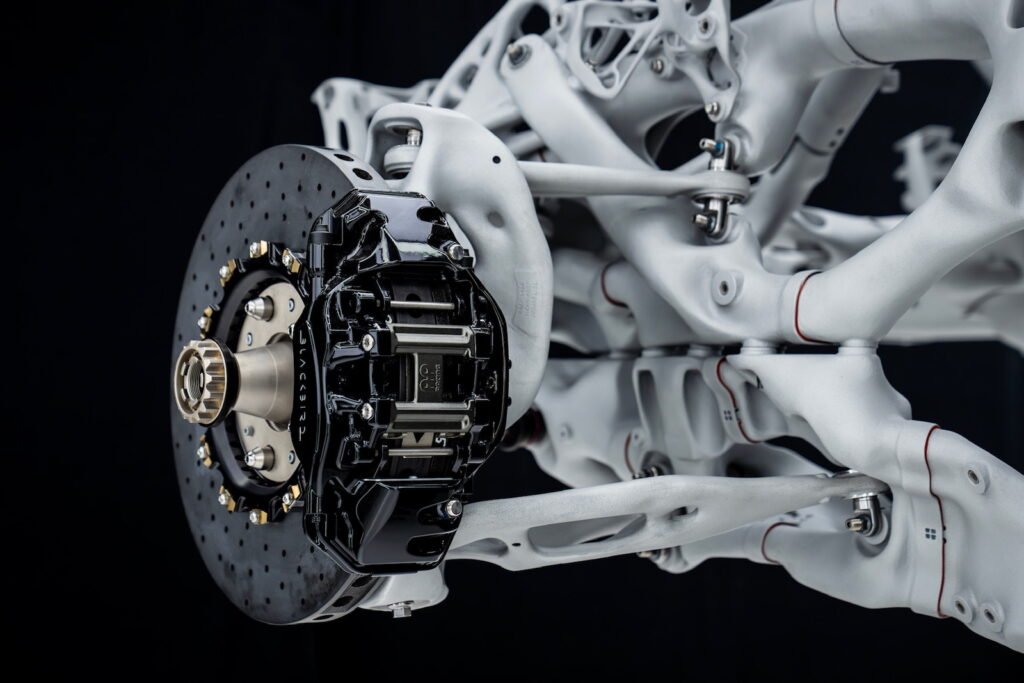
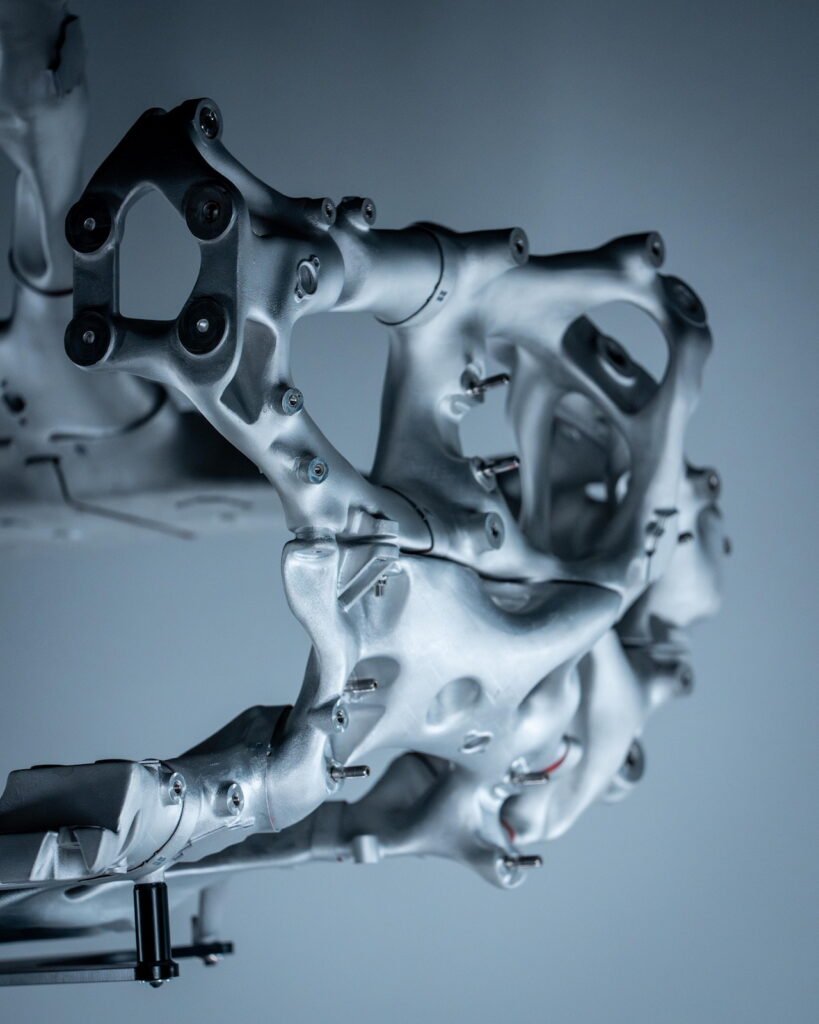
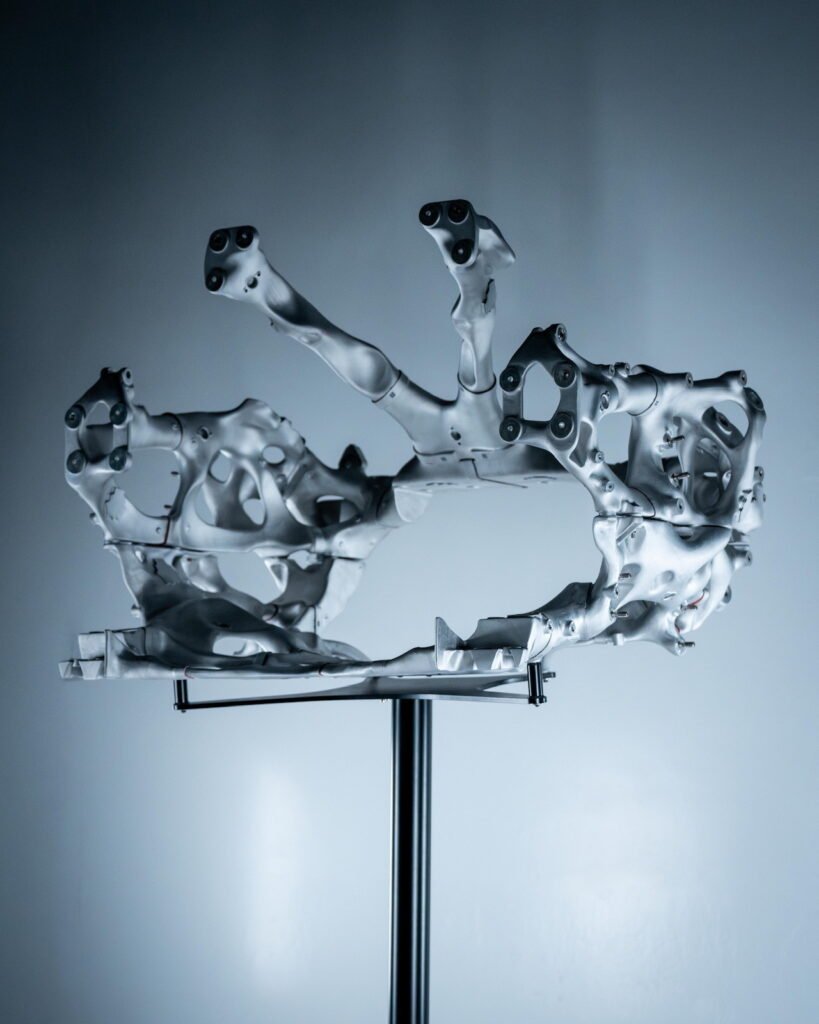
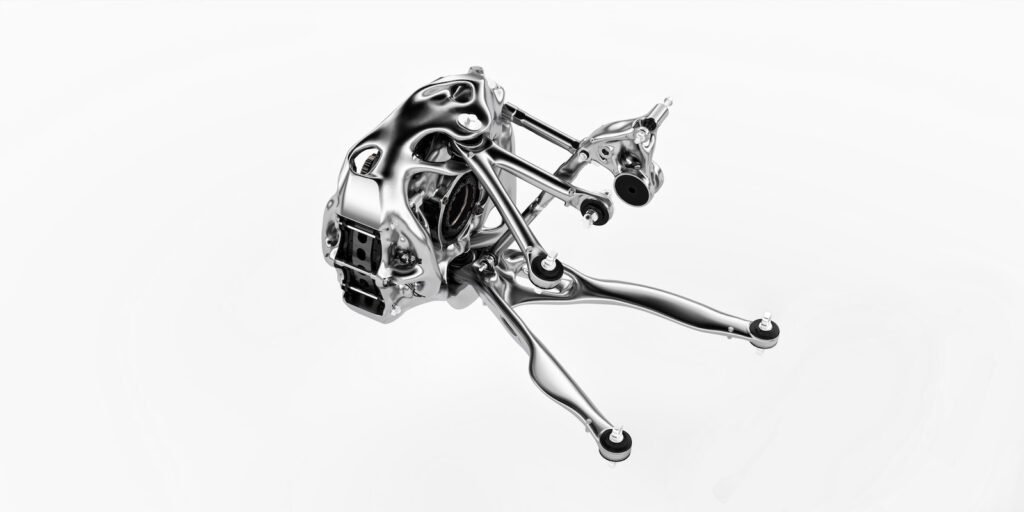
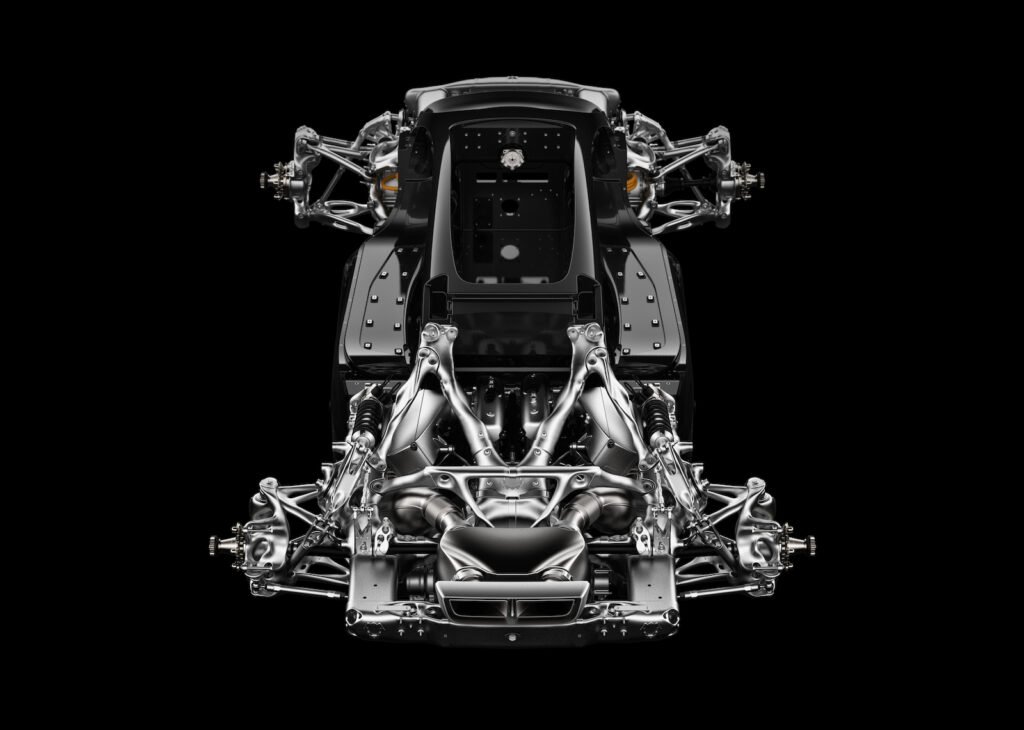
This isn’t just a new way to make cars. It’s a break from tradition that breaks tradition. At Czinger, parts like this aren’t just fabricated, they’re evolved.
“Now you can take vehicle level requirements, input them into a software stack, get an answer in the form of three dimensional design, take that 3D design, send it to a printer, print it, and assemble it with full automation on a robot cell.”
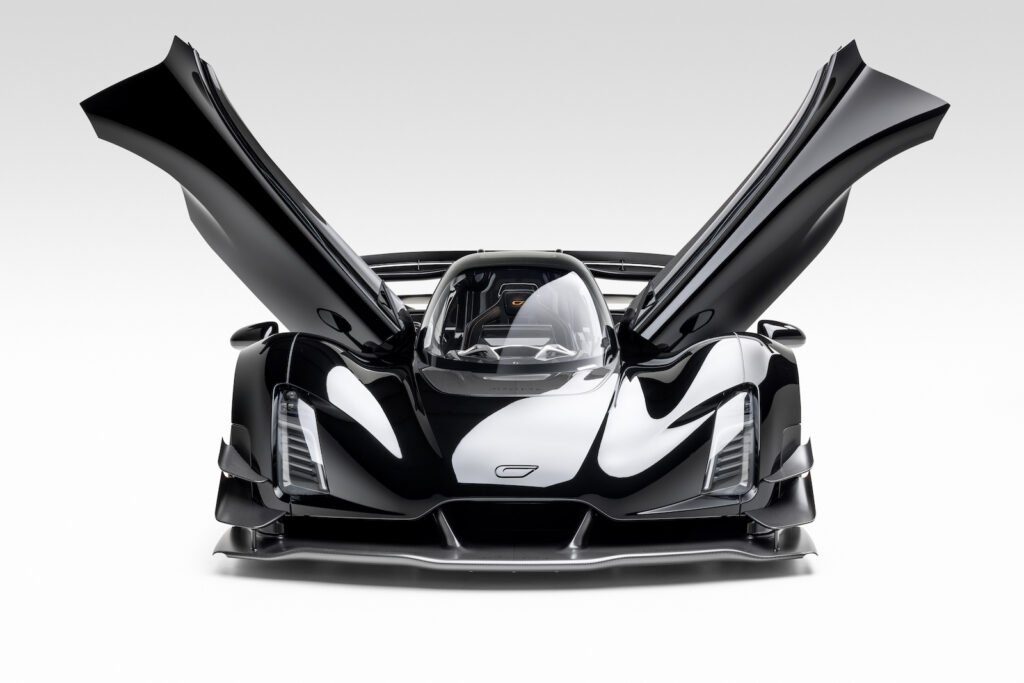
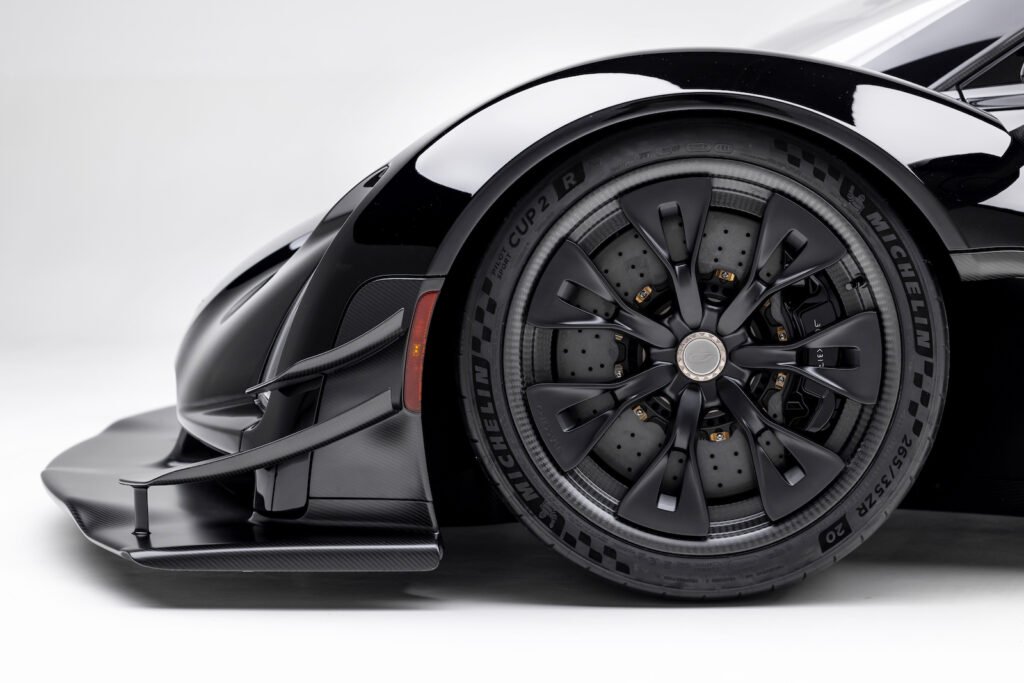
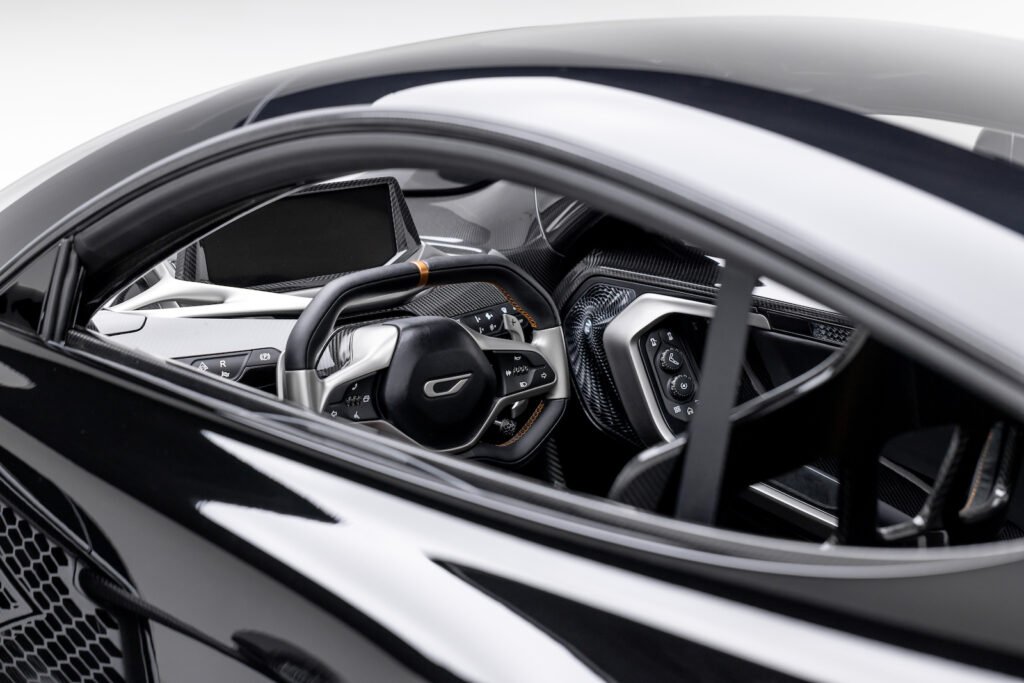
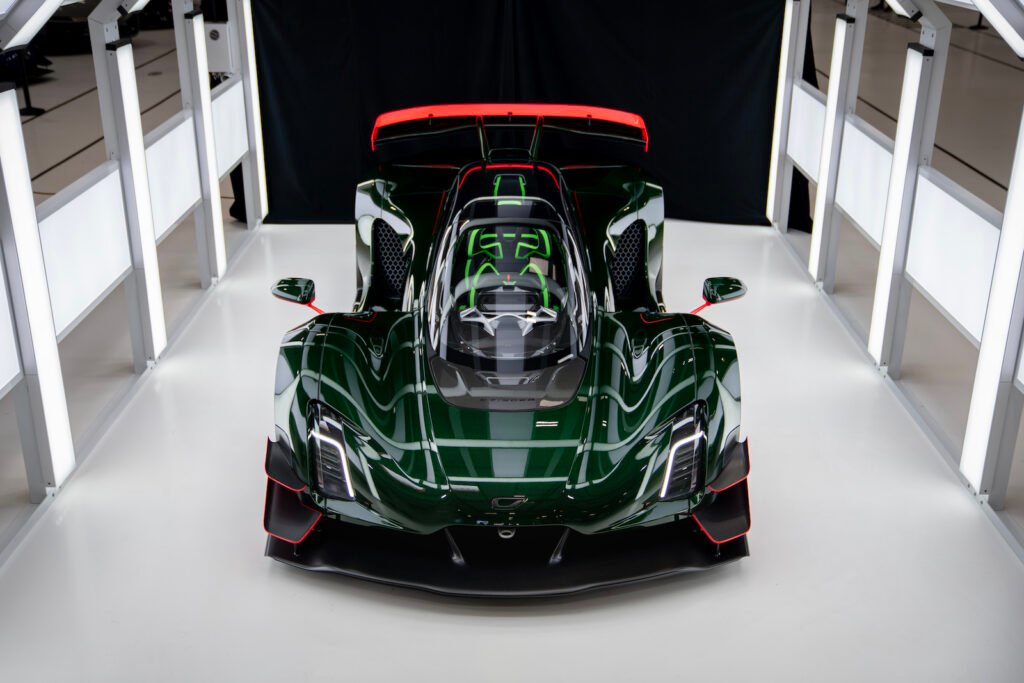
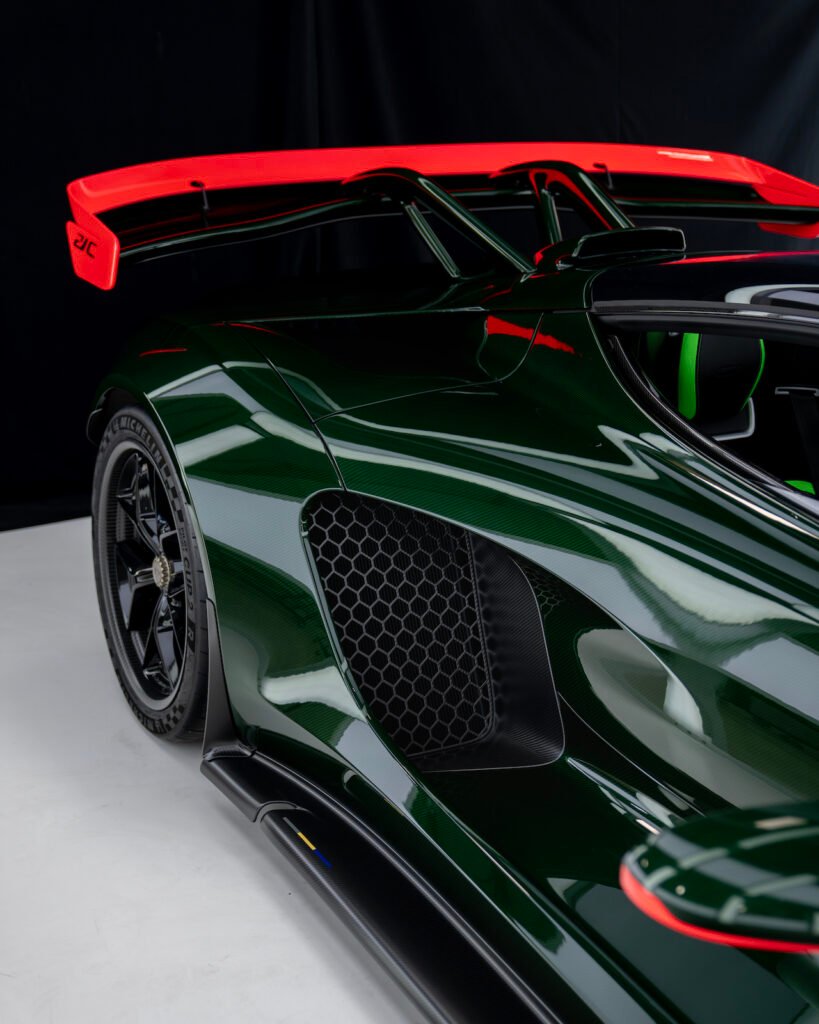
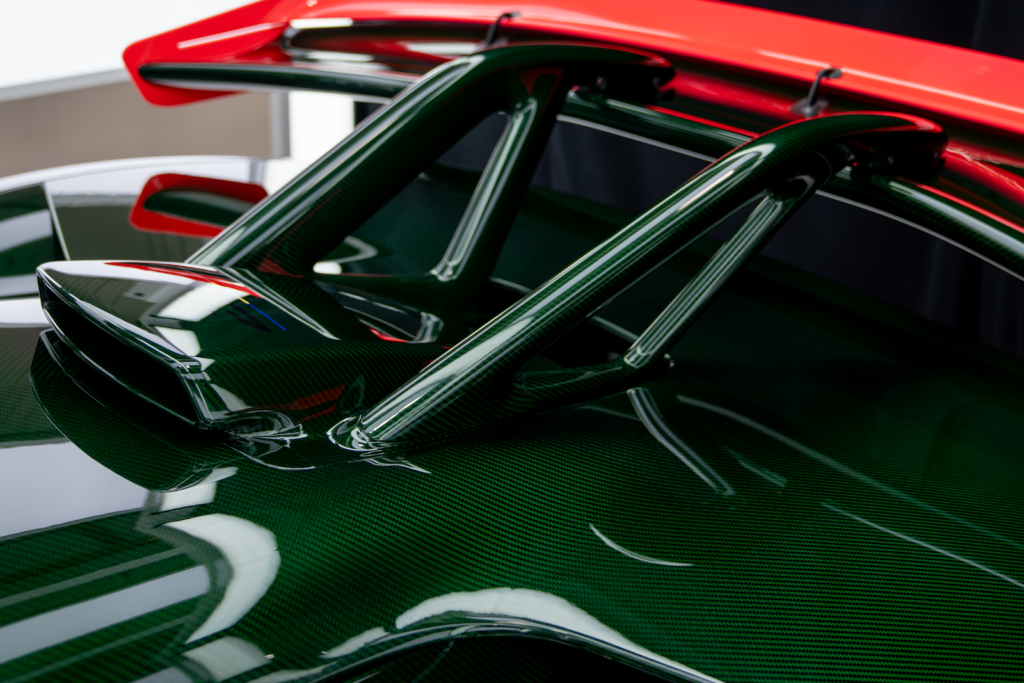
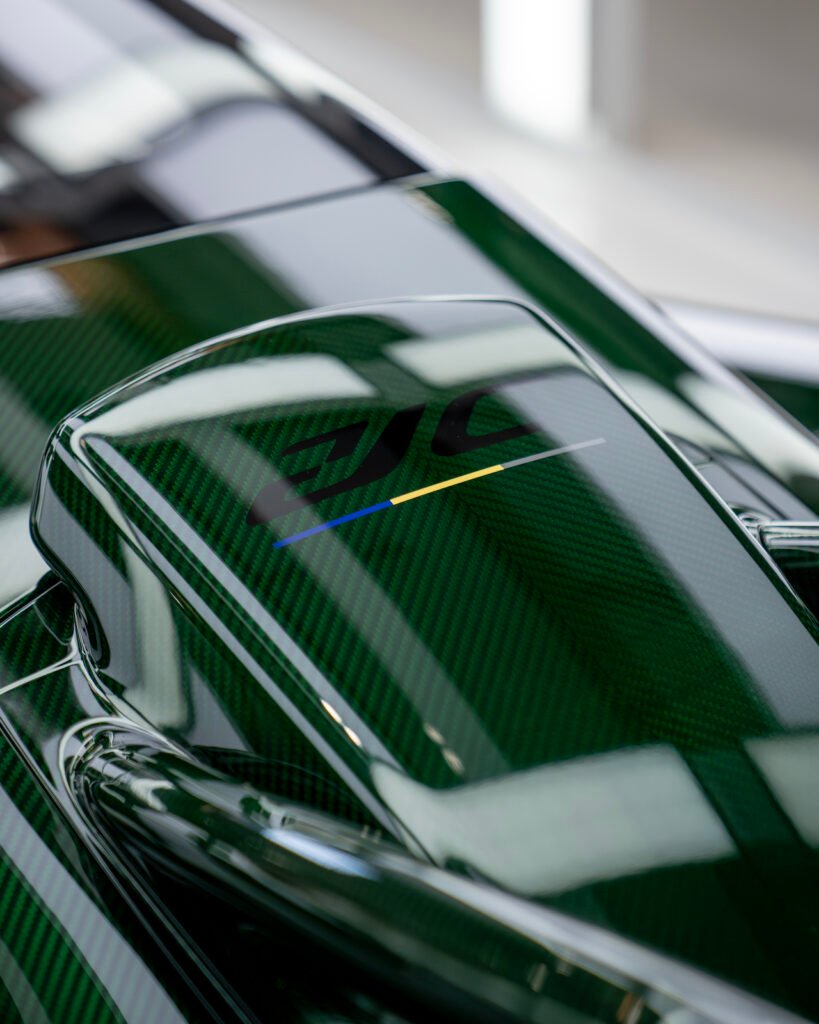
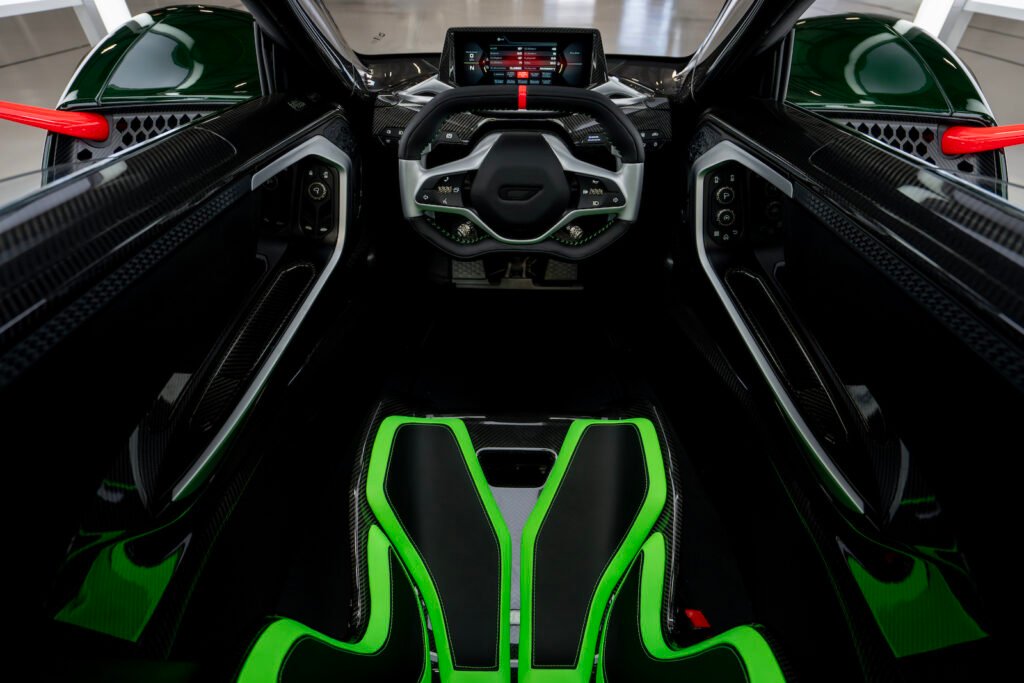
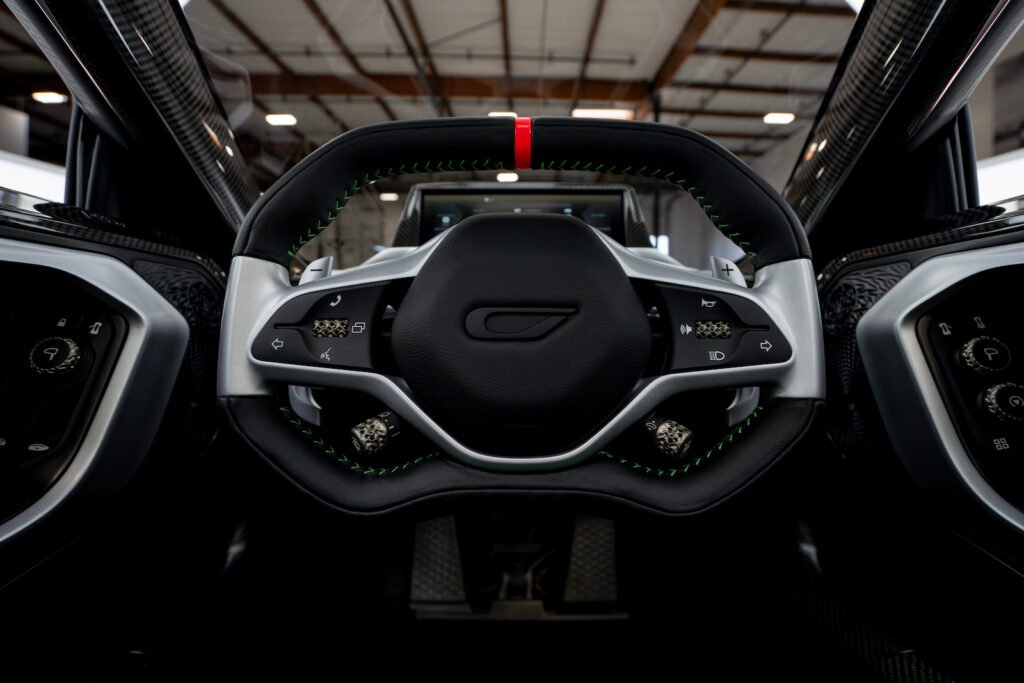
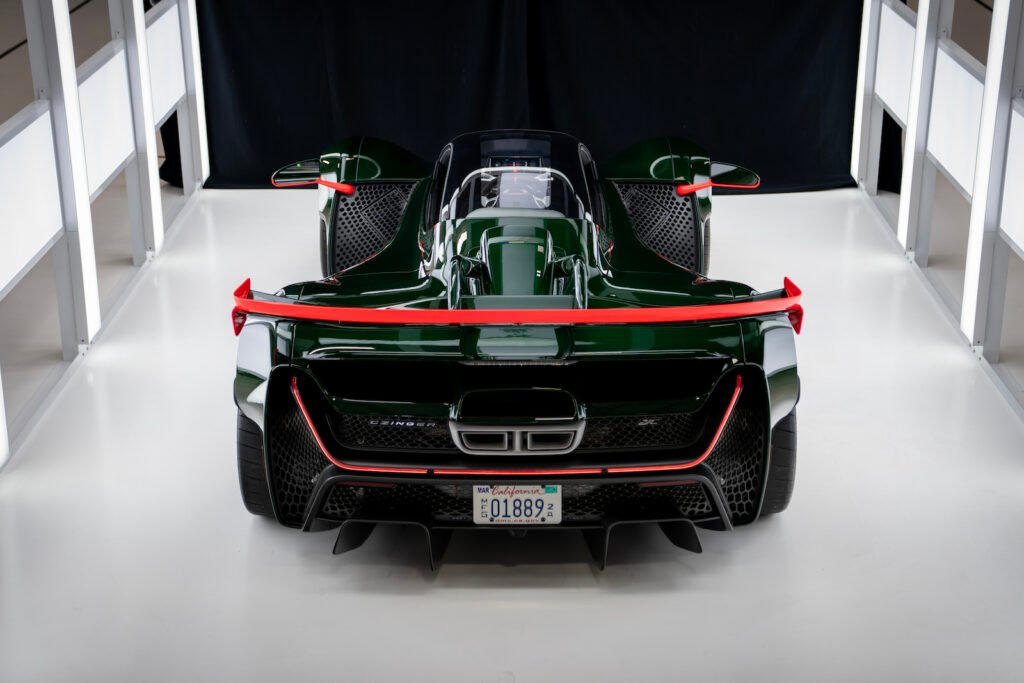
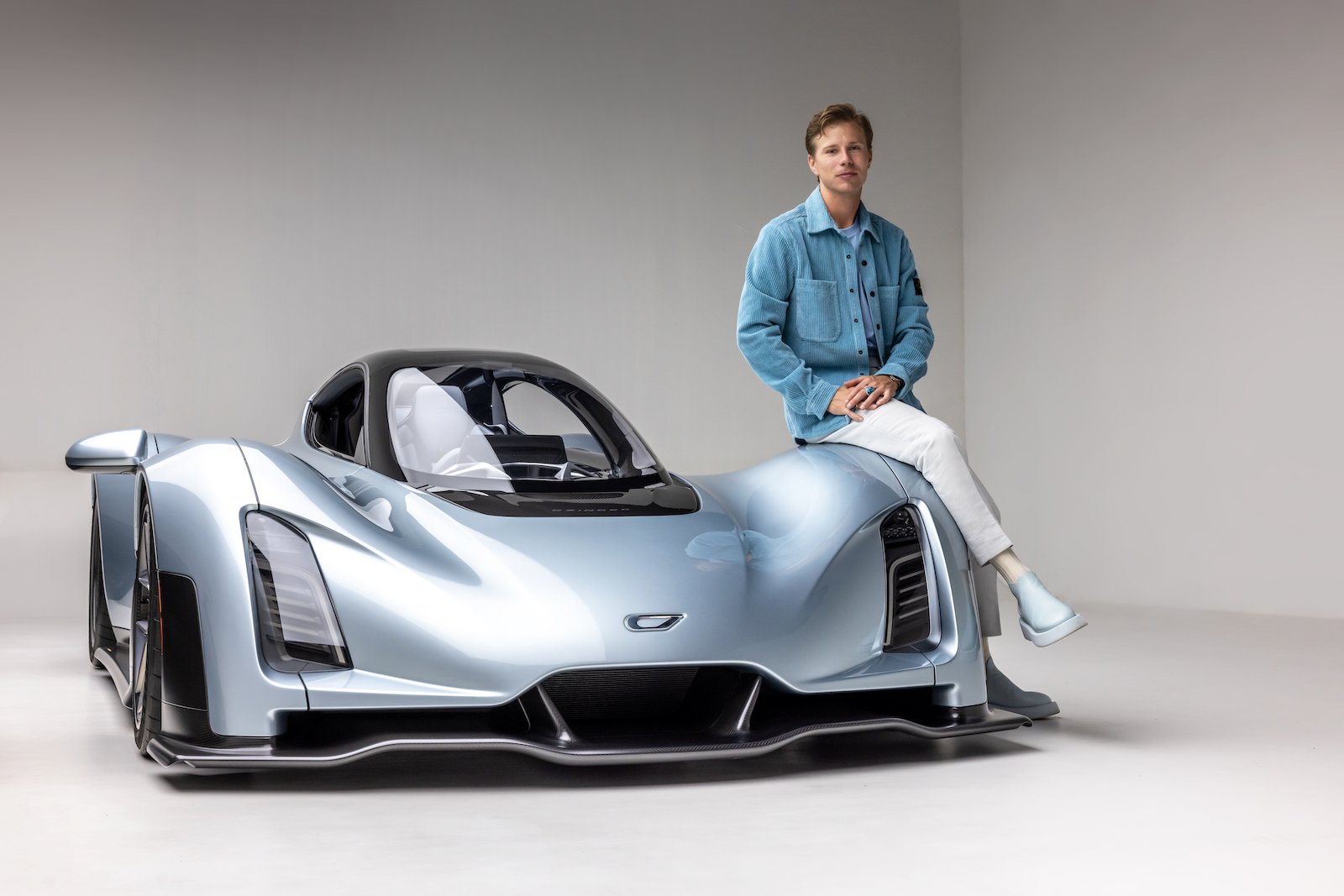
This is the core of the 21C — one of the fastest road-legal hypercars in the world, and the most advanced machine ever made by another machine. It holds the production car lap record at Laguna Seca, clocking a blistering 1:24.75.
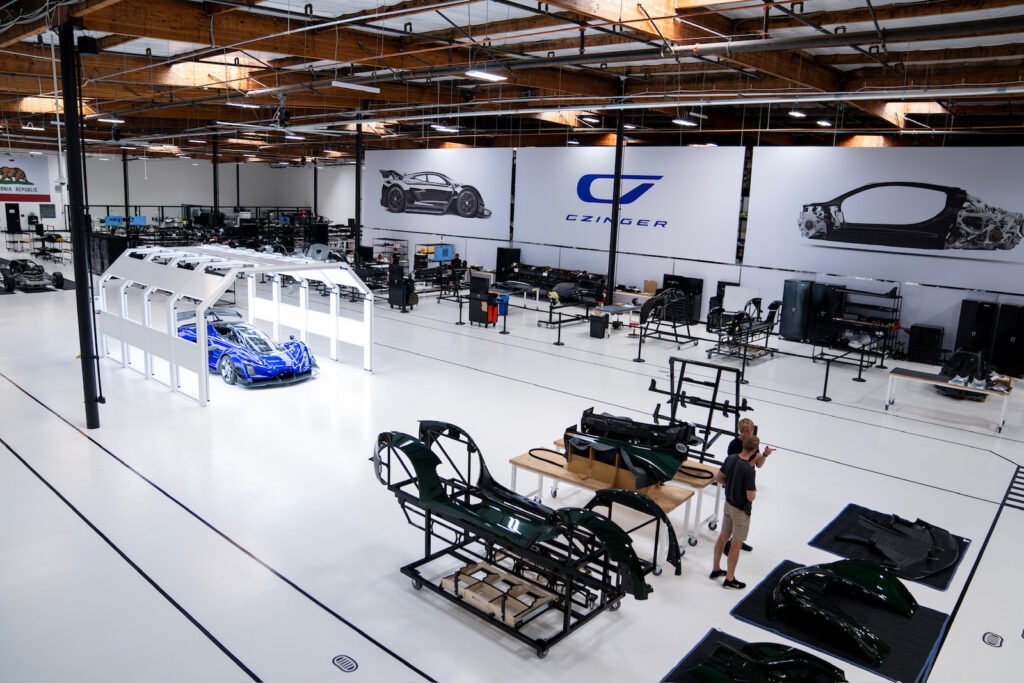
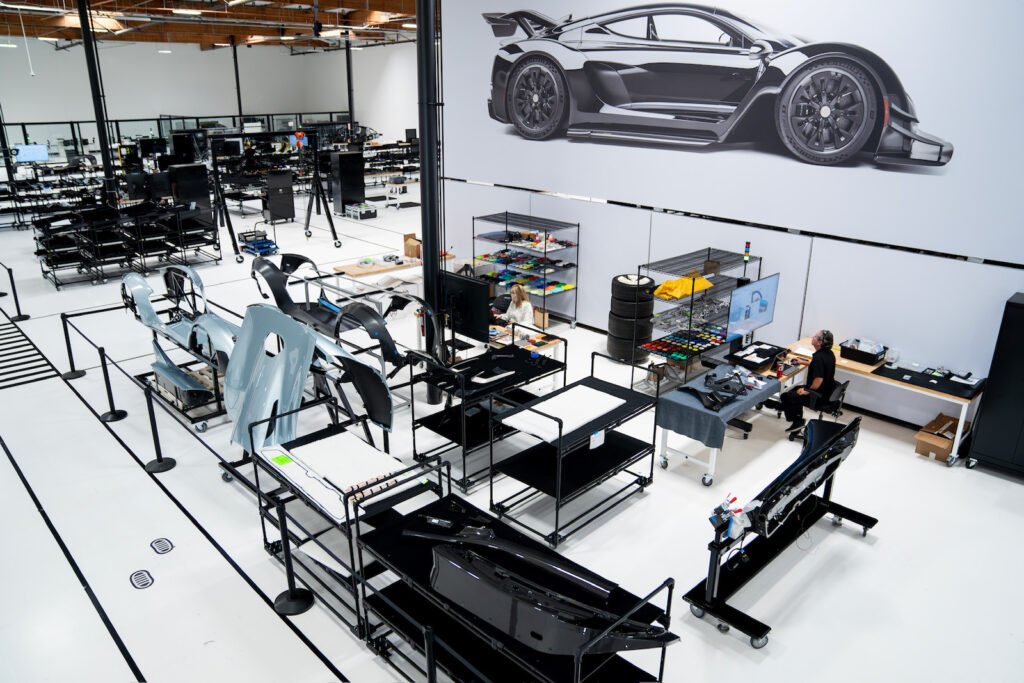
Lukas lays it out in a voice that’s calm, clear, and deliberate, sometimes with a bit of vocal fry trailing off at the end, like someone who’s used to watching big ideas become real seconds after he voices them. His office in Torrance, California hums with the sound of printers, robotic arms, and a team that knows they’re not just building cars, but changing how cars get built.
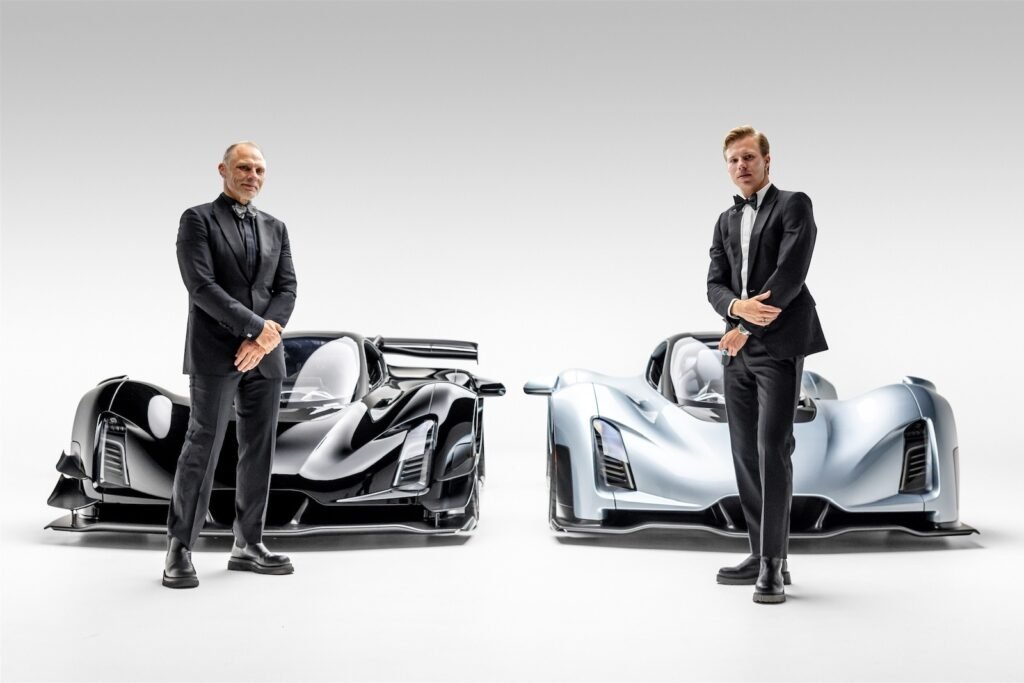
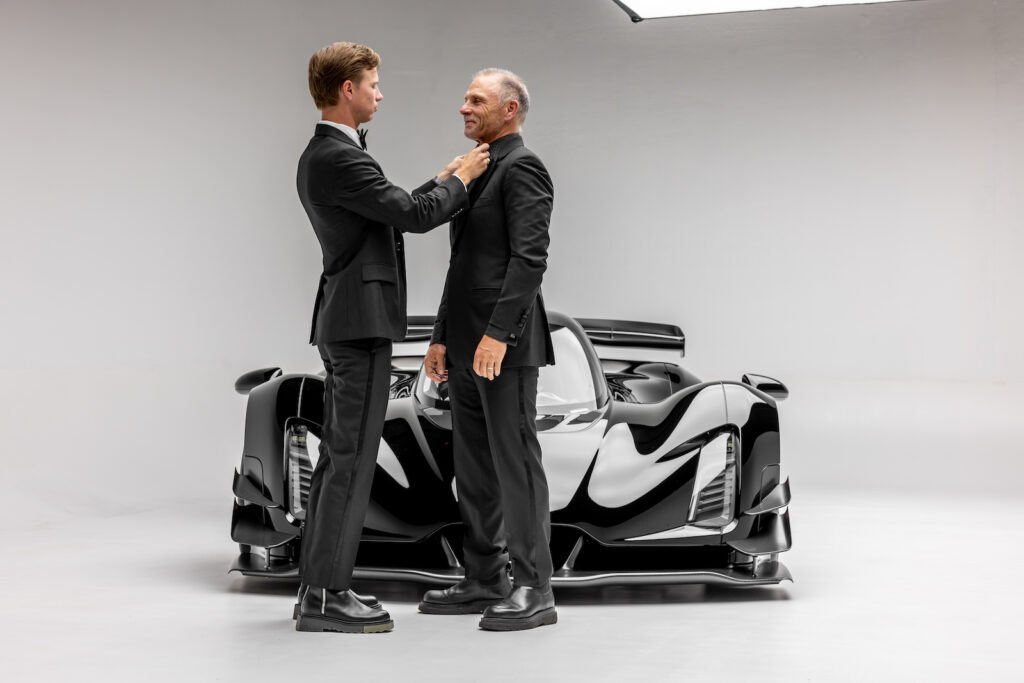
Lukas isn’t just a young CEO with a hypercar to his name. He’s an engineer, a technologist, and the co-architect of a system designed to rip up and rewrite the rules of manufacturing. And he’s doing it alongside his father, Kevin Czinger, who first imagined the whole thing.
“We really did build this business together. And I think when we look back, that’ll always be the good old days for us.”
Lukas came in eight years ago, fresh from Yale with an electrical engineering degree and a short stint in finance. It didn’t take long for him to commit to the family business, which wasn’t just building cars, but building the systems that would build the cars. His first move? Put together a robotic assembly team to rethink how structures come together from the ground up.
But the 21C isn’t the goal. It’s just the most exciting proof that Divergent’s technology can actually work.
“Tools are cool to make, but at the end of the day, if you’re someone that likes to build stuff, you want to make a complex product that you can call your own, that you can really run your way, that you can design all the way through end of line and deliver,” he says. “That’s the 21C.”
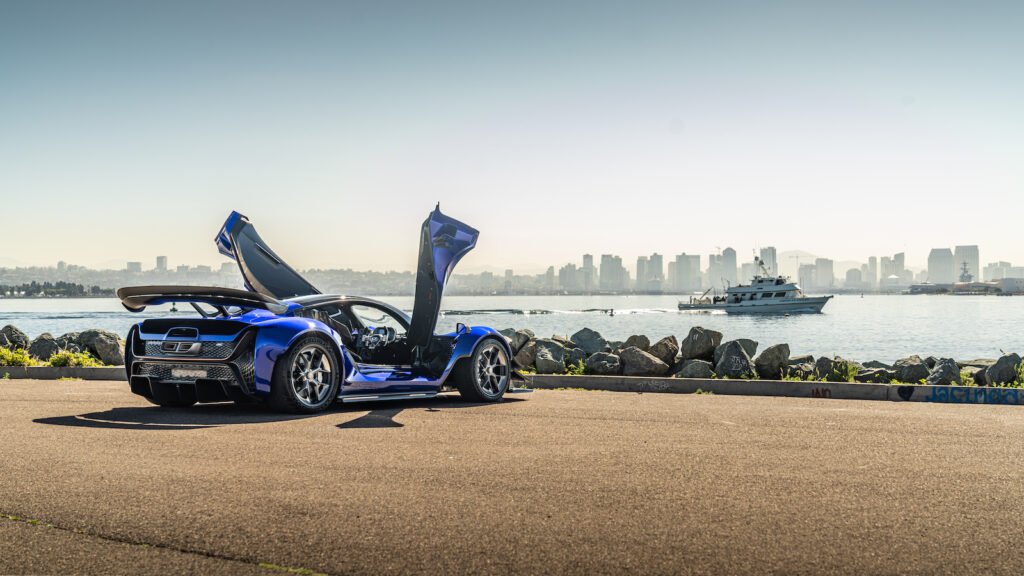
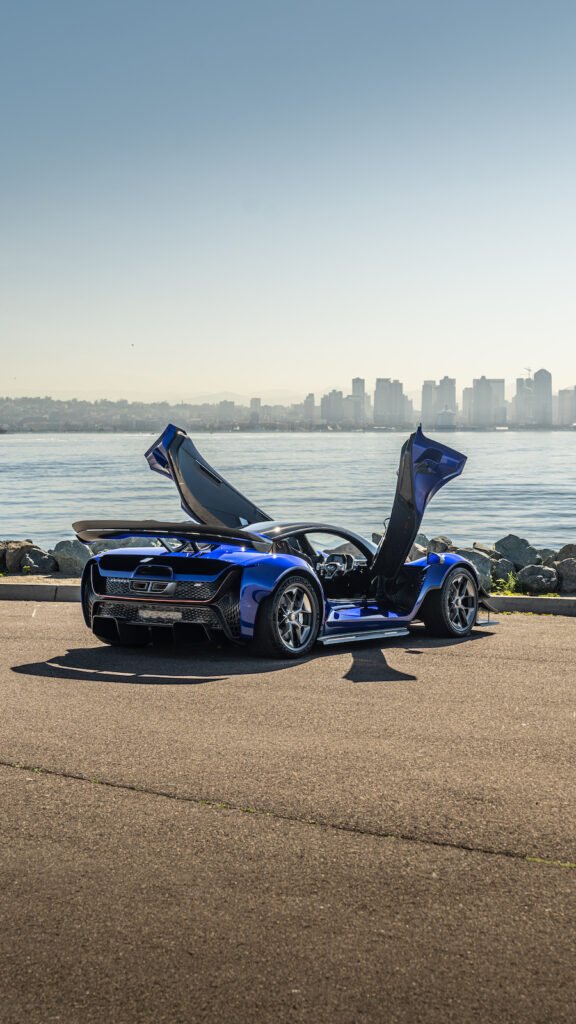
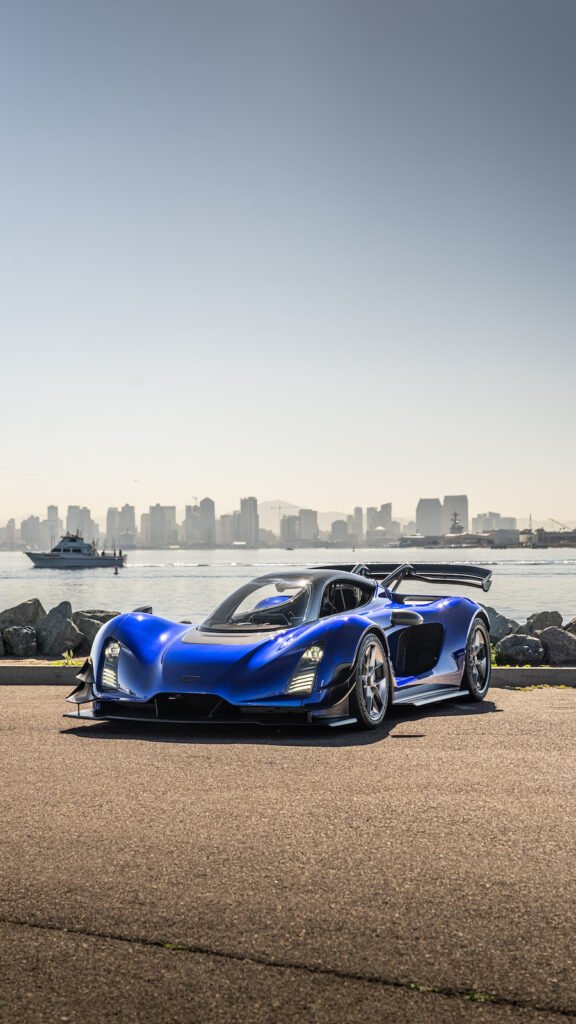
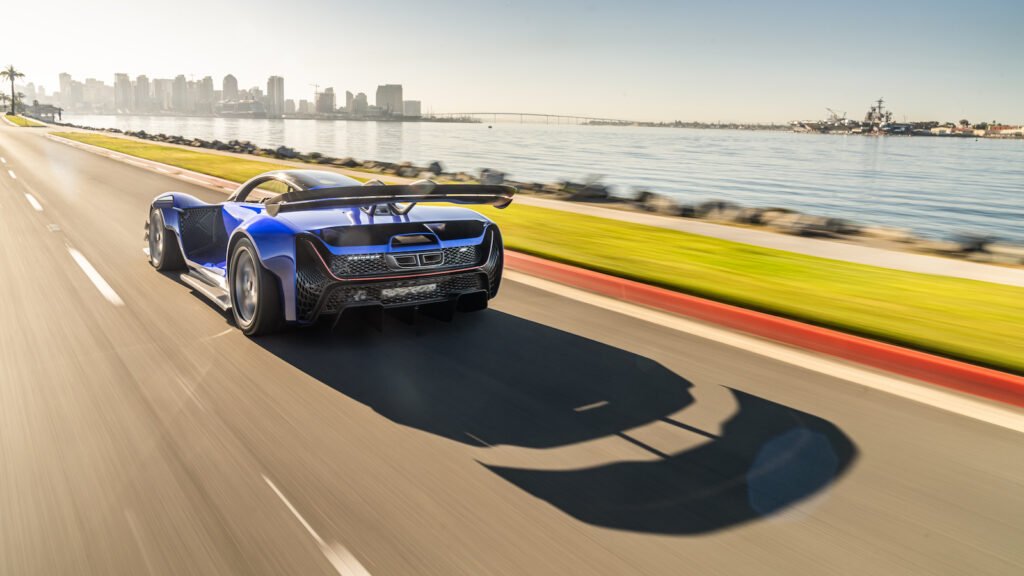
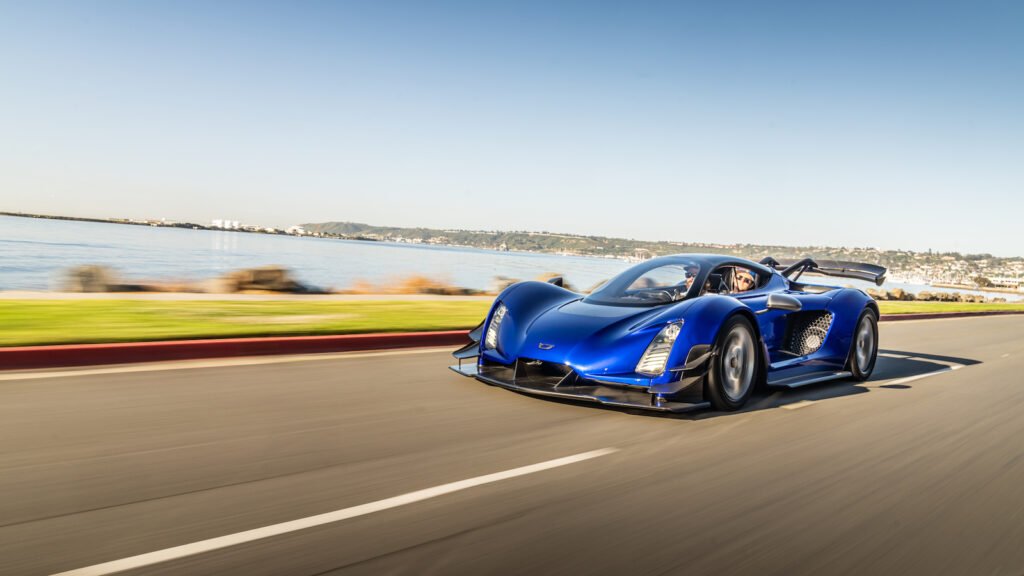
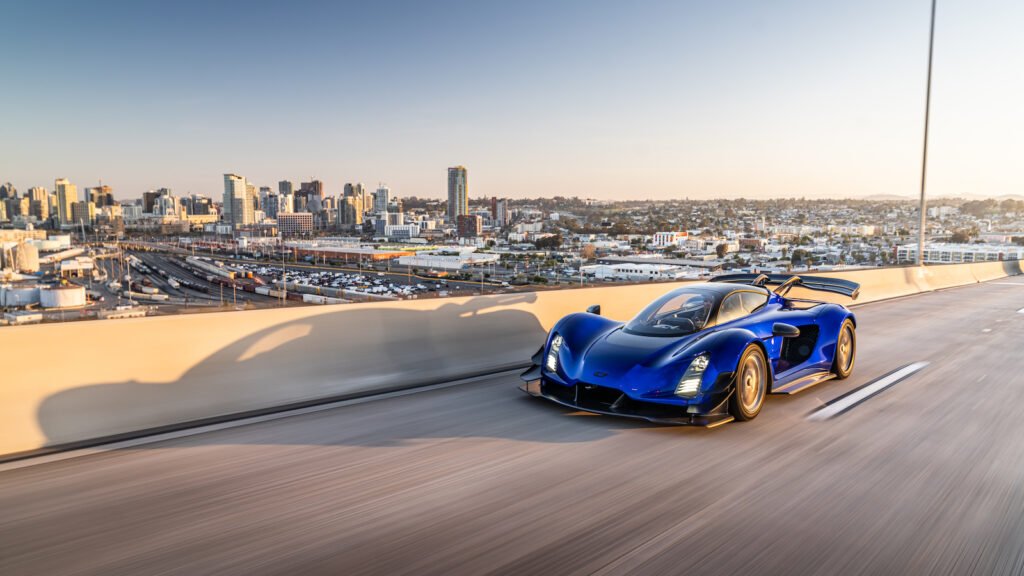
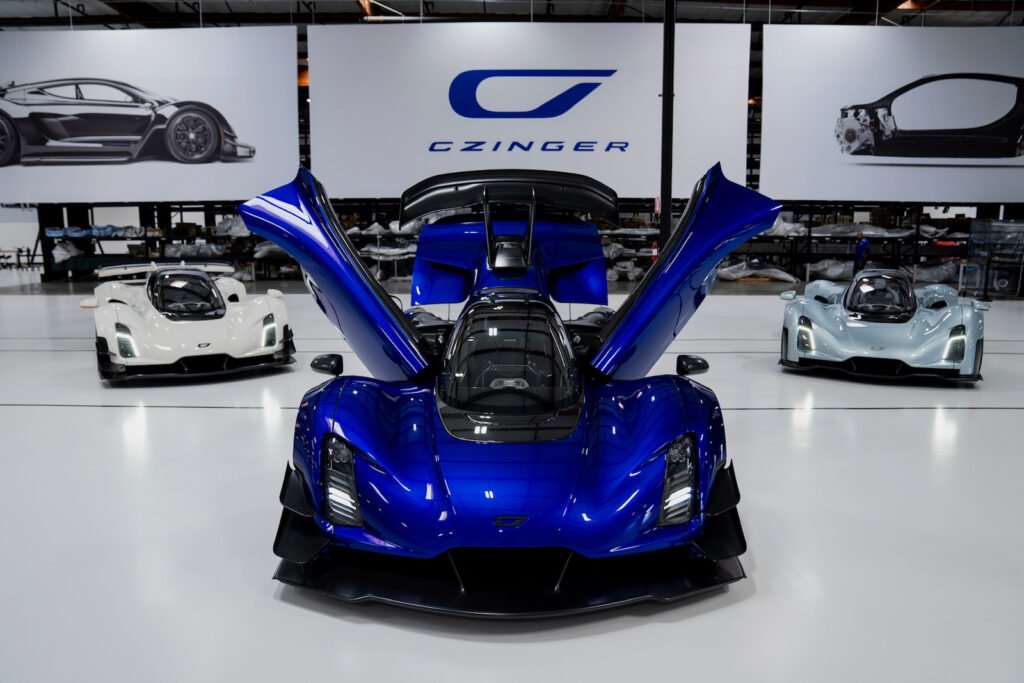
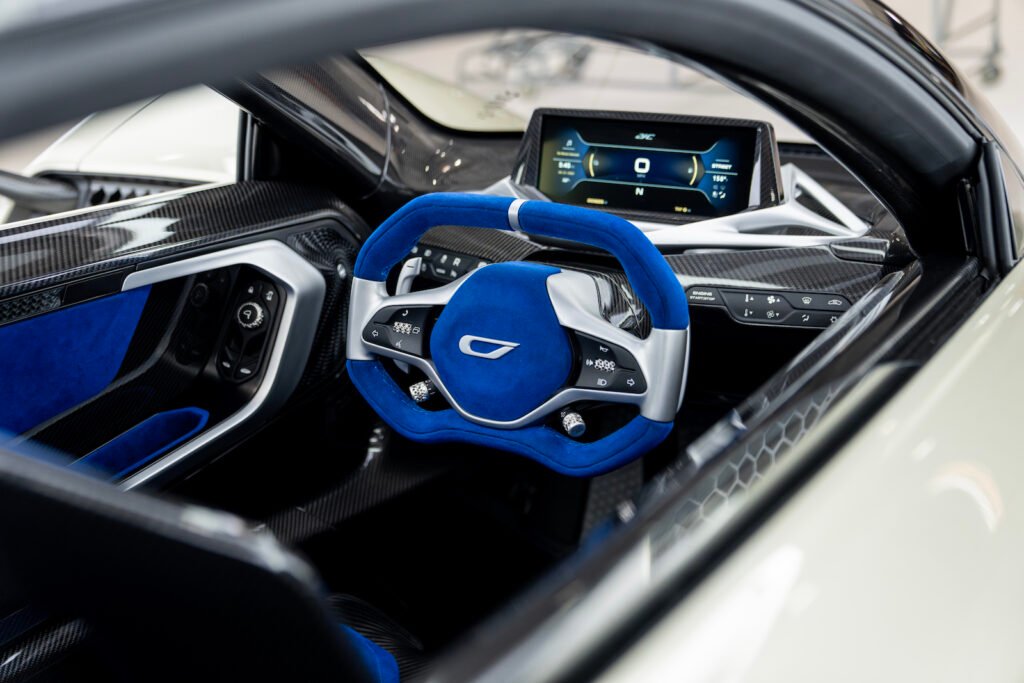
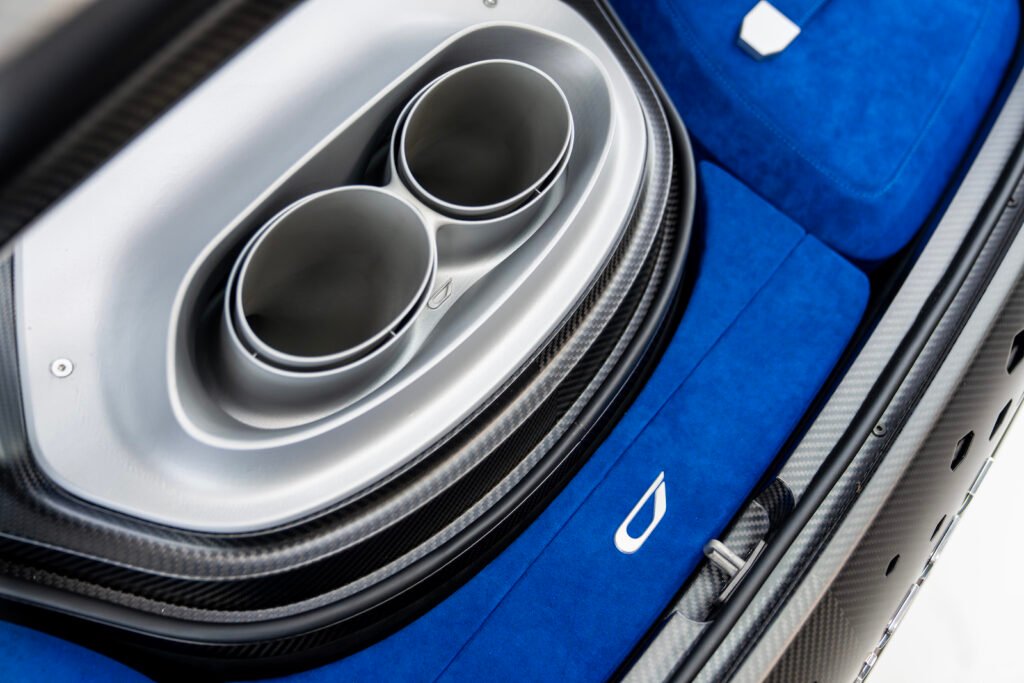
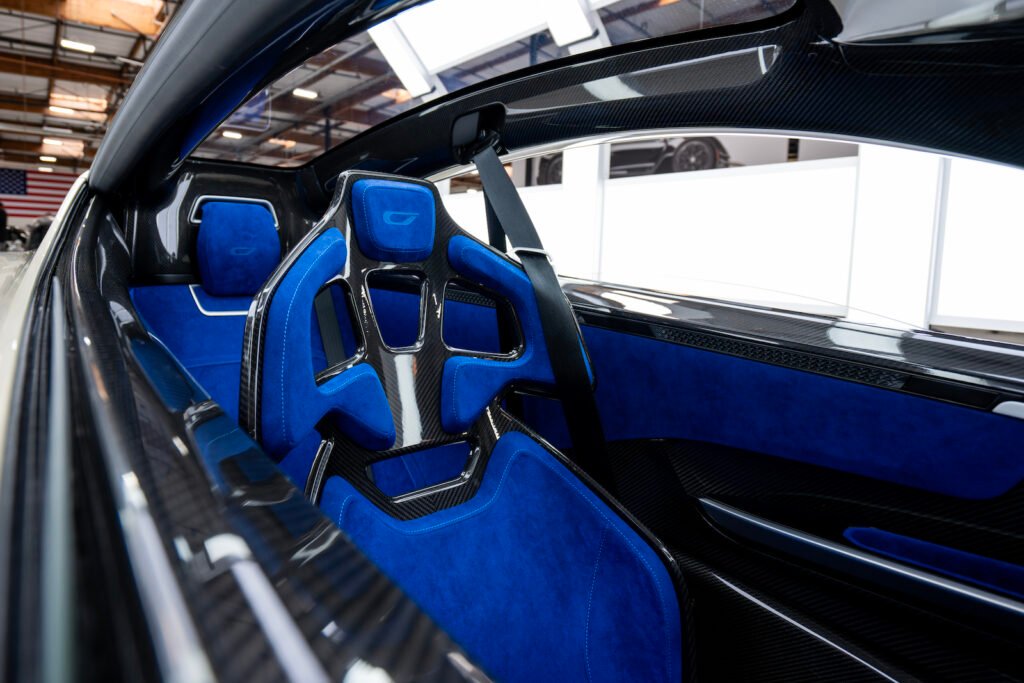
Czinger Vehicles is the proof-of-concept. Divergent’s real ambition? Blow up how manufacturing works, everywhere. The car isn’t just a fast machine — it’s a flex. A signal to the auto industry, aerospace, defense, and anyone still stuck in the old way of doing things that, yeah, the change has arrived. The British aren’t coming. They’re already here.
“Divergent already has that macro impact story. Over the next five years, Divergent should open five plus facilities across the US.”
The 21C might be Divergent’s loudest creation, but it’s really just the start. A fast start.
Lukas is direct in his clarification. Divergent isn’t a car company. It’s a manufacturing platform already changing the way aerospace and defense gear gets made. Forget roads. Forget racetracks. Think higher. Look up.
“Our bread and butter has quickly become doing these small unmanned aircraft systems,” says Lukas, pointing to a piece of one mounted in his office like a trophy. “We’re usually going from 150 to 200 parts in their baseline solution to single digit parts — three to ten parts for an entire fuselage.”
For defense, that’s not just innovation — it’s strategy. Lighter, stronger, cheaper, faster. Divergent’s tech doesn’t play by the established rules, which makes it perfect for industries where speed and agility win, and where tradition is readily rewritten.
“We are actually significantly lower cost today than aerospace and defense operates with their traditional technology set. So we actually have the full faster, better, cheaper solution.”
The numbers don’t lie. Divergent’s system slashes weight, simplifies supply chains, and cuts timelines. “We think we might see funding to really put the pedal to the metal here and create tens of facilities over the next four to five years,” says Lukas. “I’d say it’s somewhere between five and fifty is the range we would be able to do.”
This isn’t about proving the tech anymore. It’s about proving it’s essential. Imagine a factory where you can build anything. One platform, any product.
“You can print a part for a McLaren and then you can build an airframe for, say, Lockheed Martin, back to back. No change in the factory. No change in the hardware.”
The stakes are massive. Industries built on hard tooling and years-long timelines now face competition that moves fast, scales faster, and adapts instantly. Divergent’s platforms change everything, but here’s the thing: revolutions often get messy.
Even with the fastest hypercar on the planet and aerospace deals on the books, Divergent’s biggest challenge isn’t tech — it’s people.
“In America and aerospace and defense, we call it the frozen middle,” Lukas says. “That’s the terminology for these individuals that have some authority, are definitely in the lower to middle levels of their org, but can really hamper innovation and can really be a negative force in terms of progress.”
Convincing the old guard to make room for the new? That’s the push, and AI can’t do it for him. Divergent’s AI-driven system faces its sharpest critique in the form of the black box problem. Namely, if a machine designs it, how do you trust it?
“For us, that black box is on our side of the equation, not their side,” Lukas explains. “Yes, our engineering model is a black box. We’re not going to show them the algorithms, the source code and the architecture for the way that we engineer. But the output then is parametric CAD.” In other words, they don’t need to see the code, just review the proof.
“You can take our frame, which has been designed in a black box, but now take that CAD, import it into your full vehicle model and run it through LS-DYNA and see that it performs well.”
It works — and that’s what’s winning over the most cautious industries, one skeptic at a time.
“We’re now, you know, less than a tenth of that,” Lukas says, referring to their falling cost per 3D-printed kilogram. “We’ve already seen this sort of very, very large step down. We actually don’t need to do as large of a step down in the future to reach mass market auto.”
Divergent isn’t asking if it’s possible anymore. It’s asking what’s next, and who’s ready to go with them. For Lukas, that answer’s personal. The machines are next-level. But the human story – the one he has been writing alongside his father – that’s what’s driving all of it.
“We’ve shared more core memories than I can even begin to list out between closing rounds to seeing these first technology systems… first robotic assembly, first crash test, first software engineered part. All of that is shared memory with him.”
Working with his father, building something from nothing, pushing the limits of what’s possible — it’s always been about more than business. It’s a legacy in motion. And Lukas is nowhere near done.