
“In the beginning it was a restomod idea,” Gordian von Schöning, HWA’s chief technology officer, admits of the brand’s upcoming HWA EVO. “It was the idea to convert a [Mercedes-Benz] 190E into something cool. But our engineers and everybody, yeah, they were not convinced using the old stuff. They said, ‘no, no, let’s keep the old idea, but we have modern technologies. We can’t use the old shit here.’ And that turned the project from a restomod into a new car, which looks like an old car.”
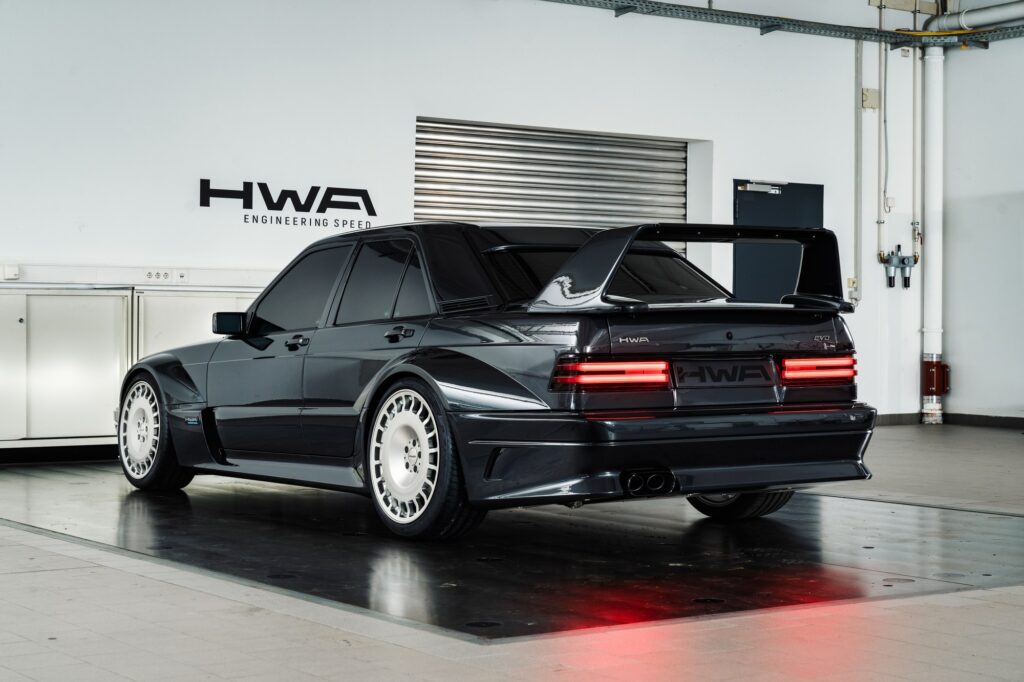
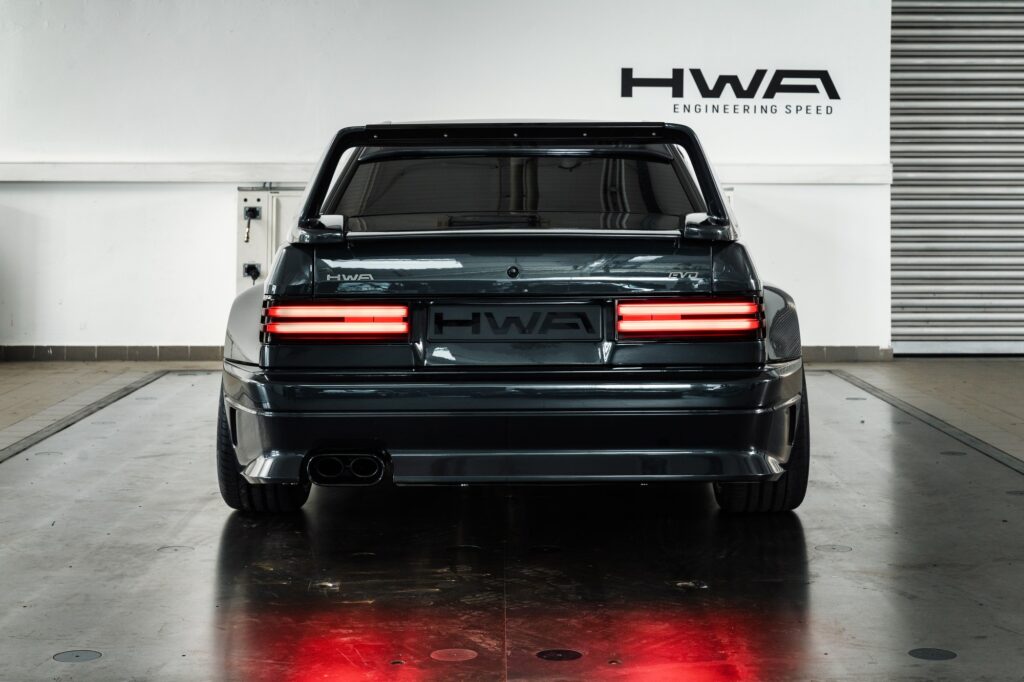
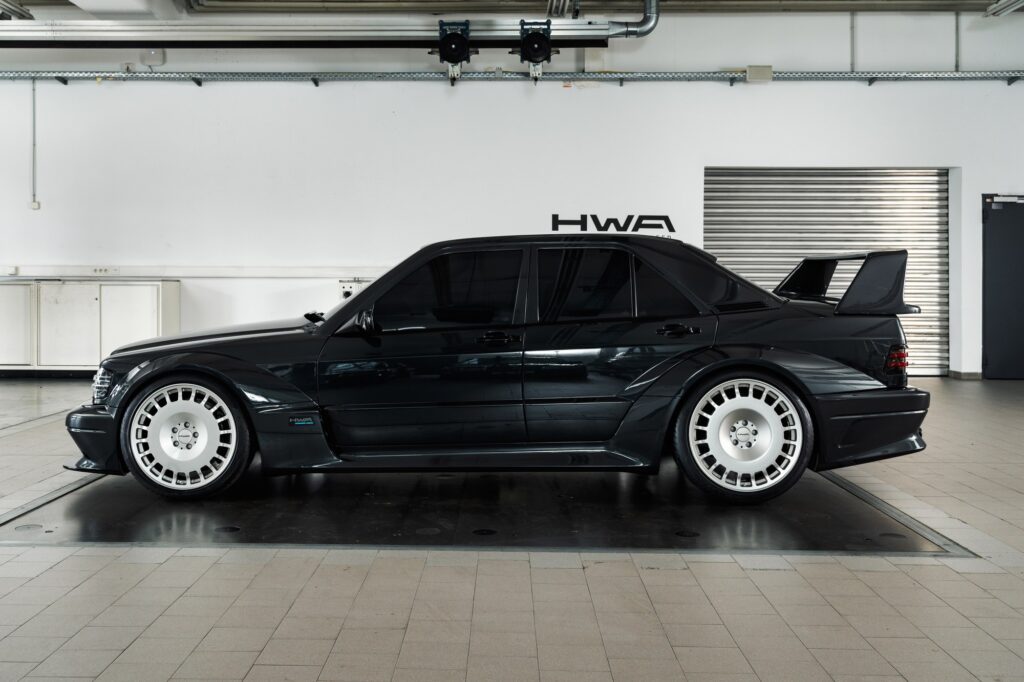
Welcome to the HWA EVO, a 776,000-euro carbon-bodied super sedan, limited to 100 units, that’s already 80 per cent sold out despite customers never having seen a finished production car. Although HWA has been building racecars, supercars and engines for others — including Mercedes-AMG and Pagani — the HWA EVO will be the first car to bear the HWA name on its own.
It represents both a homecoming and a radical departure for a company that’s spent the last quarter-century behind the scenes.
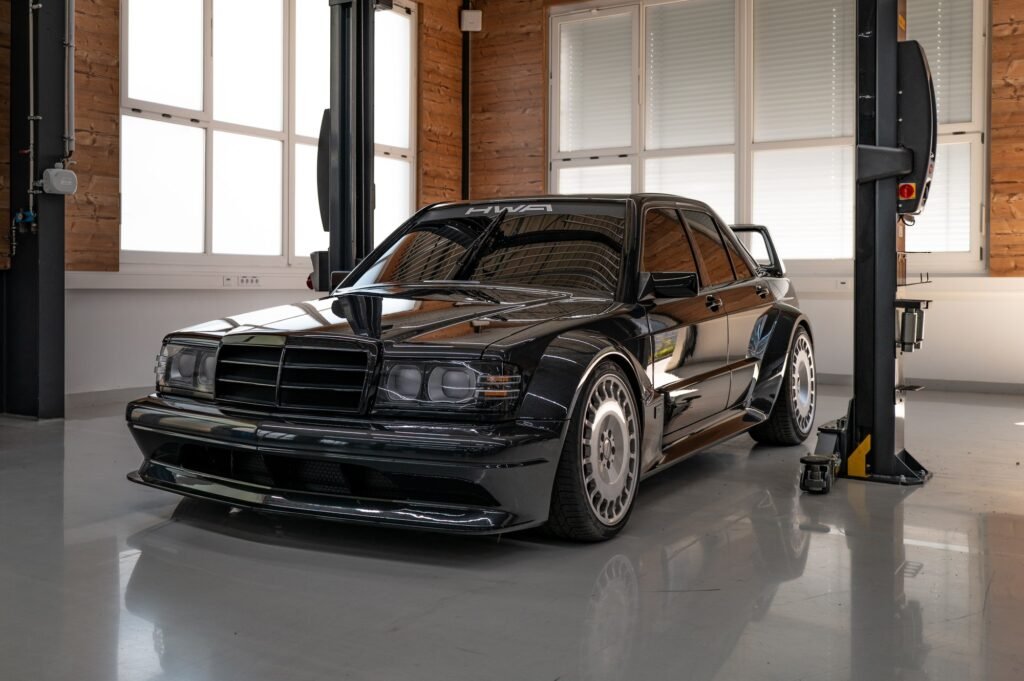
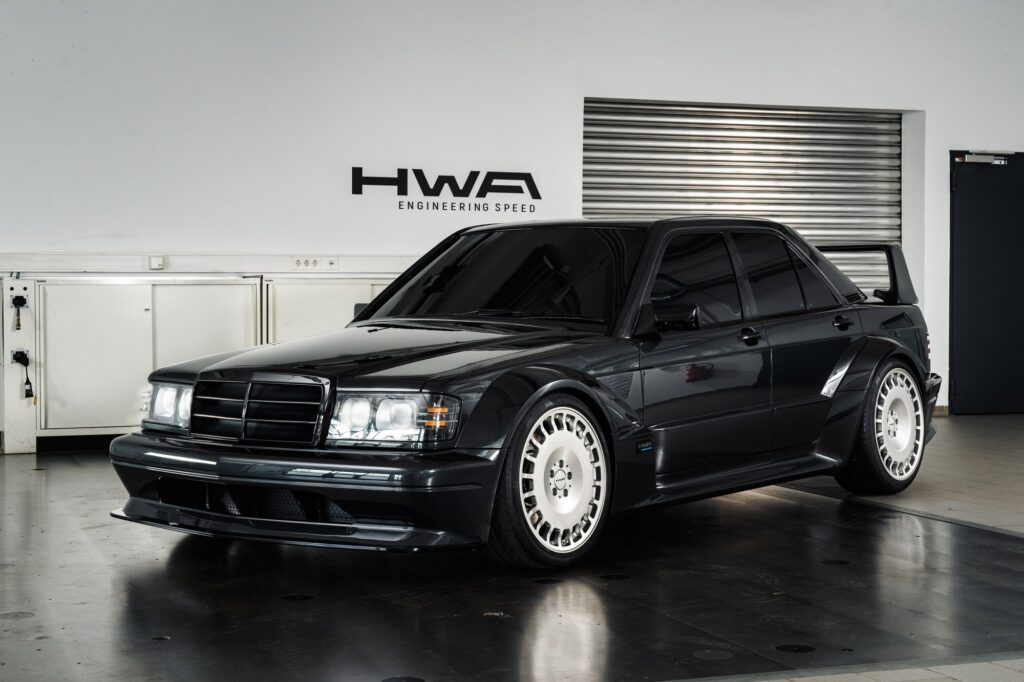
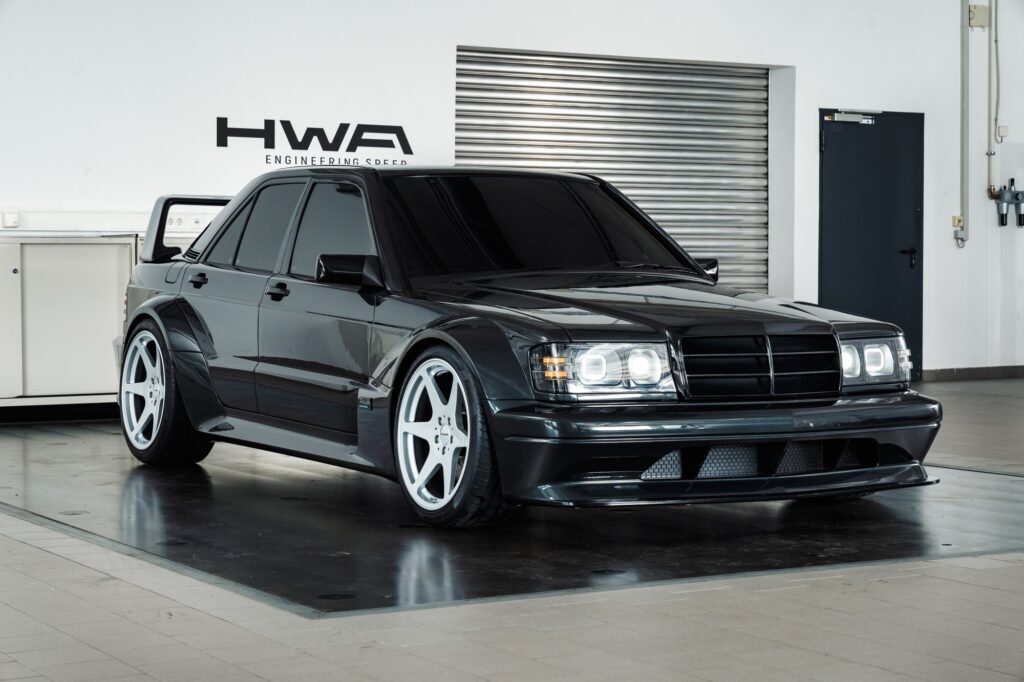
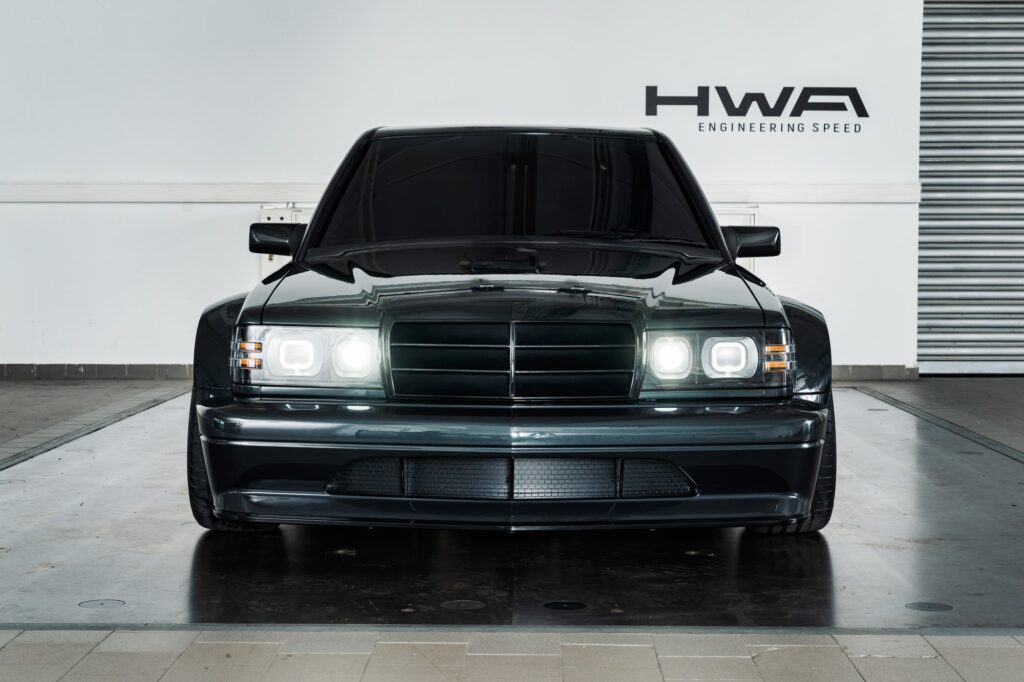
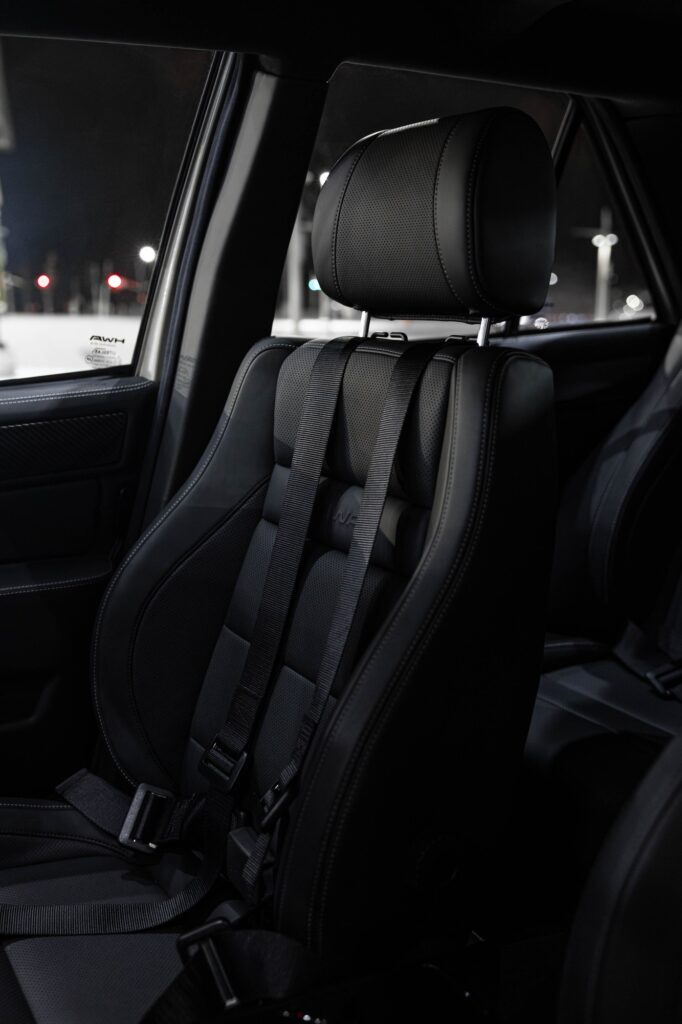
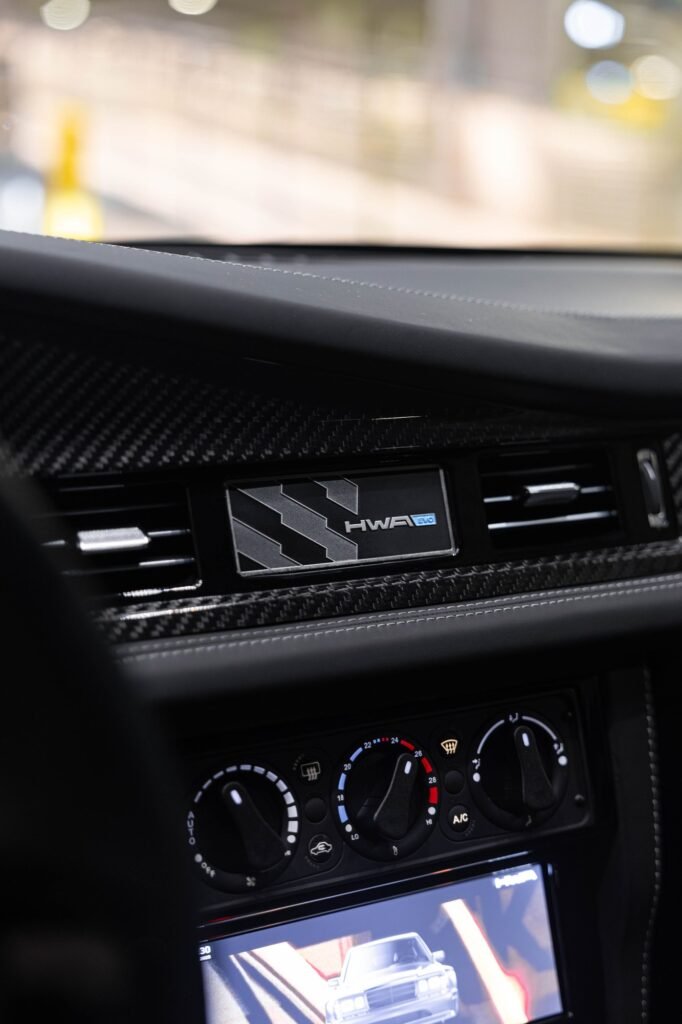
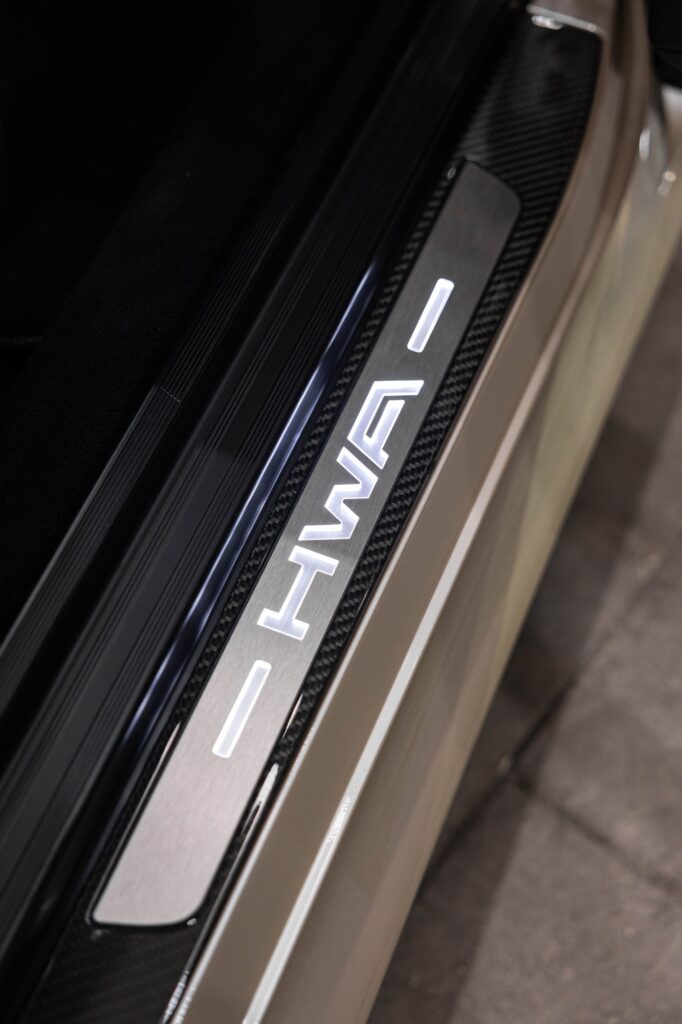
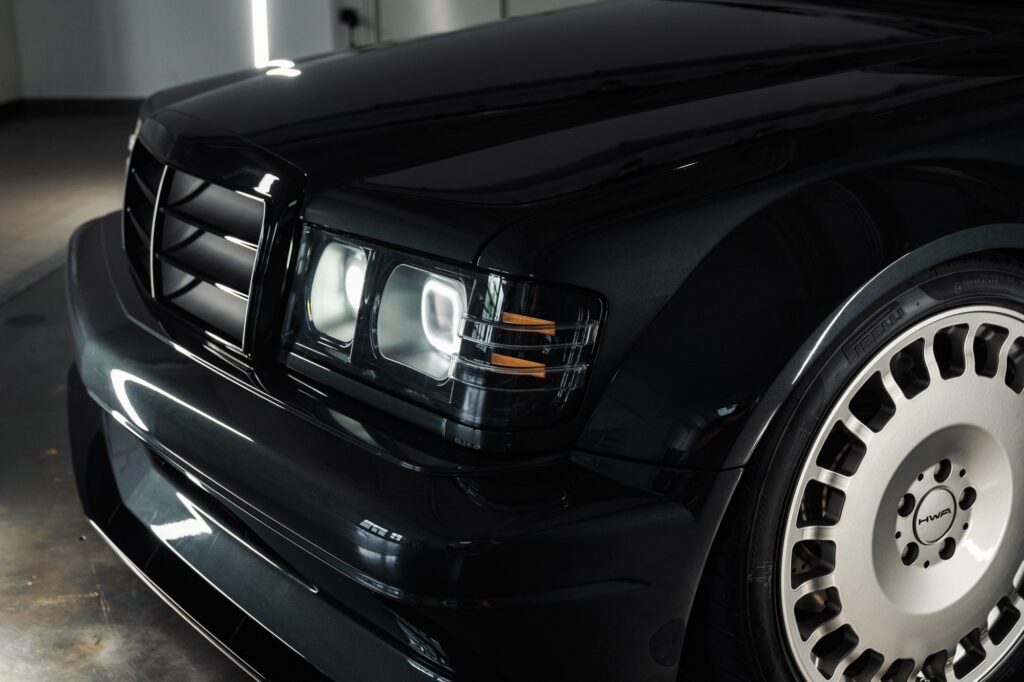
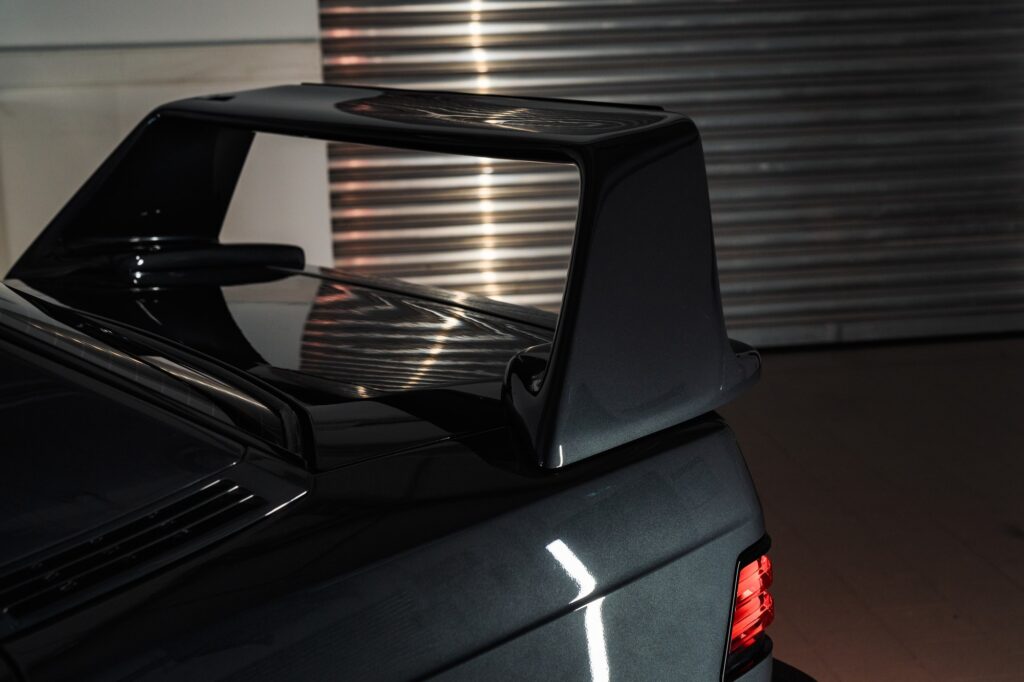
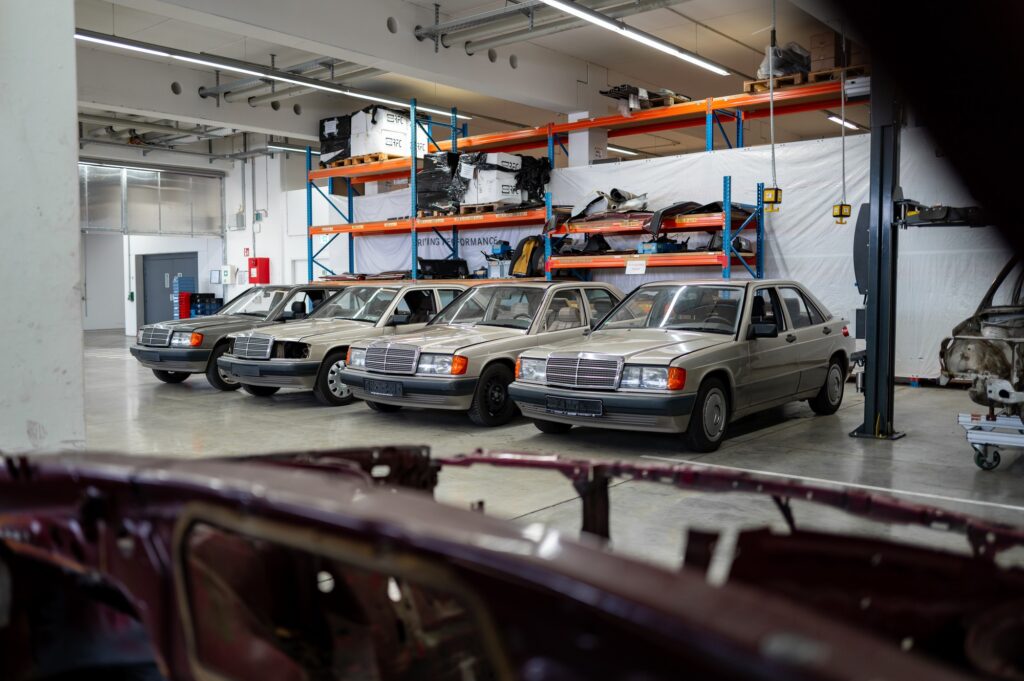
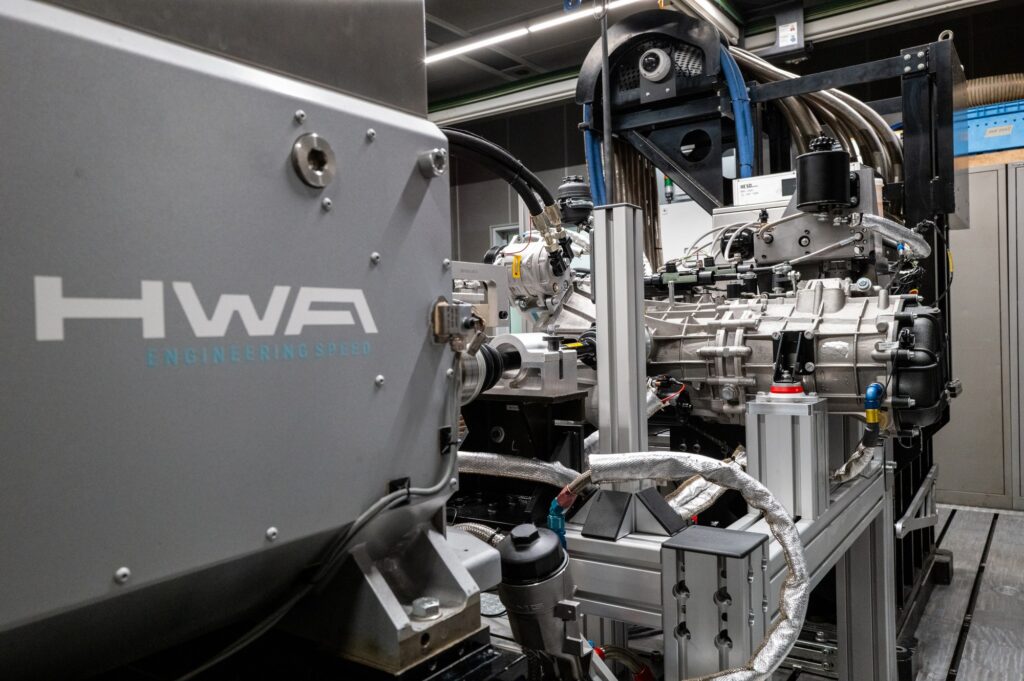
Gordian von Schöning is clearly excited about the project as we meet a video call. He takes me on a walking tour of the company’s in-house engine dyno and shows off a few prototype HWA EVOs in various stages of completion. We marvel at a fresh batch of flawless carbon door panels. Von Schöning is an engineer by trade, having worked for Mercedes-Benz HPE making F1 engines, and later developing DTM and GT-racing cars. He was part of BMW’s DTM program for a stint, before returning to HWA in 2020 because, in his words, “I have to go back to such a cool company.” So, he’s one of us, a car enthusiast to the core.
Before we get too deep into HWA’s unusual new car and why it exists, we should back up because it’s important to understand the pedigree behind what is, to the uninitiated, a rather expensive DTM knock off.
The name HWA will be familiar to many enthusiasts already but in case you need a reminder, HWA stands for Hans Werner Aufrecht. He’s the “A” in AMG, one of the company’s co-founders who built the legendary Mercedes tuner and racing outfit starting in the 1960s.
“AMG wanted to make the best car in the world — Mercedes — even better,” von Schöning explained. “That’s what Hans Werner tells us all the time, right? So that was his idea. It was the Holy Grail. People said, ‘you shouldn’t touch a car which is already perfect.’ But Werner said, ‘Yeah, it’s not perfect to my mind. I want to change it. I want more power. I wanted more paint. I want individual leather.’”
As an independent outfit, AMG made more than its fair share of legends: the unlikely class-winning AMG Mercedes 300 SEL 6.8 (the Red Pig) that made history at the 24 Hours of Spa; the beloved 1980s AMG Hammer coupe, the 1990s E55 AMG sedan and on and on.
In the 1990s, AMG was so successful Mercedes wanted to buy it and bring the operation in-house. “That took a while. Actually, it all started around 1991 and took almost 10 years to negotiate,” von Schöning said.
When DaimlerChrysler finally acquired AMG in 1999, Aufrecht spun off the racing division into HWA AG, taking much of the competition DNA with him. Since then, HWA has amassed an trophy cabinet and resume that would make anyone jealous: 11 DTM driver’s titles, more than 480 victories in Formula 3, two Formula E titles, and hundreds of GT2, GT3, and GT4 customer racing cars built. They’ve also been entrusted with creating low-volume icons like the Mercedes-Benz CLK-GTR Straßenversion, the CLK DTM AMG, and the SL 65 AMG Black Series. Today, they collaborate with Pagani, De Tomaso, and Apollo on various supercar projects.
The company is still based just down the road from AMG in Affalterbach, Germany, and has — until now — functioned in the shadows as a kind of skunk-works for other companies’ coolest projects. But not anymore.
“We are not talking about a 2 million or 3 million euro car, but it’s also not 200,000 right?” von Schöning says, positioning the HWA EVO in somewhere in the middle of the somewhat ludicrous market for restomod/supercars. “So what do you get, actually, for the price? It’s 100 cars being built by a company that is 26 years in racing. […] It’s kind of a crazy niche market, because nobody needs a 190 with 550 or 525 horsepower, but it’s actually our passion. And being part of that is actually what drives all the people who bought the car already.”
Coming out of the shadows was also a business decision for HWA, as it looks to diversify its business.
Personally, for me as a kid in the ‘90s, the Mercedes 190 Evo II and E30 M3 might still be the pinnacle of German sport sedans. They carry a lot of nostalgia for me, and clearly I’m not alone. For proof, just look at how much those two underpowered old German tin tops sell for these days. The 190 would’ve been the car I’d have chosen to fly the flag for HWA too.
Hans Werner Aufrecht still loves the cars from this period too, said von Schöning. “He loved end of the ’80s and ’90s, with the brand getting popular with the Hammer in the US. But the 1992 Evo II, that was kind of his pinnacle favourite car,” he added.
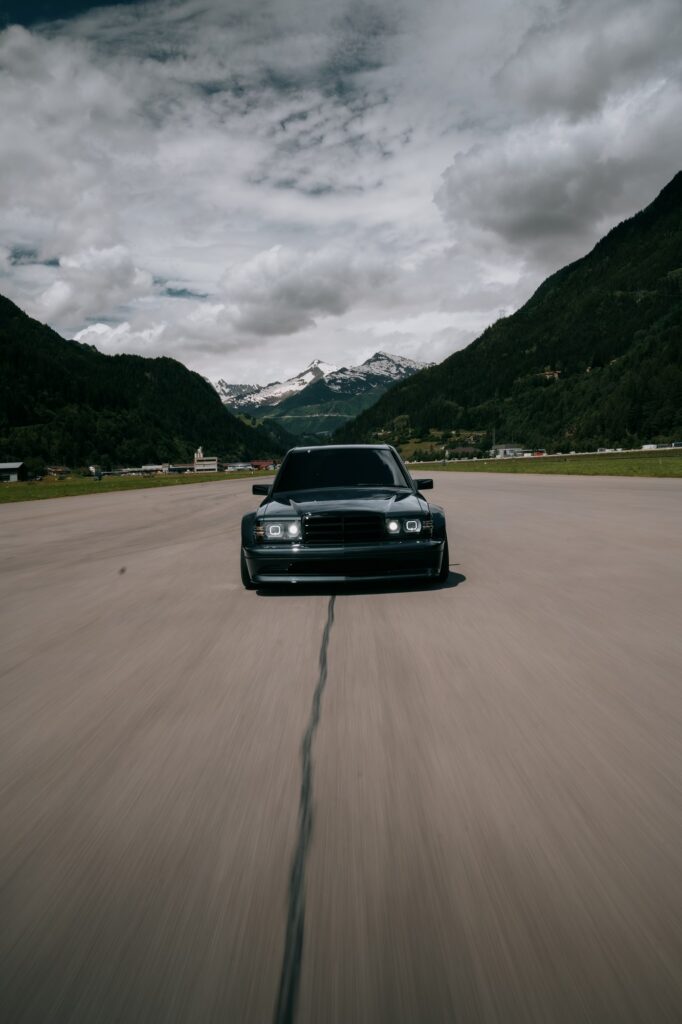
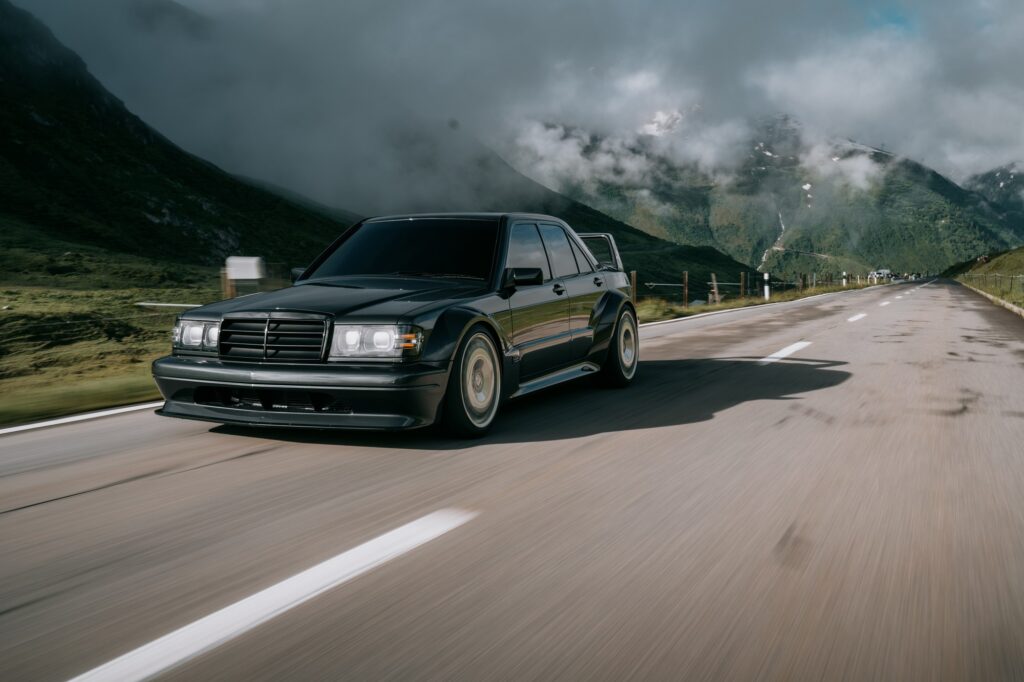
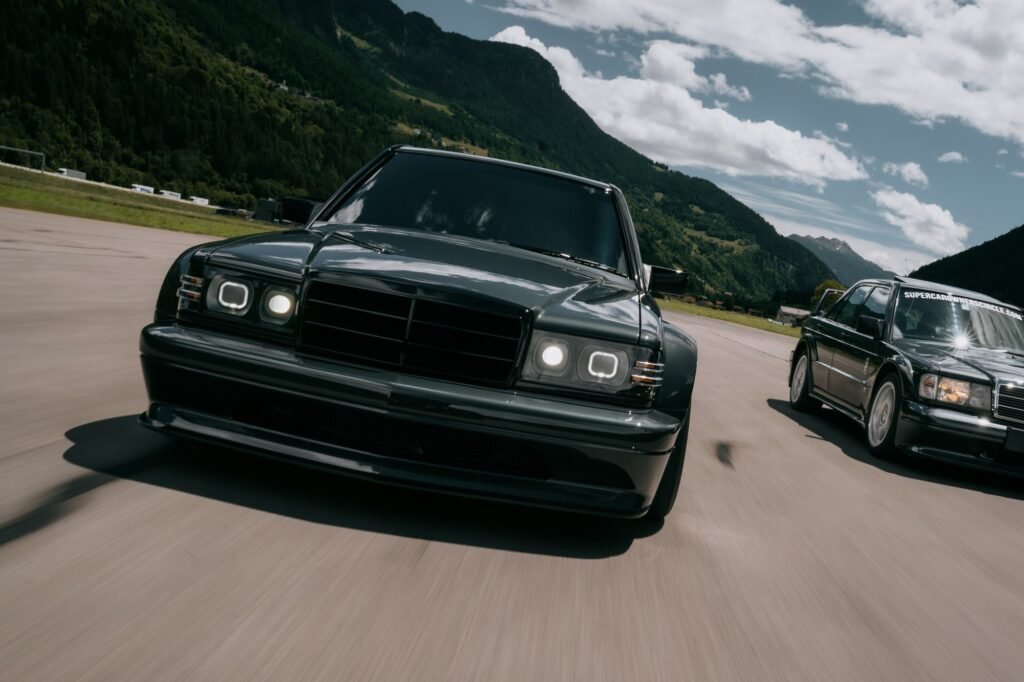
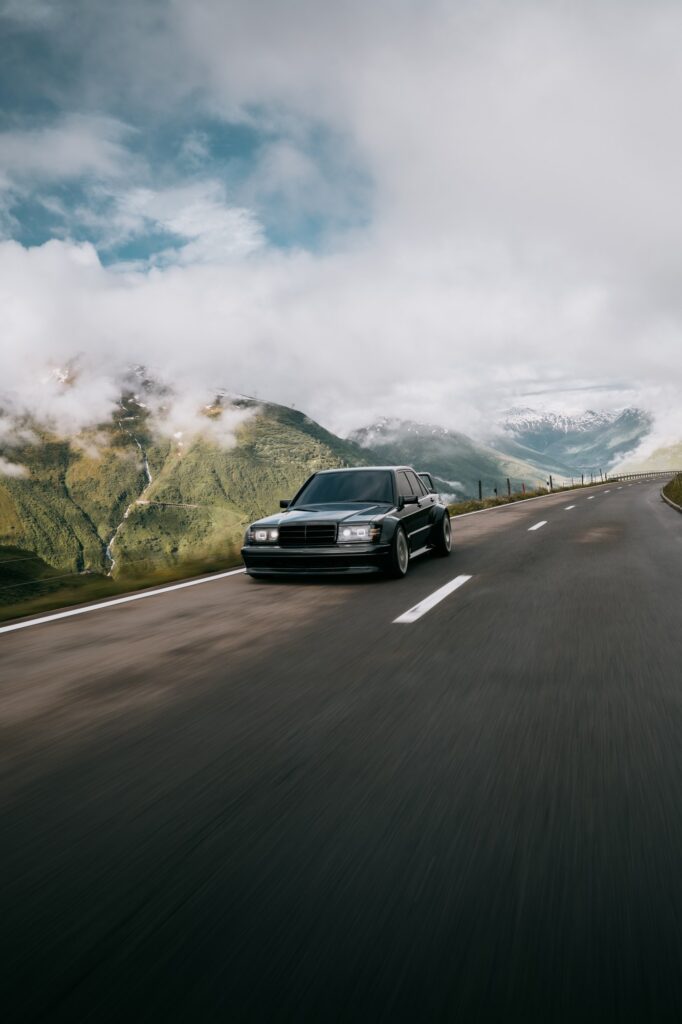
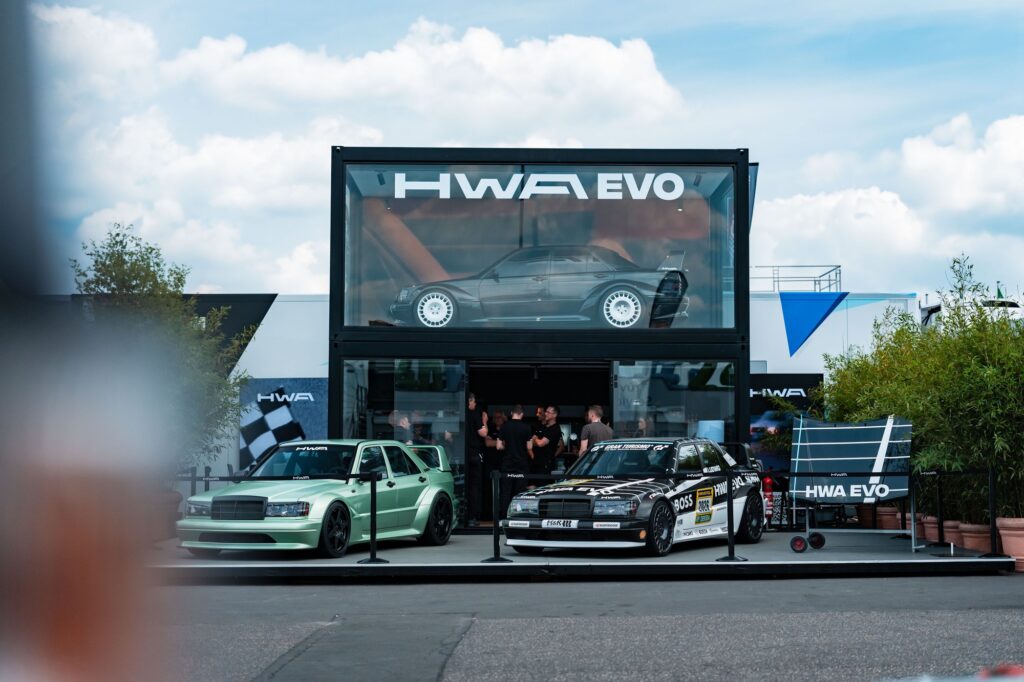
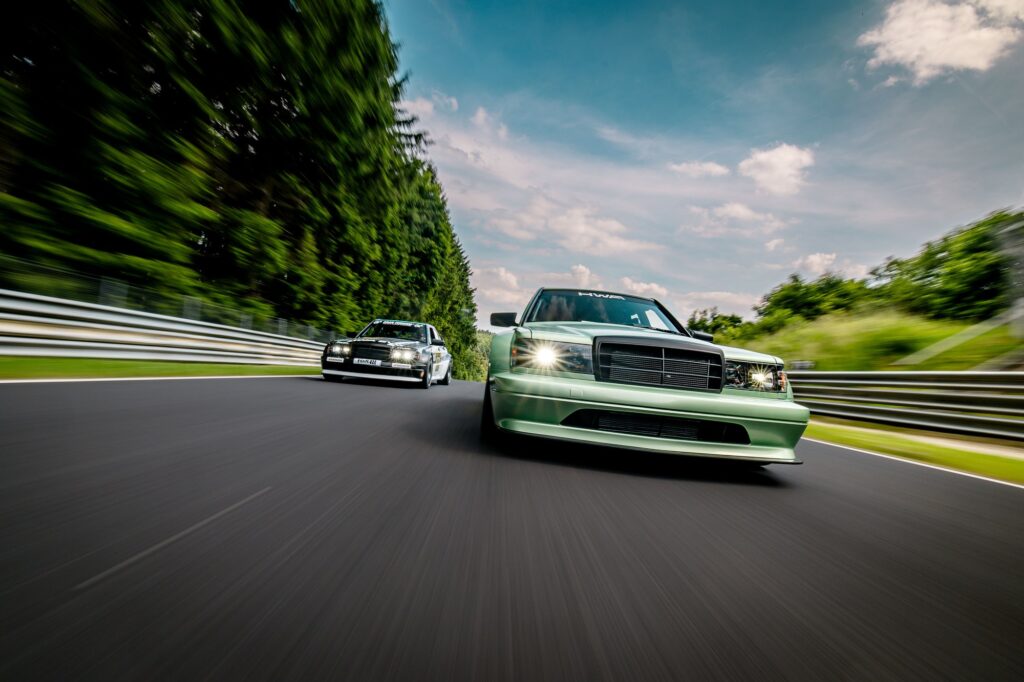
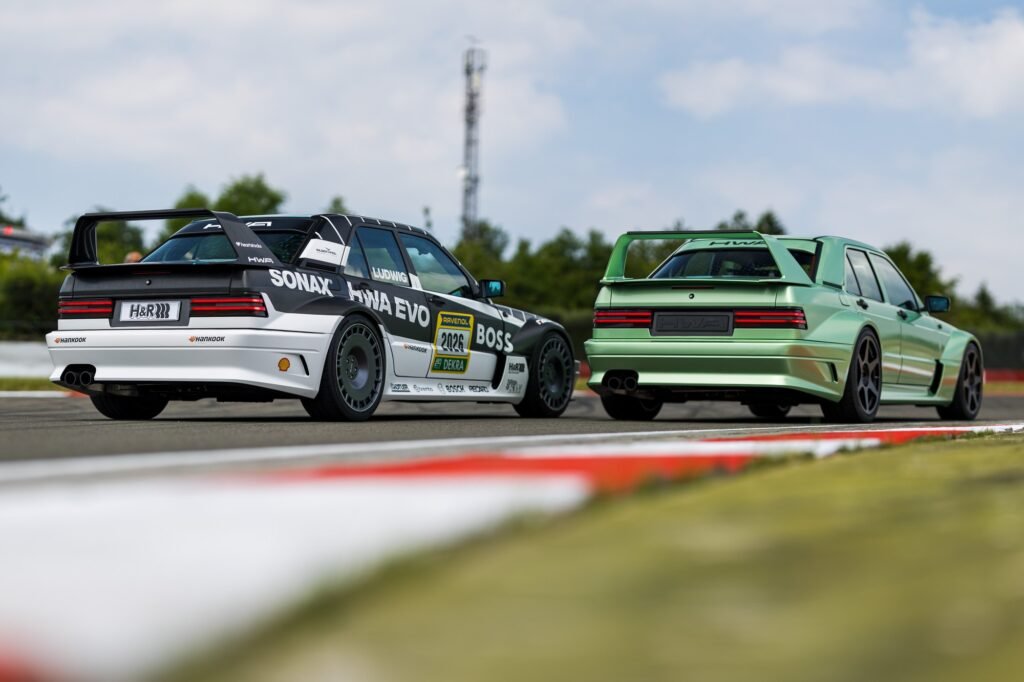
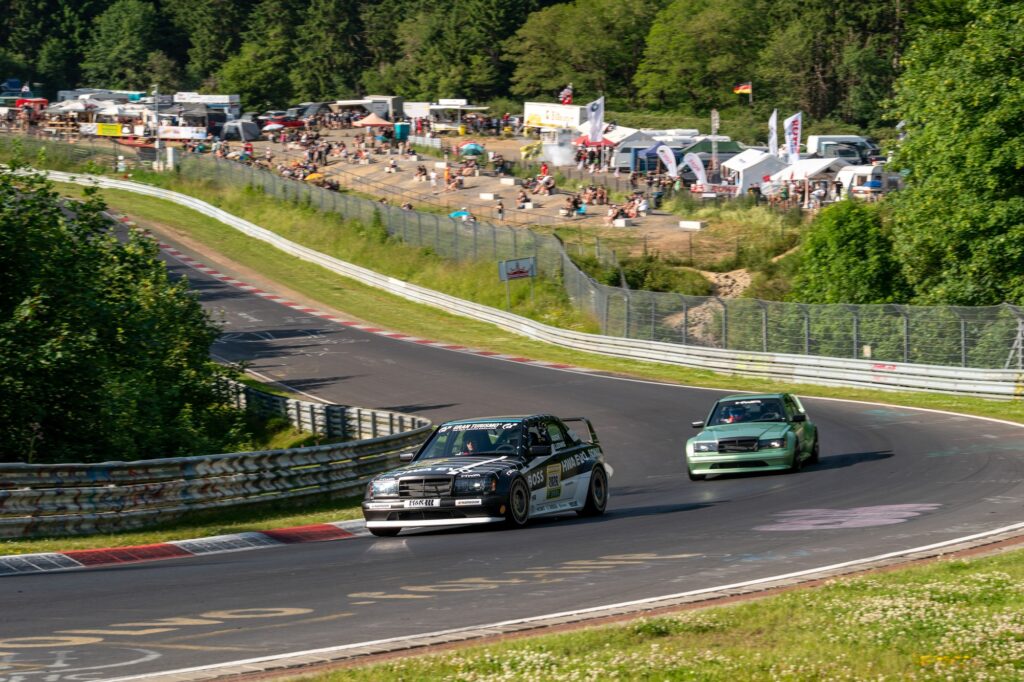
Only 502 examples of the original Evo II were built as a homologation special, made to allow Mercedes to race campaign it in the DTM championship.
“With that original racecar, the world changed for HWA,” von Schöning reflects. “In 1967 the company was 12 people. In 1992, the company was already 100 people; that started real success.” Today, HWA is 300 strong.
The car comes from an era before Mercedes diluted the AMG brand. “At some point after the SLS, this dropped a little bit,” said von Schöning. “They put the badges on even small A Classes. They put the badges on any car and said, ‘Oh, this is an AMG line.’ And blah, blah, blah, that’s what you do at some point to make money out of it, and you milk the cow.”
Now, like a handful of emerging independent brands, HWA is stepping into the void created by major car companies having almost entirely abandoned the market for driver-centric, analog cars with manual gearboxes and a focus on lightness. But don’t mistake the HWA EVO for a restomod.
“So it all started as we’re going to carry over, this, this, this, and at some point, no, we can’t take this. We can’t take that. Let’s do that new. Let’s make this here. But it’s not totally crazy; we have been thinking about this now for a couple of years, and it took some while to actually convince also our shareholders,” said von Schöning.
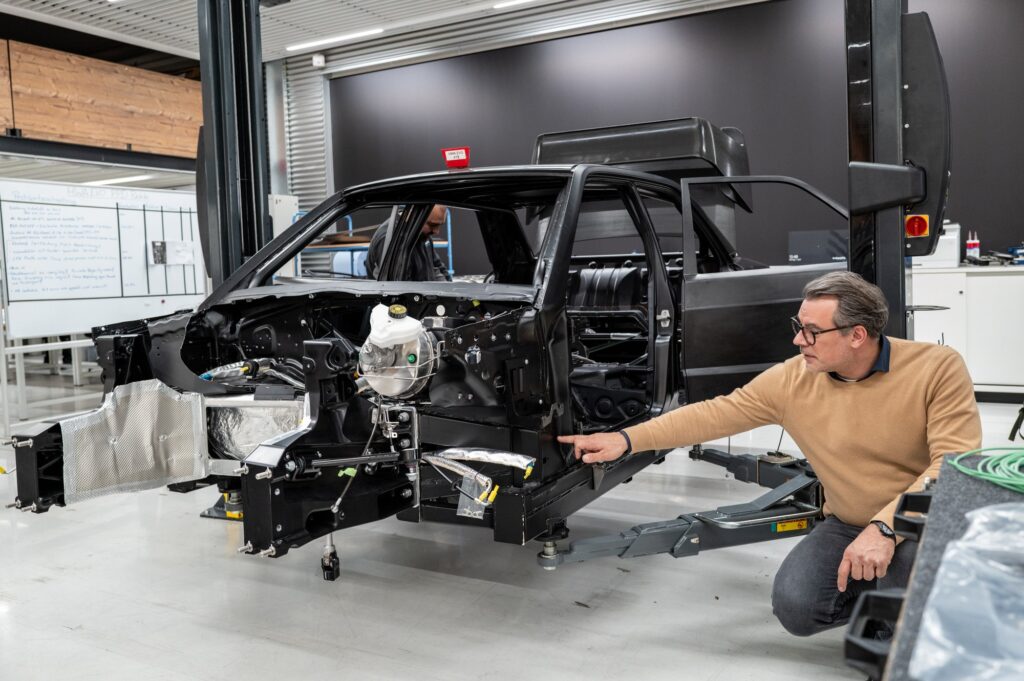
“20 minutes before we had this call, our engineers convinced me to go to a full carbon doors, because the fitment of an old inner piece with a new carbon piece is so complicated you will always have tolerance issues,” he said. “So we got to full carbon doors.”
Clearly, the team at HWA aren’t just diehard car enthusiasts, they’re also perfectionists, sweating the panel gaps.
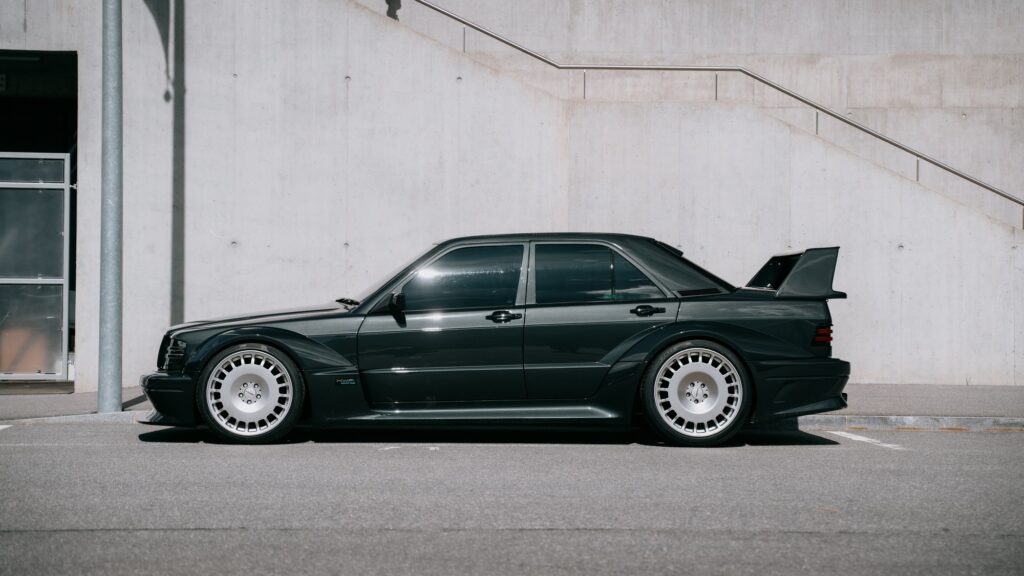
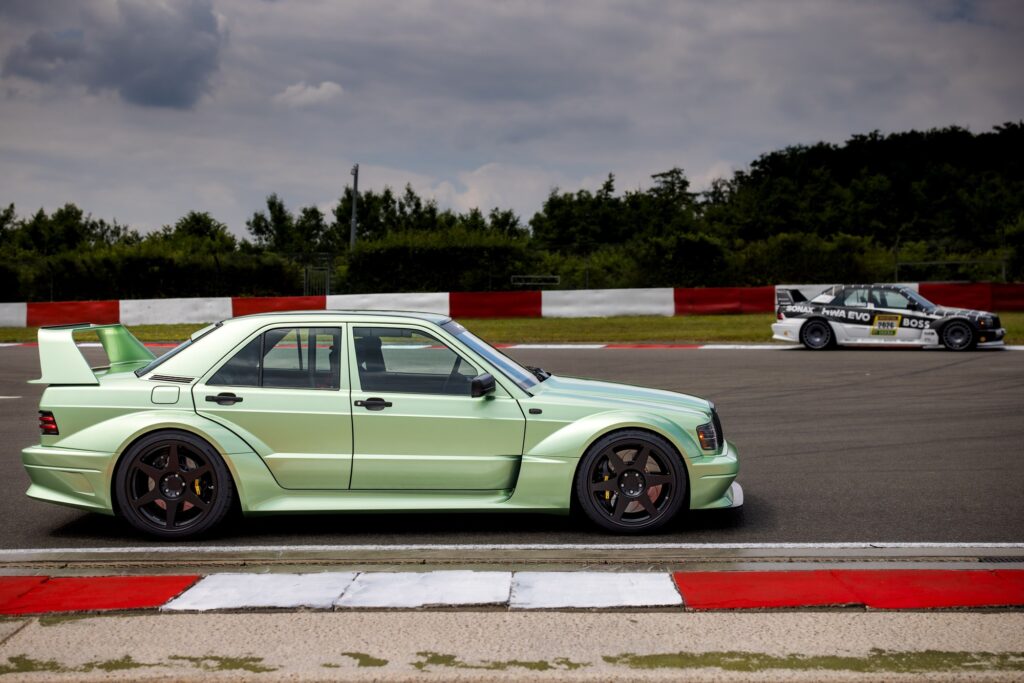
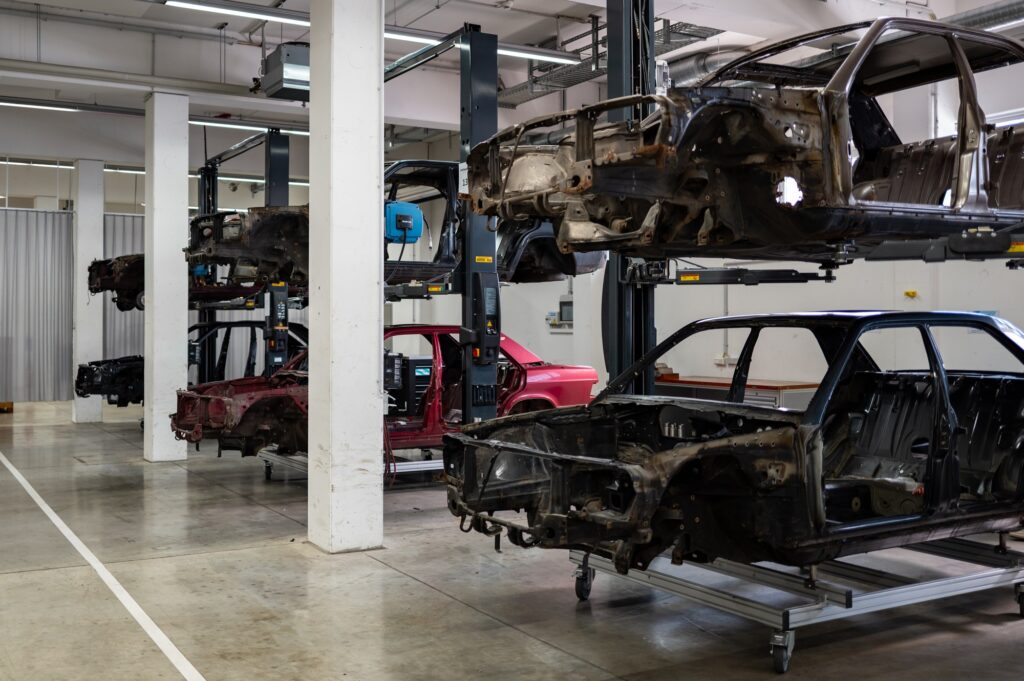
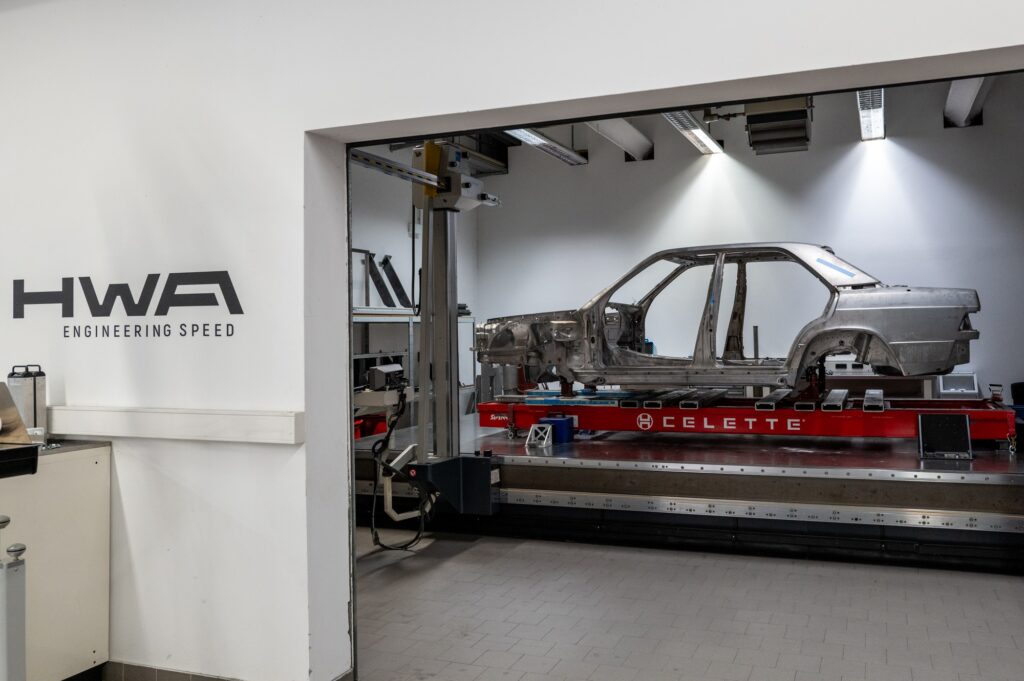
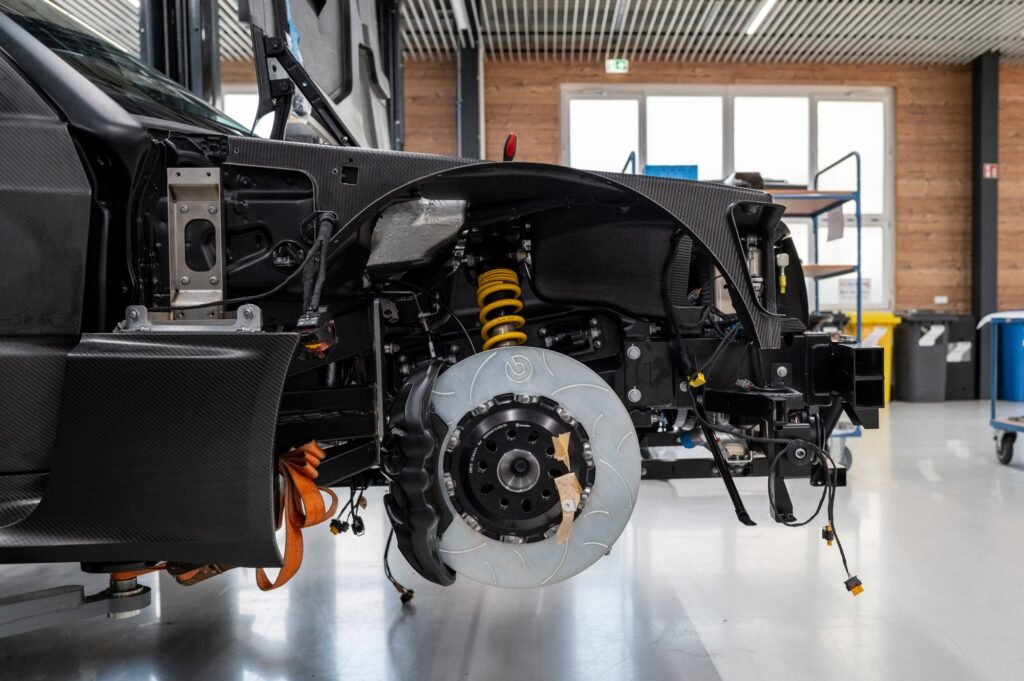
Of the original metal unibody of the 190 donor cars, HWA only keeps some pieces of the pillars and bits of the front and rear firewalls and that’s about it. You’ll find plenty of HWA badges, but not a single Mercedes star on the car. The suspension is double-wishbones all around, while the widebody and high-rise rear wing make it look even more ferocious than period DTM racers; the overall effect is menacing, like an avenging angel sent from the ‘90s.
Under the hood, HWA took the 60-degree twin-turbo 3.0-litre V6 engine block (the M276 as found in the old S-Class) and transformed it into a snarling 500+ horsepower monster. Curb weight is claimed to be around 1,350 kg.
The engine is mounted behind the front axle, while the six-speed manual gearbox and the clutch are at the back of the car, for optimal weight distribution. “The prop shaft is running engine speed,” he said, showing me the powertrain on a huge dyno. “The idea is to install the engine as low as possible, so that means we developed a dry sump to have a low center of gravity. And that’s because we are doing racecars in our ‘normal life’ and we have adapted all that DNA into the HWA EVO.”
“The changes in the sum are too much to keep the VIN number for European markets,” he explains. “So in Europe, we’re going to offer the car as an HWA VIN number. That means we have to fulfill all homologations which are relevant in 2026 — and it’s just crazy.”
“In the U.S. and the North American markets, we are keeping the original VIN number of the existing car. That’s why we do a lot of this effort; otherwise we would have used a monocoque-carbon based chassis,” von Schöning admits.
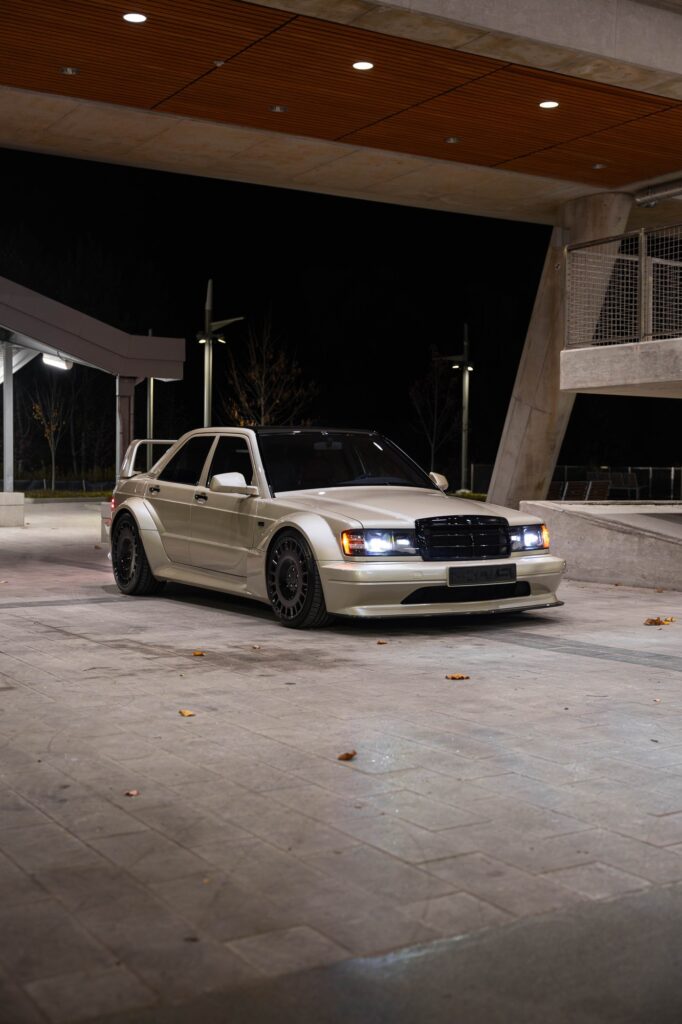
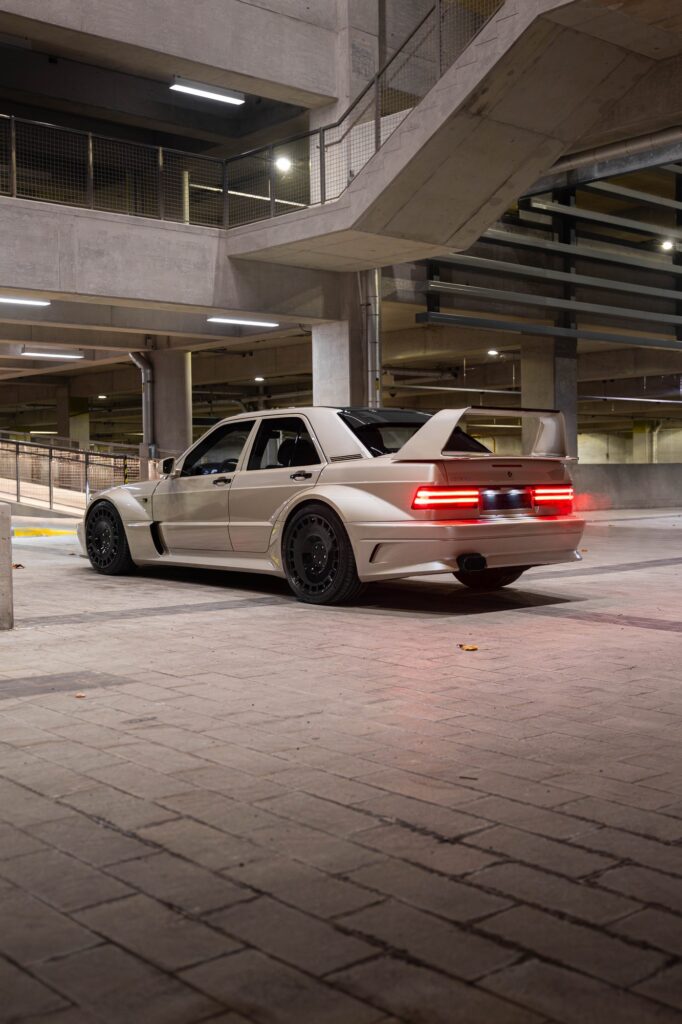
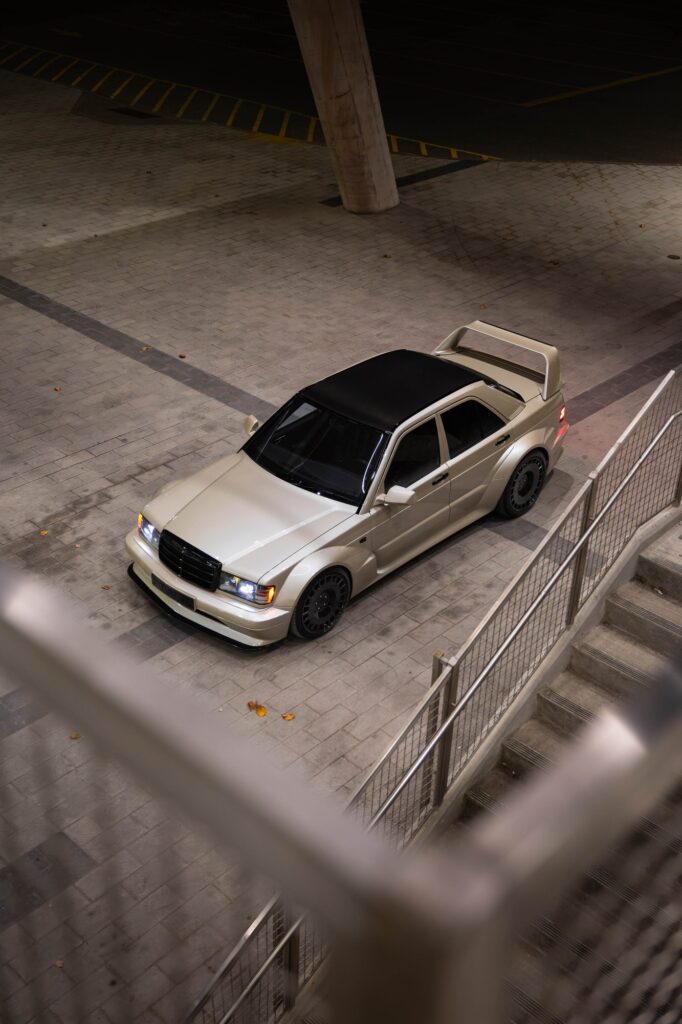
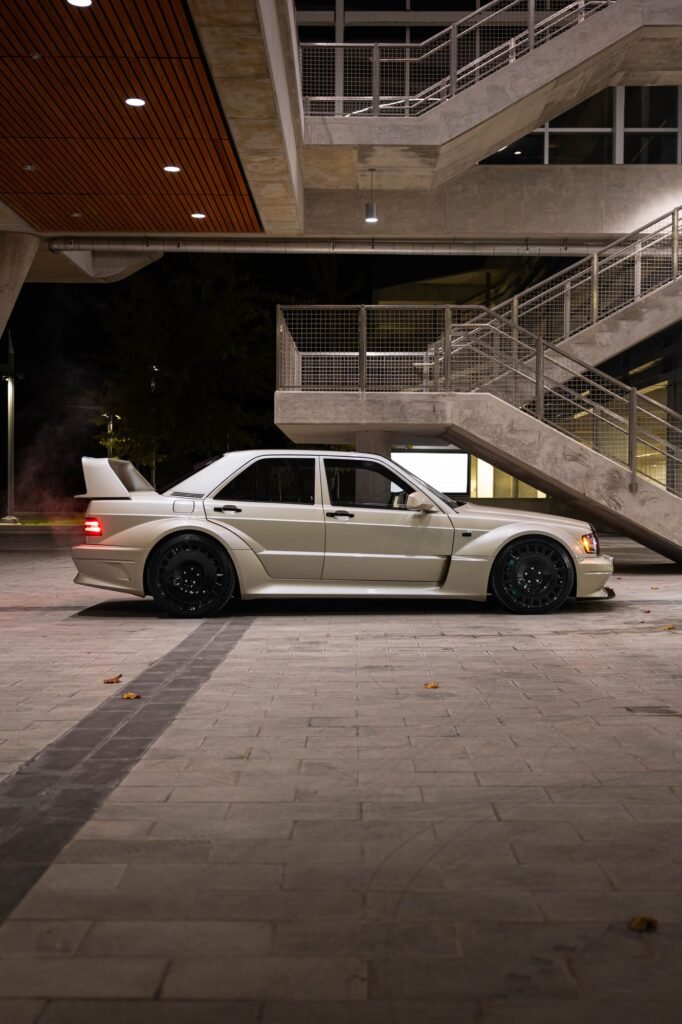
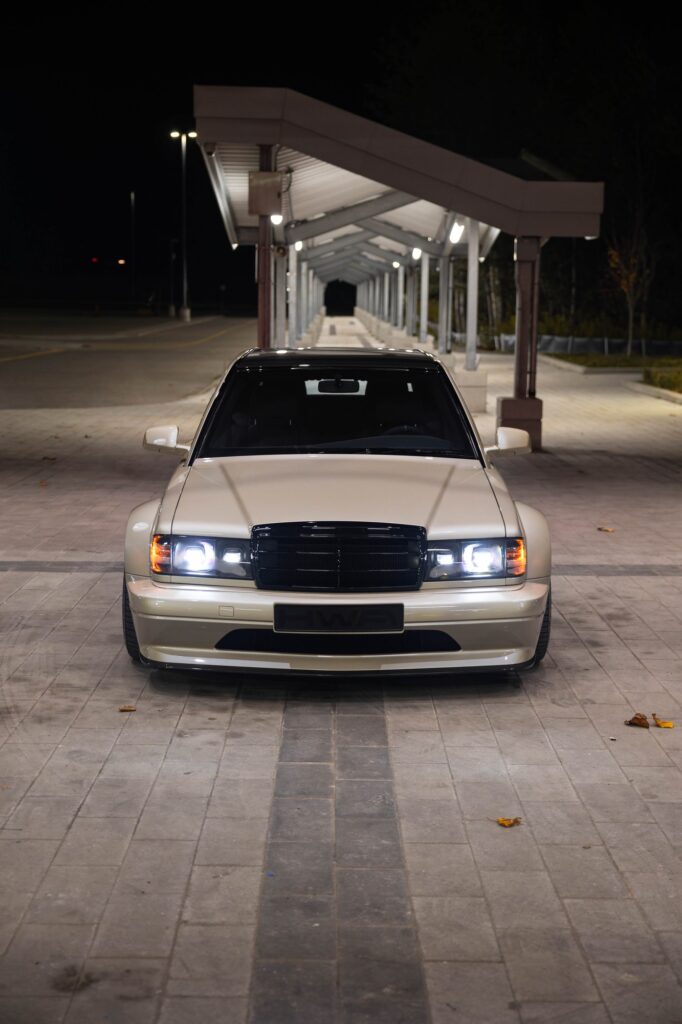
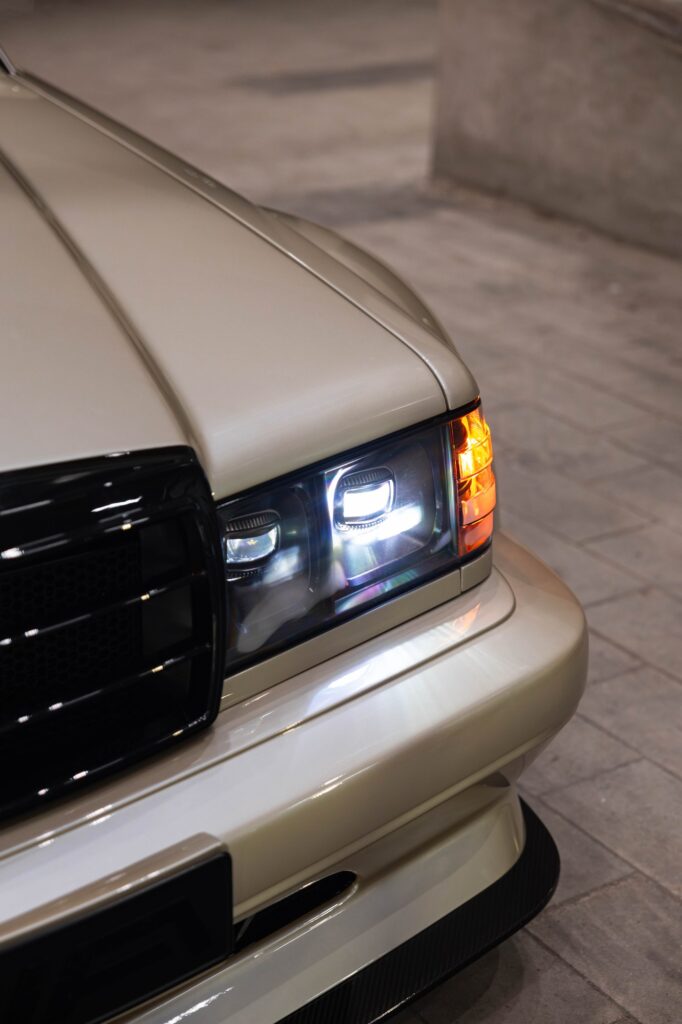
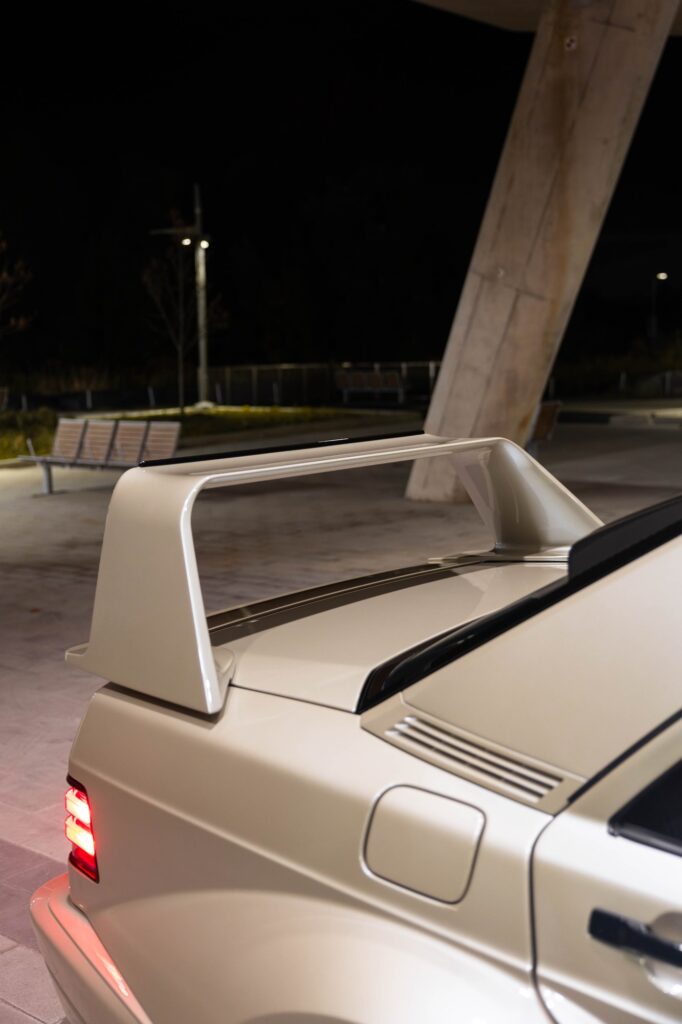
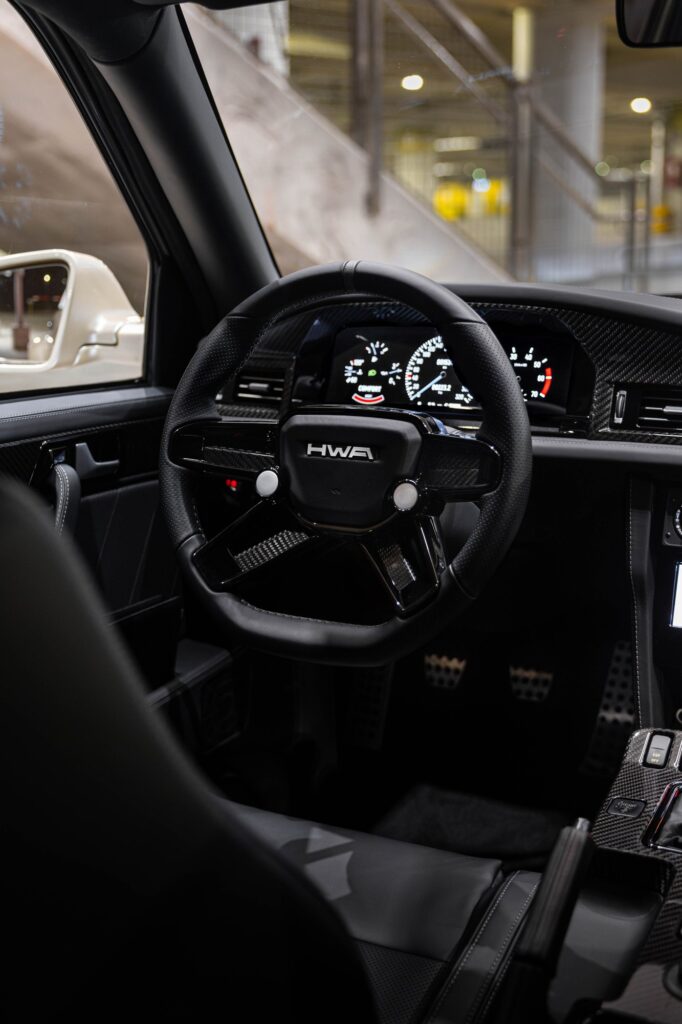
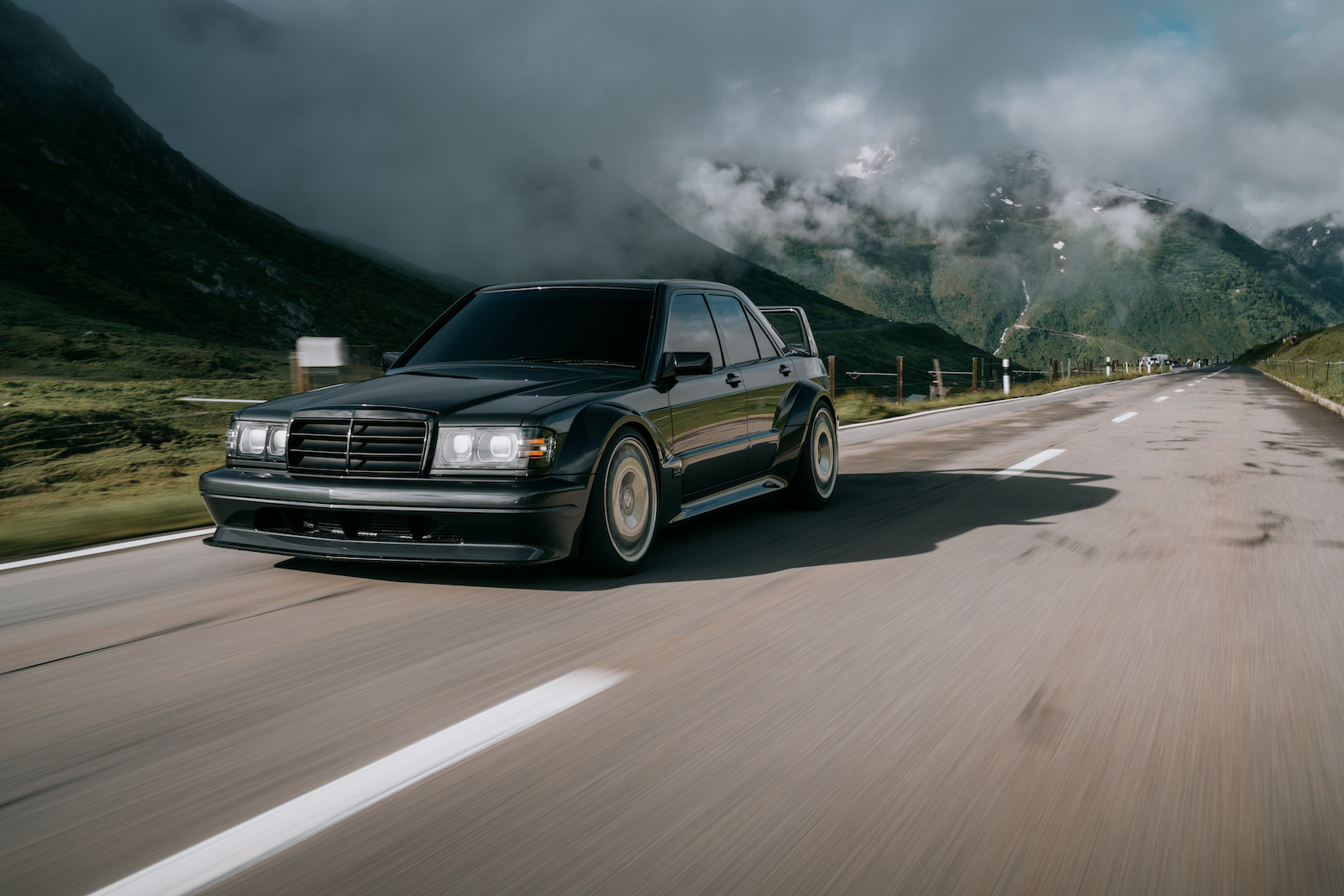
As for what the HWA EVO is like to drive, Von Schöning insists, “it’s not the fastest, it’s not the most powerful, but it is so much fun to drive it. […] It has a very good weight distribution, and it’s very neutral. It’s not snappy. You can easily drift the car, you can do whatever you like. So you really feel like a good driver; and that was our biggest plan, to actually make the car good and drivable, even for people who are not crazy racecar drivers.”
As a sensory experience, the car is deliberately unfiltered. “I can promise you, the car is loud outside. It’s loud inside, and it gives you a lot of strange noises, actually. But that’s what we want. We want something different.”
In that goal, the HWA EVO has already succeeded. And with that, von Schöning has to get off our call because a pair of interested buyers from Dubai and Saudi Arabia have come to check out the car. He fired up a prototype in the workshop, and I’d be shocked if they didn’t write both write a cheque then and there.