
Photography by Bernard Cahier, Lucas Scarfone & courtesy of Mario Andretti
Back in the day when the streets of Long Beach, California played host to the Formula One circus, Vince Granatelli and his passenger were driving through Santa Monica in his supercharged Camaro when they casually went through a traffic light that was just on the wrong side of yellow. An eagle-eyed police officer duly pulled Vince over, and as he leaned into the driver’s window asked in a sarcastic tone, “Who do you think you are, Mario Andretti?”
Vince burst out laughing, which both annoyed and bewildered the officer, who promptly demanded he step out of the car. “What’s so funny?” the cop wanted to know. Pointing to his passenger, Vince replied, “I’m not Mario Andretti, but he is!” Problem solved, ticket avoided.
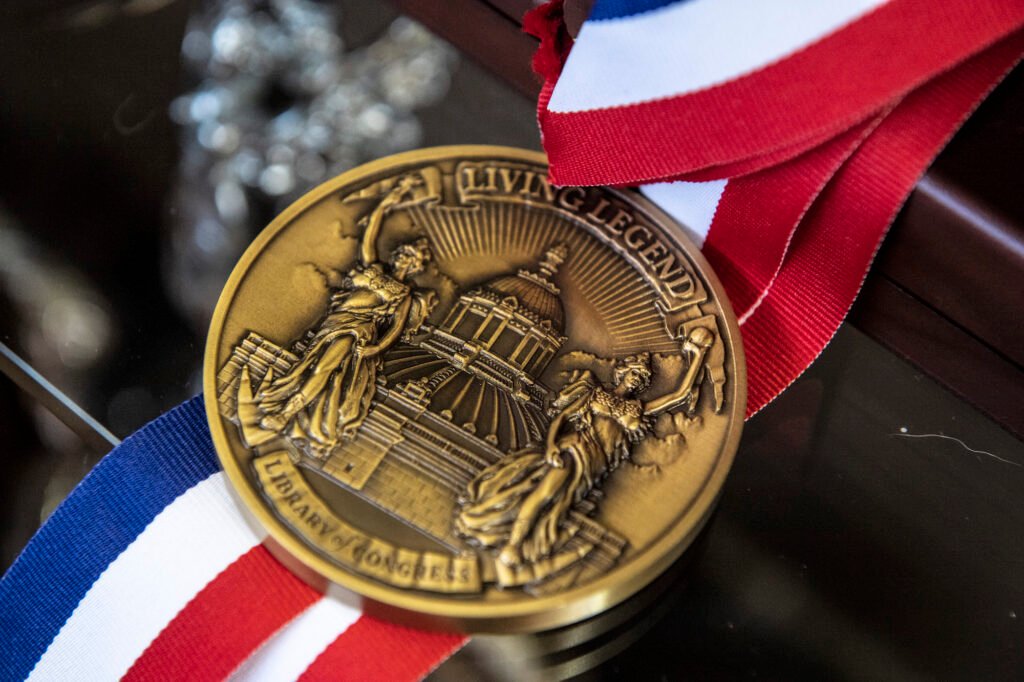
And there it is. Mario Andretti. Racing icon, living legend, one of the most gracious and humble superstars you’ll ever meet, and a surefire way to avoid a ticket.
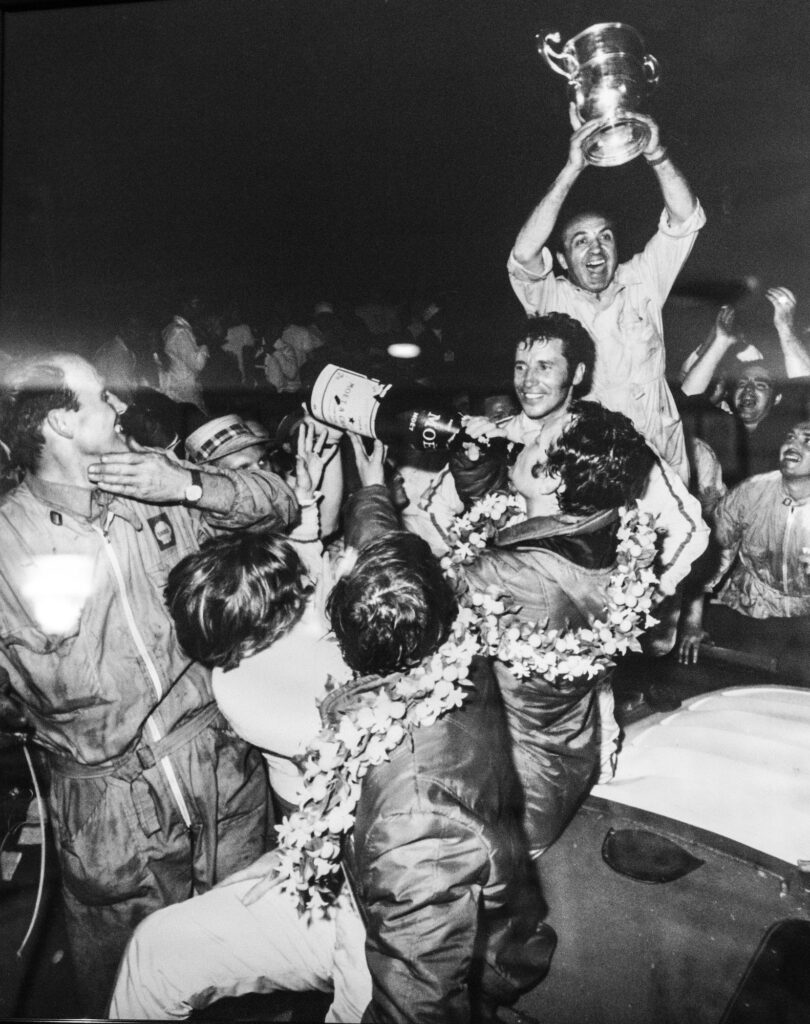
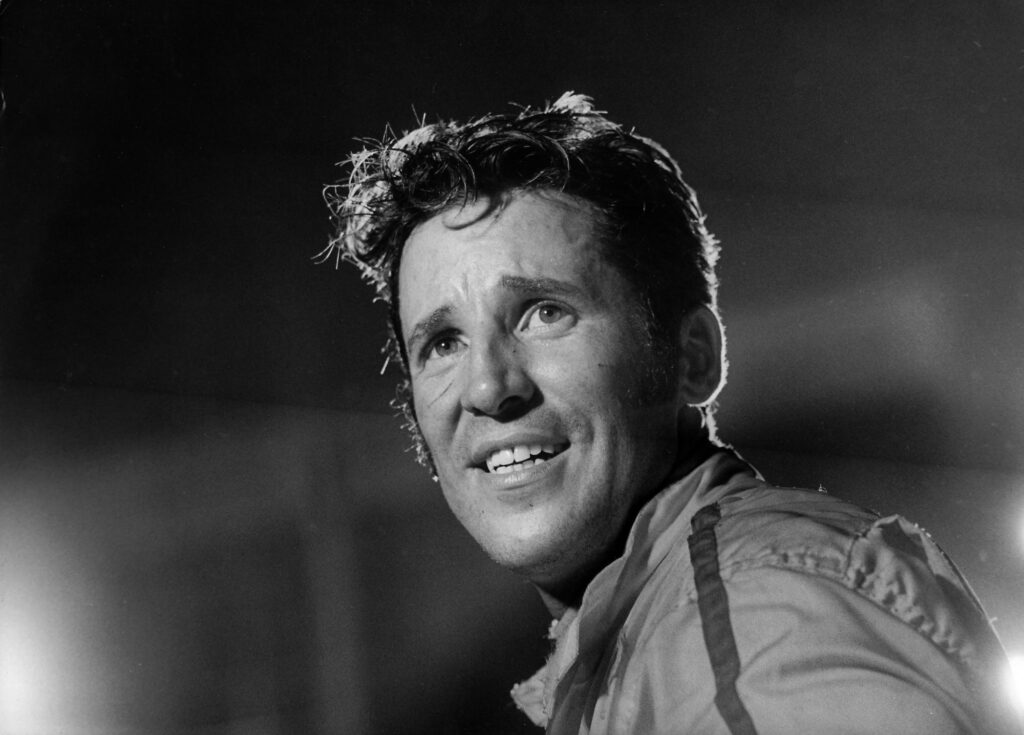
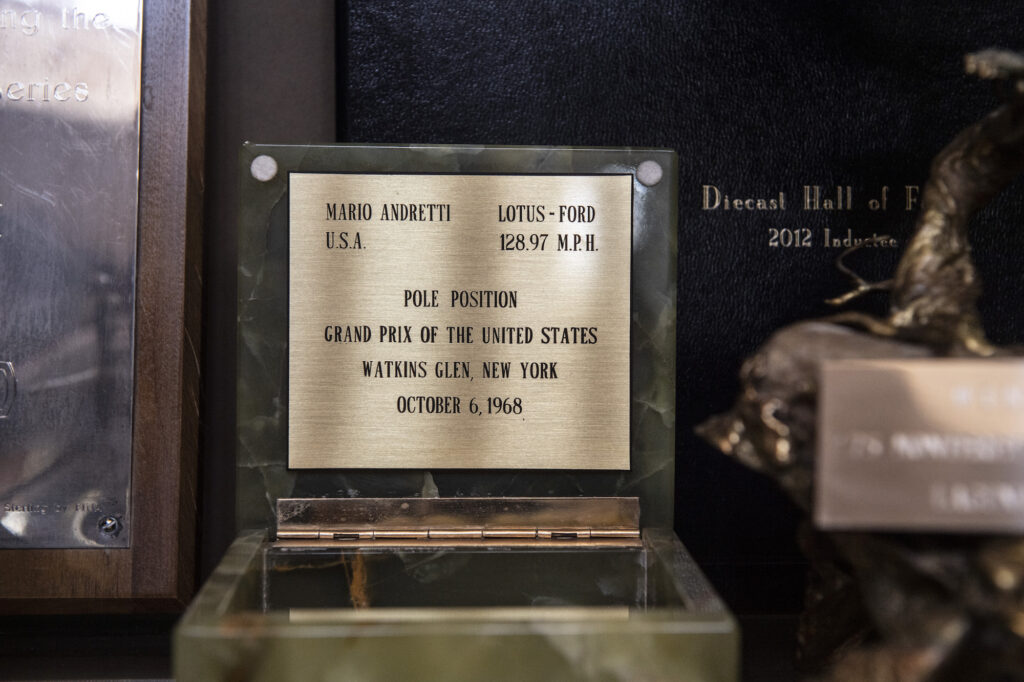
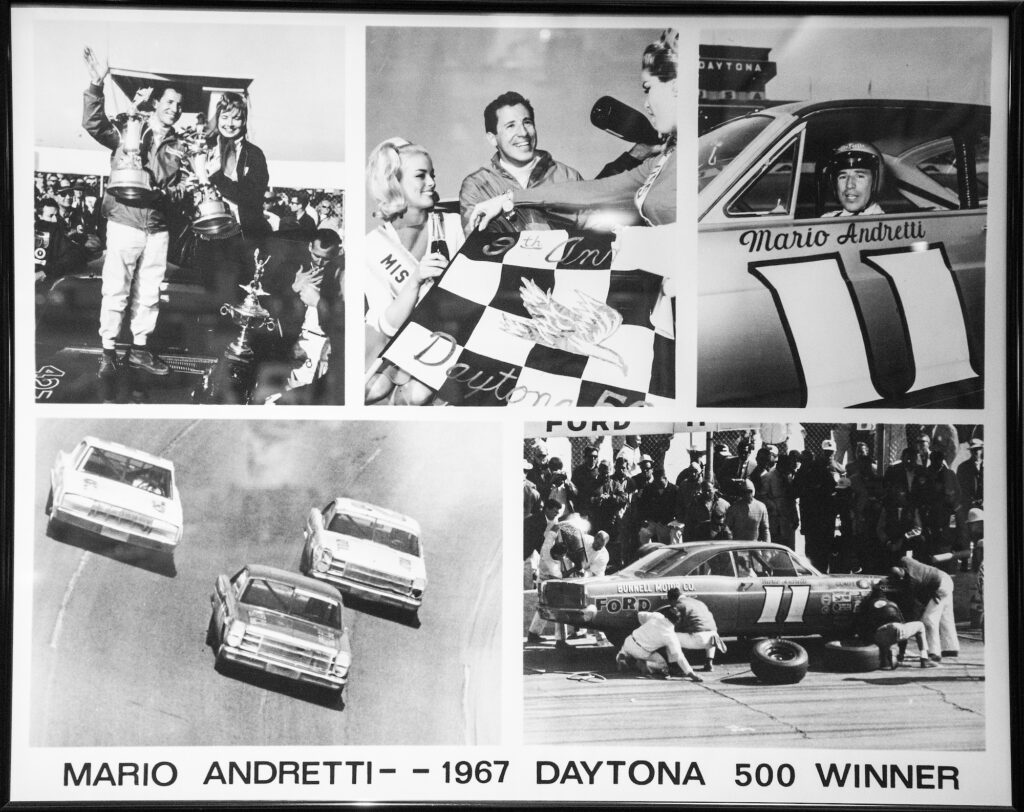
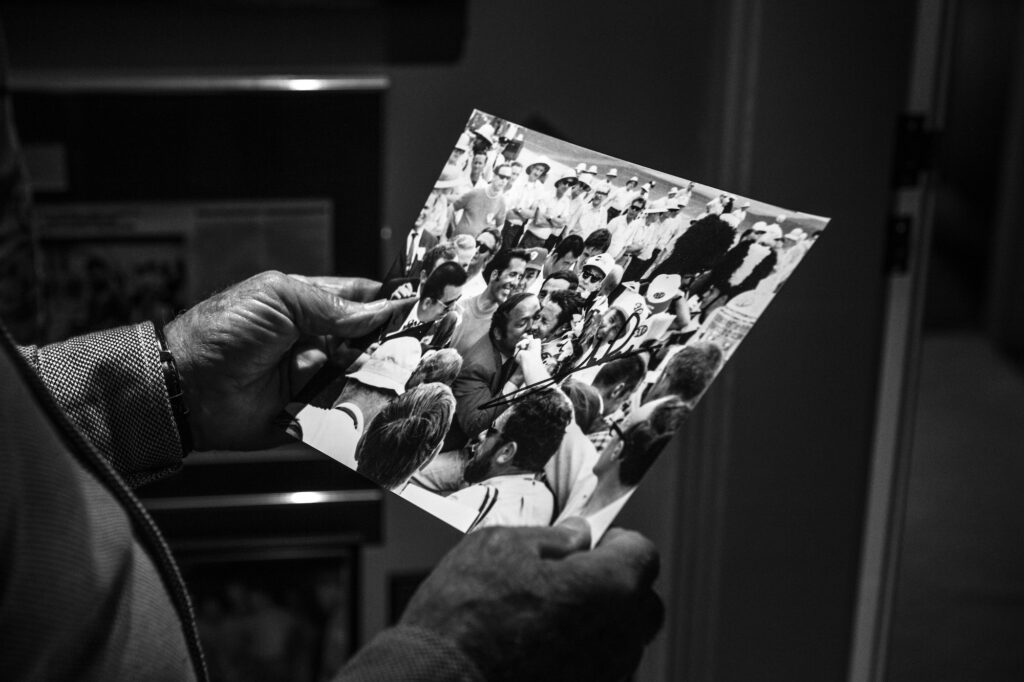
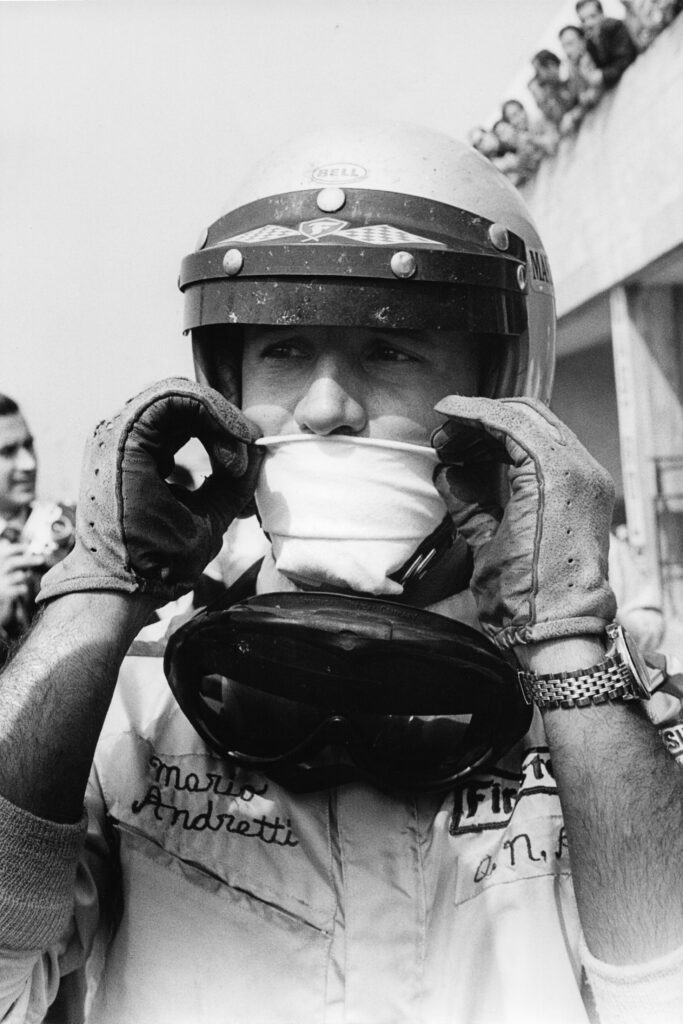
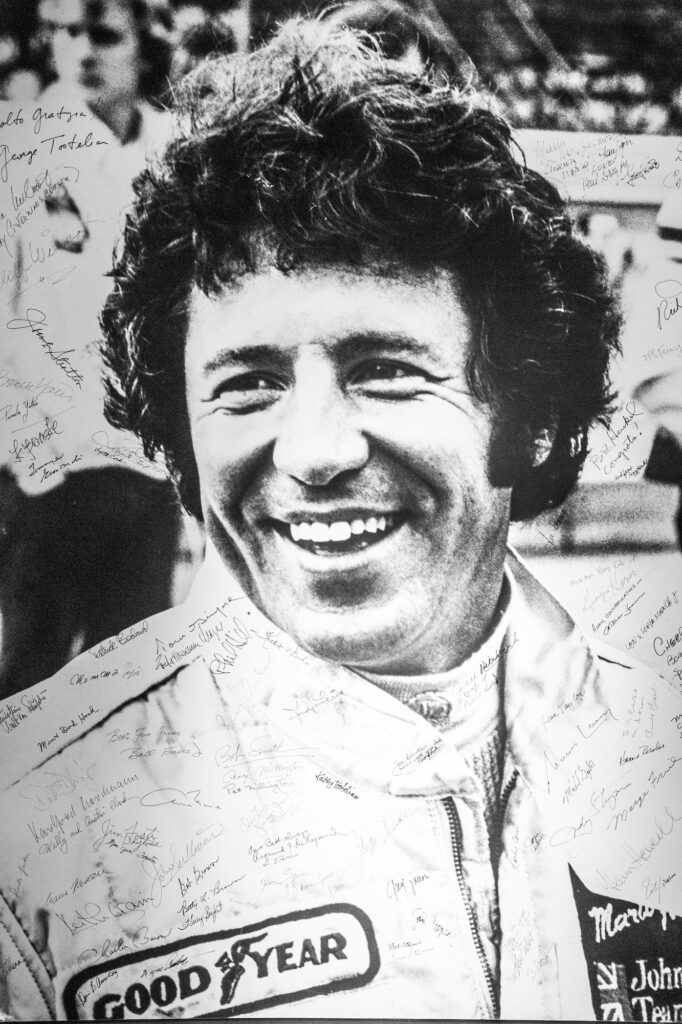
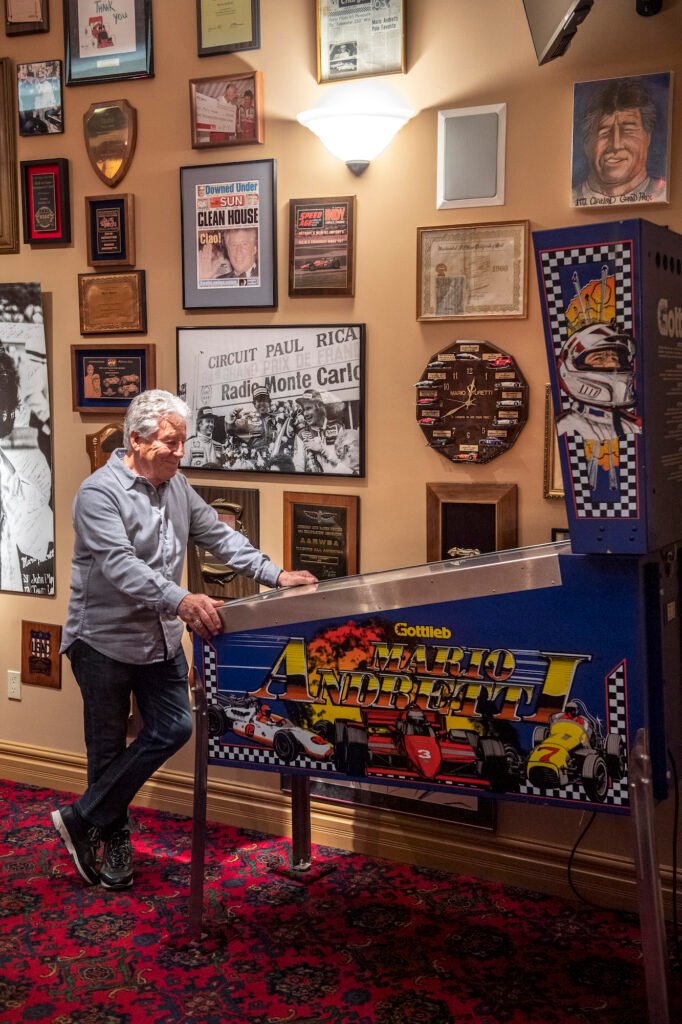
If there is a royal family of racing, it is the Andrettis. Mario has worn the crown with dignity and grace during his five-decade racing career, and he continues to wear it as ambassador for the sport that he loves today.
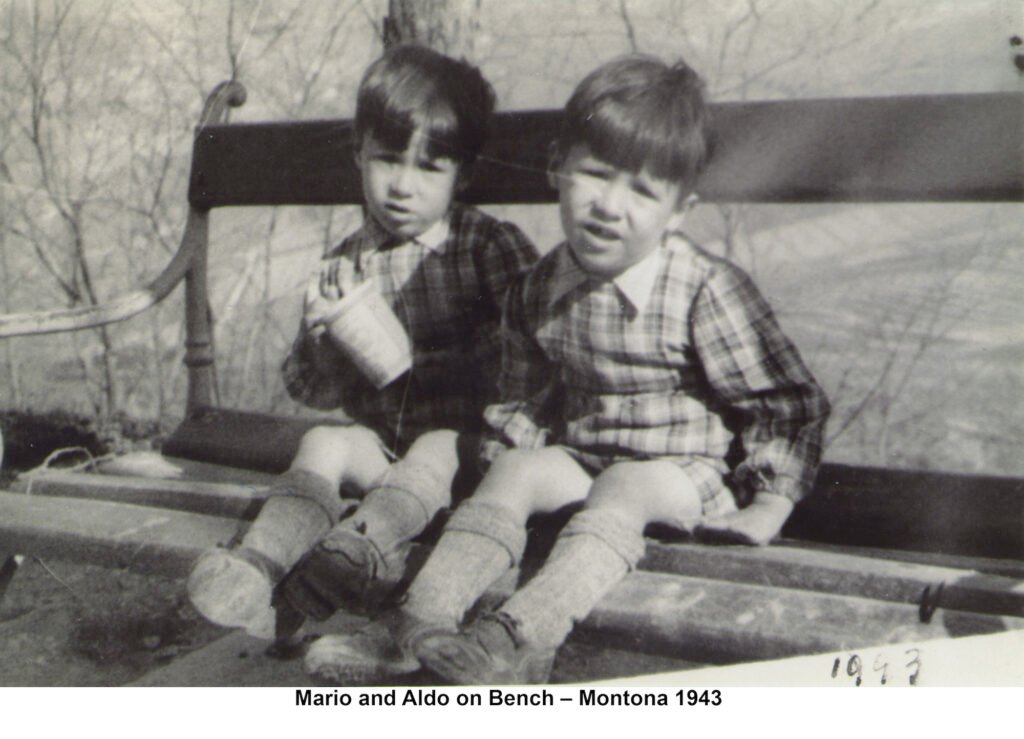
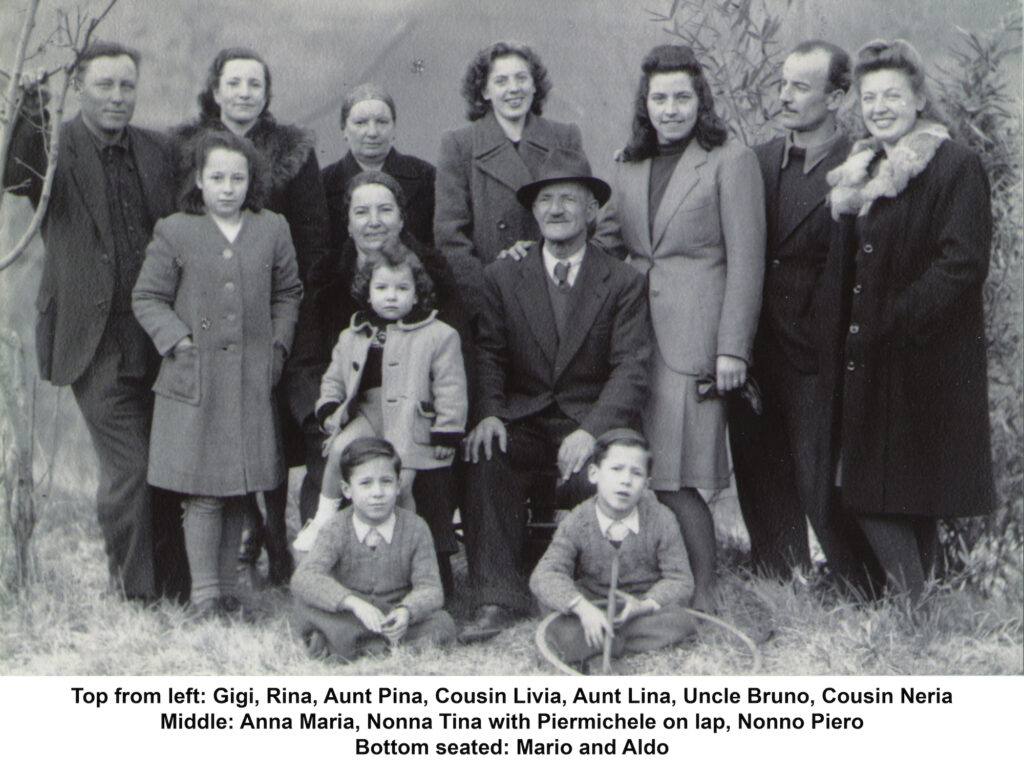
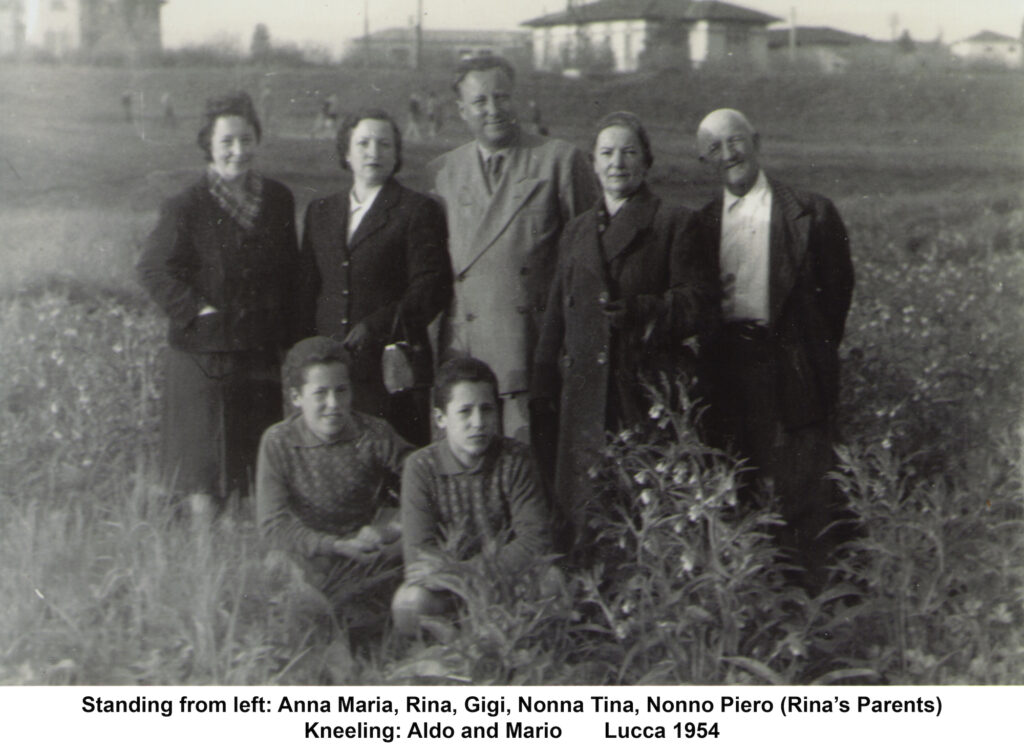
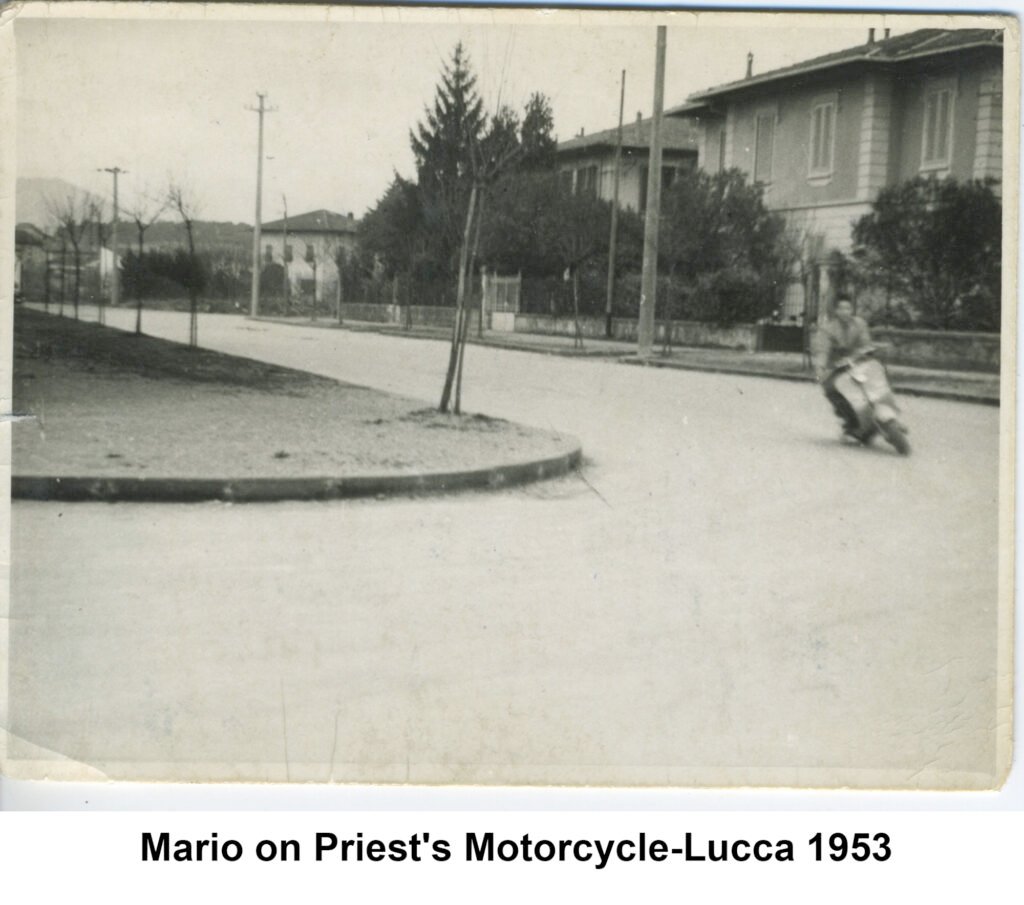
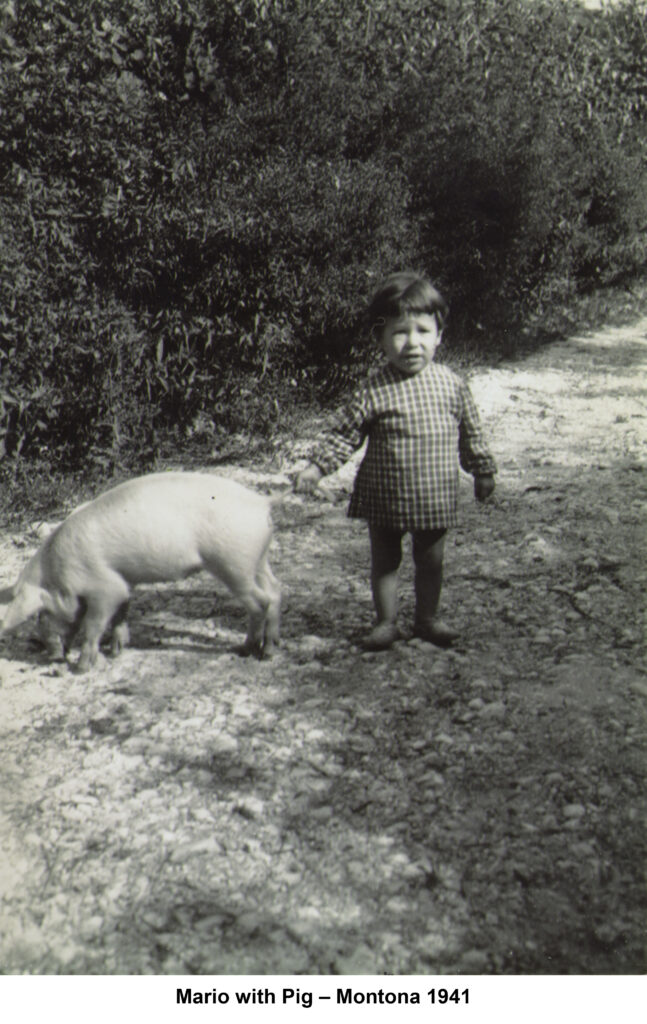
Mario lost his birthplace of Montona, Italy following the Second World War when it was annexed as part of communist Yugoslavia (now Croatia). His family was forced to live in a refugee camp in their own country, near the town of Lucca in Tuscany where he and his twin brother Aldo discovered their passion for all things race-related.
Unlike many aspiring racers today, learning on go carts at the age of 8 or 9 was not an option for the Andretti boys. The best they could manage was to convince one of the locals to construct a wooden soap box for them to race down the hill near their house, “terrorizing the old ladies,” as he calls it. They also devoured any car magazines they could get their hands on and eagerly awaited the racing news reels that accompanied the movies playing in their local theatre. They dreamed of piloting the Ferraris, Alfa Romeos and Lancias that they read about. Young Mario idolized the Italian racer Alberto Ascari.
Their father did not have the means for a car, but the twins secured jobs at a parking garage.
“We used to try and do burn outs with the [Fiat] Cinquecentos that we had to park,” he says. “The Alfa Romeos were better for that, though. Today when I leave my car with a valet, I shudder as I recall what we used to do to those poor customers’ cars.”
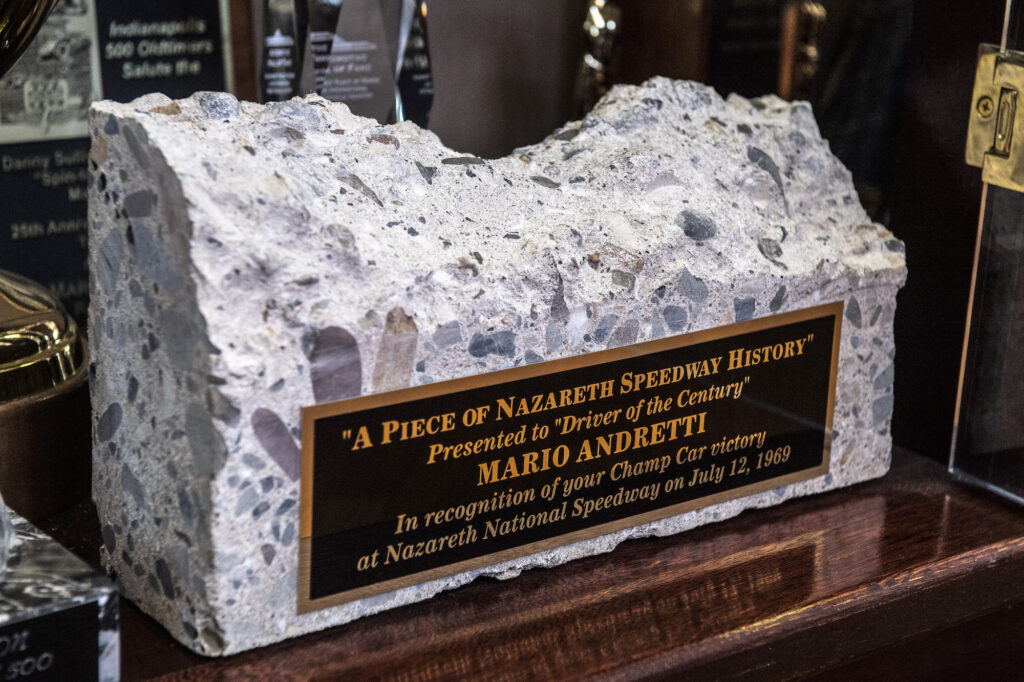
When the Andrettis emigrated to the U.S. and settled in Nazareth, Pennsylvania, where Mario still calls home 60 years later, the racing careers of the boys began in earnest. The fact that you needed to be 21 years old to obtain a racing license at that time was a minor inconvenience for them.
“A local editor of a newspaper fudged the date on our drivers licenses,” says Mario. “There were no computers in those days so there was no way to check.”
And thus the 19-year-old brothers were miraculously aged two years on paper and able to start building their own stock cars.
There’s an old adage that says do what you love and you will never work a day in your life. By that measure, Mario has never put in a single day’s work.
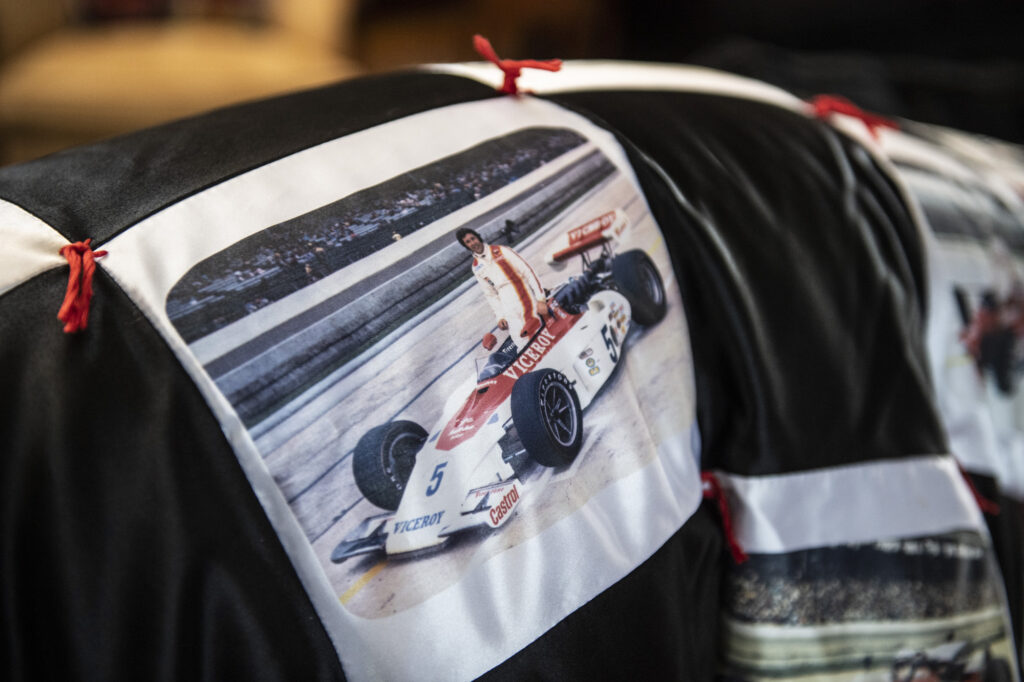
If it had wheels and an engine, it’s likely Mario has raced it at one time in his career. There is no other driver with as vast a racing pedigree, nor one who has been so universally successful in virtually every category in which he has competed.
Mario’s list of achievements is nothing short of mind boggling. Most will know some of the highlights, but when assembled in a laundry list, the sheer scope is astounding: Formula One world champion, Indy 500 champion, 4 time IndyCar series champion, Daytona 500 winner, 12 Hours of Sebring winner, 24 hours of LeMans class champion, winner of the Pike’s Peak Hill Climb, IROC champion, USAC dirt track national champion.
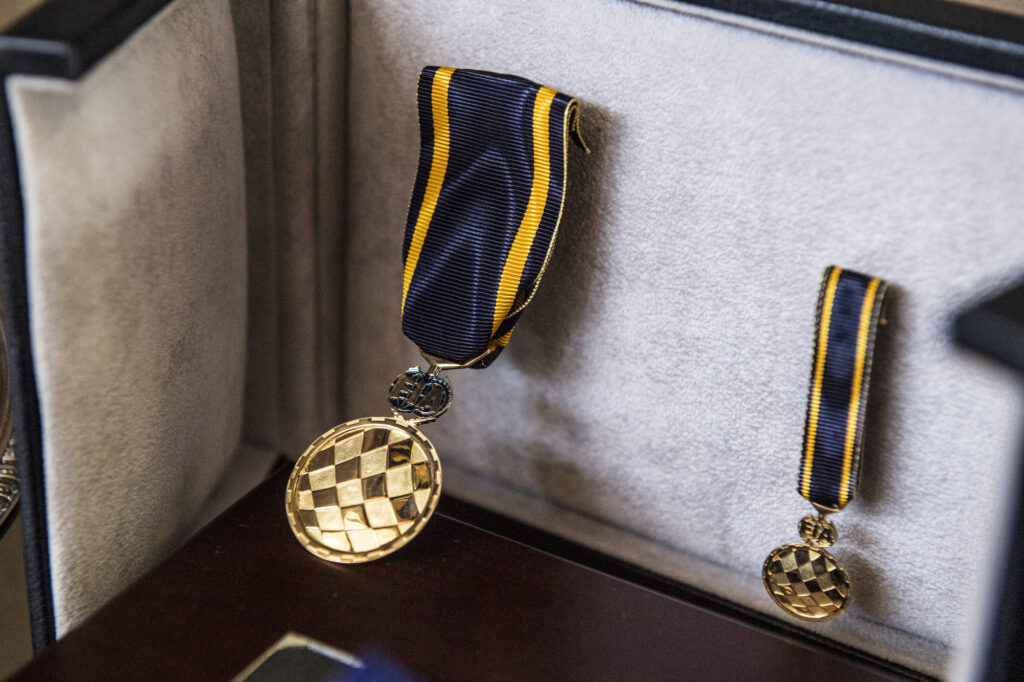
In addition, there are a multitude of accomplishments that defy logic. Mario won three separate midget races in a single day, at two different tracks 150 miles apart. He was rookie of the year and finished third in his first Indy 500; pole position in his first Formula One race; and holds the lap speed record of 234.7 mph at Michigan Speedway. He is the oldest race winner in IndyCar history, having secured that at 53 years old. He remains the last American to have won a Formula One race, 41 years ago. During his career he’s driven as many as 51 races in a given season in 7 different car categories, and a total of 888 sanctioned races in his career. He has been voted “driver of the quarter century” and “driver of the century.”
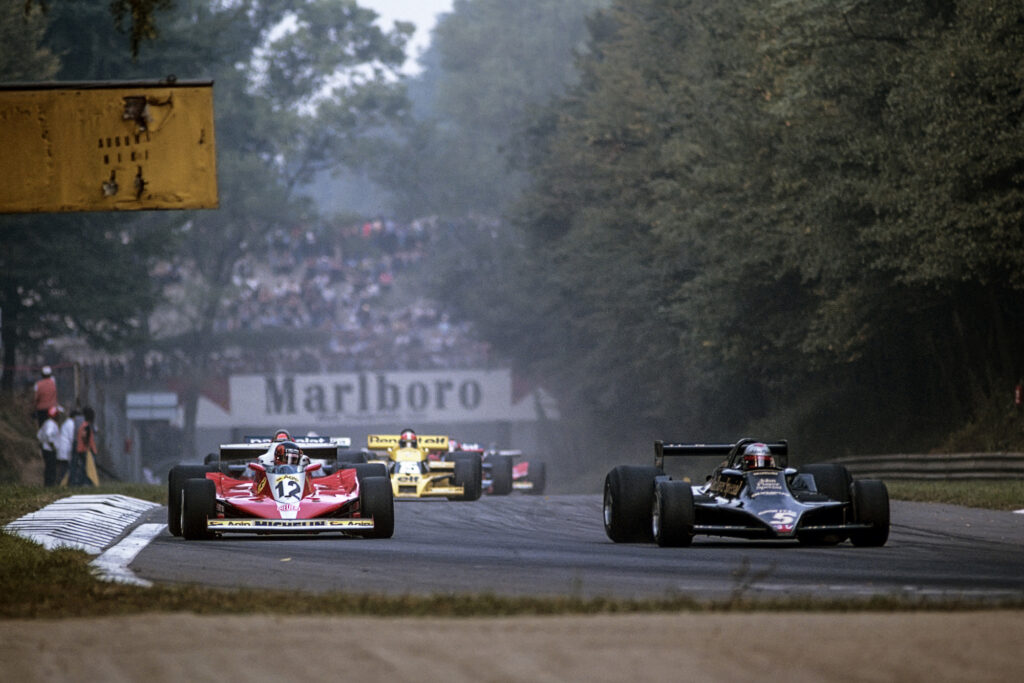
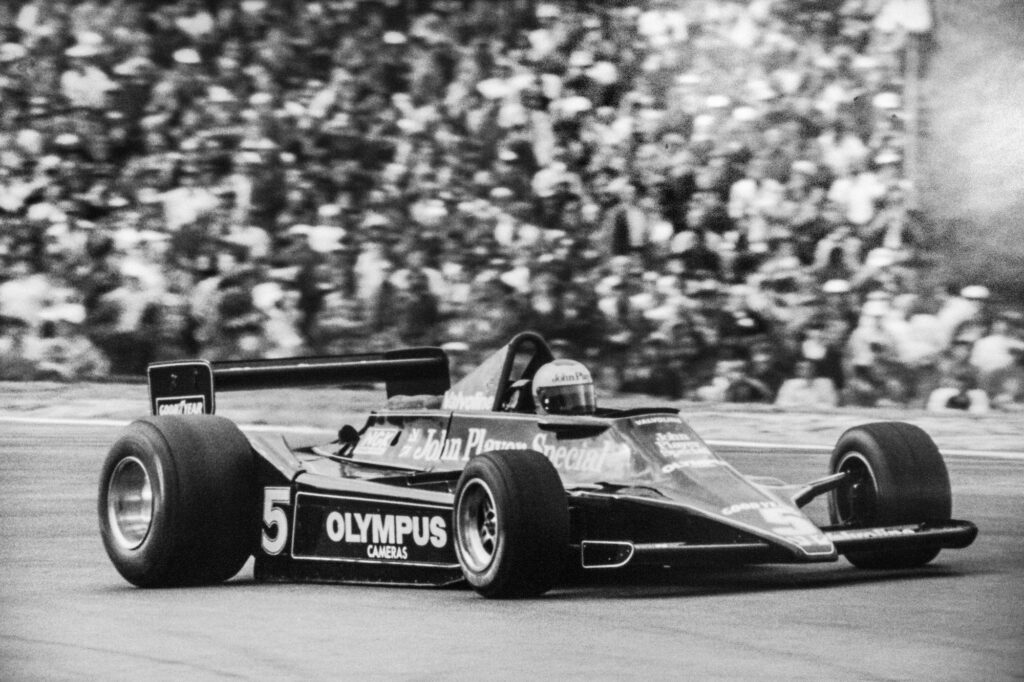
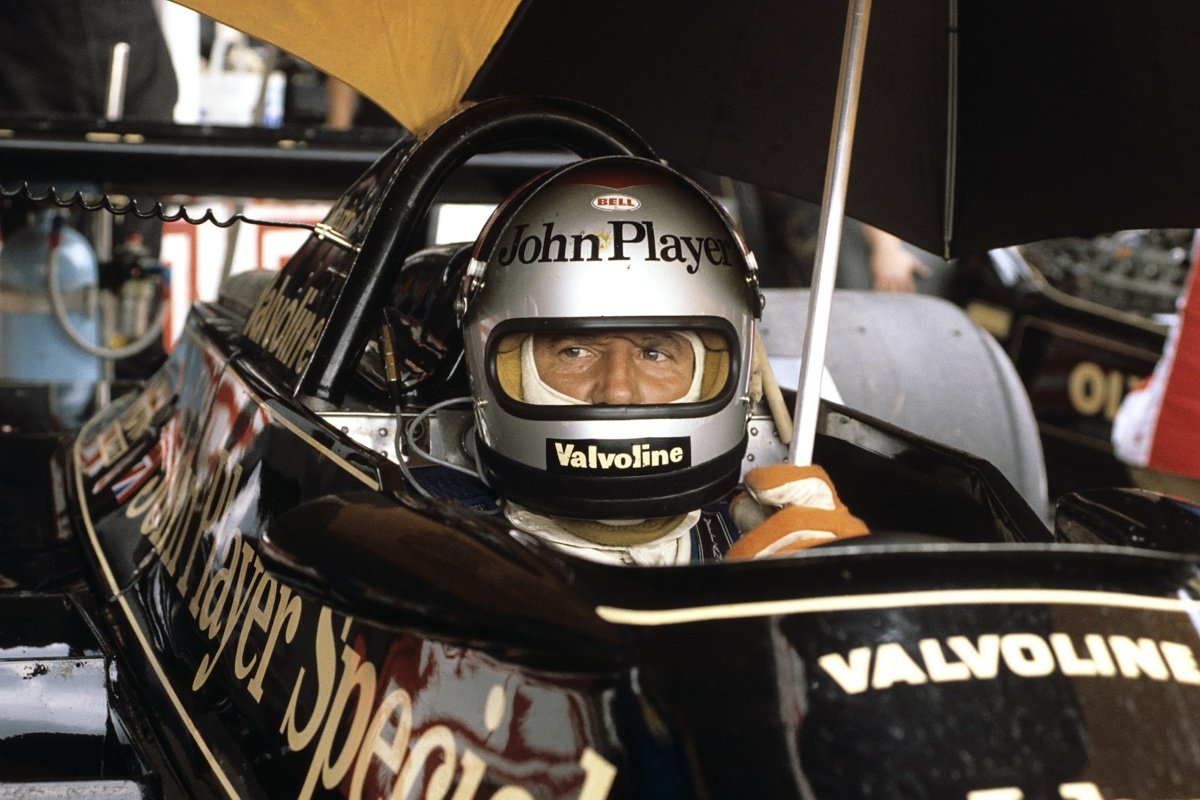
With so much success, you could forgive Mario for hesitating to name what he considers to be his most treasured feat; however, it doesn’t take much coaxing to get him to admit that becoming the 1978 F1 World Champion with Lotus holds a special place in his heart.
“From the start, I had always aspired to race in an open wheel series, and I considered my early racing days in sprint cars and stock cars as a stepping stone towards that goal,” he says.
Prior to the ’78 season, Mario had raced for Lotus and Ferrari, but given his commitments in other series was never able to mount a full challenge towards the F1 title. But in 1978, Lotus’ visionary owner Colin Chapman developed the very first ground effects car. The combination of the technical superiority of the vehicle and the immense skill of the Lotus drivers Mario and teammate Ronnie Peterson meant that they were effectively each other’s main contender for the title. Mario would go on to take the championship in Italy following Peterson’s tragic accident.
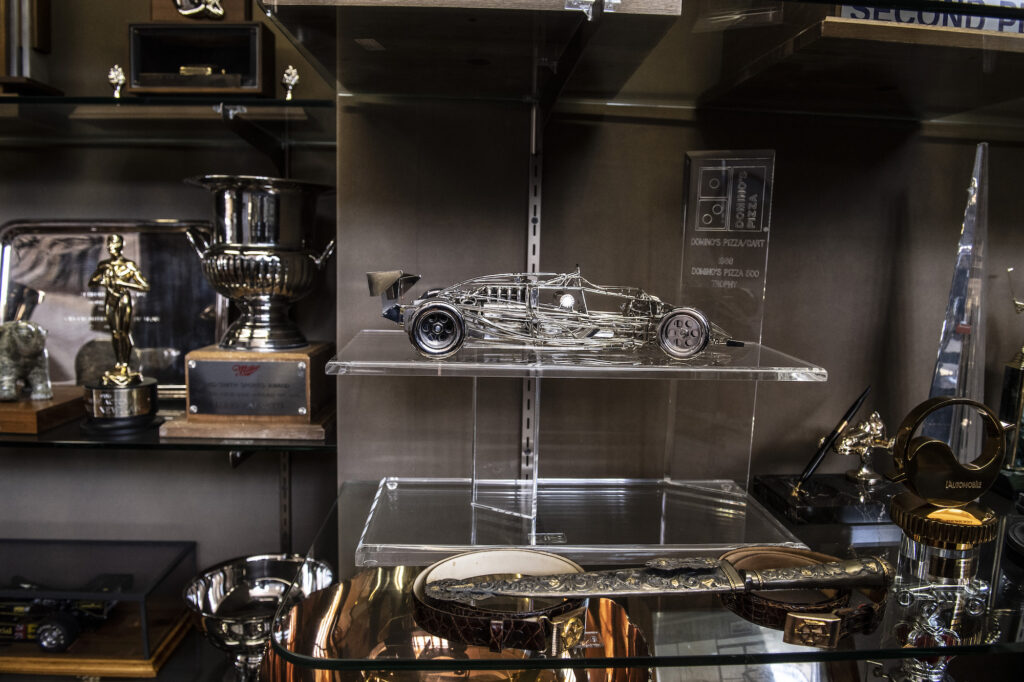
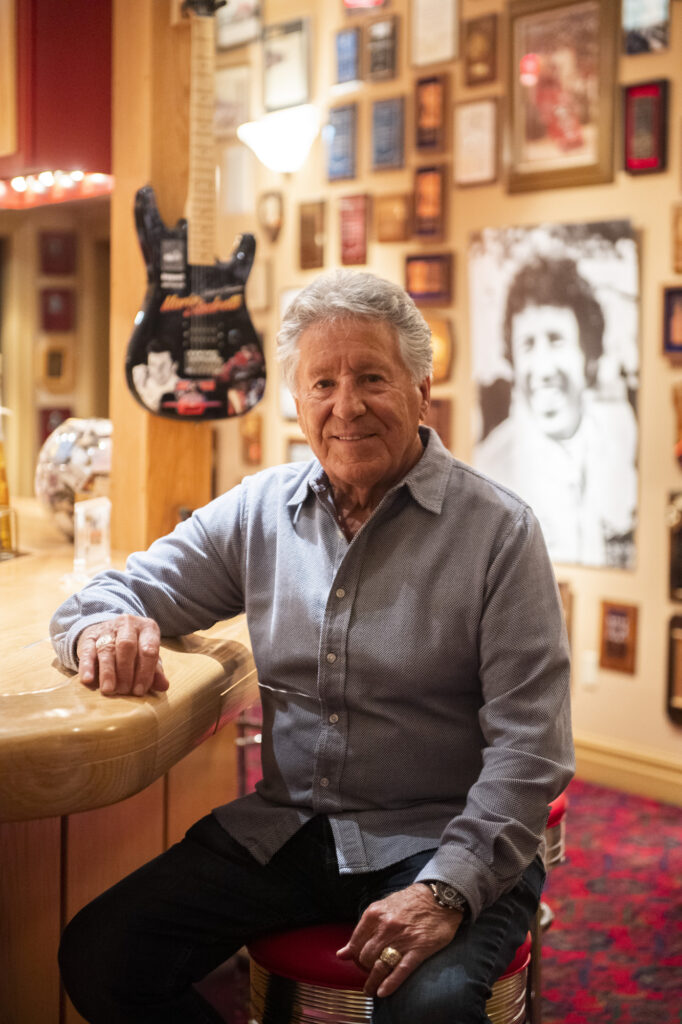
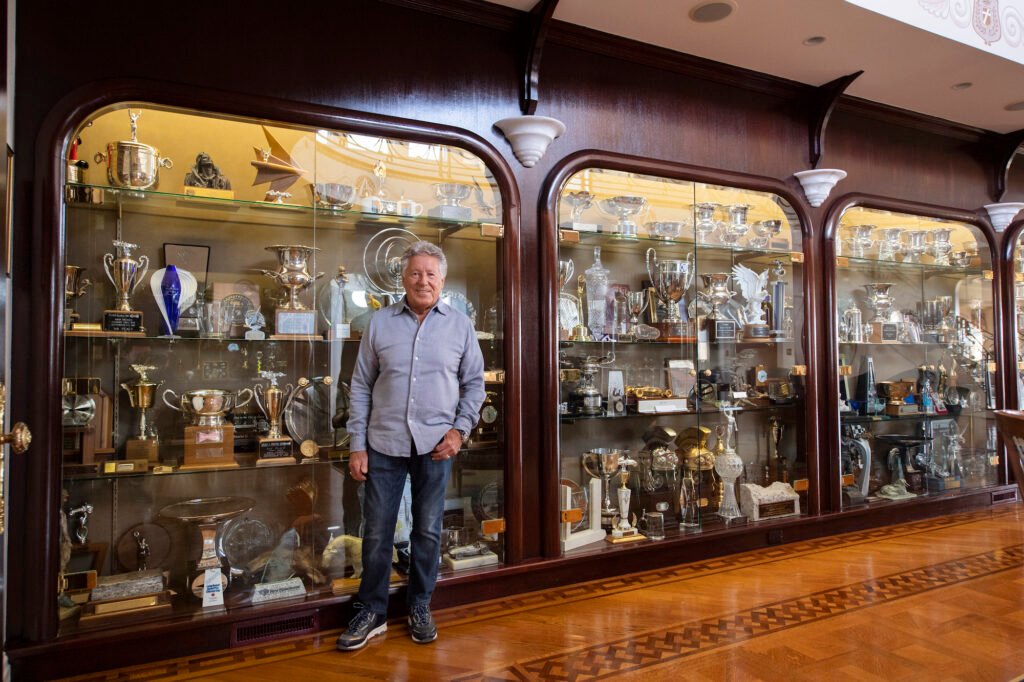
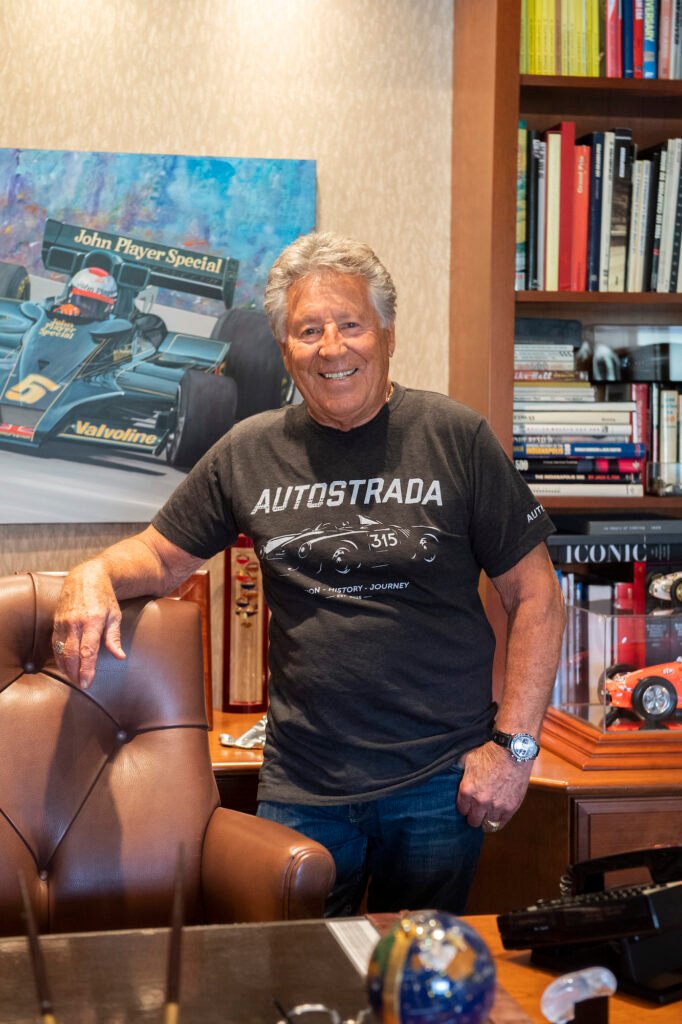
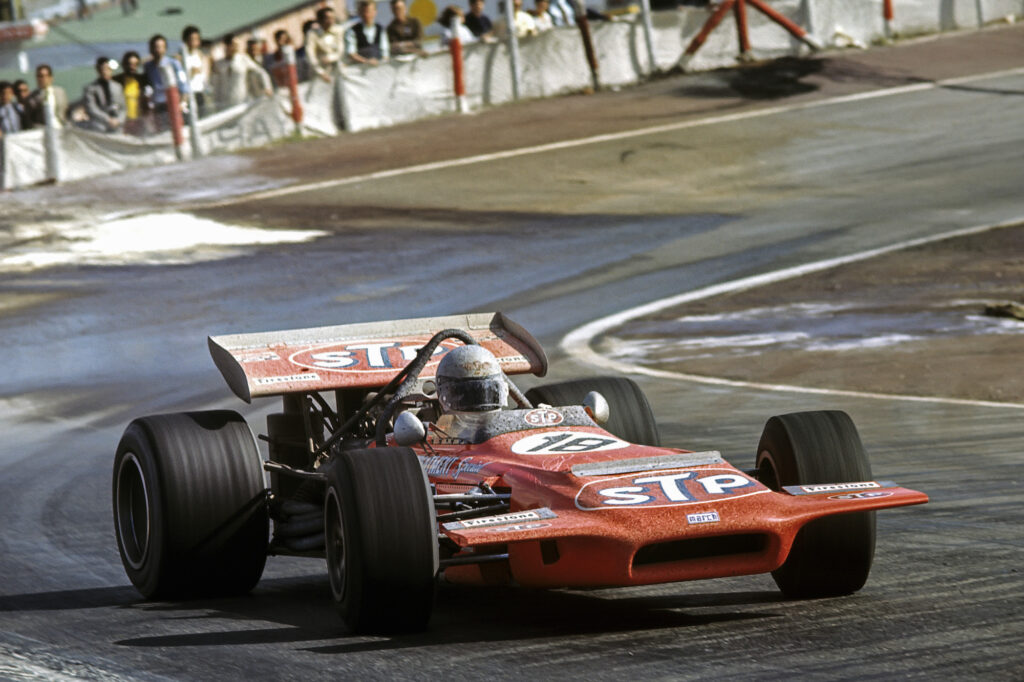
Another of Mario’s proudest achievements remains largely overlooked. As a proud Italian-American, he was delighted to have won both the 1977 Italian and U.S. Grands Prix. “Nobody really noticed but me,” he says, wistfully.
In racing, as in life, timing is everything. Offered a ride for the 1964 Indy 500, Mario’s chief mechanic Clint Brawner convinced him he wasn’t ready. On the day he was supposed to attend for a morning test, Mario stayed in bed until noon. Looking back, forgoing that race may have been one of the best decisions he ever made, as the following year he entered and won rookie of the year. Following that race, Colin Chapman who had entered race winner Jim Clark told Mario, “when you’re ready (for F1), just call me and I’ll have a car for you.”
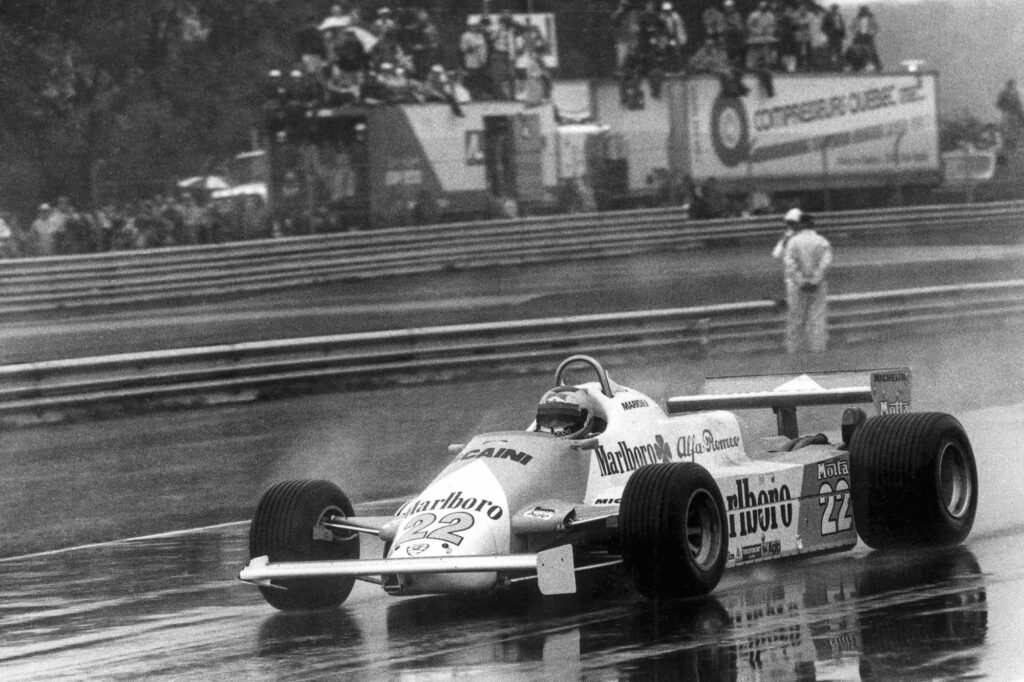
In 1982, Ferrari had the best car on the Formula 1 grid. Sadly, during the course of the season, Ferrari lost both drivers, first when Canadian Gilles Villeneuve died in a qualifying accident, and then when Didier Pironi was seriously injured later that year. After Pironi’s accident, Enzo Ferrari contacted Mario to see if he would be willing to stand in for the last two races of the season. Mario agreed on the condition that he be given the opportunity to test the car—he had never driven the turbocharged F1 cars of that era. Ferrari set up a two-day test at Fiorano, its private track, the weekend before the Italian Grand Prix.
After lunch with Mr. Ferrari on Saturday, Mario went out and set the track record at Fiorano. Satisfied, he gave the mechanics the next day off and spent the rest to the weekend touring with his wife Dee Ann on a Moto Guzzi. At the Italian Grand Prix, Mario put the car on pole and finished third.
“I would have won, but I lost a turbo with a few laps to go,” he recalls.
Naturally, greatness does not happen in a vacuum. Mario acknowledges that over the years there have been numerous people who have provided encouragement, mentoring and support, and without whose assistance it would have been impossible to reach the heights that he has.
Perhaps the most poignant story involves one Frank Boeninghaus. Boeninghaus had been a fan and supporter of Mario’s dirt track midget racing, to the extent that he began to sponsor Mario, including helping to pay for engines to enable him to compete at the highest level. Mario has always appreciated that his excellent sprint car results allowed him to move through the ranks and that Boeninghaus had been instrumental in assisting his career.
By the time Mario got to Indianapolis, the cost of sponsoring his car far surpassed Boeninghaus’ budget, but as a special favour, in 1969, he put a small “FB” sticker on his car so that the man who helped him early on in his career could be there with him as he raced. Mario went on to win the race. To celebrate the 50th anniversary of his victory, his grandson Marco carried a small FB sticker on his car at the 2019 Indy 500.
Mario values family over everything. While racing, he made every effort to get back home to his wife and children in between events, even if it meant flying thousands of miles for only a couple days. He was fortunate to be able to acquire his first airplane in 1968, which he describes as a useful tool to get back to his family. “I didn’t spend an extra five minutes more than necessary on the road,” he says.
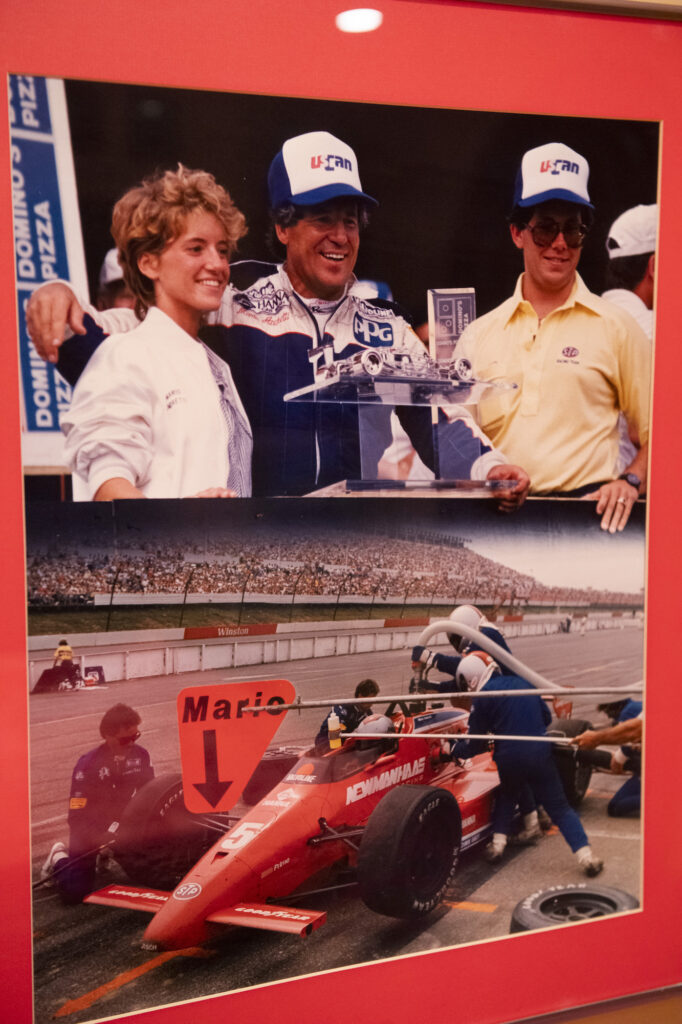
Some of his most enjoyable races involved competing with and against his son Michael. Their combined father-son statistics and highlights are phenomenal and an immense source of pride for Mario: 5 one-two finishes, 10 one-two in qualifying, 15 times together on the podium, teammates at Newman Haas from 1989-1992.
Mario gleefully recounts how he was once able to pass Michael for a win. It left Michael a little chapped and somewhat stoic on the podium. Someone in the crowd encouraged Michael to cheer up as, after all, it was Father’s Day. Begrudgingly, Michael cracked a smile and turned to Mario and said “Oh yeah, happy Fathers Day.” Mario recalls how the ride home was less than comfortable, especially as Dee Ann proceeded to admonish him for not letting his son take the win!
Sadly, Dee Ann passed away in 2018 after 57 years together with Mario. He describes how she, through her patience and understanding of the sacrifices necessary for him to lead the life of a professional race car driver, made it possible to race all those years. “I don’t know that I could have done it without her as my partner,” he says. “I miss her so much.”
Asked to mine his memory bank for a favourite anecdote from all those years, Mario does not disappoint. During the 1967 Indy 500, in which he had secured pole position, he had lined up a helicopter ride to take him to the track on race day as a way of navigating the massive traffic jam created by the 200,000 fans attending the race. However, unbeknownst to Mario, his chief mechanic had mistakenly cancelled the helicopter ride.
Come race day, Mario and his close friend Jim Maguire waited fruitlessly for the helicopter that would never arrive. In a panic, he ran to a pay phone to tell the team he was stranded at the heliport and they scrambled to send a mechanic over with a motorcycle. Mario hopped on, the mechanic and Jim in tow.
Jim, having lost on arm in a sprint car race, was hanging on for dear life, screaming at the top of his lungs that he was falling off. Desperate to make the race, Mario told him to keep it down as he weaved through traffic. Eventually, the three of them came into the track via a pedestrian gate, arriving just as ‘Back home in Indiana’ was just ending. Sweating profusely Mario jumped into the car in the nick of time and made the parade lap. But as fate would have it, all that effort ended after just 16 laps when a wheel fell off the car. The incident spawned the parody song ‘Just a Mario,’ sung to the tune of ‘Just a Gigolo.’
In a way, the memory is the perfect symbol for how the great Mario Andretti navigated his career in racing. It’s also his advice to today’s aspiring racers.
“Follow your dreams,” he says. “I never had a Plan B.”