
Photography by Zach Brehl & courtesy of Pagani S.p.A.
Since this feature was first published in on the cover of Autostrada Magazine’s September 2019 issue, Horacio Pagani and his Modena-based company Pagani Automobili have continued refining their hypercar philosophy. The 2022 debut of the Pagani Utopia marked a deliberate return to lighter weight, analogue driving engagement and a twin-turbo Mercedes-AMG V12 powertrain that avoids hybridisation. Limited-run creations such as the track-focused Huayra R and the long-tail Codalunga have reinforced Pagani’s reputation for blending motorsport engineering with sculptural craftsmanship. Today, Horacio Pagani remains one of the last independent hypercar visionaries, guiding a brand that combines advanced composite materials, bespoke design and emotional performance in an increasingly digital automotive landscape.
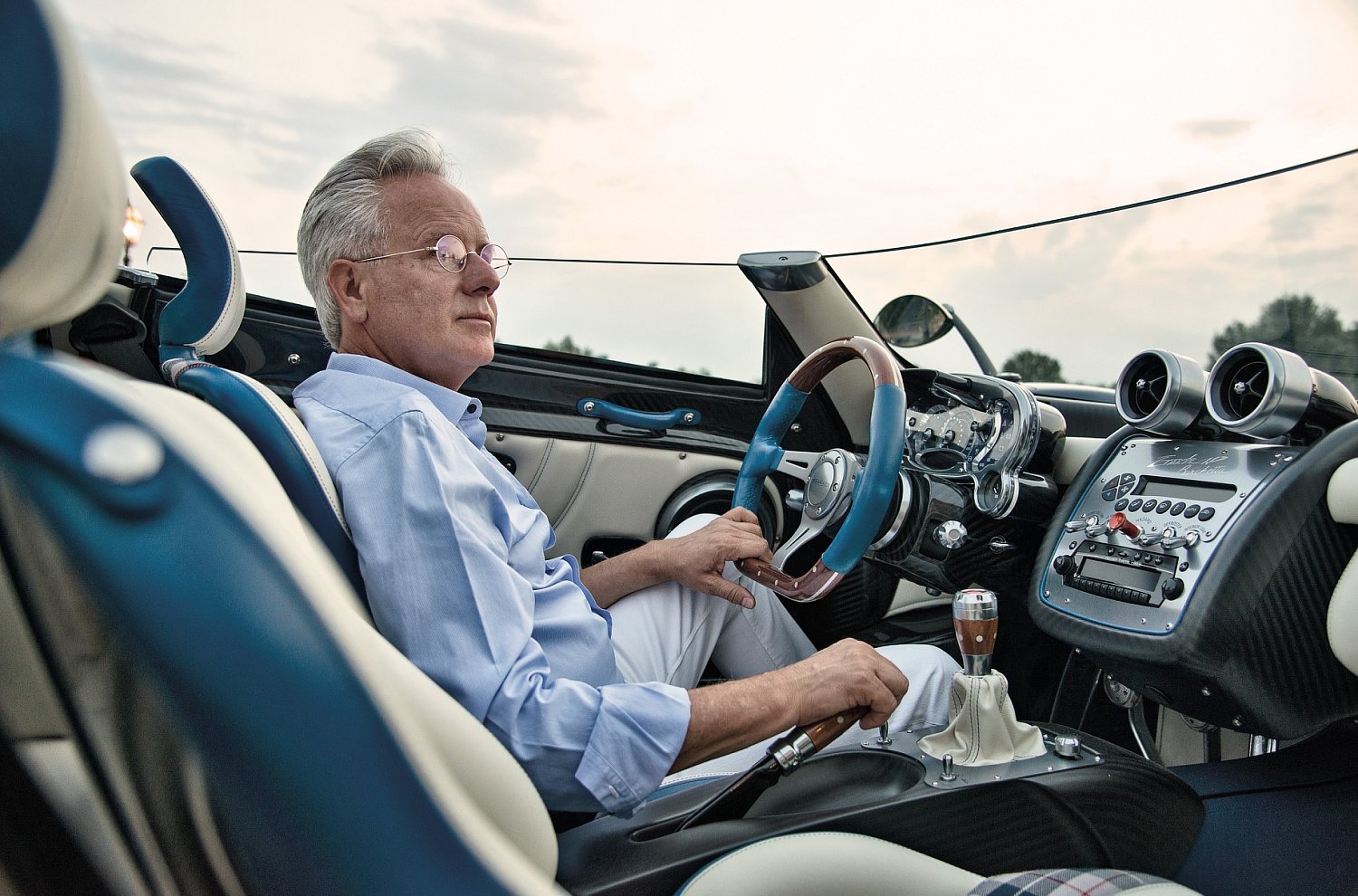
Horacio Pagani was not born into automotive greatness. His story begins in 1955 in the grasslands of Casilda, Argentina, far from the stretch of Italian asphalt known as Motor Valley, where his namesake supercar brand now produces its vehicles alongside the likes of Ferrari, Lamborghini and Maserati.
Pagani’s mother was an artist, his father a baker. They were a family of makers who earned a living with what they could conjure with their hands, creating from experience, knowledge, raw materials and pure effort. At age ten, Pagani also began to create, first sketching and then carving model cars out of wood.
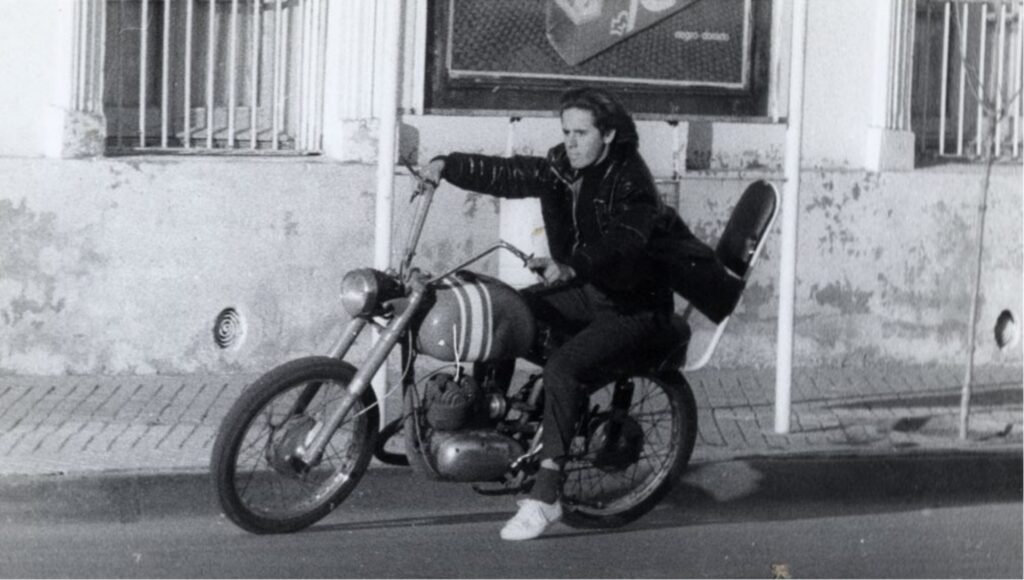
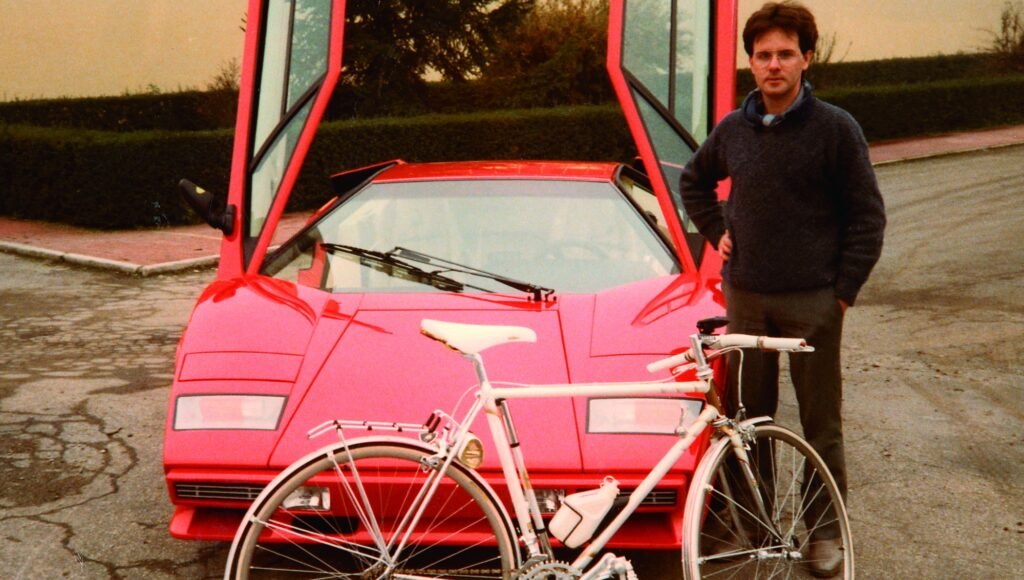
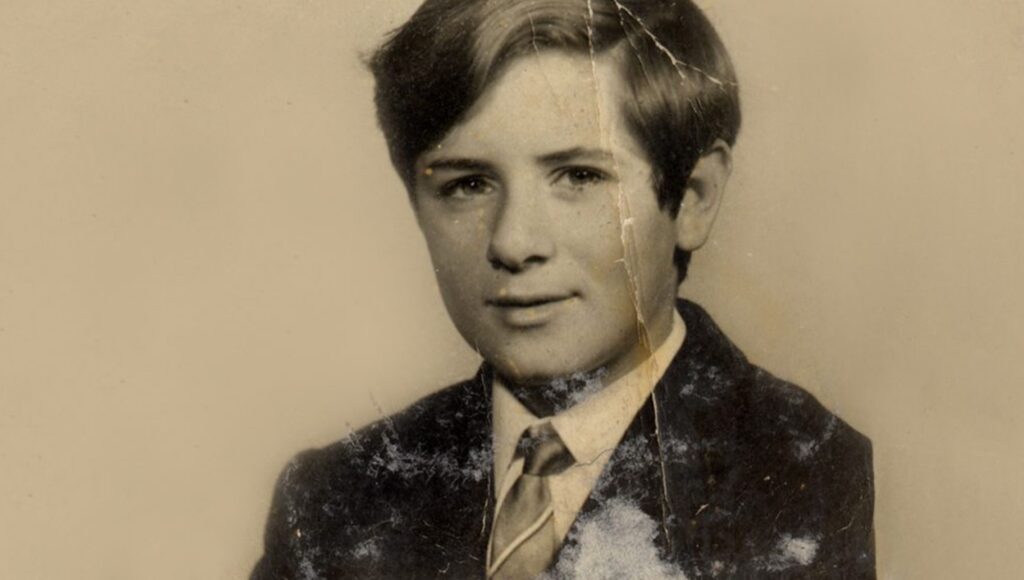
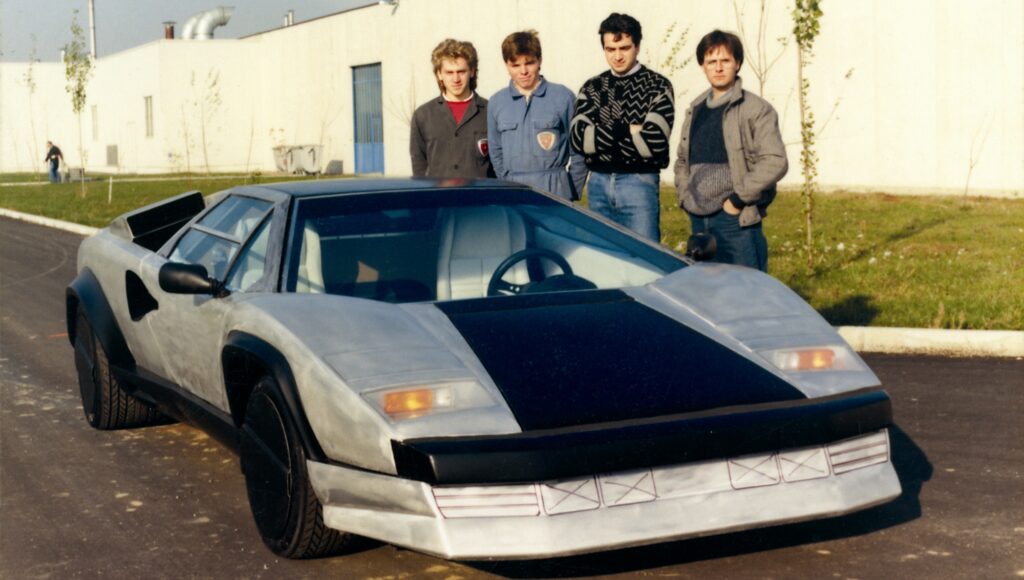
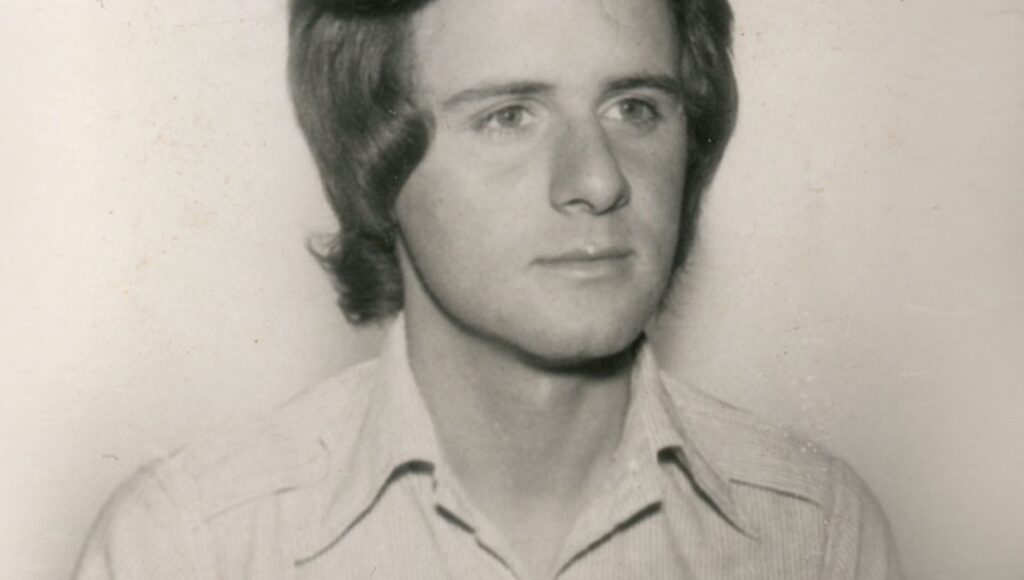
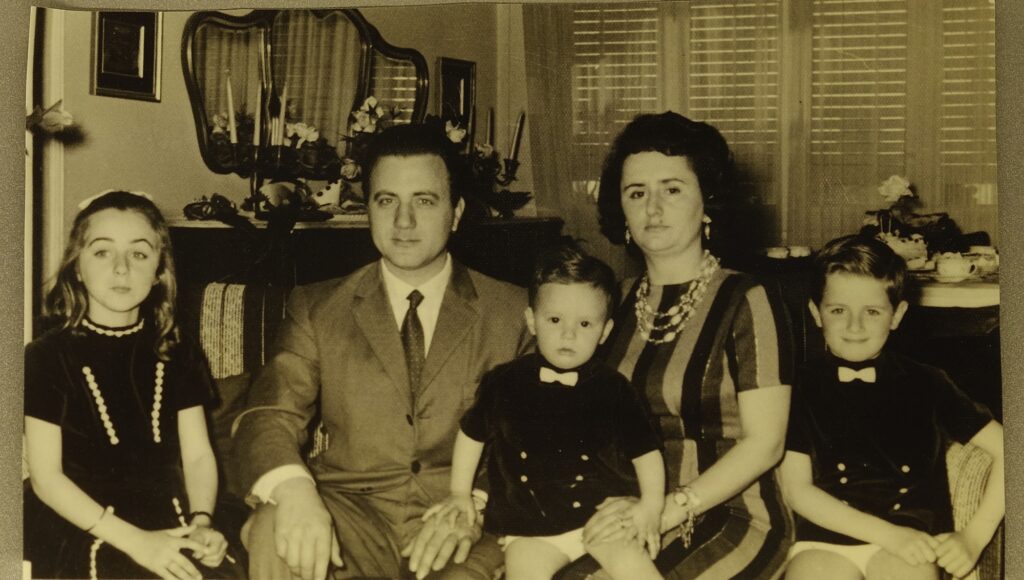
“Ever since I was a child I’ve had a great passion for the car,” says Horacio. “I made my models with balsa wood and all the materials that a kid could find and use, and from that moment on I was convinced that those were my cars.”
The neighbourhood vehicles and the odd car magazine that would drift over from Italy provided plenty of inspiration for the young inventor’s mind. Pagani recalls chasing down a local man’s 1963 Jaguar E-Type on his bicycle at age eight, just to sit and stare at it for hours, parked. These were the first indications of the extreme lengths to which this inventor would go for a beautiful machine.
“My mother told me that even when I was 14 years old I proclaimed to her that one day I would go to Modena to draw and build these cars,” he says. “Through those few magazines that came to Argentina, I discovered that there was a world in Modena – there was Maserati, Ferrari and Lamborghini – and the place I hoped to someday move.”
Years later, with a career in full bloom, Pagani would buy a Jaguar E-Type like the one from his boyhood memory, the first truly nostalgic purchase of his life. But how did a boy with a balsa wood hobby and an Italian-based dream he pulled from the pages of a car mag manage to bring it all to fruition?
In essence, he harnessed the same two assets he’d used to chase down that Jaguar E-Type all those years before: effort and determination.
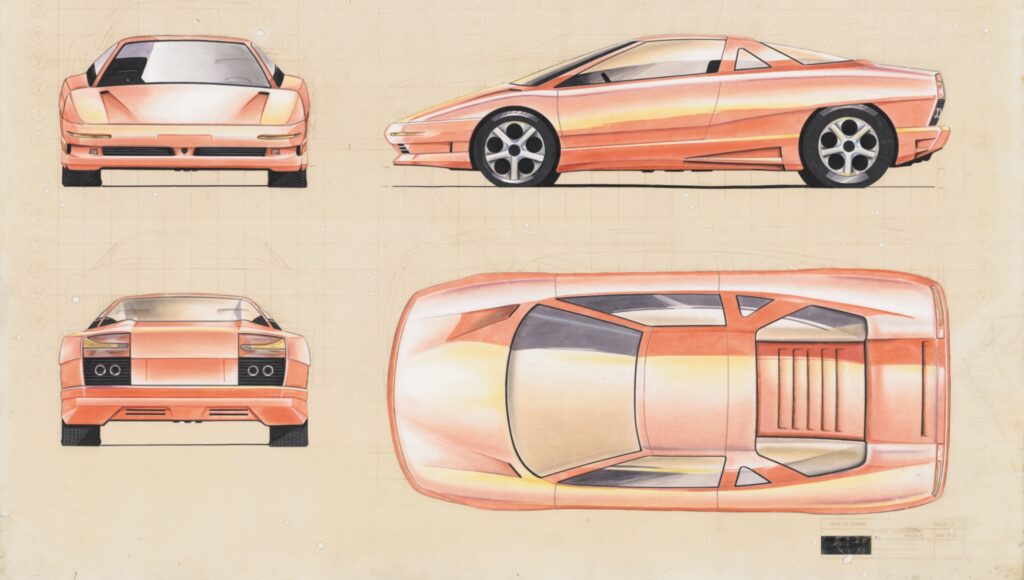
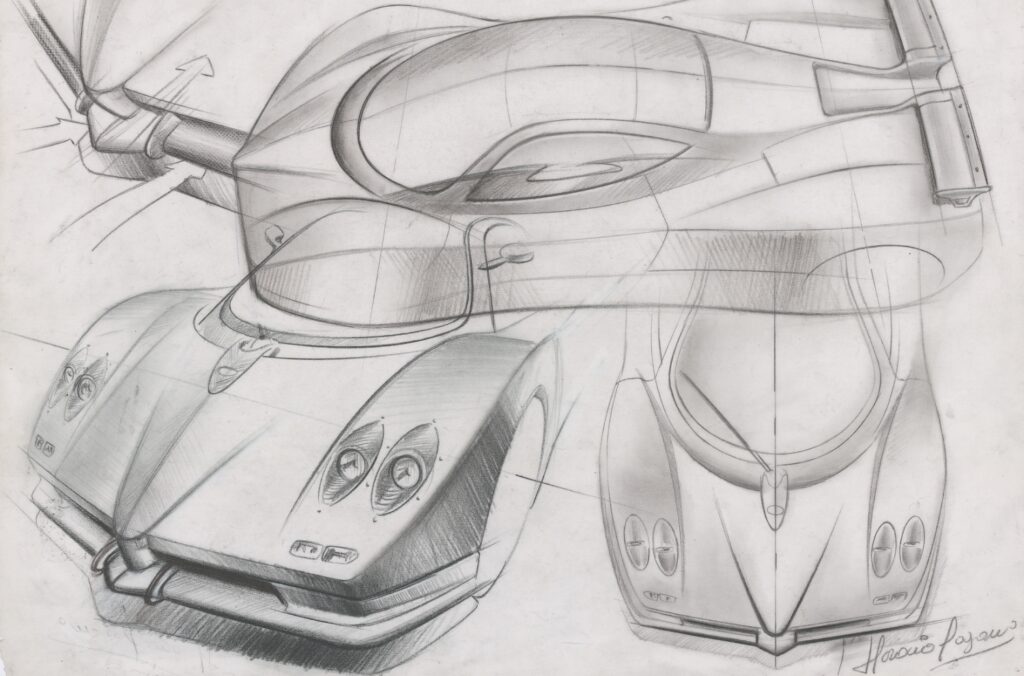
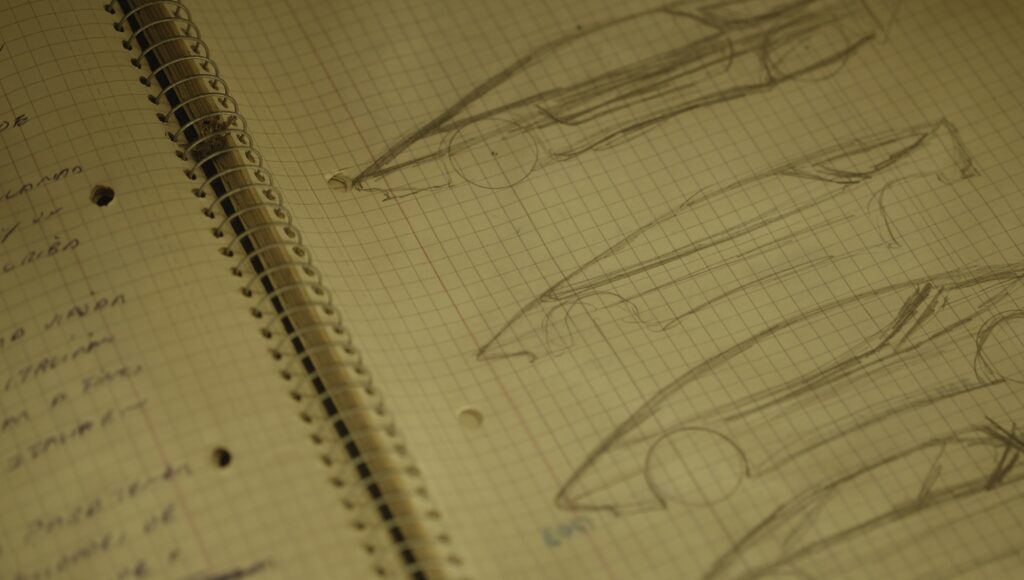
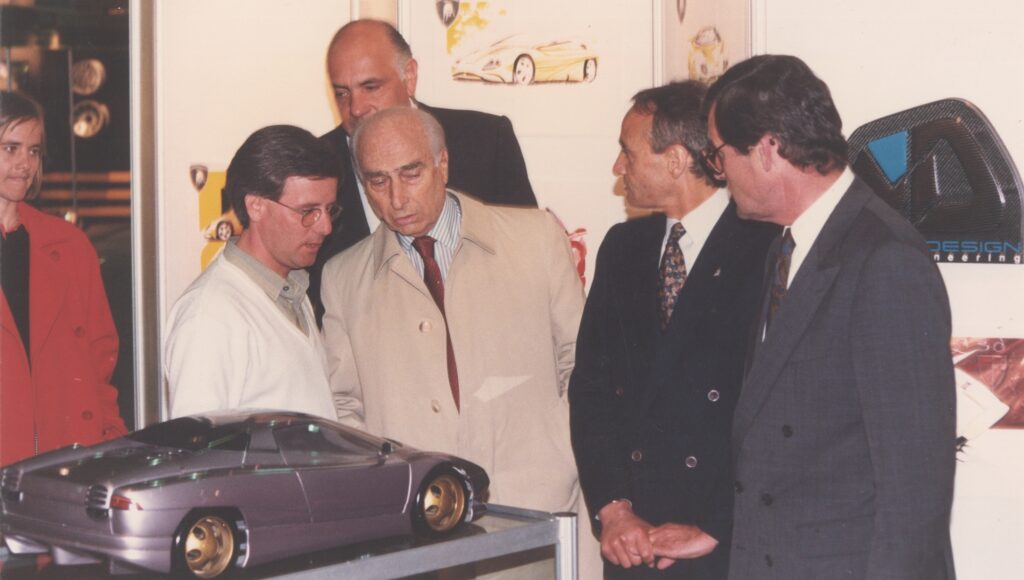
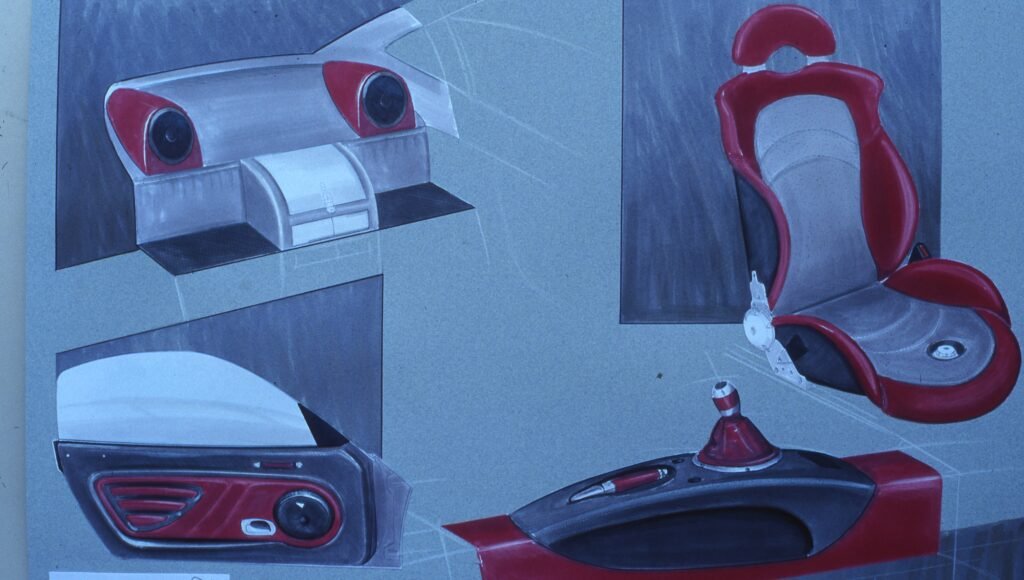
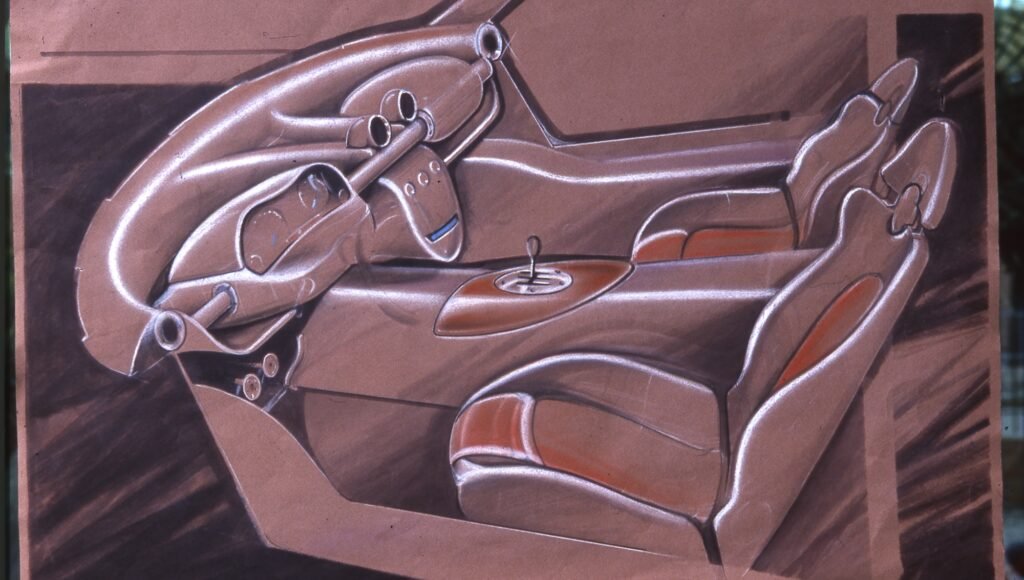
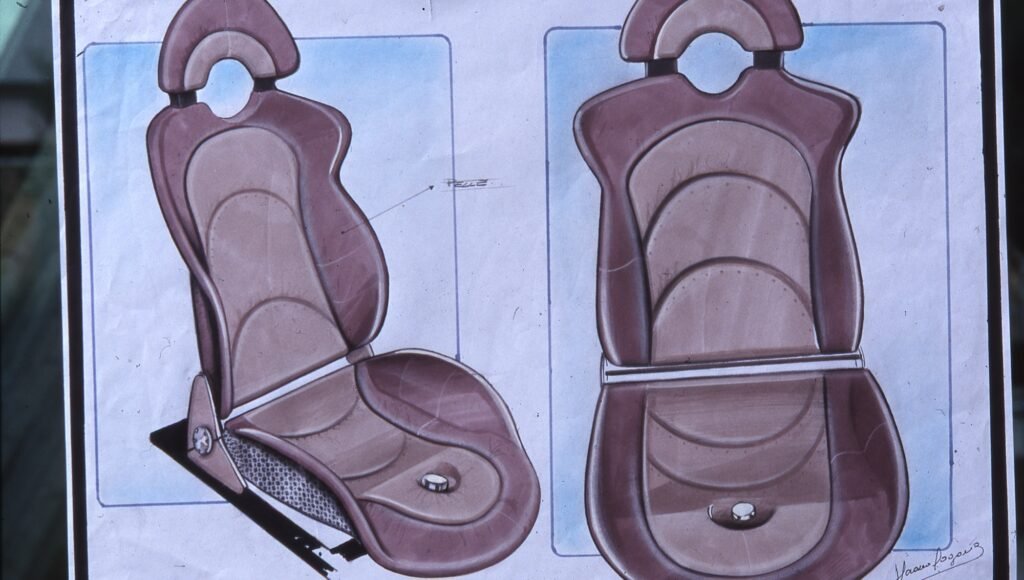
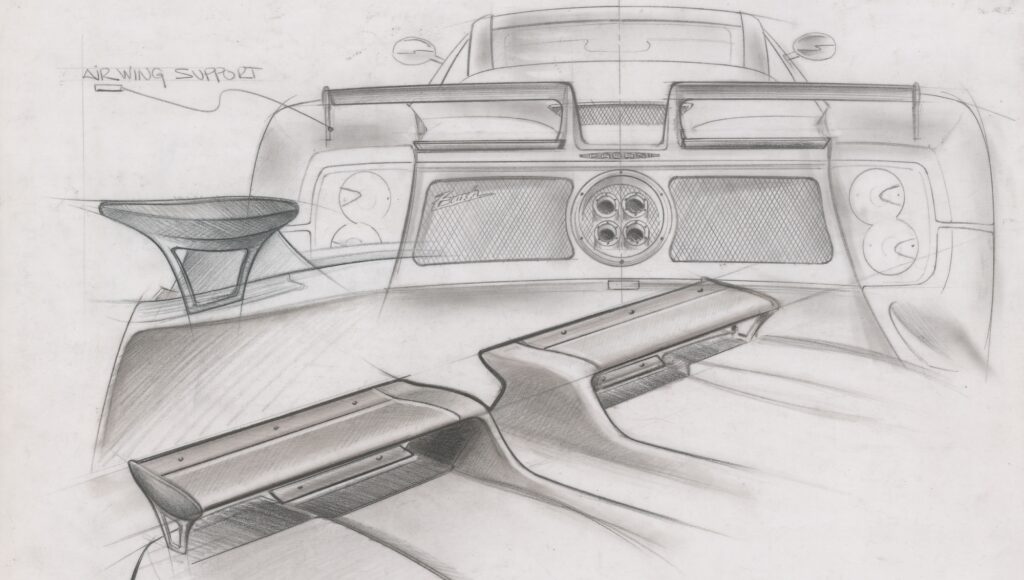
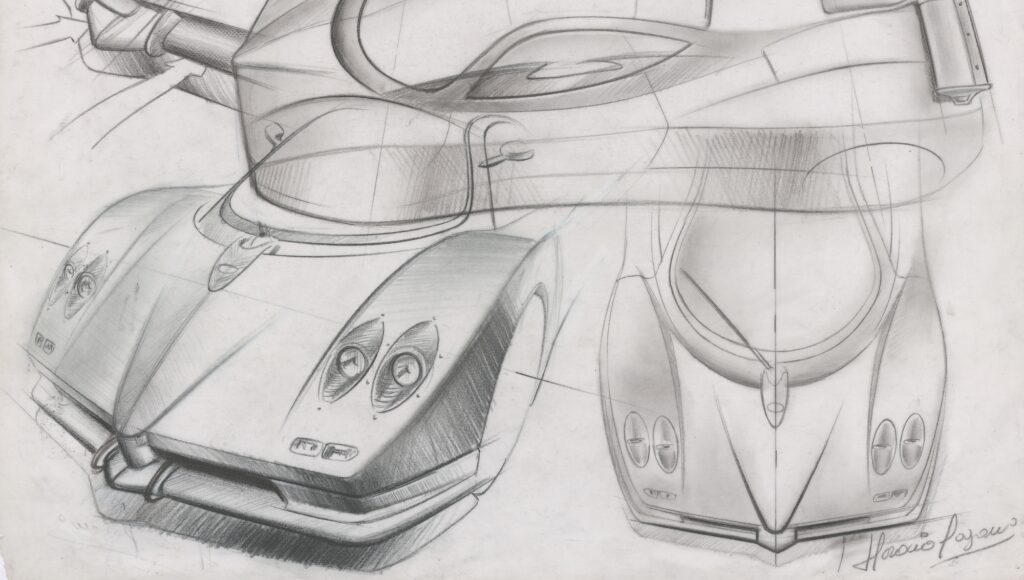
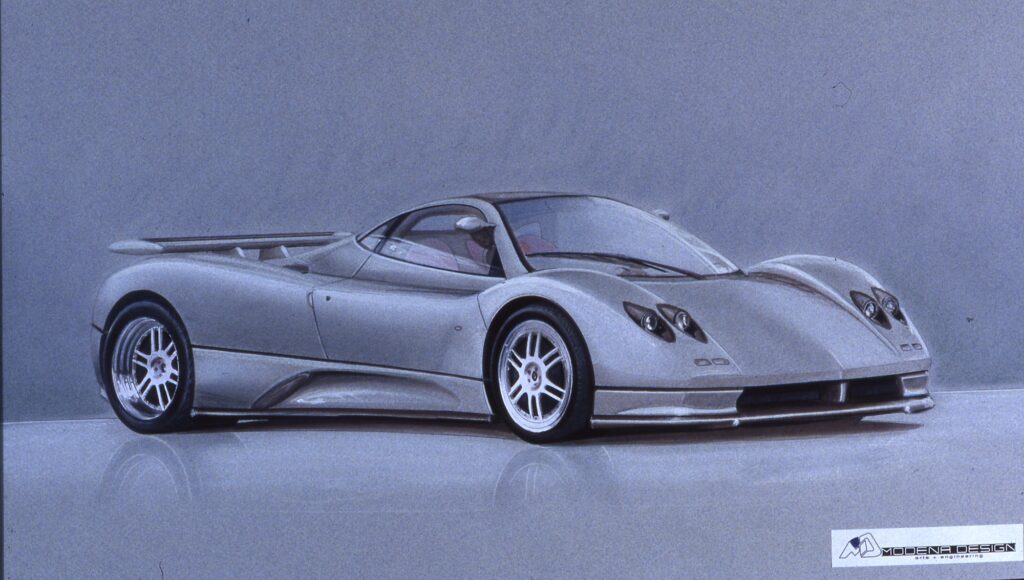
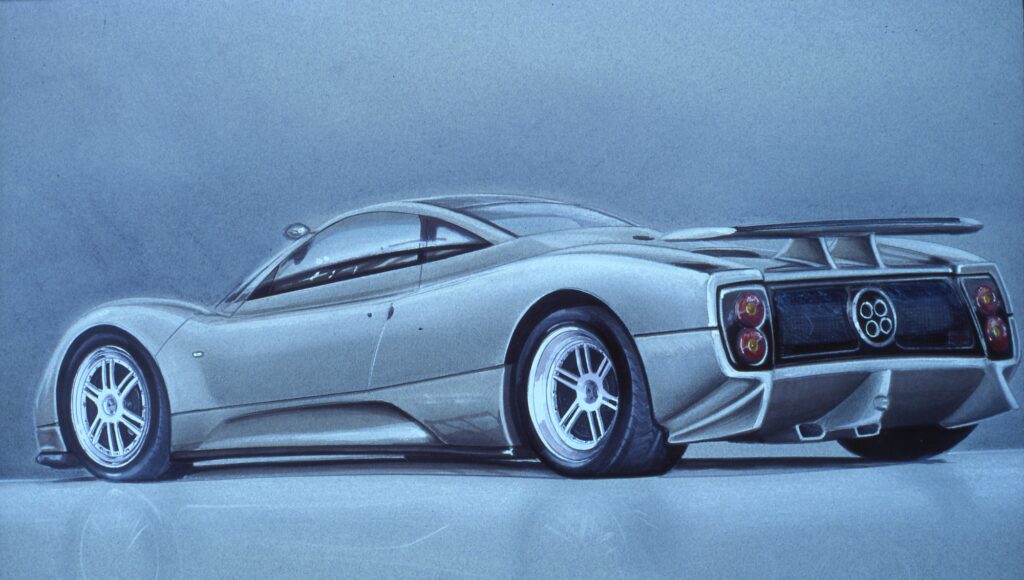
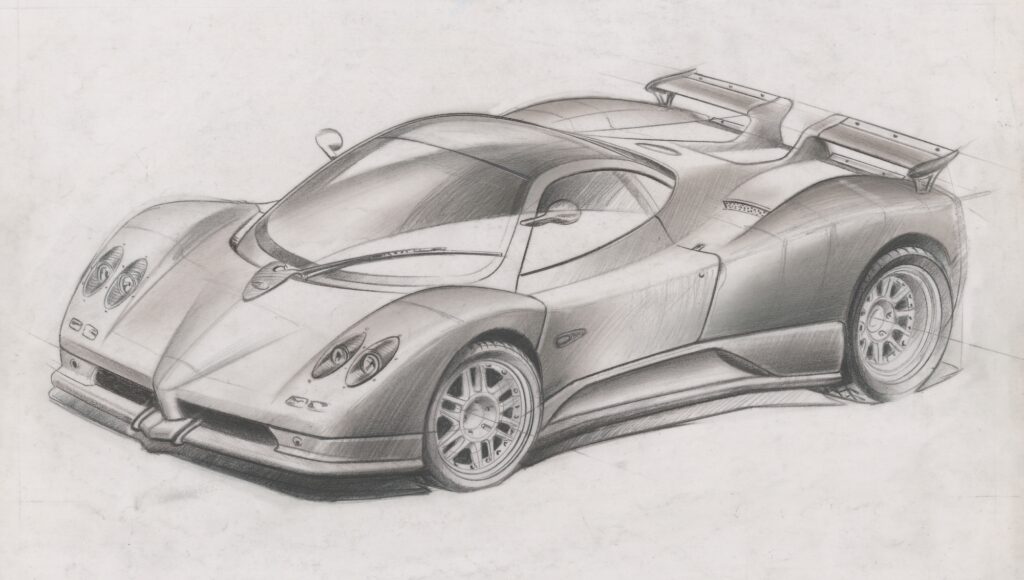
Now, this is an aspect of Pagani’s story that must not be overlooked—like every surface of every vehicle made by Pagani Automobilli, nothing can be overlooked—even if his rise in the automotive world appeared to happen over night. Sweat was volunteered at a steady drip. Sometimes, sacrifices were made. When his friends were out kicking soccer balls, he was inside, sketching and scheming away next to his mother.
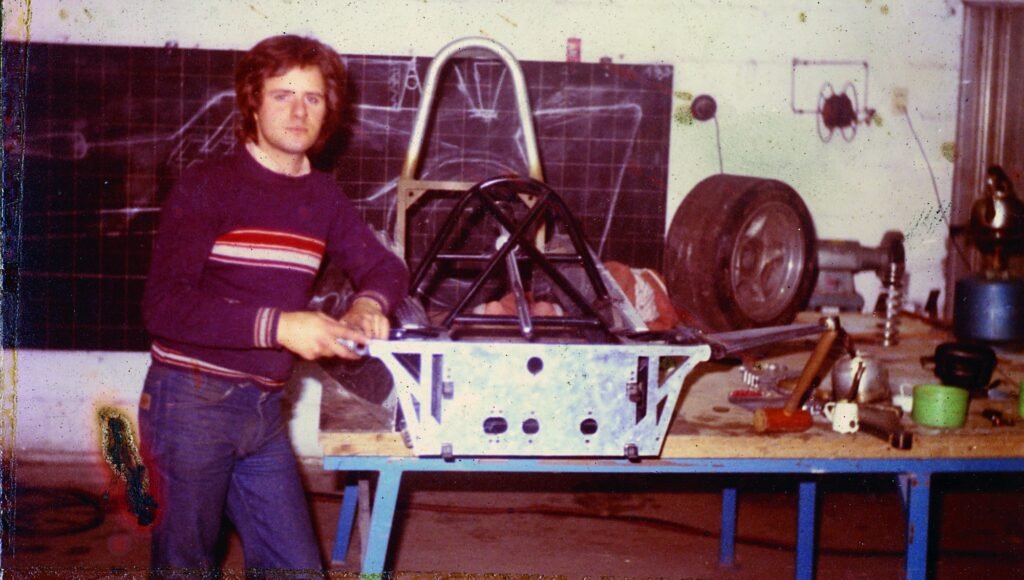
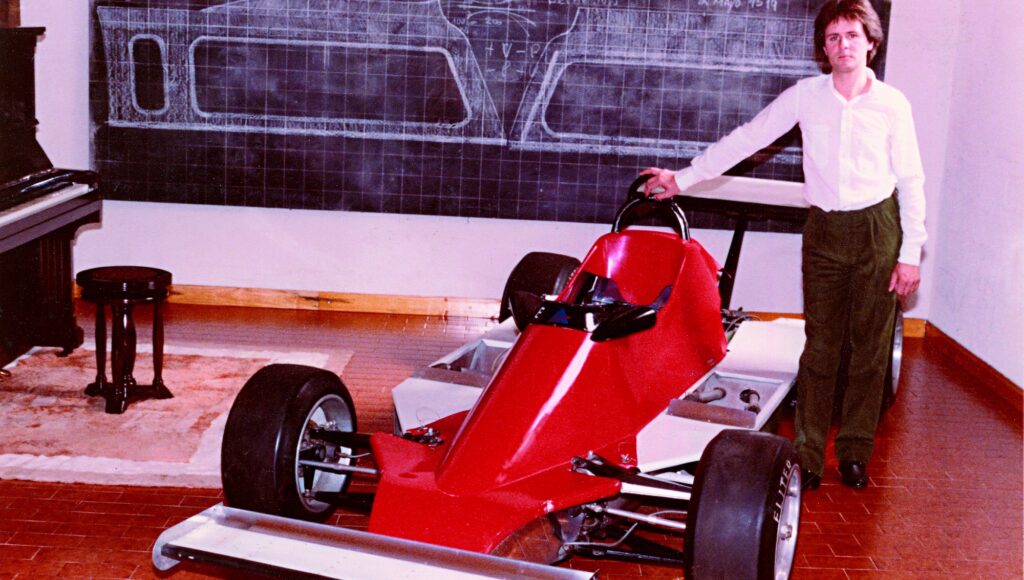
As a university student, he picked up a job at a local shop and started sponging up the knowledge. By 1977, the 22-year-old had his own space and had funded his first two projects: a dune buggy and “the first real pagani,” a single-seater Formula 2 race car named Limitada Santafesina. Everything but the Renault engine was fashioned by Pagani.
“As always behind these projects there is a need for madness and creativity, maybe 50 per cent. For the rest it must be a thoughtful and calibrated job, because making a car it is not so easy.”
With an obvious flare for mechanical engineering – and despite his university courses being in Industrial Design – Pagani was offered a job working in Renault’s racing division. It was here that he would meet Formula 1 racer and Argentinian hero Juan Manuel Fangio.
Little more than a year later, with a letter of introduction from his new famous driver pal, Pagani travelled to Italy to offer his hands and mind to Lamborghini. After some persistence, he was hired as an unskilled labourer in the famed Italian brand’s plant. But it wouldn’t be long before he was promoted. Over the years, he would climb the Lamborghini ladder rung after rung, eventually going on to lead development of the carbon fibre concept Countach Evoluzione in 1987, revolutionary for its lighter-than-ever composite chassis.
But when Lamborghini wouldn’t put the money up for an autoclave to manufacture its own carbon fibre, Pagani raised the funds independently and struck out on his own, founding Modena Design in 1991.
He and his team made carbon-fibre parts for Ferrari’s Formula 1 team and, in 1993 during the financial crisis following the first Gulf War, began production of their first vehicle, the Fangio.
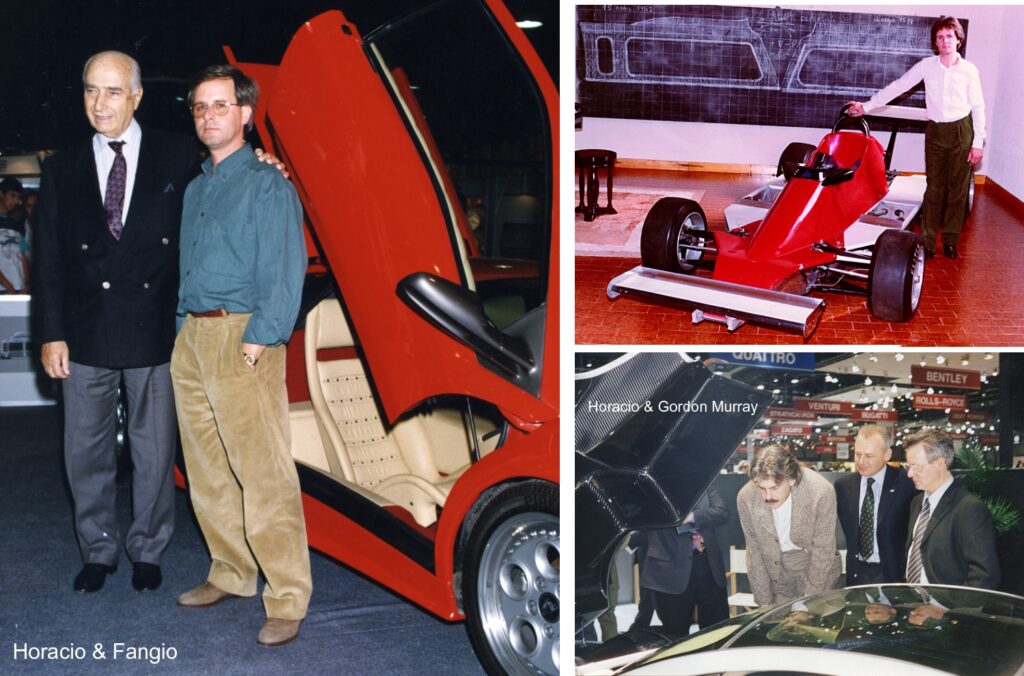
“As always behind these projects there is a need for madness and creativity, maybe 50 per cent,” recalls Pagani. “For the rest it must be a thoughtful and calibrated job, because making a car it is not so easy.
On the one hand, we had the knowledge of certain technologies like the processing of carbon fibre to make the shell, the whole bodywork and the interiors, knowledge of aluminum and steel alloys to make frames and suspensions, and so on. But the engine was missing, and even though we lived in an area like Modena, in the motor’s land, it was unthinkable for us to create our own.”
So, as he had for his first race car build back in Argentina, he borrowed one. With another introduction from the well-connected Fangio, Pagani met a Mercedes-Benz engineer who brought over the perfect throbbing V12 donor engine.
“Easy” it may not have been, but Pagani admits he rarely had doubts.
“Developing Zonda was very simple,” he says. “The car never left us alone. Everything went very well. We were pretty lucky. The budget was very small, so the project lasted several years, but it allowed us to follow with the utmost care every single detail. Yes, I had some doubts when everyone told me that my project was crazy. Bugatti had failed with a budget hundreds of times greater than ours. Also Iso Rivolta e Cizeta had failed, and McLaren had stopped producing the F1. So all the statistics didn’t play on our side. Additionally, in 1997 and 1998, Lamborghini, with whom I had cultivated a beautiful relationship, came forward to buy my project. At that moment the doubt returned.
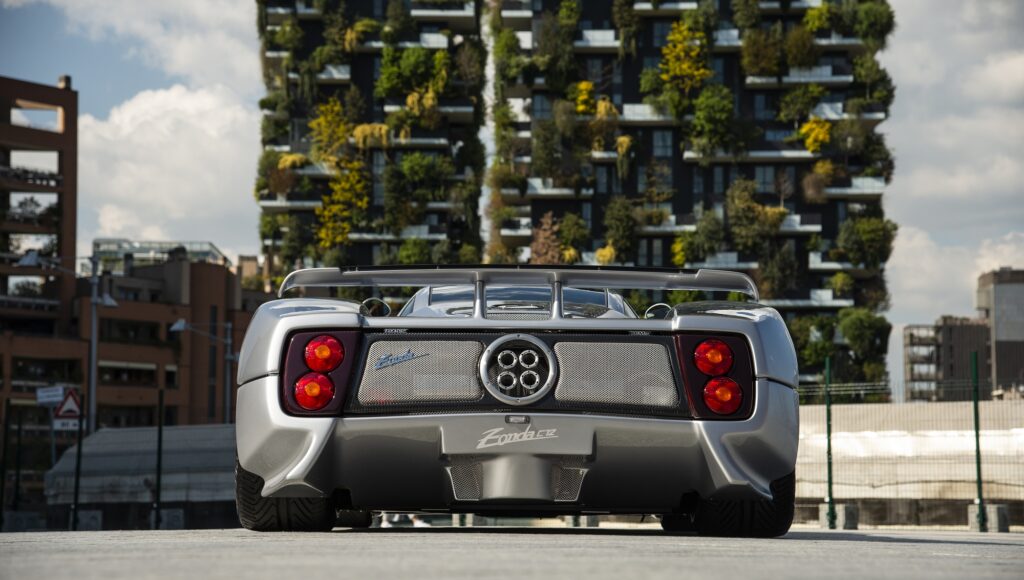
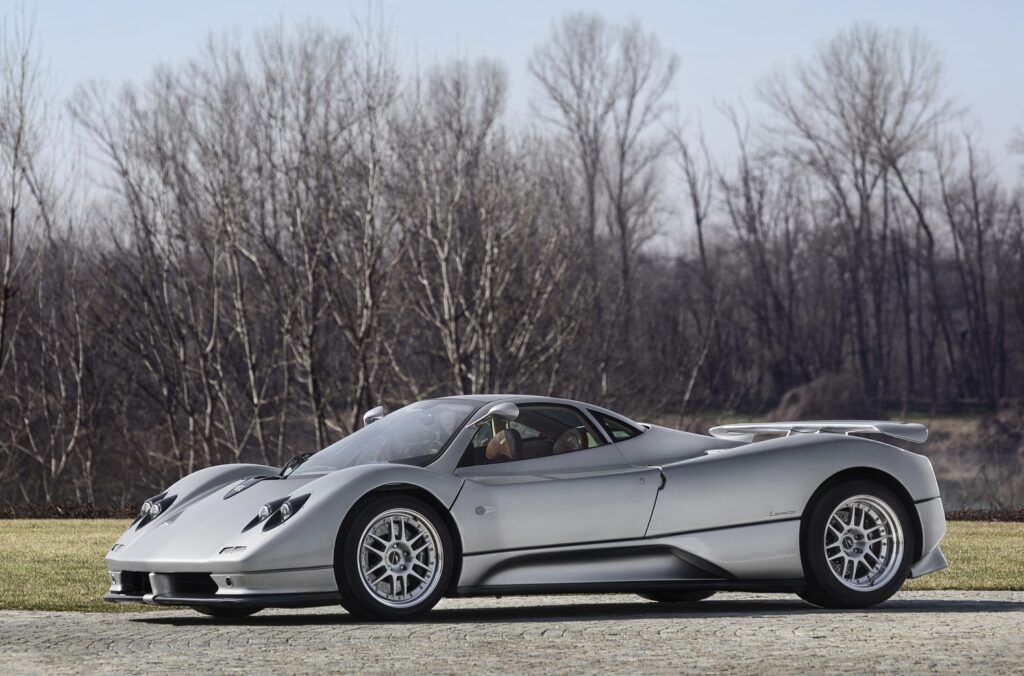
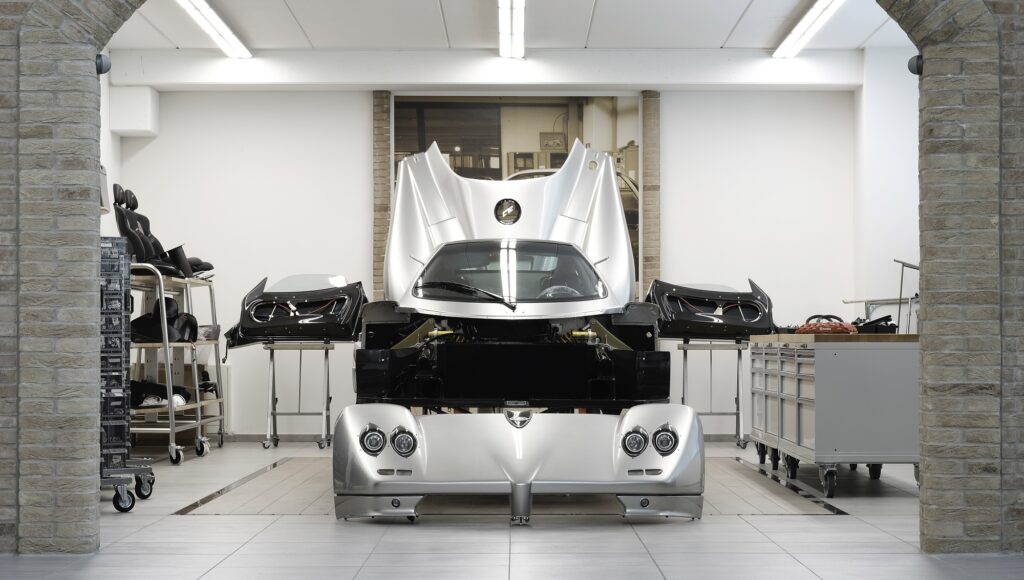
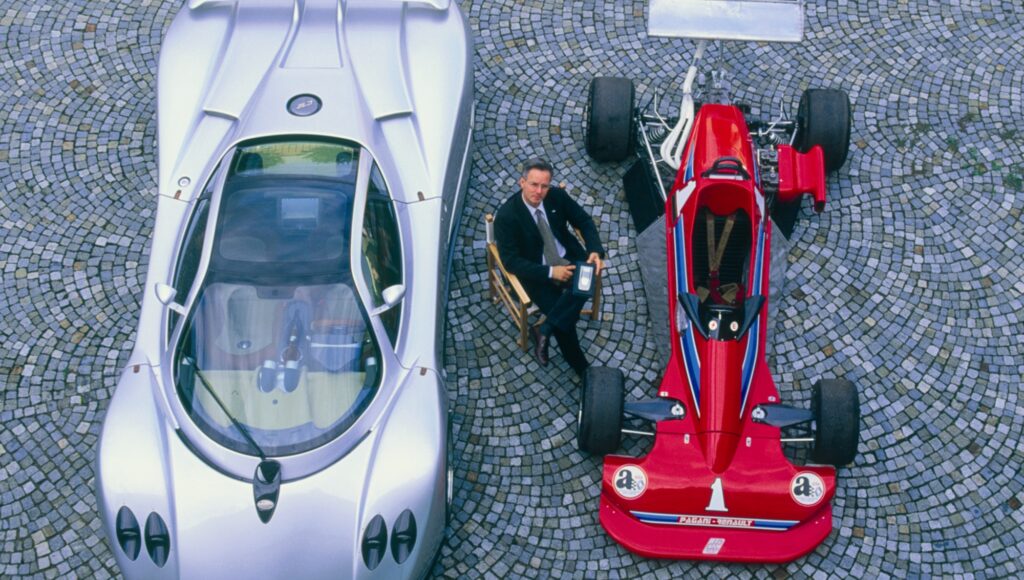
The fact of making my car involved the risk of failure, which was an important problem for me, my company and my family to consider. Not only that, giving the project to Lamborghini would have meant giving continuity to a beautiful relationship. It was my sons who convinced me not to think about the economic side, or about an easier future to travel. They convinced me to stay on the original idea. Other than that I never had any doubts about it.”
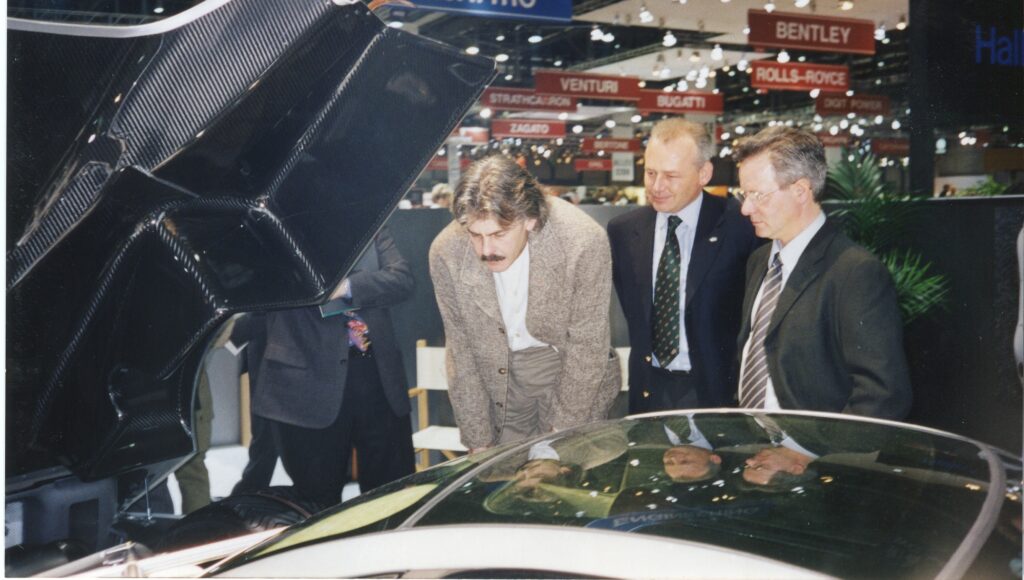
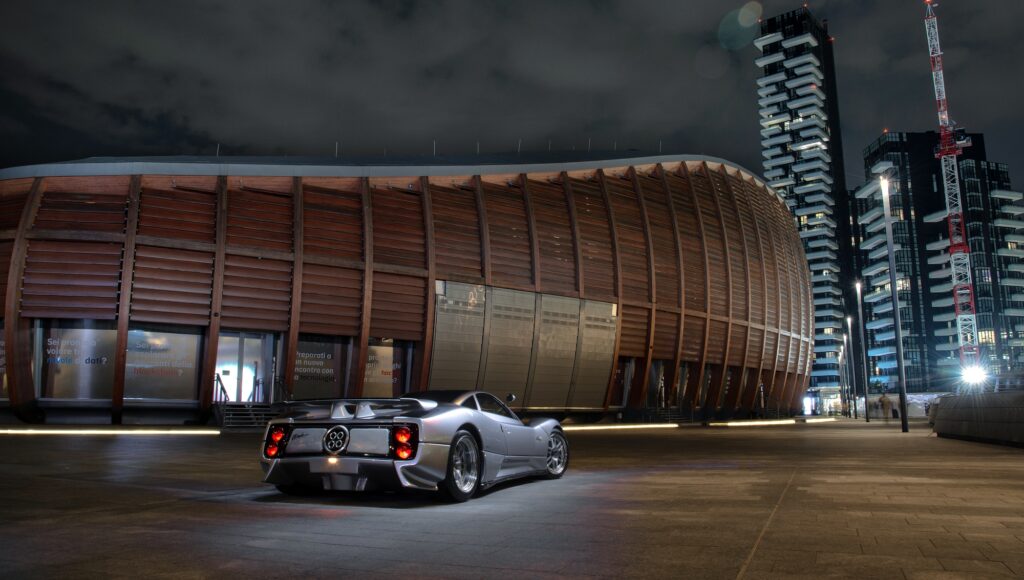
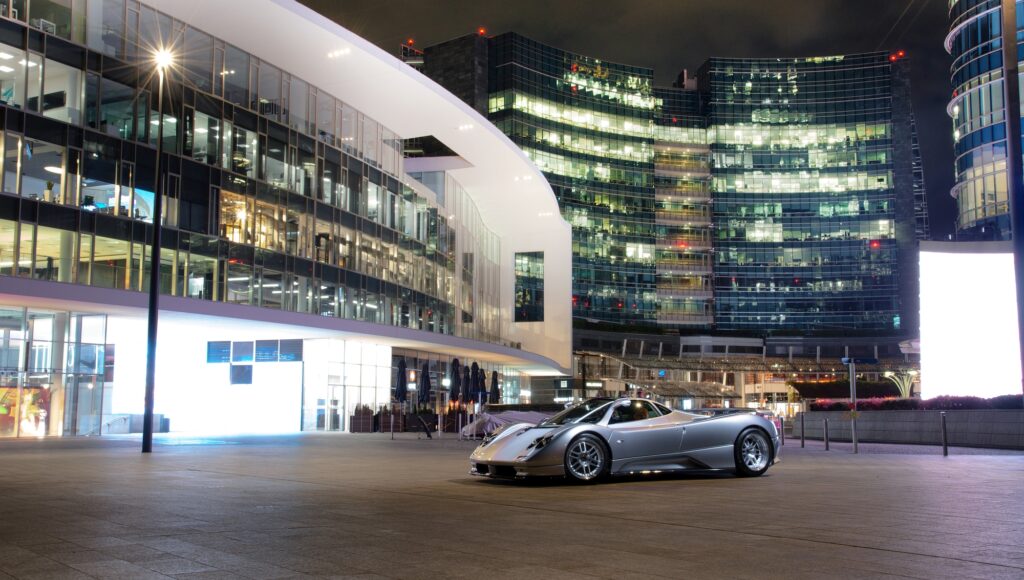
When the Pagani Zonda C12 made its debut at the 1999 Geneva Motor Show, it stopped the supercar world in its tracks, but not Pagani. He kept on, returning to Geneva the following year with the Zonda S. Today, there are literally dozens of Pagani variants, special editions and one-offs that include but are not limited to the F, F roadster, Cinque, Cinque Roadster, Tricolore, Kiryu, GR, Nero, Oliver Evolution and Aether Roadster.
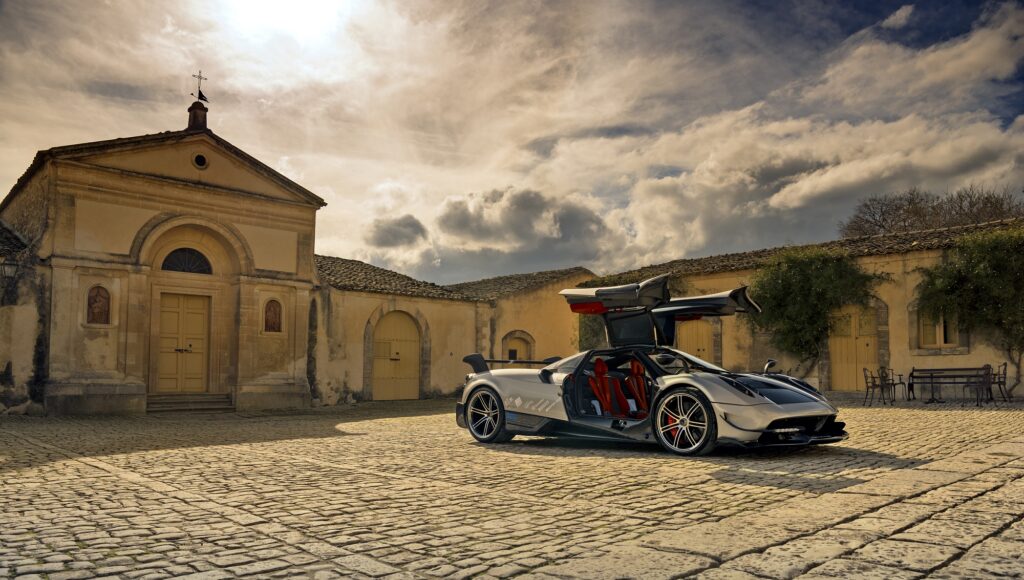
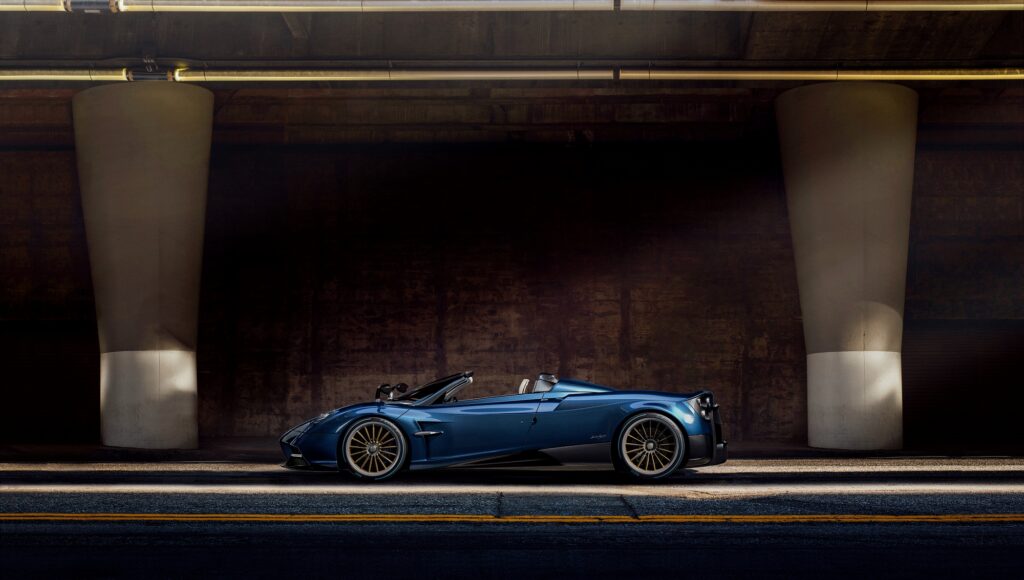
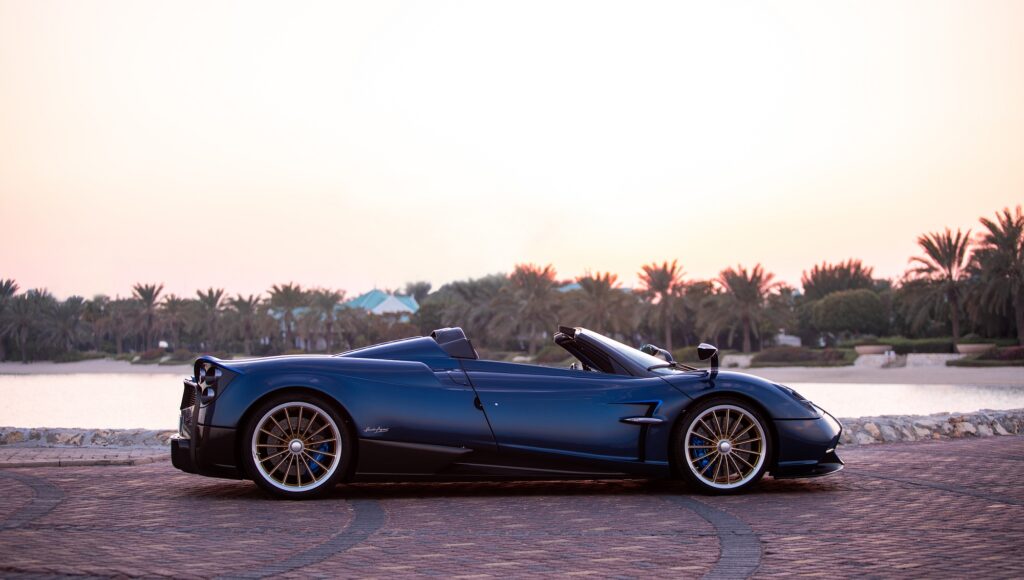
In 2011, Pagani once again astounded car manufacturers and fans alike with the Huayra, another stunning machine, this time with a suite of active aerodynamics that helped get the hypercar to 60 mph (97 km/h) in 2.8 seconds and up to a top speed of 238 mph (383 km/h).
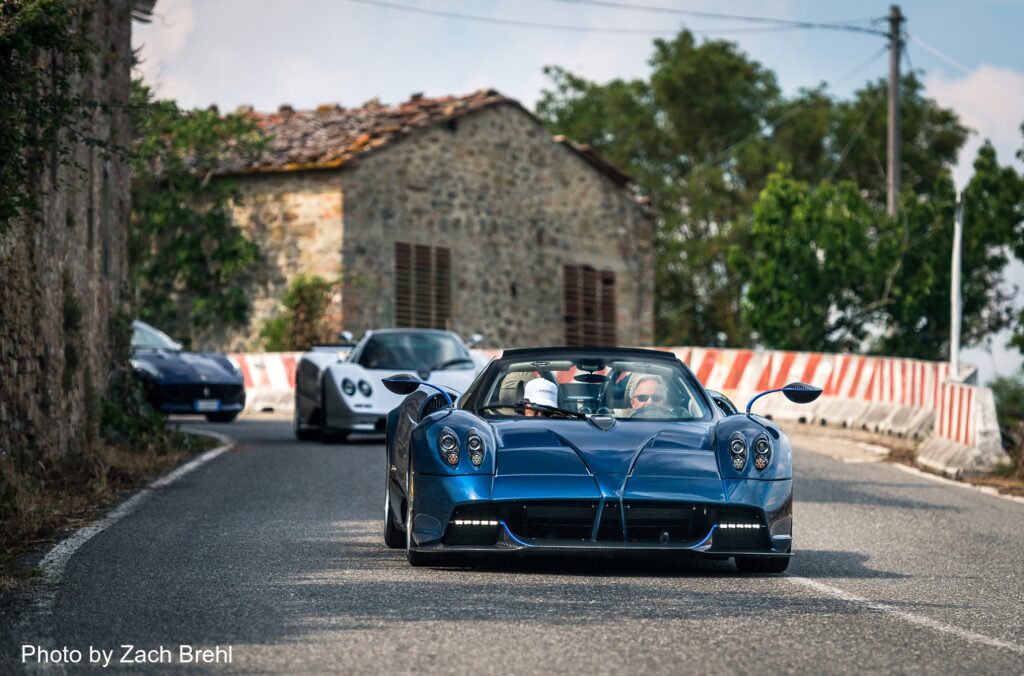
Undeniably an incredible performance machine, the Huayra was also heralded by many as the most beautiful car of all time, and again when it debuted as a roadster in 2017.
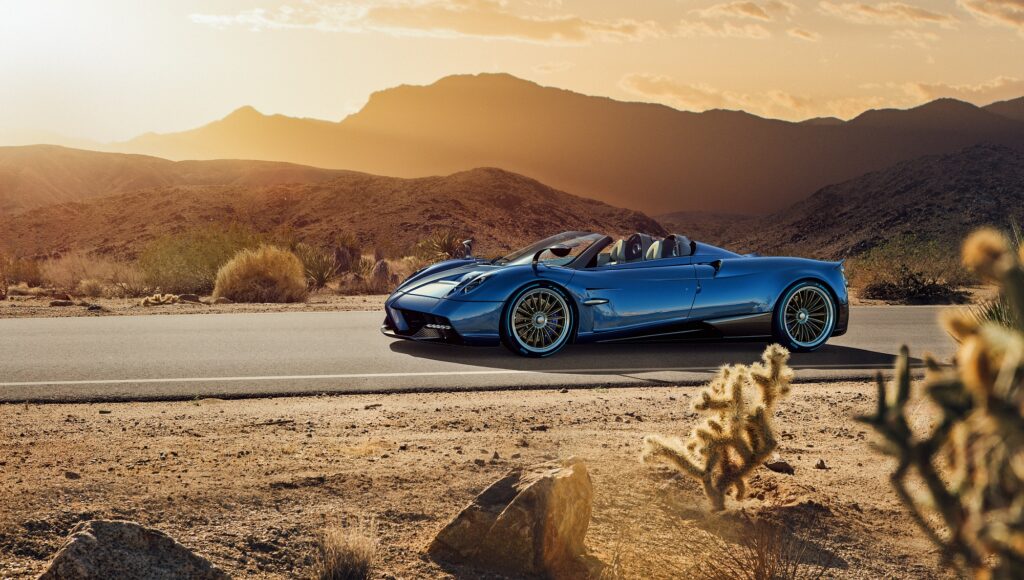
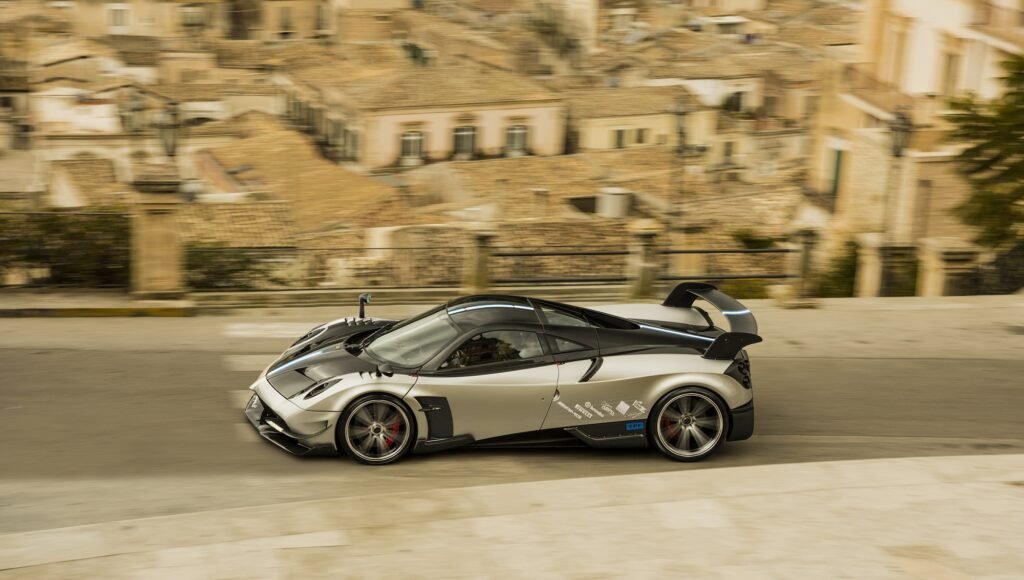
Pagani claims to draw strength for his commitment to form and function from another inventor who brought science and art together to wow the world over and over during his time, perhaps the most famous ‘slashie’ of all time, Italian engineer/mathematician/sculptor//designer, Leonardo Da Vinci.
“Compromise is an umbrella, not a roof,” says Pagani. “When you set yourself aesthetic and functional goals, you don’t stop at the first proposal that emerges, but you question it, try to improve and involve the team, asking everyone to express their ideas, to give their best. Only in this way can you find compromises that have the right target.
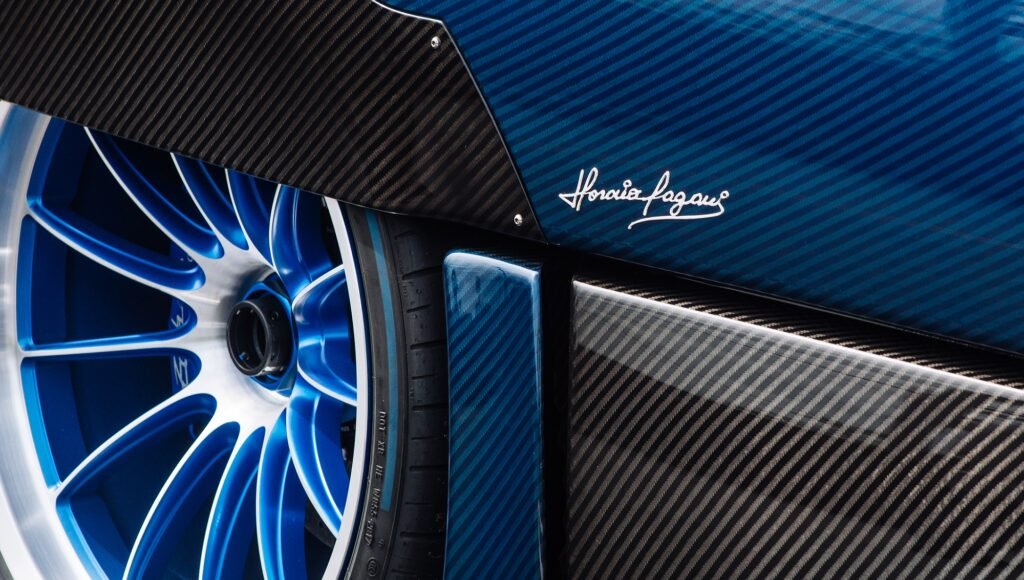
“There has to be someone that makes the decision, and I have this difficult task. I confront myself with the people who best know the history of Pagani, but also with the younger guys who are part of the team. One example of this is the choice of materials; in the frame of Huayra Roadster BC we worked hard to develop a new material. [Carbotanium] is a very difficult material to find and to build, especially in the phase of weaving carbon with titanium. In short, it has extraordinary characteristics for reducing the weight of the machine and increasing safety, but at the same time is very complicated. And it costs 400 per cent more than the alternative. The decision to use it comes from the fact that we want only the most artful and technologically advanced materials in our cars, because our customer deserves the best.”
Effort and determination. It seems almost too simple. And, indeed, to summarize the lesson behind Pagani’s rise to fame, fortune and automotive excellence in one sentence would be to rehash a cliche: ‘Work hard and believe in your dreams and anything is possible.’
No, it’s far better to let the machines, the invention, the art, speak for itself.