
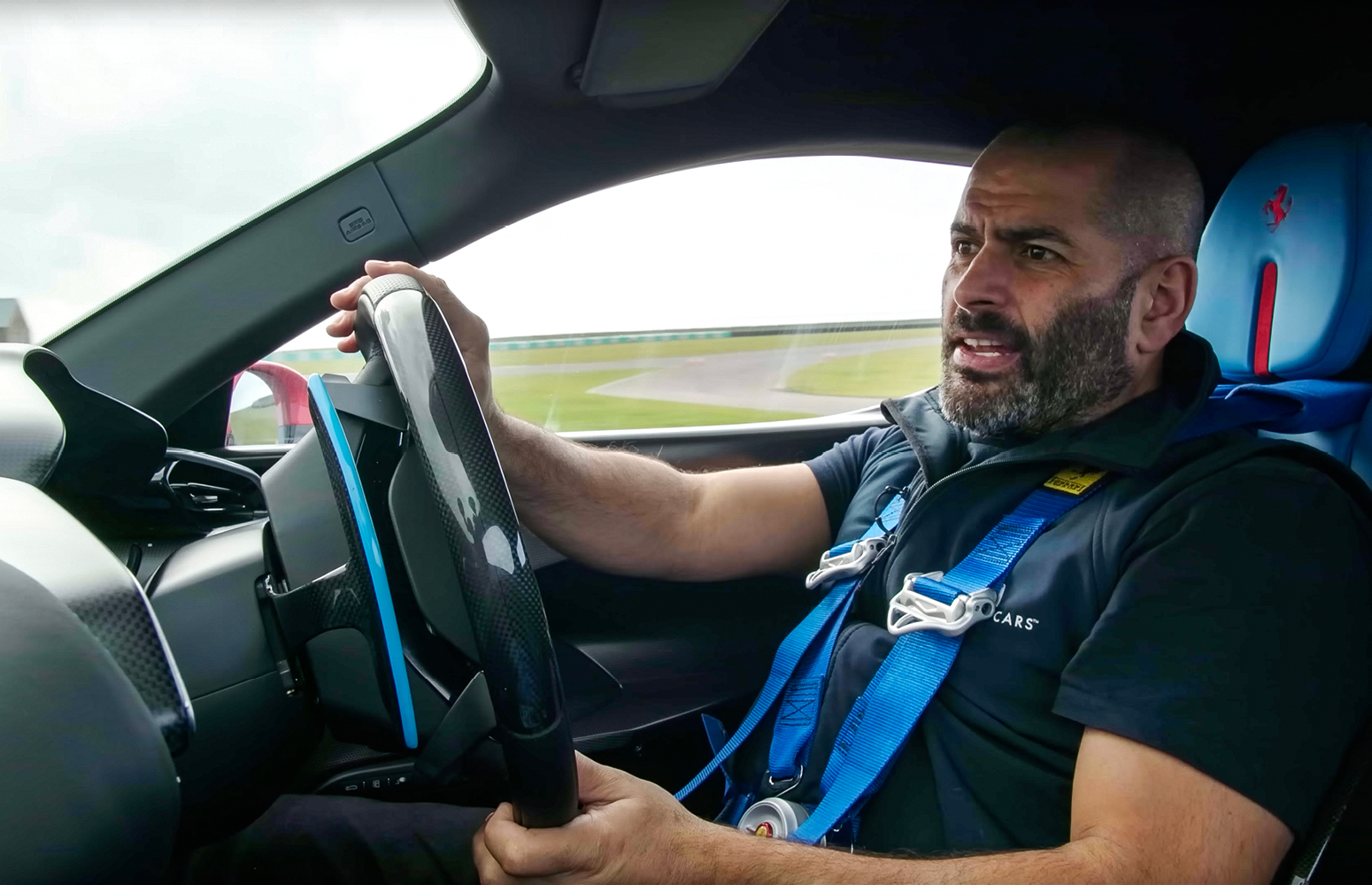
It’s difficult to hear Chris Harris. Rain is falling hard on the roof of his Porsche 911 GT3 Touring, layering a crackling white noise behind the voice coming through the speakerphone.
“This is very English here at the moment,” he says. “I’m regretting specing the carbon fiber roof. It’s making even more noise in this rain.”
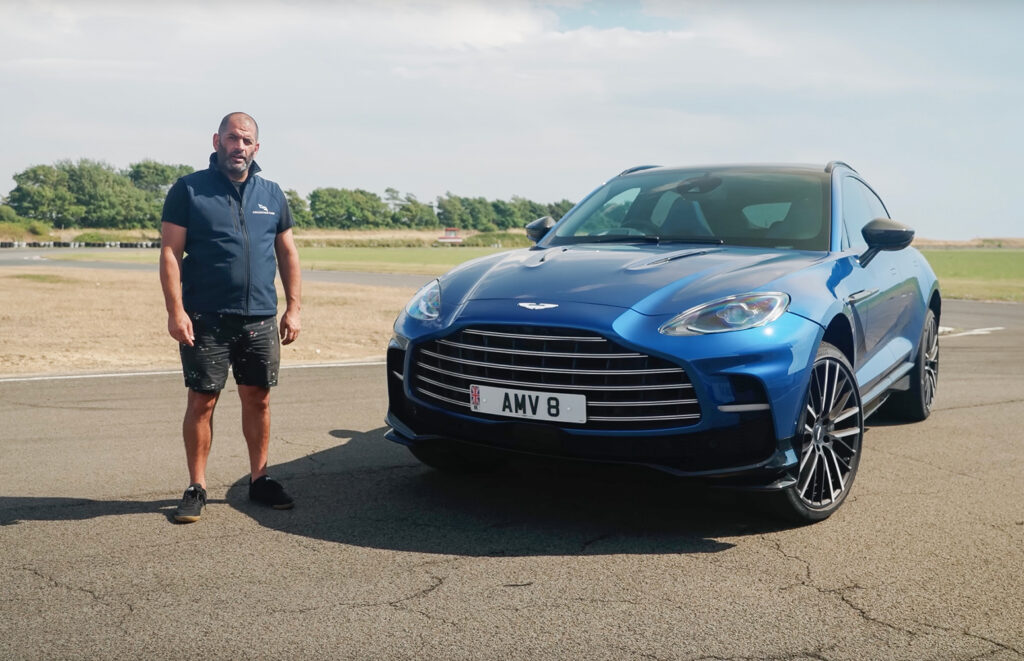
The longtime auto journalist and current host of Top Gear is sitting in his parked Porsche, licking wounds recently inflicted by his children, and thinking, as he often is, about cars. “I’ve just been go-karting with my kids this morning at one of those cheap places where you drive four-stroke karts,” he explains. “And my 17-year-old is now quicker than me. It pisses me off. I can’t beat him. He’s just lighter and better. I feel like an old man today.”
At 48, Harris may be classified an “old man” by his teenage family members or the timekeepers at the local kart track, but within the realm of automotive journalism where reviewers delay retirement until their driver’s licenses are pried from their arthritic hands and OEM’s no longer provide press cars for safety reasons, he still has miles to go. A hereditary passion for cars came via his maternal genetics, from a mother who was a stellar rally driver – not professional, but a “good club racer” – and manifested itself early on in the form of a massive collection of car magazines. The collection expanded to include the many magazines and publications Harris would write for, growing until it eventually became too big to keep.
“I just got rid of most of it, because I don’t refer back to them enough, so just no point in them being there, right?” he says. “But it’s telling that I’ve kept the first two car magazines I ever bought, because they definitely completely represent the point at which I knew I loved cars and was obsessed with them. It was an April, 1982 edition of What Car Magazine, which is a very consumer-centric product in the UK. It’s not a big sort of features magazine – it’s sort of empirical road testy data stuff. And I used to just look at the back of it and I’d memorize the data. That’s all I could do. I could tell you the naught to sixty, the top speed, all the other stuff…
I could tell you that from the age of about six or seven, but I couldn’t pass a math test at school or concentrate. I’m sure there’s an acronym that I’ve got for some sort of disorder, but I’ve never really been that interested in investigating it. I think the less you know about this, the better you just get on and use the skills. If my superpower is that I can remember the naught to sixty of a car, I’ve still managed to use that to earn a living, so I’m quite happy with it. But it’s been an affliction for, yeah, about 41 years.”
Harris’s affliction developed into a career some 25 years ago when he was given a menial summertime position doing odd jobs at his still-favourite car magazine, Autocar.
“I loved it. I used to go there for two or three weeks in the summer,” he says. “Patrick Fuller (the former editor) would always say to me, ‘We could never give you a job. We love when you’re around here, but we couldn’t really employ you… couldn’t have you representing us, because you’re an idiot.’ And I did that for three or four years and eventually he gave me a job.”
The writing gigs compounded as Harris stretched his creative legs and continued to gather experience behind the wheel, reviewing and even occasionally racing. Other opportunities online and on television arose, too. By the mid 2010s, Harris was hosting the YouTube series Chris Harris on Cars and getting millions of views. Then, in 2016, he joined the BBC as a host of the wildly popular TV series, Top Gear.
His increasing notoriety and ceaseless fascination with the wheeled world would eventually lead to a business play in automotive resales. In 2019, Harris joined forces with his friend Edward Lovett, founder of Collecting Cars, an online marketplace for classic, sports and performance vehicles. It was a natural fit. Lovett had the platform and the plan; Harris the cache, editorial expertise and millions of loyal fans around him on social media.
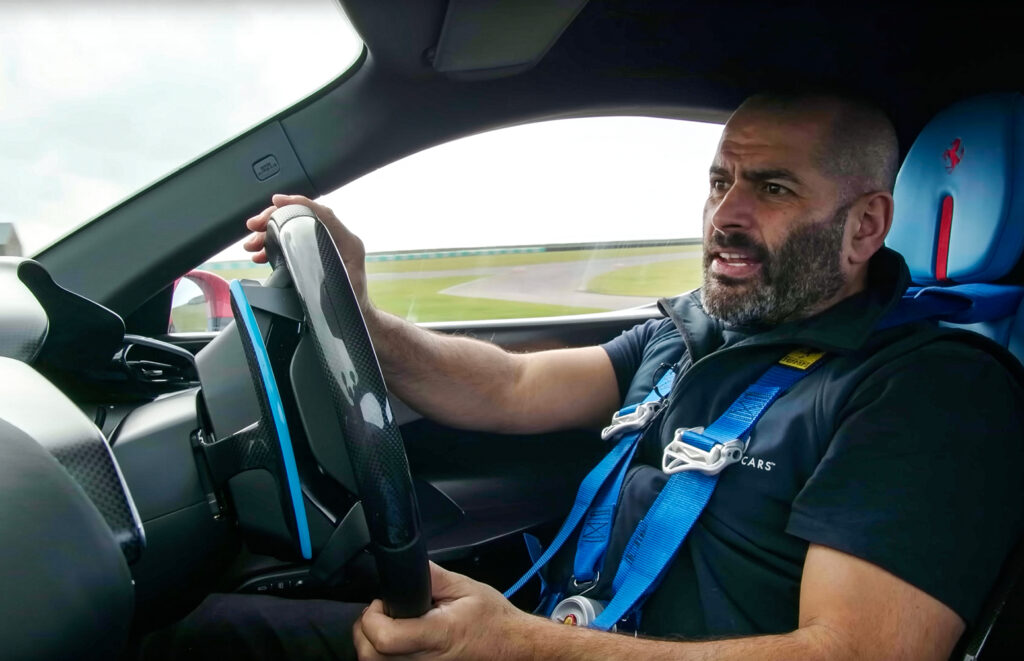
“For me, classifieds and the nascent bring-and-trailer, the auction sites have become my new editorial,” he says. Because I consume media in the bath and in the morning on the toilet. You know, I’m a man… I can’t vouch for women, but that’s how I consume media. I look at classifieds, I read florid descriptions of cars. I don’t really read car magazines anymore. That’s my new editorial.”
On the Collecting Cars website, users can buy or sell vehicles and memorabilia, learn about upcoming enthusiast events, or just soak in car culture. More than a mere celebrity face for the company, Harris gives news and opinions as a site columnist and hosts the Collecting Cars Podcast for which he interviews experts, racers, fellow creatives, and other industry movers and shakers. In a way, he’s the quintessential Gen X influencer, wielding a large following made up of traditional media consumers who recognize his name from TV and print, and modern social media natives. But whatever the platform they follow Harris on, they all share his enthusiasm for the motorcar.
“The simple reason we love cars is that they are a very obvious embodiment of what human beings can achieve, aren’t they?” he says. “They are complicated, but they have an emotional side as well. So there’s the technical complication that we find fascinating, men and women, but then they go fast! They sound good! I mean… it’s almost like television was invented to film the motorcar. It’s got all the majesty of the styling. It’s got all the music of the sound…they’re basically a film score on four wheels.”
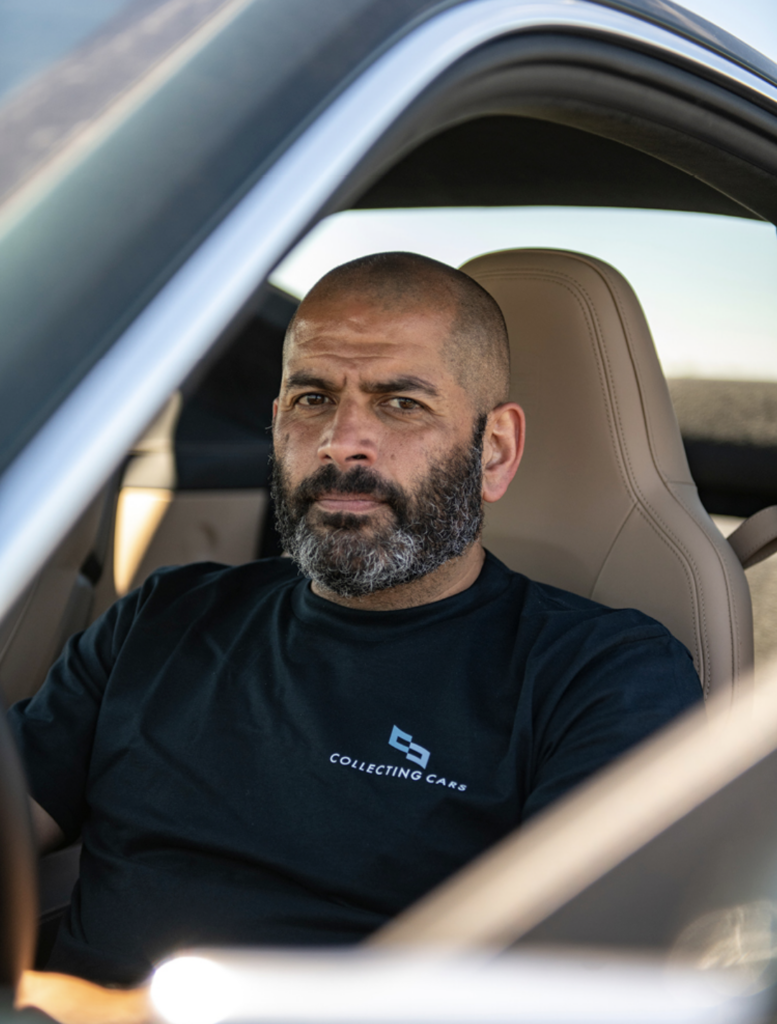
This hybrid audience that spans generations and mediums has served him well, but Harris believes it may not be available to the creators starting out in the space today.
“I don’t think it’s the same these days,” he says. “A career in motor journalism now is a very different thing. I think to myself, I would want to become an influencer. They earn all the money and have all the fun. Why would I become a journalist now?”
Perceptions of the auto journalists have also changed, as have perceptions of the auto itself. The mere act of driving can be enough to qualify you as a villain these days. As cities around the world further restrict the motor vehicle from busy quarters and governments mandate the increased uptake of EVs over gas vehicles, it’s becoming clearer and clearer: the righteous of the future will spend little to no time behind the wheel of any vehicle, let alone one with a dinosaur-drinking internal combustion engine. Shame to all drivers! Yes, even you there having fun on the little four-stroke kart! And double shame to all owners!
This is essentially the message being taught to today’s youth. True heroes fight for the planet. Status is achieved by long and arduous trans-oceanic boat trips a la Thunberg, not frequent flights or laps around a track. Especially if you happen to be European or British. But even with the new message inundating today’s youth, the appeal remains. According to Harris, it’s a matter of nature vs nurture. This was made clear to him about a decade ago while visiting the English-Welsh border town of Monmouth.
“I was there parked in a white 911 GT3 RS with the great big wing when they were used, and behind me was one of those classic sort of traveler jalopy things, like a proper festival van. They were the real hippie sorts. They dressed like hippies. They wanted to tell the world that, clearly, they cared about the environment. And they took a dim view of my car,” says Harris. “They had two kids with them. They got out with their didgeridoos and their doobies, whatever they were doing, and they walked past my car, and you could see the two parents looked away from it and were disgusted. And one of the kids sort of looked at it the same, but the last kid just went, ‘Ooh daddy, it’s a Porsche!’ (Laughs). And you could see that this father’s face was like, ‘Oh God, I don’t want my children to be into these things’. But this little guy who was probably four or five and had been fed a diet of hatred about these things, he couldn’t resist the allure of the Porsche. And that’s nature not nurture. You know? I think cars do that. They trigger things in us.”
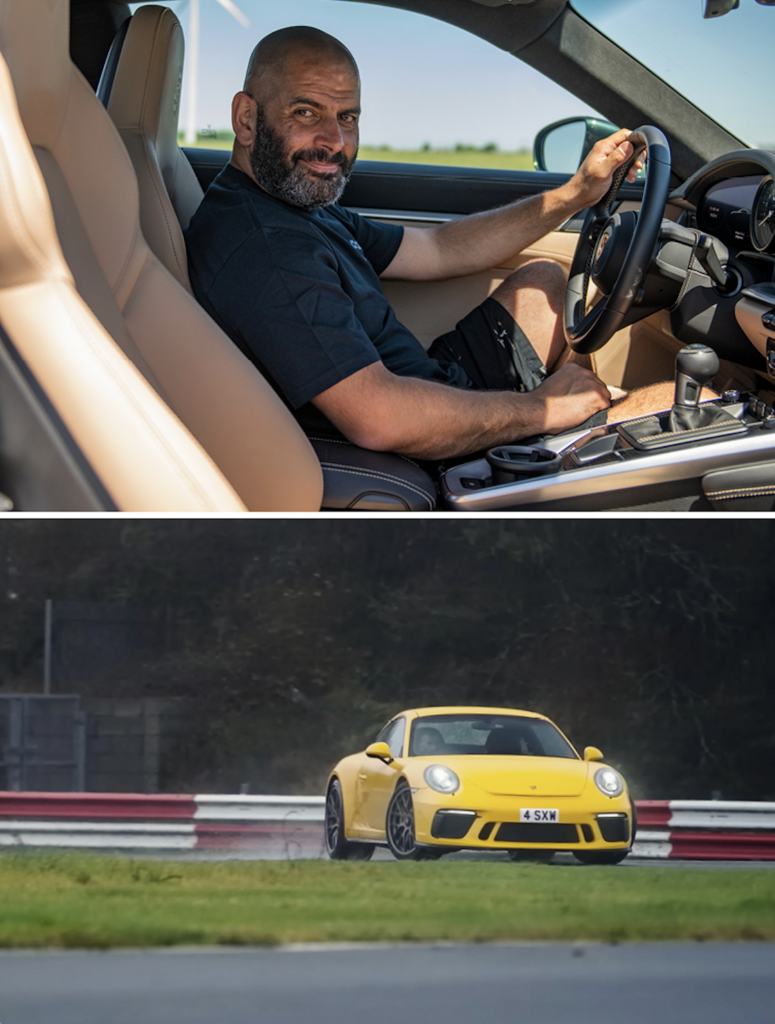
Harris continues, rain still falling like a subtle drumroll on his 911 GT3’s carbon fibre roof. It’s tricky to hear his voice clearly, but no amount of background noise can confuse his message.
“The more complicated reason we love cars is for the way that they somehow reach deep inside us. I don’t know whether it nourishes our instincts as a species to travel, or whether it nourishes our base instincts to reach out and to spend time with people and also to spend time on our own,” he says. “ I think it triggers in people some quite base responses.”
In Harris, what was triggered decades ago remains intact today. You can call him evil, you can call him old, but don’t touch his keys. The man was born to drive.