
It’s 5 PM in Portugal, and the final race weekend of the Peter Auto season is underway. As Marc Ouayoun joins the call, you can hear the sound of engines echoing in the background. It’s chaos in the best way. He’s right where he belongs.
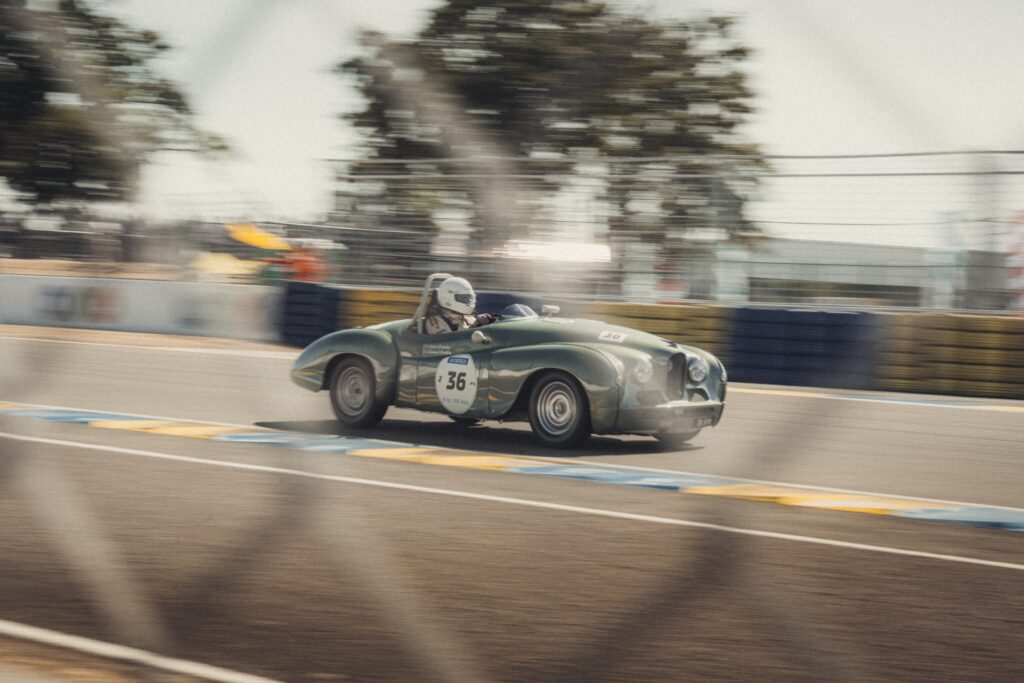
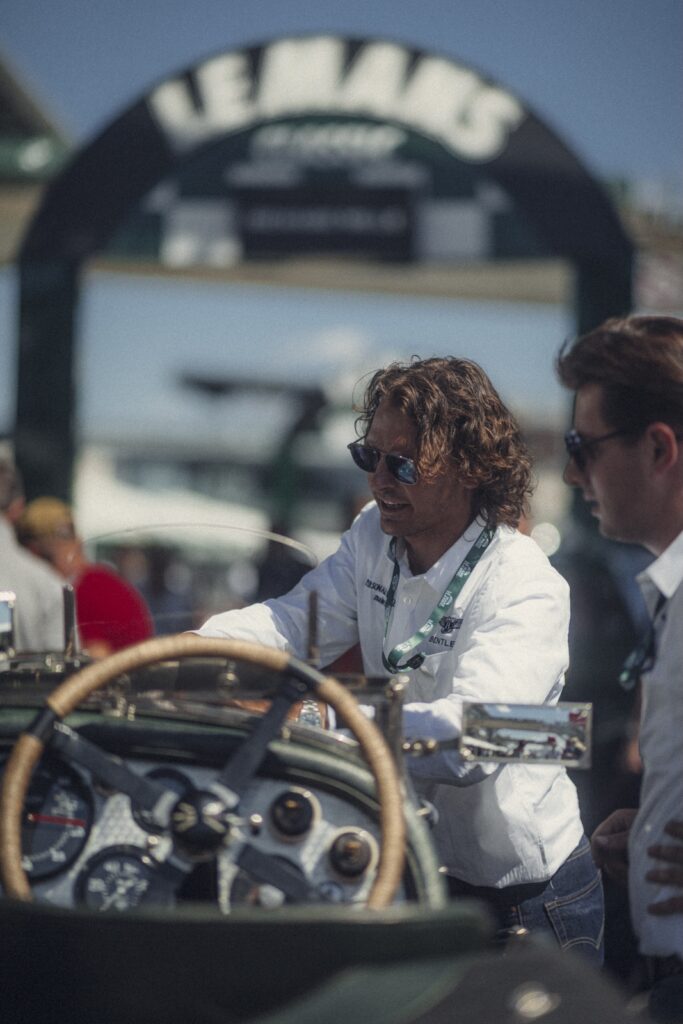
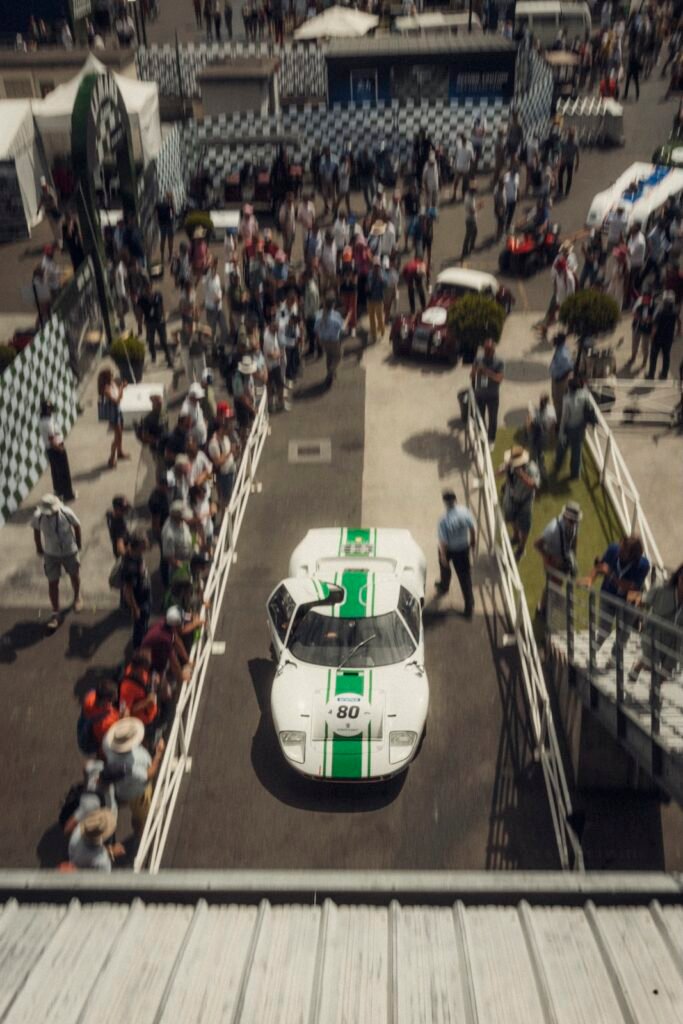
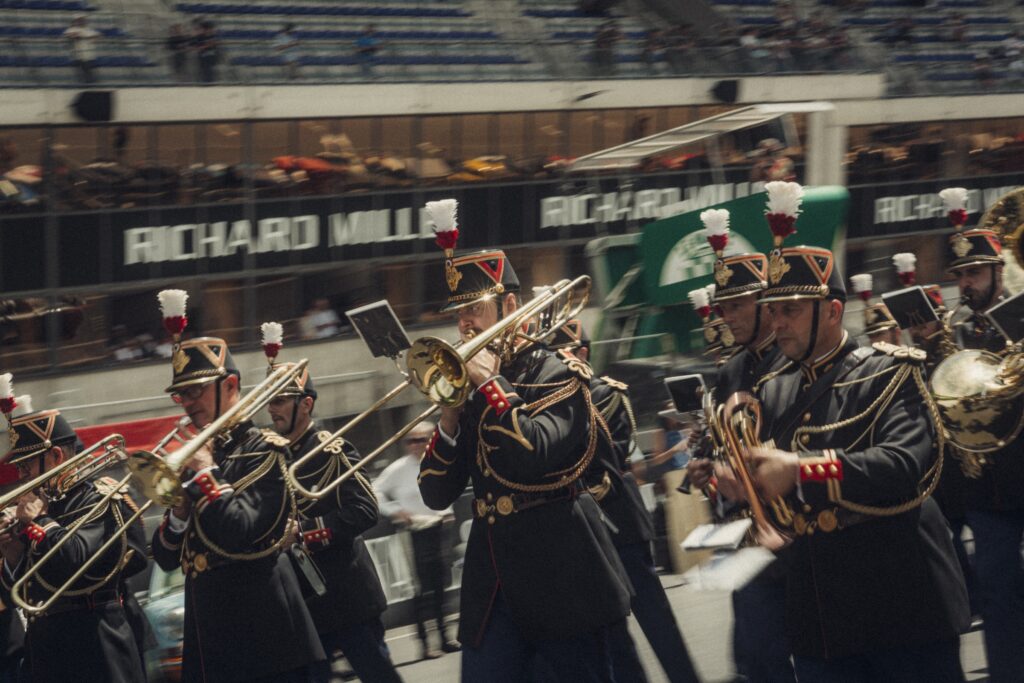
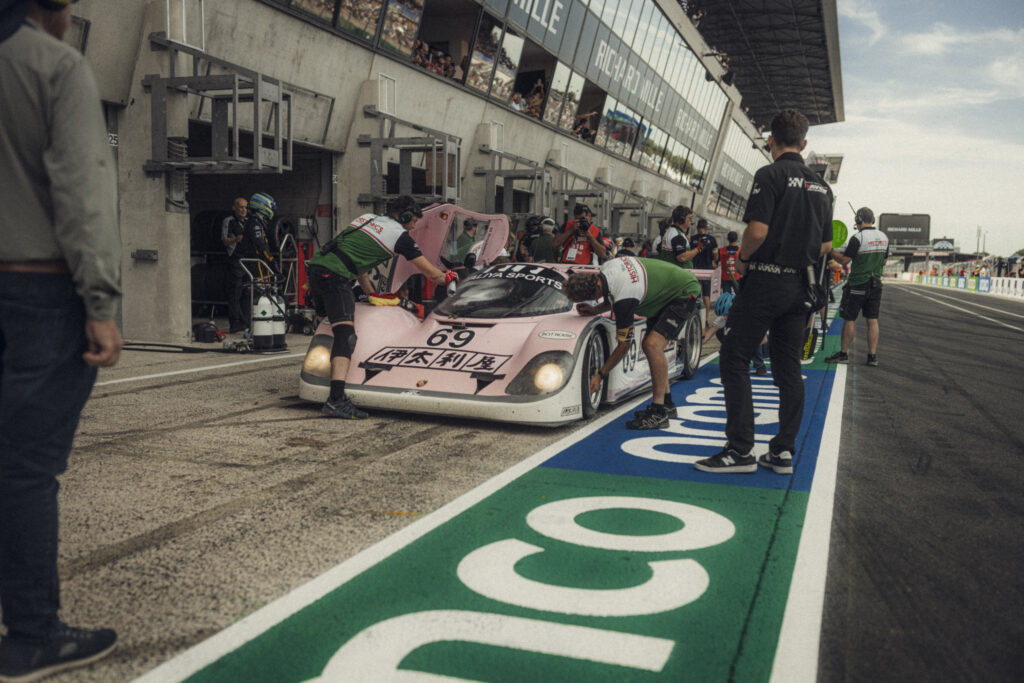
Ouayoun is the Managing Director of Peter Auto, a French motorsport organization best known for producing some of the most celebrated historic racing events in the world—Le Mans Classic, Tour Auto, Spa Classic. Events that are less about raw speed and more about atmosphere, emotion and memory. If you’re picturing old cars lazily making parade laps, you’re off the mark. These are immersive gatherings that celebrate automotive history and culture, blending on-track action with atmosphere, style and community. It’s part racing, part rolling museum, part social club and it’s grown a devoted following across Europe and beyond.
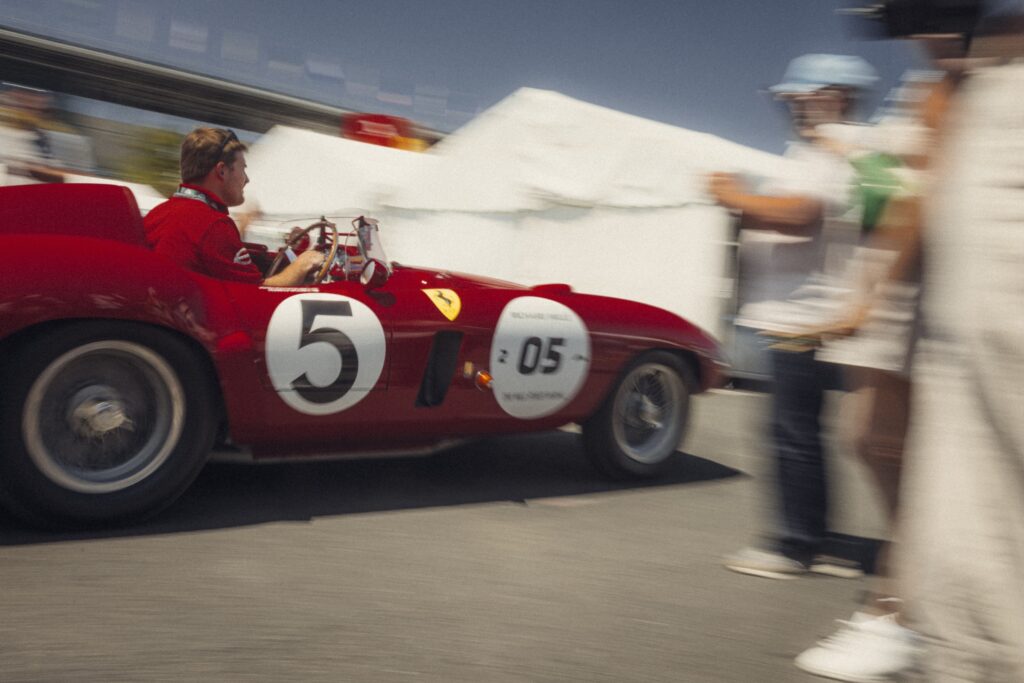
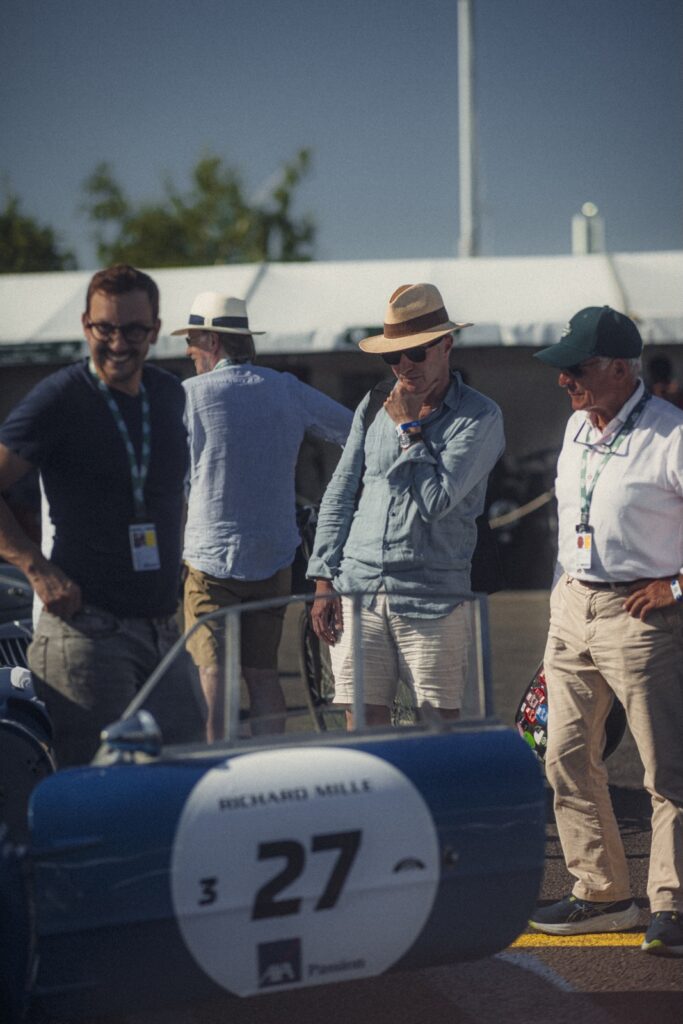
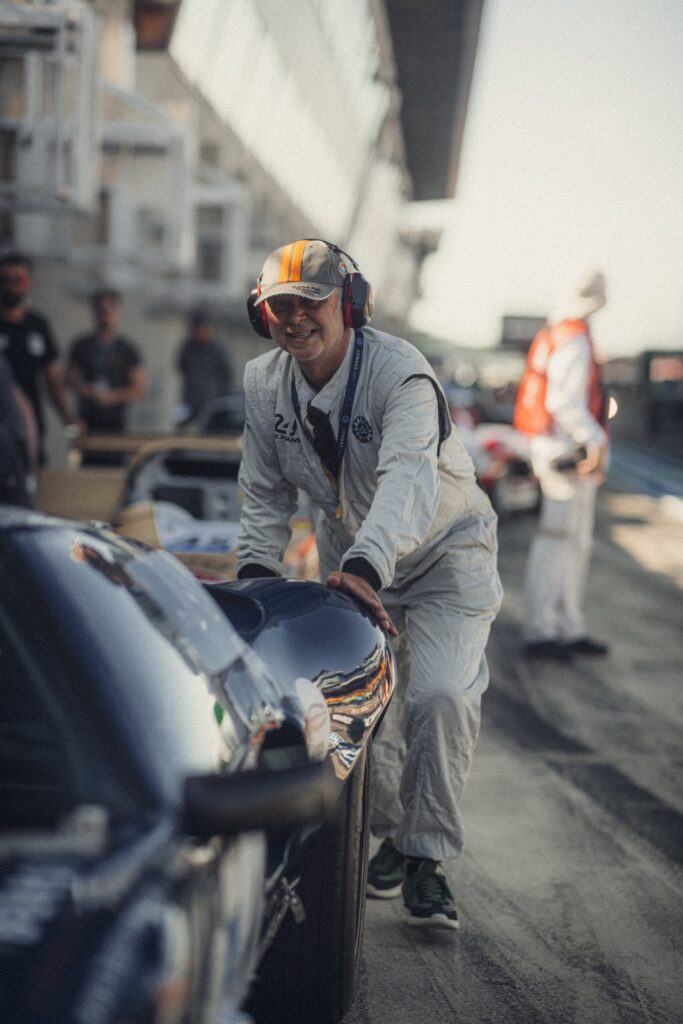
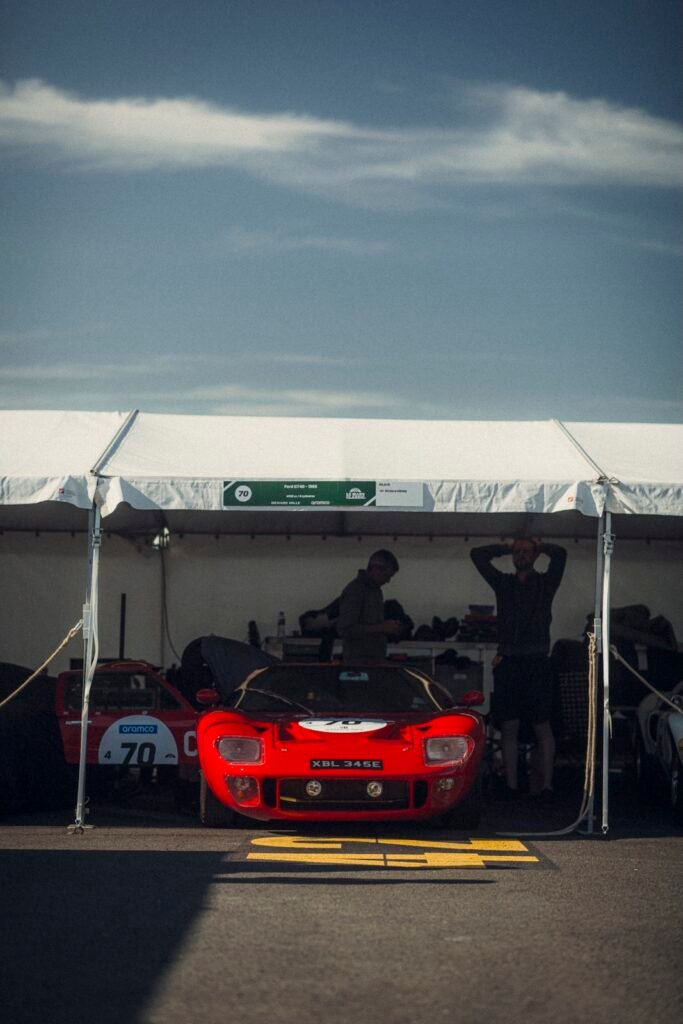
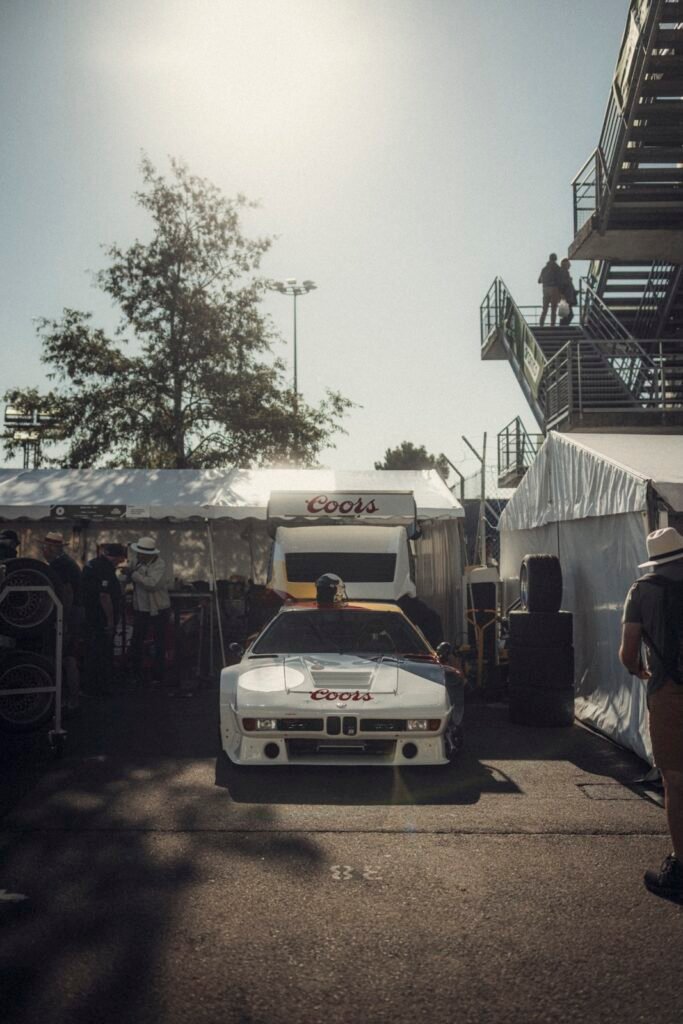
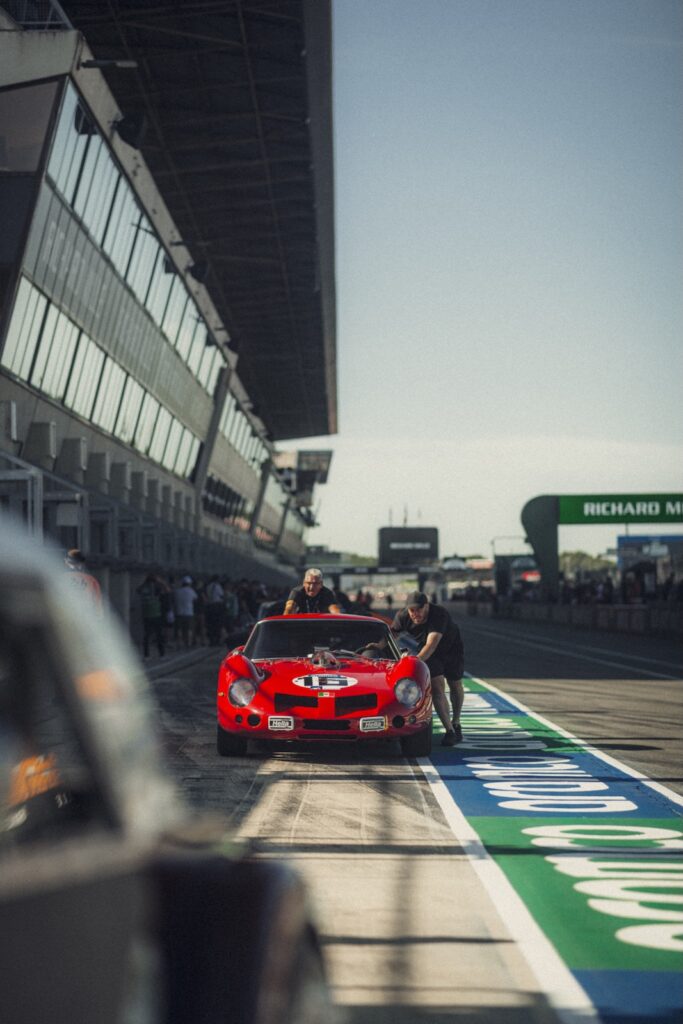
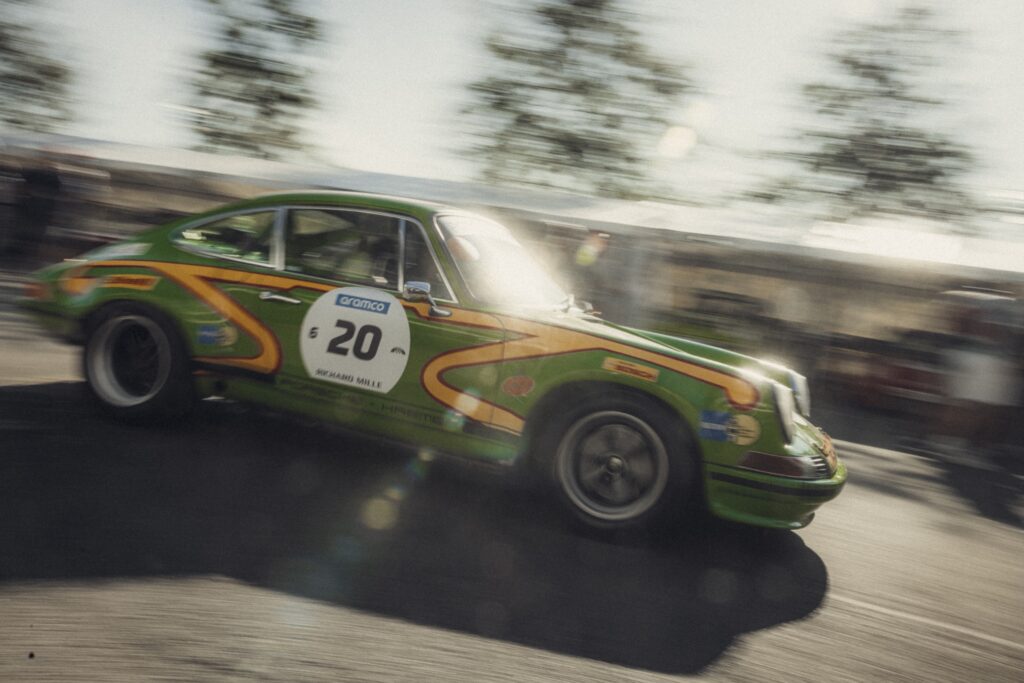
He’s smiling when he pops up on screen, wearing his usual round glasses, leaning forward a bit, fiddling with his AirPods as he tries to hear over the background noise of cars flying past. The connection is patchy, the sound is rough, but it works. Somehow, it’s perfect. He’s clearly in his element. This is what passion looks like. It’s chaotic. Loud. Unapologetically alive.
Ouayoun has made space in the chaos to talk about the boldest move Peter Auto has made in years: crossing the Atlantic. In 2026, the beloved French organization behind Le Mans Classic, Tour Auto and Spa Classic will land at Daytona International Speedway, the cathedral of stock car racing. The house that NASCAR built. The place where you’re more likely to find a corndog than a croissant. But somehow, it fits.
“The idea came during a discussion I had with John Doonan,” Ouayoun begins, referencing the president of IMSA. “We were talking about convergence, you know, between hypercar classes in WEC and IMSA. And I said, why not a convergence of culture? Why not Daytona and Le Mans Classic, together?”
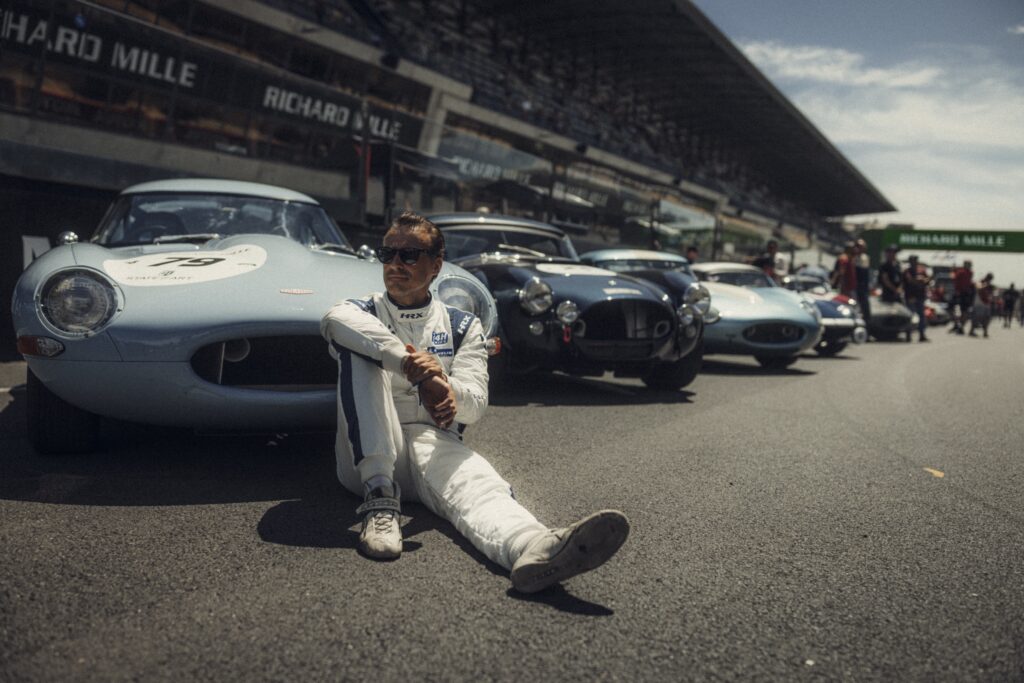
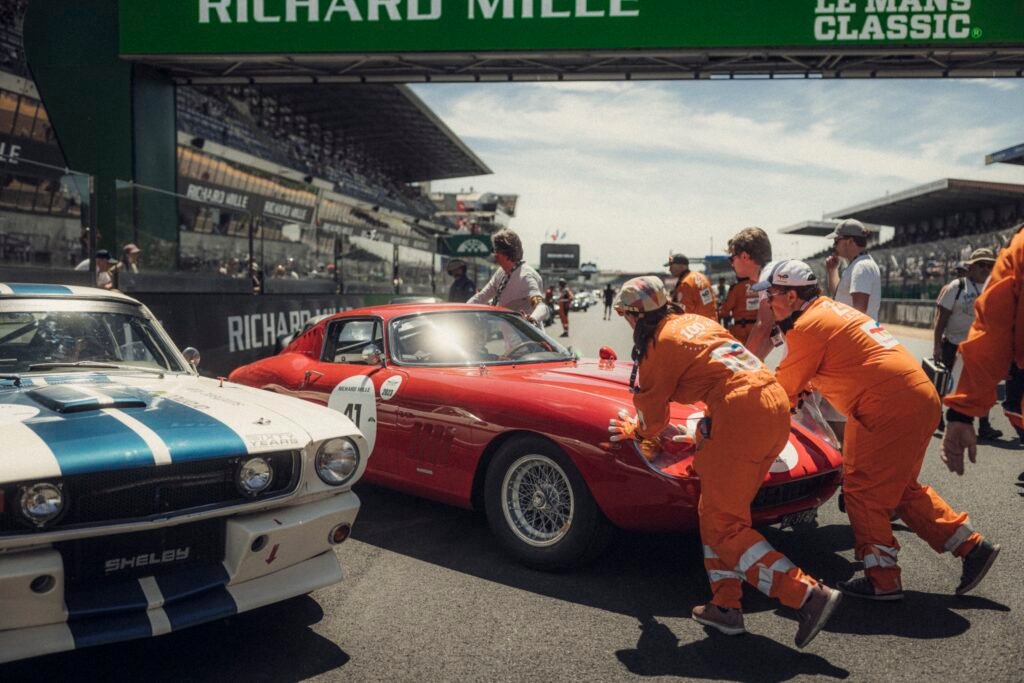
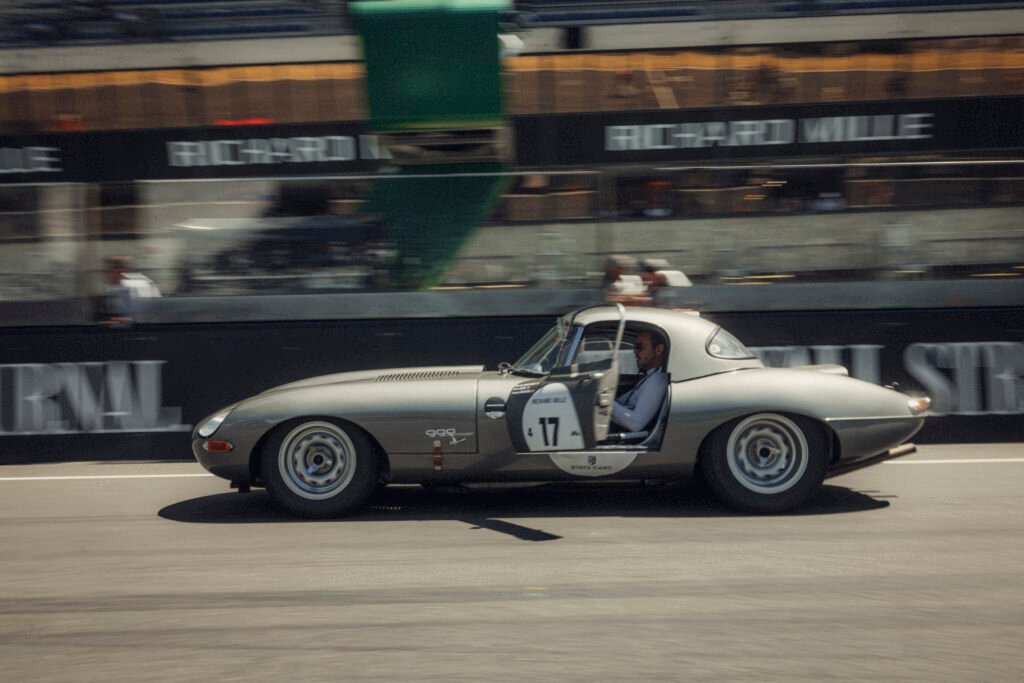
The plan: Peter Auto will bring its iconic 1960s grid—Cobras, E-Types, Lotuses and more to Daytona in 2026. In return, HSR will send its own American-flavoured classic grid to Le Mans. It’s the classic car equivalent of a cultural exchange program, with a lot more noise and a lot fewer passports.
“2026 marks the 50th anniversary of NASCAR’s first appearance at Le Mans,” Ouayoun explains. “Two NASCARs ran in 1976. So this is the perfect time to bring it full circle.”
TV doesn’t do Daytona justice. When you’re down at the bottom looking up, it feels like standing at the base of a wall. It doesn’t roll into the turn, it climbs. Turn 1 at Daytona is fast, fearsome and demands real commitment. If you’re used to the more rhythmical flow of European circuits, this feels like being thrown into the deep end of a swimming pool with your shoes still on. It’s less about graceful precision and more about raw momentum. Still, there’s something in the bones of the place that echoes Le Mans.
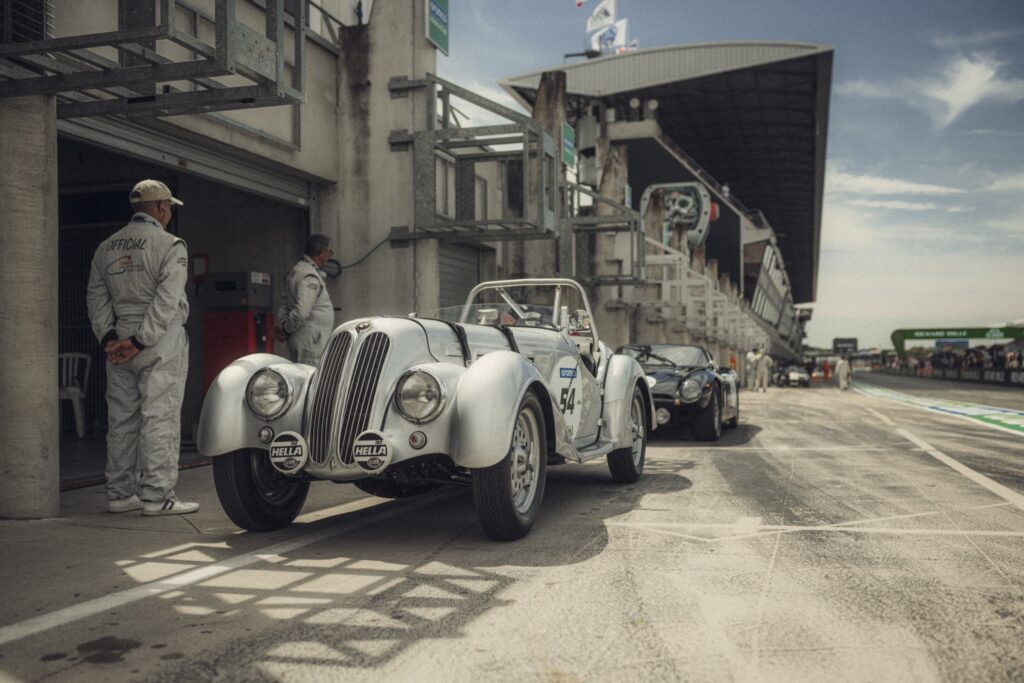
Daytona has its own version of a long straight, its own infield technical section, and just enough DNA borrowed from the French endurance blueprint to make you pause and smile at the comparison. Take the section once known as the Bus Stop: a tight, high-speed complex carved into Daytona’s back straight. Cars arrive at this little kink at over 300 km/h before slamming the brakes and diving in at 130–160 km/h. For classic cars, the pace might be gentler, but the stakes are the same. It’s a proper driver’s corner. Recently, this iconic bit of racetrack was renamed the Le Mans Chicane, a not-so-subtle nod to Daytona’s deepening relationship with European endurance racing. A tribute, sure, but also a wink: a slice of Le Mans grafted onto American asphalt. An architectural remix, the cathedral of American motorsport borrowing a few sacred stones from its French counterpart.
While about 7,000 kilometres of ocean separates Daytona and Le Mans, they have a great deal more in common than you might expect. At Le Mans, you’ll find huge contingents of Danes, Brits and fans from across Europe camping out in sprawling setups, flags waving, music playing and grills sizzling late into the night. It’s nationality-driven and spirited, but really, so is Daytona. It’s just that instead of flying in from Aalborg or Liverpool, fans are rolling in from Georgia, North Carolina or up from Miami in fully kitted-out RVs. Swap the sausage curry for brisket, or the warm Kronenbourg for a cold Miller Lite, and you’re in familiar territory. Different flavours, same recipe: loud engines, shared stories and a party that doesn’t let up.
And according to Ouayoun, that’s exactly the point.
“There is something universal about classic motorsport,” he says, raising his voice over a Porsche flat-six howling past. “It doesn’t matter if you’re in France or America. The love for these machines, for the stories, for the noise—it transcends borders.”
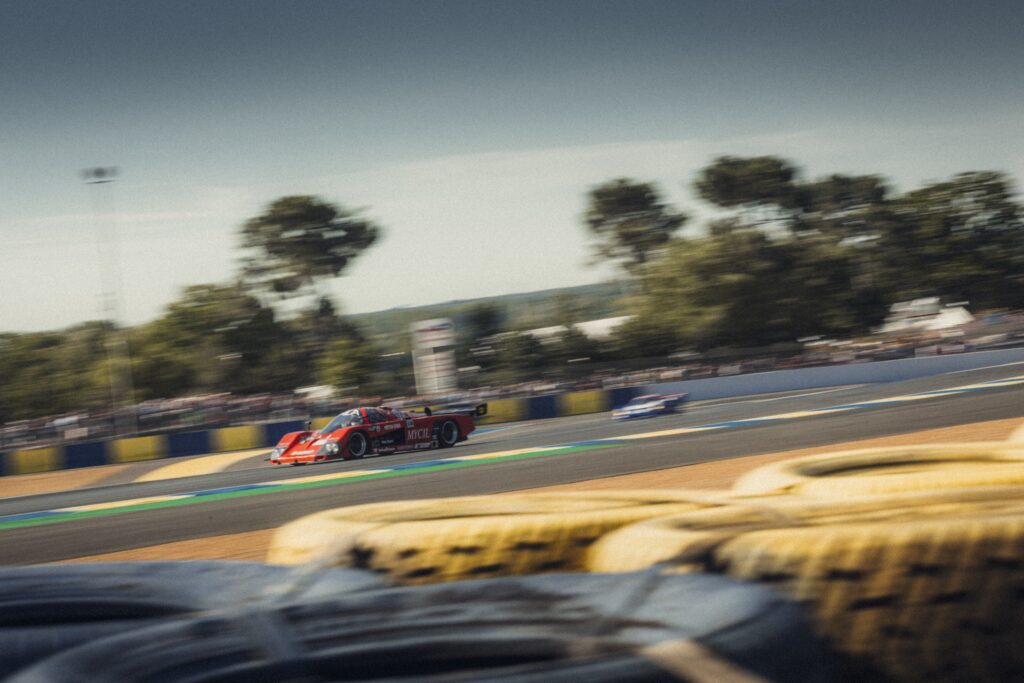
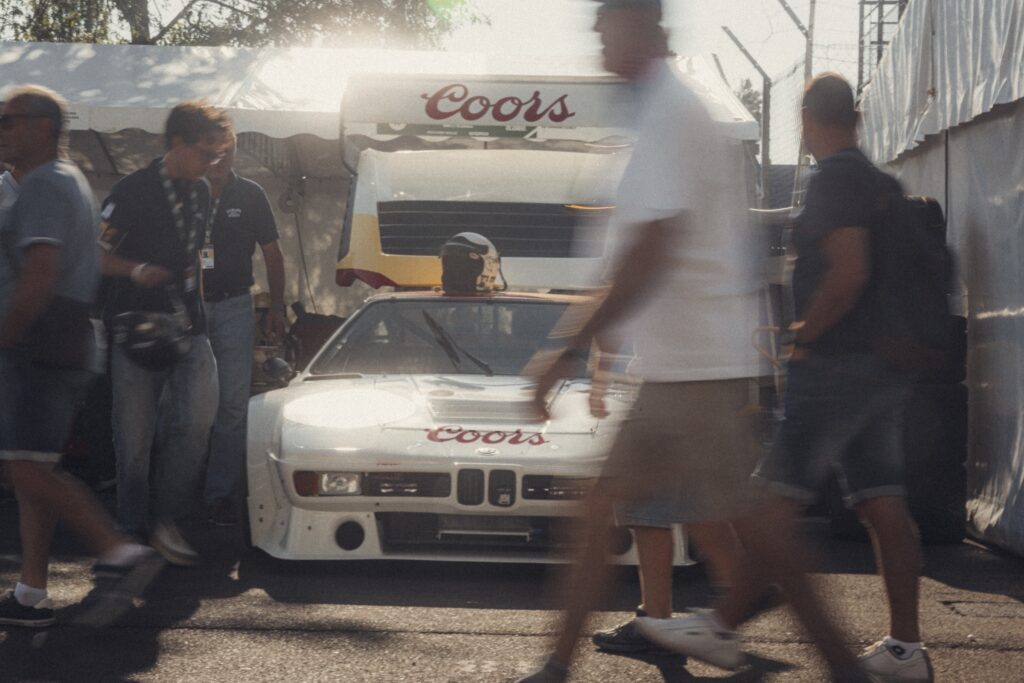
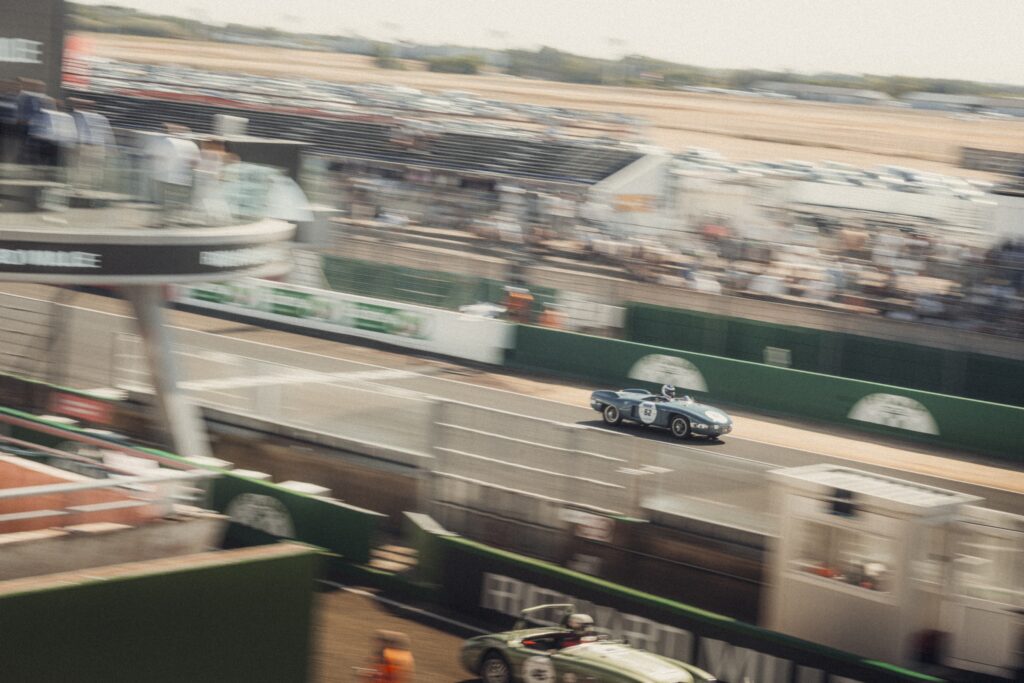
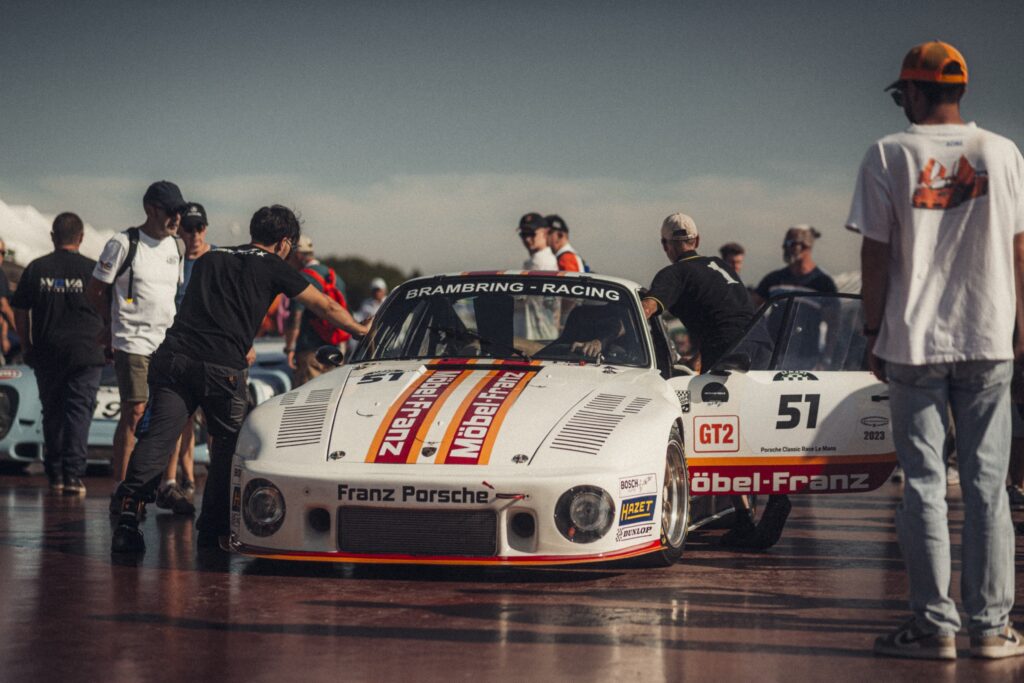
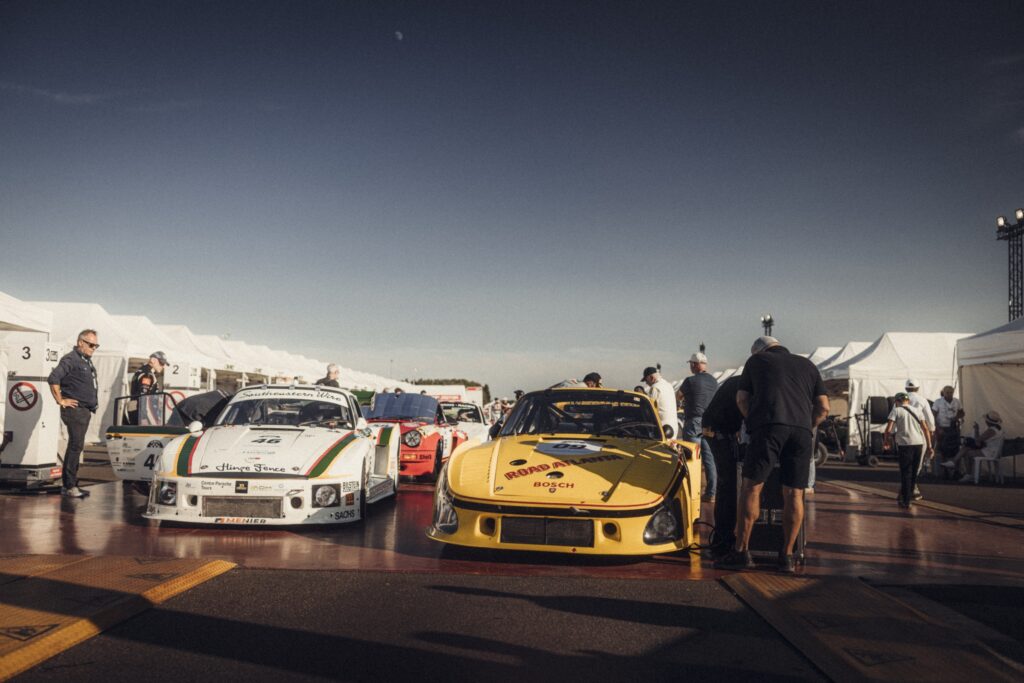
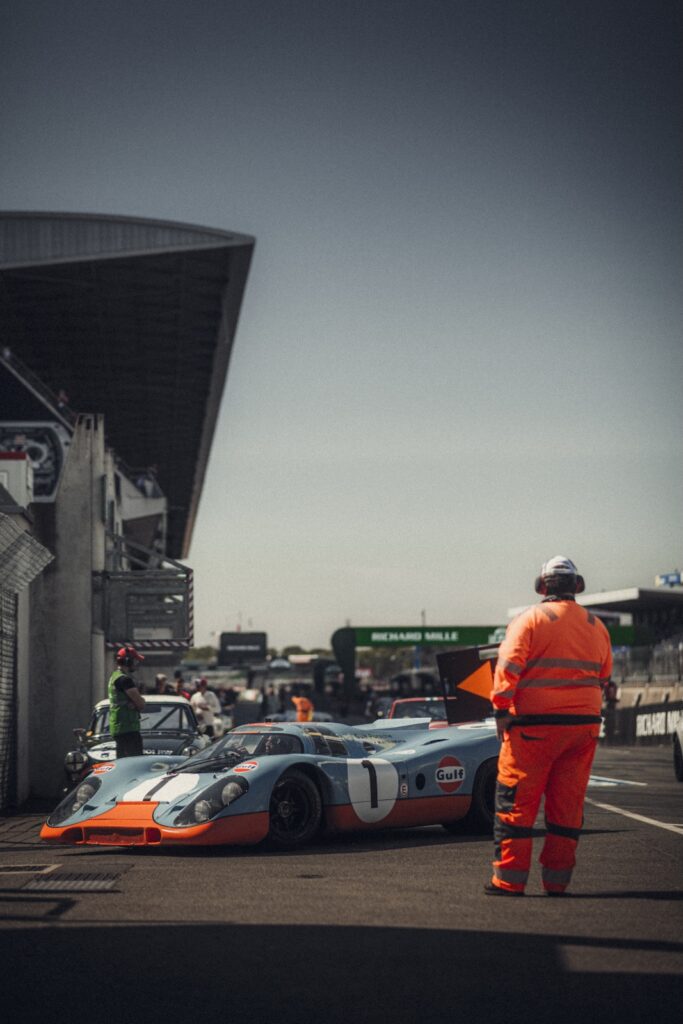
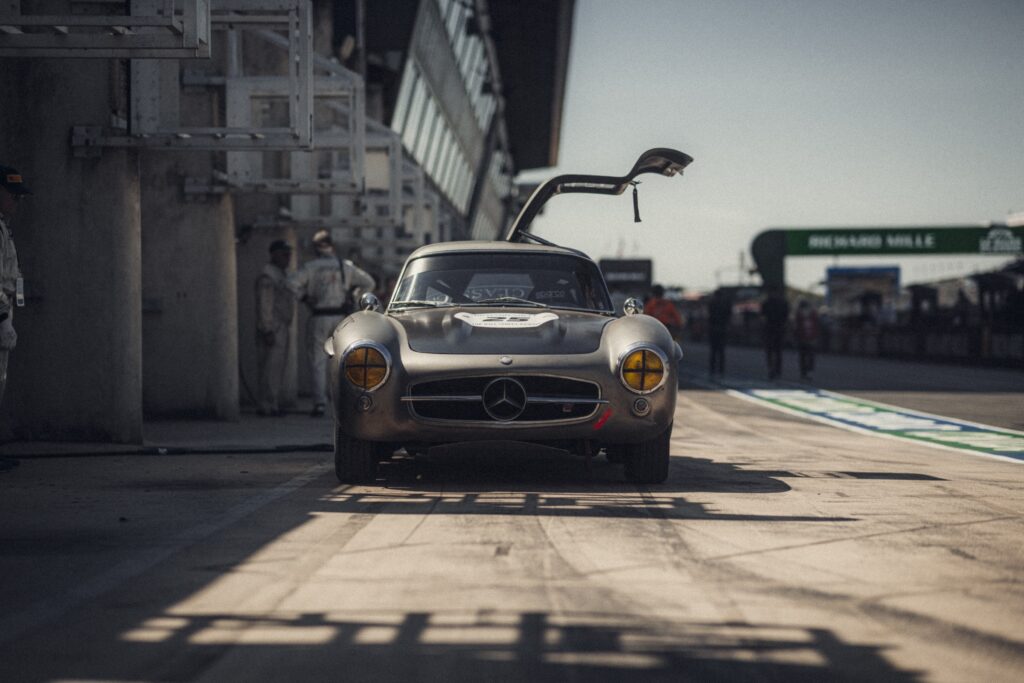
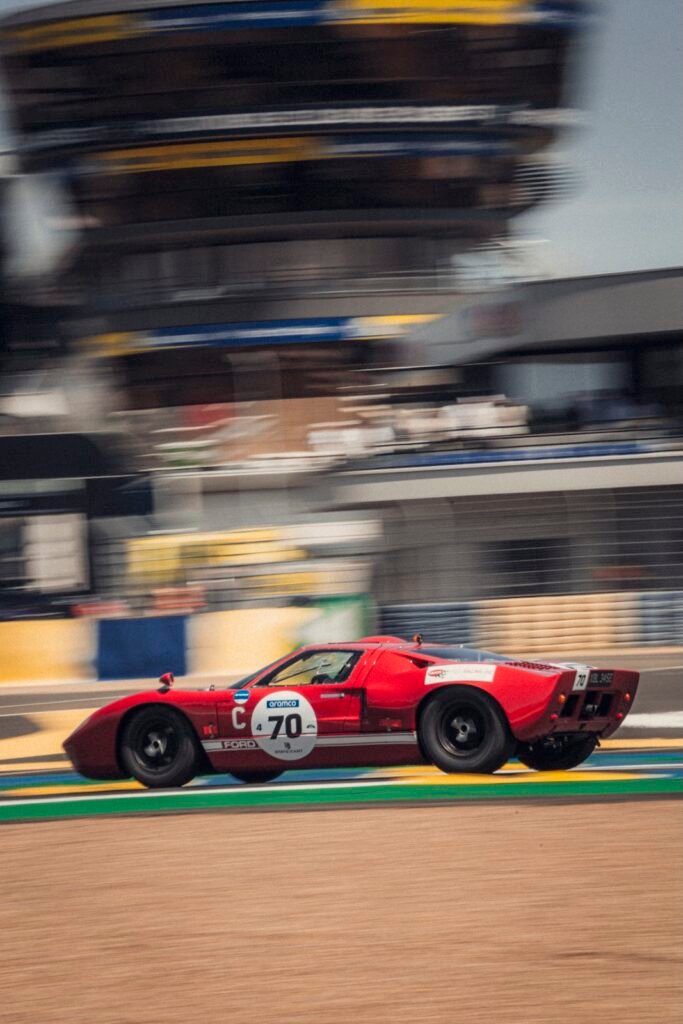
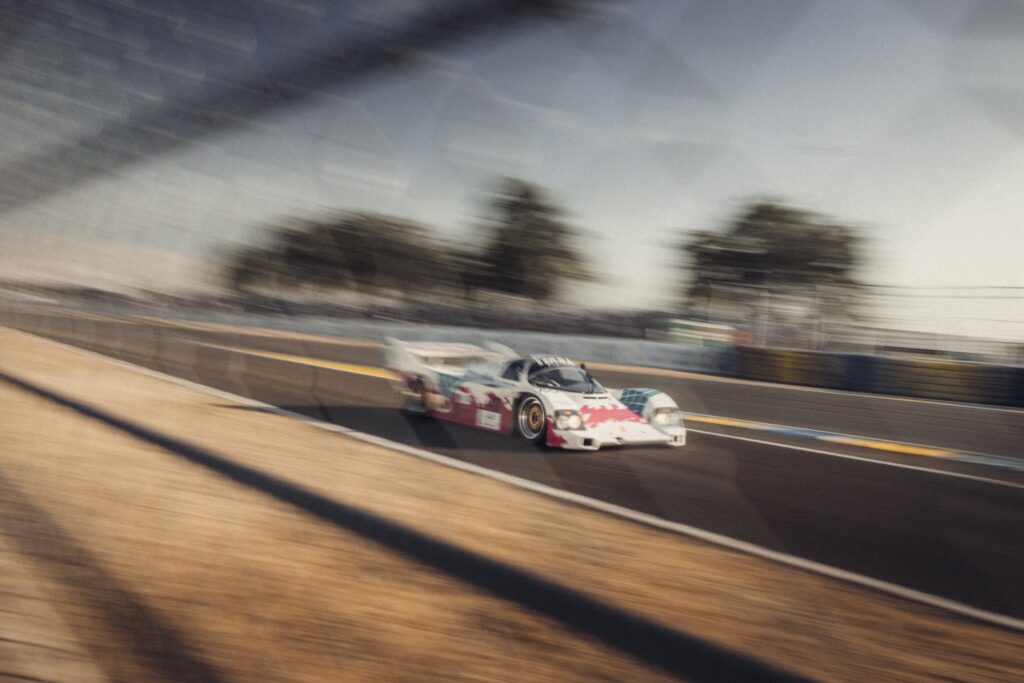
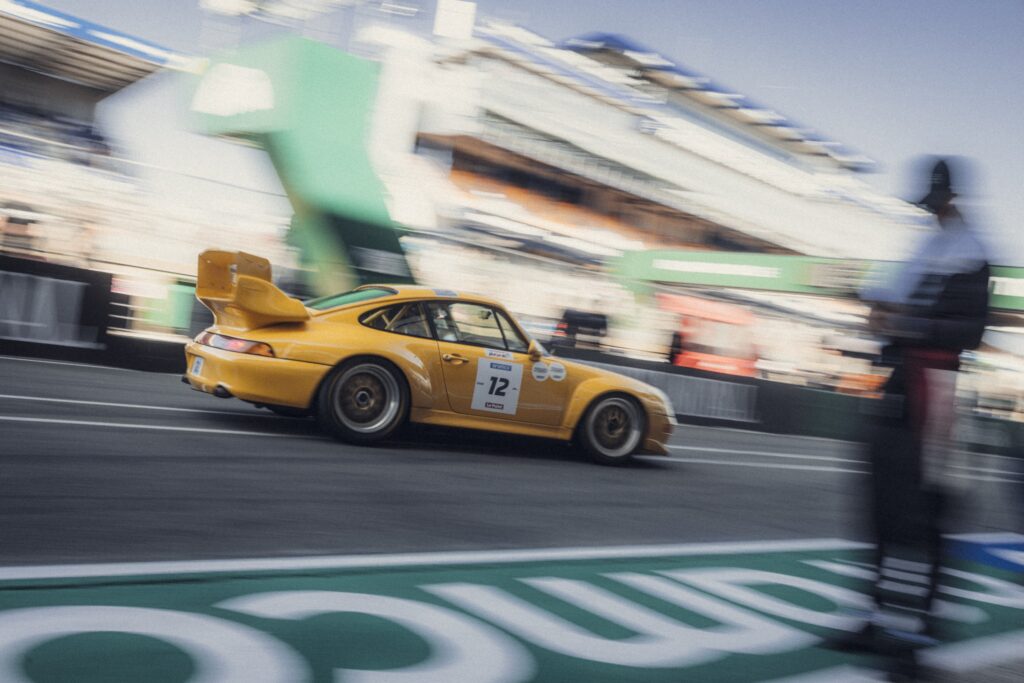
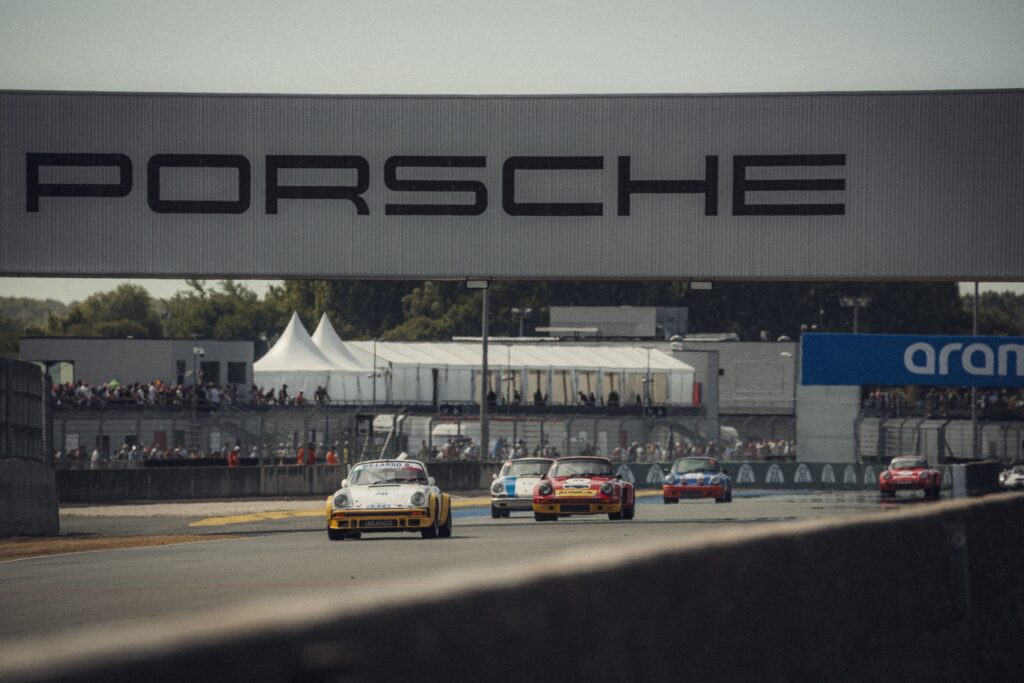
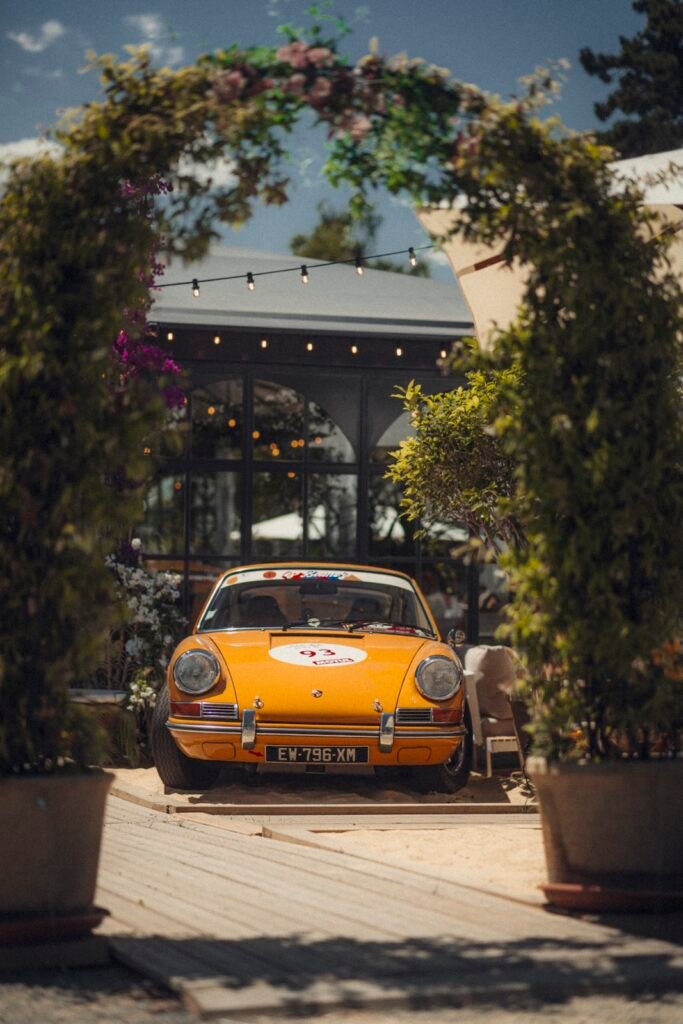
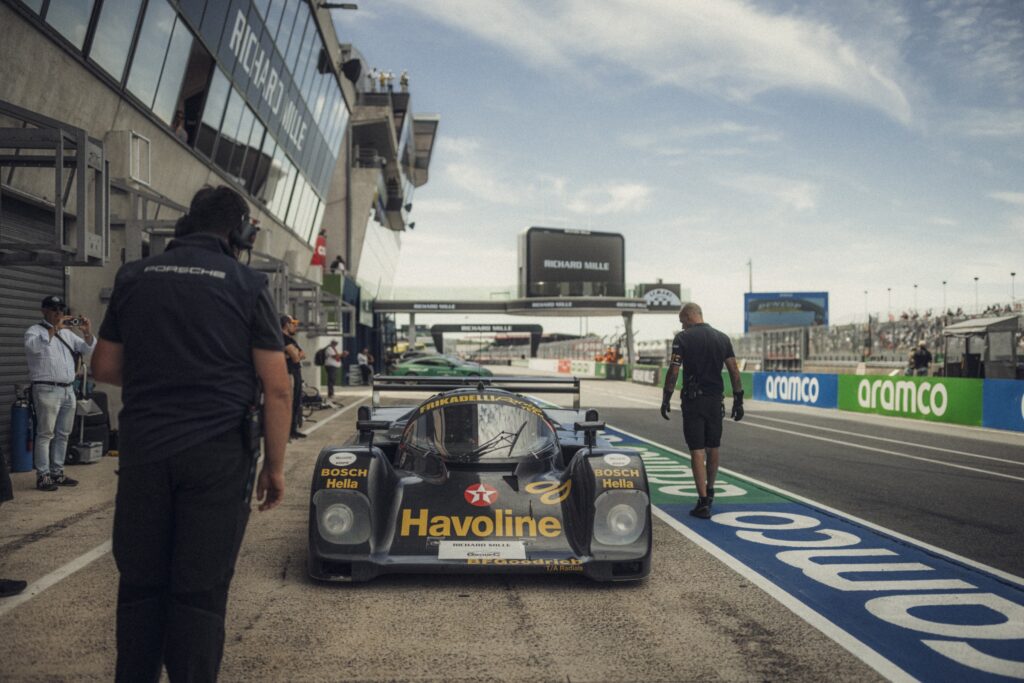
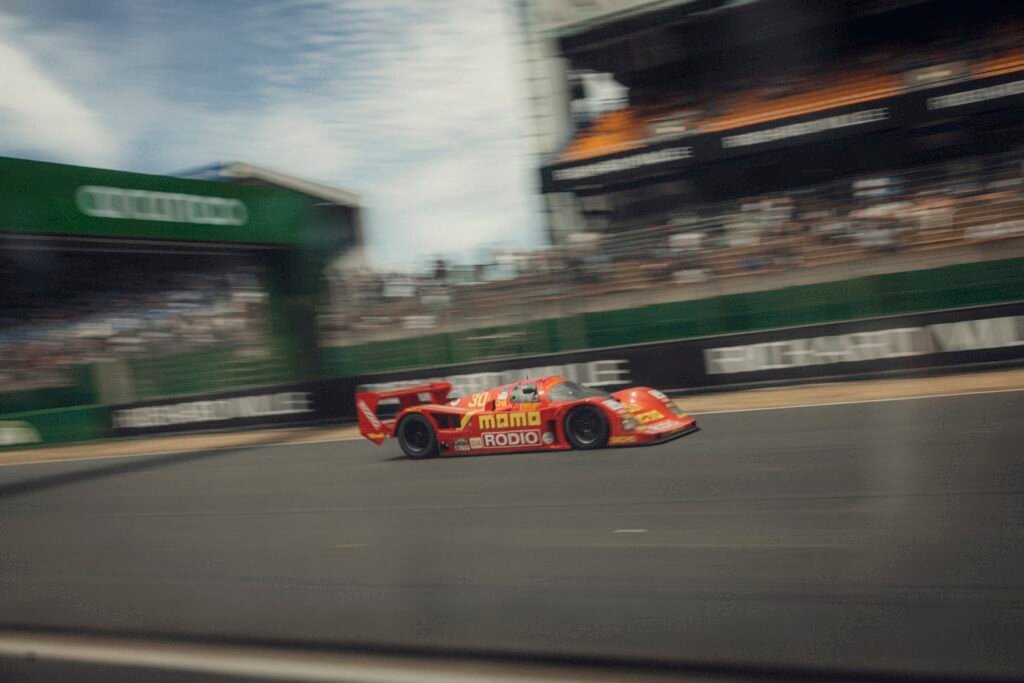
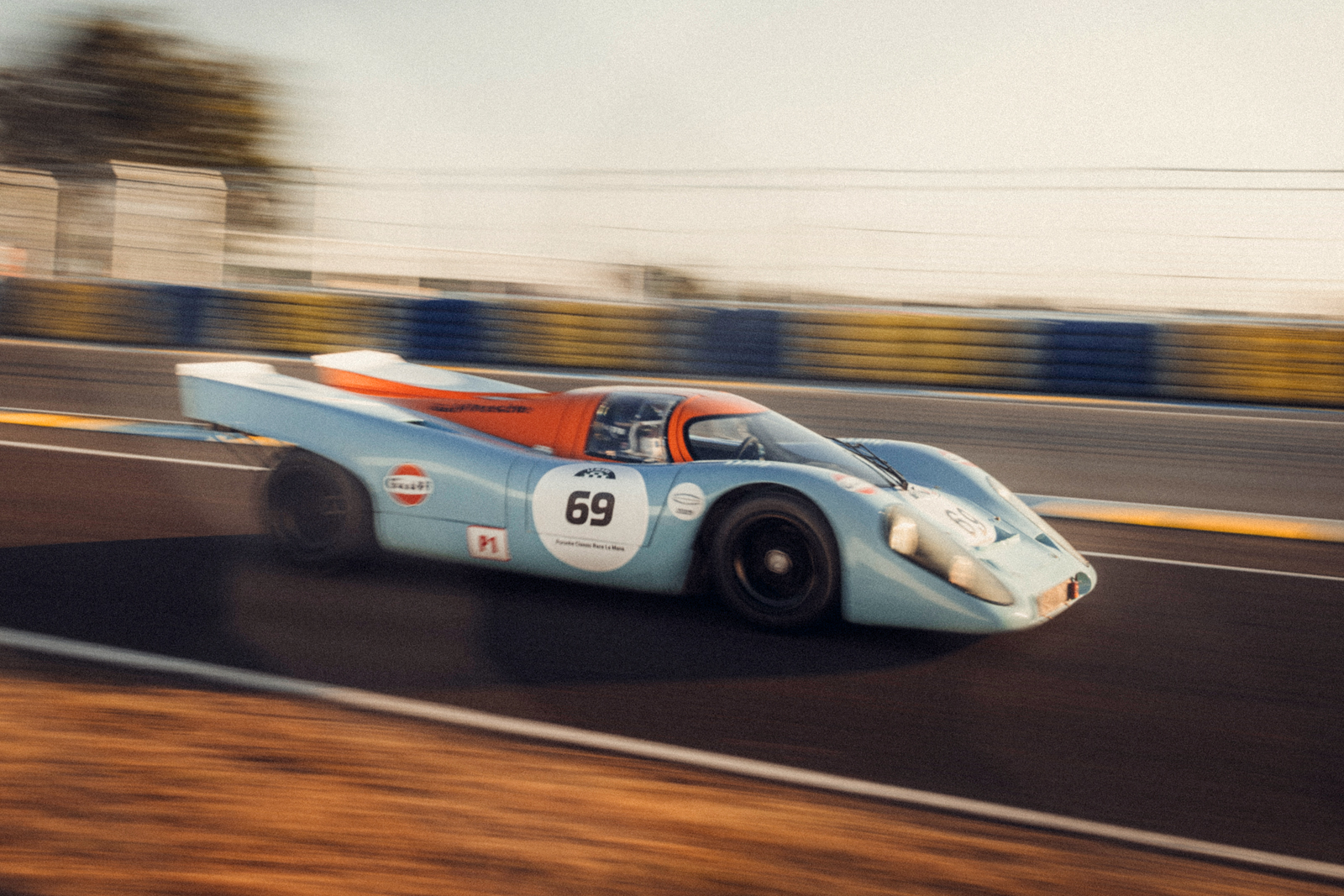
He’s right. If you’ve ever stood trackside while a Porsche 917 or a Ferrari 512 roared past, you know the feeling. It hits you in the chest. It rearranges your molecules. It doesn’t matter if you know the full racing pedigree. You feel it. And Ouayoun wants more people to feel it.
“It’s not about lap times. It’s about emotion,” he says. “We are creating dreams for our customers. Going to Daytona, that’s a lifetime dream. And for the fans too. Imagine the pictures. The sound. The stories.”
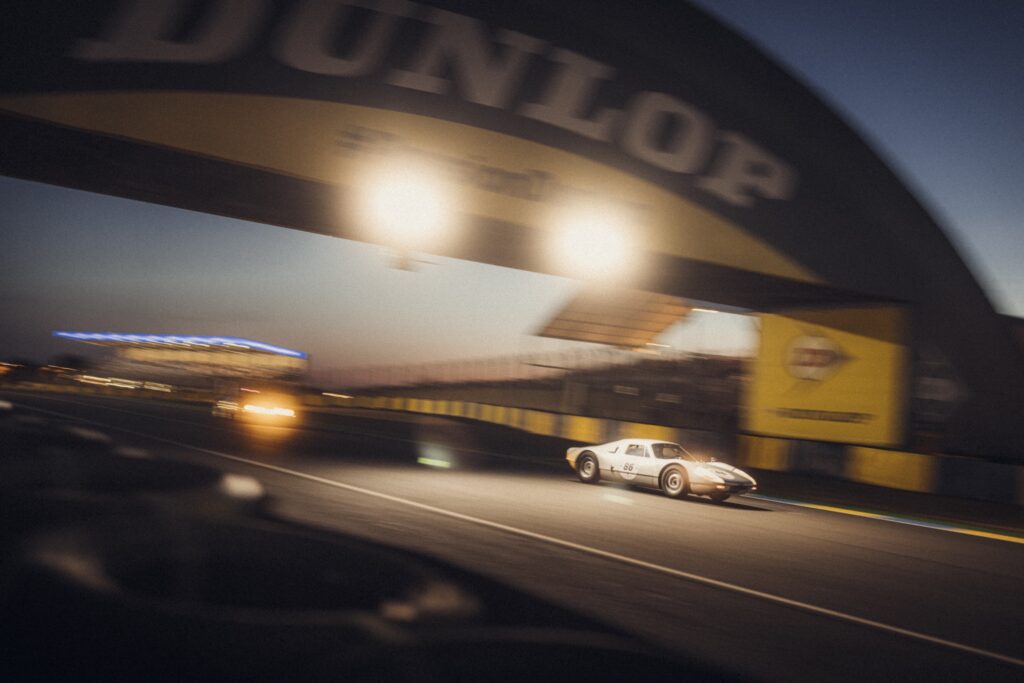
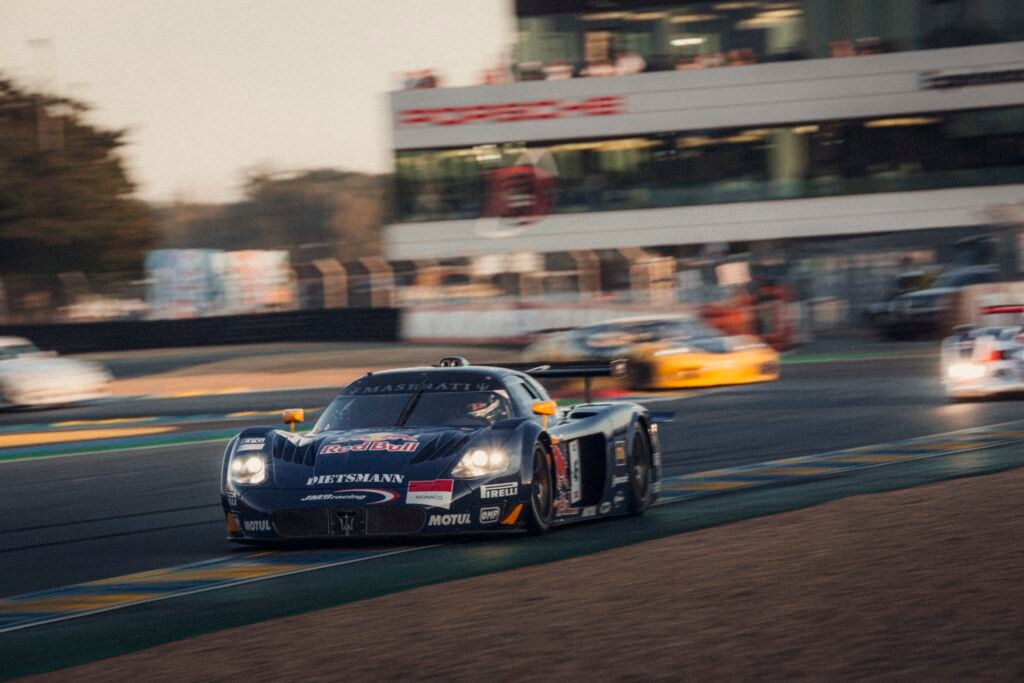
He beams and recounts a recent night race at Le Castellet, a golden hour grid of 50 historic endurance cars, the sun setting over the mountains. No yellow flags. A clean, beautiful race.
“It was magic,” he says. “This is why we do it.”
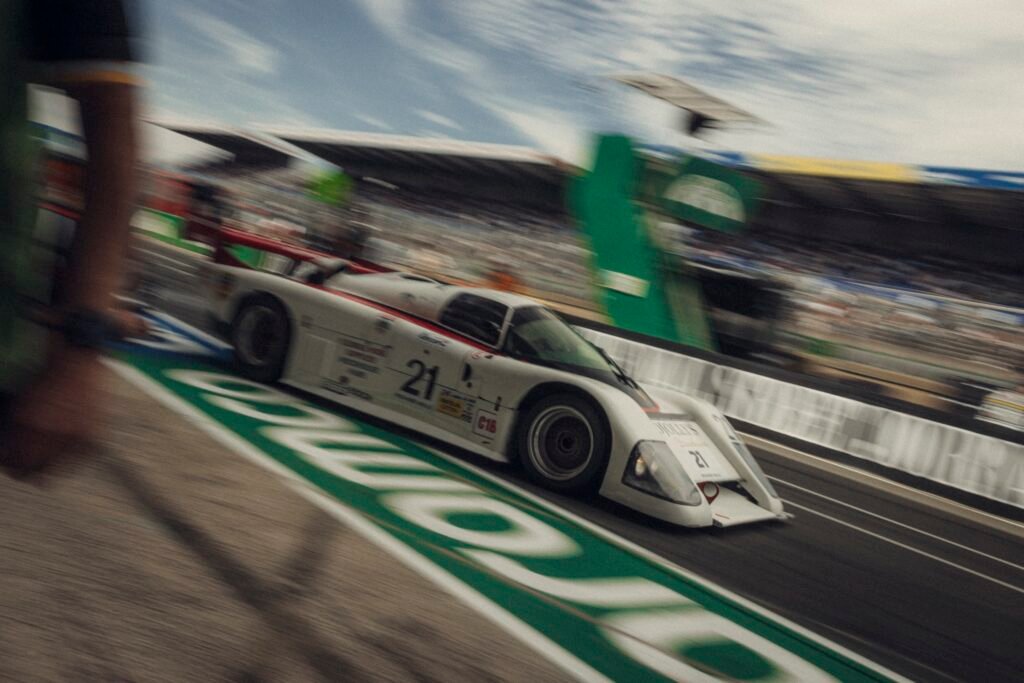
Ouayoun has the energy of a man who loves what he does. He’s not running a business so much as directing a traveling opera of horsepower and nostalgia. There’s a childlike wonder in his voice when he speaks about new grids: the Legends of Le Mans (LMP1, LMP2, GTE cars), the air-cooled Porsche Cup at Le Mans Classic, the new Group A touring car series.
“They want to feel something different. Driving a car from the 60s is a different language. No ground effect. Narrow tires. The car moves. It slides. You have to dance with it.”
He’s also found a clever solution to one of historic racing’s most persistent debates: the question of “continuation cars.”
In recent years, there’s been growing controversy over which cars truly belong on the grid. Many classic race cars have been rebuilt, restored or even recreated, sometimes so extensively that purists question their authenticity. At what point does a car stop being original? Is it the chassis number? The engine block? The story?
Rather than get tangled in that debate, Peter Auto is introducing a new category for legacy cars, vehicles with continuous, documented histories from their original life through to today. It’s a way of shifting the focus from forensic authenticity to storytelling and historical continuity.
“It’s about honouring the stories,” he says. “The life of the car.”
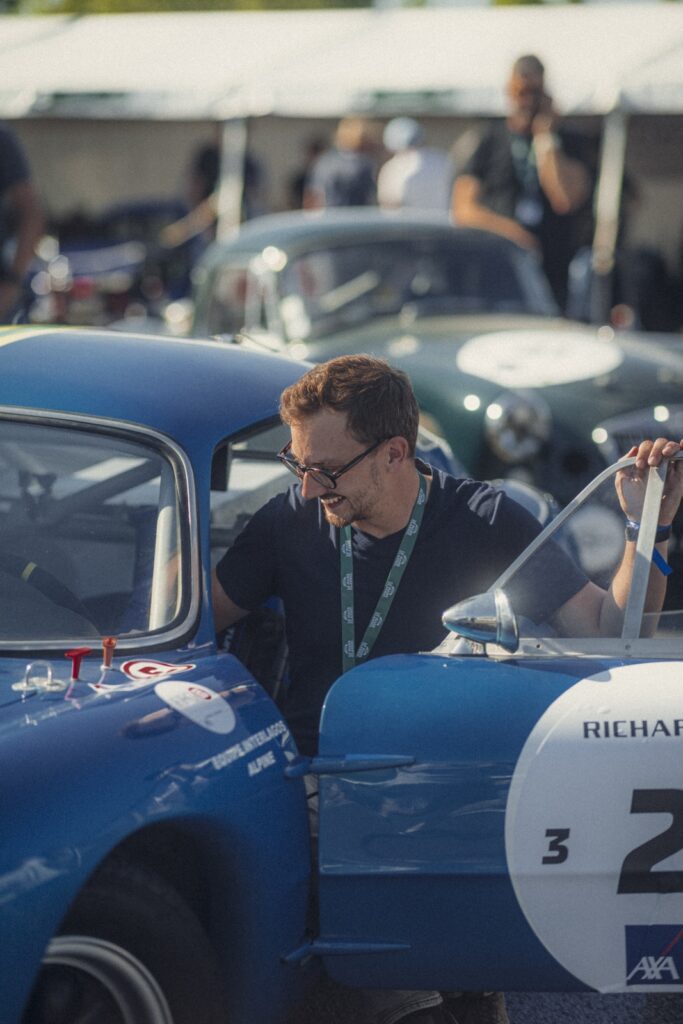
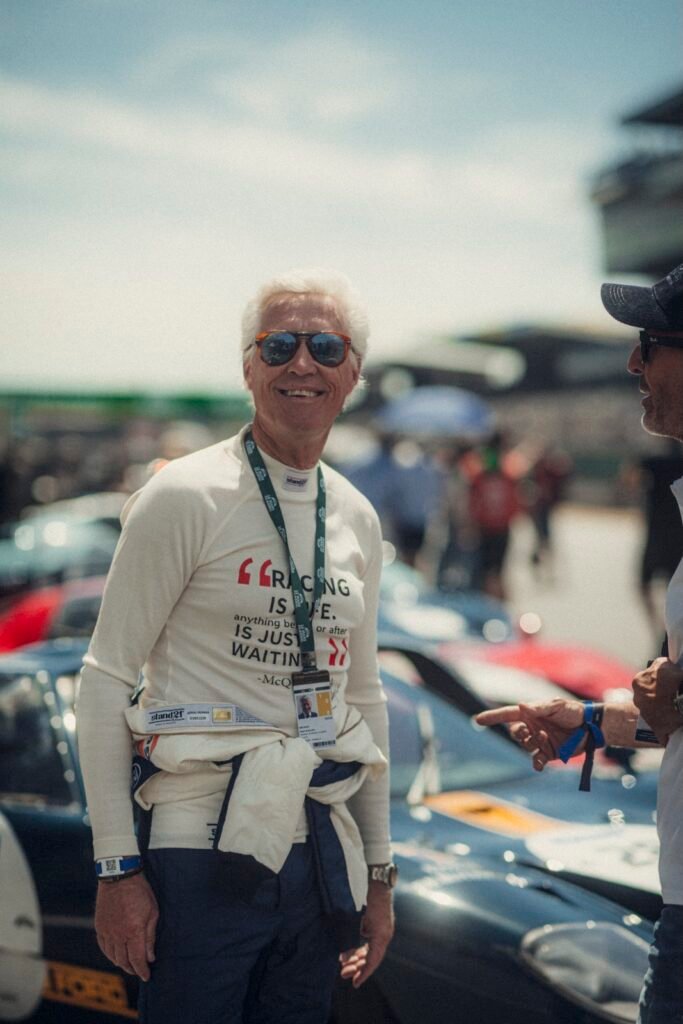
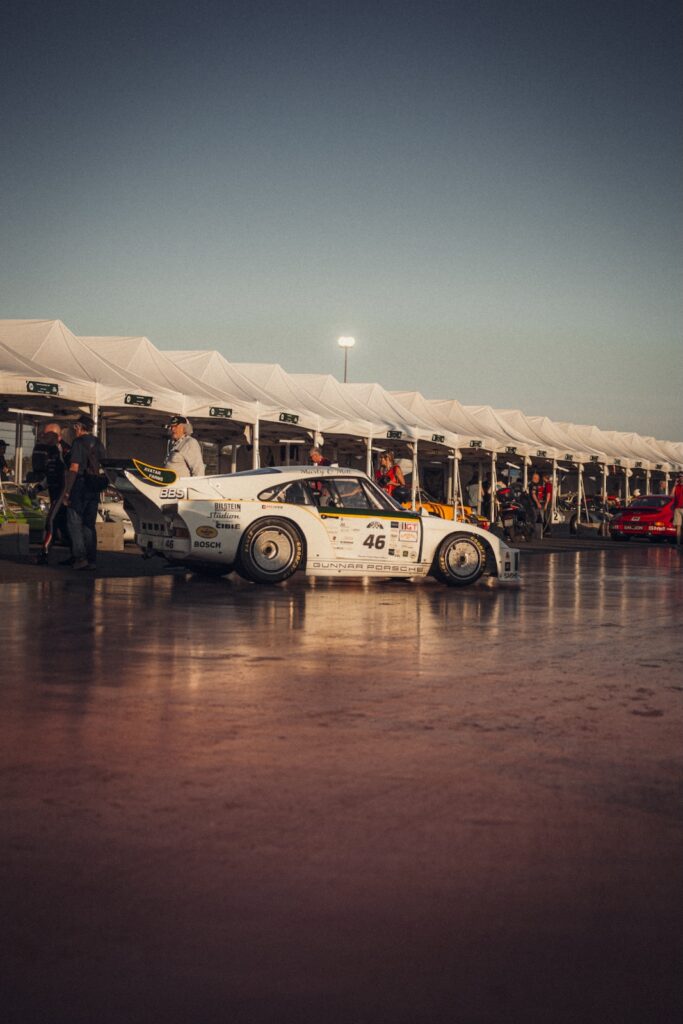
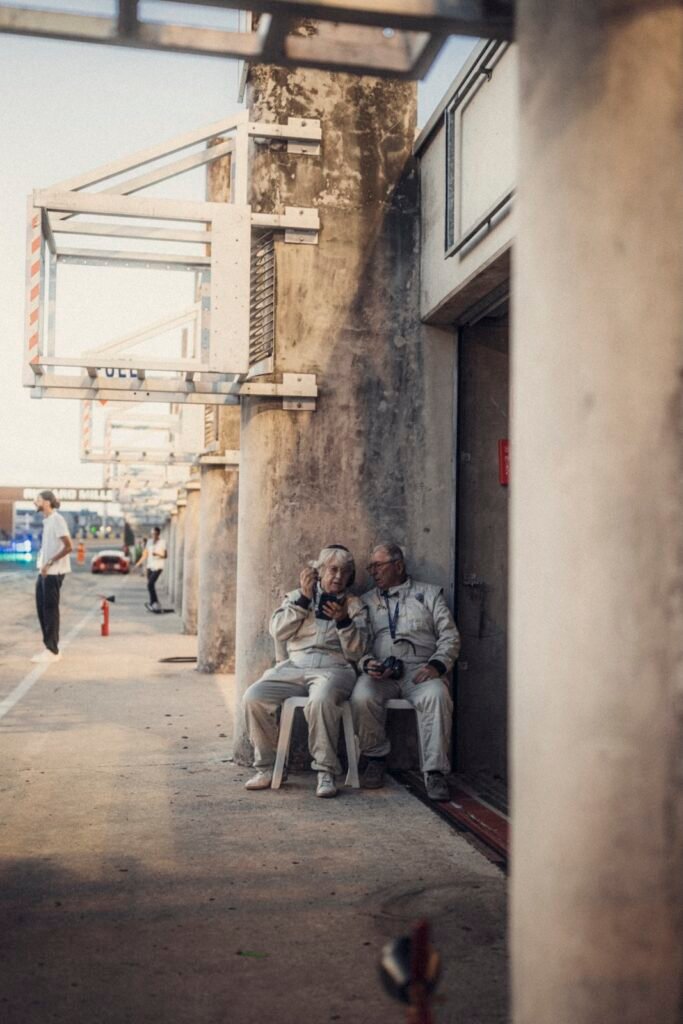
That’s what it always comes back to with Peter Auto. The stories. And the people—like one competitor who’s logged over 300,000 km this year, flying between the U.S. and Europe just to race with Peter Auto. The paddock, which transforms into a kind of dream village on race weekends, is a place where drivers know each other. Their families have dinners together. It’s not just a race. It’s a reunion.
“We create a world,” Ouayoun says. “And then it disappears. And we wait for the next one.”
Even younger drivers, many of whom weren’t alive when these cars were new, are showing up in droves. “They want to feel something different,” he says. “Driving a car from the 60s is a different language. No ground effect. Narrow tires. The car moves. It slides. You have to dance with it.”
Dance, not drive.
Maybe that’s why classic racing matters more than ever. In a world of algorithms and electric silence, these cars still speak. They shout, actually. They remind us that driving can be art. That engineering can be emotional. That speed, when paired with story, becomes something spiritual.

“We have so many things we want to do,” he says. “I’m already thinking about Le Mans 2027. It will be a big year, major anniversaries. We want to have a huge historic Ferrari grid.”
He’s also working on refining the rules of classic racing, adjusting penalties for elite drivers, rethinking how trophies are awarded, polishing the grids.
“It’s all an evolution. A constant iteration. We keep asking: what stories can we still tell?”
The idea is not to cling to the past, but to propel it forward. Classic racing as a living thing. A platform for new stories, new friendships and new memories.
Anyone who’s been to one knows there’s something transcendant about race weekends and the temporary social structure that springs to life only to evaporate by Monday morning. Yes, the cars are extraordinary, beautiful, rare, thunderous, but that’s only half of it. What makes these weekends unforgettable is the people. The drivers, the mechanics, the families, the fans. The energy in the paddock. The stories traded over dinner. It’s a celebration of history, speed and shared obsession—a human ritual wrapped in the sound of engines.
And maybe, in 2026, you’ll get to feel that magic too. Because when Le Mans Classic lands in Daytona for the first time, it won’t just be about cars on a track. It will be about people, stories, history and that brief, beautiful world we build together before it disappears again. Bring a camera. Bring a cooler. Bring someone who’s never seen a Porsche 917 in person. Bring corndogs…and croissants.