Photography by Lucas Scarfone
For drivers in Ontario, winter is not an occasional inconvenience, it is a defining part of the motoring calendar. For nearly half the year, roads are coated in snow, slush and ice, yet each season there remains a surprising number of drivers caught unprepared.
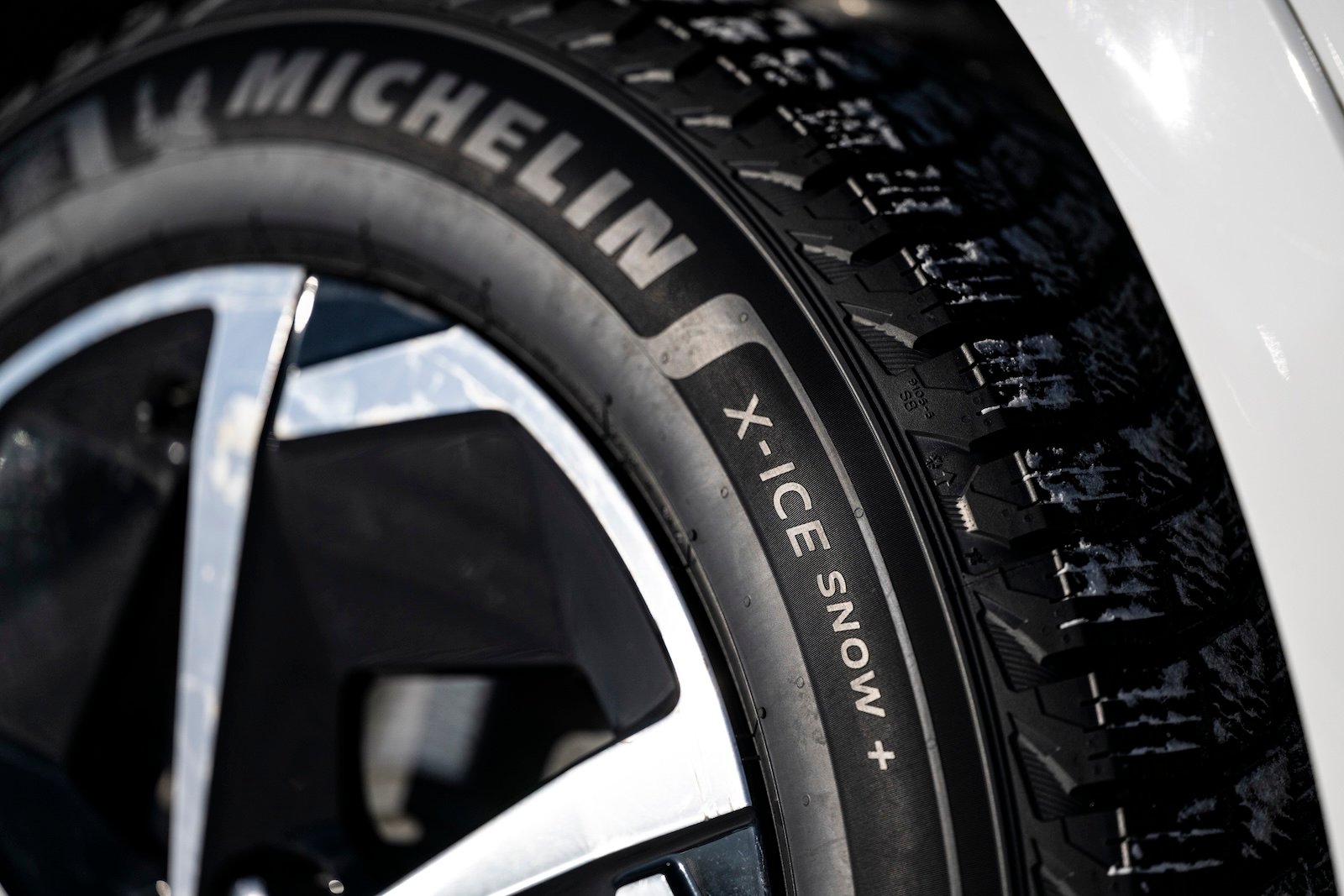
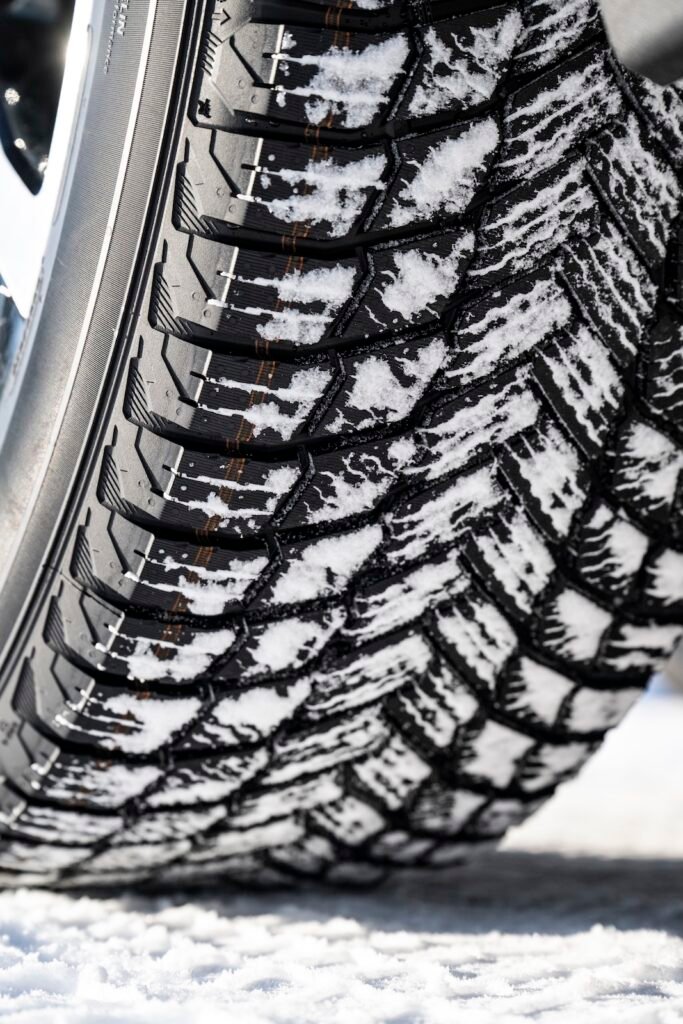
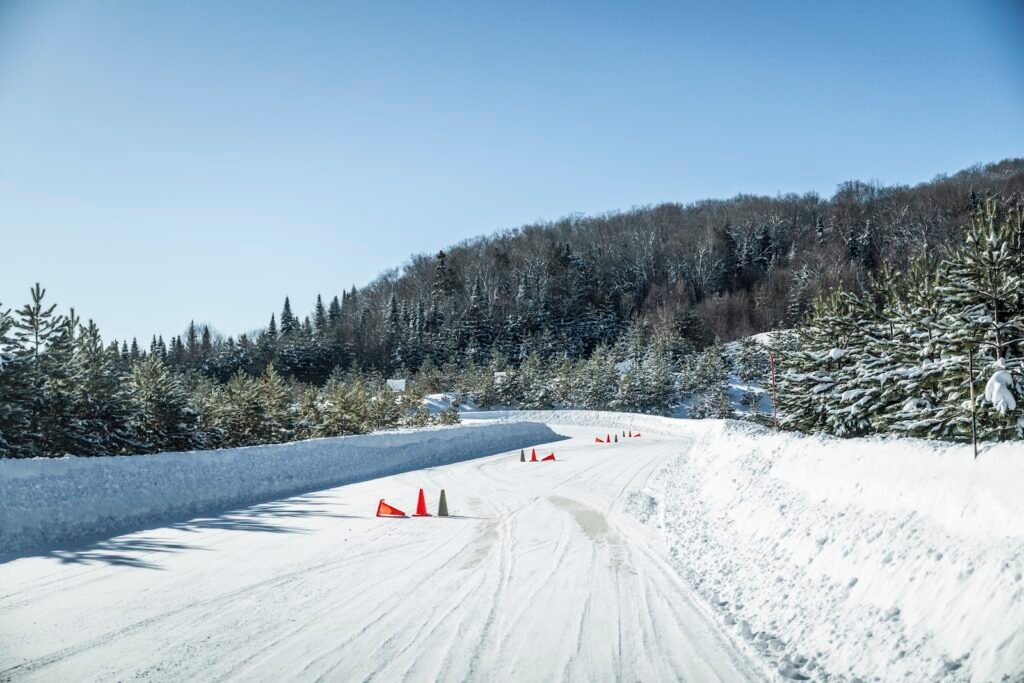
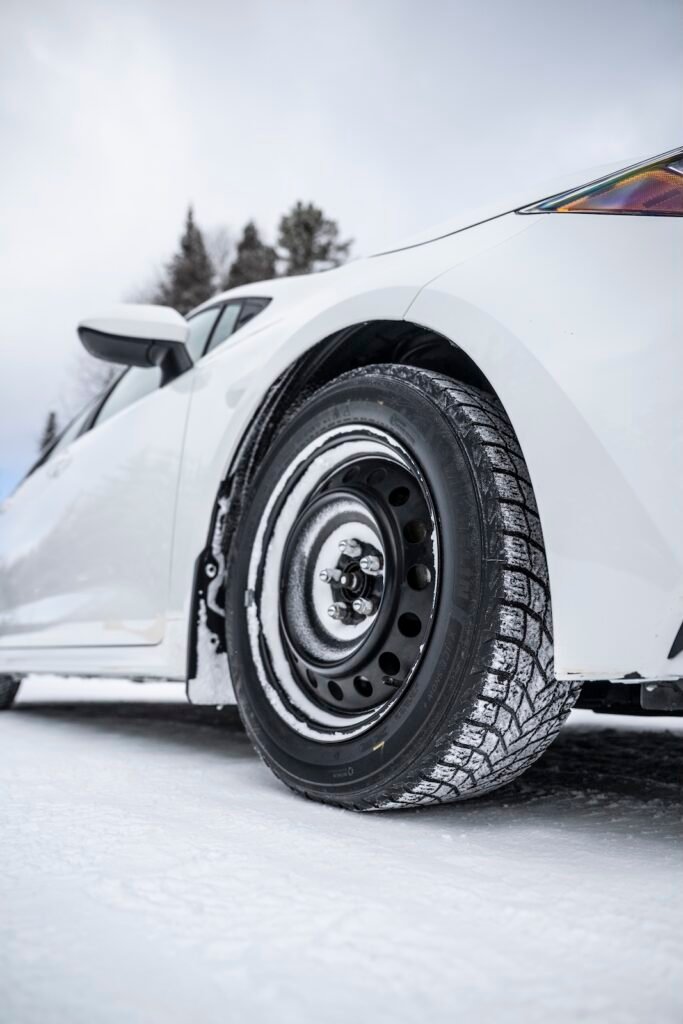
Earlier this season, I travelled just north of Montreal to Circuit Mécaglisse, a purpose built winter testing facility, to put Michelin’s new X-Ice Snow+ tires to the test. Designed as the successor to the well regarded X-Ice Snow, this updated tire will gradually replace the current lineup across all sizes in the coming years.
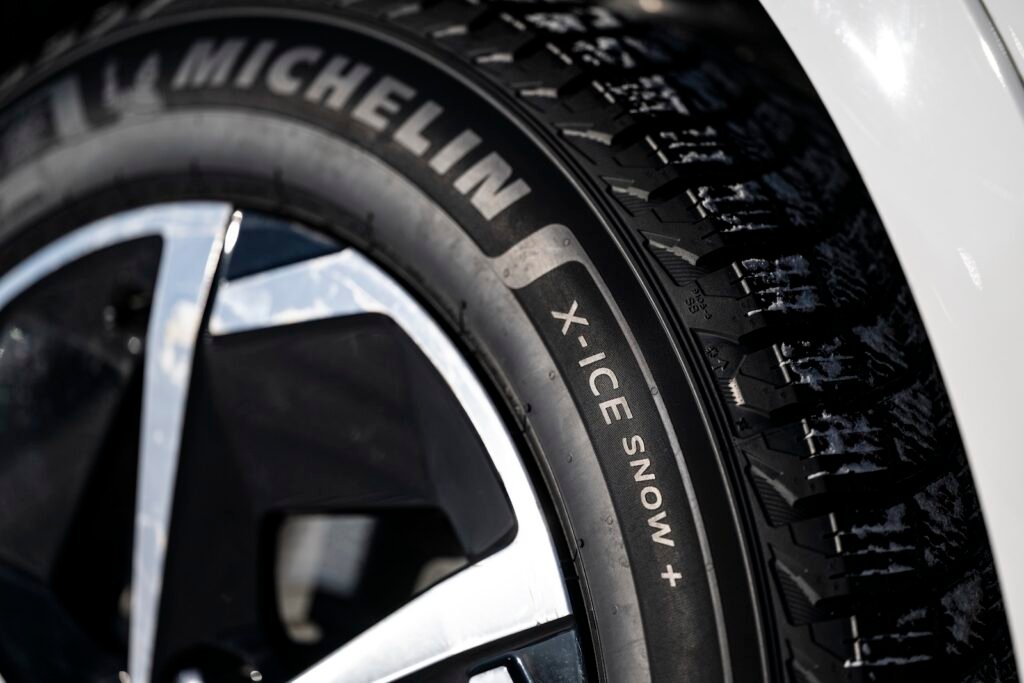
On paper, the improvements are incremental. Michelin claims braking gains of 15% on wet roads, 7% on dry pavement, 4% on ice, and 1% on snow. While the tread pattern itself remains familiar, the real advancement lies beneath in a newly developed rubber compound that enhances chemical grip. It also outlasts, with Michelin claiming the X-Ice Snow+ lasts more than 26% than three of its leading competitors, an increasingly important metric as drivers look to balance performance with long term value.
But data sheets rarely tell the full story.
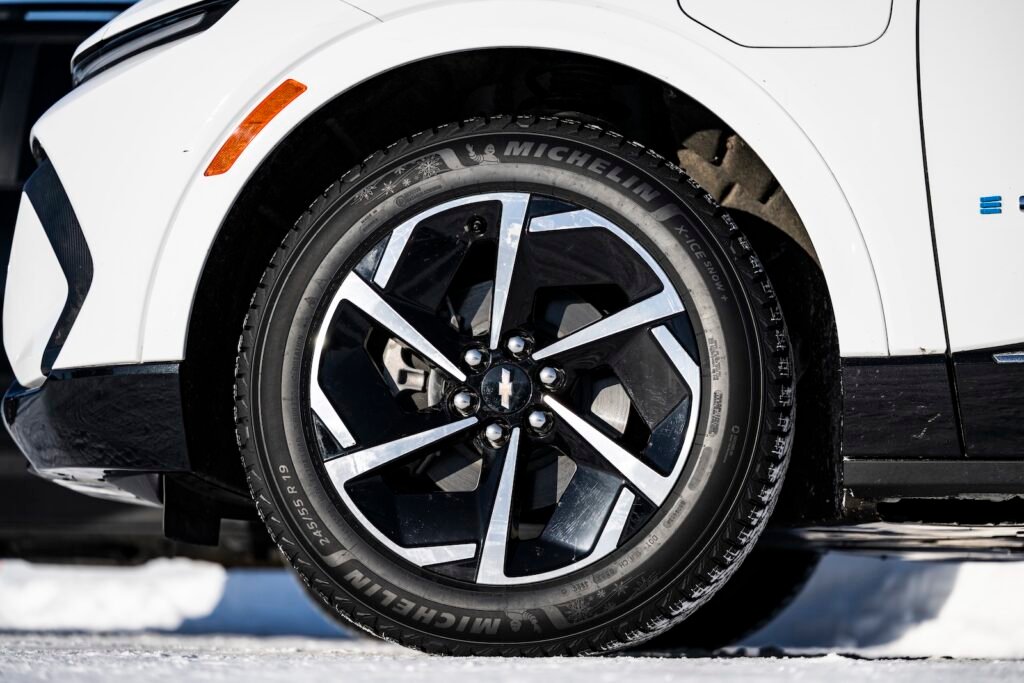



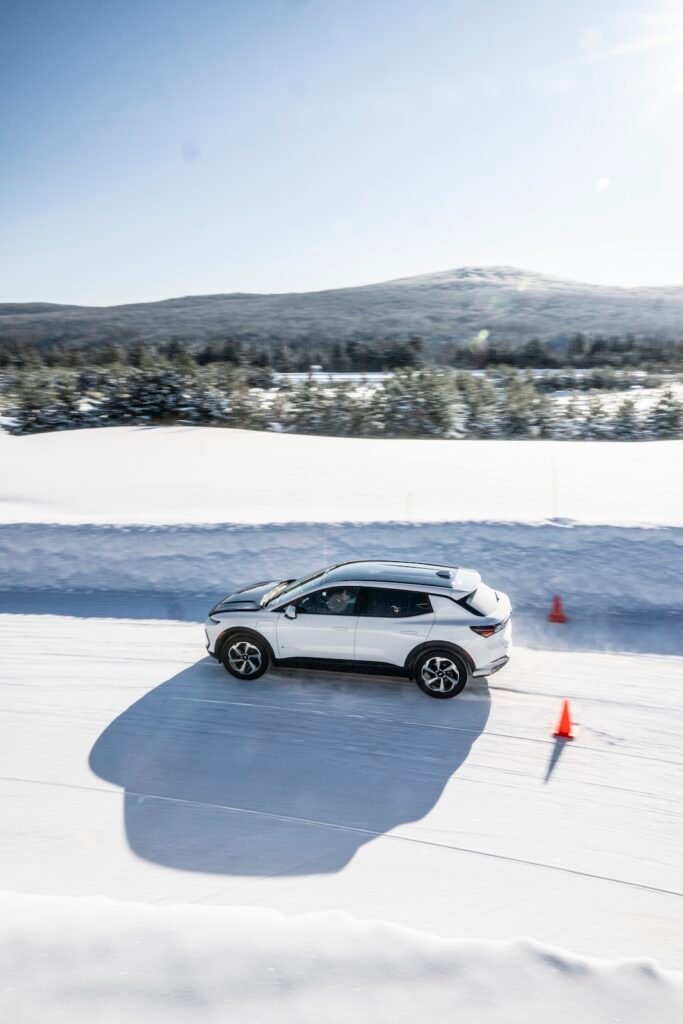
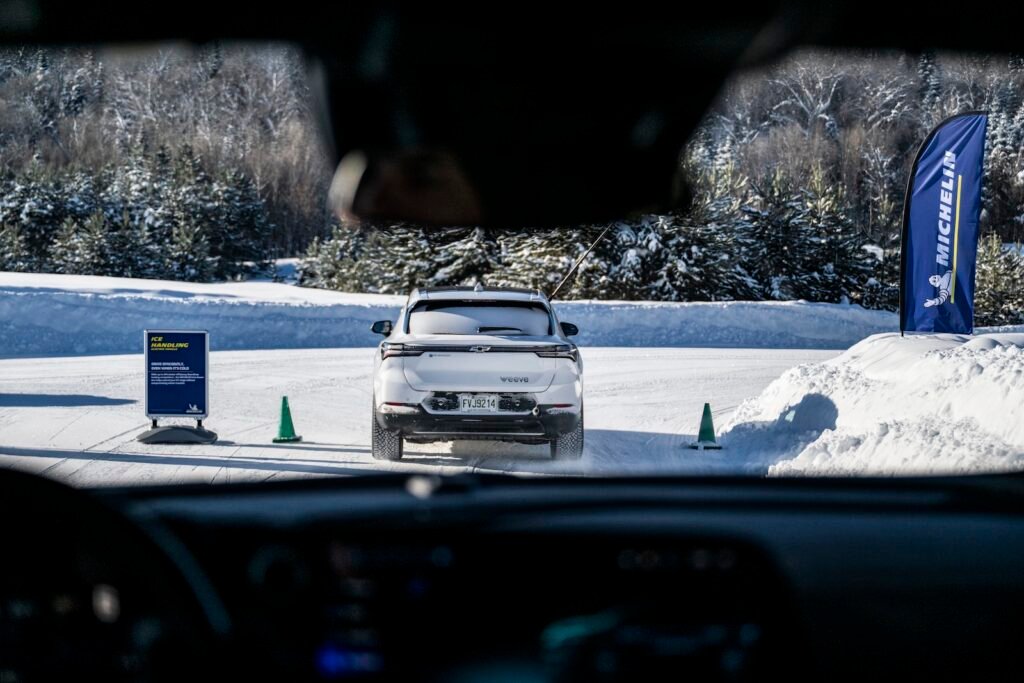
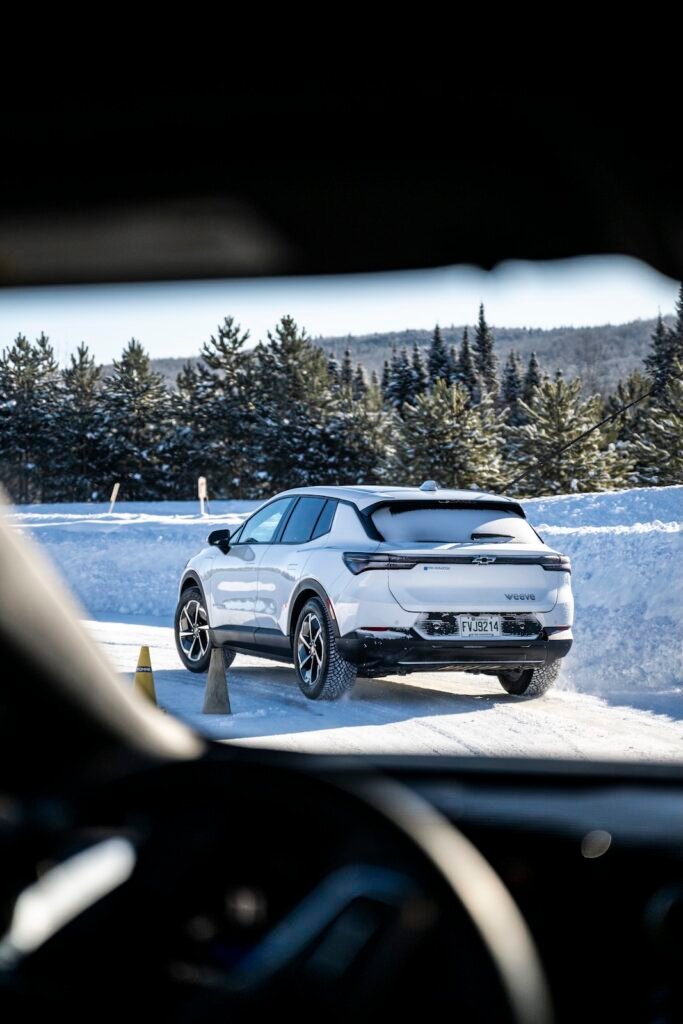
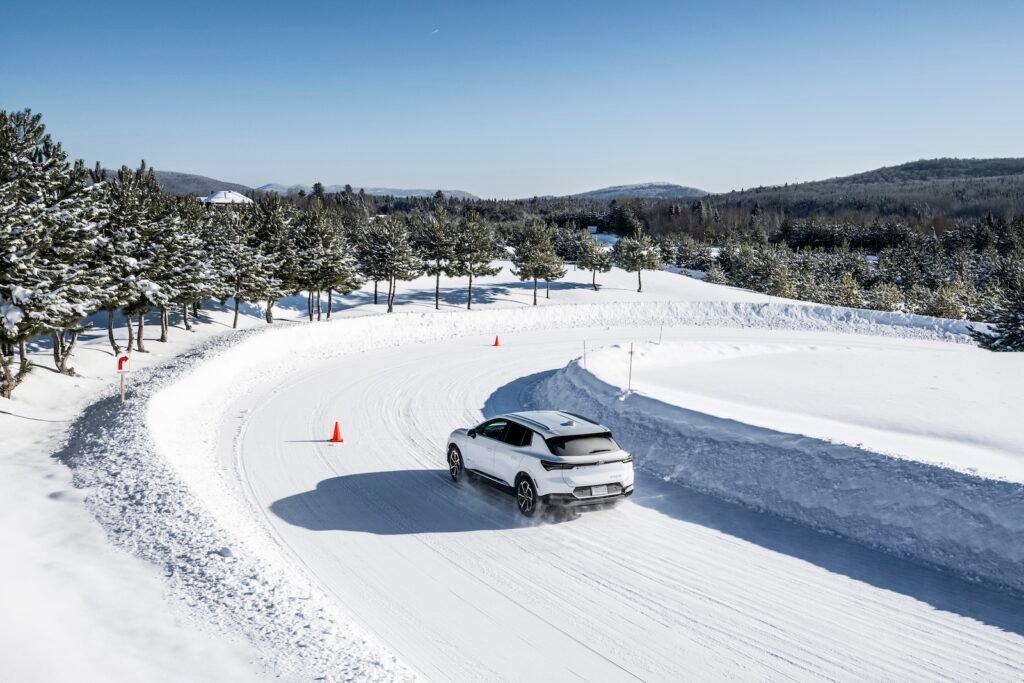
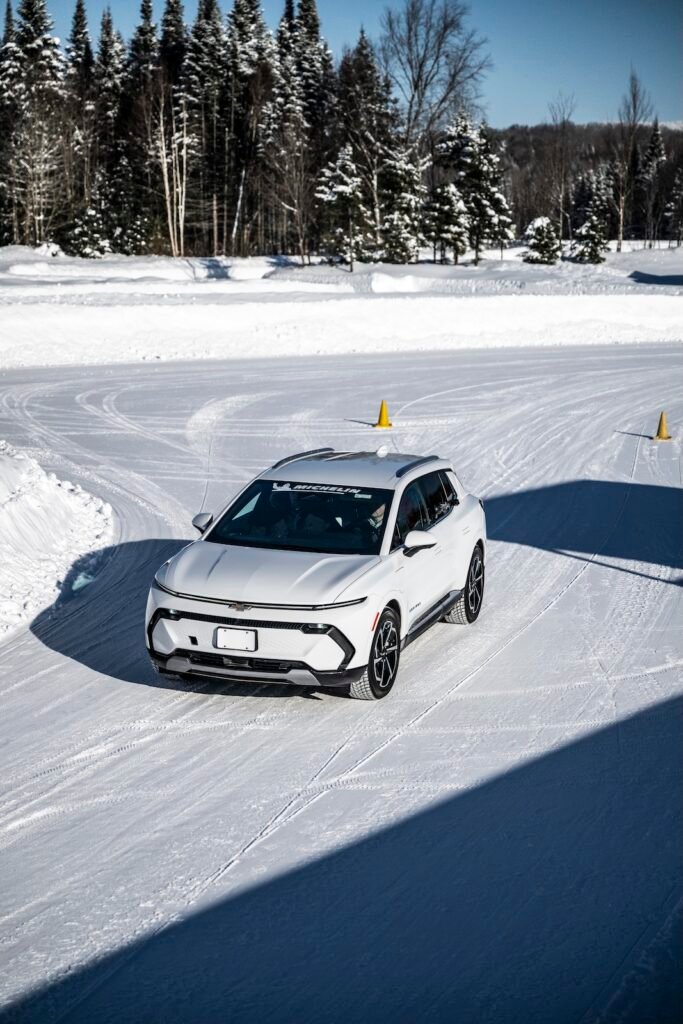
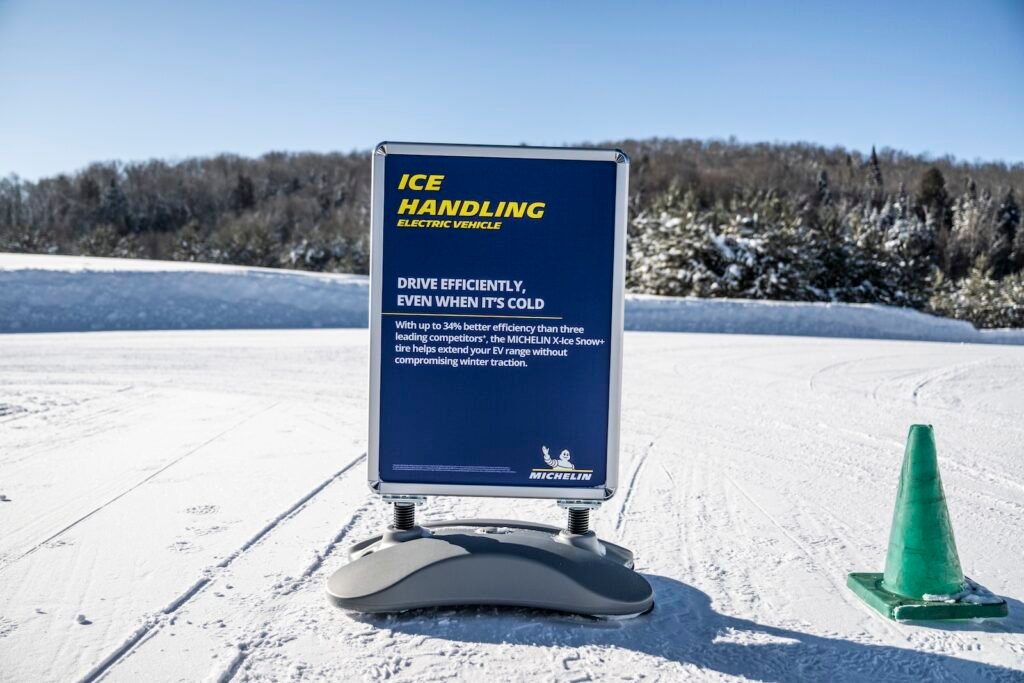
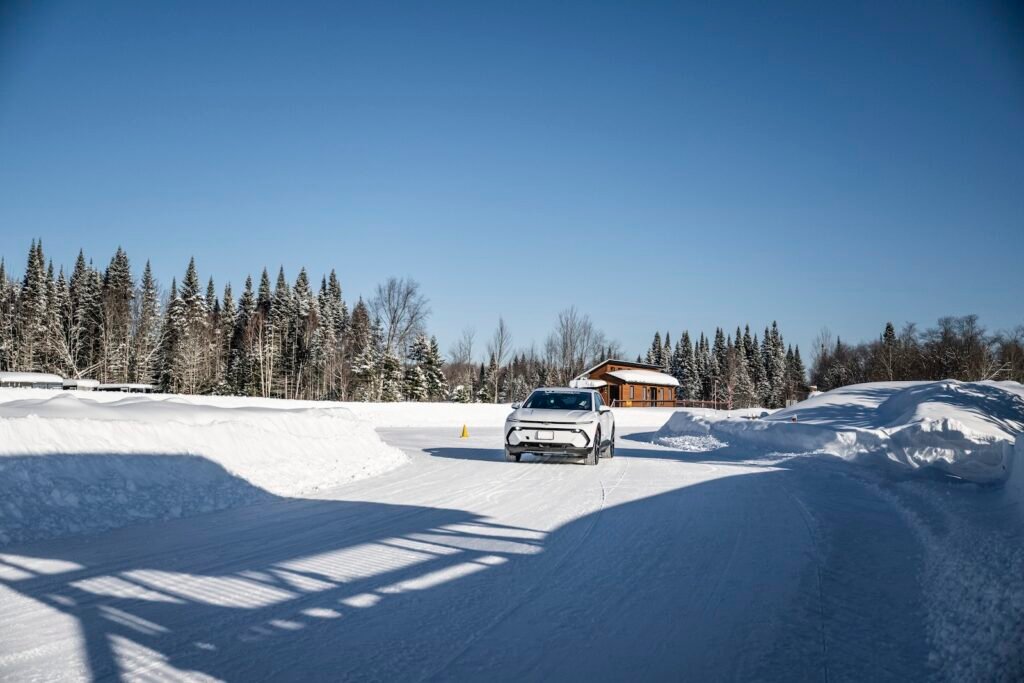
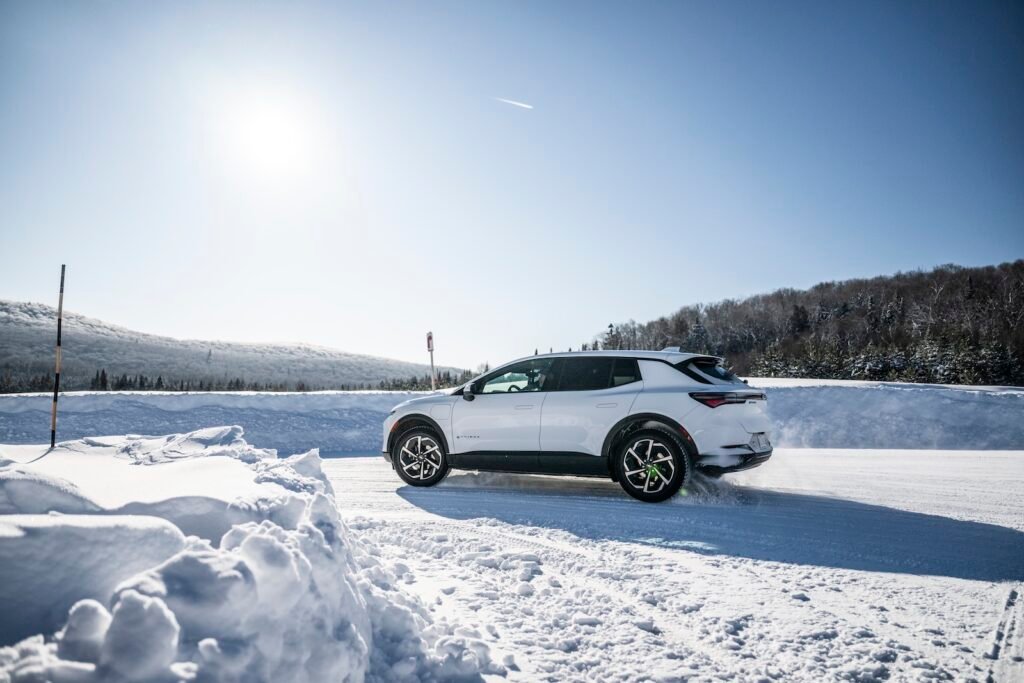
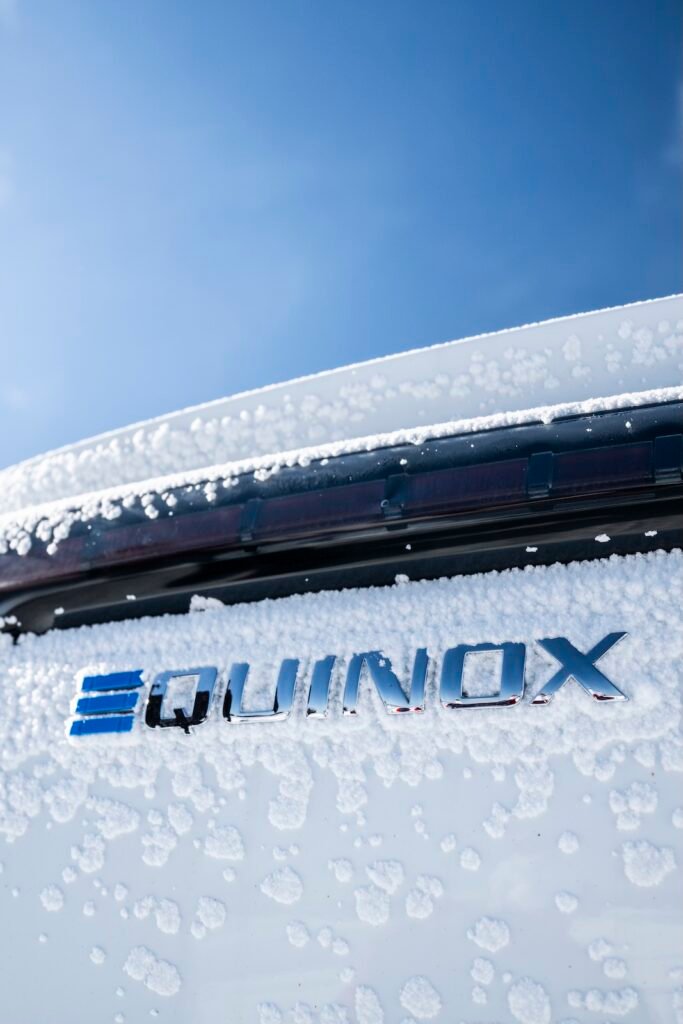
Our day began on ice behind the wheel of a Chevrolet Equinox EV, focusing on handling and efficiency, two priorities that often conflict in electric vehicles. Range remains a central concern for EV owners, and tires play a critical role in energy consumption. According to Michelin, the X-Ice Snow+ delivers up to 34% greater efficiency compared to key competitors, a claim that translated into a noticeable difference on track.

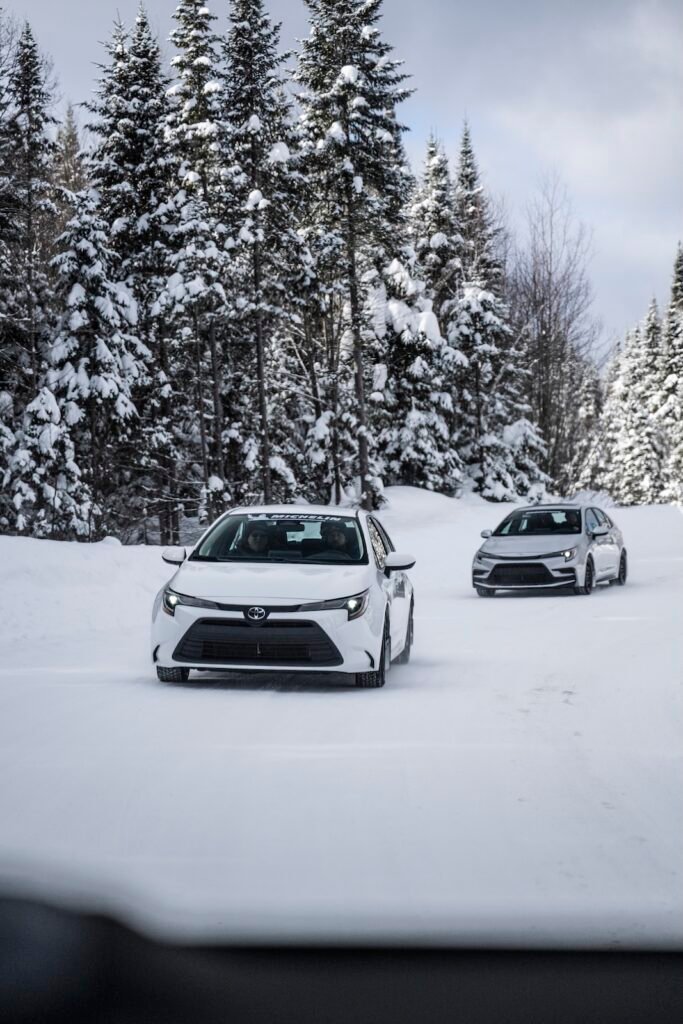
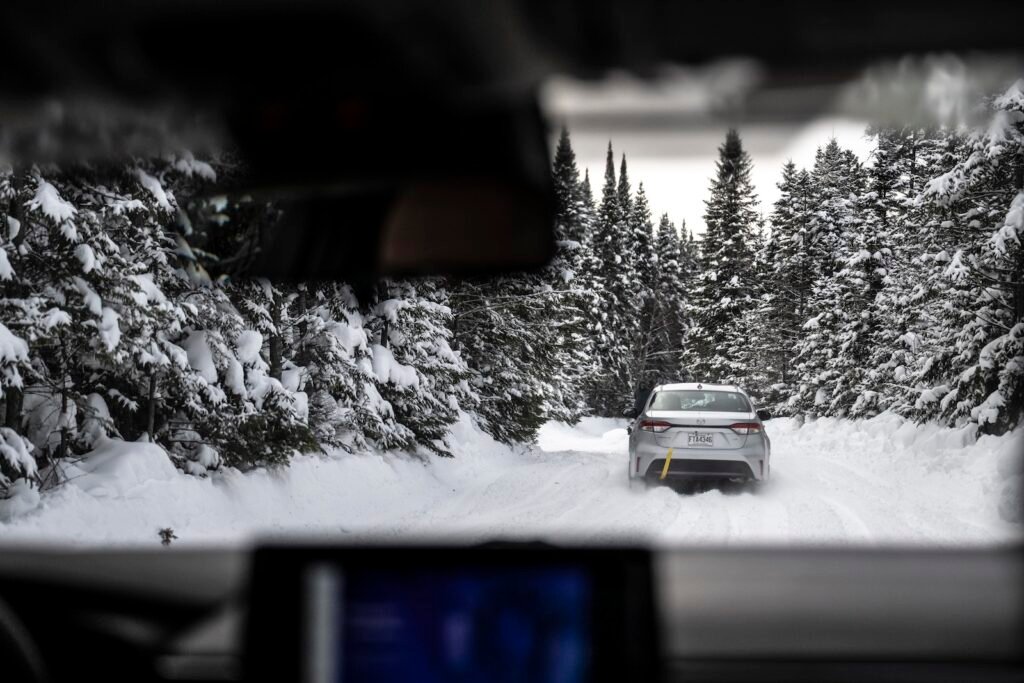
One of the more compelling demonstrations addressed the common issue of performance degradation over time. As tread wears down, grip typically does too, but Michelin set out to challenge that. In a back-to-back test using a Toyota Corolla fitted with worn tires, each shaved to just above the wear bars, the differences were notable. The X-Ice Snow+ maintained a surprising level of traction, even in deep, uneven snow. Features such as 3D active notched sipes and variable thickness siping work to preserve biting edges throughout the tire’s lifespan.
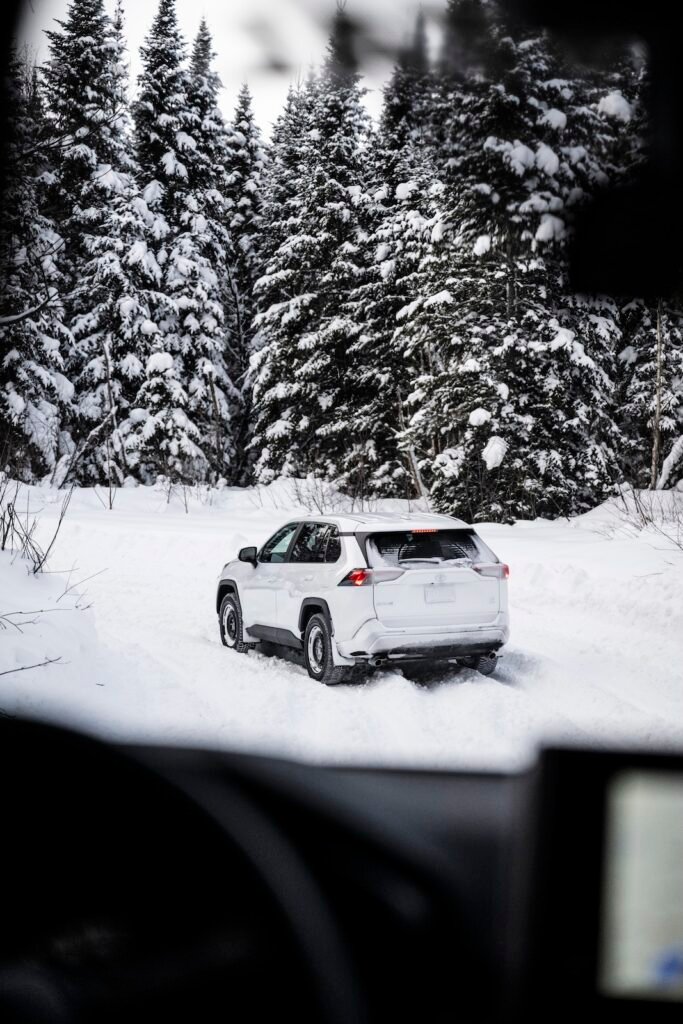
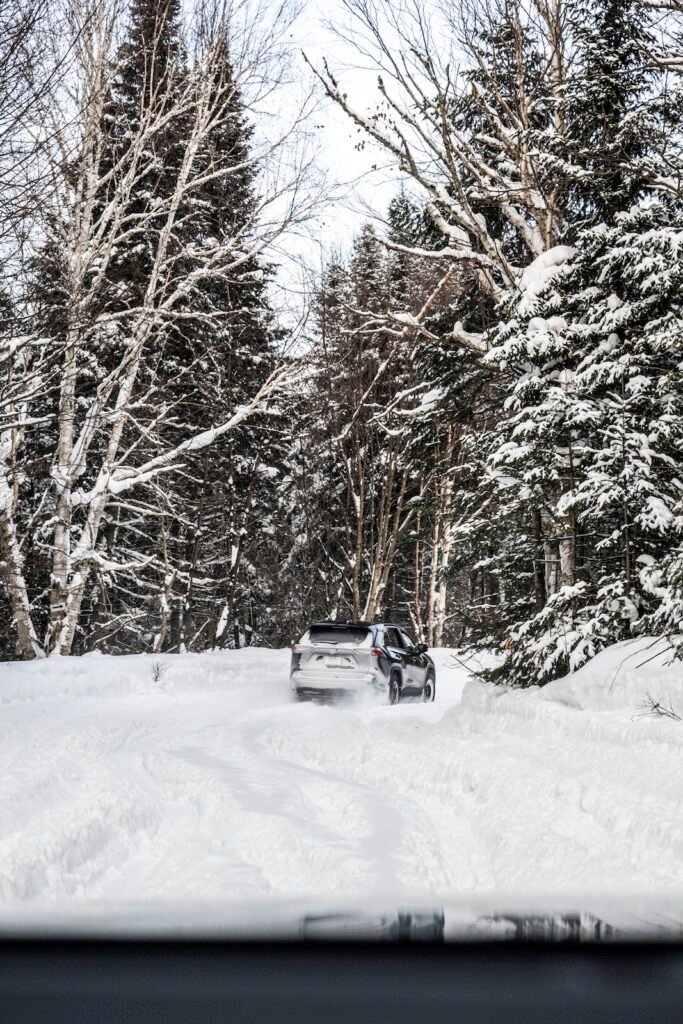
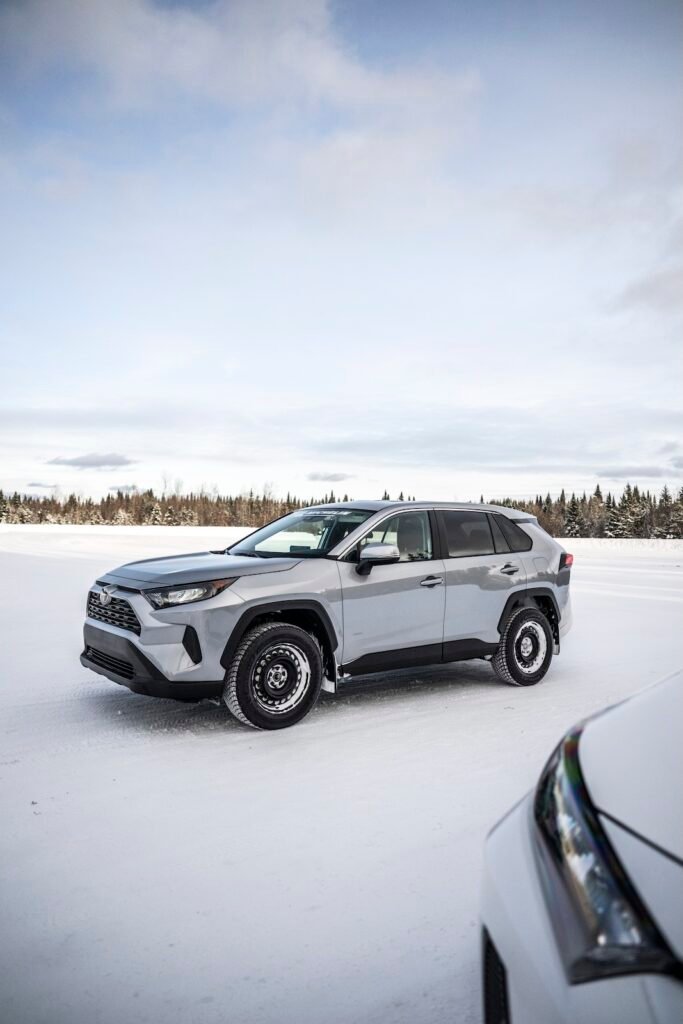
The exercise was then repeated in deeper snow using a mid size SUV equipped with brand new tires. Again, you could feel it. Where competing tires struggled for composure, the Michelin-equipped vehicle tracked cleanly.
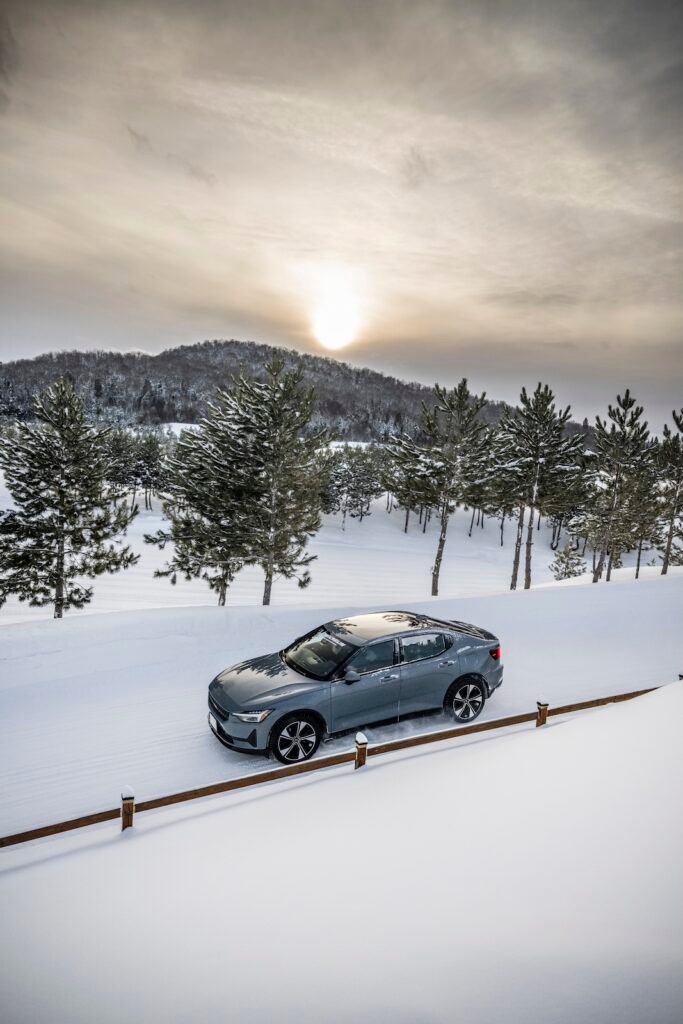
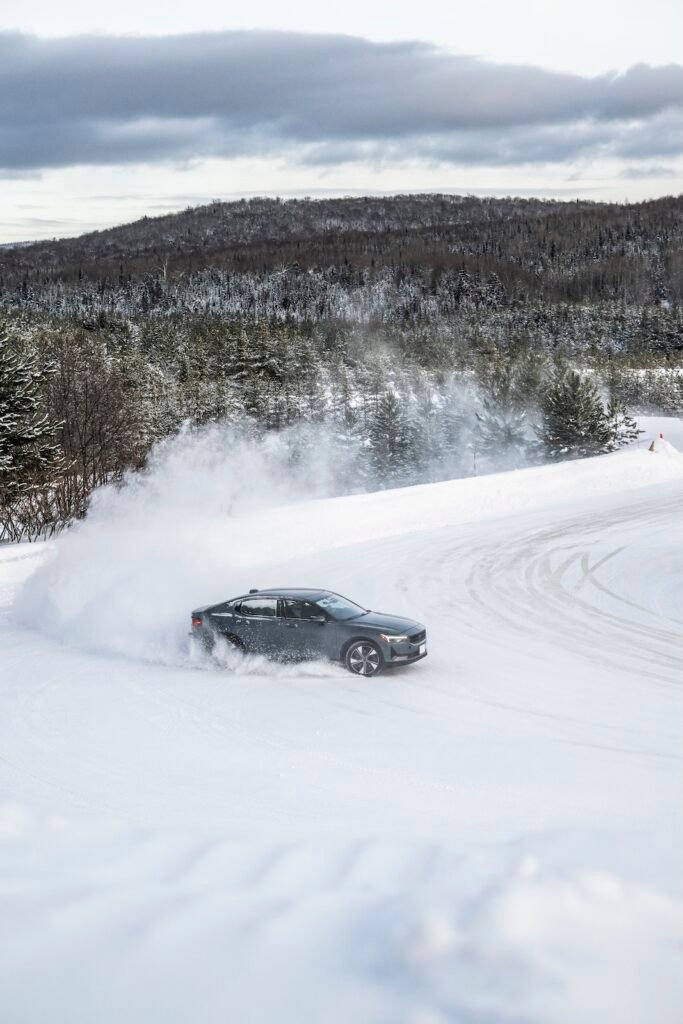
The day concluded with high speed passenger laps in a Polestar 2, piloted by pros. On a frozen circuit, the cars moved in a way that felt almost counter intuitive, sliding, rotating and gripping.
Stepping away from the track—which, let’s face it, is not where most Canadians will be testing their winter tires—the broader takeaway becomes clear. Winter driving is not simply about getting from point A to point B, but about doing it with control and confidence in conditions that are inherently unpredictable. The margin for error shrinks dramatically when temperatures drop, and the equipment you choose plays a defining role in how your vehicle responds when it matters most. The Michelin X-Ice Snow+ does not reinvent the winter tire, but it meaningfully refines it.
For everyday drivers navigating city streets and highways, as well as enthusiasts who demand more from their vehicles year round, that added confidence is increasingly essential.
A sincere thank you to Michelin for the opportunity to experience the X-Ice Snow+ in an environment that truly highlights its capabilities. It is one thing to read the numbers, but it is another entirely to feel the difference firsthand. Experiences like this not only showcase the evolution of modern tire technology, they reinforce just how critical those four contact patches are when winter takes hold.