
Matt Skelton has enjoyed watching Formula E evolve from curiosity to cutting-edge test lab—lap by lap. And that’s not just the company line—though he’s been with JLR since 2011 and now heads motorsport communications and PR.
“Speaking as a fan, it’s genuinely one of the most engaging forms of motorsport out there.” Growing up near the iconic Brands Hatch circuit in Kent, England—and having been there when Nigel Mansell won his first Grand Prix—motor racing has always been his personal passion. “I’ve been a petrolhead since I was a kid. I guess now you can say I’m an electrohead.”
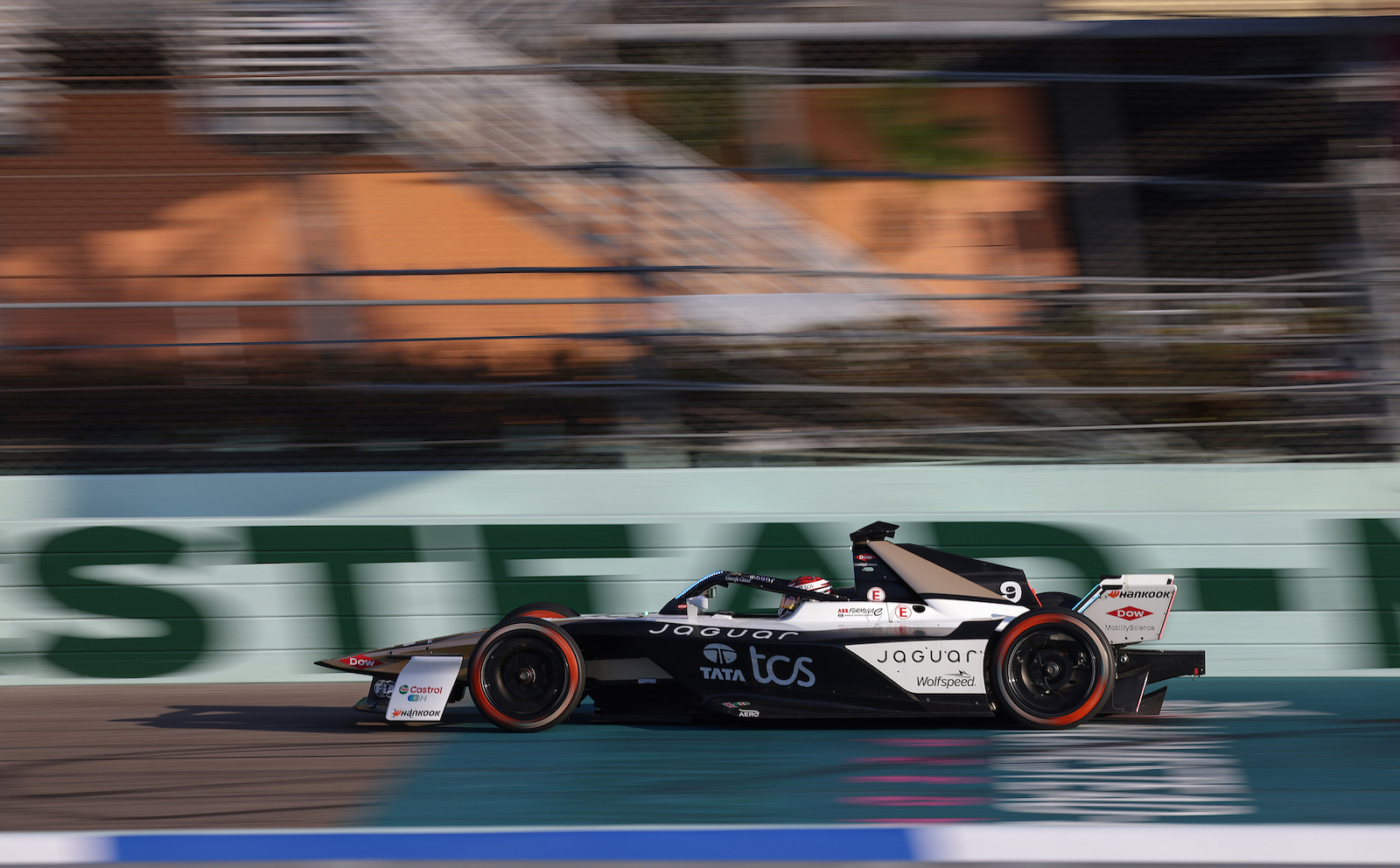
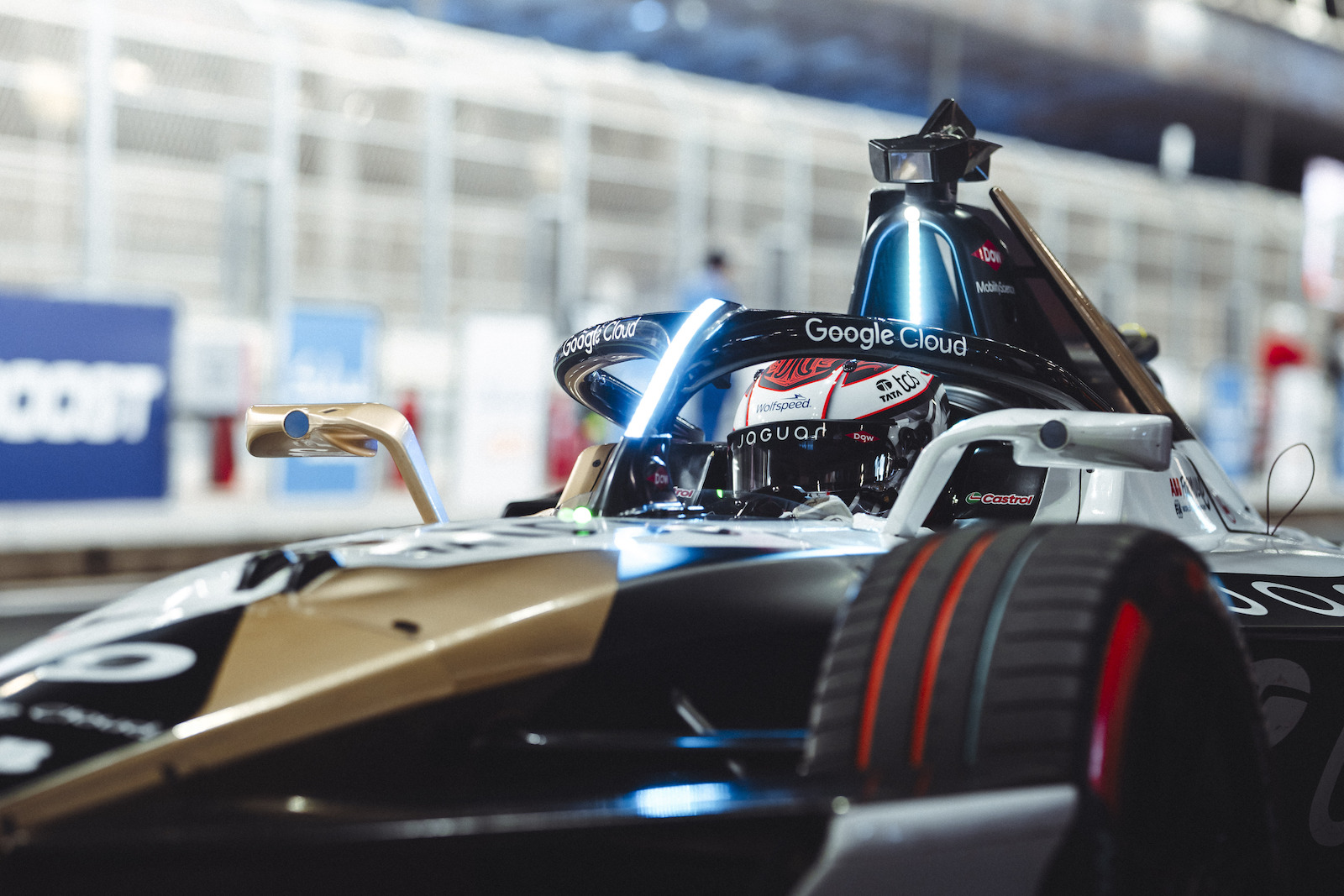
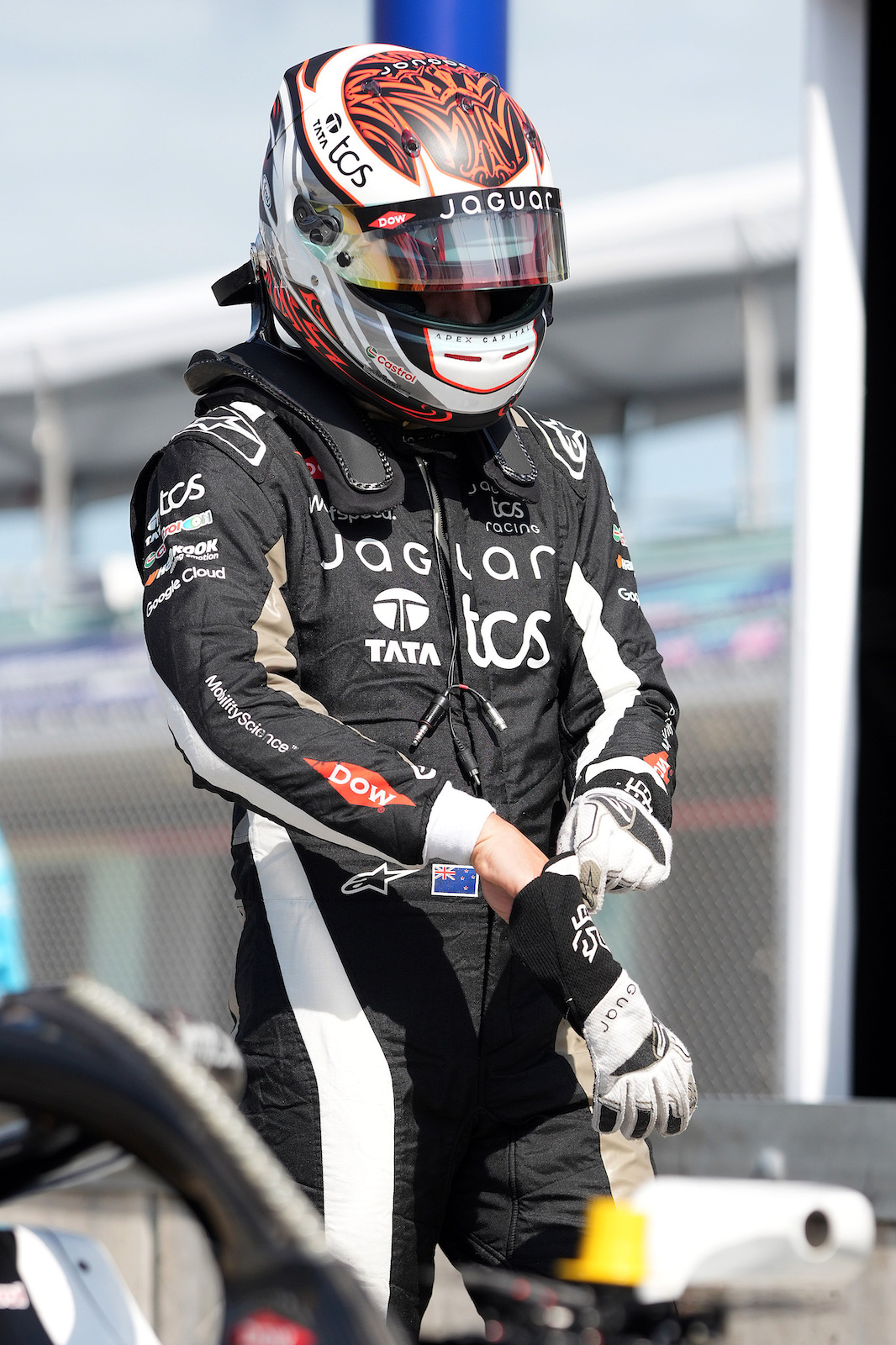
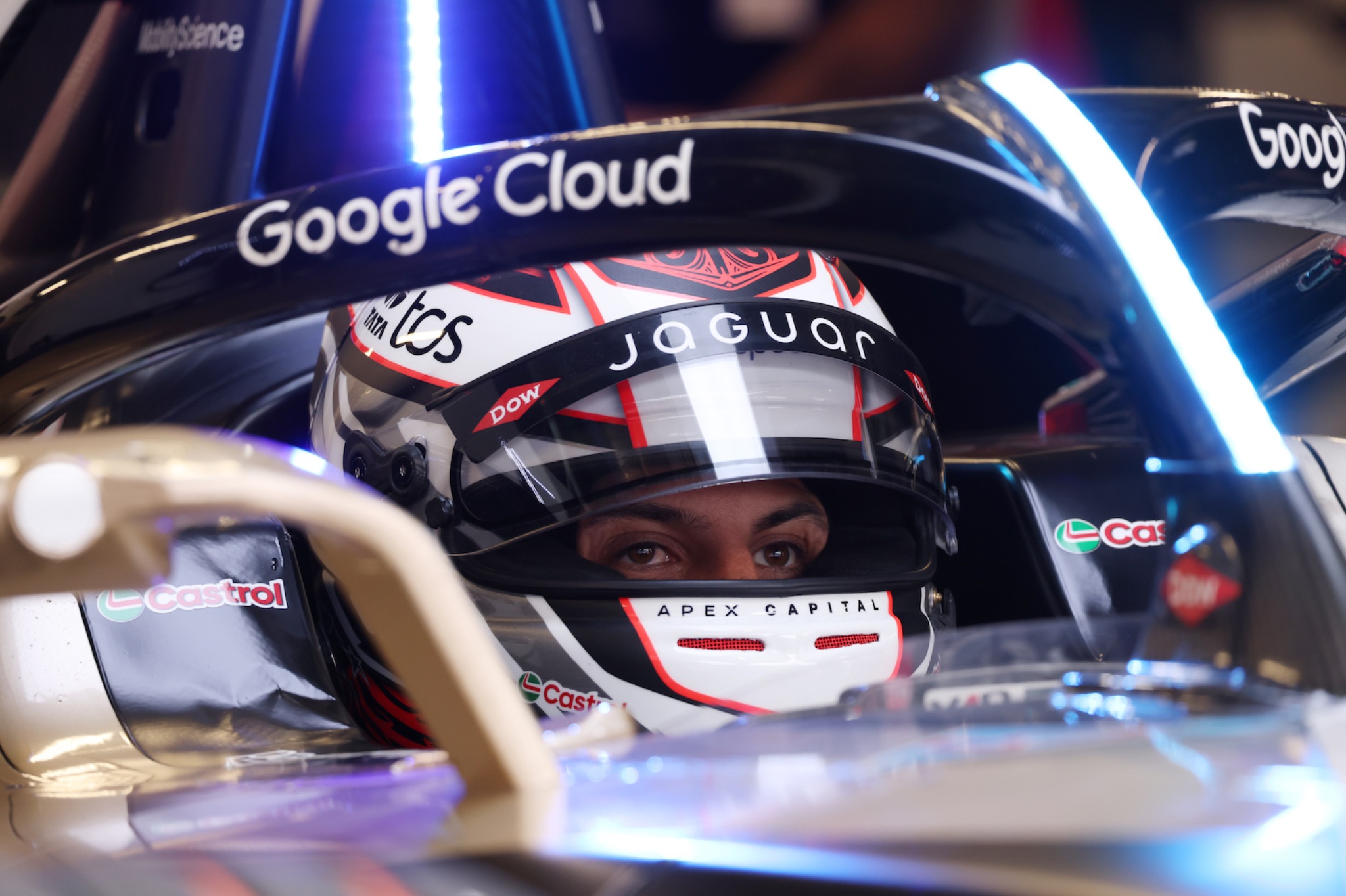
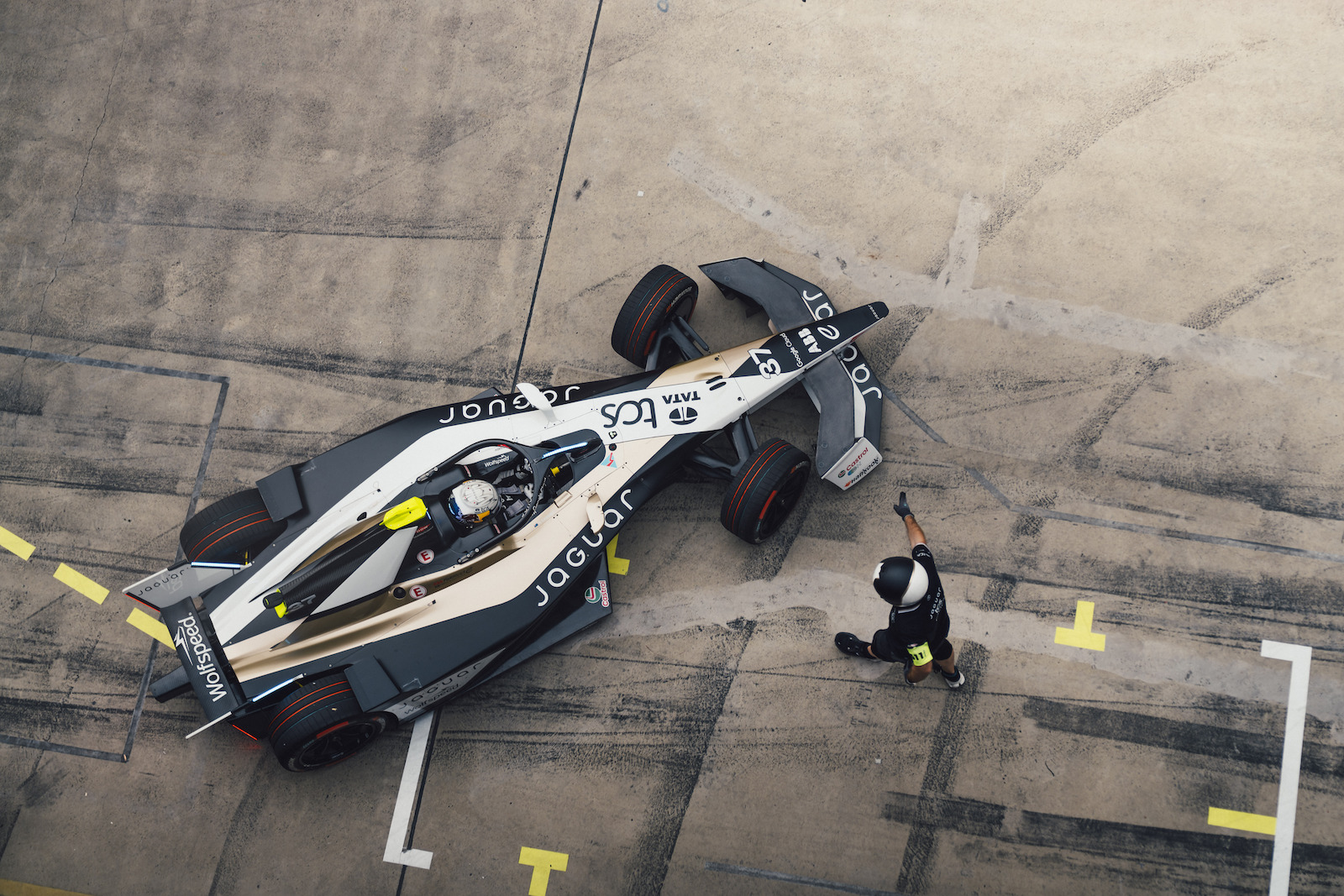
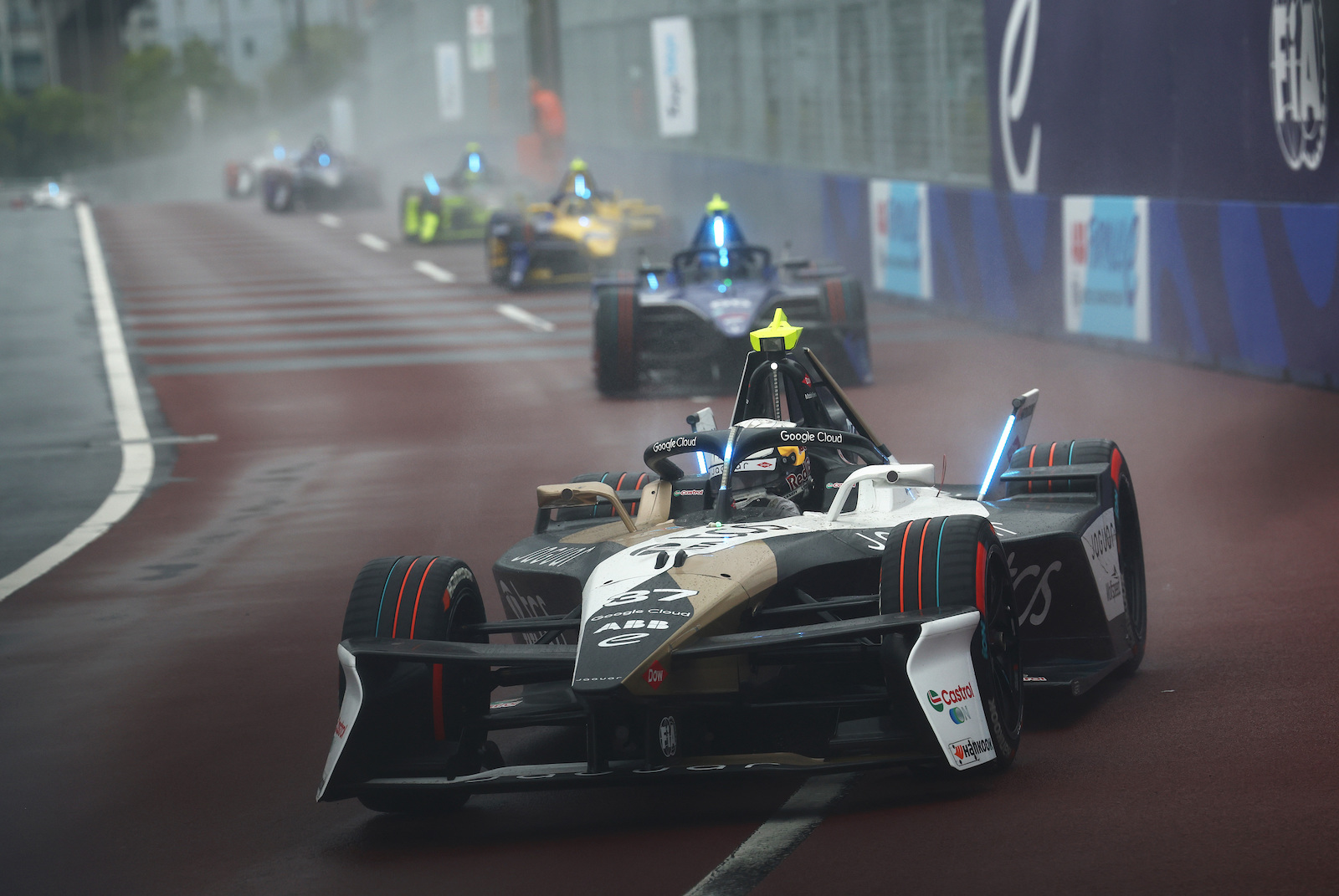
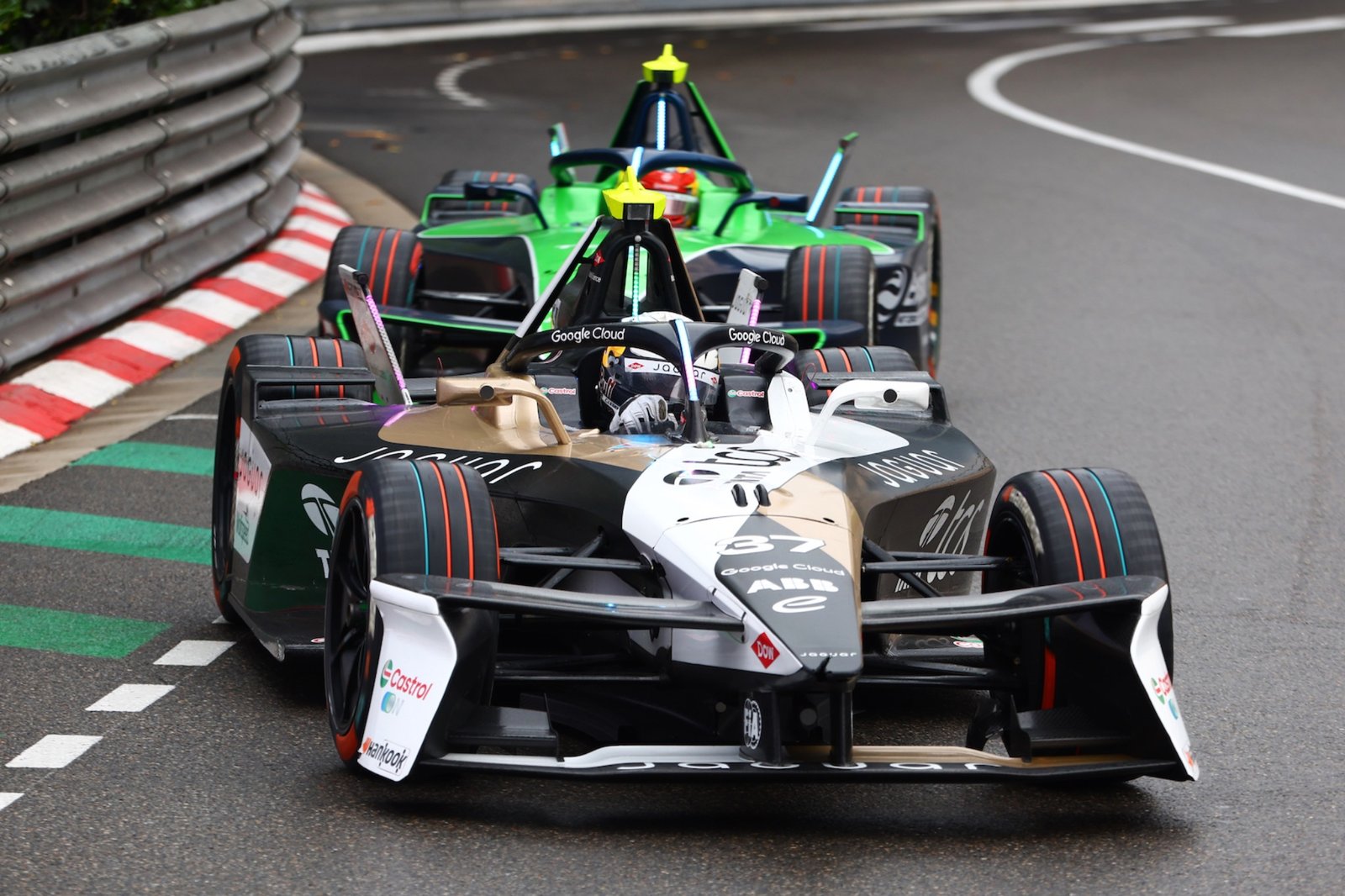
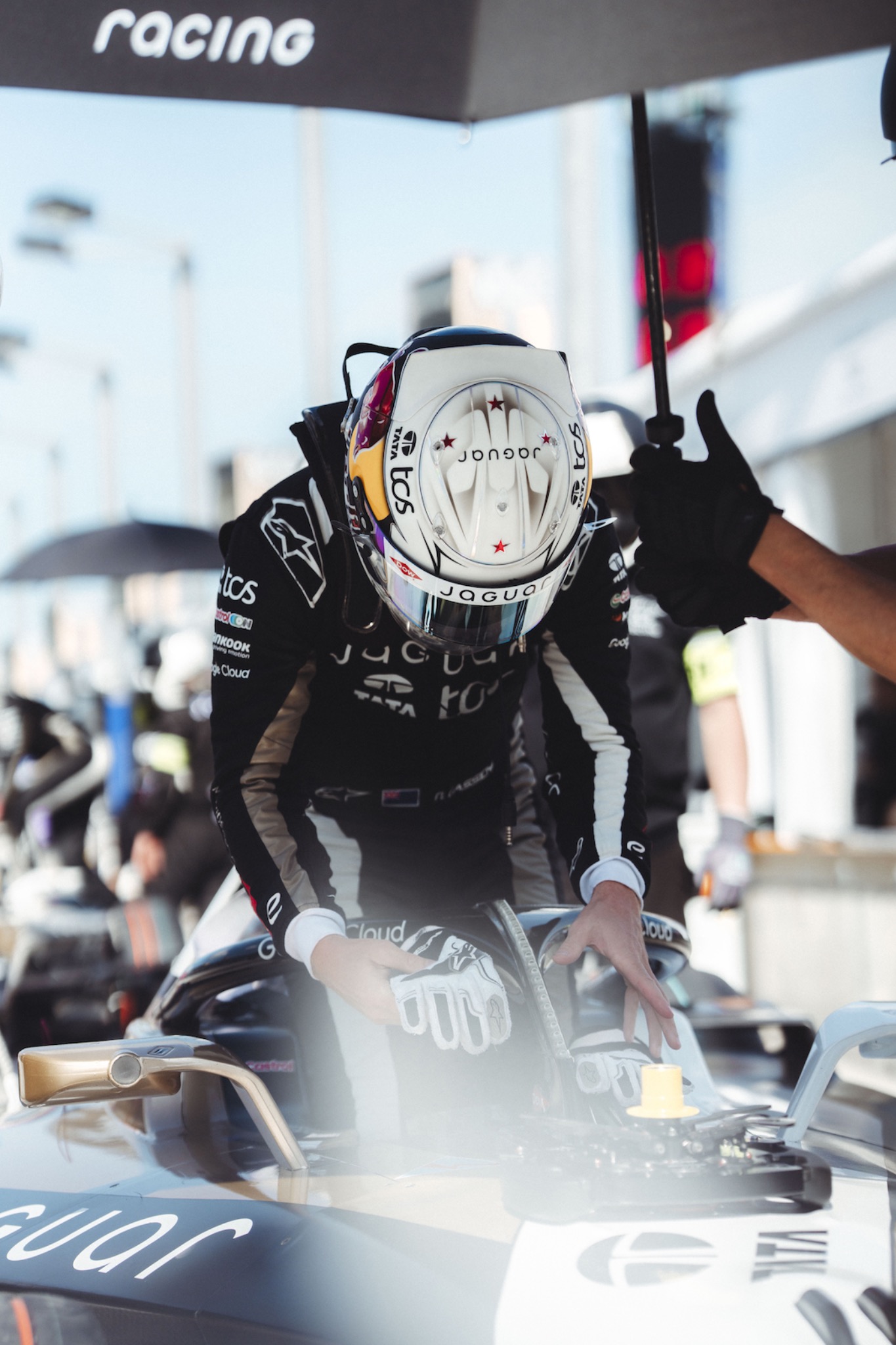
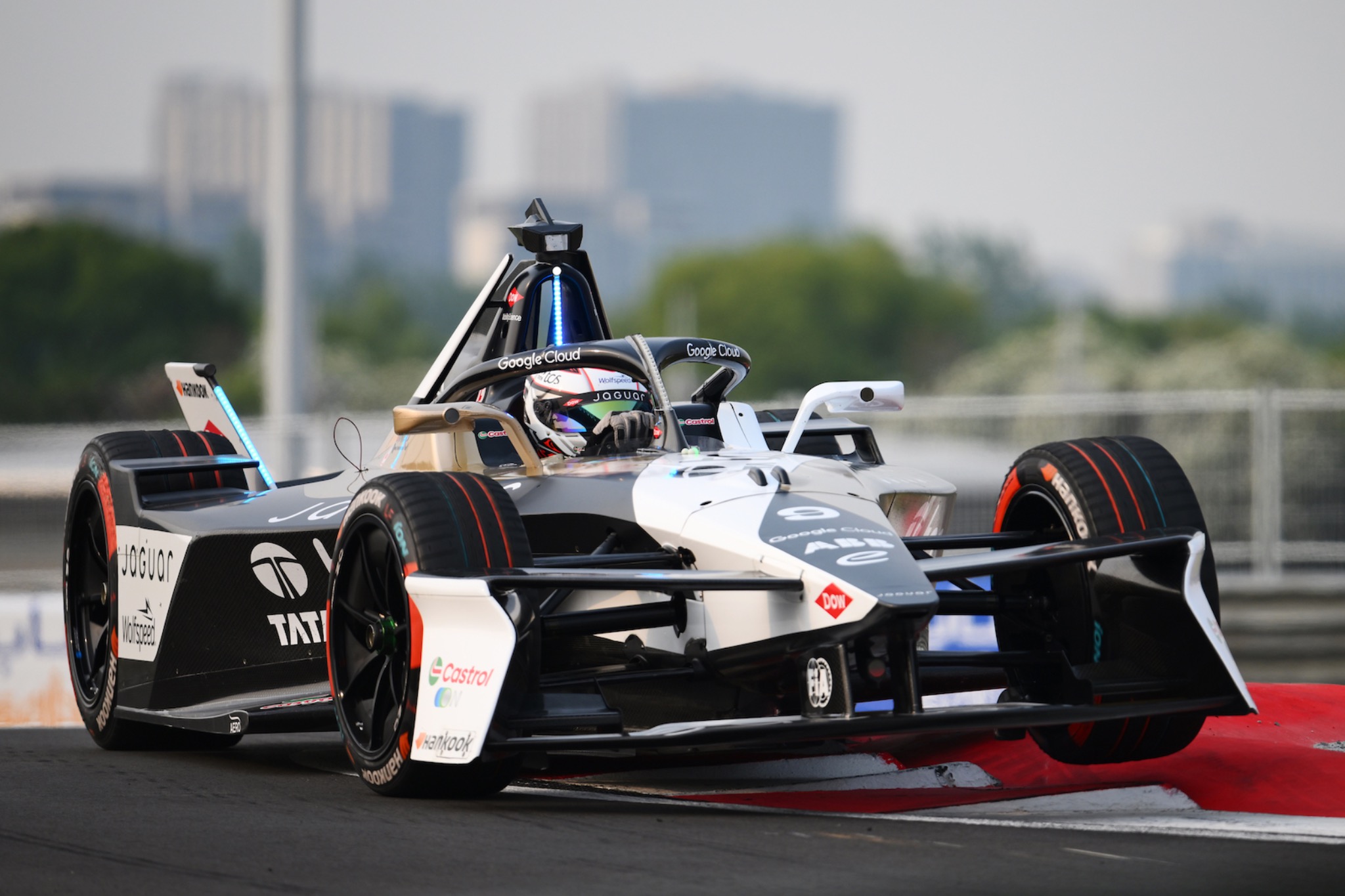
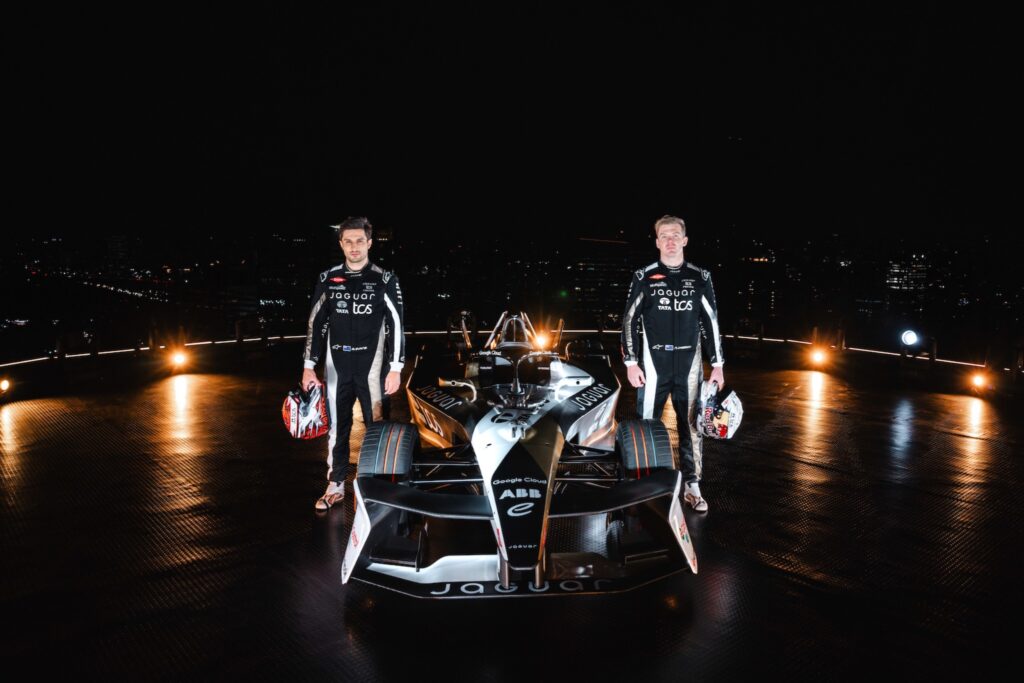
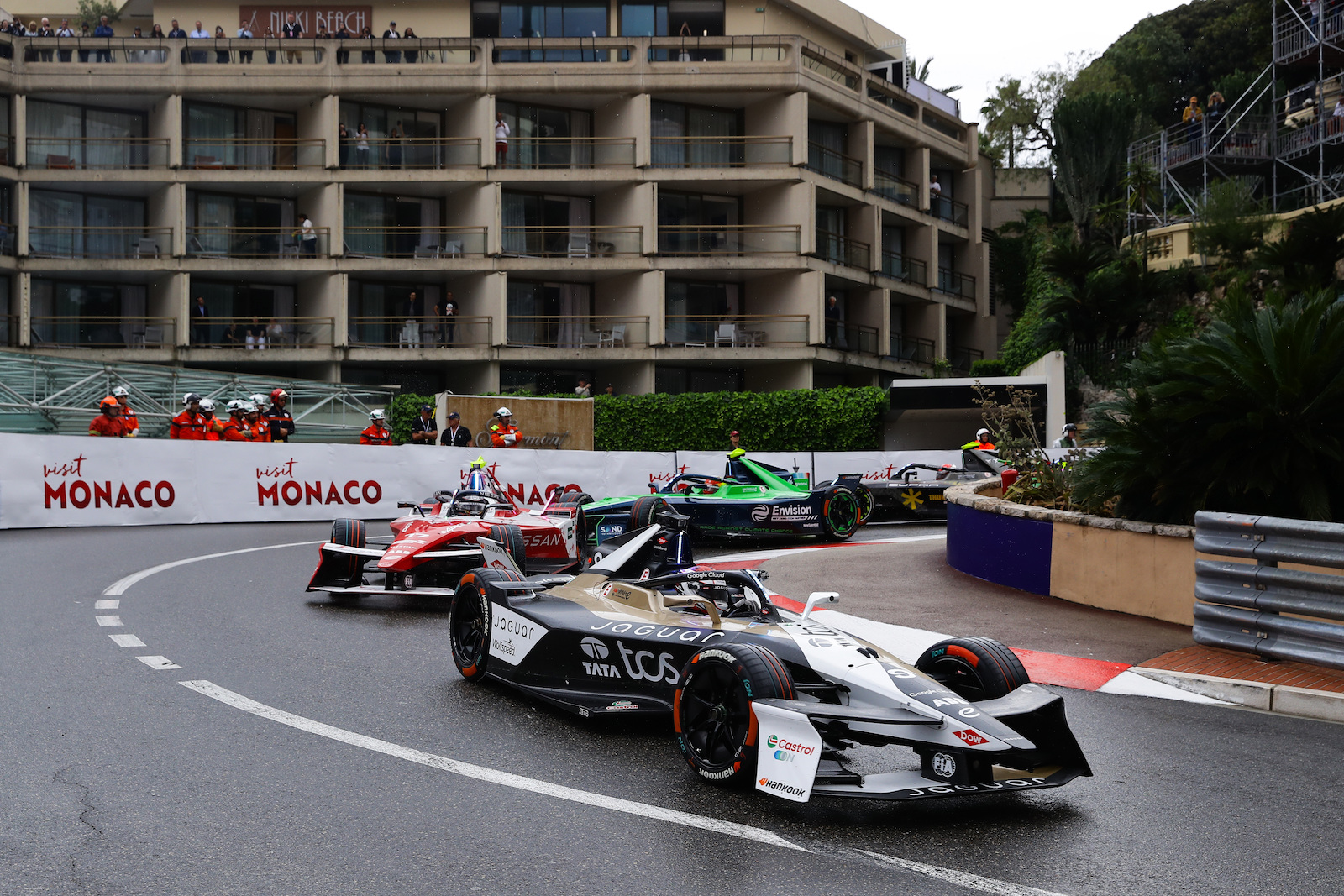
Good thing Jaguar TCS Racing now falls directly within his remit. It’s the automaker’s all-electric race team, competing in the ABB FIA Formula E World Championship. As the 2024/2025 Formula E World Teams’ Champions, it’s not just a comms priority—it’s one part of the job that never feels like work.
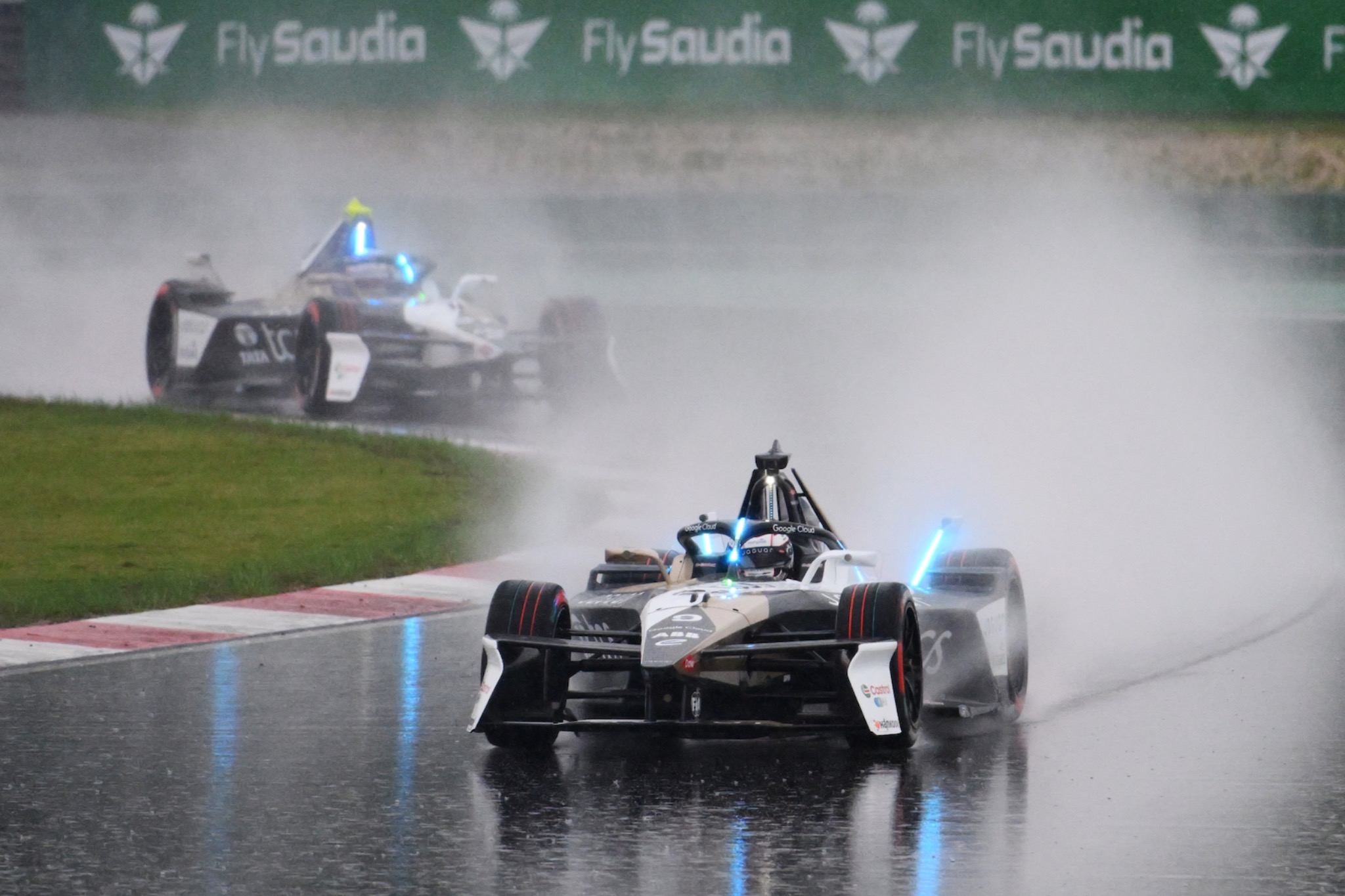
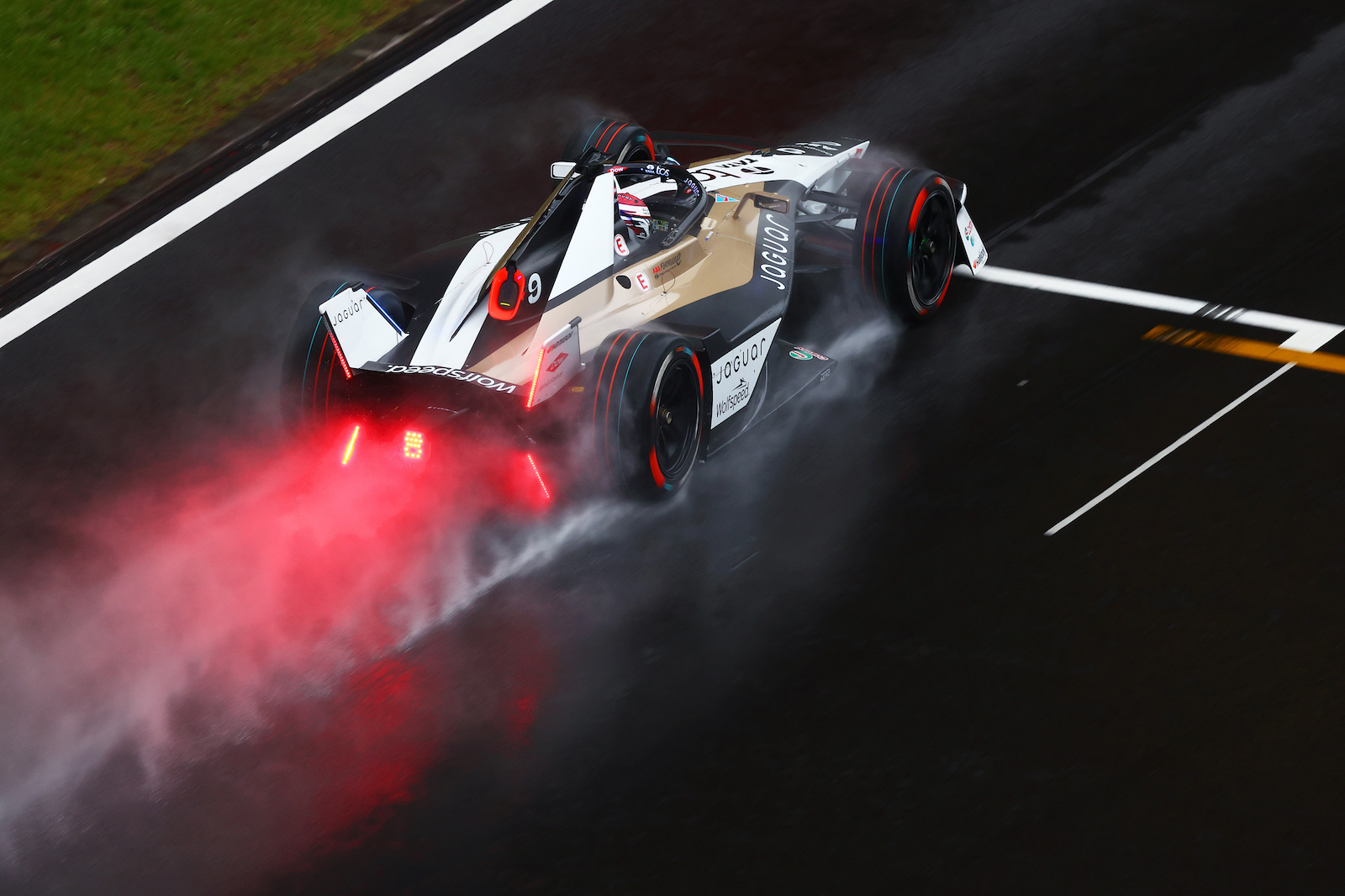
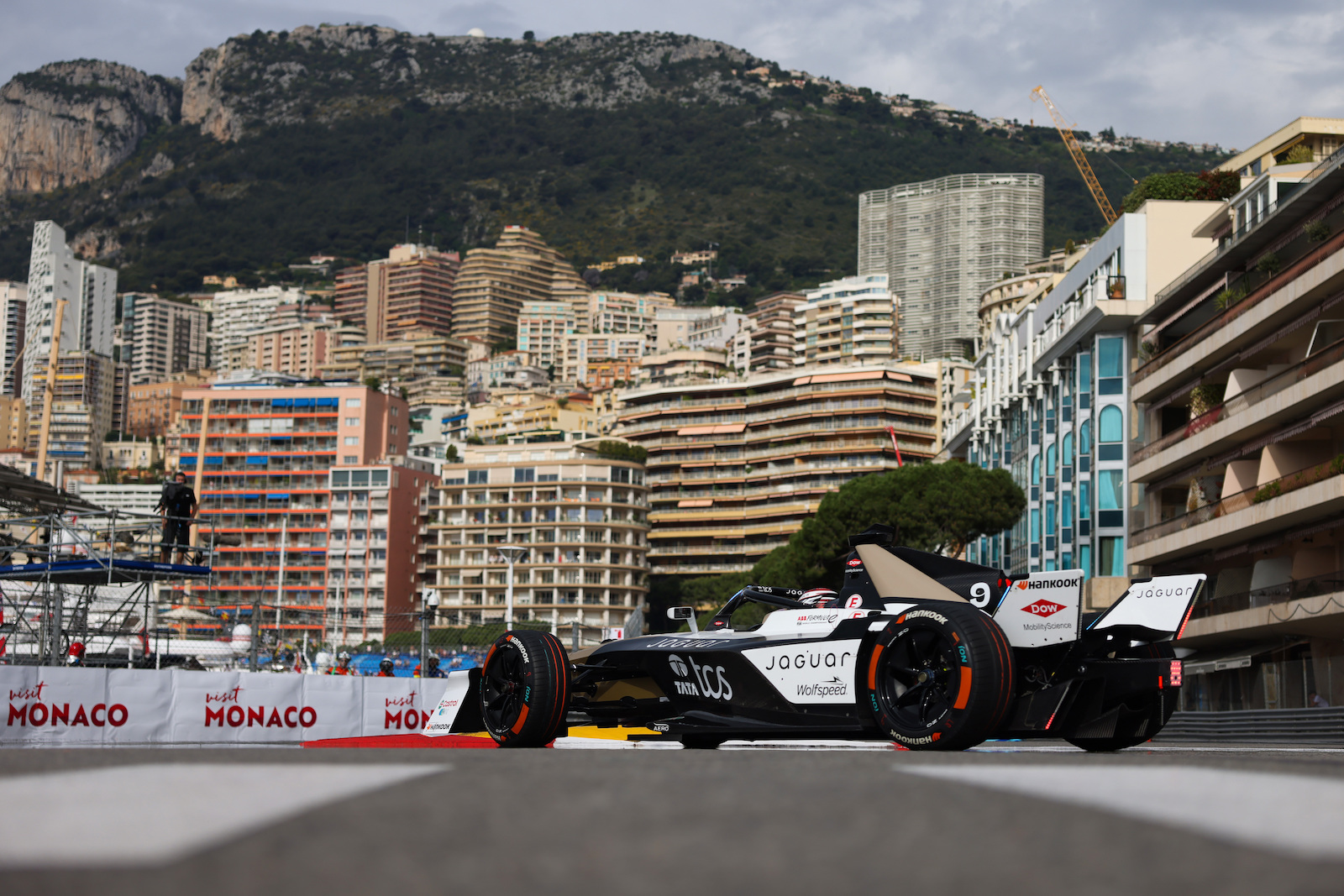
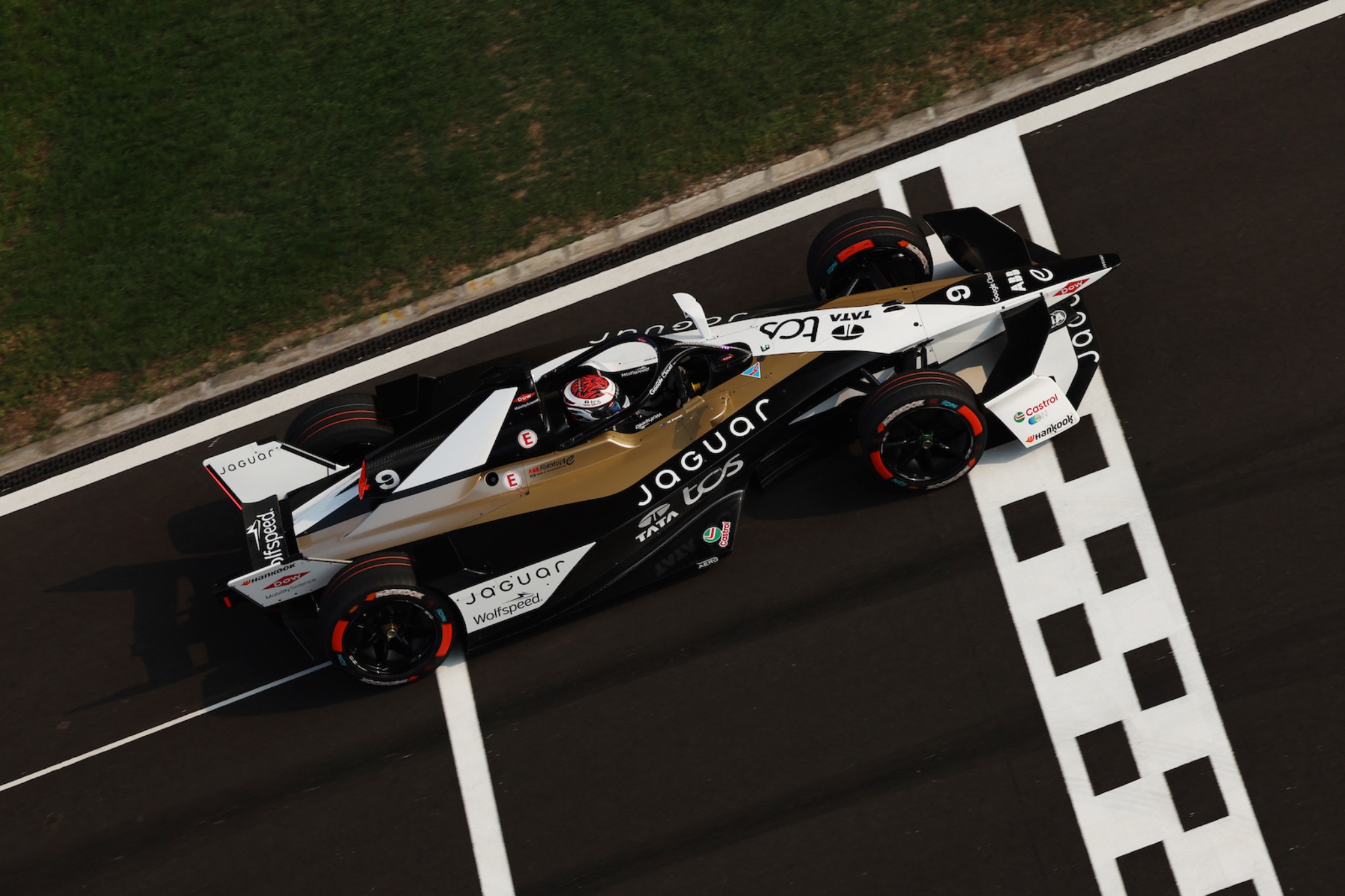
Racing Roots. Road Relevance.
“The name Jaguar was first used on our cars in 1935. Almost from that point onwards, there’s been motor racing activity with cars wearing the Jaguar name.” By the 1950s, Jaguar had become a dominant force at Le Mans. Jaguar was the first manufacturer to compete at the famed 24-hour endurance race with disc brakes on the C-Type.
In 1953, it won Le Mans with that disc brake—pushing the tech to the limit and becoming the first manufacturer to introduce disc brakes on road cars. Jaguar went on to win Le Mans seven times, with the C-Type, D-Type, and later in the Group C sports car era. More than trophies, those victories served as engineering testbeds.
The same spirit of race-to-road transfer powers Jaguar’s Formula E program today. The cars use regenerative braking so powerful that they no longer need mechanical rear brakes. “So it’s a nice sort of circular story,” Skelton quips, “no pun intended.”
Jaguar’s return to racing in 2016 was no nostalgia trip. It aligned with the I-PACE program and a deliberate plan to extract real-world benefit from the track. “There was a lot of thought and consideration into how we could use Formula E to accelerate battery electric technology quickly for the benefit of our customers and now, nine years later, we are developing that technology for Jaguar’s all-electric future previewed by the Type 00.”
Beyond Aerodynamics. Into Innovation.
“Formula E is not a direct competitor to Formula 1,” Skelton says. “They’re both FIA World Championships.” But where Formula 1 is obsessed with airflow, “if a Formula 1 car runs over a curb and loses a tiny bit of its floor, the driver will start moaning about lack of downforce and the car being all over the place.”
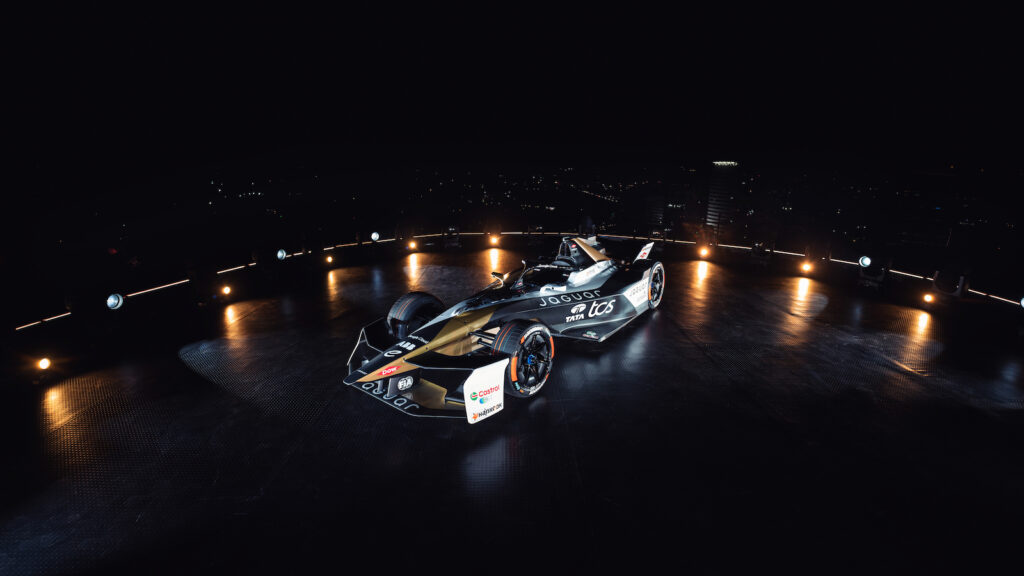
Formula E strips that obsession away. The bodywork on the cars is fixed. The chassis, front suspension, battery, and bodywork are common to everybody. The only place left to innovate is where it counts: “Basically everything behind the driver is what makes our car, which is the Jaguar I-TYPE 7, a Jaguar.”
Jaguar spends barely anything on aerodynamics. All development and investment go principally into the powertrain, software controls, and rear suspension. That’s exactly how the series is designed: “The regs are written in such a way that all of the manufacturer’s efforts go into that EV powertrain development.” And it pays off. The cars have become much more powerful, much better in terms of regen. They’re doing all of that with a smaller battery.
“When we start a race,” Skelton continues, “if there was no regen, we’d only be able to go 60 per cent of a race distance. That’s it.” The rest of the power they need, the car generates itself. Shows you just how efficient they are.
The Track Is the Lab
Skelton is unequivocal: “Formula E is the most relevant motor racing discipline in terms of technology transfer to road cars than anything else.”
Energy management defines Formula E. Drivers aim to cross the line nearly empty to maximize performance—unused battery equals lost speed. Street circuits allow more regen braking, shifting the energy limit earlier. Drivers conserve until the limit, then go flat out, enabling more overtakes.
“It actually means, from a spectator point of view, a lot more overtaking and a lot more variety in the racing.” Gen3 cars deliver 300 kilowatts of power in rear wheel drive and 600 kilowatts of regenerative braking via all four wheels. For this season, the cars also have 350 kilowatt all-wheel-drive traction for certain phases of the race and the race start – they accelerate from zero to 60 miles per hour in just over 1.8 seconds—faster than a Formula One car.
Jaguar TCS Racing maximizes performance by optimizing powertrain efficiency and software control. With limited track testing, most development happens in simulators. Session data is sent to the UK team to fine-tune regen, throttle, and cornering. Drivers validate updates virtually before applying them on track.
“The focus for us is on developing that software adaptability as quickly as possible for each circuit that we go to, again, just to absolutely maximize the performance,” Skelton says. Each car uses a fixed battery with around 38 kilowatt hours of useable energy at each circuit, and from the beginning of the season each team’s cars and supporting equipment ships from race-to-race, supporting low-emissions logistics. During a race weekend, each team is allowed six people back at base to analyse data sent back from the circuit and complete additional simulator work remotely – the simulator using a LiDAR scan provided by Formula E.
During each race, Attack Mode adds tactical complexity by requiring drivers to cross an off-line zone, switching from 300-kilowatt rear-wheel to 350-kilowatt all-wheel drive. Each driver must use it for eight minutes per race, often staggered to aid overtaking or defense. Teams coordinate timing for maximum effect.
Pit Boost, used at select doubleheaders, provides a 600-kilowatt charge during mandatory stops. In 30 seconds, it adds about 10 per cent more power—equal to 30 minutes of home charging at 7 kWh—boosting post-pit stop pace. While not necessary to finish races, it showcases ultra-fast EV charging. Both features reinforce Formula E’s role in advancing race strategy and EV tech.
“It just shows how Formula E’s always pushing the regulations and the technical envelope.”
Quiet but Cutting-Edge
Skelton is aware of Formula E’s “quiet racing” tag. “There’s no internal combustion engine. Compared to conventional single-seater racing, for sure it’s quieter.” But it’s not quiet. “It’s a very different noise. Kids think it’s really cool. They think it sounds like Star Wars.” That futuristic tone draws younger fans—but the appeal runs deeper than sound.
Formula E’s open comms format lets spectators listen to every exchange. The communications between drivers and their race engineer are all open for the whole race. As a spectator, you can choose to listen the whole time. “Not always ideal for us as public relations professionals, I can say—but great for fans.” What they’ll hear is relentless calibration—because in this series, precision wins.
“We had a couple of instances last year where the difference between pole position and second place was a thousandth of a second.” That translated to less than 10 centimetres’ physical difference on the track. The field is so compressed. In Skelton’s view, unless there’s an accident, a driver would practically never get lapped in Formula E. “You would generally see far, far more overtakes than you would in any other form of single-seater racing.”
Faster. Smarter. Stronger.
The upcoming Gen 4 era – beginning late in 2026 – will deliver significant technical leaps, including 600-kilowatt peak power, 700-kilowatt regenerative braking, all-wheel drive, and a new tire compound—all demanding fresh engineering approaches and strategic adaptation.
“[It’s] incredibly exciting. The lap time differential to Formula 1—somewhere like Monaco—we expect to be in single-digit seconds,” Skelton estimates. “So, very, very fast.”
These performance gains bring new variables and challenges. Jaguar must adapt to a new tire designed for higher loads and temperatures, while developing a completely new powertrain and software stack to optimize efficiency, energy recovery, and control systems. “Within the regs—that’s a great area for us to look at innovating in, for that forward pass of technology into our consumer road cars of the future.”
And that’s the point: Jaguar races to shape the EVs it will sell next.