Photography by Tom Deachman
Everything happens for a reason. Whether you’re spiritual, religious, believe in astrology or are just a little superstitious, that simple phrase has likely found its way into your life at some point.
Anthony Lue—a firm believer that God has a purpose for us all—is the embodiment of that idea, even when the reason isn’t immediately clear. Lue’s faith in God’s path is as inspirational as his resolve and determination. Despite setbacks that would bring the strongest of us to a halt, he pushes forward with a smile as broad as his shoulders.

At just 21, Lue endured an extreme test of spirit. At the time, he was working with one foot in the door of an industry that had captured his heart from a young age. “My father had a few Camaros,” he recalls. “And my baseball coaches nicknamed my mom Mrs. Andretti. My mom always drove something with a stick shift and liked to go fast.” His parents were the spark that ignited Lue’s lifelong passion for automobiles. The entry-level automotive job wasn’t particularly glamorous, but it was a start.
“The day was going well,” he says, describing how productive he’d felt that morning. During lunch, his boss asked for help moving two scrap cars to the nearby junkyard just a few hundred meters down the road. Eager to lend a hand, he agreed.
The method used to transport the cars toward their final destination, a so-called “scrap-yard train,” was unorthodox. Two inoperable vehicles would sit bumper to bumper, with a running one at the back pushing them to the yard. The drivers in the wrecked cars had to work hard to keep things rolling without power steering and with barely functional brakes.
Lue admits he had reservations, noting that each wheel had only one or two lugs, but he was assured the method had worked “countless times” before. Entering the yard, his coworker’s right front wheel fell off and he went to the front of the train. When his boss couldn’t get him onto the scale, the bobcat was called in to push Lue. Everything was ok until the bobcat pushed him off the scale. As he was looking to the left of the scale to park the car and get out, the crane operator came swinging around without a moments notice or time to react, dropping the magnet on the car crushing Lue inside. He then proceeded to pick Lue up to 15ft in the air where the bobcat operator yelled “there’s someone still in the car”, he panicked and dropped Lue from 15 ft.
The accident and ensuing panic left him back on the ground, the car twisted and wrapped around him. Fire and EMS arrived quickly, and after being freed from the wreck with the Jaws of Life, Lue was airlifted to Sunnybrook Hospital.
“It was my first time in a helicopter—I tried to look out the window,” he recalls. At that moment, the severity of the situation had only just begun to sink in. The paramedics’ insistence that he stay still made it clear that his life had just changed forever. The accident left him with multiple broken ribs and fractures to his C7 and T9 vertebrae. Most significantly, his spinal cord had been crushed, resulting in a diagnosis of complete paraplegia.


Lue spent a month at Sunnybrook, followed by three months of rehabilitation at the Lyndhurst Rehabilitation Centre. Though his bones had been broken and shattered, his spirit remained remarkably intact. Determined to make the most of the life ahead, he poured everything he had into his recovery. “I told them I was going to walk out of there,” he says.
The story of his hospital stay and transition to a new daily life is abbreviated; not to downplay its significance, but to make room for the world of inspiration that has come since. Weaving through the complicated web of litigation that followed his accident was an ordeal in itself—a complex game of pass-the-buck between workplace, life and auto insurance. Although frustrated with the lack of support available for people in his situation, Lue gives credit to the owner of the scrapyard for doing everything possible to help. “He stepped up immediately,” he says.
Navigating the challenges of modifying his life, home, and world—all while seeking justice and fair compensation—opened Lue’s eyes to the accessibility struggles countless others face every day. “I don’t really want to let it rest, because it’s an injustice,” he says. Unwilling to wait for someone else to solve these problems, he made it his mission to improve what he could and empower those around him to persevere. “What people with disabilities go through is horrendous,” he continues, describing the barriers faced daily. “It’s difficult at the best of times.” He mentions that something as simple as a poorly cut curb can become a major obstacle for someone in a wheelchair—an afterthought to most of society, yet a daily reminder of inequality.
Today, Lue runs three businesses, all centered around improving accessibility. He’s a motivational speaker, an accessibility consultant and, most recently, the founder of the Anthony Lue Foundation. Staying on top of them all requires disciplined time management— a skill he credits to the work ethic honed through years of competitive sport. In 2004, Lue set the provincial record in the junior boys’ 100-meter hurdles. During that time, he also played representative baseball for the Pickering Red Sox and Team Ontario—and somehow found time to make his school’s volleyball team.
Of course, Lue’s sports career had its ups and downs. He was offered a scholarship for his hurdling achievements, but sporting injuries and life’s distractions derailed that opportunity. He refocused toward the end of high school and had a partial scholarship lined up post-graduation but nothing ever panned out.
The first time he rode a handbike, he realized just how much of his competitive spirit remained intact. Every push of the crank, every shift of his body, provided a sense of autonomy he thought he’d lost in the accident. “It was freedom all over again,” he says. Handcycling taught him more than physical endurance; it sharpened his mindset and resolve, traits valuable to anyone at any point in their life.
Each hill climbed and race completed reinforced persistence, determination and problem solving. Lue excelled despite training on a bike that was too large for him. With properly fitted handbikes starting around $15,000, he turned to his community for support, organizing several fundraisers across the Durham Region of Ontario. His competitive drive didn’t remain solely on the race track. The lessons he learned—balancing focus, precision, and creativity under pressure—seamlessly translated to his advocacy.
Once again, everything happens for a reason. Lue ranked among the top five nationally in his category, but the true significance of his journey lay as much in his adversities as in his achievements. As a Black athlete competing in an underfunded program—and in a sport underrepresented in mainstream media—he faced challenges that shaped his perspective and deepened his empathy.
Eventually, he realized he could make an even greater impact on the adaptive community by putting his athletic pursuits on hold and dedicating himself fully to his advocacy. “Living disabled is harder than it looks,” he says, smiling. “Our world simply isn’t built for those who are not able-bodied.”
The fact that the onus falls on those already facing adversity feels deeply unjust when Lue describes his vision. Yet through his consulting work and speaking engagements, he’s already making a tangible difference. His foundation focuses on helping people with disabilities through recreation, technology and mobility aids. It has already shown remarkable promise. Their first event took place at the Toronto Honda Indy in July 2025, where twenty participants—some in wheelchairs, others with support persons—toured the grounds, met drivers, collected autographs and explored race trailers up close.
Most recently, Lue secured a speaking engagement with one of the “Big Three” automakers for December 3rd, 2025, the International Day for Persons with Disabilities. He describes the opportunity as a “dream come true,” hoping to help shape how future OEM vehicles accommodate drivers and passengers with disabilities.
It’s impossible not to be inspired by all Lue has accomplished, and all he still intends to achieve. “Things don’t happen to you, they happen for you,” he says, a phrase that forms the core of many of his talks. His injury has opened his life up to a world he knew nothing about. Success begins with mindset, and through both education and experience, he’s found a powerful way to share his mindset with others.
“I’m at a point in my life where I’ve almost died, [so] I must be here for a reason,” he says. “I’ve met so many people in situations that are heartbreaking…I have a lot of work to do. Many people don’t have a voice—I can be that voice.”
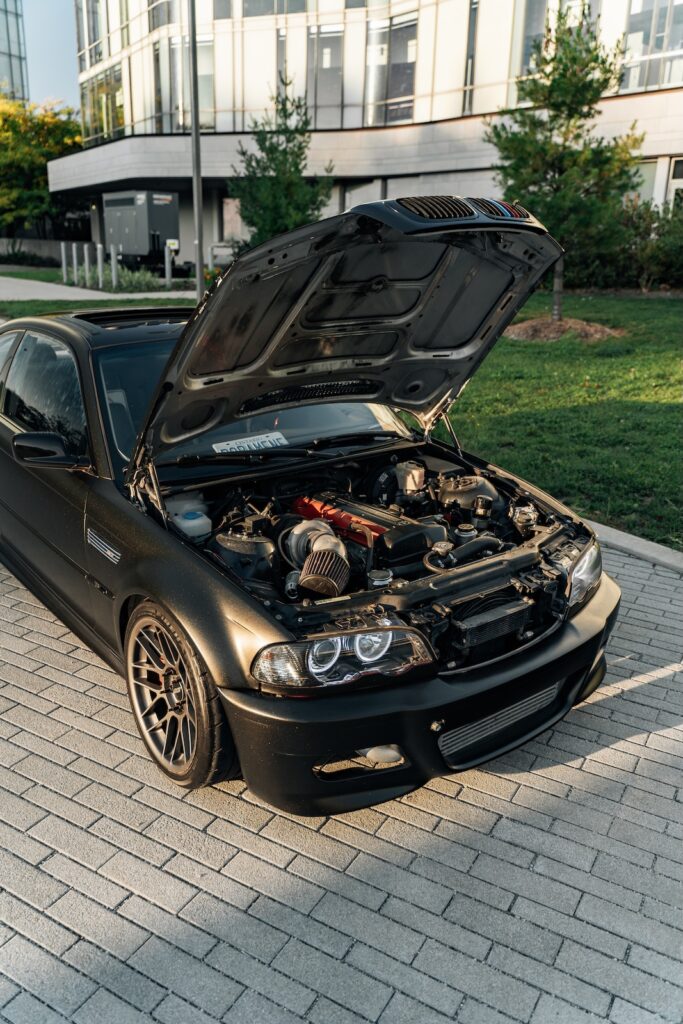
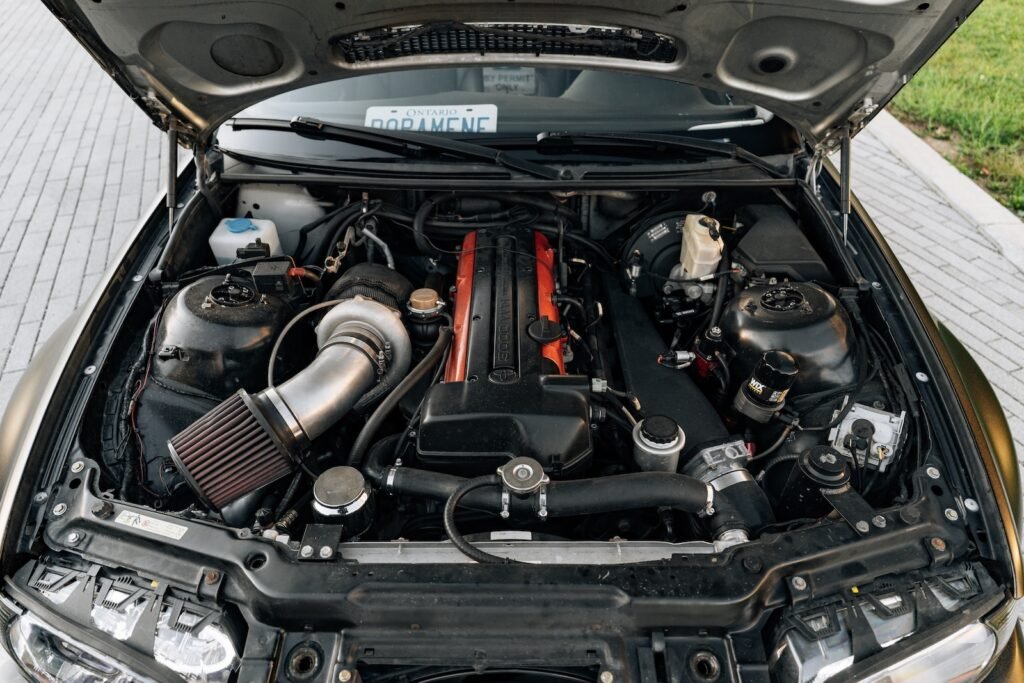
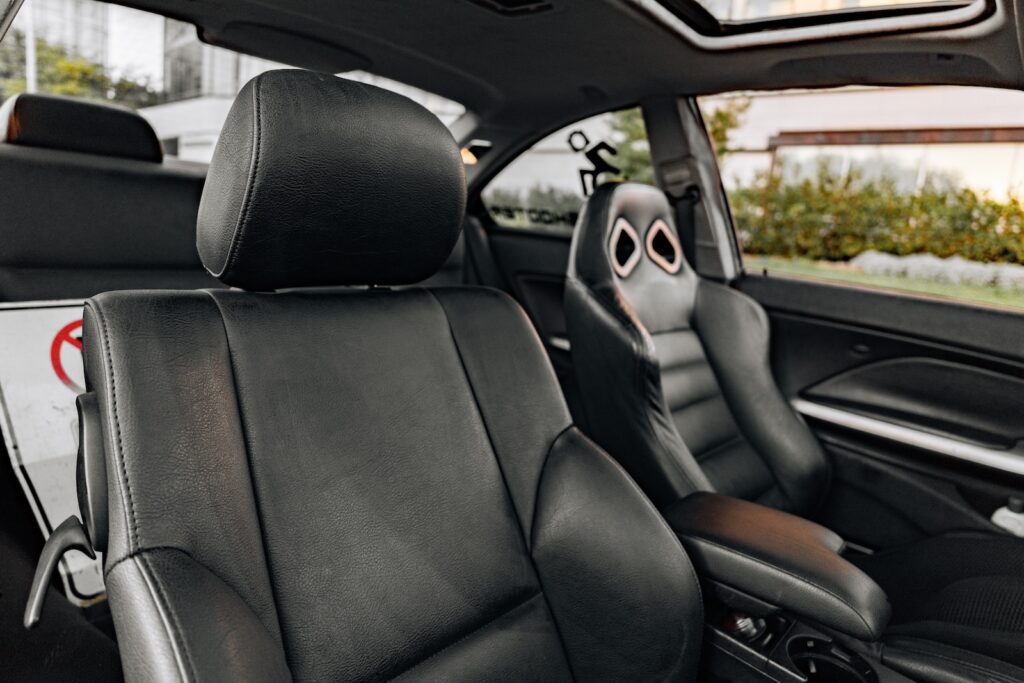
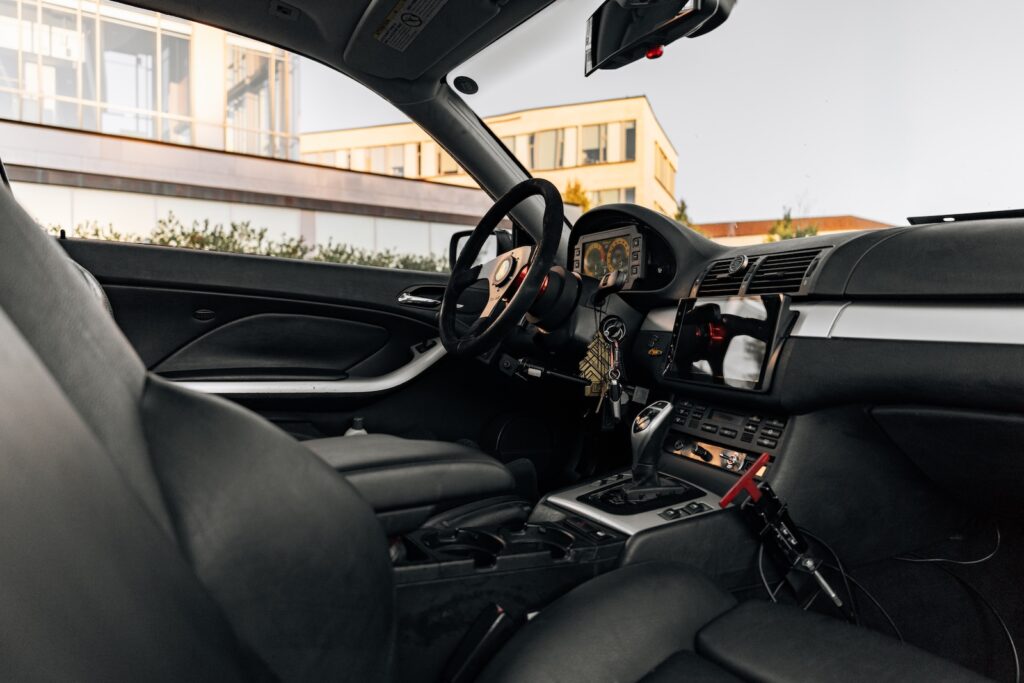
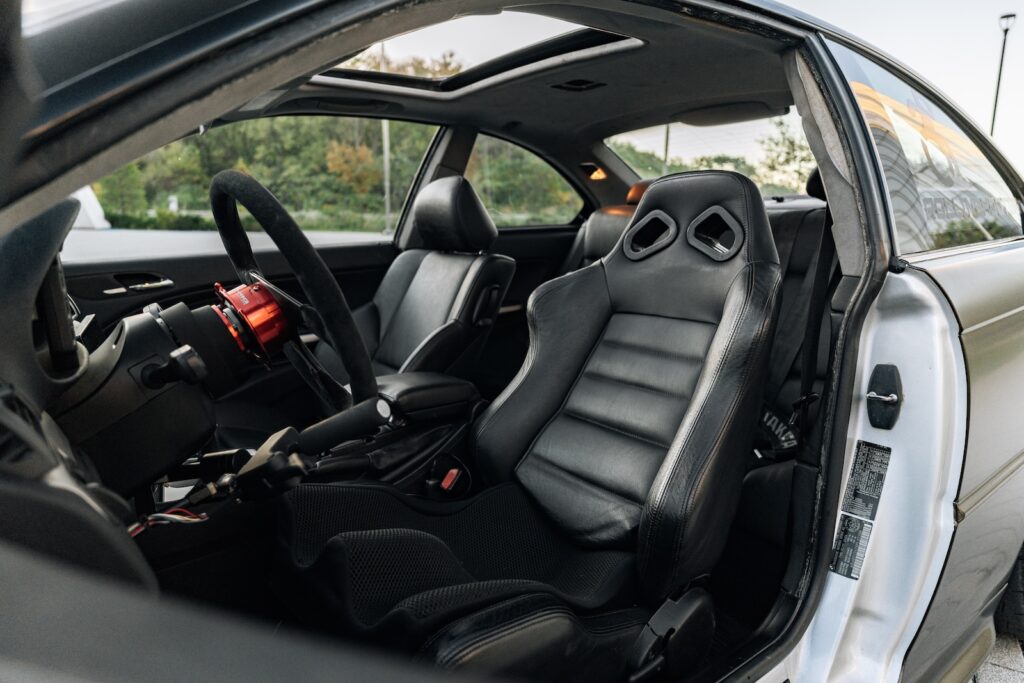
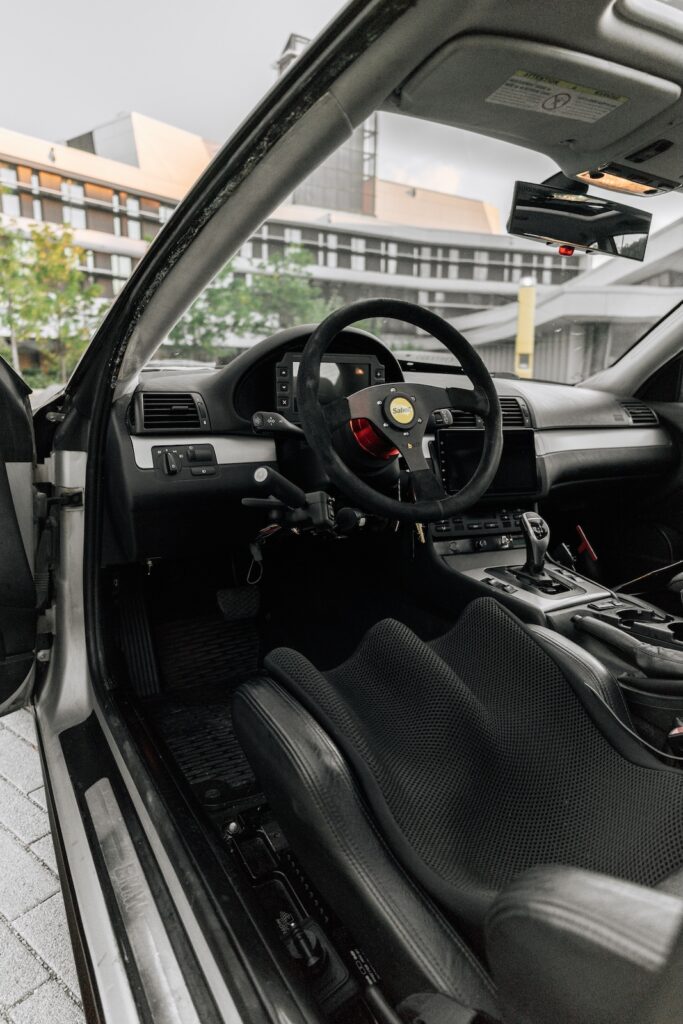
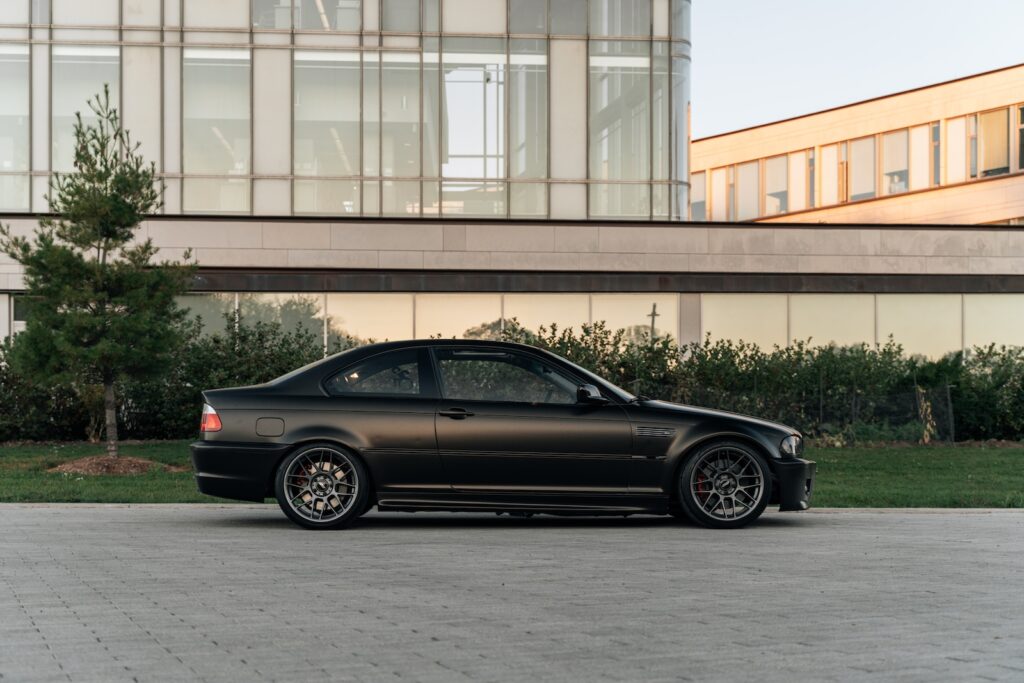
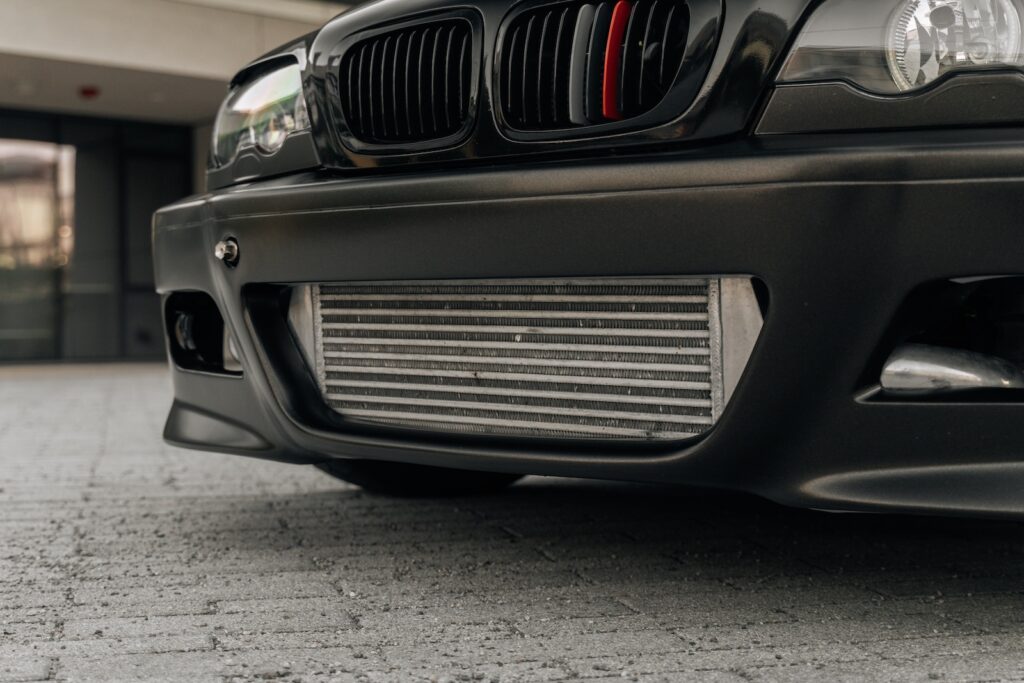
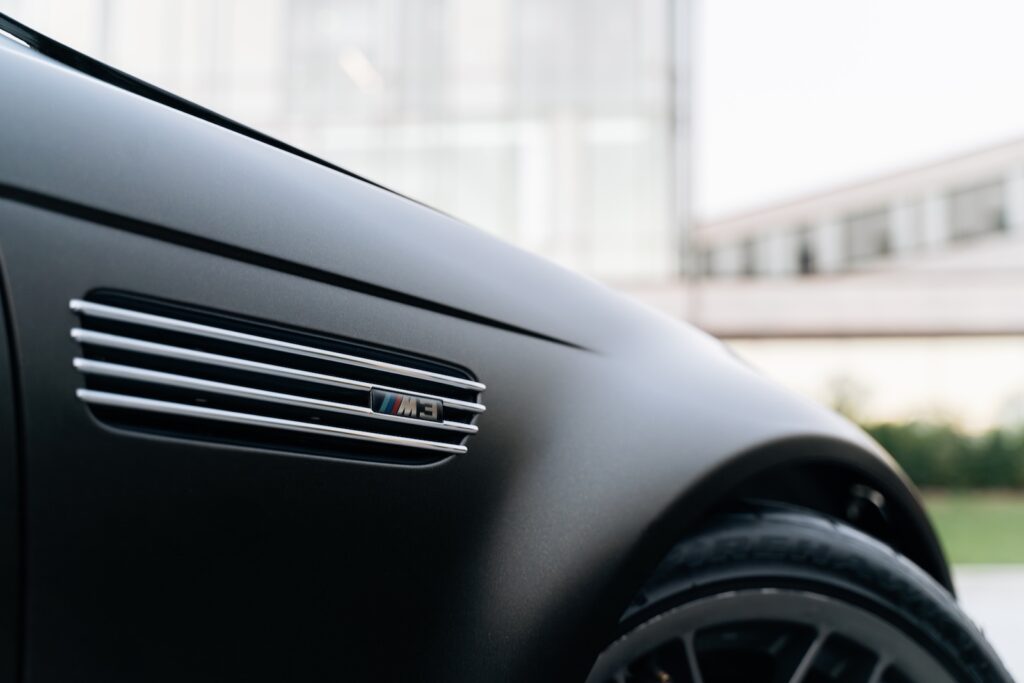
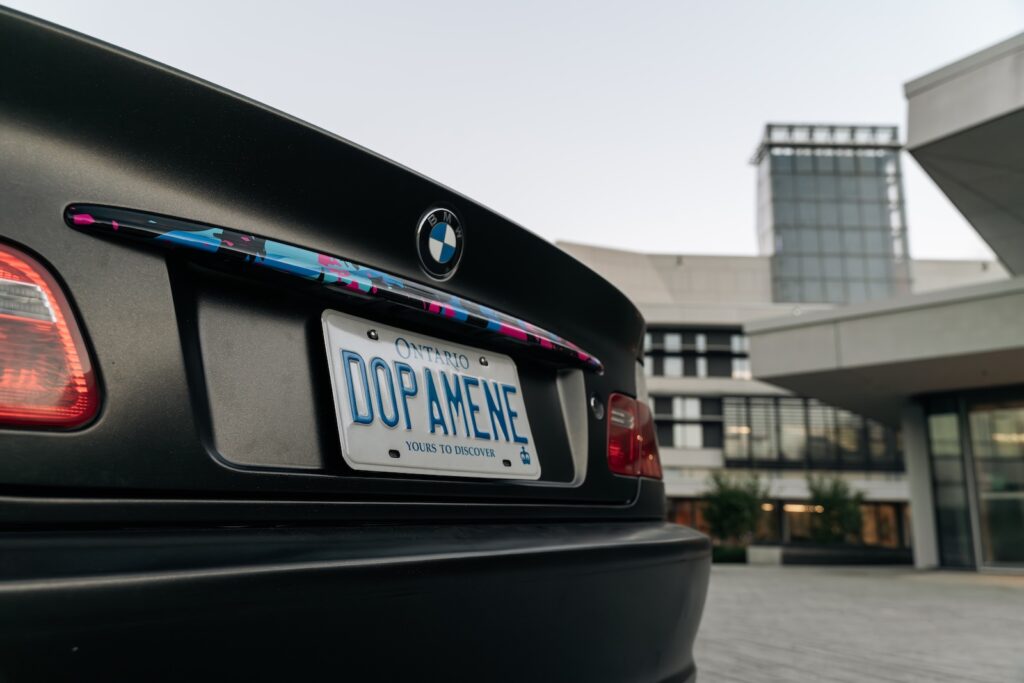
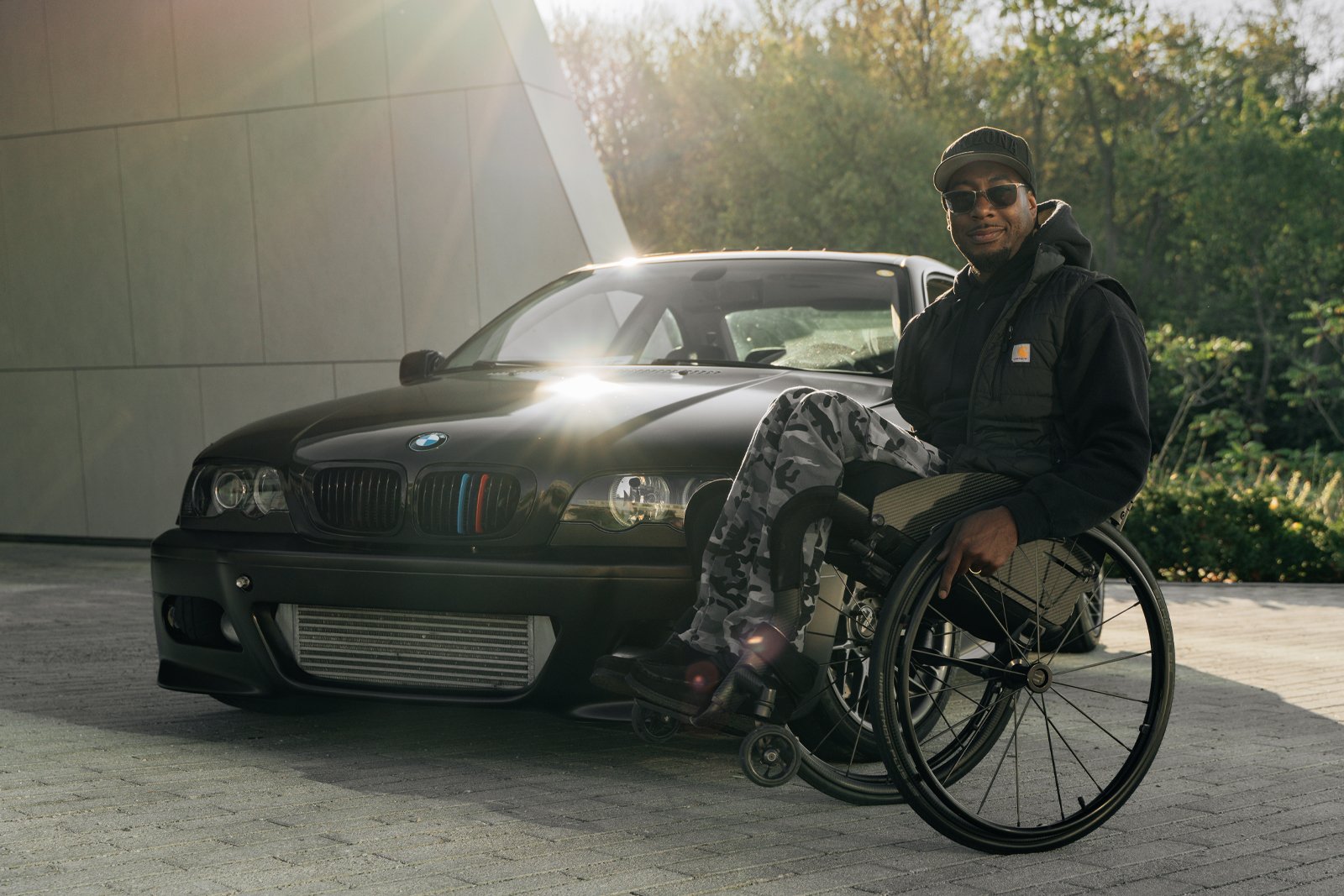
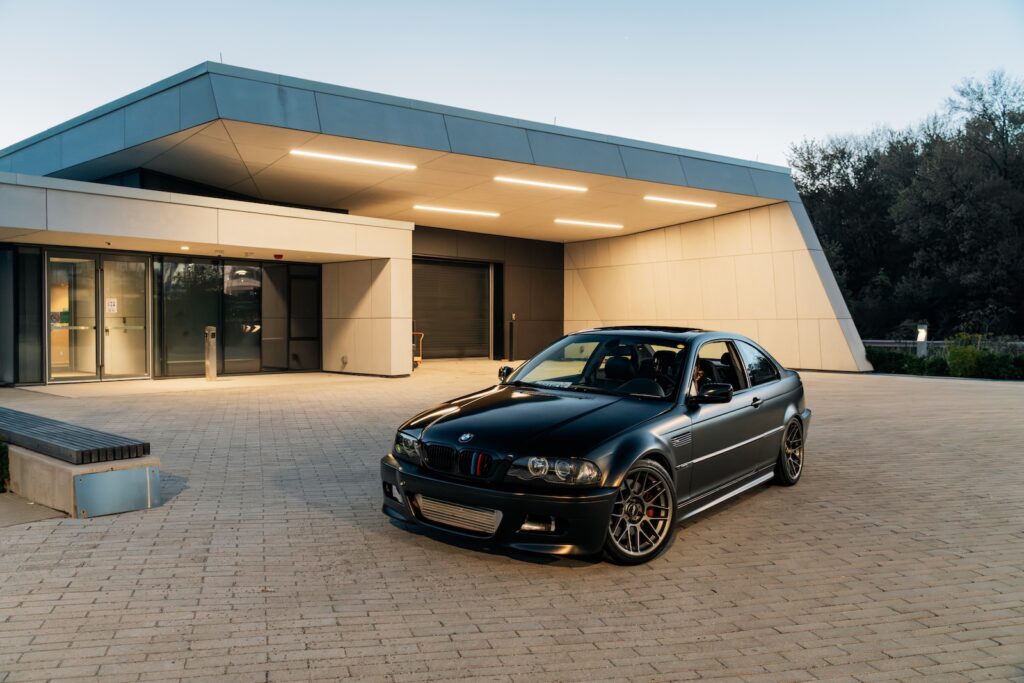
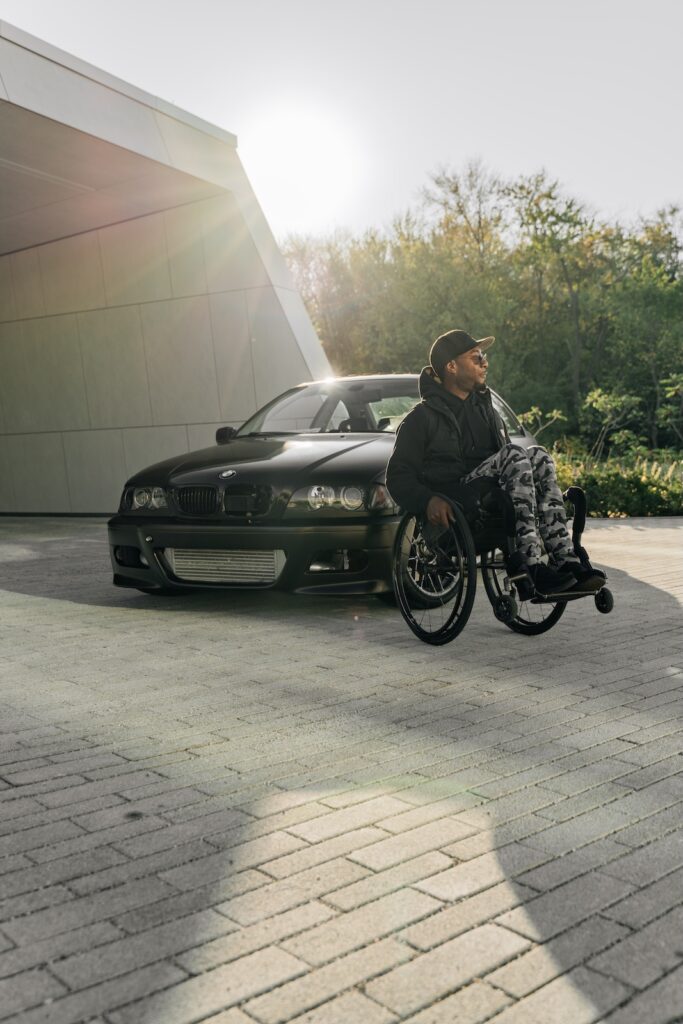
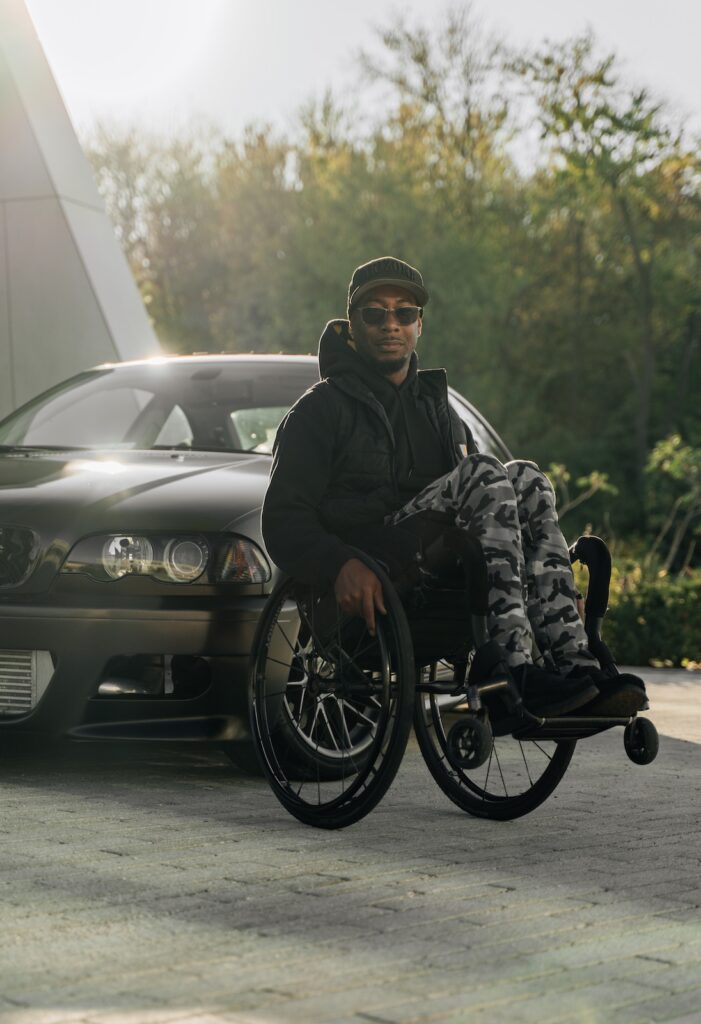
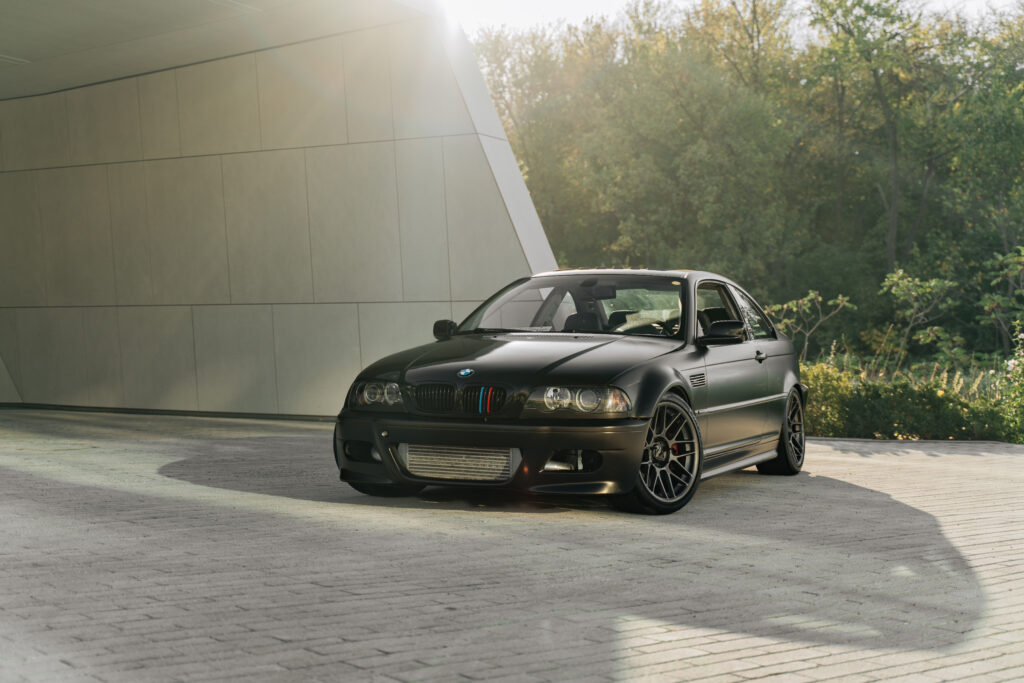
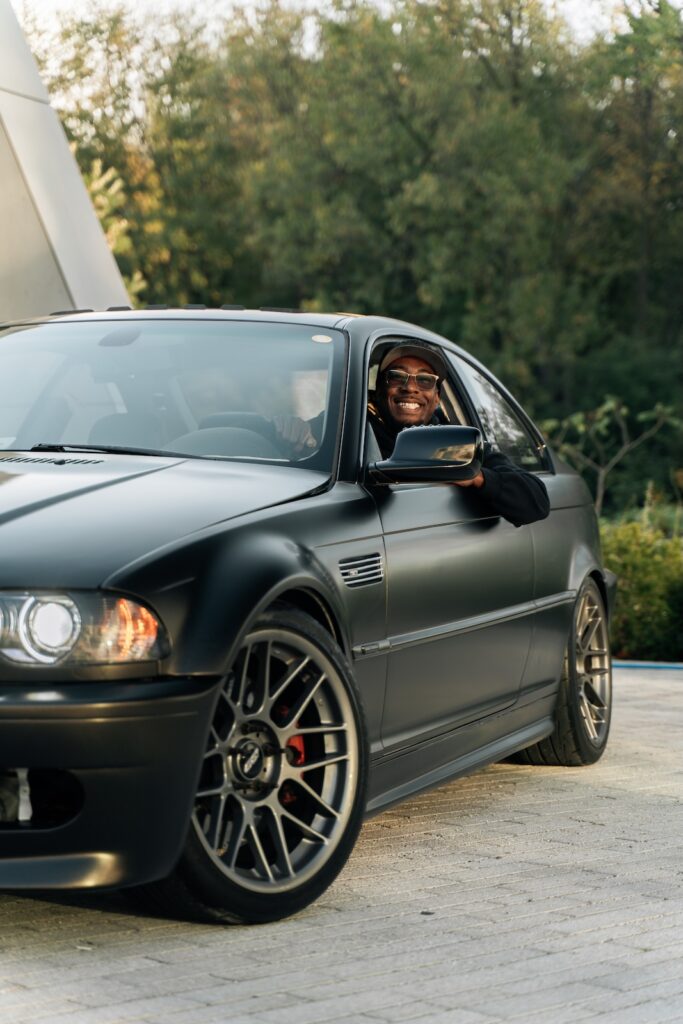
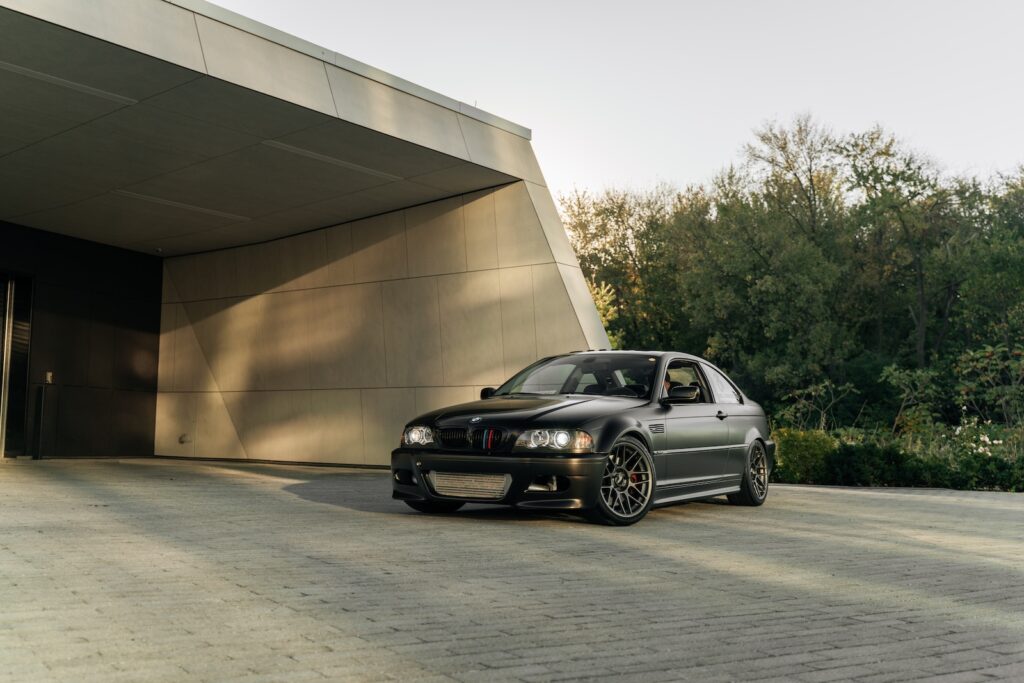
While Lue’s mission and spirit are larger than life, if you were to meet him at a car meet like we did, hanging out next to his 2004 BMW 325ci parked slightly away from the other vehicles, he’d likely introduce himself as “Tony.” Under the hood isn’t the familiar BMW-branded M54 engine, but a Toyota emblem—a single turbo converted 2JZ motor in place of the factory German inline-six.
With BC Racing coilovers, a full bushing kit, M3 front and rear subframes, and APEX ARC8 wheels shod in sticky rubber, the car’s exterior hint that it was built for more than just sitting in a parking lot.
“Tony is what most car people know me as,” Lue explains. The line between his worlds may eventually blur, but in many ways, the separation is intentional. In the automotive arena, he’s just another car enthusiast—his car simply needs a few extra modifications to suit its driver.
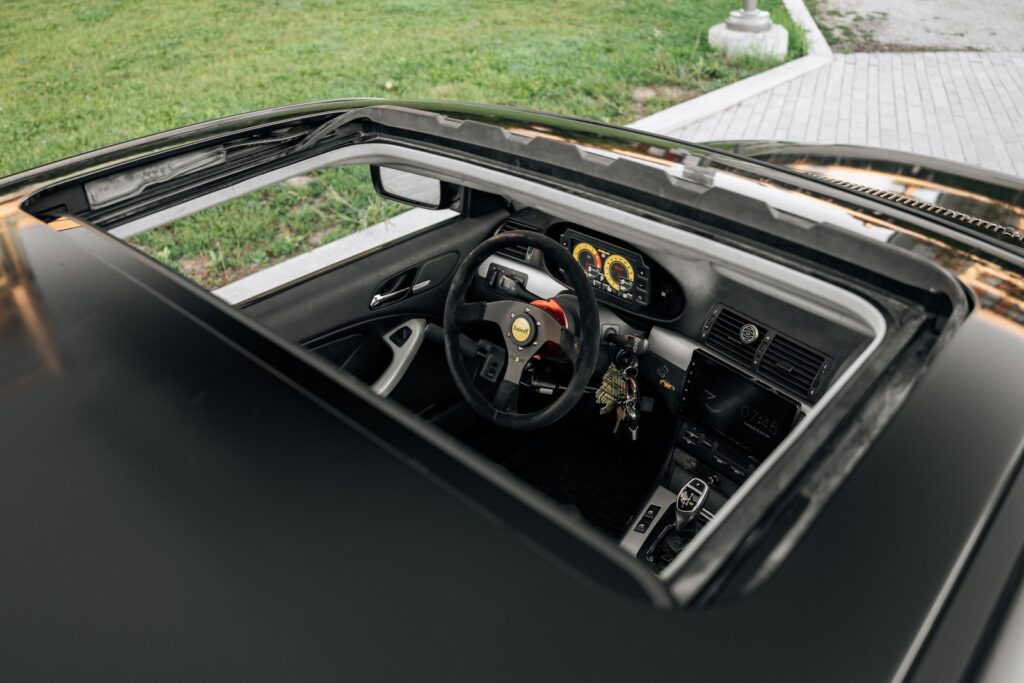
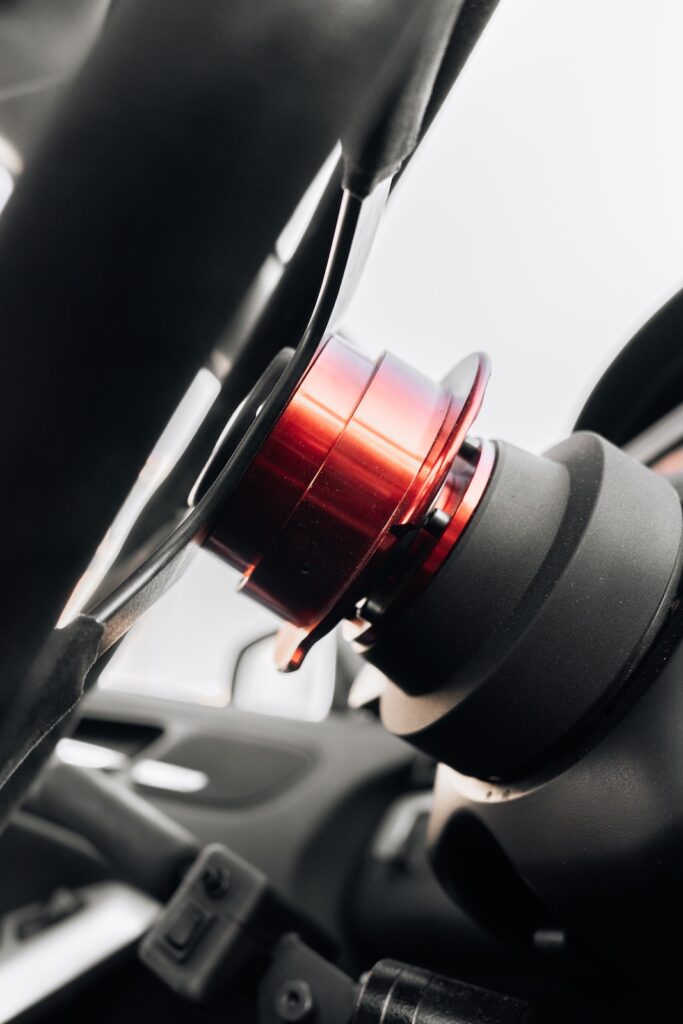
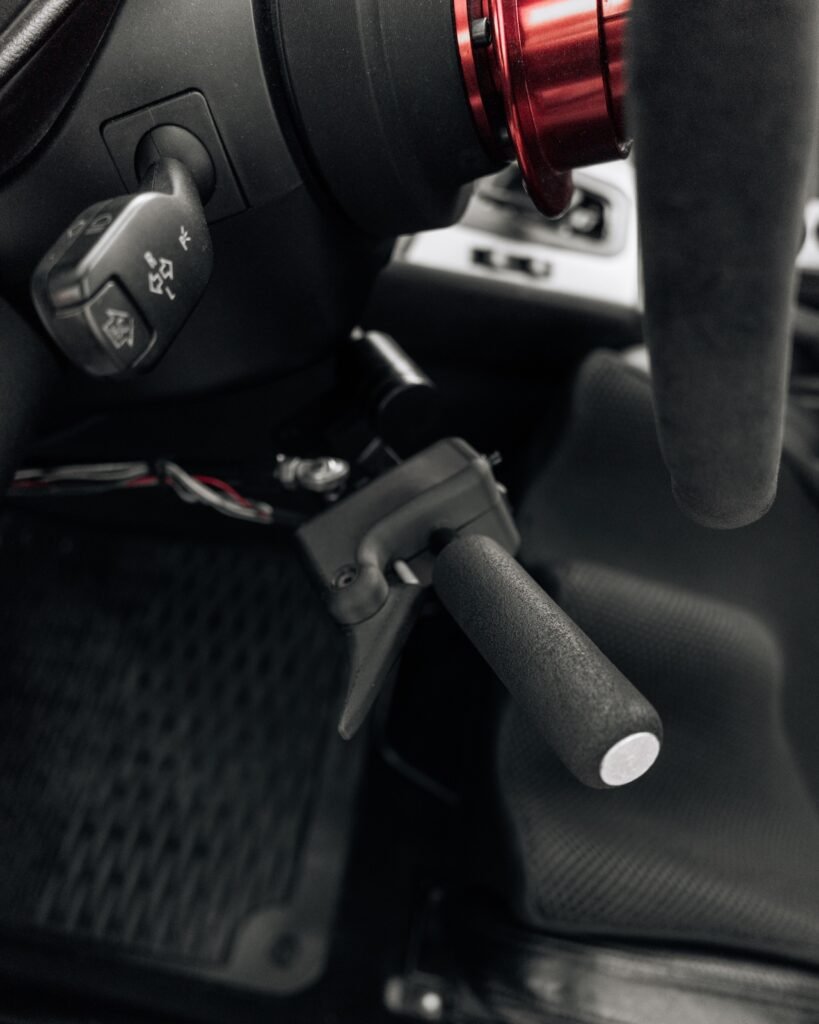
Naturally, the achievements he’s made in building a 700-hp accessible streetcar have spilled over into other aspects of his life. Controlling a RWD sports coupe using only his hands has been his greatest technical challenge; essentially, no off-the-shelf options exist for someone in his position.
It’s an uphill battle consulting with some of the industry’s best, but he notes that Rob “Chairslayer” Parsons has been both a help and an inspiration in achieving his goals. Lue wants to drive competitively in a way that none of his rivals would ever know he’s in a wheelchair.
Building his car has been a perpetual test of patience, much of it happening while he was studying in Arizona. Engineering a bespoke vehicle, making the Dean’s list, and pursuing athletic excellence on a student budget was no easy feat. With the help of the internet, AO Garage in Tucson, and often having to leave the car in the United States while returning to Canada, he got the project running.
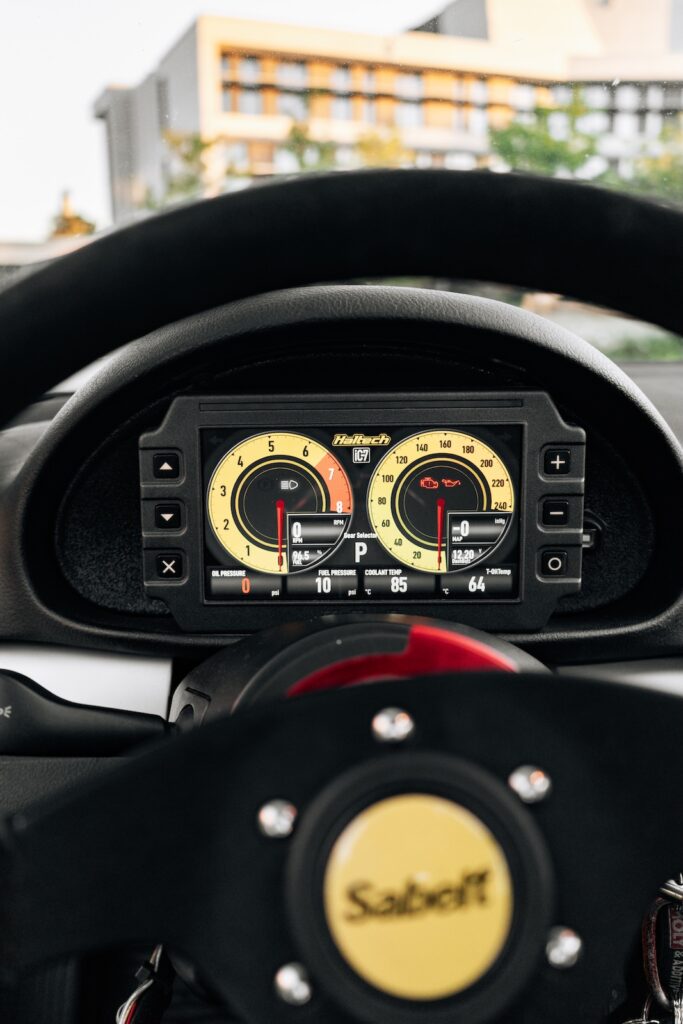
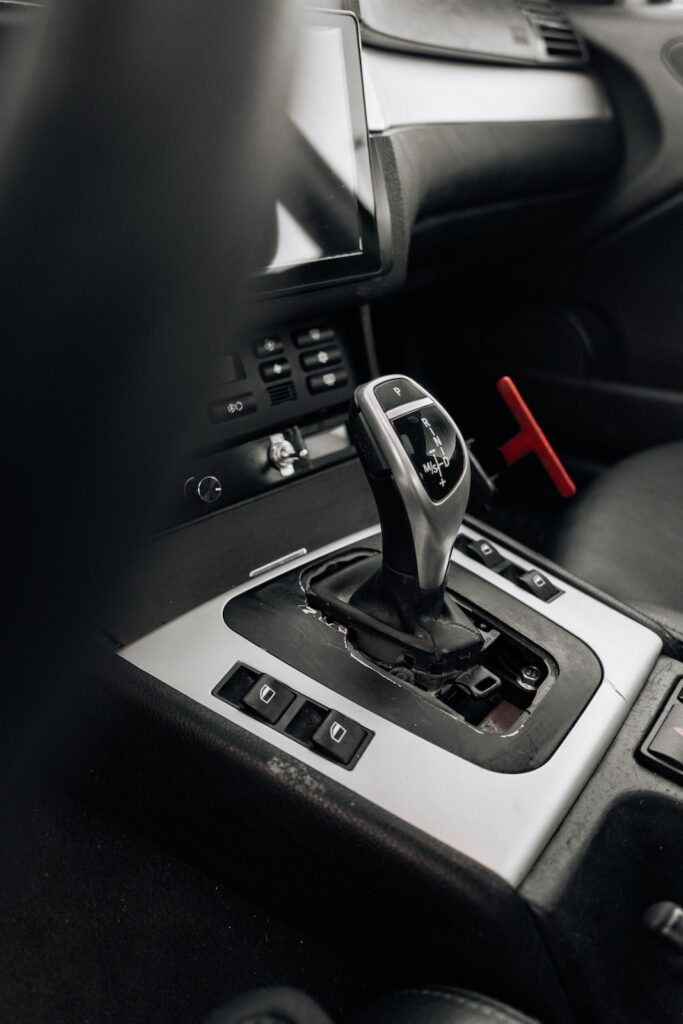
Mated to the motor is an “8HP70” eight-speed automatic transmission, one of the most robust performance automatics available. It’s controlled via a Turbolamik TCU, with throttle and brake inputs managed by 3D-printed hand controls. Engine monitoring is handled through a Haltech IC7 digital dash.
The car sits at the bleeding edge of what’s possible with all of this technology. Finding collaborators for the project hasn’t been easy. “A few people left me high and dry,” Lue says, though he prefers not to dwell on the past. Now back in Whitby, Ontario, Lue’s mechanic is just under an hour away in Etobicoke. He often drives the car there, then takes a combination of train and Uber home. As of this year, most of the kinks have been worked out, allowing the car to be driven exactly as it was meant to be. He also credits his wife, Danielle, as the best “car wife” he could ask for, never questioning his methods or the money spent.
In its current black with gold metallic flake wrap, the car is more complete than ever. Lue’s goal is to attend a few track days in 2026, and to participate in Autostrada Magazine’s Starlight Children’s Foundation Drives.
His journey and passions form the foundation of everything he’s building, and the pieces are starting to come together. Everything happens for a reason, and Lue truly believes that the hardships he’s faced and continues to face will lead to a better life, not only for himself, but for everyone he encounters.
Watching him get into his car, start it up, and disappear into the night with a faint pop between shifts assures us that he’s headed in the right direction.