
Photography by Lucas Scarfone
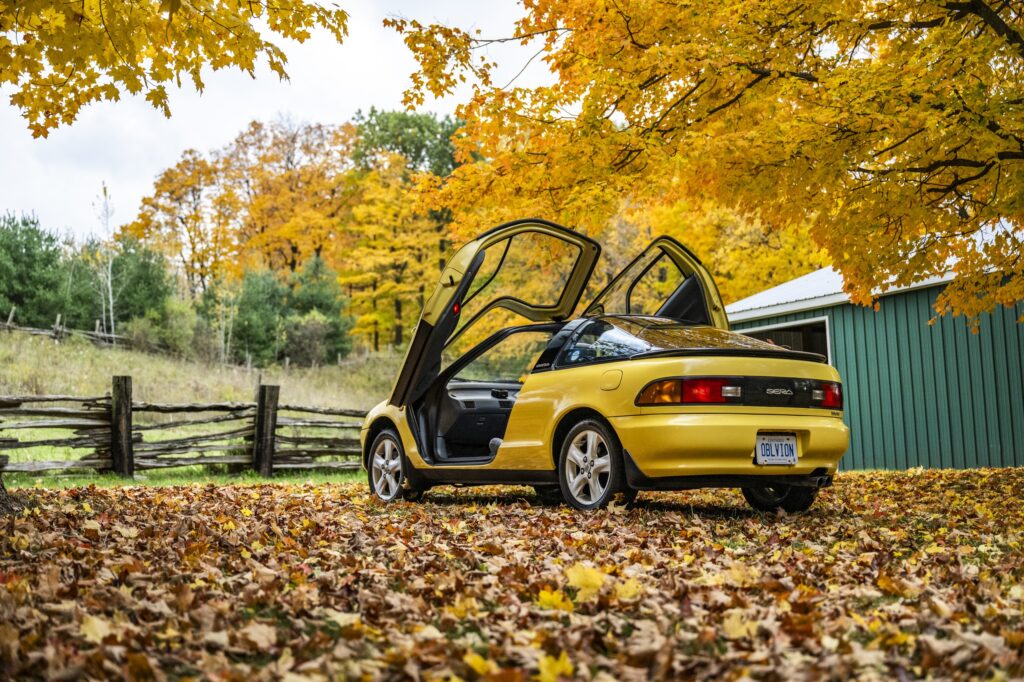
Ah, the early ’90s, or as some remember it, “Hammer-Time.” It was a time of fluorescent fashion choices, the dawn of dial-up internet, Pogo-balls and automotive manufacturers seemingly fuelled by a potent cocktail of ambition and slightly unhinged creativity. And then, there was the Toyota Sera. A car that didn’t just push the design envelope; it cut it, folded it into an origami swan and then launched it into orbit with a flourish of its magnificent butterfly doors.
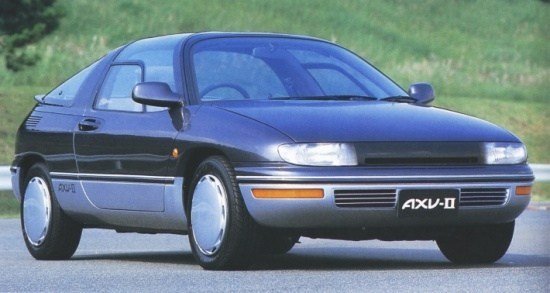
The journey of the Toyota Sera began in 1988 with the unveiling of the Toyota AXV-II concept car at the Tokyo Motor Show. Even in its conceptual form, the AXV-II was remarkably close to a production-ready vehicle, showcasing a design that would largely remain intact for the final product. The name Sera itself – derived from the future tense of the French verb “être” (to be) – perfectly encapsulated the car’s forward-thinking ethos.
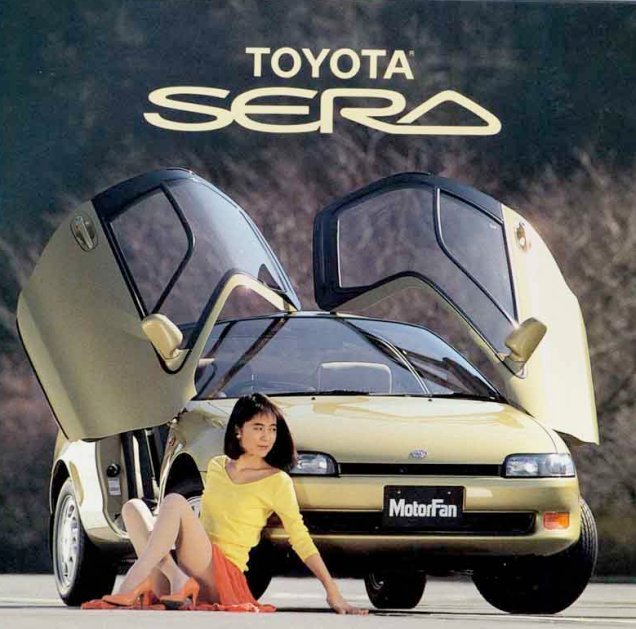
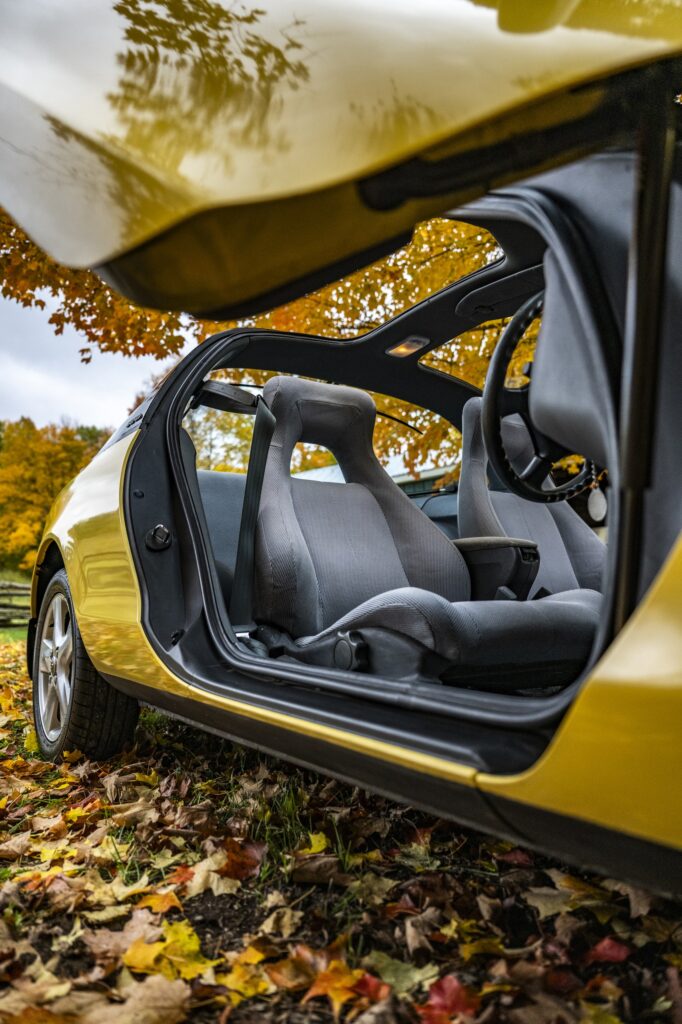
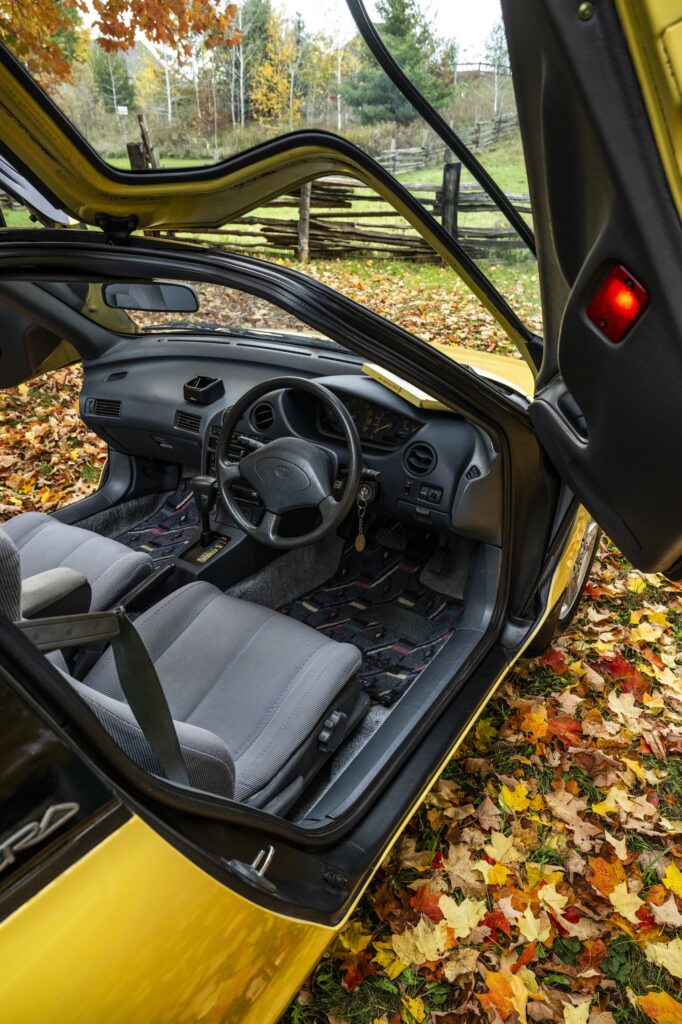
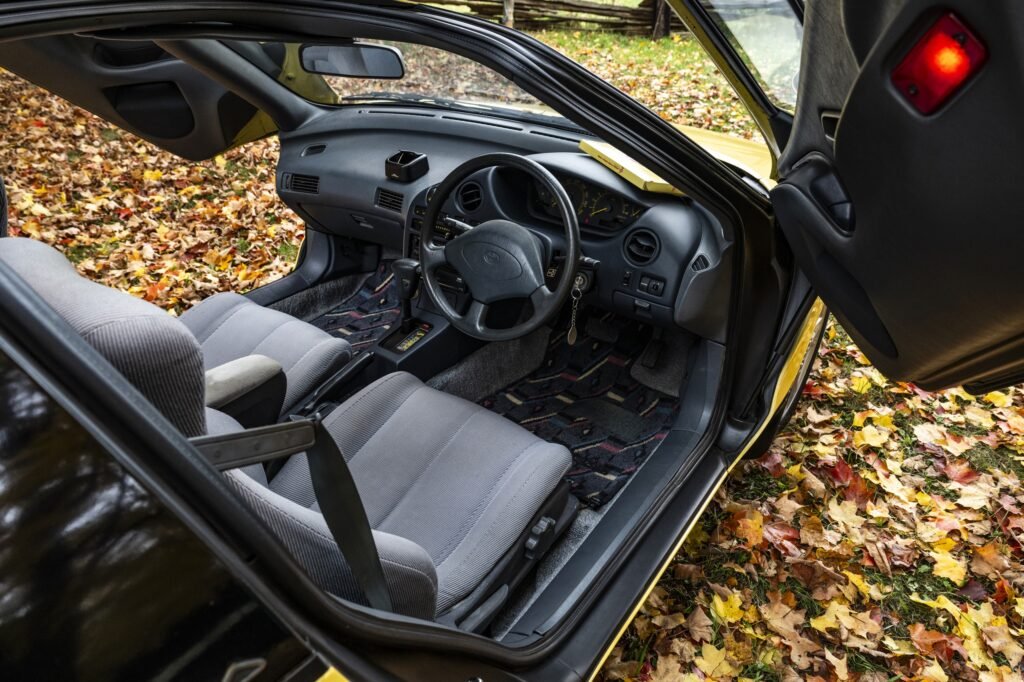
What immediately set the Sera apart was its dramatic door mechanism. Unlike conventional doors, the Sera’s “butterfly doors” were hinged at the top center of the windscreen and the bottom of the A-pillar, opening upwards and forwards. This not only created a visually stunning effect, but also offered practical benefits, allowing for easier ingress and egress in tight parking spaces. It marked a first for mass production cars.
The design was so impactful that it reportedly inspired Gordon Murray, the designer of the legendary McLaren F1 supercar, for its own door arrangement.
As Murray explained to British automotive magazine Car in 2012, he was repeatedly triggered by example of the Sera near his home in the UK.
“I drove past it every day,” Murray recalled in the interview. “Eventually we borrowed a Sera and the design started from there. The final design was fixed with Bruce Mackintosh and myself late one night when we mocked up the doors in a wireframe on the seating buck. It was necessary to remove part of the roof and part of the floor to give the driver access to the central seat, so a conventional door wouldn’t work.”
The weight of these substantial doors was cleverly managed by a thick gas strut, complemented by a smaller secondary strut within the door.
But the doors were just the appetizer to the main course: the “glassy cabin.” The Sera isn’t just a car with windows; it’s a mobile greenhouse. The rear hatch – a single, unsupported sheet of curved glass – merged seamlessly with a steeply raked windscreen and expansive glass door panels. Six pieces of glass in total, creating a panoramic vista that makes you feel like you were driving a fishbowl on wheels. On a sunny fall day like when these photos were shot, it’s glorious. But, on a particularly scorching sunny day, you quickly understood why the Japanese market where the Sera was exclusively sold relied on the standard air conditioning to keep their cool. (Although the removable roof sunshades that our example has do help as well…)
Interestingly, the Japanese bubblelicious body of the Sera was penned by an American, Stewart Reed – an alum of ArtCenter College of Design – at Toyota’s Kelsey studio in Newport Beach in California. It’s a curvaceous and spherical design, emphasizing aerodynamics and a cabin-forward aesthetic, that fit in with the style of cars such as the last generation Nissan NX, Honda’s CRX and Mazda’s MX-3 Percidia. Practical nods to other “doors go up” designs such as the DeLorean DMC-12 include the window-within-a-window for the opening drop glass. It also was one of the first production cars to feature what would then become a popular ’90s trend – projector headlights (which do a great job of looking cool, and less so of actually lighting up the road at night).
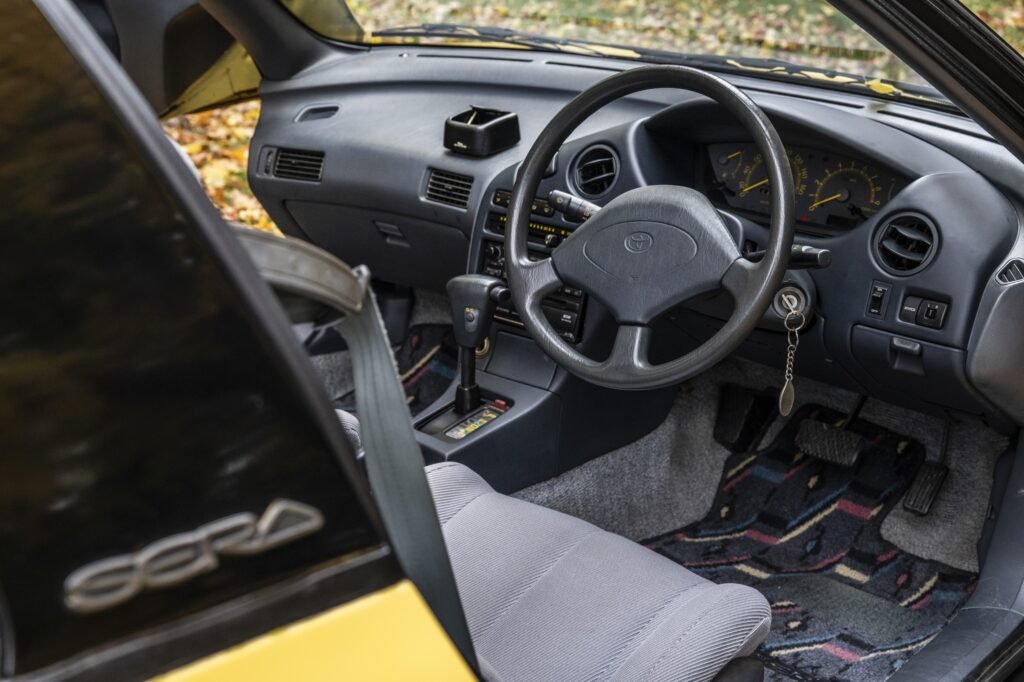
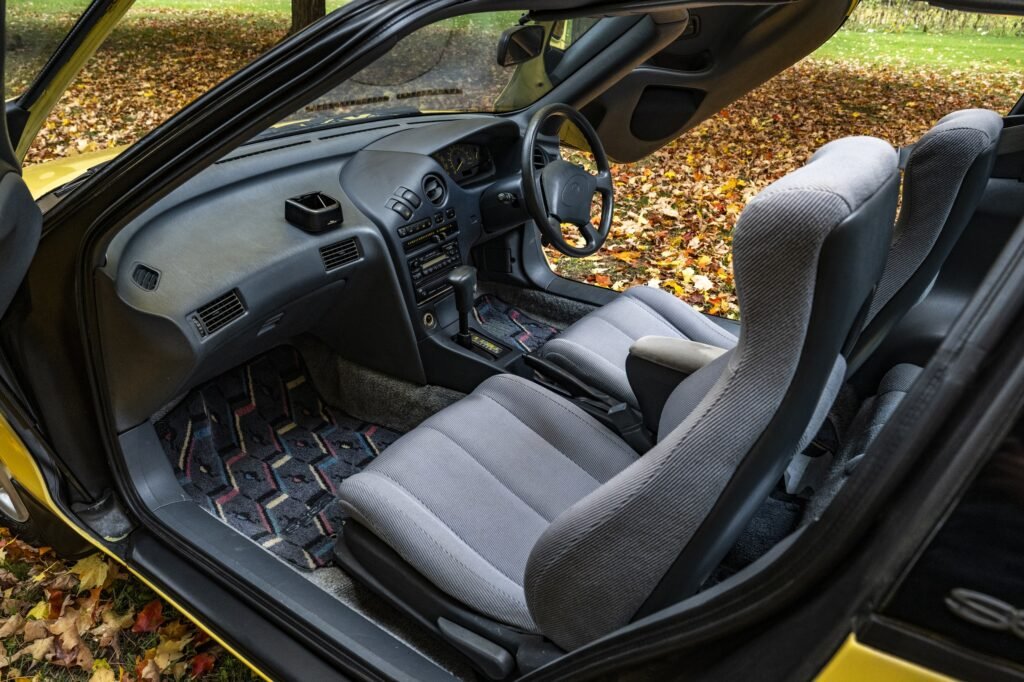
The interior is a delightful blend of novelty and practicality. The two-plus-two seating meant you can technically fit four people, though the two in the back would best be either very small children or pets, or very flexible adults who enjoy challenging spaces. The lively (and now somewhat cult-status) pattern of the floor mats are the only vibrant colour in the otherwise neutral interior, which was offered in either a beige/tan or greyish-blue, and paired with six exterior colors.
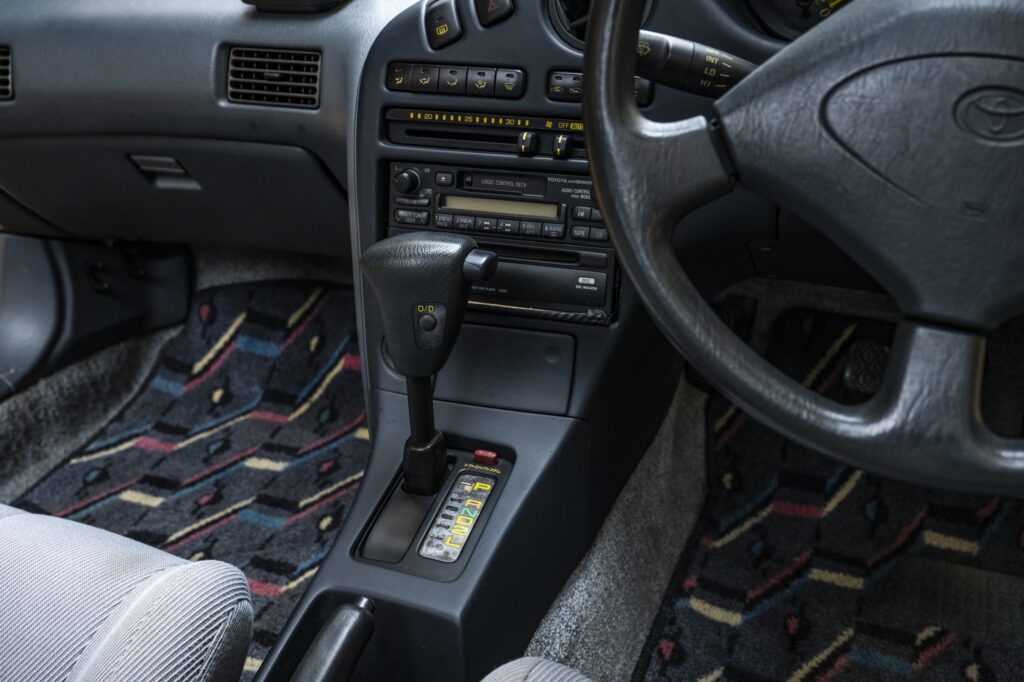
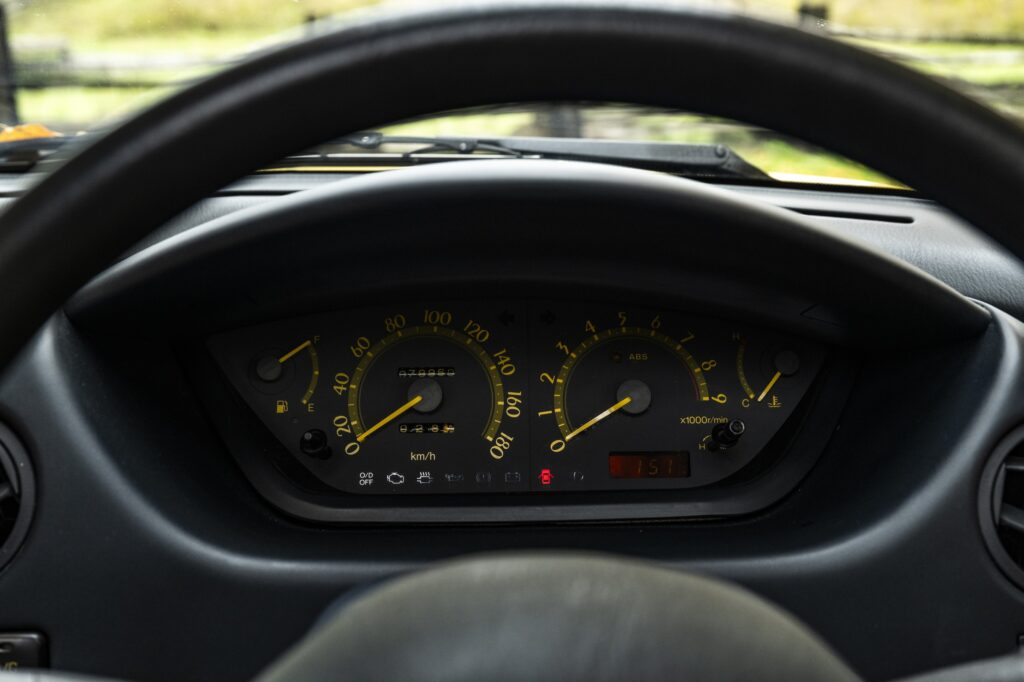
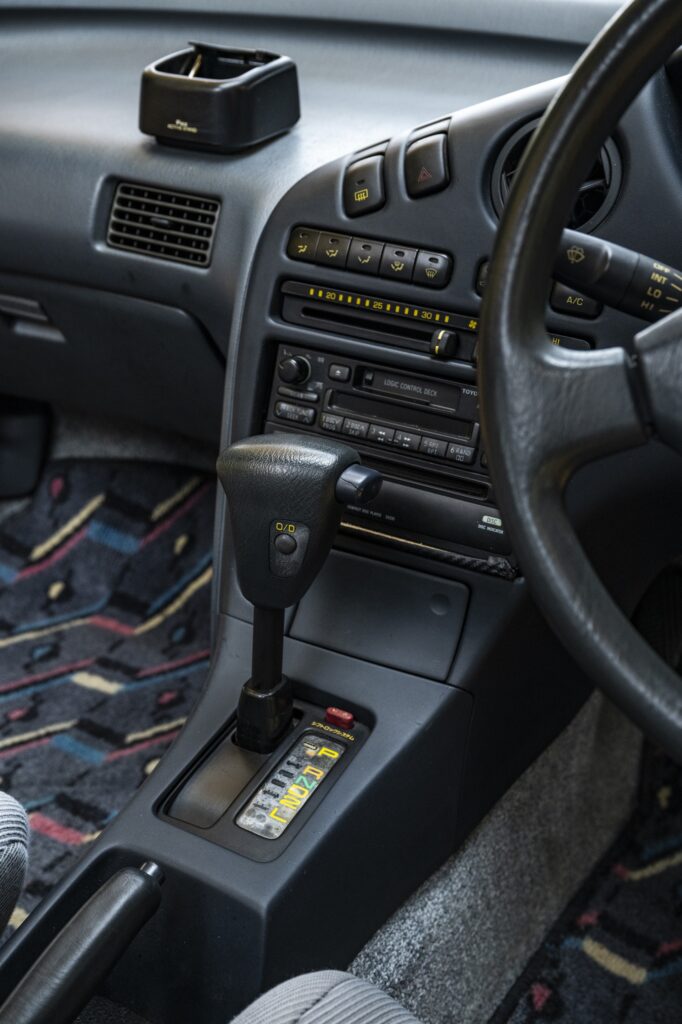
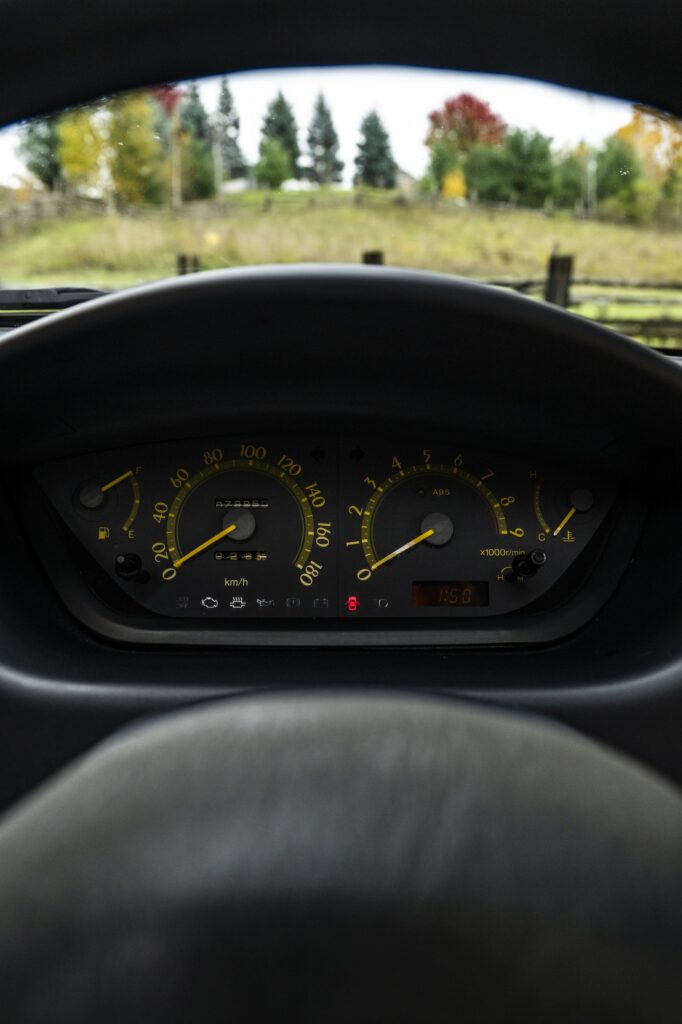
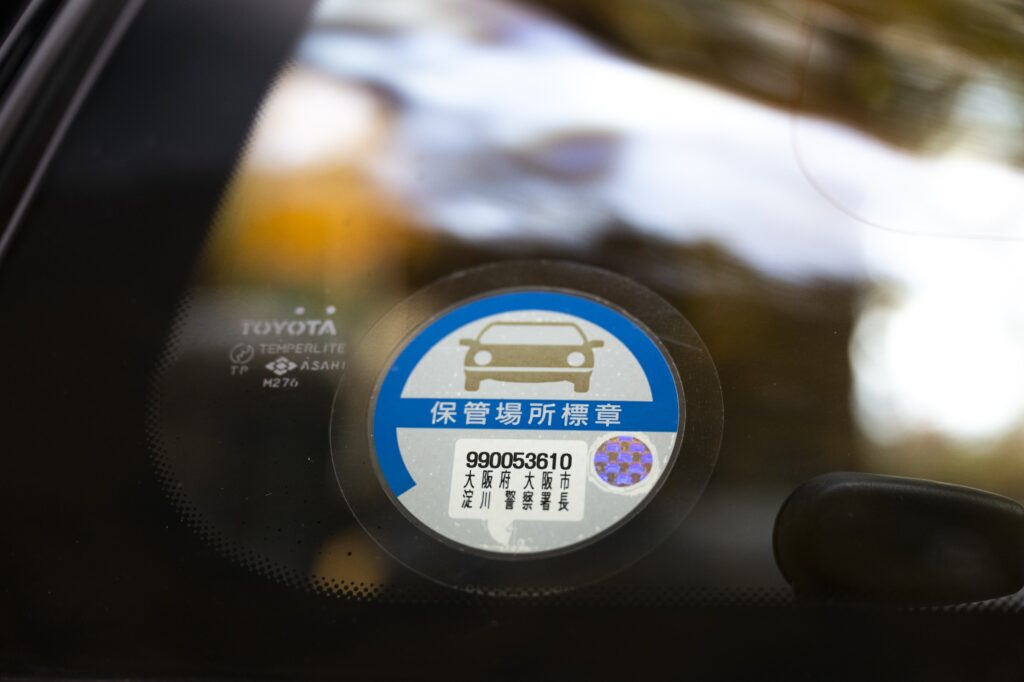
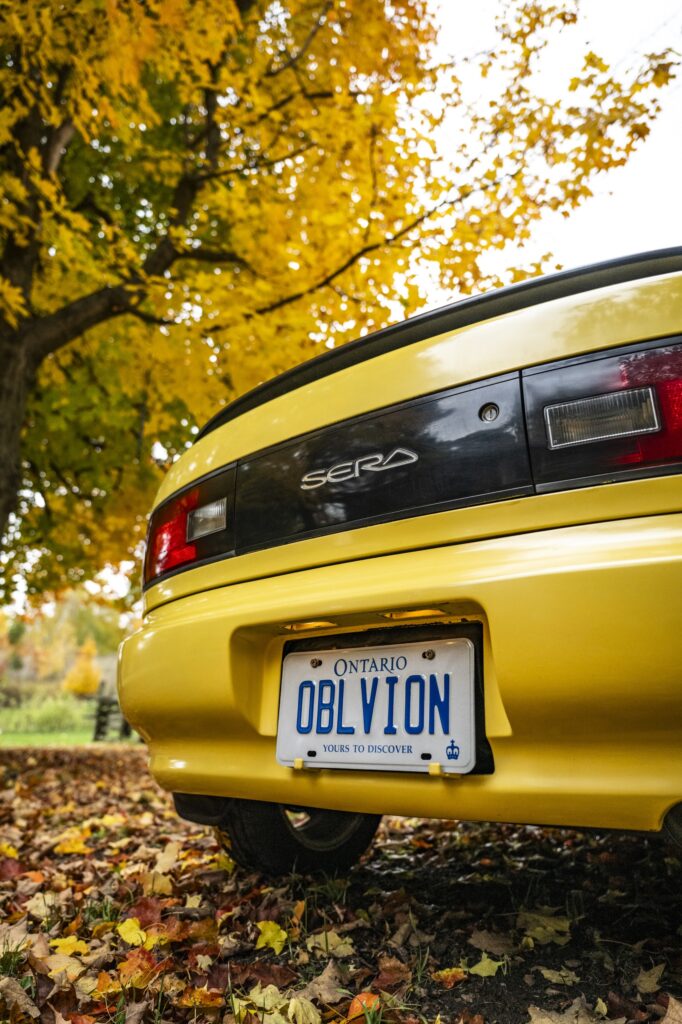
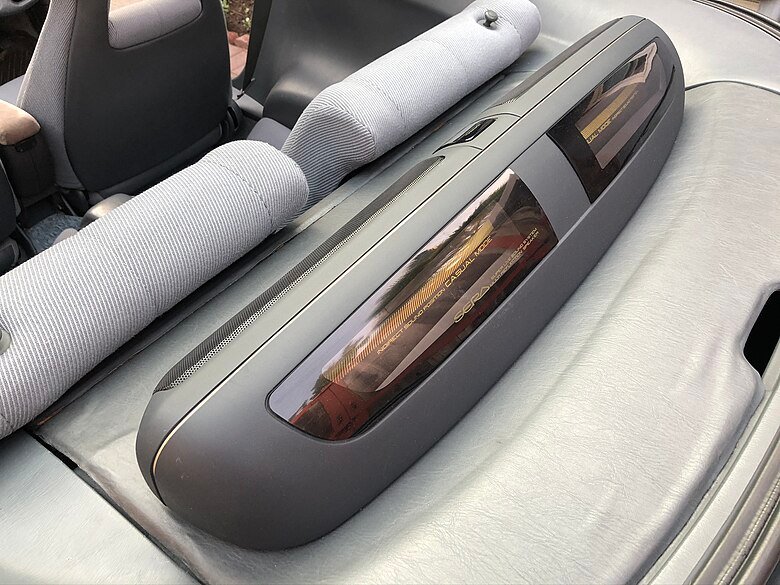
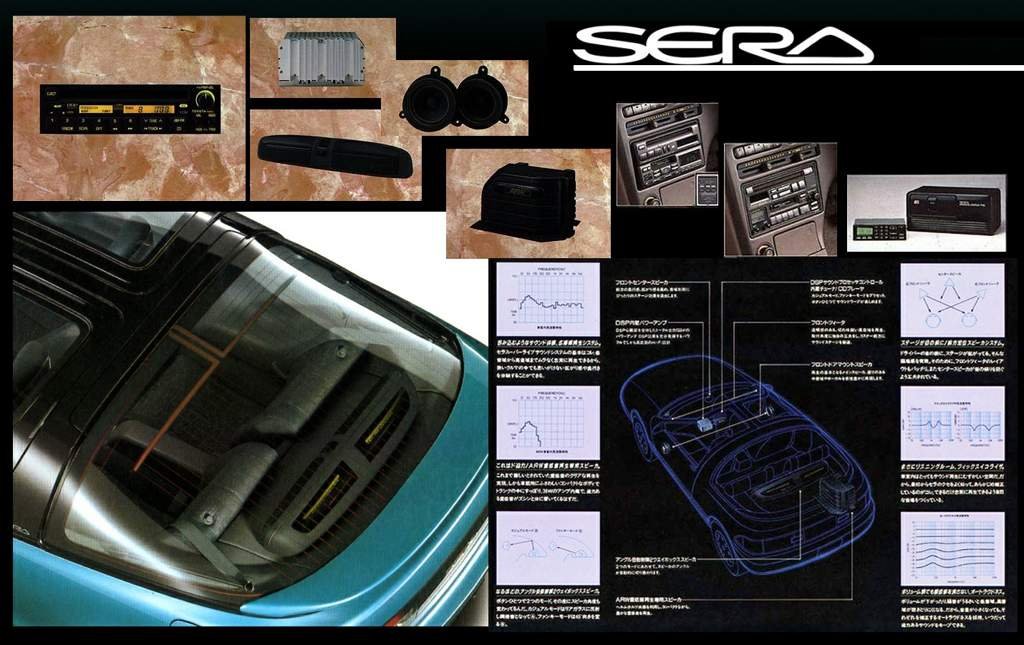
One of the most notable optional features was the Super-Live Sound System (SLSS). This advanced 10-speaker audio system incorporated acoustic resonance woofers (ARWs) and a newly developed digital signal processor (DSP), offering a premium auditory experience that incorporated the rear hatch glass to direct/reflect and sound allowing you change from Casual Mode to Funky Mode via the head unit. Other factory options included a choice of two air freshening/cleaning systems – with the equally as alluring names of CleanAce or Air Fantasy – as well as fog lights, decals and other wheel options.
Underneath its bubble era hood, the Toyota Sera was powered by a 1.5-liter (1,496-cc) inline-four 5E-FHE engine. This 16-valve, dual overhead cam engine was the largest capacity version of Toyota’s E-series engines, also found in models like the Paseo and Starlet. It produced a respectable 104 hp and 97 lb of torque. This engine is installed in a front-mount, front-wheel-drive transverse configuration with electronic fuel injection.
The Sera offered buyers a choice of transmissions: a Toyota A242L 4-speed automatic or a Toyota C155 5-speed manual. All versions came equipped with power-assisted steering and brakes.
With its Tercel-esque underpinnings (Torsion rear axle and MacPherson struts in the front), the Sera’s suspension was designed for “sharp and swift driving,” and for those who truly embraced the then-new technology, the anti-lock braking system (ABS) was an optional extra that this example is equipped with.
Despite its undeniable charisma that would have had it seen sold globally, the Sera was a JDM exclusive, produced from 1990 to 1995, with a mere 15,852 units gracing the roads of Japan. This exclusivity only added to its mystique. Today it feels like the automotive equivalent of a rare, imported candy only available in specialty stores – a delightful treat that makes you feel like you are in on a secret.
The American motoring press did love the Sera, and praised its innovative design and futuristic features. But alas, the complexities of U.S. collision safety and standards meant the Sera never officially made it there, or here in Canada. Like a few other Japanese dreams, it was simply too unique, too wonderfully weird, to be easily domesticated. However, thanks to the 25-year import rule, some have managed to bring these right-hand-drive beauties to North America, instead of importing a Skyline or Soarer. These are the true connoisseurs of automotive eccentricity, the ones who understand that a car isn’t just about getting from A to B, but about the journey, the style and the sheer joy of driving something that makes people stop, stare and ask, “What is that thing?”
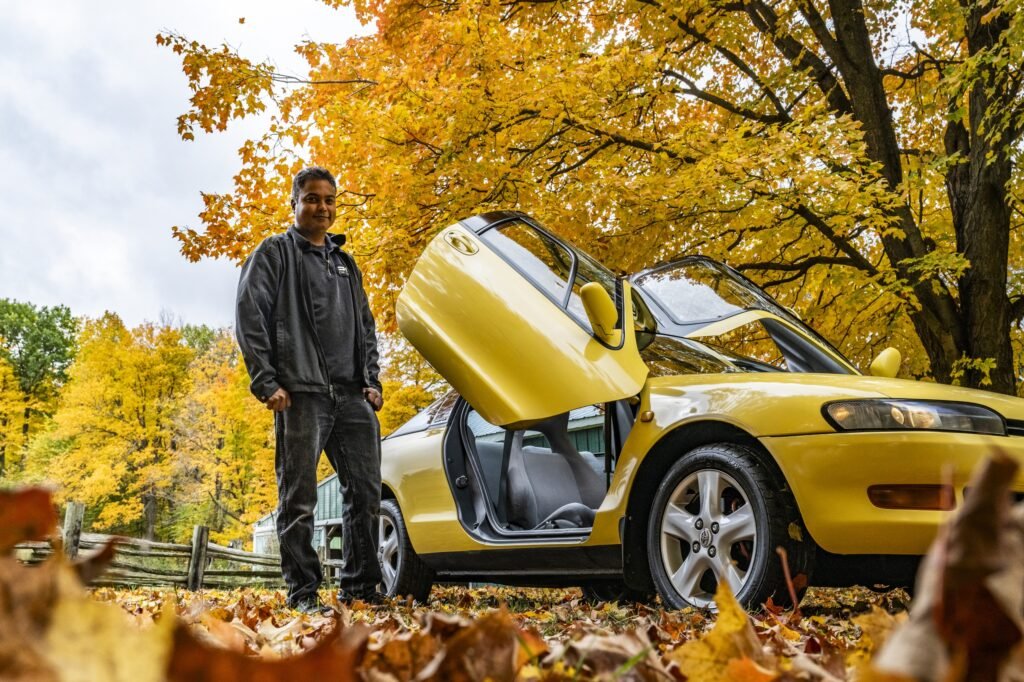
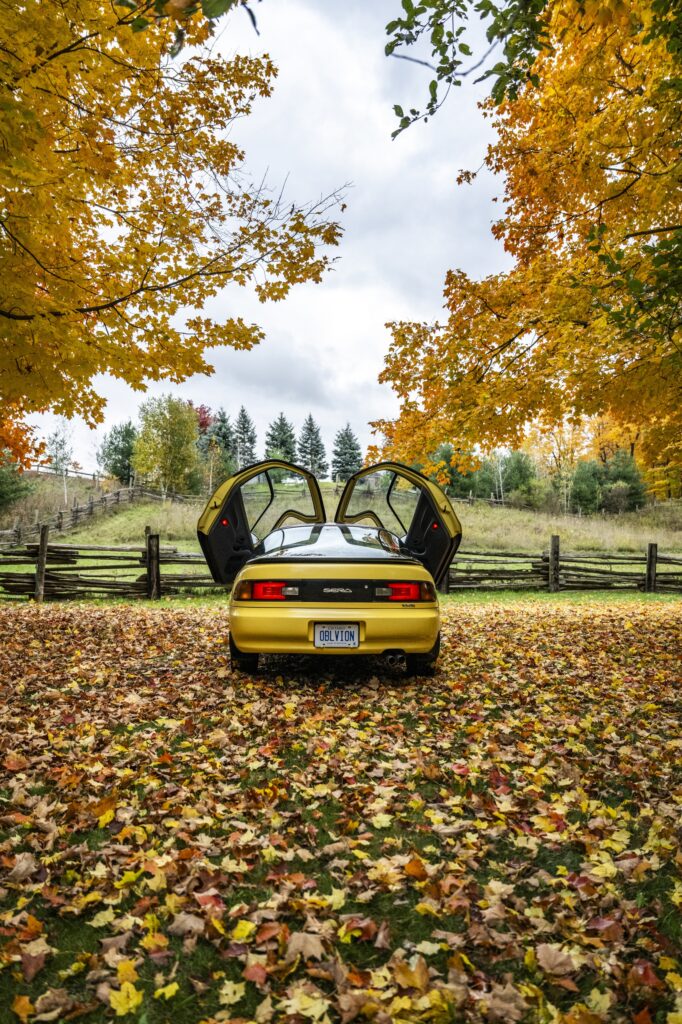
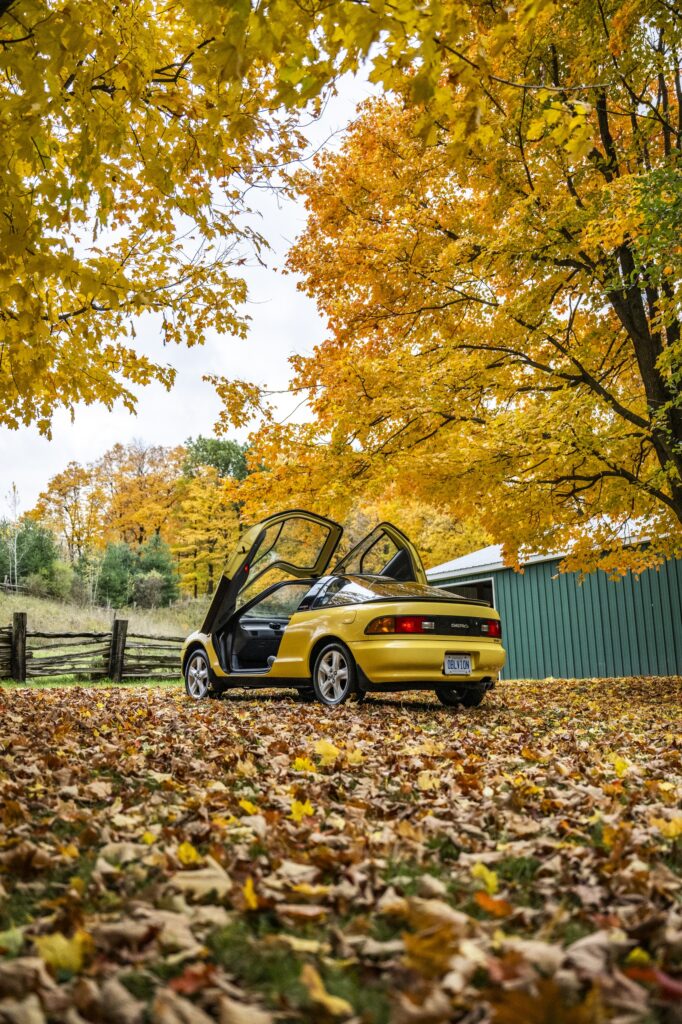
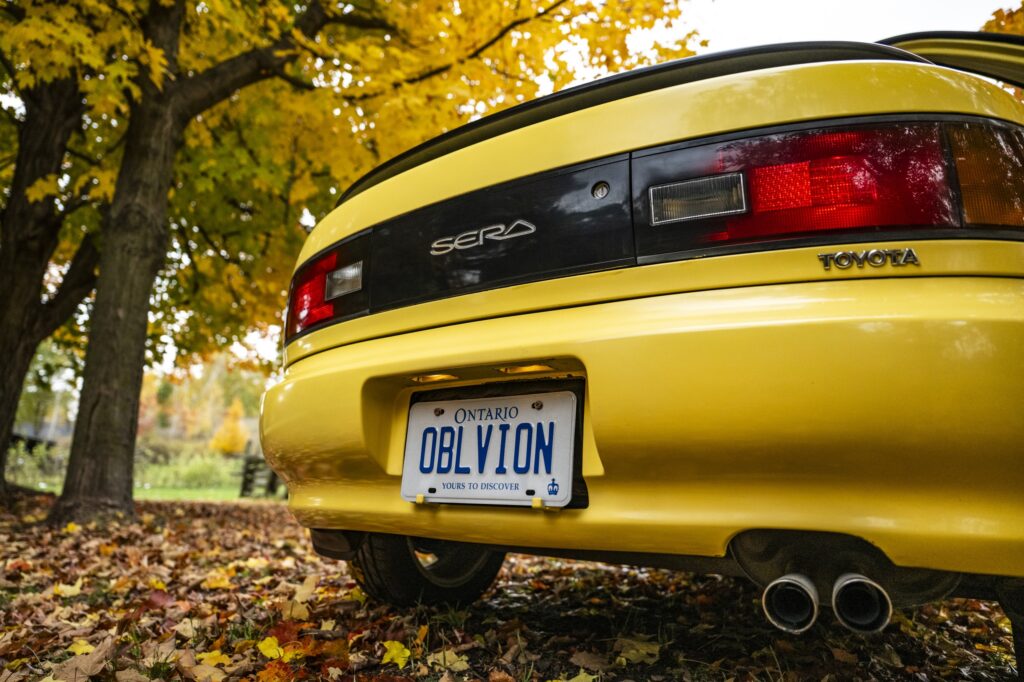
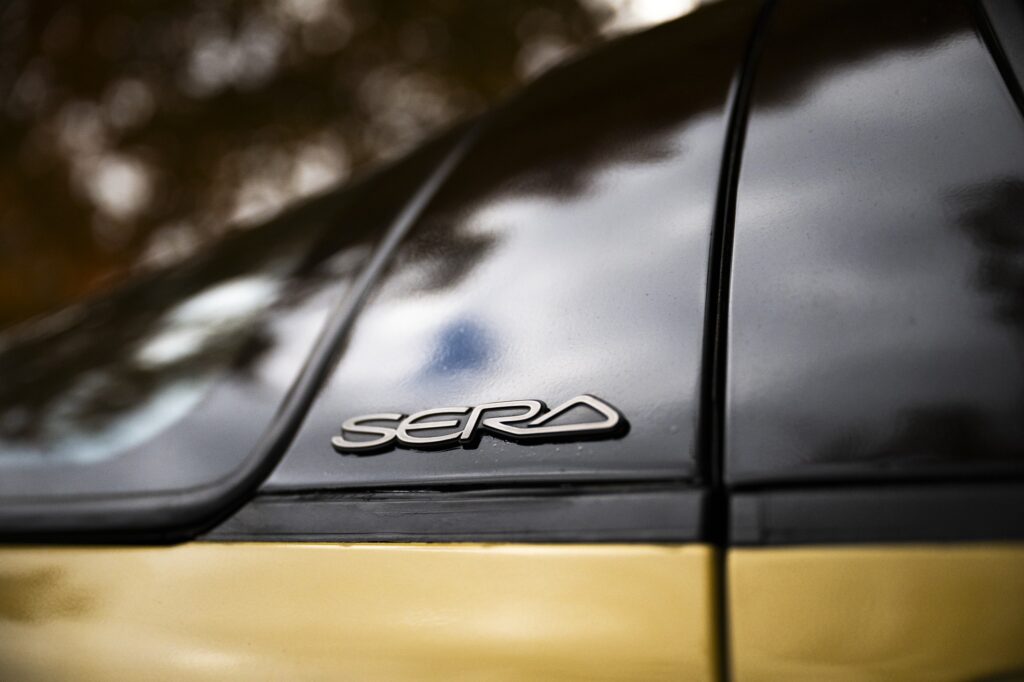
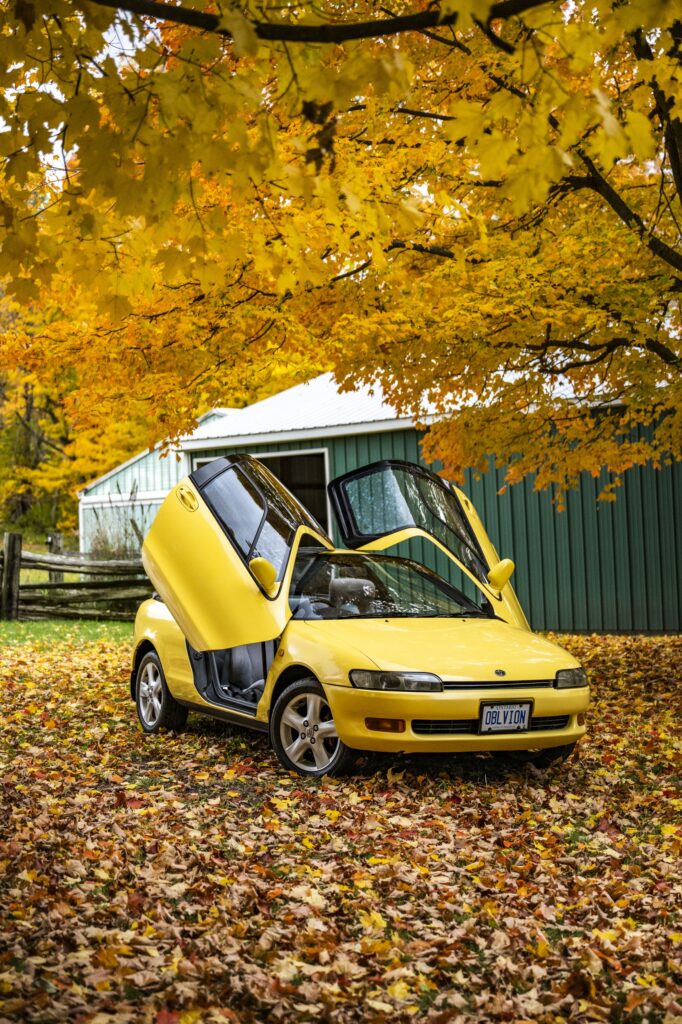
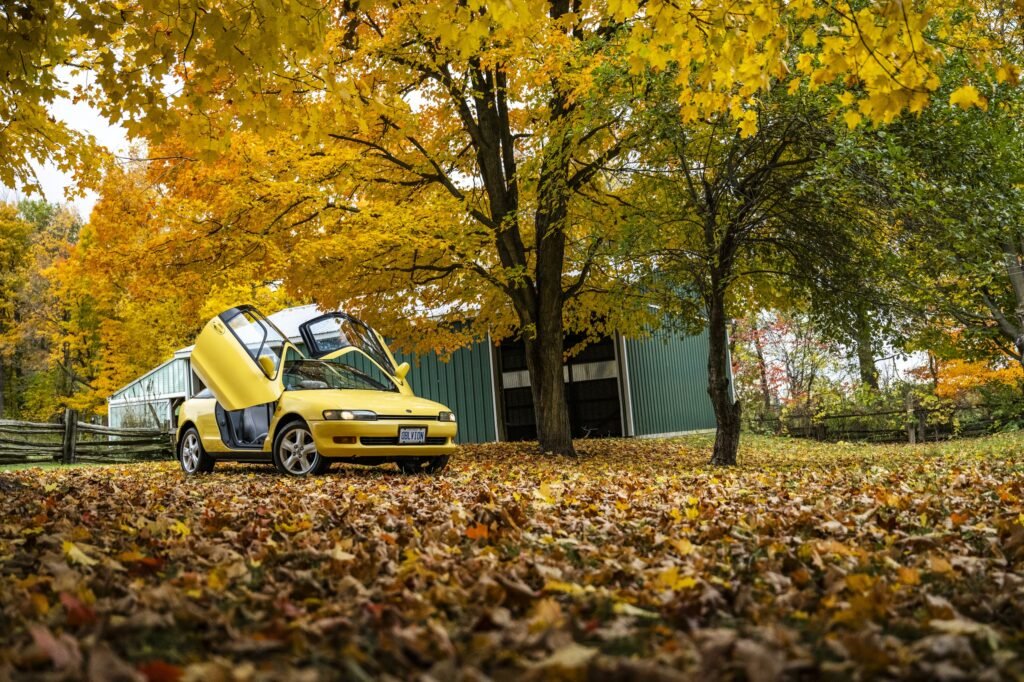
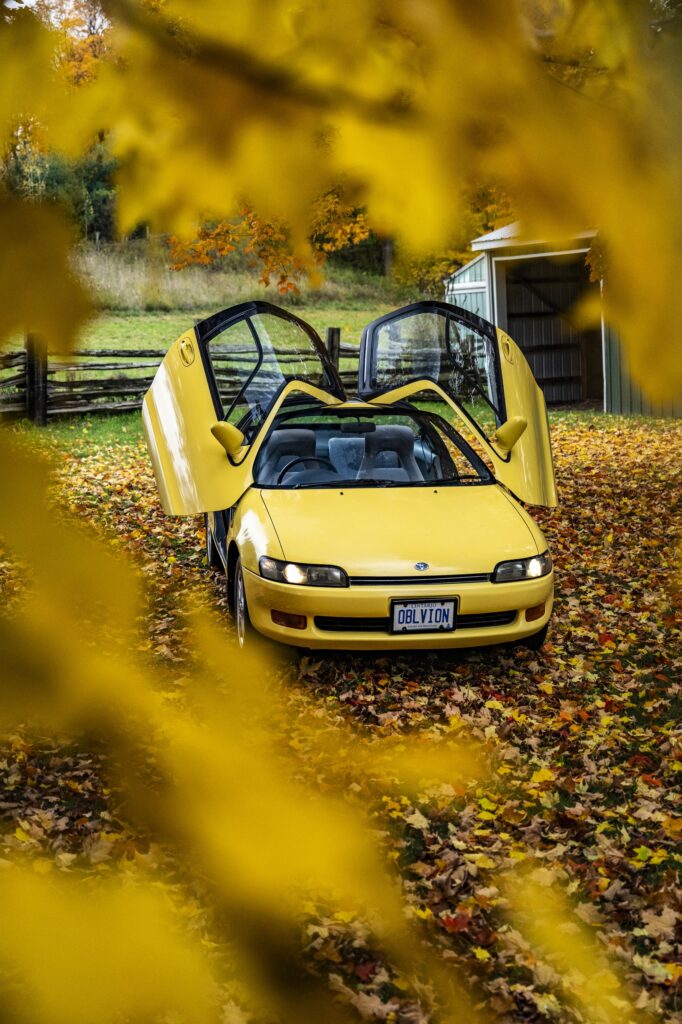
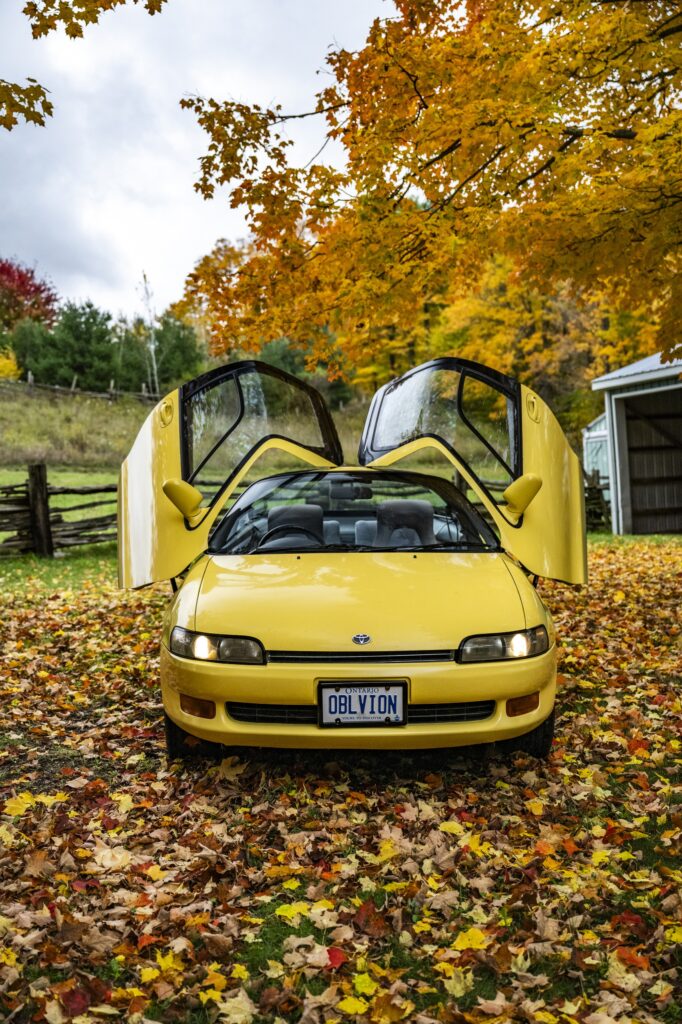
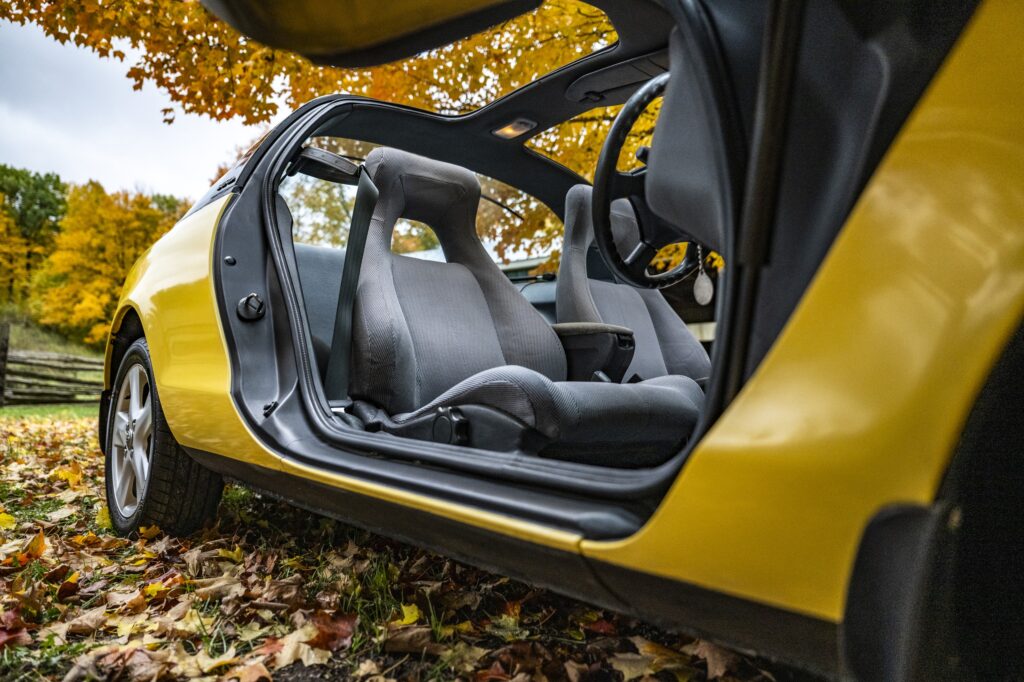
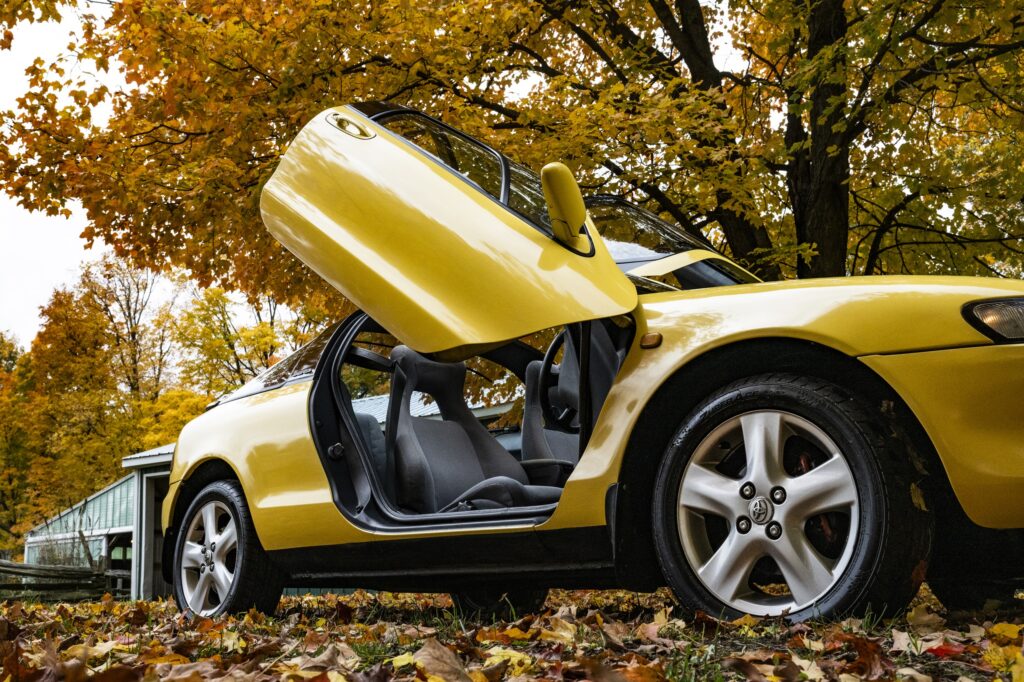
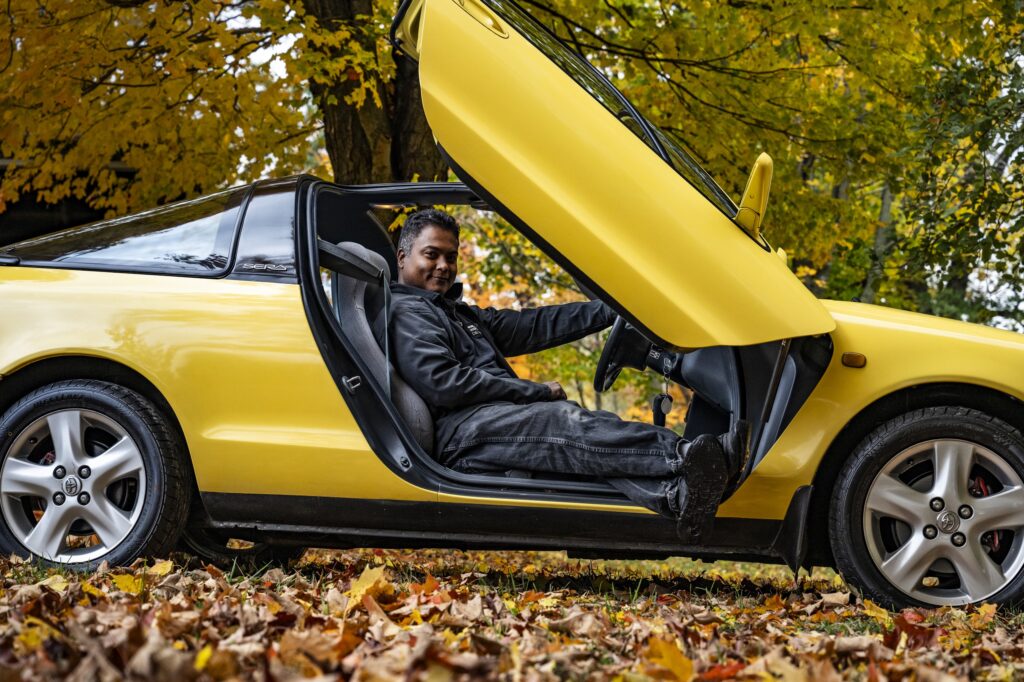
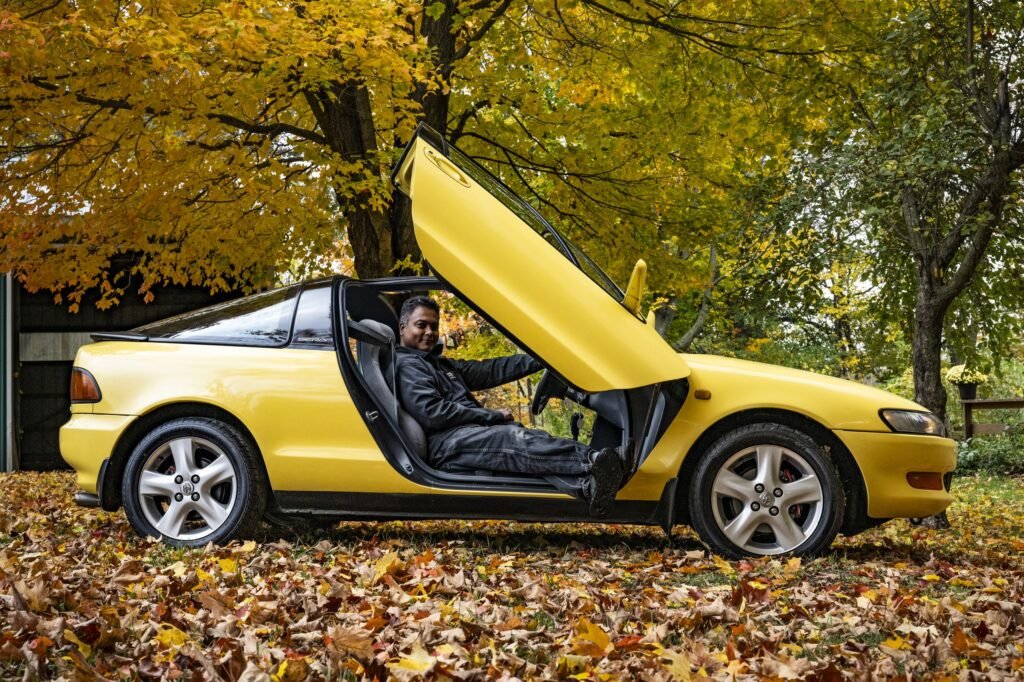
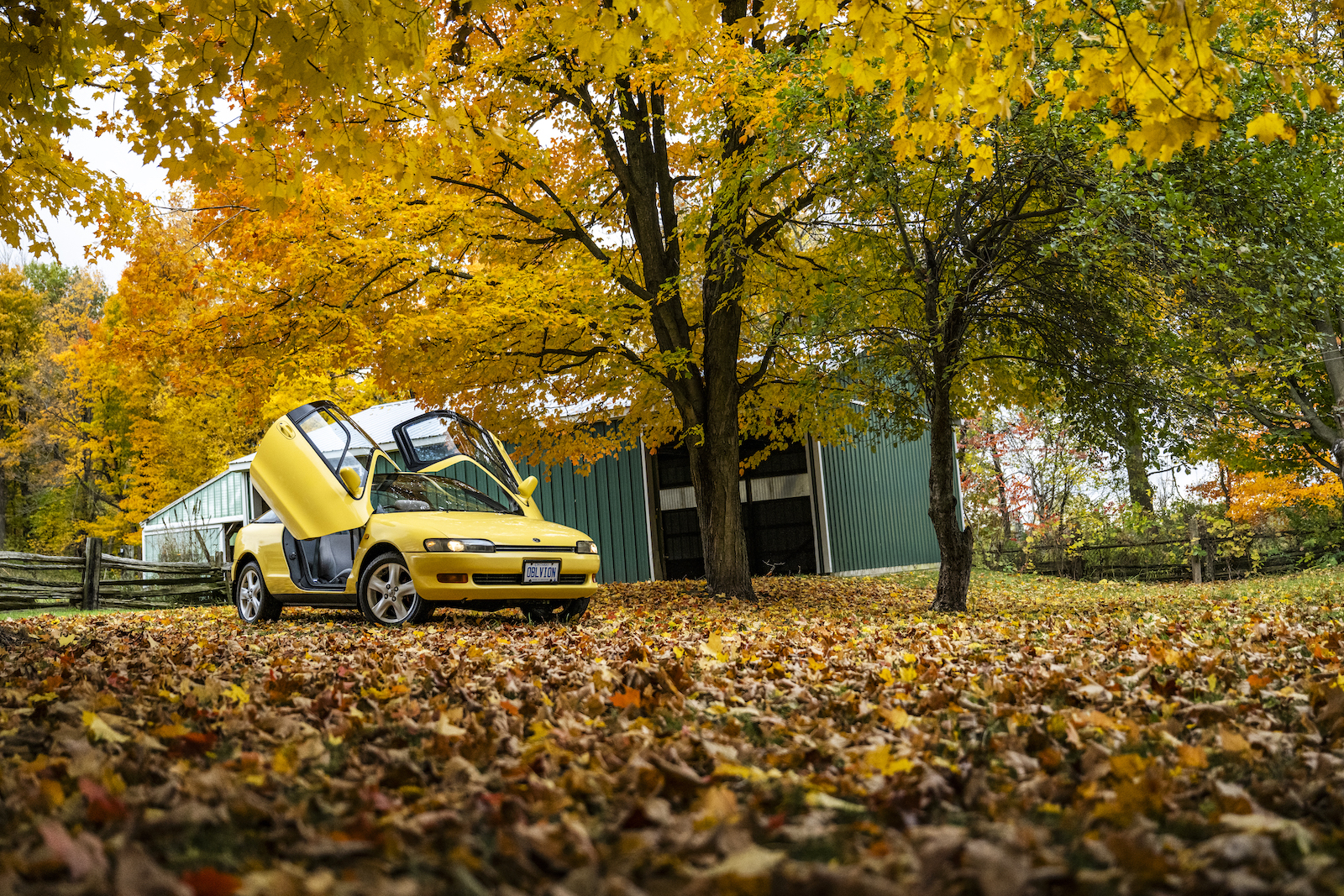
With a love for many things with odd doors, I felt the Sera seemed like the perfect accessory to DeLorean life. After years of looking for one – and a trip to Japan where we failed to buy, drive or even find one – we located our Sera on Facebook Marketplace, just three hours north of Toronto. The seller assured us it was drivable, but to play it safe we brought a U-Haul trailer on the back of the OBLIVION Suburban. (Even though it meant losing all negotiation power, it was good that we did, because the car turned out to have a blown brake master cylinder.) We got it back home late that night, and after removing the tacky carbon-fibre-look stripe, aftermarket CD player with Bruce Springsteen’s greatest hits stuck in it on loop and incorrect wheels, we found it was a nice, rust-free, original 78,000-km car.
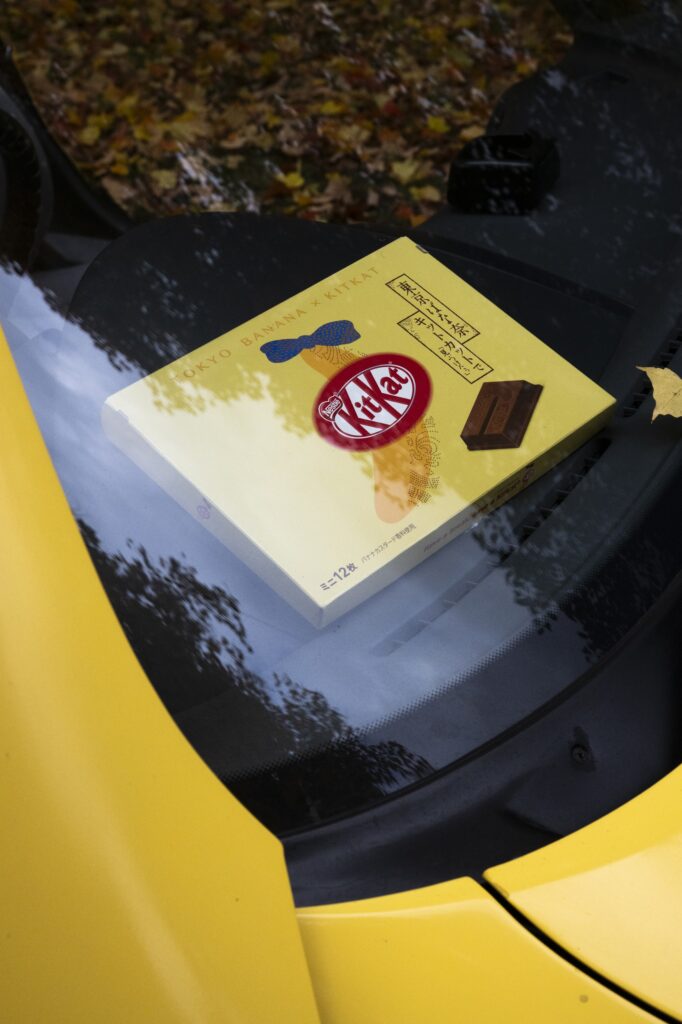
Some parts proved to be very challenging to find, but after some basic maintenance including timing belt, brakes, a 90s OEM Toyota cassette and CD player, a style-fitting set of 15-inch Toyota rims and tires for that “OEM plus” look, we were ready to roll. The car’s striking yellow paint is not original – it was born in the most boring of shades possible: dark grey mica. But someone in Japan chose to have it sprayed in this shade, which we feel suits it perfectly and my wife has affectionately named “Tokyo Banana” after the custard-filled sponge cake treat sold to tourists, mostly at the train stations and the airport in Tokyo. We keep a box of the Kit-Kat version in the car at all times.
The Sera, in all its glass-domed, butterfly-doored glory, remains a testament to a time when car manufacturers dared to dream big, even if those dreams were a little bit bonkers. It’s a car that reminds us that sometimes the most memorable vehicles are the ones that refuse to conform, the ones that embrace their inner weirdness and make every drive feel like a grand entrance – a perfect fit for us here in OBLIVION.
Justin Sookraj is the founder of OBLIVION Car and Culture Show and owner of Wells Auto.