
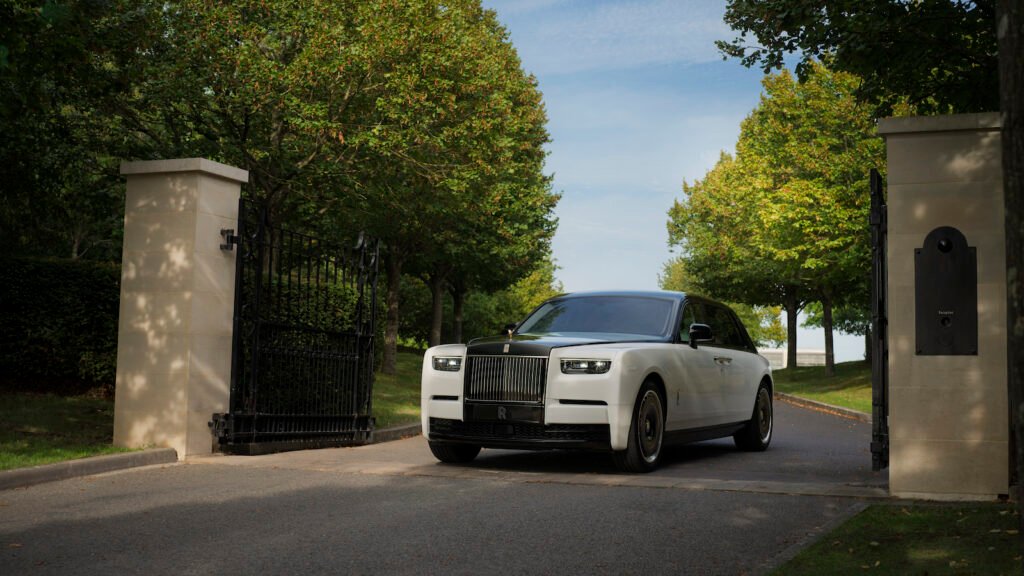
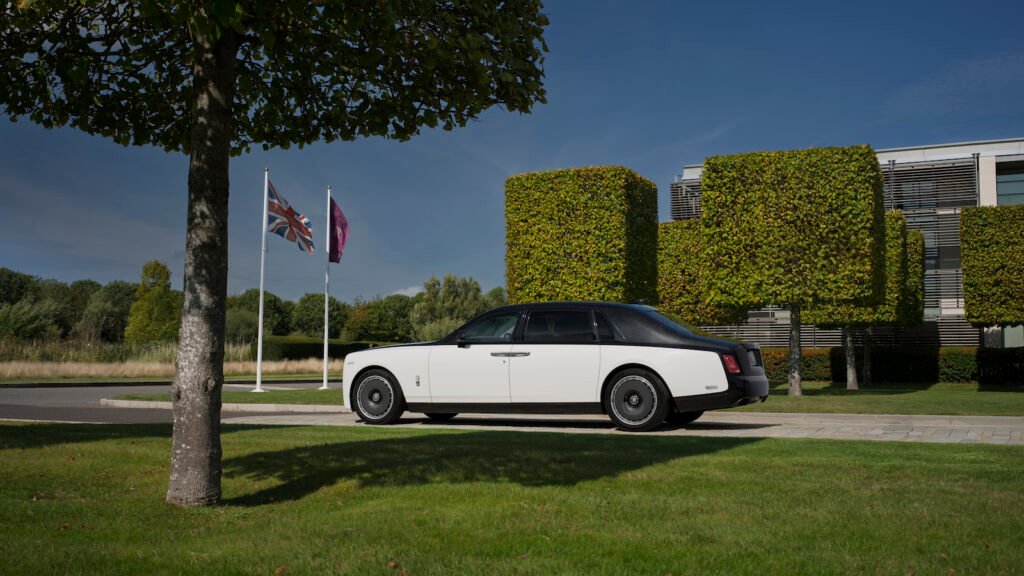
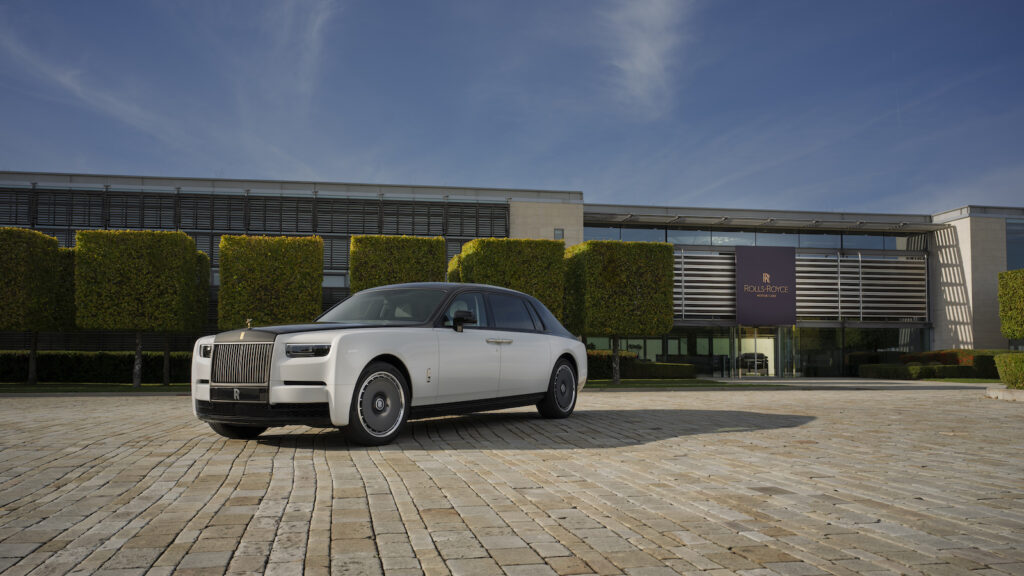
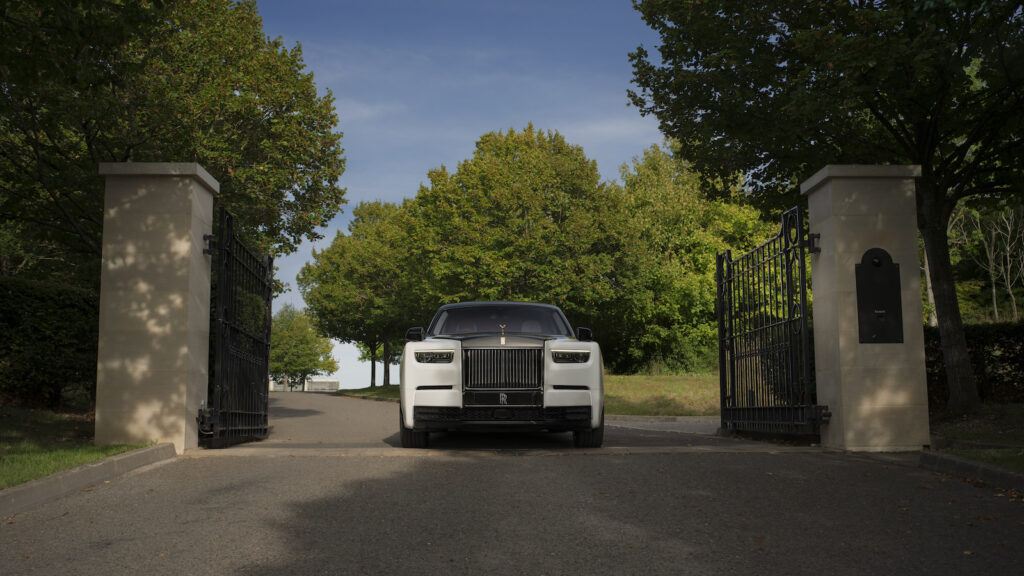
The Rolls-Royce Phantom marks its 100th anniversary with the Phantom Centenary Private Collection, a limited run of just 25 motor cars celebrating a century of unrivalled luxury, craftsmanship and cultural influence. Developed by Rolls-Royce’s Bespoke Collective, the model integrates new artistic techniques, intricate embroidery, precious materials and historical motifs that reflect the Phantom’s enduring status as the flagship of the ultra-luxury automotive world. Autostrada’s Matt Bubbers uncovers the craft and gets behind the wheel.
A century is an unfathomably long time for anyone, or anything, to be at the absolute top of its game. Corporate dynasties might last a few decades, if they’re lucky, before being crushed by rivals. Entire countries and political movements have begun and failed in less than 100 years. Professional athletes might get 10 years at the top of their sport, if they’re lucky and manage to avoid ruinous injuries. And, sadly, most people don’t last 100 years, despite doing our utmost to rage against the dying of the light.
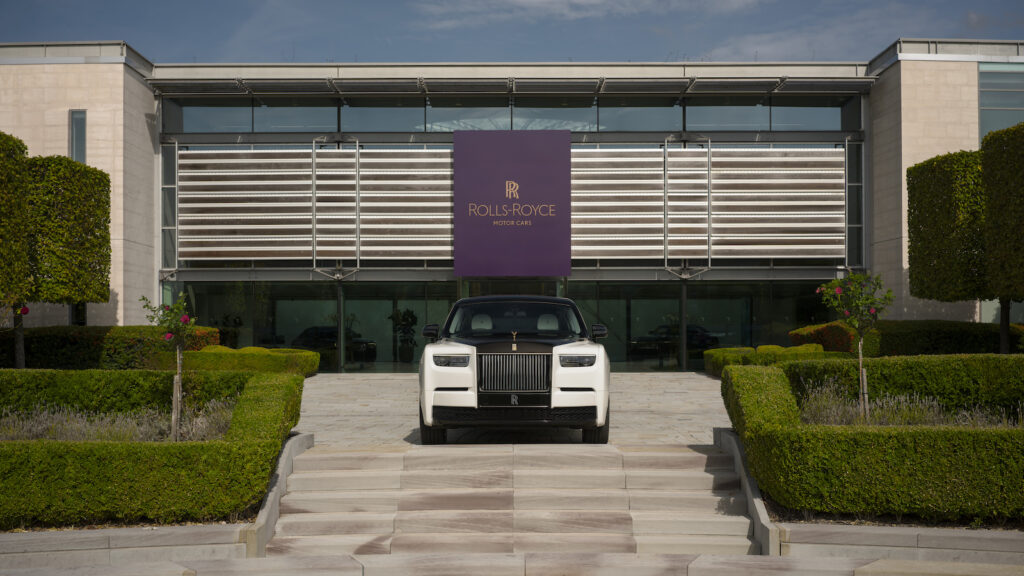
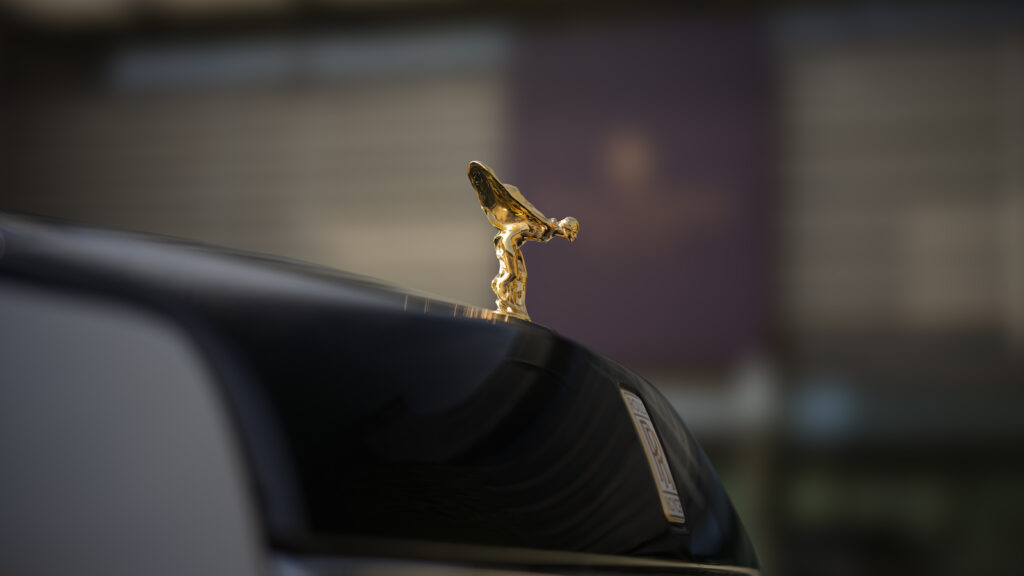
And yet, here is the Rolls-Royce Phantom — a mere automobile — which defied all odds and beat back all competition (if there ever really was any) to celebrate its 100th birthday, and by extension 100 years of being the absolute best damn car in the world. Today, 100 years in, it has no competitor, no equal.
If all the Phantoms of the world could talk, they would surely have some scandalous and spectacular stories to tell. Phantoms have shuttled kings and queens, oligarchs and executives, probably some gangsters and criminals, as well as celebrities, artists and musicians over the last century. But, if the Phantoms know the secrets of all those they have carried over the years, they’re not telling.
Driving Her Majesty
I was lucky enough to drive (and be driven in) the current iteration of the Phantom, the Queen Bee of the automotive kingdom. We paraded down the streets of Monaco, where jealous millionaires cast side-eye glances our way. Tourists craned their necks to catch a glimpse of whichever celebrity or royal or new-money magnate might be inside. I piloted the Phantom around the French Riviera under azure skies; we caressed across the serpentine roads that connect the ocean to Alpine peaks, and — later — sipped Champagne in the back seats as our chauffeur drove us back to a hotel overlooking the port.
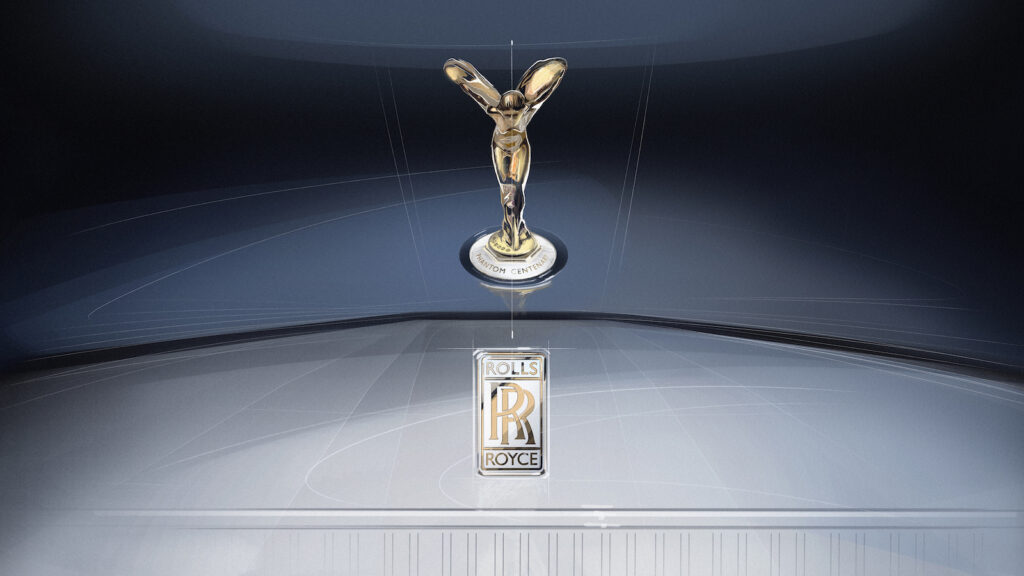
Despite the fact I get to drive many, many cars thanks to this peculiar job writing about the car business, the Phantom experience still sticks with me. I remember feeling serene, untouchable in the cabin. The ride was so incredibly smooth as to be unremarkable; it was like there was no road underneath us at all. Turning the steering wheel took just fingertip pressure, barely more effort than brushing away a feather, despite the fact this rolling palace tips the scales at 2.5 tonnes. The engine? It didn’t matter. When power was needed, power was delivered, instantly and apparently without effort. Out front, the company’s Spirit of Ecstasy mascot — yes, that’s really what Rolls-Royce calls its flying lady statue — led the way. From the driver’s seat, she looked so far away, perched at the end of the Phantom’s long hood. Looking in the rearview mirror, the back seats seemed like they were on the other side of a room. The leather-clad cabin was so silent that the outside world seemed to recede ever so slightly, making the world feel small enough that one might begin to think it could be mastered. As I’ve written before, everything else looks small when you’re in Rolls-Royce’s flagship sedan, which in turn makes one feel big, and — if we’re being really honest — that’s precisely the point of owning such an impressively large automobile.
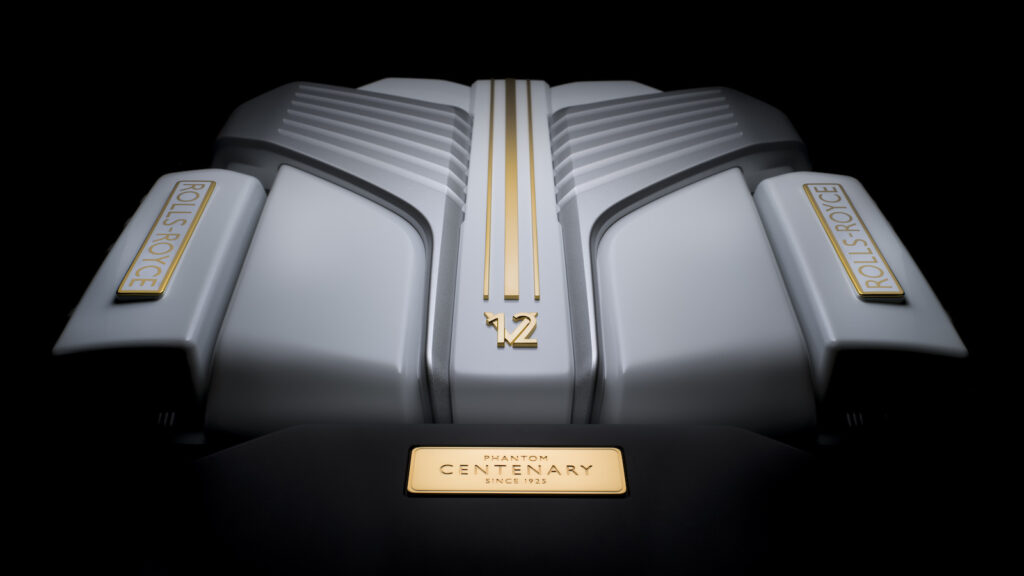
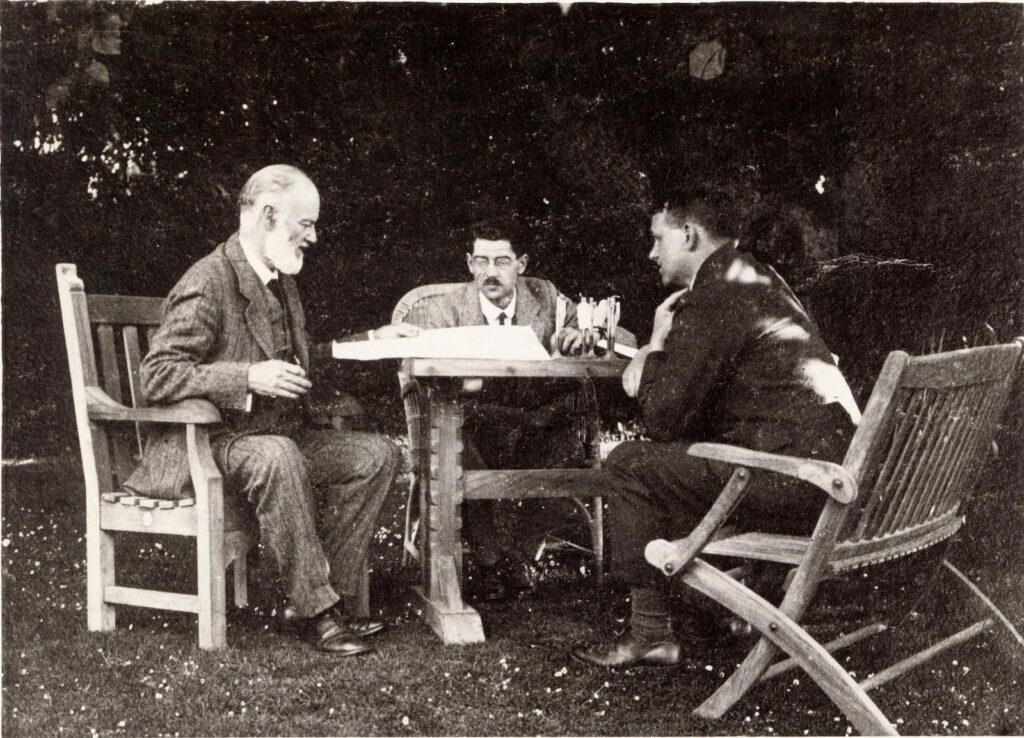
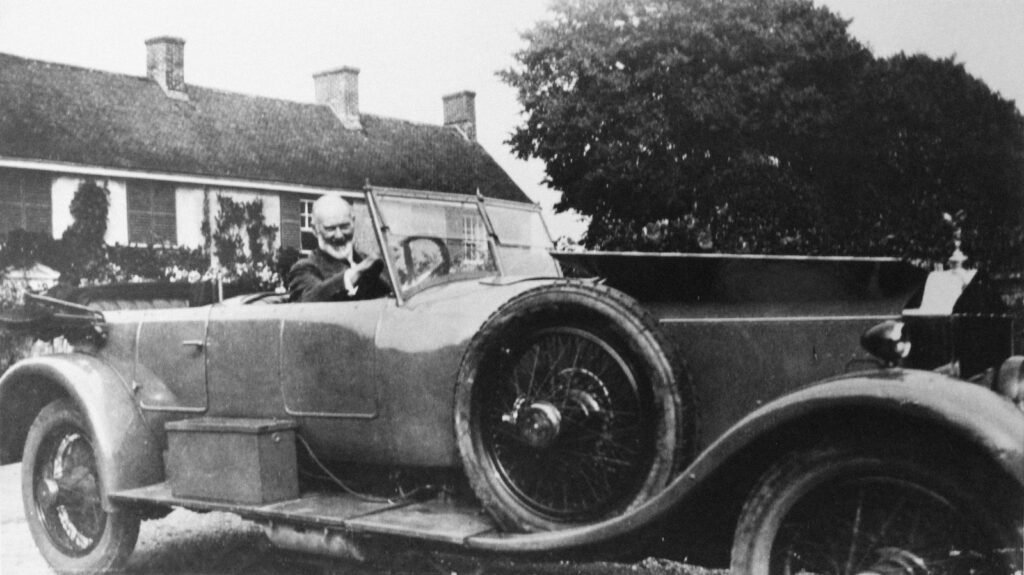
How do you celebrate something like that? Who do you turn to? Who do you possibly commission?
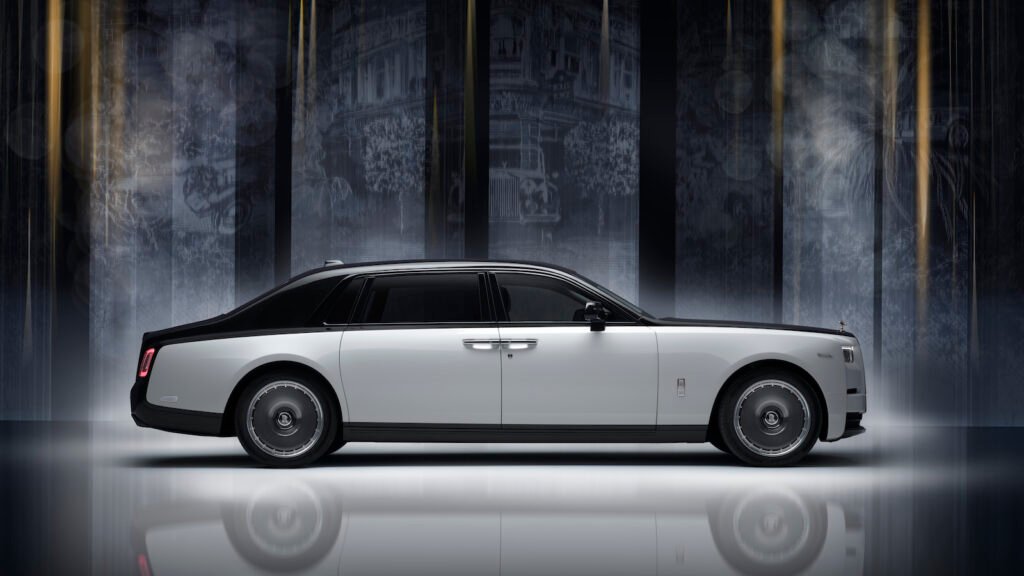
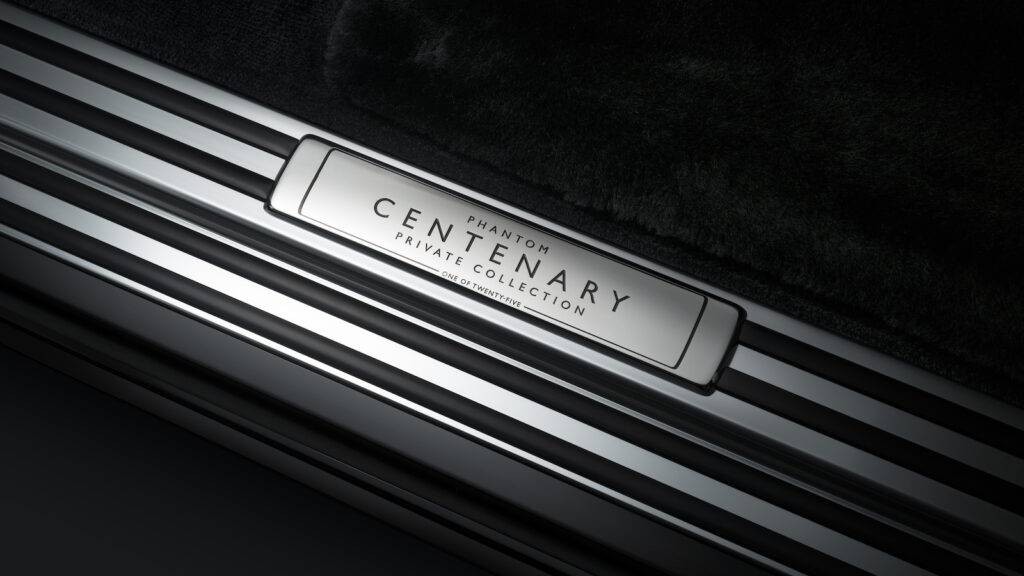
The answer, of course, is yourself. Only Rolls-Royce and its artisans could properly celebrate the Phantom. They did so over the course of several years, working on the car you see here, the Phantom Centenary, a Private Collection limited to 25 examples with a price tag of God knows what.
The Centenary, According to Rolls-Royce’s Designers and Artisans
Domagoj Dukec, the company’s new-ish Director of Design, oversaw the project as one of his first duties at Rolls-Royce.
“With Phantom Centenary, my Bespoke design team worked tirelessly alongside historians for one year, immersed in Phantom’s remarkable story and uncovering the moments that helped shape its legend,” Dukec wrote.
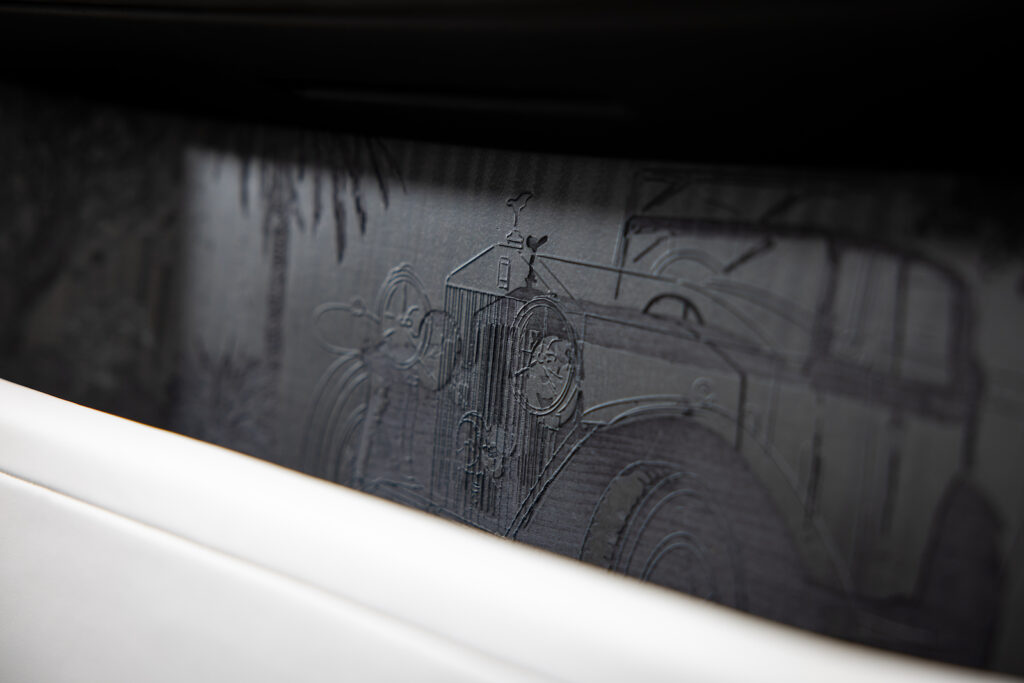
“Our next challenge was to translate this research into a contemporary work of art worthy of Phantom’s 100-year celebration. This came to life through 77 hand-sketched motifs woven throughout the motor car, each capturing a defining moment in Phantom’s history.”
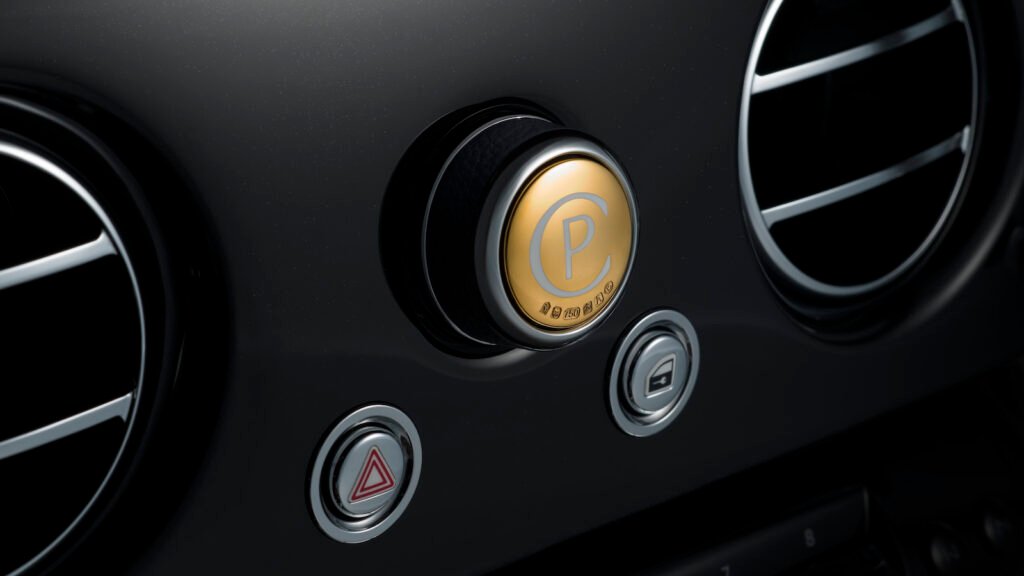
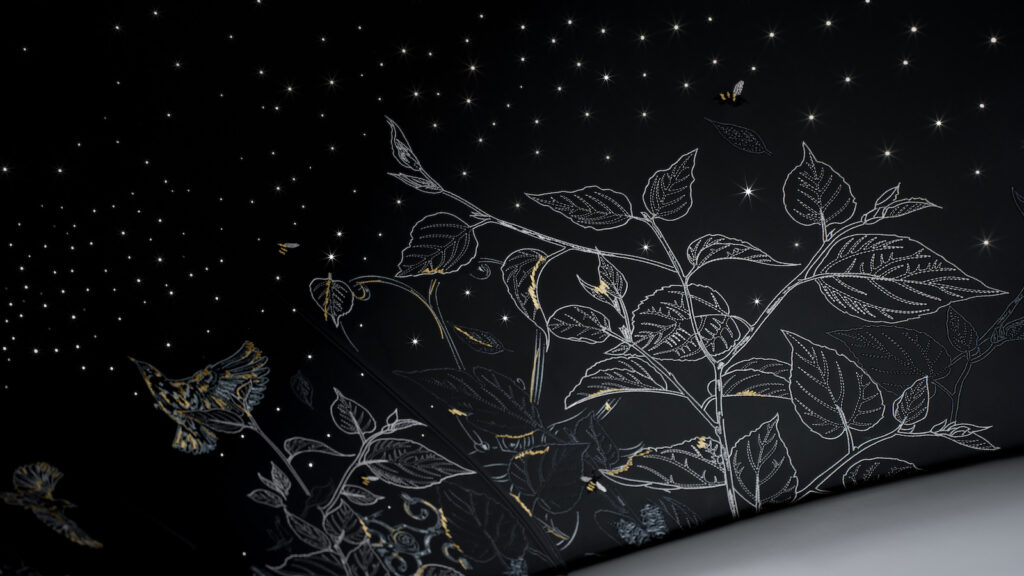
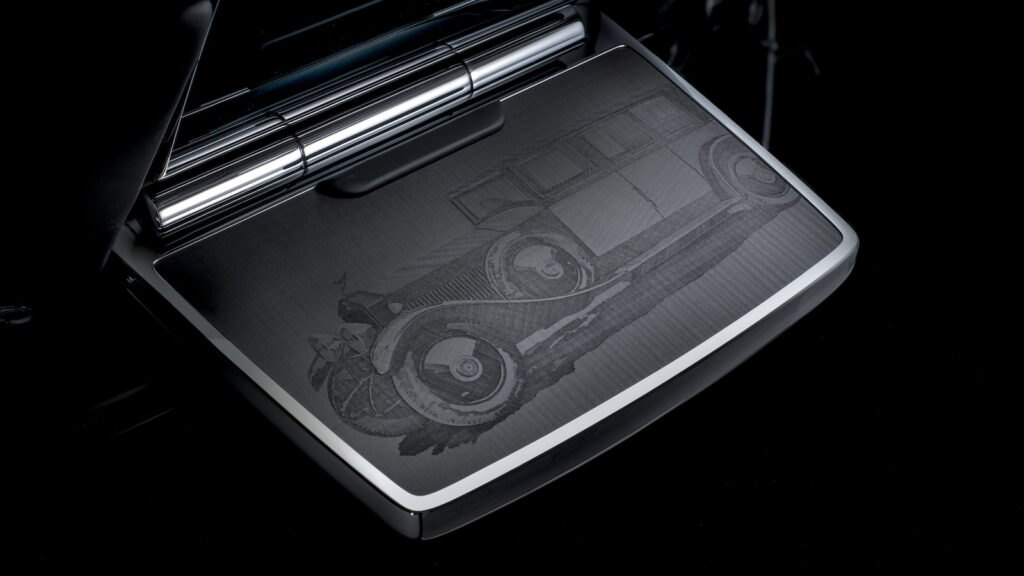
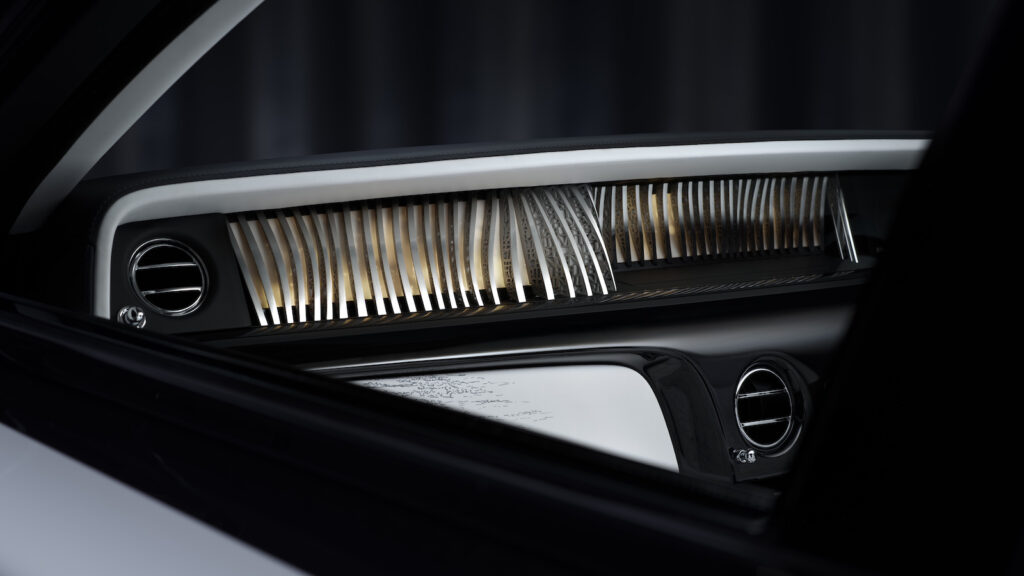
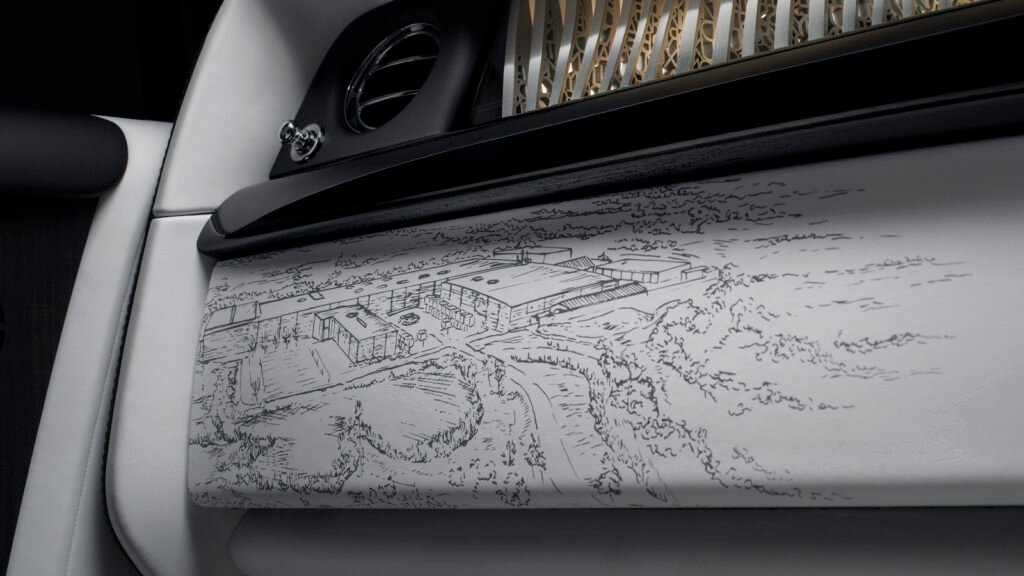
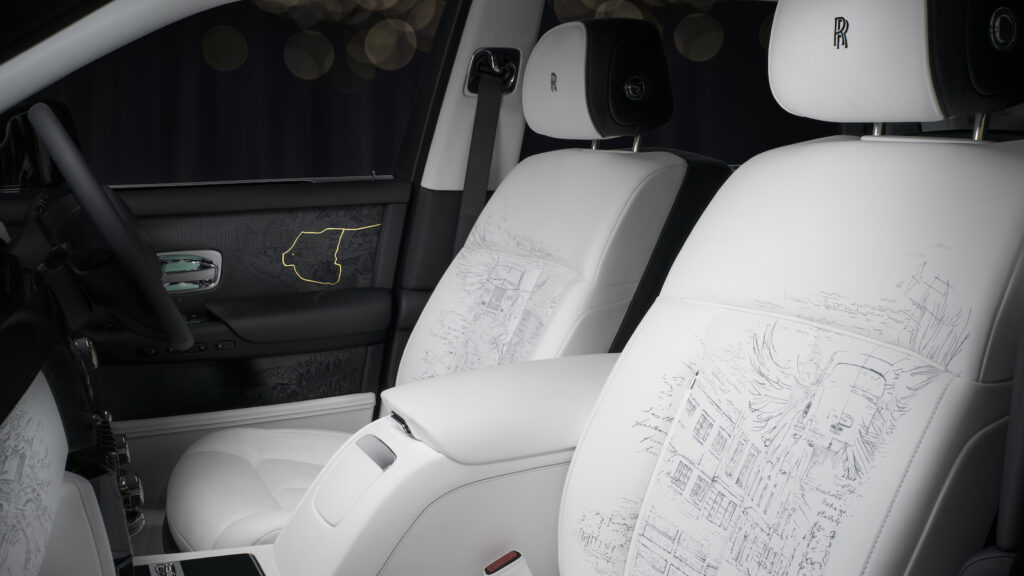
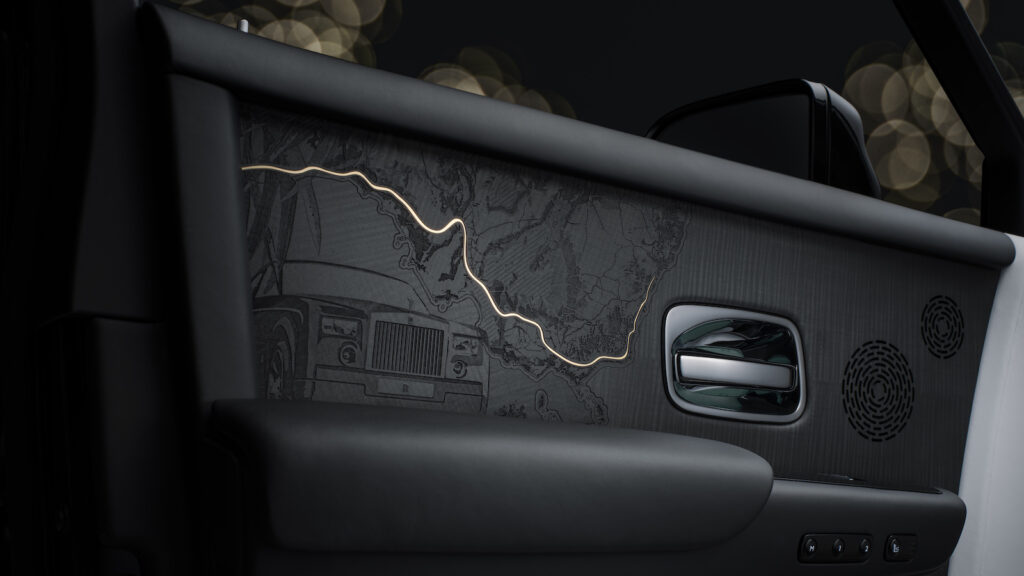
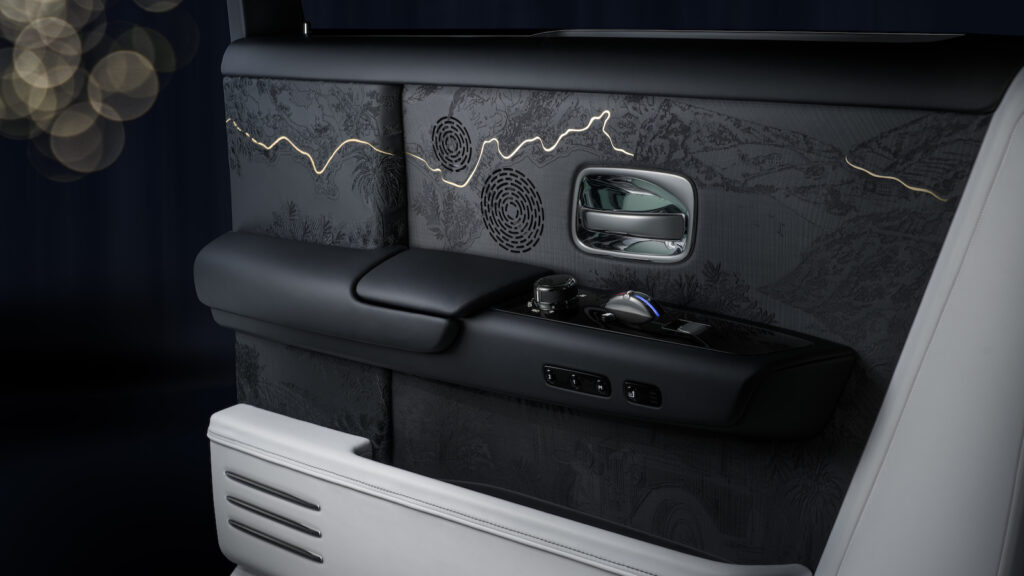
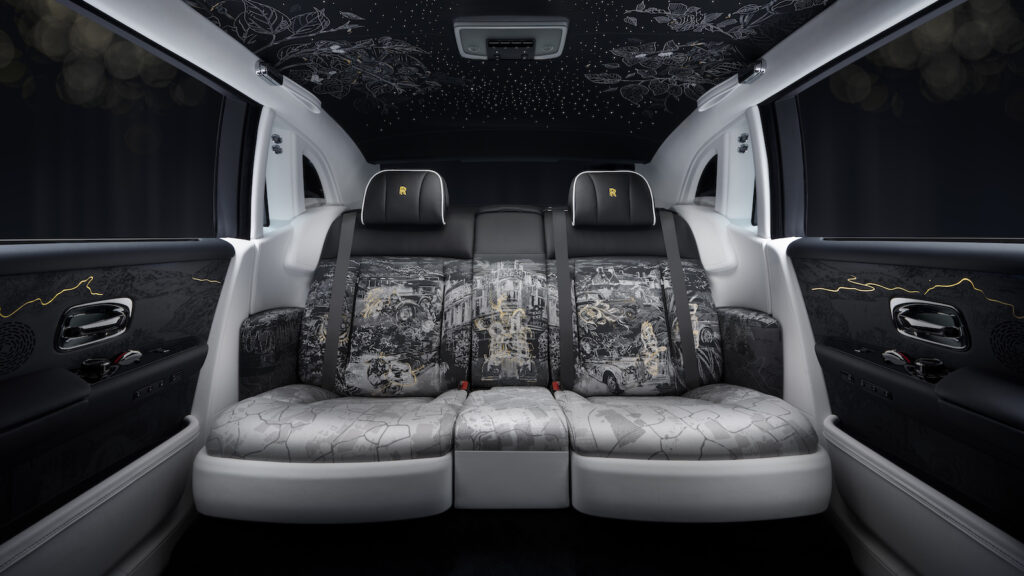
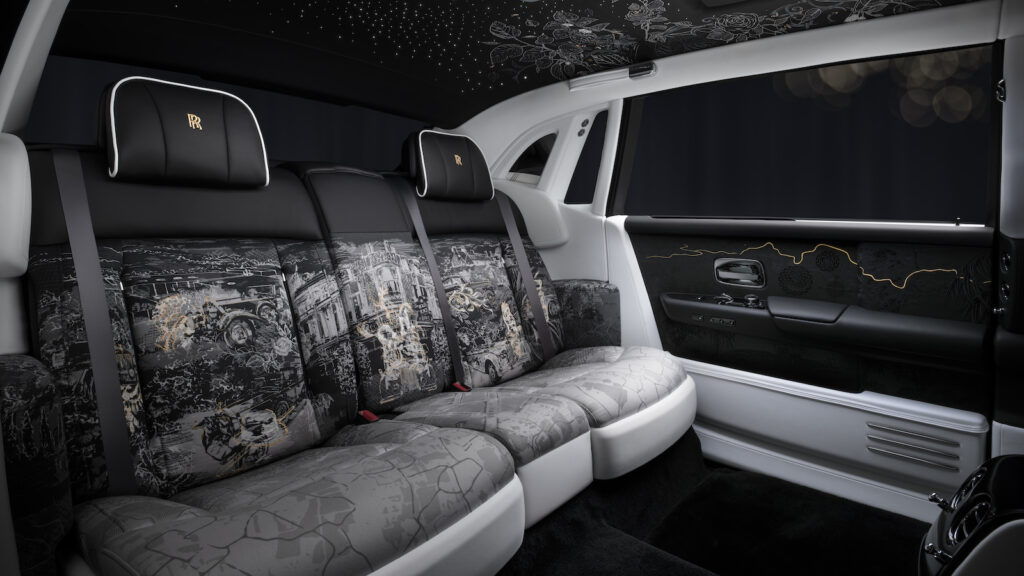
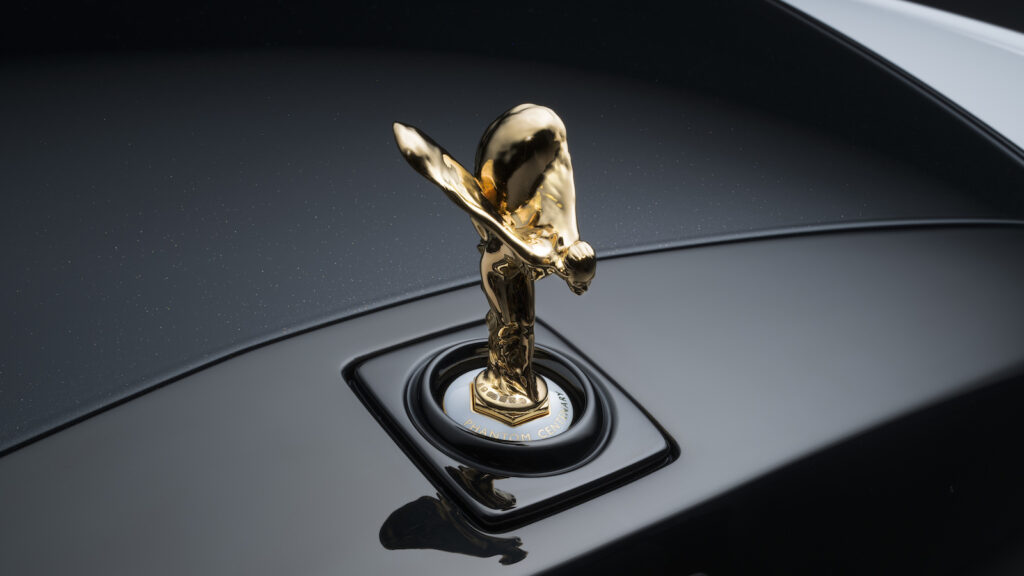
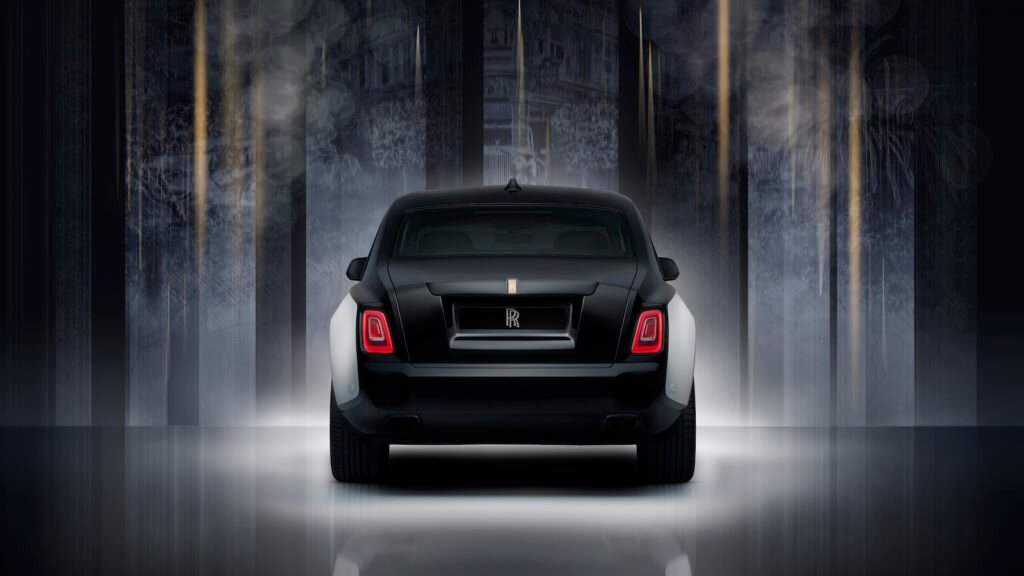
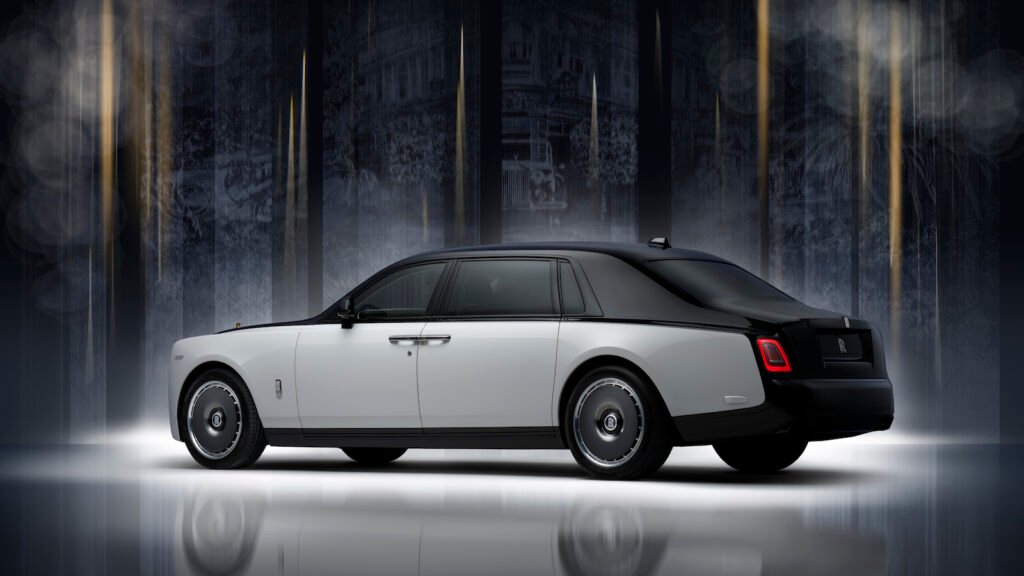
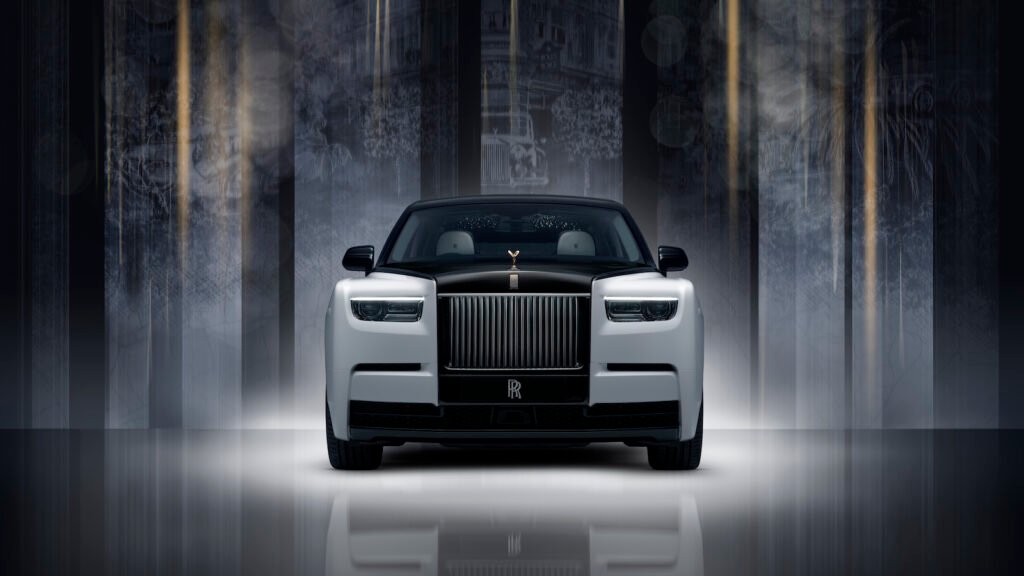
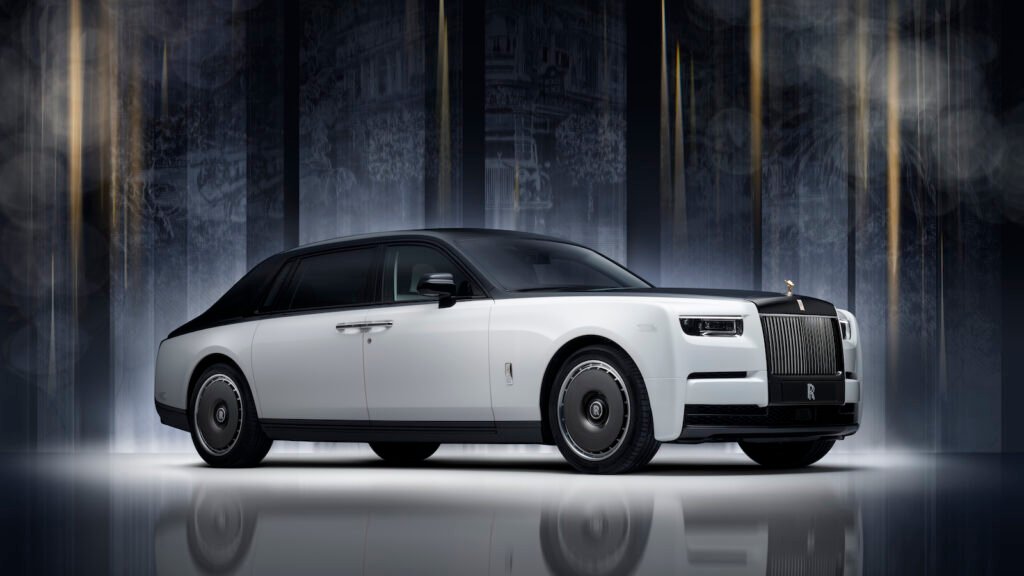
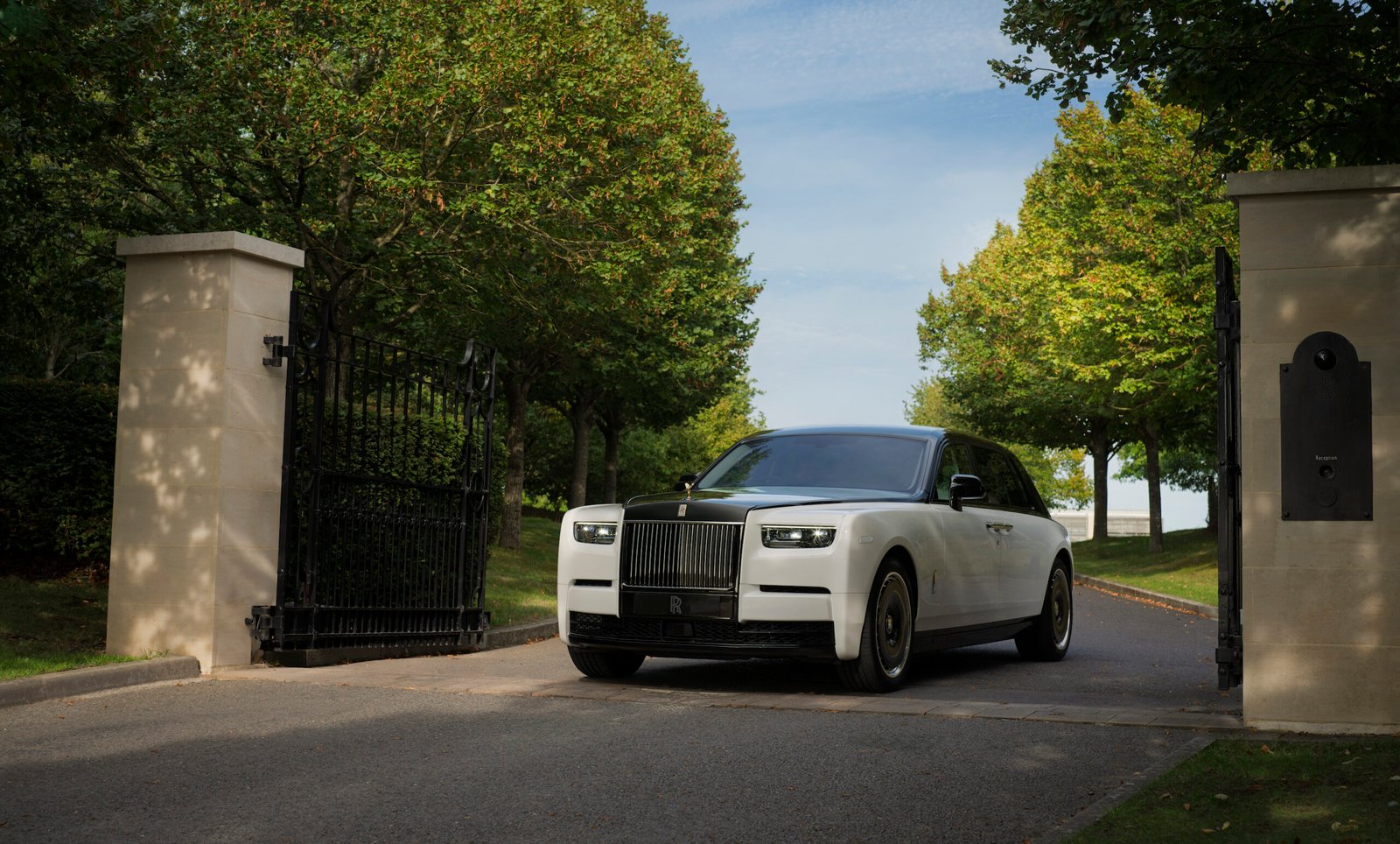
“I’m proud to say the result is a true collective masterpiece, reflecting the deep respect our creative team and everyone at the Home of Rolls-Royce has for this celebrated motor car,” he said.
The Centenary is ultimately about artistry and craft, a handmade product where the hand of the maker is celebrated, not hidden. This gets to the heart of what makes Rolls-Royce unique in the modern automotive industry, a business that increasingly relies on ever-larger economies of scale, cost cutting and flashy marketing. Rolls-Royce still does handmade, bespoke work, and its artisans are always pushing the limits of their respective crafts. This car, this celebration, really belongs to the people who made it. And so, I’ll hand this story over to them now.
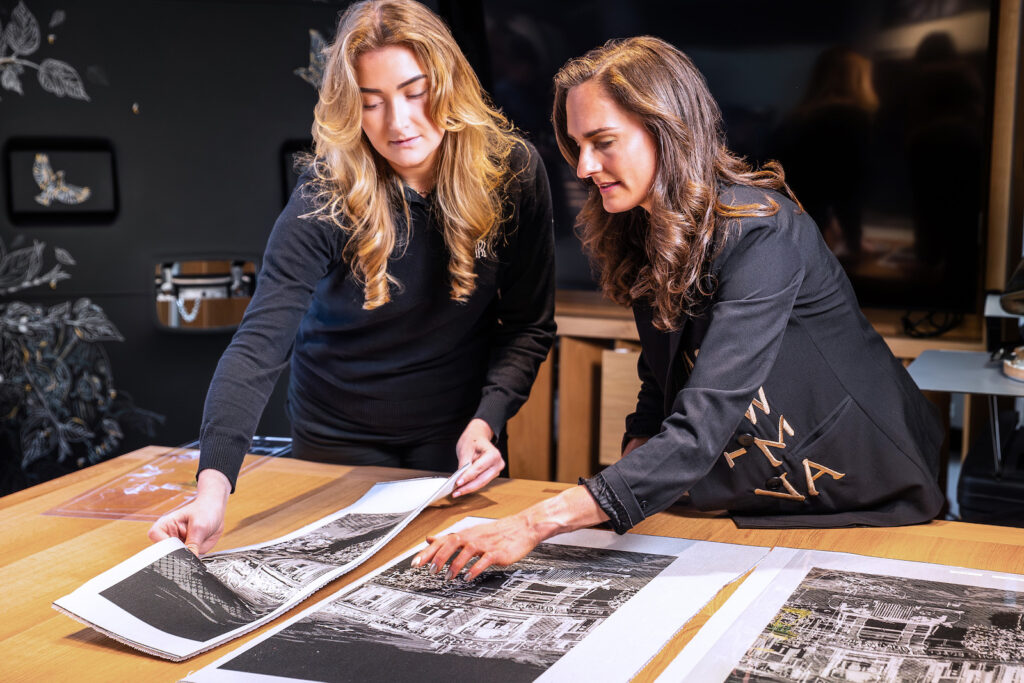
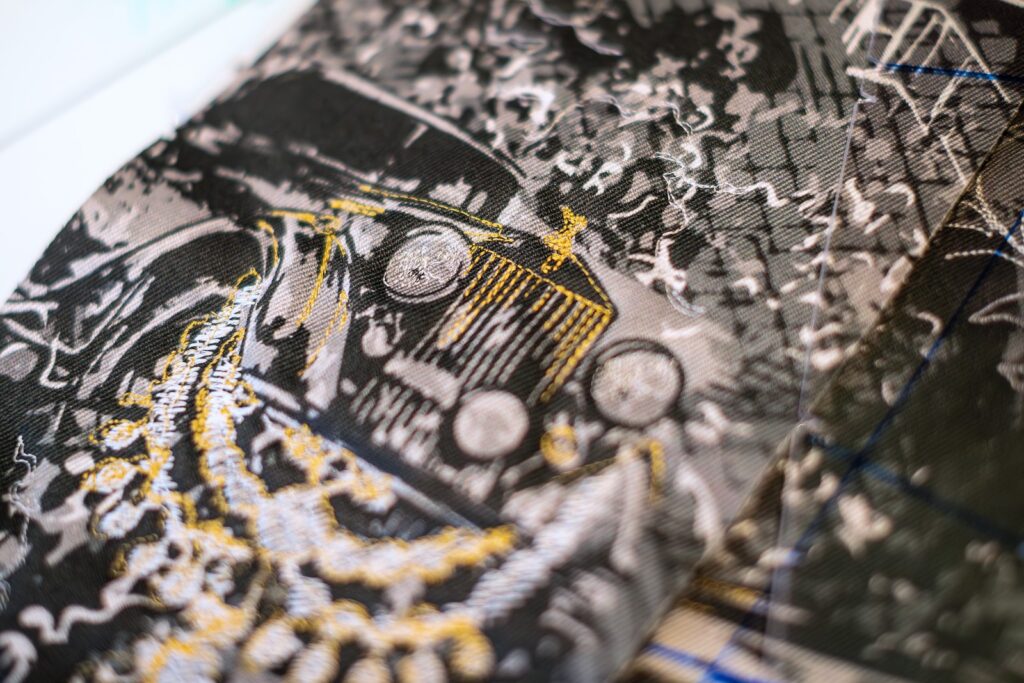
“Conceived as a contemporary interpretation of a handwoven tapestry, the rear seats tell Phantom’s story through carefully curated details, captured in textiles and embroidery,” explained Celina Mettang, one of the company’s bespoke colour and material designer. “Every embroidered element was digitally re-drawn by artisans who selected specific stitch application for every stroke. For example, in the horse motif, we used spaced stitches to recreate the hair texture, then dense stitching to define the muscle. These fine details required extraordinary precision to get right: one motif went through 24 iterations before we were satisfied. This reflects the deep personal pride we felt in creating a fitting tribute to the Phantom nameplate, and the responsibility we all share in carrying its legacy forward.”
Katrin Lehmann, one of the other bespoke colour and material designers who worked on the project, said, “We drew on an extraordinary range of sources — original texts, diaries, photographs and paintings — to create a composition that weaves together many threads of Phantom’s story.”
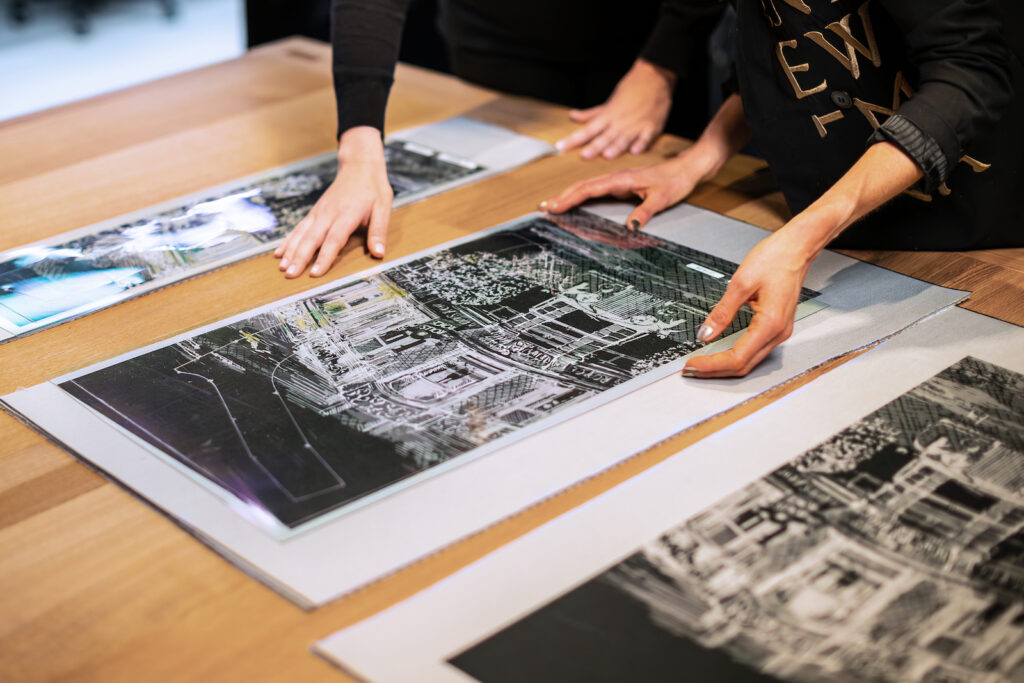
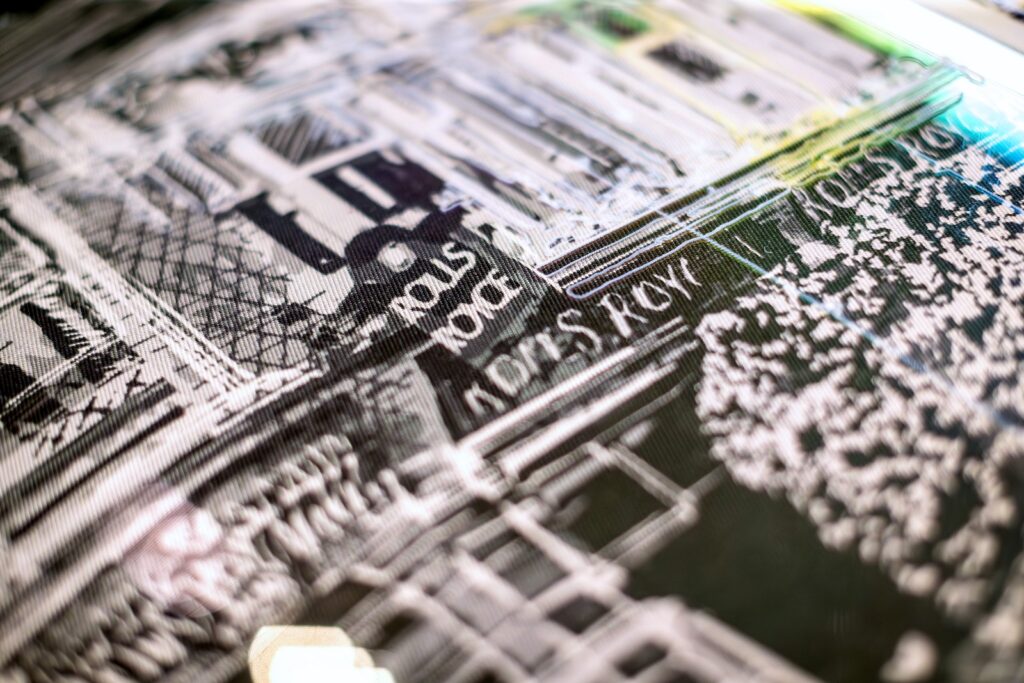
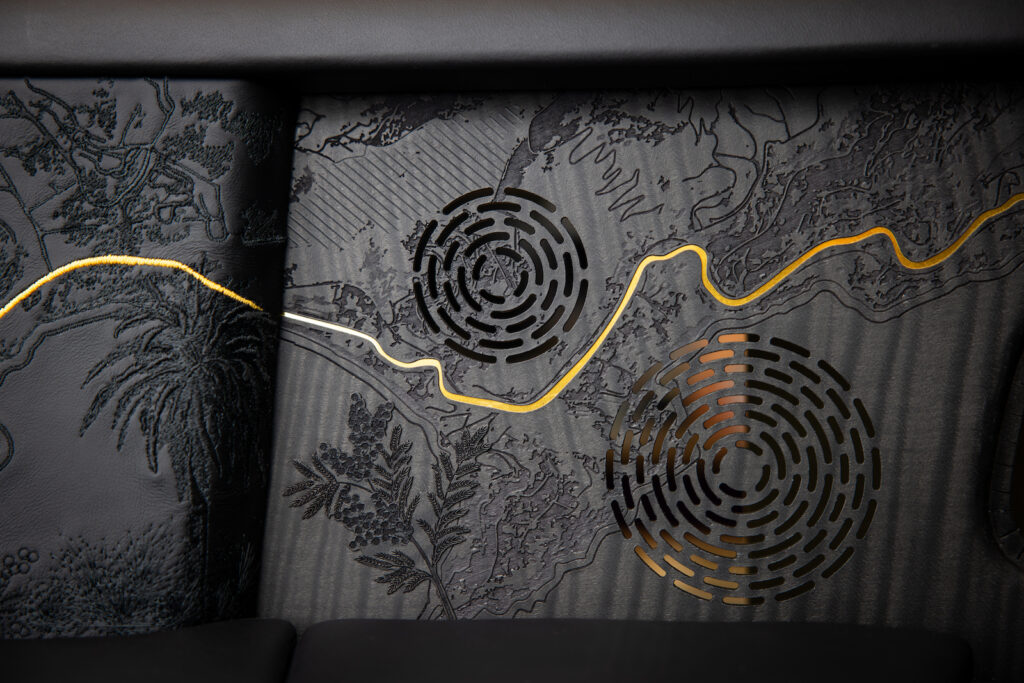
The rear seats, for example, are covered in high-resolution printed fabric, developed with a fashion atelier, and completed with 160,000 stitches.
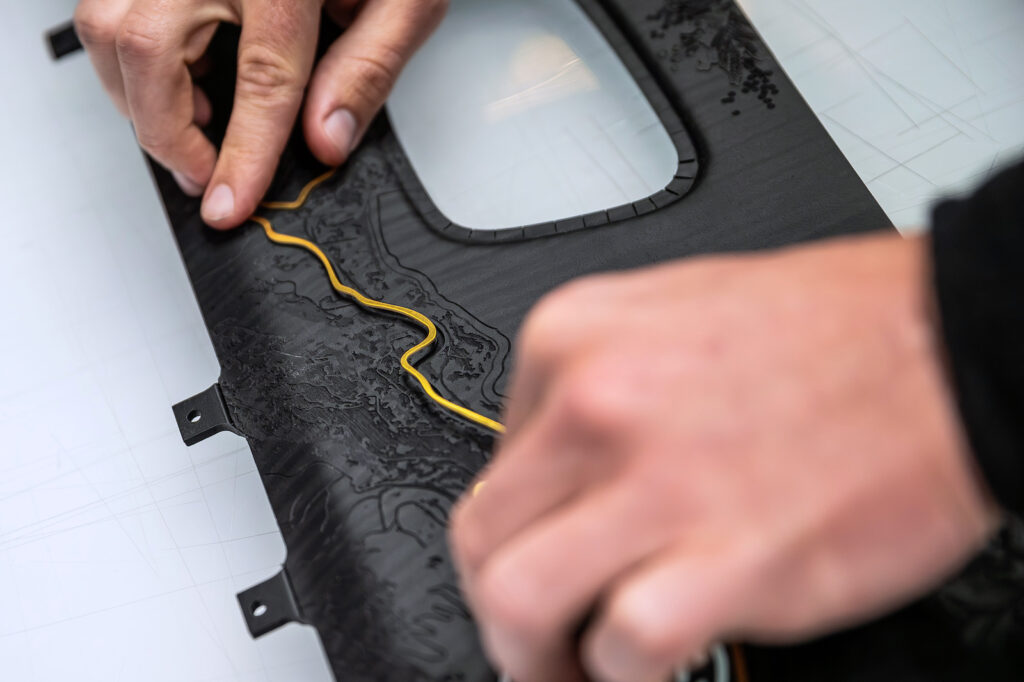
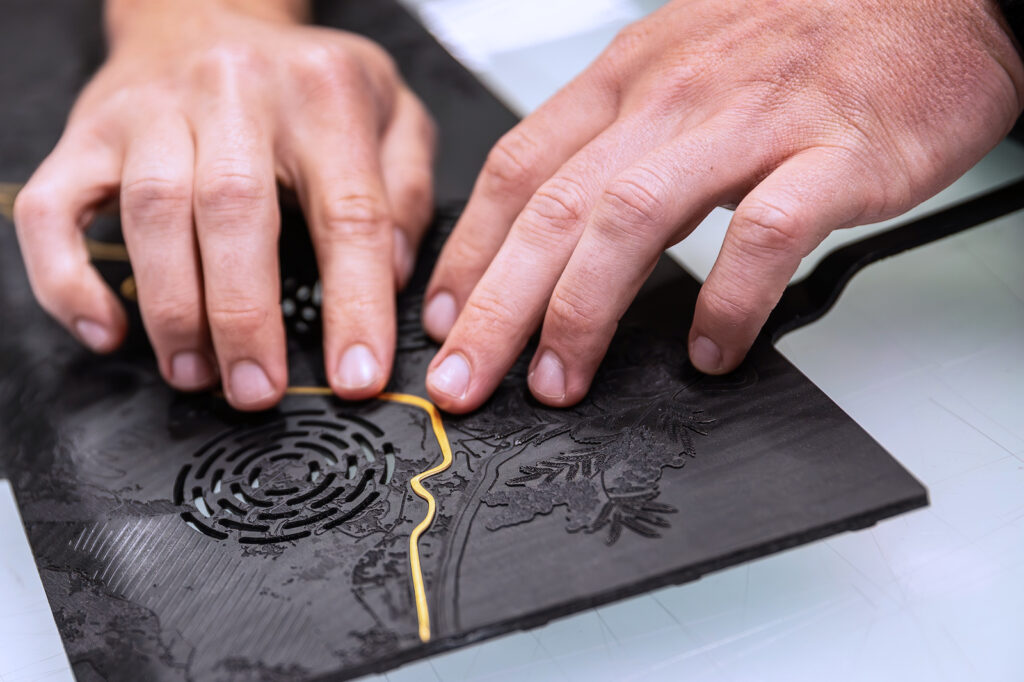
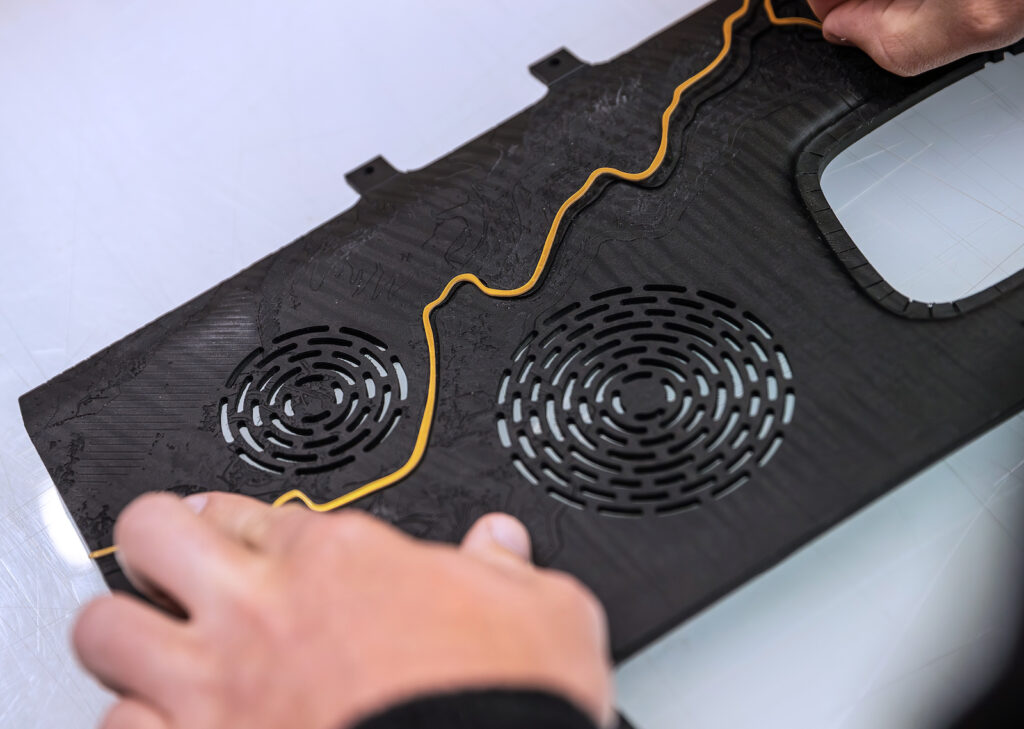
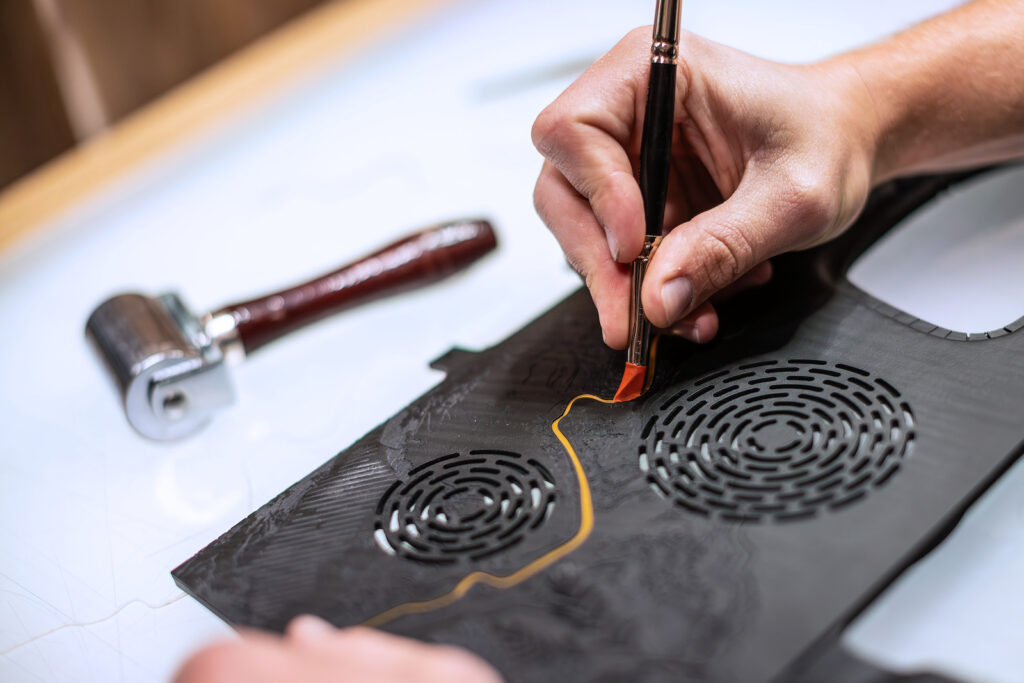
“New technology developed for this project, including 3D ink layering, allowed us to add details at a scale never before possible – some just 0.13 mm in height – from a boat sailing across the sea to location names on a map. It’s a privilege to have the time and technology to realise moments in Phantom’s history with the detail and precision the nameplate deserves,” Lehmann said.
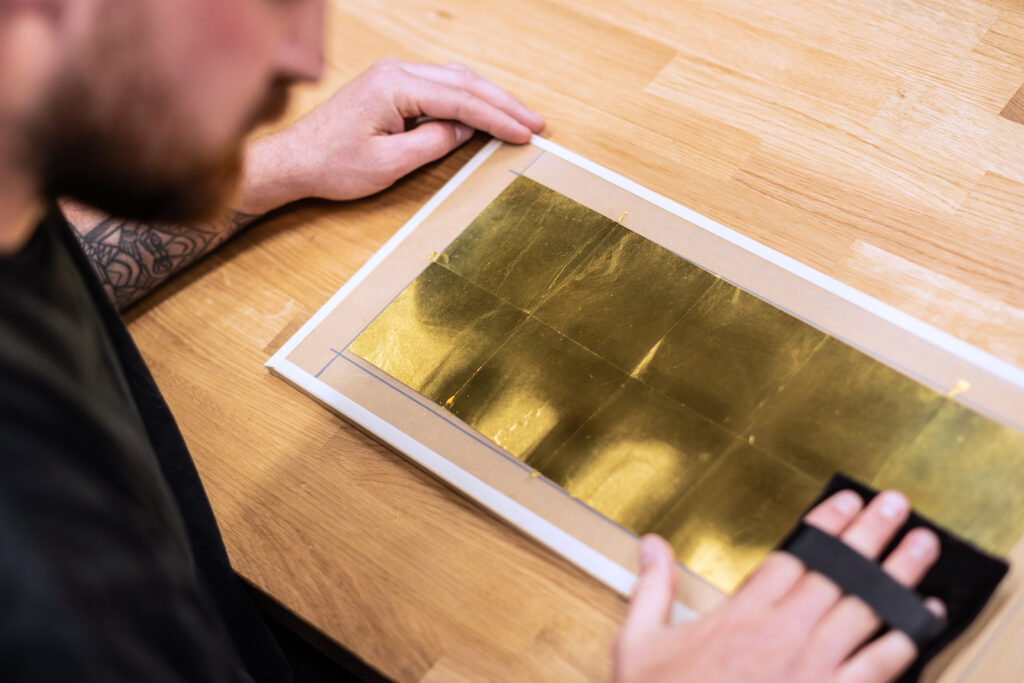
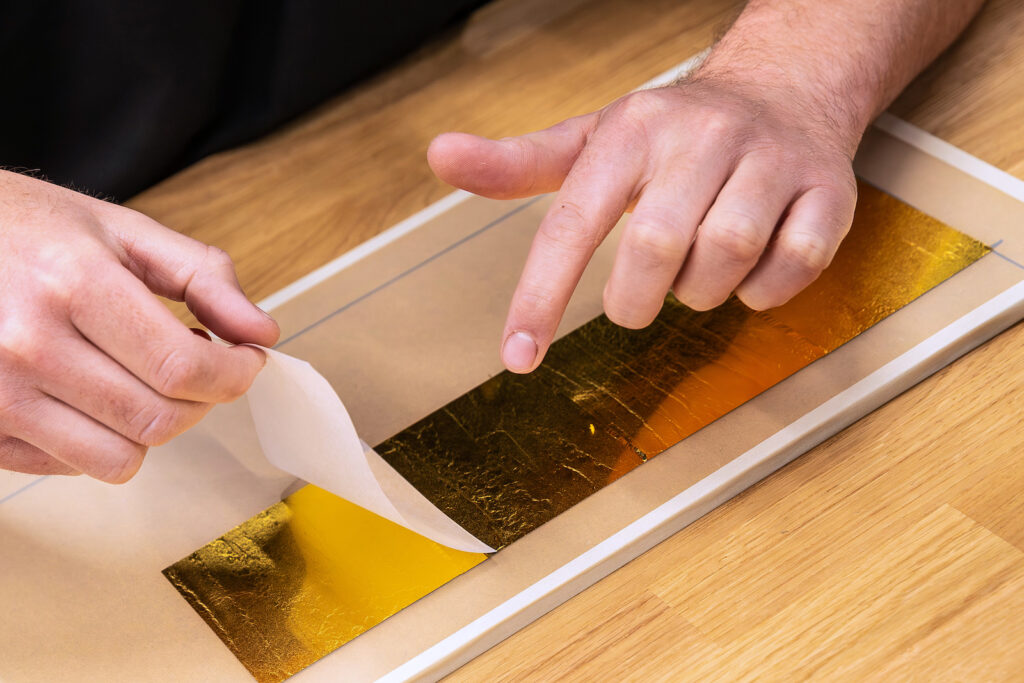
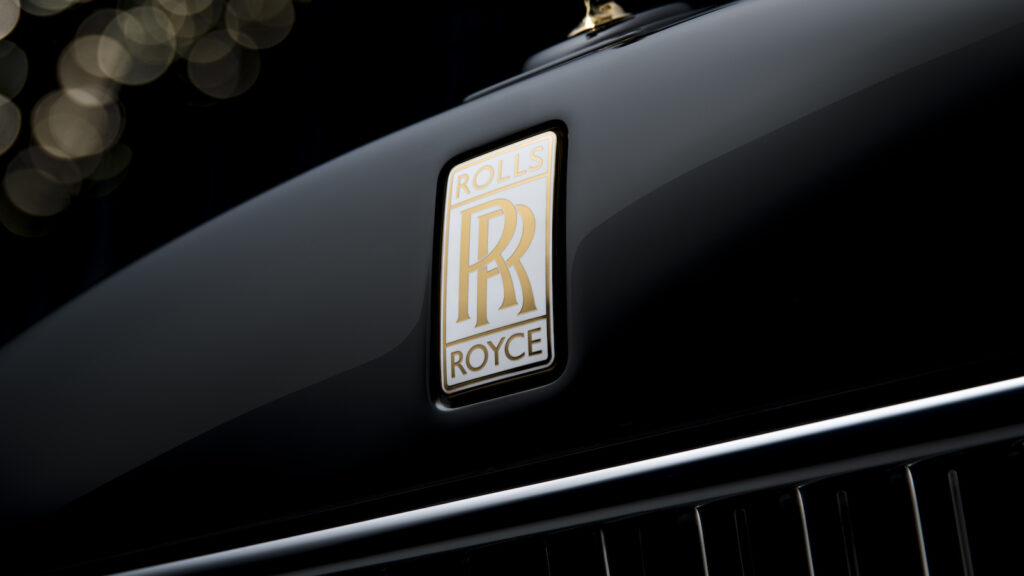
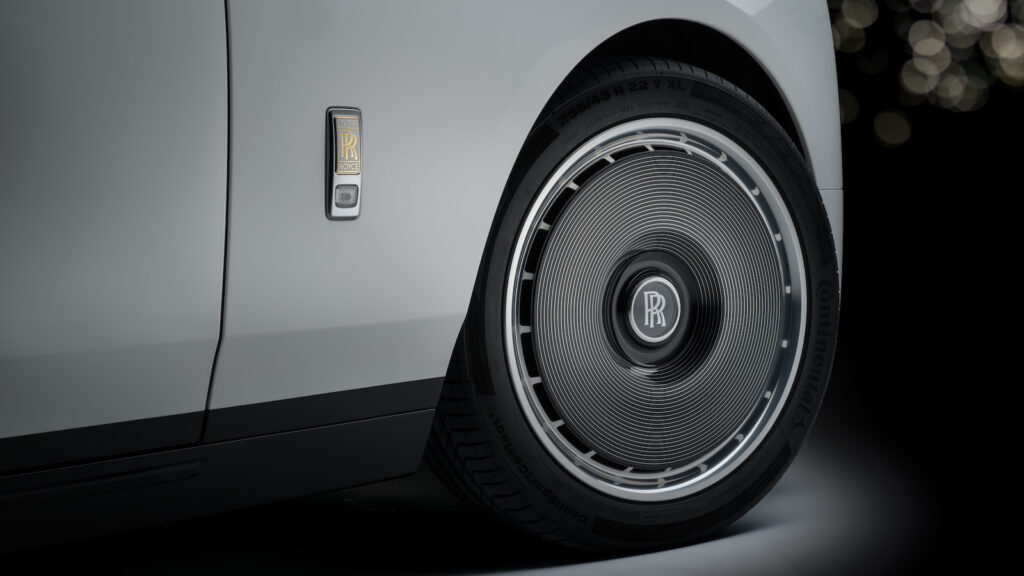
No expense was spared. For example, the ‘RR’ badge — positioned on the front, rear, and each side of the car — were made in 24-carat gold and white enamel. The disc wheels were each engraved with 25 lines to honour the 25 motor cars within the collection and, together, make 100 lines to celebrate the centenary year.
“Having the privilege to pay a Bespoke tribute to the Phantom nameplate is a once-in-a-generation opportunity. Seizing on the significance of this moment, a record number of designers spent a year immersed in the motor car’s rich history, uncovering the stories that shaped its legend,” added Martina Starke, head of Bespoke Design.
Phil Fabre de la Grange, head of the Bespoke division, explained, “Phantom Centenary is the most intricate and technologically ambitious Private Collection ever undertaken by the designers, engineers, production specialists and craftspeople of our Bespoke Collective. This project uses new techniques to blend metal, wood, paint, fabric, leather and embroidery into a single, stunning composition.”
“The surfaces [of the Centenary] read like a book revealing 100 years of Phantom’s history, rich with symbolic references for clients to admire and decipher over many years to come,” said de la Grange.
Chris Brownridge, chief executive officer of Rolls-Royce Motor Cars summed up the effort. “The Rolls-Royce Phantom Centenary Private Collection is our tribute to 100 years of the world’s most revered luxury item,” he said. “For a century, the Phantom nameplate has expressed the pinnacle of Rolls-Royce’s abilities. To honour that legacy, this extraordinarily ambitious Private Collection introduces new techniques and is the result of over 40,000 hours of work, culminating in a motor car which reaffirms Phantom’s status as a symbol of ambition, artistic possibility, and historical gravitas.”
And, with that, the Phantom is ready to defend its place at the very top of its game for the next century. Bring on the challengers, if they dare.