
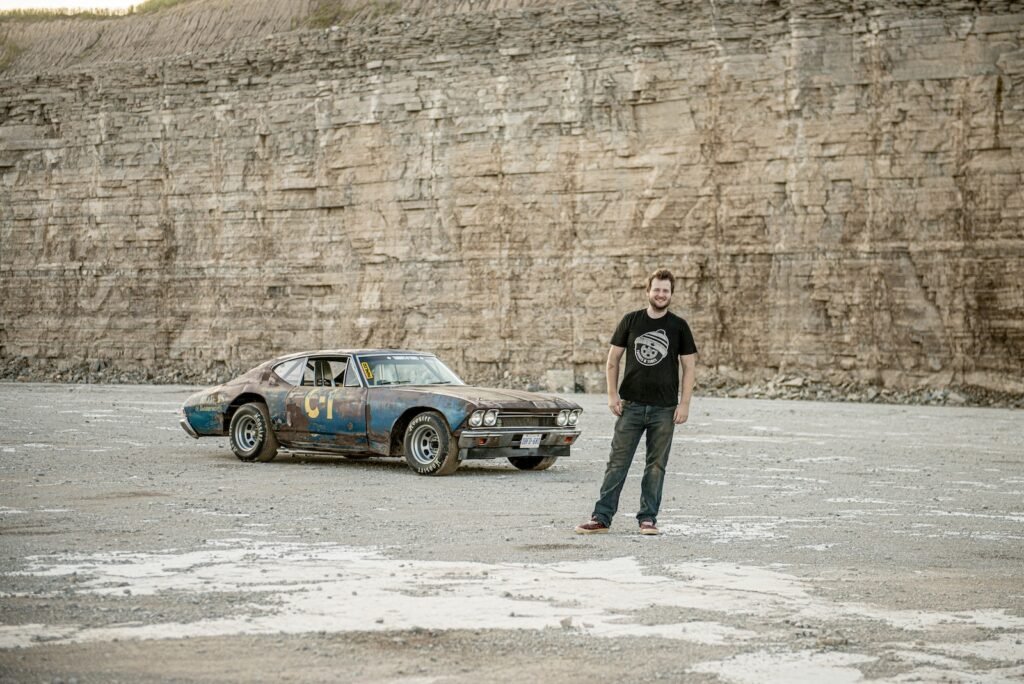
As sure as the sun rises, Gottvald can be found carving out at least a few minutes each day to tinker in his home shop in southern Ontario. The repurposed barn isn’t fancy, but it suits him perfectly—“just a Canadian guy, wrenching on vehicles.”
We first visited this setting in a former issue, when Gottvald’s V8-powered 1954 Chevy was the spotlight. He still has that truck today, but since then, he’s become pretty good at acquiring new projects. Letting them go, well, that’s not really his specialty.
Thankfully, his father, Tony, doesn’t mind. As long as he gets the chance to turn a wrench beside his son, he’s happy to make room for whatever vehicle gets dragged home next.
As restoration woodworkers by trade, hard work is second nature to the Gottvalds, so the fact that most of their projects need plenty of attention is hardly worth a second thought. Since many of them are so in-depth, Gottvald decided to start documenting the process on his YouTube channel, Tuques N Tires.
Their latest build, a Gen 3 Hemi-powered 1973 AMC Gremlin, stirred up quite a reaction among a surprisingly vocal group of Gremlin enthusiasts. But setting the internet on fire has never been the goal for any of their builds. Their Hemi Gremi was built for Kristy Gottvald – Gottvald’s sister and Tony’s daughter – making it a true labour of love with good intentions at its core. “She was adamant the looks didn’t change,” Gottvald says, recalling the bare-bones direction he was given once all the pieces for the project came together.
Leaving the barn a few months ago, Gottvald admits he was a little nervous watching his sister drive the AMC up the road and out of view. Usually, he builds for himself and is ready for whatever issues might arise, but this time, everything had to be extra reliable because he wouldn’t be the one driving with a duffel bag full of tools riding shotgun.
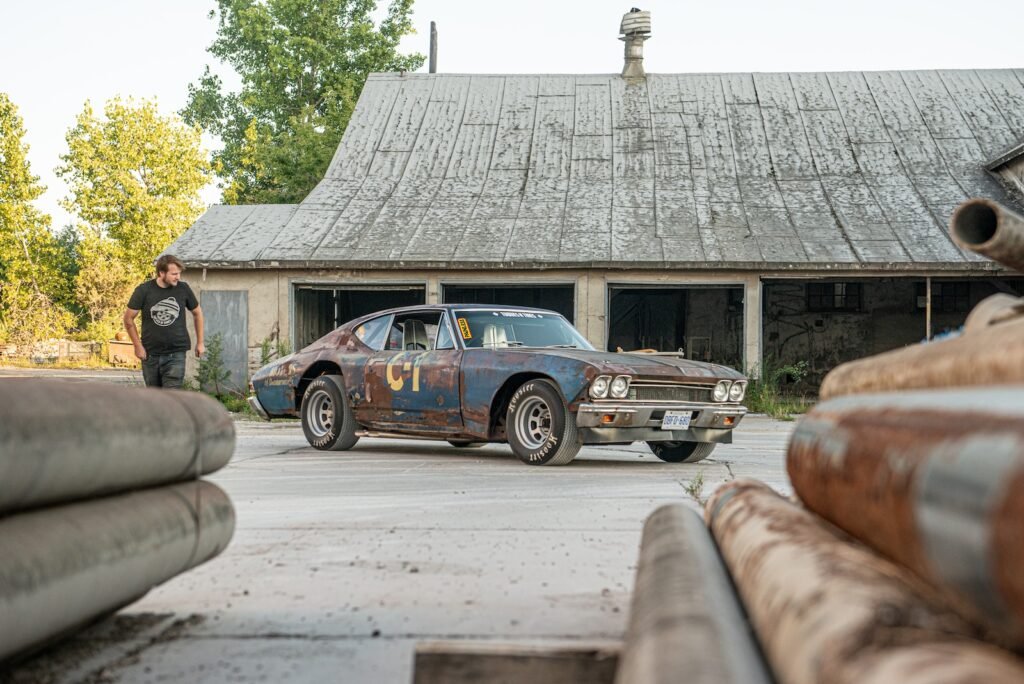
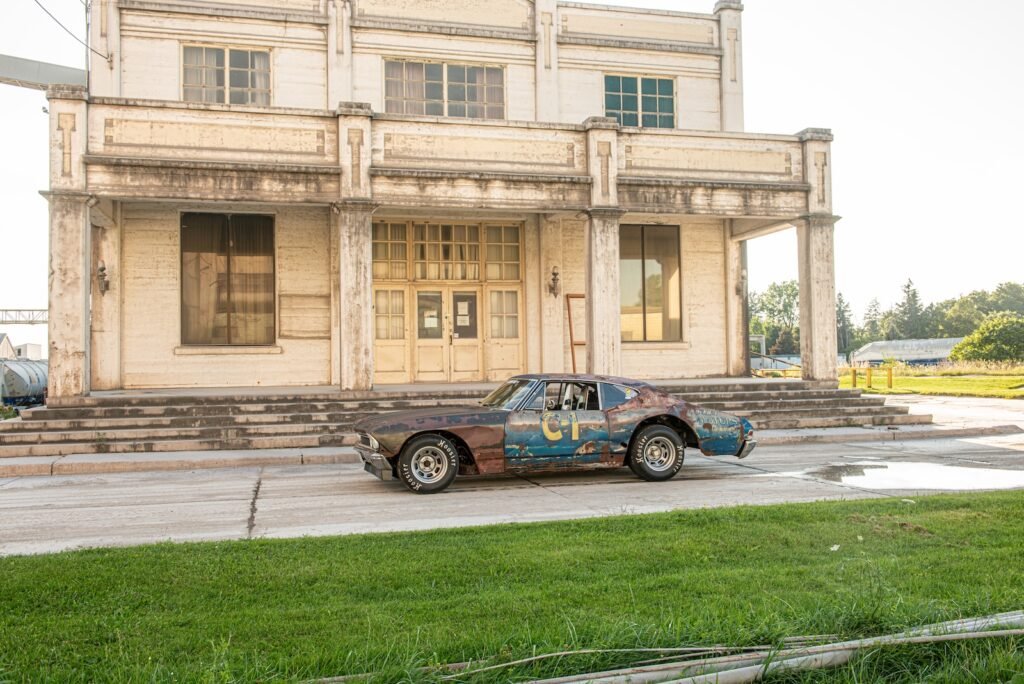
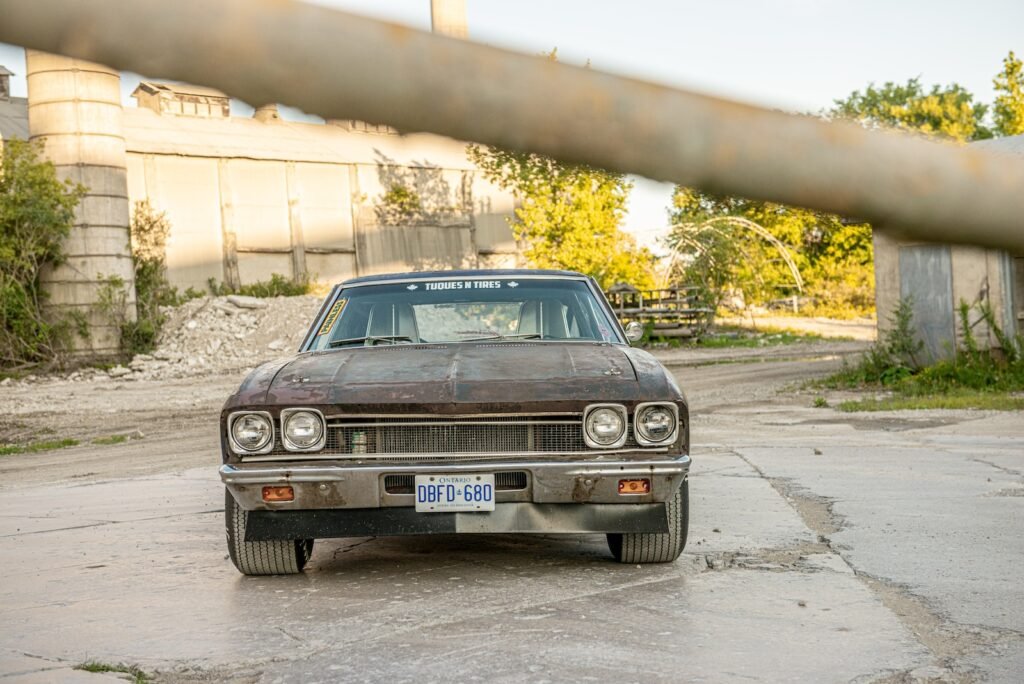
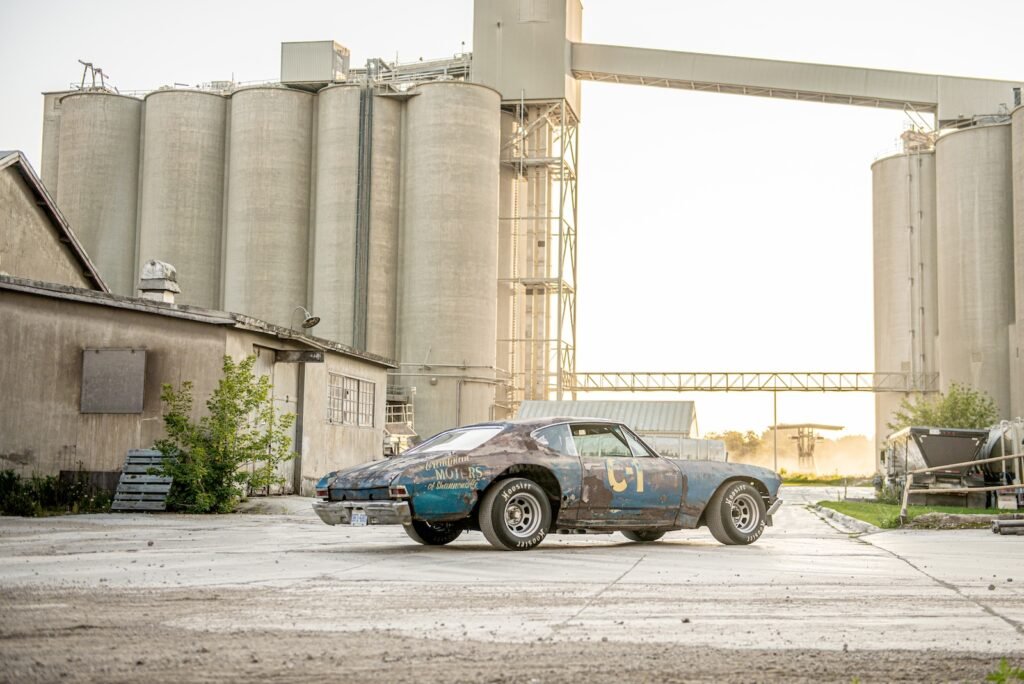
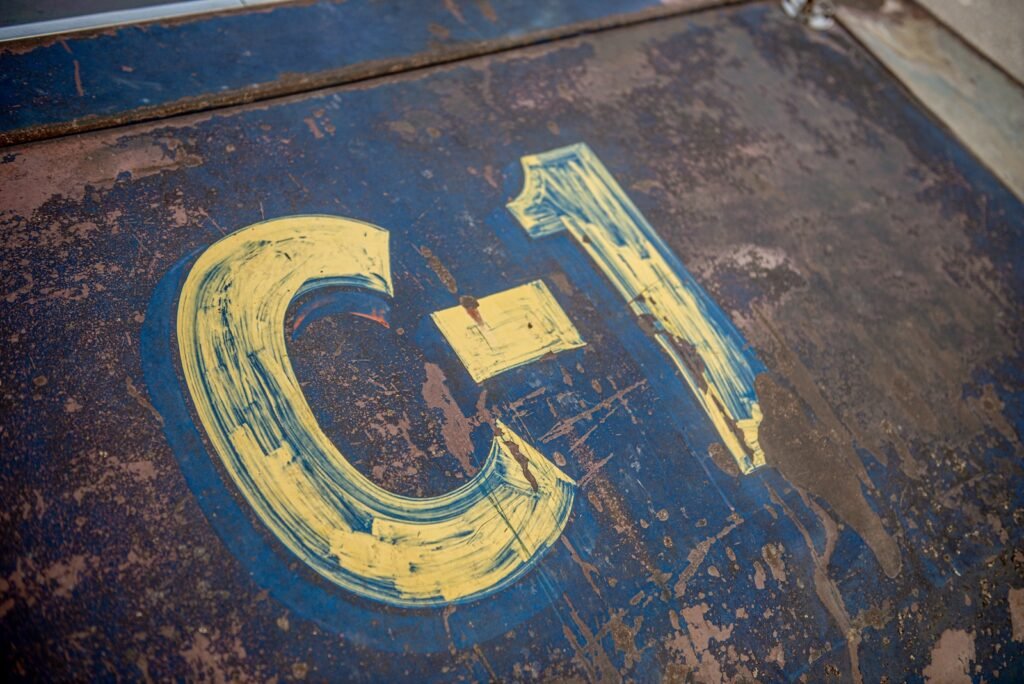
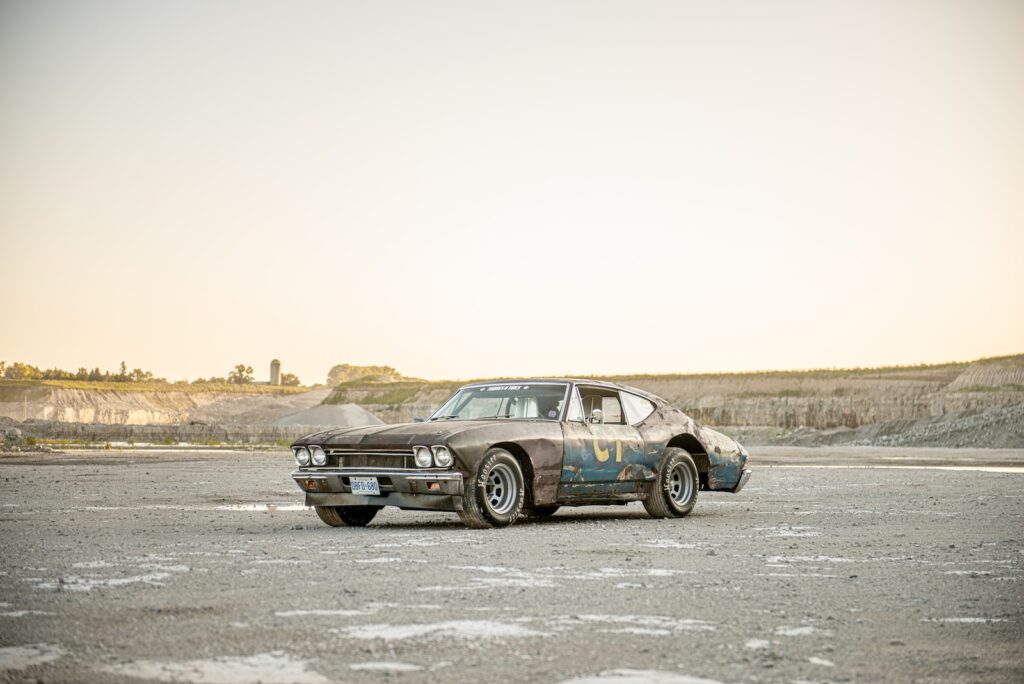
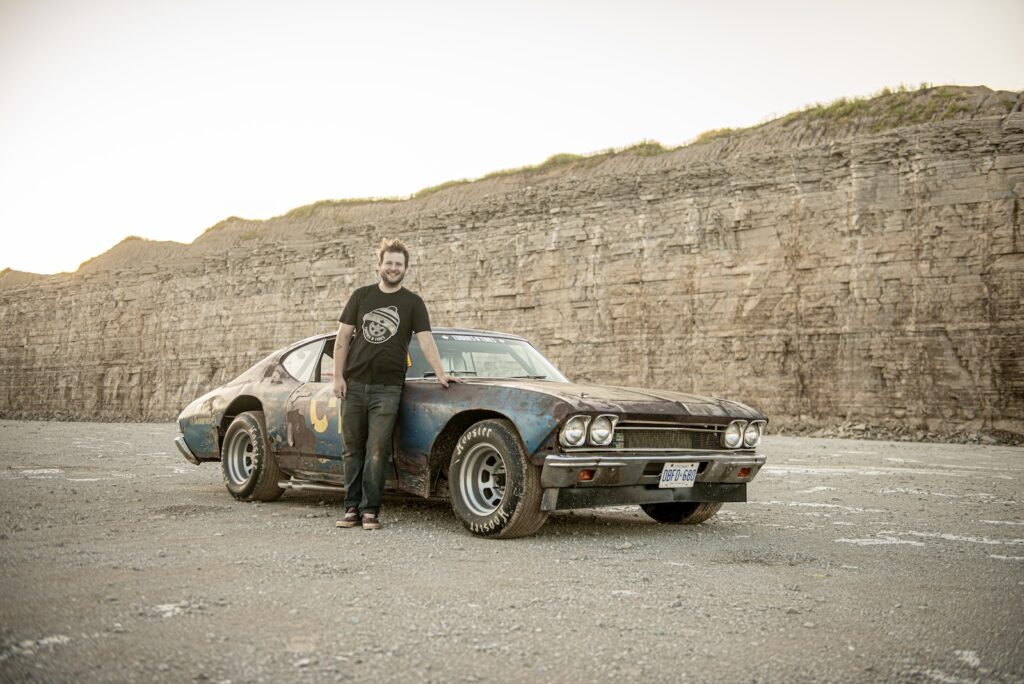
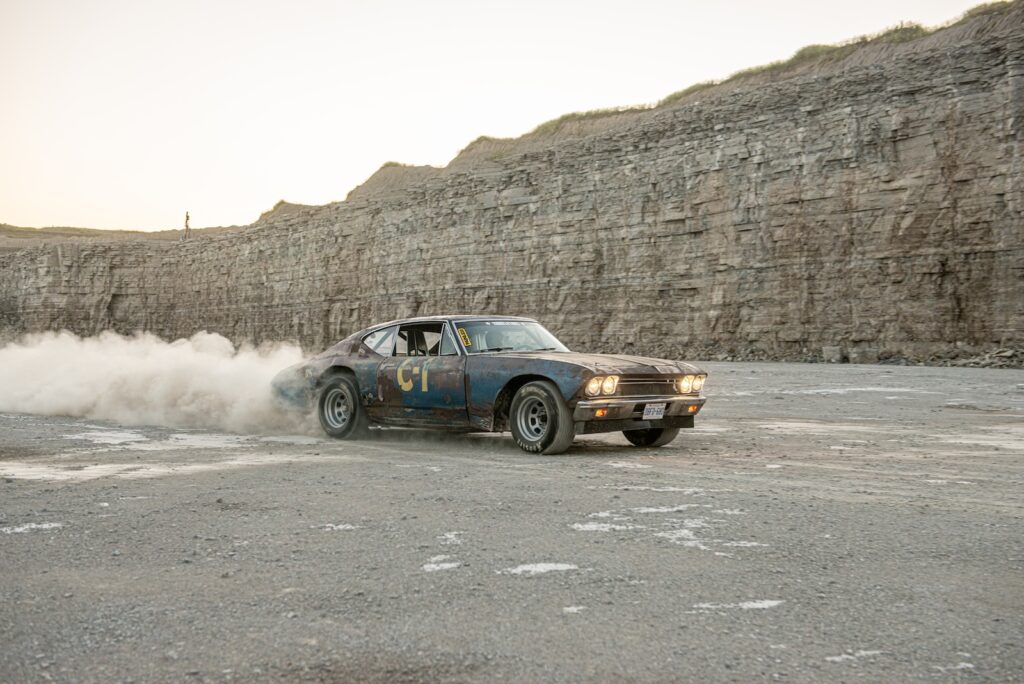
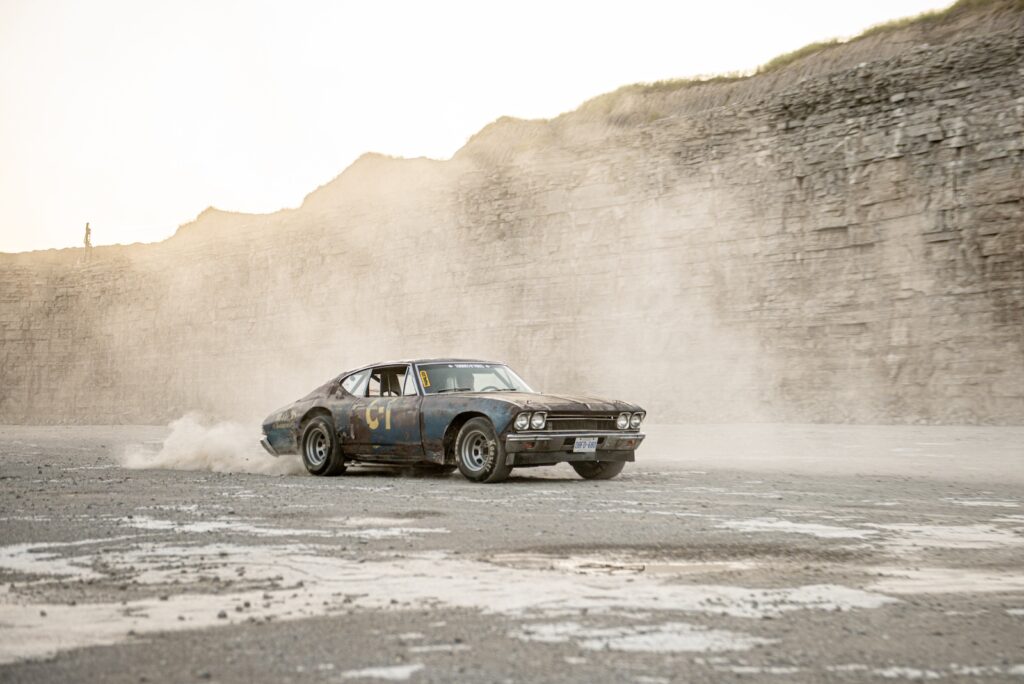
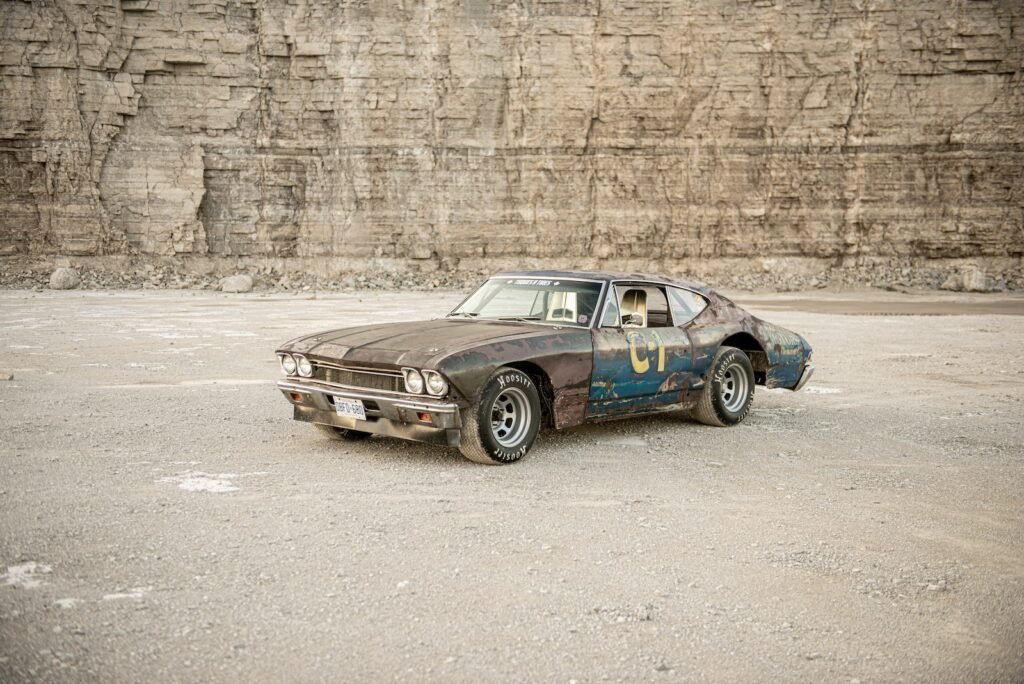
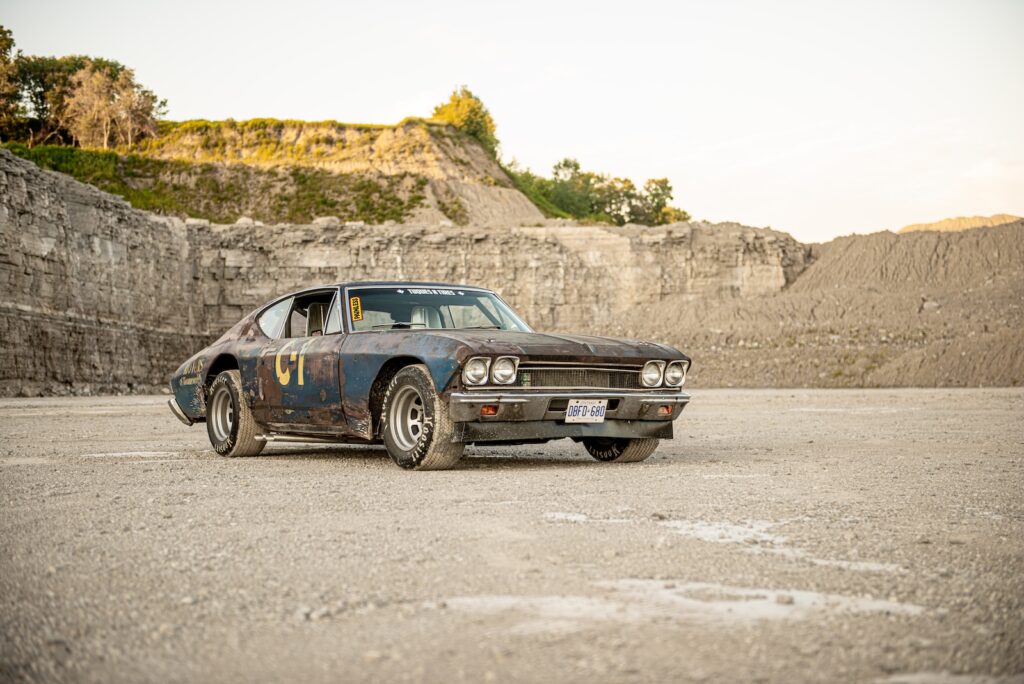
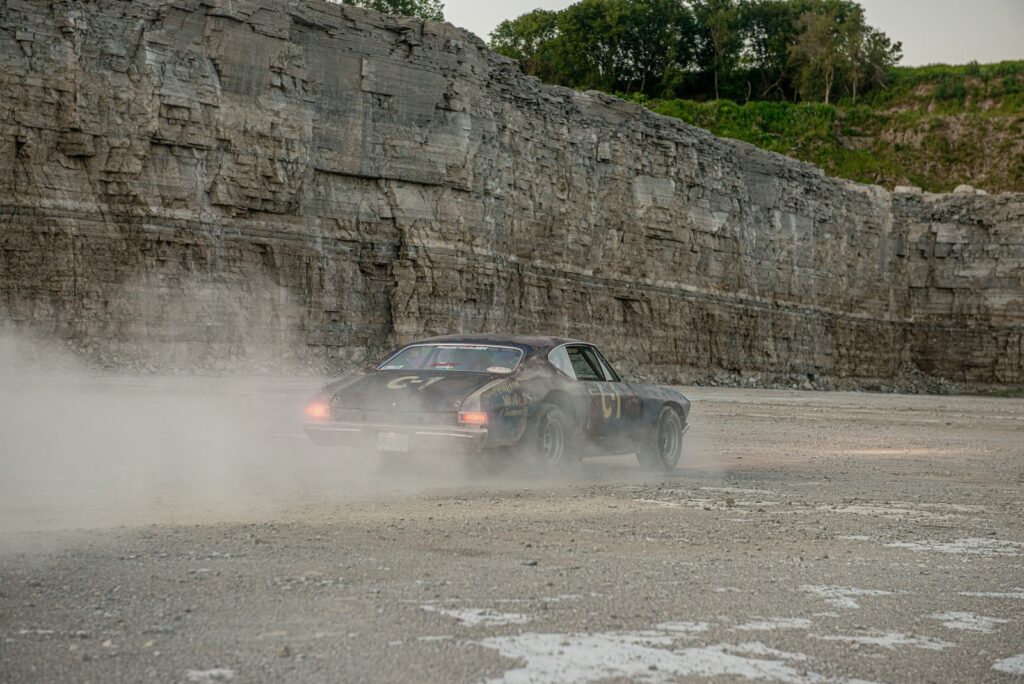
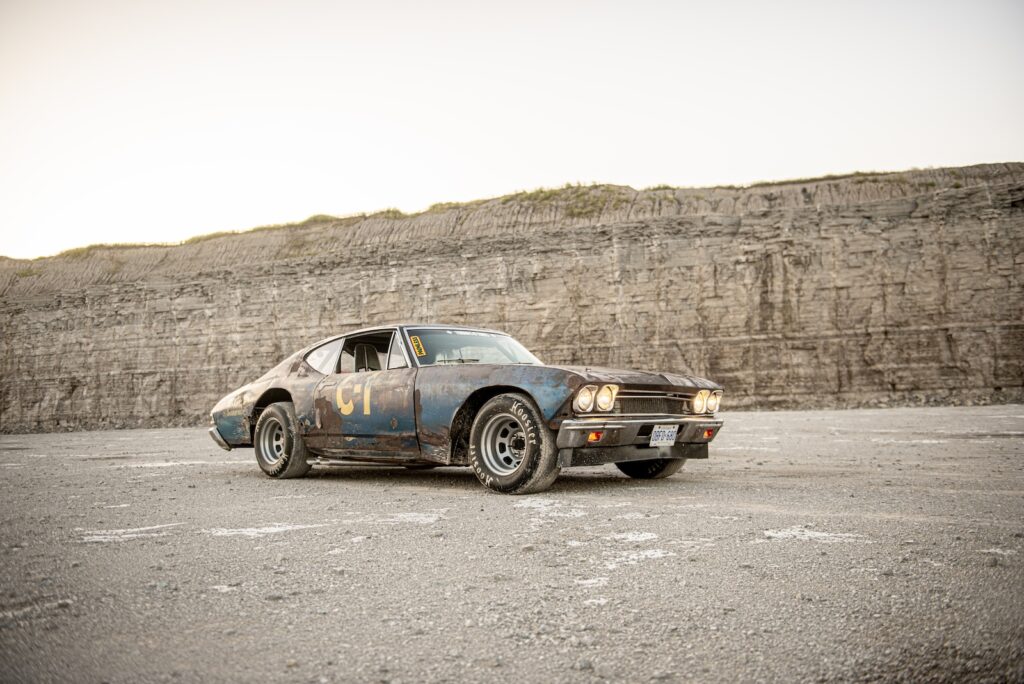
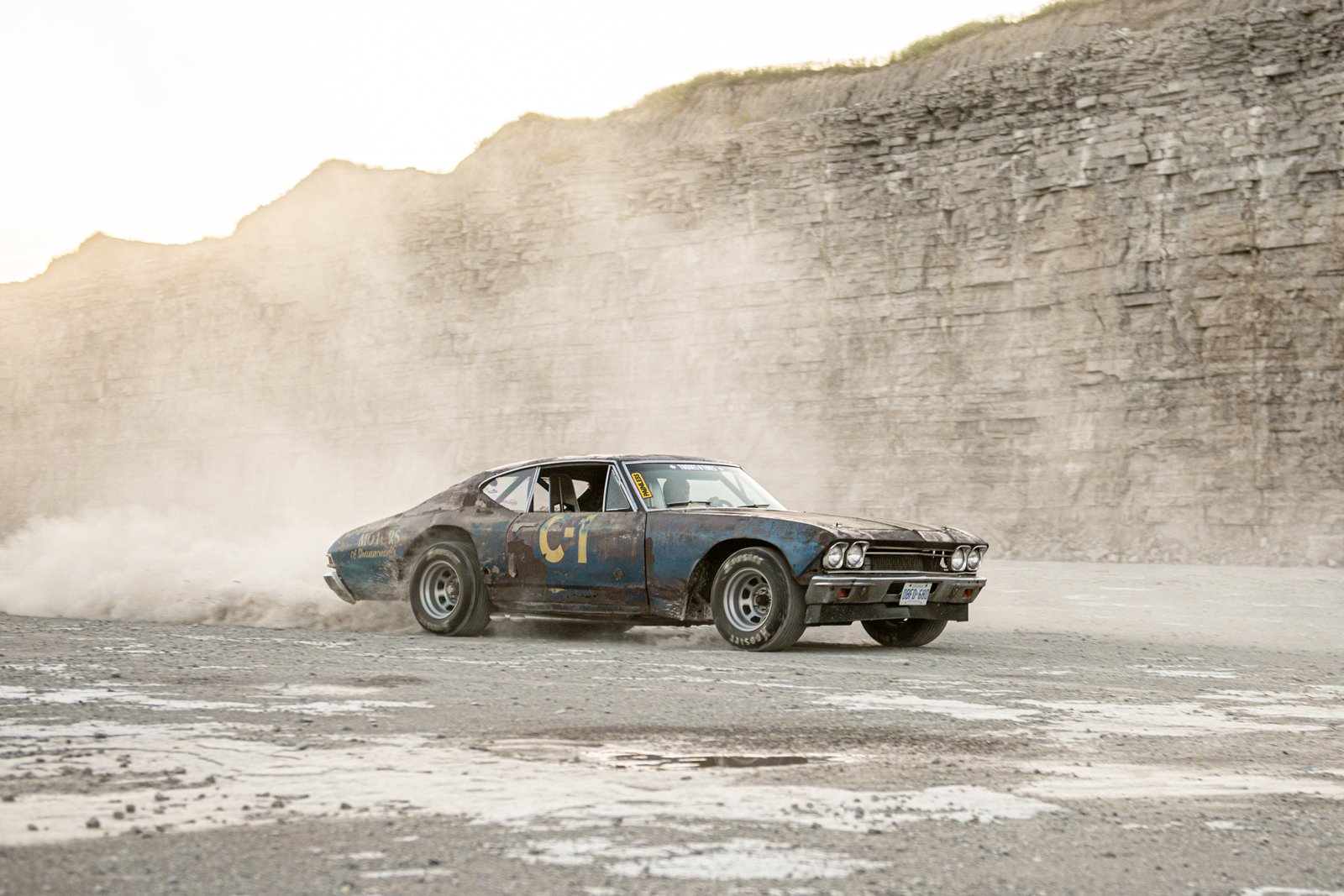
The AMC build wouldn’t have come together without the lessons Gottvald learned from the one that came before it—a former dirt-track racer turned street-legal fun machine known as the C-1 Chevelle.
In the late ’70s, long before Gottvald had ever touched a wrench, the A-Body’s life as a competitive race machine was winding down. Like many purpose-built racers, it was unceremoniously retired after its final lap. When it ended up in a scrapyard in Kingston, Ontario, the owner chose not to crush the classic A-Body. After nearly a decade as a piece of yard art, the car was rescued from purgatory by its most prominent driver, Bob Prudhomme.
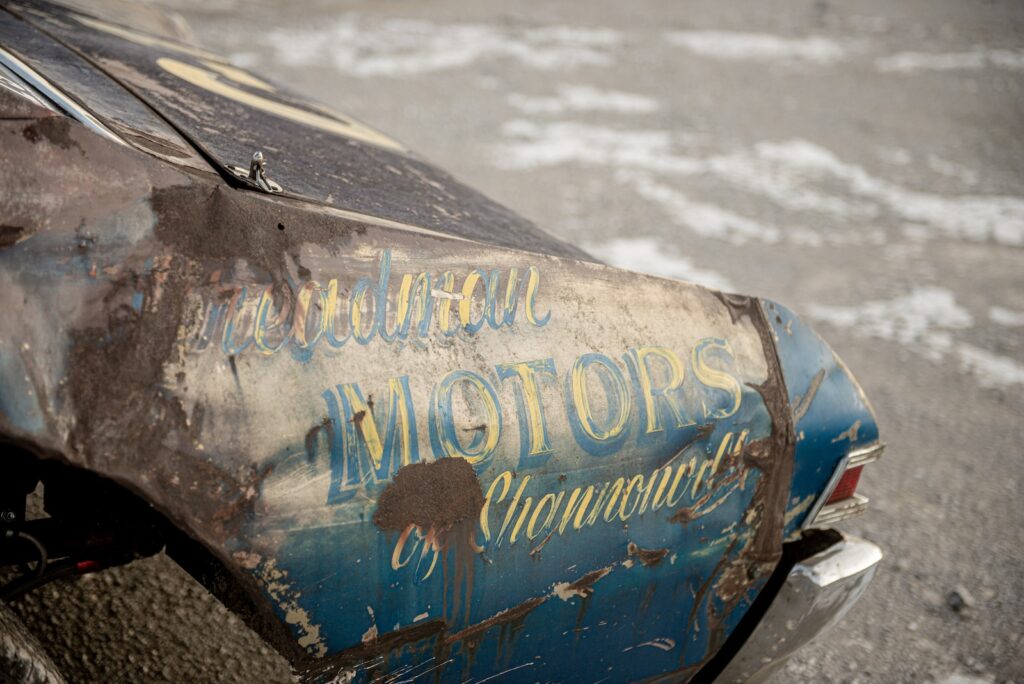
Prudhomme—alongside Don Little, Delmar Breadman, and Jim Davis—built the car in the early 1970s. Prudhomme served as its primary driver, competing mostly at Brighton Speedway in Ontario. By most accounts, the Chevelle was highly competitive, with its suspension being quite robust and closely modelled on Bobby Allison’s pro-spec NASCAR setup. The collaboration and ingenuity of that tight-knit crew left a lasting legacy that has stood the test of time and become the stuff of local legend.
Prudhomme had hoped to race the Chevelle at Brighton again, but life had other plans. Thankfully, his foresight to put it on a car trailer likely saved it from further decay in the wet ground. In 2022 the car was sold to a young enthusiast named Sam. Sam’s vision was very simple: install the nearest available motor and do donuts in the field behind his house. Once he’d had his fun, the next stage of the plan teetered on the absurd—a long drive down a short road with a brick on the gas pedal… if nobody responded to his Facebook Marketplace ad.
Thankfully, Gottvald spotted the ad, and the two negotiated a deal for the now three-time-neglected Chevelle. No money changed hands—instead, he traded a freshly restored red Honda three-wheeler for the Chevelle. The notoriously banned-from-sale three-wheeler went one way, and Gottvald ended up with the safer, more storied prize: a piece of racing history ready for a new chapter.
Purchased in the pouring rain – because, as Gottvald puts it, “every time Dad and I buy a car, it’s raining” – the Chevelle’s mission was clear from the start. This wouldn’t be a streetcar stripped down to race; it would be a racecar carefully built with just enough extras to make it street legal on most roads, rain or shine.
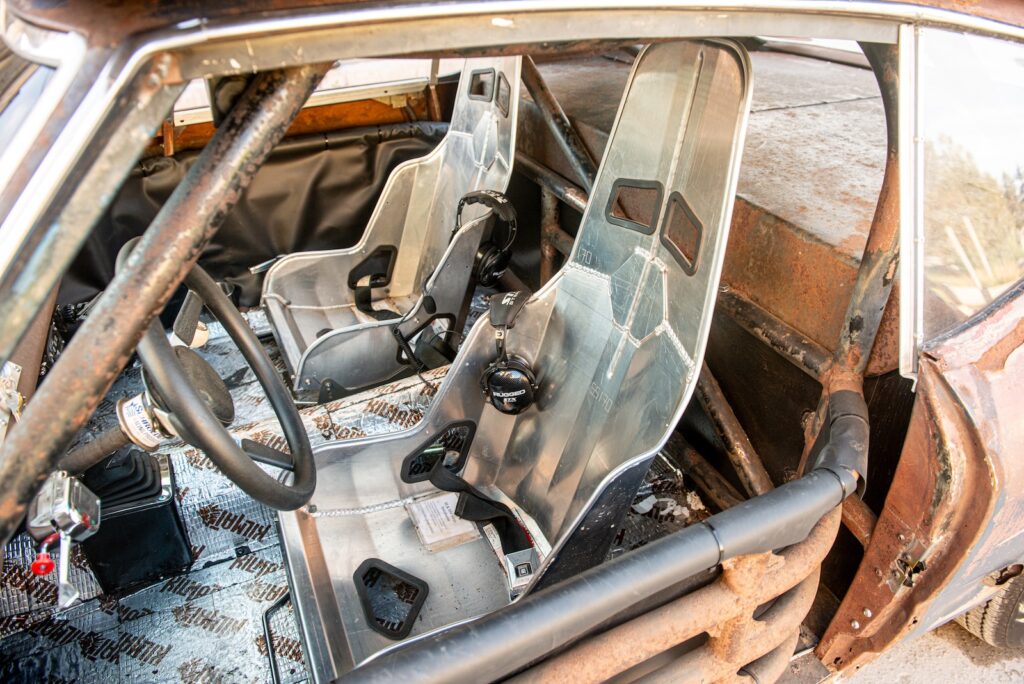
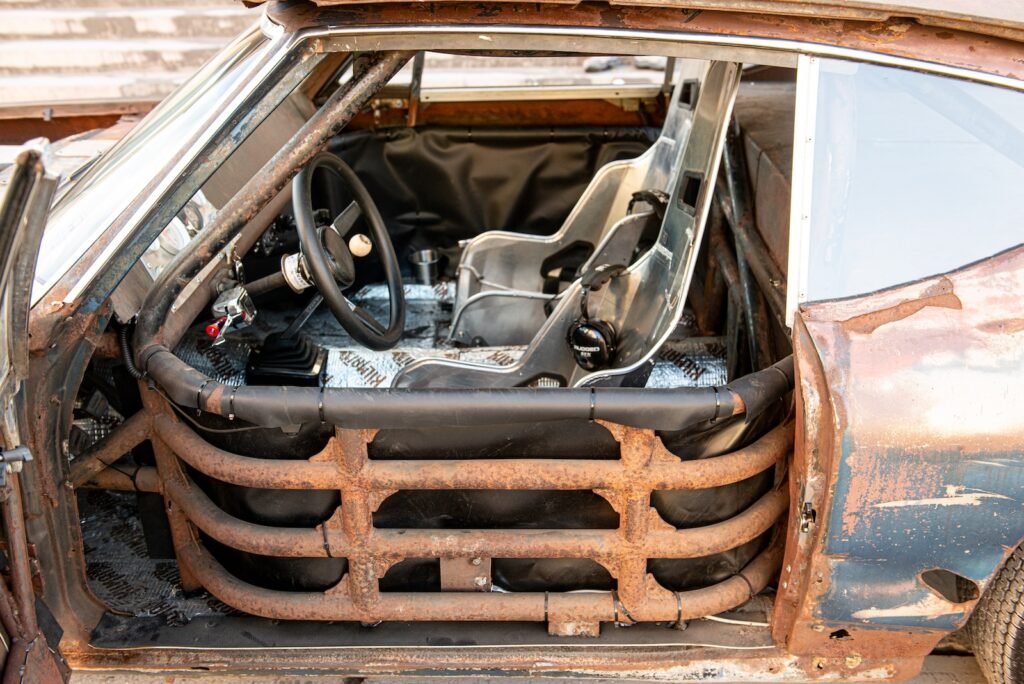
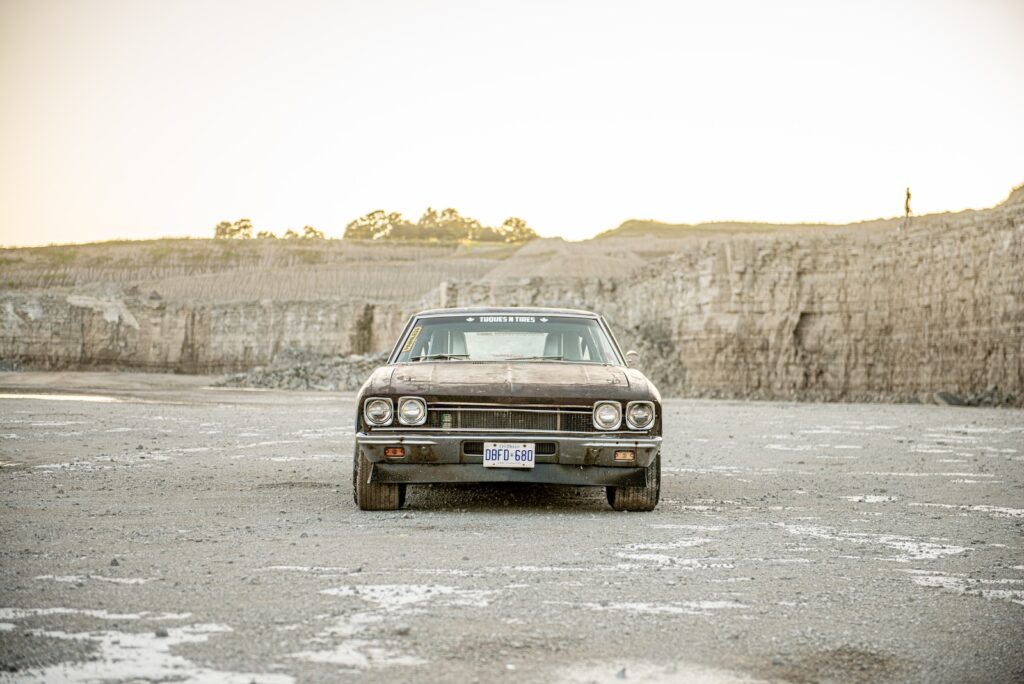
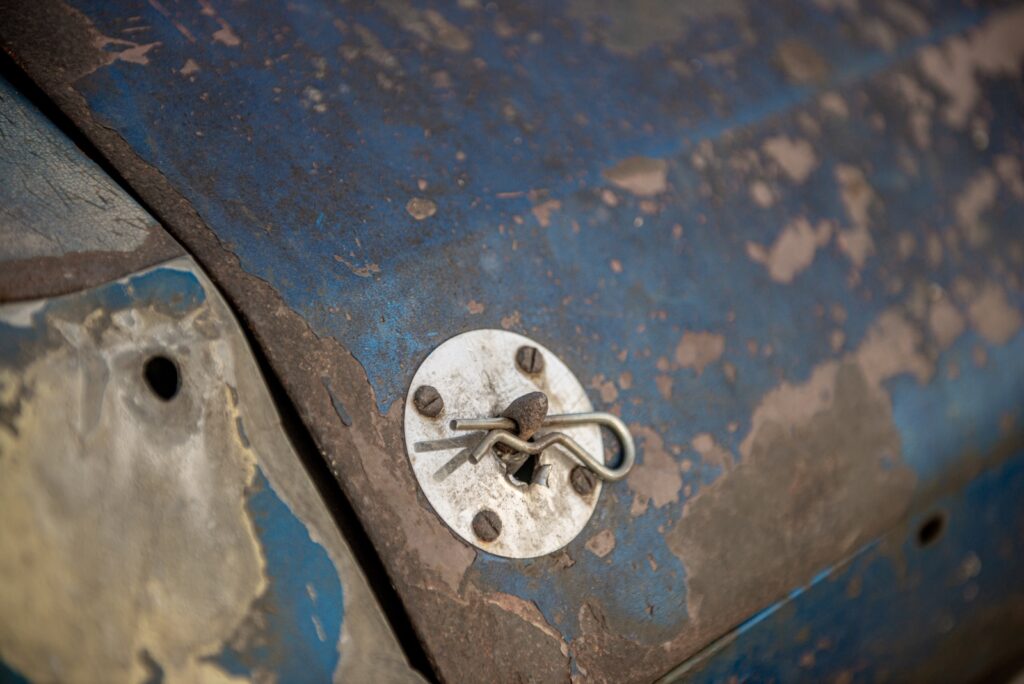
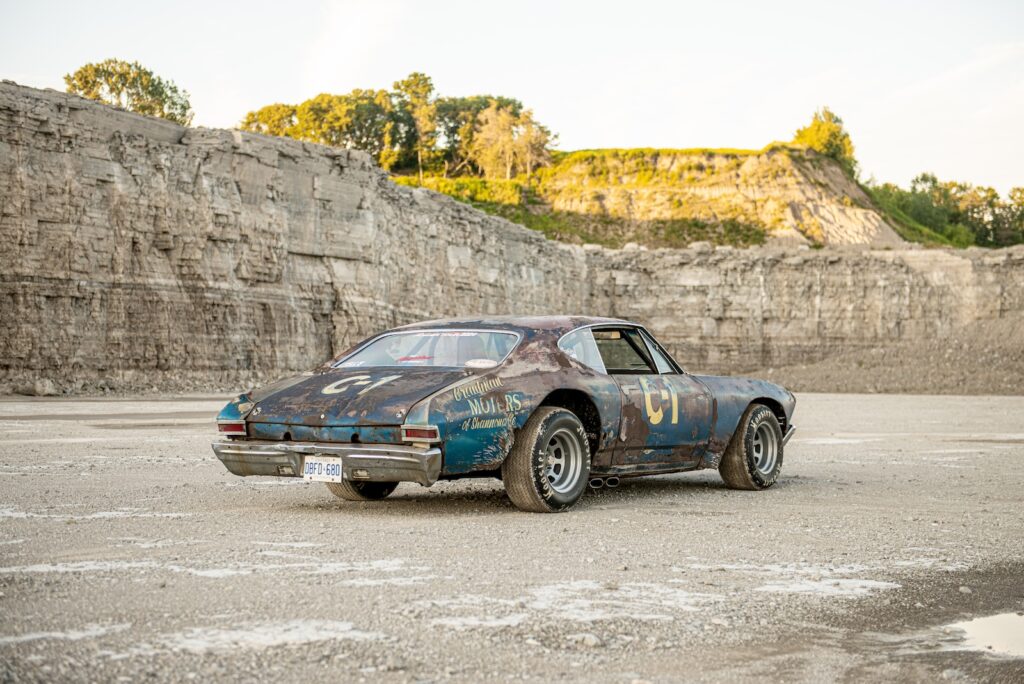
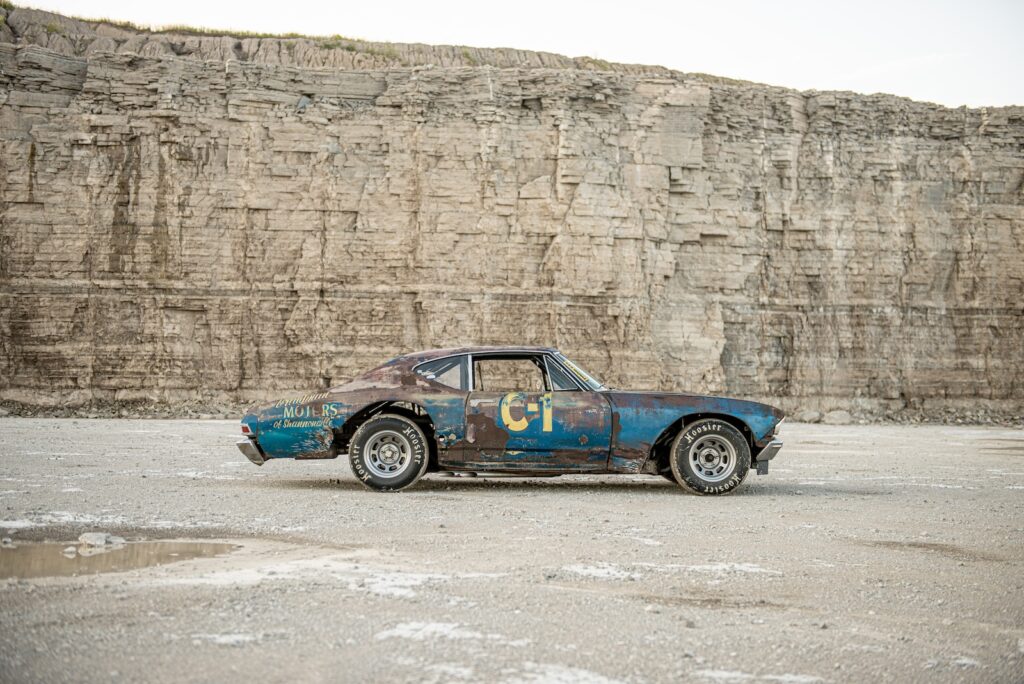
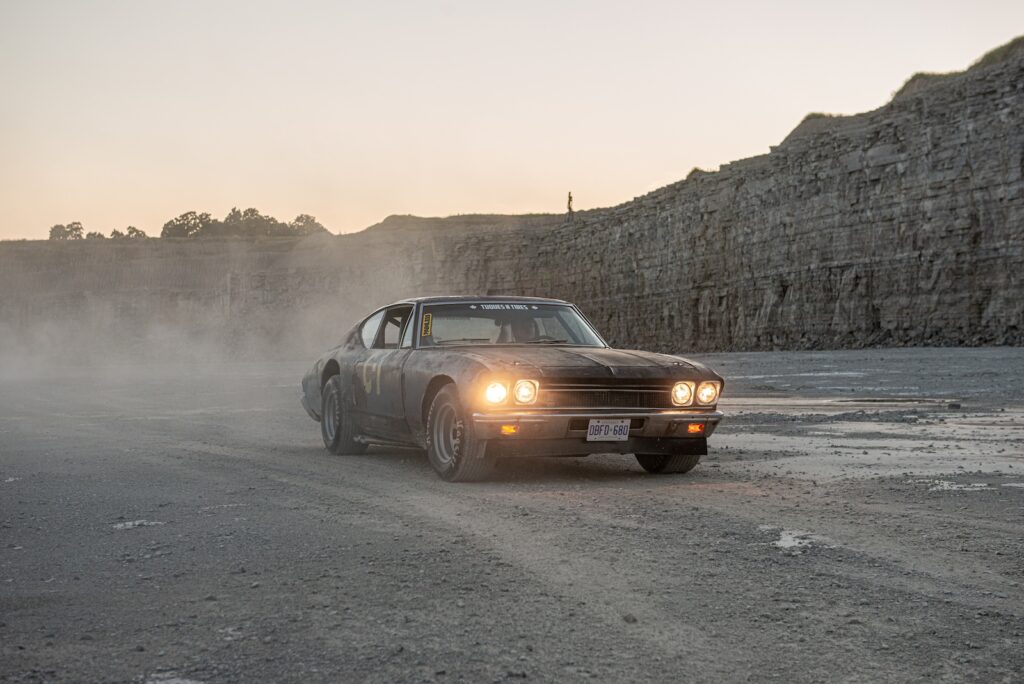
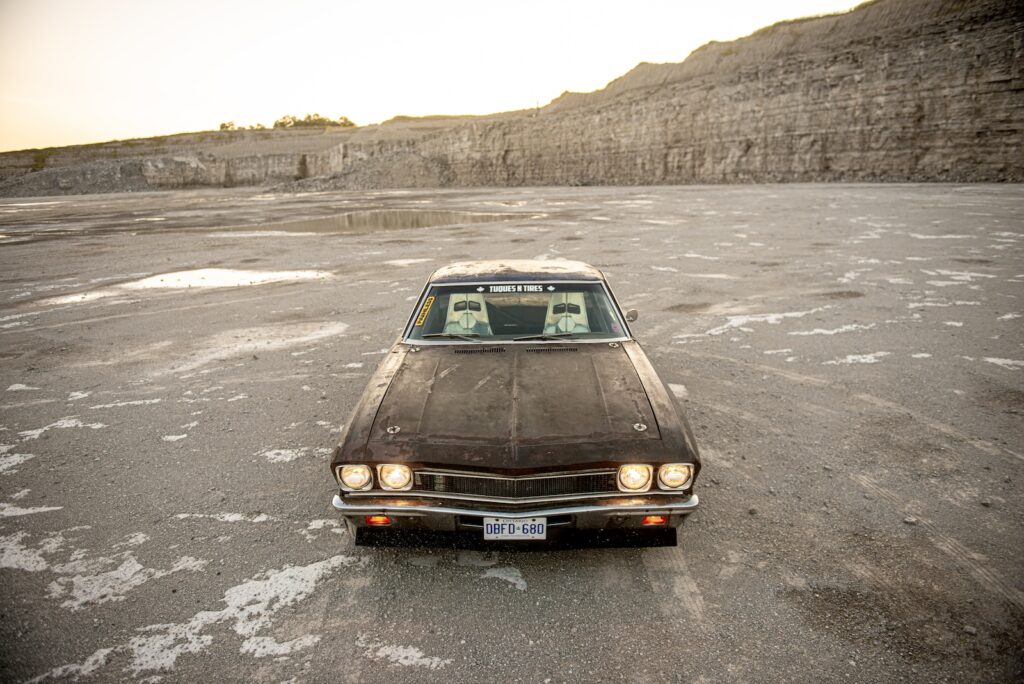
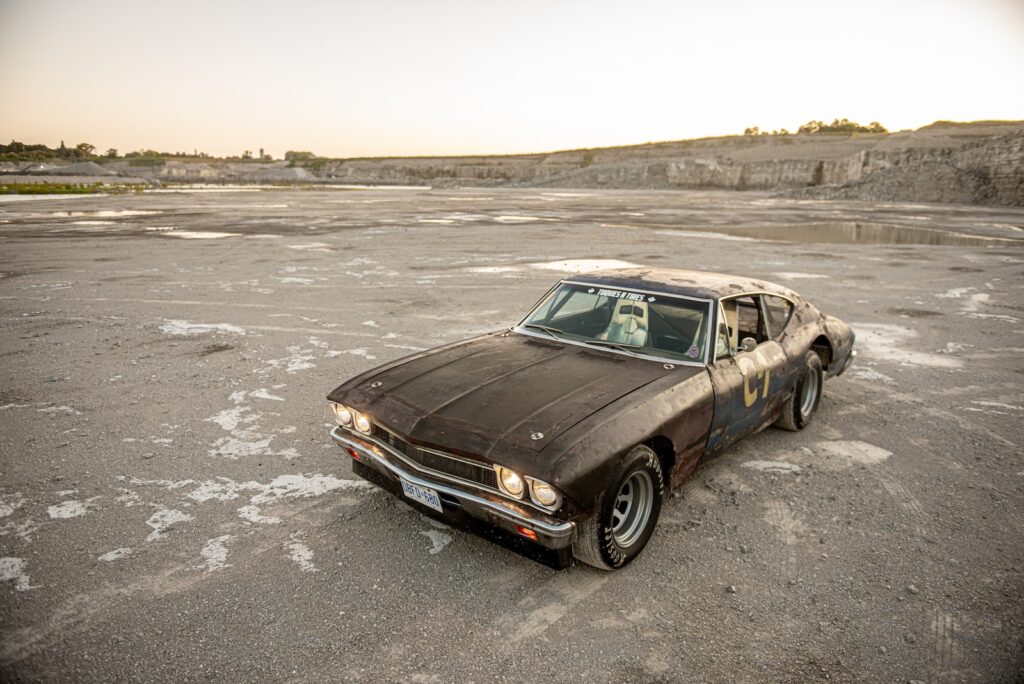
Once a glossy blue, most of the Chevelle’s paint had long since peeled away, yet the car remained remarkably well preserved after decades of neglect. Rust hadn’t completely taken hold of the frame, which was nice and straight, thanks in no small part to the overbuilt Canadian Stock Car Products, roll cage and the original careful work of Prudhomme and his crew. The suspension, built with an ingenious blend of both car and heavy duty truck parts, remained intact and responded well to a refresh with new dampers.
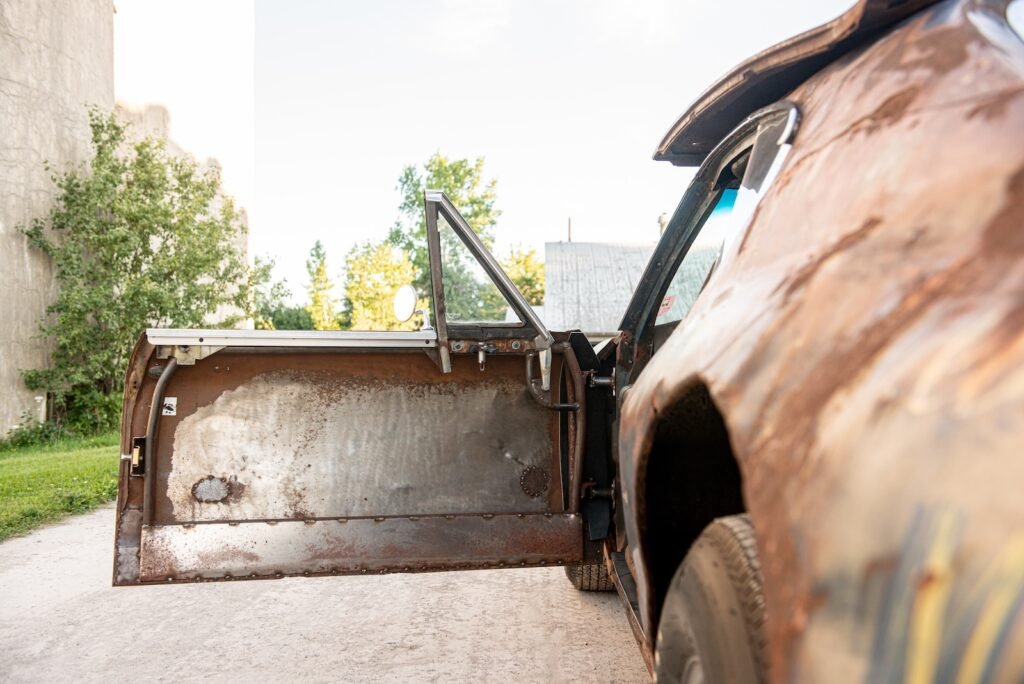
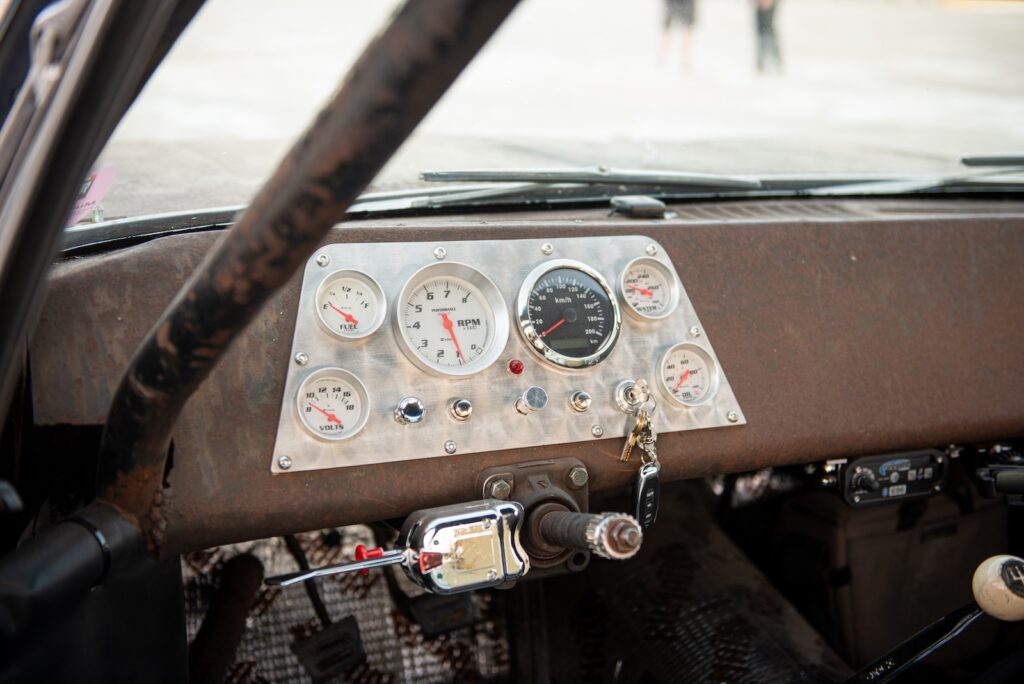
Soft floor panels were replaced, and the body was pulled just straight enough to allow roadworthy accoutrements – grille, lights, and bumpers – to return. The doors were made operational again, and rudimentary but fully functional Lexan windows were installed, all aligned with Gottvald’s vision: a racecar made streetable without compromising its racing soul.
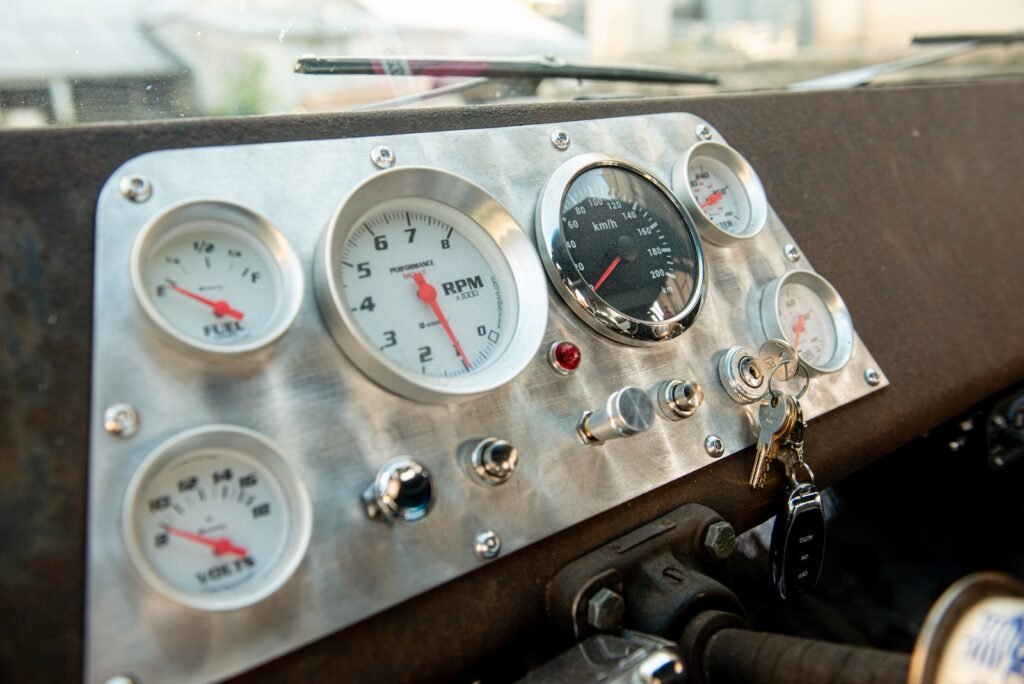
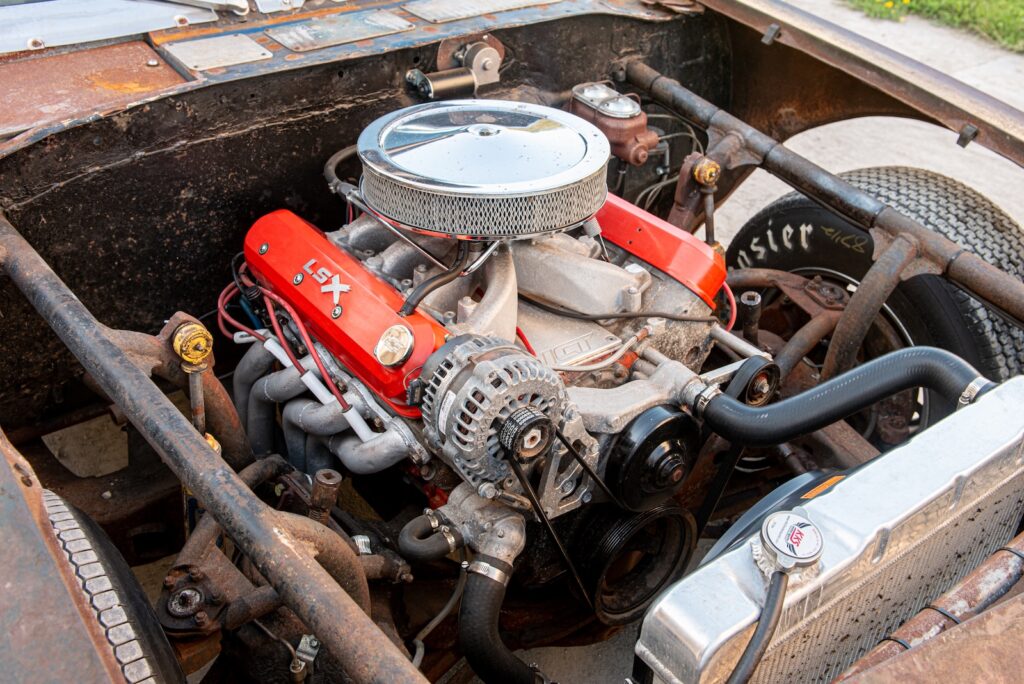
Fittingly, power comes from a junkyard 6.0-litre LS, its fuel injection swapped for an era-appropriate Holley 750 “double pumper.” Big-block Chevy headers were adapted to fit the LS, feeding an exhaust that exits just below the passenger door. Street-legal slicks hug vintage, Americana-style five-lug steel wheels—an ideal blend of modern muscle and old-school racecar grit.
Gottvald and his father worked tirelessly to get the car ready for the 2024 Hot Rod Power Tour. After a brief 15-kilometre test drive, he and his wife embarked on a 3,700-kilometre round trip—proof that sometimes the best way to break in a freshly built vehicle is to throw caution to the wind. The C-1 Chevelle exposed a few quirks along the way but completed the journey without so much as a hiccup.
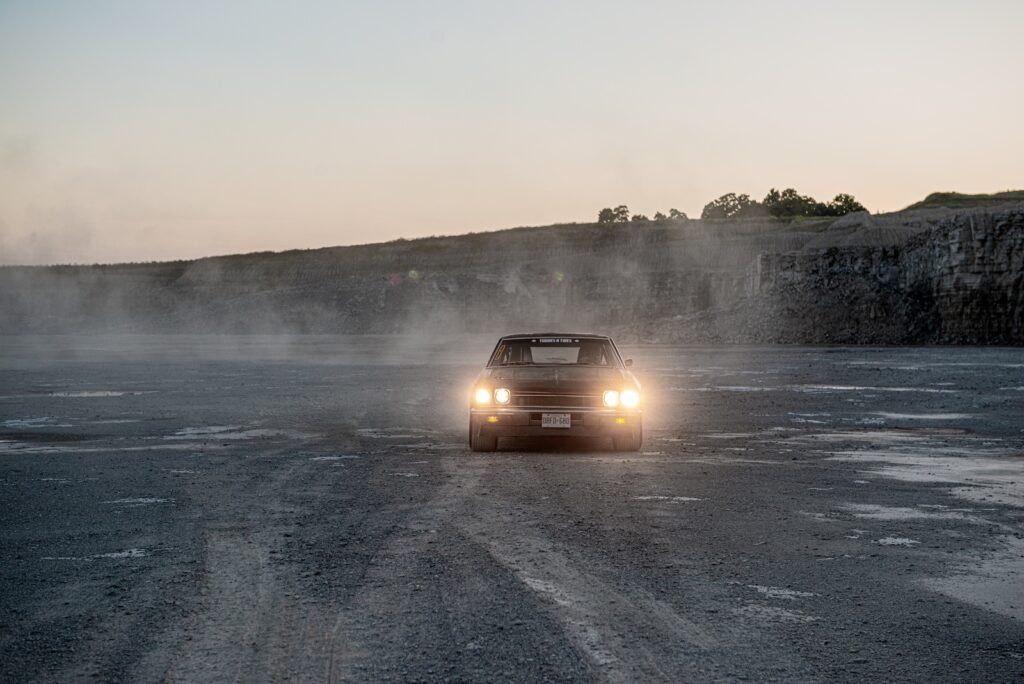
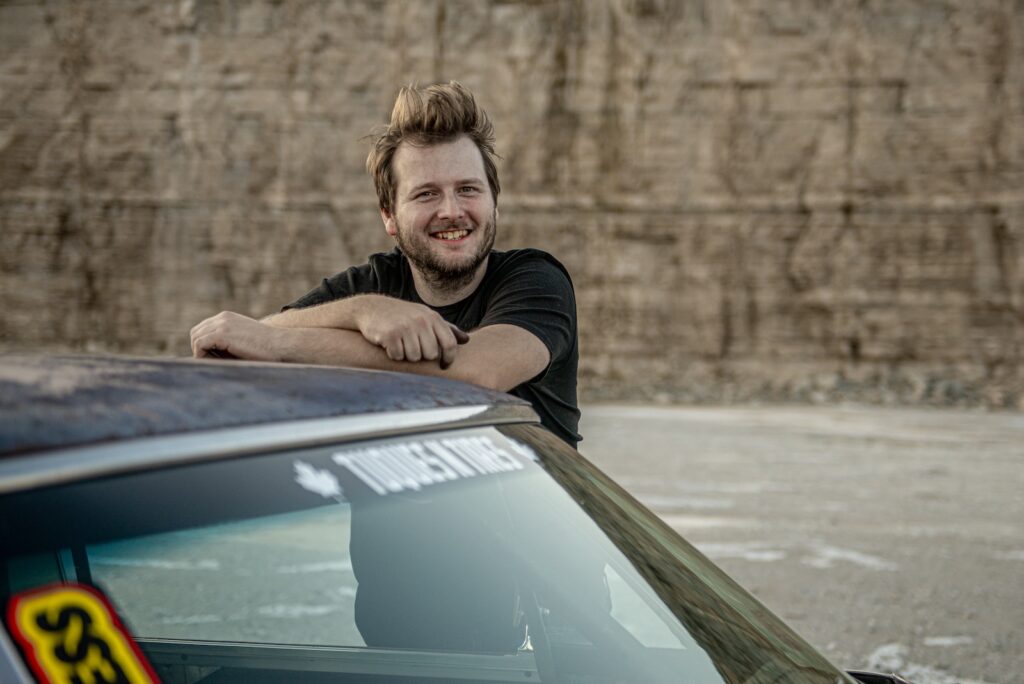
During the tour, the car spent nearly every pit stop surrounded by new fans eager to know more. Gottvald is happy to share his part of the Chevelle’s story with anyone who wants to listen. More than the sum of its parts, the Chevelle has brought people together and rekindled old memories. Gottvald hopes to reunite Prudhomme with the car someday and even return it to Brighton Speedway—this time, as a street-legal racecar.
The C-1 Chevelle is more than metal and wheels—it’s a rolling bridge between eras. From Prudhomme and his crew in the ’70s to Gottvald’s reserved resurrection today, the car proves that passion, skill and a bit of stubborn determination can turn history into a living, breathing piece of heritage. Every dent, every polished panel, every mile tells a story—and with Gottvald behind the wheel, this Chevelle’s story is far from finished.